Retail News CRM

Tag: flights

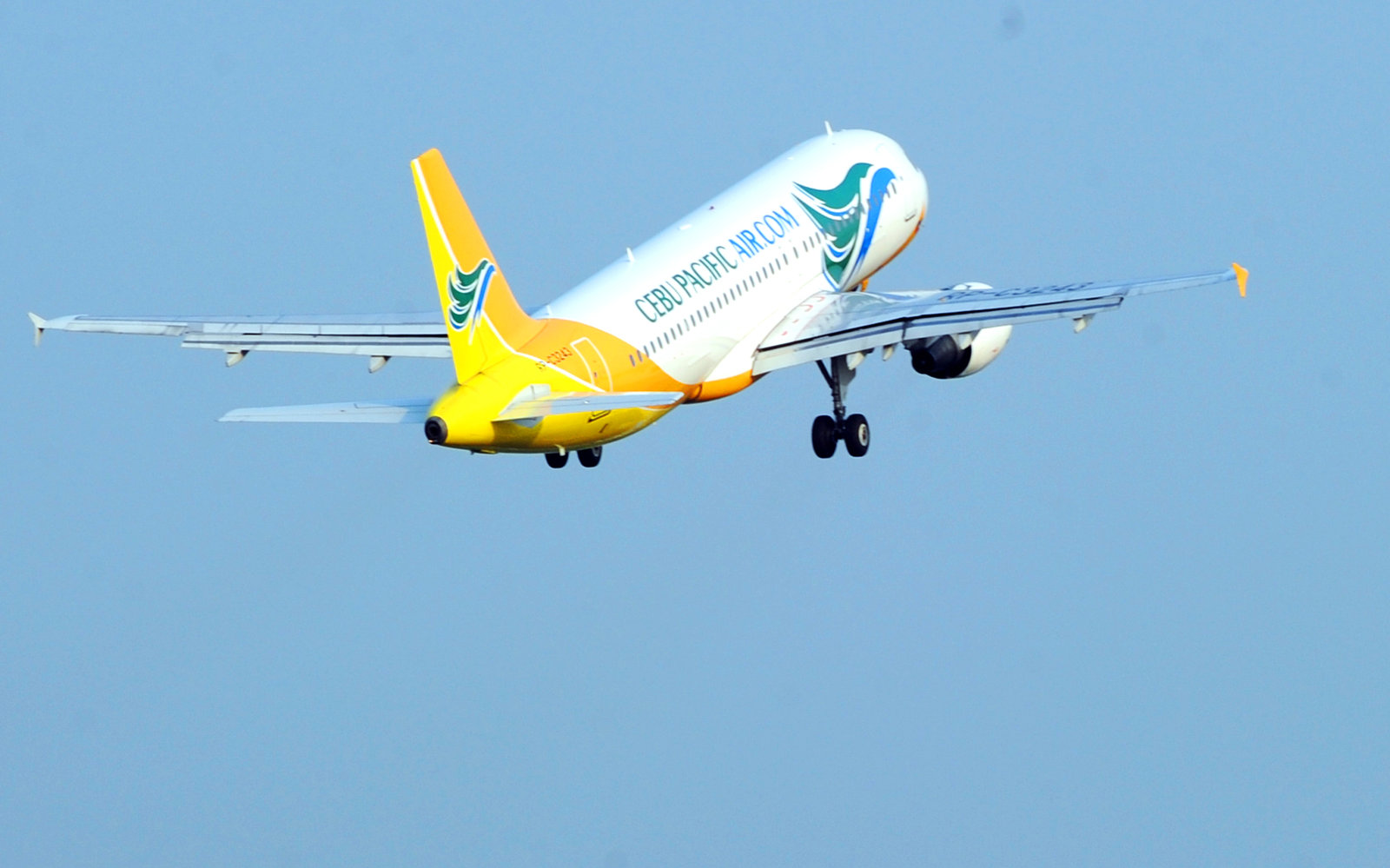
  • Flight restart in June offers little reprieve to Cebu Pacific

    Flight restart in June offers little reprieve to Cebu Pacific

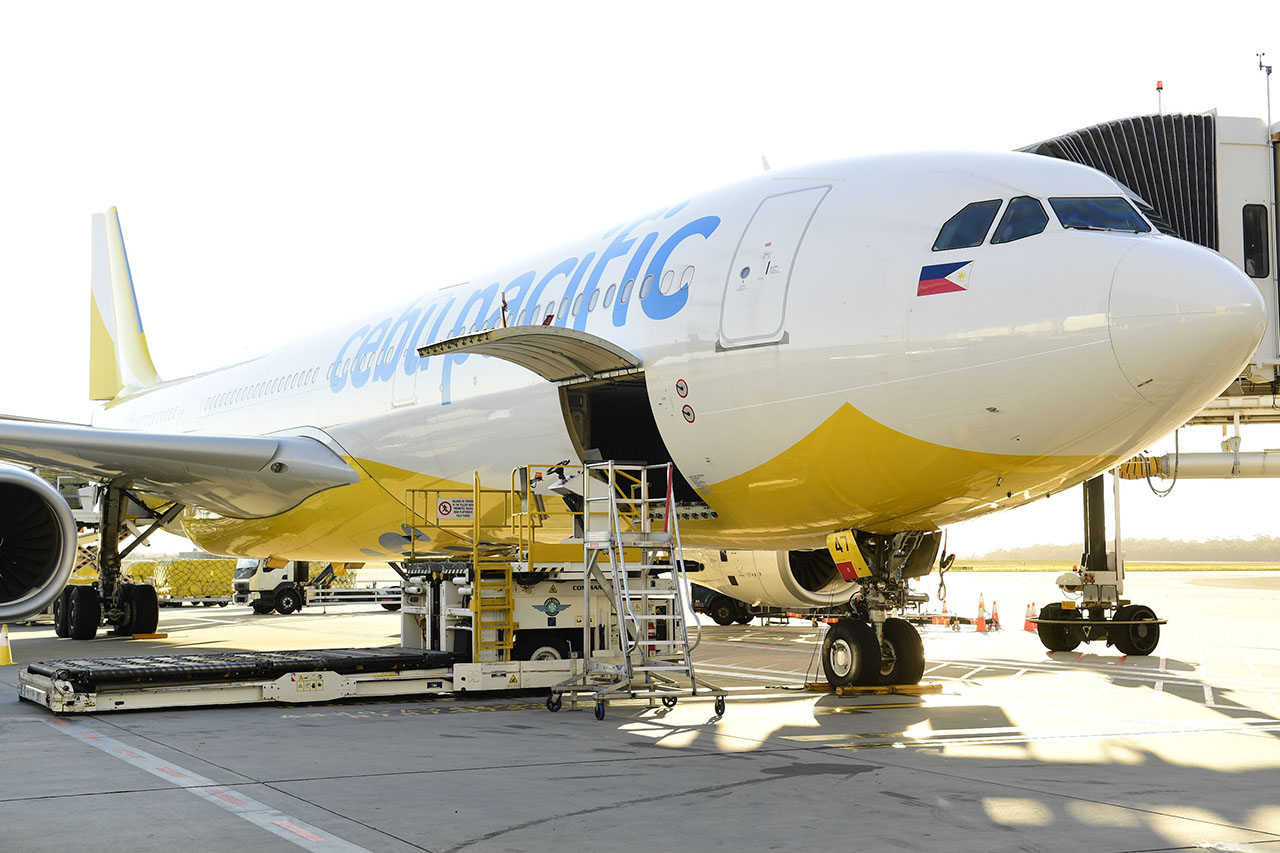
    Gokongwei-led Cebu Air Inc. took a turn for the worse on the first half of the year as losses mounted due to the coronavirus pandemic that kept most of its fleet grounded. A gradual recovery is seen from reopening routes.

    In a disclosure on Wednesday, the budget carrier reported net losses amounting to P9.14 billion from January to June this year, a massive reversal of the P7.15 billion profits the same period a year ago. Losses worsened from the first three months of the year, when during the latter part of the period, the government declared a sweeping community quarantine that closed down airports and enforced travel barriers to contain the virus spread. The shutdown’s impact was so severe, Cebu Pacific slashed its workforce by a quarter.

    “While some sporadic arrangements for sweeper flights to assist with stranded tourists did occur, for the most part, the Group’s operations were virtually nil until April when some cargo flights within the Philippines and eventually to countries like Japan, Thailand, China, Hong Kong recommenced,” the company said.

    As the Philippines began to ease quarantine controls last June, Cebu Pacific returned flights to 25 of its 78 domestic routes in seven hubs located in areas under general community quarantine, providing relief to the bleeding. “The Group will continue to expand its operations as more local governments welcome flights into their cities,” the airline said.

    Broken down, revenues for the first six months plummeted 61.2% annually to P17.33 billion. Of that amount, P11.51 billion was generated from passenger flights, down a bigger 65.5% on-year as passenger traffic more than halved to 4.5 million from last year.

    Earnings from revenue operations, meanwhile, slipped 21.7% year-on-year to P2.22 billion in the same six-month period, incurred as a result of a 52.4% drop in cargo volumes. Ancillary revenues decreased by 57.7% annually to P4.9 billion.

    On the flip side, earnings also sank 32.2% from year-ago levels to P35.89 billion “mostly driven by the suspension of the Group’s operations due to the COVID-19 global pandemic,” Cebu Pacific said. The peso appreciation, as well as a decline in global oil prices, also helped temper disbursements by lowering imported fuel costs.

    Broken down, January-June expenditures from flying dropped 53.6% on-year to P8.15 billion, that from aircraft servicing shrank 48.8% annually to P2.17 billion, maintenance costs by 13.9% to P561.08 million, and costs from foreign exchange swings by 11.5% year-on-year to P8.17 billion.

    “The Group’s cash requirements have been mainly sourced through cash flow from operations which was significantly reduced due to the current COVID-19 situation,” Cebu Pacific said, even as the airline assured investors of its “strong” financial position.

    The budget carrier, as well as other local airlines, have pleaded to the government for a direct financial rescue to prevent collapse and layoffs. The Duterte administration, however, has rejected cash intervention to salvage firms, opting to let banks lend them money instead.

  • AirAsia Philippines reports 30% jump in sales

    AirAsia Philippines reports 30% jump in sales

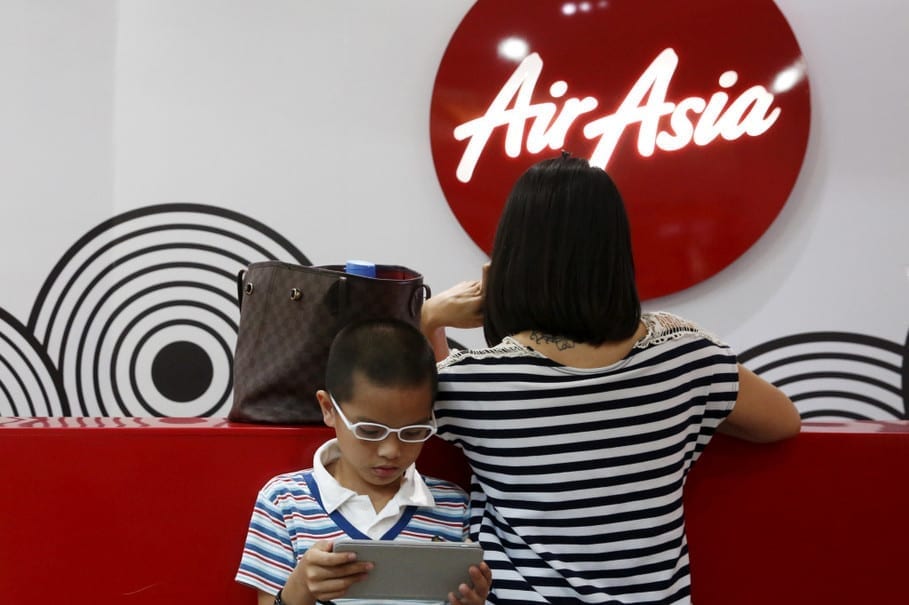
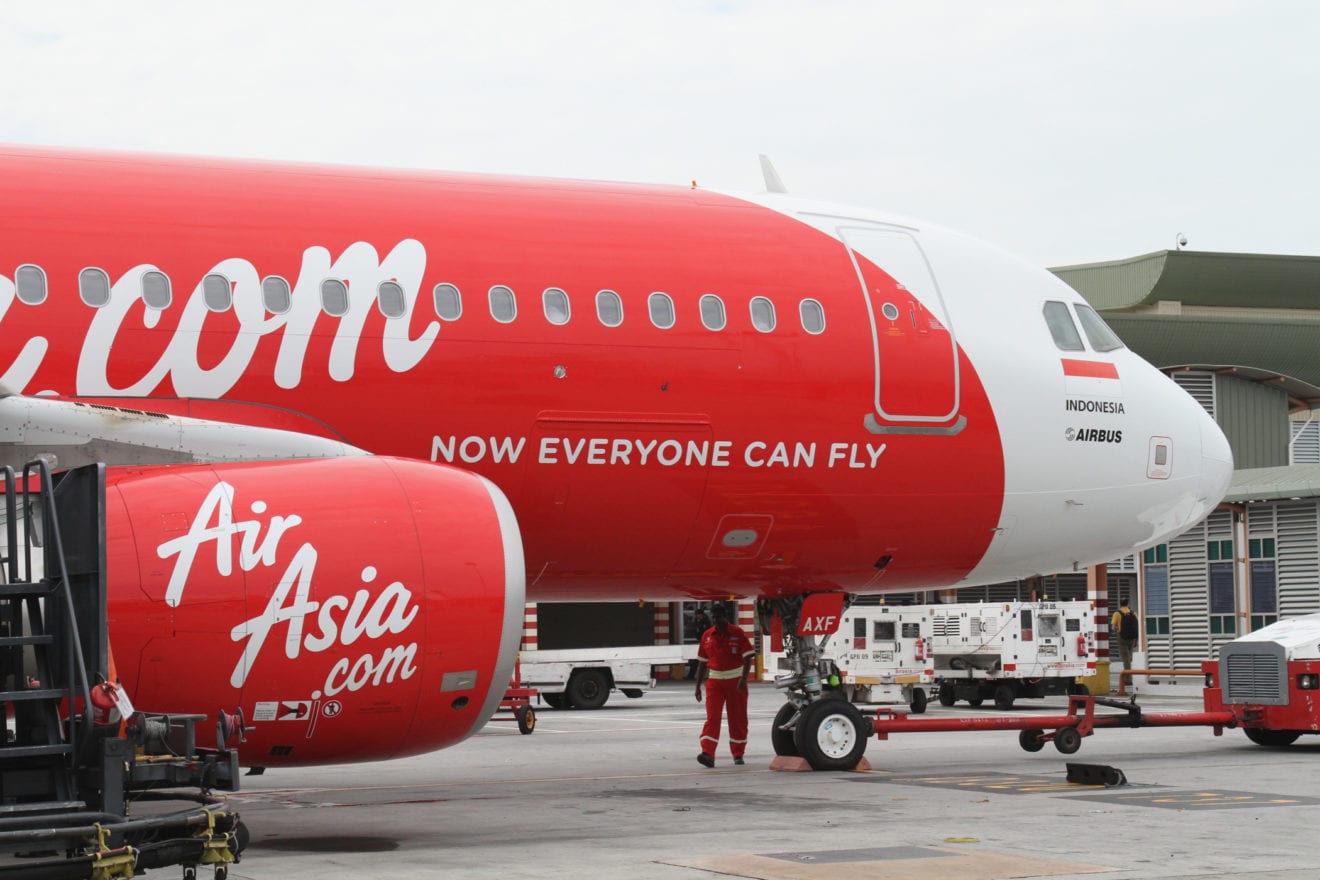
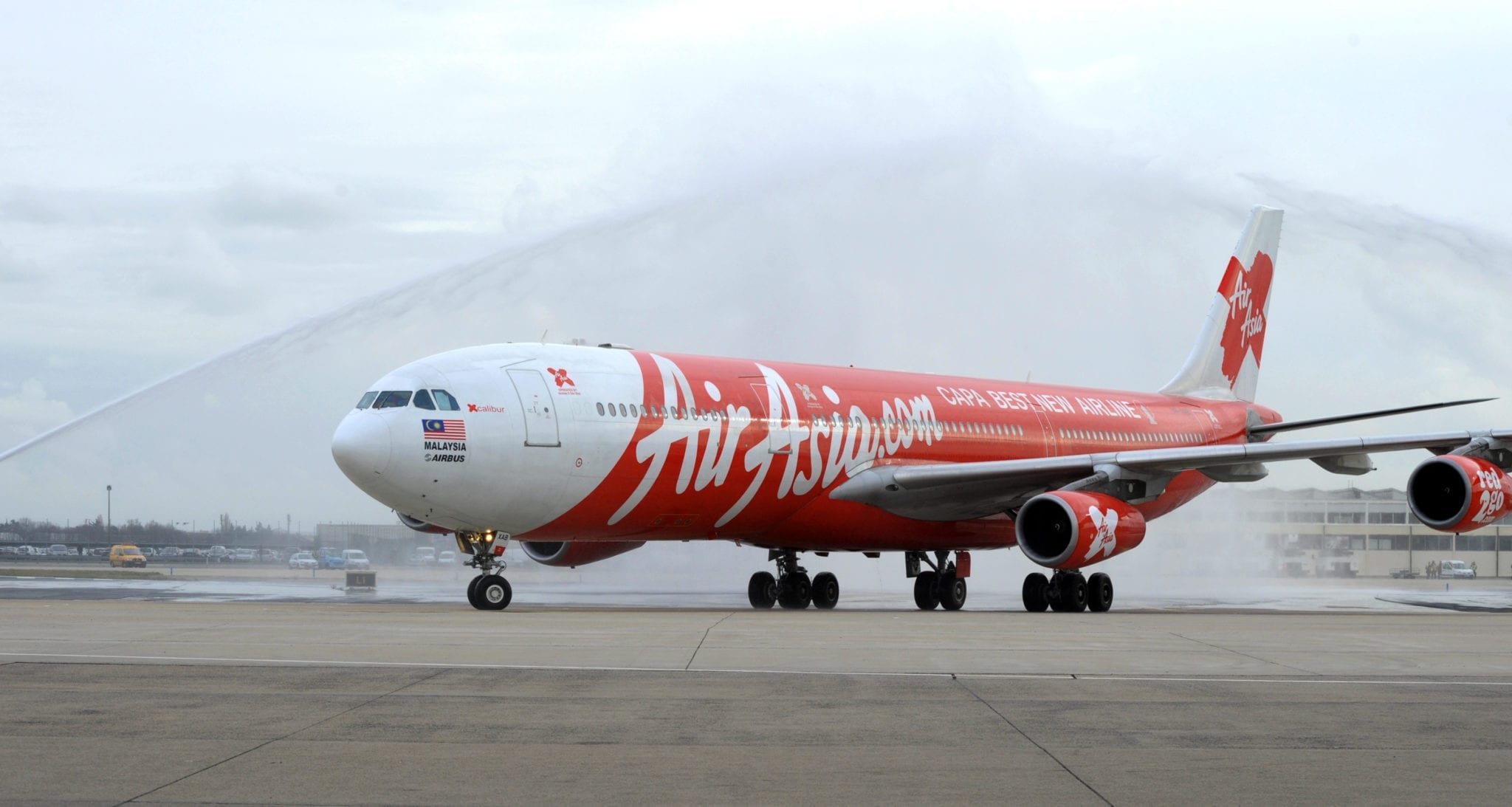
    AirAsia Philippines said ticket sales were increasing as it gradually ramped up operations and offered flexible rebooking options amid the new coronavirus pandemic.

    The budget carrier, part of Malaysia’s AirAsia Group, said June ticket sales rose by 30 percent versus May, when major cites around the Philippines were still under lockdown rules.

    “AirAsia’s road to recovery has started and this has kept us in good spirits knowing that we are in the midst of the aviation industry’s upturn,” AirAsia Philippines CEO Ricky Isla said.

    “We are committed to gradually restoring our network. This month, we are glad to resume international flights, starting with Kuala Lumpur, where AirAsia’s headquarters is located,” he added.

    The company said it contributed to AirAsia Group’s recent record-breaking 41,000 single-day seats sold last June 24.

    For local flights, popular routes were Manila to Puerto Princesa and Davao. Flights to and from Davao similarly showed consistently high load factors throughout the month.

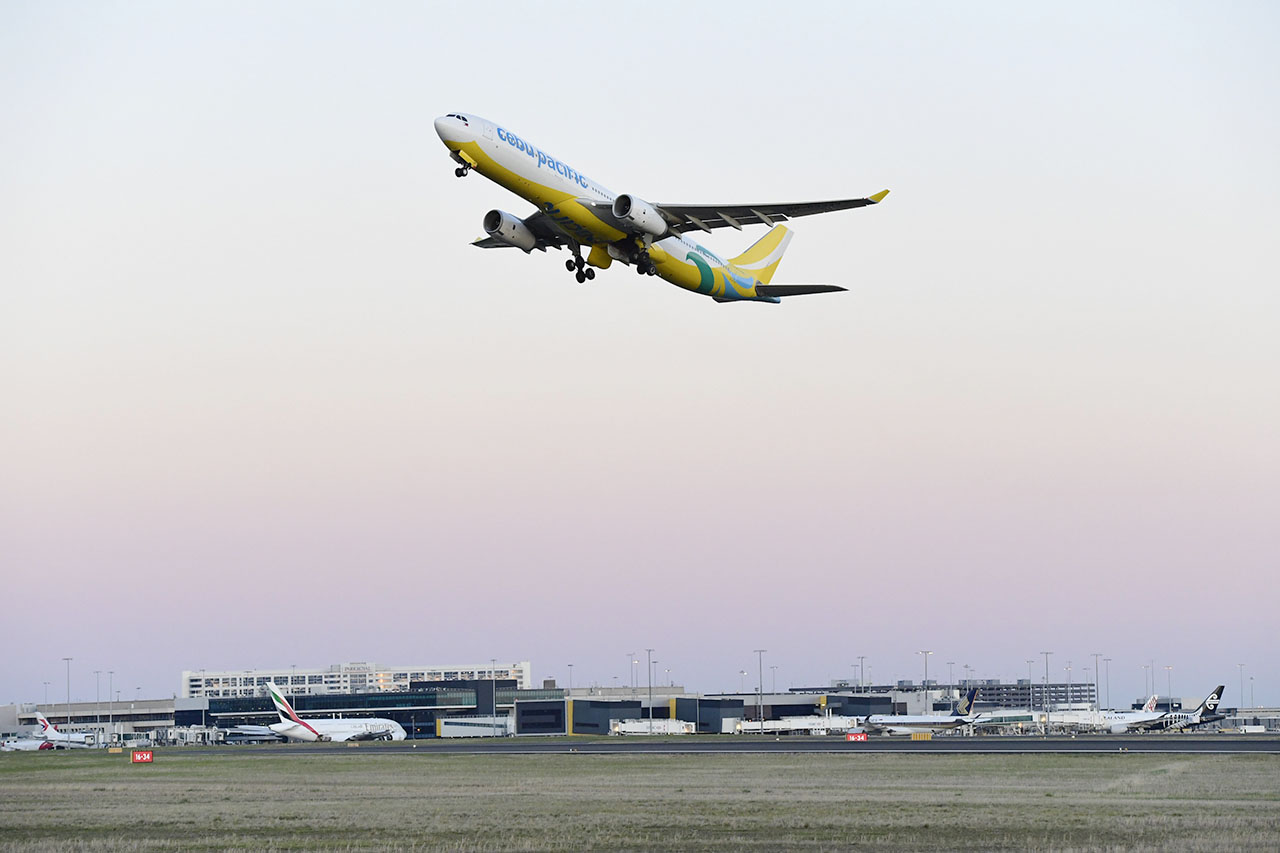
  • Cebu Pacific resumes some domestic flights yesterday

    Cebu Pacific resumes some domestic flights yesterday

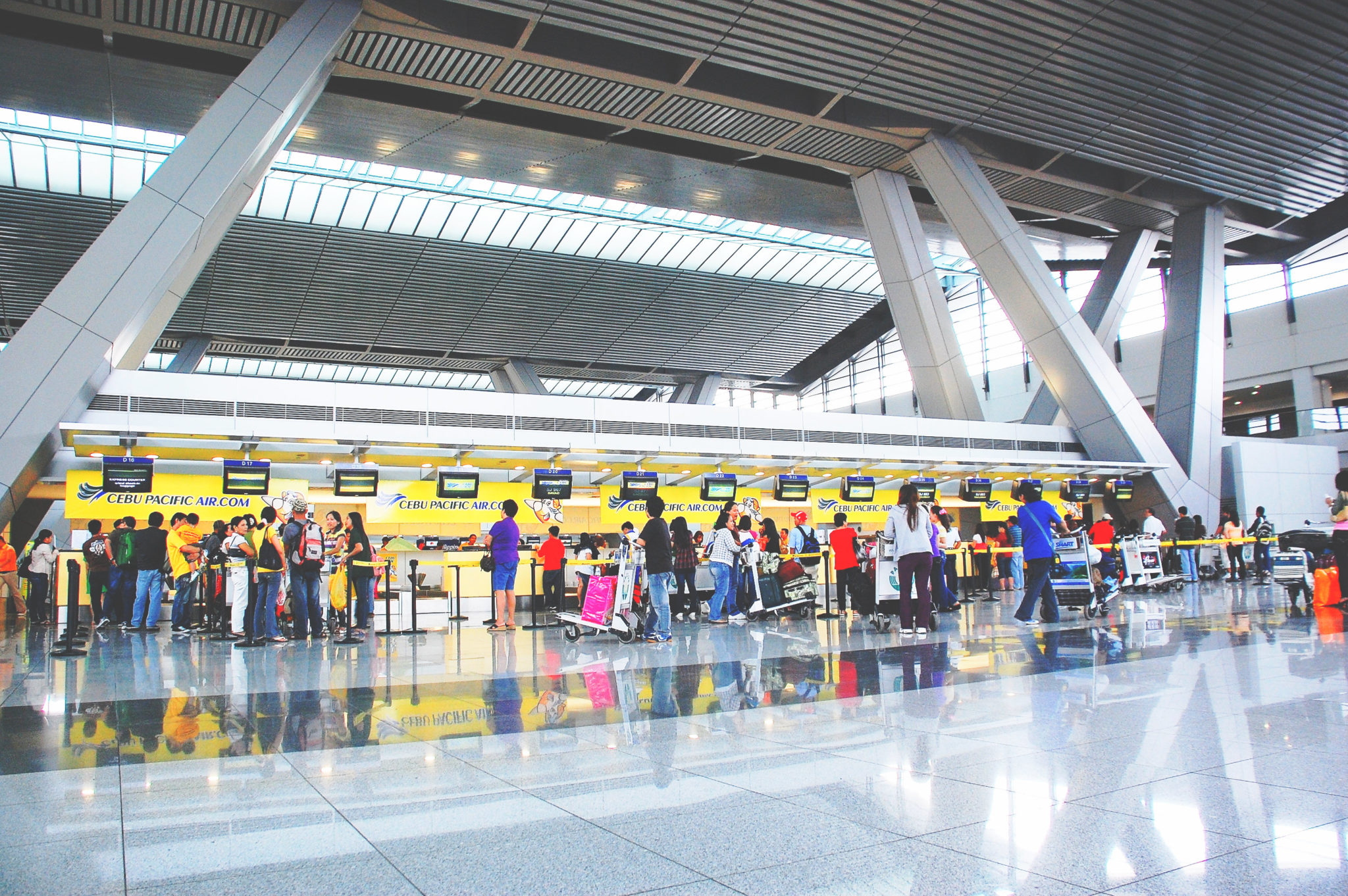
    Budget airline Cebu Pacific on Saturday said it would resume some domestic flights by June 2, but international flights would remain suspended from June 1 to 30.

    “We will continue to work with the Inter-Agency Task Force (IATF), as well as other national and local government authorities, on the rules and requirements to resume commercial passenger flights between areas under General Community Quarantine (GCQ),” Cebu Pacific said in a statement.

    “In Manila, all flights will depart and arrive from the Ninoy Aquino International Airport Terminal 3. All International flights remain suspended from June 1 to 30, 2020,” it added.

    The airline management reiterated that leisure travel was still prohibited by the government.

    It added that guests should check guidelines from the ”IATF and with the local governments of their origin and destination for the required documents.“

    Cebu Pacific also said they will provide updates on flight schedules from June 5 onwards as they “build-up domestic flight network, depending on market demand, quarantine restrictions and government regulations.”

  • AirAsia to resume Philippine domestic flights starting June 3

    AirAsia to resume Philippine domestic flights starting June 3

    AirAsia announced on Sunday that it will be resuming its domestic flights starting June 3 as quarantine protocols are eased in several areas in the country including Metro Manila.

    In an advisory, AirAsia said that resumption of services will gradually increase to include international destinations by July 1.

    Selected domestic flights are available for booking via the airline’s website or mobile application. Travelers can also use their credit accounts to redeem these flights.

    AirAsia also announced that operations for domestic flights will be temporarily moved to Terminal 3 of the Ninoy Aquino International Airport from its previous location at Terminal 4.

    Travelers were advised to expect enhanced safety measures which include the mandatory wearing of face masks to be permitted to travel, among others.

    AirAsia Philippines CEO Ricky Isla said assured the traveling public that they are “well prepared to welcome everyone aboard.”

    “During the hibernation of our fleet, we took the time to step up our handling procedures to ensure that our guests have a swift and safe journey with us. Needless to say, we are well prepared to welcome everyone on board,” Isla said.

    “As we resume our services around our network, AirAsia is determined to help rebuild our economy and country,” Isla added.

    Other airline companies such as Philippine Airlines and Cebu Pacific have earlier announced the resumption of some flight operations this June.

  • AirAsia enhances digital self check-in prior to flights resumption

    AirAsia enhances digital self check-in prior to flights resumption

    AirAsia has rolled out a number of additional safety procedures prior to the resumption of its flights, including enhanced digital self-check-in procedures.

    AirAsia check-in kiosks at airport terminals have been designed to perform contactless transactions by scanning QR codes of flight bookings from mobile devices or printed boarding documents. Guests only need to check-in online to generate a code, which will activate the kiosks automatically.

    “We look forward to flying with our guests as soon as circumstances allow it. With the hope that the global community is on its way to recovery, we continue to put in place measures that will safeguard the health and wellbeing of our passengers and crew. One way AirAsia is doing this is by maximizing the power of technology in line with our vision of becoming a fully digital company,” AirAsia Philippines Chief Executive Officer Ricky Isla said.

    To initiate a contactless transaction at kiosks, guests are advised to check-in first on the AirAsia.com website or mobile app. The generated QR code on their mobile device or printed document after checking-in may then be scanned at the kiosk, which will always be on “active mode” to read QR codes. Scanning a QR code will automatically print boarding passes and baggage tags without having to touch the kiosk’s screen.

    Guests may seamlessly self-check-in on the AirAsia.com website and mobile app 14 days up to 1 hour before the scheduled departure time.

    AirAsia’s mobile app will also see an enhancement soon where guests can scan their passports via the app itself, facilitating more streamlined user experience and a seamless and contactless self-check-in process. There are also plans to progressively add other features such as travel visa scanning capabilities in the near future.

    Meanwhile, measures that will be strictly enforced as part of the safety procedures include physical distancing at check-in and boarding queues.

    Guests will be required to have their body temperature checked by airport or airline personnel. Protective gear such as face masks will also be required inside the aircraft, and all passengers will be encouraged to practice high personal hygiene throughout the flight.

    Guests who experience symptoms related to Covid-19 during a flight are advised to seek assistance from cabin crew, who have been trained to handle inflight medical situations. Flight crew who attend to guests with said symptoms will be placed under home quarantine for 14 days in compliance with government guidelines.

    Protective equipment will be provided to ground and cabin crew while all aircraft will be furnished with antibacterial sanitizers compliant with the Bureau of Quarantine.

    All AirAsia aircraft, which are fitted with hospital-standard High-Efficiency Particulate Air (HEPA) filters, will also be sent for thorough disinfection after each flight with the use of disinfectant approved by the Bureau of Quarantine and the Civil Aviation Authority of the Philippines.

    AirAsia is complying with advice and regulations from the local government, civil aviation authorities, global and local health agencies, including the World Health Organization.

    AirAsia continues to closely monitor the situation and reserves the right to announce further policies according to the latest developments.

  • Cebu Pacific to introduce Contactless Flights as “new normal”

    Cebu Pacific to introduce Contactless Flights as “new normal”

    Cebu Pacific will introduce contactless flights in the future when people are ready to fly again. The low-cost airline put safety as its topmost priority in the age of “new normal” as the Philippines will start to ease its quarantine restrictions come May 16. Here are some of our new guidelines for Cebu Pacific Contactless Flights within the Philippines:

    Guests are required to keep masks on, from airport entrance until arrival. Bag drop counters will close one hour before flights, to allow enough time for staggered boarding procedures. Physical distancing markers must be followed.

    Hand sanitizers will be provided for guest and staff use, at the airport and inside the aircraft. CEB passenger areas such as kiosks, bag drop counters, shuttle buses, and aircraft lavatories and seats will also be frequently sanitized for everyone’s safety.

    Guests are highly encouraged to check-in online to minimize proximity to our check-in agents. Those with no bags can head straight to gate. Once the row is called, have boarding passes ready for scanning by our boarding gate agents.

    Meanwhile, operations teams have these world-class Preventive Measures in place:

    CEB pilots and cabin crew will undergo rapid antibody tests before their assigned flights, as part of our commitment to flattening the curve. The operating crew cleared for flights will also don personal protective equipment. They are also trained to assist and isolate guests onboard, as needed.

    Our daily disinfection program includes the misting of the aircraft cabin, using an Airbus-approved disinfectant effective in eradicating viruses including the Coronavirus. This process is aligned with the International Air Transport Association (IATA) guidelines and ensures that all surfaces (such as passenger seats, overhead bins and cargo compartments) are covered and sanitized. Lavatories will also be sanitized every 30 minutes.

    The air inside the cabin is changed every three minutes, using High-Efficiency Particulate Air (HEPA) filters installed in our Airbus aircraft. HEPA filters can filter out viruses with 99.99% efficiency, which is why it’s also used in hospital operating rooms.

    Cebu Pacific said that it will continue to work with government authorities and use guidelines from the World Health Organization and the International Civil Aviation Organization. They will keep refining their procedures, so people can travel with peace of mind.

  • Two more AirAsia carriers suspend operations from April

    Two more AirAsia carriers suspend operations from April

    Indonesia AirAsia and Thai AirAsia are the latest among the AirAsia Group carriers to suspend operations, leaving just AirAsia Japan in service.

    Indonesia AirAsia will suspend domestic flights until 21 April and international flights until 17 May. Thai AirAsia will halt all domestic services during the month of April, having suspended international flights since 22 March. Indonesia AirAsia’s grounding will not have a significant impact on Indonesia, as Lion Air dominates the market.

    The grounding of Thai AirAsia will have a more significant impact on Thailand, as the airline accounts for 19% of Thailand’s total capacity in February.

    Thai AirAsia’s parent Asia Aviation says the airline is implementing cost reduction measures. This includes voluntary pay cuts for management and senior employees, halting non-essential employee travel, and imposing a hiring freeze.

    Asia Aviation expects a reduction in Thai AirAsia’s variable expenses, which makes up around 70% of its total cost. General administrative expenses could also be reduced through a work-from-home scheme for employees.

    To cope with the suspension, the company is building up its liquidity levels. At the end of 2019, its cash on hand and current investments were collectively valued at Bt3.98 billion ($122 million).

    It says: ”Thai AirAsia also has unutilized revolving credit facilities with banks and has the ability to mobilize the liquidity further by way of the credit facility backed by the remaining no-encumbrance owned aircraft and/or other approaches in the future.”

    It discloses that a transaction announced in January, for the sale-and-leaseback of nine aircraft and the outright sale of one, has been completed in March, with net proceeds totaling Bt3.6 billion.

    Moving forward, Thai AirAsia will not take delivery of any aircraft this year and will study the number of aircraft it needs. The parent company adds that any significant capital expenditures will either be suspended or delayed.

  • Malaysia Airlines and AirAsia limit number of flights till March 31

    Malaysia Airlines and AirAsia limit number of flights till March 31

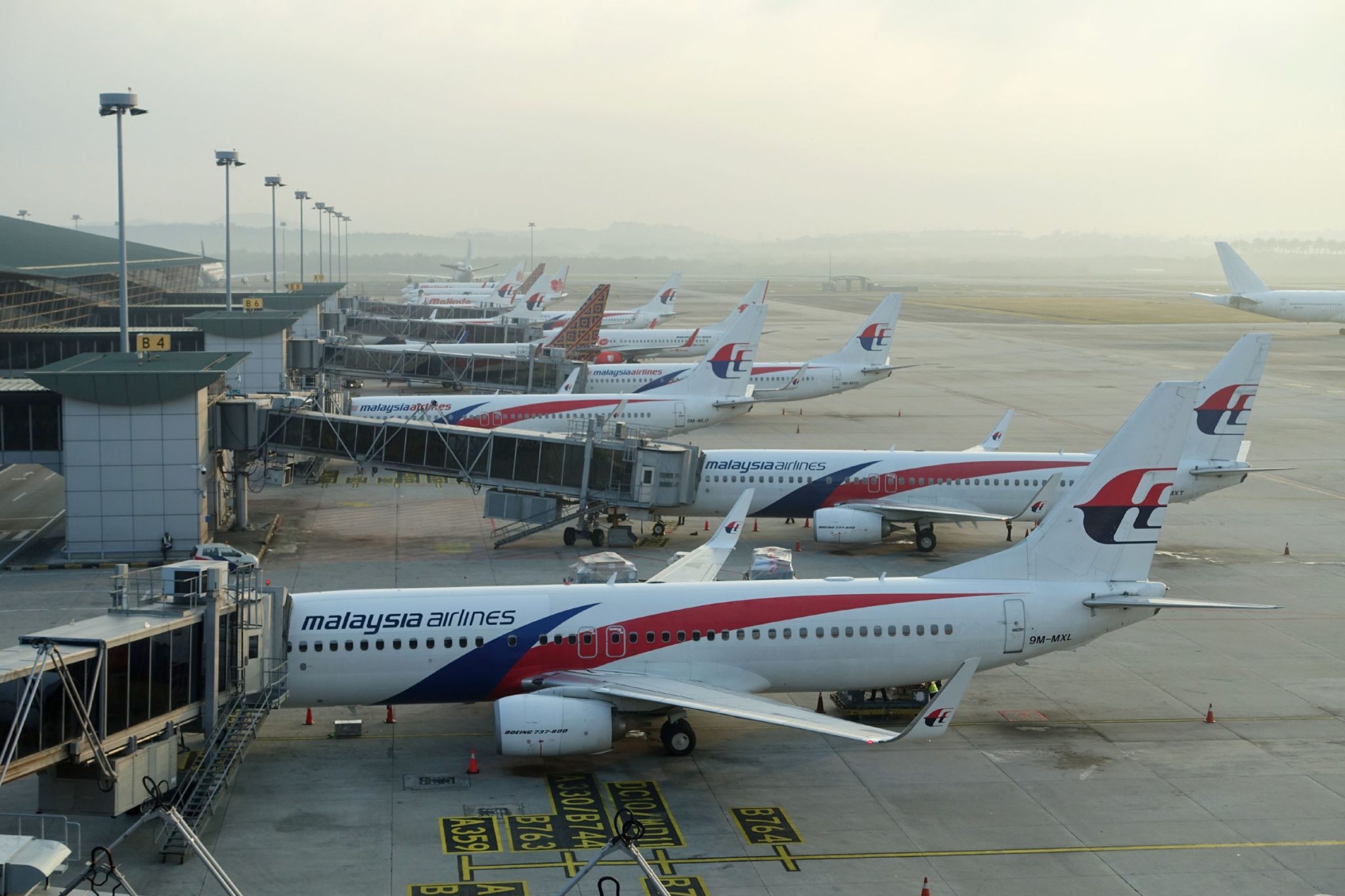
    Malaysia Airlines will significantly reduce its overall network, following the nationwide movement control order from March 18 to 31.

    International flights to India are suspended until the end of the month and flights to the Philippines are suspended between March 21 and 31, following the respective governments’ ban on travel to and from Malaysia.

    Malaysia Airlines group chief executive officer Captain Izham Ismail said the situation has been “rather fluid” since the airline has had to make last-minute cancellations to abide by the restrictions.

    “We are doing our best to re-route passengers via reallocation onto other carriers. We are also adjusting our low-load flights by canceling and merging them to manage costs while managing our customer expectations, ” he said.

    Prior to the order, Malaysia Airlines has suspended services to Saudi Arabia, South Korea, and parts of China (Beijing and Daxing), as well as the Kota Kinabalu-Shanghai route due to border controls.

    The carrier also reduced capacity to Australia and New Zealand due to the self-isolation policy of the two countries.

    To date, the company has canceled over 4,000 flights.

    “Our Global Contact Centre has been at the brunt of this situation with the number of calls peaking at 25,000 daily and up to 2,000 e-mail daily in the past three weeks, ” Izham said.

    He added that it will take the company longer to process refunds due to the sheer volume of requests.

    “I assure them that we are not here to take advantage of the situation. In fact we are one of few airlines that have offered unlimited flexibility in travel date change and waiver of certain fees, ” Izham said.

    Due to the significant capacity cut, Malaysia Airlines and all sister companies under the Malaysia Aviation Group’s back-office operations have also been reduced alongside flight and airport operations.

    A majority of its workforce globally are working from home in line with various governments’ requirements.

    Passengers with bookings may initiate changes online via the Covid-19 waiver assistance form available on the carrier’s website.

    Meanwhile, AirAsia has also significantly cut down its number of domestic and international flights.

    “AirAsia will be operating a limited number of domestic and international flights from today until 31 March, which are subject to change due to the fluidity of the current situation.

    “Affected guests will be promptly notified via email or SMS. AirAsia strongly encourages guests to update their contact details using the “My Bookings” feature on airasia.com to ensure that they receive timely notifications,” the airline said in a statement.

    For further and latest information regarding options and eligibility related to COVID-19, AirAsia guests can visit the Covid-19 Customer Guide on its website.

    A quick look at their booking page shows that there are only two flights a day from Kuala Lumpur to Kota Kinabalu, Kuching and Penang (and vice versa). Flights to other cities and towns including Johor Baru, Kota Bharu, Alor Setar, Kuala Terengganu, Sibu, Miri and Bintulu have all been suspended until April 1.

    Currently, there is one flight a day to Sandakan, Tawau and Labuan from KL but even these routes may be suspended within the next few days.

  • AirAsia forecasted to widen loss this year

    AirAsia forecasted to widen loss this year

    Airasia Group Bhd’s losses could sink further to almost RM800 million this year as the coronavirus has spelled doom for the global aviation sector.

    It is forecasted to suffer RM796 million losses in the financial year 2020 (FY20), over threefold from a loss of RM261 million in the previous fiscal year, Nomura Securities Malaysia Sdn Bhd said in a research report.

    Nomura transport analysts Ahmad Maghfur Usman and Divya Thomas said the expected figure is substantially wider than the consensus forecast of an RM2 million loss in FY20.

    Unit seat revenue across the group’s affiliates is expected to drop by 11% to 12% year-on-year (YoY) in FY20, compounded by weaker loads and yields between -3% and -5%.

    “Malaysia’s recent move to restrict tourist arrivals is expected to worsen near-term traffic, in our view, with only a modest recovery seen from this coming July, as the recent number of new coronavirus cases has spiked substantially,” the analysts said in the report published yesterday.

    They said AirAsia’s long-haul sister company AirAsia X Bhd (AAX) will likely be in dire need of a cash injection to stay afloat.

    The analysts said a privatization move for the company may not sit well with minority shareholders as they prefer the long- and short-haul low-cost airline entities to remain separate listed entities.

    Ahmad Maghfur and Thomas said an inter-company loan is the only likely avenue for AirAsia to rescue AAX.

    As it is, AirAsia is expected to weather the crisis with a net cash balance of RM2.2 billion as of FY19, based on actual borrowings without significantly deteriorating its balance sheet.

    On a positive note, the analysts said the current crisis would weaken AirAsia’s key competitors’ positions and allow the company to win market share.

    They added that the company’s high cash position would also present acquisition opportunities that could be utilized to lock in fuel price hedges for the longer term.

    Nomura rated AirAsia downwards from ‘Buy’ to ‘Reduce’ with a revised target price from 70 sen to 63 sen a unit, or 10%.

    MIDF Research analyst Adam Mohamed Rahim said AirAsia’s earnings are forecasted to reduce to RM145 million in FY20 due to lower passenger volume.

    Adam did not rule out the possibility of AirAsia redeploying its aircraft for domestic routes, especially during festive periods following the inbound and outbound travel restrictions.

    He said passengers carried in March 2020 will decline under the 14-day movement restrictions order.

    “Based on our preliminary analysis, the drop in total passenger traffic for Kuala Lumpur International Airport 2 (KLIA2) could reach more than -30% YoY for March 2020.”

    “As a result, we have lowered our total passengers carried forecast for FY20 by around -19%,” he said in a report yesterday.

    KLIA2 registered three million passengers in March last year where 66.2% were international passengers

    MIDF revised AirAsia’s target price from RM1.03 to 63 sen per share, but maintained a ‘Neutral’ call.

    Meanwhile, AirAsia said flights to both domestic and international destinations remain operational and are subject to further review with strict compliance on the travel restriction as announced by Putrajaya.

    The company said guests whose flights have been affected will be contacted with service recovery options and assistance.

    “We continue to monitor the public health situation closely and adhere strictly to all advice by all governments, as well as local and international health organizations. AirAsia has and will continue to quickly make adjustments as needed, in response to government travel directives,” president (airlines) Tharumalingam Kana- galingam said in a statement yesterday.

    Guests affected by travel restrictions with international bookings to or from Malaysia made before March 16, departure on or before April 30 only, will be offered move flight or credit account options.

    AirAsia’s office-based staff nationwide have been asked to work from home, while staff from departments crucial to operations will continue to work on rostered duty from segregated locations in accordance with the company’s business continuity plan.

    AirAsia’s share price closed at 62 sen yesterday, down 10.7% or 7.5 sen with a market capitalization of RM2.09 billion.

  • AirAsia active, falls 2.52% on potential RM1.1b loss amid Covid-19 outbreak

    AirAsia active, falls 2.52% on potential RM1.1b loss amid Covid-19 outbreak

    Shares in low-cost carrier AirAsia Group Bhd (AAGB) fell by as much as 2.52% at mid-morning following a report by CGS-CIMB Research that flagged a potential core net loss of RM1.1 billion for the aviation group amid the ongoing Covid-19 outbreak.

    As of 10.45am, shares in AAGB fell 3 sen to RM1.16, giving the group a market capitalization of RM3.88 billion.

    AAGB saw 14.77 million shares traded and is the sixth most actively traded counter on Bursa Malaysia today.

    At the time of writing, AAGB is just one sen away from its one-year low of RM1.15 on Feb 4, 2020.

    CGS-CIMB Research had opined in a note to investors that it was expecting AAGB to post a core net loss of RM1.1 billion in the financial year ending Dec 31, 2020 (FY20), from its previous expectation of a RM147 million core net profit.

    This was due to the impacts of the Covid-19 outbreak on passenger movements, particularly as AAGB’s operations in Malaysia, Thailand and the Philippines have significant exposure to the North Asia region, which includes China.

    These impacts include lower passenger demand and yield.

    The research house had also slashed its target price (TP) on the low-cost carrier to RM1.03, from RM1.58 previously, while maintaining its hold call on the stock.

    The lower TP is based on a lower 2020 price-to-book value (P/BV) of 0.73 times (from 1 times), which is two standard deviations below its P/BV mean since 2013.

    “AAGB is less able to tolerate unexpected changes to demand and yields given that its profitability has already been ravaged by the higher cost of leasing planes, with virtually all of its planes having been sold and leased back in the past two years. AAGB has already lost its lustre among investors, and Covid-19 will turn conditions far more hostile,” CGS-CIMB said in a note Feb 17.

    In terms of analyst coverage, AAGB has 22 analysts covering it — with 10 sell calls, 10 hold calls and only two buy calls.

    Its consensus TP stands at RM1.41 — with TPs among the analysts ranging from RM1 to RM2.16.

  • Vietjet suspends all China flights

    Vietjet suspends all China flights

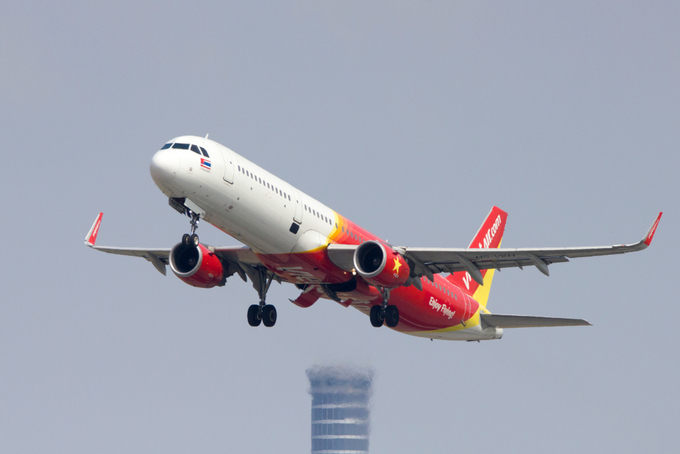
    Vietjet will stop all flights to and from China starting Saturday to try and limit the spread of the deadly coronavirus.

    The budget airline said in a statement Friday that it had prepared this plan earlier, and will cooperate with Vietnamese authorities and the World Health Organization (WHO) in taking steps to prevent the spread of the nCoV among its crew members and passengers.

    Vietjet is the first Vietnamese airline to stop China flights. At the time of writing, Vietnam Airlines and Jetstar Pacific were still operating flights to China.

    Globally, British Airways was the first airline to suspend all direct flights to and from China. Other carriers such as U.S.-based United Airlines and Indonesia-based Lion Air have suspended flights to certain Chinese cities.

    The Civil Aviation Authority of Vietnam Wednesday ordered local airlines to stop all flights between Vietnam and infected locations in China.

    The Ministry of Health confirmed Thursday that three Vietnamese have tested positive for the nCoV. One is being treated at the Thanh Hoa General Hospital in the eponymous central province and the others at the National Hospital of Tropical Diseases in Hanoi.

    As of Friday, there were five confirmed cases of infection in Vietnam. The first cases of nCoV infection detected in the country were a Chinese father and son duo. The son has recovered.

    The World Health Organization (WHO) on Friday declared a global health emergency as the death toll reached 213, all of them in China.

  • Sabeco to charter aircraft to transport outstanding workers home for New Year

    Sabeco to charter aircraft to transport outstanding workers home for New Year

    Vietnam’s biggest brewer Sabeco is set to charter four aircraft and a number of buses to ferry 2,000 outstanding workers home for Tet. It will cost Sabeco over VND5 billion ($217,000), and the company will identify the workers together with the management of industrial parks in HCMC and the neighboring provinces of Binh Duong and Dong Nai.

    A charter flight each will fly from HCMC to Hanoi and the central towns of Vinh, Dong Hoi and Quy Nhon.

    The 1,000 people going by bus will go to the central provinces of Quang Ngai, Binh Dinh, Phu Yen, and Khanh Hoa, the Central Highlands provinces of Dak Lak and Lam Dong and the southern provinces of Kien Giang and Ca Mau.

    Hoang Dao Hiep, deputy general director of Sabeco, said this would be the second year the company and the Youth Union provide transportation for the best-performing workers for Lunar New Year.

    This year it is on a larger scale, and the process to select the workers too started earlier — at the beginning of December.

    Tet (The Lunar New Year) falls in late January 2020. Last year too the company had chartered four aircraft.

    Sabeco is owned 53.59 percent by Vietnam Beverage, a subsidiary of Thai beverage company ThaiBev. The Vietnamese government, represented by the Ministry of Industry and Trade, owns a 36 percent stake in the company.

    In its latest financial report, Sabeco reported revenues of over VND28.3 trillion ($1.22 billion) in nine months, up 10 percent year-on-year. Revenue from beer in the period accounted for 86 percent of total, or VND24.3 trillion ($1.05 billion).

    In the third quarter alone, post-tax profit was highest among all brewers in Vietnam at almost VND1.46 trillion ($63 million), up over 40 percent year-on-year.

  • Cebu Pacific profit surges by 143%

    Cebu Pacific profit surges by 143%

    The operator of budget airline Cebu Pacific saw its net income surge by 143 percent in the first nine months of the year as earnings were lifted by strong passenger bookings and stable costs.

    Cebu Air Inc., a subsidiary of the Gokongwei family’s JG Summit Holdings, said on Tuesday that net income from January to September hit P6.75 billion versus P2.78 billion during the same period last year.

    Cebu Air has been ramping up capacity to meet the rising demand for air travel. Passenger revenue during the nine-month period went up 17.9 percent to P46.6 billion. Some 16.7 million flyers used Cebu Air during the period, representing a growth of 10.4 percent.

    Moreover, average fares went up 6.7 percent to P2,794, the budget airline said. Other revenue sources such as cargo and ancillary also went up 5.3 percent and 22.2 percent, respectively.

    Overall, Cebu Air’s revenue increased by 17.7 percent to P63.62 billion.

    Cebu Air said expenses were mostly kept in check during the period. Operating expenses increased 7.8 percent to P53.81 billion, in line with expanded operations.

    Flying operations alone went up 2.5 percent to P22.56 billion. Cebu Air said this was mainly due to pilot training costs as it took delivery of new planes. Fuel expenses also dropped 1.4 percent or P260.67 million during the period.

    For the third quarter alone, Cebu Air posted a net loss of P384.3 million, narrower than the previous year’s loss of P518.43 million. Revenue of P18.92 billion, up 16.7 percent, alongside stable operating costs helped lower losses during the third quarter of 2019.

    Cebu Air ended September with 72 planes. Its fleet was comprised of 31 Airbus A320, seven Airbus A321 CEO, three Airbus A320 NEO, two Airbus A321 NEO, eight Airbus A330, eight ATR 72-500 and 13 ATR 72-600.

    Its network spanned 80 domestic routes and 41 international routes with a total of 2,727 scheduled weekly flights.

  • Tigerair Cancels Flights From The Whitsundays To Sydney

    Tigerair Cancels Flights From The Whitsundays To Sydney

    Tigerair has announced it will cancel flights from Whitsunday airport to Sydney in early 2020. Flights will still continue over the Christmas and New Year period, but anyone who has booked the service from Feb 2020 onwards will be notified by the airline.  Direct flights will still continue to be available through Jetstar.

  • AirAsia India to increase fleet size to 29 by year-end

    AirAsia India to increase fleet size to 29 by year-end

    Budget carrier AirAsia India will increase its fleet size to 29 aircraft by December-end, as it aims to increase frequencies to metro cities and prune unprofitable routes in the upcoming winter schedule, said Sanjay Kumar, chief operating officer of the airline.

    AirAsia, a joint venture between Tata Sons Pvt. Ltd and Malaysia-based AirAsia Berhad, has 23 aircraft and will induct two aircraft in the next fortnight, he added.

    Tata Sons holds a 51% stake in the airline, while AirAsia Berhad holds a 49% stake.

    AirAsia India operates 175 daily flights to over 20 destinations across the country, including New Delhi, Mumbai, Bengaluru, Hyderabad, Kolkata and Ahmedabad.

    The airline operates an Airbus A320 fleet that’s powered by CFM engines. CFM International is a joint venture between US-based GE Aviation and French aerospace engine manufacturer Safran Aircraft Engines.

    “We don’t want to spread too thin and operate at stations with only one flight or so. Our aim is to strengthen our network, especially in metros, and have multiple frequencies between two cities,” said Kumar.

    The directorate general of civil aviation (DGCA) has approved the operation of 1,345 departures every week by AirAsia India in the upcoming winter schedule between 27 October 2019 and 28 March 2020. This is an increase of 326 departures every week compared to the corresponding period of the previous year.

    This will lead to the airline increasing the frequencies of flights on busy metro routes, including Mumbai-Pune, New Delhi-Chennai, Delhi-Bengaluru, New Delhi-Hyderabad, Guwahati-New Delhi, Guwahati-Kolkata, Guwahati-Bengaluru, and New Delhi-Srinagar.

    AirAsia India recently started a daily flight on the Delhi-Jaipur route and flights from Agartala to destinations such as Guwahati, Imphal, Kolkata and New Delhi from 20 October.

    “Agartala is now connected to four destinations in the country on the very first day of the operations. This is the kind of philosophy we are going to follow, especially when we open a (new) station and network,” Kumar said.

    All the airline’s upcoming new stations will be connected to other destinations across its network.

    During the winter schedule, Indian airlines are set to operate 23,403 departures per week covering 103 airports, as compared to 23,117 departures a week during the winter schedule of the previous year.

    About 3,600 weekly departures were reduced because of the sudden suspension of operations by Jet Airways (India) Ltd from the scheduled domestic aviation, DGCA had recently said. “Prompt steps by the government has filled the void created by Jet Airways and has helped to achieve growth of 1.2% compared to winter schedule 2018,” it had added.

    Jet Airways had grounded its operations in April 2019 following an acute cash crunch.

    AirAsia India has temporarily been allocated some of the slots at major airports that earlier belonged to Jet Airways, Kumar said. “This has helped us increase frequencies between key metro cities.”

    AirAsia India carried 725,000 domestic passengers during September to register 6.3% market share. The airline had carried 498,000 passengers during September 2018 with a market share of 4.4%.