Retail News CRM

Tag: flights

  • AirAsia extends unlimited flights

    AirAsia extends unlimited flights

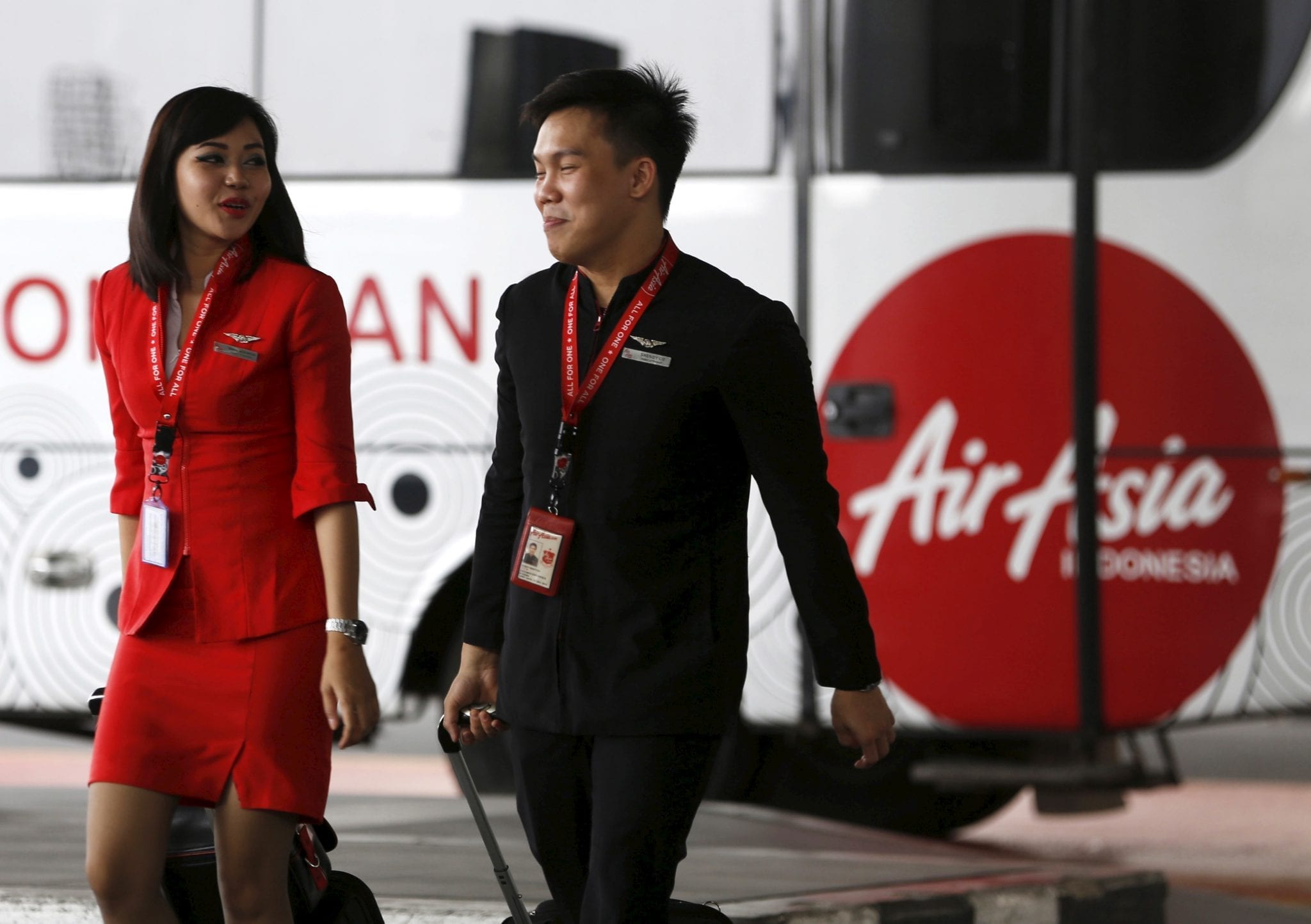
    As IATF Resolution 136-F allows interzonal travel from GCQ to GCQ or GCQ to MGCQ areas subject to restrictions of the local government unit of destination and strict health and safety protocols such as the presentation of a negative RT-PCR test upon arrival, AirAsia Philippines is giving its 12,000 UNLI Flight Pass holders great value for money and great ease especially with the return of leisure travel in the National Capital Region.

    Beginning September 8-30, 2021, AirAsia will start to fly travelers to Cebu, Davao, Zamboanga, Panglao, Tacloban and Caticlan.

    UNLI Flight Pass’ is extended until 17 January 2022.  Consequently, the travel period has been extended from 30 October 2021 to 31 January 2022.

    In a press release, AirAsia Philippines said UNLI Flight Pass was tremendously welcomed by travel enthusiasts, mostly young professionals and families during its launch in November 2020.  It has also become the travel partner of essential travelers and Authorized Persons Outside Residence such as medical frontliners and members of the uniformed services like different branches of the Armed Forces of the Philippines, Philippine National Police, Philippine Coast Guard, Bureau of Fire Protection and Bureau of Jail Management and Penology.

    More than 5,400 flights have been booked using the UNLI Flight Pass to leisure destinations such as Boracay, Cebu and Bohol.  However, AirAsia reminds the public that the promo is also open to all their domestic destinations including Davao, Cagayan de Oro, Zamboanga and General Santos City.

  • Vietnam Airlines aims to start first US route in October

    Vietnam Airlines aims to start first US route in October

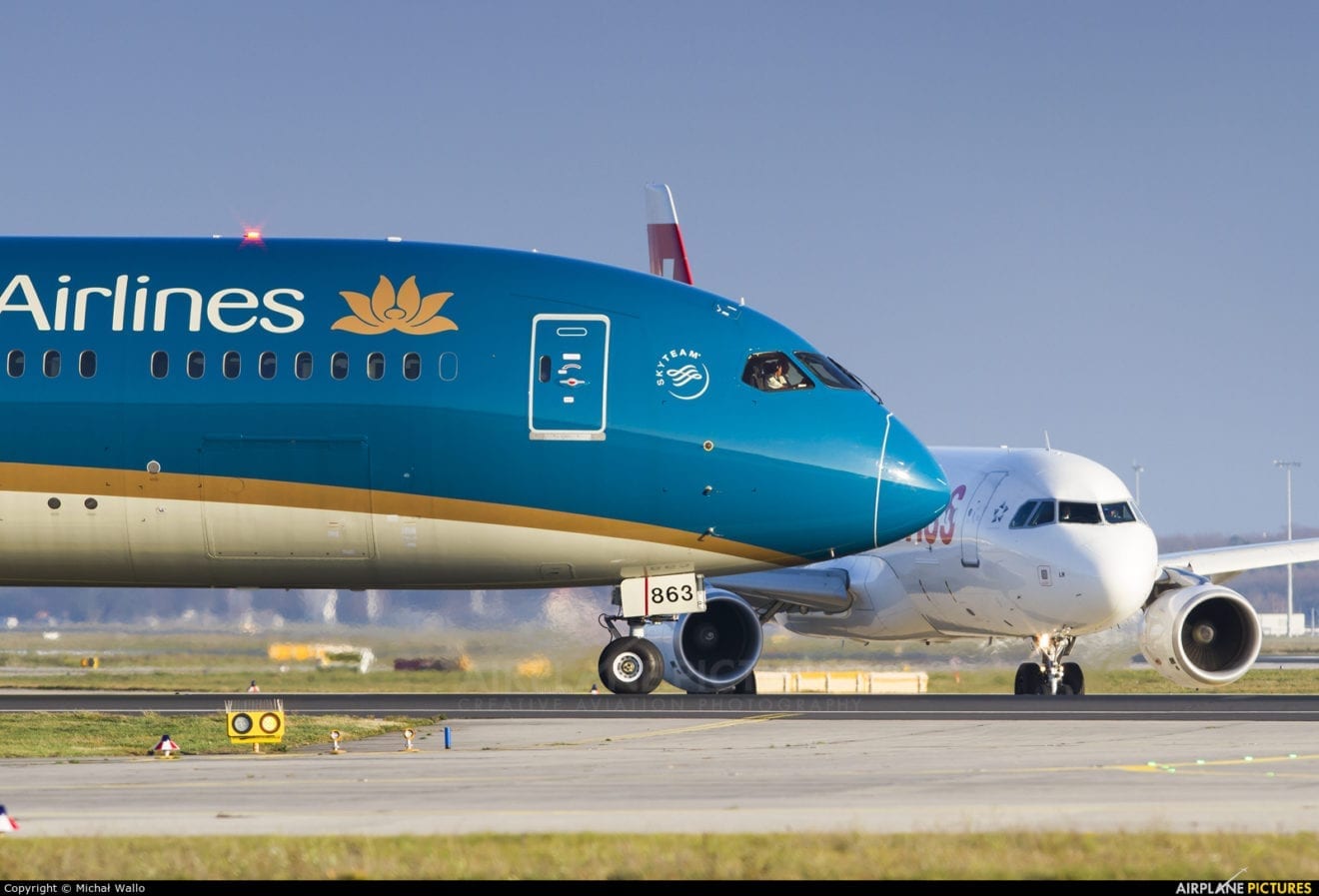
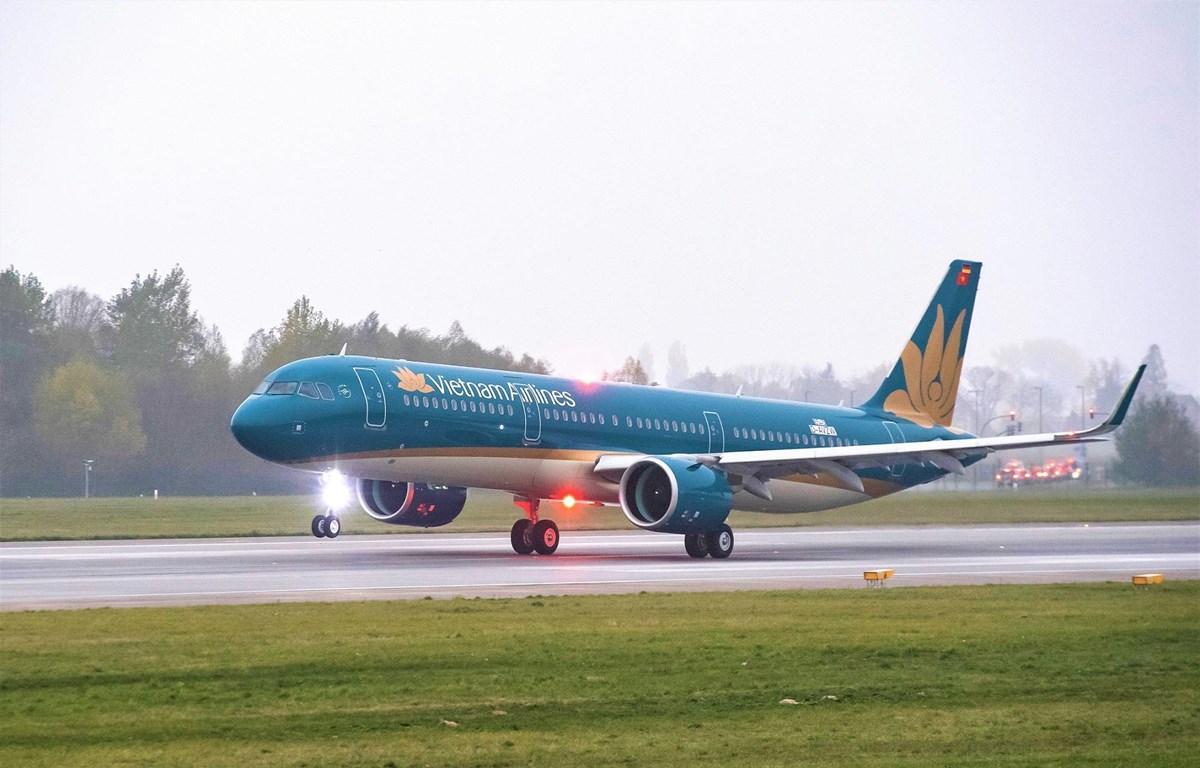
    Vietnam Airlines is planning to operate regular flights between Vietnam and the U.S. starting October, seeking to fulfill a dream of nearly two decades.

    The state-owned carrier will use either Boeing 787 or Airbus SE A350 aircraft for its inaugural U.S. route from Ho Chi Minh City to San Francisco with one refueling stop, CEO Le Hong Ha said.

    Since last year, the airline has been operating irregular charter flights to repatriate Vietnamese from the U.S. during the Covid-19 pandemic.

    The airline will rely on transporting cargo to offset initial low passenger demand, Ha said.

    Vietnam Airlines has been the worst-Covid-19-hit carrier in Vietnam. It has recorded a loss of about VND7 trillion ($306.65 million) in the first half this year, Ha commented.

    The airline in 2003 was ordered by the Ministry of Transport to begin direct services to the U.S. by 2005. However, concerns about profitability kept the airline from realizing the goal.

    Other Vietnamese airlines like budget carrier Vietjet and startup Bamboo Airways have all voiced interest in flying directly to the U.S.

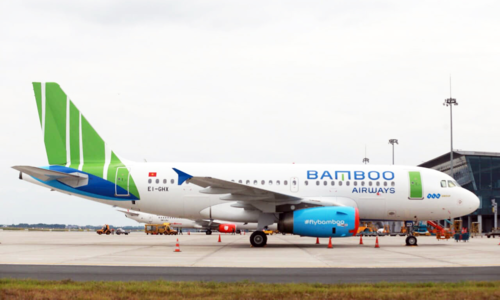
    Bamboo Airways in May acquired slots to operate regular direct flights from HCMC to San Francisco and Los Angeles starting Sep. 1. But it is unclear whether flights would commence given the current severity of Covid-19 in Vietnam.

    In the first seven months of this year, Vietnamese carriers served 13.7 million passengers, down 32 percent year-on-year, according to General Statistics Office

  • Cebu Pacific flight cancellations from August 6 to 20

    Cebu Pacific flight cancellations from August 6 to 20

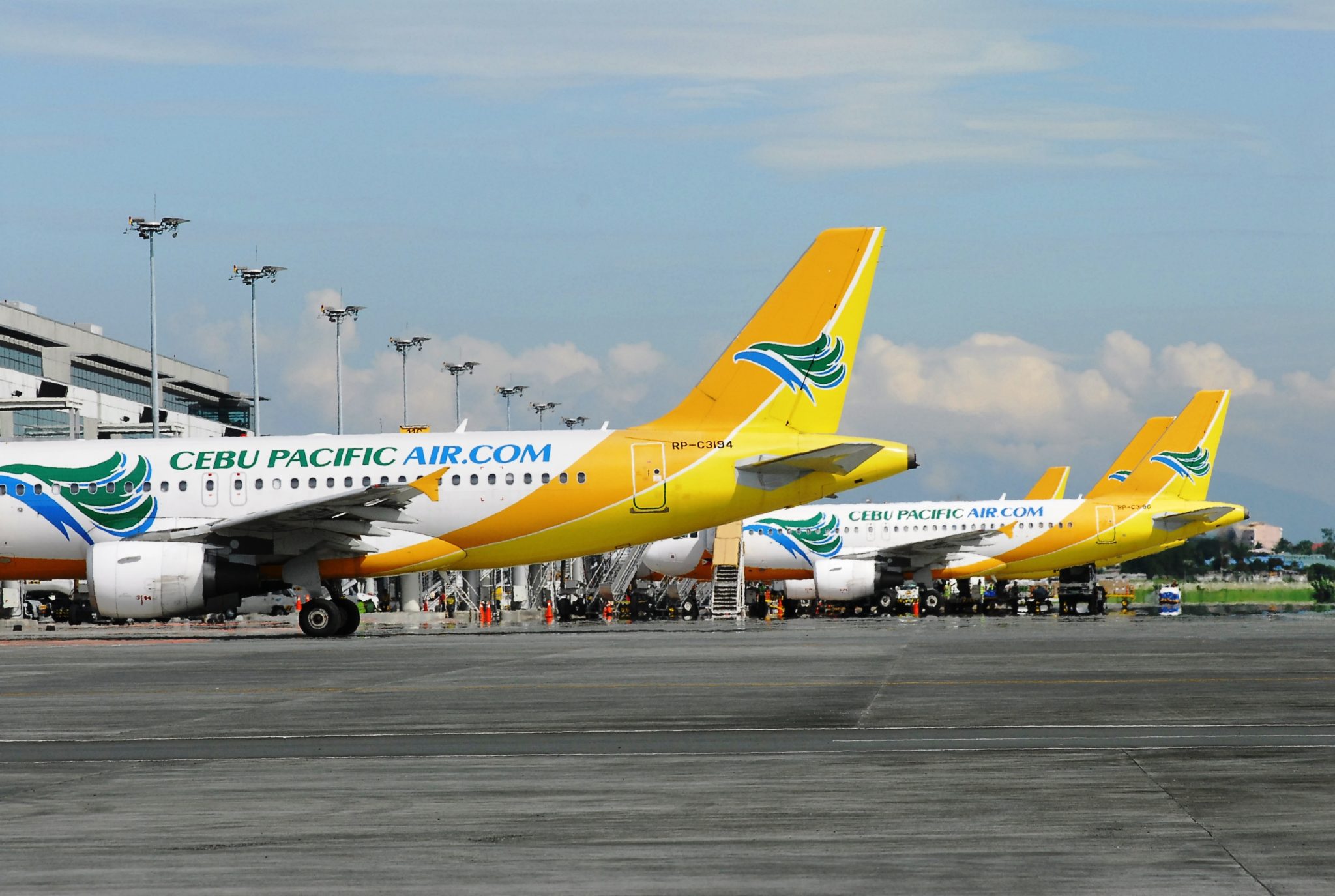
    Budget carrier Cebu Pacific on Saturday released the schedule of its flight cancellations from August 6 to 20, amid the enhanced community quarantine (ECQ) in Metro Manila.

    Flight cancellations have been made after the government allowed only essential travel during the two-week strict lockdown period in the National Capital Region.

    Cebu Pacific earlier released the schedule of its canceled flights from July 31 to August 5, during the general community quarantine “with heightened restrictions” in NCR.

    The following Cebu Pacific and Cebgo flights are cancelled:

    “Affected passengers have been informed via contact details provided in the booking. They may select their preferred option through the Manage Booking portal on the Cebu Pacific website until 30 days from date of departure,” Cebu Pacific said.

    Likewise, the airline said affected passengers may opt to do the following:

    • Rebook for travel within 60 days no additional cost, following CEB’s permanent removal of change fees. Fare difference waived.
    • Store the amount in a virtual CEB wallet valid for two years and use this to either book a new flight or pay for add-ons (e.g. baggage allowance, seat selection, etc.)
    • Refund: the process may take up to two months from the date of request.

    “CEB will continue to operate other domestic and international flights as scheduled,” it said.

    “This is a developing situation. Some flight changes may take place in the coming days,” it said.

    “Before going to the airport, passengers are advised to check?the travel requirements, safety protocols,?and frequently asked questions (FAQs)?on the CEB website,” it added.

  • Thai AirAsia suspends flights, cuts pay packets

    Thai AirAsia suspends flights, cuts pay packets

    Thai AirAsia (TAA) has suspended all flights this month and deferred paying its staff either wholly or partially until September.

    The airline, regarded as one of the most robust domestic carriers, has faced a financial crunch from consistently low passenger volumes since the Covid-19 pandemic began early last year. All domestic airlines including this one also suffer from a lack of cash flow.

    The airline stopped flying after the restrictions were launched last month. It says all flights will stay grounded for now after efforts to secure loans were in vain.

    Another factor in the decision to keep flights grounded is that the latest lockdown order includes travel restrictions. The wider aviation business in the country is also facing depleted liquidity and cash flow.

    TAA announced a deferment of the whole or part of the salaries of its employees as part of an effort to ease cost pressures.

    The July salaries for executives will be paid in September. Active employees at operational levels will be paid 50% of their July salaries this month and the rest in September. Inactive employees will receive 25% of their salaries in September as well.

    The TAA said it will temporarily cease operations this month and hopes the situation will turn around next month. Once the airline has secured a loan, operations will resume.

    Also, Thai Lion Air, another budget carrier, said it is looking to offer financial assistance to its staff after it suspended flights on July 21.

    Meanwhile, the International Air Transport Association (IATA) called on governments to take action to address the high cost of Covid-19 tests in many jurisdictions.

    It also urged flexibility in permitting the use of cost-effective antigen tests as an alternative to more expensive PCR tests.

    According to IATA’s most recent traveller survey, 86% of respondents are willing to get tested. But 70% also believe that the cost of testing is a barrier to travel, while 78% believe governments should bear the cost of mandatory testing.

    “The IATA supports Covid-19 testing as a pathway to reopen borders to international travel,” said IATA Director-General Willie Walsh.

    In addition to being reliable, testing needs to be easily accessible, affordable, and appropriate to the risk level. Too many governments, however, are falling short on some or all of these, he said.

  • Bamboo Airways, Vietjet suspend regular flights

    Bamboo Airways, Vietjet suspend regular flights

    Bamboo Airways, Vietjet, and Pacific Airlines have suspended most of their regular routes amid a surging number of Covid-19 cases that have seen demand plunge.

    Bamboo Airways will cease all regular flights for two weeks from July 26 to August 7 amid the severe spread of the disease and social distancing measures imposed in major cities, it stated.

    Websites of Vietjet and Pacific Airlines on Tuesday showed few or no flights between popular destinations like Hanoi, Ho Chi Minh City, and Da Nang.

    Most passenger flights between HCMC and Hanoi have been canceled since July 23 as the capital imposed strict social distancing.

    Vietnam Airlines is the only carrier operating on this route with a maximum of two flights a day allowed.

    Between June 19 and July 18, the number of flights plunged 84.6 percent to 3,772, according to the Civil Aviation Authority of Vietnam (CAAV).

    Vietnam has recorded 105,287 local Covid-19 patients in 62 cities and provinces since the new wave started three months ago.

  • AirAsia Indonesia To Suspend Flights For One Month

    AirAsia Indonesia To Suspend Flights For One Month

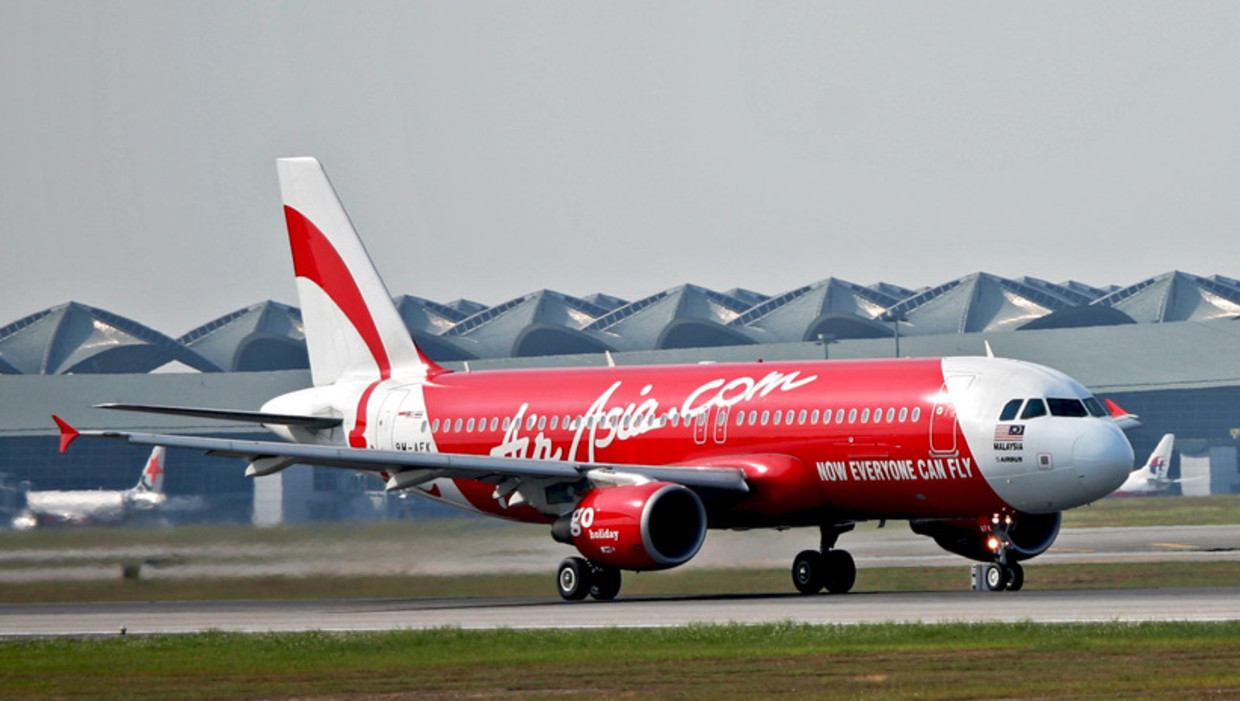
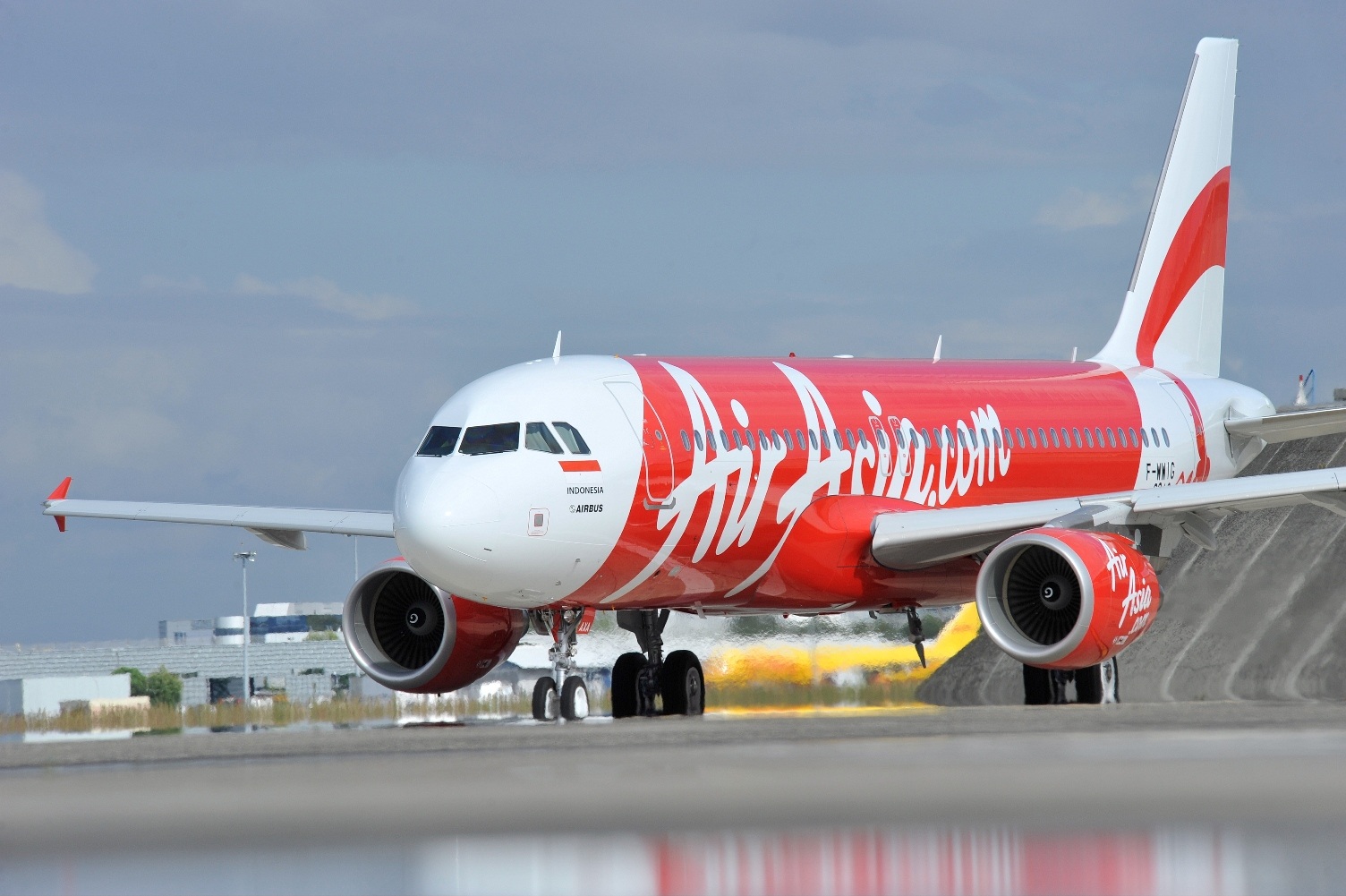
    On Saturday, July 3rd, AirAsia Indonesia announced that it would be suspending its operations for at least a month due to the worsening COVID-19 situation in the country. The airline has called its suspension a form of support for the Indonesian government’s efforts in tackling the virus.

    According to a statement issued by the AirAsia Group subsidiary, all scheduled flights on the airline’s domestic Indonesian and international routes will temporarily stop operating from July 6th to August 6th, 2021.

    “AirAsia remains committed to serving charter and cargo flights to support repatriation missions, delivery of goods and other essential interests by implementing strict health and safety protocols.”

    AirAsia is taking a flexible approach to existing bookings and reservations on canceled flights. For bookings on flights during the suspension period, passengers can convert tickets into a credit account which is valid for up to 730 days (two years). They can also change their flight schedule to another date until 31 October 2021, which can be done an unlimited number of times at no additional cost.

    While new daily case counts had been ‘stabilizing’ around five to six thousand during the month of May, this figure has significantly jumped over the month of July. New daily case counts are now exceeding 20,000 and continue to climb. Indeed, case counts began to climb in late May and early June – weeks after many Indonesians traveled and celebrated in marking the Islamic holiday Eid al-Fitr.

    A prominent epidemiologist from the University of Indonesia, Dr. Pandu Riono, describes the situation in the country as “herd stupidity.”

    This label was given due to what Dr. Riono calls mixed messaging and poor decision-making from the government, combined with the general public’s refusal to follow health protocols and reluctance to receive jabs.

    As we’ve seen in many other cases around the world, the suspension of flights could be extended further, depending on the country’s COVID situation. If case counts and hospitalizations continue to rise, we can expect more canceled flights in an effort to contain the situation.

    “AirAsia always puts the safety and security of every passenger and all of its employees first. We will continue to evaluate the development of the situation and are ready to re-open our scheduled flight services at any time if the situation improves.”

    With this in mind, AirAsia customers are advised to periodically monitor the airline’s travel advisory information, available on the AirAsia app, as well as on the airline’s social media channels.

  • AirAsia India Operates 9 Flights With Fully Vaccinated Crew

    AirAsia India Operates 9 Flights With Fully Vaccinated Crew

    According to the airline, the flights were operated on Friday.

    “The sectors flown by fully vaccinated crew included Bengaluru-Kolkata, Kolkata-Bengaluru, Bengaluru-Chennai, Chennai-Guwahati, Guwahati-Bengaluru, Bengaluru-Pune, Pune-Jaipur, Jaipur-Pune and Pune-Bengaluru,” the airline said in a statement.

    “The operating crew members on these sectors are fully vaccinated, having received both doses in line with guidelines from health authorities and after going through all the mandatory tests and certified by the Chief Medical Officer, Dr Sangeeta Kujur.”

    AirAsia India is a venture between Tata Sons and AirAsia Investment.

  • Tourism recovery can take off alongside flights resumption

    Tourism recovery can take off alongside flights resumption

    Tourism companies see a proposed plan to gradually resume international flights as a necessary first step for their sector to recover from the pandemic-inflicted slump. Nguyen Minh Man, head of marketing at the HCMC-based TST Tourist Co., said that a slow and careful reopening of Vietnam’s borders can form a strong foundation to resume tourism activities.

    “This is a golden time for the tourism industry to prepare their human resources and products to recover and achieve a breakthrough next year,” he added.

    Nguyen Cong Hoan, deputy director of Hanoi Redtours, said that although the flight resumption won’t be able to “save” Vietnamese tourism this year, it will be a necessary first step for recovery.

    International flights will first help resume trade and business activities, which will boost demand for niche tourism segments such as golf and luxury tourism, and after that, other popular segments will start to recover, he said.

    “If vaccinated passengers can enter the country in September, that would be an ideal time to travel to Vietnam’s warm beaches or visit terraced fields during the harvest.”

    The Civil Aviation Authority of Vietnam (CAAV) is considering the resumption of international flights starting July, with Japan, South Korea and Taiwan the first destinations, each side operating four flights a week.

    All passengers will be quarantined upon arrival as per the Health Ministry protocol. It is expected that around 6,000 to 7,000 passengers would enter the country each week from the three Asian destinations.

    The CAAV has proposed that starting September, vaccinated foreign passengers into the country are allowed into the country without requiring centralized quarantine.

    Vietnamese carriers are eagerly awaiting the government’s green light to take to the skies again.

    Budget airline Vietjet resumes regular flights to Thailand, Japan, South Korea, and Taiwan this month, serving Vietnamese citizens wishing to study and work abroad, as well as stranded foreigners wanting to return home.

    On return trips, the carrier will only carry Vietnamese citizens being repatriated or foreign experts with permission to enter the country as per government regulations.

    Meanwhile, national flag carrier Vietnam Airlines has said it will reopen international commercial flights connecting Hanoi and HCMC with several Asian destinations including South Korea, Japan, and Australia this month.

    However, tourism companies are not too optimistic about a quick recovery. Hoan of Hanoi Redtours said that for this year and the next, domestic travel will be the main revenue source for his company, and prospects for international travel will only look up in 2023 as the earliest.

    “We are seeing rising numbers of individual and company trips bookings domestically, and this will be our main focus for the time being. Until the Covid-19 situation is well under control globally, we should not pin our hopes on international travel.”

    Vietnam closed its national borders and canceled all international flights in March 2020. Since then, only Vietnamese repatriates, foreign experts, and highly-skilled workers are being allowed in under strict conditions.

    The number of foreign visitors to Vietnam in the first quarter fell 98.7 percent year-on-year to 48,000 with travel restrictions in place to mitigate the impacts of Covid-19.

  • Vietnam Airlines on threshold of regular direct flights to US

    Vietnam Airlines on threshold of regular direct flights to US

    Vietnam Airlines is awaiting approval from the U.S. government to launch regular direct flights to the country to serve repatriation needs of the Vietnamese community.

    A representative of the national flag carrier told VnExpress that a large number of Vietnamese citizens living in the U.S. wish to return home, but the carrier has already operated all repatriation flights permitted by the U.S. authorities.

    From May to August last year, the carrier has carried out a total 12 repatriation flights as permitted by American aviation authorities to bring Vietnamese citizens home amid the complicated developments of the pandemic.

    The Board of Directors of Vietnam Airlines has just approved a plan to launch regular direct flights to the U.S., saying this is the appropriate time to do it using the wide-bodied Boeing Dreamliner. They expect that this move will help increase revenue and minimize financial damage inflicted by the pandemic.

    As soon as the carrier receives approval from the U.S. government, it will operate regular flights to repatriate Vietnamese citizens as well as carry foreign experts and diplomats wishing to enter Vietnam for work.

    Depending on the recovery of the aviation market and when the Covid-19 pandemic is contained, the airline expects to operate direct flights between Vietnam and the U.S. from 2022 onwards.

    The U.S. Federal Aviation Administration issued a Category 1 rating to the Civil Aviation Authority of Vietnam under its International Aviation Safety Assessment program in 2019, meaning it met safety standards to operate flights to the U.S.

    Vietnam Airlines also got the green light to operate direct flights from Hanoi and Ho Chi Minh City to several American destinations in September 2019. No such a flight under the permit has been scheduled to date.

    There are currently no non-stop routes between the two countries, and passengers have to transit through East Asia, the journey taking between 18-21 hours. A direct flight would bring the travel time down to 14-16 hours.

    Vietnam Airlines reported a loss of over VND11.1 trillion ($483 million) last year after the Covid-19 pandemic grounded all its international flights.

  • AirAsia sees more layoffs if April domestic flights stay grounded

    AirAsia sees more layoffs if April domestic flights stay grounded

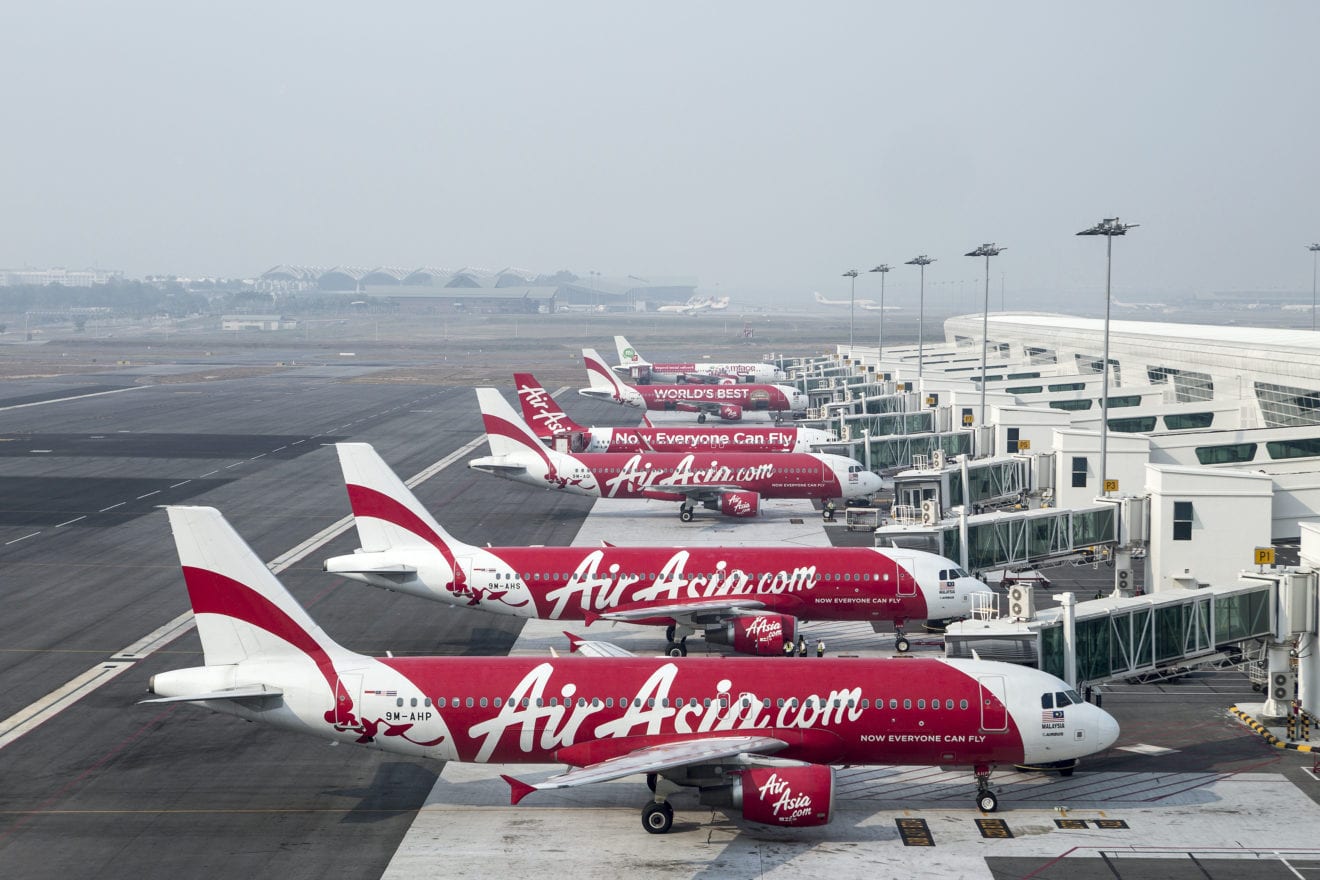
    Low-cost carrier AirAsia is ready to furlough more workers unless domestic coronavirus travel curbs end next month, even as the company speeds expansion of its non-airlines business to fill an earnings hole, top executives told Nikkei Asia.

    The airline founded by local tycoon Tony Fernandes and its budget model have been hammered by the drop in international air travel, while movement restrictions between states in Malaysia are also choking revenue. AirAsia Group President Bo Lingam said in an interview with Nikkei that it is critical for internal routes to reopen.

    “We would prefer [this] as soon as possible, but I think the green states can be opened first, and we would appreciate if it’s by next month,” he said, referring to the end of April. Green states are those with lower new COVID-19 cases, namely Melaka, Pahang, Terengganu, Sabah and the federal territories of Putrajaya and Labuan.

    The Malaysian government has not said when it will reopen domestic travel nationwide despite pressure from lobby groups, including hotels, tour operators and airlines.

    If the interstate travel ban remains into May, the company would have to dismiss more employees on a furlough basis, Bo said, adding to 3,000 mostly pilots and back-office staff already hit by the measure.

    Furloughed workers receive medical and travel benefits until called back to work. “We will pay them medical benefit[s] in full just like pre-COVID-19 and they would be first to be recalled once we fly our airplanes again,” said Bo, who has been with the company for over 21 years

    The carrier is ready to begin domestic or international travel when allowed, he said. “All necessary safety checks are always done and we have standby employees to be recalled, so we are ready anytime,” he said.

    AirAsia’s finances are clearly hurting. It suffered a net loss of 2.7 billion ringgit ($650 million) for the first nine months of 2020 compared with a net profit of 80.7 million ringgit the previous year. Revenue fell 68% to 2.9 billion ringgit from 9.1 billion ringgit. Fourth-quarter results are expected this month, with analysts forecasting a turn to profitability not before 2022.

    Bo said the airline is no longer accepting new jet deliveries from its primary supplier, Airbus. AirAsia is the European manufacturer’s largest customer in the single-aisle segment and was supposed to receive a combined 46 planes in 2020 and 2021 — mostly new A321s.

    “We have stopped taking in any deliveries because we have no place to park anymore and it’s a waste of resources,” he said. “We plan to take five aircraft next year only if the situation improves.”

    The carrier, known for its bright red and white fleet, is currently raising 2.5 billion ringgit as working capital, which includes a loan of 300 million ringgit from Sabah state-owned Sabah Development Bank. It is also seeking a guaranteed loan from the federal government aimed at companies hurt by COVID-19.

    The airline also completed the first tranche of its private placement of up to 20% of the group’s total issued shares last month, raising over 250 million ringgit.

    With the outlook for air travel uncertain, AirAsia Digital — the holding company for its growing non-airline businesses — may spinoff within the next 3 to 5 years, Aireen Omar, the AirAsia Group president who manages it, told Nikkei in a separate interview.

    Aireen said the group is trying to lure new investment by bolstering core businesses, which include restaurants, food delivery and courier services.

    The group’s chain of Santan restaurants is expected to expand into Indonesia, Thailand and the southern Chinese city of Shenzen by the end of the year, she said. Santan — which means coconut milk in Malay — is a staple ingredient in Southeast Asian cooking.

    “We’re expecting to have about 60 restaurants by year-end from the current 13,” Aireen said, adding that all new locations will be franchises.

    “We are already receiving a lot of interest and evaluating our potential first investor. All of them want to come on board early before an IPO,” she said, adding that the business has drawn attention from large funds and family offices.

    But Aireen stressed that AirAsia does not intend to keep raising funds via numerous crowdfunding rounds favored by tech startups. “We want to be responsible and want a set of stakeholders to answer to,” she said.

    The pandemic has forced AirAsia to move into non-airline businesses faster than envisioned. “The road map which was supposed to take us three years was squeezed into the last nine months,” she said.

    According to group president Bo, AirAsia expects its international routes will not resume until the fourth quarter provided Malaysia’s immunization program, which began late last month, continues as planned. Southeast Asian destinations are expected to resume first, he said.

    He urged the Association of Southeast Asian Nations to come up with a travel policy in the next few months that can be used by all member countries to smooth the way.

    “One policy for the region would ease processes rather than having customized rules for every country,” he said.

    Bo added that in preparation for the return of international travel, AirAsia has already started working to update its mobile app and website to allow customers to upload proof of digital vaccination.
  • Thai Airways to retire A330’s, A380s, and 747s

    Thai Airways to retire A330’s, A380s, and 747s

    Many countries have closed their international borders, and many impose lots of restrictions that makes travel almost impossible. Airlines currently do not need an extensive fleet of wide-body aircraft to carry passengers across oceans and continents. In fact, the majority of the airlines have temporarily parked their biggest planes in the desert, others are making more drastic long-term plans.

    The latest fleet downsizing action comes from the national carrier of Thailand, which just announced a major fleet restructuring, according to a report by local newspaper The Nation.

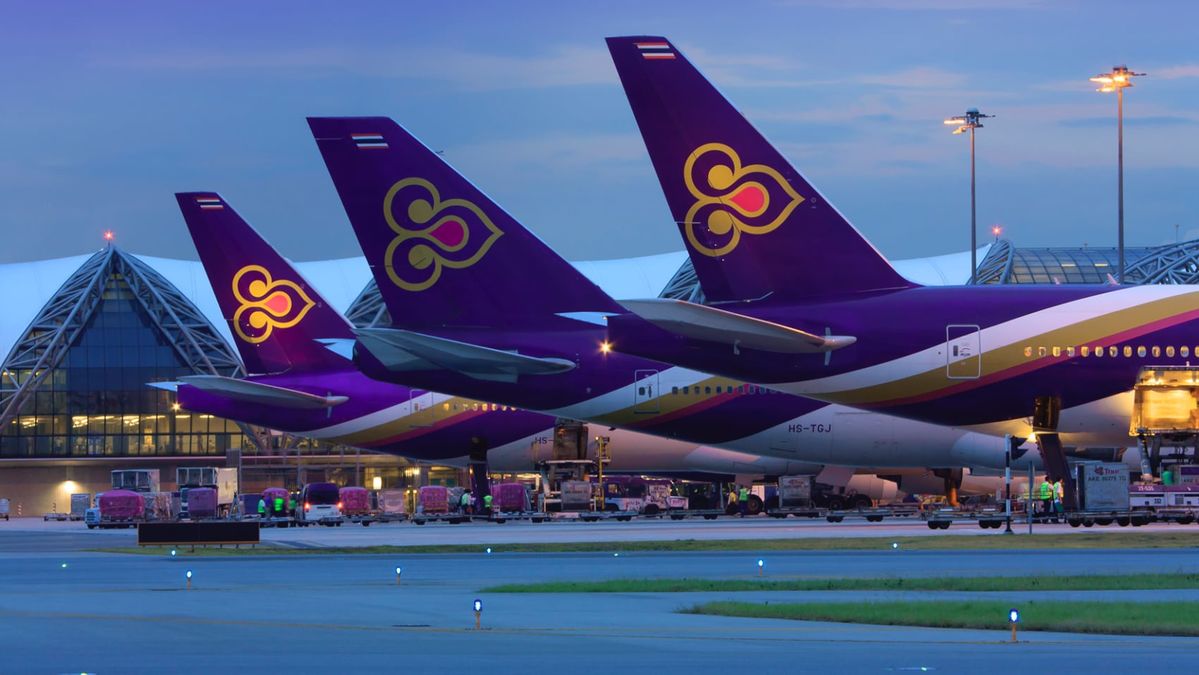
    Thai Airways will retire all its Airbus A380s and A330s, as well as its iconic B747s, leaving in operation a more modern, widebody, fuel-efficient jets such as the Airbus A350 and Boeing 787, beside the older B777 which in terms of fuel efficiency are better than the B747 and A330 and which are currently listed for sale.

    If I have made the count correctly on the Thai Airways fleet page website, the fleet downsizing will consist in retiring a whooping 28 aircrafts out of the 80 widebody fleet.

    Before the pandemic, Thai had one of the most varied long-haul fleets in the sky, with a dash of the most popular Airbus and Boeing jets. A bit too varied in my opinion, which is not financially healthy long-term. Once the fleet restructures takes place a more streamlined fleet, will be less of a financial concern.

    Thai is not the only airline reducing its fleet due to the pandemic. Last year, below is a list of major airlines that have permanently retired part of their fleet.

    • Air Canada 79 planes B767s, Airbus A319s, and Embraer 190s.
    • Air France 15 planes A380’s
    • American  Airlines just over 100 various wide and narrow-body planes
    • Austrian Airlines 28 Planes wide and narrow body.
    • British Airways 67 planes including 57 B747 and 5 B777-200
    • Delta Air Lines 188 Planes including MD88, MD90, and B777.
    • KLM 25 planes, all B747.
    • Lufthansa 35 Planes including A340-600, A380, and B747.
    • Singapore Airlines 46 Planes all B777-200ER.
    • Virgin Atlantic 32 Planes, including 19 A340 and 13 B747
    • Emirates may speed up the retirement of 46 of the airline’s 115-strong fleet of A380s. No concrete timeline has been provided yet.
    • Qantas has constantly faced rumours that it will retire its A380 fleet at some point.
    • Qatar Airways may also speed up the retirement of its A380s.
    • United Airlines may follow American’s lead and retire its 767s and 757s.

    The retirement of aircraft will push airlines to focus on more fuel-efficient widebody aircraft which no doubt will be the future of the aviation industry.

  • AirAsia Wants Half Of Its Revenue To Come From Outside Flights

    AirAsia Wants Half Of Its Revenue To Come From Outside Flights

    Low-cost airline AirAsia had a tough 2020. But its CEO, Karen Chan, is taking a glass half full approach. She says the travel downturn and subsequent fallout for AirAsia was a blessing in disguise. It forced AirAsia to look outside its comfort zone and at a new way of doing business. Now, Ms Chan plans to transform AirAsia into a lifestyle brand. As a result, by the mid-2020s, she expects 50% of AirAsia’s revenue will come from non-aviation sources.

    Speaking at a CAPA Live event on Wednesday, Karen Chan spoke about her vision for AirAsia and what it would mean for the airline.

    “We anticipate in five years time, basically by the end of 2024, that 50% of (AirAsia’s) revenue would be coming from non-flight-related, non-aviation-related revenue.”

    As a low-cost carrier, AirAsia already has handy ancillary revenue streams. Their base fares are cheap, but checked-in luggage on short sectors starts from US$12, seat selection starts from just under $3, and a reheated container of AirAsia’s pretty good nasi lemak costs just over $4. In 2018, ancillary revenue made up 22% of AirAsia’s total revenue. Around half of that 22% came from baggage charges.

    Last year, AirAsia Group chief executive Tony Fernandes, said his airline group was diversifying.

    “AirAsia.com is more than just selling airline tickets,” he said. “We now have the same potential to sell hotel rooms. I can do some crazy things. I can say I can buy hotels, book a hotel room with us and I can give you a free flight. Hotels can be as large as AirAsia tickets.”

    Yesterday, Karen Chan spoke about AirAsia’s ambitions to become a fully-fledged online travel agency that offers not just hotels but also a range of travel and lifestyle products and experiences.

    “Not all the flights are always full, and the load factor will not be 100%,” said Ms Chan.

    “So the unsold infantry, and because they are so perishable, even as an 85% load factor for an Airbus A320, I still have about 20 to 25 seats unsold. I will now be able to bundle that unsold inventory for one ringgit or 25 cents with the hotel’s direct inventory. And I will be able to go into the market with a best buys guarantee.

    “We can go and expand into where other airlines are just not able to do so. We actually want to go and be seen as basically a lifestyle partner.”

    AirAsia’s ancillary revenue plans are not restricted to the travel basics of hotels, transfers, and side excursions. The airline wants to build its delivery and e-commerce business. AirAsia sees itself as a future Asian e-commerce giant. But it’s not just Amazon parcels AirAsia wants to ferry around. AirAsia has detailed data on 75 million former passengers in its database. They know you purchased a nasi lemak on your last three AirAsia flights. Ms Chan wants to get down to the nitty-gritty. She wants to be able to deliver that meal to your home.

    “Data is basically the new black gold for us,” Ms Chan said.

    With AirAsia’s fortunes taking a hammering in 2020, there’s a good reason why the airline wants to expand its ancillary revenue sources. Whether a cheap and cheerful low-cost carrier out of Southeast Asia can successfully transform into a lifestyle brand is another issue. Whatever the result, but it will be interesting to watch.

  • Philippine Airlines suspends all UK flights

    Philippine Airlines suspends all UK flights

    Philippine Airlines has suspended flights to and from London till the end of February 2021 as Britain battles a new coronavirus strain, said a report.

    The airline said it supports all measures that seek to curb any potential increase in Covid-19 cases during the holiday season and beyond.

    Passengers already in transit and those who arrived in the Philippines from the UK before December 24 will be allowed to enter the country, but they must undergo stricter quarantine and testing protocols, the report cited Presidential spokesman Harry Roque as saying.

  • Thai Airways to open flight simulators to public

    Thai Airways to open flight simulators to public

    Thai Airways is opening up its Boeing and Airbus flight simulators to the public this October in its latest bid to boost business amid the drop in travel demand due to the coronavirus crisis.

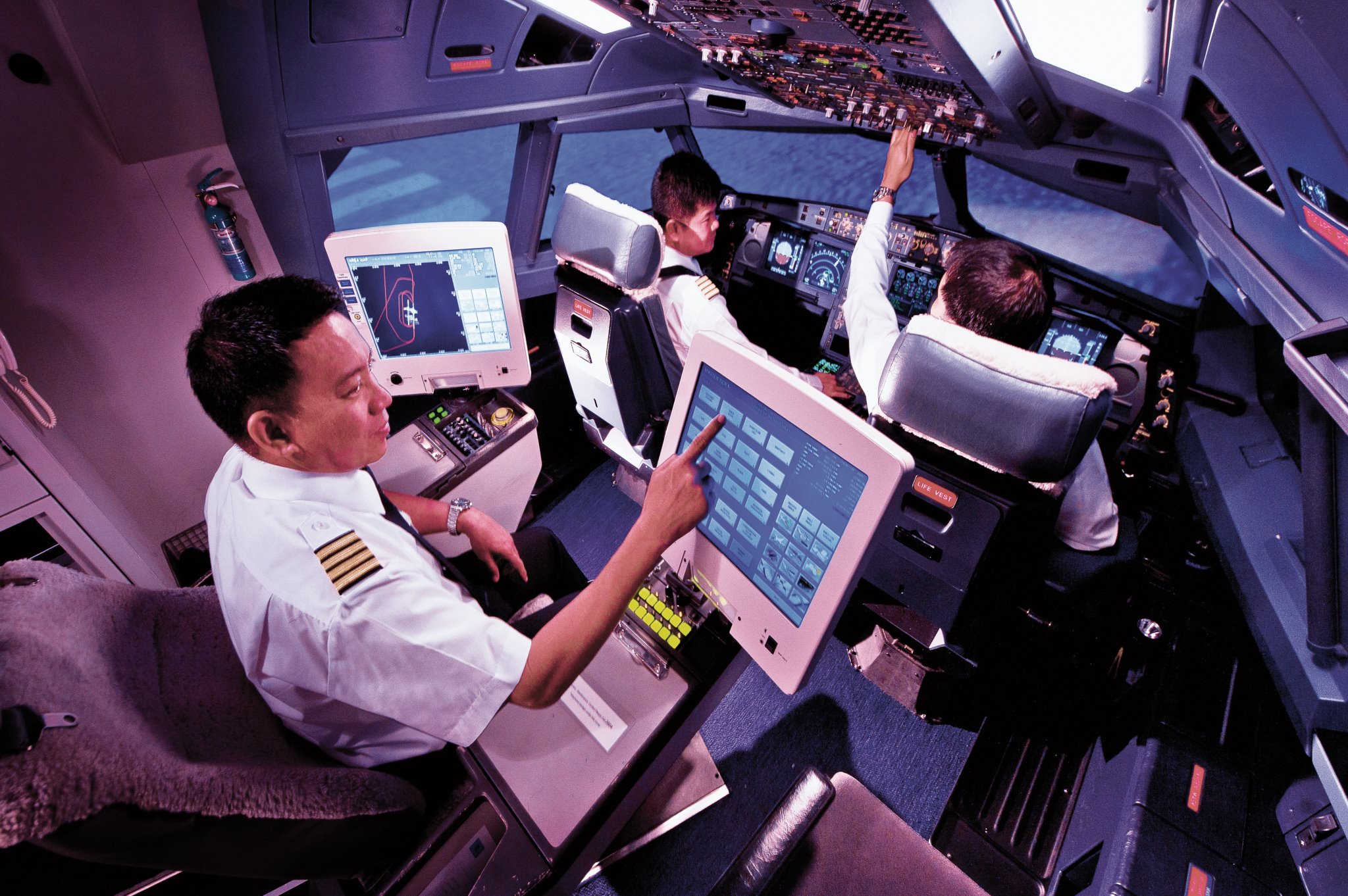
    As part of the airline’s “Thai Flying Experience and Beyond” project, customers will get to enter a mock cockpit of an A380, B777-300ER, B747-400, and a B737-400 aircraft.

    “Pilots and co-pilots will accommodate customers throughout the entire session,” reads a statement from the carrier.

    According to Thai Airways, customers can choose from the following three packages:

    • Basic Package (30 minutes) 12,000 Baht for two users
    • Deluxe Package (60 minutes) 24,000 Baht for two users
    • Ultimate Package (90 minutes) 36,000 Baht for three users

    The flight simulator project is the airline’s latest effort to generate revenue amid the Covid-19 pandemic as flights continue to remain grounded, and the airline looks to restructure 245 billion baht ($7.83 billion) worth of debt.

    Earlier this month, the national airline converted the cafeteria of its headquarters in Bangkok into a plane-themed restaurant.

  • International flights resumption fails to enthuse Vietnam tourism firms

    International flights resumption fails to enthuse Vietnam tourism firms

    Vietnamese tourism companies are not enthused about the possibility of flight resumption to six Asian destinations because they don’t expect large numbers of tourists to board these flights.

    Nguyen Cong Hoan, deputy CEO of Hanoi Redtours, said that flights to these destinations will mostly serve businesspeople, workers and students and not tourists.

    “Although this shows that the Vietnamese government is opening up the doors to other countries, tourism will not see immediate benefits because the mandatory 14-day quarantine policy will discourage tourists,” he said.

    Hoan was commenting on a plan by Vietnam aviation authorities to resume commercial flights to Guangzhou (mainland China), Seoul (South Korea), Tokyo (Japan), Taipei (Taiwan), and Cambodia and Laos as early as later this month.

    The Civil Aviation Authority of Vietnam (CAAV) said this plan, if approved, will bring in about 5,000 passengers a week to Ho Chi Minh City, Hanoi and Can Tho City.

    Phan Dinh Hue, CEO of Ho Chi Minh City-based tourism firm VietCircle, said people only travel when they feel safe, and amid the ongoing pandemic, not many are willing to take the risk contracting the virus on a flight.

    People also do not want to be “trapped” in a destination if it is locked down, as happened to many last month when there was an outbreak in Da Nang City, he added.

    What tourism companies want now is a chance to reboot domestic travel. Nguyen Quoc Ky, chairman of leading tourism company Vietravel, said authorities need to establish a map of safe travel destinations in the country to boost demand and help tourism companies survive.

    Hoan of Hanoi Redtours proposed that authorities in each locality assess the Covid-19 situation in their area and make appropriate decisions.

    If there were no Covid-19 cases recorded in a locality, tourism and entertainment activities should be allowed, he said.

    He added that in the long run, if the resumption of international flights does not result in a surge of community transmissions of the novel coronavirus, the government could remove the 14-day quarantine policy. Only then would tourism companies be able resume their international operations.

    The Covid-19 pandemic has seriously damaged Vietnam’s tourism sector. Tourism revenues in the first eight months fell over 54 percent year-on-year to VND13.1 trillion ($569 million), according to the General Statistics Office.

    Foreign arrivals fell 67 percent to 3.77 million in the period.

    Last year, Vietnam welcomed 18 million foreign tourists, up 16.2 percent year-on-year.