Retail News CRM

Tag: ford

  • Ford Looks to ‘Auto Vending Machine’ in China During Talks with Tmall

    Ford Looks to ‘Auto Vending Machine’ in China During Talks with Tmall

    Ford Motor Company in China is in talks with Alibaba’s Tmall that could see itmay soon be selling cars through Tmall and an “Automotive Vending Machine” concept.

    The “Automotive Vending Machine” is a multi-storey parking garage that partly resembles a giant vending machine which allows consumer to use their phones to browse through the cars and choose to either test drive or buy a vehicle.

    Once they’ve made their choice, the vehicle is delivered to them on the ground floor.

    According to the Detroit News, the US automaker has signed a three-year agreement signed with Alibaba Group to expand its footprint in China, following a visit to Alibaba headquarters by Ford CEO Jim Hackett and executive chairman Bill Ford Jr.

    Just last month Ford inked a $756 million partnership with Anhui Zotye Automobile Co to build electric vehicles, and more recently Hackett and Ford announced plans to bring 50 new vehicles to market in China by 2025 – including five new models in China.

    This plays well with Alibaba’s efforts to “redefine” the retail experience.

    Their first priority is to come up with new ways for people to buy, maintain and own vehicles using the internet, computers or other technology.

  • Ford China partnership possibility with Tmall

    Ford China partnership possibility with Tmall

    Ford Motor China may soon be selling cars through Alibaba’s Tmall and via an “auto vending-machine” concept.

    The US automaker yesterday signed a three-year agreement signed with Alibaba Group to expand its footprint in China. It is the latest partnership in a series in China in recent months, and follows a visit to Hangzhou, where Alibaba has its headquarters, by Ford CEO Jim Hackett and executive chairman Bill Ford Jr.

    Last month the company announced a $756 million partnership with Anhui Zotye Automobile Co to build electric vehicles, and earlier this week Hackett and Ford announced plans to bring 50 new vehicles to market in China by 2025, and to build five new models in China.

    Hackett says Ford is collaborating with technology leaders to build on its vision for smart vehicles in a smart world.

    Meanwhile, the Alibaba partnership is based on the companies jointly finding new ways to sell vehicles, which could include an online component. They aim to “redefine” the retail experience and explore sustainability concepts, working together in the fields of mobility, connectivity, cloud computing, AI and digital marketing.

    Their first priority is to come up with new ways for people to buy, maintain and own vehicles using the internet, computers or other technology.

    The partnership will be part of Ford’s efforts to overhaul its China strategy to revive the growth momentum it has lost in recent months, Reuters reports. The agreement could mean that cars bought online are delivered to buyers by franchised Ford retail stores, which would maintain and repair the vehicles.

    Ford could also use Tmall’s new retail concept, the “Automotive Vending Machine”, a multi-storey parking garage that partly resembles a giant vending machine. Alibaba says buyers can use their phones to browse through the cars and choose to either immediately test drive or buy a vehicle, which would be delivered to them on the ground floor.

    Shoppers with good credit would be able to drive away after a 10 per cent down payment, then make monthly payments through Alibaba’s affiliate Alipay.

  • Ford ramps up electric vehicle push in China amid slowing sales

    Ford ramps up electric vehicle push in China amid slowing sales

    Ford Motor Co will launch 50 new vehicles in China by 2025, including 15 electrified vehicles, the U.S. firm said at an event in Shanghai on Tuesday, as it looks to rev up sales growth in the market and shift towards cleaner electric cars.

    Ford’s sales in China have been weak in recent months, and the company is scrambling to come up with electric and hybrid vehicles to comply with strict Chinese quotas over production and sales for so-called new energy vehicles, or NEVs.

    The U.S. automaker is undergoing a broad review of its China operations, part of a strategic re-think under new Chief Executive Officer Jim Hackett, which will likely see the company focus on electric commercial vans as well as electric cars.

    “Between now and 2025, we will launch 50 new vehicles in China, and of those 50 new vehicles, 15 of them will be all-new electrified vehicles,” said Peter Fleet, Ford’s head of Asia Pacific, pointing to big growth in the “utility” segment.

    Fleet also said Ford’s China revenue would grow by 50 percent over the same period.

    China is pushing automakers toward electric and hybrid petrol-electric vehicles, setting tough quotas for NEVs that come into play in 2019, and has signaled a longer-term shift away from traditional internal combustion engine cars.

    The major shift in the world’s largest auto market has jolted some automakers, sparking a spate of recent electric vehicle (EV) joint ventures in the market. Ford has announced an EV tie-up with China’s Anhui Zotye Automobile.

    “We’ve never seen change like we do today,” said Ford Executive Chairman Bill Ford. “Everything is being disrupted” by the development of autonomous vehicles, trends such as ride-sharing and electric vehicles, he added.

    “It’s clearly the case that China will lead the world in EV development, and so we at Ford are investing enormous amounts of money both here in China and globally to bring electrification into fruition.”

  • Ford, China’s Zotye Auto invest $756 million in electric vehicle JV

    Ford, China’s Zotye Auto invest $756 million in electric vehicle JV

    Ford Motor and China’s Anhui Zotye Automobile have agreed to invest a combined $756 million to set up a 50-50 joint venture in China to build electric passenger vehicles, both companies said on Wednesday.

    The new joint venture, Zotye Ford Automobile Co. Ltd, plans to build a manufacturing plant in Zhejiang province and will sell all-electric vehicles under a new Chinese brand, tapping into a boom for such vehicles in the world’s top auto market, Ford Motor said in a statement.

    “Zotye Ford will introduce a new brand family of small all-electric vehicles,” Ford group vice president Peter Fleet said in the statement. “We will be exploring innovative vehicle connectivity and mobility service solutions for a new generation of young city-dwelling Chinese customers.”

    The JV deal was signed during U.S. President Donald Trump’s visit to China as the two countries inked commercial deals worth about $9 billion.

    In addition to the new JV, Ford and Zotye will explore offering mobility services to consumers in China as local demand for such solutions continues to grow, Ford’s statement added.

    China, struggling with alarming pollution levels in major cities, is aggressively pushing plug-in vehicles and has poured in tens of billions of yuan in investment, research funding and subsidies, drawing many new automakers to launch projects.

  • Ford’s China sales stuck in first gear as rivals overtake

    Ford’s China sales stuck in first gear as rivals overtake

    Ford Motor saw its China vehicle sales make the barest of increases in September, extending a tough run in the world’s largest auto market even as global rivals have logged robust gains.

    The U.S. automaker has lacked a high-volume brand of affordable entry cars for China and has been criticized for slow decision-making that has cost it share in a market where consumer tastes change quickly.

    In response, it has brought in a new China head, Jason Luo, a Chinese-born American formerly at U.S.-based air bag maker Key Safety Systems, tasked with building closer ties with Ford’s local partners and working more effectively with regulators.

    The U.S. carmaker sold 112,902 vehicles in China last month, an increase of some 430 from the same period a year earlier.

    By contrast, rivals Toyota, Honda and Nissan Motor saw gains of 14 percent or more while General Motors posted an increase of 7 percent.

    Overall vehicles sales in China rose 5.7 percent in September – a fourth straight month of growth.

    Like many other global automakers, Ford is also looking to revamp its strategy towards electric vans and cars to keep up with Beijing’s push for cleaner new-energy vehicles (NEV).

    The country has set strict quotas for NEVs which carmakers must meet by 2019, a move that is prompting a flurry of electric car deals and new launches of electric and hybrid models. Ford said it was looking to set up an electric car venture with Chinese firm Anhui Zotye Automobile Co in August.

  • Ford to cut costs $14 billion, invest in trucks, electric cars

    Ford to cut costs $14 billion, invest in trucks, electric cars

    Ford Motor plans to slash $14 billion in costs over the next five years, Chief Executive Officer Jim Hackett told investors on Tuesday, adding that the No. 2 U.S. automaker would shift capital investment away from sedans and internal combustion engines to develop more trucks and electric and hybrid cars.

    Most of those savings will not show up on Ford’s bottom line until 2019 and 2020, Hackett and other Ford executives said, reflecting the industry’s long product engineering lead times.

    Ford will be open to more partnerships to spread the costs and risks of simultaneously developing new technology and services while churning out profit from selling trucks and sport utility vehicles in North America, Hackett said during a nearly two-hour presentation. He cited a partnership with ride services company Lyft to deploy future Ford self-driving cars, an alliance with Indian automaker Mahindra and a potential alliance with Chinese electric vehicle maker Zotye.

    The automaker reaffirmed a goal of achieving 8 percent automotive operating margins and generating returns that exceed the cost of capital. Ford will provide a financial forecast for 2018 in January. Ford Chief Financial Officer Bob Shanks said it could take until 2020 or later to achieve the 8 percent margin goal.

    Other automakers have warned that shifting to all-electric vehicles could undercut profit margins. “I don’t think we should walk off a ledge where we destroy the earnings power of the company,” Hackett said, saying Ford is planning for a third of vehicles to still have internal combustion engines by 2030 – the year some European governments have proposed banning petroleum fueled cars.

    Hackett, former CEO of office furniture maker Steelcase, took the top post at Ford in May after his predecessor Mark Fields was pushed out. At the time, Hackett promised to tell investors after 100 days how he would improve the “fitness” of Ford to compete as the auto industry becomes more digital, more electric and less wedded to selling one vehicle at a time to individuals.

    Ford shares were little changed after hours as Hackett and other executives presented their outlook. Ford shares had risen 2.1 percent on Tuesday, up with other automotive stocks as the industry reported the highest sales pace in a dozen years. However, the company’s share price is down 30 percent since July 2014.

    Hackett has signed off on a series of moves, including a plan to shift production of Ford Focus compact cars from Michigan to China. He also hired a company outsider, Jason Luo, to lead Ford’s business in China, the world’s largest car market, where Ford is revamping operations and looking to expand partnerships in electric vehicles.

    Ford is playing catch up in some areas. By 2019, Ford plans to equip all U.S. models with built-in modems and to install mobile internet connections in 90 percent of global vehicles by 2020, Hackett said.

    Rival General Motors has been installing built-in mobile broadband connections in its U.S. vehicles since 2015 and now has about 7 million 4G LTE connected vehicles on the road globally, a spokesman said on Tuesday.

    Of Ford’s $14 billion in promised cost reductions over five years, $10 billion will come from material costs and $4 billion from reduced engineering costs, Hackett said.

    “We have too much cost across our business,” Hackett said.

    By 2022, Ford plans to cut spending on future internal combustion engines by a third, or about $500 million, putting that money instead into expanded electric and hybrid vehicle development, on top of $4.5 billion previously announced. Ford had already promised 13 new electric or hybrid vehicles within the next five years.

    Ford is “looking to build sustainably profitable BEV (battery electric vehicle) business” in segments where “we have a strong revenue presence,” Jim Farley, head of global markets, told investors.

    Farley also said Ford is looking “carefully” at marginally profitable or unprofitable operations in Europe and Latin America, and could look to partnerships in those markets.

    Electric vehicles will mean auto factories can have a final assembly area that is half the size, requires half the capital investment and 30 percent fewer labor hours per car, said Joe Hinrichs, president of global operations.

    GM on Monday said it planned to launch 20 new all-electric vehicles by 2023.

    One way to cut costs will be to offer fewer variations of Ford’s models, Hackett said. The slow-selling Ford Fusion midsize sedan can now be ordered in 35,000 combinations of features, colors and powertrain options. The future model will come in just 96 combinations, meaning fewer parts to design, produce and store in inventory, Ford showed in a presentation.

    He said Ford also will cut the time it takes to engineer a new car by 20 percent, and invest in “factories of the future” that will occupy less space and use more robots.
  • Ford, Lyft will partner to deploy self-driving cars

    Ford, Lyft will partner to deploy self-driving cars

    Ford said on Wednesday it will collaborate with Lyft to deploy Ford self-driving vehicles on the ride services company’s network in large numbers by 2021.

    Ford and Lyft teams will begin working together to design software to allow Ford vehicles to communicate with Lyft’s smartphone apps.

    Ford self-driving test vehicles will be connected to Lyft’s network, but at first, customers will not be able to use them, Sherif Marakby, Ford’s vice president for autonomous vehicles and electrification. Ford will put human-driven vehicles on Lyft’s network.

    He did not say when Ford and Lyft expect to offer the first rides in self-driving cars.

    “We’re not building prototypes for the sake of building prototypes,” Marakby said, adding Ford intends to ultimately put thousands of self-driving vehicles in use.

    Ford’s new Chief Executive Jim Hackett is scheduled to meet with investors on Tuesday to outline the Dearborn, Mich. automaker’s strategy for boosting profitability. Ford shares are down 1.65 percent so far this year, while Detroit rival General Motors shares have risen 15.6 percent, and Fiat Chrysler Automobiles NV shares are up 71 percent.

    Hackett’s plans to compete for revenue from mobility services, which include car sharing and ride-hailing, will be one area of focus for investors. The Lyft partnership fills in a piece of the puzzle.

    Ford also is testing delivery services using self-driving vehicles and a van shuttle service. The self-driving vehicles Ford will deploy through Lyft will use software developed by Argo AI, a company in which Ford is investing $1 billion over the next five years.

    The company has said it will invest $700 million in a factory in Flat Rock, Michigan, to make it capable of building electric and self driving vehicles.

    Lyft has said it will offer an open platform for companies to deploy self-driving vehicles on its network, and has partnerships with self driving vehicle technology startup Drive.ai and Alphabet’s Waymo self driving car unit.

    GM has a 9 percent stake in Lyft, acquired for $500 million in January 2016. “Our relationship with GM has always been a non-exclusive relationship,” Raj Kapoor, Lyft’s chief strategy officer.

    GM is also assembling the assets necessary to launch its own ride services using self-driving cars, building its Maven car-sharing unit and preparing to launch mass production of autonomous Chevrolet Bolt electric cars at a factory in suburban Detroit.

  • Ford looks at self-driving systems for commercial trucks

    Ford looks at self-driving systems for commercial trucks

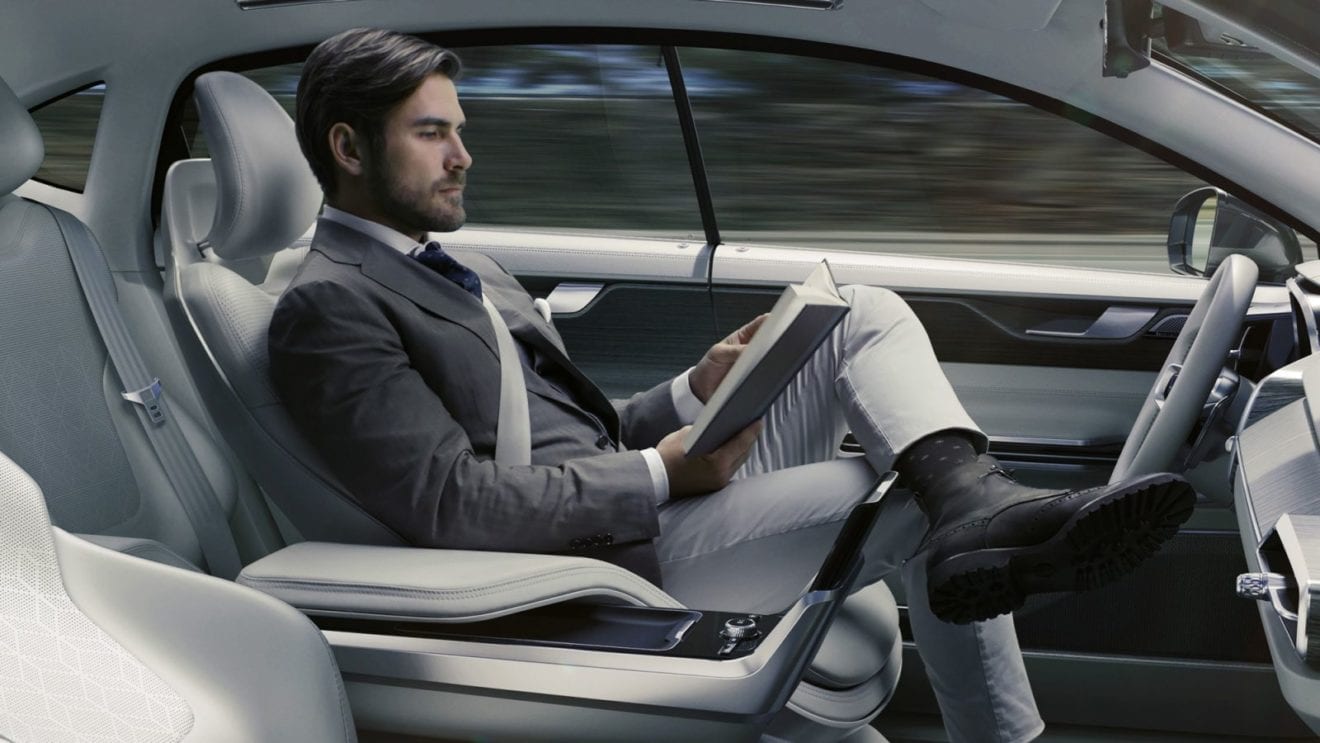
    Ford Motor is considering deploying self-driving vehicle technology in larger commercial vehicles and is working with multiple partners to put its autonomous vehicles on the road, a senior Ford executive told Reuters on Tuesday.

    ”We’ve been talking with different partners in different industries“ about potential applications for Ford’s first self-driving vehicle in 2021, including ride-sharing and delivery services,” Sherif Marakby, vice president of autonomous vehicles and electrification at Ford, said in an interview.

    Marakby recently rejoined Ford from ride-services company Uber Technologies, where he oversaw development of self-driving vehicles.

    Ford Chief Executive Jim Hackett, who took over in May, is leading a review of the automaker’s strategy, including its investments in electric and self-driving vehicles.

    The company is already operating Transit vans in an “on-demand” shuttle service called Chariot, which is similar to Uber Technologies ride-hailing service, and eventually could outfit those vehicles with self-driving systems.

    AUTONOMOUS PIZZA DELIVERY

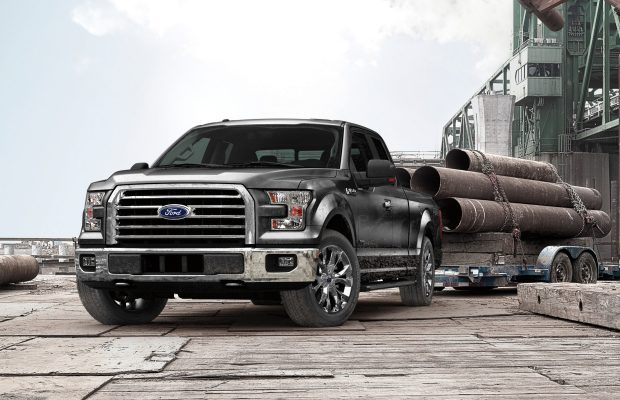
    Tesla and some commercial truck makers are trying to develop self-driving trucks. Ford does not make Class 8, long-haul semi trucks, but the company does build light- and medium-duty F-series trucks and Transit vans that commercial customers use to deliver goods.

    Ford on Tuesday said it is teaming with Domino’s Pizza to test Michigan consumers’ reactions to having their meals delivered by self-driving vehicles.

    It is working with “many other companies” to develop self-driving hardware, while its Pittsburgh-based Argo AI affiliate builds the “virtual driver” software, Marakby said.

    Ford still plans to do much of its own systems integration work, he added. Some rival automakers have announced plans to share much of the engineering work and cost. Germany’s BMW, for example, has partnered with Intel, Delphi Automotive and Fiat Chrysler Automobiles.

    “We’re developing the technology and the (customer) interfaces to go to market directly with our partners,” Marakby said. “We’re open to other arrangements in the future.”

    There has been an explosion of interest in the past year in the development and potential deployment of self-driving vehicles – from car companies and component suppliers to technology giants and startups, as well as large corporations, universities and municipalities.

  • Ford to petition to avoid recall of 2.5 million vehicles

    Ford to petition to avoid recall of 2.5 million vehicles

    Ford Motor will petition to avoid a U.S. recall of about 2.5 million vehicles with Takata air-bag inflators that the Japanese auto supplier declared defective last week, U.S. regulators and the automaker said on Friday.

    Separately, the National Highway Traffic Safety Administration said Nissan Motor agreed to recall 515,394 2007-2011 Versa cars after Takata declared 2.7 million vehicles to have potentially defective inflators.

    Ford spokesman John Cangany said the automaker will file a petition requesting “to continue testing and analyzing our inflators.” The NHTSA said the petition will seek an exemption from the recall because Ford believes the issue is inconsequential.

    Ford said the issue covers 2.5 million vehicles, including the 2007-11 Ranger, 2006-12 Fusion and Lincoln MKZ, 2006-11 Mercury Milan, and 2007-10 Ford Edge and Lincoln MKX. Ford previously said it covered about 2.2 million vehicles.

    Last week, the NHTSA said that new testing prompted Takata to declare inflators defective in Ford, Nissan and Mazda Motor vehicles in some driver-side air bags built from 2012 through 2015.

    The NHTSA said in a statement on Friday that “testing data shows that the propellant in this inflator is degrading and on the path towards potential ruptures in the future. There are no reported ruptures in the real-world or in testing.”

    Takata air bag inflators are already linked to 17 deaths and more than 180 injuries worldwide, and the recalls will eventually cover about 125 million inflators.

    Nissan said last week it would recall 627,000 Versa cars from the 2007-12 model years, including 515,000 in the United States “out of an abundance of caution.”

    Nissan said testing of 895 inflators showed no ruptures, while one “exhibited an elevated internal pressure.” Takata said the inflators potentially could rupture “after several years of exposure to high absolute humidity.”

    Mazda said last week the issue impacts just 6,000 of 2007-09 B-series trucks that were built under a previous Ford partnership. The company said on Friday that it also plans to file a petition to avoid a recall.

    Ford shares fell 1.5 percent on Friday to close at $11.53.

    The automakers have 30 days to submit their petitions, and the NHTSA will then take public comment before making a decision.

    More than 65 percent of 46.2 million previously recalled Takata airbag inflators in the United States have not been repaired. The issue is the largest-ever auto-safety recall, covering 17 automakers.

    Takata filed for bankruptcy protection in June.

  • Ford’s China sales post strongest growth of year in June

    Ford’s China sales post strongest growth of year in June

    Ford Motor Co said its China sales surged 15 percent in June, their strongest pace of the year, as the industry puts the phasing out of a tax cut behind it, adding that it was optimistic about the outlook for the second half.

    Peter Fleet, Ford’s Asia-Pacific chief, said the first quarter had been difficult after a tax on car purchases rose to 7.5 percent from 5 percent previously.

    Although Ford’s China sales declined 7 percent in the first-half from the same period a year ago, they were up 7 percent in the second quarter. Sales for June alone climbed to more than 100,000 vehicles.

    “I would expect to see for the third-quarter strong single digit percentage growth (for) the industry. That’s certainly how it looks to us based on the run rate and how the month of July has opened up,” Fleet said.

    Ford’s level of discounting tracked an overall 4 percent price decline for the industry so far this year, he said.

    “I’m not interested in driving our prices down to drive market share,” Fleet said.

  • Ford recalls 40000 big vans; cracked coupling can cause power loss

    Ford recalls 40000 big vans; cracked coupling can cause power loss

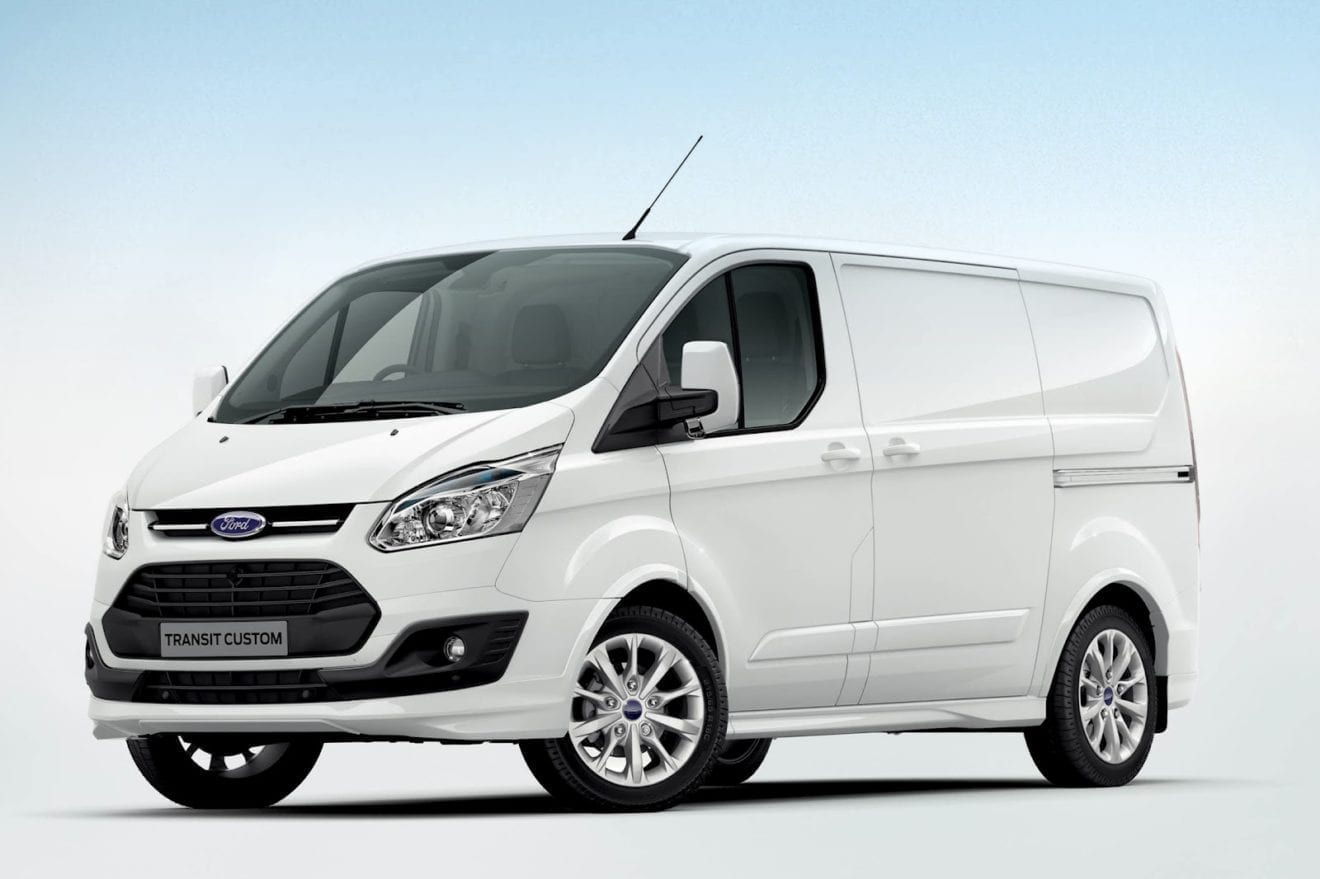
    Ford is recalling more than 400,000 Transit vans and buses to fix cracked drive shaft couplings that can cause the vehicles to lose power.

    The company says the recall covers North American vans, buses and chassis cabs with medium, long and extended wheelbases from 2015 to 2017.

    The coupling can separate from the drive shaft, causing loss of power or unintended movement when shifted into park. It also can damage surrounding parts including brake and fuel lines.

    The company says it’s not aware of any crashes or injuries from the problem.

    Ford says in a statement Wednesday that its data show the couplings won’t deteriorate enough to cause separation in vehicles with fewer than 30,000 miles. So drivers should schedule an appointment to get the coupling replaced after the vans hit that threshold. The company is still developing a permanent fix, and until that happens, drivers should have the couplings replaced every 30,000 miles.

    “We are working quickly to make it available as soon as we can,” spokeswoman Elizabeth Weigandt said.

    Owners will be notified by mail and will get another letter once the permanent repair is available.

  • Ford bets on low oil prices, moves Focus production to China

    Ford bets on low oil prices, moves Focus production to China

    Ford Motor said on Tuesday it will move some production of its Focus small car to China and import the vehicles to the United States in a long-term bet on low oil prices and stable U.S.-China trade relations despite recent tensions.

    The move suggests China could play a much larger role in future vehicle production for North America, perhaps eclipsing Mexico as a low-cost manufacturing source.

    Ford painted the production shift from Mexico to China, slated for mid-2019, as a purely financial move that will save the company $500 million in reduced tooling costs.

    But Ford also expects to ship about 80,000 vehicles to China this year, including the redesigned Lincoln Navigator luxury sport utility vehicle, which goes into production this fall at Ford’s Kentucky truck plant.

    Ford’s decision to import its first vehicles from China to the United States is also the first major manufacturing investment decision made by new Chief Executive Jim Hackett, who succeeded Mark Fields in May. Discussion about the small-car production shift from Mexico to China began “a couple months ago” under Fields, said Joe Hinrichs, president of global operations.

    The decision also signals a shift in strategy at Ford, which is responding to dwindling U.S. consumer demand for small cars in favor of more expensive and more profitable trucks and SUVs. Cars accounted for more than 50 percent of U.S. auto sales as recently as 2012, but have fallen to just 37 percent of sales this year.

    Ford on Tuesday said it would invest $900 million at the Kentucky truck plant to build the redesigned Navigator and Ford Expedition. It has contingency plans to build more of the big SUVs at an Ohio plant if demand grows.

    In January, after U.S. President Donald Trump repeatedly criticized Ford for shipping small-car manufacturing to Mexico, Ford said it would kill plans to build a $1.8 billion Focus plant in San Luis Potosi and instead produce the new Focus at an existing plant in Hermosillo.

    “The Ford decision shows how flexible multinational companies are in terms of geography,” U.S. Commerce Secretary Wilbur Ross said in a statement.

    Trump did not address the issue on Tuesday.

    White House Press Secretary Sean Spicer said Trump “wants to create a tax system (so) that companies want to come back and bring back jobs in manufacturing here in the United States.”

    Although it is cheaper to build and ship cars to the United States from Mexico than China, “this was not a variable cost decision,” Hinrichs said in a briefing on Tuesday. “It allows us to free up a lot of capital” because Ford now has to retool only one plant – the existing Focus factory in Chongqing – rather than two to supply North America.

    The current Focus will be phased out of production in Wayne, Michigan, in mid-2018, according to Hinrichs. The Wayne plant will begin building a new Ranger midsize truck in late 2018 and a Bronco midsize SUV in 2020.

    Ford executives told Trump last year that moving production to Michigan of bigger vehicles that were more profitable would secure the Wayne plant’s future – a decision later praised by Trump.

    No U.S. jobs will be affected by shifting Focus production to China, Ford said, adding that it employs more U.S. hourly workers and builds more vehicles in the United States than any other automaker.

    The United Auto Workers labor union declined to comment.

    Hinrichs said “the capital saving outweighs the risk” of having to pay a potential border tax, or import tax, on the Chinese-built Focus.

    Ford U.S. Focus sales have fallen 22 percent this year, as low gas prices have helped spur more buyers into larger vehicles. Ford’s full-size F-series pickup truck remains the best-selling U.S. vehicle by a wide margin.

    Unlike many consumer products, few Chinese-made vehicles are sold in the United States.

    General Motors has been exporting Buick and Cadillac vehicles from China to the United States since last year, as has Volvo Cars, a unit of Chinese automaker Geely Automobile Holdings.

  • Ford Motor to slash workforce by about 10 percent

    Ford Motor to slash workforce by about 10 percent

    Ford Motor is set to cut about 10 percent of its global employee headcount in an effort to boost profit and its sliding stock price.

    The job cuts, expected to be revealed as early as this week, would largely target salaried employees, said on Monday.

    The automaker is targeting $3 billion in cost cuts for 2017 in a bid to improve profitability in 2018, the journal said.

  • Ford recalls F-250 pickups that could roll while in park

    Ford recalls F-250 pickups that could roll while in park

    Ford Motor is recalling about 52,600 F-250 pickup trucks sold in the United States and Canada because the vehicles could roll after the driver moves the automatic transmission lever into park position, the company said on Saturday.

    The recall, the third announced by Ford this week, affects 2017 model year F-250 vehicles powered by 6.2-liter gasoline engines and built in its Louisville, Kentucky, truck plant, it said in a statement.

    Ford, the second-largest U.S. automaker, also said it was unaware of any injuries or accidents associated with the latest issue.

    The company said on Wednesday it was recalling 211,000 vehicles in North America to replace potentially faulty side door latches.

    Another recall involves 230,000 vehicles that present a fire risk in the engine compartment. Ford said it had reports of 29 fires related to that issue but no injuries.

    The Dearborn, Michigan-based automaker had previously recalled nearly 4 million vehicles for door latch issues in six separate announcements since 2014, including 2.4 million vehicles recalled in late 2016.