Retail News CRM

Tag: ford

  • Ford says it will spend $295 million on two new recalls

    Ford says it will spend $295 million on two new recalls

    Ford Motor Co, the second largest U.S. automaker, on Wednesday announced two new recalls affecting 440,000 vehicles and expects to spend about $295 million to fix the issues.

    The recalls include 211,000 vehicles in North America to replace potentially faulty side door latches and 230,000 vehicles for under-hood fire risks. Ford said it has reports of 29 fires but no injuries.

    Ford said the cost of the recalls were included in its updated earnings guidance issued last week.

    Last week, Ford warned it expects lower earnings per share in the first quarter and lower pretax profit in 2017 due to higher spending on commodities, warranties and investments and a drop in sales volumes especially fleet sales.

    The Dearborn automaker had previously recalled nearly 4 million vehicles for door latch issues in six separate recalls since 2014, including 2.4 million vehicles recalled in late 2016. In September, Ford said it was taking a $640 million charge for its expanded side-door latch recalls.

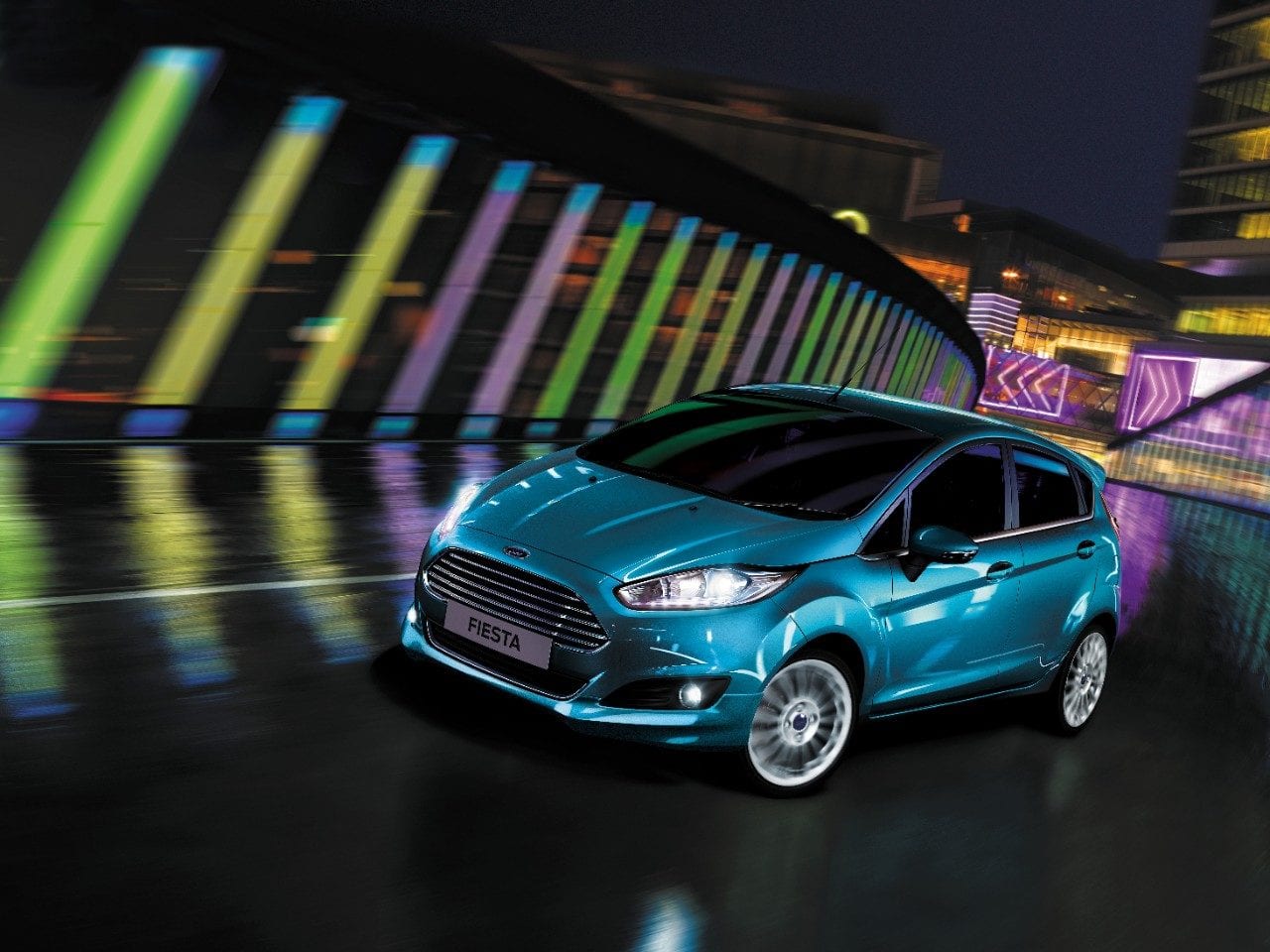
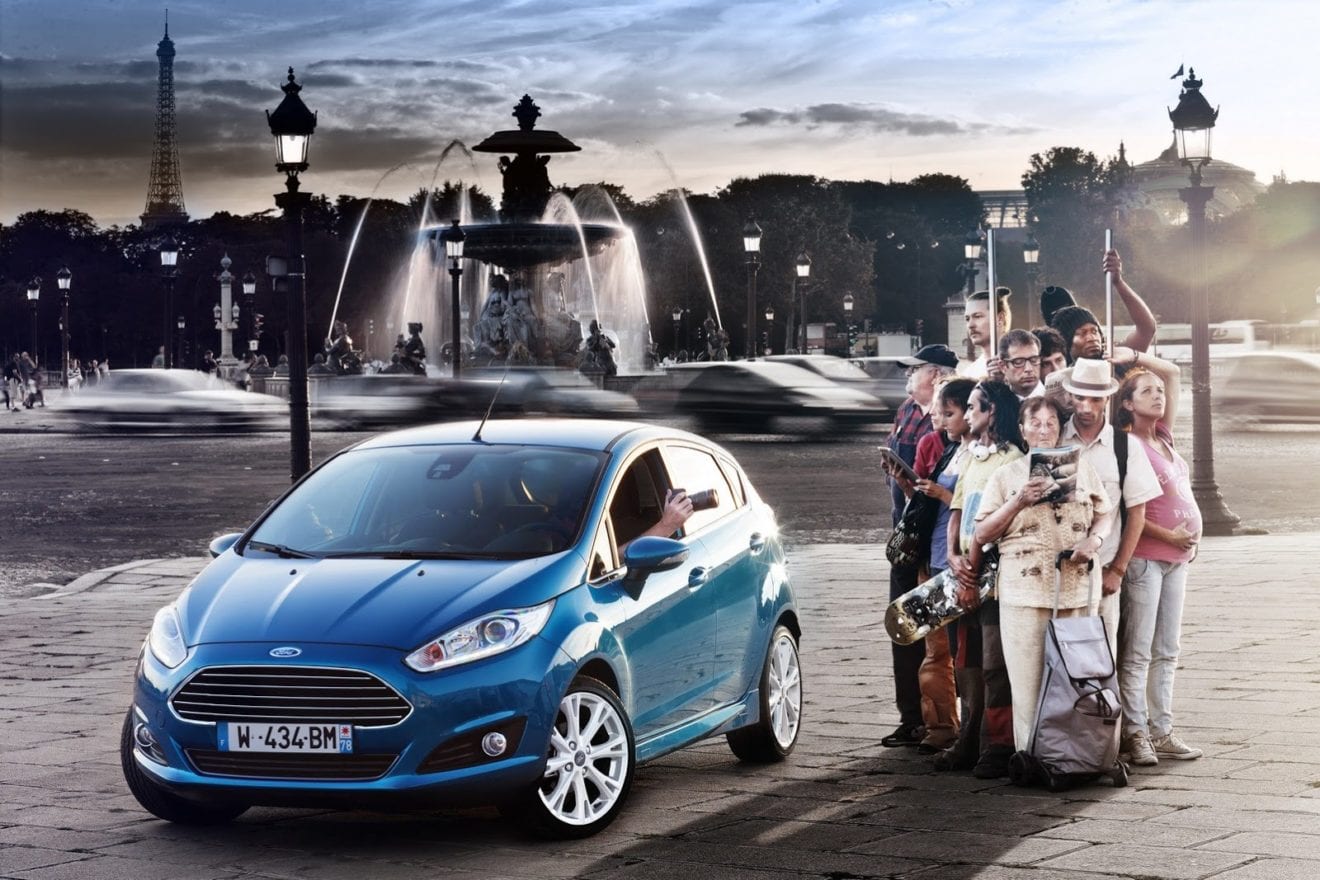
    The new door latch recall includes 211,000 2014 model year Ford Fiesta, 2013-14 Ford Fusion and 2013-14 Lincoln MKZ vehicles. Ford said it not aware of any crashes or injuries associated with this issue.

    The U.S. National Highway Traffic Safety Administration (NHTSA) said in 2015 it had 1,102 reports related to the problem and Ford said it had 10,883 warranty claims related to door latch failures. Some owners told NHTSA they used ropes or tape or seatbelts to restrain doors.

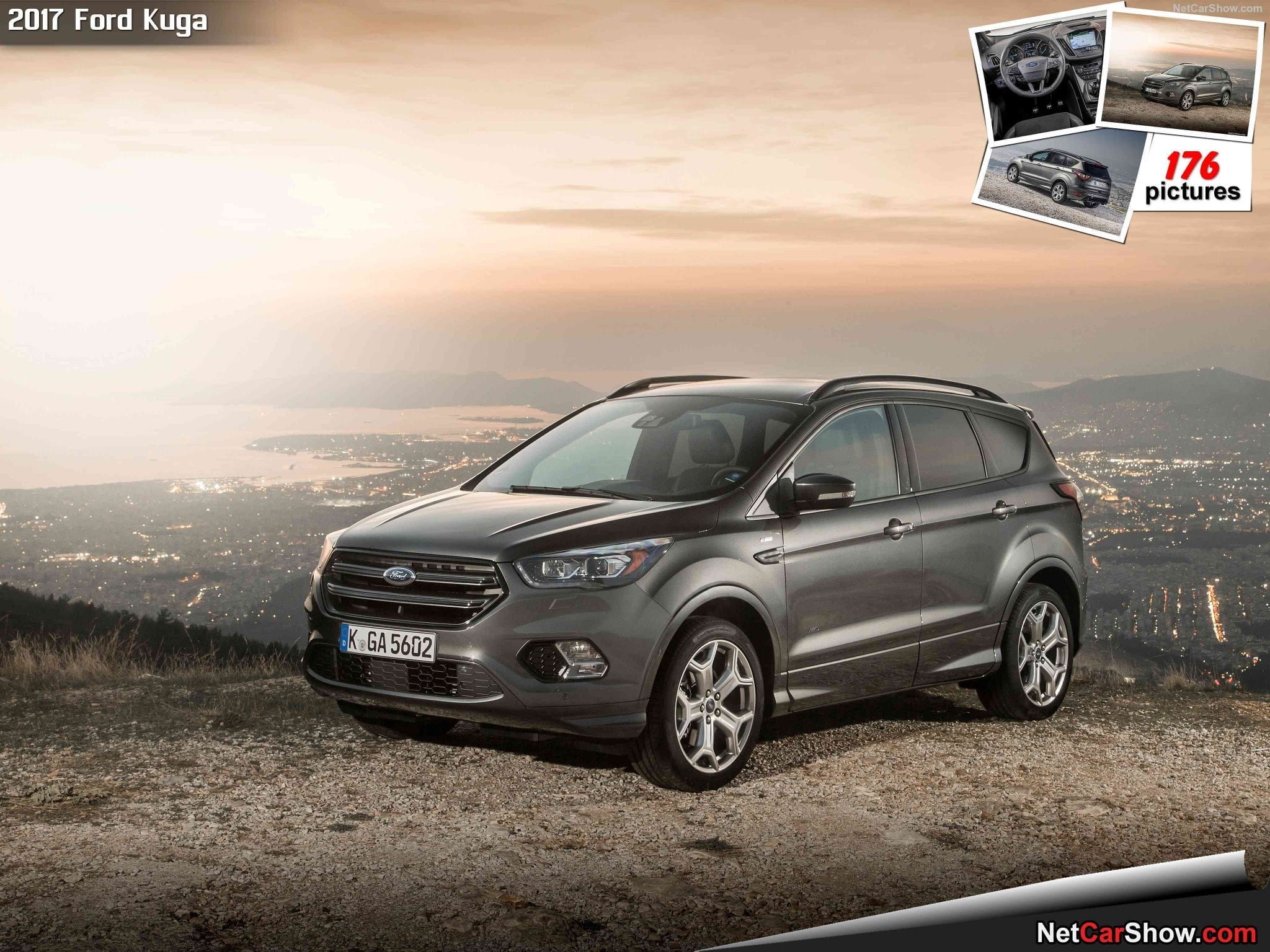
    The under-hood fire recall covers 230,000 2013-15 Ford Escape, Ford Fiesta ST, Ford Fusion and Ford Transit Connect vehicles equipped with 1.6-liter GTDI engines in North America.

    Ford said a lack of coolant circulation could cause an engine to overheat, resulting in a crack in the cylinder head, which could result in a pressurized oil leak and raise the risk of a fire.

    In October, NHTSA opened a preliminary investigation into 440,000 Ford 2011-2013 Edge SUVs over door latch warning light issues. The agency said Wednesday it is closing its investigation without seeking a recall.
  • Ford’s Lincoln plans to produce new luxury SUV in China by late 2019

    Ford’s Lincoln plans to produce new luxury SUV in China by late 2019

    Ford Motor Co’s luxury unit Lincoln on Monday said it plans to produce a new luxury SUV in China by late 2019.

    “The new luxury SUV will be built in partnership with its joint venture partner Changan in Chongqing,” Lincoln China said in a press release.

  • Ford exploring 3D printing of one-piece auto parts

    Ford exploring 3D printing of one-piece auto parts

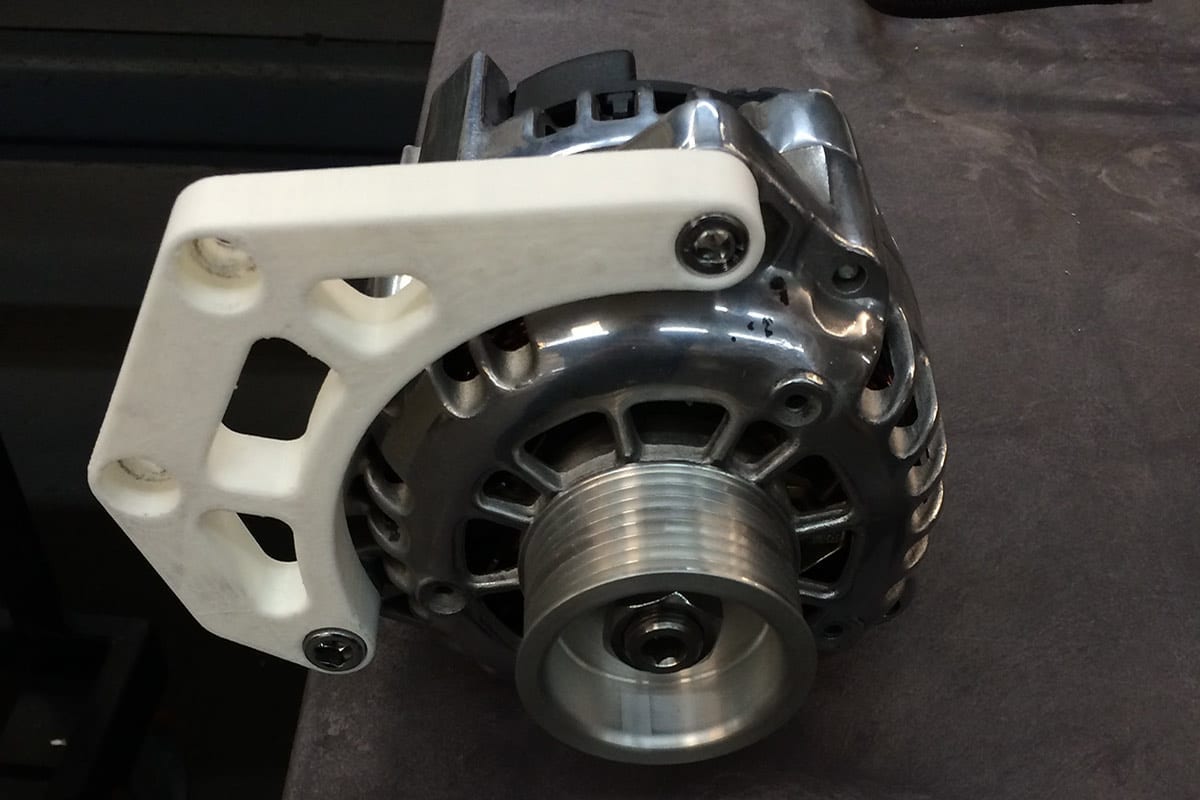
    US based car manufacturer Ford Motor Company is exploring how large-scale one-piece auto parts, like spoilers, could be printed for prototyping and future production vehicles, as the first automaker to pilot the Stratasys Infinite Build 3D printer.

    Capable of printing automotive parts of practically any shape or length, the Stratasys Infinite Build system could be a breakthrough for vehicle manufacturing claims the company. It will provide more efficient and affordable way to create tooling, prototype parts and components for low-volume vehicles such as Ford Performance products, as well as personalized car parts.

    The new 3D printer system is housed at Ford Research and Innovation Center in Dearborn.

    “With Infinite Build technology, we can print large tools, fixtures and components, making us more nimble in design iterations,” said Ellen Lee, Ford technical leader, additive manufacturing research. “We’re excited to have early access to Stratasys’ new technology to help steer development of large-scale printing for automotive applications and requirements.”

    Wider adoption of 3D printing has been driven by recent technology advances, new areas of application and government support, according to Global Industry Analysts.

    By 2020, the global market for this emerging technology is expected to reach $9.6 billion, the organization reports. As 3D printing becomes increasingly efficient and affordable, companies are employing it for manufacturing applications in everything from aerospace to education to medicine.

    3D printing could bring immense benefits for automotive production, including the ability to produce lighter-weight parts that could lead to greater fuel efficiency. A 3D-printed spoiler, for instance, may weigh less than half its cast metal counterpart.

    The technology is more cost efficient for production of low-volume parts for prototypes and specialized race car components. Additionally, Ford could use 3D printing to make larger tooling and fixtures, along with personalized components.

    How it works
    With 3D printing, specifications for a part are transferred from the computer-aided design program to the printer’s computer, which analyzes the design. The device then goes to work, printing one layer of material at a time, then gradually stacking layers into a finished 3D object.

    When the system detects the raw material or supply material canister is empty, a robotic arm automatically replaces it with a full canister. This allows the printer to operate unattended for hours – days, even.

    Using traditional methods to develop, say, a new intake manifold, an engineer would create a computer model of the part, then have to wait months for prototype tooling to be produced. With 3D printing technology, Ford can print the intake manifold in a couple of days, at a significant cost reduction.

    3D printing is not yet fast enough for high-volume manufacturing, but it is more cost efficient for low-volume production. Additionally, minus the constraints of mass-production processes, 3D-printed parts can be designed to function more efficiently.

  • Ford posted record sales in Philippines in 2016

    Ford posted record sales in Philippines in 2016

    Ford Philippines said it posted new record sales in 2016, the fourth in a row, with sales rising 33 percent to 33,688 vehicles, driven by continued strong demand for EcoSport, Everest and Ranger.

    The company said it also had the best-ever December performance in the Philippines with sales increasing 13 percent year-on-year to 3,198 vehicles.

    “Our big three nameplates – Ranger, Everest and EcoSport – continued to lead the charge throughout the year and further solidify the Ford brand as a top choice among Filipinos,” said Ford Philippines managing director Lance Mosley.

    The Everest became Ford’s best-seller in the Philippines in 2016 with full-year sales rising 152 percent year-on-year to a record 12,453 vehicles, finishing the year with a 6-percent rise in December sales to 1,066 vehicles.

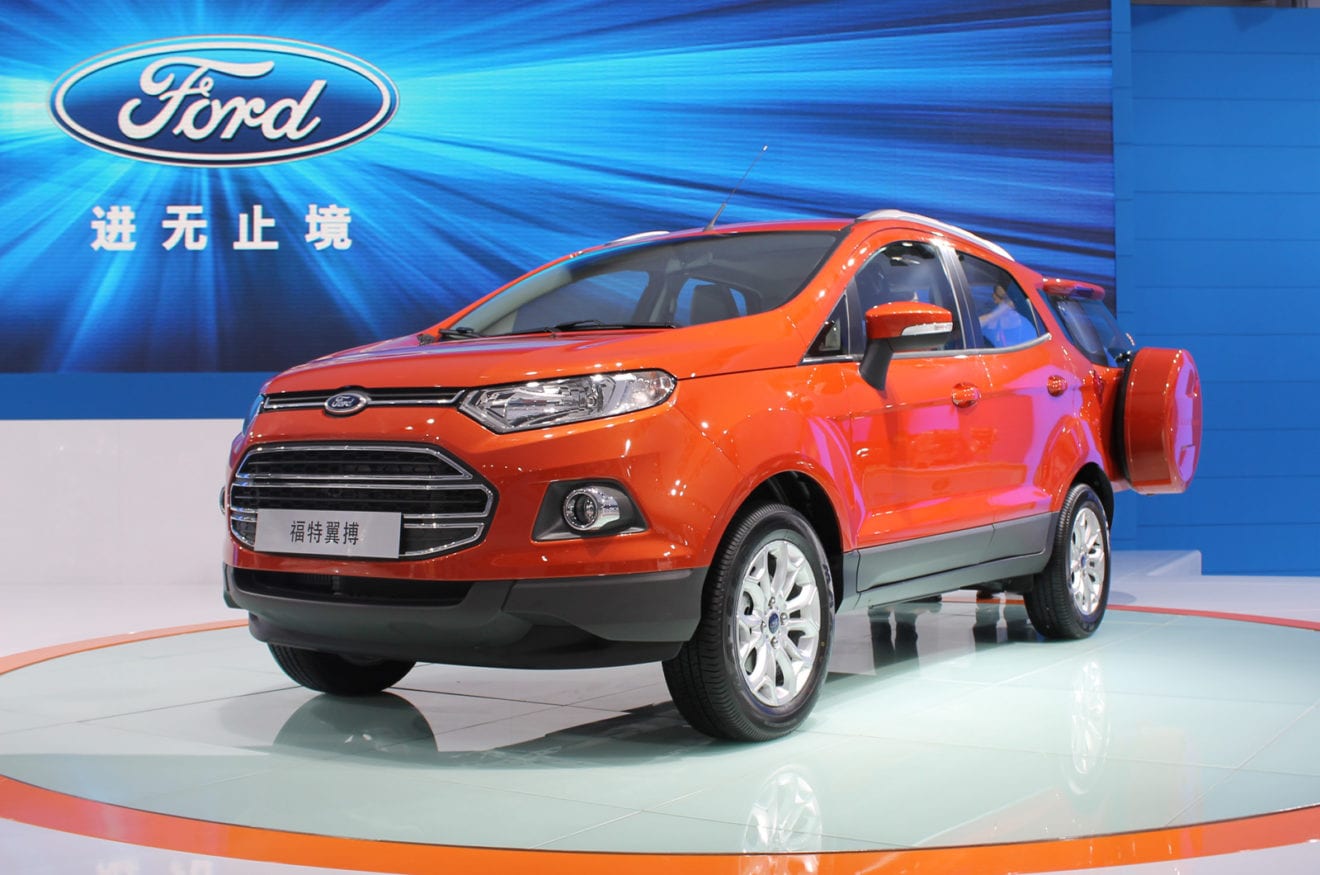
    The EcoSport compact SUV also turned in its best-ever full-year performance with retail sales rising 15 percent to 10,010 vehicles, capping the year with December sales rising 40 percent to an all-time monthly record of 1,123 vehicles.  The Ranger, on the other hand, finished 2016 as the second best-selling pickup truck in the Philippines with total retail sales of 8,158 vehicles.

  • Ford recalls Kugas after cars burst into flames

    Ford recalls Kugas after cars burst into flames

    U.S. auto-maker Ford will recall 4,500 Kuga SUVs sold in South Africa after dozens of reports of the vehicles catching fire spontaneously, the head of the company’s South Africa unit said on Monday.

    In a joint statement with the National Consumer Commission (NCC), Ford’s Southern Africa President and chief executive Jeff Nemeth said the company could confirm 39 incidents of the cars catching fire.

    “We are not aware of any injuries that have resulted from our engine compartment fires,” Nemeth told a media briefing.

    He said early investigations revealed that fires in the Kuga 1.6 liter model, imported from Spain, were likely due to overheating caused by a lack of coolant circulation which could lead to a crack in the cylinder head and oil leaks.

    If oil reached a hot engine component it could catch fire, Nemeth said. Ford officials said at the briefing that hot weather in South Africa could be a contributing factor.

    The voluntary recall of the 4,500 cars is down from a previous estimate of 6,300, and will only affect Kuga models built between December 2012 and February 2014.

    Nemeth refused to reveal the cost of the recall to Ford, which will replace affected components on the cooling system, update software and conduct tests on cylinder heads.

    In October, the company’s North American arm recalled 400,000 units of the Ford Escape – the U.S. version of the Kuga – also due to engine problems.

    “A product that poses any risk to our consumers does not have a place in our market place,” NCC commissioner Ebrahim Mohamed said at the briefing.

  • Ford bets on Mustang to power up China profits

    Ford bets on Mustang to power up China profits

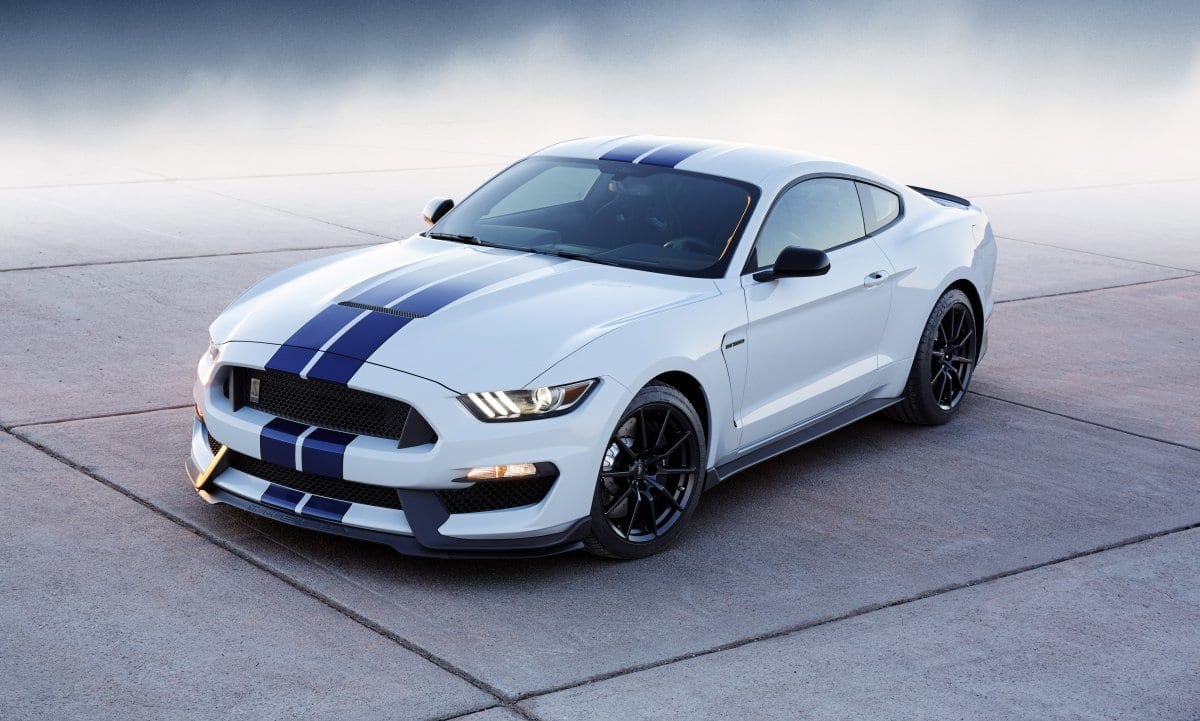
    Ford Motor is betting on one of its most distinctively American models, the Mustang muscle car, to boost the company’s sales and profits in China.

    Ford began selling the Mustang in China in early 2015, and it is a niche vehicle, selling at a rate of about 3,000 cars a year. Still, that makes the Mustang, which starts at 399,800 yuan ($57,670) the top-seller in a sporty car segment against more expensive vehicles like the Audi TT and the Nissan Skyline GT-R. Mustang last year outsold the Chevrolet Camaro from General Motors Co by nearly 15 to one.

    With styling that harks back to 1960s Detroit muscle cars, the Mustang stands out in a Ford lineup dominated by practical sedans and sport utility vehicles. Ford’s sales in China grew by 50 percent in 2013 and 20 percent in 2014, but in 2015 the pace slowed to 3 percent. In 2016, Ford added the Lincoln luxury brand to its China lineup and expanded sales by 14 percent.

    Industry analysts said Ford’s China market profits and profitability were relatively healthy, with operating margins for Ford’s joint ventures with Chongqing Changan Automobile Co Ltd (000625.SZ) and Jiangling Motors Corp (JMC) (000550.SZ) in the 14-16 percent range over the past three years.

    But competition in the world’s largest car market continues to heat up as global automakers, from GM to Volkswagen AG to Toyota Motor Corp, add more models to product ranges. Indigenous Chinese automakers, too, are launching models that can compete more head-on with global carmakers’ products.

    Ford officials said the company’s China operations did not have specific profit objectives but were trying to keep margins in their current “healthy” range.

    “In terms of having a pricing power on your brand, you want people to be choosing your brand for rational reasons, but if you could also (combine) that with emotional reasons, that’s when you get some pricing power,” Peter Fleet, Ford’s executive in charge of sales and marketing for the Asia-Pacific region told Reuters.

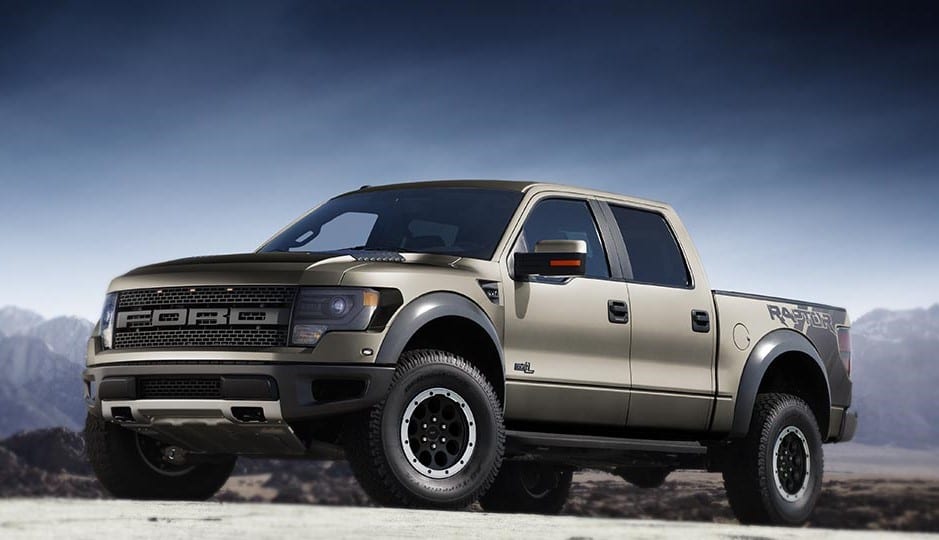
    The Mustang and the F-150 Raptor, a high performance version of Ford’s F-150 large pickup truck, provide the emotion, he said.

    The formula works for Dong Zirui, a 27-year-old small rental car business owner in the northeastern China city of Tangshan who bought a Mustang late last year.

    “The Mustang is a rear-wheel-drive car,” said Dong who decided to buy the Mustang when he spotted photos of it online. “It’s a savage when you try some drifting stunts with the car.” But Dong said he can fit his wife and young son in the car when he needs to.

    Dealers say the Mustang brings in two types of buyers to Ford stores: younger drivers, mostly younger than 30 years of age, from upper-middle class families, who have recently finished their studies and have financial support from their parents, as well as drivers in their 30s and 40s who have work or life experience outside China.

    “Ford has a cleaner sheet in China, so there might be an opening for those halo cars to help the company improve its brand image,” said James Chao, Asia-Pacific chief for consulting and research firm IHS Markit Automotive, referring to China being a relatively young market.

    As Chinese consumers typically make car purchasing decisions based on word-of-mouth advice from their family and friends, Mustang buyers can be influential opinion leaders for Ford.

    Guo Xin, a 30-year-old rally car racer and stunt driver for films and commercials in Beijing, said he liked the Mustang so much that in 2011 he helped form a Mustang Club of China which now has some 2,000 members.

    “Growing up I used to see the Mustang in movies,” said Guo who drives a 2006 Mustang and also owns a 1966 Mustang.

    Guo’s classic Mustang would turn heads even in Detroit. But he cannot take it out on public roads. Used cars brought in from outside China cannot be registered in the country.

  • Recall, product launch costs slash Ford third-quarter profit

    Recall, product launch costs slash Ford third-quarter profit

    Ford Motor Co reported a more than 50 percent drop in third-quarter net income on Thursday, saying its North American business suffered from lower sales, higher recall costs and a complicated introduction of a new pickup truck.

    The profit exceeded Wall Street expectations, however. The automaker said it still expected full-year earnings of $10.2 billion and a return to positive cash flow after burning through $2 billion in the third quarter.

    Net income dropped to $961 million, or 24 cents a share, from $2.2 billion, or 55 cents a share, a year earlier.

    Excluding one-time items, Ford said earnings were 26 cents a share, beating the analysts’ average estimate of 20 cents compiled by Thomson Reuters I/B/E/S.

    Third quarter revenue was $35.9 billion, down 6 percent, and North American operations revenue was $21.8 billion, down 8 percent.

    Ford had signaled most of the major numbers at a September investors presentation, and the results released on Thursday were little changed. The company’s shares were down about 1.4 percent at $11.76 in afternoon trading.

    Ford’s pretax operating margins were down by about half at 5.8 percent in North America and 3.3 percent worldwide.

    “What’s happening to the company is what’s happening in North America,” Chief Financial Officer Bob Shanks told reporters on Thursday.

    Shanks said three factors accounted for a $1.6 billion decline in Ford’s North American pretax profit: costs of ramping up the new Super Duty pickup truck, which has an average price of about $62,000; a door-latch recall charge of $600 million recall; and lower profits from the company’s F-150 pickup truck.

    Ford is cutting production of the F-150 in the fourth quarter and, in a new action, will idle one shift for a week at a plant in Kansas City, Missouri, to reduce inventories of the truck, Shanks said. The F-150 is Ford’s best-selling vehicle and one of its most profitable models.

    The company said pretax profit in Europe jumped to $138 million from $9 million.

    However, Shanks said the falling value of the British pound would cost Ford $140 million in the second half of 2015 and $600 million next year. Ford is 80 percent hedged against the currency for 2017, he said.

    Income from Ford’s Chinese joint ventures rose 26 percent to $320 million. “China is very, very strong,” Shanks said.

  • Ford Philippines retail sales up 32% in Q3

    Ford Philippines retail sales up 32% in Q3

    Retail sales of Ford Philippines surged to 8,244 units in the third quarter of 2016, up 32 percent from a year earlier.

    The demand for the EcoSport, Ranger, and Everest models helped grow the carmakers’s Philippine sales, Ford said in a statement on Thursday.

    Car sales stood at 24,993 units in the year-to-date, up 50 percent year-on-year.

    “Our full lineup of global Ford vehicles is contributing to another exceptional year of growth. EcoSport, Everest and Ranger continue to be the main drivers, but the rest of our showroom, including vehicles like Explorer, Fiesta and Mustang are helping build on the broad-based appeal for the Ford brand in the market,” said Lance Mosley, managing director of Ford Philippines.

    Ford Philippines is the local distributor of America’s Ford Motor Co.

  • Indonesia to look into Ford’s sales after report on tax avoidance

    Indonesia to look into Ford’s sales after report on tax avoidance

    Indonesia’s tax office said it will look into whether Ford Motor Co (F.N) had avoided paying appropriate taxes, after a local newspaper reported that the U.S. car maker modified imported Everest model vehicles sold in the country to pay a lower tax rate.

    Suara Pembaruan, citing an unnamed source, said Ford modified the seven-seater vehicles made at its Thailand factory into 10-seaters before importing them and then subsequently changing them back into seven-seaters for sale. It said the modifications happened from 2007 to 2014. (bit.ly/2coZtbk)

    An imported seven-seater like Ford’s Everest is subject to a luxury goods sales tax of 40 percent in Indonesia, compared with the 10 percent tax imposed on an imported 10-seater, the newspaper said in the report on Wednesday.

    “I will study the case,” Ken Dwijugiasteadi, director-general of taxes, told reporters on Thursday. “We will investigate anyone who carries out a tax violation.”

    Ford imported, sold and delivered its Everest vehicles to its dealers in Indonesia in both 7-seat and 10-seat configurations, a Ford spokesman said in an email.

    “We have always strictly complied with all Indonesia government regulations and policy, including all import-related tax and customs requirements, related to each of our Ford vehicles officially marketed and sold in the country,” he said.

    Ford announced in January it is closing all operations in Southeast Asia’s biggest economy, but if the car maker is proven to have caused state losses, it may have to pay back taxes of up to four times the amount it owed, according to Indonesian law.

    The automaker, which had a less than 1 percent market share in Indonesia, is also facing a potential lawsuit from its dealers there who demanded around $75 million in compensation after its move to withdraw from Southeast Asia’s biggest car market.

  • Thai auto sales pose dilemma for Vietnam

    Thai auto sales pose dilemma for Vietnam

    Statistics from the General Department of Vietnam Customs show that the foreign sector controls roughly 80% of the local car and automobile (excluding motorbike) retail market with a sales volume eclipsing all of Southeast Asia.

    thai auto sales pose dilemma for vietnam hinh 0

    Auto distributors and original equipment manufacturers (OEMs) based out of Thailand hold the largest share of the retail market followed by the Republic of Korea (RoK) and China in descending order of magnitude.

    Compared to Vietnam, Thailand’s success at attracting top brands the likes of Ford, Toyota, Honda and Nissan, is in large part attributable to the countries more favourable tax structure.

    Taxes and fees account for up to 50% of the final sales price of a vehicle manufactured in Vietnam, a figure that is more than 20% higher than the comparable taxes and fees charged in Thailand.

    Prior to the emergence of the ASEAN Economic community (AEC) the Vietnam government was able to regulate the local auto industry via the imposition of import tariffs and local taxes as appropriate.

    However, with the arrival of the AEC at the beginning of 2016 and the elimination of import tariffs pursuant to the ASEAN Trade in Goods Agreement, Thai auto sales in Vietnam have shot up rapidly.

    Under the agreement, the import tax on automobiles from Thailand and other ASEAN members – Myanmar, the Philippines, Malaysia, Singapore, Laos, Indonesia, Cambodia, Brunei and Vietnam – have dropped by 40-50% in 2016.

    They will continue to fall by another 30% in 2017 and be eliminated entirely by the end of 2018.

    Meanwhile, the Vietnam government has not concurrently reduced the taxes and fees on local manufacturing of autos and this explains, in large part, why vehicles produced in Thailand are less expensive.

    Notably, Thailand also has more than 2,000 OEMs, which has aided the country’s rise to become the biggest hub for auto and part exports not only to Vietnam but the entire Southeast Asian region.

    Without a doubt, say many leading experts, after 2018, the complete roll back of the import duty will put ownership of an automobile within reach of the majority of Vietnamese citizens.

    This, they say, could lead to explosive sales growth and a myriad of adverse consequences for the nation.

    It’s problematic because its puts excessive pressure on the public transport infrastructure, overburdens traffic systems and potentially threatens traffic congestion that would choke off commerce.

    Not to mention the threat to public health brought about by pollution and auto accidents, they say, noting the elevated need for the government to advocate strongly for effective policies that reduce auto use throughout the nation.


  • Ford to recall 91,000 cars worldwide to fix fuel-pump issue

    Ford to recall 91,000 cars worldwide to fix fuel-pump issue

    Ford Motors said on Wednesday it was recalling about 91,000 vehicles worldwide to replace faulty fuel-pump parts that could potentially cause a car to stall without warning.

    Ford said it would replace fuel-pump control modules in about 88,151 vehicles, including certain of its 2013-15 model year Ford Taurus sedans, Ford Flex crossover utility vehicles, Lincoln MKS sedans, Lincoln MKT SUVs and Ford Police Interceptor sedans. (ford.to/2bOOxjg)

    The company also said it would recall about 2,472 Ford Transit vans to replace fuel-injection pumps in certain models manufactured in the year 2015-16.

    The carmaker said it was additionally recalling 23,150 Ford Escape SUVs of 2017 model year to update power-window software.

    Ford said is was not aware of any accidents or injuries associated with the issues.

  • Ford plans self-driving car for ride share fleets in 2021

    Ford plans self-driving car for ride share fleets in 2021

    Ford Motor Co plans to offer a fully automated driverless vehicle for commercial ride-sharing in 2021, the automaker announced Tuesday, expanding its efforts in driverless cars and ride sharing – two areas where rivals have already made inroads.

    To help speed development of self-driving cars, Chief Executive Mark Fields said Ford is hiking investments in Silicon Valley technology firms, tripling its investment in semi-autonomous systems, and more than doubling the size of its Palo Alto research team while expanding its campus in Silicon Valley.

    “We’re not in a race to be first,” Fields said at the company’s Palo Alto research and development lab, adding he was not concerned that rival General Motors had made a high-stakes play in ride services with its $500 million investment in Lyft in January.

    Ford does not yet know whether it will partner with Uber, Lyft or others, with Fields saying “all options are open and on the table.” He said Ford may choose not to partner, and roll out such services on its own.

    Ford’s announcement leaves many crucial strategy details still undecided. Yet Ken Washington, Ford’s vice president of research, said it was important to signal that Ford intends to win in this space, even with key elements still unknown.

    “We’re saying to partners, we are the winning partner. It’s not a hollow promise, it’s a real intent,” Washington said.

    Ford Chief Technical Officer Raj Nair said the company likely will not offer a similar driverless car without steering wheel or pedals to consumers until 2025 or later. Launching a self-driving car first for ride-sharing is a better way to reach the mass market and make the cars more affordable, he said.

    In a philosophy shared by Alphabet’s Google, Ford does not intend to develop incremental autonomous systems that would occasionally require drivers to take the wheel, instead committing to a full self-driving car.

    “We abandoned the stepping-stone approach,” Fields said, saying there are too many risks involved in the safe “hand-over” of driving responsibility between car and driver.

    The death of a Tesla driver in May who was using the company’s “Autopilot” system but had his hands off the wheel has underscored the confusion over drivers’ responsibilities in a semi-autonomous car.

    Ford also said it had, along with Baidu Inc – China’s largest internet company – jointly invested $150 million in Velodyne, which makes laser-based sensors that are a major building block in self-driving cars. Nair said Ford’s investment was $75 million.

    Earlier this year, Ford invested in Silicon Valley firm, Civil Maps, for advanced mapping for self-driving vehicles.

    Ford rivals, including General Motors and Uber Technologies, are also developing self-driving vehicles for use in ride services.

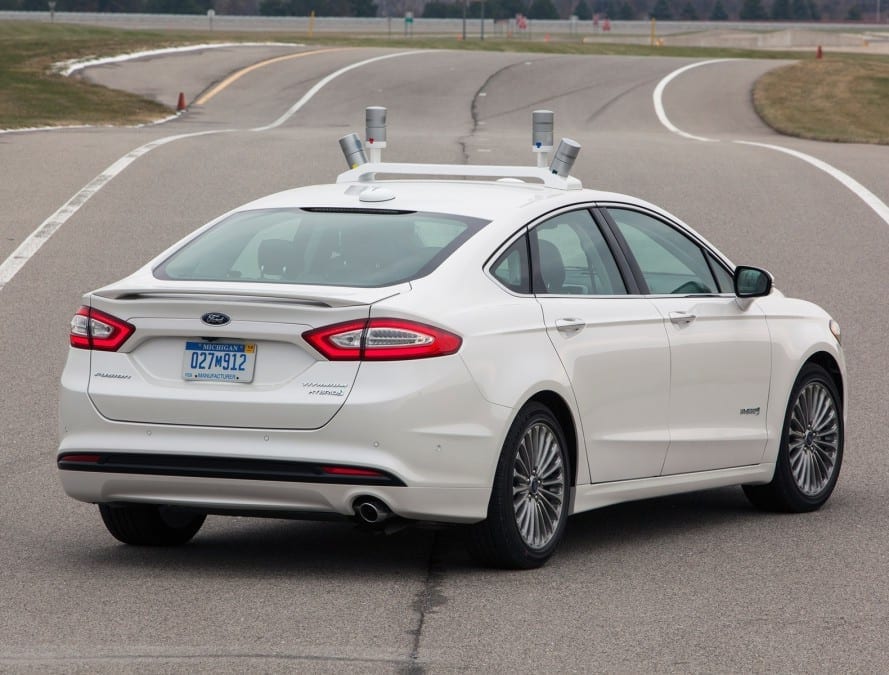
    Ford said it expects to deploy 30 self-driving Fusion Hybrid prototypes this year, and 90 next year.

    Nair said Ford, with its investments and its acquisition of SAIPS, an Israeli machine learning startup, now have the tools in place to develop a fully driverless vehicle, but said “there’s still a lot of engineering development” between now and 2021.

  • Ford’s exit from Indonesia upsets its dealers

    Ford’s exit from Indonesia upsets its dealers

    Ford’s dealers in Indonesia are now seeking to recoup their losses after the automaker said earlier this year it would close all operations in the country.

    Ford has been struggling to gain market share and to make some reasonable profits in Indonesia since its entrance in the market in 2002. Recent years have been especially challenging, as the country’s new car market started to be affected by the overall economic slowdown. At the beginning of the year, the Detroit-based automaker said it decided to exit from all segments of business, including closing dealerships and stopping sales and imports of Ford and Lincoln vehicles. The company made a similar decision for Japan as well.

    Reuters reports that dealers are now looking to get around 75 million dollars in compensation, looking to take their demands to court if they are not reaching an agreement with the automaker. They are claiming they made considerable investment in their businesses to support an expansion plan that Ford announced in 2011, but which never came. When it announced the shutdown back in January, Ford said it would start talks with its dealers to implement its exit plan later in the year.

    The automaker has a staff of 35 and sells its cars through 44 franchised dealerships in Indonesia, while last year it delivered around 6,000 vehicles, taking a 0.6 percent share of the total new car market. General Motors also decided to close its production operations at a local plant in Indonesia in 2015, ceasing output of locally manufactured GM-branded autos, forced by the intense competition from the Japanese brands, such as Toyota and Honda.

  • Ford Malaysia notches up 650 units in sales in March

    Ford Malaysia notches up 650 units in sales in March

    Ford Malaysia has announced its retail sales figures in the country for the month of March 2016, which grew 24% from the previous month to 650 units. In February, the company managed to shift 524 units.

    The sales performance was largely contributed to by the Ranger. While 432 units of the pick-up truck were sold in February, the month of March saw a 19% increase to 513 units. Even discounting the Ranger, Ford’s sales of the rest of the line-up rose from 92 units in February to 137.

    Ford Focus 1.5L EcoBoost quick drive 3

    “As the most capable, most powerful and smartest truck in the market today, the Ranger stays true to ourBuilt Ford Tough heritage, and we’re pleased that demand continues to grow across both Peninsula and East Malaysia,” said David Westerman, managing director, Malaysia and Asia Pacific Emerging Markets, Ford Motor Company.

    As for the remaining units sold in March, they are represented by the other models in the line-up, including the recently-introduced Focus facelift with its 1.5 litre EcoBoost engine. We already had a go in the C-segment model, where we praised the car’s revised dynamics and easy-to-use assisted parking features.

  • Ford to Shutter Operations in Japan, Indonesia

    Ford to Shutter Operations in Japan, Indonesia

    After pursuing “every possible option,” global auto giant Ford Motor Co. has said decided to close down all operations in Japan and Indonesia by the end of this year.

    “It has become clear that there is no path to sustained profitability, nor will there be an acceptable return over time from our investments in Japan or Indonesia,” said Karen Hampton, Ford’s Asia Pacific spokeswoman, in a statement.

    The company, she said, is committed to restructuring parts of its business that “have no reasonable path to achieve sales growth,” adding that Ford will provide ongoing support in both countries to customers for service, spare parts, and warranties.

    Industry-wide sales, even among domestic auto makers, in both Indonesia and Japan slumped in each of the last two years. Domestic automakers sold about five million vehicles in Japan last year with foreign brands holding less than six percent market share there.

    Ford's operations in Indonesia involved shipments of export cargo and import cargo in international trade.

    “In Indonesia, it was difficult for Ford to compete without local manufacturing and vehicles to sell in key market segments,” Ford spokesman Neal McCarthy told the Associated Press.

    The company, he said, has restructured its business there, but still has less than one percent of the market with “no reasonable path to sustained profitability,”

    The Ford retreat follows in the wake of rival GM’s closure last year of its manufacturing plant in Indonesia, the largest auto market in Southeast Asia.

    The GM plant was originally opened in 1995, but closed between 2005 and 2013, when it reopened with a $150 million investment.