Retail News CRM

Tag: group

  • Hong Kong’s I.T to open new Orange Forest retail concept on Friday

    Hong Kong’s I.T to open new Orange Forest retail concept on Friday

    Hong Kong’s I.T Group will open its new Orange Forest concept in Tsim Sha Tsui on Friday, December 13.

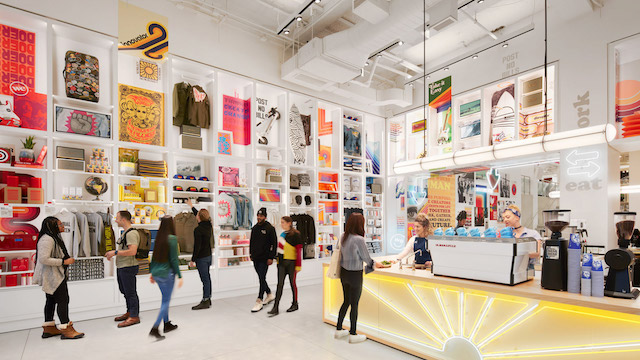
    Located at The One shopping mall, the new store occupies an 18,000sqft area, spanning two floors. I.T’s space is divided into different areas including store-in-store concept, Stylenanda, casual footwear, and fashion accessories zone, Afuri ramen restaurant and Deus Ex Machina & Deus cafe.

    The I.T Orange Forest flagship features store-in-store of brands such as Baby Milo store, Beams Boy, Burton, Deus Ex Machina, and The North Face. The store’s displays are enriched with outdoor elements resembling sports ground or stadium. Pastel tones contrast with bold hues intended to “accentuate an exuberant and youthful vibe”.

    Different from its usual pinky design, the new Stylenanda at I.T Orange Forest embraces the ‘Urban Concrete’ concept of the latest Seoul and Beijing flagships inspired by minimalism.

    Adorned with nets, casual footwear and fashion accessories zone feature more than 100 New Era caps, sneakers, and backpacks.

    I.T Orange Forest also presents Japanses ramen restaurant Afuri which will offer the famous Yuzu Shio Ramen and Yuzu Shoyu Ramen in the chicken broth infused with the yuzu together with homemade dumplings, tsukemen and Japanese sakes.

    Another eatery is Deus cafe, which will serve Australian light meals and hand-brewed organic coffees.

    I.T Orange Forest has partnered with design studio Mighty Jaxx to open its first pop-up store in Hong Kong. To celebrate the grand opening, both brands collaborate with Sesame Street x Jason Freeny to launch a ready-to-wear collection for an immersive return to childhood memories. There are also 1:1 sculptures of Bert and Ernie from Sesame Street, coupled with AR photo booth for customers to take Instagram-worthy selfies this Christmas.

    Since 1988, I.T has introduced local fashionistas to brands from across the world. The venture now has 10 I.T stores in Hong Kong.

  • BMW Group Registers A Growth Of 1.4 Percent In Sales Globally In November 2019

    BMW Group Registers A Growth Of 1.4 Percent In Sales Globally In November 2019

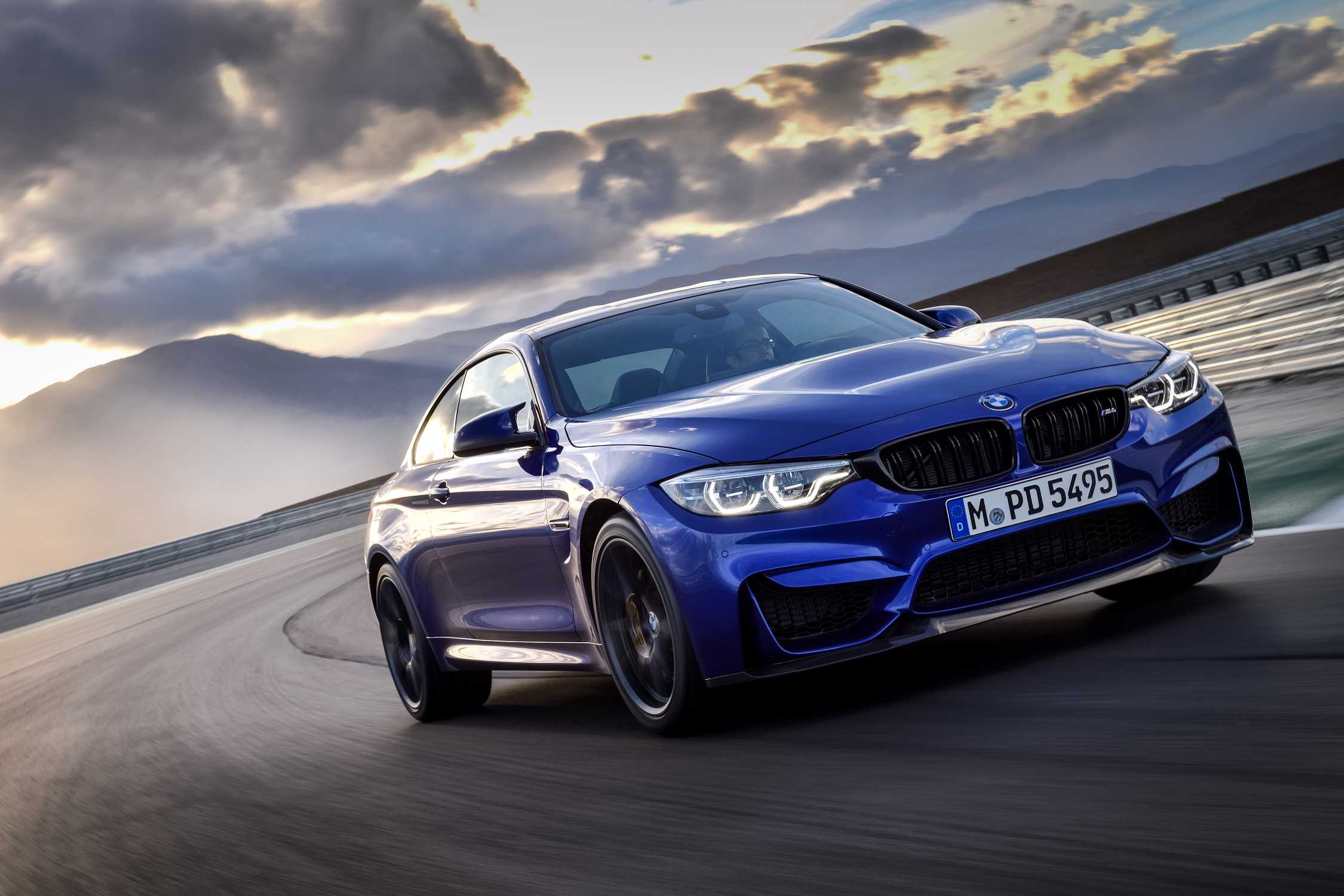
    The BMW Group registered worldwide deliveries of 2,25,662 units in the month of November this year. The company registered an increase in sales of 1.4 percent over the same month last year. Deliveries in the year to the end of November were up 1.7 percent year-on-year, with a total of 22,96,174 units sold by the Group. Total sales of BMW brand vehicles grew by 2.9 percent in November to 1,94,690 units. In the year to date, BMW brand sales increased by 2.4 percent to 19,72,394. The 3 Series sedan and Touring registered double digit growth in the month of November.

    Electrified vehicles continued to draw the attention of the customers. In November, sales of BMW Group electrified models reached a new all-time high of 17,480 units. This includes 13,590 plug-in hybrid models which were a bump in sales of more than 20 percent. The BMW i3 and the BMW i8 too registered a growth of 18 percent in sales. Sales of the MINI Cooper S E Countryman ALL4 Plug-in Hybrid climbed almost 50 percent in November with 1,950 vehicles sold worldwide.

    Worldwide MINI brand sales for the year to the end of November trended lower at 319,125 units, a drop of 2.7 percent. In November, 30,509 units were sold which marked a decline in sales of 6.8 percent. In addition to its core models, John Cooper Works variants proved especially popular with customers.

    BMW Motorrad continued to post solid sales growth. In the first eleven months of 2019, a total of 161,368 BMW motorcycles and maxi-scooters were delivered to customers around the globe, marking a growth of 6 percent. However, sales in November were down by -4.4 percent.

  • Citigroup President Getting a $12.5 million bonus

    Citigroup President Getting a $12.5 million bonus

    Jane Fraser is landing a $12.5 million bonus as the bank looks to retain a likely successor to Chief Executive Officer Michael Corbat.

    The board’s compensation committee granted the award «in recognition of Fraser’s recent promotion to president and to enhance leadership continuity and management succession planning,» according to the firm’s regulatory filing on Wednesday. Half of the award is in cash and half is in stock, and both will vest in annual installments over four years.

    Fraser, who was promoted to the number 2 job at Citigroup last month, puts her in position to become the first woman to lead a major U.S. bank as the industry is under pressure to improve diversity. In April, a congressional hearing questioned the heads of the largest U.S. banks on why their companies never put a woman in charge.

    Several banking chiefs, including Corbat, responded that they could envision one succeeding them. In Asia, Theresa Foo became the first Asian female chief executive at Standard Chartered, according to the website Singapore Women’s Hall of Fame. In 1997, she was the first woman in the Bank of America’s Singapore operations to be made a vice president.


  • ANZ Appoints International Head of Sustainable Finance

    ANZ Appoints International Head of Sustainable Finance

    Australia and New Zealand Banking Group appointed a new international head of sustainable finance, as demand for ESG-related funding continues to grow especially in Asia.

    Stella Saris was appointed to the Singapore-based role reporting to Nick Halkas, head of infrastructure, export and sustainable finance – international in the city-state; and to Katherine Tapley, head of sustainable finance in Sydney.

    Saris was most recently a director of resources, energy and infrastructure at the ANZ, where she first joined in 2004. Saris boasts a wealth experience in private-public partnerships in the Asia Pacific region including in Australia, Singapore, Indonesia and Papua New Guinea in both advisory and lending capacity.

    Sustainable finance continues to grow as investors build greater awareness about ESG-related risks, such as climate change. According to global ESG research firm Sustainalytics, social and sustainability bond issuances totaled nearly $59 billion in 2018, highlighting Asia as a growth driver for social assets due to greater flexibility for decision making amongst treasurers in the region.

  • Facebook introduces new Group Privacy settings

    Facebook introduces new Group Privacy settings

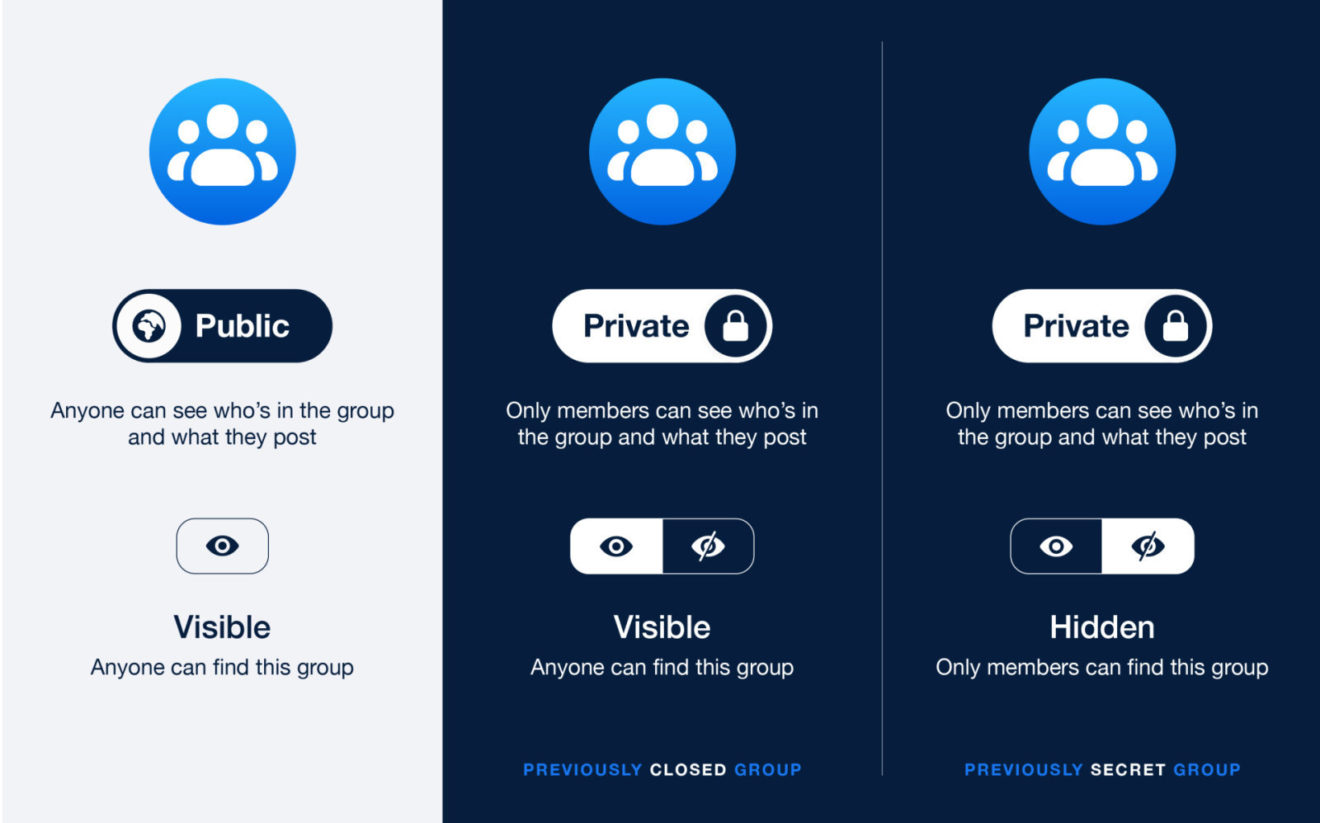
    In an attempt to make Groups easier to understand, Facebook announced the launch of a new simplified privacy model for the feature, public and private. The new Groups Privacy settings include two clear options, which should make the privacy model much more intuitive.

    For example, public groups allow anyone to see who’s in the group and everything that’s shared there. However, in private groups, only members can see who else is in the group and what they’ve posted.

    Also, with the new settings, admins will be able to clearly choose whether or not the group can be found in search and other places. It’s also worth mentioning that by default, a group that was formerly “secret” will now be “private” and “hidden.” On the other hand, groups that are “public” will remain “public” and “visible.”

    All the new options are now available for all admins in their Group Settings, but keep in mind that there are restrictions to if and when an admin can change the privacy setting of a group. However, all the updates made by an admin to the group’s privacy setting will be highlighted for all group members via notifications.

  • Telegram’s new update includes a powerful new feature for group owners

    Telegram’s new update includes a powerful new feature for group owners

    The Telegram messaging app, with its end-to-end encryption and the ability to host group chats of any size, is more popular overseas. According to Staista, at the end of March, it was the 11th most popular messaging app in the states with 2.67 million unique users each month. As of last month, it was the eighth-most popular global messaging app with 200 million monthly active users.

    Telegram announced an update that includes a new feature called Slow Mode. This allows an admin to lengthen the time a group chat member must wait between sending messages. The time period can range from no delay to as long as one hour between comments. Telegram says that it is offering Slow Mode to “make conversations in the group more orderly while raising the value of each individual message.”

    The update also adds Silent Messages. This is how you can send messages on the sly to contacts you know are attending a meeting, a class, or are in a situation where superfluous noise would be looked down on. So to have a message delivered silently, holding the send button will deliver the message without noise, even if the recipient did not enable Do Not Disturb. This feature is also available for group chats.

    Telegram is also giving group owners the ability to set custom titles. This can be done by going to Group Settings and editing the admin’s rights. In addition, videos now have a thumbnail preview and adding a timestamp to the caption will turn that time into a link. Tapping on the link will start the video from that precise moment. Telegram users sharing a YouTube video can also create a timestamp link as well. Animated emoji is now available and the stickers settings have a new toggle for looped playbacks. When toggled off, a sticker will play once and then remain static.

    Android users will notice a new attachment menu with larger thumbnails for photos and videos, making it easier for them to select media they want to share. Swiping up will reveal the entire gallery. And lastly, the new dark mode in iOS can be changed to create different background hues.

    Telegram users should find the update hitting their iOS or Android phone soon. For those who have yet to try Telegram, it can be downloaded from the App Store or Google Play Store.

  • Restaurant openings sap Jumbo Group profit

    Restaurant openings sap Jumbo Group profit

    Jumbo Group profit fell 24.8 percent in the third quarter to S$1.7 million (US$1.2 million) as new restaurant openings added to expenses.

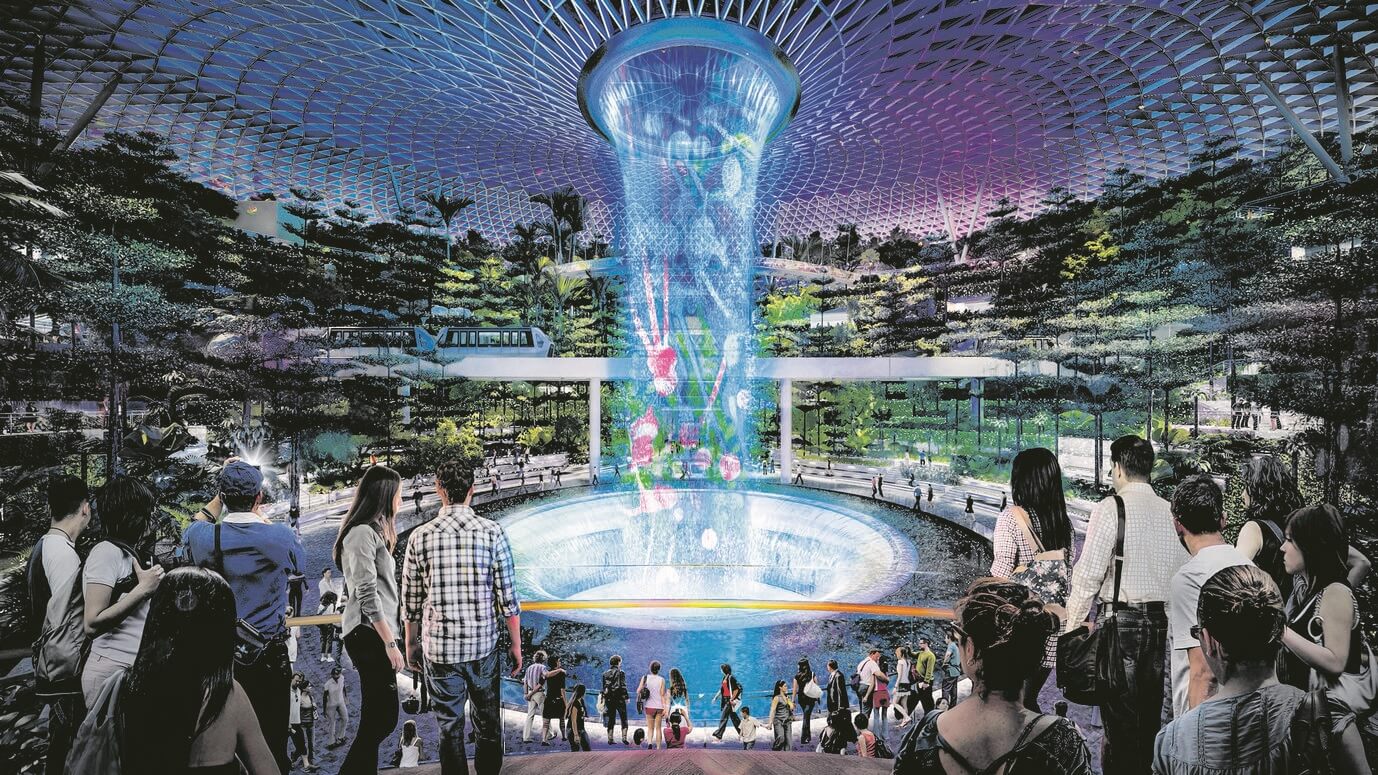
    The Singapore-listed restaurant group opened three new outlets in Singapore: a Jumbo Seafood at Jewel Changi, along with Zui Yu Xuan Teochew Cuisine and Chao Ting Teochew Pao Fan eateries at Far East Square.

    Sales were affected by the closure of the Jumbo Seafood restaurant on Riverwalk for one month during renovations.

    Group sales rose by 0.8 percent to $36.4 million.

    For the first nine months of the financial year, Jumbo Group profit was up 6.2 percent to $9.1 million on revenue down 0.4 per cent to $113.1 million.

    The company said in its results announcement that operating costs and tough competition across its Southeast Asian markets will continue to pose a challenge. However, the company expects new restaurants will help strengthen its market position in Singapore, “the bedrock of earnings growth”.

  • LF Products Renamed into Living Style Group

    LF Products Renamed into Living Style Group

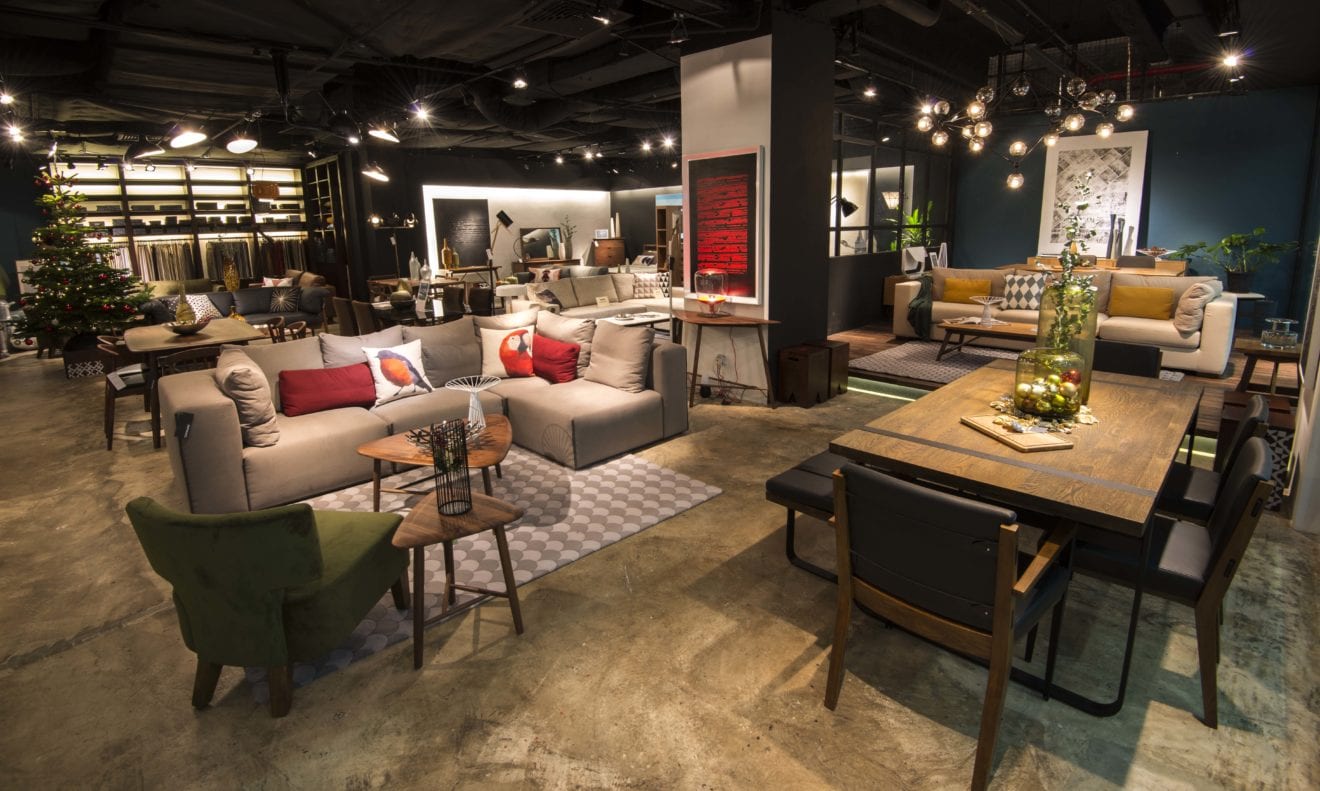
    Fung Group subsidiary LF Products will rebrand itself as Living Style Group.

    The pure-play furniture and home furnishings company said in a statement the rebrand follows the completion of Li & Fung’s strategic divestment of its three product verticals (Furniture, Sweaters, and Beauty) in April last year to form LH Pegasus, which is 45-per-cent owned by Hony Capital and 55-per-cent owned by Fung Group.

    “The new brand name, Living Style Group, coupled with a new logo and website, reaffirms the company’s position as a leading furniture company that brings speed to market and provides total supply chain solutions in furniture and furnishings to brands and customers worldwide,” the statement said.

    “Our innovative mindset, design-driven approach and deep-rooted passion has brought us to where we are today, and I am excited to enter this new chapter as we continue to grow the business and bring the highest value to our customers,” added Henry Chan, president at Living Style Group.

    Living Style Group delivers furniture and furnishings through three furniture brands – Kenas Home, True Innovations and Whalen Furniture – as well as an expanding portfolio of licensed brands including private labels and premier lifestyle brands.

    In October, Living Style Group will unveil its new brand identity at High Point Market in North Carolina, the largest home-furnishings industry trade show in the world.

  • Meal Temple Group invests in Myanmar with Freshgora

    Meal Temple Group invests in Myanmar with Freshgora

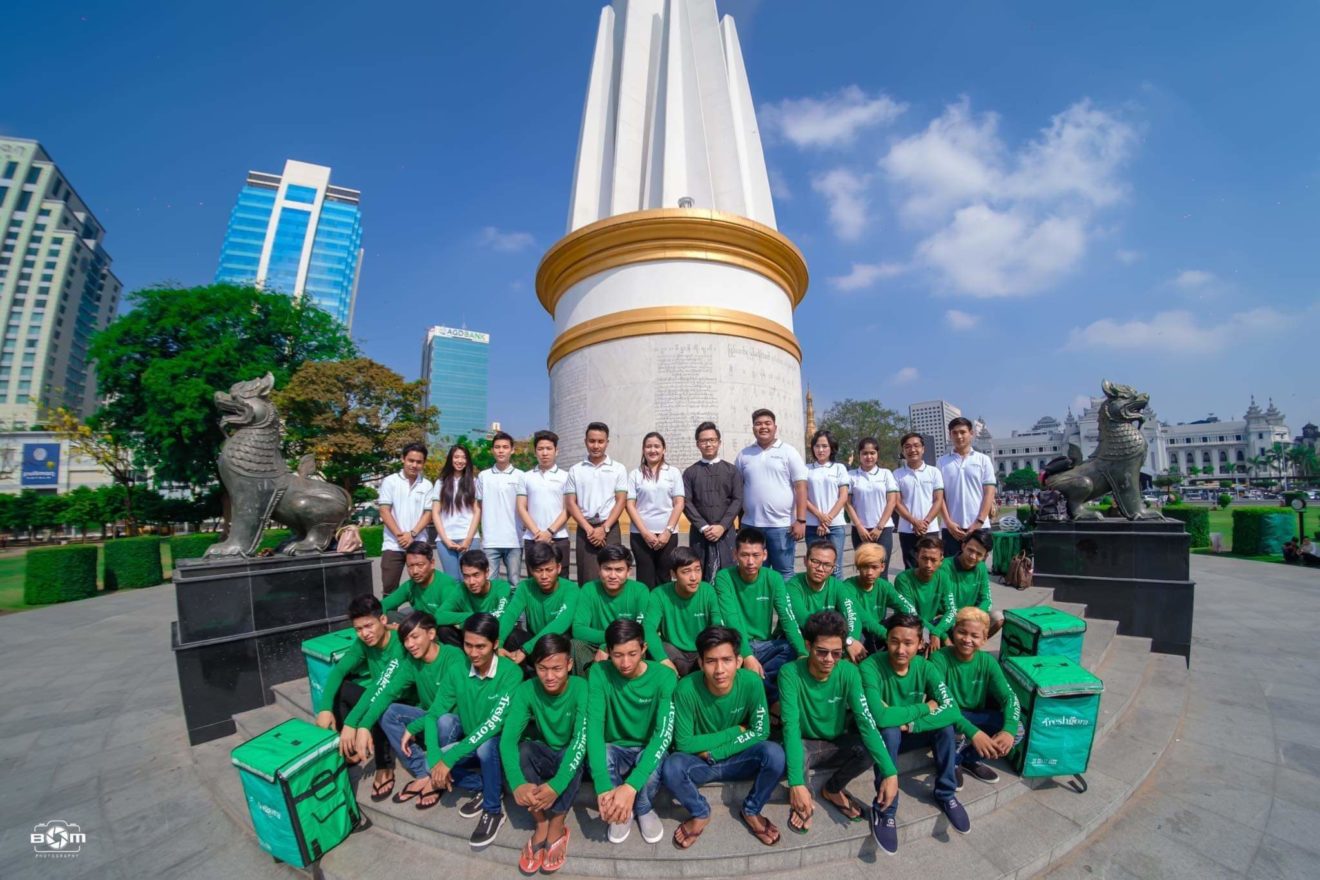
    Meal Temple Group, the leading startup in food delivery and logistics in Cambodia and Laos is continuing its expansion in the region by partnering FreshGora.com in Myanmar, after raising seed stage funds less than a year ago. Freshgora.com is a local startup based in Yangon, Myanmar, offering many on demand services through its online based mobile application and website. Meal Temple Group is the leading food delivery service in Cambodia and Laos, expanding its logistics offer to local businesses as well and offering its customers more new services.

    Both companies just entered an agreement to address the market in Myanmar and expand its operations nationally. With more than 55 million people, including more than 6 million in the Yangon
    metropolitan area, Myanmar is one of the fastest growing markets in South-East Asia. Freshgora.com, is a young startup from Yangon, that started less than a year ago, and already achieved to get over the rate of more than 100 deliveries a day in Yangon, offering food deliveries from restaurants and local markets in less than one hour through its own fleet of drivers. Sharing common vision, challenges and opportunities as Meal Temple Group in Cambodia or Laos, Daniel Htut, the founder, and its team, will benefit from Maxime Rosburger, Meal Temple Group’s founder,
    and their 5 years experience in the market.

    Daniel Htut says “We are really excited to partner with Meal Temple Group and offer our customers in Myanmar more services, support and perks, and be guided by Maxime and his team on how to sustain our growth in the market. After only 8 months, we are already tackling the largest local players, with a clean approach on technology, user experience and interface as well as customer
    service. We are also really inspired by Meal Temple Group’s vision on electric vehicles and social impact ambition.”

    The local entity will continue to operate as Freshgora, adding more services along the way, and working together with Meal Temple Group for an on demand super app for frontier markets of Asia in the long run. Meal Temple Group is looking to address more than 100 million people in frontier markets of Asia by the end of the year, and grow its technology to a super app model.

  • Pirata Group to launch new temakeria concept

    Pirata Group to launch new temakeria concept

    Japanese temakeria restaurant concept TMK is set to open on Hong Kong’s Hollywood Road in mid-July.

    The Pirata Group brand is being positioned as a “ballsy temakeria offering a wild experience and finger-licking good food”. The new venue’s executive chef Miguel Huelamo, supported by Japanese head chef Takeshi Suzuki, are offering a selection of classic and signature temaki rolls as well as sushi, fresh-from-the-sea sashimi and reimagined takes on traditional Japanese dishes.

    “TMK is a missing piece in Hong Kong’s F&B market,” said Pirata Group cofounder Christian Talpo, the creative force behind TMK. “A unique, one-of-a-kind punk-inspired restaurant that paves the way for novel all-day dining and late-night experiences.”

    Promotional material for the restaurant promise “a lawless venue where tattooed bikers and black-clad punks are served a varied selection of sake, Japanese highballs and craft beer”. Inspired by the exuberance and irreverence of punk rock, TMK will feature a “headbanging soundtrack and a dive-bar-styled interior”.

  • Cotton On Group launches in India

    Cotton On Group launches in India

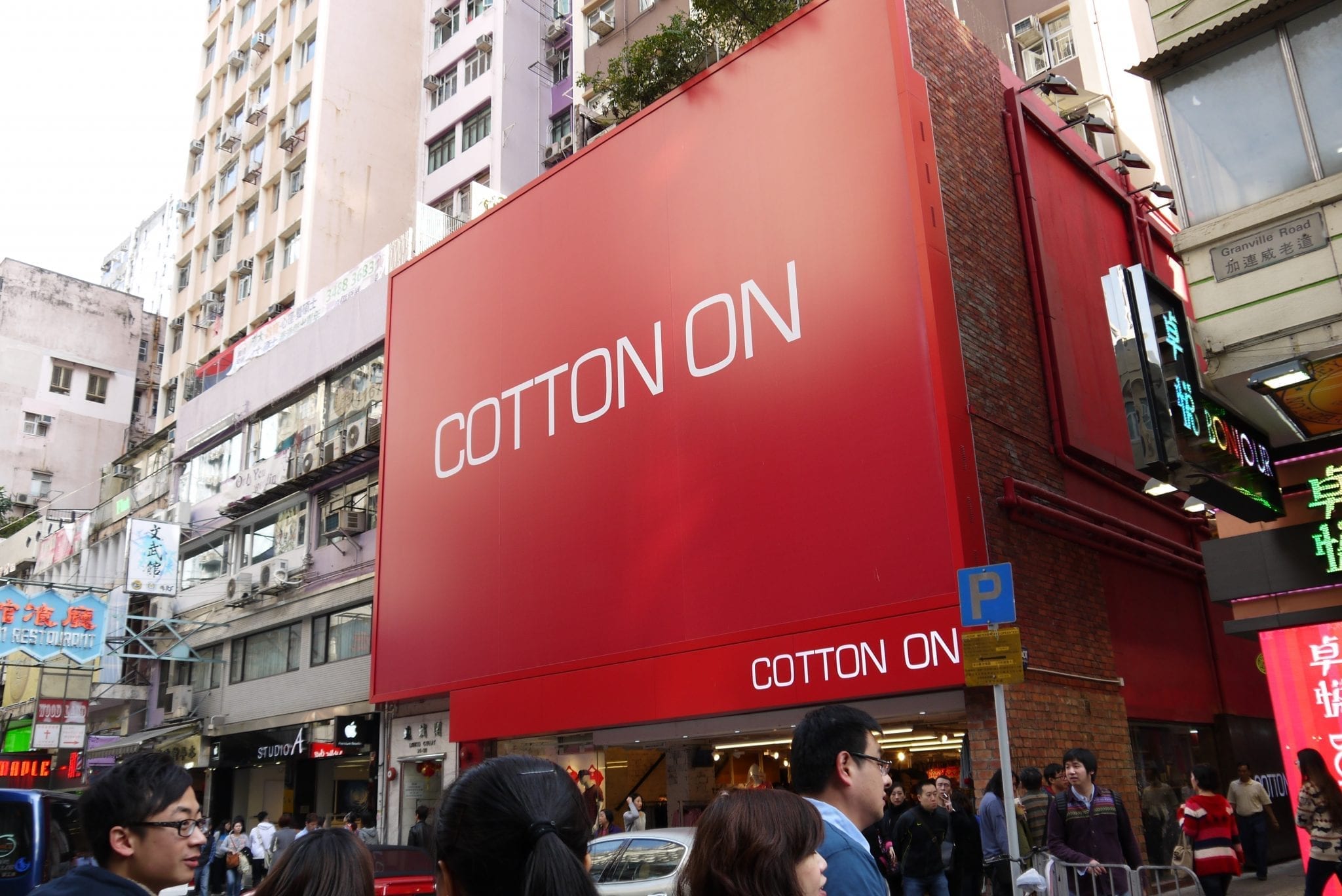
    One of Australia’s largest fashion retailers, Cotton On Group, is launching in India, with a first flagship store scheduled to open in the second half of next year.

    In advance of the company’s physical stores, Cotton On will sell fashion products online on the Myntra platform, in a move seen as a challenge to Sweden’s H&M and california’s Forever 21.

    The first flagship store will open in either Delhi or Mumbai in the third or fourth quarter of next year.

    Cotton On’s local partner is AVS Global Network, which has reportedly secured an 18-month exclusive contract to sell fashion on Flipkart, Myntra and Jabong.

    “About 77 per cent of online fashion brand consumers use either Flipkart, Myntra or Jabong to shop, as they have a high brand-recall value,” said AVS cofounder Sumanto Das. “This is why we thought it would be wise to introduce Cotton On to India through these platforms.”

    Cotton On Group, which owns the namesake brand along with Factorie, Ruby (shoes), Typo (stationery), Supre and Lost, was founded in 1991. It has already expanded into Singapore, Hong Kong, South Africa and New Zealand, among other markets with about 1500 stores worldwide.

  • Liquid Group partners Changi Airport to roll out world’s first integrated QR Platform

    Liquid Group partners Changi Airport to roll out world’s first integrated QR Platform

    Liquid Group is pleased to announce today that it has entered into an agreement with Changi Airport Group to roll out the integrated acceptance of multiple major QR payment apps by merchants located across all four terminals at Changi Airport.

    The integrated payment platform by Liquid Group will allow retailers at Changi Airport to accept e-wallets such as GrabPay, Liquid Pay, Singtel Dash, Ezi Wallet and PayNow QR bank payment apps, as well as international payment app partners such as WeChat Pay, UnionPay and Alipay.

    Liquid Group’s payment platform will roll out a unified point-of-sales (POS) for QR payments that enable merchants to accept multiple local and international QR payment apps using a single device. Furthermore, with a standardized merchant workflow, participating Changi Airport retailers can accept multiple QR payment apps without additional infrastructure, integration or cashier training when Liquid Group and Changi Airport expand the network to include additional local, overseas and card scheme QR payment apps.

    The platform also enables Changi Airport to launch multiple marketing campaigns with participating payment apps without the need for additional cashier training or verification during checkout.  This provides for a frictionless user experience.

    “Changi Airport strives to continually enhance our passenger’s shopping experience. With the rise in QR payments, launching Liquid Group’s unified QR payment platform not only provides a frictionless payment experience, it will also provide more partnership opportunities with local and overseas e-wallet issuers. In addition, the unified QR payment platform will improve our tenant’s productivity in the areas of staff training, reporting and settlement for QR payments. We are pleased to partner Liquid Group to introduce this convenient payment option at Changi Airport.” – Ms Teo Chew Hoon, Group Senior Vice President at Changi Airport Group

    “Alipay welcomes this initiative and looks forward to further improving the user experience for our consumers at Changi Airport.” – Ms Cherry Huang, General Manager, Alipay South & South East Asia

    “At Grab, we are about providing real choices and more convenience to our customers. As travel gets bigger in Southeast Asia, we are pleased to have GrabPay accepted at all merchants in Changi Airport. Our users from across the region who are already using GrabPay to pay for their transport, food and other daily needs, can now enjoy the same seamless payment experience at the airport and have more opportunities to accumulate GrabRewards points for perks and benefits.” – Mr Gary Wong, Head of GrabPay Singapore

    Changi is the world’s seventh busiest airport for international traffic with over 65 million passenger movements. With the rapid proliferation of QR mobile payment apps across ASEAN, North Asia and South Asia, Liquid Group’s payment platform will enable Changi Airport to spearhead the seamless acceptance of such apps and offer deals to shoppers from different countries.  Retailers and consumers can look forward to an exciting and innovative e-payment journey ahead at Changi Airport.

    This is also in line with the Government’s Smart Nation objective to provide an open, accessible and interoperable national e-payment infrastructure, as well as the adoption of SGQR as the single, standardised QR code for e-payments in Singapore.

    “As one of the world’s leading airports, WeChat Pay is both excited and proud to be part of Changi Airport’s efforts to enhance its merchants’ payment experience. We believe this initiative will help Changi’s merchants gain greater access to the billion users that are active on the WeChat platform” – Team of WeChat Pay, Southeast Asia

    “We’re excited to have Dash accepted at the many merchants in Changi Airport, bringing even more dining and retail choices to our customers. This is an especially perfect fit for us, as we continue to expand our VIA cross-border mobile payment alliance and connect more merchants to travellers. Overseas customers that are part of VIA would be able to enjoy the ease, familiarity and convenience of using their local wallets at Changi Airport, greatly enhancing their retail experience.” – Mr Gilbert Chuah, Head of mCommerce at Singtel

    “The use of QR Code for payments is gaining momentum in Singapore and all across Asia. According to The Future of Payments Study conducted by UnionPay International and Nielsen last year, QR was the most widely-adopted mobile payment method among Singapore consumers, with two-thirds of Singaporeans having used it at least once in the past three months. With the integrated QR and Marketing Platform for merchants at all Changi Airport terminals, we believe that more travellers and Singaporeans alike will get to enjoy greater convenience and ease of payments with UnionPay QR Code, to further heighten their shopping experience at the world’s best airport.” – Mr Wenhui Yang, General Manager, UnionPay International South East Asia

    Jeremy Tan, Founder and CEO of Liquid Group, said: “Promoting the interoperability of mobile payment services is a fundamental part of advancing a cashless society. We are delighted to roll out the largest open QR payment platform at Changi Airport, which provides a unified point-of-sale for the wide range of QR payment apps available. Our vision is to expand this network across the region and create a cross-border platform to facilitate large-scale QR payment transactions and accelerate the adoption of QR payment apps.”

    The roll-out of the new payment platform will be in phases, with the first phase slated to commence in the 1st half of 2019.

  • Malaysia’s KIP Group plans a few new malls

    Malaysia’s KIP Group plans a few new malls

    Malaysia’s KIP Group will establish three new malls within the coming three years, according to CEO Valerie Ong.

    The new locations in Raub, Kuantan and Sungai Petani will involve RM150 million (US$36.7 million) in gross development costs and cater to middle-mass-market demand. They are being located in growing markets where consumers still prefer physical buying over online purchases.

    “This means we will have a total of 12 shopping malls in our portfolio, including the six properties that had been injected to our listed entity, KIP Reit”, Ong said at the launch of the firm’s ninth shopping mall at Desa Coalfield Sungai Buloh.

    KIP Griup’s portfolio includes a shopping mall in Bangi and five KIP Marts in Tampoi, Kota Tinggi, Masai, Senawang and Malacca. It has also acquired Aeon Mall Kinta City, Ipoh in a RM208 million ($50.9 million) deal.

    According to Ong, Malaysia’s retail sector is expected to grow by 4.5 per cent to RM109 billion this year. She added that the Desa Coalfield mall has already achieved an 80 per cent occupancy rate in advance of its scheduled opening later this year.

  • New stores boost sales for Sheng Siong Group

    New stores boost sales for Sheng Siong Group

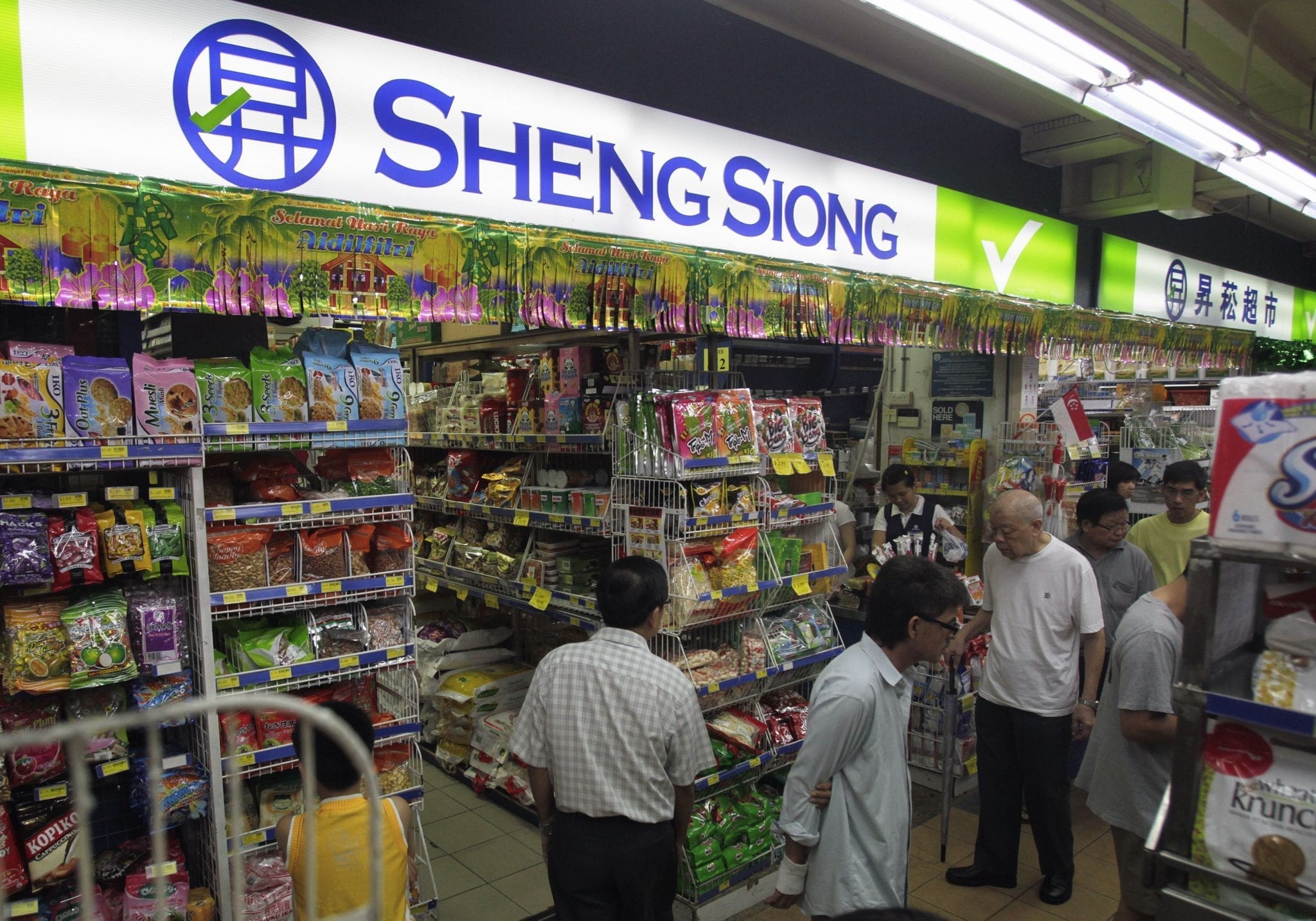
    Singapore supermarket chain Sheng Siong Group has reported a 1.4 per cent year-on-year rise in net profit to S$70.5 million for 2018. Revenue, gross profit and gross margin all improved in both the final quarter and full year, but they were offset by a reduction in other income and higher operating expenses. Government statistics show sales in supermarkets across the city state shrank during the year, but Sheng Siong Group said it was able to mitigate that with new stores, its revenue rising 7.4 per cent for the year.

    The company’s gross margin increased to 26.8 per cent, from 26.2 per cent, mainly because of better buying prices, higher rebates from suppliers for special promotions and volume discounts, improvement in efficiency in the central distribution centre and higher mix of fresh versus non-fresh offerings.

    In a statement, Sheng Siong Group said it expects competition in Singapore’s supermarket industry to remain keen, “exacerbated by the proliferation of new supermarkets in HDB residential areas, as well as the push by new and existing e-commerce players for market share”.

    The group will continue to look for new retail spaces in new and existing HDB housing estates, particularly in estates where there is no presence. It has delayed a planned expansion of its central warehouse, which is now likely to be completed about mid year.

    The company’s store in Kunming, China, which opened in November 2017, recorded a loss of $700,000 last year.  It has has leased a site for a second supermarket in the city and hopes this will commence trading in the third quarter

    “Our store expansion plans have been well on track where we have opened 10 new stores during the year, bringing our total store count to 54 and expanding our total retail area to 496,200sqft,” said CEO Lim Hock Chee.

    “Going ahead, we remain on the lookout for new retail opportunities, especially in areas where we do not have a presence. Besides nurturing the growth of our new stores in Singapore and China, we will continue with our efforts in enhancing the gross margin via more efficiency gains in the supply chain and higher sales mix of fresh produce. We will remain vigilant on costs.”

  • LuLu Group opens first Build-A-Bear store in India

    LuLu Group opens first Build-A-Bear store in India

    LuLu Group International’s retail arm Tablez has launched the first Build-A-Bear store in India. The American personalised, experiential toy-retail brand is now available at Toys R Us in Phoenix Marketcity, Bangalore. Selling customised stuffed toys, the firm aims to reach 9 million sales in the top 15 cities in India within five years out of standalone stores and Toys R Us shop-in-shop formats.

    “The Build-A-Bear concept is a one-of-a-kind retail experience, and we are thrilled to open the first store in Bangalore,” said Tablez MD Adeeb Ahamed. “Build-A-Bear is synonymous with creativity and novelty for children. I am sure that each child that enters our store will cherish their experience and leave with an indelible memory.

    “From standalone stores to shop-in-shop formats, Build-A-Bear is ready to reach out to families and kids in India and help loved ones create memories and spend more time together. We plan to open 20 standalone stores of Build-A-Bear across key cities in India over the next 10 years, along with shop-in-shop formats across all our Toys R Us stores as well,” he said.

    The Build-A-Bear brand is best known for its “Choose Me” wall, from which each guest can choose an unstuffed animal to bring to life. It has close to 500 stores globally.