Retail News CRM

Tag: honda

  • Honda to cut Japanese production by a quarter as domestic sales stagnate

    Honda to cut Japanese production by a quarter as domestic sales stagnate

    Honda Motor plans to end production at its Sayama plant in Japan by 2022, cutting domestic capacity by around 24 percent as it shifts focus to electric cars (EVs) and other new technologies.

    The automaker has seen stagnant domestic sales and said on Wednesday it was streamlining its Japanese operations as it takes a more nimble approach to development and manufacturing in the face of fierce competition from carmakers and technology companies to make EVs and self-driving cars.

    “As we focus more on adopting electrification and other new technologies, we want to hone our vehicle manufacturing expertise in Japan and expand it globally,” CEO Takahiro Hachigo told a press conference.

    Hachigo has been trying to revive a culture of innovation at Japan’s No. 3 automaker, after a number of major product recalls in recent years as well as lackluster product offerings, partly because it focused so much on increasing volumes and profit.

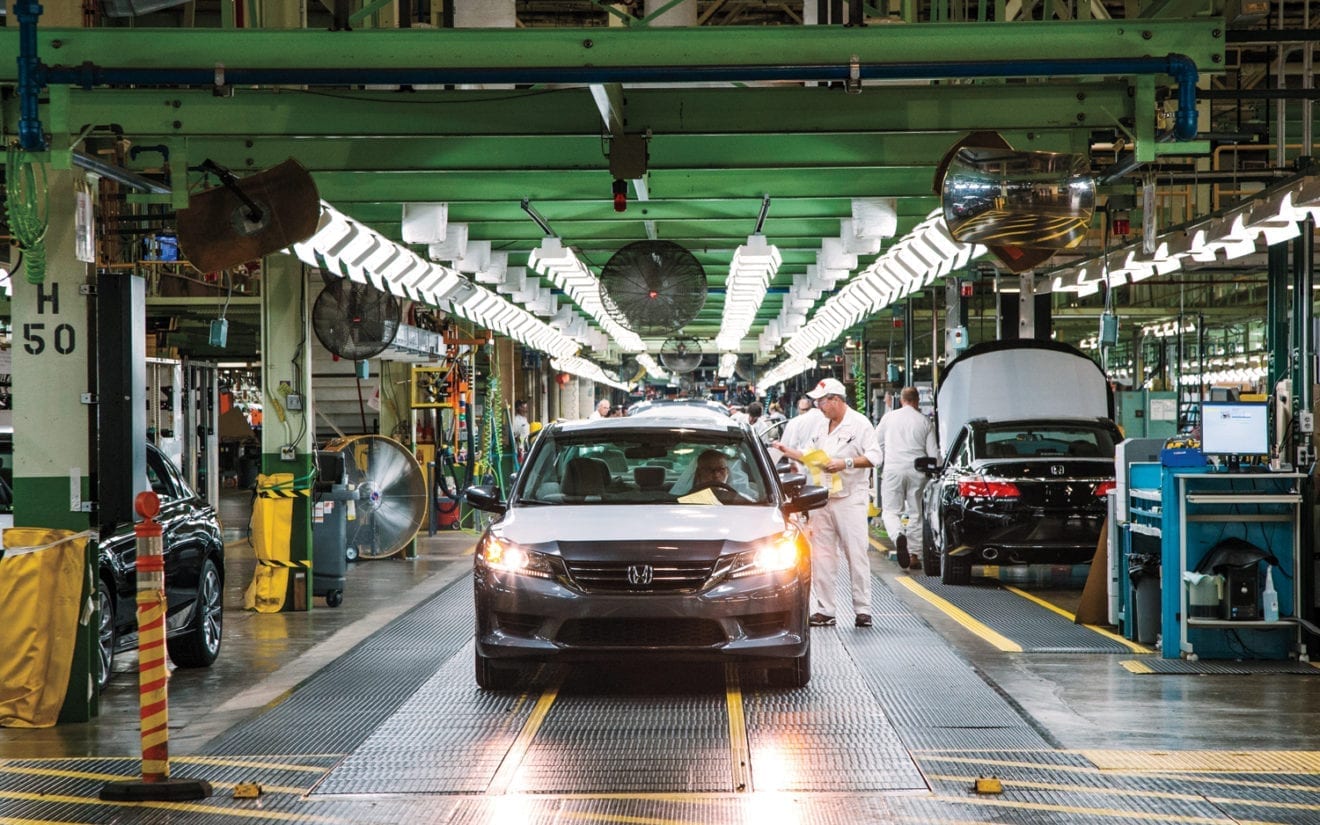
    Honda said it would end production at the ageing Sayama plant in Saitama Prefecture north of Tokyo, consolidating output at its Yorii plant in the same prefecture by the end of the 2022 financial year. Most workers currently at Sayama would be transferred to the Yorii facility, it said.

    The move would cut overall domestic annual production capacity to around 810,000 units, the same as Honda’s current output levels, which are around 76 percent of its current production capacity of 1.06 million vehicles.

    “Domestic sales haven’t increased as much as we were expecting and it has become difficult to boost exports,” Hachigo said.

    Following consolidation, Honda said the Yorii plant will produce EVs and serve as a major center for developing manufacturing technology for electric cars. It will also produce other vehicles including larger-sized global models.

    While the automaker cuts capacity at home, it plans to open a new plant by 2019 in China, where it has seen explosive growth. Overall, global annual production would remain largely unchanged at around 5.06 million units, it said.

    Honda has struggled to expand sales at home in the past few years, facing stiff competition from popular offerings including Toyota Motor Corp’s (7203.T) Prius gasoline hybrid and Nissan Motor Co.’s (7201.T), Note compact hatchback.

    In the year ended March, it sold 668,000 units domestically, almost the same as in the previous year.

    With an annual production capacity of 250,000 units, the Sayama plant opened in 1964 and is one of Honda’s oldest plants, producing the Accord sedan, the CR-V SUV crossover and other models.

    The Yorii plant began production in 2013 and also has an annual production capacity of 250,000 units. Its output includes the Fit compact hatchback and the Civic sedan.

    Hachigo also said he was confident Honda was following proper procedures for final vehicle inspection for the Japanese market.

    He said the company was complying with a request from Japan’s transport ministry for inspection records after Nissan said on Monday it would recall 1.2 million vehicles due to procedural irregularities with its final inspection processes.
  • Honda motorcycle sales boost quarterly net profit

    Honda motorcycle sales boost quarterly net profit

    Motorcycle sales volume grew in India and Vietnam. Japanese vehicle maker Honda on Tuesday said net profit for the second quarter rose by double digits boosted by strong motorcycle sales, revising up its full-year forecast.

    The Tokyo-based company said “solid sales of two-wheel vehicles in Asia and cost reduction efforts” contributed to increased profits.

    Motorcycle sales volume grew in India and Vietnam, Honda said, while four-wheel vehicle sales volume increased in Japan and China but declined in North America.

    Japan’s number-three automaker booked net profit of 207.3 billion yen ($1.88 billion) in the April-June period, up 18.7 percent from the previous year.

    Sales grew 7.0 percent to 3.71 trillion yen, while operating profit rose 0.9 percent to 269.2 billion yen.

    Honda boosted its net profit forecast to 545 billion yen from an earlier figure of 530 billion yen for the fiscal year ending March 2018.

    It also lifted its fiscal year operating profit and revenue outlooks.

    “Honda’s profit pales compared to figures last year when it booked a one-time gain in a pension accounting change,” Satoru Takada, an analyst at TIW, a Tokyo-based research and consulting institute, said ahead of the earnings release.

    “But it displayed a good performance in China and Indonesia while showing steady sales in North America,” he said.

    While North American vehicle sales declined in the quarter year on year to 481,000 from 510,000, revenue rose slightly to 2.13 trillion yen from 2.06 trillion yen.

    Takada added that the foreign exchange situation is “a key factor” for automakers.

    “Current levels are relatively positive for the Japanese auto industry,” he said.

    Although the yen has strengthened slightly in past days, it remains weak against the dollar over recent years.

    A stronger Japanese yen can hurt carmakers by eroding the value of overseas profits when repatriated.

    On Thursday, Nissan reported a drop in quarterly net profit, hit by higher costs and weak sales in key markets, although it left its annual forecasts unchanged.

    Toyota will release earnings on Friday.

  • Honda recalls 2.1 million vehicles worldwide over fire risk

    Honda recalls 2.1 million vehicles worldwide over fire risk

    Honda Motor said on Friday it would recall about 2.1 million vehicles worldwide to replace battery sensors due to the risk of fire.

    Chris Martin, a spokesman for the Japanese automaker said the recall would include 1.15 million Honda Accord vehicles from the 2013-2016 model years in the United States, and nearly 1 million elsewhere, to replace a 12-volt battery sensor.

    The company said it had received four reports of engine compartment fires in the United States and at least one in Canada, in areas that use significant amounts of road salt during the winter. There have been no reported injuries.

    The automaker has received 3,972 U.S. warranty claims relating to the issue.

    The battery sensors may not be sufficiently sealed against moisture intrusion, Honda said. Over time, moisture may introduce road salt or other material into the battery sensor, leading to rust and eventual electrical shorting of the sensor.

    Due to the large size of the recall, Honda said dealers would initially adopt a temporary fix by applying an adhesive to prevent moisture intrusion, and then later replace the sensor.

    The company first received a claim of an engine compartment fire from Canada in 2015 and began investigating the issue. In early 2016, it received a claim of a similar fire in China.

    Honda introduced a redesigned battery sensor in June 2016. After an investigation of the China incident, the automaker said it initially believed the “future occurrence rate was estimated to be low,” but continued to probe the matter after receiving additional reports of fires.

  • Honda outlines bold autonomous goals

    Honda outlines bold autonomous goals

    Honda Motor, long soft-spoken about its strategies for electric cars and autonomous driving in a world of raucous rivals, is suddenly talking louder.

    Executives last week outlined bold goals to deliver lane-changing autonomous driving for highways by 2020 and then extend the effort to city streets with Level 4 self-driving vehicles by 2025.

    At the same time, executives revealed that Honda has been quietly working on a range of electric vehicles under a new EV development division created in virtual secrecy in October.

    That unit will deliver not only a dedicated EV for China next year, it is working on another EV that will be introduced at an auto show this fall — possibly targeting North America.

    The revelations represent a leap forward for Japan’s No. 3 automaker as it races to catch up with competitors on the industry’s future technologies.

    The sense of urgency was palpable among executives last week as they showcased their plans here.

    “We have been lagging behind a little,” Honda R&D President Yoshiyuki Matsumoto said of the push, “so we are now trying to catch up. We are tightening the screws quickly.”

    CEO Takahiro Hachigo unveiled the strategy as part of a new 2030 midterm business vision, saying engineers needed more concrete targets and a clear timeline to keep them on track.

    At the same time, Honda has created two other divisions tasked with enhancing the perceived quality of its products and making them cheaper to develop and build. Honda wants to ensure that in a future in which self-driving EVs risk becoming like appliances, Honda cars will remain fun to drive.

    Urgency

    The sudden arrival of the plans reflects mounting pressure on Honda — a midsize global company, despite its appearance in the U.S. — to cope with industry consolidation, surging demand for costly new technologies and an onslaught of new competitors from Silicon Valley and China.

    “It does seem like a lot of stuff just appeared out of thin air,” said Christopher Richter, senior auto analyst at CLSA Asia-Pacific Markets in Tokyo. “Now that the engineering juggernaut has been pointed in this direction, things will start moving.”

    Honda has fallen behind traditional rivals such as Nissan Motor, Ford Motor and Volkswagen AG in chasing aggressive road maps for electric and self-driving vehicles. Moreover, upstarts such as Tesla, Waymo or even China’s LeEco, are opening new fronts of competition.

    In its Japanese home market, the fiercely independent Honda suddenly finds itself as odd man out in a new era of partnerships. The domestic industry has coalesced into two camps, with Mazda Motor, Subaru and Suzuki Motor Corp. joining into loose alliance with Toyota Motor, and Mitsubishi Motors teaming with Nissan Motor.

    Honda plans to spend big to make it all happen. The company will boost r&d spending 9.4 percent this year, to about $6.84 billion. But to demonstrate its competitive disadvantage in size, that commitment represents 5.3 percent of its forecasted revenue — larger rival Toyota will devote $9.57 billion to r&d this year, and that represents only 3.8 percent of its forecasted revenue.

    The situation is not lost on Honda. Leveraging partners is now a top priority under Hachigo’s business plan.

    Over the past year, Honda has deepened cooperation with General Motors in fuel cell vehicles, with Waymo in autonomous driving and with Hitachi in EV powertrains, among others.

    Expect more collaborations going ahead, Hachigo said.

    “We must secure higher competitiveness in automobile business for the future, especially in the areas of electrification and the realization of a collision-free society,” he said last week. “How we are going to achieve it remains the challenge.”

    Staying Honda

    Honda is wary of its vehicles falling into the commoditization that some forecast, in which automated EVs become bland by pulling together common parts and standardized electronics.

    Making Honda stand out from the crowd will be the stickler, Hachigo said.

    Honda set up a Product and Perceived Quality Planning Division in October to target the soft side of brand power, the subtle and hard-to-define nuances that connect people with their vehicles.

    Driving dynamics will be a top focus for the new plan, and Honda has created a prototype vehicle called the Dynamic Study to embody some of its future ideas.

    The concept vehicle is based on the current Civic sedan, with tweaks to the transmission, steering and chassis. Among them is a sporty downshift feature that revs like a stick shift when the car brakes into a curve, even though the transmission is automatic.

    Honda also aims to make its cars look better. Hachigo said the company will debut a new design language in the fall, though the company declined to offer any sneak peeks.

    Underpinning all these planned improvements will be doubled-down efforts to cut costs so vehicles brimming with ever-better technology won’t be priced out of the market.

    “Solidifying our foundations to facilitate electrification and future technologies such as automated driving is the key to our future,” the CEO said. “That’s where we need to make solid changes this time.”

  • Piaggio Indonesia poised strongly against Honda’s challenge

    Piaggio Indonesia poised strongly against Honda’s challenge

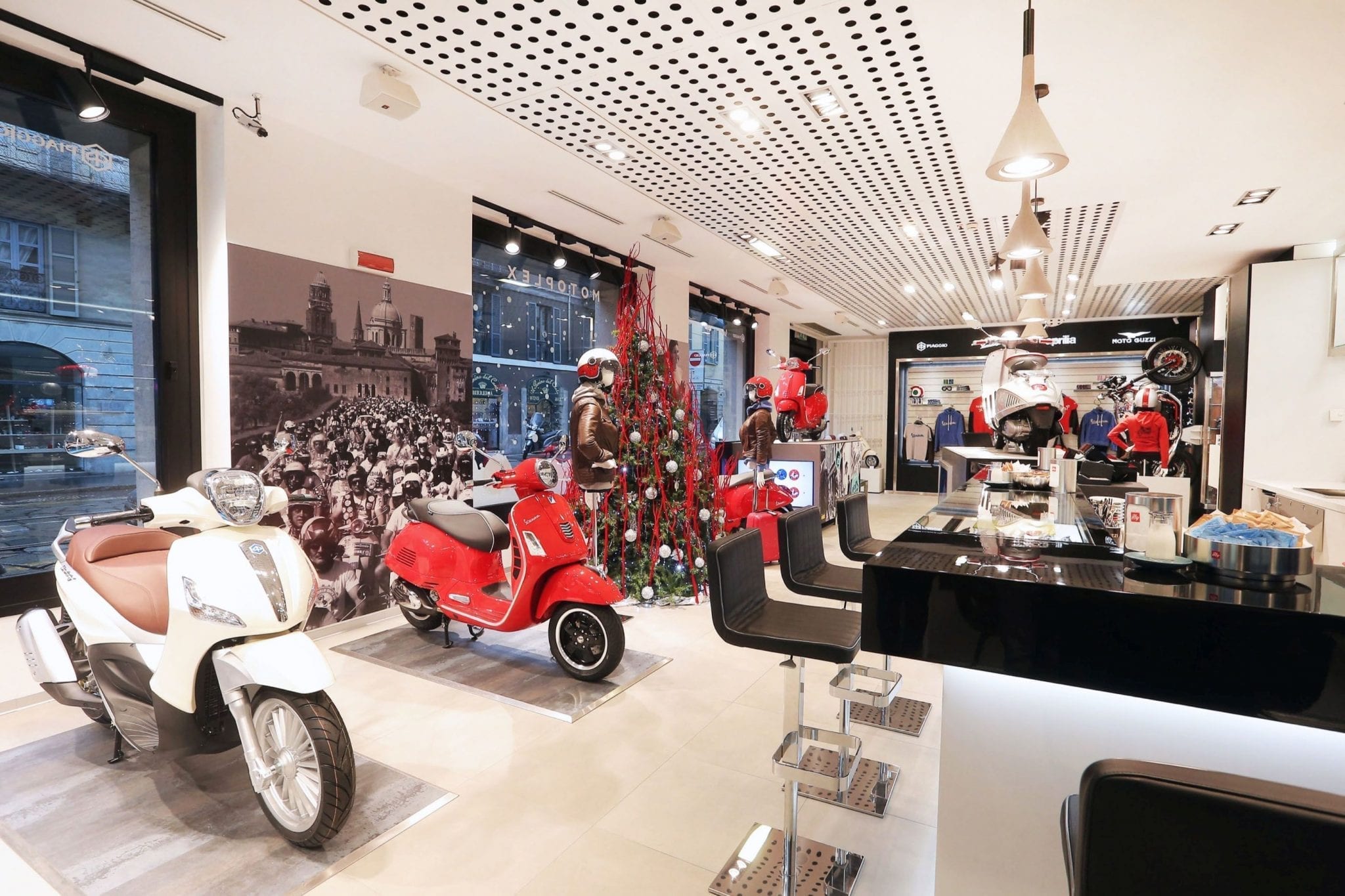
    PT Piaggio Indonesia, the principal and sole agent of Vespa and Piaggio in Indonesia, is not concerned by PT Astra Honda Motor’s introduction in April of the Honda SH150i as a new premium scooter competitor.

    Sales of the Vespa Medley, whose specifications are comparable with the Japanese counterpart, has not declined, even though they are in the same price bracket, said Piaggio Indonesia marketing director Andre Sanyoto.

    The Medley is marketed at around Rp 44 million (US$3,320), while the Honda SH150i is priced at Rp 44.9 million. “If they Honda can sell five to 10 units a month, we are seeing at least double-digit sales and have seen positive growth since the Medley’s launch in May 2016,” he said.

    Andre believes that Piaggio will not be affected by declining sales in the industry, as it relies on the premium scooter segment. It will introduce at least two more premium scooters this year, including the Vespa 946 (RED).

    ”We are sticking to the premium segment, with an audience who considers not only the functionality of our product, but also their emotional attachment to it,” he said. “The 946 (RED) model will be marketed at a similar price as the Vespa Armani, at Rp 196 million,” he said, adding that his company had already received orders for the new model from Vespa enthusiasts.

    Piaggio Indonesia’s sales is mainly supported by the Primavera and Sprint model, which are marketed at Rp 32.8 million and Rp 34.8 million respectively, and contributed 70 percent of total Vespa sales in Indonesia.

  • Honda to focus on self-driving cars, robotics, EVs through 2030

    Honda to focus on self-driving cars, robotics, EVs through 2030

    Japanese carmaker Honda Motor on Thursday spelled out for the first time its plans to develop autonomous cars which can drive on city streets by 2025, building on its strategy to take on rivals in the auto market of the future.

    Unveiling its mid-term Vision 2030 strategy plan, Honda said it would boost coordination between R&D, procurement and manufacturing to tame development costs as it acknowledged it must look beyond conventional vehicles to survive in an industry which is moving rapidly into electric and self-driving cars.

    Honda has already spelled out plans to market a vehicle which can drive itself on highways by 2020, and the new target for city-capable self-driving cars puts its progress slightly behind rivals like BMW.

    “We’re going to place utmost priority on electrification and advanced safety technologies going forward,” Honda CEO Takahiro Hachigo said.

    Developing new driving technologies, robotics- and artificial intelligence-driven services and new energy solutions also would be key priorities for Honda in the years ahead, the company said.

    LEVELING UP

    Honda established a division late last year to develop electric vehicles (EVs) as part of its long-held goal for lower-emission gasoline hybrids, plug-in hybrids, EVs and hydrogen fuel cell vehicles (FCVs) to account for two-thirds of its line-up by 2030, from about 5 percent now.

    By 2025, Honda plans to come up with cars with “level 4” standard automated driving functions, meaning they can drive themselves on highways and city roads under most situations.

    Achieving such capabilities will require artificial intelligence to detect traffic movements, along with a battery of cameras and sensors to help avoid accidents.

    BMW has said it would launch a fully autonomous car by 2021, while Ford Motor has said it will introduce a vehicle with similar capabilities for ride-sharing purposes in the same year. Nissan Motor is planning to launch a car which can drive automatically on city streets by 2020.

    Honda has been ramping up R&D spending, earmarking a record 750 billion yen ($6.84 billion) for the year to March.

  • Honda spreads its wings into Southeast Asia’s private jet market

    Honda spreads its wings into Southeast Asia’s private jet market

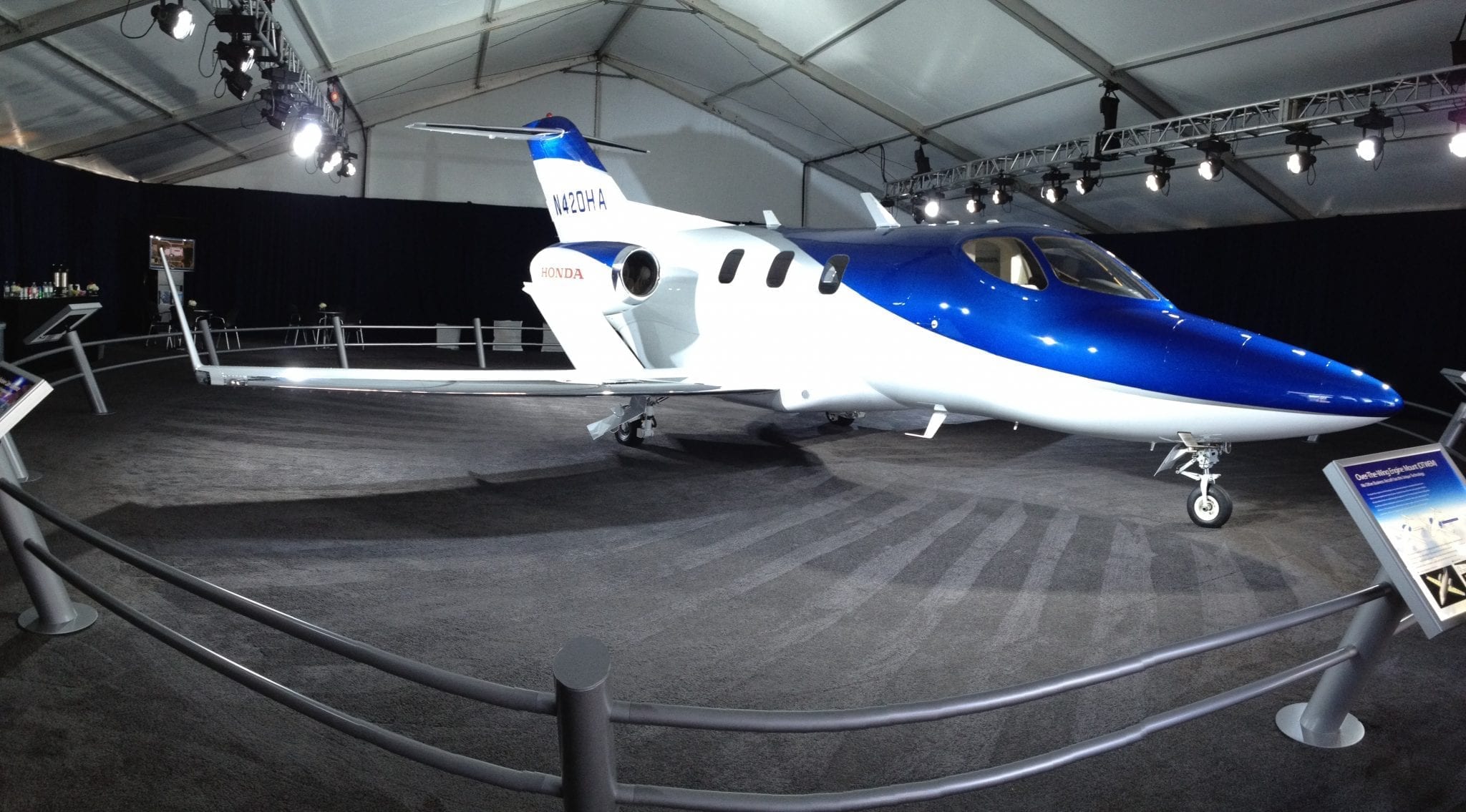
    With the fastest growing ‘super rich’ group in the world, Vietnam is going to be a prime target for the HondaJet. Honda Motor has announced plans to start selling its HondaJet private aircraft in several Southeast Asian markets to capitalize on the region’s economic growth.

    The Japanese automaker said on Monday that it has chosen Thai Aerospace Services (TAS) as its first-ever HondaJet dealer in Southeast Asia.

    “We see great potential for the HondaJet in Southeast Asia, one of the world’s fastest growing regions,” Honda Aircraft Company President and CEO Michimasa Fujino said in a company report.

    TAS will provide sales, service and support for HondaJet customers in Vietnam, Thailand, Cambodia, Laos, Malaysia, Myanmar and Singapore, said the report.

    The seven-passenger HondaJet aircraft first hit the market in December 2015, and orders have topped 100, according to Nikkei.

    The design places the engines above the wings, granting the plane more interior space. Other selling points include speed and fuel efficiency.

    Honda has dealerships in North America, Latin America and Europe, and the company had delivered 41 jets as of mid-April.

    Vietnam’s ultra-rich population is growing faster than any economy in the world, and is on track to continue leading the growth in the next decade.

    The Wealth Report by the U.K.’s independent real estate consultancy Knight Frank found there are 200 ultra high net worth individuals (UHNWI) in Vietnam, who are defined as people with investable assets of at least $30 million, excluding personal assets and property such as a primary residence, collectibles and consumer durables.

    In Vietnam, this super rich group grew by 320 percent between 2000 and 2016, the fastest in the world compared to India’s 290 percent and China’s 281 percent, the report said.

    The number is expected to continue rising to 540, or by 170 percent, by 2026, the highest growth rate in the world. Millionaires in Vietnam are expected to jump to 38,600 from 14,300 over the same period.

  • Honda to invest $124 mn to advance vehicle innovation

    Honda to invest $124 mn to advance vehicle innovation

    Japanese automobile manufacturer Honda is going to invest $124 million (approx Rs 802 crore) to establish a multifunctional aeroacoustic wind tunnel facility to advance vehicle innovation and enhance the world-class testing facilities at the Transportation Research Center (TRC), in East Liberty, Ohio.

    The groundbreaking is slated for the late summer of 2017, informed the automaker in a statement.

    “This new facility will further enhance our ability to efficiently create products of the highest quality for our customers,” said Frank Paluch, president of Honda R&D Americas.

    “It will be integral to our aerodynamic and aeroacoustic R&D activity, which spans from advanced research and computer simulation, through scale-model and full vehicle development, to production vehicle performance assurance. And all of this is being done right here in the US.”

    “This innovative and industry leading asset provides us with another distinct reason for our customers to take advantage of the world-class testing facilities we have in Ohio at TRC,” said Mark-Tami Hotta, president and CEO of the Transportation Research Center.

    The aeroacoustic wind tunnel facility will have space for four secure and confidential customer bays, providing the opportunity for use by customers other than Honda.

    The advanced acoustic design will drive the next generation of wind noise reduction by utilising a strategic system of microphones and cameras set up to measure and identify potential noise issues on both the exterior and interior of a vehicle during the development stage, added the company.

  • Honda to launch all-electric battery car in China next year

    Honda to launch all-electric battery car in China next year

    Japan’s Honda Motor will launch an all-electric battery car in China next year as demand for plug-in electric vehicles (EVs) expands in the world’s largest automobile market, a senior company executive said.

    Yasuhide Mizuno, Honda’s China chief, told reporters on the sidelines of the Shanghai auto show on Wednesday the automaker was “expediting” the development of the EV. He said he expects the car to arrive in showrooms before the end of next year.

    Mizuno added that plug-in hybrid models would likely follow, but did not say when that car might hit the market in China.

    Carmakers in China are scrambling to develop and sell so-called new energy vehicles (NEVs) in anticipation of tougher new rules expected to be implemented as early as next year.

    Those rules will likely require companies to generate as much as eight percent of their China sales with plug-in cars, either fully-electric or plug-in hybrid vehicles.

  • Honda hits one-million unit production milestone in Indonesia

    Honda hits one-million unit production milestone in Indonesia

    PT Honda Prospect Motor (HPM) has crossed the one million-unit automobile production milestone in Indonesia, 14 years after it began manufacturing operations in the country.

    HPM began local automobile production in February 2003 with the Honda Stream at its factory located in Karawang, West Java, Indonesia. The Karawang Factory, built on an area of 512,500 square metres, has with a production capacity of 80,000 units. The second factory was inaugurated in January 2014 with a production capacity of 120,000 units, augmenting total production capacity to 200,000 units per year.

    Honda rides demand curve
    Over the years, the Japanese carmaker has seen demand grow for its products. In 2003, the company sold around 22,000 units. Since then, sales have risen considerably and Honda recorded 200,000 unit sales in 2016 with a 19% market share in the country. Currently, HPM produces seven models at its two factories, which include the Mobilio, BR-V, HR-V, Jazz, Brio RS, Brio Satya and CR-V.

    Indonesia is the best-performing global market for Honda. Sales reached an all-time record of 190,229 units, accounting for 44% of the carmaker’s overall 2016 ASEAN sales. The company attributes the sales increase of 14% over 2015 to its existing model line-up including the HR-V, Brio Satya and Mobilio, along with contribution from the newly-introduced BR-V.

    The Karawang Factory currently plays an important role in Honda’s global automobile component export worldwide. Its export destinations include neighbouring ASEAN countries such as Thailand, Malaysia, the Philippines, Vietnam, other Asian countries such as India and Pakistan, as well as Latin American countries, including Mexico, Brazil, and Argentina.

    HPM also delivers component parts to Japan. In 2016, Honda’s component export from Indonesia significantly grew and increased the number of containers exported from 5,600 in 2015 to more than 7,700 containers. In 2017, HPM plans to increase the export quantity to nearly 10,000 containers.

    Honda further strengthened its production operations with the opening of its stamping factory, which produces automobile component parts such as side panels, roof panels and floor panels. The factory began its operation in May 2016. The factory has implemented advanced production technology, including automatic continuous process and robotic system and has the production capacity of up to 2 million pieces component parts per year for both domestic sales and export.

    In September 2016, HPM made an additional 228 billion rupiah investment and started operation of its new factory for crankshafts. Honda employed advanced and environmentally friendly technology and adopted high-precision machines at this new factory to produce maximum of 240,000 crankshafts per year. This crankshaft factory meets regulations enforced by the Indonesian government for Low Cost Green Car (LCGC) models. Currently, HPM has achieved up to 87% local content in its products.

    Seiji Kuraishi, executive vice-president of Honda Motor Co, said, “It is a great achievement to arrive at this milestone in just 14 years and follows in Honda Motor Company’s 100 millionth unit of cumulative automobile production worldwide in September last year. Honda sales in Indonesia were ranked in fourth position for Honda globally, behind only US, China and Japan. Indonesia has always been and always will be an important market for Honda. We will continue to dedicate ourselves to doing business in Indonesia and the expansion of automobile production capacities with new factories is a testament to that commitment.”

    – See more at: https://www.autocarpro.in/news-international/honda-hits-million-unit-production-milestone-indonesia-23812#sthash.kzip7tzI.dpuf

  • Honda, Alphabet’s Waymo in talks over self-driving technology

    Honda, Alphabet’s Waymo in talks over self-driving technology

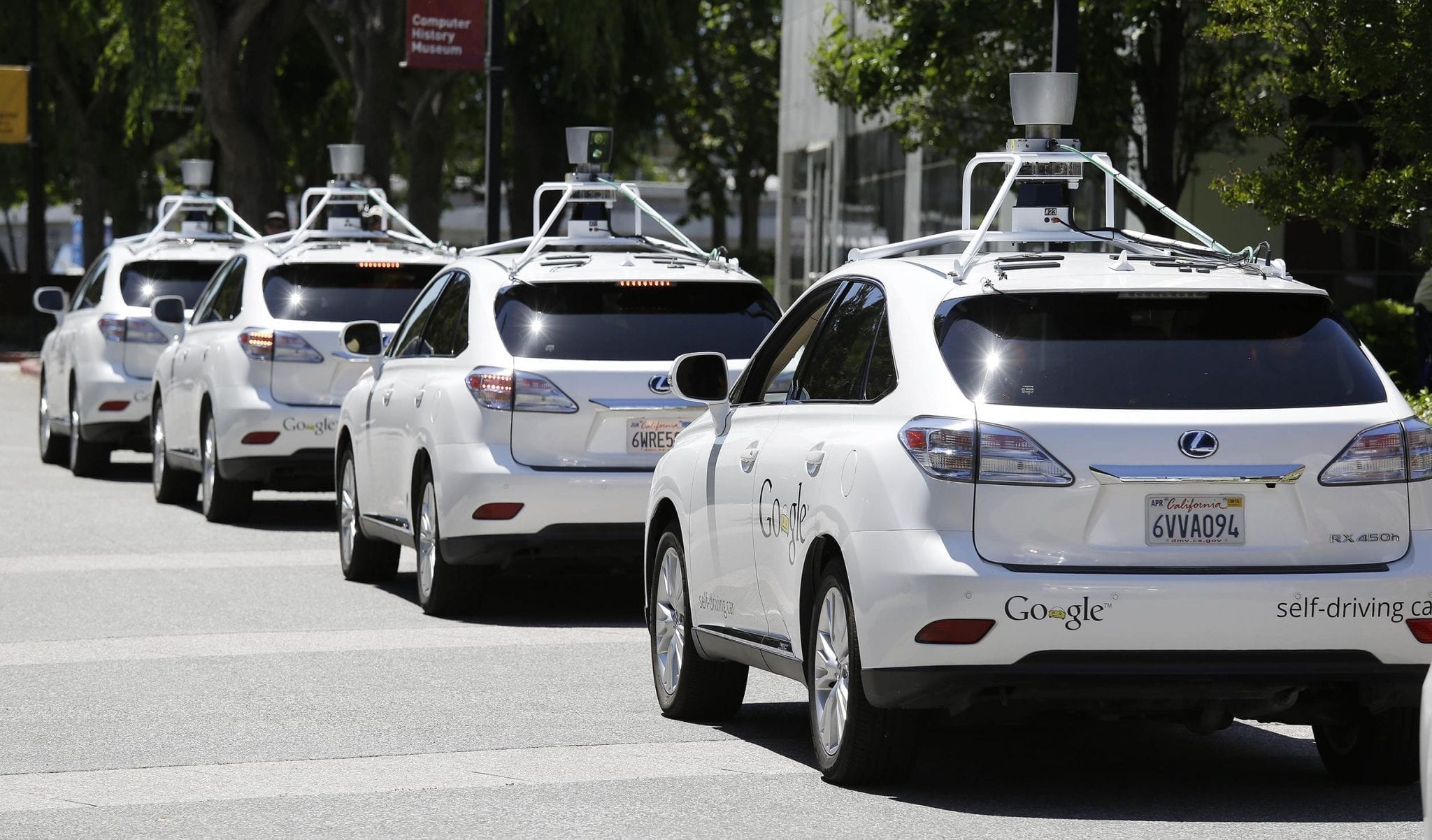
    Honda Motor Co said on Wednesday it had entered into formal talks with Alphabet Inc’s new self-driving division Waymo to add self-driving technology to its vehicles, marking the second potential customer for the automation software.

    The move comes just one week after Google spun off its self-driving unit into its own company named “Waymo” with a mandate to strike partnerships with automakers and others and commercialize the research it has been developing for over seven years.

    The potential deal illustrates how automakers faced with the high costs of developing the new technology in-house are separating into those betting on developing it alone, such as Ford Motor Co and General Motors Co, and those turning to partnerships with suppliers to spread the costs.

    Honda’s announcement marks Google’s second potential tie-up with an automaker over its self-driving technology. The first came in May, when the technology giant signed a deal with Fiat Chrysler Automobiles NV to incorporate the tech into the carmaker’s minivans.

    Unlike cash-strapped Fiat Chrysler, however, Honda has already committed its own resources to autonomous driving, and it said on Tuesday those efforts would continue.

    While Honda has been less vocal about its plans for self-driving cars than larger rivals like Toyota Motor Corp, the Japanese automaker showed off a self-driving prototype in June it has been testing in Northern California. The carmaker foresees full autonomy on highways by 2020.

    “In addition to these on-going (in-house) efforts, this technical collaboration with Waymo could allow Honda R&D to explore a different technological approach to bring fully self-driving technology to market,” Honda said in a statement.

    Honda said, as part of the collaboration talks, it could provide Waymo with vehicles modified to accommodate Waymo software, such as Fiat Chrysler has done with its Chrysler Pacifica minivans.

    Were a deal to be signed, Honda said its engineers in Silicon Valley and Tochigi, Japan would work closely with Waymo engineers.

    A Waymo representative said the company was “looking forward to exploring opportunities to collaborate with Honda to advance fully self-driving technology and make our roads safer.”

  • Honda plans North American production shifts to make more SUVs

    Honda plans North American production shifts to make more SUVs

    Honda Motor Co is shifting around its North American vehicle production mix and may raise imports from Japan to squeeze out more SUVs as it struggles to keep up with strong U.S. demand for larger models, a factor which has prompted the automaker to trim its annual sales forecast.

    From early next year, Honda will dedicate production at its Alabama plant to its Pilot SUV, Ridgeline pick-up truck and Odyssey minivan, shifting production of its luxury Acura MDX SUV to its plant in Ohio as part of efforts to align its overall production of popular models to better reflect market demand.

    Demand for multi-tasking vehicles from cost-conscious consumers and historically low gasoline prices have ramped up demand for SUVs and other larger models over that of passenger cars.

    So far this year, roughly 59 percent of all new vehicles sold in the world’s No.2 auto market have been light trucks, versus 41 percent passenger vehicles, compared with 55 percent and 45 percent, respectively, a year earlier.

    In comments scheduled for release on Thursday, American Honda Motor Co CEO Toshiaki Mikoshiba told reporters that by also shifting more production of its popular CR-V model to its Indiana plant from Mexico, and producing more of its HR-V models in Mexico, the company planned to lift its production weighting between light trucks and passenger cars more in favor of light trucks, from an even balance currently.

    “While maintaining our current overall capacity (in North America), we’d like to also consider our production options in Japan … to produce more light trucks to respond to strong demand,” Mikoshiba said.

    “So long as we don’t see a sudden reversal in gasoline prices, we believe this would be the right move for the market.”

    Japan’s third-largest automaker by vehicle sales also said that it was considering producing the CR-V and the Civic sedan in Japan to be exported to North America to fill any gaps in local production.

    Honda is planning to market the recently revamped Civic in Japan, which a company spokeswoman said would add to production capacity, while it is also considering marketing the latest CR-V at home.

    Last month, Honda lowered its annual North American vehicle sales forecast to 1.985 million, from its previous expectation for 1.990 million, due in part to the skew in market demand.

  • Honda raises profit forecast on strong China sales

    Honda raises profit forecast on strong China sales

    Honda Motor Co lifted its full-year net profit forecast by 6 percent, betting that Chinese customers will keep buying its XR-V and Vezel SUVs and the popular Civic sedan after robust demand there boosted Asian sales sharply in the latest quarter.

    Japan’s third-largest automaker by sales said on Monday it expects full-year net profit to hit 415 billion yen ($3.95 billion), compared to its previous forecast of 390 billion yen. Honda upgraded its global sales forecast to reflect strong demand in China, the world’s biggest auto market and the company’s second largest.

    It also expects cost cuts and lower quality-related costs to offset the impact of a stronger currency and lift its bottomline this year, after taking a hit last year due to hefty provisions for costs to recall Takata (7312.T) air bag inflators.

    Strong demand in growing cities has pushed Honda’s Chinese sales up 26 percent higher year-on-year to 872,000 in the first nine months of 2016, boosted by a near doubling in sales for the Civic, which underwent a model change this year.

    This prompted it to lift the forecast for group vehicle sales in Asia by 11 percent on the year to 1.915 million for the year ending in March 2017, after overall Asian sales rose 22 percent on the year in the second quarter.

    As a result, it sees global sales rising by 5 percent from last year to 4.98 million cars.

    “We’re seeing a positive impact from our new models. The Civic is doing very well in North America, China, and South America,” Honda Executive Vice President Seiji Kuraishi told reporters at a briefing, adding that strong demand for the XR-V compact SUV crossover was also lifting Chinese sales.

    To keep up with rapidly growing demand for its sedans and SUVs in China, Honda is planning to build a new factory in the country with partner Dongfeng Motor Group Co (0489.HK), two people familiar with the matter told Reuters earlier this month.

    Honda sells roughly 40 percent of its global production in North America, but as growing demand in China drives Asian sales higher, the automaker expects sales in the two regions to be roughly the same this year.

    Despite the rosier profit outlook, Honda’s new profit forecast remains lower than the average 482 billion yen profit expected by 21 analysts polled by Thomson Reuters, and Honda said that its conservative outlook was largely due to global uncertainties.

    “At the moment we see uncertainties related to the U.S. elections, Brexit and a weaker sterling, and in Asia, the outlook for Thailand after the death of the country’s monarch,” Kuraishi said.

    “We haven’t seen the impact of these factors yet, but we’re taking a cautious approach to our forecasts.”

    Honda operates a plant in Britain, producing around 140,000 vehicles per year, including the CR-V crossover SUV and Civic sedan at its plant in Swindon. Half of its production is exported to the EU.

    Kuraishi said that the automaker had no plans at the moment to shift its production away from Britain, adding that it would consider factors including the value of sterling and the likely introduction of tariffs when deciding its future in the country.

    Honda is assuming an average rate of 103 yen to a dollar for the current year, against its earlier forecast of 105 yen.

  • Honda planning new China car factory for 2019 start

    Honda planning new China car factory for 2019 start

    Honda Motor Co plans to build a new factory in China that will produce passenger cars from 2019, boosting its output capacity in the country by about a fifth, two people familiar with the matter said on Tuesday.

    Honda and partner Dongfeng Motor Group Co (0489.HK) are experiencing explosive growth in China with sales for their joint venture soaring 48 percent for the year to date thanks to the popularity of the XR-V sport-utility vehicle as well as the recently launched Civic sedan.

    At the same time, the venture, Dongfeng Honda, is coming close to its capacity limits at its two factories, targeting sales of 450,000 vehicles for 2016 – not far off current annual capacity of 480,000.

    The new factory will be located in Wuhan, central China, a major auto hub. It will initially produce 120,000 cars a year, with capacity likely to double eventually, the sources said, declining to be identified as there had not been a formal announcement by the companies.

    Honda confirmed that it was discussing the additional plant in Wuhan with Dongfeng, but that it had nothing official to announce now. A Beijing-based spokesman for Honda said the project had yet to be formally approved by the company or the government.

    The plan was initially reported by the Nikkei business daily, which said the venture planned to spend “hundreds of millions of dollars” on the factory.

    The new factory would be Honda’s seventh in China. Honda also has a joint venture with GAC Group (601238.SS)(2238.HK) called Guangqi Honda which has three plants. The Japanese automaker also has a separate plant for exports.

    Honda said in April it was looking to boost car sales in China to 1.07 million cars this year. It sold 1.01 million vehicles in 2015, a 33 percent jump over the previous year.

    Auto sales in China strengthened in September for a consecutive fifth month, rising to a three-and-a-half year high.

  • Honda reports another Takata airbag rupture in fatal Malaysia crash

    Honda reports another Takata airbag rupture in fatal Malaysia crash

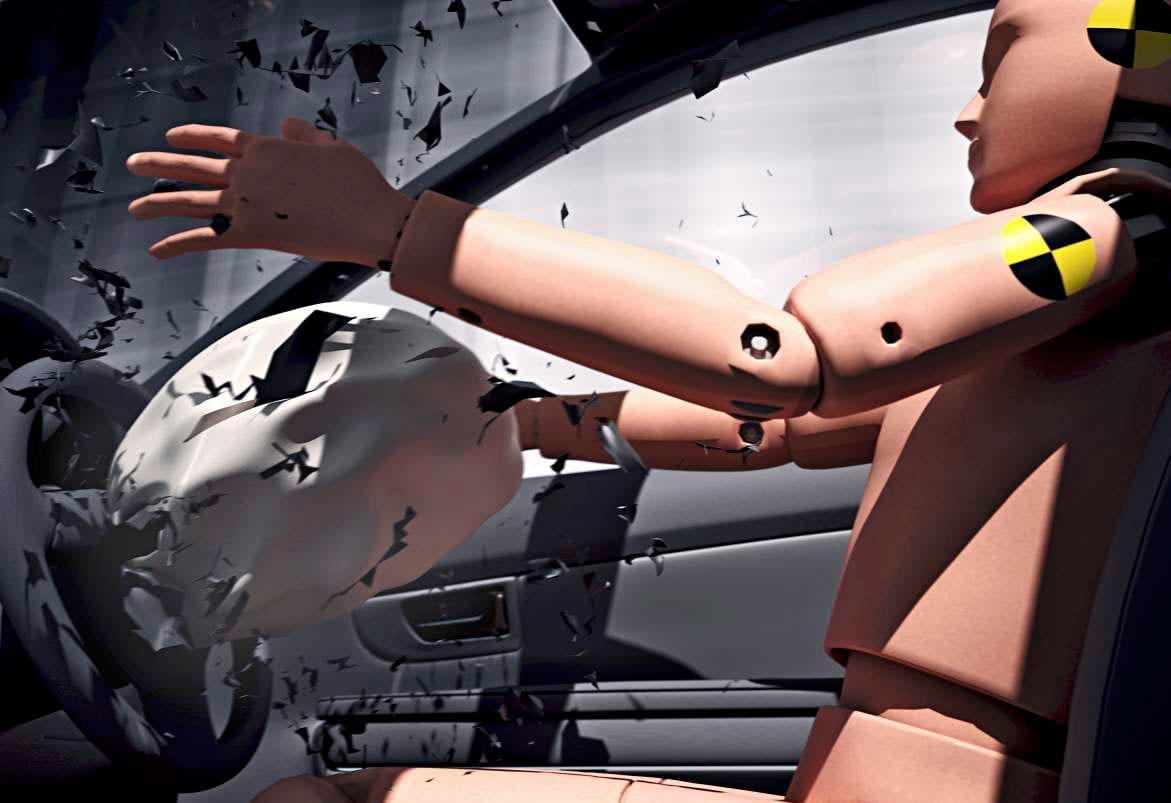
    Honda Motor Co Ltd said on Wednesday that the driver-side airbag inflator ruptured during a fatal crash in Malaysia, in the fourth death this year in the Southeast Asian country linked to airbags from supplier Takata Corp (7312.T).

    The incident on Sept. 24 took place in Johor, a state in southern Malaysia, and involved a 2009 Honda City. The car was part of a product recall announced by Honda in June last year, that required the replacement of the Takata driver’s front airbag, the company said in a statement.

    No details of the victim were provided.

    Honda said it had confirmed with Malaysian police during an inspection that the Takata single stage driver’s airbag inflator had ruptured in the crash, but said the official cause of death had not been determined.

    The passenger’s airbag inflator did not rupture, Honda said.

    Takata could not immediately be reached for comment outside regular business hours.

    Honda recalled more vehicles in Malaysia earlier this year to replace air bag inflators, as part of a global recall involving potentially deadly air bags from supplier Takata.

    Driver-side inflators supplied by Takata ruptured in three other fatal crashes involving Honda cars in Malaysia earlier this year.

    Takata’s defective air bag inflators have been linked to at least 14 deaths globally so far and more than 100 injuries, and sparked the largest-ever auto recall.

    About 100 million Takata air bag inflators have been declared defective worldwide. In the United States, nearly 70 million inflators have been declared defective.