Retail News CRM

Tag: honda

  • Richemont joins Alibaba’s IP alliance on brand protection

    Richemont joins Alibaba’s IP alliance on brand protection

    Global luxury group Richemont has joined the Alibaba Anti-Counterfeiting Alliance, a partnership between the e-commerce giant and brands that works to protect intellectual property rights on Alibaba’s platforms. Geneva, Switzerland-based Richemont is now among the 115 members from 16 countries and regions that are a part of the IP alliance, as well as the latest from the luxury sector to partner with the e-commerce giant on brand protection. Richemont said it would share its technology, expertise and other information to support the Alliance’s efforts.

    Richemont owns 17 luxury brands, including Cartier, Montblanc, Piaget, Van Cleef & Arpels, Watchfinder & Co and Chloe, in addition to Yoox Net-A-Porter Group, the online retail platform. YNAP runs four different websites — Net-A-Porter, Mr Porter, lifestyle-goods destination YOOX and affordable-fashion seller The Outnet — as well as online flagship stores for leading fashion brands, such as Armani, Moncler and Valentino.

    The announcement comes a month after Alibaba and YNAP partnered to bring the site’s high-end goods to Chinese consumers. A joint venture between Alibaba and YNAP will launch a mobile app for the Net-A-Porter platform and menswear site Mr Porter, in addition to opening flagship stores for Net-A-Porter and Mr Porter on Tmall Luxury Pavilion, a channel that connects premier brands with China’s digital-first consumers.

    Richemont, along with New Balance, General Motors and McDonald’s, were the latest global brands to join the AACA. The alliance’s membership has more than tripled from the original 30 founding brands at its launch last year, and now includes  names, such as Bose, Canada Goose, Honda, Samsung, Mars, Adobe, Danone, Hasbro and L’Oreal, in 12 industry categories. They work with Alibaba in six key areas — proactive online monitoring and protection, a product test-buy program, offline investigations and enforcement actions, industry-law enforcement workshops, litigation tactics and public awareness campaigns — in the fight against IP infringement.

    In September last year, the AACA established an advisory board so that brands could provide feedback to Alibaba in areas related to IP enforcement. Alibaba has since upgraded its Intellectual Property Protection Portal as well, delivering faster navigation and a better user experience on the site, where rights holders report suspected infringing listing and share information with Alibaba. In addition, Alibaba’s Good Faith program, which is open to brands with a track record of accurate notice and takedown filings, has streamlined the reporting process.

    The IP alliance does not restrict its brand-protection efforts to the online space. Alibaba and its brand partners also work to find and eliminate fakes at their source. In the luxury sector, Alibaba and Louis Vuitton – one of the first members of AACA – conducted an offline investigation that resulted in the seizure in May of approximately RMB 100 million ($14.4 million) worth of counterfeit goods.

    “The protection of intellectual property rights requires all stakeholders to work closely together and share their expertise. The AACA will continue its efforts to establish industry best practices for IP protection by creating effective collaboration among brands, platforms and law enforcement,” said Michael Yao, Alibaba’s senior VP and head of Brand Protection and Cooperation.

  • Honda raises forecasts on solid motorbike sales

    Honda raises forecasts on solid motorbike sales

    Japan’s Honda Motor said Tuesday it was raising annual forecasts after first-half profits rose over 19 percent on motorcycles sales in Asia. Japan’s third largest automaker now expects net profit to reach 675 billion yen ($6 billion) for the fiscal year ending March, down from last year but a still an increase from its forecast last quarter.

    It also revised up annual sales to to 15.8 trillion yen.

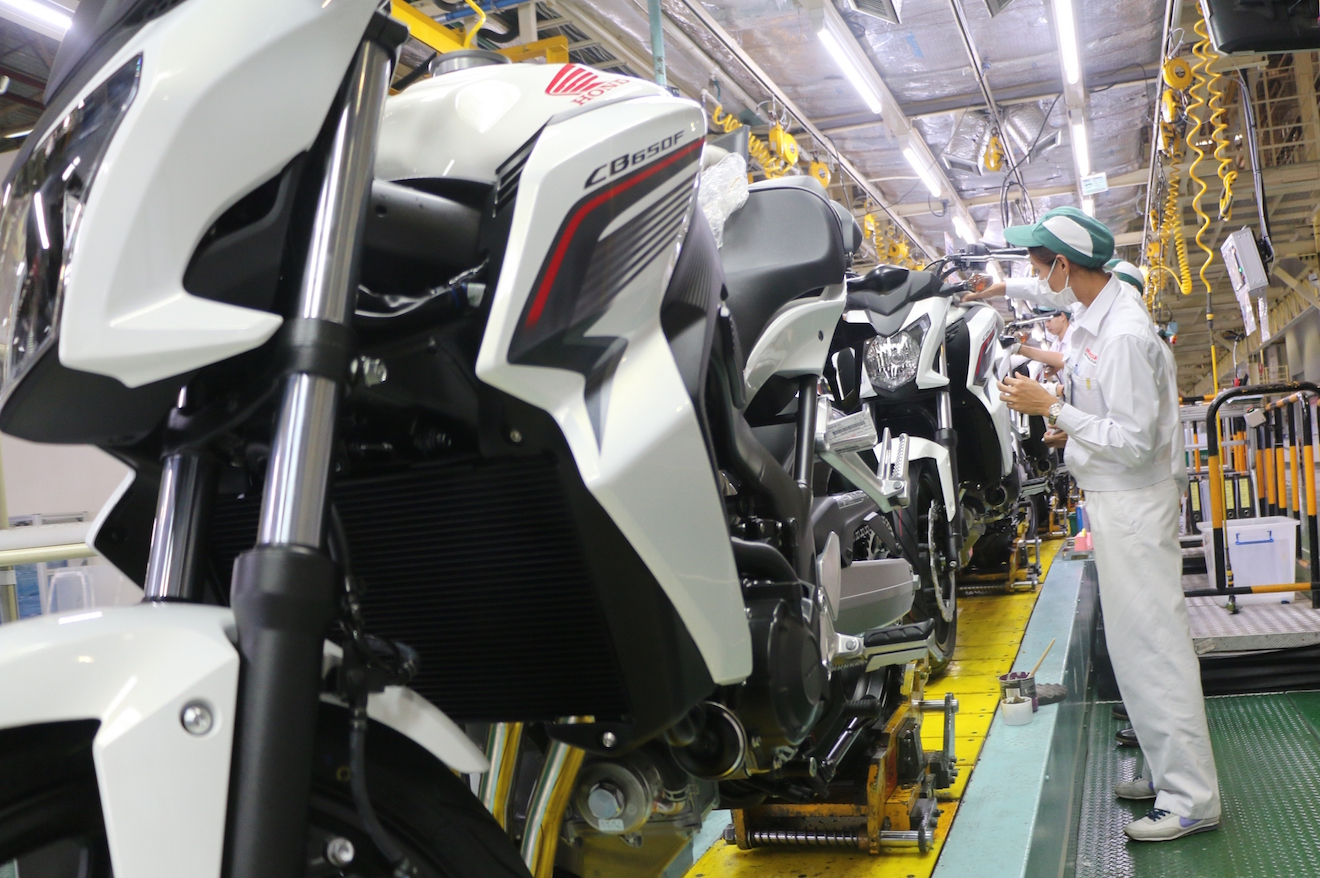
    The company said it was seeing strong growth in the sales of motorbikes in Indonesia, Vietnam and other Asian countries, and touted cost-cutting efforts.

    It said net profit in the April-September period was up 19.3 percent to 455.1 billion yen while operating profit jumped 21.7 percent to 513.9 billion yen.

    Sales rose 5.0 percent to 7.87 trillion yen.

    “Honda enjoyed strong sales of motorcycles… This offset the negative impact of floods in Mexico on its production,” Satoru Takada, an analyst at TIW, a Tokyo-based research and consulting firm said ahead of the results.

    Honda was forced to temporarily halt operations at its largest auto factory in Mexico due to floods in June, and said at the time that it would lose 50 billion yen as a result.

    Japanese automakers remain on edge over talk of U.S. tariffs, though immediate action by Washington has been put off for now.

    “Japanese carmakers are also bracing for the impact of U.S. trade disputes with other major economies,” Takada said.

  • 50,000 Units Of The Honda Amaze Sold In 5 Months

    50,000 Units Of The Honda Amaze Sold In 5 Months

    Honda Cars India Ltd today announced that the all new Amaze has crossed the 50,000 sales mark in just 5 months since its launch in mid May 2018. The Honda Amaze currently contributes to 50 per cent of the total HCIL sales during April -Sept 2018. This is fastest 50,000 sales number recorded by any new model launched by Honda in India. The company says that the Amaze attracted more than 20 per cent first time buyers, while the car has been well received across markets with 40 per cent sales coming from Tier 1 cities and 30 per cent each from Tier 2 and Tier 3 cities.

    Makoto Hyoda, Director, Sales and Marketing, Honda Cars India Ltd said, “The overall concept of All New Amaze was to develop a one-class-above sedan for Indian family use that exceeds the expectations of customers in the compact sedan segment. The response to the car with 50,000 sales in 5 months is overwhelming. The advanced CVT technology has found very strong acceptance among customers with 30% of Amaze customers opting for automatic variants in petrol and diesel.”
    The new Amaze takes on the very popular Maruti Suzuki Swift Dzire and has impressed us by winning the comparison test. The Honda Amaze is completely different as compared to the first generation. While the design is a little conservative, buyers might appreciate the balanced look the new car has. While you do get features like daytime running lights or 15-inch alloy wheels on the top of the line variant, the Amaze loses out on the likes of LED headlamps or even projector headlamps. Diamond cut alloy wheels like the one on the City could have made it a nicer package too.

    On the interior though, the new Honda Amaze is much nicer as compared to its predecessor. It now gets a larger 7-inch touchscreen infotainment system, called Digipad-2 with both Apple Carplay and Android Auto. It also gets a start-stop button, automatic climate control and as we mentioned earlier, the CVT variants get paddle shifters too. There is also more space in the cabin as compared to earlier and that is mainly due to a longer wheelbase. The new Honda Amaze also gets a fold-down central armrest for the rear passengers and rear AC vents.

    Under the hood, the petrol-powered Honda Amaze gets a 1.2-litre, 4-cylinder, naturally aspirated engine that makes 89 bhp of peak power and 110 Nm of peak torque. The engine is mated to either a 5-speed manual gearbox or a 7-step CVT automatic. The CVT also gets paddle shifters – a first-in-class feature in this segment. Fuel economy ratings for the petrol manual are at 19.5 kmpl while the CVT petrol is rated at 19 kmpl according to ARAI test figures.

  • Honda Active Has Crossed The 2 Crore Sales Milestone

    Honda Active Has Crossed The 2 Crore Sales Milestone

    Honda Motorcycle and Scooter India (HMSI) has announced that the company’s top-selling two-wheeler, the Honda Activa, has recently breached the 2 crore sales mark in India. Evidently, the popular Honda Active is now the first scooter in the country to cross this huge sales milestone. Interestingly enough, it took the Honda 15 years to breach first one crore sales mark, while the next one crore units were sold in just 3 years, which is four times faster than the time taken to acquire the first 1 crore customers.

    Minoru Kato, President & CEO, Honda Motorcycle & Scooter India Pvt. Ltd. today announced this feat and expressed his gratitude to the 2 crore happy Indian customers, and said “Over 18 years and 5 generations, Honda 2Wheelers India continuously added value to exceed Customers expectations & making Activa the most preferred choice of Indian 2wheeler buyers. We are delighted that Activa partnered over 2 crore Indian families on the move in realizing their dreams. As India’s Love for Activa grows, we remain committed to take on new challenges and bring joy to our customers.”

    2018 Honda Activa 5G was launched at the Auto Expo

    The Honda Active was first launched in the year 2001, and since then we have seen five generations of the scooter in India. The fifth-gen model, the Honda Activa 5G, was launched this year in February, at the 2018 Auto Expo. The Activa was truly a ground-breaking product from the Japanese two-wheeler manufacturer and it has been the country’s top-selling two-wheeler for quite some time now. In fact, in 2017 the Activa becomes not just India’s, but the World’s largest selling two-wheeler.

    The current-generation model – Honda Activa 5G, is powered by a 109 cc, single-cylinder engine which puts out 8 bhp at 7,500 rpm and 9 Nm of peak torque at 5,500 rpm. No other scooter on sale in India has been able to come close to the Activa’s sales success in its segment. In addition to features like Honda’s Combi-break system and HSE technology, the new Activa also comes with a semi-digital instrument cluster with the display showing information like additional service due indicator and ECO options. The scooter also gets a 4-in-1 hook with the seat opener switch like the Grazia and a retractable rear hook.

  • Thailand approves electric vehicle investment plans of Nissan, Honda

    Thailand approves electric vehicle investment plans of Nissan, Honda

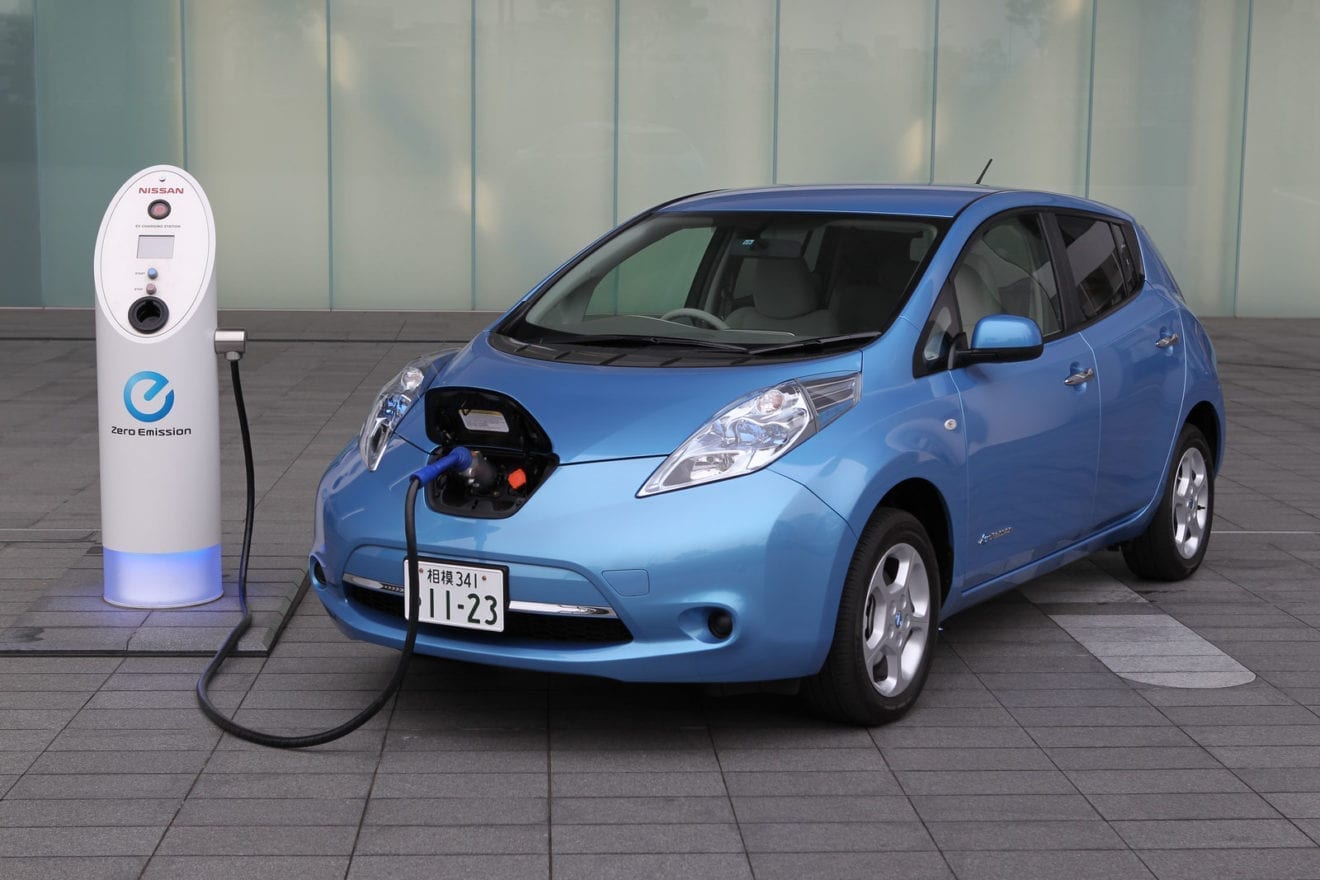
    Thai authorities said today they have approved investment plans worth 29.63 billion baht (RM3.8 billion), including projects by two Japanese automakers to produce hybrid electric vehicles and batteries.

    Nissan Motor (Thailand), a unit of Nissan Motor Co will invest 10.96 billion baht in one venture while Honda Automobile (Thailand), a subsidiary of Honda Motor Co will spend 5.82 billion baht on its project, the Board of Investment (BoI) said in a statement.

    The agency said it also approved a tax break for Thai AirAsia X’s 9.25 billion baht plan to lease six Airbus A330 aircraft, and for Mars Petcare (Thailand)’s 3.5 billion baht investment in pet food.

    The BoI said Thai and foreign firms submitted projects worth 284.6 billion baht in January-June, which it said was “close to” the amount in the first half of 2017, without giving the previous number. The board said the projects were mainly for Thailand’s Eastern Economic Corridor a centrepiece of the junta’s policy to lift growth and targets high-tech investment.

    The agency is sticking to its target of securing 720 billion baht in investment pledges this year, up 12% from last year, as large applications are expected in the second half, it said.

    Meanwhile, Toyota Motor Corp’s Thai unit said Thailand’s total domestic car sales are expected to be 980,000 units this year, up 12% from 2017, and more than previously expected.

    Toyota, which commands about one-third of the Thai vehicle market, also raised its own 2018 car sales in the Southeast Asian nation to 315,000 cars, up 31% from last year, Toyota Motor Thailand’s president Michinobu Sugata told a news conference. Sales have been supported by stronger economic growth and more activities by carmakers, he said.

    In January, the company predicted overall domestic sales at 900,000 cars and its own sales at 300,000 units.

  • Floodgates could open as Honda imports cars

    Floodgates could open as Honda imports cars

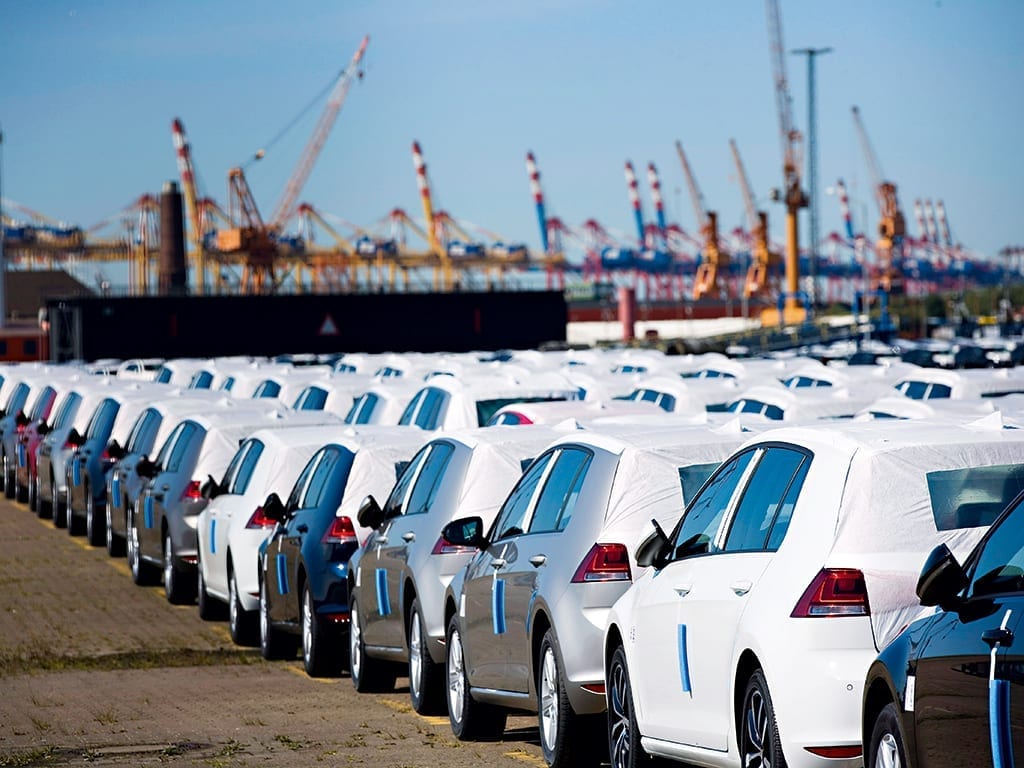
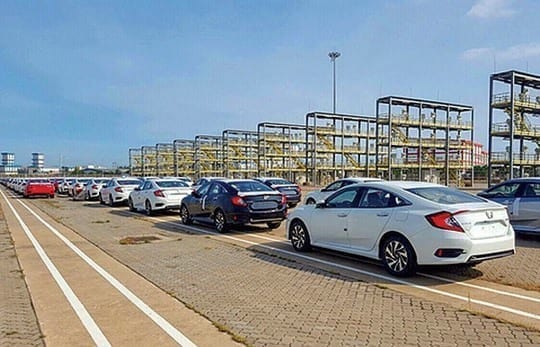
    After stopping car exports to Việt Nam for more than a month, Japanese auto giant Honda Motor suddenly decided to import around 2,000 vehicles from Thailand in early March.

    This is the first batch of automobiles exempt from import tax under the ASEAN Trade in Goods Agreement (ATIGA) to be imported into Việt Nam.

    ASEAN groups Brunei, Cambodia, Indonesia, Laos, Malaysia, Myanmar, the Philippines, Singapore, Thailand and Việt Nam.

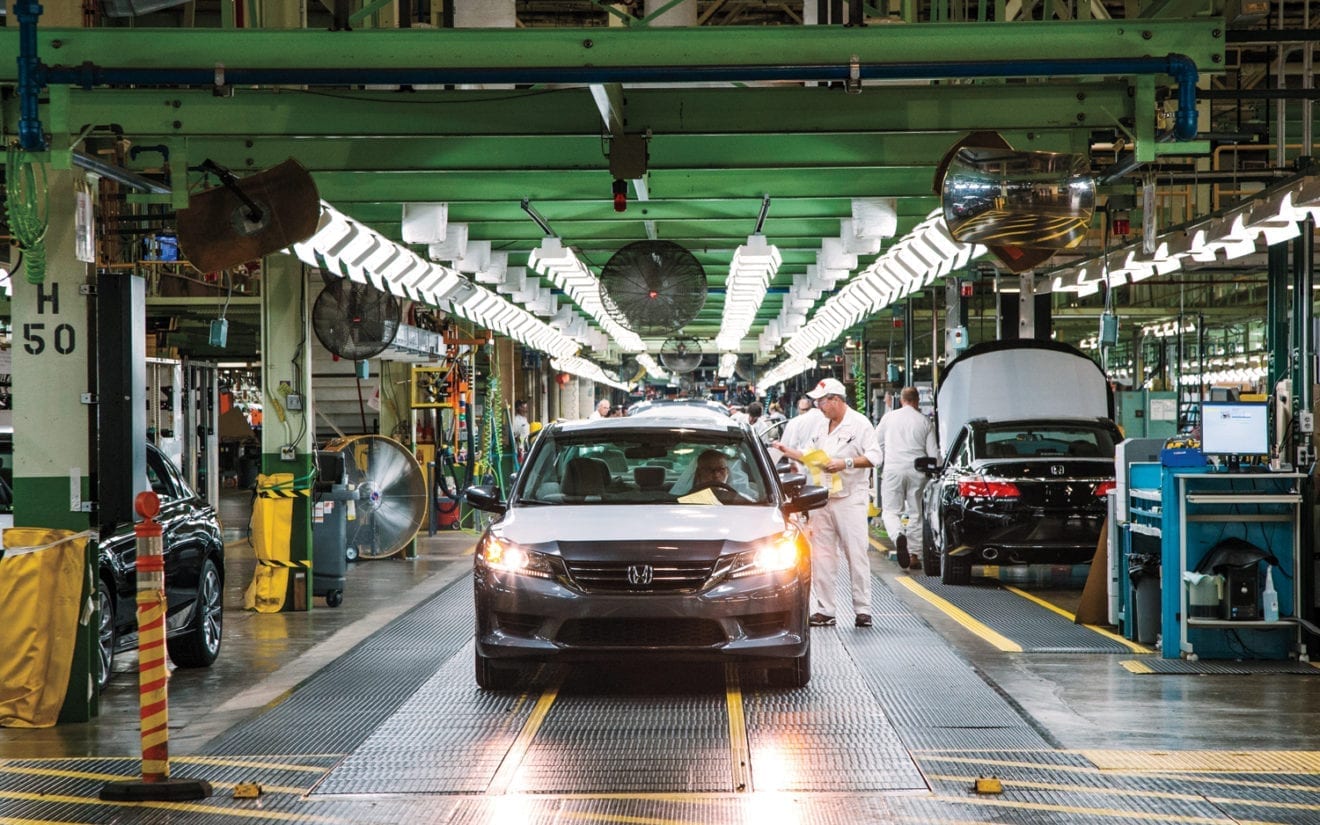
    Lý Thanh Bình, head of customs at HCM City’s Hiệp Phước Port, confirmed that Honda cars including Jazz, Accord, CR-V and Civic were unloaded at the port on March 1. The vehicles will be sold in one or two months after they undergo several mandatory tests as part of the customs clearance process.

    In January, Toyota Motor and Honda decided to suspend exports to Việt Nam saying they are unable to meet Việt Nam’s stringent checks of imported vehicles under the new Decree 116.

    The decree on the production, assembly, import and warranty of automobiles was issued just as Việt Nam eliminated tariffs on automobiles imported from ASEAN members.

    It requires all models of imported vehicles to obtain a Vehicle Type Approval certificate from authorities in the exporting countries.

    The new rule also requires emission and safety tests to be done on every batch of automobiles imported. In the past, only the first shipment of a model was tested.

    Many auto giants from Japan and the US have expressed concern, saying it would be difficult to meet the requirements.

    Some also said the new requirements would cause a huge waste of time and money for importers since one emission test could take two months and cost up to US$10,000.

    The decree is aimed at strengthening quality checks and protecting the local industry.

    The fact that Honda resumed exports to Việt Nam proves that car importers can remove the biggest obstacles like the above-said things that they were facing as they want to import the vehicles under the new regulations.

    Honda had Vehicle Type Approval certificates granted by Thailand where the cars were produced.

    Analysts said Honda’s decision to resume exports to Việt Nam should be considered a big factor for the Vietnamese auto market. This was because after Honda, other companies would also be able to receive similar certificates like Honda to bring their cars back to Việt Nam.

    Because of this, car imports from other countries such as Indonesia and Malaysia are also expected to soon come to Việt Nam.

    The return of Honda and other companies including Ford and Toyota in the near future is expected to drag prices significantly lower, thus fulfilling Vietnamese consumers’ dream of buying cars at lower prices.

    According to an official announcement from Honda Vietnam, its compact SUV Honda CR-V is now listed at VNĐ958 million ($42,076) to VNĐ1.068 billion ($46,907), depending on the model and specifications.

    Compared to their earlier prices, when a 30 per cent tax was in place, the 1.5E and 1.5G models are cheaper by VNĐ178 million ($7,818) and VNĐ188 million ($8,257).

    However, market observers said though tariffs on automobiles imported from ASEAN were eliminated over two months ago, car prices have shown no signs of coming down.

    Some have even seen their prices rise.

    They blamed this on not only a shortage of vehicles on the market but also the increasing cost of importing cars under the new rules.

    The shortage is understandable since only Honda of those that do not assemble in the country have gone through the new import rigmarole. Meanwhile, the number of assembled cars has also decreased because of lack of components imported from abroad, meaning supply has been unable to meet demand.

    Trường Hải Auto Joint Stock Company has hiked the prices of many models after making some cuts before Tết (Vietnam Lunar New Year) in mid-February.

    Consequently, the prices of its Mazda cars are up by VNĐ30-50 million. The Nissan Navara saw its prices cut by VNĐ10-20 million before Tết, but is now back to its earlier rates.

    Housing allure remains for overseas Vietnamese

    According to statistics from the World Bank, overseas remittances to the country last year were worth at $13.8 billion, up 20 per cent from 2016.

    This year, they are expected to go up by 5-7 per cent.

    Analysts said overseas remittances would continue to provide a vital impetus to the economy, especially to the property sector.

    The State Bank of Việt Nam said around 71 per cent of remittances went into business, and 21-22 per cent into the real estate sector.

    This means that on average every year, the sector gets an infusion of around $2.5 billion.

    Experts said the remittances are a reliable and steady source of foreign currency, and help keep foreign reserves buoyant.

    An executive at Savills Vietnam’s international residential sales department pointed out that by nature remittances are a “one-way” source of funding and could match or exceed foreign direct investment and foreign portfolio investment.

    Now they play an important role in economic growth. There are millions of Vietnamese living in the US, Europe and Asia, and a growing number of them are finding their way home to work, invest or retire.

    A thriving economy, constantly improving business environment and laws that allow overseas Vietnamese to own houses in Việt Nam are the reasons why they are investing in the housing sector.

    Experts said the housing market now offers favourable conditions for overseas Vietnamese to make profits.

    It has a wide range of products of high quality and reasonable prices, meeting overseas Vietnamese investors’ every demand, whether investment, settling down in the country or working.

    According to Savills Vietnam, safety, security and after-sales services are also factors that overseas Vietnamese and other foreign customers consider when buying a house in addition to location, price, convenience, architecture and design.

    It is undeniable that the attractiveness of the housing market has contributed to increasing remittances to Việt Nam in the last few years.

    According to the State Bank of Việt Nam’s HCM City branch, around 50 per cent of remittances to Việt Nam are to the southern metropolis.

    Around 22 per cent of the remittances to the city of $5.2 billion went into the housing market.

    Experts said to stabilise the flow of remittances into the country and into the real estate sector, the Government should offer incentives like low fees.

    They also stressed the need to make the housing market more transparent and efficiently provide market information to overseas Vietnamese.

    They wanted the Government to have tough measures to prevent the frequent occurrence of price “fever” in the housing market.

    They also called on real estate developers to carefully study overseas Vietnamese and foreigners’ housing needs and improve the quality of their products and services.
     

  • First Vietnam’s duty-free cars arrive from Thailand

    First Vietnam’s duty-free cars arrive from Thailand

    Over 2,000 Honda cars from Thailand—the  first batches of cars to enjoy zero per cent import duty under the ASEAN Free Trade Agreement (AFTA)—have been imported to Việt Nam.

    Under the AFTA commitments, a zero per cent tax is applicable to cars imported from the bloc, with a localisation rate of 40 per cent or more in the country of origin, starting January 1 this year.

    The current batch has Jazz, Accord, CR-V and Civic models.

    A representative of Honda Vietnam said that to import the autos to Việt Nam, the firm had completed procedures to meet the requirements of Việt Nam’s Decree 116 on the conditions for production, assembly, import, business of warranty service, car maintenance and particularly the Vehicle Type Approval certificate granted by the Thailand Department of Land Transport.

    A consulting staff member at Honda’s Mỹ Đình agent said that the new vehicles would be rolled out to the market in May or early June, as it will take one or two months to complete checks on emission, quality and technical safety at ports.

    “The price of each car is expected to fall by more than VNĐ200 million.  This will be a turning point in the Vietnamese automobile market,” said the staff member.

    Earlier, the insiders calculated that with the zero per cent import tax, the price of imported cars from ASEAN countries to Việt Nam would fall by 20-25 per cent.

    Toyota Motor Vietnam and Ford Việt Nam are completing procedures to meet the requirements of the Decree 116 to import cars which are favourites in Việt Nam, such as the Ford Explorer, Everest, Ranger, Toyota Fortuner and Yaris.


  • Japan’s Honda to recall 350,000 cars in China over engine issue

    Japan’s Honda to recall 350,000 cars in China over engine issue

    Honda Motor Co Ltd will recall roughly 350,000 vehicles in China to resolve a cold-climate engine issue and quell a barrage of customer complaints that has hit the automaker over the past month.

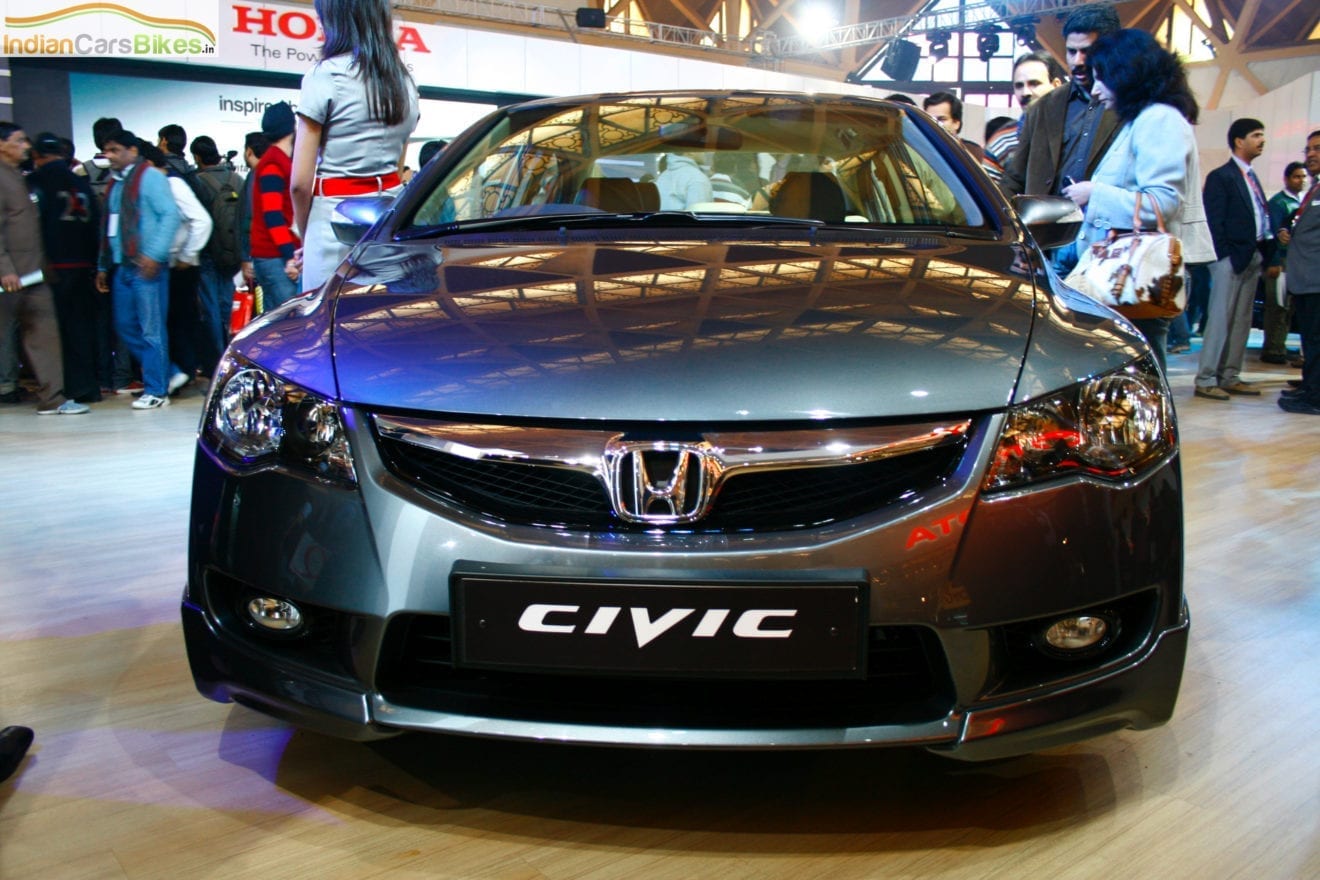
    The recall involves the CR-V sport utility vehicle and the Civic car equipped with a 1.5-litre turbo engine, Honda’s joint venture with Dongfeng Motor Group Co Ltd (0489.HK) said in a statement on Monday.

    The company is calling back those cars to resolve a problem caused by an unusual amount of un-combusted petrol collecting in the engine’s lubricant oil pan.

    The issue in some cases caused a strong odor of gasoline inside the car and in other cases the car’s check-engine light came on. Honda and Dongfeng plan to resolve the issue by updating the engine’s gasoline injection control software.

    Honda officials said there had been no reports of accidents. They said the engine oil issue doesn’t affect the engine or the car’s performance.

    The measure comes after CR-V and Civic owners turned to the Weibo microblog – China’s Twitter equivalent – and other means to air their complaints since mid January.

    The recall points to an emerging pattern in China where customer complaints spiral out of control as they are aired out on Weibo, forcing an automaker to respond.

    Years ago the kind of recall Honda announced on Monday could have been dealt through a so-called customer service action, industry officials and experts say. That refers to what the auto industry calls a “quiet recall”, which is less damaging financially and image-wise, where an automaker fixes a non-safety issue, often free of charge, whenever the customer comes to the dealership.

    “Without Weibo, it would have gone on for years,” said James Chao, chief automotive analyst for IHS Markit in the Asia-Pacific region. “That’s the way it was for the industry in the pre-Weibo, pre-Twitter era.”

    Honda did not say the scale of the move in its statement, but a Beijing-based spokesman and other company officials said Honda and its joint venture partner are likely to call back roughly 350,000 vehicles. “We’re still trying to determine the precise number of cars affected,” the spokesman said.

    Normally un-combusted petrol ends up accumulated in the lubricant oil pan but evaporates under heat from the engine. Such evaporated petrol is by design put back into the engine combustion chamber as fuel.

    The issue involving the CR-V and the Civic has occurred in northern China where temperatures can dip well below the freezing point and when drivers of the affected vehicles drive short distances frequently.

    On short runs, Honda engineers believe the engine doesn’t warm up enough to help un-combusted petrol accumulated in the lubricant oil pan to evaporate.

  • Honda aims to double market share in India

    Honda aims to double market share in India

    Japanese carmaker Honda Motor Co plans to double its market share in India within the next few years, the head of its local unit said, as it looks to boost its presence in the world’s fifth-largest car market.

    To be a major player and have a meaningful presence, Honda needs to achieve a 10 percent market share, Yoichiro Ueno, managing director of the carmaker’s India unit, said during the country’s biennial auto show.

    Honda, which sells cars such as the City sedan and CR-V sport-utility vehicle in India, has seen its market share fall to about 5 percent at the end of 2017 from 7 percent three years ago, industry data show, thanks to a slew of new launches from rivals Maruti Suzuki and Hyundai Motor.

    Annual passenger vehicle sales in India crossed 3 million units last year and the country is expected to become the world’s third-largest car market by 2020, trailing only China and the United States.

    One of the challenges for Honda is that lower taxes on small cars in India make them a preferred choice for buyers, and the carmaker has few small cars to offer.

    “Our global line up is different so it is a bit difficult to utilise global resources,” Ueno said, adding car taxation policy in India needed to change to encourage carmakers to bring in products from their global portfolio.

    The Japanese carmaker is utilising only 70 percent of its annual production capacity of 300,000 units in India and needs to ramp up output to be efficient, Ueno said.

  • Honda, Forever 21 to Collaborate on Vintage Collection

    Honda, Forever 21 to Collaborate on Vintage Collection

    Forever 21 has launched a collection featuring classic Honda racing motifs.

    The brainchild of Honda’s brand management agency Earthbound, the F21xHonda racing capsule collection consists of iconic Honda designs from the early 1980s and action sportswear of the 1990s.

    “Pairing nostalgic Honda racing iconography with updated silhouettes and fabrics to create a modern yet timeless aesthetic, the latest collection includes a variety of men’s and women’s apparel,”said the two companies in a statement.

    The women’s collection offers vintage inspired styles from long and short sleeved crop-tops, long sleeve t-shirts and skirts, including items in the Plus size range. The men’s collection features street-wear ready pieces including t-shirts, pull-over sweaters and racing jackets.

    “We are always looking for new and unexpected partnerships,” said Linda Chang, VP of marketing for Forever 21. “This collaboration with Honda racing is especially relevant now with the popularity of racing and motorsport designs. We hope that fans of both Honda racing and our customers will celebrate with us through this collection.”

    Honda Powersports Marketing’s senior manager Mike Snyder said collaborating with a brand like Forever 21 allows Honda motorcycles to access a completely new audience.

    “We are very happy with the collection they have developed. It does a great job of blending Honda’s Racing history with Forever 21’s fashion sense.”

    The F21 x Honda racing collection launched in stores throughout North America and on Forever21.com this week.

  • Honda Malaysia retains number one spot for non-national brands

    Honda Malaysia retains number one spot for non-national brands

    Honda Malaysia retained its number one spot for non-national brands for the third consecutive year, managing to sell 19% more cars or 109,511 units in 2017, the highest in its history.

    Honda Malaysia also sold the second largest number of cars in total industry volume in 2017, for the second consecutive year, it said in a statement today.

    Since 2003 and in the span of 14 years, Honda Malaysia has sold more than 730,000 units of vehicles.

    The company managed to capture a 19% market share, the highest ever achieved in Honda Malaysia history, with six new model launches, namely BR-V, City, Jazz and Jazz Hybrid, City Hybrid, CR-V and All-New Civic Type R.

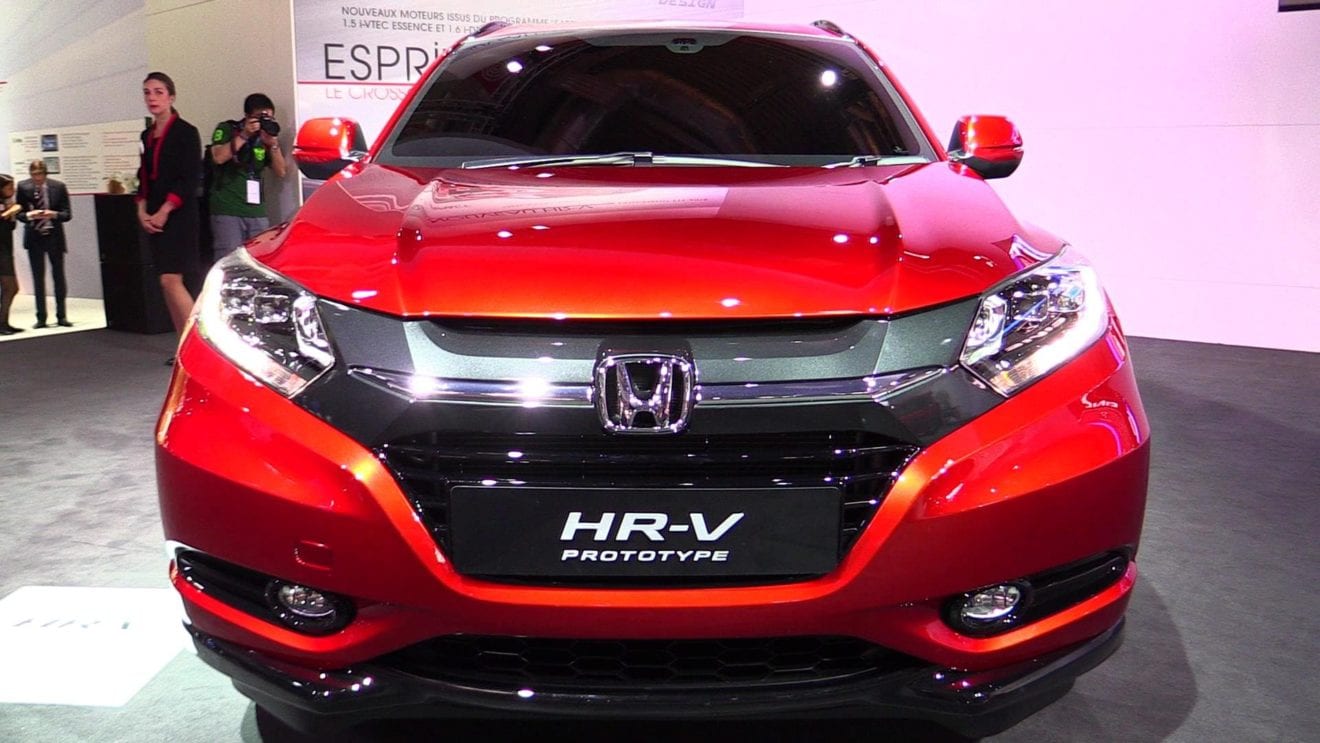
    The City emerged as Honda’s best-selling model in 2017, contributing 27% of total sales, followed by HR-V at 17%, BR-V at 16% and Civic at 14% respectively.

    In the Hybrid segment, the Jazz Hybrid and City Hybrid contributed 2% to the total sales of Honda Malaysia despite being on sale for only 4 months. The two models are leading the overall Hybrid segment.

    Throughout 2017, Honda Malaysia expanded its presence and penetration in Sabah and Sarawak, which contributed more than 7,500 units to the total sales achieved. Sales for East Malaysia in 2017 increased by 33% compared to 2016. BR-V was the best-selling model in Sabah and Sarawak.

    Not losing sight of its after sales service segment, Honda Malaysia introduced Honda Pride with 12 specially designed benefits such as five years warranty with unlimited mileage, genuine parts and comfortable dealer showroom.

    In terms of service intake, Honda Malaysia recorded more than 1.15 million vehicles serviced in 2017, up 13% from the 1.0 million vehicles serviced in 2016.

    Managing director and CEO Toichi Ishiyama said, “Reflectively, we are pleased to note that with the maturing Malaysian market, customers responded well to the various Next Generation Advanced Technologies we introduced such as Honda SENSING, Turbo and Sport Hybrid i-DCD. The Sport Hybrid i-DCD made history during their introductions, as Malaysia is the only country outside of Japan to introduce the technology. It was also the most affordable Hybrid to be introduced in the market. Honda was also the first brand to introduce the SENSING technology into mass models such as the CR-V and New Accord.”

  • Honda considers developing all solid-state EV batteries

    Honda considers developing all solid-state EV batteries

    Honda Motor is considering developing all solid-state batteries for electric vehicles (EVs) as a growing number of global automakers look to come up with powerful, next-generation car batteries to reduce vehicle emissions.

    Tighter global emissions regulations are forcing automakers worldwide to shift to electric cars, including all-battery EVs that will require capacity to deliver longer ranges and faster charge times, but at lower cost than lithium-ion batteries.

    “We’ve been researching all solid-state batteries,” Honda spokesman Teruhiko Tatebe said.

    “At the moment we’re not developing them with another automaker.”

    Kyodo News reported on Thursday that Honda and Nissan Motor Co were developing all solid-state EV batteries. Nissan was not immediately available for comment.

    A growing number of automakers including Toyota Motor Corp and Volkswagen  are developing all solid-state batteries, which offer more capacity and better safety than conventional lithium-ion batteries by replacing their liquid electrolyte with a solid, conductive material.

    Earlier this month, Toyota said it was considering jointly developing the next-generation batteries with Panasonic to share high R&D costs.

    The automaker is planning to have a production-ready battery in the early 2020s, and has highlighted the need to accelerate the pace of battery development as it and other automakers plan to ramp up the number of electric models they sell in the coming decades.

  • South Korea’s Hyundai says faces headwinds from weaker yen next year

    South Korea’s Hyundai says faces headwinds from weaker yen next year

    South Korean automakers face a major headwind from a weakening Japanese yen, which will boost rivals like Toyota Motor Corp. next year, a Hyundai Motor think tank said.

    The fall in the yen will intensify competition in major markets, such as China and the United States, where overall demand is expected to shrink in 2018, the think tank said.

    It projected that the Korean won would fetch 978 per 100 yen next year, compared with 1,018 this year.

    The re-election in November of Japan’s Prime Minister Shinzo Abe, who favors massive monetary and fiscal stimulus policies, should point to further yen weakness, the think tank said.

    Toyota Motor in November raised its forecast for full-year operating profit, in part due to expectations of a weaker yen, which can make goods exported from Japan cheaper and can boost the value of overseas profits when they are repatriated.

    “The currency environment is expected to deteriorate next year,” Lee Bo-sung, a director of the think tank, the Global Business Intelligence Center, said at a press briefing on Friday. The contents of the briefing were embargoed until 9 am Sunday Seoul time.

    “The weaker yen is expected to be the biggest challenge for South Korean automakers next year, as they are competing against Japanese,” Lee said.

    He said the price gap between Korean and Japanese cars had already narrowed due to the yen’s decline. For example, Hyundai’s Sonata sedan was 10 percent cheaper than Honda’s Accord in the United States in 2011 and the gap is only 2 percent this year, he said.

    A weaker yen and higher profit have also allowed Japanese carmakers to boost investment and gain market share in China and other emerging markets, Hyundai’s stronghold, he said.

    Hyundai Motor has seen its net profit tumble by nearly one-third so far this year, and is on track to miss its annual vehicle sales target by a large margin, having failed to position for a consumer swing to sport utility vehicles (SUVs) and a diplomatic row with Beijing that hit Korean-made products.

    Hyundai Motor said on Friday it plans to roll out three SUVs next year in the United States – the redesigned Santa Fe, the Kona, and the tweaked Tucson, to revive its sales momentum. In China next year, Hyundai and Kia plan to release three China-targeted small SUVs next year.

  • Honda recalling 900,000 minivans because seats may tip forward

    Honda recalling 900,000 minivans because seats may tip forward

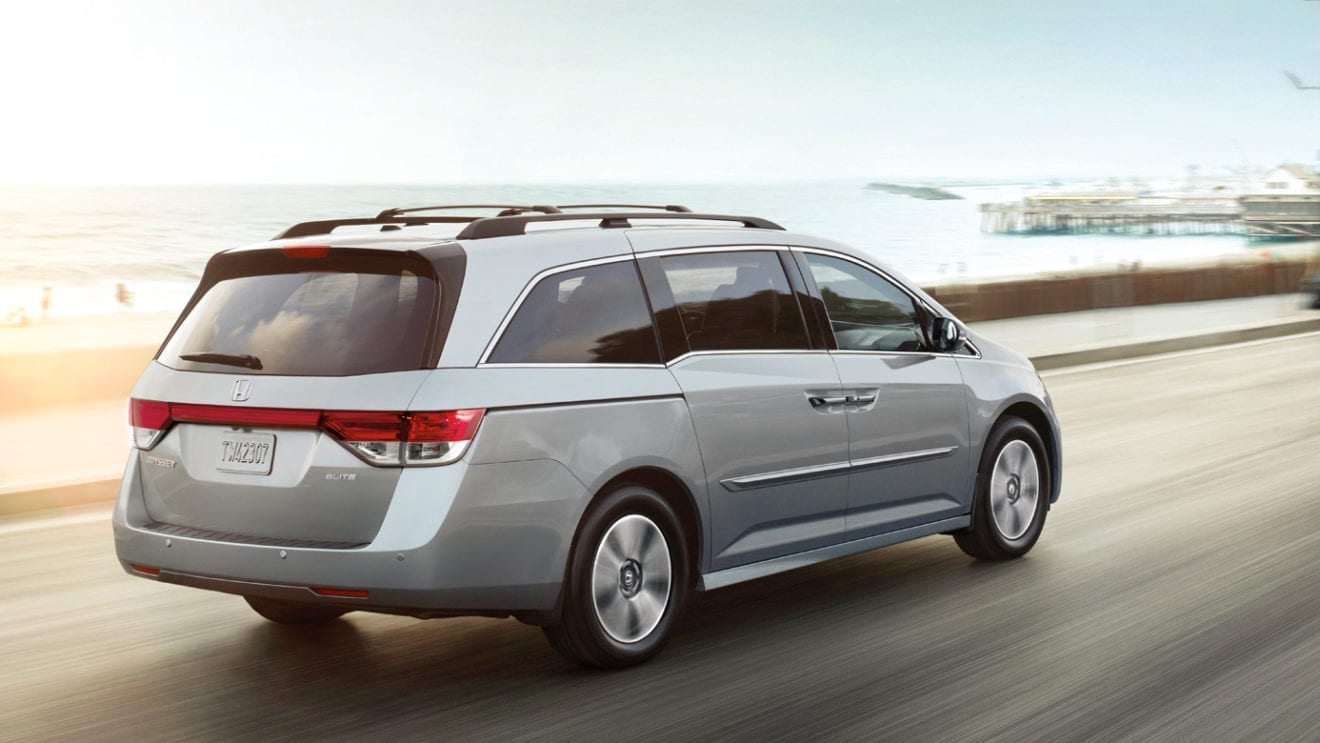
    Honda Motor Co said on Saturday that it was recalling about 900,000 minivans because second-row seats may tip forward if not properly latched after being adjusted.

    The Japanese automaker said the recall covered 2011-2017 Honda Odyssey minivans, all but 2,000 of which are in North America, and that it had 46 reports of minor injuries related to the issue. Honda said it was working on a recall fix to help ensure proper latching and, in the interim, had posted a detailed instruction sheet on how to ensure seats are properly latched.

  • Telco giant Viettel named biggest tax payer in Vietnam

    Telco giant Viettel named biggest tax payer in Vietnam

    A list of the 1,000 businesses that paid the most tax last year in Vietnam has been released, and includes three foreign firms in the top 10.

    Military-run telco giant Viettel topped the list after earning a pre-tax profit of nearly VND40 trillion ($1.76 billion), followed by Japanese motorbike and automobile producer Honda and state-owned energy group PetroVietnam, according to a report by the General Department of Taxation.

    Viettel is Vietnam’s largest telecom firm in terms of earnings, and operates mobile networks across 10 countries in Southeast Asia, South America and Africa with further plans for expansion. UK-based Brand Finance ranks its brand value seventh in Southeast Asia and 93rd globally.

    Japanese automobile maker Toyota and Dutch brewery Heineken were also named among the top 10 biggest tax payers in Vietnam last year.

    The rest of the top 10 was made up of state-owned enterprises: telecom firm MobiFone, major lenders Vietcombank and VietinBank, dairy giant Vinamilk and the Airports Corporation of Vietnam.

    Details of how much tax each company paid were not released, but the report said that the 1,000 biggest payers contributed more than VND90 trillion (nearly $4 billion) to the state budget in 2016, up 12 percent from the previous year.

    The top 10 accounted for nearly 75 percent of that figure, it said.

    Vietnam imposes a corporate tax rate of 20 percent.