Retail News CRM

Tag: honda

  • Current Generation Honda City to Continue with only the Petrol Engine

    Current Generation Honda City to Continue with only the Petrol Engine

    The fifth-generation Honda City was slated to debut in March this year but the unprecedented lockdown due to the Coronavirus pandemic has pushed the launch for the all-new model. The new-gen Honda City launch is just around the corner. In an interesting move, the fifth generation and the fourth generation (current) models will co-exist in the market. Rajesh Goel, Senior Vice President & Director, Sales & Marketing, Honda Cars India, confirmed the development on the latest episode of Freewheeling With SVP and said, “In the fourth generation, the BS6 is only available on the petrol, and that’s how we intend to keep it. ”

    Elaborating more on the same, Goel revealed that while the next-generation Honda City will be sold in both petrol and diesel engine options, the current model will get only the 1.5-liter BS6 petrol engine. The sedan was updated to the BS6 norms earlier this year and the move could see Honda take a dual approach to the compact sedan segment with a wider portfolio. The fourth-gen Honda City has been around for a while and continues to be a popular seller in the segment. It is likely that the model will get a more competitive price tag that will help take on the Maruti Suzuki Ciaz and the entry-level trims of the Hyundai Verna, Volkswagen Vento and the Toyota Yaris. Meanwhile, the 2020 Honda City will be a major overhaul over its predecessor and will see an all-new 1.5-liter petrol engine with more power, a revised diesel engine and a host of new features and goodies on offer.

    While there have been rumors that Honda plans to target the fleet segment with the sale of the current generation City in India, the same is yet to be confirmed by the automaker. Goel also did not reveal the variant break-up on the old City, but did say that the model will be sold in a fairly loaded guise, in-line with the premium benchmark that the City has set for itself over the last two decades across four generations.

    The move does beg the question if the new generation Honda City will see a premium price tag. The sedan made its debut in Thailand last year and looks extremely promising with an appreciable list of features. It’s also grown in proportions and is now wider and longer by a considerable margin. The new car also mimics the cabin from the new generation Jazz, which makes it a clutter-free yet feature-laden interior.

    With respect to the current model, the fourth generation Honda City gets all the essentials including the touchscreen infotainment system and even the HondaConnect app. Power comes from the BS6 compliant 1.5-liter i-VTEC petrol motor that develops 117 bhp and 145 Nm of peak torque. The motor is paired with a 5-speed manual and a CVT automatic. It will be interesting to see if the current Honda City will be offered with a CVT once the new model arrives.

    In contrast, the all-new Honda City uses a revised 1.5-liter petrol engine that develops 119 bhp while peak torque remains the same at 145 Nm. Expect the transmission options to remain the same. The 1.5-liter i-DTEC diesel, on the other hand, makes 99 bhp and 200 Nm, and is paired with a 6-speed manual.

    The new-generation Honda City is expected to debut in a few weeks and initial production will be restricted till the company chooses to scale things up, depending on the situation. More details will be available in the coming days.

  • Honda Retrofits 10 Minivans To Transport Detroiters For Virus Tests

    Honda Retrofits 10 Minivans To Transport Detroiters For Virus Tests

    Honda Motor Co said on Tuesday it has delivered 10 modified Odyssey minivans to the city of Detroit to safely transport healthcare workers and people potentially infected with COVID-19 for testing in one of the U.S. cities that has been hardest hit by the coronavirus pandemic.

    The minivans have been retrofitted with a plastic barrier behind the front seating area and a modified ventilation system to maintain an air pressure differential between the front and rear seating areas to reduce the risk of coronavirus transmission.

    Detroit has been especially hard hit by the outbreak, reporting 9,394 cases to date and 1,097 deaths through Monday, or 26% of all COVID-19 fatalities in Michigan.

    The Japanese automaker in April said it had remodeled 50 minivans to transport COVID-19 patients to hospitals and quarantine facilities in Japan, sealing off the rear section of the vehicles to keep drivers safe from infection.

    From the newly launched Hyundai Creta to the soon to be launched new-gen Honda City, here are 5 car we are eager to get our hands on as soon as the lockdown ends.

    After reading news reports, officials from the state of Michigan and city of Detroit approached Honda about the possibility of acquiring similar vehicles.

    A team of volunteers at Honda’s R&D center in Ohio conceived and designed a method to quickly modify the U.S. Odyssey. The minivans have a sealed clear polycarbonate panel between the front seat compartment and rear two-row seating area, while the ventilation system software was rewritten to ensure different pressure levels between the front and rear compartments.

    Detroit Mayor Mike Duggan noted the city has tested over 20,000 residents and employees for COVID-19. Many people in the city lack access to personal transportation.

    “Transportation is a critical component of ensuring every Detroiter has access to a test. We are very appreciative of Honda for choosing Detroit to deploy these newly modified vehicles,” Duggan said in a statement.

    Honda engineers and other employees in Ohio took the project from the initial concept to completion in less than two weeks.

    “We’re very proud of the efforts made by Honda engineers in Ohio to quickly devise a plan and modify a small fleet of Honda Odyssey minivans to support the people of Detroit in the face of this unprecedented global pandemic,” said Rick Schostek, executive vice president of American Honda Motor Co.

  • BMW Begins Online Sales For New & Used Cars Amidst Lockdown In India

    BMW Begins Online Sales For New & Used Cars Amidst Lockdown In India

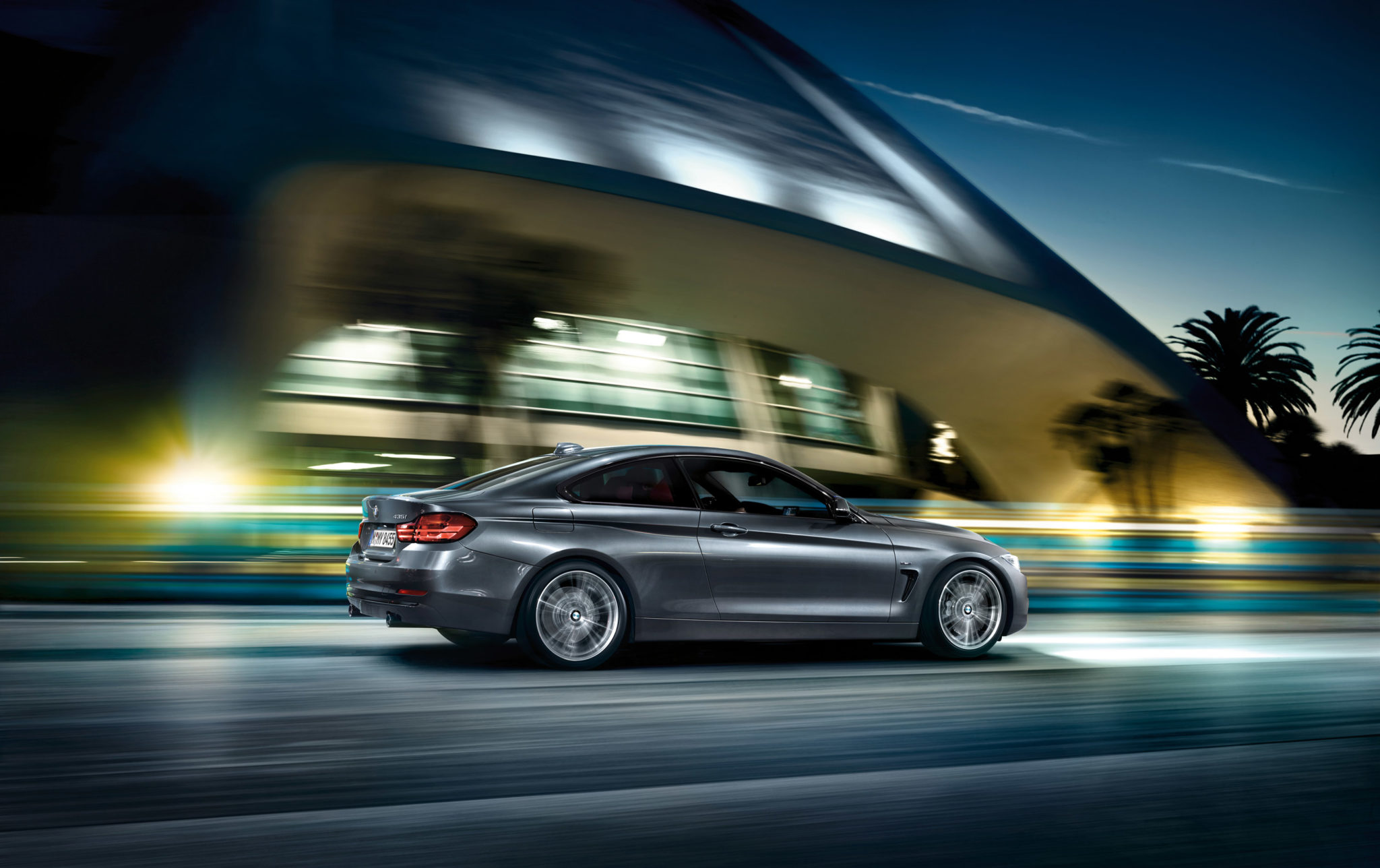
    Joining the likes of Mercedes-Benz, Honda, and Volkswagen, BMW India has announced its new online platform for the sale of new and used cars. The new BMW Contactless Experience takes the car buying process virtual and enables customers to explore and buy not just new vehicles but pre-owned cars as well. In addition, the Contactless Experience allows customers to book vehicle service and make payments online, all from the safety of their homes. The BMW Contactless Experience was introduced on April 2, 2020, in the country. The new initiative is a part of several measures taken by the automaker for customers during the lockdown.

    Speaking on the new initiative, Arlindo Teixeira, Acting President, BMW Group India said, “At BMW, customers are at the core of everything we do. Amidst the current pandemic situation, we have successfully transformed our business processes and put in place various measures to effectively and efficiently serve our existing customers and prospects by leveraging new-age digital technologies. An industry-first comprehensive initiative, the BMW Contactless Experience offers consumers an all-new way to explore and experience the world of BMW while being in the comfort of their homes. Since its launch in April 2020, we have seen a tremendous increase in customer engagement, configuration requests, and virtual product presentations on this platform. As business dynamics evolve post the current COVID -19 pandemic, the BMW Contactless Experience will play a crucial role in offering seamless sales and aftersales services to our existing and new customers. We will bring joy to our customers no matter where they are.”

    The BMW Contactless Experience not only allows customers to learn about their vehicle online but also personalize their preferred car, finance options, and service packages. A dealer representative online will be interacting with the customer online in real-time to guide the same. Customers can also have a 360-degree view of the vehicle on their phones, tablets of personal devices, and interact with the sales consultant. BMW Financial Services will also help procure finance for the vehicles with customized financial solutions, depending on the customer.

    For existing BMW customers, the Contactless Experience extends to booking a service appointment online, type of service required, and the pick-up and drop details. The service cost estimates and details of the service are sent for customer approval using BMW Smart Video. The serviced vehicles are also fully sanitized before being delivered to customers. The deliveries and servicing, however, will be done adhering to the local government directives post the lockdown. Ensuring the safety of the customers, BMW will sanitize the cars before delivering it to the customer with all the physical documents in a sanitized envelope.

  • Honda and Yamaha Prepare To Resume Operations In India

    Honda and Yamaha Prepare To Resume Operations In India

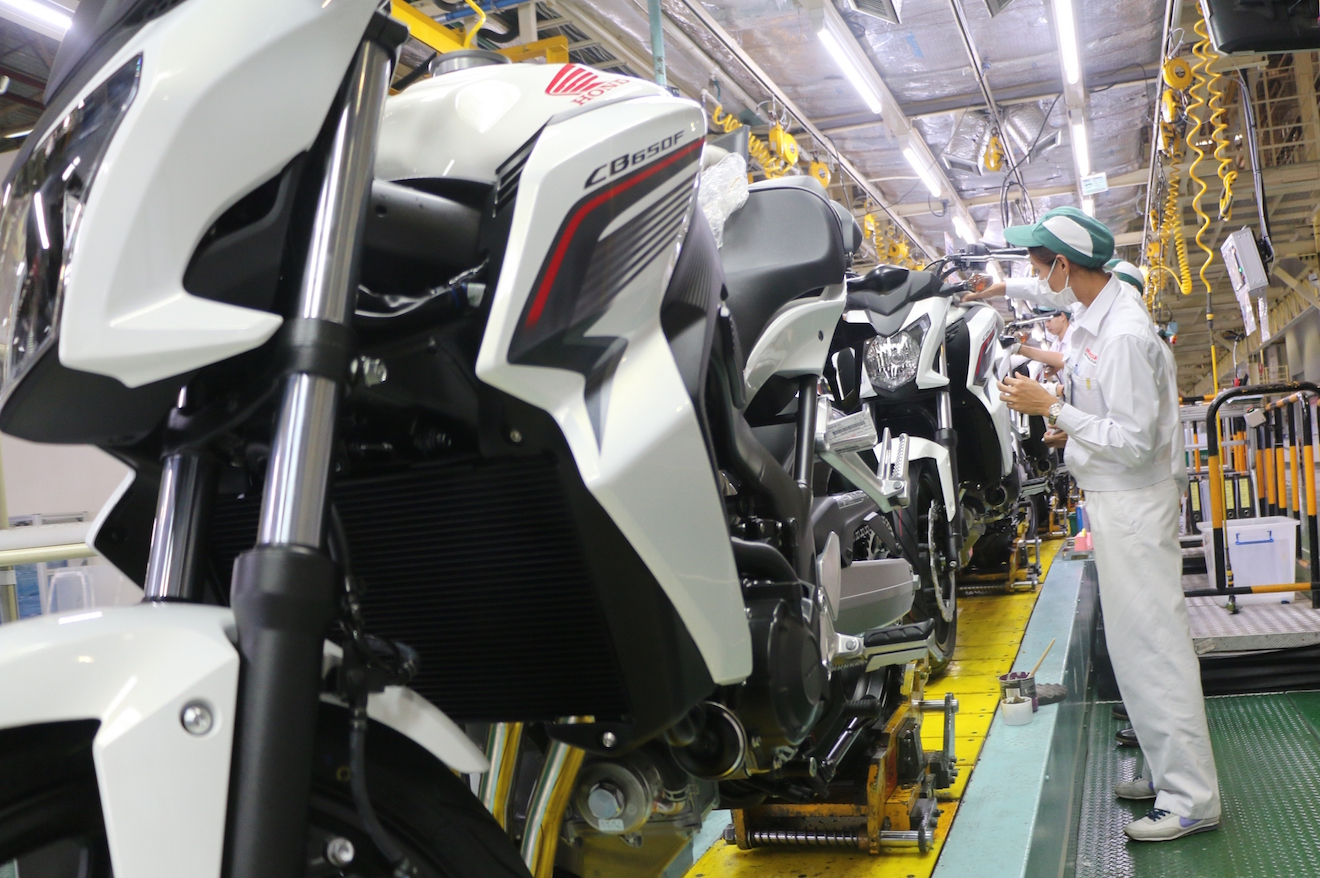
    Honda Motorcycle and Scooter India (HMSI) and India Yamaha Motor are keen to resume manufacturing operations at their respective plants after the lockdown is lifted. India has been under a complete lockdown since March 24, 2020 due to the coronavirus outbreak which has crippled industry around the world. India’s automakers, including two-wheeler manufacturers in the world’s largest two-wheeler market, have been suffering heavy losses during this time, with plants and dealerships shut down across the country as India tries to prevent the highly contagious COVID-19 virus from spreading further.

    According to reports, HMSI has already sought permission to open its plants, and Yamaha is keen to start production in compliance with new protocols laid down by the government. However, both India Yamaha and HMSI will likely take some time to kickstart operations with many component suppliers also shut in the current lockdown. At the same time, it may take some time for workers to return from their native places, without public transport, including railways, in-land and air travel being resumed. While May 3, 2020 is till when the lockdown will be in force, it is generally expected that the countrywide lockdown will be extended, with some specific relaxations with guidelines announced in the next few weeks for a few sectors, including manufacturing.

    HMSI has four manufacturing plants at Manesar in Haryana, Tapukara in Rajasthan, Narsapura in Karnataka, and Vithalapur in Gujarat, with a total installed production capacity of 64 lakh units per annum. India Yamaha has three manufacturing plants at Faridabad in Haryana, Surajpur, in Uttar Pradesh, and Kanchipuram in Tamil Nadu.

  • Honda, Fiat Chrysler Aim To Restart production in  U.S.

    Honda, Fiat Chrysler Aim To Restart production in U.S.

    Honda Motor Co and Fiat Chrysler Automobiles NV said on Monday they hope to restart U.S. and Canadian auto production in May amid the ongoing coronavirus pandemic.

    The Japanese automaker halted production on March 23 and said it will extend the halt through May 1.

    Fiat Chrysler said Monday it “intends to progressively restart its U.S. and Canadian manufacturing facilities beginning May 4.”

    U.S. President Donald Trump last week extended the guidelines aimed at slowing the spread of the coronavirus to April 30.

    US auto industry executives say it will be nearly impossible for companies to resume production before the end of the month

    Several U.S. auto industry executives told Reuters on Monday it will be nearly impossible for companies to resume production before the end of the month — and there is no assurance automakers will be able to resume production in early May. Other automakers plan to extend current production halts later this week, automakers told Reuters.

    It will also take auto suppliers time to resume production. In an internal estimate, Ford Motor Co said last week it believed 600,000 U.S. industry auto sales may have been lost in March because of the coronavirus outbreak.

    The threat from the coronavirus crisis closed in on the global auto industry on Thursday, as Fiat Chrysler Automobiles NV warned that a European plant could shut down within two to four weeks if Chinese parts suppliers cannot get back to work.

    Honda noted many consumers are unable to purchase vehicles and said it “must continue to suspend production in order to align product supply with a lack of market demand.” Some states have barred car dealers from selling new cars while “stay at home” order are in place.

    Last week, Nissan Motor Co said it would extend its U.S. production halt into late April. Toyota Motor Corp has halted U.S. and Canadian production through April 17.

    Ford said last week it was postponing its plan to restart production at its North America. Ford had been aiming to resume production at several key U.S. plants on April 14, but then said it would now do so at dates to be announced later. Ford said Monday it is “continuing to assess public health conditions, government guidelines and supplier readiness to determine when the time is right to resume production in our North American plants.”

    General Motors Co has shuttered its plants indefinitely and has not provided a date for vehicle production to restart.

    Automakers are working on additional employee protections to add when they restart, including new personal protective gear, staggering shift starts, more frequent cleanings and new social distancing rules.

    Fiat Chrysler said it will redesign “work stations to maintain proper social distancing and expanding the already extensive cleaning protocols at all locations.”

  • Honda Extends North American Auto Plant Shutdowns

    Honda Extends North American Auto Plant Shutdowns

    Honda Motor Co has said that it will extend a shutdown of all U.S. and Canadian auto plant production through April 10 and at its plant in Celaya, central Mexico, until April 13, because of the ongoing coronavirus outbreak.

    Honda’s plant in El Salto in the western Mexican state of Jalisco, will also suspend production operations between April 4 and April 13, Honda’s Mexican unit said.

    Companies all over the world are joining in the battle against coronavirus, helping to make ventilators, face masks and hand sanitizer.

    A growing number of automakers have said they will not restart U.S. production until at least mid-April as demand sharply falls off for auto sales. Honda began its auto production halt on March 23.

  • Honda Motorcycle And Scooter India To Start Testing A New Electric Scooter

    Honda Motorcycle And Scooter India To Start Testing A New Electric Scooter

    Honda Motorcycle and Scooter India (HMSI), the second-largest two-wheeler brand by volume in India, is all set to start testing an electric scooter. While HMSI has time and again maintained that there’s no plan for developing electric two-wheelers, the latest development does seem to indicate that Honda will now test waters to possibly develop an electric two-wheeler. The development comes after we brought you an exclusive report about India’s largest two-wheeler manufacturer, Hero MotoCorp, working on the Hero eMaestro electric scooter. Now, it seems Honda is not averse to working on an all-electric two-wheeler after all. While electric vehicles do seem to be the next growth of the automotive industry, Honda has not confirmed a timeline, or if at all an electric scooter will be developed and launched in India.

    Yadvinder Singh Guleria, Senior Vice President, Sales and Marketing, HMSI, said, “We are bringing one of our electric scooters to India which will be basically used for the study. We will be doing a market survey and feasibility survey with this model and decide on the roadmap of future EVs of Honda in India. It’s very difficult to set the next future line-up but the survey will be starting in the next three to four months.”

    However, Honda hasn’t shared any plans about launching the scooter in India yet as the EV industry is still in a nascent stage. Though the industry is trying to speed up the process of EV adoption, there are quite a few complications automakers will have to resolve in a bid to make EVs as viable as any regular two-wheeler. “We see that there is an effort by the Indian two-wheeler makers as well as the Society Of Indian Automobile Manufacturers (SIAM) and certain talks are there. But there are other challenges as well in terms of the EV infrastructure, in terms of charging infrastructure, the real performance of the vehicle and the range of the vehicle. So, these are the challenges, in the long run, the industry really will have to tackle,” Guleria added.

    Honda is yet to share details about the scooter that will undergo testing in India and chances of it making to production will depend on its real-world performance on the road and how well the industry can deal with the challenges. For now though, there’s no concrete word on if Honda will go on to the next phase of designing and developing an electric two-wheeler for India. The feasibility study with the electric scooter may be the first step in that direction. With more and more mainstream two-wheeler manufacturers going electric, Honda definitely doesn’t want to be left out. TVS Motor Company has already launched the iQube electric scooter, and Bajaj Auto has revived the legendary Chetak name in the company’s new electric scooter. With Hero MotoCorp also planning to launch the eMaestro, Honda certainly seems to be looking to join the electric bandwagon as well.

  • New-Generation Honda City Unveil Date Revealed

    New-Generation Honda City Unveil Date Revealed

    The 5th generation Honda City is all set to be launched in India in the next couple of months. We can now tell you that Honda Cars India will officially take the wraps off the new Honda City on March 16, 2020, and probably begin taking bookings for the new car the same day onwards. The launch date of the new Honda City is yet to be confirmed. The all-new Honda City will be quite similar to the Thailand-spec model, which was unveiled in Thailand, late last year. The car will have some India-specific changes incorporated into it, of course.

    he new Honda City gets a sharper design and the front end too wears a fresh new look. There is a thick chrome bar on the grille and the headlamp cluster has been completely redesigned, having a jewel eye design. The front bumper gets a redesign as well and so do the tail lamps, carrying a signature u-shaped element.

    The 2020 Honda City has grown in size as well and is now over 100 mm longer, while the width has increased by 53 mm. The height though is now lowered by a good 28 mm, making it look a bit sportier. Honda has shortened the wheelbase on the new City by 11 mm, despite the overall increase in length.

    There will be 1.5-liter mild-hybrid petrol engine along with a 1.5-liter diesel unit and they will be BS6 compliant, right from day 1. Expect Honda to offer manual and automatic gearbox options as well!

    The Honda City will go up against its traditional rivals, which are the Maruti Suzuki Ciaz, Hyundai Verna, Skoda Rapid, and the Volkswagen Vento.

  • Nissan, Honda Delay Restart Of Some China Plants Due To Coronavirus

    Nissan, Honda Delay Restart Of Some China Plants Due To Coronavirus

    Japanese automakers delayed on Friday the restart of plants in China near the epicenter of a coronavirus outbreak, complying with authorities’ directives, but raising the risk of further supply disruptions that could hit global car production. Nissan Motor Co said it would keep its plants in Xianyang in the central province of Hubei, and Zhengzhou in the neighboring province of Henan, shuttered after Monday, when it had planned to resume operations, but did not set a new date.

    Honda Motor Co said operations at its plants in Wuhan, Hubei’s provincial capital in which the outbreak began, would remain suspended until March 11.

    Toyota Motor Corp said it would resume production on Monday at its plant in Chengdu in the southwestern province of Sichuan, returning all four of its China assembly plants to operation from next week, but output would be limited at some.

    In an email, Nissan said its delay was due to a directive by government authorities in Hubei asking firms to keep operations shut through March 10. Output issues at suppliers were also affecting vehicle production, it said.

    The virus, which has killed more than 2,200 in mainland China, has wreaked havoc on the global automotive supply chain, stalling production at plants there and leaving automakers scrambling to source the roughly 30,000 parts each car needs.

    “Wuhan is a city which produces virtually every type of component used in vehicles,” said Takeshi Miyao, managing director of consultancy Carnorama.

    “So not only are vehicle assembly plants in the city unable to source parts, vehicle plants all over the world which source parts from Wuhan are being affected.”

    He added that, where possible, automakers were securing parts from suppliers’ plants elsewhere.

    Some automakers were taking more direct approaches to procurement. This week, Jaguar Land Rover (JLR) said it had flown Chinese parts in suitcases to Britain to maintain production, and could run out of components in two weeks.

    China’s manufacturing sector is struggling to restart after an extended Lunar New Year break, hindered by travel and quarantine curbs across the country.

    The suspension of output at Nissan’s two plants, which make the X-Trail SUV crossover and the Altima sedan in a joint venture with China’s Dongfeng Motor, comes as the automaker struggles to recover profitability after the arrest of its former chairman, Carlos Ghosn, in 2018.

    Nissan has also cut output at some Japan plants over issues with procuring components, but said there had been no impact on other global plants.

  • Honda Cars India Partners With Tranzlease For Smart Auto Loan Solutions

    Honda Cars India Partners With Tranzlease For Smart Auto Loan Solutions

    In a bid to make its cars more attainable, Honda Cars India has tied up with TranzLease to offer ‘Smart EMI’ auto finance solutions to its customers. The company will be leasing its cars via TranzLease and offer customized EMI packages that not only include the cost of the vehicle but also registration, insurance and maintenance requirements of the car during the financing period. The company says that Smart EMIs are much lower than the standard EMIs that customers opt for via the standard banking network. Customers will have the option to lease the car or return it at the end of the tenure or retain the car by paying the balance amount to the company. In addition, Smart EMI guarantees a high resale value on the vehicle.

    Speaking about the innovative auto finance solution, Rajesh Goel, Senior Vice President and Director, Marketing & Sales, Honda Cars India Ltd said, “Honda is committed to providing innovative ownership solutions with evolving customer preferences. The first of its kind SMART EMI option now makes it easier and convenient for the consumer to enjoy the Honda range of cars in a unique financing option.”

    Anindya Chakraborty, MD & CEO, TranzLease said, “In today’s age where consumers want a car but uneasy about the associated hassles, risks, cost of ownership, Smart EMI comes as a solution that allows the love of car without the chaos – Smart EMI blends the best features of auto loan, auto lease and subscription model to create a true fit for the Indian car buyer.”

    Initially, the service will be offered to customers in Delhi-NCR and Mumbai and will be later made available in Bengaluru, Pune, Hyderabad and Chennai. The Smart EMI plan can be availed at any of the Honda dealerships in the cities, and based on the response it will be rolled out pan India at a later stage. Post-delivery of the car, Smart EMI will have a personalized car portal for customers to manage the entire car life-cycle during the leasing period.

    Smart EMI also provides protection from risk arising out of insurance tariff fluctuations, unforeseen maintenance costs and fluctuation in the resale value of cars. While the payment solution is innovative for cars, Bangalore-based start-up OTO Capital introduced something similar earlier this year that promise 30 percent lower EMIs when on a vehicle when compared to that from a bank. Much like TranzLease, OTO too offers the option for complete ownership or to return the vehicle at the end of the tenure.

  • Honda’s Hachigo Seizes The Wheel As Quality Crisis Hits Profits

    Honda’s Hachigo Seizes The Wheel As Quality Crisis Hits Profits

    At a two-day gathering for Honda’s suppliers in March, Chief Executive Takahiro Hachigo sounded the alarm.

    At the Hotel Higashinihon in Utsunomiya, Hachigo told them the Japanese automaker was facing a crisis after a string of costly recalls and other quality blunders and it needed to plot a new course, according to two people who attended the meeting.

    Since then, Hachigo has been quietly working on reforms to centralize decision-making by bringing Honda’s standalone research & development (R&D) division in-house and cutting some senior management roles, according to three Honda insiders.

    Expected to be announced early next year, the reforms are meant to simplify the way Honda designs cars and put its engineering resources to more effective use at a time when it needs to develop cars for an electric age, the sources said.

    “Decades ago, localization… was the buzz word and our tech center independence was a key driver for innovation,” said a former Honda executive who now is the head of one of its suppliers. “Those days are over.”

    The sources said Hachigo was poised to integrate Honda R&D Co Ltd into Honda Motor Co Ltd so its technicians work more closely with key departments such as purchasing, manufacturing, quality assurance, and sales and marketing.

    “Honda believes strengthening the automotive business and reforming it in preparation for the arrival of next-generation mobility technologies are our most critical management tasks. This is a priority,” a Honda spokeswoman said in response to questions about the plans.

    In the 1980s and much of the 1990s, the name Honda struck terror into the hearts of executives at the big three U.S. carmakers in Detroit because they simply couldn’t match its low-cost, efficient, well-built cars.

    But after a slew of recalls since 2014 for problems with components such as airbags, sliding doors, and engines, Honda’s status as a benchmark for quality and efficiency has been seriously damaged – and the quality crisis is hitting profits.

    According to five Honda insiders, quality blunders have helped squeeze the operating margin at its global automotive business to 2%-3% – giving it less room for maneuver just as bigger rivals are building partnerships and overhauling their operations to become stronger.

    That’s in stark contrast to Honda’s motorcycle business which has already brought its R&D division in-house and has a margin of 13.9%.

    In J.D. Power’s study of vehicle dependability in the United States, one of Honda’s two main auto markets along with China, the Japanese brand fell to 18th place this year from 5th in 2015 and 4th in 2002, its highest ranking.

    “These moves we’re making today will decide our eventual fate: whether we’re going to be in business as an independent player 10 to 15 years from now,” a Honda source told Reuters.

    A senior engineer at a technical center north of Tokyo in Utsunomiya, where Honda does much of its development, said the root of the problem was the “crazy complexity” of its vehicle range and all the associated engineering processes.

    “Quality is acting up,” the engineer said. “Honda has created too many regional models, in addition to an array of types, options and derivatives for its global models.”

    “All that’s eating up our profit.”

    In the United States, for example, Honda’s 2020 Accord sedan comes in 13 versions, including three hybrids. GM’s rival Malibu has five, though it doesn’t have hybrid models.

    At the two-day meeting in Utsunomiya, Hachigo and his procurement managers told suppliers to help Honda slash its range of cars and dumb down model types and options.

    They called on suppliers to use more common parts, from engines and transmissions to door handles, rearview mirrors, and even knobs and switches, according to two people who attended the meeting and slides Honda used in presentations.

    Honda’s problems stem largely from an aggressive expansion before Hachigo took over in 2015. In addition to so-called global models such as the Civic, Accord and CR-V sports-utility vehicle (SUV), Honda developed a host of regional models which now account for 40% of its global car sales.

    They include the Crider sedan in China, the Brio and the Mobilio in southeast Asia, the WR-V in Latin America, which is also now sold in India, the Pilot SUV in the United States and the N-series of micro-minis in Japan.

    Its global models, which account for 60% of sales, come with an array of equipment options and vehicle trims that Hachigo, an engineer by training who has worked at Honda since 1982, has called unnecessary product derivatives.

    The explosion in the number of regional models had an unintended consequence: the engineering became more complex and the elevated workload led to lapses in quality and costly recalls, two company sources said.

    Even though the impact of the Takata airbag crisis had largely subsided by 2017, Honda still put aside 520 billion yen (3.7 billion pounds) in the 12 months through March 2017 for product warranties and over 450 billion in each of the past two years.

    In the four years before the Takata debacle, warranty provisions ranged from 171 billion to 274 billion yen, before surging to 727 billion in the year ending March 2016.

    In 2018, for example, Honda recalled about 600,000 cars in China because sludge was collecting in the engines of six models when driven in cold weather while the sliding doors on its U.S. Odyssey minivans started opening while the vehicles were moving.

    Hachigo flagged some of the issues at a news conference in May, saying he wanted to eliminate two-thirds of derivative products on global models by 2025 and wean Honda off its tendency to go overboard by creating colors, model types, and options specific to different regions.

    He said he was aiming to cut engineers’ workloads by about a third to free up time and resources for Honda’s technical divisions to research technologies for the cars of the future.

    What Hachigo and senior Honda officials haven’t discussed publicly are the planned structural reforms to help its quality and efficiency drive – and the main target is its R&D division, three company sources said.

    Besides the quality issues and engineering workload linked to the proliferation of regional models, the advent of new technologies requires Honda’s big-spending technical division to act less independently, two sources said.

    “In many ways, Honda’s tech companies behave much like university labs, and that was fine in years past,” the former Honda executive and supplier said.

    By putting decision-makers in Honda’s Tokyo headquarters, the hope is that the R&D division will deploy capital and human resources more economically.

    Honda’s R&D and engineering units are expected to spend 860 billion yen this financial year, or 5.5% of expected revenue. Toyota, whose revenue is double, is expected to spend 1.1 trillion yen, or 3.7% of its global revenue, on technology.

    Two company sources said Hachigo plans to eliminate the top management roles at Honda R&D and will probably turn some into divisional managers within Honda Motor.

    One source said the aim was: “to centralize the company’s fragmented, localized decision-making power back at the mothership in Tokyo.”

    According to the engineer, Honda has also introduced an internal quality target to cut global recalls by two-thirds in the next few years from a crisis level of 6 million in 2017.

    It was clear at the two-day suppliers’ powwow that Hachigo meant business.

    Without naming names, Honda executives discussed exemplary product development projects – and bad ones – so lessons could be learned. It was fairly obvious within Honda’s small community of suppliers who was being singled out and they weren’t happy, said one supplier at the meeting.

    So much so that some skipped golf on day two.
  • Honda Two-Wheelers Resumes Operations At Manesar Plant

    Honda Two-Wheelers Resumes Operations At Manesar Plant

    Honda Motorcycle and Scooter India (HMSI) has announced that the company has decided to resume operations at the Manesar plant following widespread protests by workers. The protests started earlier this month after some contractual workers, whose contracts had expired or were nearing the end of contract, were asked to go on indefinite leave. More than 2,000 workers had protested the decision, forcing HMSI to suspend operations at the company’s manufacturing facility in Manesar. Now, HMSI has released a statement saying that all permanent workers have been asked to join duties from November 25-28 in four batches.

    “The decision to resume production at Manesar plant was initiated on November 22nd. All permanent staff associates were informed to join duties from 25th to 28th November in four batches. The process of joining back to work has started as per schedule and we look forward to the normalcy of operation after this process is completed. With the intention of maintaining industrial peace, Manesar plant management reaffirmed that all permanent workers are expected to resume work as per the schedule and carry out their assigned duties with discipline, good faith, cooperation and positivity,” an official statement from Honda Motorcycle and Scooter India (HMSI) said.

    The protests began on November 5, when some contractual employees were not allowed to go into the plant. The Manesar facility of HMSI employs around 1,900 permanent workers and 2,500 contract workers. According to the employee union, HMSI had reduced production of the facility by 50 percent, and sacking contractual workers. On its part, HMSI maintains that a slowdown in the auto industry over the last 11 months had led to production adjustment and manpower realignment at the plant. According to HMSI, the contractual workers whose term had been completed were relieved from their duties, but permanent workers were not impacted.

  • Honda Acquires Drivemode, Developer of Smartphone Apps for Drivers

    Honda Acquires Drivemode, Developer of Smartphone Apps for Drivers

    Honda has acquired all the outstanding shares of the California-based Drivemode, Inc., in order to further strengthen Honda’s vision to create digital and connected mobility products. With the acquisition, Drivemode became a wholly-owned subsidiary of Honda R&D. Drivemode is a startup that develops and operates smartphone-based connected services, excelling in multiple areas such as the development of the user interface and application as well as cloud-based technologies. Honda R&D and Drivemode have been collaborating and conducting joint development activities since 2015. In April 2019, Honda newly established the Digital Solution Center within Honda R&D, which will focus on creating new value through the utilisation of digital technologies.

    With this acquisition, the Digital Solution Centre and Drivemode will work together to accelerate new value creation in the area of connected mobility services. Toshihiro Mibe, President and Representative Director of Honda R&D said, “As a step toward the realization of value creation for mobility and enhancing people’s daily lives, which is an integral part of Honda’s 2030 Vision, we decided to further enhance our collaborative relationship with Drivemode.”

    With the support of Honda, the Drivemode team will focus on providing safe, meaningful software solutions for drivers, and the innovation on mobile-based technology will be for both connected cars and motorcycles.

  • Honda To Cease Diesel Vehicle Sales In Europe By 2021

    Honda To Cease Diesel Vehicle Sales In Europe By 2021

    Honda Motor said it would phase out all diesel cars by 2021 in favor of models with electric propulsion systems, as the Japanese automaker moves to electrify all of its European cars by 2025.

    Honda is the latest automaker cutting production of diesel cars to meet stringent global emissions regulations. The plan is part of its long-term goal to make electric cars, including all battery-electric vehicles, to account for two-thirds of its line ups by 2030 from less than 10% now.

    By next year, according to European Union emission targets, CO2 must be cut to 95 gram per km for 95% of cars from the current 120.5 gram average, a figure that has increased of late as consumers spurn fuel-efficient diesels and embrace SUVs. All new cars in the EU must be compliant in 2021.

    For Honda, declining demand for diesel vehicles and tougher emissions regulations have clouded its manufacturing prospects in Europe.

    Honda said in February it would close its only British car plant in 2021 with the loss of up to 3,500 jobs.

    Japan’s No. 3 automaker has said it would cut the number of car model variations to a third of current offerings by 2025, reducing global production costs by 10% and redirecting those savings toward advanced research and development

  • Honda Develops New Front Airbag Technology

    Honda Develops New Front Airbag Technology

    The development and testing of the new airbag was led by engineers at Honda R&D Americas, Inc. in Ohio in partnership with Autoliv

    Jim Keller, President of Honda R&D Americas, Inc, said, “This new airbag technology represents Honda’s continuing effort to advance safety performance in a wider variety of crash scenarios and reflects the innovative thinking that our engineers are bringing to the challenge of reducing traffic injuries and fatalities.”

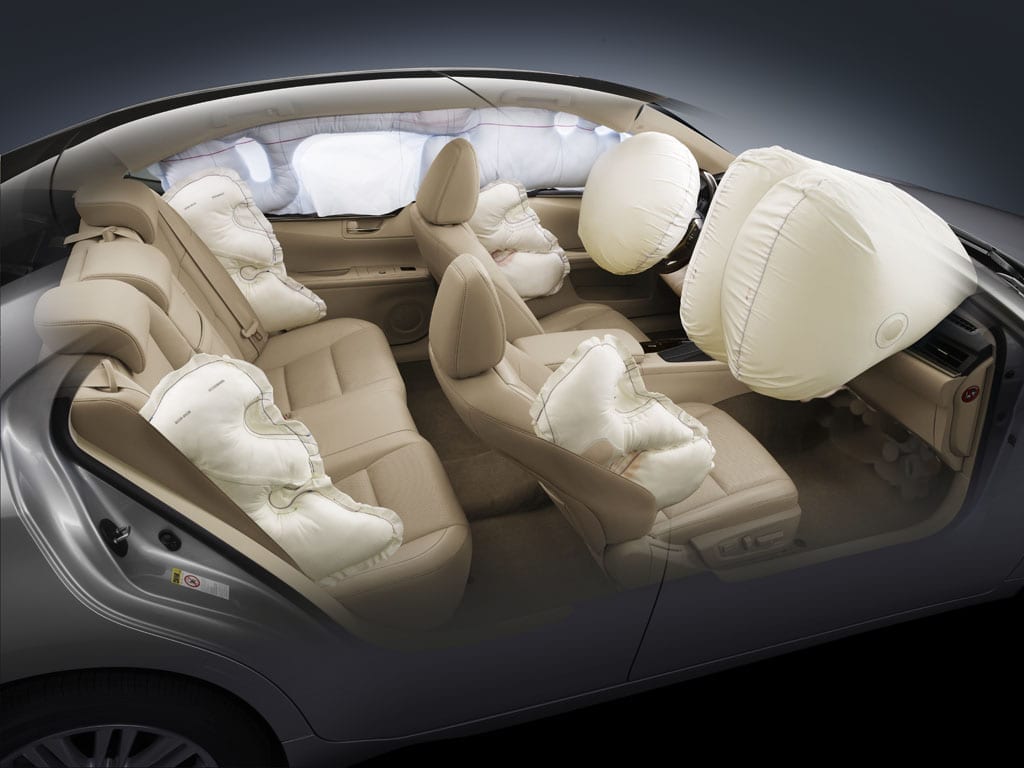
    Unlike conventional airbag systems that rely on a single inflatable compartment, the new system utilises four major components: three inflated compartments – a center chamber and two outward-projecting side chambers that create a wide base across the dash – along with a sail panel that stretches between the two side chambers at their outermost edge. Operating something like a baseball catcher’s mitt, the sail panel catches and decelerates the occupant’s head while also engaging the side chambers, pulling them inward to cradle and protect the head, mitigating the potential for injury.

    It is particularly beneficial in angled frontal impacts in which lateral collision forces can cause an occupant’s head

    Honda also is working to develop and deploy advanced passive safety and active safety systems that can reduce the severity of a collision or help avoid it entirely. In addition to passive safety systems such as airbags, seatbelts and advanced crash safety structures like the company’s Advanced Compatibility Engineering (ACE) body structure, Honda is aggressively deploying its Honda Sensing and AcuraWatch suites of safety and driver-assistive systems. The company has committed to making this broad suite of technologies standard on nearly all of its vehicles by 2022.