Retail News CRM

Tag: Industry

  • Honda raises forecasts on solid motorbike sales

    Honda raises forecasts on solid motorbike sales

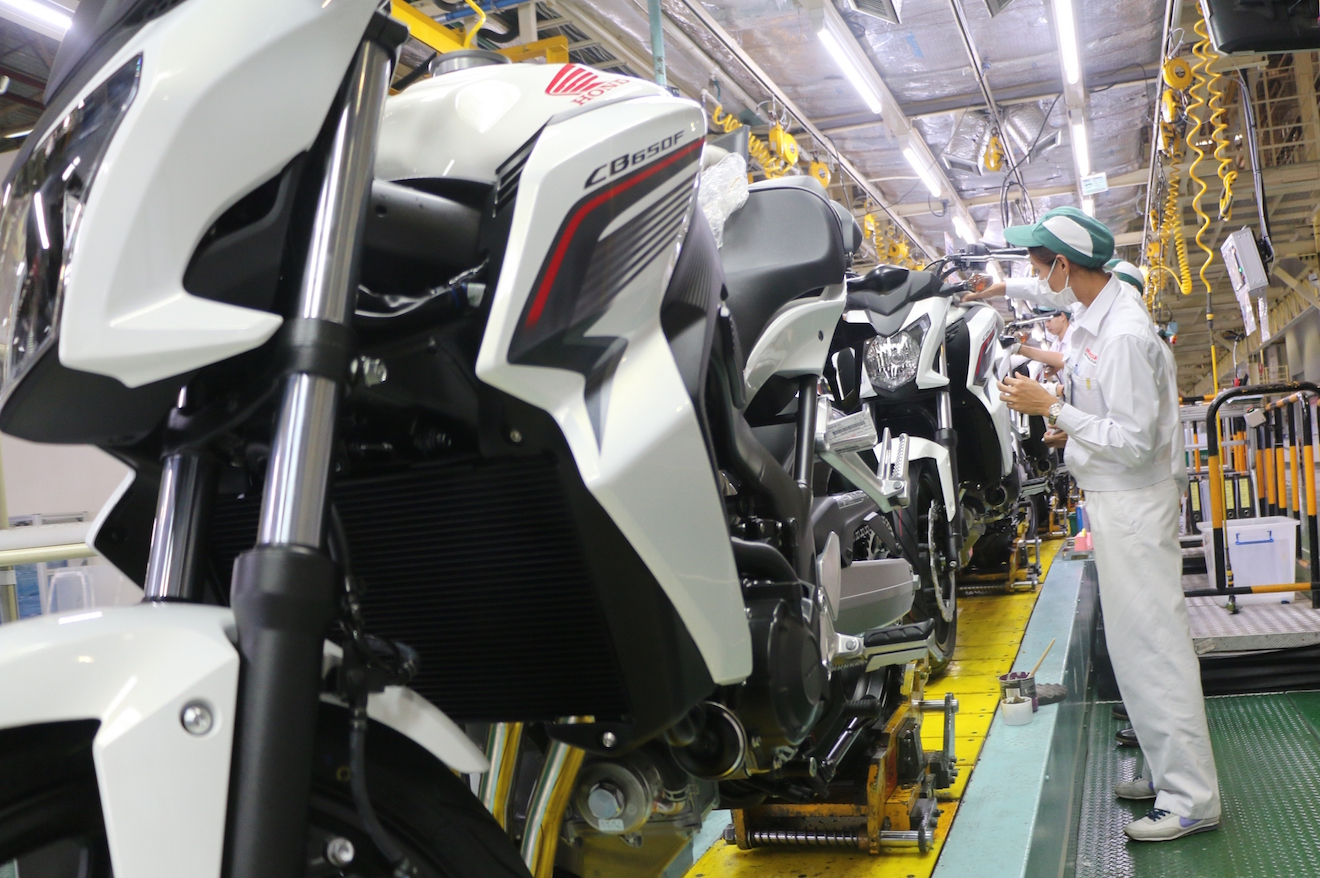
    Japan’s Honda Motor said Tuesday it was raising annual forecasts after first-half profits rose over 19 percent on motorcycles sales in Asia. Japan’s third largest automaker now expects net profit to reach 675 billion yen ($6 billion) for the fiscal year ending March, down from last year but a still an increase from its forecast last quarter.

    It also revised up annual sales to to 15.8 trillion yen.

    The company said it was seeing strong growth in the sales of motorbikes in Indonesia, Vietnam and other Asian countries, and touted cost-cutting efforts.

    It said net profit in the April-September period was up 19.3 percent to 455.1 billion yen while operating profit jumped 21.7 percent to 513.9 billion yen.

    Sales rose 5.0 percent to 7.87 trillion yen.

    “Honda enjoyed strong sales of motorcycles… This offset the negative impact of floods in Mexico on its production,” Satoru Takada, an analyst at TIW, a Tokyo-based research and consulting firm said ahead of the results.

    Honda was forced to temporarily halt operations at its largest auto factory in Mexico due to floods in June, and said at the time that it would lose 50 billion yen as a result.

    Japanese automakers remain on edge over talk of U.S. tariffs, though immediate action by Washington has been put off for now.

    “Japanese carmakers are also bracing for the impact of U.S. trade disputes with other major economies,” Takada said.

  • Exchange rates, tax worry Vietnam’s most profitable firms

    Exchange rates, tax worry Vietnam’s most profitable firms

    Exchange rate fluctuations and high taxes are the main concerns of Vietnam’s most profitable businesses, a recent report has found. The survey of the 500 most profitable companies this year, which include 41 foreign invested ones, by consultancy and market research firm Vietnam Report, said 51.4 percent of businesses considered exchange rate volatility as the biggest challenge this year.

    For 42.9 percent of respondents the tax burden was the biggest concern.

    Other factors that affect their profitability are red tape (37.1 percent), global economic instability (31.4 percent) and environmental disasters (25.7 percent).

    However, 90 percent expected their revenues to rise this year.

    Eighty percent said their profit had already exceeded last year’s, with another 8.6 percent saying it had drawn level.

    Almost all (97.1 percent) said the government has stewarded the economy well by curbing inflation and managing the exchange rate adroitly.

    But they wanted improvements to administrative procedures, infrastructure and access to land.

    The survey found the telecommunications-information technology sector having the highest return on equity, 30 percent, followed by transportation with 24 percent and pharmaceuticals with 21 percent.

    The Vietnam Oil and Gas Group or PetroVietnam is the most profitable company this year followed by telecomunications firm Viettel and Samsung Electronics Vietnam Co. Ltd.

  • Why did Dyson pick S’pore for electric car?

    Why did Dyson pick S’pore for electric car?

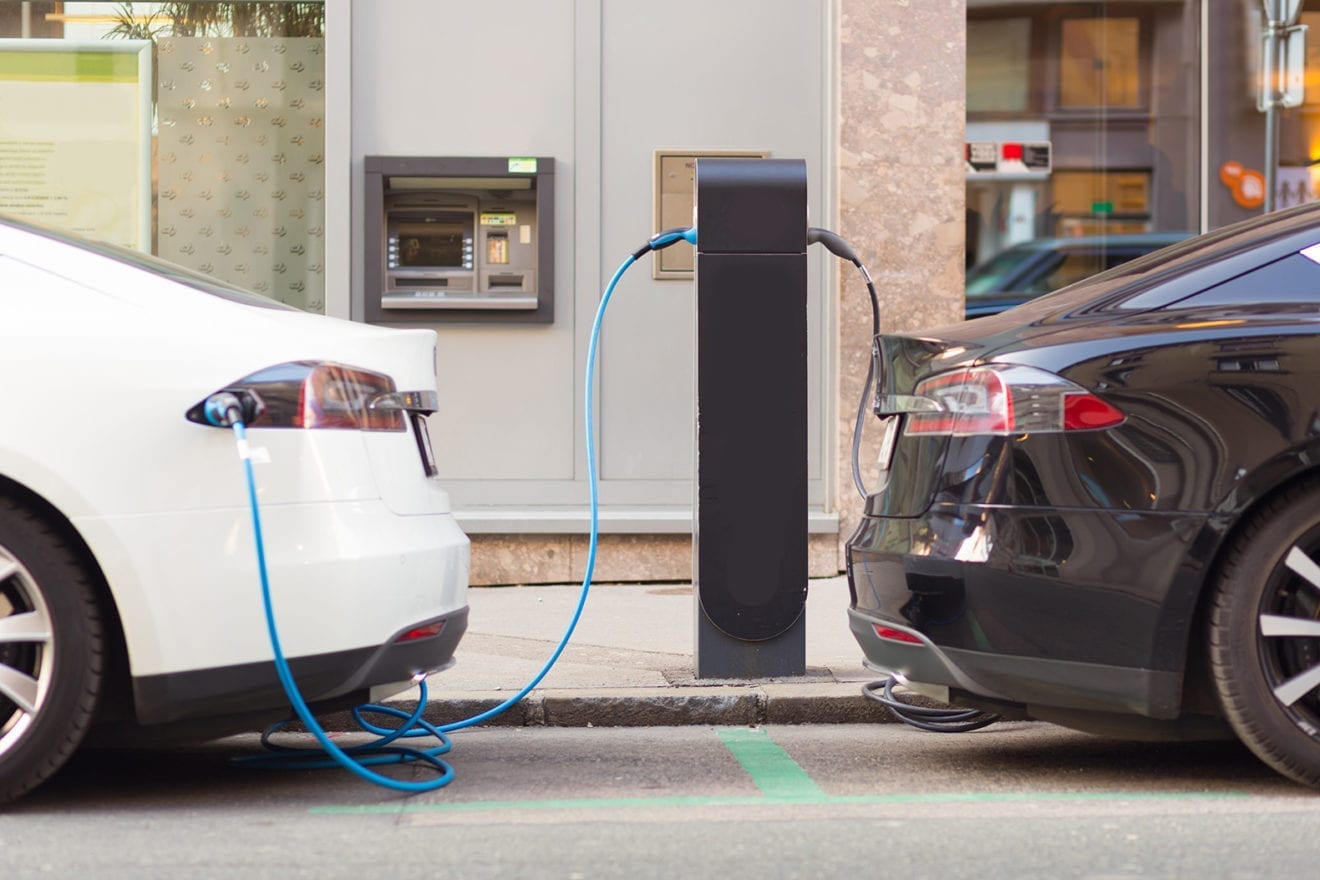
    When James Dyson, the billionaire British inventor of the bagless vacuum cleaner, unveiled a plan to build an electric car plant in Singapore, it raised a few eyebrows.

    Not only does the land-starved city state have some of the highest average salaries in the world, but it has been nearly 40 years since Ford closed its factory in Singapore, effectively ending car production there.

    “It is a bit of a surprise because of the cost base and no other car manufacturing plant being here,” said Shantanu Majumdar, a regional director at consultancy JD Power.

    Dyson said on Tuesday the decision was based on supply chains, access to markets and the availability of expertise, which offset the cost factor.

    But what other factors could have influenced the decision?

    Why not head straight to the biggest electric vehicle market in the world, China, like rival Tesla?

    Here’s a look at some of the less obvious pros and cons:

    1. High Costs vs Generous Incentives
    Compared with other global cities, Singapore has some of the highest average salaries in the world after tax, according to studies by Deutsche Bank. Land available for industrial use is scarce and expensive, and it ranks highly in general cost-of-living indexes.

    But aside from its skilled engineers and scientists, for a high-tech firm like Dyson, Singapore offers generous incentive schemes. Some schemes include tax breaks for five years, which can be extended, and grants that can cover up to 30% of the cost of projects to improve business efficiency.
    Singapore declined to comment on whether Dyson benefited from any such schemes.

    To shore up productivity in its manufacturing sector, which makes up less than quarter of its output, Singapore has focused efforts on attracting high-end manufacturers and those who adopt automated production processes.

    2. Small Market vs China Gateway
    Dyson may have decided to make electric cars in Singapore, but few are likely to be driven here or anywhere in Southeast Asia for that matter.

    The number of privately owned electric vehicles in Singapore is in single digits, and Tesla CEO Elon Musk has criticised Singapore for not being supportive of electric vehicles.

    Singapore is one of the world’s most expensive places to own a car because the government strictly controls the vehicle population by charging owners a variable rate for the right to own and use a vehicle for a limited number of years.

    In Southeast Asia, only 142 electric vehicles are forecast to be sold this year, data from consultant LMC Automotive shows. By contrast, sales in China are forecast to almost reach 700,000 vehicles this year, more than double the combined sales from the United States and Europe.

    But with one of the world’s busiest ports on its doorstep, Dyson can roll a car off the production line in Singapore and within the hour it can be on its way to China or other sizeable electric vehicle markets like South Korea or Japan.

    Dyson products – which include bladeless fans, air purifiers and hair dryers – are becoming a premium brand in China and other Asian markets. Asia accounted for over 70% of its growth last year, the firm said.

    3. Familiarity vs New Frontier
    Dyson’s history with Singapore probably also played a role. It already employs 1,100 people in Singapore, making 21 million digital electric motors a year. It also has manufacturing hubs in Malaysia – connected to Singapore via two road bridges – and the Philippines.

    “This is obviously a surprise but since Singapore is at the heart of Southeast Asia, Dyson would be best placed to source many components from neighbouring countries and, locally, assemble and manufacture the high-tech car here,” said a corporate banker who deals with multinational firms in the region.
  • Volvo shifts its safety strategy for self-driving world

    Volvo shifts its safety strategy for self-driving world

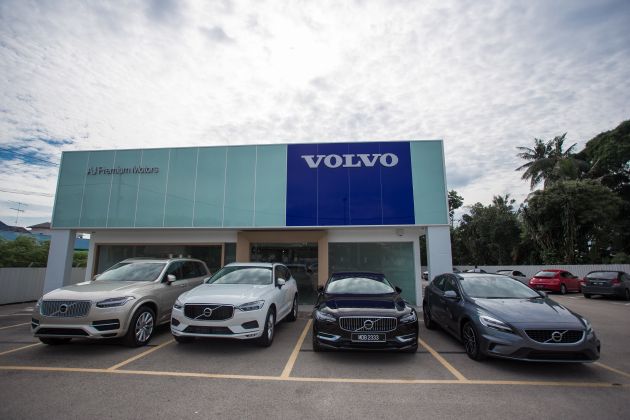
    In Swedish, “safety” translates to “säkerhet,” but for employees of one of Sweden’s biggest employers, it might as well translate to “Volvo.”

    The automaker, owned by Zhejiang Geely Holding Group of China, is fiercely protective of its reputation in safety. But in an age of autonomous driving and advanced sensor technology, Volvo’s top safety experts are increasingly navigating a blurry line between driving safely and being driven.

    “We’re very focused that you as a driver know that you’re in charge, [and] not giving you so much support that you question who’s in charge,” said Malin Ekholm, director of the Car Safety Center at Volvo Cars headquarters in Gothenburg, Sweden. “It’s nudging rather than giving the feeling of taking over.”

    With a bevy of new tools to ensure passenger safety, the automaker’s safety strategy is shifting from passenger protection to accident prediction and avoidance, Ekholm said.

    New technology, tools

    Volvo has a well-developed apparatus in safety research.

    Its safety center, created in the 1970s, runs crash tests and shares information with Swedish road authorities to document accidents and crashes, so that engineers can better understand scenarios they must guard against.

    But the rise of autonomous and connected-vehicle technology, as well as digital simulation technology used to pioneer self-driving vehicles, have augmented researchers’ approach to safety. Now, for instance, in addition to crash tests, vehicle safety systems run through nearly 30,000 accident simulations.

    Volvo’s increasing investment in autonomous r&d — including a recently expanded Silicon Valley operation — also increases the capabilities of its advanced safety team. Volvo’s City Safety package, for instance, incorporates a front-facing camera to recognize pedestrians, bicyclists and oncoming vehicles and deploy automatic emergency braking to avoid collisions.

    The “sensors and cameras were there, so we could use it,” Ekholm said.

    Avoiding accidents

    Increasing use of advanced technology is shifting Volvo safety researchers’ approach from mitigating accidents through restraint devices to predicting and preventing accidents.

    “More and more, we need to help you avoid the crash,” Ekholm said. Researchers, she said, are asking how automakers can support drivers so the motorists never encounter critical situations.

    Part of the solution is supplying more information on potential hazards through the use of connected technology. In Sweden, the carmaker uses vehicle-to-vehicle technology to send warnings about low-friction roads or hazard-light detection to oncoming traffic.

    But a larger focus is on human behavior, often in response to semi-autonomous technology that lulls drivers into a false sense of security.

    The automaker’s semi-autonomous Pilot Assist system, for instance, is intended to reduce fatigue on long trips, but can be abused if drivers fail to keep their attention on the road. Ekholm has responded by expanding the company’s safety team to include human behavior and biomechanical researchers.

    As vehicles become increasingly automated, Volvo’s researchers will need to pick and choose where the technology can enhance the company’s safety standards.

    “Autonomous has so many aspects to it,” Ekholm said. “What we focus on is the safety research.”

  • Vietnam labor unions, businesses remain locked in minimum wage dispute

    Vietnam labor unions, businesses remain locked in minimum wage dispute

    The National Salary Board met for the second time this month to discuss whether or not to raise the minimum wage of Vietnamese workers next year.

    The previous meeting had failed to reach an agreement.

    On Thursday, the Vietnam General Confederation of Labor (VGCL), which represents the laborers, repeat its demand for an eight percent increase in minimum wage, or by VND220,000-330,000 ($9.4-14.6) per month, depending on the area.

    This increase will meet 95 percent of laborers’ living costs, it said.

    However, the Vietnam Chamber of Commerce and Industry (VCCI), which represents businesses, disagreed, saying there should be no increase in minimum wage next year.

    Most business associations in the country don’t agree with the proposal to increase minimum wages next year, said Hoang Quang Phong, vice chairman of the VCCI.

    One of the reasons the two organizations have not been able to come up to an agreement is that they have different methods of determining minimum living costs, said Ngo Duy Hieu, head of the Department of Labor Relations under the VGCL.

    In order that Vietnamese laborers get a minimum wage that completely covers their minimum living costs, there should be an increase in their remuneration over the next two years that is suitable for businesses but also matches the contribution of laborers, he said.

    VGCL recently published a study on minimum wage and cost of living after surveying over 3,000 laborers in 150 different businesses in the country.

    26.5 percent said they were “barely getting by,” while 12.5 percent said their incomes were not enough to support their families, and have to work overtime or extra jobs to make ends meet.

    The study found that an average worker’s minimum spending is VND6.5 million ($290) each month, while the average base salary is just VND4.6 million.

    Thus laborers need to work on average an extra 28 hours a month just to make ends meet, the study found.

  • Disruptive Technology, Automation Force Change in Workers’ Skills: McKinsey

    Disruptive Technology, Automation Force Change in Workers’ Skills: McKinsey

    Changes in global demand for different types of workforce skills, caused by the rapid growth of technology, will require business organizations to provide training programs to employees.

    McKinsey Global Institute (MGI), a think-tank of consulting firm McKinsey & Co., projects that by 2030, demand for technological expertise will increase by even 55 percent, while for social and emotional skills, needed in leadership and management, will rise by 24 percent. Demand for higher cognitive skills such as creativity, critical thinking, decision making and complex information processing will rise moderately, by 8 percent.

    According to McKinsey, some 800 million workers worldwide, or one-fifth of the global workforce, will lose their jobs to artificial intelligence.

    “Preparing for and managing the growing shifts in demand for different types of workforce skills represents one of the biggest challenges of the next decade. Our research highlights the big increase in demand for tech and social skills that are currently in quite short supply and an oversupply of skills that may be less needed in the future, including physical and manual skills,” MGI director Jacques Bughin said in a statement last week.

    Demand for basic cognitive skills, like simple data input and processing, will drop by 15 percent, while demand for manual and physical skills will decrease by 14 percent.

    According to a similar study by the Asian Development Bank, though technology has changed certain job tasks, it actually contributes to higher and faster economic growth, as automation will create higher demand for more goods and services, which in turn will create more new jobs to replace obsolete ones.

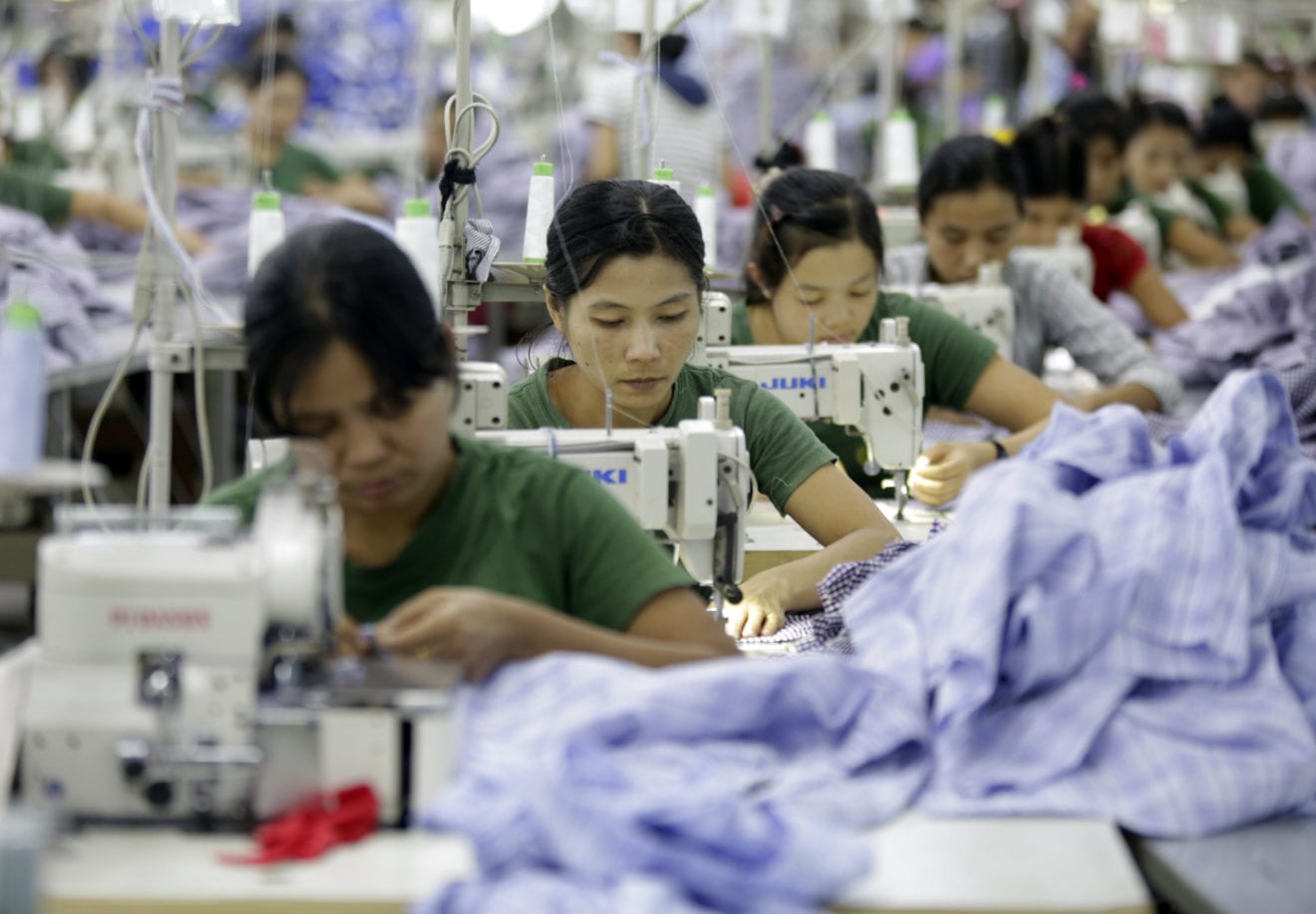
    Using data from 12 countries in Asia from 2005 to 2015, ADB estimated that 66 percent of jobs in the region, or 101 million jobs per year, were lost to automation. Among the most vulnerable are those in the manufacturing industry.

    After analyzing data in 12 Asian countries from 2005 to 2015, ADB estimated that 66 percent of jobs in the region, or 101 million jobs per year, had lost to automation. However, there was an 88 percent increase in employment over the period, or 134 million jobs per year, well offsetting the jobs lost to automation.The MGI and ADB reports are unanimous in their conclusions that working culture, training programs and organization structures must be redesigned.

    “Companies will take the lead in building their own future workforce, but all stakeholders — educators, foundations, industry associations, organized labor and of course policy makers — will have a role to play,” MGI partner Susan Lund said in the statement.

    “In our research, we identify a range of approaches and discuss the experience of some companies which are already engaging in large-scale workforce retraining,” she said.

    MGI suggests that companies and business leaders will have to decide in the coming years whether to pursue training using in-house resources or to partner with educational institutions that will provide external learning opportunities for employees.

  • Japan Industrial Production On Tap For Thursday

    Japan Industrial Production On Tap For Thursday

    Japan on Thursday released preliminary October data for industrial production, setting the pace for a busy day in Asia-Pacific economic activity. Industrial output is expected to rise 1.8% on month and 7.2% on year after falling 1.0% on month and gaining 2.6% on year in September.

    Japan also will see October figures for vehicle production, housing starts and construction orders. Housing starts are expected to fall 2.8% on year to 950,000 after sliding 2.9% in September to 952,000.

    Vehicle production was up 1.7% on year in September, while construction orders plummeted 11.6%.

    China will see November numbers for its manufacturing and non-manufacturing PMIs; in October, their scores were 51.6 and 54.3, respectively.

    The central bank in South Korea will wrap up its monetary policy meeting and then announce its decision on interest rates, with the bank widely expected to keep its benchmark lending rate unchanged at 1.25%.

    South Korea also will see October numbers for industrial production and retail sales. Output is expected to add 0.6% on month and 6.1% on year after gaining 0.1% on month and 8.4% on year in September. Retail sales were up 3.1% on month and 8.3% on year in September.

    Australia will provide October numbers for private sector credit and building approvals, plus Q3 data for private capital expenditure.

    Private sector credit is expected to add 0.4% on month and 5.3% on year after gaining 0.3% on month and 5.4% on year in September.

    Building approvals are expected to sink 1.0% on month and surge 14.1% on year after adding 1.5% on month and 0.2% on year in the previous month. Capex is expected to rise 1.0% on quarter after adding 0.8% in Q2.

    New Zealand will see November results of the activity outlook and business confidence indexes from ANZ; in October, their scores were 22.2 and -10.1, respectively.

    Hong Kong will provide October figures for retail sales – which are expected to rise 6.2% on year after gaining 5.5% in September.

    Thailand will release Q3 data for current account and October trade data. In the third quarter, the current account surplus was USD8.32 billion and the financial account deficit was USD6.89 billion. In September, imports were worth USD16.47 billion and exports were at USD21.87 billion for a trade surplus of USD5.40 billion.

    Malaysia will see October numbers for producer prices; in September producer prices were up 1.1% on month and 6.0% on year.

  • Logistics industry has some catching up to do with digitisation

    Logistics industry has some catching up to do with digitisation

    The degree of digitisation in the logistics industry is still not very high – in fact, it only came in tenth in an industry ranking, putting it dead last amongst the ten economic sectors studied. These were the findings of the “Branchenatlas Digitale Transformation” study conducted by the Digital Intelligence Institute on behalf of d.velop.

    According the study, it is at the strategic level that the logistics industry is furthest behind, with just 18 percent of logistics companies surveyed stating that the digital transformation was of fundamental strategic importance. For all of the others, it is not clear who is driving strategic development or where the responsibility lies.

    The continuing widespread reliance on paper documentation is also hindering the digital transformation. In fact, only one in five logistics companies has at least 80 percent of their business processes organised primarily digitally and free of media discontinuities.

    Furthermore, the companies displayed relatively little willingness to invest in digital business models, with just 17 percent currently planning additional funds for projects pertaining to the digital transformation.

    The industry with the highest level of digitisation is currently the information and communication technology sector, followed at some distance by banking and insurance, media and entertainment, and the electronics industry.

    Start-ups: interface to new logistics

    A number of young companies and innovative start-ups have focused on the digitisation of processes in the field of logistics, developing digital business models that they will be presenting at Hypermotion from 20 to 22 November 2017.

    One of these firms is Loadfox, a technology start-up based in Munich that offers a freight-pooling service. This makes things easier for freight forwarders and carriers, facilitating the work of transport enterprises in Germany. An intelligent algorithm combines partial loads in order to create profitable routes. As a result, the utilisation of existing truck capacities is optimised, traffic volume is reduced, emissions are cut and the profitability of participating transport companies is increased.

    Mesaic Technology GmbH, a start-up from Hamburg, has developed a solution that helps companies deal with changed consumer behaviour and increasing customer requirements for logistics such as on-demand and same-day delivery. In order to make communications between companies, service partners and customers in the delivery process as simple and efficient as possible, the company has developed its own platform that intelligently networks service providers and customers in Messenger.

    Metrilus GmbH, a young Erlangen-based firm, has developed a system for automatic freight measurement. With the help of multiple real-time 3D cameras and sensors, an app can be used to dimension packages and even entire pallets, in order to calculate their length, width and height within seconds. In addition, it can be connected to existing systems, e.g. for determining weight, without difficultly.

    Berlin-based start-up M2MGo, established in 2013, is dedicated to “fast and simple networking”, in order to process raw data in real time. The enterprise content management system allows even non-programmers to create custom and complex applications, portals and apps for the internet of things / Industry 4.0 as simply as with a modular system using drag & drop, without doing any programming. Furthermore, legacy systems, device data and APIs can be integrated with ease. That saves time and money.

  • China will continue to relax foreign investment rules for auto industry

    China will continue to relax foreign investment rules for auto industry

    China will continue to relax foreign investment rules for the country’s auto sector and other high end manufacturing, lifting restrictions in an orderly fashion, the commerce ministry said on Thursday.

    The government is preparing to further open up the new energy vehicle battery market to foreign investment, Ministry spokesman Sun Jiwen told a regular briefing in Beijing.

  • Jokowi optimistic of witnessing 10% growth in automotive industry

    Jokowi optimistic of witnessing 10% growth in automotive industry

    Indonesian President Joko Widodo (Jokowi) is optimistic that the automotive industry would attract more investors and grow over 10 percent annually.

    “Indonesias automotive industry is more competitive now and is growing on an average of more than 10 percent,” he remarked in Bekasi on Tuesday.

    President Jokowi expressed optimism in his remarks at the opening ceremony of PT Mitsubishi Motor Krama Yudha Indonesia (MMKI) at the Greenland International Center, Central Cikarang, Bekasi District, West Java.

    “With such a large market, I am certain that more investments will flow into the automotive sector of Indonesia, as we have a large market, and greater the investments, more employment opportunities will be available,” he emphasized.

    President Jokowi lauded Mitsubishi Motors commitment to increasing its investment by setting up a new plant in Indonesia, which will be able to offer jobs to around three thousand people.

    “This can provide employment to some three thousand people. Once again, three thousand job opportunities,” the president pointed out.

    Hence, Jokowi is committed to easing the flow of investments, particularly in the automotive sector, considering its impacts on the economic growth.

    “The inflow of investments will create more job opportunities, and it means more people will have jobs,” he stated.

    However, the president highlighted the importance of the quality of human resources to meet the high standards of the automotive industry.

    He pointed out that the government is taking steps to boost economic development by providing skilled manpower through vocational schools.

    “Here, we will strengthen vocational education, vocational schools, as well as vocational training, entrepreneurship, and the labor market,” he affirmed.

    “The government will continue to implement policies that link and match or job matching between vocation and the industry,” the president noted.

    Investment in industry will also allow the transfer of technology and knowledge to Indonesia. Hence, President Widodo has urged the employees to use the opportunity extensively.

    “I hope you will also pay attention to the transfer of technology and knowledge. Continue conducting trainings for the local human resources, and it will be better if the Japanese work ethics, such as high discipline, can be imbibed by Indonesian human resources,” he said.

    “Do not hesitate to involve the Indonesian people in creating new innovations, as they are all actually smart,” added Jokowi.

    In addition, President Jokowi is optimistic that the automotive industry would begin developing its export market.

    “The local or domestic market is large, but we also need to focus on the export market to achieve a balance,” he pointed out.

    Some VIP guests also attended the opening ceremony with President Jokowi, including Minister of Industry Airlangga Hartarto, Minister of State Secretary Pratikno, Head of the Investment Coordinating Board Thomas Lembong, Vice Minister of Finance Mardiasmo, Vice Governor of West Java Deddy Mizwar, and Chairman of Mitsubishi Motors Carlos Ghosn.

  • Google offers support to tourism SMEs

    Google offers support to tourism SMEs

    Smartphone adoption in Vietnam is now at 72 percent and the same as in the US, but a far higher proportion of Vietnamese travelers use smartphones to research hotels and travel than people in the US do, according to Google’s 2016 Consumer Barometer report.

    The proportion of people using smartphones for researching hotels in Vietnam stands at 48 per cent, much higher than the US’s 18 per cent, while 42 per cent research overland travel compared to 25 per cent, and 37 per cent research flights against 18 per cent in the US.

    “The key to current and future success for travel businesses lies in getting mobile right,” Ms. Ha Lam Tu Quynh, Head of PR & Communications at Google Asia Pacific, told a recent conference on “Solutions for the Development of Vietnamese Tourism Businesses” in Ho Chi Minh City.

    Vietnam welcomed 10 million tourists last year, a 26 per cent increase from 2015, and the industry contributed 6.6 per cent of GDP, with the target for 2017 being 10 per cent of GDP.

    The conference heard tips and tools to help over 30 small and medium sized enterprises (SMEs) in Vietnam’s travel industry win on mobile.

    “Mobile has transformed the way we live our lives,” Google noted in the report. “It’s speed and convenience has changed everything from shopping to entertainment. Mobile has also changed the way we travel. Tourism in the past used to mean paper maps and hefty guide books, but now you can carry all the information you need in your smartphone, not to mention all the stages of booking flights and hotels before you step on the plane.”

    In the mobile world, time is money so slow sites or apps lead visitors to head elsewhere. A study by DoubleClick revealed the stark finding that 53 per cent of consumers will abandon a site if it takes longer than three seconds to load.

    Businesses can also receive good support from Google via consultancy sessions with accredited Google Developer experts or discounts from Google’s special deals with market-leading website designers.

    Mr. Trinh Quang Chung, Head of Google Industry, said “every Vietnamese business is an online business now, because that’s where consumers are spending an increasing amount of their time.

    For any travel business looking to attract consumers in mobile-first Asia, not being present on mobile, or offering a slow and inconvenient experience means giving competitors who are set up well an immediate advantage.

    Mobile helps Vietnamese small businesses find customers across oceans without needing to hop on a plane themselves – which is why we’re offering a range of tools and programs to help Vietnamese businesses make the most of mobile.”

  • Coffee industry in Vietnam turns bitter

    Coffee industry in Vietnam turns bitter

    The Ministry of Agriculture and Rural Development in turn estimated the export volume in the first quarter when compared against the same three months last year to have dipped 5.4% to 449,000 tons with revenue jumping 25.6% to US$1 billion.

    Average prices in the first quarter ticked up 32% on year to US$2,262 a ton, said MARD, adding that Germany and the US were the two largest buyers with market shares of 17% and 16%, respectively.

    Markets witnessing sharp growth over the same period last year were Belgium (230%), the Republic of Korea (79%), the US (60%), Algeria (50%), Spain (34%), Germany (29%), the UK (27%), Japan (21%) and Italy (20%).

    Compared to the end of February 2017, the price of coffee Robusta in the Central Highlands at the end of March rose by US$.09-US$.10 (US$ VND2,000-VND2,200) to US$2.03- US$2.07 (VND46,000-VND46,900) per kilogram.

    Coffee prices in Dak Lak, the largest coffee bean-growing province in the country, stood at US$2.08-US$2.11 (VND47,300-VND48,000) per kilogram as stockpiles remain low.

    According to Nam, coffee prices look to continue to increase in the near term as farmers are holding back waiting to see if prices will rise even further.

    Despite the higher coffee prices, the profits per hectare remain lower than other alternative crops such as fruit trees and pepper— resulting in many farmers getting out of the coffee business entirely.

    Solutions to boost coffee exports

    The small production scale and lack of sophisticated skills of farmers have stopped them from becoming major players in the global market, said Nam, noting the lack of access to credit has prevented them from replanting with the latest varieties and newest technology.

    Meanwhile, farmers collectively have processed 10% of the total coffee output for the year but instant, roasted and ground coffee products, have not achieved a high volume, strong brand or the quality reputation to compete with top global brands.

    Huynh Quoc Thich, deputy director of Dak Lak Agriculture and Rural Development Department, notes that most actors in the coffee segment in the province have not paid sufficient attention to quality.

    He added that the existing sales prices have not incentivized coffee growers to produce high quality coffee.

    Meanwhile, he looks for exports to drop 25-30% this year. That won’t turn around until actors in the segment comprehensively collaborate to promote brand recognition, food safety and boost added value, he concluded.

  • Australia Eyes Indonesian Mining and Tourism

    Australia Eyes Indonesian Mining and Tourism

    Head Of the Indonesian Investment Coordinating Board (BKPM), Thomas Trikasih Lembong, predicted that Australia’s investment in Indonesia could increase up to USD 3 billion (around Rp 40 trillion) throughout the next three to five years. Most of Australia’s investment is predicted to be centered on the mining and tourism sector.

    “That’s the sum total of the projects we are trying to develop. Two-thirds will be in the mining industry and one-third in the tourism sector, lifestyle, and others,” Thomas said on Tuesday, March 7, 2017.

    Thomas explained that Australia’s has an exceptional mining industry. A number of the largest mining companies in the world is owned by Australia, such as EMR Capital, who purchased a gold and silver mine in North Sumatera, and Newcrest, who is currently operating the gold mine in North Maluku.

    In addition, Thomas said that the Indonesian government is really interested in cooperating with Australia in the tourism sector.

    “Many tourists from Japan, China, and Indonesia travel to Australia. They have great taste, management, and good designs. We need that in order to develop Indonesian tourism sector,” Thomas said.

    Currently, according to Thomas, Indonesian and Australian officials are committed to developing both countries’ tourism sector, especially coastal and maritime tourism. Thomas stated that Indonesia owns a varied number of islands and diving tourist destinations.

    “But we don’t have a maritime tourism industry, while Australia has a good reputation in yacht spots,” Thomas said.

    Australian Minister for Trade, Tourism, and Investment Steven Ciobo, stated that Indonesia could develop many tourist destinations in addition to Bali. Ciobo asserted that by having investments reeling in and the development of various infrastructures across regions, the number of tourists entering Indonesia can significantly increase.

  • Vietnamese invest heavily in Australian cattle industry

    Vietnamese invest heavily in Australian cattle industry

    Meat and Livestock Australia (MLA) has unveiled that the first large-scale purchase of an Australian cattle ranch – for beef production – by a Vietnamese company has been made, in the Northern Territory, south of Katherine.

    The purchase of the US$13.6 million cattle ranch by An Vien Pastoral Holding and Agriculture Company is the first far-reaching Vietnamese agricultural investment in the land down under on record, says MLA.

    Per MLA, Pham Nhat Vu, chair of the An Vien Media Group holding company, was listed the official successful bidder of record for the purchase of the 200,000-hectare cattle ranch.

    The deal includes the purchase of 10,000 head of Brahman cattle.

    Commenting, an MLA spokesperson said: When you see high-net-wealth individuals and global corporations making beef investments in Australia, it shows confidence in the Australian beef industry and gives confidence that they believe the consumption of red meat globally is strong.

    Though An Vien did not initially respond to requests for comments on the deal by GlobalMeatNews, says MLA, it is widely speculated the impetus for the investment is that it is much easier for Vietnamese to invest in big ranches in Australia than procure the large amounts of land needed in the Southeast Asian country.

    It is a very complicated undertaking in Vietnam to get even a 100-hectare size plot of land, which is the bare minimum necessary to operate a large-scale ranching operation, says a local Vietnamese rancher.

    For comparison purposes, there are many cattle operations in Australia that cover thousands of hectares each, he says, adding that the move makes good strategic business sense.

    Even though Australian taxes are much higher compared to those in Vietnam, weather and market conditions are more favourable and even a comparatively small US$4 million investment could provide a solid rate of return.

    While Vietnam is better known for receiving foreign direct investment rather than providing it, in recent years, forward thinking Vietnamese companies have been looking to invest in numerous countries— from Laos to Russia, and Australia.

    A spokesperson for the Australian Trade and Investment Commission (Austrade) disclosed that in 2015, Vietnamese outward foreign direct investment into Australia was US$348 million, while Australian investment into Vietnam was an estimated US$1 billion.

    Vietnamese also are acquiring a growing taste for beef, and the An Vien Pastoral Holding and Agriculture Company might be targeting exports back to their home market.

    An Austrade spokesperson said there had been an exponential growth in the number of cattle exported by Australia to Vietnam over recent years, with a peak in 2015 of 360,000 head.

    He forecasts that 200,000-live head of cattle would be imported into Vietnam from Australia in calendar year 2017, in part fuelled by the lack of import tariffs from Australia to Vietnam.

    In addition, the Austrade spokesperson noted that the Vietnam government considers live cattle as a useful input that can have added value within Vietnam through slaughtering and processing.

    Beef consumption per capita per year in Vietnam, according to official sources, currently stands at 2.5 kilograms in a nation of an estimated 95 million people, which is expected to grow in coming years.

  • Thailand’s green material Industry and the green building trend

    Thailand’s green material Industry and the green building trend

    In the midst of today’s environmental movement, green buildings (buildings designed to be environmentally friendly through more efficient use of resources) are popping up more and more in Thailand.

    Using data from green building credentialing bodies like the U.S. Green Business Council (USGBC), which developed the Leading in Energy & Environment Design (LEED), and the Thai Green Building Institute (TGBI), which developed Thailand’s Rating of Energy and Environment Sustainability (TREES), EIC found that the number of certified green buildings and buildings in the process of accreditation in Thailand has risen substantially, increasing from six buildings in 2007 to 243 buildings in 2015.

    With EIC’s estimate of 294 green buildings in 2016, the average annual growth rate for green buildings in Thailand is 54%. Thailand’s green building area increased from 40 thousand square meters in 2007 to 4.3 million square meters in 2015, and it is estimated that it will reach 5.0 million square meters by the end of 2016, pushing average growth to 71% per year (Figure 1).

    Green buildings in Thailand consist of office buildings (around 40%), retail stores and shops (around 30%), and other structures such as factories, residential buildings, hotels, and schools (around 30%) (Figure 2).

    Although the costs of building green are higher than construction costs for conventional buildings, it is the benefits they offer that are responsible for the expansion of green structures today.

    The average cost of building green in Thailand is 20,700 baht per square meter, which is about 5.2% higher than the average conventional building cost of 19,700 baht per square meter (Figure 3).

    This is because building green involves more restrictions in choosing materials and in designing building systems, as well as additional fees for obtaining LEED or TREES credentials. However, owners can gain both monetary and non-monetary advantages from green buildings. Monetary benefits include a decrease in building management expenses like electricity and water costs that can be reduced by 10% or around 90 baht per square meter per year, and up to about 21% or 180 baht per square meter per year by the fifth year after the completion of the project (Figure 4). These numbers are comparable to the decrease in energy costs of  well-known green building Energy Complex.

    The Energy Complex building contains 192 thousand square meters of utility space and has reduced building management costs per year by about 28 million baht, or about 146 baht per square meter per year.  Another monetary advantage for green building owners is increased rents. Rents for green buildings are around 30% higher than those of conventional buildings in the same area, or about 230 baht per square meter per month (Figure 4). Non-monetary benefits include significantly higher worker productivity in green buildings compared to conventional buildings, deduced from sick day records and illnesses caused by sick building syndrome.