Retail News CRM

Tag: Lazada

  • E-commerce platforms cater to large groceries demand in Vietnam

    E-commerce platforms cater to large groceries demand in Vietnam

    Leading e-commerce platforms in Vietnam saw bigger demand for groceries, including fresh foodstuffs and beverages, in the second quarter of this year, a market research firm says.

    Google searches for keywords relating to online grocery stores in the second quarter of this year surged 223 percent against the first quarter, Malaysia-based market research firm iPrice Group said. Searches for fresh foodstuff, drinks, pre-packaged items, and fruits and vegetables rose 99 percent, 51 percent, 30 percent and 11 percent, respectively.

    According to a second-quarter e-commerce report by, online grocery has been the only goods segment with continuous growth since the pandemic broke out.

    When HCMC started applying social distancing rules in early July, demand for buying groceries online increased sharply. E-commerce platform Lazada Vietnam sold 120,000 fresh milk cartons in the first three hours of July 7, and 10,000 poultry eggs in the first 12 hours of the day.

    According to iPrice researchers, the surge in searches for online grocery stores and supermarkets is linked to the social distancing regulations imposed by municipal and provincial authorities. Retail sales of essential goods will also go online rapidly, they said.

    The higher demand for groceries prompted e-commerce platform Tiki to open fresh groceries stalls (September 2) that would deliver the products within three hours in Hanoi.

    To lure more customers, online shopping platforms have held shoppertainment (shopping in combination with entertainment) activities since early July. Lazada and Shopee have launched online mini-game contests and music shows, and conducted more livestream sales in combination with recreational activities.

    Lazada’s livestream channel reported that its daily views in the second quarter of this year rose 2.5 times over the same period last year. Shopee said the number of Shopee Live users in the first half of this year surged over 200 percent on-year.

    Online payment and shopping platform MoMo attracted eight million players in one month after organizing a game contest with prizes totaling VND10 billion (nearly $435,000). “We will continue to organize similar programs,” said co-founder and vice chairman Nguyen Ba Diep.

    According to rankings complied by iPrice Group and Israel-based digital intelligence provider SimilarWeb, Lazada Vietnam saw its website visits in the second quarter of this year increase 14 percent against the first quarter to 20.4 million, ranking second after Shopee. Shopee ranked the first for the 12 quarters, with 73 million web visits in the second quarter, up 9.2 million visits against the previous one.

    Among e-commerce platforms in Vietnam, Lazada and Shopee have been the most active in terms of shoppertainment events in recent months. They are expected to host more such programs on September 9, the super shopping day.

    The visits to top 50 shopping websites in Vietnam in the first half of this year totaled over 1.3 billion, the highest number so far. Specifically, web visits in the second quarter rose 10 percent over the first.

  • Lazada merges logistics divisions under new name

    Lazada merges logistics divisions under new name

    E-commerce player Lazada, which is now majority-owned by Alibaba, is confident that its expertise in Southeast Asian markets can counter the looming threat from Amazon’s much-anticipated entry into the region, a top executive said.

    Last year, TechCrunch reported that Amazon had planned to launch local e-commerce services in Singapore in the first quarter of 2017. But earlier this year, the news site cited sources and said Amazon’s much-anticipated entry was postponed.

    Aimone Ripa di Meana, co-founder and chief marketplace officer at Lazada, said the company’s on-the-ground knowledge about each of the six regional markets in which it operates, its logistics network, and the backing from Jack Ma’s Alibaba Group will be advantageous in the face of competition.

    “We feel very confident about what we’ve built so far — we have a very unique approach to business,” Meana said. “Having built teams that have been with us for a long time that function in a very organic way that knows the markets, know the complexities that are in each market, which can’t easily be replicated. I don’t think knowing how to do (business in) Singapore is in any way relevant to how you build your business in the Philippines or Indonesia.”

    He explained that the differences in each Southeast Asian market went beyond people and languages spoken. It involved things including the infrastructure set-up in each country to facilitate logistics and delivery, how the syntax of each local language affected the way search worked and also the behaviors of small and medium enterprises in listing their products and structuring their catalogs.

    But the region is still lucrative for e-commerce as millions of first-generation internet users embrace online shopping. A frequently cited study from Google and Singapore investment firm Temasek Holdings predicted the region’s internet economy to grow to $200 billion by 2025, driven mostly from growth in e-commerce. Meana said Alibaba’s investments into Lazada, and the speculation surrounding Amazon’s eventual push into the market, underscored the potential of the region.

    “We are in a market that is at the beginning of its curve,” said Meana. “While obviously the numbers are vast and exciting, I think the opportunities that lie ahead are much larger than anything that’s been built behind us.”

    To be sure, Amazon has aggressively invested in markets outside the U.S. to grow its stake. For example, reports in India said Amazon has invested more than $2 billion to-date to compete with local e-commerce players Flipkart and Snapdeal.

    Earlier this year Alibaba upped its stake in Lazada from 51 percent to about 83 percent, with over $2 billion invested into the company. Its affiliate Ant Financial, earlier this year, merged with Lazada’s helloPay platform to bolster payments processing capabilities.

    The backing allowed Lazada to move into Alibaba’s ecosystem and make use of all of the innovation and features for sellers on their platform, said Meana. Those include offerings like a business intelligence portal and new promotional features that allow sellers to create shop decorations in the same way they would’ve done for an offline business.

    To offer consumers more variety, Lazada launched its Taobao Collection store that curates and sells about 4 million products in English from Alibaba’s Taobao marketplace — which is inaccessible to many non-Chinese speaking consumers in Southeast Asia.

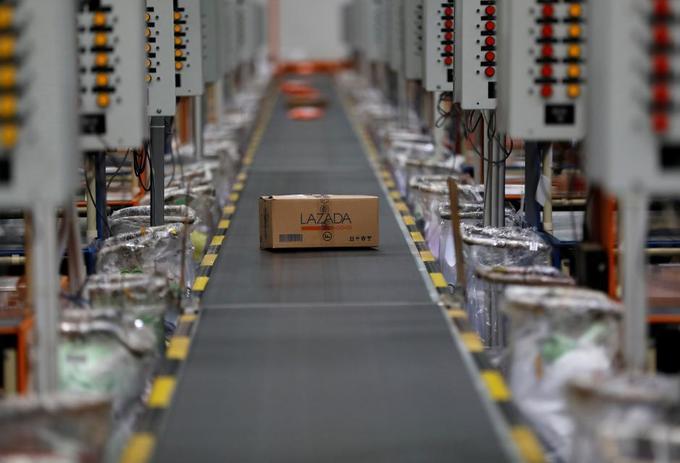
    Logistics operations, which Meana said is a key differentiator for Lazada, also benefit by tapping into Alibaba’s technology, processes and approaches to delivery. Currently, Lazada has about 100 logistics partners in the region and its operations are split into two areas of business: last-mile delivery and a control tower that coordinates the most effective means of delivering parcels from merchants to customers.

    “For a consumer or merchant, this is completely seamless. They don’t need to make decisions or choices — all that is done by us, and in turn what that means is, a number of players that were maybe too small to catch the trend, that weren’t able to enter e-commerce, are now being able to leverage our infrastructure and be part of this phenomenal growth that we’re seeing in e-commerce,” he said.

    Delivery speed is another way that many online retailers attempt to differentiate themselves. For a region like Southeast Asia, Meana explained that fast delivery was not always feasible. That is, cross-border e-commerce, a growing part of Lazada’s business, means consumers are more willing to wait for their parcels, he said.

    Ultimately, Meana said, it’s about maintaining a balance between being local and nimble — required for most online marketplaces — in multiple countries and having a regional structure to grow the business.

    “That’s clearly one of the great learnings of having built Lazada over the past five years — the interplay between having this regional structure and the economies of scale and scope to get there and then maintaining the nimbleness of the market,” he said.

    “It’s not an easy balance, but it’s something that we’ve invested a lot of time to get to and I don’t think it’s acquired or built in a day.”

  • Lazada’s president quits

    Lazada’s president quits

    Jessica Liu, president of Lazada Group, is leaving the South-East Asian online shopping unit of Alibaba Group Holding Ltd.

    She is departing Lazada to spend more time with her family, the company said, confirming an earlier report by Bloomberg News.

    Liu has been a key member of Lazada’s leadership team and also served as head of LazMall, the fast-growing marketplace for international and local brands within the Lazada platform.

    Earlier this year, she took on an additional role of chief executive officer of Thailand, becoming the company’s first female country head.

    “Under her leadership, Lazmall has grown to become one of the largest online virtual malls in South-East Asia, ” Lazada said in a statement.

    “We want to thank Jessica for this and her many other contributions, and wish her well as she takes some time off to focus on her family.”

    Lazada has gone through frequent management shuffles since it was acquired by Alibaba.

    The company appointed Chun Li as group CEO in July, and Lazada has since been investing in technology and logistics and recording triple-digit year-on-year order growth.

    Revenue from Alibaba’s international commerce retail business climbed 42% to US$5.26bil (RM21.74bil) in the fiscal year ended March 31, led by Lazada and Trendyol.

    Liu joined Lazada in 2020 from Alibaba, where she was general manager of Tmall Fashion and Luxury.

    Under her leadership, Tmall became China’s largest fashion business-to-consumer online platform.

    Nine-year-old Lazada operates in Indonesia, Malaysia, the Philippines, Singapore, Thailand and Vietnam.

  • Vietnamese lychee to be sold online for first time

    Vietnamese lychee to be sold online for first time

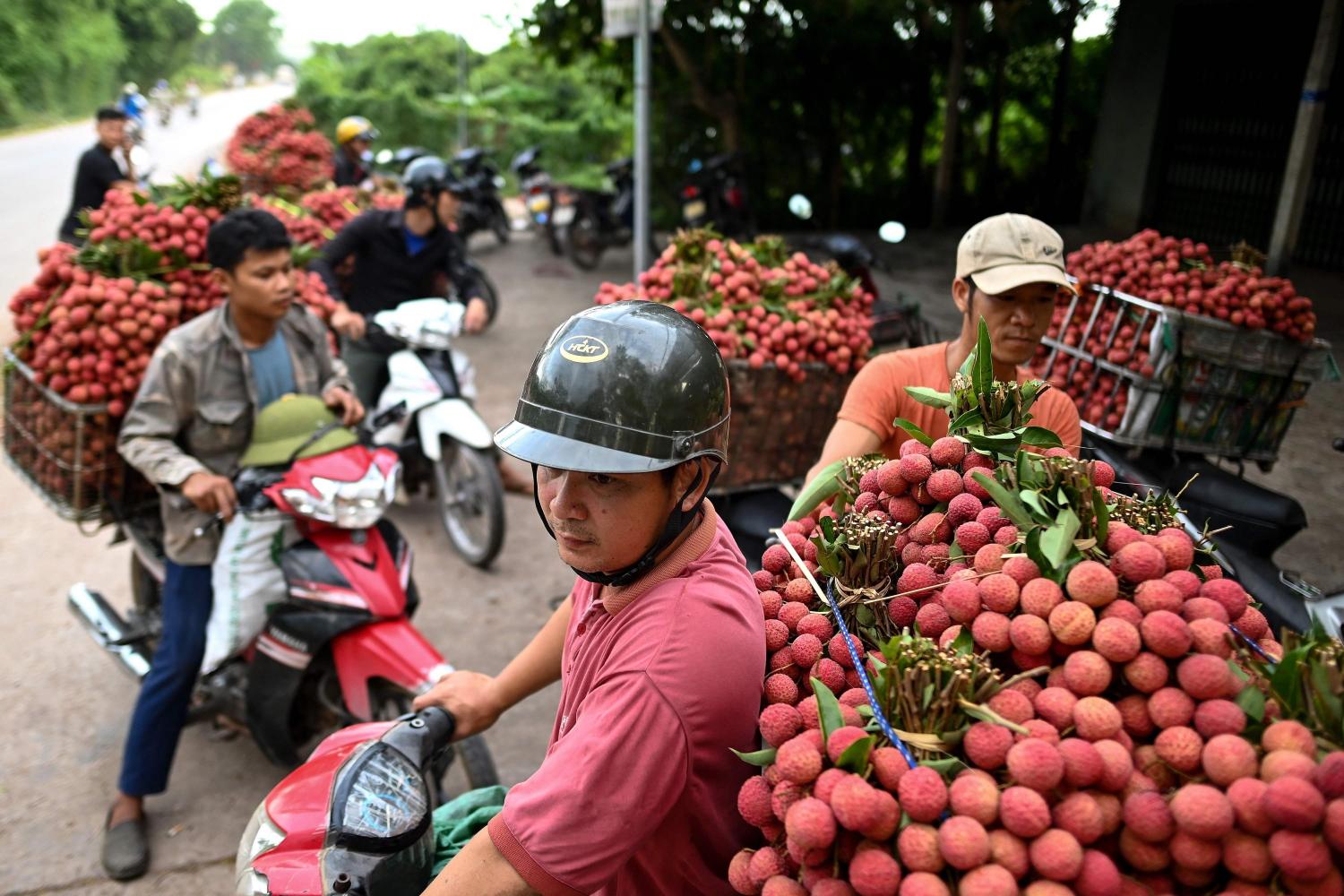
    Lychees grown in Hai Duong Province will be sold on e-commerce platforms Voso, Sendo, Lazada, and China’s Alibaba on Saturday, according to the Vietnam Trade Promotion Agency.

    It would be the first time that the fruits are sold online, and the agency said the biggest hurdle to this is farmers’ lack of knowledge of e-commerce, online marketing, selling and customer support, and quality control.

    It has collaborated with the northern province’s Departments of Agriculture and Rural Development and Industry and Trade to provide training to lychee farmers and traders in setting up and operating stores on the four e-commerce platforms.

    Hai Duong harvested 43,000 tons of lychee last year and exported half of it, including 1,600 tons to Japan, Australia, and the U.S. It expects to harvest 55,000 tons this year, and export half to China.

    In nearby Bac Giang Province, the director of the Department of Industry and Trade, Tran Quang Tan, estimated 180,000 tons of lychees would be harvested this year, with half of it exported to China, 10 percent to Japan, and another 10 percent to the U.S., the EU, and Australia.

    The harvest will take two months starting May end.

    Around 300 Chinese merchants have registered to visit Vietnam to buy lychees in Bac Giang.

    Local authorities will arrange transportation for them at the border, test them for Covid-19 and quarantine them for 14 days.

    The northern provinces of Bac Giang and Hai Duong are Vietnam’s lychee growing hubs, with the former having the largest area for lychee cultivation, which was 28,000 hectares last year, according to Bac Giang Portal. Hai Duong province came in second with 10,000 hectares.

  • Lazada Marketing Specialist Joins DBS

    Lazada Marketing Specialist Joins DBS

    In her new role, she will help the bank drive sustainability efforts, create social impact, and democratize banking services with digital innovation.

    Michelle Yip has joined DBS as executive director, group strategic marketing and communications, as per a report by Marketing Interactive.

    The marketing specialist was most recently the regional marketing EVP at e-commerce giant Lazada, which she joined in 2015 as a regional category director, later becoming senior vice president of customer experience and chief marketing officer. She was previously a senior marketing manager at Philips and held lead marketing roles at Samsung Electronics.

    At Lazada, Yip led the Alibaba-owned company’s marketing team across branding, social, public relations, online performance marketing, CRM, customer lifecycle management, and strategic partnerships.

    She also led COVID-19 related consumer engagement to support the community as an essential service provider and
    anchored Lazada’s position as a thought leader in the e-commerce space through identification and shaping of industry trends and directions, according to her LinkedIn profile.

  • FJ Benjamin and Lazada Singapore Sign MOU for Strategic Partnership to Boost Online-Offline Sales

    FJ Benjamin and Lazada Singapore Sign MOU for Strategic Partnership to Boost Online-Offline Sales

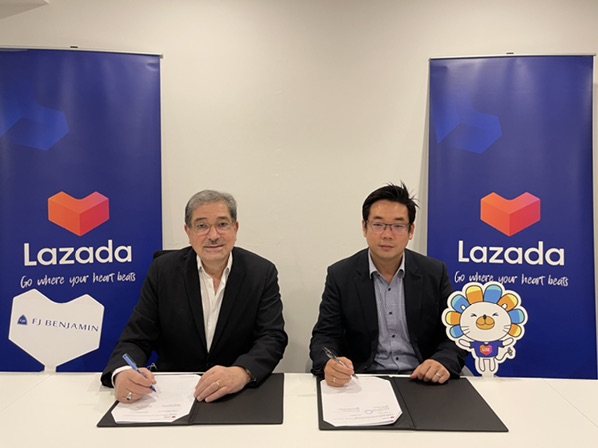
    FJ Benjamin Holdings (FJB) and leading eCommerce platform, Lazada Singapore, today signed a Memorandum of Understanding (MOU) to forge a strategic partnership that aims to deliver the ultimate retail experience to customers across all channels and devices.

    The proposed partnership will tap Lazada’s technical and online capabilities, and eCommerce platform management expertise, and leverage FJB’s experience in fashion brand management and physical store operation, to boost the eCommerce performance of FJB’s stable of brands in Singapore, Malaysia and Indonesia, as well as to expand and incubate new FJB brands to eventually integrate brick-and-mortar and virtual stores.

    FJB will also discuss with brand principals opportunities for eCommerce in markets Lazada has a presence but where FJB does not, such as Vietnam, Thailand and the Philippines. Powered by Alibaba’s advanced eCommerce tools and systems, Lazada will develop new tailor-made solutions to deliver a truly omnichannel customer experience in managing the full online ecosystem of FJB brands across the markets.

    Group CEO Nash Benjamin said: “FJ Benjamin has been strategising and planning our omnichannel business model for some time now and this partnership with Lazada is intended to get us to where we want to be much faster and in a more cost-efficient manner. This will combine our respective capabilities to strengthen customer experience across brick and mortar and virtual channels.”

    Besides operating principal branded sites, it is also intended to host certain brands on LazMall as well as other regional sites, subject to principal approvals.

    “We are thrilled to be part of this new chapter with FJ Benjamin and value their trust in us,” said James Chang, CEO of Lazada Singapore. “Lifestyle, fashion and beauty are important pillars in our eCommerce plans and shoppers can now look forward to seeing more well-known brands and labels on our platform, for an integrated shopping experience. In the last year, Lazada has supported many businesses that adopted a multichannel approach to set up stores online and we know that our expertise in the eCommerce space will benefit and contribute to the success of a renowned brand like FJ Benjamin, and look forward to seeing positive results with them.”

    While some of the brands managed by FJB, including La Senza, Pretty Ballerinas and Petunia Pickle Bottom, are currently available on Lazada’s premiere shopping platform, LazMall, this is the first time both parties –  one, a traditional brick-and-mortar operator, and the other, the region’s leading eCommerce player – have come together to envision and execute a truly omnichannel model under which customers can control the buying process and enjoy a seamless shopping experience across multiple channels – brick-and-mortar, desktop, and mobile.

    Since the pandemic lockdowns last year forced FJB stores in Southeast Asia to shutter, the Group had secured principals’ approvals to pivot to eCommerce. It has ramped up its online presence from one brand, the cult British fashion label Superdry, to almost all its brands including Guess, La Senza, Casio, Rebecca Minkoff, Pretty Ballerinas, Airfree and Dr Barbara Sturm.

    The MOU states that  “the parties agree both physical stores and online stores are part of the retail ecosystem. With Lazada’s technical and online abilities and FJB’s experience in fashion and lifestyle brand management and physical store operations, this brings together a strong strategic partnership which leverages each other’s expertise to deliver an ultimate consumer experience.”

    Under the terms of the MOU, both FJB and Lazada will, within 90 days, work on a detailed action plan and a definitive agreement to move the partnership forward.

    Mr Benjamin said FJB will continue to take charge of all aspects of product assortment, brand management, pricing, promotions as well as key parts of logistics such as inventory and supply chain. The parties will jointly undertake online marketing and campaign strategies while Lazada will operate the online stores.

  • Online marketplaces thriving in the Philippines after Covid-19 crisis

    Online marketplaces thriving in the Philippines after Covid-19 crisis

    The coronavirus crisis has divided retail companies into two distinct groups: those with functioning e-commerce businesses, and those without. Many of the have-nots won’t survive.

    The winners: The pandemic forced Amazon to hire more workers and overhaul its supply chains. But Jeff Bezos’ juggernaut has emerged stronger than ever, repeatedly trouncing Wall Street’s sales expectations.

    Other retailers that invested heavily in e-commerce before the pandemic are also thriving. Walmart is one example, but there are other less obvious success stories. Ikea, which is best known for its cavernous big box stores, reported a 45% increase in online sales over the 12 months to August.

    Going bust: The ranks of the less fortunate include companies that didn’t fully embrace online shopping, or that relied too heavily on sales in malls. J. Crew, Brooks Brothers, Sur La Table and Men’s Wearhouse owner Tailored Brands have all filed for bankruptcy in recent months. The company behind Pringle sweaters and Harris Tweed is also at risk of collapse.

    The question: Will consumers keep buying online once the pandemic fades?

    US e-commerce sales will increase 18% to $710 billion this year, research firm eMarketer estimated in June. Global sales will nearly match that pace of expansion, rising 16.5% to $3.9 trillion.

    There is some early evidence that consumers won’t revert to their old ways. A research paper from McKinsey earlier this year said trends in China suggest that between three and six percentage points of market share gained by online channels will be “sticky.”

    The longer the pandemic drags on, the more likely that consumers stick to their new habits. Companies are racing to adapt.

    “We’re seeing a much broader set of the retail ecosystem really seeing e-commerce as a top priority, and that has certainly amplified since Covid,” Bill Ready, Google’s president of commerce, told me in an interview.

    “Consumers have dramatically shifted their shopping to online over the past six months,” said Ready, adding that shoppers are embracing e-commerce innovations such as curb-side pickup in large numbers.

    Google has accelerated its own e-commerce plans in response to the pandemic, Ready said. The search giant is now allowing retailers in Europe, the Middle East and Africa to list products on its shopping tab for free, after doing the same earlier this year in the United States.

    What next: The stakes are high, especially for small businesses that were slow to get started and are now desperately trying to catch up.

    “Previously, many retailers might have said, ‘well, e-commerce is a relatively small part of the overall business, maybe 10%,’” said Ready. “Now that’s grown dramatically to 30% or 40% plus for many retailers.”

    Even e-commerce giants can’t afford a misstep. Investors will be watching closely later this week when Amazon celebrates its annual Prime Day with deep discounts on Tuesday and Wednesday.

    The event, which will be held roughly three months later than usual, is expected to generate $9.9 billion in global sales for Amazon, up 43% from last year’s event, according to eMarketer.

    India’s equivalent bonanza, which pits Walmart-owned Flipkart against Amazon in a fierce discounting battle, kicks off later in the week.

    What a Biden presidency would mean for banks

    As the nation’s biggest banks prepare to report their latest earnings this week, these titans of Wall Street face a conundrum.

    Many financial services executives are supporting Joe Biden over President Trump — even though a Biden win could be a slight negative for the industry, my CNN Business colleague Paul R. La Monica reports.

    The rub: Deregulation championed by the White House, Trump’s tax cuts of 2017, and low interest rates ushered in by Trump-nominated Fed boss Jerome Powell have helped fuel a market rally that was — at least until Covid-19 hit — good for bank profits.

    But according to a recent analysis from S&P Market Intelligence, Biden’s proposed tax plan could lead to a combined $7 billion increase in corporate taxes annually for the nation’s top 10 banks.

    Executives from JPMorgan Chase, Citigroup, Bank of America, Wells Fargo, Goldman Sachs and Morgan Stanley will almost certainly be asked about the election during this week’s earnings calls with analysts and investors.

    Counterpoint: The S&P analysts noted that a higher corporate tax rate could actually boost bank valuations. That’s because many big banks have assets on their books that would actually increase in value if tax rates went up.

    What’s more, Biden is unlikely to push for a significantly higher corporate tax rate, some experts say.

    “With the economy likely still struggling to recover from the pandemic-induced recession … moderate Democrats in conservative states … would push back on a significant tax increase,” Isaac Boltansky, an analyst for Compass Point Research & Trading, wrote in the S&P report.

  • Miniso sees positive and steady development in Vietnam market

    Miniso sees positive and steady development in Vietnam market

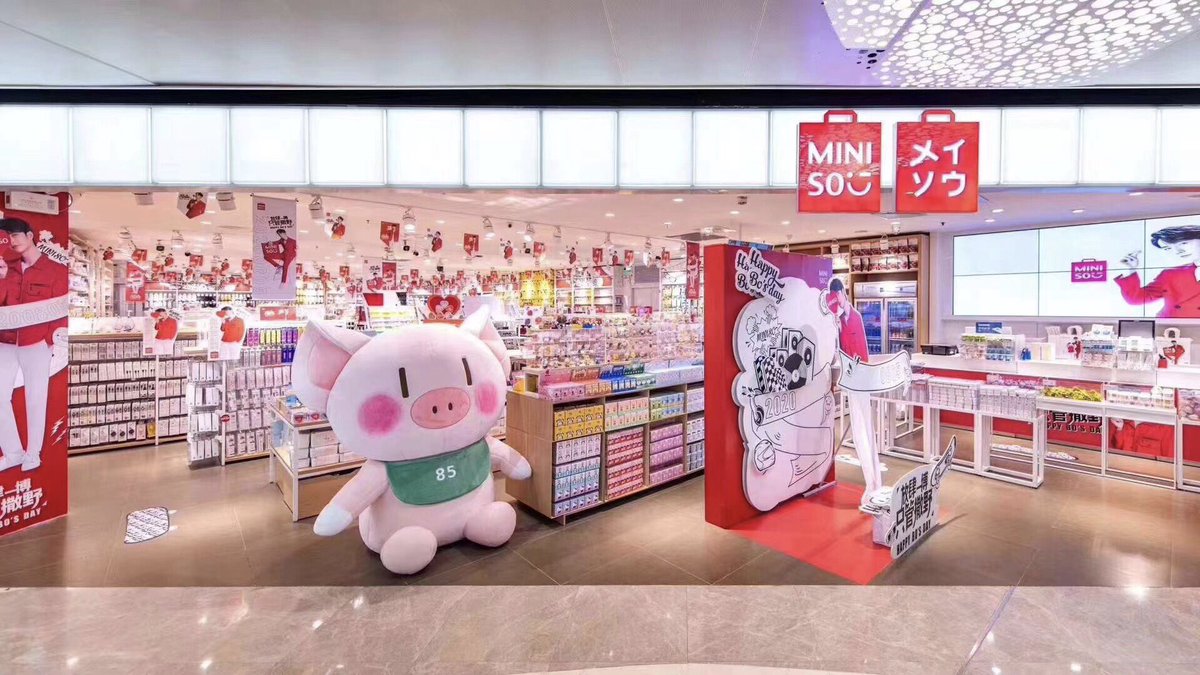
    Chinese discount retailer Miniso has opened more than 40 stores in Vietnam, four years since it launched in the market.

    Miniso entered Vietnam with its first store in Hanoi in 2016. Since then, the brand has been the local’s favorite destination for discount merchandise. Miniso now has more than 700,000 fans following its Facebook account.

    Miniso operates in key cities in the country and has a presence at major shopping malls including Aeon, Lotte, and Vincom.

    During the early stages of entering Vietnam, Miniso showed its understanding of the market by choosing local top star Son Tung M-TP as a brand ambassador. The brand also teamed with well-known Vietnamese host Sam to launch a beauty line called Sam Skin and Makeup.

    “The Vietnamese market has always shown great potential for development,” the company said in a statement. “Even under the epidemic, the market’s increasing demand for consumer experience and cost-effective products have made Miniso very confident in the future development of the Vietnamese market.”

    Miniso has not only joined several e-commerce channels, including Shopee, Lazada, and Tiki, but also created Shopify to provide “a barrier-free shopping environment”.

  • Vietnamese publisher sues Lazada for allowing sales of pirated books

    Vietnamese publisher sues Lazada for allowing sales of pirated books

    Publisher First News has sued the e-commerce platform Lazada, charging it with repeatedly abetting the sales of pirated books and ignoring its warnings. The Ho Chi Minh City-based company announced on Wednesday that it had filed a suit in the District 1 People’s Court against the e-commerce company for allowing merchants to sell fake copies of its bestsellers.

    Its CEO, Nguyen Van Phuoc, said the issue had been raised with Lazada for the last 12 months by sending it documents and evidence of counterfeiting. But the subsidiary of the Chinese e-commerce giant Alibaba did not make any effort to stop the selling of the pirated books, and the issue had in fact worsened, he said.

    The fakes sold on Lazada cost half the original prices, and his company has received hundreds of complaint letters from customers about them, he said. Some of the fake titles include the self-help classic “How to Win Friends and Influence People” by American writer Dale Carnegie and the “Chicken Soup for the Soul” series.

    First News allows customers to trade their fake books for originals, but “we cannot keep doing that forever,” Phuoc said.

    Lazada Vietnam said in a statement on Wednesday that all merchants on its platform are required to comply with local laws and piracy would be punished according to the law. But it did not make any reference to First News’ allegations. In the suit, the publisher has demanded that Lazada remove all fake books and stop allowing their sale in the future.

    First News said last year 686 of its titles were counterfeited and sold on e-commerce platforms. It had organized two public events last year just to furnish evidence against book piracy. It has not revealed its losses due to piracy, but Phuoc said without it the company’s revenues could have been dozens of times higher in the last 15 years.

    First News was established in 1994, and has published or distributed over 2,000 titles so far. Vietnamese publishers have in recent years been grappling with widespread illegal reproduction of books. HCMC-based Tre Publishing House last year discovered a pirated version of its book, “Japanese For Everyone,” being sold on Tiki, a Vietnamese e-commerce platform. The website later suspended the account of the fake bookseller.

    Publishers lament that e-commerce platforms often deny their involvement in the selling of pirated books, claiming they are merely intermediaries who provide trading space and do not store the goods themselves. The Ministry of Industry and Trade requires e-commerce sites to remove all information related to counterfeit goods if they receive complaints backed by evidence.

  • New Lazada CEO name surfaced

    New Lazada CEO name surfaced

    Southeast Asian e-commerce platform Lazada has appointed Chun Li as its new CEO.

    Li will succeed former CEO Pierre Poignant, who will head to Alibaba Group as a special assistant to its CEO Daniel Zhang.

    “Chun is an experienced business leader who can realize Lazada’s vision of unifying commerce with technology to advance Southeast Asia’s digital economy,” said Lucy Peng, chairwoman at Lazada Group.

    With technology-architecture and product-strategy backgrounds, Chun Li will ensure Lazada’s competitive advantage through data technology application and business localization across the region, according to the company.

    “Lazada’s priority is to create unique value for our consumers and merchants in Southeast Asia,” said Li. “There is incredible momentum for e-commerce across the region, and together with our strong local talents, we will step up Lazada’s digital innovation and commercial development to empower our customers to be successful and provide the best user experience for our consumers.”

    Li joined Alibaba Group as chief technology officer for the group’s B2B unit in 2014. He has served as both Lazada president and CEO of Lazada Indonesia since 2017.

  • Vestiaire Collective kicking off on Zalora

    Vestiaire Collective kicking off on Zalora

    Fashion e-tailer Zalora has partnered with global pre-owned fashion platform Vestiaire Collective.

    Zalora’s Hong Kong customers can now access more than 5000 authenticated Vestiaire items across womens’ and mens’ categories via the firm’s website and app. Plans are currently in place to extend the offering to other Zalora markets.

    The partnership is an effort to promote circular fashion, intending to inspire consumers to be more conscious of their consumption habits. All Vestiaire products listed on Zalora undergo two rounds of checks to ensure authenticity and quality. All orders are fulfilled by Zalora’s own delivery network.

    “Zalora is committed to promoting sustainability in the region and is determined to shape a sustainable fashion ecosystem,” said Zalora CEO Gunjan Soni. “Companies now need to work together to evolve from just reducing the impact to making a positive impact.

    “Our partnership with Vestiaire Collective effectively expands our pre-loved category, offering more choices to our Zalora shoppers and giving them a chance to partake in joining the circular fashion movement.”

    “Vestiaire Collective is excited to partner with Zalora to further increase our local footprint of circular fashion within Asia,” said Vestiaire’s APAC chief regional officer Pierre Everling. “Sustainability is one of the founding pillars of our business and we’re thrilled to open the doors of pre-loved fashion to more users in new markets, allowing more people to embrace circularity in their daily lives.”

  • Alumak to provide working capital loans to Lazada’s online sellers

    Alumak to provide working capital loans to Lazada’s online sellers

    Lazada has partnered with Southeast Asian fintech startup Alumak to provide online merchants with working capital during the Covid-19 pandemic.

    Business owners selling through Lazada for at least six months can apply online using their Lazada account in place of the need to submit formal paperwork, in a process that takes less than 10 minutes.

    Alumak says it can provide working capital of up to 75 million IDR (US$5000) within three hours, sourcing funds from its credit partners. That’s a vastly shorter time frame from the industry standard of one-to-two weeks processing time.

    Once approved, the funds can be downloaded in full or in part with interest charged only on drawn funds.

    Stefan Hadjidetschev, co-founder and GM of Alumak, says the program, which has no end date at this time, is intended to help businesses operate in the “new normal” of Covid-19 and during Ramadan.

    Haikal Bekti Anggoro, senior VP, traffic operations at Lazada, said the company wants to support the economy through its sellers.

    “Lazada aims to ensure that our sellers will be able to have a sustainable business and our Service Market Place offerings are geared towards that goal, providing services that sellers need to build, boost and strengthen their business. The cooperation with fintech companies like Alumak, enables our sellers to get access to funding and keep their business going.”

    Alumak describes itself as an SME-focused fintech company serving digital-savvy businesses with a mobile-first digital business account across four countries: Singapore, Indonesia, Thailand and Vietnam).

  • Amore K-beauty store pops up in Singapore with Lazada

    Amore K-beauty store pops up in Singapore with Lazada

    An Amore K-beauty store has launched in Singapore in partnership with Lazada, both online and offline.

    The store sells popular AmorePacific brands such as Sulwhasoo, Innisfree and Laneige as well as “cult” brands such as Hanyul and Iope. Amore will sell from a physical store in Funan with an online-to-offline channel on Lazada. Buying items in-store will require customers to scan a barcode and complete their purchase on Lazada.

    “We are proud to be the platform of choice for top retail brands, and are pleased to partner AmorePacific on this first-of-its-kind project to jointly develop our New Retail capabilities together,” said Lazada Singapore CEO James Chang.

    The Amore K-beauty shop will host beauty workshops by South Korean makeup artists and feature new technology from Seoul to help customers better understand their skin needs.

  • Citi and Lazada Unveil Co-Branded Credit Card

    Citi and Lazada Unveil Co-Branded Credit Card

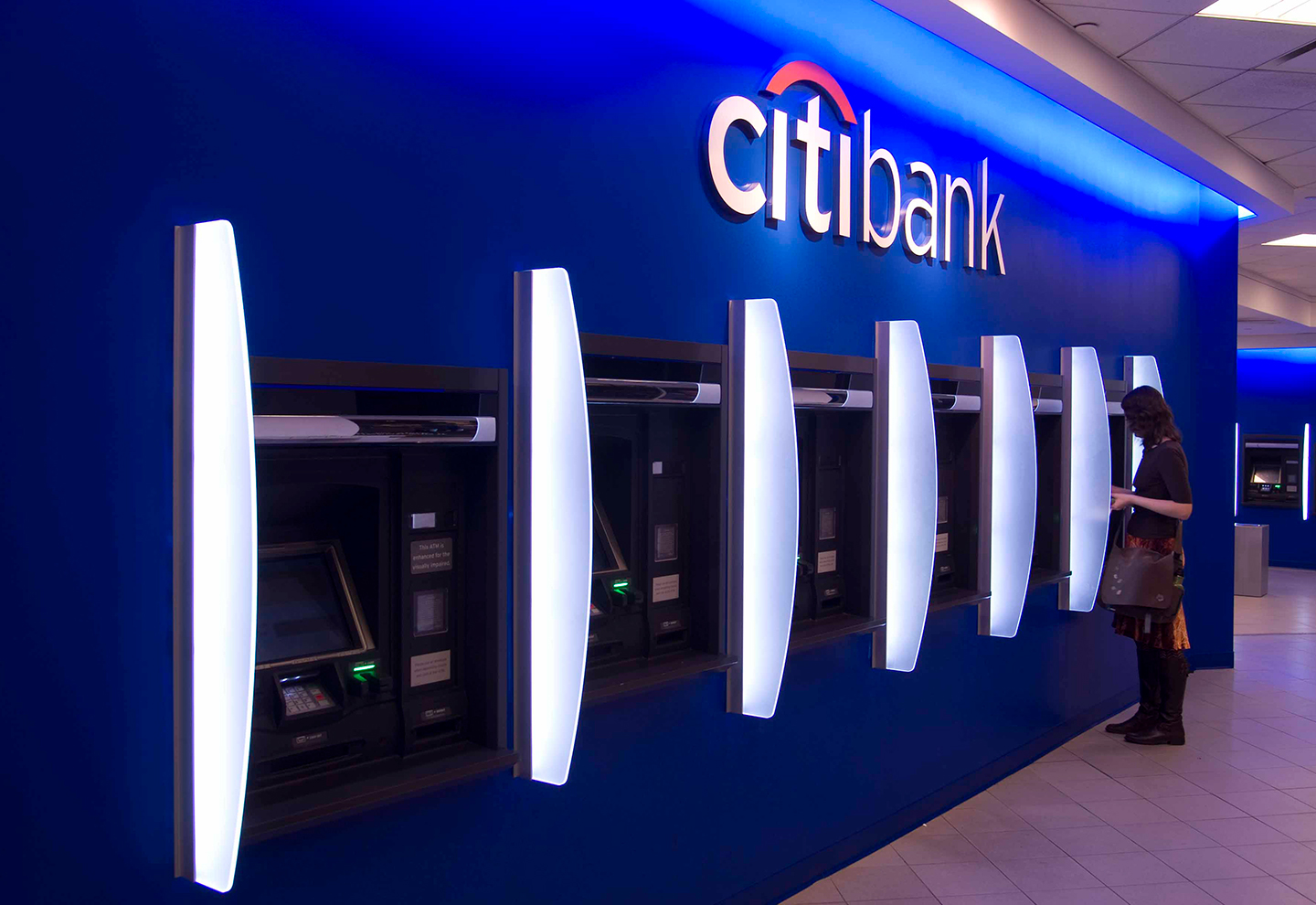
    Citi and e-commerce platform Lazada Group announced the launch of the Citi Lazada credit card in Singapore on Monday. The new co-brand credit card allows millennial shoppers to enjoy the launch promotions and card benefits as they shop online during the year-end festive season.

    Tapping into the growing purchasing power of millennial consumers in Singapore, Citi and Lazada aim to serve over 50 percent of young professionals locally with the new card over the next few years. Data from Citi, the world’s largest credit card issuer, shows that more than half of its new credit card customers in Singapore are digitally acquired and that these customers are more engaged with close to three times more spending than others within three months of onboarding.

    With over 30 per cent of our customers’ credit card spend now made via digital channels, it is important for us to continue expanding our presence and scale in digital ecosystems, and deepening our engagement with the growing eCommerce customer base in Singapore, said Brendan Carney, CEO of Citibank Singapore Limited and Global Consumer Banking ASEAN Cluster Head in a media statement.

    The Citi Lazada credit card launch is a natural extension to Citi and Lazada’s regional partnership, which began in Singapore in 2015. With the new card, Citi gains access to a younger, digitally-savvy customer pool that makes up the majority of eCommerce customers in the region, while Lazada widens its breadth of offers and services by leveraging a global financial platform. Together, the partners target over 500,000 new credit cards in Southeast Asia over the next few years.

    Over the first 11 months of the year, Lazada saw a 43 percent year-on-year increase in the number of customers aged 18-35 shopping on our platform in Singapore. Millennials are now buying more groceries, household supplies, and beauty products online than ever before. As eCommerce in Southeast Asia continues to flourish and meet consumers’ expanding needs, Citi and Lazada are unified by a common goal to develop the eCommerce ecosystem and provide more value to digital natives, said James Chang, CEO of Lazada Singapore.

  • Lazada, Tiki locked in delivery speed race

    Lazada, Tiki locked in delivery speed race

    Giants Lazada and Tiki are racing to reduce their delivery times as competition heats up in Vietnam’s e-commerce market.

    Singapore-based Lazada Friday launched a 4-hour delivery service for flowers in Vietnam, a move in response to Vietnamese startup Tiki’s 2-hour delivery for a large number of products.

    Nguyen Ngoc Thang, head of express solutions at Lazada, said that this was a new step in e-logistics for the company.

    Earlier this month, the company began to offer 2-hour and 4-hour delivery for products weighing under 15 kilograms in Hanoi and Ho Chi Minh City.

    Almost 200 Lazada sellers are eligible for the service, mostly in beverage, fashion and baby products.

    The move followed other e-commerce companies in Vietnam, like Shopee, Sendo and Lotte, also announcing delivery times of one to four hours after Tiki introduced its 2-hour delivery for over 100,000 products.

    Tiki is able to do this by investing in expanding its fulfillment center, which is now at 60,000 square meters and set to triple to 200,000 square meters by the end of next year.

    The company’s average delivery time is less than two days, against the market average of four-five days, said Tiki chairman Tran Ngoc Thai Son.

    Meanwhile, Lazada has introduced its new 24/7 receiving points in Hanoi and HCMC where customers can pick up their items at a time of their choice.

    In the third quarter of this year, Tiki ranked fourth in terms of of web traffic, followed by Lazada. Both of them fell two places from Q2, according to market research firm iPrice.

    Singapore-based Shopee remained the market leader, followed by Vietnamese players Sendo and Mobile World, it said.

    Vietnam’s e-commerce market is estimated at $5 billion this year and is set to reach $23 billion in 2025, according to a recent report by Google, Singapore-based investment firm Temasek, and U.S.-based consultancy Bain.