Retail News CRM

Tag: lifestyle

  • Online fashion retailer Mogu reports Steep Growth Numbers

    Online fashion retailer Mogu reports Steep Growth Numbers

    Chinese online fashion and lifestyle retailer Mogu has reported an 18.7 per cent increase in gross merchandise value (GMV) for the year to March 31, to RMB17.408 billion (US$2.594 billion).

    The company’s revenue for the year reached RMB1.074 billion (US$160.1 million), an increase of 10.4 per cent year on year.

    However the number of active buyers in the year to March remained the same as the previous year, at 32.8 million.

    The company said it live-video broadcast business continued to grow strongly with associated GMV increasing 138.1 per cent year on year.

    “We delivered another quarter of solid growth,” said Qi Chen, Mogu’s chairman and CEO. “During the past quarter, we continued to expand, optimise and elevate the supply chain for our fashion ecosystem by enriching content, increasing user engagement on our live-video broadcasts, and facilitating more repeat repurchases,” he said.

    “Looking ahead, we will continue to strengthen our unique three-way fashion ecosystem by further growing our content creation community of fashion key opinion leaders and live-video broadcast hosts, elevating the fashion-product supply chain and supporting deeper collaboration between merchants and KOLs, and ultimately facilitating greater user and community engagement through rich and high-quality interactive fashion content and products.”

  • Low-cost imports challenge Furniture Retailers

    Low-cost imports challenge Furniture Retailers

    The furniture retailing industry may face a tough trading environment in 2019-20 with revenue expected to decline by 3.3 per cent during the period, according to IBISWorld analysts.

    Mounting internal and external competition is expected to continue to threaten the viability of furniture operators in the current year, with revenue expected to decline to $890.0 million as the industry continues to struggle with a challenging operating environment.

    Bao Vuong, IBISWorld senior industry analyst, said the rising volume of low-cost furniture imported into New Zealand is also forecast to hinder the industry’s performance in the current year.

    “The availability of low-cost furniture imports is projected to heighten industry competition,” Vuong said.

    Industry revenue is also likely to be suppressed by slower growth in residential building construction, which will reduce retail demand for furniture items.

    An IBISWorld furniture retailing industry report last year showed it has faced a tough trading environment over the past five years, with revenue growth stifled by increasing competition.

    Within the industry, players typically compete on the basis of price and product range.

    External competition comes from a range of other operators that sell furniture as part of their operations, including department stores, auction websites and online-only players.

    In the next five years through 2023-24, IBISWorld analysts forecast the furniture retailing industry to be operating within a challenging environment .

    “Mounting internal and external competition is projected to continue threatening the viability of operators over the period,” analysts said.

    The report also showed softer real household discretionary income growth could hinder retail demand for furniture products during the period.

  • Decathlon Vietnam opens it’s Very first Store

    Decathlon Vietnam opens it’s Very first Store

    Decathlon Vietnam has opened its first store, at Vincom Mega Mall Royal City in Hanoi. Located on level B1, the store spans 4300sqm, offering more than 14,000 items covering 70 sports for all levels of player.

    Prices meet the market for local customers, such as a VND63,000 (US$3) backpack, or a US$10 tennis racquet.

    Customers can also test products designed for activities like hiking, jogging or basketball at the store before making a purchase.

    “We want our customers to feel satisfied when choosing Decathlon,” said Manu Pirenne, Decathlon Vietnam’s Hanoi CEO.

    “We are willing to exchange to new products or refund if our customers are not satisfied, within six months. Decathlon also has an at least two-year warranty on all products.”

    The second store which spans 2600sqm will be opened in Ho Chi Minh City on May 25, at Aeon Tan Phu.

    Decathlon Vietnam launched as an online-only store, with several Collect Points located in Ho Chi Minh City and Hanoi.

    To cut the prices, the company has set up its factory in Thai Binh province, and partnered with more than 100 retailers and brands.

    Established in 1976, the France-based sports retailer now has 1513 stores in 53 countries.

    It opened the largest store in Singapore earlier this year.

  • Harley-Davidson 2019 First Quarter Sales Down

    Harley-Davidson 2019 First Quarter Sales Down

    Harley-Davidson has released its first-quarter results of 2019, and worldwide sales of motorcycles seem to have taken a hit, with the Bar & Shield brand reporting a 3.8 per cent decrease in global sales. While Harley says international sales were down 3.3 per cent, domestic US sales were down 4.2 per cent. According to Harley, these decreases were driven by “continued weak industry sales that were down 4.7 per cent.” Net income in the first quarter declined by 26.8 per cent as a result of declining worldwide sales. The company’s first quarter net income was reported as $ 127.9 million, down from $ 174.8 million in the same period of 2018, while the consolidated revenue was $ 1.38 billion in the first quarter of this year, compared to $ 1.54 billion in the first quarter of 2018.

    Struggling with falling sales and demand for motorcycles, Harley-Davidson has launched a campaign to build the next generation of riders with its “More Roads to Harley-Davidson” accelerated growth plan. The company’s strategic objectives through 2027 are to build as many as 2 million new riders in the US alone, grow international business to 50 per cent of annual volume, launch 100 new high impact motorcycles, and do so profitably and sustainably.

    “We are acting with agility and discipline to take full advantage of rapidly evolving global markets,” said Matt Levatich, president and chief executive officer, Harley-Davidson, Inc. “Harley-Davidson’s U.S. market share growth and retail sales performance in the first quarter are further evidence of the effects we are having as we continue to implement and dial-in our More Roads efforts.

    “We are driven by our un-paralleled rider focus and deep analytics that are guiding our efforts today and into the future. We, along with our dealers, are determined to lead and stimulate global industry growth.”

    Harley-Davidson said it has made some progress on the More Roads plan and appointed its first-ever brand president, to fully engage the power of the brand as a catalyst to achieve its strategy and long-term objectives. Harley has also expanded its electric portfolio with the acquisition of StaCyc, a maker of electric two-wheelers for children. There are also continued preparations to launch the LiveWire, Harley-Davidson’s first electric motorcycle later this year.

    For the second quarter of 2019, Harley-Davidson expects to ship approximately 65,000 to 70,500 motorcycles, with overall motorcycle shipments in 2019 estimated to be in the region of 2,17,000 to 2,22,000 motorcycles

  • Pomelo launches first Beauty Line

    Pomelo launches first Beauty Line

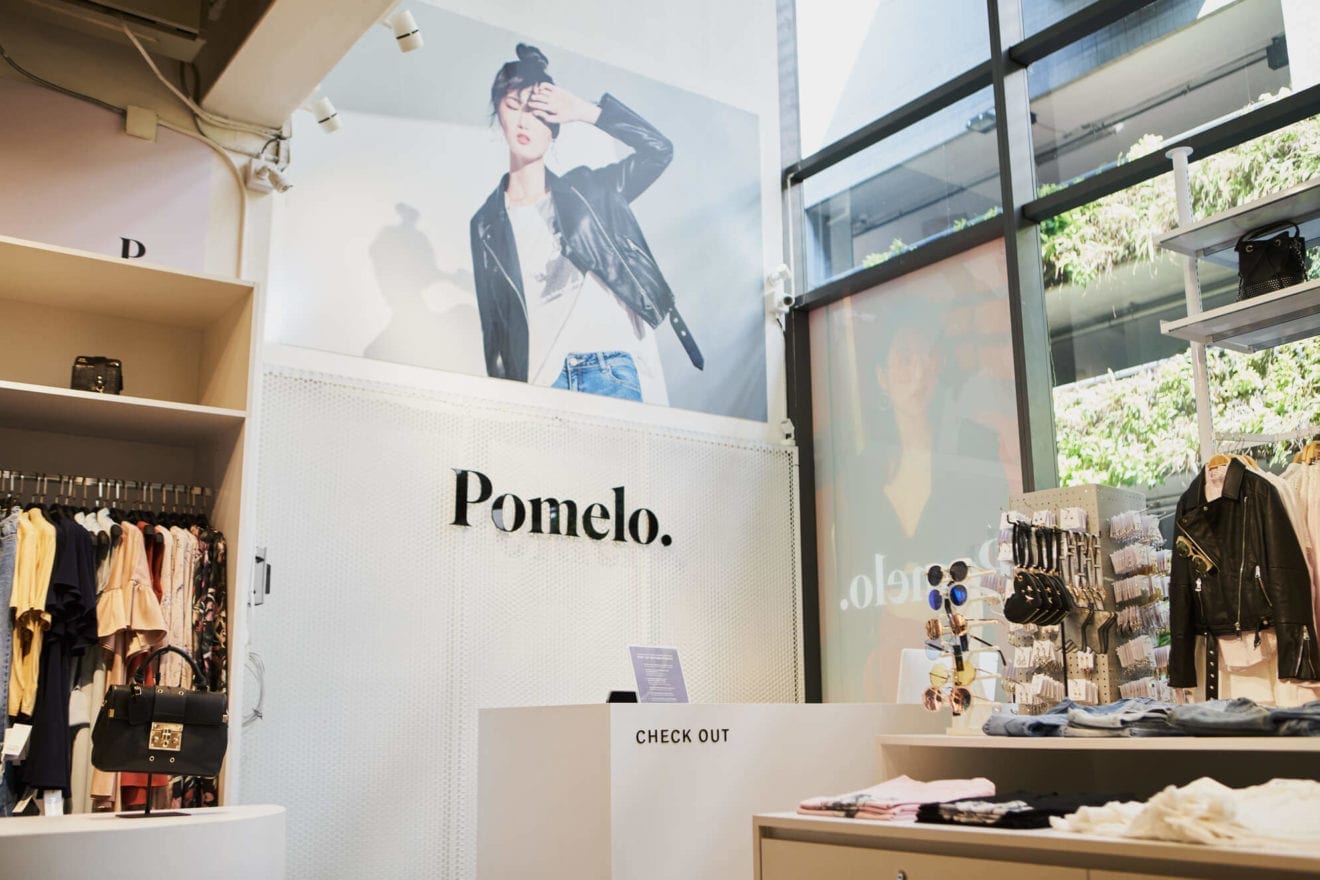
    O2O fashion brand Pomelo has launched its first cosmetics line, Beet, solidifying its identity as a one-stop lifestyle brand.

    Created with women on-the-go in mind, Beet comprises 17 products across four categories – Liquid Blush, Liquid Lipstick, Lip Gloss and Liquid Shimmer.

    All products are priced at S$10 per item and feature paraben-free and cruelty-free formulations.

    “For consumers today, beauty is integral to style,” said David Jou, Pomelo CEO, signalling the company is taking “a step in the right direction”.

    “As a fashion brand that wants to offer women everywhere their best look to become their best selves, we cannot ignore that.”

    With Beet, Pomelo provides another touchpoint for a seamless customer experience that prioritises modern consumers’ demand for convenience.

    Last month, Pomelo launched its second sustainable collection, Purpose.

  • The North Face shuts down stores

    The North Face shuts down stores

    Outdoor retailer The North Face closed its global headquarters and more than 100 stores in the US and Canada on Monday, April 22, as part of its effort to make Earth Day a global holiday.

    The store closures are the culmination of The North Face’s Explore Mode campaign, which saw the brand partner with musicians, artists and culinary influencers on pop-up events throughout the US.

    The move follows a campaign launched four years ago by fellow US outdoor retailer REI to shut its stores and website on Black Friday and instead encourage customers to #optoutside.

    Before closing its bricks-and-mortar stores in North America, The North Face switched them to Explore Mode, so customers could find resources to spend Earth “off the grid”, including an exploration kit filled with “analog gear to stay present and capture memories without the need for digital devices”.

    “We believe that when people take time to appreciate the Earth, they feel more connected to it and are more likely to protect it,” Tim Bantle, global general manager of lifestyle at The North Face, said.

    “Explore Mode urges us to unplug from our digital lives to connect in real life to the world, each other, and ourselves in the effort to move the world forward.”

    Petition to make Earth Day global holiday

    The North Face was one of 16 organisations, including global brands like Clif and S’Well, that launched a petition with Change.org earlier this month to make Earth Day a national holiday everywhere.

    At the time of this writing, more than 128,600 people had signed the petition, which has a goal to reach 150,000.

    Other retailers, such as Tapestry Inc, also took the opportunity of Earth Day to announce sustainability initiatives.

    As part of its new corporate responsibility goals, the parent company of Coach, Kate Spade and Stuart Weitzman plans to reduce its greenhouse gas emissions by 20 per cent, water usage by 10 per cent and waste in its North American corporate arm by 25 per cent and recycle 75 per cent of its packaging by 2025.

    The company also aims to source 90 per cent of the leather it uses from eco-friendly tanneries and achieve 95 per cent traceability of its raw materials to ensure a transparent supply chain.

  • King Living Opens Shanghai Flagship Store

    King Living Opens Shanghai Flagship Store

    Australian furniture and lifestyle brand King Living has opened a flagship retail store in Shanghai, continuing its global expansion into China.

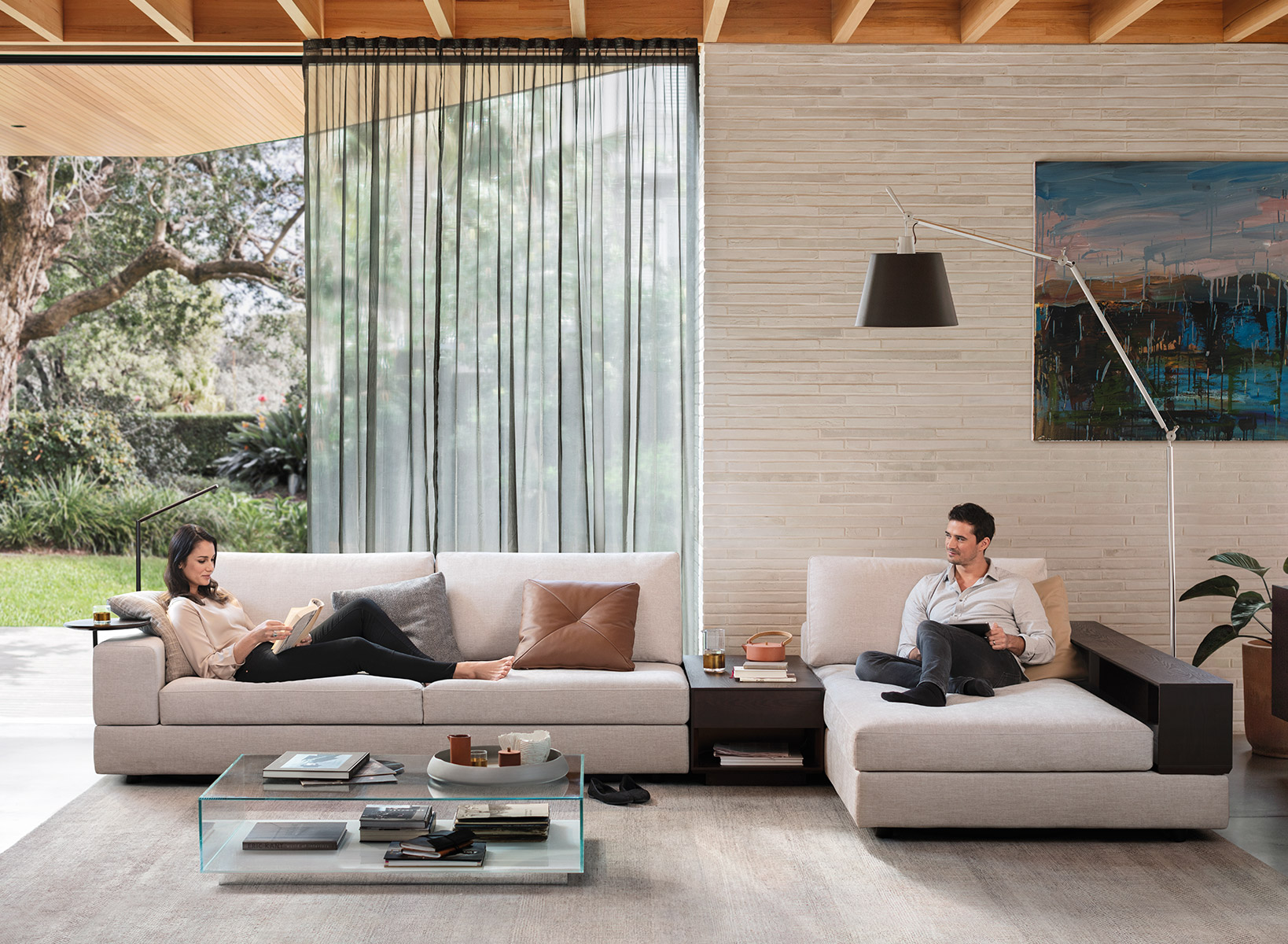
    The new 400sqm space will showcase King Living’s sofa designs, dining ranges, contemporary bed and mattress ranges, and outdoor collections.

    The brand has been a prominent player in Australian furniture design for more than 40 years, and is now continuing to seek a global audience with the opening of the new showroom in the design district of Xuhui in Shanghai.

    As King Living moves into China, it further expands its global reach with existing stores in Singapore, Malaysia, New Zealand and Canada, with a showroom opening in Vancouver slated for later this year.

    The brand represents the deep quality and barefoot luxury of the Australian lifestyle that is in high demand across China, which has been the driving force behind for its expansion.

    “Shanghai is key to King Living’s global growth strategy,” said King Living’s CEO Anna Carrabs. “China provides us with an unparalleled growth opportunity that doesn’t exist in slower-moving markets of developed countries. A key advantage for King Living is that one of our manufacturing facilities is in Shanghai, which allows us to implement initiatives and increase market penetration.

    “Being from Australia, we have a reputation for quality, and I think that sets us apart from some of our global competitors. This is a very exciting time for King Living and we look forward to seeing the Shanghai showroom thrive in what we hope will be the first of many stores in the region.”

    King Living is also one of the first Australian furniture retailers to offer Alipay and WeChat Pay as a payment option throughout all their showrooms in Australia and abroad. These platforms are the preferred payment method for Chinese consumers both domestically and internationally, enabling more customers to transact with their mobile wallet.

  • Korean GS25 launches shared-bike charging service

    Korean GS25 launches shared-bike charging service

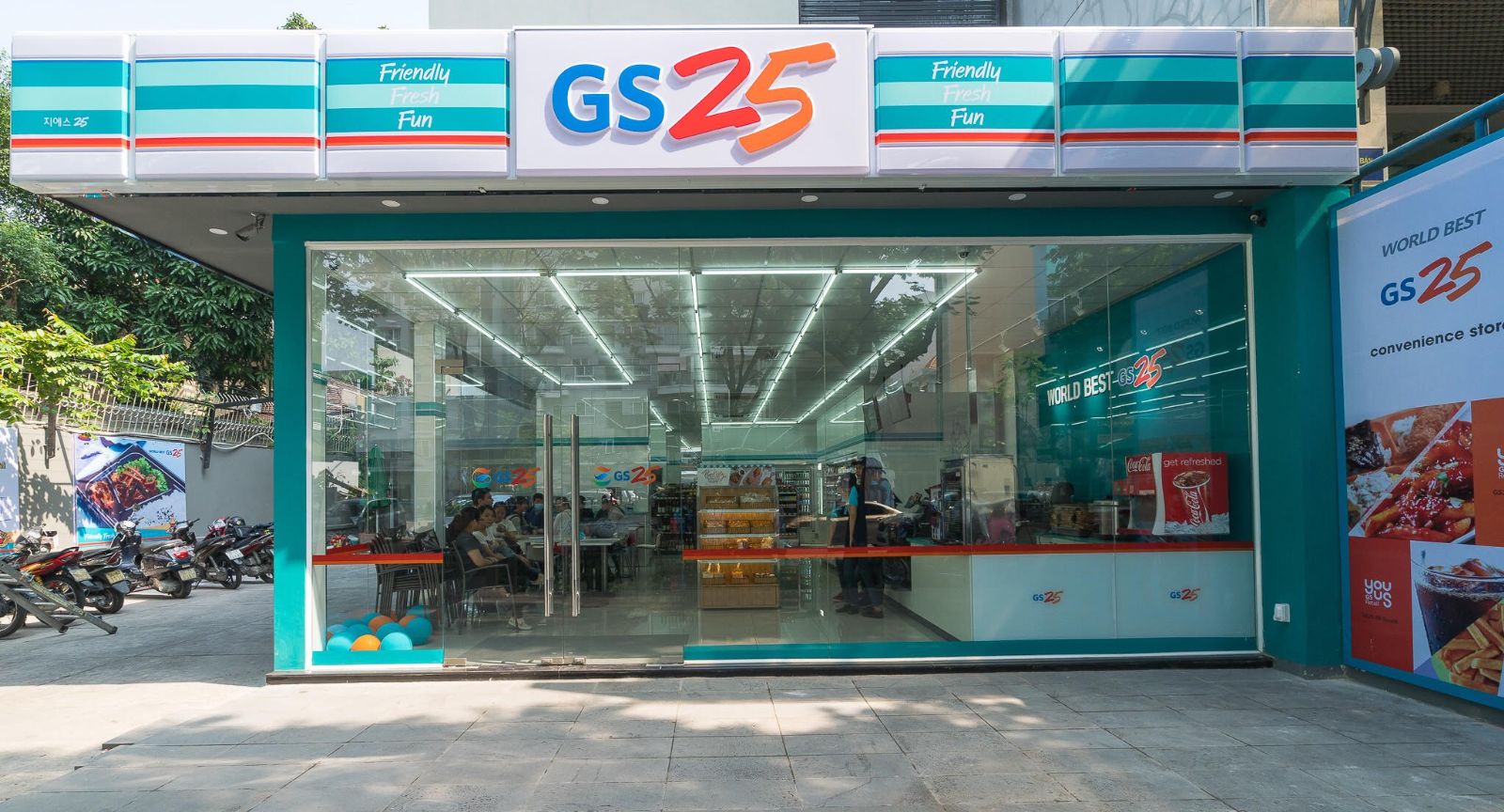
    Starting June, customers of South Korean GS25 convenience stores will be able to charge shared electric bicycles or kickboards.

    GS25 announced on Wednesday that it will set up an electric bicycle and kickboard charging service facility at its stores in partnership with the shared micro-mobility integrated platform “GoGoSing.”

    Under the terms of the deal, GoGoSing will operate 800 shared electric kickboards and shared electric bikes in Gangnam District in Seoul and Pangyo in Gyeonggi Province, while GS25 will set up charging facilities at stores in nearby areas.

    Customers will be able to use an electric kickboard and return it to a nearby GS25 store, and if they need to charge their device, they will also be able to exchange or charge batteries at the stores.

    GS25 expects that this will help convenience stores to move away from their focus on simply selling products and serve as a hub for charging various shared devices, as well as attracting new customers.

    GS Retail has introduced charging facilities for electric vehicles at 45 locales at present, and will offer delivery services for convenience store products since starting from April, in tandem with the delivery application Yogiyo.

  • Comvita Honey wholly acquires China joint venture

    Comvita Honey wholly acquires China joint venture

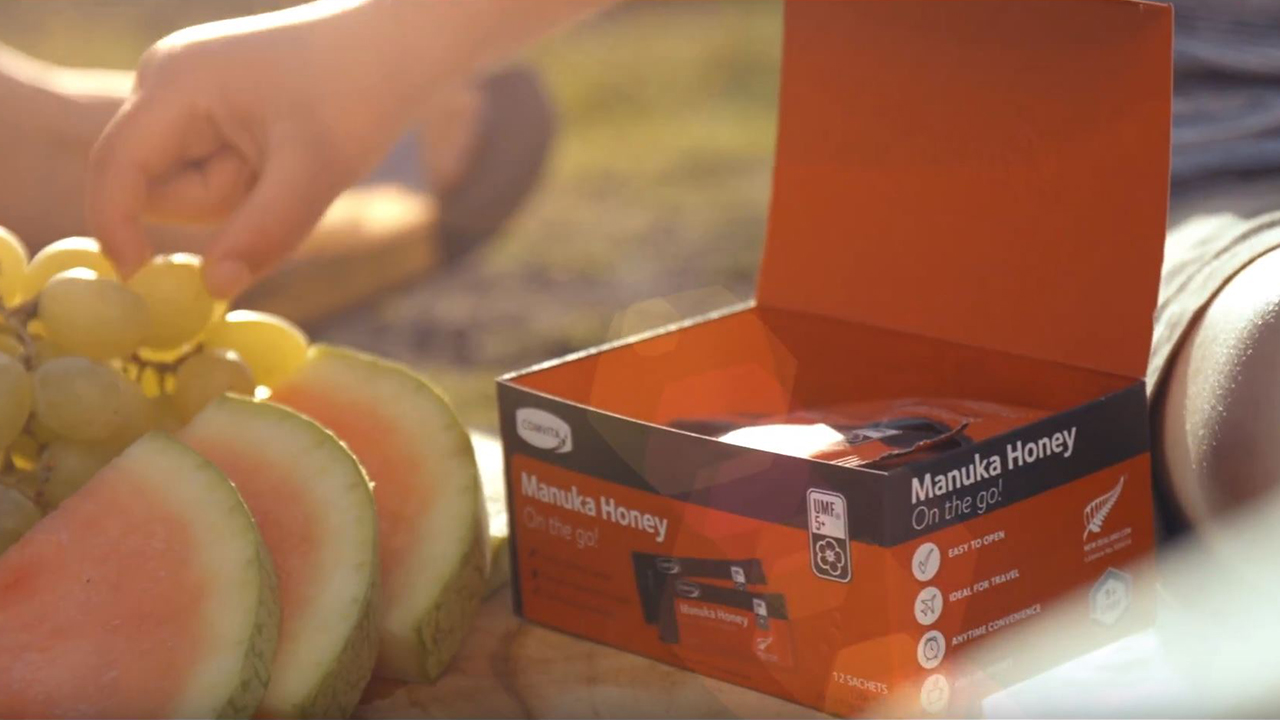
    New Zealand honey business Comvita has entered into a conditional agreement to acquire the remaining 49 per cent of its China joint venture, Comvita Food Ltd and Comvita China Limited.

    The acquisition will be funded through the issuing of 4.05 million new shares, as well as a payment of $3.19 million.

    “This completes the ‘final piece of the jigsaw’ with respect to our China Strategy, which we have been working on for a number of years,” Comvita chief executive Scott Coulter said.

    “Our goal has been to gain full control of our brand across all key channels into China. This acquisition significantly strengthens our direct to China business, the key building block in our China strategic plan.”

    According to Coulter, China remains Comvita’s strongest consumer base, with its success in the region underpinned by its efforts to get closer to the Chinese consumer.

    This was initially done through a distribution relationship for 12 years, before the business entered a 51 to 49 per cent joint venture in 2017. This acquisition is the culmination of that effort.

    “China is moving into a direct trade and a formalised cross border e-commerce model, to ensure both consumer protection and fairness in taxation between online and offline ‘players’ are in place,” Coulter continued.

    “This acquisition will provide Comvita with much more flexibility to optimise sales and channel profitability in this fast evolving environment.”

    For the remainder of the year, the brand issued three goals for the China market: to achieve price harmonisation between its channels and markets, to supply key cross border e-commerce platforms directly, and to build its e-commerce and marketing capability in the region.

    Comvita chair Neil Craig noted that while the recent period had been tough on shareholders due to the execution of the brand’s strategy in China impacting its short term earnings, the brand now expects revenue from its consolidated China business to be greater than $200 million in sales annually.

  • AirAsia to Launch Flights Between Bangkok and Ahmedabad

    AirAsia to Launch Flights Between Bangkok and Ahmedabad

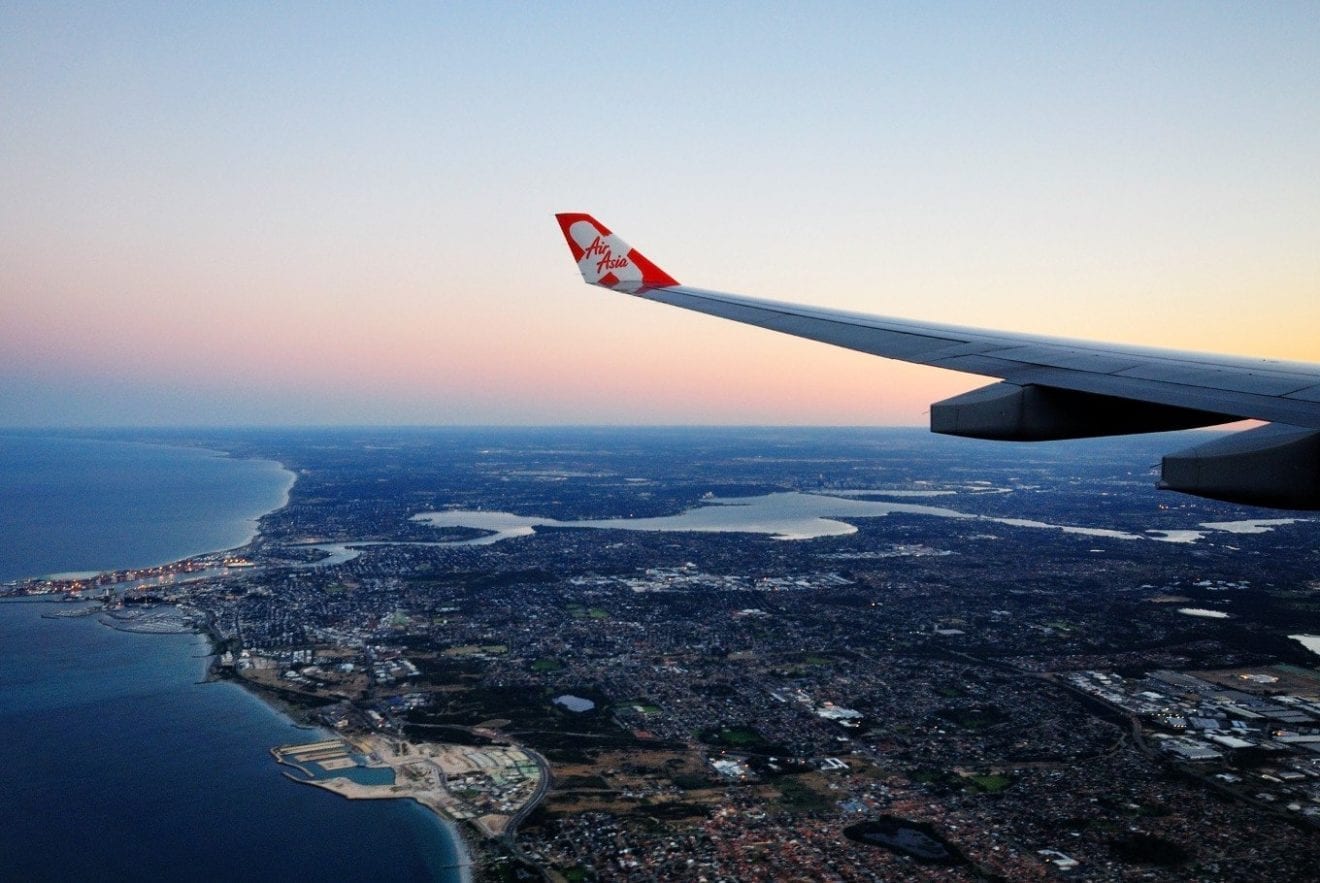
    AirAsia is to launch flights between Bangkok and Ahmedabad, the capital of Gujarat state and India’s first UNESCO World Heritage City. The airline will operate the route four times per week on Mondays, Wednesdays, Fridays and Sundays, from 31 May 2019.

    AirAsia Thailand CEO, Santisuk Klongchaiya, said, “India is a strategic market that is fast becoming an important contributor of inbound tourists for AirAsia Thailand. To fully leverage on this, we plan to regularly introduce routes connecting the two countries, focusing particularly on India’s burgeoning metros. Thailand’s own worldwide fame for hospitality should attract travellers from Ahmedabad, which is the capital of Gujarat state and India’s fifth most populous city.”

    According to Thailand’s Ministry of Tourism and Sports, Thailand welcomed 1.5 million Indian visitors in 2018, up 12% on the previous year.

    Thai AirAsia has recorded a load factor of up to 87% on its India routes, with passengers travelling between Bangkok and existing destinations in India increasing 7% year-on-year. Indian nationals made up 85% of passengers on those routes.

  • Ashley Furniture HomeStore Opens Largest Flagship Store in Kuala Lumpur

    Ashley Furniture HomeStore Opens Largest Flagship Store in Kuala Lumpur

    World No.1 selling furniture store brand, Ashley Furniture HomeStore, celebrated the grand opening of its largest flagship HomeStore in Quill City Mall today.

    Owned and operated by HAUSLIFE Furniture Sdn Bhd (HAUSLIFE), the sole licensee and operator of Ashley Furniture in Peninsular Malaysia, Ashley Furniture HomeStore at Quill City Mall marks the company’s fourth store in Malaysia.

    The 1300 square meter HomeStore’s interior architectural design include Ashley Lifestyle collections – ‘Family Spaces’. ‘Vintage Casual’, ‘Urbanology’, ‘New Traditions’ and ‘Contemporary Living’; meandering walkway through the showroom as well as unique and inspiring wall finishes. Product categories include upholstery set, bedroom set, dining room, home office, recliners, mattresses and accessories.

    Yu Kong Ching, Founder and CEO of HAUSLIFE, said, “Clearly, Ashley’s brand of furniture products have struck a chord amongst Malaysian consumers and this is reflected in the tangible growth of the brand’s presence here in Malaysia.”

    “The opening of this flagship store is also a testament to HAUSLIFE’s commitment, dedication and know-how in strengthening Ashley Furniture’s continued success in Malaysia in terms of market share and brand recognition.”

    According to Yu, HAUSLIFE aims to open eight (8) Ashley Furniture HomeStores by 2022. “There is still a lot of room for us to grow in the Malaysian market, more so as we see an ever-growing demand for quality, value, style and excellent service by discerning consumers in the retail furniture market,” Yu added.

    Speaking at the launch of Ashley Furniture HomeStore Quill City Mall today, Mr Robin Lim, VP sales of Asia for Ashley Furniture HomeStore, said, We are excited to see the Ashley brand expanding aggressively in Malaysia. The ASEAN region, including Malaysia, is essential to Ashley Furniture’s global growth plans.”

    Comprehensive E-commerce platform

    In tandem with the global trend towards embracing the digital lifestyle, Ashley Furniture HomeStore recently launched its e-commerce platform only for the Malaysian market. Developed to be user-friendly yet feature-packed with great deals, this online platform allows Ashley’s customers from all over Peninsular Malaysia to purchase Ashley products from authorized retailer online.

    Exclusive Affiliate Program for Interior Designers

    HAUSLIFE Interior Designer Affiliate (HIDA), an incentive program custom-built by HAUSLIFE for interior designers, was launched in 2015 With over 215 affiliates, HIDA aims to empower interior designers today to have the mean to realise their creative vision and make life better. The program brings lots of benefits including exclusive deals on Ashley and HAUSLIFE products as well as access to new and selected products.

  • Bubble tea, the next gold mine

    Bubble tea, the next gold mine

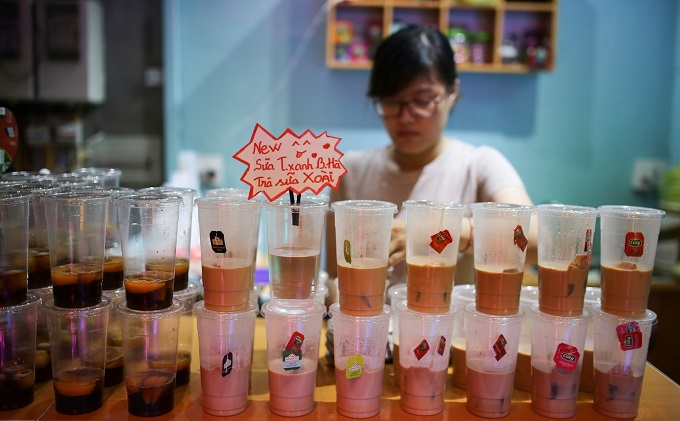
    Investors are flocking into the bubble tea market since demand is booming across the country. Market researchers have found the market is growing at 20 per cent a year and reached US$300 million two years ago. There are over 100 brands already and many more famous names are flocking in.

    In large cities like HCM City and Hà Nội, it is easy to find bubble tea stores belonging to major brands like Alley, Gongcha, Phúc Long, Ten Ren, and Royaltea.

    There are also smaller stores with cheaper prices run by small business people.

    Seeing the demand, many coffee chains like Highlands and The Coffee House and restaurants have added bubble tea to their menu.

    Besides bubble tea simply being a popular drink for various age groups, the shops selling it have become a haunt for youngsters because of their facilities and decor.

    A spokesperson for a famous brand name, Gong Cha, said: “Competition in bubble tea market in Việt Nam is a marathon.

    “Bubble tea has established itself on the Vietnamese food and drink scene. Bubble tea shops are no longer just places selling beverages. They are places featuring a speciality totally different from traditional places like coffee stores and restaurants.”

    Brand expert Võ Văn Quang was quoted as saying by Người Lao Động (The Labourer) newspaper that the popular drink in Hong Kong and Taiwan has undergone many changes in the Vietnamese market with many toppings to match Vietnamese tastes.

    “Milk tea is now a popular drink among Vietnamese youth.”

    Most of the milk tea brands have come to Việt Nam as franchises, he said.

    “At prices of VNĐ30,000 to over VNĐ80,000, bubble tea is brining huge profits. That is why foreign brands are keen on franchising in Việt Nam.”

    A bubble tea shop is much cheaper to set up than a coffee shop while the profits are huge, he said.

    Dr Đào Duy Khương, a retail expert, said milk tea, unlike coffee and tea, targets youths in big cities, and this demographic’s consumption behaviour is trendy meaning investors should change their offerings frequently.

    It is not surprising several brands closed in recent times, he added.

  • Hong Kong fitness centres named and shamed

    Hong Kong fitness centres named and shamed

    Expressing deep concern for “unscrupulous sales practices” of some Hong Kong fitness centres, the Consumer Council has named and shamed four operators it says targets young consumers with high-pressure sales tactics.

    “After careful consideration, the council today publicly names four fitness centres and strongly reprimands them for their undesirable sales practices targeting inexperienced young consumers,” the council said in a statement. “The complaint cases levelled against the four centres involved some $40,000 on average and in the most extreme case it stunningly reached the sum of $1.75 million.”

    The council said the centres’ behaviour is “detrimental to consumer rights and interests”.

    The four centres shamed are:

    • SML Studio/TIA Studio, CMB Wing Lung Bank Centre, Nathan Road, Mong Kok.
    • Fitness Express, Mongkok Metro, Nathan Road, Mong Kok and Grand Place, Nathan Road, Mong Kok.
    • Legend Fight & Fitness, Russell Street, Causeway Bay.
    • A Plus Fitness, Argyle Street, Mong Kok.

    More than 90 per cent of the complaints the council has received relating to the Hong Kong fitness centres, related to customers aged 25 or younger, and some of the victims were even mentally incapacitated.

    “High-pressure tactics were deployed throughout the course of the sales process. Young consumers, under threat of personal safety, succumbed to the unrelenting pressure to sign the contracts so as to swiftly escape from the uncomfortable situation. Some traders also resorted to unconventional payment methods, including taking the complainants to major chain stores to buy gift vouchers to pay for fitness centre memberships, or requiring bank transfers or electronic payments and in some cases the funds were transferred to the personal accounts of the salesperson.

    “Consumers were generally given only a copy of the signed contract but not an official payment receipt.  Recent complaints have indicated that they were not even given a copy of the service agreement.”

    The council said most complainants were allegedly forced to have a photo or video taken, or were made to declare and sign a statement that they had signed the contract of their own free will, and that they would not make any claims against the company in the future.

    “Since the payments are made indirectly to the fitness centres, and there are no official receipts, it is incredibly difficult for consumers to seek legal redress in the face of such blatant disregard of consumer rights.”

    Targeting the young

    According to the council there has been a growing emergence of small independent Hong Kong fitness centres in areas frequented by young people, such as Mongkok and Causeway Bay, in recent years.

    “Unscrupulous traders have seized the opportunity to set up fitness centres in small premises with limited gym facilities, so it’s hard to believe they have ever had a long-term development plan to provide quality service to consumers.

    “In general, the modus operandi of these centres involves staff first appealing to the sympathy of complainants to help filling out a questionnaire, and then luring them to a nearby fitness centre. Once inside the premises, another sales team take over and use warm and friendly persuasion to lower the targets’ alertness as much as possible. On the pretext of validating the questionnaire, they then coax the targets to hand over their credit cards and identity cards with the actual intention of drawing up a contract and transferring funds.”

    It was further alleged that any attempts to leave the premises were often met with oral and even physical threats of the staff.

    In the past year, the council received 160 complaints against the four fitness centres, involving $6.78 million.  In the case of the highest amount from A Plus Fitness, within just four months, the complainant was persuaded to buy a 15-year membership and 1050 private coaching sessions, totalling more than $1.75 million.  Hundreds of thousands of this amount was borrowed from a moneylender. After explaining that the fitness centre could not open a credit-card account, its staff asked the complainant to make electronic transfers to pay for the membership and coaching sessions through 20 transfers of some $1 million in total.

    Complaints against Legend Fight & Fitness revealed an even more unusual means of payment method. The complainants were taken to nearby electronic goods and personal care chain stores to buy gift vouchers worth tens of thousands of dollars as payment for the fitness expenses.  As the complainants paid for the fitness centre membership with gift vouchers purchased from a third party and the fitness centre kept the receipts for the gift vouchers without giving a copy to the complainants, this will make it difficult for complainants to seek legal remedy in the future.

    Despite repeated enquiries by the council about how the fitness centre converted the gift vouchers to cash and deposited the cash into the company’s bank account, the centre staff refused to respond.

    Of the 237 complaint cases levelled against the four Hong Kong fitness centres between January last year and last February, the council referred 16 complaints to the Customs and Excise Department (CED) for follow-up whereas 51 complainants approached the CED direct to report their cases. Two other cases are currently receiving assistance from the Consumer Legal Action Fund (CLAF).

    Complaints escalate

    The council says that while the number of complaints about sales malpractices have been declining in recent years, after removing complaints relating to fitness centres closing down, those relating to the fitness sector have shown no signs of declining, running at 500 to 700 cases a year.  Complaints about sales malpractices have continued to rise unabated, jumping 88 per cent last year to 415 cases.

    The council advised consumers who felt coerced into signing a contract for an unreasonable amount to discuss the problem with their family immediately and if necessary, contact the Consumer Council or report the business to the Customs and Excise Department or the police.

  • SM Group introduces first Customer Service Robot

    SM Group introduces first Customer Service Robot

    SM Group has employed its first in-mall customer service robot, at SM Megamall.

    Named Sam, the AI humanoid robot is designed to help customers with directions and information about the latest mall deals, promotions and events.

    “Innovation is what SM strives for in providing better customer service to all and we are proud to introduce our latest innovation yet,” said Steven Tan, SM Supermalls COO.

    “Sam is easy to approach and has answers to almost everything SM mall related, making shopping more seamless and fun for our customers.”

    Equipped with an advanced face-recognition technology, Sam can also make personalised greetings to customers at Mega Atrium, Mega Fashion Hall and Bank Drive.

    Customers can also chat with Sam through the SM Supermalls Facebook page 24/7 to get information on branch locations, mall schedules and promotions.

    Created in partnership with the Cal-Comp Technology, Sam will be upgraded with more functions to provide a more fun and engaging shopping experience.

  • Macpac expands more with Adventure Hubs

    Macpac expands more with Adventure Hubs

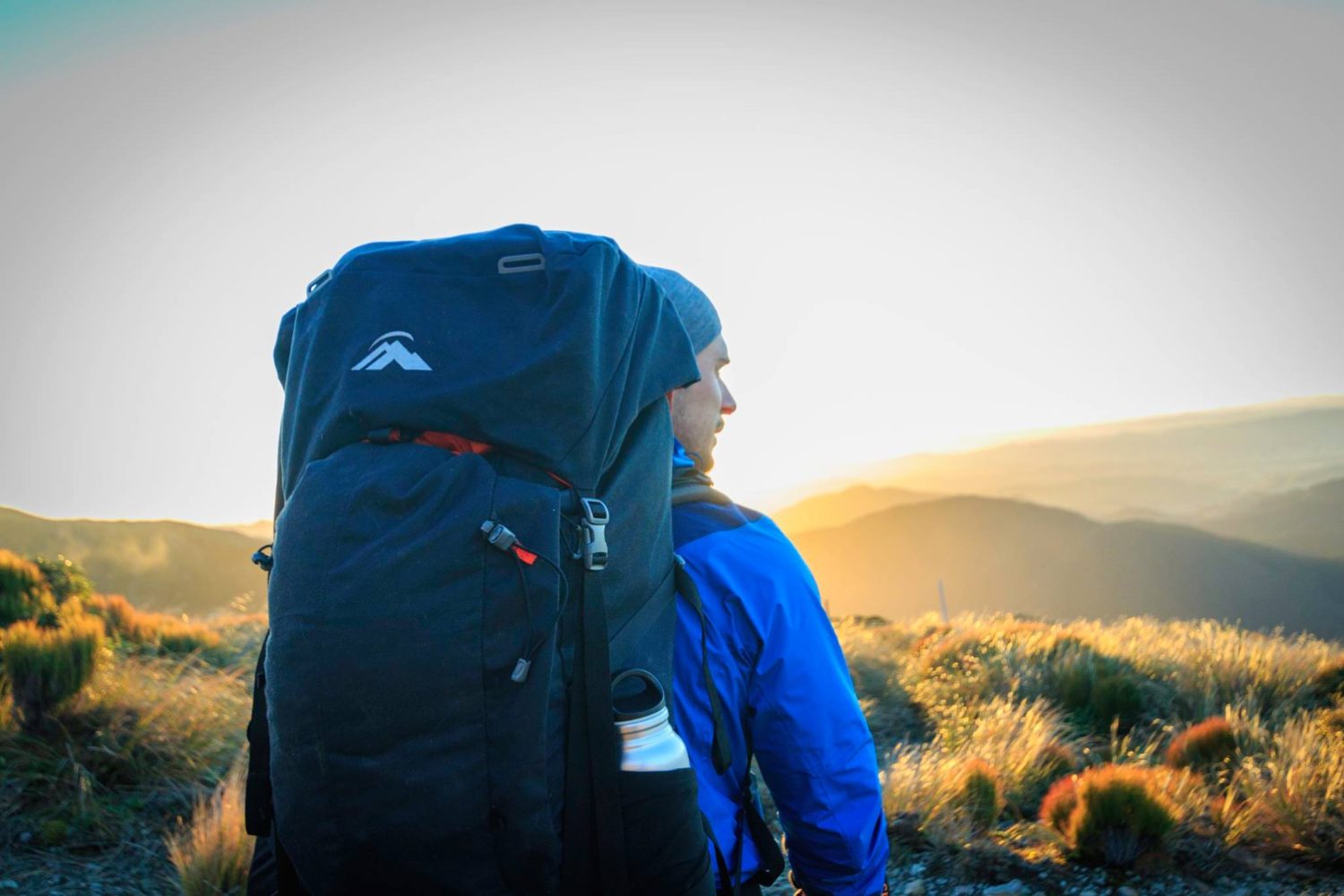
    Super Retail Group’s outdoor retail chain Macpac has opened nine new ‘Adventure Hub’ stores, further expanding the brand’s reach across Australia to 34 locations.

    Five of the new format stores are located in Victoria, and are buoyed by a new store in NSW, South Australia, Queensland and the ACT.

    The Adventure Hub format combines Macpac’s full range with a curated selection of apparel, equipment and accessories from brands such as Patagonia, Yeti and Merrell.

    Macpac chief executive Alex Brandon said the business was excited about the potential the Adventure Hubs format offers.

    “We set out to create Australia’s premium destination for outdoor product and adventure advice, and I think we’ve achieved that aim in these first nine stores,” Brandon said.

    “The Adventure Hubs offer the full range of Macpac gear alongside other world-class outdoor brands…supported by a friendly, knowledgeable team ready to give everyone adventure advice.”

    Macpac’s Adventure Hubs also feature services to make preparing for a trip easier on customers, such as providing packing lists to ensure they don’t forget anything they might need, expert pack-fitting by Macpac team members, world maps to help envision the next big trip, as well as a mini-library providing further travel inspiration.

    Former Super Retail Group chief executive Peter Birtles previously said there was potential for the Macpac brand to grow to 75 locations across Australia and New Zealand, with an additional 20 larger format locations.

    However, Birtles also noted there was a significant future for the business online, rather than through constant store roll-outs.

    “We certainly see that this is a market that has strong opportunity in terms of digital, and so we’d anticipate a high component of the business coming from a digital channel,” Birtles said.