Retail News CRM

Tag: Mall

  • SM Investments Elevates Entertainment Offerings to Captivate the Next Generation of Shoppers

    SM Investments Elevates Entertainment Offerings to Captivate the Next Generation of Shoppers

    SM Investments Corporation (SMIC) is on a mission to reshape the retail landscape in the Philippines by transforming malls into vibrant experience hubs. With millennials and Gen Z leading the charge for prioritizing experiential engagement, SMIC is ramping up its entertainment offerings across various sectors, including shopping malls, arenas, logistics, and banking.

    The company has notably invested in Klook, an Asia-based experiences platform, while its 2GO shipping service features innovative karaoke lounges and arcades, proving that who said you can’t sing on the high seas? In addition, BDO Unibank and China Bank are enhancing their lifestyle rewards programs to cater to this experience-hungry demographic. These initiatives strategically position SMIC to tap into the booming ₱1.94-trillion Philippine creative economy, which saw a robust growth of 8.7% in 2024.

    SM is elevating the concept of malls, convention centers, and arenas into immersive experience centers. Today’s consumers are increasingly seeking inclusivity, community, and interactive engagements, prompting a shift from traditional retail spaces to dynamic entertainment venues. Joaquin San Agustin, EVP for marketing at SM Supermalls, emphasizes that this evolution caters to a diverse audience, from gamers to food enthusiasts and pop culture aficionados.

    The Mall of Asia Arena continues to attract global talents and is set to be complemented by an even larger arena in Cebu. Meanwhile, the SMX Convention Center is witnessing a surge in bookings for events such as fan meets, gaming expos, and pop culture conventions, reflecting the growing appetite for interactive experiences.

    By focusing on entertainment, SM not only drives foot traffic but also cultivates valuable partnerships and creates leisure spaces throughout its venues, including a FIFA-grade football pitch at SM MOA Sky.

    Questions & Answers

    What is SMIC’s main strategy in enhancing its retail offerings?
    SMIC is focusing on developing entertainment options throughout its businesses, transforming malls into experience hubs to cater to the growing demand for immersive and interactive experiences among younger consumers.

    How does SMIC’s investment in Klook fit into its broader strategy?
    The investment in Klook aligns with SMIC’s goal of tapping into the creative economy by providing diverse experiential offerings, which appeal particularly to millennials and Gen Z consumers seeking unique adventures.

    What types of events are gaining popularity at SM venues?
    Events like gaming expos, fan meets, and various pop culture gatherings are seeing increased attendance at SM venues, reflecting a shift toward community-focused and interactive experiences.
  • Hanoi Welcomes a Stunning 50,000sqm Luxury Mall Set to Open This Year!

    Hanoi Welcomes a Stunning 50,000sqm Luxury Mall Set to Open This Year!

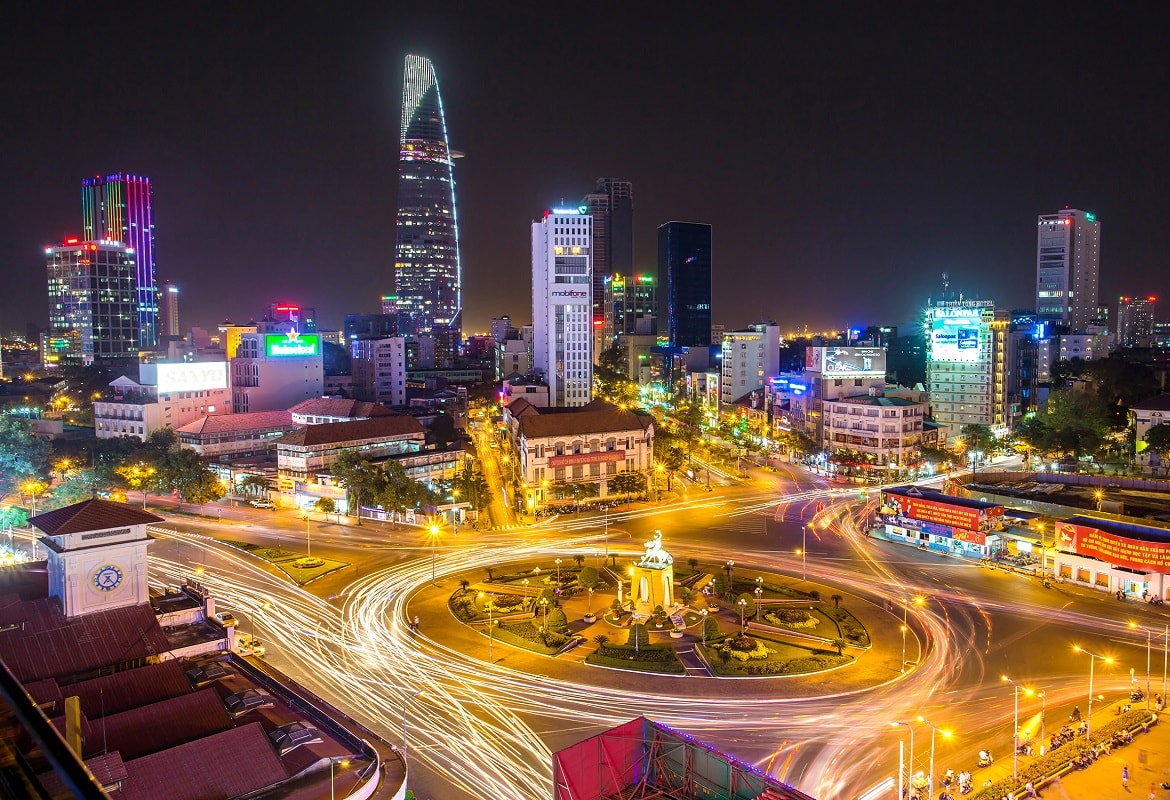
    The retail landscape in Hanoi is poised for a transformative shift, particularly with the impending launch of the Hanoi Centre shopping mall, set to debut in 2025. Located within the Tien Bo Plaza mixed-use project, this 50,000 sqm retail space promises to bring fresh shopping experiences to the city. Meanwhile, the City Fringe area will see the addition of Takashimaya, a 20,000 sqm retail gem slated for completion by the end of 2026. With this wave of new supply, landlords may find themselves in a tug-of-war to entice tenants by offering attractive lease terms in a competitive environment.

    Market Dynamics and Current Trends

    Despite some turbulence, particularly marked by a negative net absorption of 25,530 sqm—largely due to Vincom Nguyen Chi Thanh’s exit from the Prime retail basket after downsizing—Hanoi’s retail market is not without optimism. The recent report from JLL underscores a resilient performance in the food and beverage, lifestyle, and entertainment sectors, especially those appealing to Gen Z and families. “New entrants and expansions—featuring Asian brands like KKV, OH!SOME, and Mr DIY—signal a strong leasing activity, as these businesses secure significant retail spaces ranging from 500 to 1,000 sqm,” the report noted.

    Impact of Recent Developments

    The second quarter of 2025 did not welcome any new prime mall openings, leaving the supply in the City Centre at 55,000 sqm. Conversely, the City Fringe saw its total retail space contract to 581,045 sqm with the exclusion of Vincom Nguyen Chi Thanh. As a result, the City Centre’s vacancy rate crept up slightly to 4.6%, but with new vacancies set to attract tenants by late 2025. In contrast, City Fringe’s vacancy rate dropped to 7.3%, benefiting from the supply adjustments.

    Rent Dynamics and Future Prospects

    When it comes to retail rents, Hanoi’s City Centre experienced a monthly climb to USD 132.6 per sqm for ground-floor spaces in Q2. Meanwhile, rents in the City Fringe stabilized at USD 54.2 per sqm. Year-on-year, this marked a 3% increase in City Centre rents, even as City Fringe saw a slight dip of 0.9%. The competitive landscape of premium malls, including Lotte Mall West Lake and the upcoming Takashimaya, Thiso Mall Westlake, and CJ Shopping Centre slated for 2026-27, suggests that rent growth in the City Fringe will be measured in the coming years.

    As the retail scene evolves, it appears that the thrill of shopping in Hanoi will continue to attract not only local shoppers but also adventurous visitors eager to explore fresh offerings. After all, you never know when a delightful discovery will pop up right around the corner!

    Questions & Answers

    What are the key upcoming developments in Hanoi’s retail sector?
    The Hanoi Centre shopping mall, a significant 50,000 sqm venue, is expected to open in 2025 within Tien Bo Plaza, while Takashimaya is anticipated to add another 20,000 sqm to the City Fringe by the end of 2026.

    How has occupancy changed in Hanoi’s retail market?
    The City Centre’s vacancy rate has slightly increased to 4.6%, while the City Fringe saw a decrease to 7.3%, largely due to the exclusion of Vincom Nguyen Chi Thanh from the Prime retail basket.

    What trends are impacting retail rents in Hanoi?
    Retail rents in the City Centre have increased by 3% year-on-year, reaching USD 132.6 per sqm, while City Fringe rents have dipped by 0.9%. The competitive landscape, driven by new mall developments, poses challenges for rent increases in the City Fringe.

  • Clementi Mall Hits Singapore Market With S$750 Million Price Tag Amid Cuscaden Peak’s Portfolio Optimization Strategy

    Clementi Mall Hits Singapore Market With S$750 Million Price Tag Amid Cuscaden Peak’s Portfolio Optimization Strategy

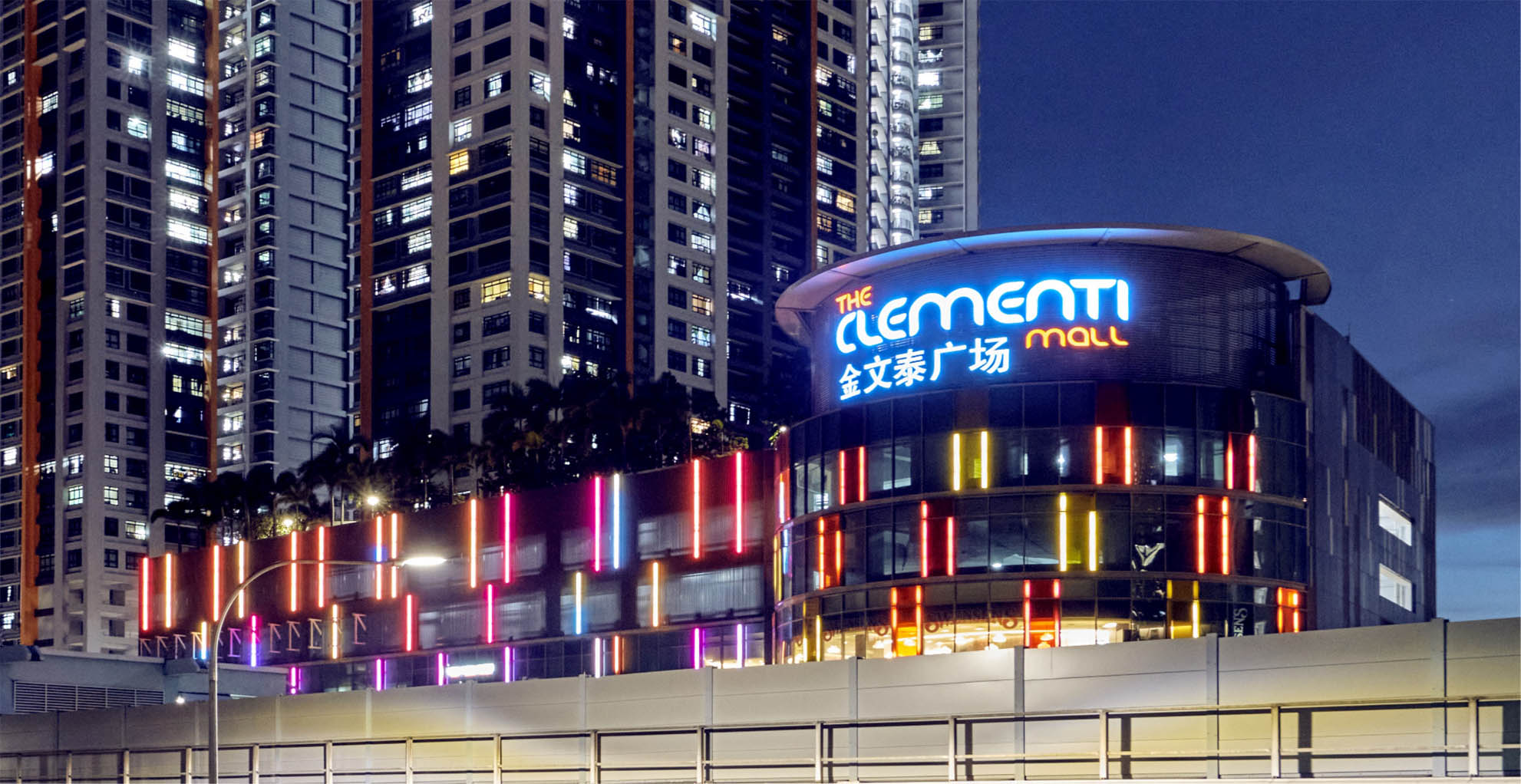
    Cuscaden Peak Investments has made the decision to put the Clementi Mall, located in Singapore, on the market. The asking price for the suburban, mid-range shopping hub is expected to be around S$750 million, as per sources privy to the matter.

    Property Details and Background

    The Clementi Mall is a bustling hub of activity, featuring a six-storey retail podium along with a basement level. The mall is home to approximately 160 tenants, providing a wide range of services and products to meet various consumer needs. A key selling point for the commercial property is its direct link to the Clementi MRT station, which attracts an impressive footfall of around 300 million visitors annually.

    The rumored sale is reportedly a part of Cuscaden Peak Investments’ larger business strategy of portfolio optimization and capital recycling.

    The mall’s current asking price represents an increase of about 15% compared to its previous valuation of approximately $645 million in December of the previous year.

    Managing the Sale

    To streamline the sale process, two renowned real estate service providers, Cushman & Wakefield and Savills, have been appointed.

    Cuscaden Peak Investments, the current owner of the mall, is a wholly-owned subsidiary of Cuscaden Peak. The latter, a consortium, was initially founded by Hotel Properties Ltd (HPL), CLA Real Estate Holdings of CapitaLand, and a Mapletree Investments unit.

    In 2022, this consortium made headlines by acquiring Singapore Press Holdings (SPH), which included The Clementi Mall within its portfolio. The mall was a part of SPH Real Estate Investment Trust and was later rebranded as Paragon Reit.

    Over time, HPL chose to exit the consortium. Subsequently, Paragon Reit underwent privatization in April and was delisted in June.

    Questions & Answers

    What is the estimated value of the Clementi Mall?
    The current asking price for the Clementi Mall is around S$750 million, which is a 15% increase from its valuation in December of the previous year.

    Who are the managers appointed for the sale of the mall?
    Real estate service providers Cushman & Wakefield and Savills have been tasked with managing the sale of the mall.

    Who are the current owners of the Clementi Mall?
    The Clementi Mall is currently owned by Cuscaden Peak Investments, a subsidiary of Cuscaden Peak.

  • Banana Sisters Boosts Global Expansion With Second Flagship Store In Southeast Asia

    Banana Sisters Boosts Global Expansion With Second Flagship Store In Southeast Asia

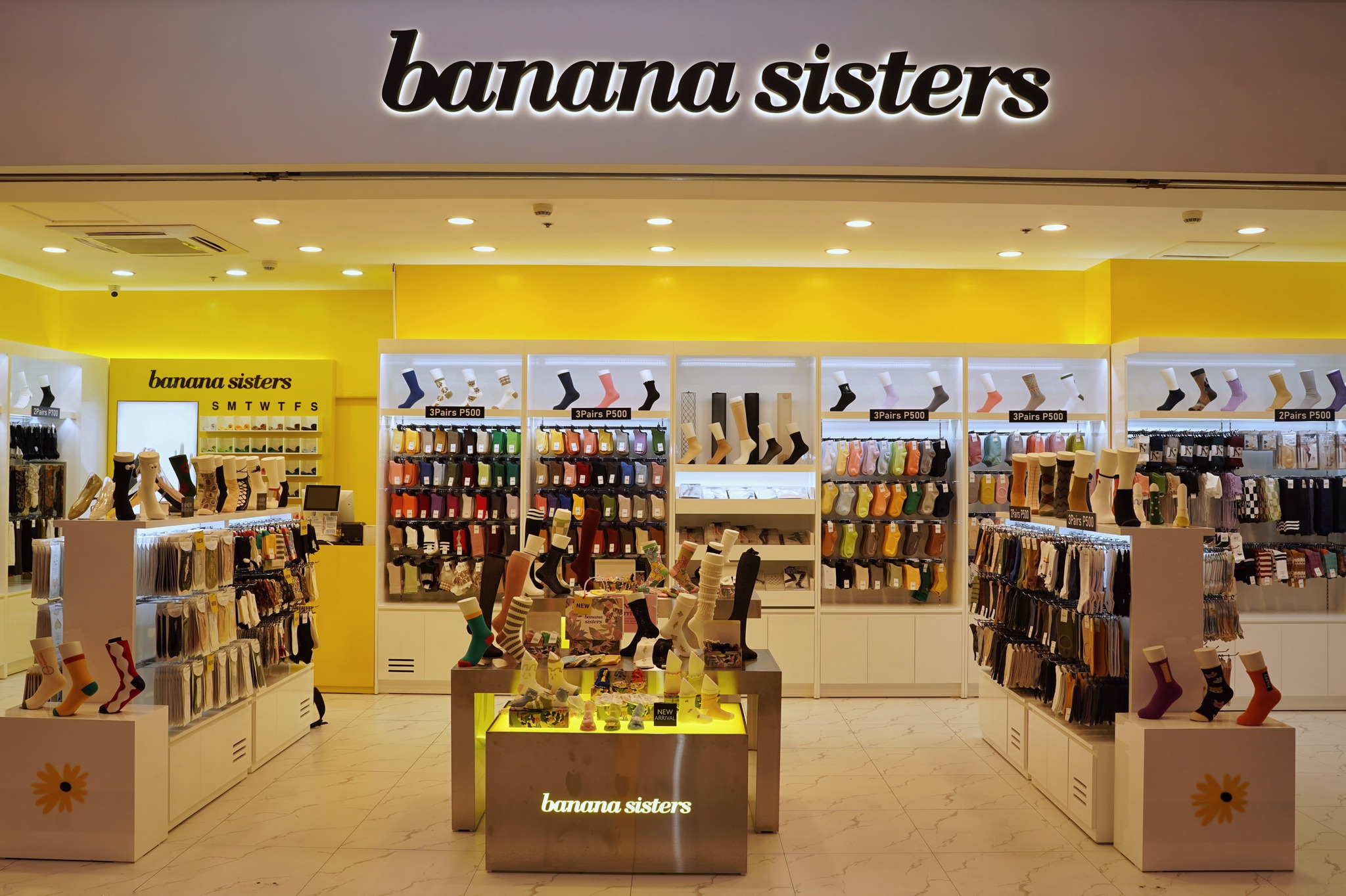
    Banana Sisters, a South Korean legwear brand, has broadened its global presence by launching its second international flagship store in the SM Mall of Asia. This move forms part of the company’s broader expansion plan in Southeast Asia.

    The new retail outlet occupies a 46-square-meter area situated on the third floor of the mall’s Entertainment section. Shoppers will find an impressive variety of approximately 300 different sock styles in the store. Additionally, the store boasts a range of branded merchandise such as T-shirts, caps, and a selection of eco-friendly bags.

    Banana Sisters is the umbrella company for several sub-brands. These include Banana Sisters, which caters to women, Banana Brothers for men, Biarritz offering chic styles, Bitz for sportswear, and Banana Kids for children’s wear.

    In addition to expanding through physical stores, Banana Sisters also plans to establish an e-commerce platform dedicated to the Philippines. This online venture is set to launch by the end of next year and will provide local payment options and nationwide delivery service.

    Yong Ju Jung, the CEO of Banana Sisters, affirmed that the store at the Mall of Asia will play a crucial role in expanding the brand’s presence in the region.

    Questions & Answers

    What is Banana Sisters’ recent strategic move in Southeast Asia?
    Banana Sisters, a South Korean legwear company, has launched its second international flagship store in the SM Mall of Asia.

    What can shoppers expect to find in the new Banana Sisters store?
    The store boasts approximately 300 different sock styles, as well as a range of branded apparel and accessories, including T-shirts, caps, and eco-friendly bags.

    What are Banana Sisters’ future plans besides expanding their physical stores?
    The company has plans to launch a dedicated Philippine e-commerce platform by the end of next year, offering local payment options and nationwide delivery.

  • JD Mall to open first physical store in Hong Kong

    JD Mall to open first physical store in Hong Kong

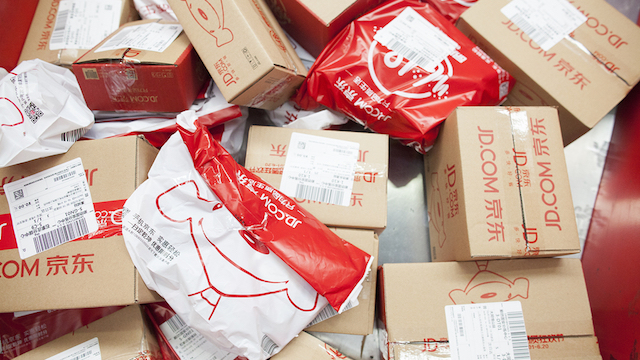
    China’s JD.com is preparing to open its first brick-and-mortar store in Hong Kong as part of its expansion efforts.

    The company is currently in search for a location for its offline superstore, focusing on home appliances and consumer electronics, similar to JD Mall locations in Mainland China.

    While the Hong Kong store is expected to follow a similar model, space constraints may lead to a more compact format.

    A spokesperson from the company confirmed to news agency Ming Pao that new JD Mall stores will launch across the region this year but did not specify locations.

    However, industry sources say that the company has been actively recruiting talent from Hong Kong’s electronics retail sector since last year.

    Last year, its property division acquired the entire Li Fung Centre in Sha Tin, and related companies have also moved into Jardine House in Central.

    In Mainland China, JD Mall stores operate in cities such as Beijing, Guangzhou, and Chongqing, offering electronics, home appliances, and lifestyle products.

  • Aeon plans to triple Vietnam malls

    Aeon plans to triple Vietnam malls

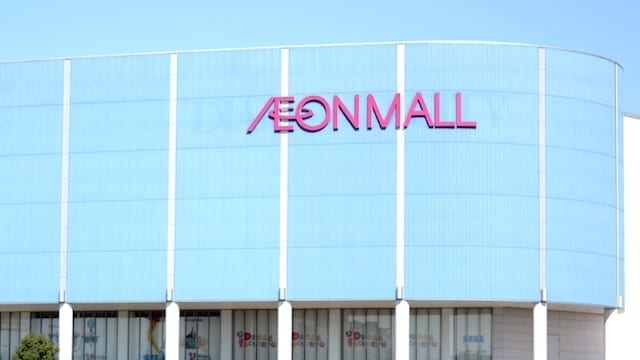
    Japanese retailer Aeon plans to triple the number of malls in Vietnam by 2025 as part of its expansion strategy to meet the needs of a growing middle class population.

    A report said the number of Aeon malls will nearly triple to 16 throughout Vietnam.

    Aeon has some 200 stores in Vietnam at present, including six shopping malls.

    The stores are concentrated in Ho Chi Minh City and Hanoi, Vietnam’s biggest metropolises.

    A mall will be opened in the central town Hue in 2024.

    The company is also considering increasing its supermarkets in Hanoi to 100 by 2025, about 10 times the current number.

    Vietnam is “the most important market in our overseas strategy,” the report quoted a senior Aeon executive as saying.

    The country has a population of 100 million people with an average age of 33. Economic growth of more than 7% is expected this year in a repeat of last year’s performance.

    Aeon entered Vietnam in 2014 and has invested over $1.18 billion in the country to date.

  • LaLaport to make Southeast Asian debut in Malaysia

    LaLaport to make Southeast Asian debut in Malaysia

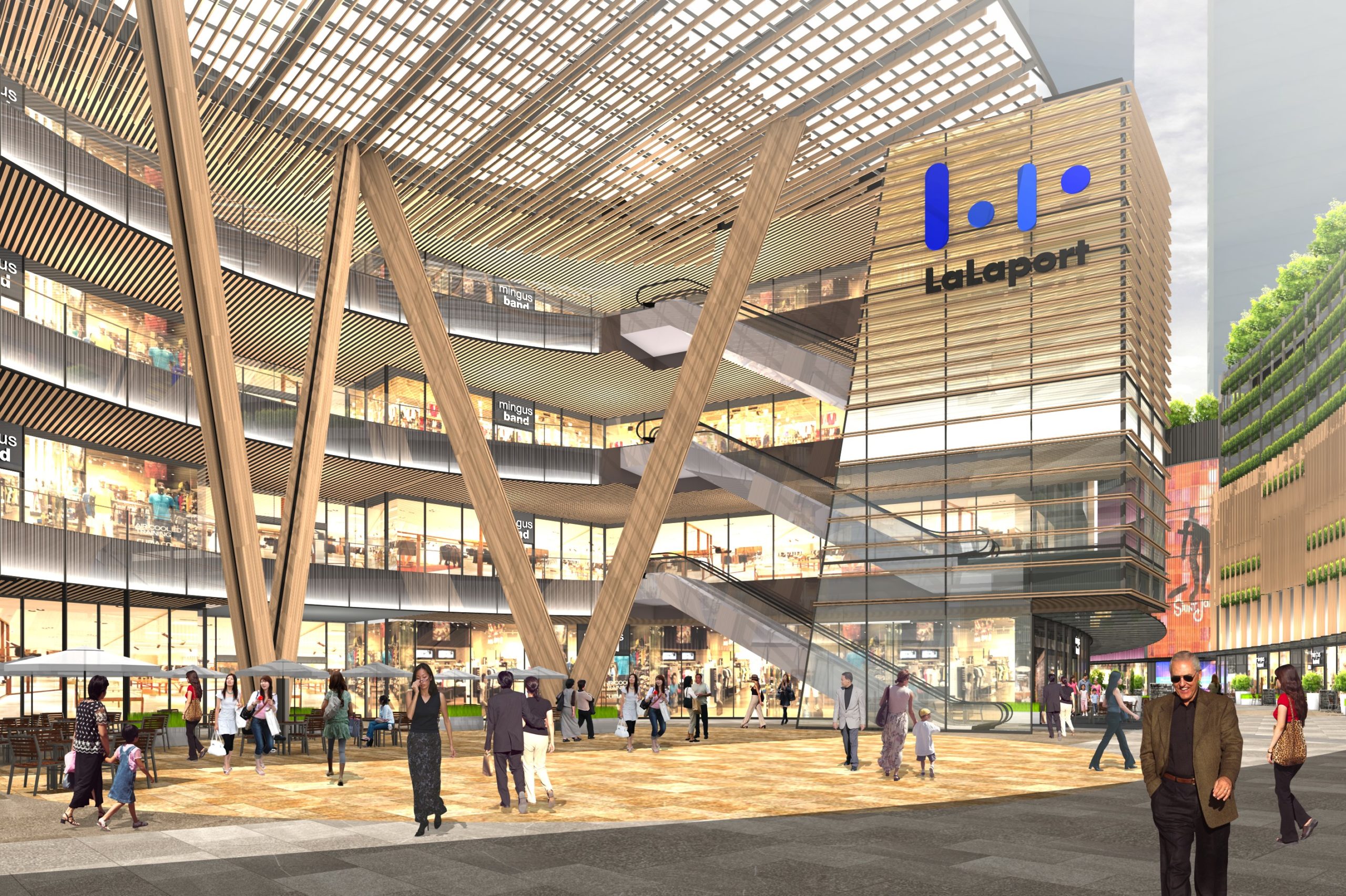
    Japanese lifestyle shopping mall, Lalaport, is set to open its first Southeast Asian location in Malaysia next month at Bukit Bintang City Centre (BBCC).

    The Mitsui Fudosan-owned shopping mall is set to open its doors to the public on January 20, featuring a tenant mix of about 400 stores from global and Japanese brands, including those making their first appearance in Malaysia such as Nitori and Nojima.

    LaLaport BBCC marks the chain’s second international location after Mitsui Shopping Park LaLaport Shanghai Jinqiao, and will also be one of Lalaport’s largest commercial facilities in the world with more than 82,600sqm of floor space.

    Inspired by ‘modern simplicity’ and ‘Japanese flavor’ design concepts, LaLaport BBCC brings to life a “stylish appearance befitting city center locations complemented by a warm interior design conducive for shoppers to spend the entire day in comfort”.

    The complex features five floors above ground and five floors below including four floors of basement parking. LaLaport BBCC also presents a 1700sqm rooftop garden equipped with a roofed step stage and surrounded by greenery and trees.

    A large F&B floor houses supermarkets, ‘Depachika Marche’ for take-away foods, and a cafeteria. Meanwhile, the ‘Gourmet Street’ offers a fresh al fresco dining experience for shoppers while the large ‘Garden Dining’ food court on Level 4 boasts a 1400-seating capacity. There is also an event space dubbed ‘Wow Plaza’ located at the center of Gourmet Street.

  • Ikea’s malls arm branches out into housing with new China centre

    Ikea’s malls arm branches out into housing with new China centre

    Ikea’s shopping malls business – one of the world’s largest – has kicked off the sales process for some 500 flats at its first-ever mixed-use retail and residential development, in Changsha, southern China.

    Cindy Andersen, MD at Ingka Centres since February, said in an interview she expected flat buyers to start moving in during March next year, after the adjacent mall opened last month following pandemic-related delays.

    Ingka Centres has 45 malls, or “meeting places” as it calls them following a strategy tweak a few years ago, anchored by Ikea furniture stores across Europe and Russia, and in China where they are branded Livat.

    The company has shifted towards more entertainment and social spaces in its developments as consumers, in China in particular, increasingly shop online, visiting malls more for food or movies. Andersen told Reuters a third of tenants at the Livat Changsha mall were retailers currently.

    With housing, it is testing yet another income leg, banking on the rapid urbanization in China. Livat Changsha’s residential building, besides the flats, also sport common living and workspaces designed and decorated in co-operation with Ikea that it hopes will appeal to people working from home.

    Andersen said the Livat Changsha mall – Ingka Centres’ fifth in China and its first development across markets to also offer housing – had around 95-per-cent occupancy in July, with tenants ranging from restaurants and sport and entertainment outlets to around 350 retailers including Decathlon and Uniqlo across 130,000sqm.

    “I think we had a really relevant strategy even before the pandemic, and now the trends we saw already then have accelerated.”

    The atrium of the Livat shopping centre in Changsha, China. Image: Ingka Centres.

    She said that Ingka Centres, along with parent Ikea, still has great belief in a future of physical shopping, including in China, as long as it is tailored to consumer expectations around services, omnichannel and convenience.

    “There is a need to include retail experiences in the meeting places also going forward. We have a lot of confidence this is a need for the consumer also in China,” she said, adding that Ingka Centres had added 50 international retail brands to its portfolio in China over the past year.

    “I think it very much comes down to the fundamental needs of people. We like to be with other people and we like to be in environments where we can experience, where we can touch and feel,” she said.

    Across markets, Ingka Centres is trying various omnichannel models and digital services at its malls with tests ranging from local e-commerce platforms to live shopping events.

    At Livat Changsha – where it has invested more than US$616.8 million to date – the focus initially will be on a loyalty scheme app that is connected to Chinese social media WeChat, sporting services such as virtual reality centre navigation, online restaurant queuing and cinema ticket purchases.

    Andersen said the program currently has around 2.3 million members in China, compared with 1.5 billion in May last year.

  • AEON to build $190-mln shopping mall in northern province

    AEON to build $190-mln shopping mall in northern province

    Vice-chairman of Bac Ninh People’s Committee, Vuong Quoc Tuan, said the province would provide support for the key project to get underway as soon as possible.

    General director of AEON Mall Vietnam, Nakagawa Tetsuyuki, said the Bac Ninh Province’s traditional products and farm produce would be sold at the outlet and possibly be exported to Japan. Around 3,000 jobs would be created, he added.

    In February AEON had signed an MoU with Thua Thien-Hue to do market research for opening an AEON mall in the central province. It is likely to cost $160 million.

    AEON has six malls in HCMC, Hanoi and Hai Phong and the southern province of Binh Duong.

    It plans to have 20 across the country by 2025 with the total investment of $2 billion.

  • Robinsons Retail chief to head Ace Hardware international arm

    Robinsons Retail chief to head Ace Hardware international arm

    Ace Hardware Corporation, the world’s largest retailer-owned hardware cooperative, announced today that Jay Heubner, President and General Manager of Ace International will retire March 1, 2021 after 38 years with the company.

    Heubner joined Ace Hardware in 1983 in the IT department and quickly rose up through the organization to become a director. In 2004, he took a position on Ace’s Technology Value Team within Retail Operations and was then tapped in 2007 to help lead a special retail project. In his next role, Heubner lead Operations Development and Retail Training until he was promoted in 2015 to the position of President and General Manager of Ace International, a subsidiary of Ace Hardware.

    “Jay is one of the most effective, highest character, servant-hearted leaders I know,” said John Venhuizen, President and CEO of Ace Hardware. “His wise, encouraging influence has had a significant impact on the business and made Ace a better place. I am grateful for Jay’s contributions and wish him and his family all the best as they embark on this exciting new chapter.”

    Over the coming weeks, Heubner will focus on ensuring a smooth leadership transition for Ace International.

    Effective April 5, David Goh will assume the role of President and General Manager of Ace International. Goh is currently managing director of Philippine-based retail chains Ministop convenience store, Southstar Drug and TGP (The Generics Pharmacy), which are subsidiaries of Robinsons Retail Holdings, Inc.

    Prior to this role, Goh held several leadership positions across various industries including a Vice President position at Singapore Airlines, CEO of 7-Eleven Singapore and CEO of Cold Storage, a grocery chain throughout Singapore.

    “David has a remarkable track record of success in growing businesses and transforming the customer experience,” said Venhuizen.

    Goh and his family will be relocating from the Philippines to Singapore to be closer to Ace International’s highest growth regions.

  • Singapore’s Robinsons store closing after 162 years

    Singapore’s Robinsons store closing after 162 years

    Singapore’s department store Robinsons is closing its last two brick-and-mortar outlets, ending an era dating back 162 years. The business has been placed into liquidation effective today. Robinsons had already closed its Jem Mall store just a few months ago. Now the 186,000sqft, six-storey flagship at The Heeren which opened in 2013 and the other at Raffles City, opened in 2001, will follow.

    Robinsons is owned by UAE-based Al Futtaim Group which paid $600 million for the business back in 2008. Al Futtaim owns the rights to multiple fashion brands in Singapore, along with the Marks & Spencers business.

    In a statement released today, senior GM Danny Lim said the decision was made due to weak demand at department stores.

    “We regret this outcome today. Despite recent challenges in the industry, the Robinsons team continued to pursue the success of the brand. However, the changing consumer landscape makes it difficult for us to succeed over the long term and the Covid-19 pandemic has further exacerbated our challenges.

    “We have enjoyed success over the years, and it has been an honour for Robinsons to serve the Singapore market. I am grateful for the dedication of our team, and for the support shown by our customers over the years.”

    While Covid-19 has had an impact on footfall at every retailer in the city, it only exacerbated the trend towards consumers shopping online and at specialty stores, and shifting away from department stores.

    According to a report in the Business Times, Robinsons has been trading at a loss for the last six years as footfall and sales fell.

    In 2014, the business achieved sales of S$257.3 million, but by 2018, turnover had fallen to $153.8 million, resulting in a loss of $54.4 million.

    While the stores are being placed in liquidation, it is unclear if the company will continue to operate online, at least in the short term. The co-branded Robinsons OCBC credit card will be discontinued in April.

    Cameron Duncan and David Kim of corporate restructuring company KordaMentha have been appointed provisional liquidators. Their first task will be to assess the best course of action to maximise the return to creditors. It is not yet clear how long the stores will continue to trade, but the company said in its statement that it hopes they will remain open during the coming weeks to clear stock and “facilitate final sales for customers before they are shuttered”.

    Staff were told of the decision today and the company says it has confirmed with the liquidators that the next payment cycle will be honoured. Unions representing workers are in talks with the liquidators over settlements.

    Robinsons dates back to 1858 when Englishman Philip Robinson and business partner James Spicer, a former jailkeeper, opened Spicer & Robinson on a site which is now known as Raffles Place.

    The demise of Robinsons in Singapore comes in the sme week that Japanese department-store operator Tokyu announced it was exiting Bangkok, following on the heels of rival Isetan.

  • Vivid pop up for Moncler opens in Macau’s Galaxy mall

    Vivid pop up for Moncler opens in Macau’s Galaxy mall

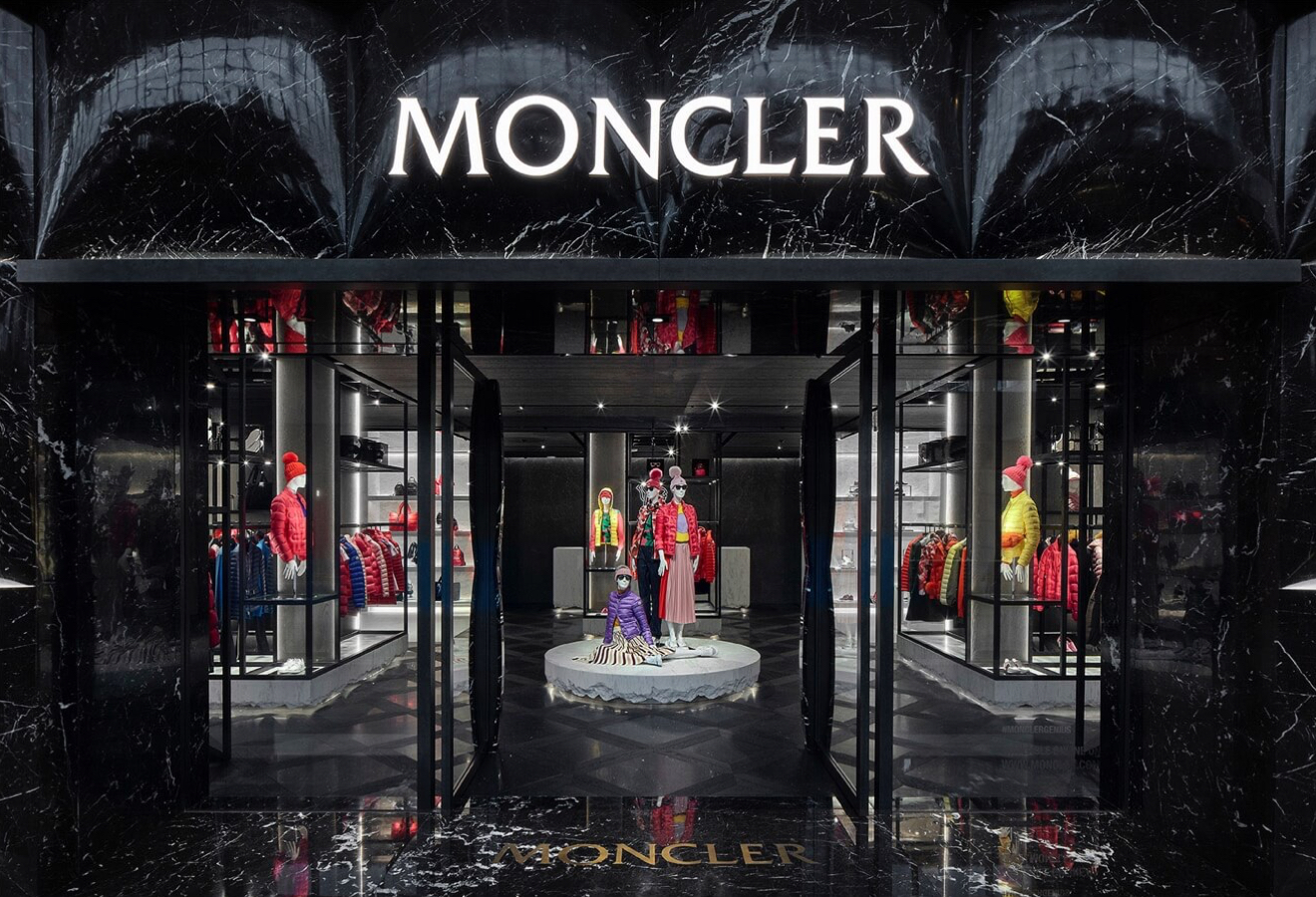
    Just in time for the fall fashion season, The Promenade Shops at Galaxy Macau™ is pleased to announce the arrival of Moncler Genius Galaxy Macau Pop-Up. From now till 17 October at the Pearl Lobby, the exclusive Pop-Up will catch the debut of the first-in-Macau launch of Moncler Palm Angels – communicate with the other five Moncler Genius collections which were presented in Milan Fashion Week in February. The Pop-up will also feature the exclusive Moncler’s highly anticipated The Yellow collection.

    Moncler Genius Galaxy Macau Pop-Up redefines the concept of temporary space and reserve an unprecedented Moncler experience for the guests, re-writing the rules of the single-brand which becomes a specialty store. Designed with an all-round curatorial approach, the Pop-up is designed as interactive spaces animated by special activities to establish a close and comprehensive connection with the metropolitan context. The space features mirror stainless steel for the walls, and yellow neon light for the ceilings or the interiors. Viewing from the top of the space, the structure perfectly delineates the Moncler Genius Building with the numbers marking 1 to 8.

    “We are thrilled to host the latest collection of one of the most fashion-forward projects,” said Hazel Wong, Senior Vice President of Retail for Galaxy Macau. “The Moncler Genius Galaxy Macau Pop-Up represents an opportunity for sophisticated shoppers to experience exciting collaborations between an iconic brand and some of the fashion world’s most creative talents, with a combination of aesthetic and technical innovations. In addition to traditional luxury fashion, our shoppers can always find constant freshness, new trends with exclusive, first-in-Macau offerings at The Promenade Shops.”

    “Today’s world has changed enormously,” said Remo Ruffini, Chairman, and CEO of Moncler. “Communication has been totally revolutionized. The consumer wants to see something new every day and expects new shapes and languages to interact with a brand. Moncler Genius represents the way in which the brand projects into the future. A future that starts now”.

    Moncler Palm Angels is the eighth collaboration under the Moncler Genius project, a hub where exceptional creative talents work together to cultivate fresh new visions of the Moncler identity. Announced during Milan Fashion Week in February, Moncler Genius pursues a vision of “One House, Different Voices”. Each Moncler Genius project focuses on the classic Moncler down jacket, approaching the duvet experimentally while keeping function at the core of exploration. As a result, the creative soul of each project morphs with the Moncler soul for a new identity that is truly authentic.

    Moncler Artistic Director Francesco Ragazzi is also Palm Angels’ Designer. Milan-born Francesco Ragazzi started Palm Angels in 2011 as photographic documentation of skater culture in Los Angeles, Ragazzi later evolved the concept into a clot-ing line in 2015. For Moncler Palm Angels, Ragazzi turns his photographer’s eye toward imbuing Moncler’s trademark sportswear and down jackets with key elements of authentic skater subculture. Ragazzi will present and celebrate the exclusive launch of Moncler Palm Angels at Moncler Genius Galaxy Macau Pop-up on 6 Oct.

    Guests visiting the Moncler Genius Galaxy Macau Pop-Up with 6 out of the 8 Moncler Genius collections including 2 Moncler 1952, 4 Moncler Simone Rocha, 5 Moncler Craig Green, 6 Moncler Noir Kei Ninomiya and 7 Moncler Fragment Hiroshi Fujiwara and 8 Moncler Palm Angels, will also be able to explore The Yellow collection exclusively available at the pop-up. It is based on one-shot products and limited-edition cult items distinguished by yellow and black which define the communication of Moncler Genius. Items include T-shirts, knitwear caps, belt bags, feather down gilets, and more.

    Starting this season and continuing through the winter, shoppers are the first to see new stores, products, and café society destinations that have recently arrived to The Promenade Shops and are one-of-a-kind in Macau. They are the first to hear about the exclusive new brands and
    collections coming soon to The Promenade Shops. They are also the first to experience branded pop-up shops.

  • Giant Phoenix Palassio mall opens in India

    Giant Phoenix Palassio mall opens in India

    Indian developer Phoenix Mills has launched a 1 million sqft mall in Lucknow, called Phoenix Palassio.

    “Phoenix Palassio is the first mall to become operational of the five that we are developing as a part of our ongoing expansion of over 5 million sqft across Lucknow, Pune, Bengaluru, Indore, and Ahmedabad,” said The Phoenix Mills non-executive chairman Atul Ruia. “This expansion will see us double our mall portfolio by 2024.

    The new mall opens as India is gradually emerging from its coronavirus lockdown, meaning many visitors to the property may be entering a mall for the first time in months. With the pandemic in mind, Palassio has launched with minimal contact services, social distancing markers, UV bag screening, sanitized shopping trolleys, multiple convenient hand sanitizer locations and contactless payment points throughout the stores and parking areas.

    “We are confident that as the nation unlocks, rigorous compliance with government guidelines and global best practices in retail will set the tone for the sector’s revival,” said Ruia.

    The mall opened fully leased, with well-known international and local brands taking space, including some who making their debut in Lucknow.

    Despite the high-profile design and launch of the mall, the Phoenix Palassio website states opening hours will be restricted from 9 am to 11 pm during weekdays – closed on weekends.

  • Simon pulls out of merger deal with Taubman

    Simon pulls out of merger deal with Taubman

    US mall operators Simon Property Group and Taubman Centers have called off their planned merger, citing the impact of Covid-19 on the retail industry.

    Simon was to buy an 80-per-cent interest in Taubman, with the Taubman family retaining a 20 percent stake in a US$3.6 billion deal. Taubman owns, manages and/or leases 23 super-regional shopping centres in the US and three in Asia via its Hong Kong-headquartered Taubman Asia business.

    Simon says it was pulling out of the deal because it believed Taubman’s properties were “disproportionately hurt” by the pandemic due to their location in densely populated cities and tourist locations and had high-end tenants whose sales had been hit particularly hard this year.

    However, Taubman has indicated it will fight to protect the deal, arguing the decision was without merit and plans seek damages from Simon.

    The Asian properties which would have been part of the merger are the Starfield Hanam in South Korea, ​and the Chinese properties CityOn Xi’an and ​CityOn Zhengzhou.

  • Malaysia’s IPC mall launches trash-to-treasure recycling campaign

    Malaysia’s IPC mall launches trash-to-treasure recycling campaign

    Malaysian mall IPC mall has launched a campaign to promote recycling as part of the “new normal”.

    At a time when national recycling efforts have been put on hold, visitors are invited to drop off recyclables at the mall’s Recycling & Buy-Back Centre (RBBC) to enjoy rewards for selected categories.

    The “Trash to Treasure” campaign highlights IPC as the first retail destination in Malaysia to have a facility like the RBBC, which introduces two new recyclable categories – food and fabric waste. While food waste will be bio-recycled and turned into animal feed and organic fertilizer, any collected fabric will be sorted for donations or recycled into industrial wiping cloths and upcycled into wearables.

    “Over the years, our sustainability efforts have shown that responsibly disposing of waste goes a long way in creating a more sustainable environment,” said IPC Shopping Centre PR and digital marketing manager Mark Tan. “As a community-centric shopping center, we want to empower the community to make recycling part of their everyday lives in this new normal. Hence, making the RBBC accessible and safe for all by following the latest health guidelines, and implementing protective measures.”

    The mall is noted for its attention to environmental and sustainable issues, including its use of energy-saving light bulbs, solar panels and rainwater harvesting.