Retail News CRM

Tag: shopee

  • Central Retail becomes Reebok’s sole Thai distributor

    Central Retail becomes Reebok’s sole Thai distributor

    Sports brand Reebok has appointed CRC Sports, a subsidiary of Central Retail, as its sole distributor in Thailand.

    According to CRC Sports, it will take responsibility for e-commerce operations and the wholesale distribution of Reebok, pushing growth opportunities and aims to make Reebok one of the top five sports brands in Thailand.

    CRC Sports plans to expand Reebok’s network to more than 100 locations this year and enhance Reebok’s online presence through websites and e-commerce marketplaces like Lazada, Shopee and Central.

    “The heritage and potential of Reebok and its product portfolio support our efforts to offer even more of the best sporting trends to the new generation,” said Tony Morton, president of CRC Sports Company.

    “To have a world-renowned sports brand like Reebok in our portfolio helps to solidify our position as the go-to destination for sports apparel, shoes and sports equipment.”

    Other channels such as Click & Collect, Personal Shoppers, Call & Shop, Line Chat & Shop, and Facebook Live events are used to offer retail experiences for Reebok’s customers in Thailand.

  • Shopee to shut down India operations

    Shopee to shut down India operations

    E-commerce and gaming firm Sea said on Monday it is withdrawing from India’s retail market just months after starting operations there, the second pullback this month in an overseas expansion drive, as the loss-making firm faces a weak growth outlook.

    The withdrawal, effective beginning March 29, comes weeks after its e-commerce arm Shopee said it was pulling out of France and after India banned Sea’s popular gaming app “Free Fire”.

    After the ban, the market value of New York-listed Sea dropped by $16 billion in a single day, leading some investors to cut holdings in the Singapore-headquartered company.

    Shopee said in a statement its withdrawal came “in view of global market uncertainties” and that the company would make “the process as smooth as possible”.

    Sea earlier this month said revenue growth of its e-commerce business was expected to halve to around 76 percent this year from a blistering 157 percent in 2021, amid fewer online purchases and engagements as more countries emerge from the pandemic.

    “Due to a drastic shift in the market sentiment towards growth stocks, all these e-commerce companies are under real pressure to at least break even as soon as possible,” said LightStream Research equity analyst Oshadhi Kumarasiri, who publishes on the Smartkarma platform.

    Sea’s U.S.-listed shares fell 3.2 percent to $112.35 in afternoon trading.

    The company’s shares had already dropped 11 percent in January after Chinese tech giant Tencent announced it was selling 14.5 million shares in the group.

    There is no clear evidence that the decision to withdraw from India is based on government pressure or other operational decisions, Citi analyst Alicia Yap said.

    Reuters was the first to report Sea’s decision on its Indian operations.

    Shopee’s India business began in October 2021 as part of an aggressive international push that saw it expand into Europe. Sea’s market cap at the time was as much as $200 billion. It has since dropped to $64.76 billion in March 2022.

    The local unit, Shopee India, recruited local sellers and launched a shopping website and app. India’s fast-growing e-commerce market was already dominated by such players as Amazon.com Inc and Walmart’s Flipkart.

    One person with direct knowledge of the company’s thinking said Shopee’s decision to exit from India was sparked in part by stricter regulatory scrutiny that saw Sea’s gaming app Free Fire banned as part of a crackdown on companies allegedly sending data to servers in China.

    Sea said earlier in March it does not transfer or store data of Indian users in China.

    The person said Shopee had been planning to invest up to $1 billion in India, and that the pullback would hurt Indian logistics firms with whom it had signed lucrative contracts.

    The company, asked to comment on the figure, disputed the number as “not accurate”, without giving details, saying “the decision regarding Shopee India has nothing to do with regulatory matters”.

    “We continue to work on addressing the situation with Free Fire in India,” the firm added.

    Reuters reported in February, citing sources, that Singapore authorities had raised concerns to India over the ban, asking why Sea had been targeted.

    E-commerce players face a strict regulatory environment in India. New Delhi has for years imposed restrictions to protect smaller brick-and-mortar retailers.

    Offline retailers in India have often alleged foreign companies bypass regulations and offer deep discounts that hurt their business, allegations the companies deny. Shopee had in recent months faced boycott calls from such traders in India.

  • Singaporean logistics unicorn eyes Vietnam as key expansion market

    Singaporean logistics unicorn eyes Vietnam as key expansion market

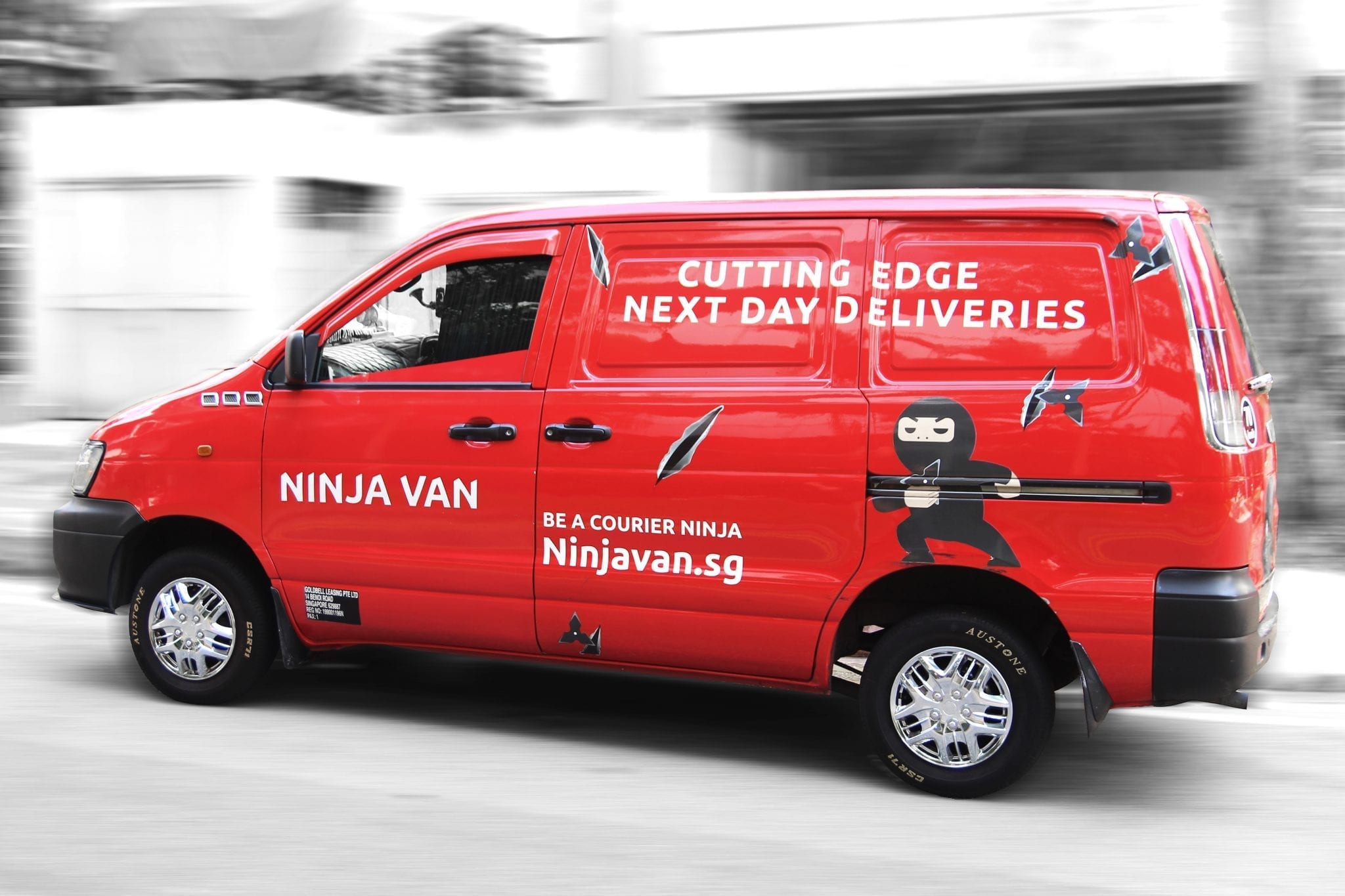
    Ninja Van, a Singaporean logistics startup and new ASEAN unicorn, is set to drive a broad strategy in Vietnam to benefit from the country’s strong e-logistics market growth.

    After successfully raising $578 million in Series E funding, Ninja Van has officially become an ASEAN “unicorn,”.Dzung Phan, president of Ninja Van, said while revealing the startup’s expansion plans for Vietnam and his assessment of its e-logistics market.

    Why did Ninja Van choose Vietnam as a key investment market?

    We believe Vietnam is ready for a new phase of growth in e-logistics. According to Agility, Vietnam ranks 8th among the top world’s fastest-growing logistics markets and 3rd among ASEAN in 2021. Vietnam E-commerce Association (VECOM) also stated the number of postal parcels sent through express delivery services shot up by 47 percent last year.

    Also, e-logistics is strongly driven by the rapid growth of e-commerce. Vietnam’s e-commerce market expanded an average of 30 percent per annum during the period 2016-2019, from $4 billion (2015) to $11.5 billion (2019). According to VECOM, the market will grow at 29 percent annually in 2020-2025, to reach $52 billion (2025).

    The strong potential of Vietnam’s e-logistics market is a good foundation for our ambitious plan. A market with 600,000 sellers and 49.3 million buyers across e-commerce platforms and social networks will generate significant demand for logistics.

    Leading a new unicorn in the e-logistics industry, how do you assess its competitive advantage in Vietnam?

    The domestic e-logistics market is competitive with several “deep pocket” players. The market comprises three main segments: local shipping companies, international shipping companies, and e-commerce platforms with their own in-house shipping ecosystems.

    Domestic enterprises only account for 20 percent of the logistics market share; the remaining 80 percent belongs to international firms with strengths in capital, technology, and experience. Local firms may be backed by international groups, including GHTK by Kerry and AhaMove by Temasek.

    Although the e-logistics market is vibrant, its growth potential is not fully invested in. A survey showed that 60 percent of sellers and 80 percent of buyers are not satisfied with the current quality of express delivery services. Buyers are frustrated by late delivery or the inability to track the flow, while sellers expect more parcels to be delivered.

    Is pricing a major competitive edge in the current e-logistics market?

    Except for the inhouse shipping units of e-commerce platforms, domestic and international players are using price competitiveness to acquire customers quickly. Whenever there is a “newcomer”, delivery costs will drop significantly to maintain the market share and retain customers. Notable discounts were given at the entry of J&T in 2018 and Best in 2020.

    The average shipping price in the Vietnam market fell continuously by 15-20 percent per year from 2017 to 2020. The trend has a negative impact on smaller domestic players, for example, GNN in 2017 suffered a sharp drop in revenue that led to its liquidation. Even international players without strong financial support cannot survive this market, with DHL e-commerce ceasing operations in Vietnam during 2021.

    How does Ninja Van improve the customer experience? Ninja Van focuses on providing a quality and authentic service experience to customers, rather than on pricing alone. Parcel tracking and recovery services for lost or damaged parcels need to be improved.

    Given a tech-enabled personalization of the customer experience, Ninja Van’s nationwide personal delivery service on the Grab app has stepped up during the Covid-19 pandemic. Additionally, we are strengthening our partnership with e-commerce giants including Shopee, Lazada, Tiki, and Sendo.

    With more than 300,000 orders per day, Ninja Van is among the top three partners on all major platforms in Vietnam. These collaborations brought Ninja Van into the top growth 15 companies in the Asia-Pacific region in 2021 as reported by Financial Times.

    To gain trust, we do all possible to help our customers succeed, such as ensuring timely pickup, prompt delivery without loss. In addition, we understand that our partners are working at a large scale, so we do our utmost to optimize our cost structure and provide an attractive rate.

    As a result, we became the most active provider by offering various value-added services, such as return pickup to Lazada, bulky and super bulky delivery for Tiki, or installation services for Shopee.

    With an additional $578 million in Series E, what is the level of ambition in terms of your expansion strategy?

    – Ninja Van is committed to driving a broad strategy in Vietnam in particular and in ASEAN in general. This strategy will cover all three sectors: operations, technical systems, ecosystems for small and retail customers.

    Specifically, Ninja Van will increase its coverage in 63 cities and provinces to reach 100 percent of the Vietnamese population. We will also prepare an automatic sorting system with a capacity of two million packages at five major cities to increase delivery speed.

    We will build and improve web and mobile application platforms to enhance customer experience. We seek to enable both sellers and buyers to track parcels and make inquiries in real-time.

    Notably, we will broaden our cross-border delivery with two new services: Ninja Direct, which helps Vietnamese sellers look for better sourcing with better rates in multiple countries; and Ninja Crossborder, which helps Vietnamese manufacturers reach out to buyers all over the world.

    Moreover, we will complete business activities for the fourth quarter of 2021. For example, based on our big data analytics, we have opened training courses to detect anomalies and outliers to provide timely resolutions for all customers. In 2020, we created 40 different training modules for our shippers and warehouse staff to avoid recalcitrant buyer behavior on COD free delivery services.

    Ninja Van will launch a promotional campaign in Vietnam “Giao thong suot, Nhan ven nguyen” (Smooth delivery, Parcel intact) to support sellers in the fourth quarter. With all staff vaccinated against Covid-19, Ninja Van will maintain its service delivery price during the pandemic to support hard-hit customers.

  • Singapore’s Shopee disrupts the Brazil’s e-commerce sector

    Singapore’s Shopee disrupts the Brazil’s e-commerce sector

    Shopee took just two years to become Brazil’s most downloaded shopping app, winning users to its low-cost marketplace with its game-changing approach to e-commerce: in-app mini-games offering coupons to winning users.

    The Singapore-based company has combined online shopping with the gaming nous of its separate mobile game arm Garena – creator of “Free Fire”, Brazil’s most downloaded title for eight consecutive quarters – to generate sales analysts estimated at almost a third of local champion Magazine Luiza.

    Back home, Shopee only needed five years to become Southeast Asia’s most-visited e-commerce website, overtaking the likes of Lazada, backed by China’s Alibaba Group Holding, and Tokopedia, backed by Japan’s SoftBank Group.

    “Shopee has a track record in Southeast Asia of coming into the market late, looking at how others have solved existing problems and then building a system to leapfrog those issues,” said analyst Jianggan Li at advisory firm Momentum Works.<

    Shopee’s early surge highlights the space left for foreign entrants to grow in a sector once dominated by regional firms like Magazine Luiza and Argentina’s MercadoLibre.

    To be sure, the startup’s timing was fortuitous, launching in Brazil just as the COVID-19 pandemic drove consumers away from physical stores, pushing up 2020 e-commerce sales by 44% to $42 billion, showed data from Brazilian payments company EBANX.

    Shopee – akin to Alibaba’s AliExpress, carrying Chinese-made knick-knacks – emerged as Brazil’s top app by downloads and time spent in use, showed data from analytics platform App Annie.

    Yet, in pursuit of growth, Shopee is still losing money, propped up by Sea’s profitable gaming division. In the second quarter of this year, Garena posted adjusted earnings before interest, tax, depreciation and amortization (EBITDA) of $740.9 million even as the e-commerce arm lost $579.8 million.

    “Money being generated by one side of the business, which is a cash cow, is being reinvested aggressively in Brazilian e-commerce – with success,” said Itau BBA analyst Thiago Macruz.

    Sea’s Brazil foray is just one element of its global ambition. Investment arm Sea Capital is also considering putting money into startups in Latin America and beyond, said a person with knowledge of the matter, who was not authorized to speak with media and so declined to be identified.

    The firm has also taken Shopee to Chile, Colombia and Mexico where, unlike Brazil, it has no locally based staff and so has partnered social media influencers to increase brand awareness, said two people familiar with the matter.

    Sea, whose shareholders include Chinese gaming leader Tencent Holdings, declined to comment.

    The firm has disclosed little data about Shopee Brazil, but Itau BBA analysts estimated the value of goods and services sold on the platform last year hit 12 billion reais ($2.27 billion).

    The average price on its marketplace is 40 reais, other estimates showed, less than a third that of e-commerce leader MercadoLibre, which often carries higher-value branded products.

    Sea’s biggest challenge for Shopee Brazil is delivery in such a vast country. It reduced its reliance on the local postal system this year in favor of private carriers, but is still competing against rivals with proprietary delivery services.

    Shopee aims to have one main logistics partner per country in the region, a company source said.<

    The company itself expects e-commerce growth in the region to spawn more delivery partnerships, as happened in Southeast Asia, Sea executives told analysts on a call this month.

    On the same call, Group Chief Corporate Officer Yanjun Wang called Brazil “a good market for continued investment.”

    Competition in Latin America’s largest economy stepped up this month when Shopee’s nearest rival in terms of product offering, AliExpress, opened up its marketplace to domestic sellers charging a single-digit commission. AliExpress had been in Brazil for 11 years; Shopee did similarly after its first year.

    Small-business owner Luciana Carvalho began selling plastic packaging products on Shopee in February, attracted by the free shipping and 6% commission – compared with MercadoLibre’s 17%.

    “It’s easy to sign up, calculate your commission, get your delivery tags, your receipts. It makes us invest more in the platform,” she said.

    In a move toward profitability, Shopee has since raised commission to 18% – as much as twice marketplaces can charge in some Southeast Asian countries, indicating Latin America’s potential profit margins. Carvalho continues to use Shopee, though she prefers MercadoLibre for its “unbeatable” delivery.

    To further improve profitability, Goldman Sachs analysts said Shopee could start selling higher-ticket items, as it has in Southeast Asia. Momentum Works’ Li expects Shopee to add financial services to its Brazil app as it has in Indonesia.

    “I wouldn’t be surprised,” if they reached number one, said Li, “Given what they have done in Singapore, Indonesia and Malaysia, Thailand.”

  • Shopee parent Sea to scale up digital financial services as revenues double

    Shopee parent Sea to scale up digital financial services as revenues double

    Singaporean technology group Sea – parent of e-commerce marketplace Shopee – more than doubled its revenues in 2021 thanks to growth in e-commerce and entertainment.

    Chairman Forrest Li said today the firm would now scale up its fintech offerings in Southeast Asia.

    “Digital financial services in our region are at early stages and we expect use cases to grow,” the executive told an investor call.

    Sea, which claimed US$3.4 billion in payments for its mobile wallet for the first quarter of 2021, won a digital banking license in Singapore in December and purchased last year Indonesian lender Bank BKE ( Bank Kesejahteraan Ekonomi) to turn into a digital bank.

    The New York-listed firm announced on Tuesday it had booked revenue of $1.8 billion for the first quarter of 2021, up 147 percent year on year.

    Its net loss widened from $281 million to $422 million as the company more than doubled sales and marketing expenses.

    Sea’s e-commerce arm Shopee brought in $922 million in revenue, up 250 percent year on year, while its gaming arm Garena raked in $781 million in revenue, up 111 percent.

    Li told reporters that Shopee was seeing growth in Brazil due to a nascent regional expansion. Reuters reported earlier in 2021 that the firm was launching in Mexico and was eying a possible wider expansion in Latin America.

    Analysts said they believe the jump in marketing costs was also due to Shopee’s launch of a food delivery arm segment in Indonesia this year, where it now competes with ride-hailers Grab and Gojek.

    The group has seen meteoric growth on the stock markets during the coronavirus pandemic as shoppers turned to the internet, with its market cap now at $113 billion.

    But it is expected to face increased competition in Southeast Asia.

    Indonesian ride-hailing and payments firm Gojek and e-commerce leader Tokopedia announced on Monday they are merging to create a multi-billion dollar tech company called GoTo in the country’s largest-ever deal.

  • Shopee’s rise sends rivals scrambling in Southeast Asian internet battle

    Shopee’s rise sends rivals scrambling in Southeast Asian internet battle

    In front of an open-air Jakarta restaurant, delivery drivers clad in the orange colours of Southeast Asia tech group Sea Ltd wait for orders next to the green-jacketed riders of market leaders Gojek and Grab, in what has become the latest battleground for tech supremacy in Southeast Asia.

    The humble noodles eatery signed up for Sea’s nascent ShopeeFood service a month ago, but “immediately, there were orders everyday,” said manager M.A Rasyid.

    Riding on the success of a cash-generating gaming business, U.S.-listed Sea has invested heavily in its Shopee e-commerce brand and successfully taken on Alibaba’s Lazada and other rivals in recent years. Its share price has risen five-fold over the past year, giving Singapore-based Sea a market value of $111 billion.

    Now it is muscling into food delivery and financial services in Indonesia, the world’s fourth-most-populous country, posing a new threat to regional rivals including ride-hailing and delivery unicorns Grab and GoJek.

    At stake is a slice of the more than 400 million internet users in Southeast Asia’s digital economy, which is estimated to triple to $309 billion by 2025, according to a study by Google, Temasek and Bain & Company.

    Tech behemoths, including Tencent, a major investor in Sea, Alibaba, Google and Softbank Group Corp, are big backers of regional champions.

    Sources say Sea’s aggressive expansion is one driver of merger discussions between Gojek and e-commerce platform Tokopedia. The Indonesian firms aim to create an $18 billion powerhouse to fight off Sea and regional giant Grab.

    Meanwhile, Grab and others, including travel app Traveloka and Indonesian e-commerce unicorn Bukalapak, are rushing for public listings, hoping to ride the coattails of Sea’s stock rally while defending their turf, according to Reuters interviews with over a dozen people.

    “Sea is like Thanos, massive and powerful, and able to take down half of the world, or in this case half the startups,” Willson Cuaca, co-founder of East Ventures and an early backer of Tokopedia, joked as he compared Sea to the powerful villain in the Marvel film series.

    “Like the Avengers, companies need to band together if they want to ensure their survival and to win the war.”

    Sea’s stock rally reflects a scarcity of options for investors seeking exposure to the booming Southeast Asia internet sector. It went public in 2017 and has raised some $7 billion in share and debt sales, with early investor Tencent now holding a stake of about 20%.

    That investor appetite, combined with a need to raise cash to match Sea’s muscle, is forcing rivals to seek listings as quickly as they can, bankers and executives familiar with the matter say.

    Sources say the Gojek-Tokopedia merger, which is likely to be finalised within weeks, will be followed by a Jakarta listing in the second half of 2021, then a mega IPO in the United States targeted for 2022.

    Grab and Traveloka, for their part, aim to accelerate the process by merging with special purpose acquisition companies, sources said. Bukalapak is planning the same, after a 2021 Jakarta IPO.

  • Singapore’s Shopee to Launch Digital Bank in Indonesia

    Singapore’s Shopee to Launch Digital Bank in Indonesia

    Shopee, the e-commerce arm of Singapore’s Sea Group, is planning on transforming Indonesian lender Bank Kesejahteraan Ekonomi (Bank BKE) into a digital bank, according to a «Reuters» report on Thursday.

    An Indonesia’s Financial Services Authority (OJK) official said that Shopee has yet to make an official application with the banking regulators, but is «currently preparing the infrastructure» for the transformation.

    The bank, which began operations in 1992, was acquired by Shopee in January from the Jakarta-based lender’s existing shareholders Danadipa Artha Indonesia and Koin Investama Nusantara through its subsidiary Tubro Cash Hong Kong.

    Indonesia is in the midst of preparing regulations for new digital banks, which is expected to be released in mid-2021. A digital lender like Bank BKE would be expected to prepare 3 trillion rupiah ($213.64 million) in capital, the official said.

    Sea – Southeast Asia’s most valuable startup – raised close to $3 billion in a stock offering in December 2020. The company was also one of two to be awarded a license to operate a full digital bank in Singapore.

  • Shopee scales up Brazil operations, eyes Latam potential – sources

    Shopee scales up Brazil operations, eyes Latam potential – sources

    Shopee, the e-commerce arm of Southeast Asia’s SEA Ltd, is scaling up its operations in Brazil and evaluating the long-term potential of Latin American markets, according to two people with knowledge of the matter.

    Shopee, the largest e-commerce platform in Southeast Asia according to market researchers, launched a small presence in Brazil in late 2019 as a pilot initiative of its cross-border team.

    The company is now growing its presence and moving executives from Southeast Asia to Brazil said the sources who were briefed on the matter but declined to be identified as they were not authorized to speak to media.

    The Singapore-headquartered technology group’s shares surged more than 400% in 2020, taking its market capitalization to $120 billion. It raised close to $3 billion in a stock offering last month.

    On Linkedin, Shopee is currently recruiting for over three dozen positions in Brazil. Pine Kyaw, formerly country managing director for Shopee’s high-growth Vietnam unit, is listed on the job platform as having become Shopee Brazil country head. Kyaw could not be reached for comment.

    SEA Chief Corporate Office Yanjun Wang told an investor call in November that Shopee Brazil, while cross-border driven, was now being used by local sellers.

  • Olive Young eyeing Southeast Asia through Shopee

    Olive Young eyeing Southeast Asia through Shopee

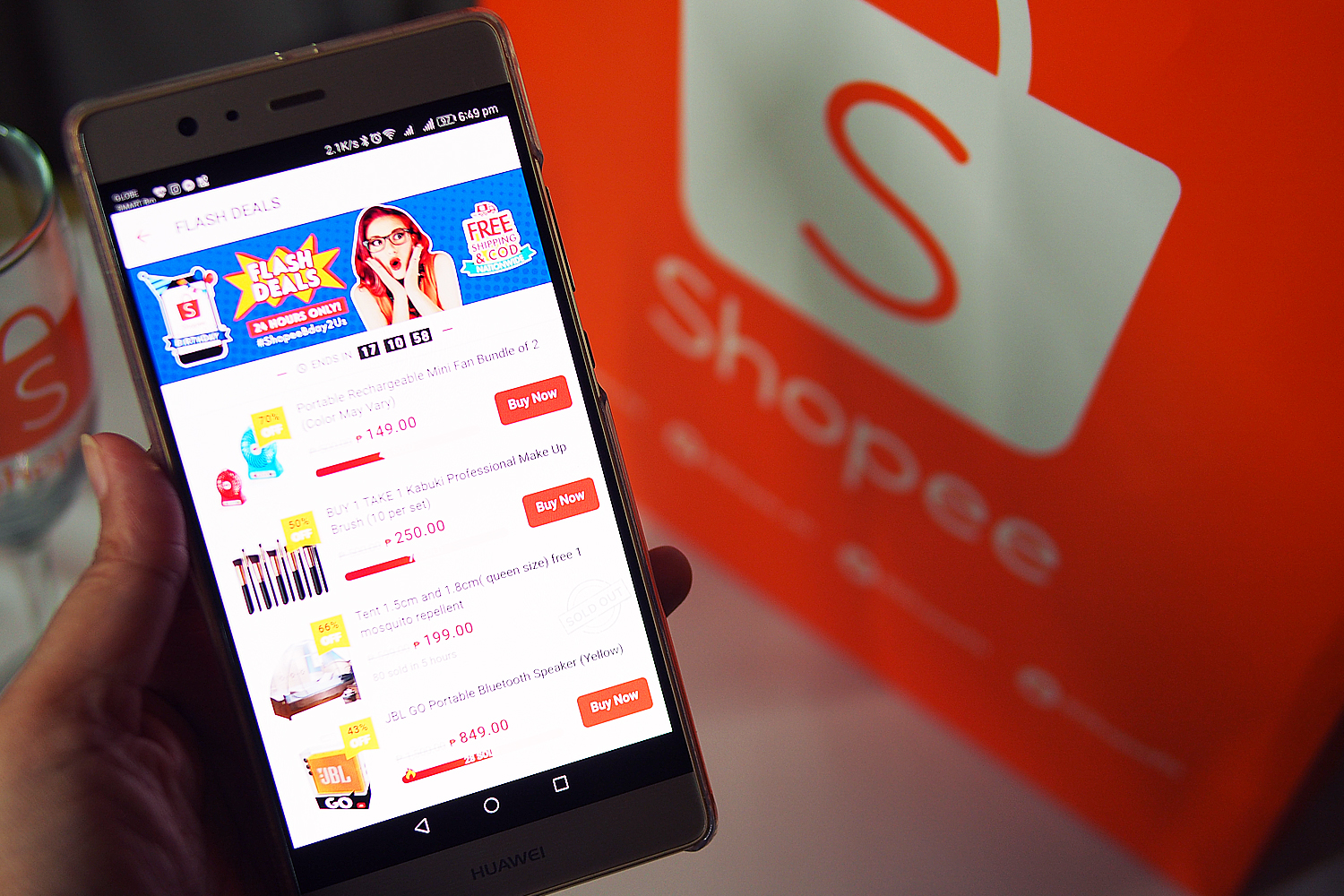
    CJ Olive Young, the country’s largest health and beauty product store, opened an online shop on Southeast Asia’s biggest e-commerce platform Shopee, Tuesday, as part of its global expansion plans.

    “From now on, Olive Young will actively seize opportunities in the global market to grow and lead the globalization of Korean cosmetics,” a CJ Olive Young official said.

    Shopee is a subsidiary of Sea Group, which sells various products from daily necessities to cosmetics and electronic goods online. It is referred to as the Amazon of Southeast Asia, as it focuses on Singapore, Thailand, the Philippines, Vietnam, Indonesia and Malaysia. Last year, the number of accumulated mobile application downloads of the Shopee platform surpassed 200 million.

    In 2020, Olive Young also signed a memorandum of understanding with Dairy Farm to launch several of its products in Guardian stores, a drug store chain in the region.

    The health and beauty product store is entering foreign markets through local retailers because it wants to minimize risks and analyze the markets first.

    CJ Olive Young has started selling 300 items from its six house brands on Shopee ― Wake Make, Colorgram, Round Around, Botanic Heal Boh, Bring Green and Filli Milli ― which are good value local brands sold for reasonable prices that are popular among international customers.

    The health and beauty product stores’ items will be available in Indonesia and Malaysia first. This is because they have a high proportion of young people who are interested in K-beauty and mobile shopping. It wants to introduce Korean products as well as improve the firm’s brand awareness in the two countries.

    CJ Olive Young sold some of its shares to the domestic firm Glenwood Private Equity last month. After the stock purchase agreement, the private equity fund became the second-largest shareholder with 24 percent interest.

    During the purchase, Glenwood valued Olive Young at 1.8 trillion won. The health and beauty product store plans to go public on the Korean bourse next year and raising its corporate value is important as it will have to pay back money to strategic investors after listing.

    Olive Young is already successful with its bricks-and-mortar business here, which has a nearly 70 percent market share. However, its online business is a whole other story. Online retail giants Coupang and eBay Korea have established gigantic sales platforms that give no reason for customers to go only to Olive Young’s online mall.

    For this reason, Olive Young decided to eye the Indonesian and Malaysian markets. Although sales in the two countries may not produce good profits at first, it has to look beyond the domestic online market that is already too competitive.

  • Shopee celebrates record-breaking 12.12 Birthday Sale

    Shopee celebrates record-breaking 12.12 Birthday Sale

    Shopee, the leading e-commerce platform in Southeast Asia and Taiwan, wraps up the year-end shopping season with a record-breaking 12.12 Birthday Sale. On 12 December, 12 million items were sold in the first 24 minutes and at its peak, 1 million items were bought in a single minute.

    Terence Pang, Chief Operating Officer at Shopee said “We are humbled to end the year on a high note with a groundbreaking 12.12 Birthday Sale. Given the unprecedented year that 2020 has been, we wanted our fifth birthday to be a special day not just for Shopee but for the people we serve. E-commerce has become of increasing importance in our lives and has evolved beyond a platform to access basic needs to one that connects people and businesses. We are glad to have been able to celebrate the past five years with our users, sellers and brand partners and are truly excited for what is to come.”

    Shopee ushered in the festive season with endless fun and greater convenience

    Users joined Shopee every day for four weeks of fun and entertainment leading to 12 December, where they shopped from over 2 billion products. Consumers spent more time on Shopee’s in-app games and features, which offered greater rewards and value.

    • 450 million views were recorded on Shopee Live across the entire 12.12
    • Shopee’s in-app games were played a record of 2.7 billion times
    • Two of Shopee’s newest games, Shopee Bubble and Shopee Candy were a big hit, with a total of 28 million hours played

    The surge in shopping activity was also met with increasing adoption of digital payments. In particular, users enjoyed the convenience of Shopee’s integrated mobile wallet AirPay, with orders paid via the mobile wallet surging 18 times from an average day.

    12.12 Birthday Sale highlights in Thailand

    In Thailand, users enjoyed a constant stream of attractive deals on 12 December, supported by Shopee’s robust ecosystem.

    Thais took this chance to fulfil all their essential and entertainment needs with Home & Living, Beauty & Personal Care and Mobile & Gadgets emerging as the best-selling product categories.

    • Home & Living: Consumers took the time to revitalise their homes on 12 December, with more than 100,000 3D Wallpapers sold.
    • Beauty & Personal Care: Skincare was a big priority as people geared up for the festive season and the new year with 550,000 skincare products sold on 12 December.
    • Mobile & Gadgets: There was strong demand for new phones, gadgets, and electronics accessories. In particular, 400,000 smartphone accessories were sold on 12 December
    • Top Keyword search: On 12 December, the top keywords searched were “iPhone case” and “New Year Gift”, as Thais looked to treat themselves and their loved ones ahead of the new year.
    • Strong demand in the major cities: Shopping activity was highest in Bangkok on 12 December. At its peak, 500,000 items were sold in an hour.

    Powered by the surge in shopping activity, sales peaked for businesses on Shopee. A top electronics retailer recorded THB 7 million in sales per hour on 12 December.


  • Shopee launching premium portal Shopee launches Shopee Premium, an exclusive destination for premium brands to connect with digital-first shoppers

    Shopee launching premium portal Shopee launches Shopee Premium, an exclusive destination for premium brands to connect with digital-first shoppers

    Shopee’s press release said the Mall offers 100 percent authenticity guarantee, free shipping and 15 days return on all products, with an additional wave of unbeatable deals and promotions during the grand launch.

    Shopee, the leading e-commerce platform in Southeast Asia and Taiwan, has officially launched ‘Shopee Mall’, a new dedicated portal featuring thousands of products sold by leading brands and Shopee’s top sellers, revealed the press statement.

    The Mall will give users direct access to a variety of prominent brands such as Loreal, Unilever, Huawei, Nestle, Phillips and many more. All products on Shopee Mall come with 15 Days Return Policy, 100 percent Authenticity Guarantee, and Free Shipping nationwide.

    Terence Pang, chief operating officer of Shopee said that following the tremendous growth of Shopee Thailand in the recent years, it has taken a major step to officially launch Shopee Mall as a way to cement our position as the one-stop-shopping platform of choice in the market, and also to expand and diversify our product assortment to cater to users all across Thailand.

    “Moving forward, Shopee will continue to establish more strategic partnerships with leading brands, and to work closely with them to further provide an unprecedented choice of products and services to enhance users’ overall shopping experience, and to drive forward the growth of Thailand’s e-commerce industry.”

    The Mall was conceptualized to solve shoppers’ concerns about product authenticity, which is a major concern among buyers when shopping online. The newly launched portal caters to the demands of Thai shoppers where they can shop for their favorite brands and products from the brand owners themselves.

    Additionally, with more Thai brands embracing e-commerce, Shopee Mall provides a platform for traditional brands and retailers to tap on to expand their digital presence, according to the statement.

    This reflects Shopee’s commitment to constantly innovating and enhancing its platform, features, and services to adapt to the rapidly-changing e-commerce scene and consequently, the needs of users.

    To identify the product listings, shoppers can look out for the distinctive red ‘Mall’ label while browsing. Shopee ensures a premium online shopping experience with the following benefits:

    15 Days Return Policy: Shoppers can enjoy hassle-free returns within 15 days at zero cost for all Shopee Mall products.

    100% Authenticity Guarantee: Serves to eliminate buyer concerns about product authenticity. Any shopper who receives a counterfeit product when purchasing from Shopee Mall is entitled to a 200% refund.

    Free Shipping nationwide: Shoppers can enjoy greater cost savings with free shipping nationwide on every order, subject to a minimum spend of 200 baht.

    Get ready for a series of super deals and promotions during Shopee Mall Grand Launch

    During Shopee Mall Grand Launch campaign happening from 5 to 11 March, users can look forward to endless irresistible deals including multiple daily flash sales, discounts of up to 80% off, surprise voucher codes and up to 12% Shopee coins cashback across all product categories on Shopee.

  • Miniso sees positive and steady development in Vietnam market

    Miniso sees positive and steady development in Vietnam market

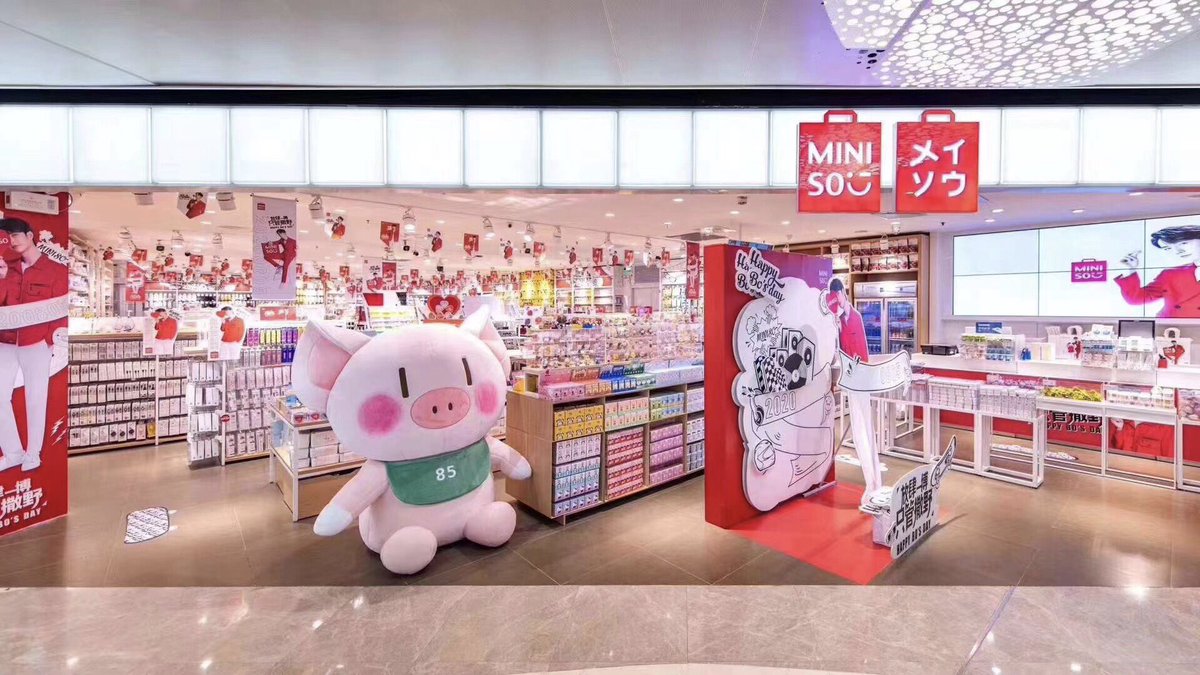
    Chinese discount retailer Miniso has opened more than 40 stores in Vietnam, four years since it launched in the market.

    Miniso entered Vietnam with its first store in Hanoi in 2016. Since then, the brand has been the local’s favorite destination for discount merchandise. Miniso now has more than 700,000 fans following its Facebook account.

    Miniso operates in key cities in the country and has a presence at major shopping malls including Aeon, Lotte, and Vincom.

    During the early stages of entering Vietnam, Miniso showed its understanding of the market by choosing local top star Son Tung M-TP as a brand ambassador. The brand also teamed with well-known Vietnamese host Sam to launch a beauty line called Sam Skin and Makeup.

    “The Vietnamese market has always shown great potential for development,” the company said in a statement. “Even under the epidemic, the market’s increasing demand for consumer experience and cost-effective products have made Miniso very confident in the future development of the Vietnamese market.”

    Miniso has not only joined several e-commerce channels, including Shopee, Lazada, and Tiki, but also created Shopify to provide “a barrier-free shopping environment”.

  • Shopee Malaysia starts selling Covid-19 test kits

    Shopee Malaysia starts selling Covid-19 test kits

    Malaysian online medical service DoctorOnCall has entered into a partnership with Shopee Malaysia to sell Covid-19 tests online.

    The rRT-PCR tests will be available for purchase at Shopee’s DoctorOnCall store, where customers will also be able to buy vouchers for home-delivered medication. In the coming months, Shopee will work with DoctorOnCall to extend usage of the vouchers to book online consultations.

    The partners will inaugurate the service with a health education and awareness series on the platform’s in-app live streaming feature Shopee Live, beginning tomorrow with a talk on Covid-19 and the various testing options by Qualitas Medical Group, including a home-visit screening program designed by Qualitas in collaboration with DoctorOnCall.

    “DoctorOnCall’s decision to expand its digital reach and offer more Malaysians the accessibility to healthcare services especially during this difficult time is commendable,” said Shopee’s regional MD Ian Ho.

    “At the same time, by leveraging our technology and marketing tools such as Shopee Live, DoctorOnCall is able to bring curated content to viewers at home, educating and creating awareness on the importance of hygiene as well as ideas on having a healthy Ramadan. This is what people need right now.”

    “We believe that DoctorOnCall is the first medical platform to collaborate with a digital marketplace and allow access for Shopee Malaysia’s extensive customer base to digital health seamlessly,” said DoctorOnCall’s COO Chiak Tang.

    “In conjunction with this collaboration, we will also initiate a health education series specifically for Shopee users. We pride ourselves as the leading provider of health-related content in Malaysia and are pleased to work with Shopee and our partners, on this educational initiative to reach a greater audience.”

  • Shopee starts selling fresh foods online in Malaysia

    Shopee starts selling fresh foods online in Malaysia

    Shopee Malaysia has launched a fresh food grocery delivery service, including vegetables, seafood, and poultry.

    Ian Ho, regional MD of Shopee, says Malaysia’s e-commerce market is in a hyper-growth stage. “For us, that means it is not time to slow down. We are identifying more areas to tap into, such as the fresh segment, to create a more dynamic online shopping and selling environment. We aim to empower and drive inclusive economic growth by working directly with fishermen and farmers in rural Malaysia for this project,” he said.

    Fresh foods will initially be available in the Klang Valley area of Greater Kuala Lumpur in a pilot program before Shopee Malaysia rolls the service out nationwide.

    The e-commerce company is partnering with local brands including Fresh Tap and Fish Club, the latter of which will sell fish from Pontian fishing village, vacuum-packed and blast frozen immediately after scaling and filleting to maintain freshness.

    Orders from Fresh Tap and Fish Club bought via Shopee Malaysia will be delivered within one to three days.

  • Sasa joins Shopee in Singapore after closing its physical stores

    Sasa joins Shopee in Singapore after closing its physical stores

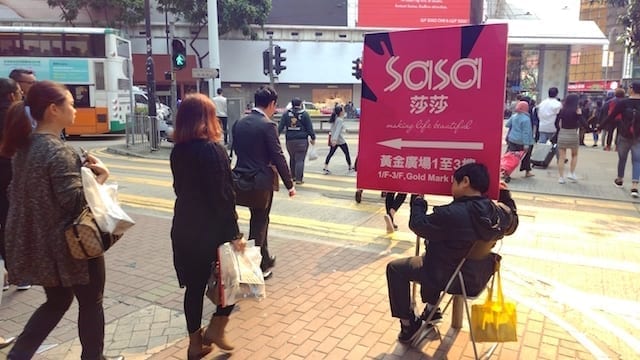
    Hong Kong-headquartered cosmetics retailer Sa Sa International has relaunched its presence in Singapore with an exclusive online partnership with e-commerce platform Shopee.

    Following the firm’s exit from the territory, last year and the closure of all its Singapore outlets, the new Sasa official store on Shopee Singapore aims to tap the platform’s extensive user base to reach a wider audience.

    “The launch of the Sasa official store will allow us to bring a greater variety of beauty products and tools to a wider audience,” said Sa Sa International chairman and CEO Dr Simon Kwok. “This will enable us to effectively drive sales growth and lay a solid foundation for the development of our new retail model. We look forward to strengthening our e-commerce business further and are positive that working with Shopee will allow us to achieve success in the near future.”

    The strategic partnership will enable Shopee to drive growth in one of its top-performing categories – Beauty & Personal Care – by providing a broad assortment of Sasa’s products on the platform. The range will be discounted through to March 1 as part of Shopee’s Brands Festival.

    “Shopee is committed to helping our brands and retail partners unlock their full potential,” said Shopee CCO Zhou Junjie. “This campaign is another step forward for us in bringing our users the most popular and exciting products from their favorite brands.”