Retail News CRM

Tag: Singtel

  • Singtel targets Millennials with all-digital mobile plan

    Singtel targets Millennials with all-digital mobile plan

    Singtel has announced the launch of an all-digital mobile service plan targeted at technology-savvy Millennial customers.

    The new product, GOMO Mobile, offers functionality including immediate online sign up and same-day SIM card delivery, 24/7 live chat for customer service inquiries and a dedicated customer care app.

    The S$20 GOMO Mobile plan includes 20GB of data, 200 minutes of talktime and 200 SMS. The no-contract plan is based on a 30-day payment cycle, and additional allocations can be instantly purchased using a debit or credit card.

    As part of its strategy of targeting Millennials, Singtel is also offering lifestyle rewards such as discounts at selected hipster restaurants and cafes, and plans to expand these rewards to include ride hailing, entertainment events and activities and travel promotions.

    Singtel is also offering a GOMO Travel SIM that provides 3GB of data for 10 days across eight overseas destinations – Australia, Hong Kong, Macau, Taiwan, Indonesia, Malaysia, Thailand and Philippines.

  • Japan’s NETSTARS joins Singtel’s VIA alliance

    Japan’s NETSTARS joins Singtel’s VIA alliance

    Singtel‘s cross-border mobile payments alliance VIA has expanded into Japan through a partnership with Tokyo-bassed mobile payment technology NETSTARS.

    The addition of NETSTARS to the alliance will add 100,000 stores to the network’s current 1.6 million merchant partners in Asia.

    With the agreement, users of mobile wallets supported by VIA, including Singtel’s Dash and AIS Global Pay, will be able to use their respective wallets at merchants including airports, shopping malls, transportation modes and food and beverage outlets.

    Users will be able to pay instantly in their local currency with competitive foreign exchange rates in Japan.

    NETSTARS aims to grow its merchant base to 1 million stores throughout Japan by the end of next year

    As well as Dash and AIS Global Pay, Thailand’s Kasikornbank and Malaysia’s Boost will soon be adding their mobile wallets to the VIA alliance.

    Singtel Group plans to expand the VIA alliance to include other mobile regional associates including Airtel in India, Globe in the Philippines and Telkomsel in Indonesia, as well as more non-telco partners.

  • Konnectivity to buy out remaining shares of M1

    Konnectivity to buy out remaining shares of M1

    Konnectivity, the joint venture buying out Singapore’s M1, has revealed plans to embark on a multi-year transformation of the operator to enhance its competitiveness in the market. The venture revealed it will compulsorily acquire the remaining shares in M1 after securing a 94.55% stake.

    Konnectivity, which is jointly owned by Keppel Corporation and Singapore Press Holdings, announced it will exercise its rights to acquire all remaining M1 shares at the offer price of S$2.06 ($1.52) per share, and then take the company private.

    After the compulsory acquisition, Konnectivity will own 80.69% in M1, while Keppel Corp subsidiary Keppel Telecommunications and Transportation will own the remainder.

    After the acquisition closes, Keppel Corporation and SPH plan to work with M1 on a transformation strategy focused on the three prongs of innovation, technology adoption, and digitalization to help Singapore’s smallest operator better compete with larger rivals Singtel and StarHub.

    “As a member of the Keppel Group, M1 looks forward to working closely with the Keppel Group and with SPH to accelerate the changes needed to deliver even more innovative and compelling products and services, to stay ahead of the competition,” M1 CEO Manjot Singh Mann said.

    “M1 shall endeavour to transform to be at the heart of convergence of various digital services and technologies that present day consumers and enterprises demand. Keppel and SPH bring with them their organisational strengths and stability, which will help us chart our growth plans aggressively, while seeking significant opportunities of synergy with them.”

  • Singtel to invest a further $536m in Bharti Airtel

    Singtel to invest a further $536m in Bharti Airtel

    Singtel Group has revealed plans to subscribe to Bharti Airtel’s 250 billion rupee ($3.57 billion) right issue, taking up its full entitlement for its direct stake of 15%.

    Airtel will take up 170 million new shares at an issue price of 220 rupees per share for a total of 37.5 billion rupees ($535.7 million).

    Airtel major shareholder Bharti Group has also committed to taking its full entitlement under the issue, while fellow major shareholder Bharti Telecom has renounced part of its entitlement in favor of Singapore sovereign investment fund GIC Singapore, which will invest around 50 billion rupees.

    The major shareholders and GIC have together committed a total of 67% of the rights issue. The renunciation to GIC will take Singtel’s effective interest in Airtel to 35.2%, with the operator maintaining its position as Airtel’s largest shareholder.

    “Our participation in this rights offering with our partners and a leading investor such as GIC reflects our long-standing commitment to Airtel and the confidence in the future of the Indian market,” Singtel International CEO Arthur Lang said.

    “Airtel has performed well despite business headwinds and is consolidating its position in a more sustainable market. Our partnership with Airtel spans some two decades and we continue to take a long-term view of India, having recently invested in Bharti Telecom and Airtel Africa.”

  • Singtel, Optus complete international 5G AR video call

    Singtel, Optus complete international 5G AR video call

    Singtel and its wholly-owned Australian subsidiary Optus have completed a 5G augmented reality video call between Singapore and Australia as part of their preparations for the introduction of the next generation mobile technology.

    The joint trial was conducted using Ericsson networking equipment as well as OPPO 5G test devices running on Qualcomm’s inaugural Snapdragon 5G chipset.

    Augmented reality technology was used to provide instant on-screen annotations during a call conducted at the operators’ respective live 5G sites.

    According to the companies, the technology has the potential to open up a range of new possibilities for enterprises, such as the ability to deliver live on-the-job training and remote assistance.

    In the consumer space, augmented reality communications use cases will include holographic calls and the ability to deliver a virtual tactile shopping experience.

    “This call is a significant marker in our journey to 5G as we develop a robust 5G ecosystem to ensure that our enterprise and consumer customers will enjoy an enhanced connectivity experience,” Singtel group CTO Mark Chong said.

    “5G is a key enabler that will bring the future of augmented reality, autonomous vehicles and smart cities closer to reality.”

    Singtel and Ericsson launched a 5G Centre of Excellence in Singapore in 2017, and recently opened the first live 5G facility in the market in collaboration with Singapore Polytechnic.

  • Axiata Digital joins Singtel’s cross-border m-payment alliance

    Axiata Digital joins Singtel’s cross-border m-payment alliance

    Singtel Group and Malaysia’s Axiata Digital have signed an agreement to collaborate in the areas of mobile financial and digital services to promote the growth of the ASEAN digital economy. Under the agreement, Axiata Digital will join Singtel’s cross-border mobile payment alliance VIA, expanding the alliance’s footprint beyond Singapore and Thailand to Malaysia.

    Axiata Digital operates the Boost Malaysia mobile wallet, which as 3.7 million customers and 66,000 merchant points across the nation.

    In addition, the Singtel Group’s Open Platform payment gateway will partner with Axiata Digital’s API platform to enable cross-sharing of product portfolios.

    Both parties have also agreed to jointly promote and drive cross-border payments and to explore collaboration around rewards and loyalty programs.

    VIA was launched in October with Thai partners AIS and Kasikornbank. AIS is one of Singtel’s regional mobile associates. Singtel group plans to expand the VIA initiative to cover other associates Bharti Airtel in India, Globe in the Philippines, and Telkomsel in Indonesia.

    “We are delighted to welcome Boost Malaysia on board the VIA alliance, which gives us presence in an important new market. This shows the tremendous potential for us to grow cross-border mobile payments even beyond the countries where Singtel’s regional associates operate,” Singtel CEO Arthur Lang commented.

    “VIA’s continued expansion will provide consumers with the ease and convenience of using one mobile wallet to pay across multiple regional markets as they travel. We look forward to more partners joining VIA.”

  • Wirecard expands cooperation with Singtel’s Dash to enable mobile payments with Apple Pay

    Wirecard expands cooperation with Singtel’s Dash to enable mobile payments with Apple Pay

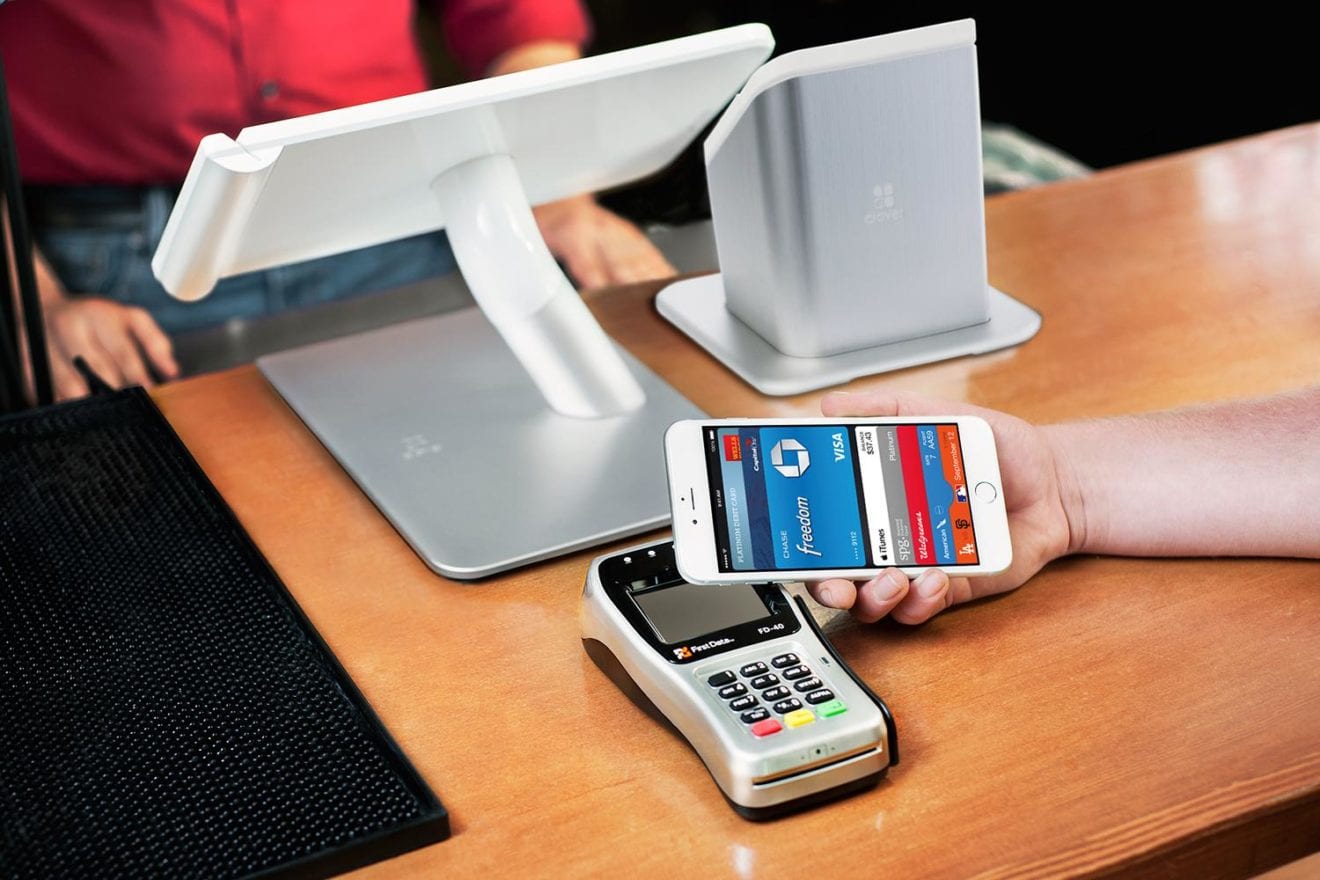
    Wirecard, the global innovation leader in digital financial technology, has deepened its partnership with Singtel’s Dash to support the Dash mobile wallet’s Visa Virtual Account on Apple Pay. From now on, Dash’s customers can make payments using Apple Pay at millions of participating on- and offline merchants worldwide.

    Brigitte Haeuser-Axtner, Executive Vice President, Sales Asia, Digital & Telecommunications at Wirecard said, “As leaders in digital financial technology, we are proud to work with Singtel to bring Dash to an even larger group of potential customers, and to connect consumers with merchants around the globe. Asia continues to be the leader of the digital payments revolution worldwide, and we are excited to be at the forefront of these innovations.”

    “With the increasing popularity of mobile and online payments, Dash enables easy, secure and seamless payment options between our partner merchants and our more than half a million Dash customers on the platform of their choice,” said Gilbert Chuah, Head of mCommerce at Singtel. “Our expanded partnership with Wirecard to bring Dash to Apple Pay reflects our commitment to enhance the digital payment experience for both merchants and customers.”

    Singtel Dash is Singapore’s only all-in-one digital wallet which provides a safe and secure mobile payments solution for shopping, commuting, and remitting money. Dash’s Visa Virtual Account is the first of its kind in Singapore and was introduced in 2017.

    The inclusion of Dash into Apple Pay complements the increasing popularity of online shopping in Singapore. Wirecard’s 2018 International Holiday Shopping Report found that 67% of Singaporeans surveyed prefer shopping online, either via desktop or mobile, while 20% prefer shopping in-store. The ability to use mobile payments in-store is also a welcome innovation with 51% of respondents saying it would improve their shopping experience.


  • Singtel and Starhub to offer Google Pixel 3 in Singapore

    Singtel and Starhub to offer Google Pixel 3 in Singapore

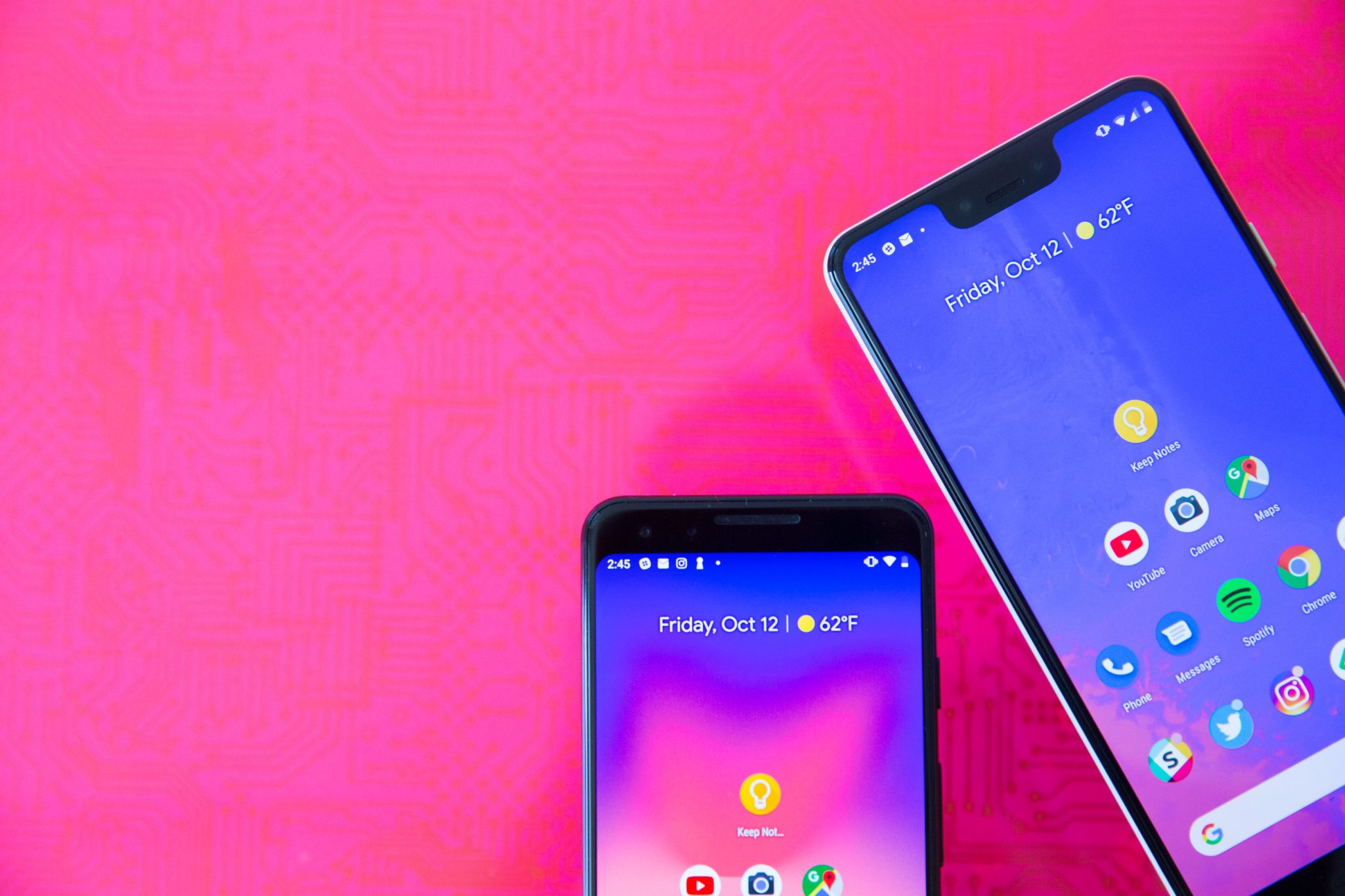
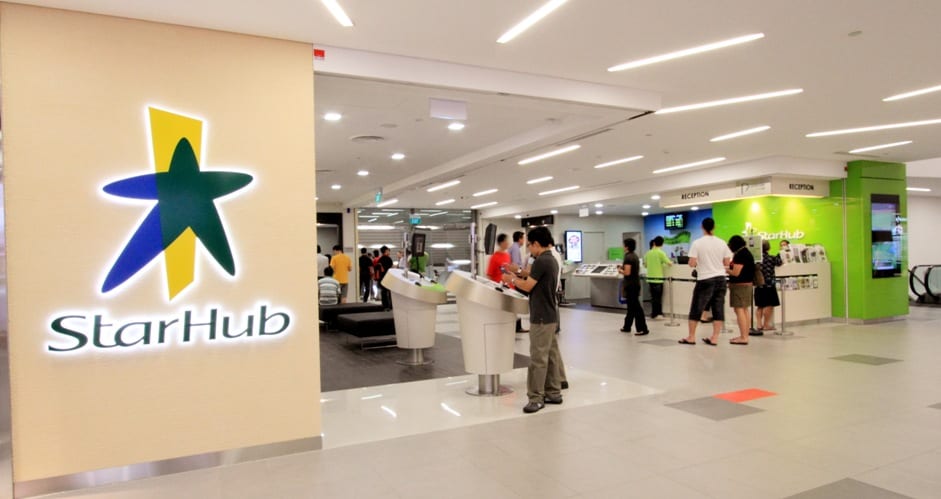
    The local telcos will include Google merchandise as part of their promo. Both Singtel and Starhub will offer Google’s flagship phone Pixel 3 as it launches in Singapore. Google itself will sell the handset through its online store starting 1 November.

    With price ranging from $1,249 for its 5.5-inch model and $1,399 for the 6.3-inch XL model, Google’s flagship will be sold in three colours including Just Black, Clearly White, and new colour Not Pink which will be sold exclusively by Singtel.

    Those who will buy from Singtel will also get a free Google Pixel Stand worth $119 when they additionally purchase certain data subscriptions. Meanwhile, those who will buy from Starhub will get Google Assistant worth $189 as a freebie.

    “Pixel users can gain an edge while streaming high-definition videos and chatting with the Google Assistant,” Starhub vice president of segment and marketing Donovan Kik said.

    Singtel launched the phone for pre-orders on 10 October.

  • Singtel, StarHub and M1 must keep innovating to stay in the game

    Singtel, StarHub and M1 must keep innovating to stay in the game

    Signs have not been good lately for Singtel, StarHub and M1, the country’s three large telecommunications companies. Technological innovations, as well as changes in regulations, have sent shock waves through the big three companies, and virtual mobile telcos such as MyRepublic, Zero1 and Circles.Life have also posed a threat to the larger players.

    But with new kid on the block, TPG Telcom, set to launch later this year, the question remains whether there is still a place for one more large telecommunications company in an already crowded market.

    The existing telcos say that since the country is small and has a mature mobile market with very high rates of penetration, perhaps three’s a company, but four would be a crowd.

    In other places such as Germany, Denmark and the UK there is consolidation of only three mobile network operator (MNO) providers. Indonesia, whose population of 250 million is huge, compared to Singapore’s 5 million, is also leaning toward consolidation.

    Three years ago, the  Info-communications Development Authority of Singapore (IDA) asked whether expanding mobile services in the country is a viable option. Today, opinions still are divided as to whether or not there is room in Singapore for a fourth telco.

    One concern is that tougher competition will lead to fewer revenues in the mobile sector, which would in turn discourage service innovation, and even investments as well.

    On the opposite side is the IDA, which has evolved into the Infocomm Media Development Authority (IMDA), says that there is space for telcos to innovate their services, as well as room for more competition in the market.

    When a new MNO enters the market, this may also spur existing ones to further invest in innovating their networks in order to stay competitive.

    TPG Telecom, which is based in Australia, is already making quite a splash in Singapore, with a special offer for seniors, an audience not often catered to by telcos. TPG is giving a fee mobile plan for people aged 65 and above, complete with a SIM card, 3GB of data and unlimited mobile calls.

    Other telcos are greeting TPG’s launch as a splash of cold water on their faces, to get them to innovate their strategies. The telco industry is marked by both competition and innovation, and companies have to work hard to keep up. Their strategies must remain both quick and agile to remain enticing to existing customers as they attract others.

    For example, telcos have been threatened by over the top (OTT) voice, text and messaging options that only require WiFi for consumers to make calls and send messages. This has meant that telcos can no longer rely on old revenue streams that depended on subscription plans, infrastructure and bandwidth, as consumers ceased to need them as much.

    Big players in the tech market such as Apple, Amazon and Google offer such OTT services merely using data connections, which removes the need for additional infrastructure.

    Industry experts predict that WhatsApp, Skype and different OTT applications will cause telcos the loss of around US$400 billion in revenue for this year alone.

    How then can telcos, which have invested millions on infrastructure, secure their future despite fewer returns on those investments, or else, face the possibility of growing redundant in the industry.

    Perhaps the bigger question here is not whether there is room in the country for yet another mobile telecommunications company, but to ask whether the existing companies are doing enough to innovate in order to maintain relevance in a quickly evolving industry.

  • Optus Business expands managed solutions portfolio

    Optus Business expands managed solutions portfolio

    Australia’s Optus, through subsidiary Optus Business, has expanded its line-up of fully managed ICT solutions for enterprises.

    The operator has added contact center, security and storage solutions to its Optus GO portfolio of managed services.

    Optus GO Contact Centre provides cloud based contact center capabilities including management of inbound and outbound calls, chat and email. Optus GO Security includes email and web protection based on cloud security architecture, and Optus GO Storage provides as-a-service flash storage for data centers.

    The Optus GO managed ICT solutions suite, which launched in February, already included connectivity, collaboration and cloud services for businesses of all sizes.

    “The Optus GO solutions were created in response to our customers who are looking for the benefits of ICT solutions without the cost or burden of ownership and management,” Optus Business managing director John Paitaridis said.

    “We designed Optus GO to save our customers time and money by simplifying technology, delivering connectivity and ICT as an end to end solution in a secure and managed environment.”

    He said Optus GO aims to provide enterprise customers with the core computing foundations to support the business opportunities that will be afforded by emerging technologies including IoT, advanced analytics, AI and 5G.

    Optus is a wholly-owned subsidiary of Singapore’s Singtel Group.

  • Singtel launches Liquid Infrastructure platform

    Singtel launches Liquid Infrastructure platform

    Singtel has launched a new globally available platform designed to allow enterprises to easily configure their networks to better support their business requirements.

    The Liquid Infrastructure platform integrates physical and virtual network services into a single platform embedded with network visibility and intelligence capabilities. This allows enterprises to deploy network resources as and when needed.

    The platform is supported by Singtel’s data network infrastructure and virtual network services. It is designed for use in cloud, VPN and IoT deployments.

    The operator has also upgraded its global IP network with new flexibility and software capabilities to support the service.

    “We have integrated software-based network services to this platform to provide a versatile, robust and scalable solution that delivers critical network services where and when they are needed,”Singtel Group Enterprise VP of global products Goh Boon Huat said.

    “By having the control of connectivity in the hands of our customers, we facilitate their transformation to the digital era through a superior and more agile network deployment and management experience.”

    Liquid Infrastructure is integrated with Singtel’s global network, which consists of subsea cables, an IP VPN network with 428 points of presence and a global internet service spanning more than 200 countries.

  • Singtel, affiliates sign eSports alliance

    Singtel, affiliates sign eSports alliance

    Singtel and four of its regional mobile associates have entered a collaboration agreement aimed at stimulating the gaming and eSports ecosystem in Southeast Asia, Australia and India.

    Singtel and wholly-owned Australian subsidiary Optus have signed agreements with India’s Bharti Airtel, Thailand’s AIS, the Philippines’ Globe Telecom and Indonesia’s Telkomsel covering areas including scaling up eSports, content creation and distribution.

    Singtel, Optus, Airtel, AIS, Globe and Telkomsel plan to jointly develop solutions and services for gamers and fans across the region, including providing access to local, regional and global eSports competitions, original content and exclusive programming.

    The agreement was signed at the Singtel Group’s first multi-title and regional eSports league championship – the PVP Esports Championship – over the weekend.

    The Singtel Group has announced plans to leverage its telco assets and regional mobile customer base of more than 700 million to pursue opportunities to encourage eSports development.

    Singtel also used the championship event to unveil its new ultra-fast fiber broadband service  for Singapore gamers, which includes 1Gbps of dedicated gaming bandwidth and another 1Gbps for general internet usage.

    “Gaming is part of a digital world without borders, where fast network speeds, connectivity and local market knowledge are critical. It is a natural and perfect fit for Singtel and our partners,” Singtel International CEO Arthur Lang said.

    “We are committed to working as a group to better serve the gamers in our networks, and in the region. We hope to play a major regional role as an enabler of eSports, to collectively grow the gaming ecosystem, and give gamers the support and recognition they deserve.”

  • Singtel launches ultra-fast broadband for gamers

    Singtel launches ultra-fast broadband for gamers

    Singtel has launched a new ultra-fast fiber broadband service targeted at gamers, which comes bundled with a dedicated gaming Wi-Fi modem.

    The new 1+1 Gbps Fibre Pro Gamer Bundle comes with the newly launched Razer Sila gaming router and a subscription to the WTFast Gamer Private Network service, which is designed to automatically connect gamers to the fastest servers.

    The bundle is priced at S$69.60 ($50.41) on a 24-month contract, and connects to a dual network which comprises 1Gbps of dedicated bandwidth for gaming and another 1Gbps for regular internet usage.

    The dedicated bundle is being launched today at the opening day of Singtel’s first PVP Esports Championship in Suntec City, a three day event featuring teams from Australia, India, Indonesia, the Philippines and Thailand competing for a $300,000 prize pool.

    “We are pleased to offer our customers this broadband bundle that’s specially designed for online gaming during our inaugural PVP Esports Championship event,” Singtel CEO consumer Singapore and group chief digital officer Yuen Kuan Moon said.

    “Online gaming is extremely popular with our customers. This requires high connectivity performance and specialized devices to optimize the gaming experience. By bringing together Singtel’s superior network connectivity and Razer’s Sila gaming router, we believe the 1+1 Gbps Fibre Pro Gamer Bundle will provide the ultimate performance for gamers.”

  • Singtel launches VIA cross-border mobile payment alliance

    Singtel launches VIA cross-border mobile payment alliance

    Singtel and Thai mobile affiliate AIS have jointly launched a cross-border mobile payment alliance known as VIA, introducing Singapore-Thailand cross border mobile payments in collaboration with Thailand’s Kasikornbank.

    Through the collaboration, Singtel and AIS will offer QR code based mobile payments through their respective mobile wallets – Singtel Dash, as well as AIS Global Pay and Rabbit Line Play.

    The service can be used at all merchants displaying the new VIA brand as well as the more than 1.6 million Kasikornbank merchants displaying the Thai QR Code.

    Singtel said the VIA Alliance in the first cross-border initiative to connect both telco and non-telco mobile wallets.

    The alliance will be progressively expanded to include more of Singtel’s regional associates, including Airtel in India, Globe Telecom and the Philippines and Telkomsel in Indonesia, as well as more non-telco partners such as China’s Ping An Insurance Group.

    “This is a game changer for the Singtel Group and the region. The VIA alliance is aimed at unifying Asia’s fragmented payments scene by connecting different mobile wallet systems across the region. As more people travel around the region, we want them to be able to enjoy the ease and familiarity of using their local mobile wallets abroad,” Singtel International CEO Arthur Lang said.

    “VIA will enhance the payment experience for millions of consumers including our Group’s customer base of more than 700 million. We see a tremendous opportunity to drive the adoption of mobile payments which supports ASEAN’s push towards financial inclusion and vision of a single digital market.”

  • Singtel posts record full-year profit

    Singtel posts record full-year profit

    Singtel has reported a record full-year profit of S$5.45 billion ($4.06 billion) for the 12 months ending in March, mostly as a result of the windfall the company received from the NetLink NBN Trust IPO last year.

    Singtel was required to divest 75% of its 100% stake in NetLink NBN Trust, the network company for Singapore’s next-generation national broadband network (NG-NBN), as a condition of the operator winning the tender for the NG-NBN project.

    NetLink NBN Trust completed an IPO that was more than two times oversubscribed in July, providing Singtel with a roughly S$2.3 billion windfall.

    Excluding this impact, underlying profit fell 8% as a result of a lower contribution from regional mobile associate Bharti Airtel and the lower economic interest in NetLink NBN Trust as a result of the divestment.

    Revenue for the year grew 5% to S$17.64 billion, driven by growth in mobile and fixed broadband customer numbers at Singtel’s wholly-owned Australian subsidiary Optus, as well as higher contributions from the group’s Digital Life division.

    Optus’ full-year revenue grew 3% as the company added 384,000 new mobile customers and 225,000 new NBN broadband customers.

    But Singtel’s share of pre-tax earnings from Singtel’s network of regional mobile associates fell 13.2% to S$2.3 billion due in part to the ongoing challenges faced by Bharti Airtel.

    For the current year, Optus is projecting a low single digit growth in consolidated revenue and flat ebitda. Dividends from Singtel’s network of regional associates are meanwhile expected to be around S$1.4 billion.