Retail News CRM

Tag: skincare

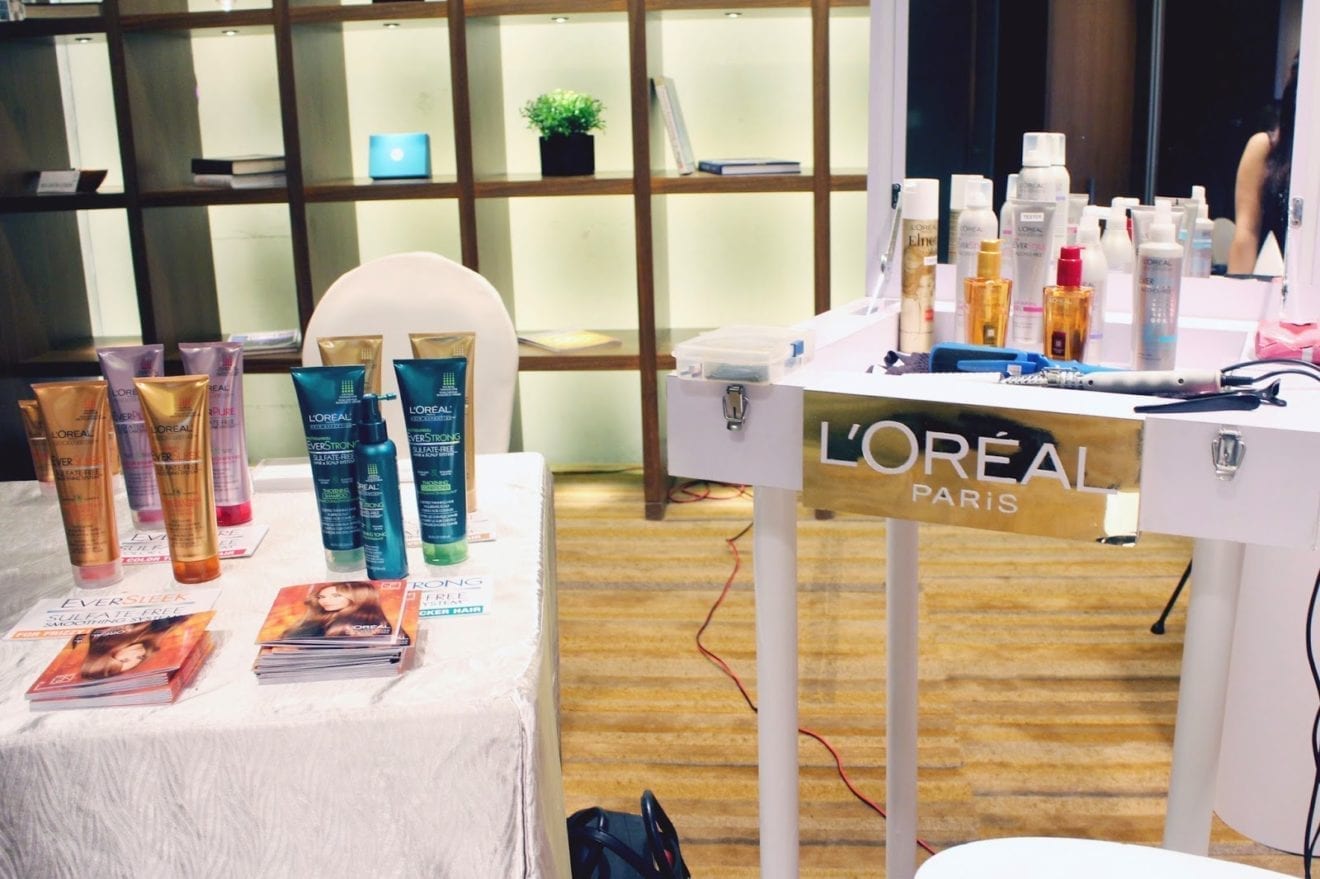
  • L’Oreal Asia Pacific sales reported soars

    L’Oreal Asia Pacific sales reported soars

    L’Oreal Asia Pacific sales soared by a staggering 24.1 per cent on a like-for-like basis last year. Asia was the beauty behemoth’s fastest-growing market with all divisions of the business winning market share from rivals in the region. “The dynamism of Chinese consumers, combined with the good performance of premium brands and rapid growth in several other Southeast Asian markets as well as in travel retail, were the [region’s] main growth drivers,” the company said in an earnings statement.

    Singles Day in the fourth quarter especially boosted sales in China, along with the acquisition of Stylenanda in June.

    L’Oreal Asia Pacific sales, driven by China, overtook L’Oreal’s North America business, with sales exceeding €7 billion.

    Globally, L’Oreal achieved sales of €26.9 billion (US$30.3 billion) last year, an improvement of 7.1 per cent on a like-for-like basis and 8 per cent at constant exchange rates. Net profit reached €3.89 billion euros, an increase of 8.8 per cent.

    L’Oreal’s chairman and CEO Jean-Paul Agon said the results represented the company’s best year of growth since 2007, achieved in a beauty market which had “accelerated significantly” last year.

    All divisions achieved growth, with the standouts being L’Oreal Luxe and Active Cosmetics, which both recorded double-digit sales increases. In the Luxe division, the larger brands led the way, with Lancome sales crossing the €3 billion threshold. The Active Cosmetics division achieved its highest growth for more than 10 years.

    Consumer products sales, led by L’Oreal Paris and Maybelline New York, achieved solid growth and professional products a “modest increase” thanks to a significant acceleration in the final quarter, the company said.

    A growing investment in e-commerce is paying off, with sales online up 40.6 per cent last year, now accounting for 11 per cent of group sales.

    And travel retail broke the €2 billion barrier, increasing by 27.1 per cent.

    L’Oreal reported its gross margin increased significantly and, even after strong investments in research, innovation, and business drivers, its operating margin set a new record at 18.3 per cent of sales.

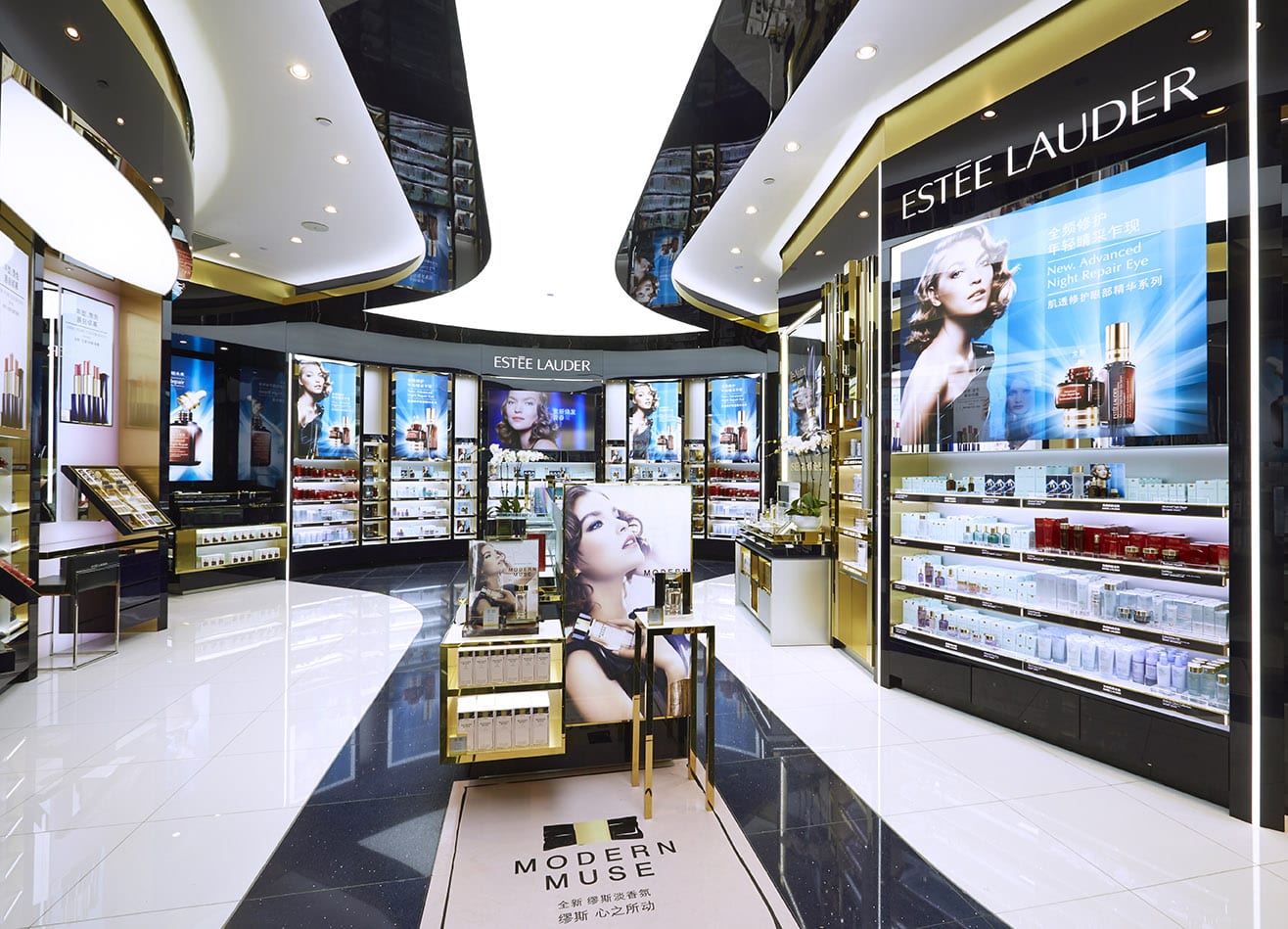
  • Asia-Pacific boosts Estee Lauder revenue

    Asia-Pacific boosts Estee Lauder revenue

    Estee Lauder Asia-Pacific sales achieved double-digit growth in the December quarter. The beauty giant says the growth was broadbased, with nearly half of the markets in the region growing by double digits. “China, Hong Kong and Japan continued to deliver strong growth, and Korea net sales accelerated. Prestige beauty in China accelerated and the company continued to build share,” the company said in a statement.

    “[We] generated double-digit net sales growth in virtually every major product category and channel. Operating income increased, primarily due to higher net sales.”

    Globally, Estee Lauder sales exceeded US$4 billion for the first time, up 7 per cent from the same time a year earlier. Net earnings rose to $573 million compared with $123 million last year.

    “We delivered an excellent performance in our fiscal second quarter,” said president and CEO Fabrizio Freda. “Importantly, this was our eighth consecutive quarter of impressive net sales growth that met or exceeded our long-term goal, all while navigating many global macro issues.

    “Our sustained progress is the result of our multiple engines of growth strategy, and demonstrates our agility in moving resources to the best global opportunities,” he said.

    The strongest growth engines during the quarter included the skin care category globally, the Estee Lauder Asia-Pacific business, online and travel retail channels, and most brands, including Estee Lauder, La Mer, Mac and the company’s artisanal fragrance brands.

    “Despite a volatile and challenging backdrop, we are optimistic about our company’s long-term outlook. We are very well-positioned to build share in global prestige beauty,” Freda said.

    “We plan to increase our investments during the next six months behind our successful innovations, high-quality products, compelling digital advertising and effective commercial execution, while also enhancing our capabilities to strengthen our industry leadership and deliver long-term profitable growth.”

  • Shiseido opens a new factory in Fukuoka

    Shiseido opens a new factory in Fukuoka

    Shiseido Company, Limited has decided to build a new production site, Shiseido Kyushu Fukuoka Factory in Kurume City, Fukuoka Prefecture, Japan. The new factory, which is slated to start its operation in fiscal 2021, will mainly manufacture skincare products for Japan and overseas markets. The investment is expected to be approximately 40-50 billion yen.

    Shiseido has been making concerted efforts as a whole toward the realization of even greater growth to accomplish the medium-to-long-term strategy VISION 2020 and to “Be a Global Winner with Our Heritage”.

    As part of its production strategy, Shiseido is pursuing the establishment of a supply chain strategy from a global perspective in line with its Group-wide marketing strategy, and progressing in the creation of a flexible operational structure at each of its factories around the globe by taking into account various elements such as costs, lead time, inventories and procurement of raw materials.

    Amid such, the company has concluded that it is vital to establish a stable and sustainable production system from a medium-to-long-term perspective in order to respond to growing demand for cosmetics inside and outside Japan and secure further business growth in the future.

    To this end, Shiseido has decided to build another new factory following Nasu Factory and New Osaka Factory (tentative name) which are currently under construction. Investments in the production base including factories currently under construction, establishment of the new Kyushu Fukuoka Factory and reinforcement of existing factories are expected to exceed 170 billion yen.

    The new factory will focus on the production of skincare products which are growing in demand, and provide safe high-quality products in compliance with ISO 22716 international standards.

    As a next-generation factory, it will utilize cutting-edge facilities and advanced technologies such as IoT in the creation of innovation. Furthermore, through the inheritance of long-standing production technologies and expertise which are Shiseido’s strength, we will realize the new factory as people-friendly with high productivity.

    It will operate in an environmentally friendly manner while being able to support our business continuity plan (BCP), aiming to exist in harmony with the surrounding environment including mountains and rivers.

  • Chinese demand for skincare products boosts sales of French cosmetics company L’Oreal

    Chinese demand for skincare products boosts sales of French cosmetics company L’Oreal

    Strong Chinese demand for luxury skin creams helped Lancome owner L’Oreal beat sales forecasts in the fourth quarter, as did a pickup in its lagging mass market division. Like rivals including US-based Estee Lauder, the French maker of Maybelline and Urban Decay make-up has thrived on strong demand from Chinese shoppers in recent years, especially for its higher-end products.

    Sales of L’Oreal’s top-flight brands exceeded analyst expectations in the last three months of the year thanks to this market, despite cooling economic growth in China, and fears over a Washington-Beijing trade war.

    Some heavy-hitters in the luxury fashion industry, such as LVMH’s Louis Vuitton, have also reported encouraging momentum in Asia. At L’Oreal Asia-Pacific overtook North America as its biggest region last year.

    But L’Oreal, which is due to detail its results at a news conference on Friday, also faces a challenge to keep improving revenue growth in other areas, including its consumer products unit, home to brands like Garnier shampoo.

    Sales rose 2.8 per cent in that division on a like-for-like basis in the fourth quarter, which strips out currency effects and acquisitions, up from 2.3 per cent a quarter earlier.

    That helped boost overall sales at the firm, up 7.7 per cent like-for-like and head of forecasts for a 6.4 per cent rise, and which came in at 7.1 billion euros ($8.1 billion).

    Yet the mass market segment still slightly lags the performance of peers like Nivea-maker Beiersdorf and Dove soap owner Unilever.

    L’Oreal said it was also facing a sluggish market in France and the United Kingdom.

    While the latter only makes up around 3 per cent of sales, the company has joined others in preparing for Britain’s potentially chaotic exit from the European Union, and has started stockpiling cosmetics.

    The company said it still expected to outperform the broader beauty market in 2019, though the tone of its outlook was a tad less bullish than last year, forecasting “growth in both sales and profits” rather than “significant growth”.

    For 2018 as a whole, the company’s operating profit rose 5.3 per cent to 4.7 billion euros, giving a margin of 18.3 per cent of sales, up from 18 per cent at the end of 2017.

    One of L’Oreal’s biggest shareholders with a 23 per cent stake, Switzerland’s Nestle, has come under pressure from an activist investor to sell off its stake in the French cosmetics firm. The firms have yet to signal whether such a move was in view.

  • Shinesegae targets US$90 million with a new brand

    Shinesegae targets US$90 million with a new brand

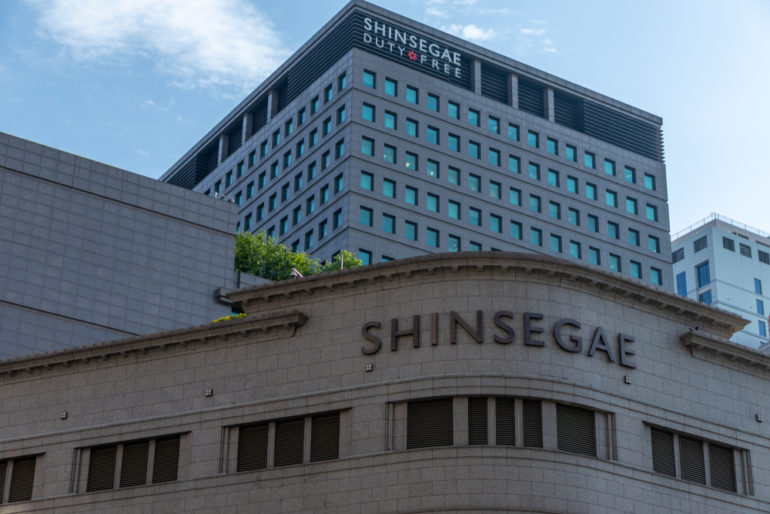
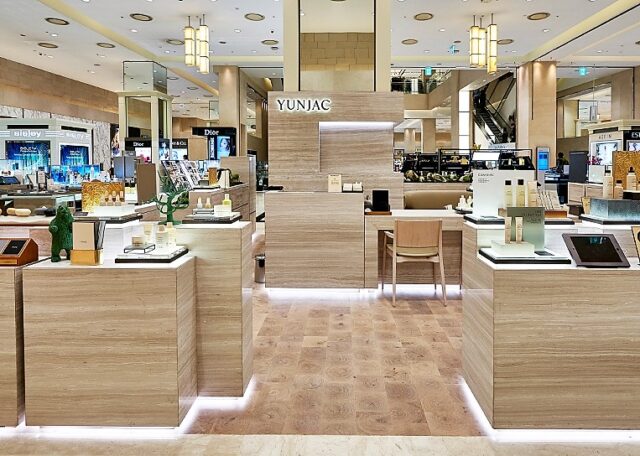
    Major South Korean travel retailer Shinsegae Group is set to launch an in-house developed cosmetics line, Yunjac, into the duty free channel at its Myeong-dong store in the capital city, Seoul. An ambitious sales target has been set for the brand. The opening on 2 February of an independent Yunjac cosmetics area adds to existing domestic market locations in Jung-gu and Gangnam in Seoul, and Centrum City in Busan. The brand was launched in October 2018.

    Fashion, beauty and lifestyle specialist, Shinsegae International, which developed the 42-strong product line, has told The Moodie Davitt Report that it aims to make US$90 million in sales by 2020. Four travel retail exclusive sets are part of the product range.

    The duty free exposure will promote Yunjac to a wider audience, with a particular focus on Chinese travellers. A Shinsegae Duty Free spokesman said: “The Myeong-dong store is a trendy shopping place where you can easily experience the world’s most popular brands. We will try our best to be the centre of world beauty. The line is targeting the global market including China.”

    Yunjac, which means ‘nature’s masterpiece’, is chiefly built around skincare with some makeup and other smaller segments, also part of the portfolio. It is the result of several years research and preparation by Shinsegae International. The product development was a joint effort with global cosmetics maker Intercos and world-renowned botanical research institute Vitalab.

    The manufacturing process involves extracting active ingredients from the best Korean herbs and combining them with state-of-the-art science. The end result is what Shinsegae describes as “the whole plant effect” which is claimed to restores the skin’s natural strength.

    Yunjac’s 42 products are priced at around US$30 for cleansing products, US$100 for skincare and US$50 for mother and infant items, according to Shinsegae Duty Free.

  • Lancôme uses Alibaba Cloud Technology for Chinese New Year promotion

    Lancôme uses Alibaba Cloud Technology for Chinese New Year promotion

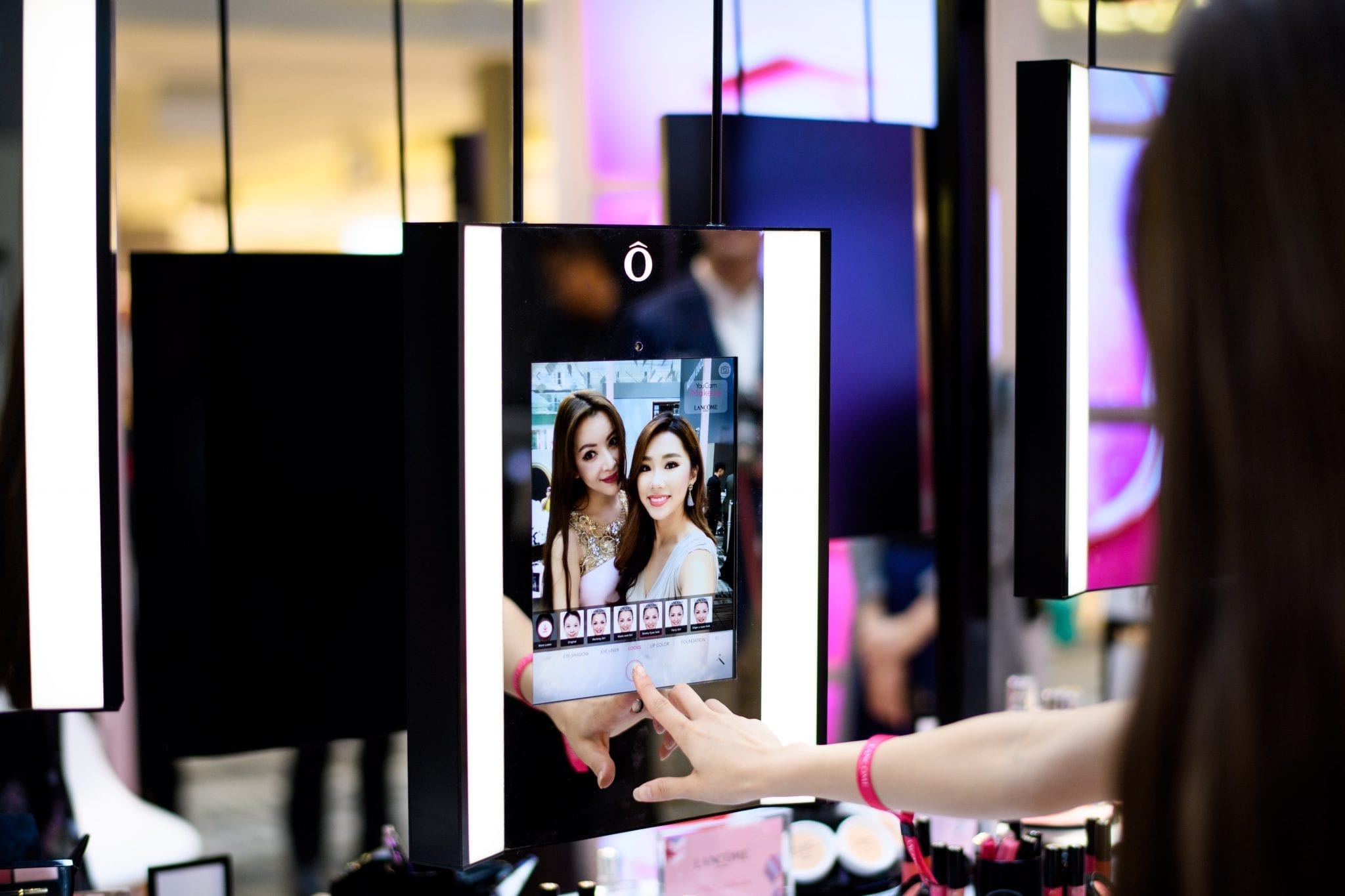
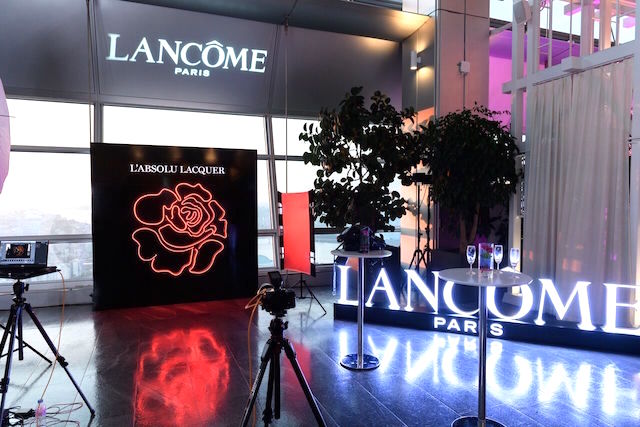
    Lancôme has teamed up with Alibaba Cloud, the cloud computing arm of Alibaba Group, to launch its Chinese New Year campaign in Hong Kong. The partnership leverages Alibaba Cloud’s cutting-edge technologies and Lancôme’s bestin-class beauty offerings to bring consumers the warmest festive wishes with fun and engaging experiences.

    As a leader of the beauty industry and a pioneer in adopting technology-enabled customerengagement, Lancôme has worked with Alibaba Cloud to create an augmented reality (AR) game for customers.

    The game, alongside a Lancôme pop-up store in Harbour City, Hong Kong, enable customers to engage with an online and offline brand experience during the Chinese New Year anywhere in the city, at any time. Lucky consumers will be able to bring home limited edition Lancôme products and special gifts.

    “Lancôme is glad to partner with Alibaba Cloud to engage with our consumers in Hong Kong using the most advanced data technologies. One of the brand’s priority is to build ‘Beauty-tech’ leveraging the latest innovations to transform our campaign and offering our customers better interactive experiences. We are excited to see these technological advancements helping us to create a modern Chinese New Year with better understanding of the consumer behavior and eventually with great business uplift with high conversion,” said Lee Sue Jong, Brand General Manager, Lancôme Hong Kong.

    “We are excited to partner with Lancôme to foster the digital transformation of Hong Kong’s retail industry. Our technologies not only offer innovative ways of engaging consumers, but also help Lancôme better understand customers’ needs using data analytic tools,” said Leo Liu, General Manager of Alibaba Cloud Hong Kong, Macau and Korea.

    Lancôme will spread joy and good wishes across the city for the coming Year of the Pig with thehelp of Alibaba Cloud’s image search technology and cloud services. Consumers can participate in a Lancôme-branded AR game on their smartphones. Those who find and capture augmented reality images of Lancôme’s signature beauty product Genifiques on their smartphone will be invited to send their seasonal wishes for a chance to win a selection of prizes.

    Alibaba Cloud Image Search is an intelligent service based on machine and deep learning. It enables end-users to take a screenshot or upload an image to search for desired products and fulfill other search requests.

    Alibaba Cloud’s cloud-based technology is part of the Alibaba Operating System, a holistic onestop solution to accelerate the digital transformation for corporations. With strong cloud-computing capabilities, the infrastructure is able to deliver insights and analytics instrumental to better satisfying customer needs and growing their business. New Retail, a strategy that drives innovation around online and offline solutions, is a key interface through which businesses can tap into the Alibaba Operating System.

    The latest collaboration on Lancôme’s Chinese New Year campaign follows L’Oréal Group’s longstanding working relationship with Alibaba businesses across multiple platforms. The beauty company has continuously deepened its use of Alibaba’s ecosystem to meet and create new aspirations from consumers. In terms of grasping the benefits of New Retail, L’Oréal Group was an early adopter of merging online and offline during the 2018 11.11 Global Shopping Festival.

  • Deciem skincare firm founder passed away

    Deciem skincare firm founder passed away

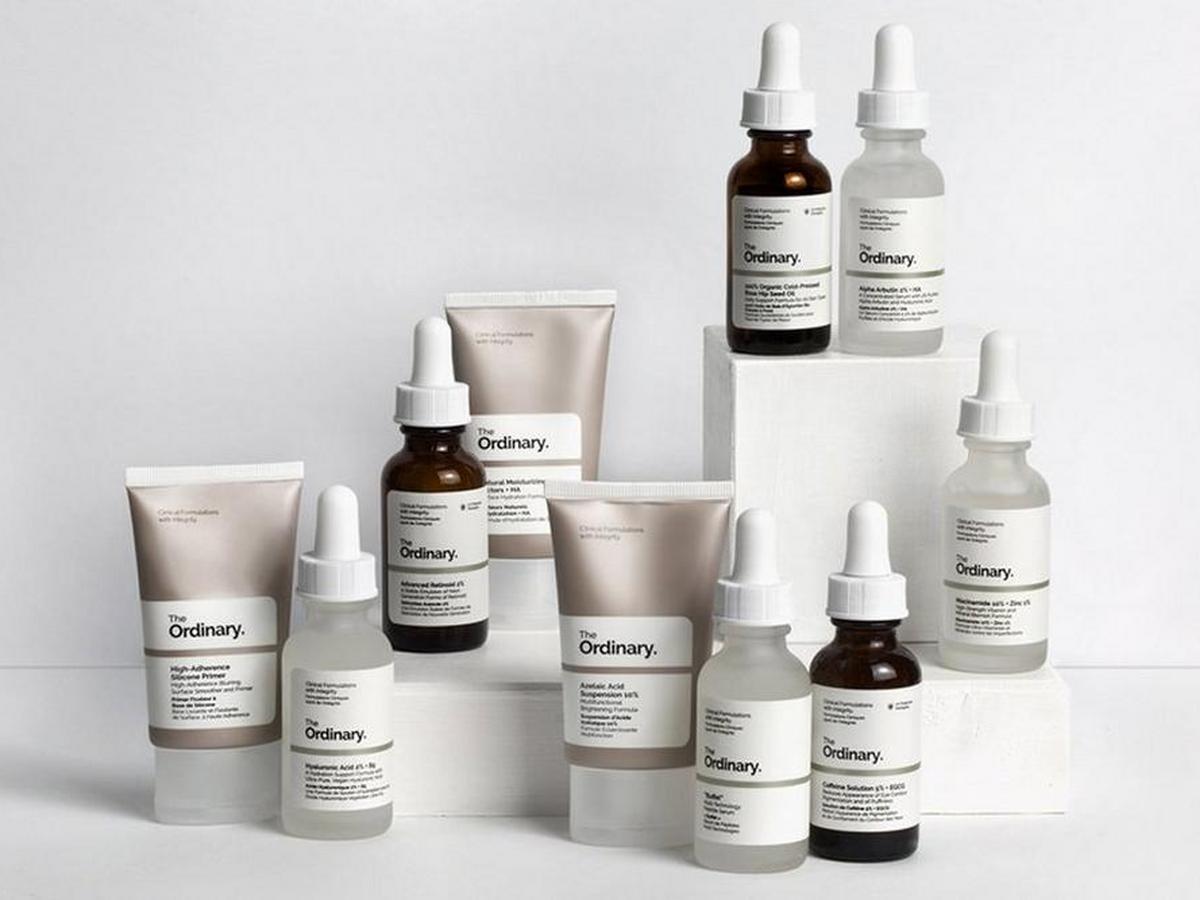
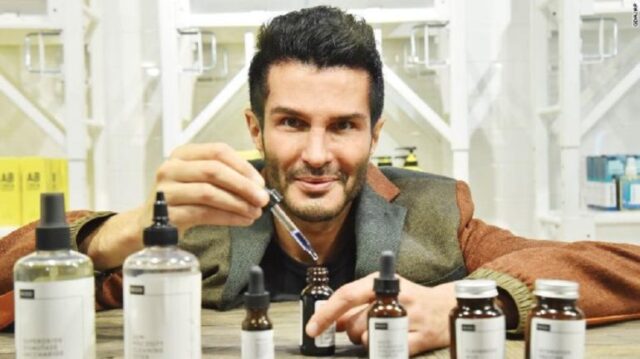
    Brandon Truaxe, the founder of Canadian skincare company Deciem, has died at the age of 40, the firm announced in an Instagram post. Truaxe launched the brand, best known for its affordable skincare line The Ordinary, in Toronto in 2013. Since then it has since expanded worldwide, with stores in the US, the UK, South Korea, Australia, Mexico and the Netherlands.

    “Brandon, our founder and friend. You touched our hearts, inspired our minds and made us believe that anything is possible,” a Monday post on Deciem’s Instagram reads.

    CIUDAD DE M?????????XICO, marzo 30 (EL UNIVERSAL).- Brandon Truaxe, joven creador del concepto, recibi?????????? a decenas de invitados en este nuevo espacio, donde las personas podr?????????n solicitar asesor??????????a sobre los tratamientos m?????????s efectivos para mejorar el estado del cutis y otras zonas del cuerpo. Foto: Agencia EL UNIVERSAL (GDA via AP Images)

    “Thank you for every laugh, every learning and every moment of your genius. Whilst we can’t imagine a world without you, we promise to take care of each other and will work hard to continue your vision. May you finally be at peace.”

    The Estée Lauder Companies, an investor in Deciem since 2017, said in a statement: “Truaxe was a true genius, and we are incredibly saddened by the news of his passing … he positively impacted millions of people around the world with his creativity, brilliance and innovation. This is a profound loss for us all.”

    Truaxe was removed as co-CEO of Deciem in October 2018 following a lawsuit brought by Estée Lauder, after his posts on the company’s social media accounts became increasingly erratic.

    “Brandon will always be the founder of Deciem,” the company posted on Instagram in October. “We will take the passion and values he has instilled within us as we continue to grow the brands we have created with transparency, integrity, authenticity, function and design.”

  • LG Household sells 1 trillion won of cosmetics in quarter

    LG Household sells 1 trillion won of cosmetics in quarter

    LG Household & Health Care sold 1 trillion won ($885.2 million) of cosmetics for the first time ever in a quarter, the company said Thursday. In its 2018 fourth quarter, cosmetics sales totaled 1.05 trillion won, an increase of 18.2 percent year on year. It credits strong sales of luxury line “The History of Whoo” for the good performance, adding that Whoo became the first single brand in the domestic cosmetics industry to reach 2 trillion won in annual global sales.

    LG’s health care arm achieved another first. It recorded annual operating profits over 1 trillion won for the first time last year, while posting 6.7 trillion won in total sales.

  • Time for South Korean cosmetics to face challenges

    Time for South Korean cosmetics to face challenges

    South Korean cosmetics stores that have been the drivers of the ‘K-Beauty’ industry for the past 15 years are facing a crisis, exposing their limitations. The cosmetics industry is undergoing a series of transformations due to decreased demand from China and a change in distribution structure resulting from stagnant domestic demand and increased competition.

    Nowadays, it is common to see health and beauty shops (H&B) such as Olive Young and LOHBs reorganise and shift their main focus online.

    According to cosmetics industry analysts, the size of the South Korean cosmetics stores’ market was 2.29 trillion won (US$2.05 billion) in 2017, which reflects a rapid decrease since the peak in 2016. It is estimated that total sales last year decreased by 15 per cent from the previous year.

    With sales decreasing, the industry is closing down branches. The number of South Korean cosmetics stores began to shrink in 2017 and is estimated to have fallen to 5200 last year.

    Popular brand Skinfood is facing an imminent crisis. The company, once a huge hit with the phrase “Don’t eat, give it to your skin” entered corporate restructuring last October, after encountering difficulty securing liquidity due to excessive debts.

    Those who suffer the most in the process are franchise owners, who are protesting that the company is trying to avoid the worsening situation without taking responsibility.

    The causes of the decline of the retail shop are numerous. The first reason is the excessive competition within the industry.

    Add to this, China’s retaliatory actions as part of the THAAD missile crisis in 2017 led to huge decrease in sales.

    Changes in distribution structure have also played a role. H&B shops are now leading the market, offering a variety of brands in one place, instead of a closed structure.

    These types of stores are a gaining competitive edge as they can sell occupy low and medium-priced brands and new venture brands as well as establish strategic products.

    Retail shops became a mainstream cosmetics market in the early 2000s. Amid the economic slump, retail shops continued to grow in number as brands gradually added fast product launch strategies and functional products aligned with trends based on affordable prices.

    Chinese tourists clearing out the shops in the wake of the Korean wave contributed to the growth of retail shops. However, in the current situation, retail shops are only beginning to restructure.

    While some chains of South Korean cosmetics stores are choosing to downsize their branches, others have chosen to invest aggressively.

    Those who chose aggressive investment plans in a bid to become global cosmetics companies hope to achieve economic success despite the difficult situation and uncertain prospects for the future.

  • The rise of men’s cosmetics

    The rise of men’s cosmetics

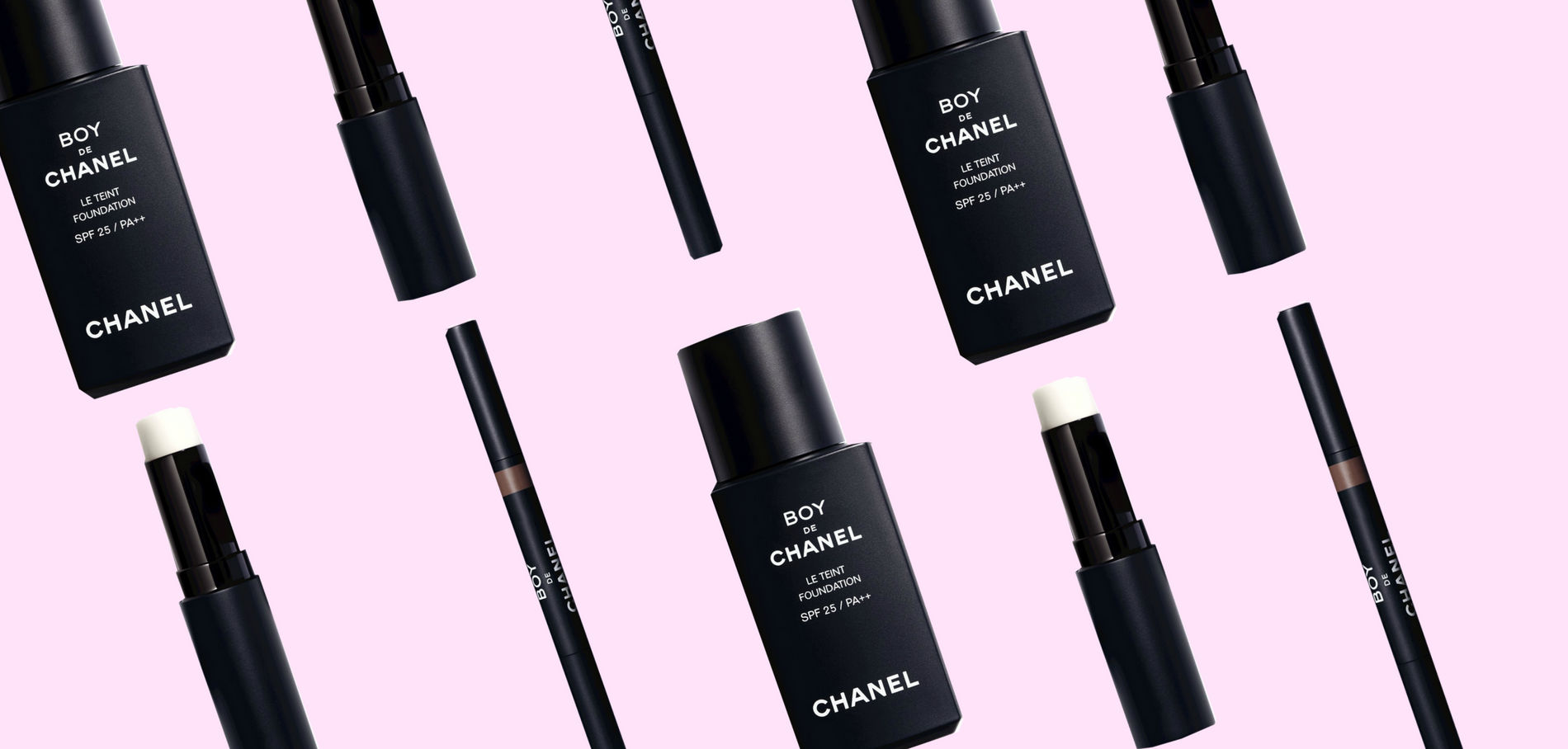
    Chanel is launching a make-up line entirely for men Boy de Chanel collection in 2019, and other brands might follow. Just as Gabrielle ‘Coco’ Chanel rocked the boat by flouting gender dressing rules in order to marry style and comfort in the early 20th century, the iconic fashion house is stirring the waters once again with a male make-up line.

    Striving to rewrite the rules and break free of gender codes, Boy de Chanel will boast three products to add to the luxurious French cosmetics collection in 2019.

    Almost a century after the European empire launched a make-up line for women, Chanel’s first cosmetic collection for men will see the products encapsulate the brand’s classical elegance through its midnight blue and white packaging, highlighting only the essential products.

    Touted as being a name that captures the essence of masculinity, the foundation, lip balm and eyebrow pencil are aimed at boosting confidence and erasing imperfections through a long-lasting formula that creates natural results.

    Chanel says its first make-up line for men “reaffirms the ever-changing codes of an unchanging vision” because beauty is not a matter of gender, it is a matter of style.

    You can expect the SPF 25 foundation Le Teint to have an “undetectable result” as it is described as being invisible to the eye and touch while offering a second skin with natural correction and high protection. It will protect skin from aging while allowing it to breathe through an airy micro-mesh leaving it shine-free.

    Promising to keep lips supple for eight hours, the moisturising lip balm is packed with jojoba oil and shea butter that leave a “featherweight effect”.

    Offering to boost self-confidence in one stroke, the Boy de Chanel eyebrow pencil defines and fills out the brow line with the spiral brush and tapered twist tip.

    Drawing inspiration from the female world of style to craft the timeless products, Chanel strives for inclusivity with “no absolutely feminine or masculine prerequisites” to empower cosmetic fans to be whomever they desire.

  • Kiehl’s X Jonny Wan at Singapore Changi Airport

    Kiehl’s X Jonny Wan at Singapore Changi Airport

    Known for his bold and diverse style, in his designs Wan has depicted a pig named Lucky who travels from New York City to Singapore to celebrate the Lunar New Year with his family and friends. Born in Sheffield, UK, Johnny Wan graduated from the Manchester School of Art in 2008 and has been working as a freelance illustrator since. With a fascination for all things ancient, he has developed a diverse style working across advertising, editorial and publishing.

    Creating bold and graphic pieces of work that reflect his interest in Art Deco is a process of alchemy Jonny loves exploring. His previous clients have included Ford, Audi, Kidrobot, Microsoft and Nokia.

    The brand’s iconic products, Ultra Facial Cream, Calendula Herbal Extract Alcohol-Free Toner and Creamy Eye Treatment with Avocado, will be available in limited-edition Lunar New Year packaging designed by the illustrator.

    With the pop-up taking place in Singapore, Kiehl’s will be bringing the Merlion statue into Changi Airport especially for the occasion to welcome travelers right after their flight lands. A Lunar New Year-themed virtual reality motorcycle and a fortune card machine will also be on site to engage customers with the most immersive Lunar New Year experience.

    Kiehl’s believes that a worldwide international company must have a purpose for its existence, to go beyond the everyday work, and improve the community that Kiehl’s serves.

    For each purchase at the pop-up store, Kiehl’s will donate 1 SGD to Singapore NPO, ZEROWASTESG. The pop-up will also work alongside the BUY Your Own Bag program (BYOB) to educate and remind shoppers to bring their own reusable bag and to make using reusable bags a social norm.

  • Shilla Duty Free recruits Asia’s top social media influencers to pitch K-beauty

    Shilla Duty Free recruits Asia’s top social media influencers to pitch K-beauty

    South Korean Hotel Shilla has recruited five social media influencers across Asian countries to hype K-beauty products through Shilla Duty Free stores. The company said that it will work with top influencers from China, Japan, Vietnam, Malaysia, and Thailand on its “Beauty&You” project to guide customers on how to shop at travel retail online stores via social media platforms.

    Social media influencers with access to a large audience can endorse opinions about products and services, which eventually leads to promote sales.

    Those influencers who have partnered up with Shilla Duty Free reportedly have more than 1.7 million followers worldwide in total. They will work with the travel retailer to guide customers on how to use Shilla Duty Free online store as well as show the latest makeup trends using Korean cosmetics products via their social media channels.

    The company expects its partnership with the top influencers to bolster its brand awareness across the world on top of expanding its share in online travel retail market.

    Currently, its online duty-free shop is available in four languages – Korean, Chinese, Japanese, and English. It also has offline outlets overseas in international airports of Singapore, Hong Kong, and Macao as well as downtown Tokyo and Phuket.

  • Shiseido opens new office hub in Singapore

    Shiseido opens new office hub in Singapore

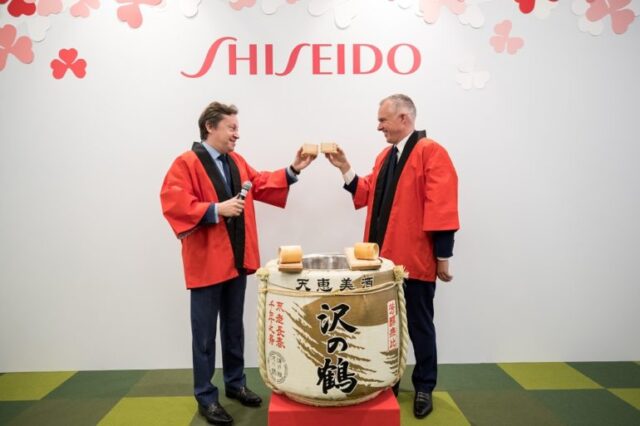
    Shiseido announced the opening of its new office in Singapore, located in the heart of Singapore’s Central Business District. The move is part of Shiseido’s VISION 2020 corporate transformation, as the company focuses on accelerating growth in the second phase of its medium-to-long term strategy. The new office hub will house the regional headquarters of Shiseido Asia Pacific, the global headquarters for Shiseido Travel Retail and the affiliate office of Shiseido Singapore.

    As centres of value creation, this structure facilitates flexible and agile decision making; enabling Shiseido to achieve significant growth through marketing activities attuned to the needs of regional consumers and global travellers.

    As we continue to build for the future, Shiseido is committed to an increased investment in our brands, talent development, beauty innovation and business activities that will positively and sustainably impact society.

    The new office will house three new dedicated facilities:

    • Asia Learning Centre, a first-of-its-kind dedicated training facility that will train approximately 2,000 Shiseido employees from Asia Pacific, Travel Retail, Japan & China each year. Its programmes aim to develop leadership, function-specific and innovation skills and behaviours that are critical in supporting growth and bringing out the best from employees for Shiseido’s continued success.

    • Asia Pacific Innovation Centre, which will enable open-source innovation, Asia Pacific consumer research, as well as create and localize a portfolio of highly specialised products for the Asian market and climate.

    • Life Quality Beauty Centre: As we strive for a society that promotes greater happiness and positivity for everyone, this is a unique facility that provides private, specialized make-up consultations to consumers with significant skin concerns such as port-wine stains, nevus, scars, vitiligo and changes in appearance due to the side effects of medical treatment. Shiseido has helped consumers with serious skin concerns since 1956, when many in Japan suffered from serious skin burns post-war, by developing a foundation called Shiseido Spots Cover.

    Shiseido Asia Pacific and the global headquarters of Travel Retail first established their presence in Singapore in 2016 & 2015 respectively; with the employee base almost doubling to over 250 employees, with nationalities spread across 17 countries.

    The strategic location of the Singapore office puts Shiseido closer to key markets in Asia, enabling the company to leverage the region’s robust potential with its rising middle-class population. Growth in the premium beauty segment in Asia Pacific is forecasted increase by USD$4.4 billion from 2016-2021, while the mass beauty segment is expected to achieve more than triple this amount[1].

    Asia Pacific also represents a key region and engine of growth for the global Travel Retail Channel. Current forecasts estimate that its beauty segment represents a potential market size of USD$26 billion by 2021[2]; the proximity of Shiseido Travel Retail aims to empower and guide the team alongside this growth.

    “Our new regional headquarters is testament to our solid growth in Asia Pacific over the past few years and my commitment to our consumers and employees in the years to come – I am looking forward to our expanded capabilities in leadership & talent development, innovation and harnessing deeper Asian consumer insights. These will play a critical role in accelerating our growth across the region,” said Jean-Philippe Charrier, President & CEO, Shiseido Asia Pacific.

    “As we continue our trajectory towards achieving our Vision 2020 goals, this new modern office for Shiseido Travel Retail aims to be a place of innovation, creativity and collaboration for our global & Asia teams. We hope that this office will be a place to inspire our team and partners in new ways of thinking, continuing our journey in finding new and fresh methods of engaging our hyper connected travelers and pioneering new forms of retail entertainment,” comments Philippe Lesné, President & CEO, Shiseido Travel Retail.

  • Shinsegae to sell Yunjac cosmetics at duty free

    Shinsegae to sell Yunjac cosmetics at duty free

    South Korean retail giant Shinsegae is launching an independent Yunjac cosmetics store at its Myeongdong duty free outlet. The cosmetics shop, which will open on February 2, retails Asian herb-based skincare products. Launched in October last year, it is Shinsegae’s first in-house cosmetics brand, targeting Chinese millennials. A statement from the company said the opening is ahead of schedule thanks to unexpectedly high demand, with sales exceeding last year’s expectations by a factor of four.

    Three Shinsegae Department Store branches currently host a Yunjac outlet, with more stores planned to open within Korea and abroad shortly. It is targeting sales of KRW100 billion (US$89 million) by next year.

  • The Body Shop India to open 20 new stores in 2019

    The Body Shop India to open 20 new stores in 2019

    The concept of beauty has evolved dramatically over the last few years. The desire to look attractive and feel good is at an all time high among consumers from all walks of life. Consumers are continuously looking out for products that make them look good. Innovation, ingredients and integrity are the new buzzwords in beauty. Natural and organic has never been more popular. The movement towards healthier, wellness-oriented lifestyles around the world – complemented by a growing consumer awareness of sustainability, naturality, and ethical sourcing, has influenced personal attitudes towards beauty.

    There has been a huge upsurge of consciousness in beauty purchase – Beauty with Responsibility. Today consumers want to buy beauty products which are chemical free, natural, organic, vegetarian and not tested on animals. ‘Ethical and Clean Beauty’ is indeed on the rise.

    Keeping up with the rising demand, many new brands have entered the beauty retail space in India but brands like The Body Shop which have been there in the industry from past 12 years, has carved a niche for itself.

    Vishal Chaturvedi, General Manager-Retail – India, Sri Lanka and Bangladesh, The Body Shop explains how the brand has become a established household name. He says, “The brand is a one stop shop for new and trending beauty products and ingredients. We have ranges across skincare, bath and body, haircare, make-up, men’s grooming range and gifting. Perfected by centuries of wisdom, the brand brings to its cusotmers the finest natural ingredients, refined textures and delicate fragrances, from purifying and firming clays, sensorial and luxury oils, refining natural scrubs and decadent creams.”

    “We are always on the verge of experiments to bring new beauty formats and testing efficacy to bring the very best to our consumers,” he adds.

    All the products of the brand are made exclusively in the UK and supplied across the world. India is one the fastest growing markets and among the top markets for The Body Shop.

    “We have been in India since 2006 and have 175 stores across the country. We have presence in 60+ Indian cities and over 600 towns and cities through own e-commerce channel. The brand is known for its ethical positioning with strength of natural ingredients, community trade programs, animal cruelty free and 100 percent vegetarian products. The Body Shop has a fast growing consumer base. We are expanding into new markets and are a leading global beauty retailer in the country,” asserts Chaturvedi.

    Store Innovations

    The Body Shop keeps the customers at the centre of their business and their location strategy is driven by the endeavour to reach as many customers across a wide spectrum of segments.

    “We choose locations that allow us access to all kinds of beauty consumers and where we can offer our unique The Body Shop experience,” reveals Chaturvedi.

    The brand’s pillars are naturality, animal cruelty free and activism and the stores celebrate this through their ambience and every customer touch point.

    “Through the stores, the brand offers a heightened personalized experience by unique display of products and experiential zones which uplift the sensorial experience of the customers. We have a marquee Community Wall that specifically talks s about our ongoing ethical campaigns and initiatives,” states Chaturvedi.

    “Our greatest innovation is our beauty experts and advisors. They are the true ambassadors of the brand. The advisors undergo rigorous training and each one of them is well equipped to give a 360° experience of the brand,” he adds.

    Future Plans

    The beauty brand has endeared itself not only to consumers in big cities like Mumbai, Delhi, Bangalore, Chennai, Hyderabad, Kolkata but is also hugely popular in Tier II cities like Guwahati, Siliguri, Jammu, Aurangabad, Patna, Nasik, Mysore, Calicut and many more towns and cities.

    “We shall be opening 20 more stores this year in 2019, establishing our footprint in new cities to make ourselves even more accessible to new customers,” he reveals.

    “Apart from physical presence, we have a very strong online presence. E-commerce is our fastest channel of reaching 600+ cities and towns adding almost 30,000 customers to The Body Shop family every year. Our e-commerce business contributes to 10 percent of our business. We are expecting to grow by 12 percent,” he concludes.