Retail News CRM

Tag: trade

  • Indonesia Posts Trade Surplus in October, Third Month in a Row

    Indonesia Posts Trade Surplus in October, Third Month in a Row

    Indonesia posted a trade surplus for a third straight month in October, the Central Statistics Agency said on Wednesday (15/11), as improved demand for commodities underpinned exports from Southeast Asia’s biggest economy.

    The trade surplus in October was $0.9 billion, the agency said. The surplus was supported by larger commodities shipments such as coal and metal, as well as manufactured goods.

    Demand from China continued to support Indonesian exports, the agency said.

    The surplus, however, shrunk from September’s surplus of $1.76 billion. Analysts polled by Reuters had expected a $1.63 billion surplus for the month.

    Exports rose 18.39 percent in October on an annual basis, compared with a 16.59 percent increase forecast in the poll.

    October exports were worth $15.09 billion.

    Meanwhile, imports jumped by 23.33 percent to $14.19 billion, picking up pace from a 13.13 percent rise in the previous month and compared to a forecast of 16 percent growth.

    The rise in imports was due to purchases of raw materials for industrial use.

  • DHL and Latvian Railways join forces to boost Baltic-China trade

    DHL and Latvian Railways join forces to boost Baltic-China trade

    Baltic and Nordic exporters can look forward to faster, cheaper and more reliable logistics connections to China’s immense export market, following the signing of a new agreement between Latvia’s State Joint Stock Company Latvijas dzelzceļš (LDz) and DHL Global Forwarding.

    The Memorandum of Understanding and Cooperation (MUC) signed between both companies will see both organisations focus on establishing multimodal rail connections between China and Latvia, including both freight connections and consolidation services centred in Riga City. Under the MUC, new connections will include guaranteed transit times and simplified customs and handling procedures for inbound and outbound cargo, as well as support for more flexible shipments such as Less-than-Container Load (LCL) freight.

    “So far, very few Baltic or Nordic businesses have fully tapped into the immense market opportunities that China and the broader Asia Pacific region currently offer,” said Steve Huang, CEO, DHL Global Forwarding Greater China. “The two regions’ exports made up only 0.7% of China’s imports on average between 2011 to 2015, despite China’s demand for overseas goods which both regions excel in — like high-quality food products, textiles, and pharmaceuticals — growing rapidly in this time.[1]”

    “With the economies of Latvia and its neighbours expected to grow faster than the rest of the European Union,[2] businesses in the region will need to look to new markets like China to fuel their expansion. By building rapid, reliable logistics connections between the Baltic and Asia Pacific, we hope to give the region’s businesses a strong foundation for ongoing growth.”

    The MUC comes as DHL begins service along its newest Asia-Europe multimodal route connecting Shenzhen to Minsk via rail. DHL holds similar agreements with national rail providers in Belarus, Chengdu, and other major hubs along China’s proposed “Belt and Road” trade routes.

    “DHL has led the way in realising the Belt and Road’s opportunities for numerous countries, including the Nordic states that its Shenzhen-Minsk route will directly service,” said president of LDz, Edvīns Bērziņš. “This new agreement will give Latvian businesses the flexibility and confidence to engage in freer trade with Chinese and Asian markets, as well as establish Latvia as a strategic gateway along the Belt and Road to other parts of Europe — a twofold boost to the country’s production and logistics industries.”

    The MUC also includes provisions for ocean freight and intermodal shipping between Latvia, Scandinavia, and the UK and Ireland, as well as air and road freight connections to major cities across continental Europe.

  • Uber fires engineer at center of trade secret suit

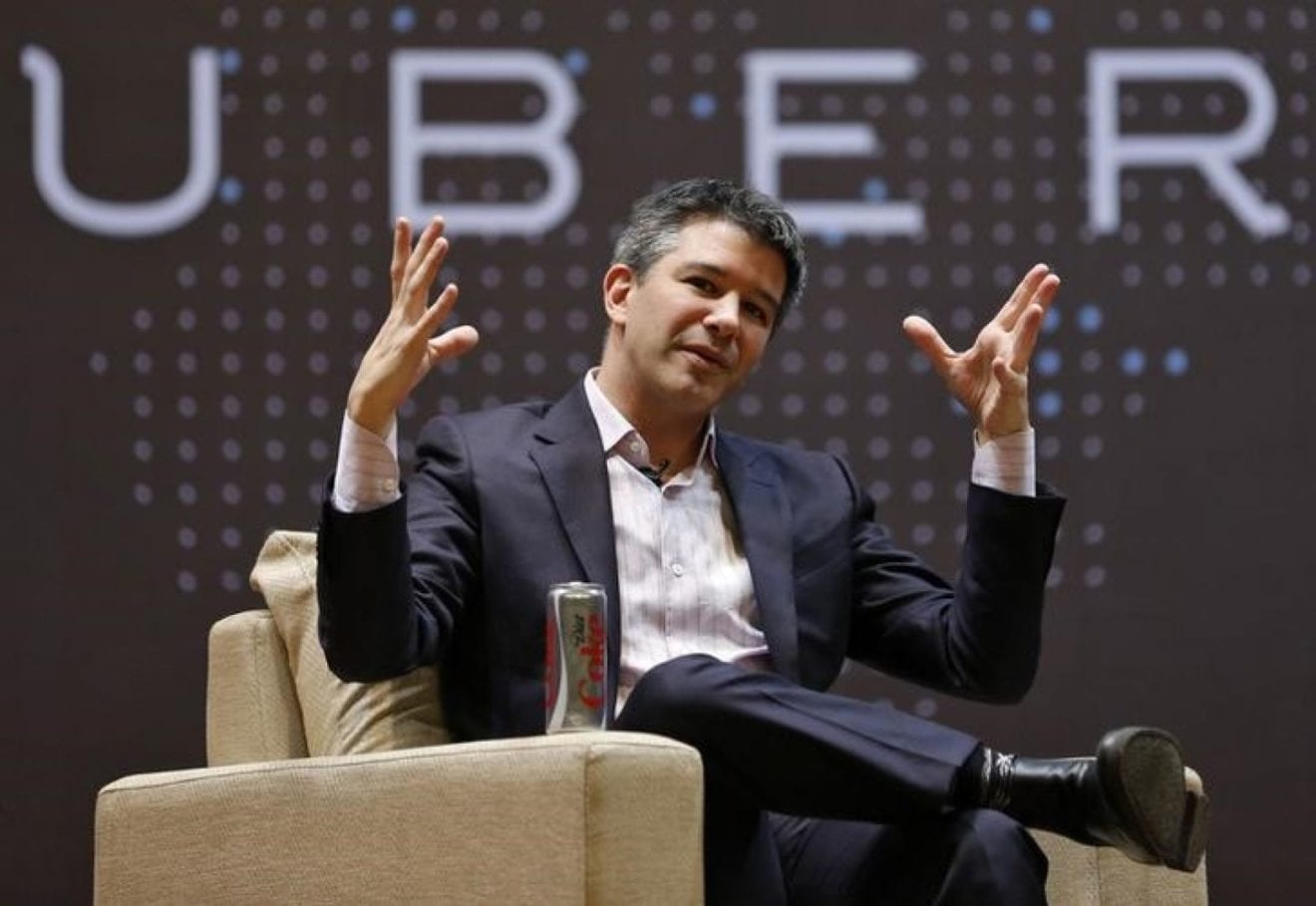
    Uber fires engineer at center of trade secret suit

    The star engineer was accused of stealing technology from Alphabet’s self-driving car unit. Uber on Tuesday confirmed that it has fired an engineer accused in a trade secrets suit involving files he purportedly purloined from Alphabet’s self-driving car unit Waymo.

    The firing of Anthony Levandowski came just ahead of a date set by a judge for Uber to return files taken from Waymo.

    Levandowski missed a company deadline for assisting with an internal investigation related to the litigation, according to an Uber spokesperson who asked not to be named.

    The case stems from a lawsuit filed in February by Waymo, formerly known as the Google self-driving car unit, which claimed former manager Levandowski took a trove of technical data with him when he left to launch a competing venture that went on to become Otto and was later acquired by Uber.

    San Francisco-based Uber said it pressed Levandowski for months to help with the investigation, and did not want to wait until the matter made its way through the courts to decide whether to let him go.

    In mid-May, U.S. District Court Judge William Alsup issued a partial injunction that fell short of the complete shutdown of Uber’s self-driving car efforts that Alphabet lawyers had requested.

    “Waymo has supplied a compelling record that Levandowski pilfered over 14,000 files from Waymo, and that Uber knew or should have known as much when it brought him on board,” Alsup said in his order.

    Waymo’s lawsuit contends that Levandowski in December 2015 downloaded files from a highly confidential design server to a laptop and took the data with him to the startup.

    The judge ordered Uber to do everything in its power to prevent information taken from Waymo from being used at the on-demand ride company and to return all copies to Waymo, or the court, by the end of May.

    Under the order, Levandowski was barred from being involved at Uber with anything to do with LiDAR, an object-sensing technology used to help self-driving cars “see,” which is at the heart of the suit.

    Waymo argued in the lawsuit that a “calculated theft” of its technology netted Otto a buyout of more than $500 million and enabled Uber to revive a stalled self-driving car program.

    Uber acquired commercial transport-focused Otto late last year as the company pressed ahead with its pursuit of self-driving technology.

    Levandowski, a co-founder of Otto, headed Uber’s efforts to develop self-driving technology for personal driving, delivery and trucking.

  • Vietnam may become a target as Trump set to curb ‘trade abuses’

    Vietnam may become a target as Trump set to curb ‘trade abuses’

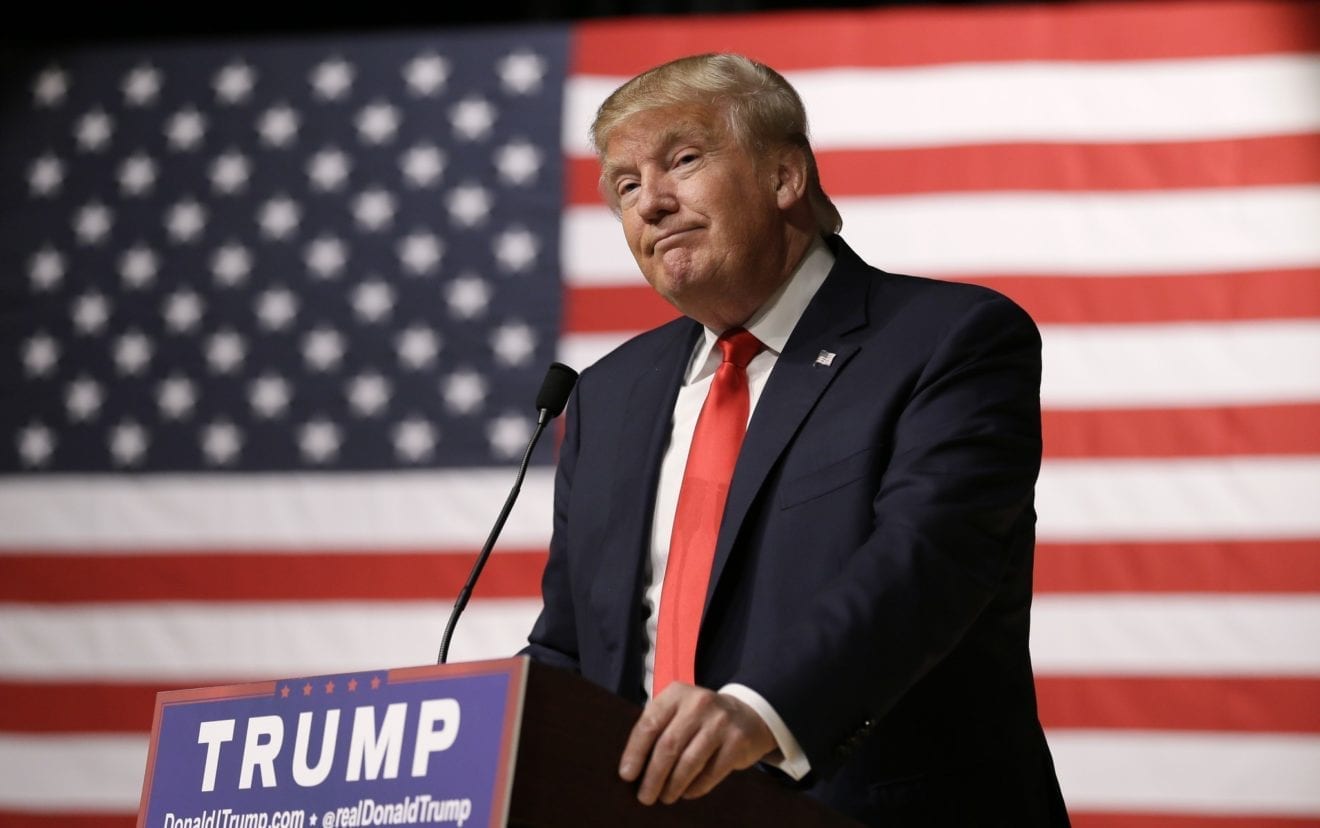
    U.S. President Donald Trump will sign executive orders on Friday aimed at identifying abuses that are causing massive U.S. trade deficits and clamping down on non-payment of anti-dumping and anti-subsidy duties on imports, his top trade officials said.

    The orders come as Trump prepares for his first face-to-face meeting with Chinese President Xi next week in Florida, where trade issues promise to be a major source of tension. China was the biggest contributor to the $734 billion U.S. goods trade deficit last year.

    The directives allow Trump to focus on meeting his campaign promises to combat the flow of unfairly traded imports into the United States just a week after his pledge to repeal and replace Obamacare imploded in Congress.

    Commerce Secretary Wilbur Ross told reporters that one of the orders directs his department and the U.S. Trade Representative to conduct a major review of the causes of U.S. trade deficits. These include trade abuses such as dumping of goods below costs and unfair subsidies, “non-reciprocal” trade practices by other countries and currencies that are “misaligned.”

    Ross took pains to say that currency misalignment was not the same as manipulation, and only the U.S. Treasury could define currency manipulation. But he said in some cases, currencies can become misaligned from their traditional valuations unintentionally, citing the Mexican peso’s sharp decline late last year after Trump’s election.

    The study also will examine World Trade Organization rules that Ross said do not treat countries equally, such as on taxation. The United States has long complained that WTO rules allow exports to be exempt from value-added taxes, but do not allow export exemptions from the U.S. corporate income tax. The study also will examine the effects of trade deals that have failed to produce forecast benefits, Ross said.

    Ross said he aims to complete the study and report the findings to Trump in 90 days — a time frame that coincides with the expected start of negotiations to revamp the U.S.-Canada-Mexico North American Free Trade Agreement.

    The study’s findings will underpin the Trump administration’s future trade policy decisions, Ross said, and will be the first “systematic analysis” of the trade deficit’s causes, “country-by-country, product-by-product.”

    “It will demonstrate the administration’s intention not to hipshoot, not to do anything casual, not to do anything abruptly,” Ross told a White House briefing.

    Ross has promised tougher enforcement of U.S. trade laws and more anti-dumping and anti-subsidy cases initiated by the Commerce Department, rather than relying on companies to claim injuries from imports.

    He said the study would focus on those countries that have chronic goods trade surpluses with the United States.

    China tops the list, with a $347 billion surplus last year, followed by Japan, with a $69 billion surplus, Germany at $65 billion, Mexico at $63 billion, Ireland at $36 billion and Vietnam at $32 billion.

    The second trade order to be signed by Trump is aimed at halting the non-payment and under-collection of anti-dumping and anti-subsidy duties the United States slaps on many foreign goods.

    White House National Trade Council Director Peter Navarro said that some $2.8 billion in such duties went uncollected between 2001 and the end of 2016 from companies in some 40 countries.

    Navarro said the order directs the Commerce and Homeland Security departments to close these gaps by imposing tougher bonding requirements to ensure duty collections and new legal requirements for assessing risks associated with importers.

    Navarro, a harsh critic of China’s trade practices, insisted that the orders were not aimed at sending a message ahead of Xi’s visit.

    “Nothing we are saying tonight is about China,” he said. “This is a story about trade abuses, this is a story about under-collection of duties, this is a story about 40 countries that basically subsidise their products unfairly and send them into our country or dump their products.”
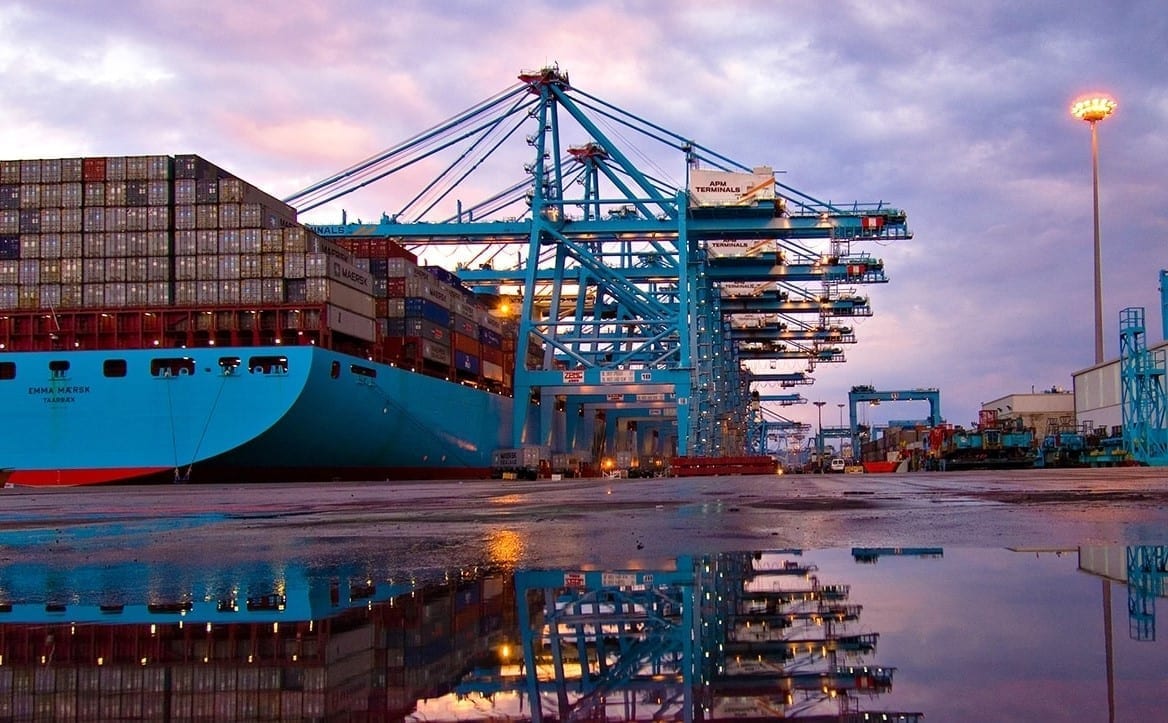
  • Dutch to Indonesia trade mission drums up business for Royal HaskoningDHV

    Dutch to Indonesia trade mission drums up business for Royal HaskoningDHV

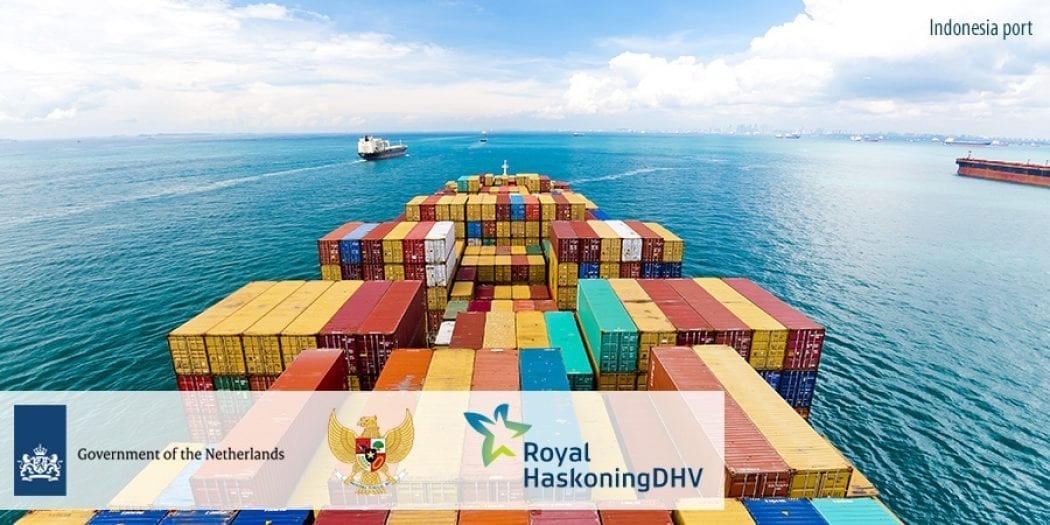
    As part of a high level Dutch trade mission to Indonesia, Royal HaskoningDHV has managed to secure two contracts as part of the development of the $300 million Kuala Tanjung Port, as well as enter discussions to pilot a hospital development project in the country of more than 260 million peopale.

    A consortium of Dutch Government officials, including Prime Minister Rutte, Ministers Schultz van Haegen and State Secretary Dijksmarecent, recently travelled to Indonesia on a trade mission. A number of Dutch businesses joined the mission, including professional services firm Royal HaskoningDHV.

    The mission, aside from drumming up mutually beneficial business and political ties between the countries, whose history dates back centuries, also involves collaboration on a number of different projects, from a CEO summit focused on improving the working relationship between Dutch and Indonesian businesses, to investment and collaboration programmes in key sectors, from hospitals to shipping. Additionally, a key discussion point on the agenda related to efforts in solving a pressing problem for Jakarta: the city is sinking at 10 centimetres per year due to unsustainable use of groundwater from beneath the city – endangering up to 5 million people in the north of the city that face immanent flooding. The Dutch government, through the Dutch water sector, is involved in the development process for a lasting solution to sustainable water management for the city.

    Regarding the work, Royal HaskoningDHV Indonesia Resident Director Berte Simons, remarks “Since the Indonesian government asked the Dutch government for assistance in 2007, the Dutch water sector is contributing to a lasting solution to sustainable water management of the city. No small task in this area where space is scarce, stakeholder interests are large and government budgets limited. We are proud to contribute to the National Capital Integrated Coastal Development (NCICD) strategy that not only should be a sanitation, water supply, civil and hydraulic engineering feat but also one in which inclusive urban and socio-economic solutions are key.”

    For Royal HaskoningDHV, with around 350 employees working on projects for production sites in the country, the mission thus far resulted in signing two contracts with the Indonesian port operator Pelindo I for the development of Kuala Tanjung Port in North Sumatra. The port, which is expected to cost around $300 million, is part of the country’s wider maritime highway vision led by President Joko Widodo – which includes a total of 24 new strategic ports in the country. The value of the contracts for Royal HaskoningDHV has not been disclosed.

    Members from Royal HaskoningDHV’s healthcare practice, including Eduard Boonstra, the firm’s Business developer for the segment, also took part in trade discussions surrounding hospital development in Indonesia. The country, whose healthcare expenditure falls in the middle range in relation to its neighbours, offers considerable opportunities for joint benefit from work with Dutch providers – the country has one of the world’s most effective healthcare systems. The firm will work on a pilot project to deliver economically viable hospital designs that are able to contribute to the improvement of the public as well private health sector in Indonesia.

    Eduard Boonstra, remarks, “Together with the Ministry of Health, BPJS and local health authorities, we expect to work on a pilot project after successfully having performed a feasibility study regarding the improvement of the primary care system in Yogyakarta within the framework of Universal Health Coverage. We are proud to be recognised by leading Indonesia hospital operators as integrated design partner in the development of modern, efficient and patient safe hospitals which enable us to further build up our track record in Indonesia.”

  • Cambodia to Build the World’s Tallest Twin Towers

    Cambodia to Build the World’s Tallest Twin Towers

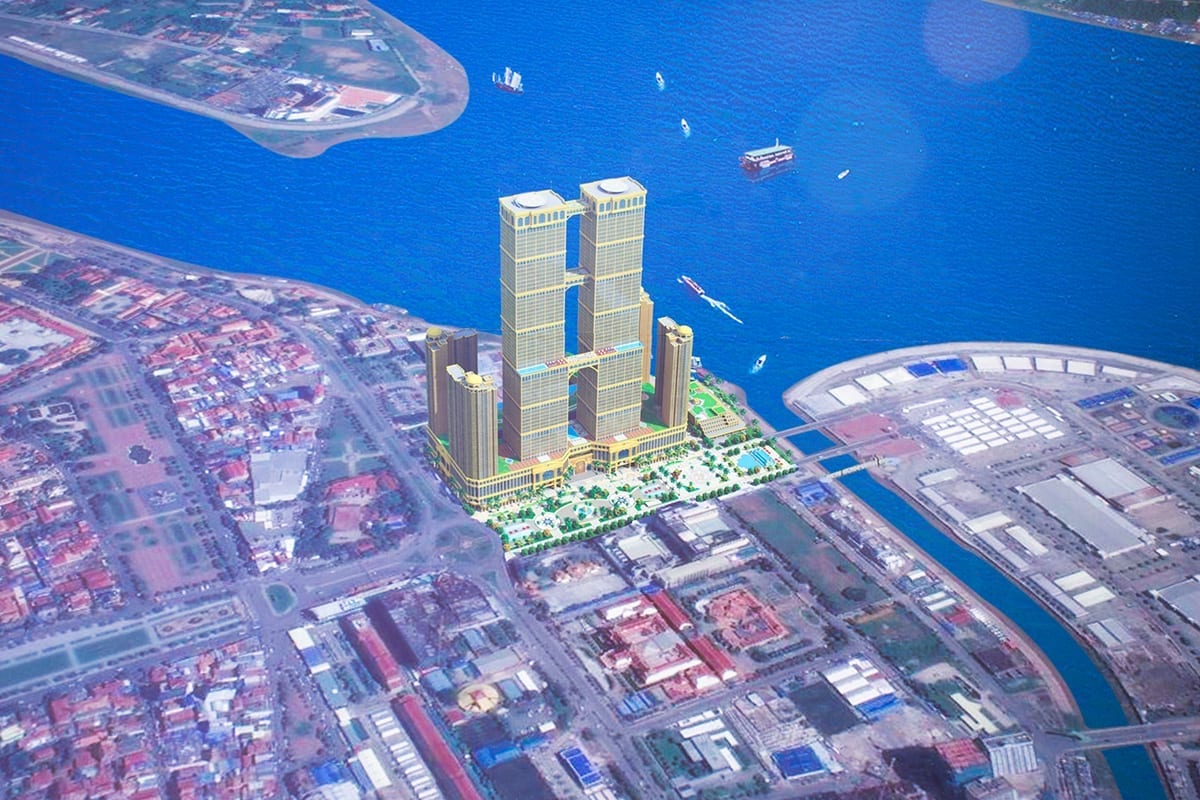
    The world’s tallest twin towers will be built in Cambodia’s capital of Phnom Penh but doubts about the building’s commercial viability are casting a pall on its prospects this early in the game.

    The “Thai Boon Roong Twin Tower Trade Center” is being jointly developed by Cambodian firm, Thai Boon Roong and Chinese contractor, the Kia Nip Group.

    The mixed-used tower complex will be 560 meters high and include 133 floors. It will be worth over $1 billion. Thai Boon Roong Twin Trade Center will become Asia’s tallest tower, and a new icon for Phnom Penh, said the company.

    It will be located on the five-hectare Dream Land plot in the Tonle Bassac commune in Phnom Penh. It will feature a hotel, commercial office spaces, a cultural center, retail and shopping centers, entertainment facilities, residential areas, exhibition halls and a four-floor underground parking lot.

    A consortium led by Sino Great Wall International Engineering won a $2.7 billion contract last week to build Thai Boon Roong Twin Tower Trade Center. Sino Great Wall said construction is expected to take some 60 months.

    Sino Great Wall International Engineering is a leading Chinese property construction contractor and a subsidiary of Sino Great Wall.

    The project will begin once the consortium of Sino Great Wall International and another Chinese company, Wuchang Shipbuilding Industry, finalize the funding.

    The current tallest twin towers in the world are the Petronas Towers in Kuala Lumpur, Malaysia. Petronas has 88 floors and is 452 meters high.

    Doubts over the financial future of the project stems from the Thai Boon Roong Group being owned by “trigger happy” Chinese-Khmer businessman Teng Bunma. The hot-headed Teng is notorious for pointing guns at his opponents during disputes.

    He’s also banned from entering the United States for being a suspected international drug smuggler.

    Thai Boon Roong also owns Cambodia’s tallest building (the 39-storey Vattanac Capital Building), which has had huge occupancy problems. Vattanac Capital had an occupancy rate of only 30 percent by mid-2016.

    The fortunes of this building do not bode well for the future of Asia’s tallest twin towers — which might well become a “White Elephant” — despite the rapid growth of office, retail and condominium projects in Phnom Penh.

  • FedEx Trade Networks expands in Malaysia

    FedEx Trade Networks expands in Malaysia

    FedEx Trade Networks, a premier international freight forwarder, announced the opening of a new office in Malaysia. Based in Penang, the additional facility highlights the continued expansion of FedEx Trade Networks to meet the growing market demand.

    “With our network stretching into Malaysia, we are well positioned to proactively respond to customer needs and support them in simplifying the complexities of international shipping,” said Udo Lange, executive vice president and COO, FedEx Trade Networks.

    The new FedEx Trade Networks office is strategically located in Penang’s central business district, with close proximity to the airport and the seaport as well as the city’s key infrastructure facilities. FedEx Trade Networks offers a comprehensive portfolio of services, covering e-commerce, international air and ocean freight forwarding, surface transportation (domestic and cross-border), customs brokerage, trade and customs advisory services as well as other value-added services, including My Global Trade Data, the company’s online suite of information management tools.

    “The world requires a new type of freight forwarder that understands how to turn global logistics into strategic advantages,” said Lange. “FedEx Trade Networks makes the complexities of global shipping simple, striving to provide customers with unparalleled supply chain visibility and logistics transparency to help move their businesses forward.”

    Penang is one of the most urbanised and industrialised states in Malaysia with a high concentration of key industries and sectors, including high tech, electronics and electrical products, industrial goods as well as aerospace, retail and e-commerce. Home to multinationals as well as small and medium enterprises, the city is one of the leading industrial sectors in the world.

  • Philippines International Beauty Trade Show to be held on May 2017

    Philippines International Beauty Trade Show to be held on May 2017

    Philbeauty, the pioneer and the only international beauty trade show in the Philippines, is back for its third year in 2017. The iconic event will be held from Wednesday to Friday, 31 May to 2 June 2017 at the SMX Convention Centre in Pasay City, Manila and expects to host more than 200 key leading exhibitors from across countries and regions, including mainland China, Japan, India, Korea, Singapore, Thailand, Taiwan and Malaysia. The three-day exhibition is expected to attract over 200 leading local and international exhibiting companies and more than 6000 local and international trade visitors.

    Bridging The Gap — philbeauty, the professional beauty trade fair that provides a major contribution to the growing beauty industry in the Philippines.

    philbeauty 2017 will not only be packed with a variety of beauty products, services and technological solutions, but will also feature a business matchmaking programme, a series of workshops, knowledge seminars, international beauty conference and networking opportunities that will provide crucial insights into future scientific advances, emerging trends and regulations, and most importantly, to create new business opportunities.

    Referring to Trade Map from International Trade Centre, the value of imported beauty or make-up preparations for the care of the skin in 2013-2014 and 2014-2015 increased by 13% and 19%, respectively, and in 2015 it was valued at 96,458,000 USD.

    The Philippine economy grew an annual 6.3% in the December 2015, accelerating from an upwardly revised 6.1% expansion in the previous three months and above market consensus. It is the highest growth since the fourth quarter of last year, as all sectors of economy showed an expansion at a fast rate, whilst government expenditure remained robust.

  • Luxury goods feature in UK accord for South Korea trade talks

    Luxury goods feature in UK accord for South Korea trade talks

    The pending talks with South Korea follow similar dialogues the UK has opened with Australia, China, the Gulf Cooperation Council, India, New Zealand and Norway

    London: The UK and South Korea are set to to begin regular trade talks, with luxury brands a particularly promising topic, as Britain prepares to expand its commercial reach once it has left the European Union.

    A formal working group of ministers from the two countries will meet as many as four times a year to discuss removing barriers to commerce and prospects for “future, ambitious trade opportunities” after the UK exits the EU, the British government said in an statement on Sunday.

    Prime Minister Theresa May has promised to make the UK a leader in liberalising trade around the world after Brexit. Yet Britain is unable to strike its own free-trade deals — or even being formal negotiations — while still a member of the EU.

    “We want to take advantage of all the opportunities available to us to ensure that Britain becomes a global leader in free trade,” UK International Trade Secretary Liam Fox said in an emailed statement. “The agreement of this latest trade dialogue shows that government is preparing for Brexit, not prevaricating.”

    The pending talks with South Korea follow similar dialogues the UK has opened with Australia, China, the Gulf Cooperation Council, India, New Zealand and Norway in the six months since voters chose in a referendum to leave the EU. Trade and investment between the UK and South Korea is worth about 10.9 billion pounds ($13.6 billion) a year, according to British estimates. The UK is the fifth-largest foreign direct investor in South Korea.

    The UK government said in its statement that South Korea is an especially promising market for luxury brands such as Burberry Group Plc, which has 70 stores in the country, and high-end automakers Jaguar Land Rover and Bentley. Other sectors with strong potential include renewable energy and nuclear decommissioning.

    “What we’re doing is putting in place plans to ensure the UK remains open for business and trade links continue to strengthen,” Fox said. “Important like-minded free trading partners like Korea and others are telling us they’ve heard that message loud and clear. Korea itself is a prime example to the world of how free and open trade can lift countries out of poverty to prosperity.”

  • FedEx Trade Networks expands Into Malaysia with Penang office

    FedEx Trade Networks expands Into Malaysia with Penang office

    FedEx Trade Networks, a subsidiary of FedEx Corp. and a premier international freight forwarder, today announced the opening of a new office in Malaysia. Based in Penang, the additional facility highlights the continued expansion of FedEx Trade Networks to meet the growing market demand.

    “With our network stretching into Malaysia, we are well positioned to proactively respond to customer needs and support them in simplifying the complexities of international shipping,” said Udo Lange, executive vice president and COO, FedEx Trade Networks.

    The new FedEx Trade Networks office is strategically located in Penang’s central business district, with close proximity to the airport and the seaport as well as the city’s key infrastructure facilities. FedEx Trade Networks offers a comprehensive portfolio of services, covering e-commerce, international air and ocean freight forwarding, surface transportation (domestic and cross-border), customs brokerage, trade and customs advisory services as well as other value-added services, including My Global Trade Data, the company’s online suite of information management tools.

    “The world requires a new type of freight forwarder that understands how to turn global logistics into strategic advantages,” said Lange. “FedEx Trade Networks makes the complexities of global shipping simple, striving to provide customers with unparalleled supply chain visibility and logistics transparency to help move their businesses forward.”

    Penang is one of the most urbanised and industrialised states in Malaysia with a high concentration of key industries and sectors, including high tech, electronics and electrical products, industrial goods as

  • Nomura Goes Live with BDO Unibank Trading Platform

    Nomura Goes Live with BDO Unibank Trading Platform

    Nomura Holdings and Philippine bank BDO Unibank, the country’s largest bank, have announced that their joint venture, BDO Nomura Securities, has officially commenced operations.

    Offering online trading services for stocks listed on the Philippine Stock Exchange (PSE), BDO Nomura has been set up to provide investors in-depth market research, quick execution time and competitive rates. Additionally, the platform offers ease of use through simple and paperless online application and fund transfers through the customer’s BDO Deposit Accounts.

    The joint venture with BDO is Nomura’s second retail operation in the region, following a successful one in Thailand, and is in line with Nomura’s strategy to develop local retail brokerage businesses in Southeast Asia. BDO owns 51 percent of the joint venture company, while Nomura holds 49 percent.

    Philippines Richest

    BDO is a full-service universal bank which provides a wide range of corporate and retail banking services and has one of the largest distribution networks, with more than 1,000 operating branches nationwide.

    The bank is owned by retail and banking magnate Henry Sy, who according to Forbes is the richest man in the Philippines.

    The securities dealer and broker with a seat in the PSE is headed by Koichi Katakawa.

  • Gamified Trading App TradeHero’s Brand Acquired by Ayondo

    Gamified Trading App TradeHero’s Brand Acquired by Ayondo

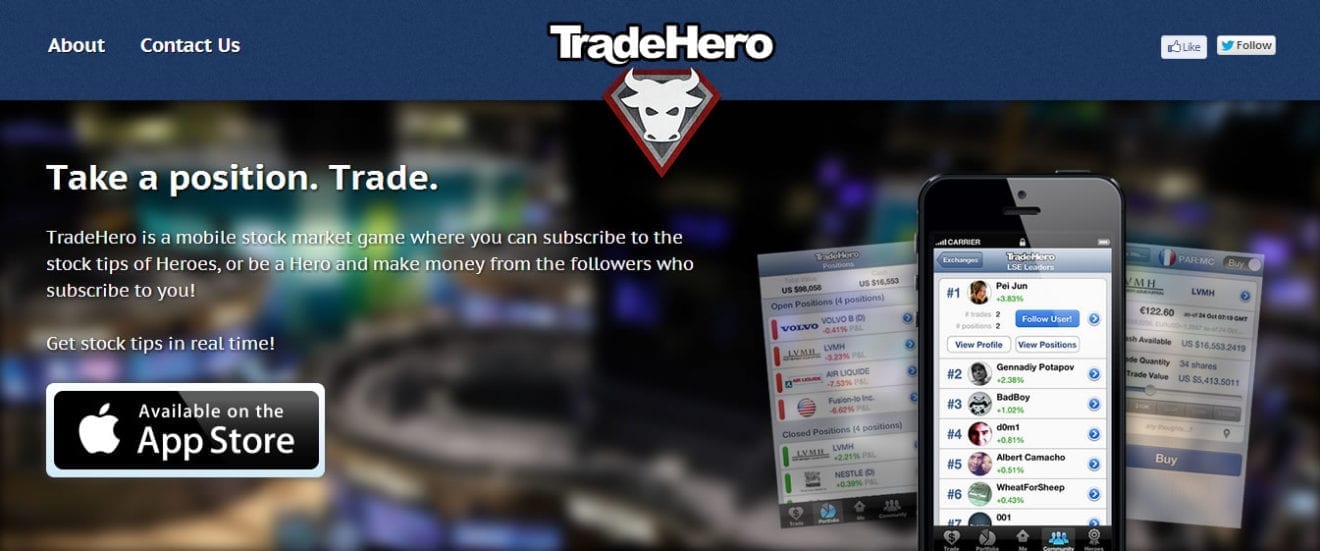
    Ayondo, a social trading technology developer for the financial services industry, has acquired the TradeHero brand, a Singapore-based trading gamification app.

    The acquisition for TradeHero’s brand outside of China and the United States, expands ayondo’s footprint in Singapore nearly a year after it announced a partnership with KGI Fraser Securities Pte Ltd to launch KGI Contrax, a platform for investors to trade Contracts for Difference (CFD).

    Robert Lempka, CEO of the ayondo Group, says: “For ayondo, mobile technology is a big part of the Group’s strategy for expansion and growth. The TradeHero brand is extremely well established in Asia and was the missing piece in our product range. Following Top Traders and taking social trading to the next level, in offering fully automated execution is exactly what is in ayondo’s DNA.”

    Dominic Morris, co-founder of TradeHero and the new Head of Innovation for ayondo Group, adds: “ayondo and TradeHero share the same vision, that is to democratise the world of investing through easy-to-use disruptive technology and knowledge sharing.”

    The team of TradeHero’s mobile technology specialists built the foundation for ayondo’s Singapore based Mobile Lab, where the group’s latest research and development takes place. The group is engaged in advanced negotiations with a SGX-listed company on a Reverse Takeover (RTO) transaction. This could result in ayondo being the first fintech company to be listed on the Singapore Exchange (SGX) and the head office being moved to Asia’s fintech hub.

  • Eastern Indonesia’s economy propelled by commodities pickup

    Eastern Indonesia’s economy propelled by commodities pickup

    Provinces in the eastern part of Indonesia are seeing robust economic growth in the third quarter thanks to higher commodity prices, but without diversification away from commodities the regions may not sustain such rapid growth, economists say.

    While the nation’s overall economic growth was 5.02 percent in the July to September period yearon-year (yoy), provinces in eastern Indonesia saw higher growth, namely Maluku and Papua with 13.72 percent, Sulawesi with 6.67 percent and Bali and Nusa Tenggara, both with 5.04 percent, according to data from the Central Statistics Agency (BPS).

    President Joko “Jokowi” Widodo said he wants to spread economic contributions from the eastern part of Indonesia to the whole archipelago and pledged to boost infrastructure development in the regions.

    However, economists said the government’s efforts to build infrastructure on the outskirts of the country had yet to bear fruit as they required more time before affecting the local economies. Instead, the rising prices of mining commodities have become the main reason for the spike in growth in eastern parts.

    “Improvements in commodity prices, such as gold in Papua, caused the jumping growth,” University of Indonesia (UI) economist Lana Soelistianingsih said on Monday following the data release.

    The BPS data also showed that the overall growth of the nation’s mining sector reversed its minus 0.72 percent yoy contraction in the second quarter to become a 0.13 percent gain in the third quarter, thanks to the higher production of some mining commodities like gold, BPS head Suhariyanto said.

    The eastern part of Indonesia still relies heavily on the mining sector so that most provinces, such as Papua, Maluku, Central Sulawesi and several areas in Kalimantan, see their economic growth spike when prices and production increase, said Center for Reform in Economics (CORE) research director Mohammad Faisal.

    “Other areas, like South Sulawesi, recorded growth because of their diversified economies,” he said. “Bali, on the other hand, is supported by its tourism sector so that when the overall economy slows down, it is still able to post growth.”

    With the projected stable increase in commodity prices going forward, economists expressed optimism that economic growth in the area can be improved, although concerns over its sustainability remain.

    “The growth will be sustainable if those provinces can transform and diversify their economies. If they’re still commodity dependent, the growth won’t sustain,” Faisal said.

    Apart from the mining sector’s reversal of fortune, the top three sectors that booked the highest growth in the third quarter include information and communications, financial services and transportation and warehousing, according to BPS data.

    In quarter-on-quarter, transportation and warehousing, agriculture, forestry and fisheries, as well as the construction sector, were at the top of the list.

    In West Nusa Tenggara and Maluku, the regions that posted the most growth in the third quarter, the marine industry is enjoying growth, especially in the shrimp and seaweed aquaculture industries, according to the Indonesian Chamber of Commerce and Industry (Kadin). Bengkulu, Lampung and Java are also seeing growth in the same sector.

  • Trump to seek Indonesia`s agreement on trade commitments

    Trump to seek Indonesia`s agreement on trade commitments

    The US President Elect Donald Trump will want Indonesia to agree to ratify international trade commitments including APEC and the Indonesia-US Strategic Partnership.

    “Donald Trump will be interested in making investments in the infrastructure sector, including air, land and sea ports, especially investments that have the potential to lessen the influence of the Peoples Republic of China in South-East Asia,” international relations observer from Padjajaran University, Teuku Rezasyah, told ANTARA News in Jakarta on Wednesday.

    Teuku Rezasyah added that Donald Trump will potentially urge Indonesia to explain the Free-Active policy adopted by the country in the context of the rivalry between the US and China.

    “Considering the importance of investment and trade security, Trump is likely to understand the challenges faced by Indonesia in following human rights principles in the country,” he noted.

    Republican Donald Trump won over his rival Hillary Clinton, the candidate of the Democratic Party.

    Trump was elected as the 45th US President with total electoral votes far above Hillary Clintons.

    His victory came as a shock since most surveys had predicted that Hillary Clinton would win the US Presidential contest.

  • Indonesia, Australia discuss free trade agreement

    Indonesia, Australia discuss free trade agreement

    Australian Minister of Trade, Tourism and Investment Steven Ciobo has met Indonesian Minister of Trade Enggartiasto Lukita in Australia on Sunday to discuss free trade agreements.

    Press releases from the Department of Foreign Affairs and Trade of Australia received by ANTARA here on Sunday said that Minister Enggartiasto is visiting Australia to discuss the Indonesia-Australia Comprehensive Economic Partnership Agreement (IA-CEPA).

    IA-CEPA will generate economic framework which is expected to make closer relations between Indonesia and Australia besides opening up markets and new opportunities for both countries.

    According to Ciabo, the negotiations are going forward as the two countries continue to work to finalize the deal.

    “Minister Lukita and I have agreed to make ambitious and high quality deals,” Ciabo said, adding that the IA-CEPA can transform Australia and Indonesia economic partnership.

    Indonesia is Australias important neighbor and great regional partner, with the value of two-way trade between Australia and Indonesia amounting to US$15 billion in 2015, Ciabo noted.

    “IA-CEPA will bring our economies closer and allow Australian and Indonesian businesses to take advantages,” he said.

    IA-CEPA will create business opportunities for Australia and Indonesia to jointly work on those opportunities that will continue to develop in the future.