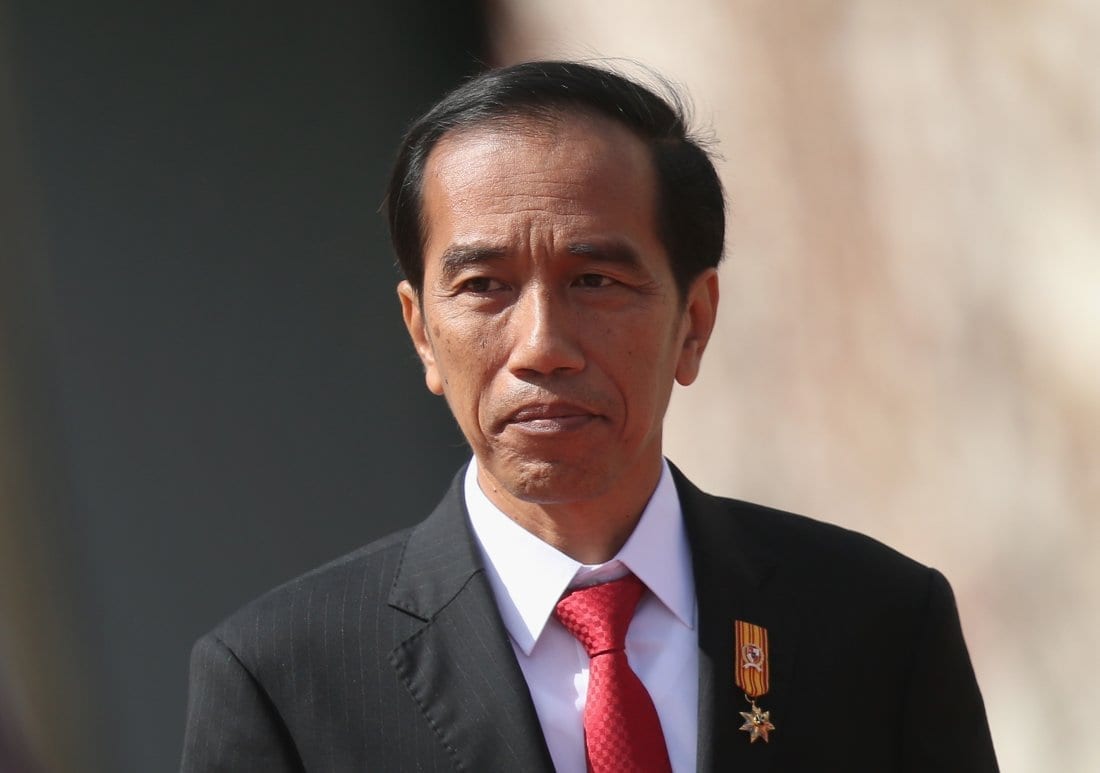
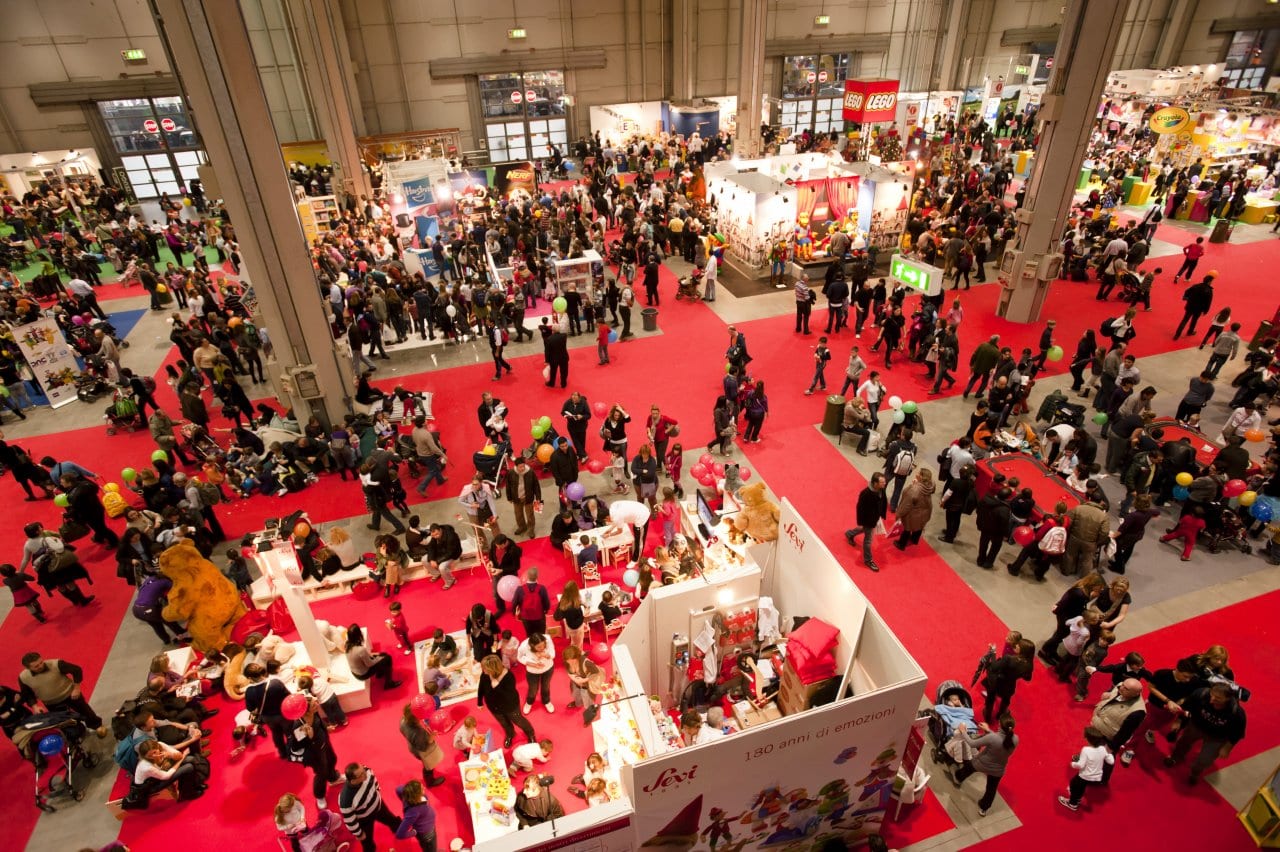
President Joko Widodo has attended the 2016 Trade Expo Indonesia (TEI) at the Jakarta International Expo, Kemayoran, Jakarta. Jokowi delivered a warm welcome and opened the event.
Trade Minister Enggartiasto Lukita, also delivering a speech, said that the expo was meant to help boost trade relations. “We aim to gain direct transactions,” he said October 12, 2016.
Moreover, Enggartiasto said that Indonesia has to have other top products in export, in light of the weakening global economy.
There are over 1,100 national corporates in the expo, and around 14,700 buyers. The buyers are also coming from abroad, namely from some African countries and the Middle East. The government expects that the buyers can conduct business transactions which the expo aims to score at around Rp2 trillion.
Indoensias Ministry of Trade has said it has been encouraging small and medium industries (SMIs) to take benefit of online trade (e-commerce) to market their products.
“We are pushing the small and medium industries to take their products to various e-commerce platforms. Websites like Tokopedia, Bukalapak, Blibli and Lazada are all local e-commerce platforms and we encourage the SMIs to use them,” the Minister of Trade, Airlangga Hartarto, stated in Jakarta on Tuesday.
He hoped that once the SMIs start fully utilizing the e-commerce platforms, the industry will start expanding.
The fourth industrial revolution era hinges on embracing the internet and integrating it with products and services, he added.
The minister further explained that internet usage is now part of people’s daily lifestyle and it has now become integral to the industrial world also.
“Germany began doing it in 2013. If we start this year, we will make sure that we are not left behind,” he remarked.
Additionally, the Ministry of Trade also encourages professional vocational training to enhance the quality of human resources.
The minister mentioned the importance of undertaking research and forging collaborations with universities in the industrial sector.
Minister Hartarto also pointed to the progress made in basic materials, and highlighted the fact that natural energy resources cannot last forever.
The Indonesian government will encourage direct trade contact with Cuba to increase the value of the two countries bilateral trade, Indonesian Deputy Foreign Minister A.M. Fachir has said.
“Indonesia will encourage direct trade contact with Cuba in order to increase the volume of bilateral trade between the two countries and appreciate the significant economic development in Cuba,” Fachir said here over the weekend.
The deputy foreign minister made the remarks in connection with his meeting earlier with Cuban Director General for Bilateral Relations Affairs of the Foreign Ministry of Cuba, Ambassador Gerardo Penalver Portal.
During the meeting, Fachir discussed various issues of mutual concerns, both, at bilateral and multilateral forums.
“On the bilateral basis, the political relations of the two countries had been closely established. Yet this closeness should be translated into a concrete form of cooperation, among others in the fields of trade, health and agriculture,” he said.
In the multilateral context, Indonesia and Cuba shared similarities in views and cooperation regarding various international issues, the deputy foreign minister said.
“In the bilateral aspect, Cuba pays attention to direct trade contact to increase trade relations by among others planning a Cuban trade mission to Indonesia and that of Indonesia to Cuba,” Fachir said.
Meanwhile, Gerardo Penalver Portal expressed appreciation for the establishment of good cooperation between the two countries at various international forums.
Cuba appreciates Indonesias big contributions to the Non-Aligned Movement so that the movement remains relevant to the present conditions, he said.
The Trade Ministry is targeting the Trade Expo Indonesia (TEI) 2016, which will be held on October 12-16, to be able to attract 14,700 domestic and foreign potential buyers.
“We provide 1,100 outlets,” Director General of National Export Development of The Trade Ministry Arlinda said in a press conference in Jakarta on Wednesday, August 24, 2016.
Arlinda said there are currently 4,000 potential buyers who have confirmed to attend the expo.
The Trade Expo 2016 comprises of six leading sector zones, namely manufacture, furniture and home decoration, food and agriculture, creative industry and investment.
The TEI promotion has been intensively conducted in domestic and abroad.
Kantar Worldpanel, the global market leader in consumer panels, reports the spending in fast moving consumer goods (FMCG) in 2nd quarter of 2016 grew by 4.6% year on year, faster than the 2.0% growth rate reported in 1st quarter of 2016.
Modern trade (including hypermarkets, supermarkets, and convenience stores) showed a similar trend of improving growth, 1.4% positive growth in the second quarter in comparison to a decline of -0.5% in the 1st quarter. Modern trade’s growth was most prominent in county level cities and their surrounding urbanized counties – growth rates of 2.0% and 3.9% respectively. From a regional perspective, modern trade in the East and West performed much better than South and North regions. The East region grew at 2.8% – helped by strong performance of Sun-Art Group and Wal-Mart Group – while the West region grew at 3.6% driven by Wal-Mart Group and Yonghui Group.
International retailers suffer from continuous share drop
Wal-Mart Group has seen relatively stable performance in 2016, gaining 0.3 share points year on year in the latest quarter. Other international retailers such as Carrefour, Tesco and Lotus suffered from continued share erosion resulting in the overall poor performance of international retailers. Sun-Art Group and Yonghui lead the growth of Chinese players. Sun-Art group managed to grow its shopper base through both the continued development of existing stores and incremental opening of new one. Their growth was most marked in the competitive East region market; share increased from 13.5% of 2nd quarter of 2015 to 16.0% in the latest quarter – widening their leadership over competitors.
Yonghui consolidates position as a top 5 national retailer: Yonghui continues to perform well in 2016, a fast pace of growth in penetration and basket size enabling its share to continue to exceed Lianhua Groups in Q2 after first overtaking it in Q1. Despite this strong performance – Yonghui still faces challenges in the East region. Strong growth of Sun-Art Group and Wal-Mart’s gradually recovery have meant that Yonghui’s acquisition of Lianhua has yet to see any sustained effects.
Brick and Mortar and eCommerce retailers looking for cooperation: Continuous FMCG slow down combined with the impact from eCommerce growth in China, has pressured physical retailers into finding new solutions to drive growth. Kantar Worldpanel latest data show, 52 week end June.17th, show total FMCG eCommerce penetration% reached 49%, growing 10% from last year. The growth of online is leading by Tmall and JD, both with spend growth rate over 80%. While continuing to experiment with their own e-tailing platforms; the major retail chains are now seeking to bolster performance through strategic partnerships with existing digital players. Wal-Mart’s corporation with JD.com enables Wal-Mart to reach new online shoppers while allowing JD.com to utilize YHD’s broad footprint in East region. Vanguard’s strategic investment in the XinMeiDa (previously Meituan & Dianping) and Feiniu’s corporation with Shihui, both show brick-and-mortar chains’ new efforts to better realize their O2O strategy.
The Indonesian Embassy in Dakar, Senegal, has held a business meeting with Senegalese businessmen to promote various mainstay products and the 31st Trade Expo Indonesia (TEI) to be held in Jakarta on October 12-16, 2016.
The business meeting was attended by Senegalese businesspersons who have been doing business with their Indonesian counterparts.
Secretary general of the Senegalese national chamber of commerce and industry Ndeye Seye, Dakar chamber of commerce and industry secretary general Aly Mboub, Poultrade CEO Washimp Obalah and Libellule CEO Gaelle Rispal attended the meeting.
It was also attended by Senegalese businessmen in Thies who have visited the TEI organized in previous years.
Indonesian Ambassador to Senegal Mansyur Pangeran said here on Sunday that the relations between Indonesia and Senegal, particularly in the business field, have been running well since long ago.
However, their bilateral trade was still low, recorded at US$89.37 million only in 2015.
The Indonesian embassy promoted various mainstay products during the meeting such as oil palm, cocoa, rubber, cinnamon and textile.
During the meeting, Senegalese businessmen asked information regarding the types of products, prices, container transportation services, payment mechanism and sharia banks in Indonesia.
Poultrade is interested in developing business with Indonesia for soap noodles. It is planning toimport 300-500 tons of the product from Indonesia per month.
The ambassador said Indonesias free-visa policy was also hailed by Senegalese businesses and it is likely that more Senegalese businesses will take part in the 31st TEI.
Indonesia and the Philippines, as immediate neighboring countries, have many to offers in the fields of among other things trade, culture and security.
In fact, the Philippines is a significant trade partner as its contributed around US$2.3 billion in trade surplus to Indonesia last year.
Indonesian Ambassador to the Philippines Johny J Lumintang said recently that the surplus was the third largest for Indonesia in its international trade.
Data from the Philippine Statistics Authority revealed that the countrys imports from Indonesia during the period between January and December 2015 stood at $2.927 billion, while exports to Indonesia were only valued at $628.2 million.
However, the figures declined from the previous year when Philippines imports and exports from and to Indonesia reached $3.037 billion and $759.658 million, respectively.
Three major Indonesian products imported by the Philippines, include automotive, coal, and coffee, with total values of $619.8 million, $519.4 million, and $208.6 million, respectively.
There are great demands for coal for Filipino power plants, the diplomat said.
The two nations have also intensified bilateral cooperation in various fields such as in economic, politic, socio-culture, and sea patrol security.
“With the Philippines, Indonesia should not compete but cooperate as our products are mostly similar,” the ambassador said.
Indonesias Trade Attach in Manila Irawan said 16 Indonesian food and beverage products have been marketed widely in Filipino supermarkets.
Philippine President Benigno Aquino (R) speaks with Indonesian President Joko Widodo (L) at the presidential palace in Manila.
Among the products as Kopiko 78 Degree, Indofood instant noodles, Bimoli and Mitra cooking oil, Tiger and Oreo biscuits, Extra Joss, You C-1000, Fruit Tea, nata de coco, Kopiko candy, Energen, and Diabetasol biscuits and powder milk.
Indonesias food and beverage product market share in the Philippines is 8.13 percent.
Last year, the Philippines imported food and beverages worth US$ 452.1 million from Indonesia, and exported US$15.8 million.
Having economic growth at 6.9 percent, the Philippine is a potential market as its population is also big, he said.
He hoped more small and medium scale industries products could be marketed in the Philippine.
Eight food and beverage producers participated in the ASEAN Salon International de l Agroalimentaire held in Manila on May 31-June 2 2016.
In the meantime, The Philippine government is also eager to promote its products in Indonesian markets.
Filipino retail brands were exhibited at the “Lifestyle Philippines” event in Jakarta, on June 10, 2016.
“Lifestyle Philippines” was a branding initiative led by the Philippine Trade and Investment Center (PTIC) in Jakarta which aimd to promote and create more awareness of Filipino-made products.
During her remarks, Philippine Ambassador to Indonesia Maria Lumen Isleta stated that, It is an initiative to which our Embassy with the support of the Filipino community, have given our best efforts because we believe it can contribute to the friendship and close cooperation between our two countries.
The event included a fashion show featuring Karimadon and Rusty Lopez, two iconic brands in the Philippines that have begun to create a following in the Indonesian forward-clientele market.
Other brands displayed were Plains and Prints, Cruzzini Barong Tagalog, and Barong Batik, a fashion innovation that has successfully fused Philippine barong and Indonesian batik, a creation that many diplomats and dignitaries have begun to favor for its elegance.
Apart from apparel, the event also showcased Filipino food products, hand-woven crafts, cosmetics and neutraceutical, tourism and travel, as well as education services.
Flavors Philippines featured products with potentials to be exported here such as Goldilocks polvoron, Mama Sitas sauces and mixes, Leslies snack products, Destilleria Limtuacos spirits and liquors, among others.
Artisanal food products sourced from the various regions in the Philippines such as dried fruits and nuts, jams and marmalades, bottled sardines, and chocolate dipped dried mangoes will be at the exhibition as well.
Woven Chic, a special section on hand-woven crafts will show indigenous textiles from the Philippines, traditional dresses, linens, and modern and traditional pieces of jewelry.
“This initiative hopes to increase trade with Indonesia, which in 2015 stood at US$3.6 billion. The Philippines exported about US$628.27 million of goods and services to Indonesia, while the Indonesia had US$2.93 billion trade with its counterpart,” Philippine Embassy Trade Representative Alma Argayoso said in a statement recently.
“The regional integration in ASEAN presents opportunities for Philippine companies to expand to Indonesia and other ASEAN markets, and we certainly would like to actively take part in supporting Philippines companies in their regional expansion. We look forward to make Filipino products more available in the Indonesian market, particularly since there are many Indonesians who have visited and studied in the Philippines who look for our products,” she added.
The Department of Trade and Industry (DTI) is set to showcase Filipino retail brands at the “Lifestyle Philippines” event on June 10, 2016 at Shangri-La Hotel, Jakarta, Indonesia.
In a statement, Philippine Embassy Trade Representative Alma Argayoso said Lifestyle Philippines is a branding initiative led by the Philippine Trade and Investment Center (PTIC) in Jakarta, which aims to promote Philippine-made products in the Indonesian market.
“This initiative hopes to increase trade with Indonesia, which in 2015 stood at US$3.6 billion. The Philippines exported about US$628.27 million worth of goods and services to Indonesia, while the Indonesia had US$2.93 billion trade with its counterpart,” Argayoso said.
The event includes a fashion show that will feature Karimadon and Rusty Lopez, two iconic brands in the Philippines that have begun to create a following in Indonesia’s fashion-forward clientele market. Other brands that will be featured are Plains and Prints and Cruzzini Barong Tagalog.
Barong Batik, a known fashion innovation for many diplomats and dignitaries will also be exhibited at the said event. It is a fusion of Philippine barong and Indonesian batik designs into one.
Apart from apparel, the event will also feature potential Filipino food products for exports under the Flavor Philippines such as Goldilocks polvoron, Mama Sita’s sauces and mixes, Leslie’s snack products, Destileria Limtuaco’s spirits and liquors, and other artisanal food products such as dried fruits and nuts, jams and marmalade, bottled sardines, and chocolate dipped dried mangoes.
Moreover, hand-woven crafts will be featured under the special section, Woven Chic. Indigenous textiles from the Philippines, traditional dresses, linens, and modern and traditional pieces of jewelry will be displayed for the Indonesian fashion-oriented consumers.
“The regional integration in ASEAN presents opportunities for Philippine companies to expand to Indonesia and other ASEAN markets, and we certainly would like to actively take part in supporting Philippine companies in their regional expansion. We look forward to make Filipino products more available in the Indonesian market, particularly since there are many Indonesians, having visited or studied in the Philippines, who look for our products,” Argayoso added.
The event will also highlight other Philippine products and services such as travel and tourism, educational services and pharmaceuticals.
Indonesia’s Trade Ministry received a business delegation from Saudi Arabia last week, as the two countries announced a plan to double their bilateral trade value by 2020, according to a report published by The Jakarta Post.
The total trade between the two countries currently stands at a value of US$8.5 billion and is thought to leave plenty of room for expansion, according to the Indonesian Trade Ministry.
“The figures are yet to reflect the potential of both countries,” said Arlinda Imbang Jaya, Trade Ministry Expert for Trade Services.
Saudi Arabia is said to have expressed interest in cooperating with several Indonesian businesses in the fields of cosmetics, pharmaceutical products and medical equipment.
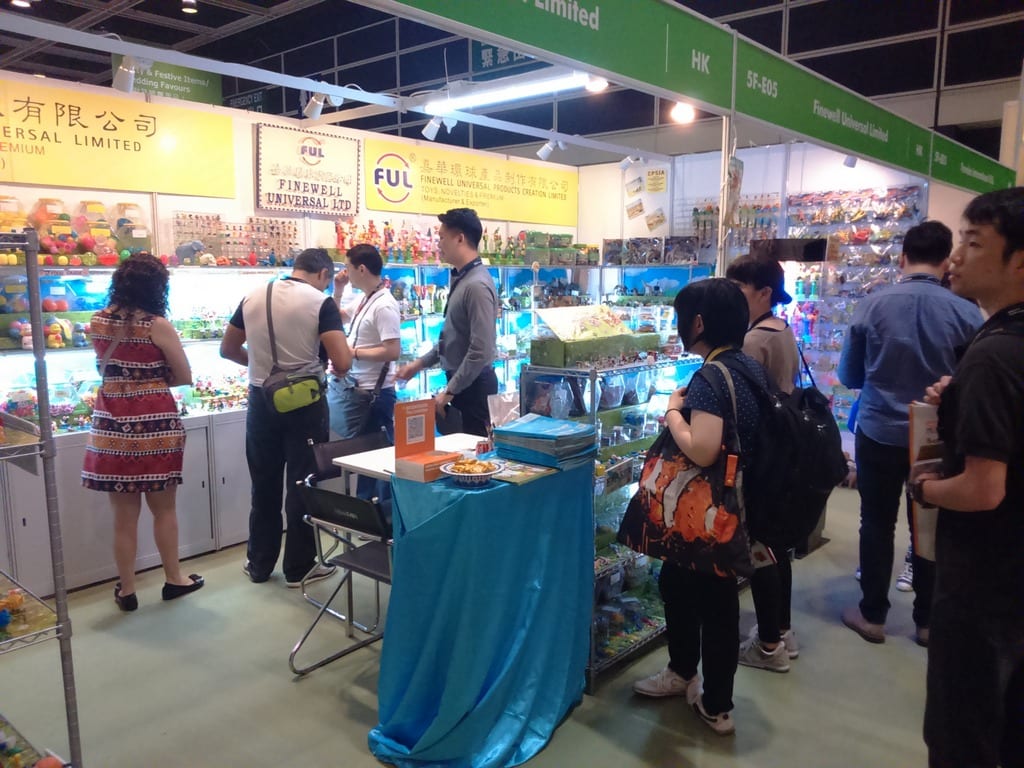
Organised by the Hong Kong Trade Development Council (HKTDC), the 31st Hong Kong Gifts & Premium Fair concluded today at the Hong Kong Convention and Exhibition Centre (HKCEC). The concurrent 11th Hong Kong International Printing & Packaging Fair (27-30 April) also came to a close at AsiaWorld-Expo. The twin fairs together attracted more than 64,000 buyers from 134 countries and regions. Around 50,000 buyers visited the Gifts Fair, while over 14,000 buyers attended the Printing & Packaging Fair. Markets such as the Chinese mainland, Malaysia, the Philippines, Italy and Indonesia saw growth.
Through the acquisition Alibaba is to have a firmer grip on the online retail business in Southeast Asia, including Indonesia, the region’s largest economy where Internet and smartphone penetration have been developing rapidly in recent years (although coming from a low base). The Southeast Asian nations where Lazada has been operating so far have a combined population of 560 million (of which an estimated 35 percent are online and thus potential online shoppers). However, Southeast Asia is also a challenging environment for online retail firms as the area is characterized by tough logistical issues (partly due to the relatively weak state of infrastructure) and there remains a lack of warehousing outside more advanced markets such as Singapor
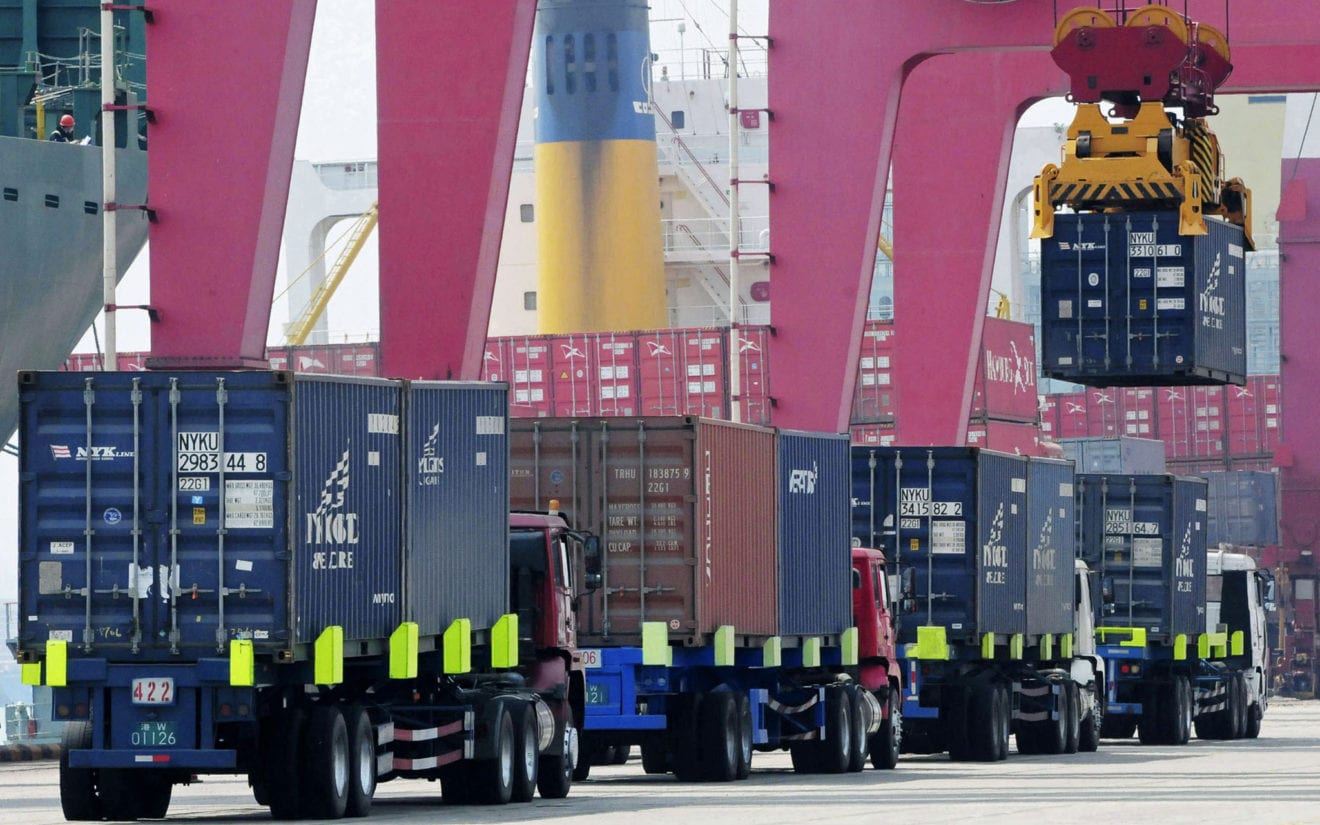
Through the China-ASEAN Free Trade Agreement (CAFTA), effective per 1 January 2010, about 90 percent of imported goods between Indonesia and China are subject to a zero percent tariff. Due to China’s higher developed manufacturing industry and lower logistics costs the implementation of CAFTA has caused a continuously rising flow of Chinese products into Indonesia. This has caused a rising trade deficit and also curtails development of Indonesia’s manufacturing sector (after all it is cheaper and quicker to import products from China than to invest in costly and long-term import-substitution industrialization).
In 2015 Indonesia imported USD $29.22 billion worth of (non-oil & gas) products from China, while Indonesian exports to China only totaled USD $13.26 billion, implying a trade deficit of nearly USD $16 billion for Indonesia that year. This is in stark contrast to the years before 2008 when Indonesia had the upper hand in trade with China. The table below shows that Indonesia’s trade deficit with China rose significantly after the implementation of CAFTA in early 2010.
Indonesia-China Trade Balance (non-oil & gas):
2007
2008
2009
2010
2011
2012
2013
2014
2015
Export to China
(in USD billion)
9.7
11.6
11.5
14.1
21.6
20.9
21.3
16.5
13.3
Import from China
(in USD billion)
8.6
15.3
14.0
19.7
25.5
29.0
29.6
30.5
29.2
Trade Balance (in USD billion)
1.1
-3.7
-2.5
-5.6
-3.9
-8.1
-8.3
-14.0
-15.9
Source: Indonesian Trade Ministry
With Alibaba now owning a controlling stake in e-commerce platform Lazada, which has a rising costumer base in Indonesia, it could cause two developments: (1) due to the stronger ties between Lazada and China it gives rise to an increasing flow of Chinese products into Indonesia putting pressure on Indonesia’s trade balance, and (2) it threatens the position of local Indonesian start-up e-commerce businesses such as Bukalapak or Tokopedia because Lazada is expected to get a capital injection from Alibaba for expansion purposes and has easier access to cheap Chinese products (more competitive).
China’s trade slumped in January due to weak global demand and holiday effects, casting new shadow over the outlook of the world’s second-largest economy, data from the General Administration of Customs showed yesterday.
Exports shrank 6.6 percent from a year earlier to 1.14 trillion yuan (US$174.6 billion) in January, ending a one-month-long growth stream of 2.3 percent in December. Imports contracted 14.4 percent to 737.5 billion yuan, much widening from the loss of 4 percent a month earlier.
As a result, January’s trade surplus shot to 406.2 billion yuan, a record high that was up 12.2 percent year on year and more than December’s surplus of 382.1 billion yuan.
“China’s exports fell sharply, suggesting weak global demand,” said Liu Ligang, chief economist at Australia & New Zealand Banking Group. “The decrease of imports was in part due to still low commodity prices.”
Liu noted the earlier timing of the Chinese New Year in 2016 compared with 2015 has also distorted the annual growth rates as traders tended to frontload their shipments in December when exports staged a remarkable rebound.
Wendy Chen, a research analyst at Nomura, said the trade data, together with other indicators, suggested growth momentum in China weakened further in January.
“As China’s retail sales remained stable, the trade slump mainly reflected weakening investment demand, possibly from weaker property investment and measures to reduce overcapacity,” Chen said.
China’s economy had a “bumpy start” this year as data for January stayed weak due to the holiday effects and the extremely cold weather. Factories continued to report contracted activities while service providers also saw their business less robust.
China’s growth momentum has kept slowing as the country entered the state of “new normal,” illustrated by moderating growth rate but better growth quality.
China’s gross domestic product grew 6.8 percent in the fourth quarter of last year, and ended 2015 with a rate of 6.9 percent, the slowest annual expansion in a quarter of a century.
In January, China’s trade decreased 9.8 percent to 1.88 trillion yuan, the Customs data showed. It deteriorated further from last year’s contraction of 7 percent, when China missed its government target of a 6-percent increase.
The European Union remained China’s largest trading partner last month, although its trade with China declined 9.9 percent to 290.3 billion yuan. It was followed by the United States and the ASEAN countries, which shipped goods worth 269.8 billion yuan and 234.2 billion yuan respectively, down 9.9 percent and 10.8 percent.
Foreign trade involving China’s private firms delivered the best performance by increasing 1.1 percent during the period, while foreign traders said their business lost 14.3percent and state-owned traders reported a contraction of 21.9 percent.
Shanghai’s trade retreated 6.1 percent to 219.4 billion yuan last month.
The China Retail Trade Fair, more commonly known as CHINASHOP, the benchmark and barometer of China’s retail industry, announced that following voting by exhibitors and followers, Suzhou International Expo Center, the convention and exhibition venue owned and operated by Suzhou Culture and Expo Center Co., Ltd., has been selected to host 18th edition of the event, CHINASHOP 2016, with 41% of votes.
CHINASHOP rolled out a voting campaign on December 11, 2015, inviting exhibitors and followers to select the host venue for the 18th CHINASHOP by choosing between five cities: Haikou , Qingdao , Nanjing , Suzhou and Chongqing .
Suzhou outrivaled other cities with 41 per cent of votes. Following a wide-ranging consultation with exhibitors and on-site investigation of the venue, the organizers announced that the event will be held at Suzhou International Expo Center between the 3rd and the 5th of November 2016.
With the approval and support of China’s Ministry of Commerce, CHINASHOP is organized by China Chain Store & Franchise Association and Beijing Zhihe Lianchuang Exhibition Co., Ltd. With a 16-year track record under its belt, CHINASHOP has become China’s largest and the world’s second largest retail industry event and is regarded by retailers worldwide as a key annual gathering.
The city’s unique advantages lend to Suzhou International Expo Center’s popularity
Suzhou, located in the fast-growing Yangtze River Delta, is in close proximity to major commercial centers including Shanghai , Nanjing and Zhejiang and is, itself, a city which is seeing a rapid expansion in its commercial activities. Recent statistics show that dozens of large shopping malls and supermarkets opened their doors here in 2015 and that the local retail industry has been on the fast growth track.
At the same time, Suzhou and the nearby cities of Shanghai , Wuxi and Kunshan are all home to China’s leading manufacturers of commercial shelves, logos and signs. CHINASHOP 2016 in Suzhou will not only allow purchasers to visit and inspect suppliers, but also reduce exhibitors’ labor and transportation costs. Jiangsu province is also a very active hub in terms of the development of China’s online businesses, giving exhibitors an opportunity to enter into face-to-face conversations with China’s leading Internet companies and further explore how to best be a part of the transformation of the traditional retail industry in the new consumption environment.
Suzhou International Expo Center is located in Suzhou Industrial Park. The center has available 60 conference rooms of varying sizes, occupying a combined area of 50,000 square meters, as well as 100,000 square meters of indoor exhibition space and 60,000 square meters of outdoor space. Its 8,000 square meter column-free luxury banquet hall is among the best in Asia . Based in Suzhou, a city with deep historical and cultural roots, the center has a full range of support facilities in immediate proximity including hotels, restaurants, shopping malls and entertainment venues. At the same time, the center is conveniently located in terms of transportation, with proximity to airports and high-speed railway stations in Shanghai and Wuxi, facilitating access for exhibitors and visitors.
“We are honored to provide the venue for CHINASHOP 2016,” said Yin Weidong , chairman of Suzhou International Expo Center. “We sincerely invite all to the center between November 3 and 5, 2016 , when we will offer exhibitors and visitors all over the world an international expo with the most advanced exhibition facilities, the most comprehensive support services and the most professional exhibition team.”
The business sentiment of Korean companies in China has worsened in the second quarter – particularly in the automotive and electronics sectors – mainly due to the slowdown in overall consumption in the Chinese market on the heels of a wobbling stock market.
It was the second straight quarter that the business sentiment index remained below the 100 mark.
According to a report by the Korea Institute for Industrial Economics and Trade (KIET) on Monday, the companies’ business survey index in the second quarter was 71, lower than 77 in the first quarter this year.
The index reflects business sentiment, considering different business environments like quarterly profit performance, sales, costs and business regulations. As the index ranges from 0 up to 200, a number smaller than 100 means more survey participants expressed negative answers, while the index larger than 100 means more positive answers.
The slump in business sentiment was the largest in automotive and electronic devices, two industries in which Chinese rivals are quickly catching up on Korean technologies and in which consumer demands change quickly.The survey was taken for a month from June 15, by the Korea Chamber of Commerce & Industry’s Beijing office and a Korean business association in China, on some 226 Korean companies operating in China. They were doing business in seven different sectors, ranging from electronics and automotive to chemical, textile and retail.
Korean auto companies in China gave 45 points in the second quarter, a lot lower than the 94 points in the first quarter, during which the Chinese auto taste has quickly moved to favor sports utility vehicles (SUVs) that are more affordable than Korean autos.
Korean electronics companies gave 54 points in the second quarter, also much more negative than the first quarter’s 88 points, after Samsung smartphones lost market share to Xiaomi and Huawei.
Only Korean chemical and retail industries expressed positive assessments regarding their businesses in the second quarter, each giving 103 points and 100 points, respectively.
Survey participants said the slowdown of demand in the Chinese domestic market was the main reason for their business hardships in the second quarter, followed by competition with Chinese rivals and elevated labor cost, which raised overall production costs.
In the first quarter, a steep increase in labor costs was the main reason Korean companies found it hard to do business in China, reflecting the slowdown in the growth of the domestic economy.
However, the Korea International Trade Association (KITA) rolled out a positive outlook on Monday that the Chinese economy will maintain its growth rate at the 7 percent range in the latter half of the year and Chinese investment is on its way to recovery thanks to state-led infrastructure building projects, which bring up both imports from other companies as well as local real estate transactions.
The outlook said Korea’s export to China and local production of Korean companies will stay contracted until the third-quarter due to the unstable Chinese stock market and contracted consumption sentiment.
The Chinese economy is forecast to rebound to last year’s level by the fourth quarter at the latest, the KITA outlook forecast, as the central government there is pushing policies to boost cash liquidity and the real estate market.
“The sagging domestic economy made Chinese consumers lean towards frugal consumption, which helps local Chinese companies with advanced product quality gulping up market share against foreign products,” said Lee Bong-geol, a senior researcher at the Institute for International Trade at KITA