Retail News CRM

Tag: usa

  • US Beef Market Share Grows in South Korea

    US Beef Market Share Grows in South Korea

    Despite a regain in consumer interest for imported pork, ostensibly because of bird flu, South Korea’s pork imports slightly decreased over the past year, both overall and from the U.S.

    Contrastingly, beef imports volumes have surged, with the U.S. product the main beneficiary.

    Korea Customs Service figures provided by Meat Export Federation South Korea director Ji-Hae Yang show South Korea’s January-November overall pork imports very slightly dipped from 422,766 to 421,123 metric tons. During the same period, imports from the U.S. went down 4% from 129,224 to 124,093 tons. December 2016 import figures are not available yet.

    South Korea is highly self-sufficient in pork, and domestic production continues to rise, Yang says, explaining the stagnancy of imported product volumes.

    However, it appears consumers have gained interest in imported pork, even if that has not been reflected yet in import volume figures. Sales of imported pork rose 8.7% year-on-year from January to November 2016 at South Korea’s largest retail discount chain E-mart, The Korea Herald reported. The newspaper explained the rise as being a result of declining consumer interest in chicken because of bird flu.

    Things were bright on the beef side, though, with an overall import rise of 25% from 276,852 to 346,878 tons. U.S. beef fared even better, rising 47% from 98,712 to 145,376 tons. U.S. beef market share also rose 6.2% from 35.7% to 41.9%.

    Meanwhile, although beef imports from the U.S.’ main competitor, Australia, rose 10% from 158,080 to 173,104 mt, Aussie beef suffered an almost 8% market share loss, from 57.1% to 49.9%.

    U.S. beef has benefited both from record-high prices and a production decline of South Korea beef, as well as drought in Australia, which has reduced numbers of grazing and feedlot cattle there. “We had drought in the U.S. three to four years ago and we have recovered completely, so that is why we are at an advantage this year,” Yang said.

    Another reason for the import increase of U.S. beef is recovery of consumer confidence in the product’s safety, Yang said. MEF South Korea measures South Korea consumer confidence in U.S. beef with Gallup South Korea every six months. The latest survey, done in December, showed a 52% confidence point, she said.

    In comparison, the March 2012 survey showed confidence at only 15.4%, but still up from a very low 5.3% two years earlier, Yang said.

  • China’s BYD plans to sell passenger cars in U.S. in 2-3 years

    China’s BYD plans to sell passenger cars in U.S. in 2-3 years

    BYD plans to sell electric passenger cars in the United States in about two to three years, an executive said on Thursday, as it races to be the first Chinese automaker to sell cars to American drivers.

    BYD, backed by Warren Buffett’s Berkshire Hathaway, specializes in electric and plug-in petrol-electric hybrid vehicles. At present, its U.S. presence is limited to producing buses and selling fleet vehicles such as taxis.

    Li Yunfei, BYD’s deputy general manager for branding and public relations, said its passenger car plan was not fixed as entering the U.S. was a complicated process.

    “It could be adjusted,” Li said at an event in Beijing. “Now we can only say roughly 2 to 3 years.”

    China’s government has used a raft of policies, including billions of dollars in subsidies, to spur a boom in electric and plug-in hybrid sales since 2015. The U.S., meanwhile, has lagged.

    BYD has had false starts in the U.S., with Chairman Wang Chuanfu previously saying the automaker would begin selling in the U.S. in 2010. Other Chinese peers have also encountered delays in entering the market.

    GAC Motor, a subsidiary of Guangzhou Automobile Group, displayed three models at the Detroit Auto Show earlier this month, stating it would enter the U.S. by 2019 instead of a previous goal of 2017.

    A GAC Motor spokeswoman declined to elaborate on the delay.

  • Indonesian markets panic over Trump’s policies

    Indonesian markets panic over Trump’s policies

    Panic hit domestic financial markets on Friday as investors showed concern over the anticipated policies of US president-elect Donald Trump that may negatively affect Indonesia’s economy.

    The Jakarta Composite Index (JCI) — the benchmark of the Indonesia Stock Exchange (IDX) — ended in the red on Friday after falling 4 percent to 5,231.97 points, its lowest level in the past two months.

    Almost all sectors ended in negative territory, as investors sold a net of Rp 2.46 trillion (US$184.27 million) worth of securities throughout the trading day.

    Net sales jumped more than eightfold from the previous day, when investors ditched less than Rp 300 billion worth of securities.

    The situation was just as bad in the foreign exchange (forex) market, with the rupiah sinking as low as Rp 13,865 per US dollar, the lowest point since June 24. Market intervention by Bank Indonesia (BI) propped up the currency, enabling it to end at Rp 13,383 to the greenback.

    Friday’s development sent the government, financial authorities and analysts rushing to calm panicked investors.

    They attributed the market rout to speculation that Trump might push up fiscal spending after taking office.

    Higher spending may translate into higher inflation and interest rates in the US, which is not good news for Indonesia and other emerging markets that rely heavily on foreign funds, as some of those funds would return to the US.

    “Up to this day, the developments of the rupiah, the JCI and securities are greatly affected by regional and global sentiment impacted by the US political situation,” Finance Minister Sri Mulyani Indrawati said Friday.

    “It is natural to see that every decision made in the US, as the world’s largest economy, even in the form of a statement, can have a significant impact.”

    She said investors, including those holding government debt papers (SUN), did not have to be worried, as Indonesia had a low debt risk with a relatively long maturity profile and a relatively small state budget deficit.

    Moreover, with various fiscal measures to control the state budget deficit, spending and tax revenues, government debt papers had a very low risk profile.

    “There is no need to be trapped in groundless fear,” she stated.

    The IDX and the Financial Services Authority (OJK) also tried to calm investors, saying any impact of Trump’s policies would be temporary.

    BI senior deputy governor Mirza Adityaswara admitted the central bank had intervened in local forex and sovereign bond markets to stabilize the rupiah.

    Selling by forex traders, particularly in non-deliverable forward (NDF) derivative contracts, he went on, had triggered the market volatility.

    NDF contracts, unlike forex forwards, are settled in dollars determined by reference to a daily fixing, which in some jurisdictions is set by a survey of lenders.

    “The NDF market weakened and affected traders without considering Indonesia’s economic fundamentals. That’s why the rupiah was traded at Rp 13,400 [per US dollar] during opening, because the market followed what occurred in Mexico, Brazil and other places,” he said.

    Mirza emphasized that the country’s fundamentals remained strong, with economic growth of 5.02 percent in the third quarter, higher than in most of Indonesia’s Southeast Asian peers.

    Meanwhile, stock market analysts deemed investors’ reaction exaggerated and urged a more cautious manner. They said the market should actually have priced in the expectation of a December rate increase in the US, with further increases in 2017 and 2018.

    Separately, Trade Minister Enggartiasto Lukita said investors should wait until Trump formed his team. He expressed optimism that economic relations between the two countries would remain positive, despite Trump’s seemingly protectionist stance.

    “But we also need to keep our market strong. With a population of 250 million people, we have enough bargaining power,” he said.

    We’ll push local industries here, so that money circulation will happen much more domestically,” he added.

  • Trump to seek Indonesia`s agreement on trade commitments

    Trump to seek Indonesia`s agreement on trade commitments

    The US President Elect Donald Trump will want Indonesia to agree to ratify international trade commitments including APEC and the Indonesia-US Strategic Partnership.

    “Donald Trump will be interested in making investments in the infrastructure sector, including air, land and sea ports, especially investments that have the potential to lessen the influence of the Peoples Republic of China in South-East Asia,” international relations observer from Padjajaran University, Teuku Rezasyah, told ANTARA News in Jakarta on Wednesday.

    Teuku Rezasyah added that Donald Trump will potentially urge Indonesia to explain the Free-Active policy adopted by the country in the context of the rivalry between the US and China.

    “Considering the importance of investment and trade security, Trump is likely to understand the challenges faced by Indonesia in following human rights principles in the country,” he noted.

    Republican Donald Trump won over his rival Hillary Clinton, the candidate of the Democratic Party.

    Trump was elected as the 45th US President with total electoral votes far above Hillary Clintons.

    His victory came as a shock since most surveys had predicted that Hillary Clinton would win the US Presidential contest.

  • Singapore testing SIM logins for US visitors

    Singapore testing SIM logins for US visitors

    The Infocomm Development Authority of Singapore (IDA) is piloting trials for US visitors to connect to the local wireless broadband network, Wireless@SG.

    The trials, which commenced yesterday and will run until September 21, will be conducted in partnership with the Land Transport Land Transport Authority (LTA), M1, Sentosa Development Corporation (SDC) and Singtel.

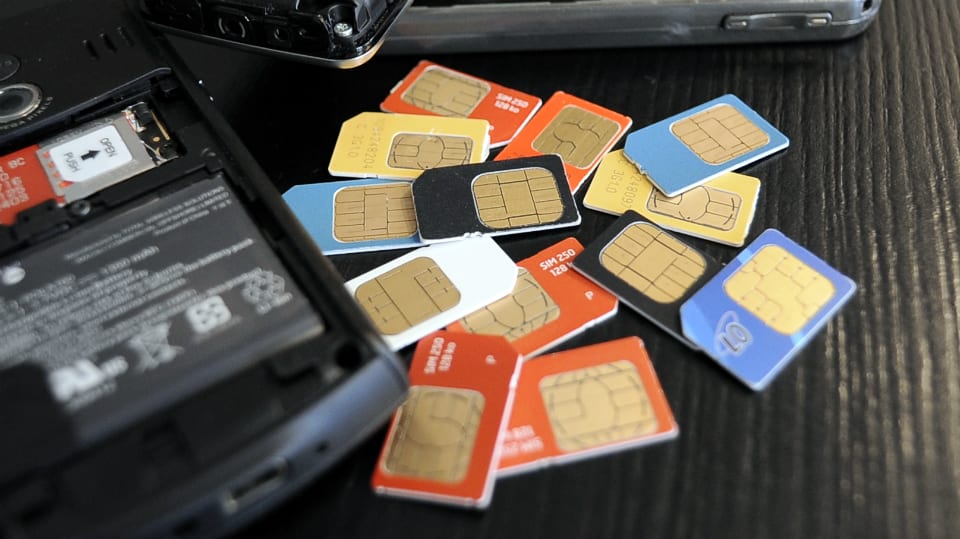
    Under the project, T-Mobile US subscribers can connect automatically to Wireless@SG after a one-time setup on their SIM devices. This would enable them to connect to around 290 hotspots in designated test areas – Sentosa and major MRT stations. Other US visitors who are not subscribers of T-Mobile can sign up for a free account in the government website.

    “Wi-Fi is fast becoming a daily necessity and Wireless@SG as the largest city-wide federated Wi-Fi network will be an important enabler to improve connectivity and liveability in Singapore as we move towards a Smart Nation,” said Khoong Hock Yun, IDA’s assistant chief executive.

    “Trialing the SIM-login method for foreign visitors is something new to us, and we hope to gather new insights, fine tune technical challenges, and enhance the Wireless@SG program further,” he added.

    IDA said the trial is taking place in conjunction with the Wireless Broadband Alliance (WBA) City Wi-Fi Roaming Project, which also allows Singapore visitors to the US to roam automatically and securely between free public Wi-Fi hotspots in participating US cities, namely, San Jose, San Francisco and New York for the same period.

    The City Wi-Fi Roaming Project is likewise a supporting activity of World Wi-Fi Day initiative. Both initiatives are backed by the Connected City Advisory Board, which aims to deliver the vision of Connected Cities around the world

  • Indonesian airlines have been cleared to begin flying to the US

    Indonesian airlines have been cleared to begin flying to the US

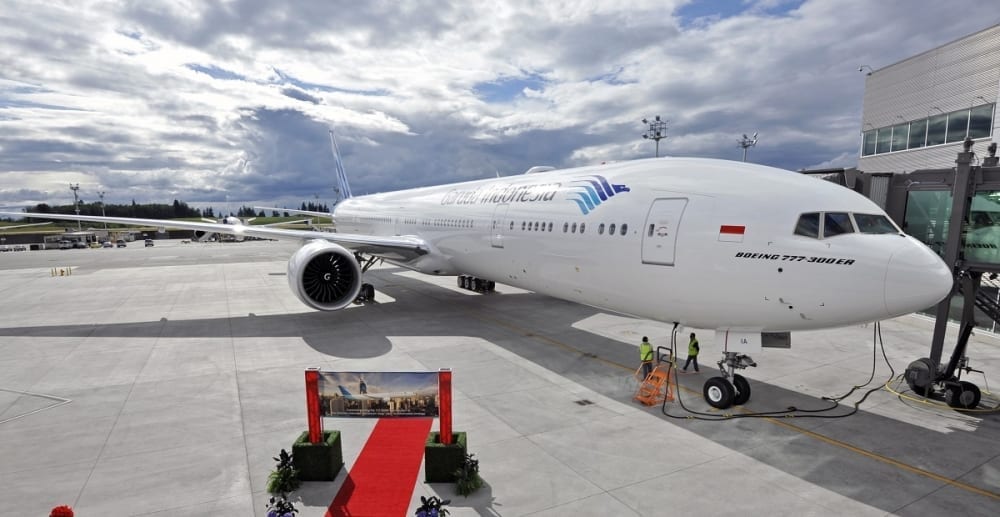
    Indonesian airlines have been cleared to begin flying to the US, after a safety review by regulators.

    The US Federal Aviation Administration (FAA) said Indonesia had been upgraded to “Category 1” – the top-tier air-safety rating – after nearly a decade.

    Indonesia’s fast-growing aviation market suffered several high-profile accidents and was downgraded in 2007.

    The European Union also recently lifted a ban on three Indonesian airlines.

    After a safety review in March, Indonesia now complies with International Civil Aviation Organization (ICAO) safety standards, the FAA said in a statement.

    “With the International Aviation Safety Assessment (IASA) Category 1 rating, Indonesian air carriers…can establish service to the United States and carry the code of US carriers,” the FAA said.

    The South-east Asian nation has had 13 fatal plane crashes in the past decade, according to Flightglobal data, higher than the global average.

  • American franchise coffee house interested in kerinci coffee

    American franchise coffee house interested in kerinci coffee

    An American franchise coffee house is interested in arabica kayu aro coffee from Kerinci district, Jambi province, the Head of Processing and Marketing of Crops at Jambi’s Plantation Office, Arsyad Nur, said on Wednesday.

    “This coffee won the national coffee contest,” he added.

    Currently, the coffee house, which has franchises around the world, is exploring the possibility to cooperate with arabica coffee farmers in Kerinci.

    In Jambi, Nur noted, arabica kerinci only grows in Kayu Aro, which is a plateau situated at a height of 1,400-1,700 meters above sea level.

    “One coffee rod can produce eight kilograms of coffee beans at the most. Within two weeks, the local farmers can produce 20 tons of arabica kerinci coffee beans,” he informed.

    According to him, the arabica kerinci plantations are spread over 1,500 hectares.

    The local administration is working to register arabica kerinci with the Directorate General of Intellectual Property Rights at the Ministry of Law and Human Rights in order to obtain legal protection of Geographical Indications (GI).

    “Arabica Kerinci has specific characteristics that deserve to get GI categorisation,” Nur pointed out.

    Besides arabica kerinci, he added, the district has robusta merangin and liberika tungkal coffee. “Liberika Tungkal grows at an elevation of 0-100 meter above sea level,” he explained.

  • Indonesia Concerned About Donald Trump

    Indonesia Concerned About Donald Trump

    Indonesia’s vice-president yesterday voiced concerns over US presidential candidate Donald Trump’s comments on Muslims, saying “discrimination according to religion” could prompt retaliatory policies from other countries.

    Jusuf Kalla said the government was “not happy with Trump’s opinions” – the first critical remarks from a top official in the world’s most populous Muslim-majority nation, which come as Mr. Trump called for more profiling in the US to battle crime.

    “Any country, especially big countries, seen making policies about ‘radicalism’ or discrimination according to religion will be a bad issue,” Mr. Kalla said.

    “There will be ‘vice-versa’ policies from other countries,” he said, adding an impact would be felt on economy and trade.

    Mr. Trump’s inflammatory remarks on Muslims, including wanting to temporarily ban them from entering the US, on foreign policy and on international trade ties have raised concerns in some Asian countries over a potentially “isolationist” United States.

    In Indonesia, Southeast Asia’s biggest economy, politicians are already thinking about restricting US trade and investment if Mr. Trump becomes president. An online petition, urging a ban on the billionaire and his businesses from the country, has received nearly 47,000 signatures.

    The real estate developer also has partnerships to operate luxury resorts on Bali and in Java, which Indonesian officials have said could be threatened by his rhetoric.

    “Of course there will be an impact, not for Indonesia, but for his business,” Mr. Kalla said, when asked about Mr. Trump’s involvement in the resorts.

  • Singapore’s SME retail exporters can now gain better access to US market

    Singapore’s SME retail exporters can now gain better access to US market

    The revised de Minimis Threshold increases the limit to the United States from US$200 to US$800.

    Web-based small and medium enterprises (SMEs) retail exporters in Singapore can now gain better access to the United States market with the revision of de Minimis Threshold.

    The revised de Minimis Threshold – the amount at which US import duties apply – increased the limit from US$200 to US$800. This means that sellers no longer need to pay the US import duties when the price of their products is under US$800.

    “The revised de Minimis Threshold provides a timely opportunity for local businesses to internationalise. The US is the number one export destination for eBay Singapore sellers with its strong consumer purchasing capacity and high expenditure in e-commerce,” said Teri Canayon, country manager of eBay Singapore Cross-Border Trade. “With a lower barrier for cross-border e-commerce for our Singapore SMEs, there will be even greater incentives to boost exports to the US market, ultimately driving greater growth.” 

    Sellers can also mail higher value products directly to the US market, which allows them to better manage their supply chain and inventory costs.

    In addition, the cost of products to American consumers is lowered. This encourages them to buy more overseas, which may eventually give Singapore businesses a better chance to grow sales in the US market.

  • Apple Stores in India could resemble the iconic 5th Avenue Store

    Apple Stores in India could resemble the iconic 5th Avenue Store

    Apple has stepped up its efforts to tap the Indian market by seeking government approvals for opening Apple Stores and selling and manufacturing refurbished devices in India. Now Apple is already said to be looking for space in key cities such as Mumbai, Delhi-NCR, Bengaluru and Pune for its first Apple Stores in the country.

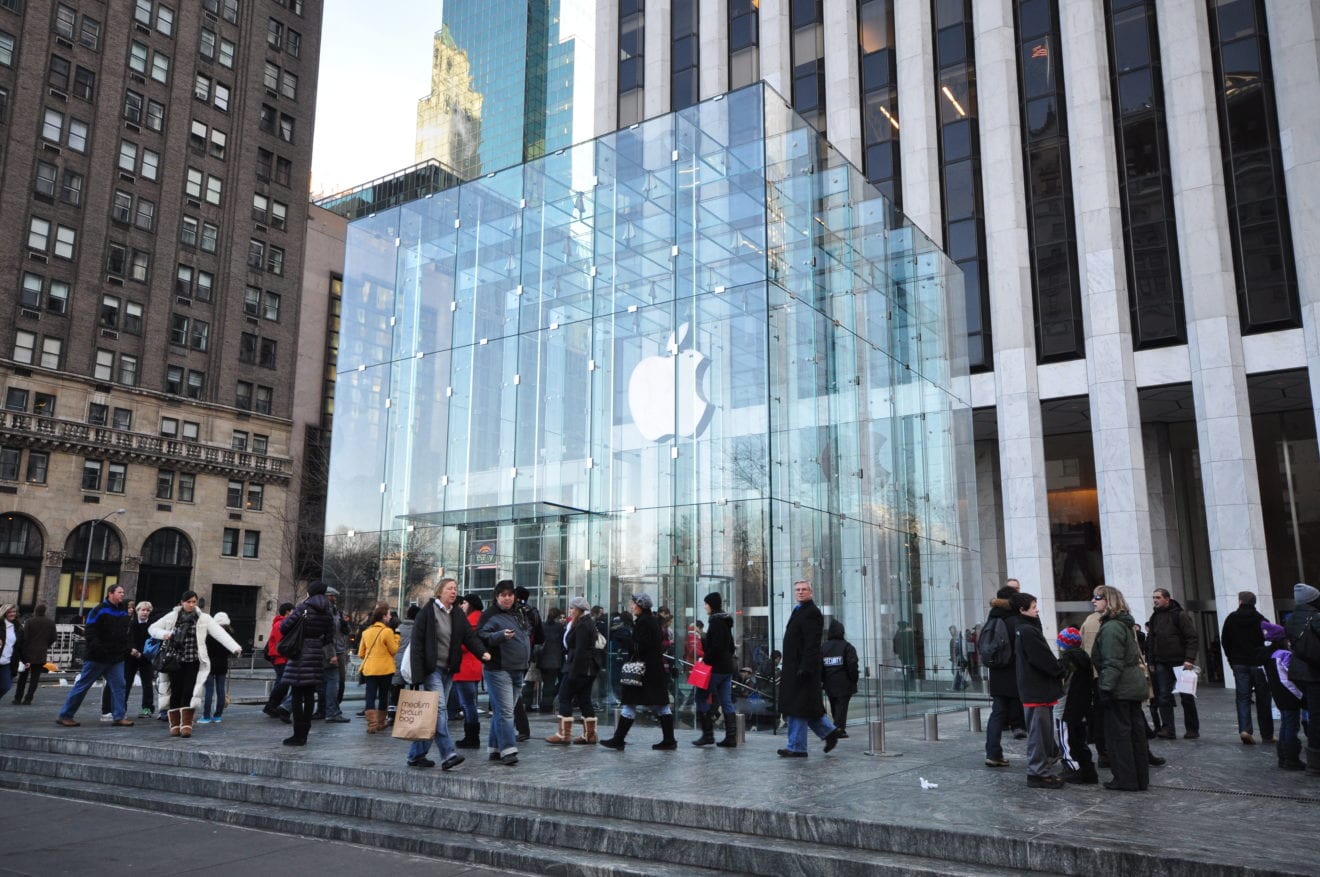
    The report further says Apple is planning to replicate its iconic Fifth Avenue Apple Store in New York City, along with smaller outlets in India. Apple’s Fifth Avenue store is popular for its unique glass cube design partly designed by the late Steve Jobs. The large cube encloses the entrance to the main store via an Apple patented glass staircase. The report points out the cube design will be for the flagship stores in India.

    According to the report, Apple is planning to set up 2,000-3,000 sqft stores in India that will also have space for tech support and small workshops — similar to the ones in the US.

    Apple stores are one of the critical elements of Apple’s business model. In fact, Apple leads the US’ retail market in terms of sales per unit area. So far it has 481 retail stores in 18 countries including neighboring China. These stores have helped Apple build itself as a luxury brand as well as giving users a premium experience before making a purchasing decision.

    With its main markets nearing saturation level, Apple has shifted its focus on emerging markets like China and India. Even as it has yet to begin its efforts in retail segment, Apple has already grown a lot bigger in China in the recent years. Apple’s sales to China market along with Hong Kong and Taiwan, grew 14 percent to $18.37 billion, in the December quarter. It now plans to increase its Apple Stores to 40 in China by the end of the summer this year.

    CEO Tim Cook has already revealed India is going to hold key for its success and is one of the most important growth areas for the next decade. It may be recalled that despite the global slowdown, Apple had recorded better figures in India, which has been long considered as a price sensitive market and is currently dominated by budget Android smartphones. According to the recent IDC figures, Apple edged past Xiaomi to grab no. 6 spot in 30 Indian cities.

    Apple Stores are likely to lay the foundation for Apple’s bigger foray into the Indian market, which it had largely ignored for several years. A Fifth Avenue-like store clearly show Apple’s intentions of company’s long-term strategy for the Indian market. We can expect Apple’s smaller outlets to be akin to the ones in the US and may initially target the urban consumers. These outlets are likely to offer uniform design and experience to the customers.

    But does Apple’s new efforts mean cheaper devices in India? Well, highly unlikely. Tim Cook recently said that the company has no intentions of launching a stripped down version of the iPhone to appease emerging markets. Cook added the company’s research indicates users in these markets are now willing to invest more for improved experience.

    But that being said, another interesting thing to watch out from Apple is its plans tosell refurbished iPhones in India. The pre-owned Apple devices are likely to attract price-sensitive consumers. This is likely to help Apple expand its foothold in the mid-range smartphone segment where Android is very huge.

  • Honeywell to tap into Indonesia’s infrastructure projects

    Honeywell to tap into Indonesia’s infrastructure projects

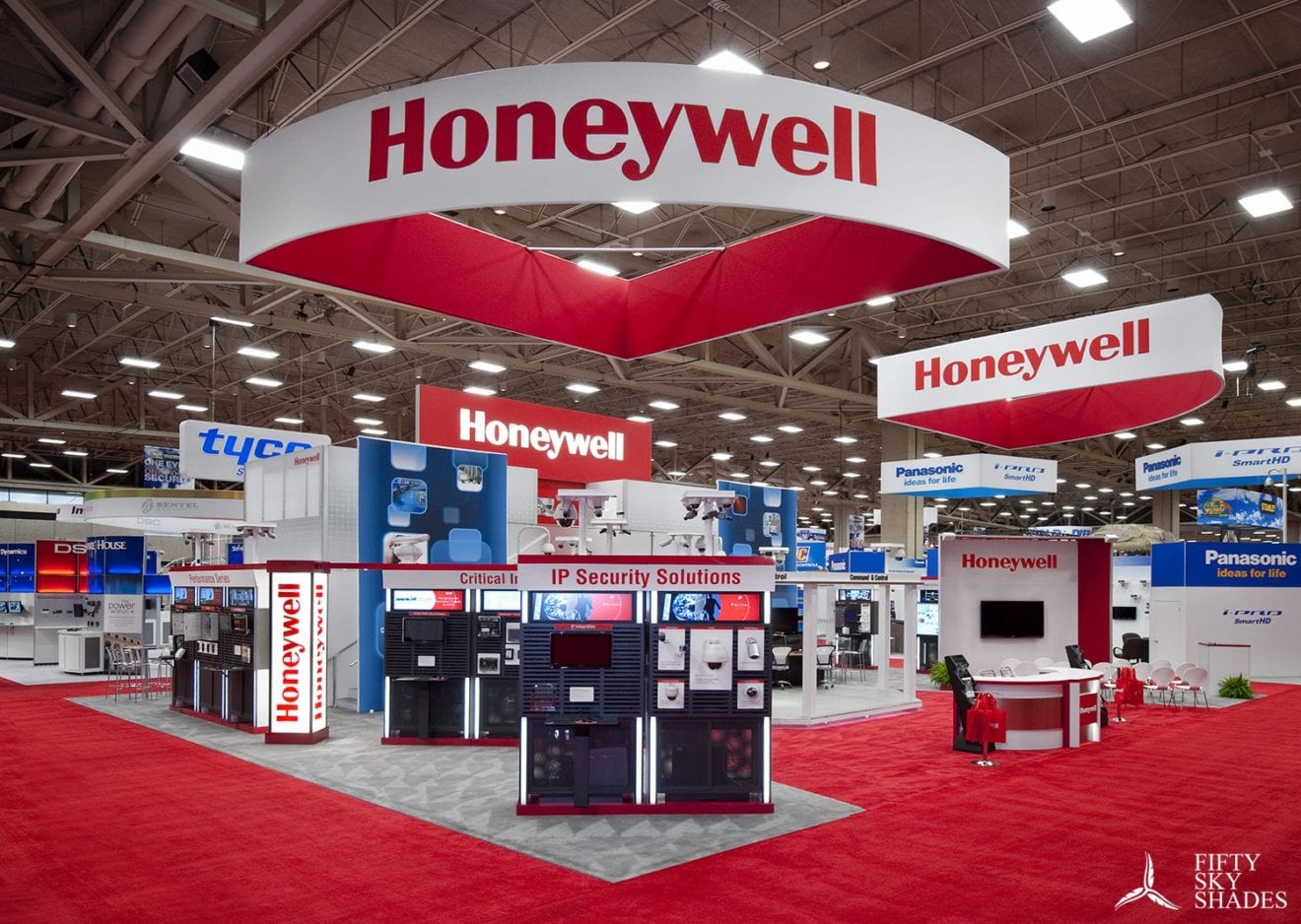
    US-based technology and manufacturing firm Honeywell plans to tap into Indonesia’s robust infrastructure development, especially of airports and railways, that is aligned with President Joko “Jokowi” Widodo’s vision for the coming years.

    The company acknowledges Jokowi’s ambitious program to execute infrastructure construction worth more than US$400 billion from 2015 to 2020 to spur economic growth in the country and therefore make the nation with Southeast Asia’s largest economy one of the 10 top countries for the firm globally.

    “We know that Indonesia needs new bridges and railways, that infrastructure is something the government is discussing,” Honeywell Indonesia president director Alex J. Pollack said on Thursday.

    He has referring to the government’s target to build as many as 49 new dams over the course of five years, as well as 1,000 kilometers of new toll roads, among other projects.

    With the development, the company aimed to provide advanced technology for the country’s infrastructure projects, including for its airports.

    The firm boasted about its smart airport technology, claiming that it would be able to improve the efficiency and safety for the airports, as its technology would enable air traffic controllers to handle the number of aircraft landing in an hour with improved traffic management.

    “With growth of 11 percent in the numbers of passengers annually and as the Soekarno Hatta International Airport already has to manage 22 million passengers currently, we think it will need an advanced technology and integrated system,” Pollack said.

    The company also cited Jokowi’s policy to waive advanced visa requirements for 90 countries, which was expected to increase foreign tourist numbers, as the government aimed to attract 20 million foreign tourists by 2019.

    The company would look to work with related companies such as state airport operator Angkasa Pura (AP) I and Angkasa Pura II, as it aims to get the technology applied in the country’s busiest airports such as Soekarno Hatta and Ngurah Rai International Airport in Bali, as well as in six to 25 other major airports in Indonesia.

    Honeywell International last year booked $15.2 billion in revenues globally from its aerospace business, a decrease from $15.6 billion in 2014.

    The company set the revenue growth to be double the gross domestic product (GDP) growth this year. The government itself aimed for 5.3 percent economic growth for 2016, as the country scored merely 4.79 percent last year.

    It currently runs an aerospace manufacturing facility in Bintan, Riau, which had started to operate in 2005. It has also supported an existing maintenance, repair and operations (MRO) facility for aircraft owned by national flag carrier Garuda Indonesia and the largest low-cost carrier, Lion Air Group.

    Honeywell is also seeking involvement in railway projects in Indonesia, as it recently worked with the Transportation Ministry on radar scanner technology for automatic detection and warnings at railway crossings.

    It recently wrapped up the technology’s trial at the Bintaro railway crossing, Jakarta, and the company expected to follow that up with installation of the products.

    The company would also try to get involved in the country’s mass rapid transit (MRT) project, currently under construction in Jakarta, as it would want to apply its safety scanner system, which would also support Transportation Minister Ignasius Jonan’s aim to have a safer transportation system.

    The ministry allocated Rp 12.5 trillion ($957.8 million) for transportation safety and security improvement this year.

  • Costco Korea starts selling online

    Costco Korea starts selling online

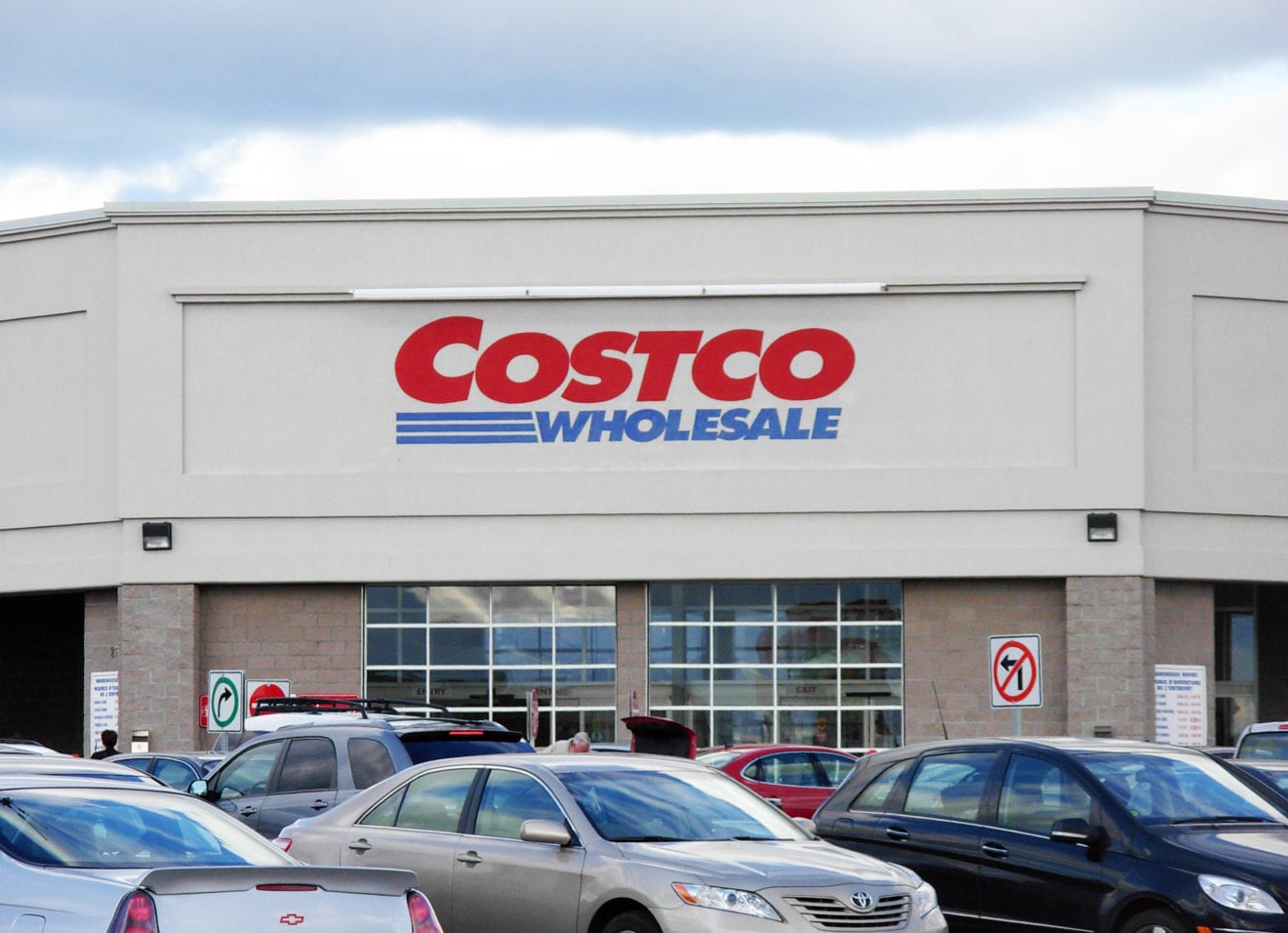
    The American membership-only warehouse club Costco Wholesale Korea has opened its online shopping mall this week.

    It is the first among the Asian countries Costco has entered, and its fifth international online shopping site after the US, England, Canada and Mexico.

    Customers who are Costco Korea members who register online can shop online at the store.

    The products sold are categorised under 11 different groups: digital, home electronics; furniture, home interior, toys, Christmas; sports, fitness; garden, patio; clothing, fashion accessories; jewellery, watches, accessories; beauty, health; tools, living, cars; stationery, office supplies; and food.

    Compared to other online malls which don’t have a paid membership, the number of items offered is much lower. All prices include shipping.

    Costco has chosen to abstain from selling fresh food online. This could be interpreted as an acknowledgement that the company currently doesn’t have a distribution system fast enough to assure the freshness of the products. For now, customers will be able to purchase processed foods, grains, dried foods, and snacks.

    Industry observers say that since Costco’s online mall lacks fresh food, and has a lot of foreign brands among the products it carries, its pool of consumers should not overlap with domestic retailers.

    Furthermore, the fact that only customers with current membership can use the online mall is another limitation of Costco’s internet penetration potential.

    However, based on the success Costco has achieved through its domestic offline stores, some observers are predicting that once Costco expands its logistics infrastructure, increasing the number of products it can handle and distribute through the online site, its influence on the domestic online market could be great.

    Costco already ranks No.1 in consumer satisfaction among the five largest hypermarket retailers in Korea (Emart, Homeplus, Lotte Mart, NH Hanaro Mart, Costco), according to a report from the Korea Consumer Agency.

  • Mango stops partnership JC Penney

    Mango stops partnership JC Penney

    Spanish fast fashion retailer Mango is to close 450 points of sale in the US after deciding not to renew a partnership agreement with department store JC Penney.

    The two companies had a five year contract where Mango operated concessions in 450 of the department stores, but they collectively account for just 0.5 per cent of the label’s global sales.

    The stores will close in February, leaving Mango with just seven stand alone stores in the US.

    But a spokesman for the company said it would not be exiting the US market. Instead it will look to open more of its own stores over time, in selected key cities such as New York and Miami.

    Privately-owned Mango is struggling to hold its own against its larger rivals, fellow Spanish brand Zara and Swedish label H&M, internationally, despite a presence in 100 countries. Its profit fell 11 per cent last year.

  • Groupon woes continue

    Groupon woes continue

    Groupon – which has exited three Asian markets this year – continues to struggle globally with ts flawed discounting model.

    Operating on wafer thin margins in the first place, the company has taken a severe hit from currency exchange fluctuations in the third quarter.

    Globally, gross billings grew by six per cent when the exchange rate impact is excluded; similarly, global revenue increased by a more positive seven per cent on a constant currency basis.

    But after taking into effect the strengthened value of the US dollar against foreign currencies this year, Groupon saw its net losses grow by some $6.4 million to $27.6 million.

    As reported by Inside Retail Asia in September, the listed US eCommerce business has closed its doors in Thailand, the Philippines and Taiwan. Outside Asia it has already exited Greece and Turkey and will now close operations in Panama, Morocco, Puerto Rico and Uruguay.

    Neil Saunders, CEO of Conlumino, says the impact of currency fluctuations is worsened by the fact that the company operates off relatively low margins, especially outside of its North American heartland, and as such does not have much of a buffer against their deleterious effect.

    “The margin position is partly down to the multiple systems that Groupon operates across the globe which increase complexity and do not allow for economies of scale. While this is something the company has been remedying by moving to a common platform, we believe that the benefits have, so far, been fairly modest.”

    Saunders says margins are also held back by a further issue, arising from Groupon’s revenue mix.

    “At present, the company divides itself into three main segments: Local, Goods, and Travel. Local is concerned with deals from service providers like restaurants, events and activities. Goods is focused on consumer products like jewellery, electronics and apparel. And Travel is about holiday, flight and accommodation deals.

    “Recent growth in the more mature Local part of Groupon’s business has slowed considerably. Indeed, in Q3 growth was just under eight per cent. Comparatively, Travel and Goods have both seen strong growth, up 20 per cent and 18 per cent, respectively. This rebalancing of the revenue mix has diluted margins, mainly because Goods are far less profitable for the firm.”

    Saunders says gross profit as a percentage of gross billings for Goods is 13 per cent compared to 30 per cent in Local and 18 per cent in Travel.

    “To be fair, the margin performance of Goods has improved over the past year – but not by much. Over future quarters, we see the prospects for margin gains to be slight given that Groupon has to work harder on Goods deals in a market that remains very promotional.”

    Saunders believes there is little comfort ahead for Groupon in the fourth quarter.

    “Groupon is forecasting that revenues will come in at $865 million, at best. This is quite some way below the $883 million generated last year.

    “In our view, such anemic numbers do not paint a rosy picture for future profits. They also bode badly for the start of the new fiscal year – an issue the new CEO, Rich Williams, who is replacing Eric Lefkofsky who’s stepping into the role of chairman, will have to deal with,” Saunders concluded.

  • VeganBurg relocates to US

    VeganBurg relocates to US

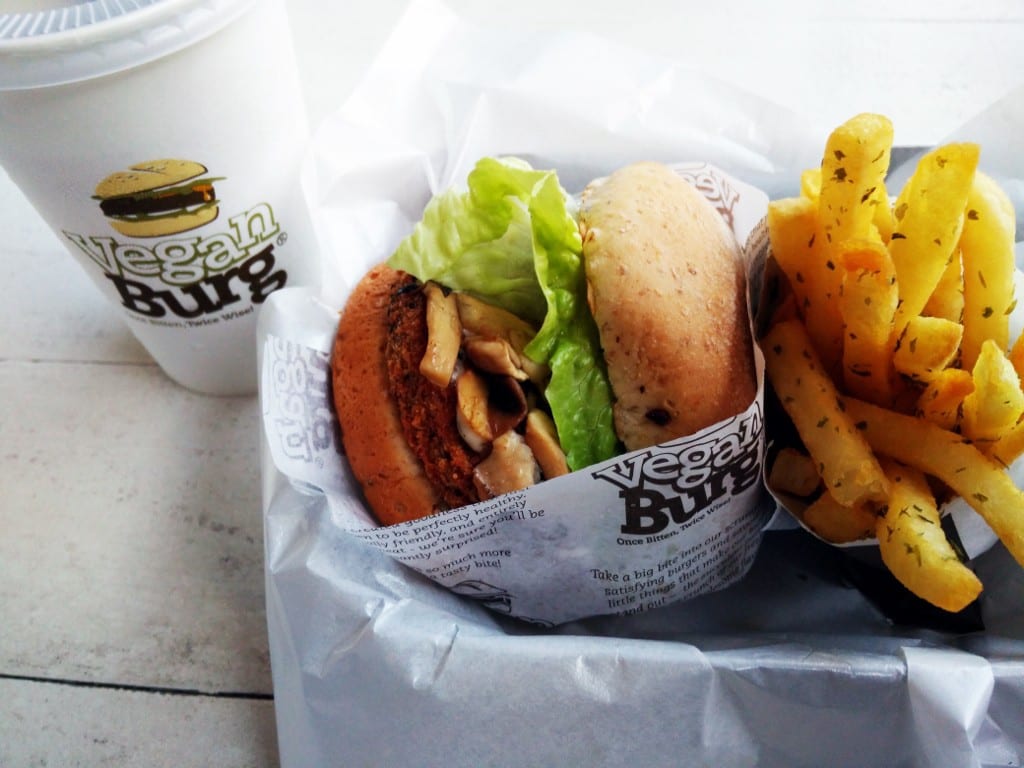
    Singapore-born vegetarian burger chain VeganBurg has shifted its head office to San Francisco as it prepares to launch its concept in the US market.

    The five year old company has retained its original store in Singapore – at 44 Jalan Eunos – along with its home delivery and event catering services.

    But now its main focus is on the US where it has established a new office in San Francisco and has its first restaurant under construction at 1466 Haight St.

    “Our goal is to have a successfully running restaurant in San Francisco,” says Cynthia Riddell, VeganBurg’s head of marketing.

    “San Francisco is our new home with our headquarters here, too. Customers and fans across the nation, something like 18 states, and globally, continually request us, which is really exciting news,” Riddell said in an interview with Vegan News.

    The founders and management of VeganBurg consider San Francisco as a “natural market” for its innovative gourmet (and meatless) burgers, or sandwiches’ as they will no doubt be known in the US.

    “Who we are fits so naturally in this city. VeganBurg is an innovative 100 per cent plant-based fast casual restaurant serving tasty vegan burgers with a fresh attitude. We love San Francisco, especially for its value of sustainably sourced produce and historical commitment to love, peace, and equality. There’s no better place to launch the new generation of the plant-based lifestyle.”

    The new US outlet has been opened on November 1.