Retail News CRM

Tag: usa

  • DIP clothing by US’s Kroger launched

    DIP clothing by US’s Kroger launched

    US supermarket giant Kroger is to roll out a new apparel label, called Dip.

    The new brand will be sold through stores-in-stores in about 300 Fred Meyer and Kroger Marketplace stores across the US, a fraction of its 2779-strong network.

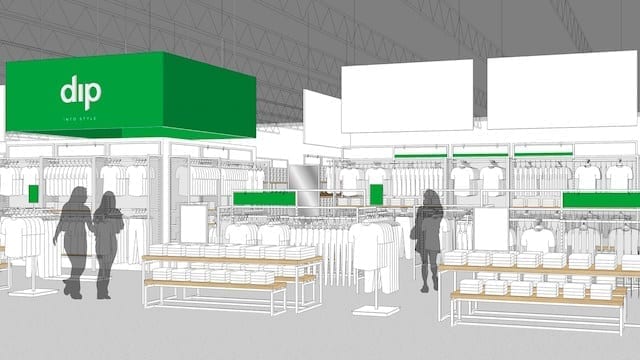
    The company released an artist’s impression of how the Dip space will look, (above). It will replace more than a dozen of the company’s private-label clothing brands.

    Kroger has tapped fashion designer Joe Mimran to create what it bills as “a new and exciting apparel brand” and which will launch with men’s, women’s, juniors, kids, and baby collections.

    Mimran previously launched Club Monaco, Joe Fresh and Pink Tartan during a 30-year career in fashion design. His brief was to develop a clothing line for Kroger which “makes effortless style easy and affordable to achieve”.

    “We’ve worked closely with Joe and his team to develop a line of clothing that works for today’s times – easy to buy, easy to wear, and easy to love,” said Robert Clark, Kroger’s senior VP of merchandising. “Effortless style, every day of the week.”

    “Style should be fun,” said Mimran. “We believe good design can be affordable. It should fit into your life, not the other way around.”

    Mimran says the name Dip was chosen after looking at Kroger’s heritage in food. “We thought about the fun, easy energy of the clothes. We thought about what makes every gathering better. And it just kind of clicked – Dip.”

  • New York brand Theory opens a flagship store in Seoul

    New York brand Theory opens a flagship store in Seoul

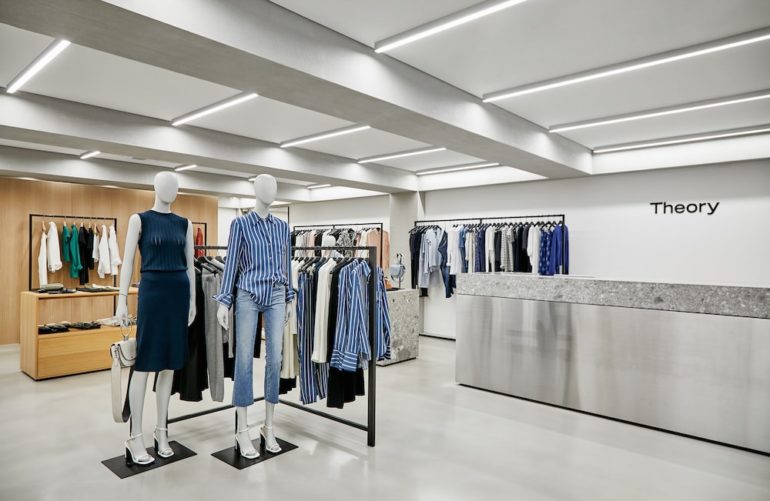
    New York contemporary brand Theory opened a flagship store in Hannam-dong, Yongsan-gu on 4th July.

    The company plans to establish a new “trendy place” in Hannam-dong to enhance brand-customer interaction and raise brand awareness.

    The Theory Flagship Store is a five-story building with a total area of 743 square meters (about 225 pyeong), which offers fashion, music, and café in one place, and features a modern and minimalist brand identity.

    On the basement, there are several collections which rotate from time to time.

    On the first floor, it showcases a ‘Theory 2.0’, featuring a young sensibility as well as trendy men’s and women’s casuals and denim.

    On the second and third floor, there is a 100 seats performance hall called Stradeum run by iriver so that customers can experience classic, jazz.

    Through collaboration with iriver, Theory flagship store is planning to offer a unique customer experience through movies and music performances, but also professional lectures and mentoring programs.

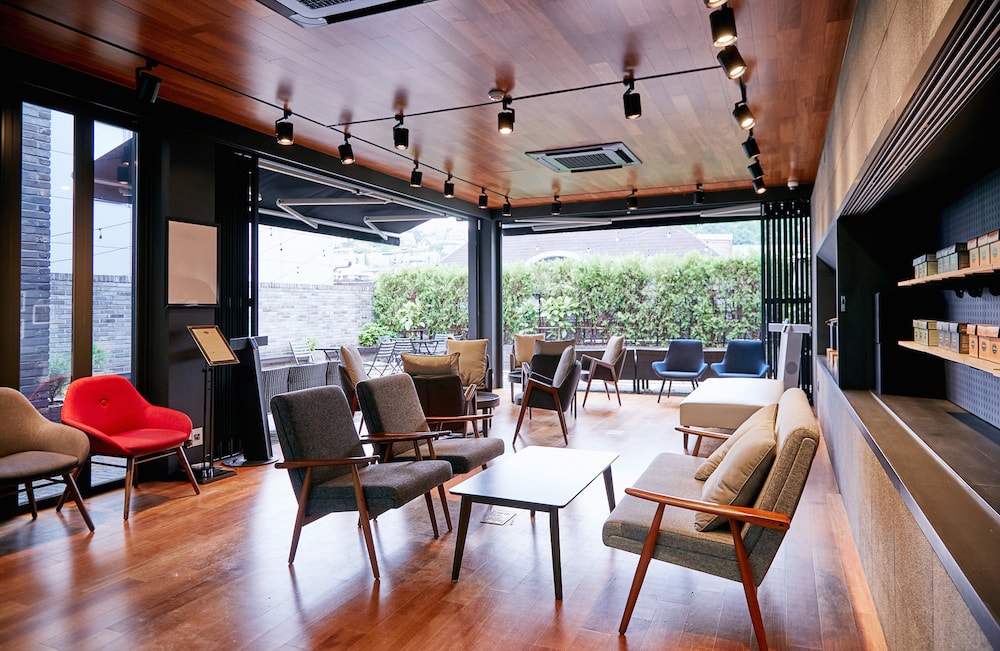
    On the fourth floor, Steven Smith’s pop-up cafe and and iriver’s professional audio player Astell & Kern is set up as a space for listening, creating a trendy space where fashion and music coexist.

    “We have opened a flagship store in Hannam-dong, a young and trendy place, in order to solidify the brand identity.” said Park Young-mi, brand manager of Theory. “We are trying to provide differentiated brand experiences to young customers who are pursuing culture and lifestyle as well as fashion.

  • Japan’s Go! Go! Curry lands in Houston

    Japan’s Go! Go! Curry lands in Houston

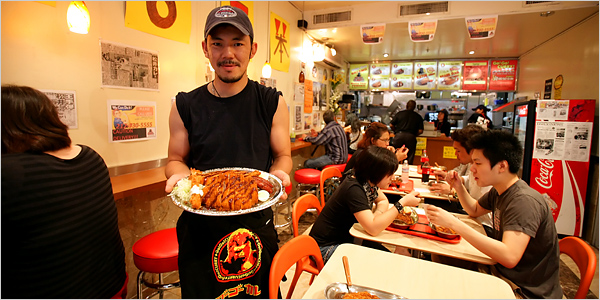
    Japanese franchise Go! Go! Curry plans to open in Houston this August.

    The restaurant’s new Chinatown location will serve traditional Japanese curries under the operation of franchisee Daxin.

    Originally from Japan’s Kanazawa, the franchise first opened in the US more than a decade ago in New York’s Times Square, and has already established seven locations on the East Coast and beyond. It is named after the number 55 jersey worn Kanazawa native Hideki Matsui, who played for the New York Yankees. “Go” is the Japanese number five.

    Daxin founder Shishen Li said that while Asian food is gaining rising popularity in the US, Japanese comfort food is an untapped subgenre.

    “We are thrilled to bring the new curry craze to the Houston community before it becomes a saturated market like the ramen or sushi trends before it.”

    In a nod to its name, the chain plans to open 55 franchises throughout North America by 2022.

  • Thailand, not Vietnam, is exporting ‘pho’ to the US

    Thailand, not Vietnam, is exporting ‘pho’ to the US

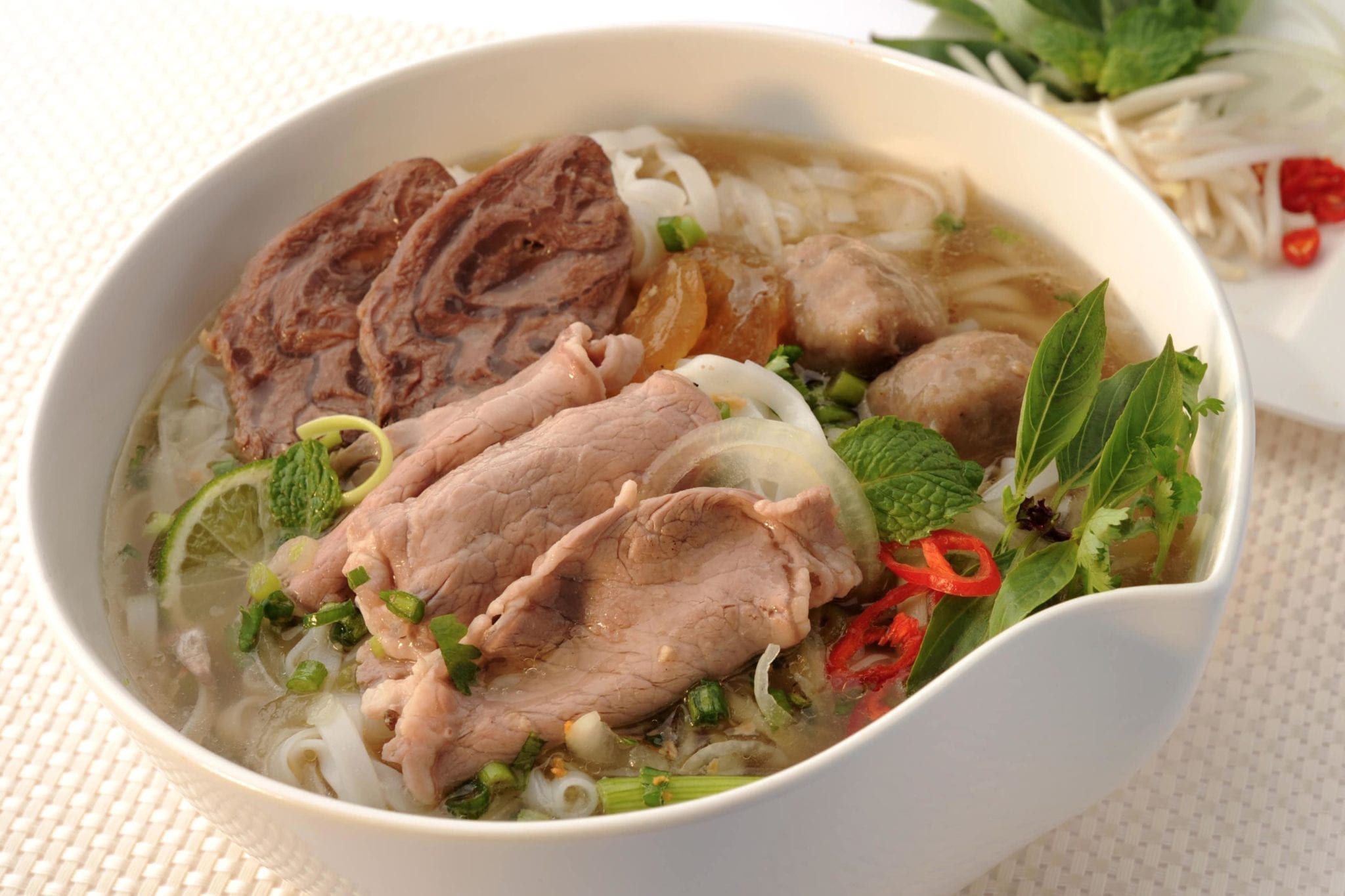
    Pho, the fragrant flat rice noodles soup served with beef or chicken, has given Vietnamese cuisine an iconic status. But the company making money by exporting an instant version of the soup to the US is based in Thailand.

    A representative of Charoen Pokphan Foods Plc (CPF) said at a recent meeting with Vietnamese businesses that the company’s Authentic Asian Chicken Pho Noodle Soup is enjoying great sales in the US.

    The number of restaurants that serve Vietnamese pho in the U.S. reached 8,900 in 2014 and is increasing, the CPF representative said, citing a study by the Institute for Immigration Research.

    Vietnamese businesses at the meeting were surprised that CPF’s factory in Thailand is able to produce 200,000 ready-to-eat pho products a day, using a workforce of just 10 workers.

    CPF said its factory in Thailand was powered by artificial intelligence, and the manufacturing process was completely automatic. Some production lines only require two workers operating via computers, the company said.

    This manufacturing process results in a “beautiful and easy-to-use package,” said Vu Kim Hanh, president of the Business Association of Vietnam High Quality Goods.

    With a shelf life of 18 months, CPF’s pho, which requires just two minutes in a microwave, is very convenient for customers, Hanh added.

    “Vietnam still needs to make many changes to catch up with its immediate Southeast Asian competitors in the agricultural products and foodstuffs industries,” she said.

    Currently, the number of businesses in Viet Nam’s fresh packed food market is still low, despite some new products from Saigon Food, which produces 100,000 packages each day.

    CJ Cau Tre offers cooked Vietnamese Hue noodle soup and spaghetti, and the Minh Hung group plans to use high pressure processing to produce fresh fruit juice.

  • Athleisure brand Bandier to open NoHo store with fitness studio

    Athleisure brand Bandier to open NoHo store with fitness studio

    One of the boldest real estate deals in the Big Apple was recently inked by an athleisure shop that made a name for itself selling $300 leggings in tony Southampton, LI.

    In August, 5-year-old Bandier is opening a massive 27,500-square-foot flagship in NoHo — about the size of a fitness center — that will not only sell its pricey duds from $68 crop tops to $98 sweatshirts and $108 yoga pants — but will also feature a fitness studio, a health-focused cafe and sneaker shop.

    A second flagship will open simultaneously in Los Angeles, bringing the number of Bandier boutiques to seven.

    “We think we have an opportunity,” said co-founder Neil Boyarsky, who owns the business with his wife, Jennifer Bandier, a former music executive like her father, Martin. “You have to roll the dice and take some chances.”

    After raising $10 million last fall led by Hong Kong-based investor Adrian Cheng — whose family owns real estate and retail in China — Bandier is already eyeing other markets, like Chicago and Boston, for flagships.

    As the athleisure trend continues its march, with fashion sneakers and body-hugging spandex gear becoming ubiquitous, Bandier is riding the wave led by 500-pound gorilla Lululemon, whose shares spiked 15 percent on Friday after reporting that comparable sales in its 400 stores rose 20 percent in the most recent quarter.

    Bandier’s growth was fueled in part by its celebrity clientele, including the Kardashian sisters, Liv Tyler, Jennifer Aniston, Emma Stone and Bella Hadid, who have all been spotted either wearing its apparel or taking a fitness class in its studios.

    But celebrities are only part of the story.

    Bandier’s existing stores, including in The Americana in Manhasset, Long Island, and in Dallas, are generating comparable sales growth of more than 20 percent, according to Boyarsky.

    “There will always be some market for this kind of apparel, but whether this growth is sustainable over time remains to be seen,” said retail analyst Craig Johnson, president of Customer Growth Partners.

    There has already been a slight dip in the performance wear sector’s growth from the high teens to about 12 percent — not including sneakers — according to Johnson.

    In the meantime, Bandier is betting that its mix of food, exercise and apparel will draw a steady stream of customers through its doors.

    Its list of customer amenities ranges from moisturizing face masks to showers in its fitness studios to a treadmill in the sneaker department for test runs.

    Bandier recently launched four private-label brands that will occupy up to 20 percent of the sales floor this year.

    “Our revenues have exceeded our expectations by a long shot,” Boyarsky said, declining to disclose Bandier’s sales.

  • US says trade war with China ‘on hold’

    US says trade war with China ‘on hold’

    The US trade war with China is “on hold” after the world’s largest economies agreed to drop their tariff threats while they work on a wider trade agreement, US Treasury Secretary Steven Mnuchin said today.

    Mnuchin and US President Donald Trump’s top economic adviser, Larry Kudlow, said the agreement reached by Chinese and American negotiators on Saturday set up a framework for addressing trade imbalances in the future.

    “We are putting the trade war on hold. Right now, we have agreed to put the tariffs on hold while we try to execute the framework,” Mnuchin said in a television interview.

    On Saturday, Beijing and Washington said they would keep talking about measures under which China would import more energy and agricultural commodities from the US to close the US$335 billion (RM1.33 trillion) annual US goods and services trade deficit with China.

    During an initial round of talks earlier this month in Beijing, Washington demanded that China reduce its trade surplus by US$200 billion. No dollar figure was cited in the countries’ joint statement on Saturday.

    Commerce Secretary Wilbur Ross planned to go to China, Mnuchin and Kudlow said.

    “He’s going to be looking into a number of areas where we’re going to have greatly significant increases,” including energy, liquefied natural gas, agriculture and manufacturing, Kudlow said in an interview with ABC’s “This Week.”

    Mnuchin said the US expects to see a big increase of between 35% and 40% in agricultural exports to China and a doubling of energy purchases over the next three to five years. “We have specific targets. I am not going to publicly disclose what they are. They go industry by industry.”

  • China agrees to import more from US, no sign of $200 billion figure

    China agrees to import more from US, no sign of $200 billion figure

    China has agreed to significantly increase its purchases of U.S. goods and services, the two countries said on Saturday, but made no mention of a $200 billion target the White House had touted earlier.

    Beijing and Washington agreed they would keep talking about measures under which China would import more energy and agricultural commodities from the United States to close the $335 billion annual U.S. goods and services trade deficit with China.

    A joint statement issued at the conclusion of intensive trade talks in Washington did not indicate whether the two countries would delay or drop their tariff threats on billions of dollars worth of each country’s goods, which has sparked fears of a wider trade war and roiled financial markets.

    “There was a consensus on taking effective measures to substantially reduce the United States’ trade deficit in goods with China,” the joint statement said.

    “To meet the growing consumption needs of the Chinese people and the need for high-quality economic development, China will significantly increase purchases of United States goods and services.”

    U.S. President Donald Trump has threatened to impose tariffs on up to $150 billion on Chinese goods to combat what his administration says is Beijing’s misappropriation of U.S. intellectual property through joint venture requirements and other policies that force technology transfers.

    Beijing denies such coercion and has threatened equal retaliation, including tariffs on some of its largest U.S. imports – among them aircraft, soybeans and autos.

    A report described the statement from the two governments as “vowing not to launch a trade war against each other.”

    While the statement said the two sides would engage at high levels and “seek to resolve their economic and trade concerns in a proactive manner,” it made no mention of tariffs.

    It said there was consensus between Washington and Beijing on the need to create “favorable conditions to increase trade” in manufactured goods and services. This could be a reference to China’s previous pledges to open up more economic sectors to services.

    U.S. LNG EXPORTS

    The United States will also send a team to China to work out the details of increased agricultural and energy exports, the countries said, without specifying timing.

    A senior U.S. official said that during discussions with a member of President Xi Jinping’s office, China was considering a package that relied on major purchases of U.S. liquefied natural gas, including a contract for a U.S. firm to build LNG receiving and processing facilities in China.

    The package, which also would include new commitments on intellectual property protections, could be agreed by a potential mid-year visit to Washington by China’s Vice President Wang Qishan, the official said.

    Trump made cutting the U.S. trade deficit with China a promise in his presidential campaign.

    During an initial round of talks earlier this month in Beijing, Washington demanded that China reduce its trade surplus by $200 billion – a figure most economists say is impossible to achieve because it would require a massive change in the composition of commerce between the two countries.

    IP VAGUENESS

    The statement was vague on the Trump administration’s core intellectual property complaints, saying that both countries “attach paramount importance to intellectual property protections … China will advance relevant amendments to its laws and regulations, including the Patent Law.”

    There are concerns among some legislators and trade experts that Trump could give priority to a narrower trade deficit over tackling what they say is China’s abuse of intellectual property rights. Any deal under which China would import more goods could easily be reversed, economists say.

    The statement made no mention of whether there would be a relaxation of paralyzing restrictions on Chinese telecommunications equipment maker ZTE Corp (000063.SZ) (0763.HK) imposed last month by the U.S. Commerce Department.

    The action, related to violation of U.S. sanctions on Iran, banned American companies from selling semiconductors and other components to ZTE, causing the Shenzhen-based company to cease operations.

    Earlier this week, Trump tweeted that he directed the Commerce Department to put ZTE back in business and said the company’s situation was part of an overall trade deal with China.

  • US slaps heavy duties on Chinese steel shipped from Vietnam

    US slaps heavy duties on Chinese steel shipped from Vietnam

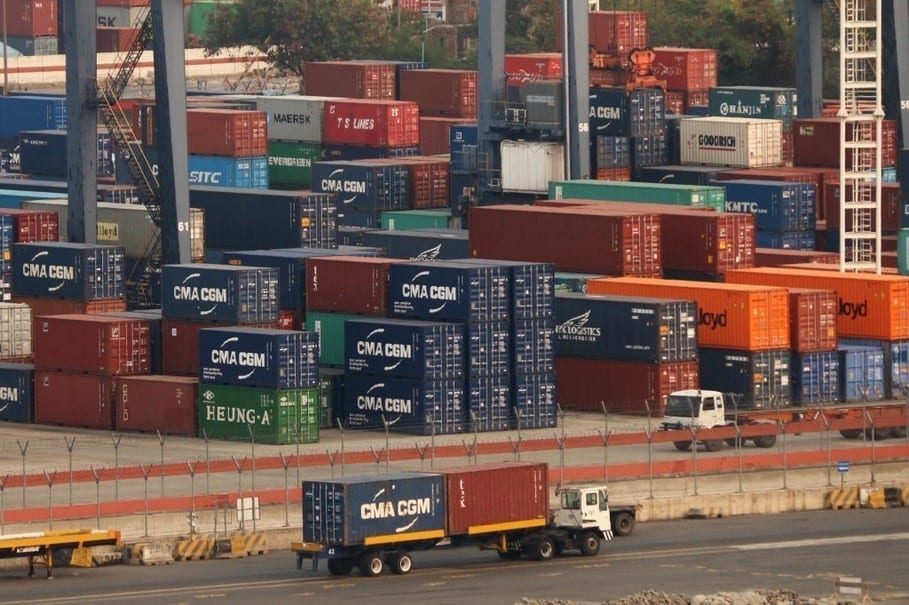
    The U.S. Commerce Department on Monday slapped steep import duties on steel products from Vietnam that originated in China after a final finding they evaded U.S. anti-dumping and anti-subsidy orders.

    The decision marked a victory for U.S. steelmakers, who won anti-dumping and anti-subsidy duties against Chinese steel in 2015 and 2016 only to see shipments flood in from elsewhere. The industry has argued that Chinese products are being diverted to other countries to circumvent the duties.

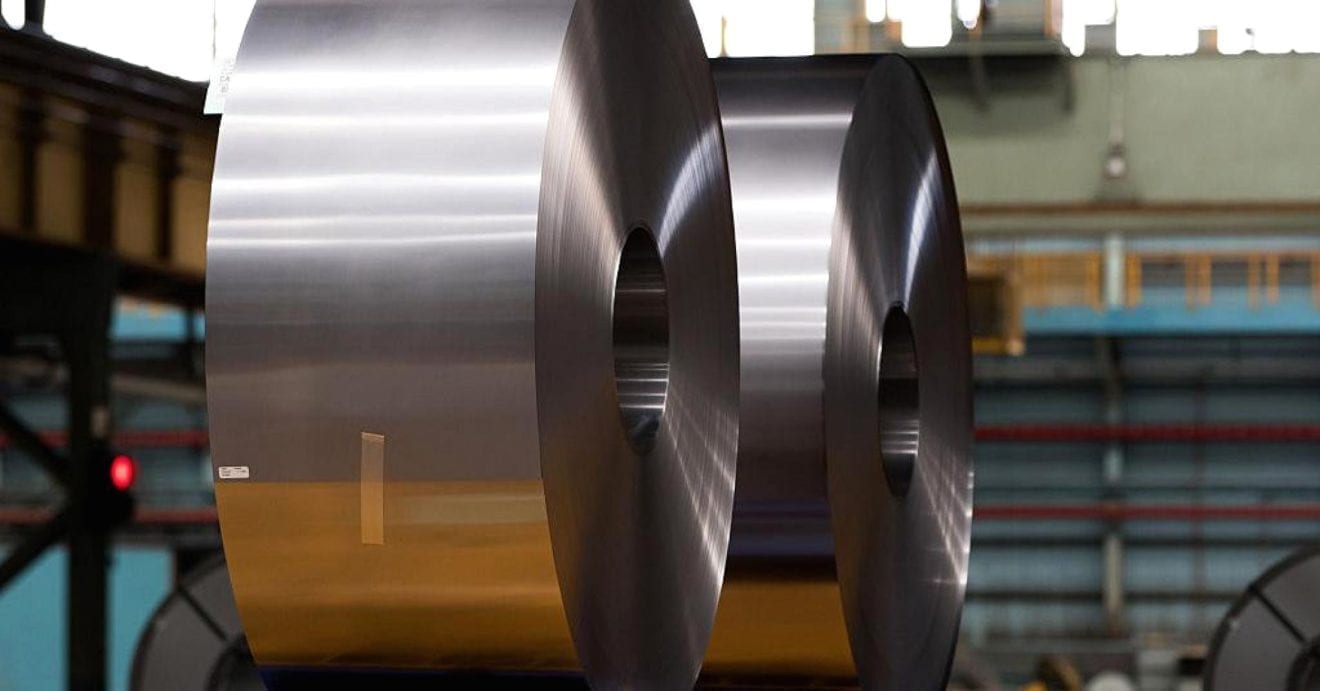
    U.S. customs authorities will collect anti-dumping duties of 199.76 percent and countervailing duties of 256.44 percent on imports of cold-rolled steel produced in Vietnam using Chinese-origin substrate, the Commerce Department said in a statement.

    Corrosion-resistant steel from Vietnam faces anti-dumping duties of 199.43 percent and anti-subsidy duties of 39.05 percent, it said.

    The department has said it would apply the same Chinese anti-dumping and anti-subsidy rates on corrosion-resistant and cold-rolled steel from Vietnam that starts out as Chinese-made hot-rolled steel.

    The duties will come in addition to a 25 percent tariff on most steel imported into the United States that resulted from the Trump administration’s “Section 232” national security investigation into steel and aluminum imports.

    Although the steel subject to the latest anti-dumping and anti-subsidy duties was processed in Vietnam to be made corrosion resistant or cold-rolled for use in autos or appliances, the Commerce Department agreed with the claims of American producers that as much as 90 percent of the product’s value originated from China.

    The global steel industry is struggling with a glut of excess production capacity, much of it located in China, that has pushed down prices.

    The decision followed a European Union finding in November that steel shipments from Vietnam into the EU also circumvented tariffs.

    The Commerce Department said that after anti-dumping duties were imposed on Chinese steel products in 2015, shipments of cold-rolled steel from Vietnam into the United States shot up to $215 million annually from $9 million, while corrosion-resistant steel imports rose to $80 million from $2 million.

    The case stems from a petition filed by U.S. producers ArcelorMittal USA, Nucor Corp, AK Steel Holdings Corp and United States Steel Corp alleging that Chinese producers began diverting their steel shipments to Vietnam “immediately” after the duties were imposed.

  • Cellini Jeweler and High Horology Salon Opens New Flagship on Park Avenue

    Cellini Jeweler and High Horology Salon Opens New Flagship on Park Avenue

    Cellini, a New York landmark and one of the world’s leading independent jewelers, celebrated the grand opening of its new Park Avenue flagship store on Tuesday, May 15th with an intimate private reception. Located at 430 Park Avenue, the inviting new store opened its doors to customers, VIPs, and influencers. Greeted by Cellini Founder and President Leon Adams and his team, guests were welcomed to discover the beautiful salon-like space, filled with the most precious jewelry, gems, and timepieces from more than 30 of the world’s top watchmakers.

    The grand opening event represented only the latest chapter in the 40-year history of Cellini. The impressive new 2,300 square foot midtown location echoes the grandeur of the store’s beginnings in 1977, when Leon Adams opened his first showroom in the famed Waldorf-Astoria Hotel. It was here that Cellini established its reputation as New York’s premier jeweler.

    Cellini, always a true visionary retailer, has chosen an unparalleled midtown location that promises to bring together the next generation of the world’s most discerning shoppers in New York’s emerging new luxury corridor. In its new, expanded Park Avenue flagship, Cellini retains the impeccable quality, elegance, and gracious service that have long defined this independent store, translated into an immersive new location.

    “Our goal is to offer the very best in one location, so our patrons can compare and discover jewelry and watches that they simply can’t get anywhere else. And if our customers don’t see the jewelry they are looking for, we are equipped to make it for them. We have access to some of the rarest gems on Earth: diamonds and gems of all shapes, sizes, and colors. We regularly create Cellini signature jewelry pieces incorporating these important gems, tailored to meet and exceed our customer’s dreams,” remarked Leon Adams.
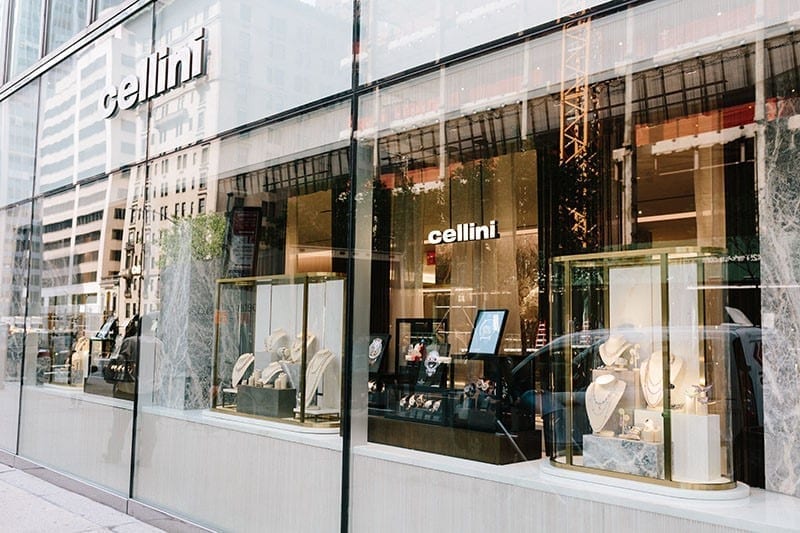
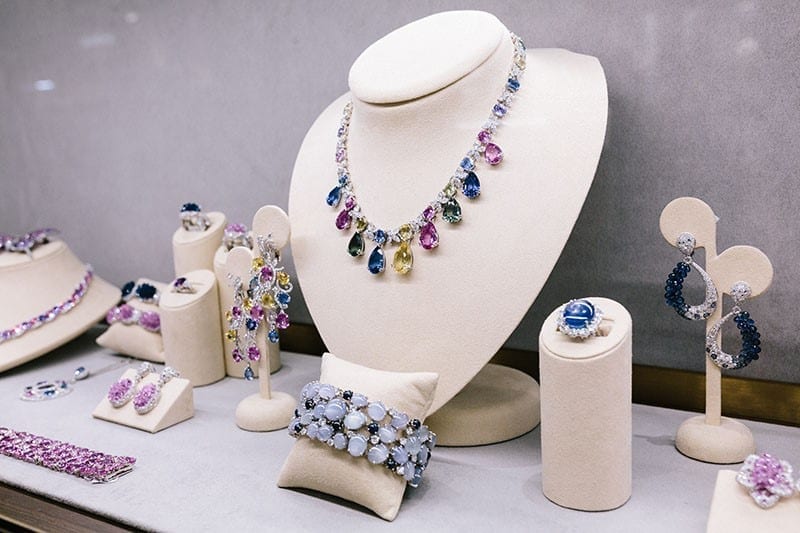
    Cellini’s visitors marveled at the multitude of lustrous pearls and the dazzling array of important color gemstones like Burmese rubies, Kashmir sapphires, and color-changing alexandrite. Guests were also treated to a glimpse of one of the most prized gems on Earth, Cellini’s extremely rare, radiant-cut chartreuse diamonds. In their new flagship store, Mr. Adams and the Cellini team will continue to offer custom jewelry design services, from selecting the right stone to designing a custom jewelry setting that best complements the gem’s most scintillating attributes.

    Guests took in the extraordinary scope of the store’s jewelry collections, which extends beyond Cellini’s signature creations to exceptional jewelry crafted by some of the world’s top jewelry designers. The array of designs offers something to satisfy every taste, from the Old-World craftsmanship of Carrera y Carrera, Fabergé, and Wellendorff, to the modern artistry of Pippo Perez, Sutra, and Victor Velyan.

    Budding watch aficionados, seasoned timepiece collectors, and enthusiasts all experienced the breadth of Cellini’s phenomenal horological collection. The elite watch brands on display included historic watchmaking maisons such as Girard-Perregaux, Jaeger-LeCoultre, and Vacheron Constantin, as well as independent watchmakers who first got their start in America at Cellini, such as A. Lange & Söhne and De Bethune. Guests of the grand opening event also got the first glimpse of rare new timepieces, including the US debut of the Bovet Recital 22 “Grand Recital,” as well as new pieces by MB&F, Greubel Forsey, Urban Jürgensen, Laurent Ferrier, H. Moser & Cie, and Urwerk.

    “Quality is foremost in everything we do at Cellini,” remarked Adams, a statement that defines the next chapter for Cellini at its new Park Avenue flagship. Irresistible jewels, sophisticated horology, dedicated staff, and an inviting new venue ensure that this venerable New York jeweler will redefine the standard of quality on Park Avenue.
  • The new LL Bean Urban store will open soon

    The new LL Bean Urban store will open soon

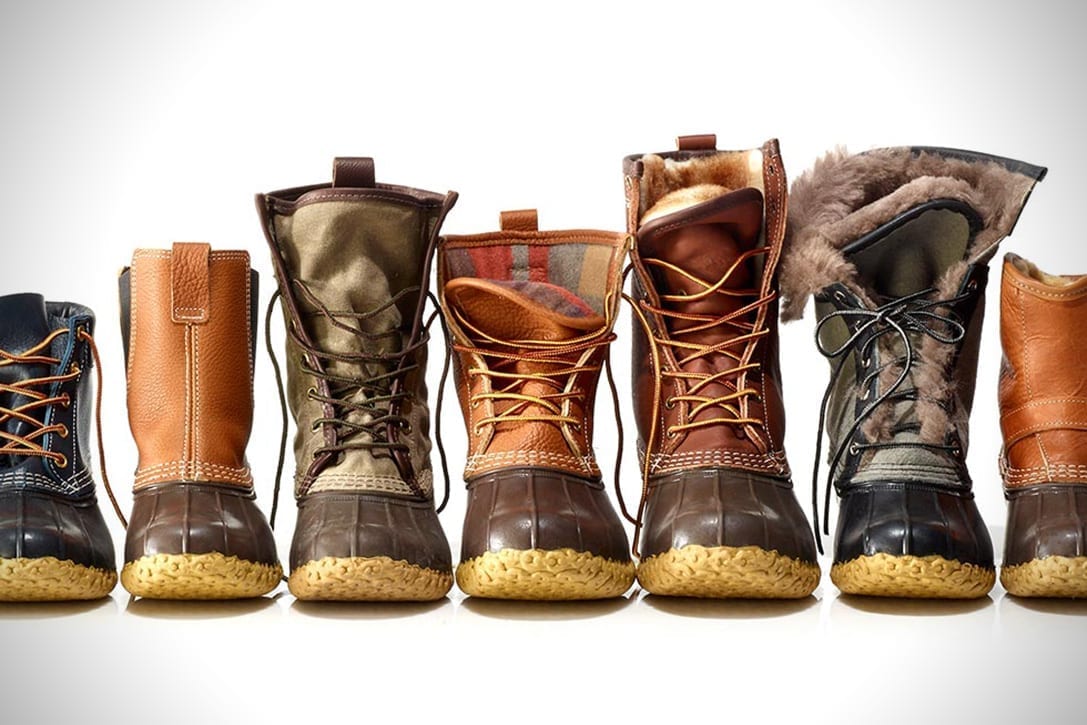
    US outdoor retailer LL Bean will open its first LL Bean Urban concept store on April 6.

    While the backbone of the famous brand’s physical store presence comprises large format, warehouse style stores, usually located in bulky-goods centres, rather than in high street precincts, the company believes an offer tailored more to city consumers will expand its customer base and sales.

    The 8600sqft LL Bean Urban store, smaller than its mainstream stores, will open at One Seaport in Boston, featuring a range of active and casual apparel as well as the traditional outerwear and footwear for which it is best known. The stock will be tailored to Bostonians’ most-favoured recreational preferences.

    As part of its overall national retail growth plan, LL Bean made the decision to expand its presence into Boston’s Seaport because of the high degree of awareness and affinity Boston residents have for the brand – and to capitalise on its relationship with the Boston Red Sox team.

    “The new Seaport store will allow the people of Boston and beyond to experience first-hand everything the legendary outdoor retailer offers: quality merchandise, exemplary customer service, excellent outdoor programming, a welcoming shopping environment and an ethos to always do what’s right by its customers, employees, the environment and the community,” said Greg Elder, VP of stores.

    “Boston is a city that’s as passionate about the outdoors as we are. We’re excited to bring the outdoor spirit to the heart of Boston at our first city store, and get to know the vibrant Seaport community.”

    LL Bean was founded in 1912 by Leon Leonwood Bean, in a single room, selling a single product: the Maine Hunting Shoe. Still family owned, LL Bean now operates 39 stores in 17 states across the US, along with 25 in Japan.

  • Stocks slump on trade-war worries

    Stocks slump on trade-war worries

    Asian stocks followed their US counterparts lower after President Donald Trump’s decision to slap tariffs on China heightened concern a trade war could hurt global growth. The yen climbed to its strongest in more than a year.

    Equity indexes from Tokyo to Shanghai tumbled well over 3 percent. US stock futures also declined, signaling a further retreat for the S&P 500 Index after it tumbled 2.5 percent, the most in six weeks. As investors dumped stocks, they rushed to the safety of Treasuries, where yields dipped below 2.8 percent, and the yen, which jumped past 105 per dollar for the first time since November 2016. Follow live coverage of reaction here.

    The sell-off began after Trump instructed US Trade Representative Robert Lighthizer to levy tariffs on at least US$50 billion in Chinese imports. Subsequently, China announced plans for reciprocal tariffs on $3 billion of imports from the US, including products from steel to pork. News that the US is shielding some countries from steel and aluminum tariffs did nothing to lift investor gloom.

    “The window from coming back from an all-out trade war is still open, but closing fast, and obviously leaves a lot of uncertainty over the next two to three weeks,” said Kay Van-Petersen, a Singapore-based global macro strategist with Saxo Capital Markets. It is “classic risk-off for equities today and potentially over the next few days,” Van-Petersen said. Eventually it “could open up some interesting opportunities, especially in the credit space and in the consumption-driven sectors,” he said.

    Adding to the image of the ascendance of the “America first” faction, Trump said he is replacing White House National Security Adviser H.R. McMaster with John Bolton, a controversial foreign-affairs specialist whom the U.S. Senate declined to confirm as President George W. Bush’s ambassador to the United Nations.

    Oil prices climbed amid worries that Bolton would pursue a hard-line stance against Iran.

    Investor fears of escalating trade tensions are being realized as the U.S. tariffs quickly sparked a reciprocal response from China. Traders had already been bracing for the possibility of slowing growth as the Federal Reserve reiterated its commitment to further interest-rate increases after Wednesday’s hike.

  • China vows to hit back as US trade sanctions loom

    China vows to hit back as US trade sanctions loom

    President Donald Trump is poised to unveil sanctions against China today for the “theft” of US intellectual property, fuelling fears of a trade war as Beijing vowed to retaliate.

    White House spokesman Raj Shah said that Trump will announce actions following an “investigation into China’s state-led, market-distorting efforts to force, pressure, and steal US technologies and intellectual property”.

    According to his schedule, released by the White House on Wednesday evening, he will sign “a Presidential Memorandum targeting China’s economic aggression”.

    The Chinese commerce ministry issued a pre-emptive warning, saying in a statement today that Beijing “will certainly take all necessary measures to resolutely defend its legitimate rights and interests”.

    China today blamed US export restrictions for its record trade surplus with the US, but expressed hope that a solution can be found to settle trade issues between the world’s two biggest economies.

    Chinese Foreign Ministry spokeswoman Hua Chunying said it was unfair to throw around criticism about unfair trade if the US won’t sell to China what it wants to buy, referring to US export controls on some high-tech products.

    “How many soybeans should China buy that are equal to one Boeing aircraft? Or, if China buys a certain number of Boeing aircraft should the US buy an equal number of C919s?” Hua said, mentioning China’s new self-developed passenger jet.

    However, China still hopes it can hold constructive talks with the US in a spirit of mutual respect to seek a win-win solution, she added.

  • Retailers Urge White House To Rethink China IP Tariffs

    Retailers Urge White House To Rethink China IP Tariffs

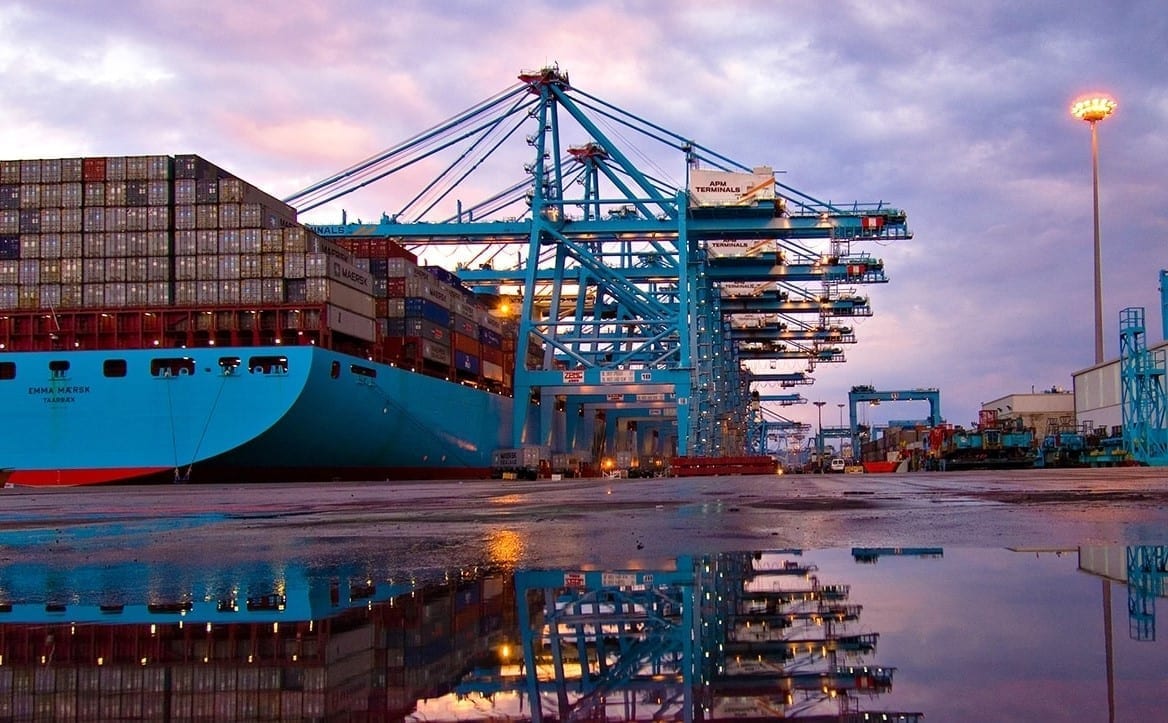
    Retail giants like Walmart, Target and Best Buy and their powerful lobbying groups on Monday urged the Trump administration to hold off new tariffs aimed at punishing China for its intellectual property practices, saying that such an aggressive step will only make matters worse.

    The White House is preparing to wrap up its sweeping audit of China’s IP regime, focusing mainly on Beijing’s policies requiring U.S. companies to hand over their proprietary technology as a condition of market access. The administration is said to be readying steep tariffs to punish China.

    A coalition of retail titans wrote a letter to the White House urging President Donald Trump to rethink the move, saying that while China’s IP policies deserve scrutiny, sweeping tariffs are not an effective remedy for the problem.

    “Investigating technology and intellectual property policies and practices is critically important to our innovative economy,” the companies wrote Monday. “Yet were this investigation to result in a broadly applied tariff remedy on imports from China, it would hurt American households with higher prices and exacerbate a U.S. tariff system that is already stacked against working families.”

    The administration kicked off its investigation of China under Section 301 of the Trade Act of 1974 last year. The law allows for a wide variety of responses if the U.S. finds that a foreign country is violating its trade obligations.

    Supporters of the multilateral trading system had hoped that the White House would use Section 301 as a pretext for a new World Trade Organization case against China, but it looks as if the administration is leaning in favor of bypassing the WTO and imposing unilateral tariffs.

    A day before the retailers sent their letter, the White House received a similar missive from business associations including the Information Technology Industry Council, the National Retail Federation and the U.S. Chamber of Commerce.

    Much like their individual member companies, the organizations pleaded with the White House to moderate its response and build a coalition with its allies to counter China.

    “Imposition of unilateral tariffs by the administration would only serve to split the United States from its allies, hinder joint action to effectively address shared challenges, and ensure that foreign companies take the place of markets that American companies, farmers and ranchers must vacate when China retaliates against U.S. tariffs,” the groups said.

    Both letters said that while tariffs will affect Chinese imports, they will also raise costs that will eventually be passed down the supply chain to U.S. consumers.

  • Bankrupt Toys ‘R’ Us is closing all US and UK stores

    Bankrupt Toys ‘R’ Us is closing all US and UK stores

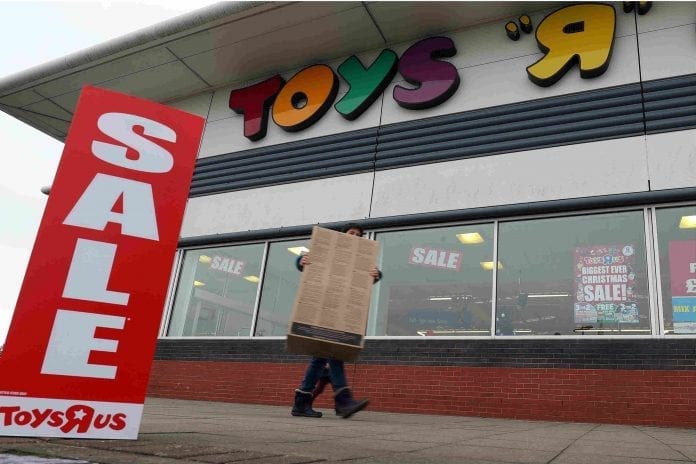
    Toys R Us will sell or close all of its US and UK stores in coming months.

    The decisions, by respective liquidators appointed on both sides of the Atlantic, will leave Canada, Asia and Central Europe up for sale as the last remaining Toys R Us businesses internationally, with operations in France, Spain, Poland and Australia tipped for closure as well.

    Toys R Us has 885 stores in the US and employees about 33,000 people there. It had already begun closing about 20 per cent of its outlets as part of a plan to exit Chapter 11 bankruptcy protection.

    But no buyer could not be found for the remaining business as a going concern.

    Asia appears to be the only region in the world where the Toys R Us business is robust. It is a joint venture with Fung Group, which holds a 15 per cent stake and is reportedly planning a takeover of the business, possibly funded in part by an IPO. But with the brand having failed almost everywhere else in the world, it is unclear how keen investors would be in Hong Kong.

    Neil Saunders, MD of analysts GlobalData Retail, described the liquidation of Toys R Us as “unfortunate but inevitable” given the retailer had lost its way and forgot its core retail competencies.

    “Even during recent store closeouts, Toys R Us failed to create any sense of excitement.”i

    Saunders said management may blame suppliers and competitors for its demise, but the primary responsibility lies with poor decisions.

    “As the competitive dynamics of the toy market intensified, management failed to respond and evolve. As such, the brand lost relevance, customers and ultimately sales.

    “Admittedly, the leveraged buyout which burdened the company with debt reduced the room for maneuver and left Toys R Us vulnerable. Questions should be asked as to the wisdom of this particular financial transaction which weakened the sustainability of the company.”

    The decision to close down Toys R Us was essentially made by its lenders who believed that without a clear reorganisation plan, they could recover more from a liquidation, closing stores and raising money from merchandise sales, according to sources quoted by AP.

    The Toys R Us UK operation was placed in administration at the end of last month.

    Yesterday, administrator Moorfields Advisory confirmed that no prospective buyer had been found for the business and that all 101 stores would close progressively.

  • Indonesia Will Call Trump’s Trade War Bluff

    Indonesia Will Call Trump’s Trade War Bluff

    Indonesia will not back away from a potential trade war with the United States, should US President Donald Trump decide to carry out his plan to increase tariffs on some imported commodities, Vice President Jusuf Kalla said on Thursday (08/03).

    Trump announced last week that his administration plans to impose a 25 percent tariff on imported steel and a 10 percent tariff on imported aluminum, on the grounds that imports endanger American national security by harming domestic production.

    The plan unsettled even the United States’ close allies, fearing a full-blown global trade war that could derail delicate global economic growth.

    “If Trump’s trade war eventually escalates, it can drag agricultural countries in. If the US blocks our palm oil, we will block their soybean exports to Indonesia; we can be self-sufficient,” Kalla said in a speech at the fourth Jakarta Food Security Summit.

    Eleven percent of Indonesia’s total exports, or $17 billion, were destined for the United States last year. This makes it Indonesia’s second-largest export destination.

    Southeast Asia’s largest economy also enjoyed a $9.3 billion trade surplus with the United States last year.

    Indonesia’s palm oil exports to the United States amounted to $939 million last year, which represents around 5 percent of its total exports of the tropical oil, Central Statistics Agency (BPS) data showed.

    According to the US Department of Commerce’s International Trade Administration, the United States exported 2.6 million metric tons of soybean last year, worth $994 million.

    Indirect Blow

    Only 1 percent of Indonesia’s steel exports go to the United States, so Trump’s proposed steel and aluminum import tariffs would not inflict a direct blow to local steel producers, said Hidayat Triseputro, executive director of the Indonesian Iron and Steel Association.

    But he warned of the possibility that Chinese steel exports destined for the US market may flood the Indonesian market.

    Indonesia is a member of a free trade arrangement between the Association of Southeast Asian Nations (Asean) and China that came into effect in 2010. The agreement resulted in Chinese exports to Indonesia spiking to $30.5 billion in 2014 from only $3.4 billion in 2004.

    According to World Steel Association data, China was the world’s largest steel producer in 2017, at 831.7 million metric tons, while Indonesia produced only 4.8 million tons of the alloy.

    “The government should secure the domestic market with strict regulation and take sides with local products … as it can make investors lose interest in the Indonesian market due to the policy being not affirmative to the domestic market,” Hidayat said.