Retail News CRM

Tag: usa

  • Blue Bottle Coffee makes debut in South Korea

    Blue Bottle Coffee makes debut in South Korea

    Blue Bottle Coffee Co an upscale US coffee chain operator, says it will open its first South Korean shop in Seoul in the second quarter of next year as the company moves to expand its presence in the Asian market. It said the new cafe and a roastery will open in Seoul’s eastern Seongsu neighbourhood, a trendy hangout spot where young artists and designers have renovated existing buildings into art spaces, fine restaurants and cafes.

    The move will mark Blue Bottle’s second international launch since it opened its shop in Tokyo in 2015. Blue Bottle said it will directly enter the South Korean market as Blue Bottle Coffee Korea Ltd.

    “We feel very close to our South Korean guests, having known them for years in our cafes in the US and Japan and on social media,” said Bryan Meehan, CEO of Blue Bottle Coffee. “Now, Blue Bottle Coffee will no longer be just a tourist destination for them but a part of the fabric of Seoul.”

    Founded in 2002, the Oakland-based roaster now has 56 cafes in the US and 10 in Japan. Swiss food giant Nestle bought a 68 per cent stake in the company last year.

    According to government data, the size of South Korea’s coffee market stood at 11.7 trillion won (US$10.8 billion) in 2017, up more than threefold from a decade earlier.

  • Trade war’s bark turns to bite in Asia

    Trade war’s bark turns to bite in Asia

    The U.S.-China tariff slugfest has for months triggered warnings that it could impact global economic growth, and recent data indicates the tension is beginning to bite. Manufacturing gauges in several export-reliant Asian countries, as well as China, weakened in October as gloom deepens over the trade outlook.

    China’s official Purchasing Managers’ Index (PMI), which measures factory activity, came in at 50.2 in October, down from 50.8 the previous month, the latest sign of weakness in the world’s second-largest economy amid the trade war and a domestic debt problem.

    But China’s troubles are bad for the rest of the region, and the world, analysts said.

    Asian exporting countries from South Korea to Malaysia saw PMI decreases in October, according to indices compiled by Nikkei/IHS Markit.

    Taiwan saw its steepest falls in production and new business in just over three years, purchasing activity by companies fell for the first time since May 2016, and firms anticipate lower factory output in the next 12 months, Nikkei/IHS Markit said.

    “Taiwan is feeling the effects of this trade war because China is the factory for many companies in Taiwan. When the estuary is blocked, you feel the effects,” said Sun Ming-te of the Taiwan Institute of Economic Research.

    Paying the price

    South Korea’s PMI slipped to 51.0 in October from 51.3 in September, while a separate Korean business sentiment index for manufacturing sank to its lowest level in two years.

    China is South Korea’s largest trading partner, absorbing a quarter of Korean exports.

    “The situation may get worse next year due to a prolonged trade war between the US and China, growing default risks at debt-plagued Chinese firms and a slowing global economy that reduces demand for our exports,” said c, an analyst at the Korea Institute of Finance.

    Southeast Asian manufacturers were feeling the effects too, with PMI in Malaysia and Thailand slipping below the 50-point level, which indicates contraction in the sector.

    It was Malaysia’s lowest PMI since July and Thailand’s lowest in two years.

    In an interview last week, Malaysian Prime Minister Mahathir Mohamad complained that U.S. President Donald Trump — who has accused various trading partners of “ripping off” America — “seems to be withdrawing from all commitments overseas”.

    Mahathir, 93, said that hurts everyone, including the U.S.

    “We want to remain friendly with the U.S., and we want to continue trading with the US,” Mahathir said.

    “But the trade war that is going on between the U.S. and China is damaging for us. We have to pay a price for that.”

    Vietnam or bust

    The International Monetary Fund warned at its annual meeting last month that the trade friction and other threats would hobble the world economy, lowering its growth forecasts for 2018 and 2019.

    The Eurozone posted disappointing PMI figures in October, though due largely to factors other than trade tension.

    But not everyone feels the shock yet, with Japan’s manufacturing looking solid last month.

    Trump, meanwhile, faces little pressure to tame his trade rhetoric at home, with a rosy U.S. outlook marked by rising wages and low unemployment.

    And even in Asia, there will be some winners as conflict re-aligns trading patterns, economists noted.

    Vietnam, in particular, looks to gain as foreign manufacturers relocate out of China to escape the trade war crossfire and what many say is an increasingly unfair playing field for foreign companies in China.

    Vietnam PMI climbed from a ten-month low of 51.5 in September to 53.9 last month.

    “The hard data on exports and industrial production in recent months haven’t been that great. The latest survey nonetheless shows how Vietnam is weathering the U.S.-China trade war better than its ASEAN peers,” Miguel Chanco, senior economist at Pantheon Macroeconomics asia.

    “If the trade war escalates, Vietnam will be one of the prime destinations for export-oriented firms looking to move out of China.”

  • Why is the Chinese economy slowing down?

    Why is the Chinese economy slowing down?

    China’s economy appears to be slowing faster than expected at the start of the fourth quarter, a bad omen for growth early next year when the full force of the trade war with the United States comes to bear. This situation is likely to spur Beijing to introduce new measures to support growth, analysts said.

    The government will try to avoid returning to its battle-tested plan of large-scale monetary and fiscal stimulus so as not to exacerbate the country’s already huge stock of debt, but it may have no choice but to move some way in that direction to stabilize growth.

    Business sentiment in both the manufacturing and non-manufacturing sectors was weaker than expected in October, led by sharp declines in export demand, according to the official purchasing managers’ index published on Wednesday by the National Bureau of Statistics and the China Federation of Logistics and Purchasing.

    The figures were the first gauges of the trade war’s impact since the U.S. levied 10 percent tariffs on $200 billion worth of Chinese goods in late September.

    The manufacturing sentiment index dropped to 50.2 in October, from 50.8 a month earlier.

    The reading, which was its lowest in more than two years and barely above the 50 point line that separates expansion from contraction in the sector, suggests the possibility of contraction in November as the U.S. tariffs take effect.

    That situation could worsen in January, when the tariff on the $200 billion of Chinese imports is set to rise to 25 percent.

    It might also be exacerbated by the “front loading” behavior of many Chinese exporters — boosting production and shipments now to fill orders for early next year before the scheduled tariff rate increase.

    Production and unemployment among export manufacturers are at risk of falling sharply from January due to lack of orders to fill.

    New export orders contracted for the fifth month in a row in October, to 46.9 from 48 in September.

    Imports also contracted for a fourth straight month, indicating weakening demand within China, while the decline in manufacturing employment accelerated.

    Non-manufacturing activity, dominated by the service sector, also slowed in October, with the index dropping a full point to 53.9.

    While the index still indicates a healthy level of activity, the size of the drop could be a sign of a sharp slowdown ahead.

    Indeed, the contraction in service sector export orders seen in September accelerated sharply in October, falling a further two points to 47.8.

    The October data also reinforce the picture that small- and medium-sized companies are struggling, with indices for both groups falling further into contraction.

    In contract, the index for large companies fell but remained in positive territory.

    “The economic conditions facing China’s private sector are much worse than the headline figure suggests, in our view,” analysts at ANZ said in a report. “The October PMIs for mid-sized and smaller sized companies fell to 47.7 and 49.8, respectively.”

    “So we expect the Caixin PMI to have already fallen into the contractionary zone,” the report said.

    The Caixin PMI data better reflects sentiment in smaller, usually private sector firms.

    Analysts said that a faster than expected economic slowdown this year could be compounded early next year by a lack of new orders and higher U.S. tariffs, prompting further action by the government to prop up growth.

    “We expect a worse growth slowdown in spring 2019 for several reasons [especially after export front loading],” said Ting Lu, chief China economist at Nomura Global Market Research.

    “Beijing’s policy focus so far has been on containing a credit freeze. If our more cautious views prove to be valid, growth is likely to slow to such a worrying pace in spring 2019 that Beijing may have to greatly ramp-up its easing/stimulus measures.”

    The economic forecasts do not take into account the possibility of a large escalation of the trade war.

    U.S. President Donald Trump said again on Monday that tariffs on an additional $267 billion worth of Chinese imports — which would equate to sanctions on virtually all Chinese goods — were “ready to go” if there was no trade progress.

    He said he expected the trade war to result in a “great deal” for the U.S., but did not say how and when that would happen.

    Analysts warned that while the direct impact of U.S. tariffs on the Chinese economy is limited, the negative impact on business and consumer sentiment, and so on the economic outlook, could be much larger.

    Steven Cochrane, the chief Asia-Pacific economist with Moody’s Analytics, said in an interview that additional tariffs would have an outsize impact.

    “There would be much more uncertainty that would tend to slow the pace of investment and consumption,” he said.

    “Consumers are [already] feeling uncertain about next year, so they are going to pull back.”

    In retaliation, China might implement qualitative measures, such as more aggressive inspections of imports from the U.S., creating stiffer visa requirements for visiting American workers, slowing regulatory approval for U.S. companies operating in China or targeting service imports from the U.S., including restricting the enrollment of Chinese students at American universities.

    In a research note released last week, Cochrane estimated that if a 25 percent tariff were imposed on all China-U.S. trade and Beijing applied qualitative countermeasures, China’s gross domestic product growth would fall by 1.2 percentage points to 5.2 percent in 2019 and the Chinese stock market would fall by 9.4 percent.

    The U.S. is reportedly preparing to impose the next round of tariffs on the $267 billion in Chinese goods in early December if Trump’s scheduled meeting with Chinese President Xi Jinping at the G-20 summit in late November produces no progress.

    If true, and given the 60-day comments period that would start when the tariffs are announced, this would mean that the new tariffs would be implemented in early to mid-February, during or just after Lunar New Year.

    Like Christmas in the West, the celebration is the largest instance of consumer spending during the year, so any fall in sentiment caused by the introduction of the new tariffs could have a very negative effect on China’s economy.

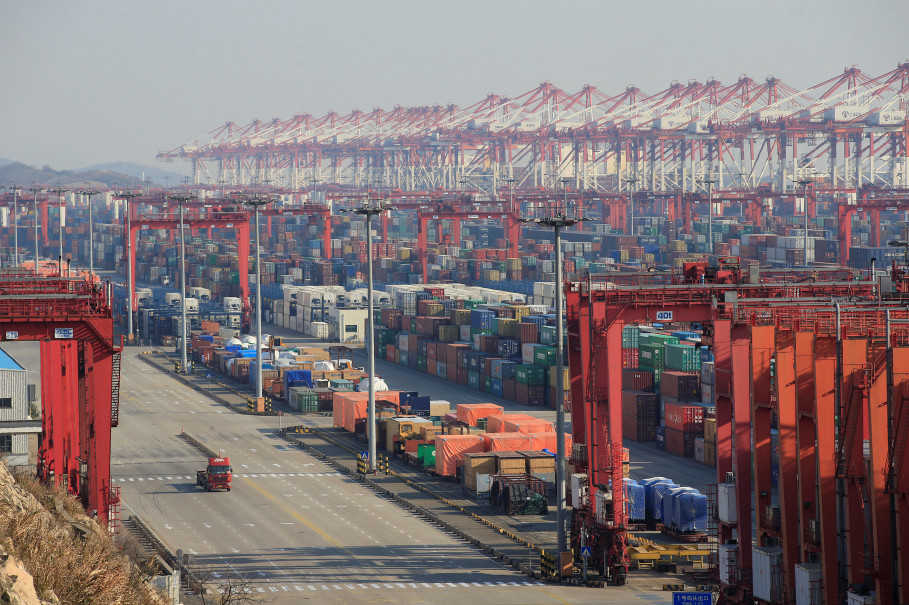
    Business sentiment in both the manufacturing and non-manufacturing sectors was weaker than expected in October, led by sharp declines in export demand, according to the official purchasing managers’ index.

    The figures were the first gauges of the trade war’s impact since the U.S. levied 10 percent tariffs on $200 billion worth of Chinese goods in late September.
  • Vietcombank gains preliminary agreements to open US office

    Vietcombank gains preliminary agreements to open US office

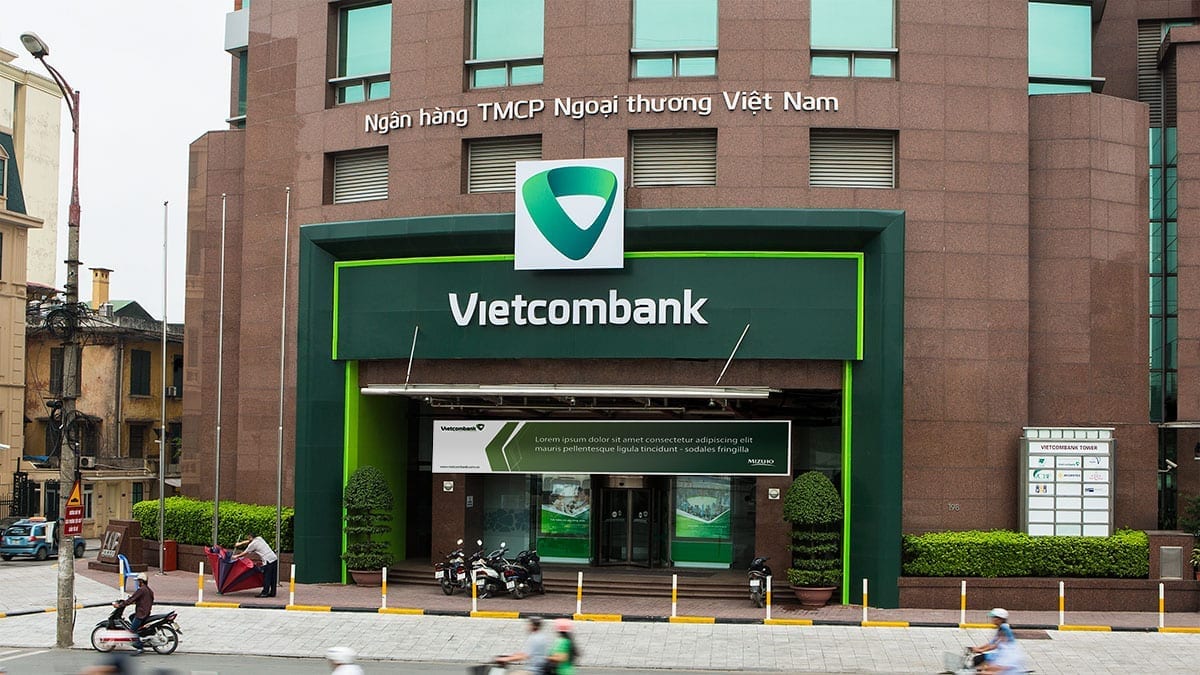
    Vietcombank VCB.HM has made a significant step in becoming the first Vietnamese bank to open a representative office in the U.S. The move by Vietnam’s biggest bank by market value comes as diplomatic ties between Vietnam and the U.S. are on the rise and is part of a push to expand internationally as it aims for a place among the world’s top 300 banking and financial groups.

    Vietcombank has obtained approval from the U.S. Federal Reserve and an agreement in principle from the New York State Department of Financial Services to open a representative office in New York City, it said on its website.

    The State Bank of Vietnam, the country’s central bank, owns 77 percent of Vietcombank. Japan’s Mizuho Bank [MZFGAE.UL] is the second biggest investor with a 15 percent stake.

    “As Vietnam becomes more attractive to U.S. investors, Vietcombank’s representative office … will be an extended arm for Vietcombank in the U.S. to support business development in this very potential market,” it said, adding that it aims to obtain a license and open a New York office as soon as possible.

    The representative office would liaise with prospective clients and banks in the U.S. and engage in other non-transactional activities such as analysis of the banking and financial services market.

    The U.S. is now one of Vietnam’s top trading partners and is expected by some analysts to benefit from the continuing U.S.-China trade conflict, offering an alternative investment and trade destination.

  • EU trade pact can reduce Vietnam’s reliance on China, US

    EU trade pact can reduce Vietnam’s reliance on China, US

    The Vietnam-EU trade pact can diversify export markets and help reduce reliance on China and the U.S., experts say. On October 17, the European Commission submitted the EVFTA for signature and conclusion to the European Council. Once authorized by the Council, the agreement will be signed and presented by the end of this year to the European Parliament for ratification. The European Parliament is set to ratify the EVFTA early next year.

    The trade pact, which has been negotiated since June 2012, is considered a game changer as it would eliminate almost all trade tariffs between the two sides.

    Luu Bich Ho, former head of the Vietnam Institute for Development Strategies under the Ministry of Planning and Investment, said that the deal would play a major role in reducing Vietnam’s reliance on the U.S. and China, the world’s two largest economies.

    “This is obviously an opportunity for Vietnam to increase export [to the EU] to avoid being affected should the U.S. seek to limit imports from Vietnam,” Ho said.

    It’s also a chance for Vietnam to diversify its markets as it is still heavily dependent on China in trade, he added.

    In the first nine months this year, the U.S. was Vietnam’s largest export market, accounting for 19.5 percent of Vietnam’s total exports, a growth of 13.2 percent year-on-year, according to Vietnam Customs.

    Although the EU came second and accounted for 17.4 percent, this market has the smallest growth rate among Vietnam’s top six export markets at 10.5 percent.

    China was the third largest export market, had the highest growth rate of 29.9 percent. It was also Vietnam’s largest import market, accounting for 27.3 percent of Vietnam’s total imports.

  • Philippine Airlines to fly new A350 to Los Angeles

    Philippine Airlines to fly new A350 to Los Angeles

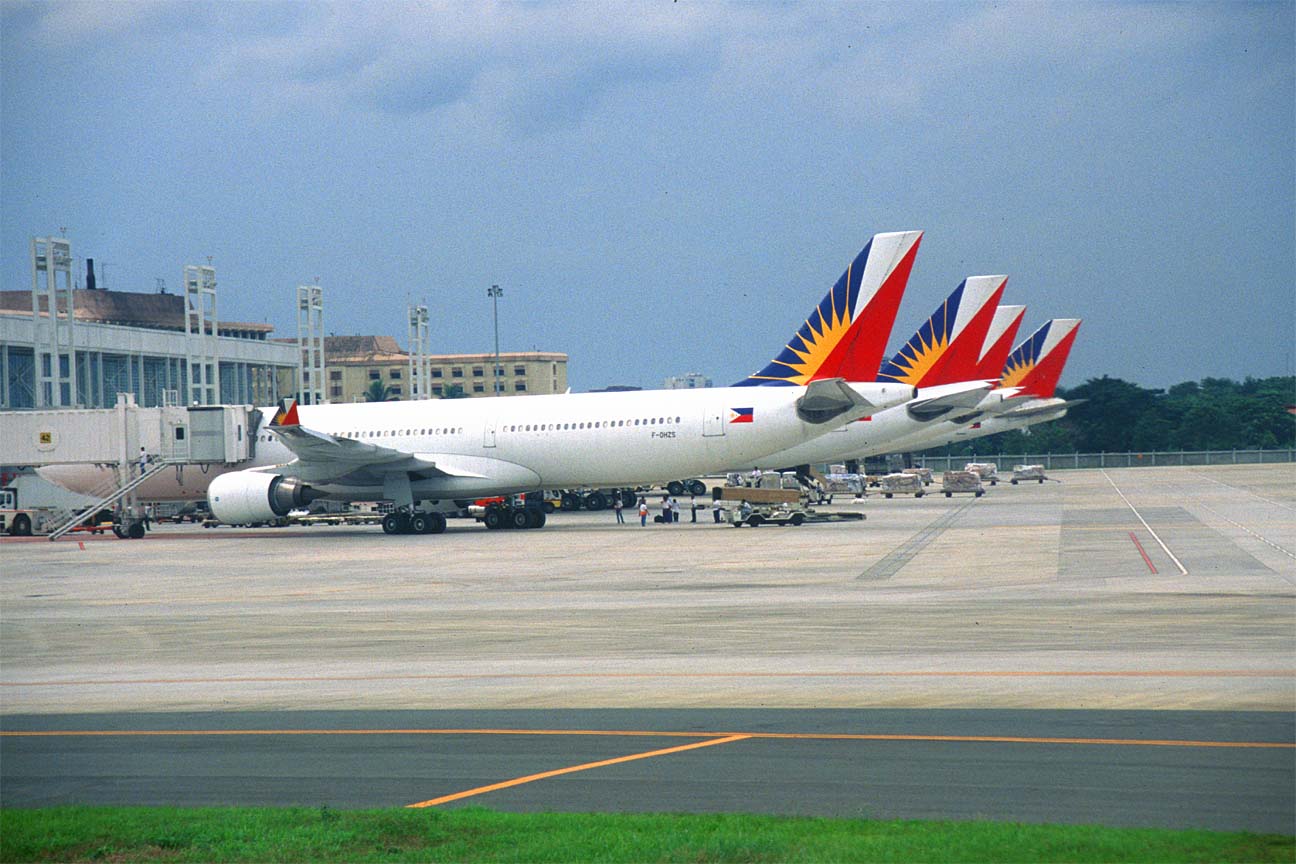
    Philippine Airlines’ new Airbus A350-900 is set to make a temporary appearance on the carrier’s Manila-Los Angeles route starting September 28, with the aircraft taking on one flight per week for a period of approximately one month. The short-term deployment comes as the airline prepares to permanently fly its latest aircraft on its non-stop flights to New York starting October 30.

    According to Philippine Airlines’ current schedule, the A350 will take over flights PR112 and PR113 every Friday until October 19, with its Boeing 777-300ER operating the flights on all other days. PR112 and PR113 operate four times a week on Wednesdays, Fridays, Saturdays and Sundays.

    Philippine Airlines Manila-Los Angeles A350 schedule:

    Flight No. From To Departs Arrives Days
    PR112 Manila (MNL) Los Angeles (LAX) 1125 1000 Sept 28, Oct 5, 12, 19
    PR113 Los Angeles (LAX) Manila (MNL) 1230 1825+1

    The airline’s other daily flight on the route, PR102/PR103, also will continue to be flown by the 777-300ER throughout this period.

    The temporary deployment gives passengers a small window during which they can experience the aircraft when flying to the US ahead of its deployment to New York at the end of next month.

    Philippine Airlines’ A350 notably features the airline’s new long-haul business class seat product, a variant of Thompson Aero’s Vantage XL seat. Along with reclining to a fully flat position, these seats are also notably laid out in a 1-2-1 configuration that offers direct aisle access to all passengers, a benefit not offered with the airline’s 2-3-2 business class layout on board its 777-300ER.

    A total of 30 seats are offered in the business class cabin, with each offering 24 inches of width, 44 inches of pitch (legroom) when in a seated position and reclining to provide a 78-inch-long flat bed.

    Philippine Airlines took delivery of its first A350 back in July and earlier this month began flying the aircraft on its first long-haul service to London.

  • Vietnam footwear exports benefit from US-China trade dispute

    Vietnam footwear exports benefit from US-China trade dispute

    According to customs statistics, Vietnam’s footwear exports in the first nine months of this year were worth $11.74 billion, a 10.2 percent year-on-year increase. Its exports to China in the period have risen by 28.5 percent, to Japan by 14.7 percent, and to the U.S. by 13.5 percent. Vietnam is the second biggest exporter of footwear to the U.S. behind China, shipping 404 million pairs of shoes last year.

    The upward trend is likely to continue, too, as rising wages in China increase the cost of goods produced there and the country is thus directing more of its manufacturing resources toward higher-priced goods like electronics.

    Adidas CEO Kasper Rorsted told last May that his company is shifting sourcing of footwear from China to Vietnam.

    Vietnam has in fact overtaken China as its top supplier, with Vietnamese factories producing 44 percent of its shoes by volume last year and Chinese manufacturers supplying 19 percent, according to Adidas.

    This would help shield the company from potential tariffs or supply chain disruptions if President Donald Trump’s trade war with China continues to escalate, a fact its competitors also seem to be taking notice of.

    Vietnam may see export orders surging as footwear importers shun China to avoid high U.S. tariffs and choose the Southeast Asian nation instead, local media quoted Diep Thanh Kiet, vice chairman of the Vietnam Leather, Footwear and Handbag Association (Lefaso), as saying.

    “Vietnam’s leather and footwear export can reach $19.5 billion or slightly higher this year depending on the situation,” he said. Vietnam’s footwear exports were worth $14.65 billion last year.

  • Hypebeast launches Hypefest

    Hypebeast launches Hypefest

    Hypebeast is the prime destination for young male in their mid-2000s with a vague interest in Japanese denim or limited-colorway Nike Dunks or whatever it was that Pharrell was wearing that month.

    The fashion blog was among the first to enthusiastically document trends in sneakers and streetwear.

    Kevin Ma, who founded the blog in 2005 when he was a student in Vancouver, didn’t know much about fashion then. But 13 years later, the Hong Kong native sits quietly at the top of a publicly traded Hypebeast empire.

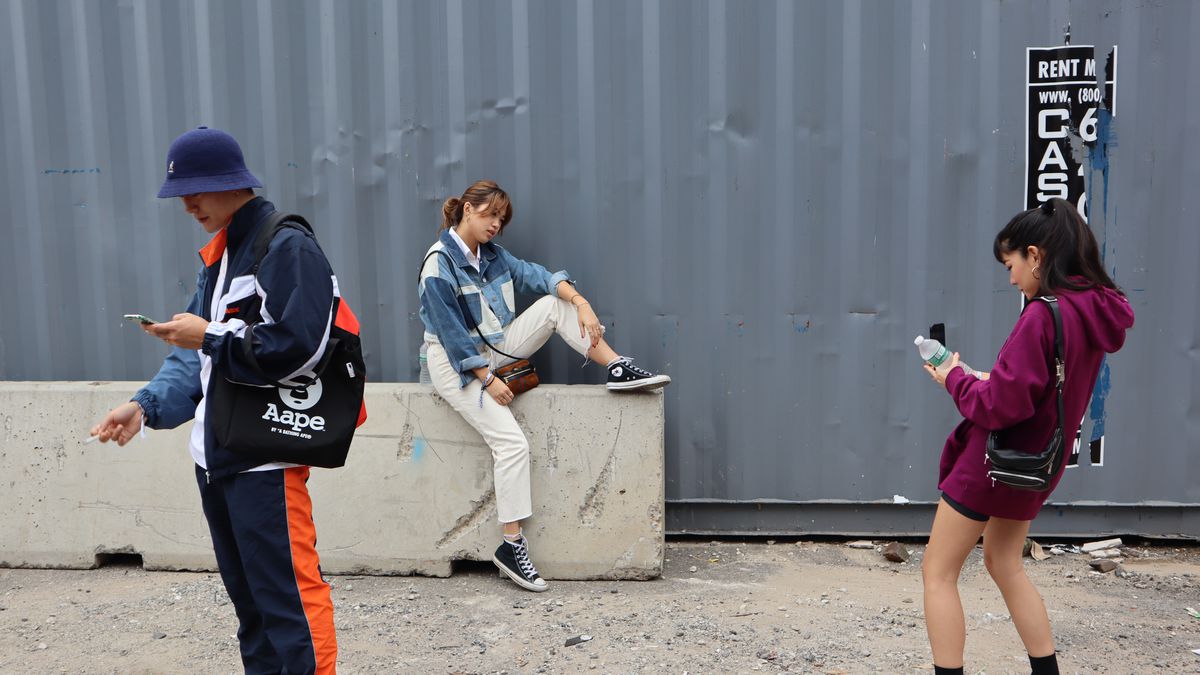
    His dominion includes the website, a quarterly print magazine, an online store, legions of influential fans and now a Hypebeast festival, which will take place the first weekend of October in an undisclosed location in Brooklyn with a “breathtaking view of the Manhattan skyline.”

    It will be called Hypefest.

    Mr. Ma, 36, and his team have been reluctant to share too much information in advance of the festival; it might kill the hype.

    Instead, taking cues from the brands that they’ve promoted for years, they are letting news about the festival trickle out slowly, and letting intrigue build.

    Upward of 10,000 tickets will be available online next week — for free.

    But promotional materials promise that Hypefest will be a “highly curated and educational experience.” There will be booths from global clothing companies like Adidas Originals, Diesel and Moncler, as well as streetwear brands like Needles and Girls Don’t Cry.

    There will also be music, food, art and talks with fashion designers, held in a “Hypetalks panel discussion area.”

    Perhaps most notably, Hypefest will not be a merch-fest.

    “We want people to really have an experience as opposed to shopping,” Mr. Ma said. “I feel that you can shop any time. You can shop at a shop. You can go to a pop-up to shop. You can go online to shop.”

    Hypefest merchandise will primarily be sold online, which could curtail the secondhand market that is endemic to hypebeast culture, in which “drops” of merchandise from vaunted brands are snatched up quickly in person and resold.

    Scarcity is part of the aesthetic, which has been adopted by celebrities like Jonah Hill (called “a budding darling of the hypebeast community” by Dazed) and Justin Theroux (a “low-key hypebeast,” according to The Cut). Their outfits have helped to incubate an entire media ecosystem, as tabloids analyze their casual style.

    The 2018 hypebeast bears only a loose resemblance to the one whose wardrobe Mr. Ma assembled in the early days of his site.

    During a recent interview at his apartment in SoHo, he was dressed down in a loose black long-sleeve shirt, jeans and black Vans. Even the most discerning eye might have missed that the jeans were from Mr. Completely, the Los Angeles store; that the shirt was from the Japanese brand N.Hoolywood; that his frames were from Gentle Monster, the Korean glasses retailer.

    Though Mr. Ma’s understated, globally sourced look spoke to the style ideology he has long tried to inculcate in his readers, Hypebeasts are now more easily identified by flashy, recognizable brands.

    But Mr. Ma understands, he said, that the term is now mostly out of his control.

    “It can be anything nowadays I feel,” he said. “Which is kind of cool.”

  • ‘US-China trade war will calm down’

    ‘US-China trade war will calm down’

    The burgeoning US-China trade tensions will calm down sooner or later, despite the additional tariffs counterattack between the world’s two largest economies, according to the US leading strategic consultant David Morey.

    “I think the trade war is going to calm down, but as to when it will happen, it is hard to tell as our President (Donald Trump) is rather unpredictable,” Morey said at a press conference in conjunction with the Malaysia Retail Chain Association’s (MRCA) CEO Night recently.

    “But my guess is that we are going to have some change, because the US-China relationship is too important (for them) to be yelling at each other,” he added.

    Morey also opined that the North Korea’s nuclear weaponry issue would have not been solved if not because of the cooperation between the two big economies.

    “And it better calm down because we need to get to more serious trade issues,” Morey said.

    Meanwhile, commenting on the challenges faced by the local companies to reach to the giant companies level, Morey said these companies need to deal with the anti-corruption, bureaucratic, as well as the status quo issues, which takes every government or organisations around the world.

    “Bureaucracy has no political label, it seems to enjoy every political system and you gotta fight that. You gotta fight people that are looking out for their own interest versus the people.

    “But I sort of look at the glass half full when it comes to Malaysia. Sure you have a lot of challenges ahead, but you have made a lot of progress along with Singapore and Korea.

    “I’m not saying everything is perfect in Malaysia, but there is a hunger that the Malaysians have. We can’t give people that hunger but you have it as a nation. People want to get better, they want to learn, they value education for their kids, and not all countries have that same hunger that you have,” Morey said.

    Asked on the challenges faced by the new Malaysian government, Morey said he opined that the challenge for Prime Minister Tun Dr Mahathir Mohamad is the obstacle that every change leader faces in staying relevant.

    “He won by being a change candidate, now can he continue to be the change leader as he was for so many years and decades? That’s the question.

    “And there’s the difference between campaigning and governing. Governing is a lot harder today but I wish him luck. I think he’s doing a lot of right things and we’re all worried about the geopolitical change that’s happening. We are in a dangerous complicated world so we need great leadership,” he added.

  • US, China dig in as Trump prepares to impose fresh tariffs

    US, China dig in as Trump prepares to impose fresh tariffs

    With US President Donald Trump gearing up to impose tariffs on US$200 billion (RM828 billion) on Chinese goods and Beijing certain to retaliate against any measures, the world’s two biggest economies are locked in an escalating trade war, with no resolution in sight.

    The United States is negotiating with Canada this week to try and finalise a deal to modernise the North American Free Trade Agreement (Nafta), an outcome some in the White House say will allow Washington to turn up the heat on Beijing.

    “The hope is that this (Nafta) puts a lot of pressure on the Chinas of the world to help us negotiate better reciprocal trade deals,” Kevin Hassett, chair of the White House Council of Economic Advisers said.

    The world’s two largest economies have already applied tariffs to US$50 billion of each other’s goods. Talks aimed at easing tensions ended last month without major breakthroughs, and Washington appears emboldened by a sell-off in Chinese markets and a weakening economy.

    China is planning two choreographed celebrations of free trade – a major import fair in November and the 40th anniversary in late December of its move towards market reforms. However, Chinese government advisers are tamping down expectations either occasion will yield measures that could defuse tensions.

    “China seems unable or unwilling to announce major liberalisations that could be termed ‘confidence building
    measures’ or ‘down payments’ on expected near-term reforms,” Craig Allen, president of the Washington-based US-China Business Council, said in a letter to members over the weekend.

    “We know that the President has received reports that the Chinese economy is struggling – reports that we believe are overstated – and thus he may believe that additional pressure might be effective in the short-term,” Allen said.

    Washington is demanding Beijing improve market access and intellectual property protections for US companies, cut industrial subsidies and slash a US$375 billion trade gap.

    The Trump administration is ready to move ahead with a next round of tariffs after a public comment period ends at midnight in Washington on Thursday (Friday afternoon Malaysian time), but the timing is uncertain, people familiar with the administration’s plans said.

    The new duties will start to hit consumer products directly, including furniture, lighting products, tyres, bicycles and car seats for babies.

    Trump said he was not prepared to make a deal with China “that they’d like to make”.

    “We’ll continue to talk to China,” he said at the White House on Wednesday. “But right now we just can’t make that deal. In the meantime, we’re taking in billions of dollars of taxes coming in from China, with the potential of billions and billions of dollars more taxes coming in.”

    Given the smaller amount of goods China imports from the US on which it could slap duties, Beijing has vowed to hit back with unspecified “qualitative” and “quantitative” measures, actions perceived within the US business community as likely to be increased customs and regulatory scrutiny.

    Beijing appears to be bracing for a long fight.

    Official Chinese media is asserting that Trump’s trade war is aimed at containing China’s rise, a perception solidifying Beijing’s resolve not to buckle under US demands.

    In light of such a US agenda, China should “maintain strategic determination” and “take care of our own matters”,
    Long Guoqiang, vice-president of the State Council’s Development Research Centre said.

    “The Soviet Union was pulled into an arms race in the Cold War. Japan’s economy became a bubble in a trade war. These profound lessons are close at hand,” Long said.

    While US businesses in China do not yet appear to face widespread retaliation, some company officials have said they are bracing for blowback. Some are shifting supply chains to avoid tariffs.

  • L’Occitane opens New York flagship

    L’Occitane opens New York flagship

    Beauty products retailer L’Occitane has opened a New York flagship on Fifth Avenue which it describes as “a unique immersive destination”.

    The 1870sqft store at 555 Fifth Avenue was designed by L’Occitane’s Daniel Contorni, international artistic director, and Paul Blackburn, VP concept design, construction & merchandising with the Hong Kong-listed, French-styled retailer.

    “To adapt to differing consumer preferences across the world, L’Occitane has adopted a ‘glocal’ approach, developing creative experiences especially adapted for local clientele,” the company said in a statement.

    Recent examples of this strategy include new flagships in Brazil, China, London and Toronto, each with exclusive styles and services mix; a concept store in Paris (86Champs) in partnership with French pastry chef Pierre Herme; a pop-up cafe in Singapore with Asian pastry chef Janice Wong (a protege of Herme); and L’OcciTruck, the brand’s first travelling shop experience encapsulated on wheels, currently touring North America.

    The L’Occitane Fifth Avenue store features a range of interactive customer touchpoints. Whilst the existing L’Occitane experiential boutique in the city’s Flatiron district continues to offer a more traditional L’Occitane retail experience, the Fifth Avenue store will be more disruptive, geared to attracting new customers, encourage engagement and produce user-generated content for social media, the company said.

    The store includes a “rain-shower” sink, an interactive skincare consultation area, a curved communal bench beneath a Mediterranean olive tree, and an enhanced fulfilment services “comptoir”.

    L’Occitane says it is pursuing “a robust customer-first retail strategy, seeking to surprise consumers and surpass their expectations by providing an unforgettable in-store experience”.

    “In today’s digital world, customers rarely enter a L’Occitane store purely out of need; they expect to be pampered and entertained and want to indulge in the experience.”

    The L’Occitane Fifth Avenue store features several environment-first initiatives, including a recycling program in partnership with TerraCycle that incentivises customers to drop off all brands of empty personal care and cosmetics packaging at participating L’Occitane retail locations.

  • Google planned first flagship store for Chicago

    Google planned first flagship store for Chicago

    Google is reportedly planning to open its first permanent retail store, in a trendy Chicago neighbourhood.

    According to a report in the Chicago Tribune, a two-storey Google flagship store will open in the Fulton Market area, known locally as the meatpacking district.

    Google declined to confirm the report. “We don’t comment on rumor or speculation,” spokeswoman Kayla Conti said.

    But citing reliable sources, the Chicago Tribune said the lease is close to being finalised. The store will take up 14,000sqft and will be used to showcase the online company’s growing array of gadgets, including its smartphones, tablets, home security systems and Google Home, which is its answer to Amazon’s Echo.

    The store will be located in historic low-rise brick buildings on W. Randolph Street.

    Until now, Google’s brick-and-mortar foray has been limited to pop-up stores and concessions.

  • H&M Upgrades U.S. Web Site And Mobile App

    H&M Upgrades U.S. Web Site And Mobile App

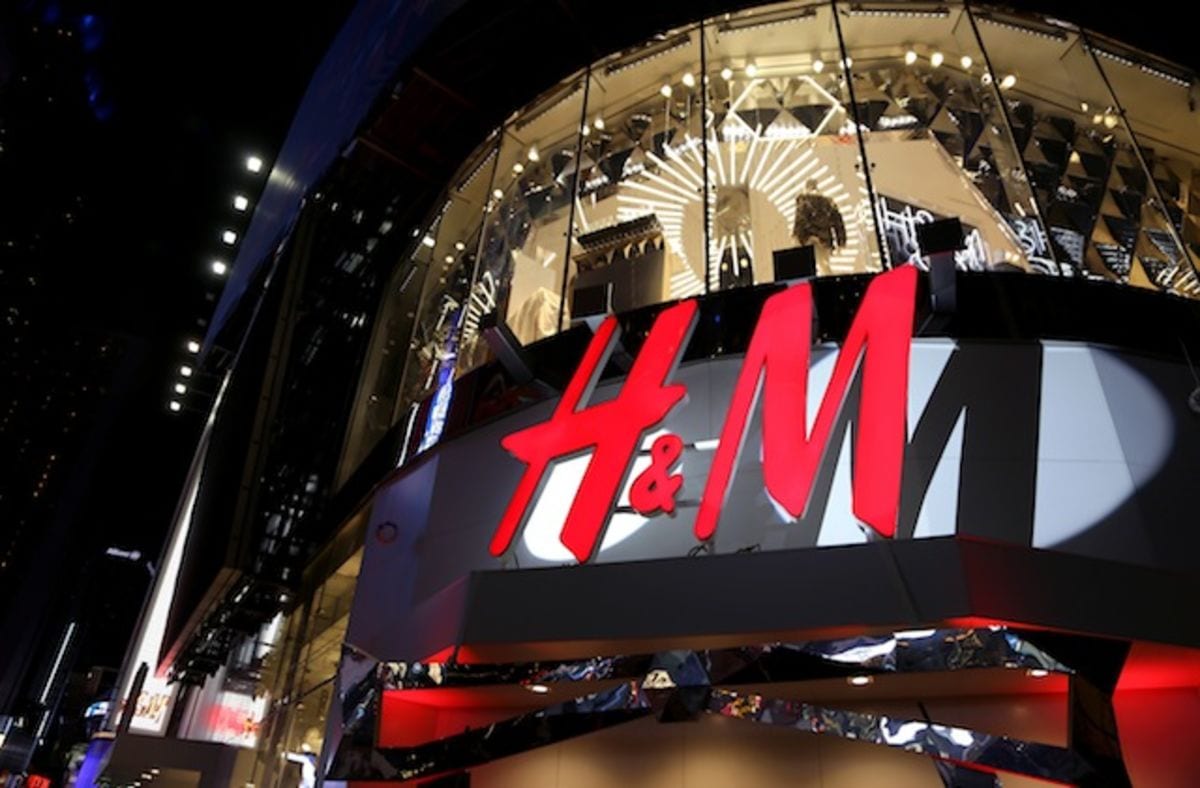
    H&M has launched a new e-commerce site and mobile app for customers in the US and introduced a slew of new features and services aimed squarely at converting younger consumers.

    The fast fashion giant now allows customers in the US to pay for items online via PayPal and return online orders in-store for free.

    It also offers new shipping options, live chat and visual search, as well as tools to rate and review online orders and scan items in-store to check additional sizing and colour options online.

    Later this year, H&M said it will launch a ‘find in store’ tool to enable customers to locate an item in their nearest H&M.

    The site and app will also feature user-generated-content tagged with #HMxME in an inspiration gallery.

    A statement from H&M cited the rapid digitalisation of the fashion industry and the new opportunities it has created.

    “H&M is accelerating its transformation to take advantage of these opportunities to create a seamless and enjoyable shopping experience online, on your mobile device and in our physical stores,” the statement said.

    The online site has been updated with all the new features, but to see the changes reflected in the mobile app, users on need to delete the old app and download the new version for iPhone and Android.

    The changes come on the heels of H&M’s new sizing structure, which was introduced earlier this year to better reflect the North American industry standard and to be in line with the customer expectation in the market.

  • Trade wars to hit Malaysian steel sector

    Trade wars to hit Malaysian steel sector

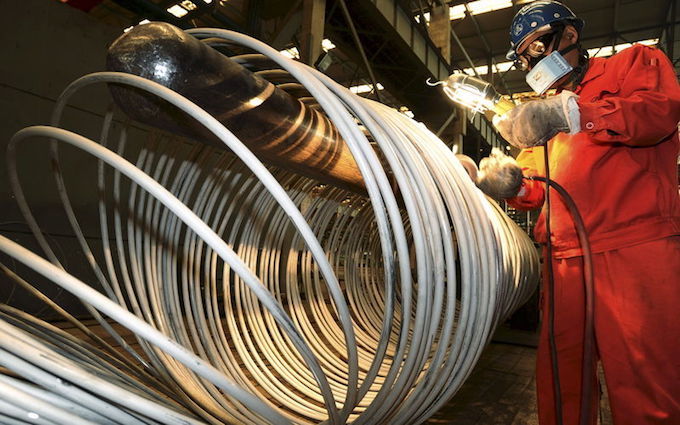
    The Malaysian steel sector will be affected negatively in 2018 and 2019 due to the trade wars on the external front, said MIDF Research.

    “Changes in global trade policies, tepid global demand as well as the local steel mill cost structure will continue to impede any positive demand for the companies under our observation,” it said in a report.

    It expects the steel sector to experience more headwinds from the trade wars as China’s demand for steel is shaky, coupled with the slump in its construction industry.

    “The demand from China’s manufacturing sector takes up to 360 million metric tons annually, close to 60% of its annual consumption. But, the demand is expected to shudder further due to China’s environmental health and occupational safety policies,” MIDF Research said.

    It noted that steel players such as Ann Joo Resources, Lysaght Galvanised Steel, Southern Steel, SC Steel, Mycron Steel and Choo Bee Metal have reacted negatively to the announcements and influx of news on trade and tariff wars.

    It expects the trend to persist because globally, steel demand is projected to grow to 1,616.1 million metric tons this year and tepid growth will be plagued by low demand for 2019, growing to 1,626.7 million metric tons.

    “This means less demand for export for the local steel mill. Most of the local companies are affected by unwavering overhead costs and operational expenditure, making the sector unattractive,” said MIDF Research.

    Meanwhile, the government has announced the exclusion of sales and services tax for building materials and construction services, which would be a breather for the construction sector from the grim outlook of project cuts, it added.

  • A Land Korea starts expansion in USA by store opening

    A Land Korea starts expansion in USA by store opening

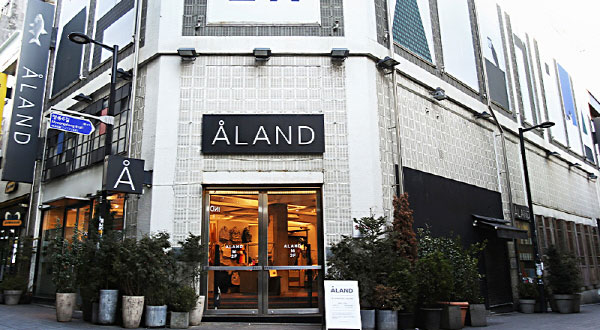
    South Korean fashion retailer A Land, known as a department store format for millennial shoppers, has opened in Brooklyn, New York.

    The store’s first Western Hemisphere location plays host to many of the same brands it features in its Asian stores, marking a point of difference from US fashion retailers. The majority of products on sale are South Korean, with high-quality low-cost items the norm.

    The firm’s US president Nam Cho said, “It’s very unique, it’s different from what mainstream US fashion retailers are doing. We want Americans who are interested in fashion to come here and find something unique.”

    A Land is a leading fashion and beauty retailer in South Korea, and is targeting expansion in Japan and Mainland China, as well as high-potential Southeast Asian markets where Korean pop culture influence is strong. It already runs stores in Hong Kong and Bangkok.

    The company has no immediate plans to expand in the US, apparently seeing the Brooklyn store as a test bed in the market, although it is seeking to replicate its successful online business there.