Retail News CRM

Tag: video

  • 180 degree reversal by YouTube

    180 degree reversal by YouTube

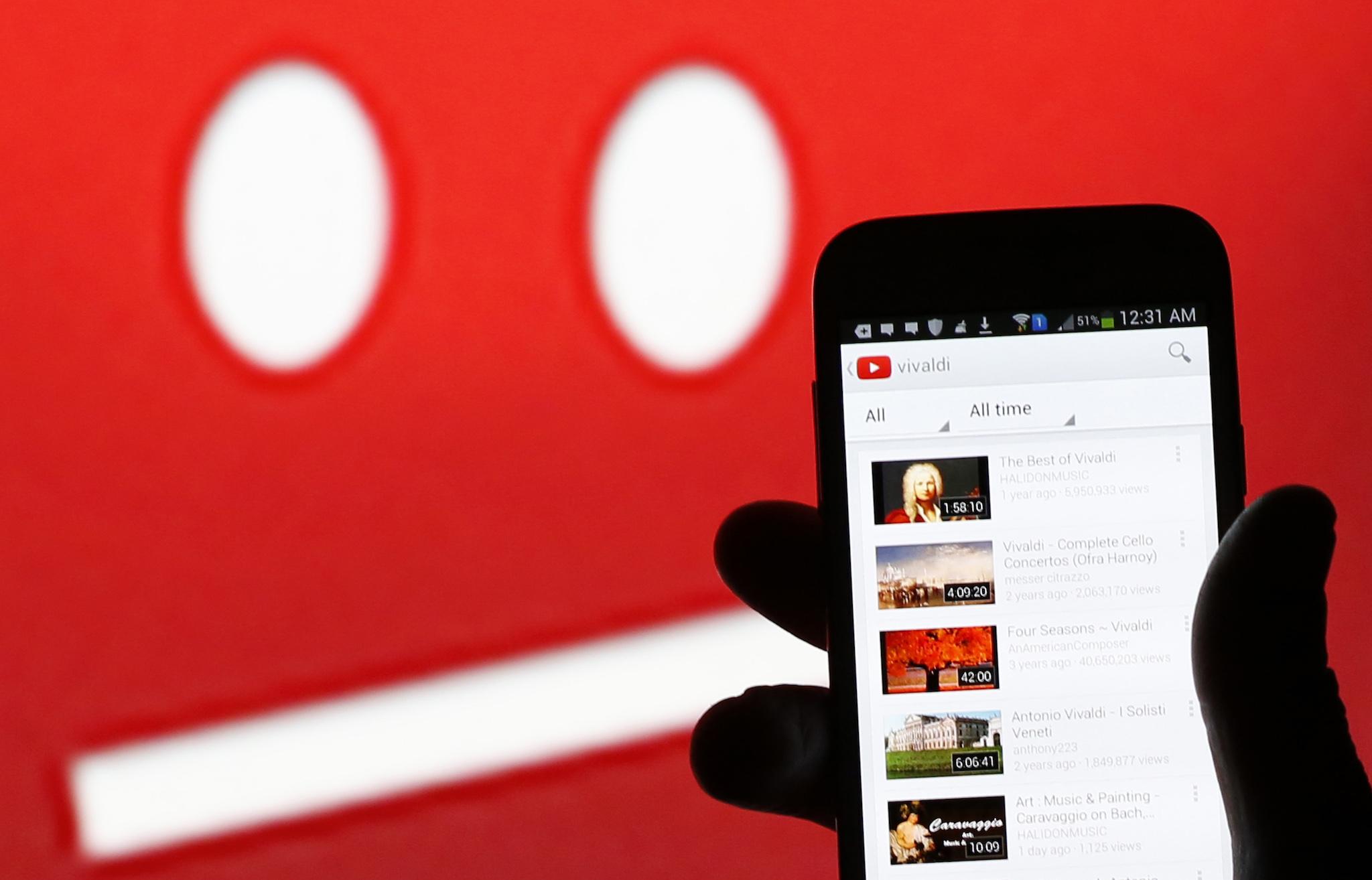
    A report published says that YouTube has decided to do a 180 degree turn and is backing away from producing original programming. The Google-owned video streamer has canceled plans to develop some new comedies and dramas that it would have streamed to paid YouTube Premium subscribers. By doing this, YouTube is admitting defeat in a battle with other video streamers like Netflix and Amazon Prime to reap profits from original shows.

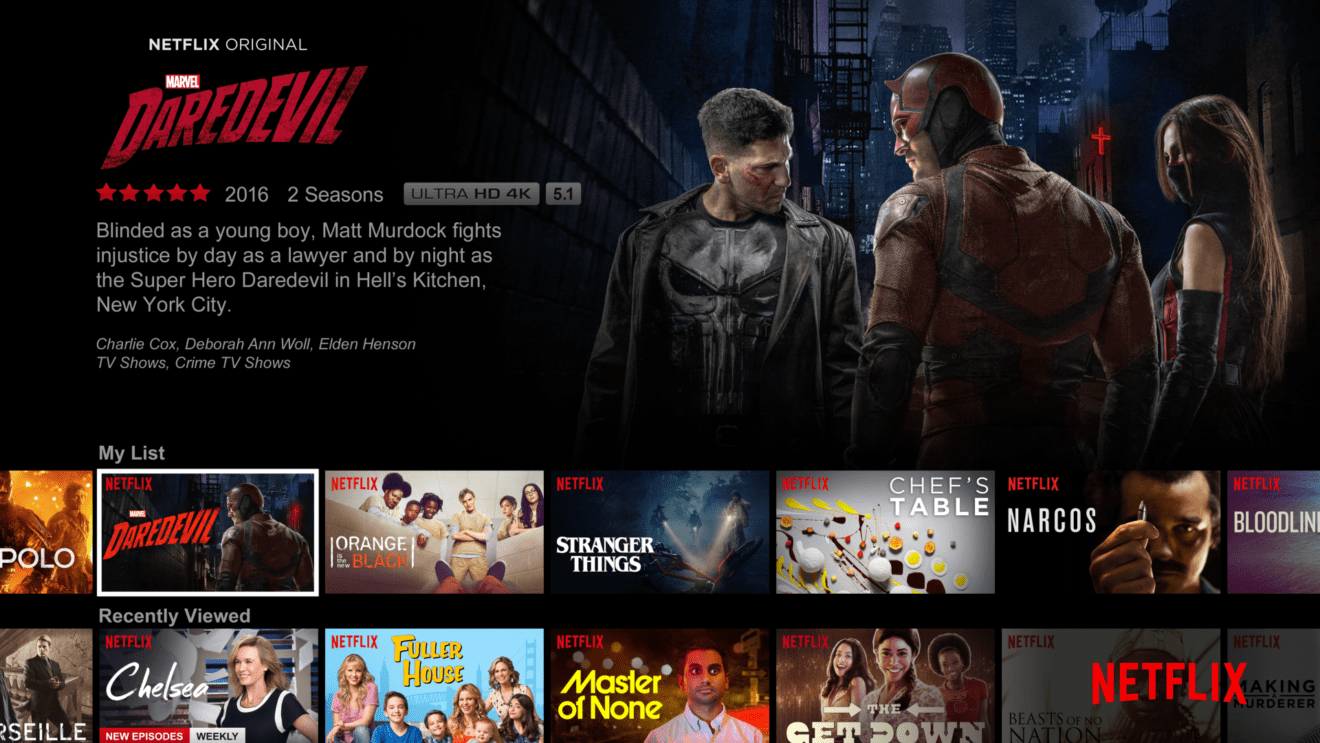
    Netflix has done quite well by showing its own fare like Orange is the New Black, Fuller House, Stranger Things, House of Cards and more, Amazon Prime has had some big hits including The Marvelous Mrs. Maisel. The show, about a married Jewish woman living in New York in the late 1950’s who becomes a stand-up comedian after her husband leaves her, won four Emmy Awards last year including Best Comedy Series.

    Anonymous sources say that YouTube has canceled shows like Origin, a science-fiction program, and comedy Overthinking with Kat & June. In addition, YouTube is no longer listening to pitches for scripted shows that require a huge budget. The report comes on the same day that Apple has unveiled its video streaming service that will include original programming that cost the company over $1 billion to produce. And while Google has enough cash to match Apple when it comes to paying for such programming, YouTube generated more than $15 billion in ad sales last year without offering high-priced original shows.

    The change means that YouTube Premium will turn to music-related content with some programming from established YouTube stars. As a result, the original scripted shows left on YouTube will be available for free, including the one big original hit that YouTube has had, Cobra Kai. This show takes the Daniel LaRusso-Johnny Lawrence feud from 1984’s Karate Kid movie and updates it to modern times. The appeal of the show is helped by the fact that the original actors (Ralph Macchio and William Zabka) recreate their roles as Daniel and Johnny, respectively. There have been two seasons of the show and negotiations are underway for a third season.

  • Apple takes on Netflix and cable with TV+ streaming service

    Apple takes on Netflix and cable with TV+ streaming service

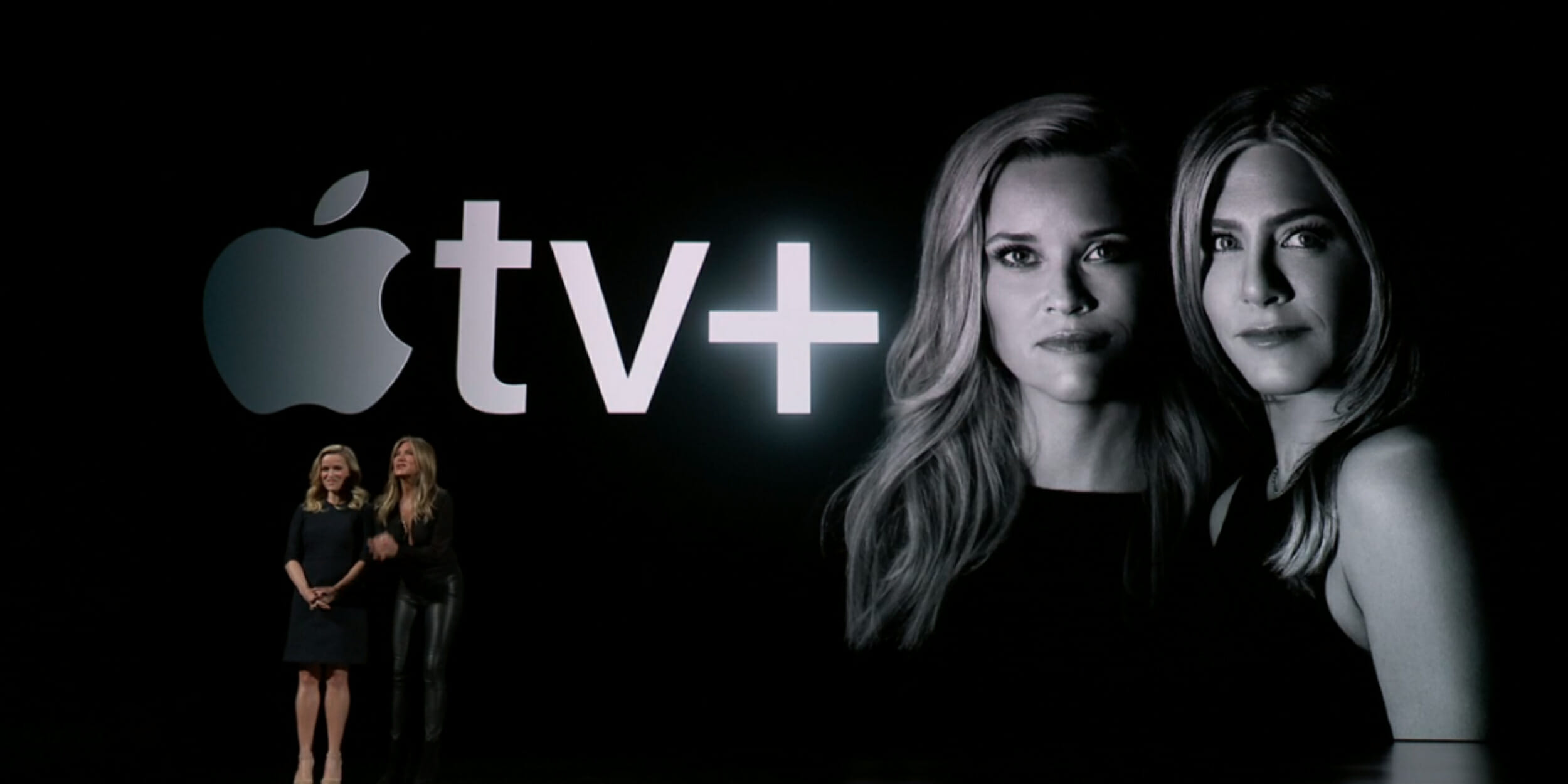
    Hours before the “It’s show time” event, Apple began streaming a Car Play footage of someone driving from Los Angeles to Cupertino, in a not-so-subtle hint that we are about to see a lot of Hollywood honchos arriving for the announcement of its new Apple TV+ video service against formidable competition. Existing cable packs plus original content – it marks the first time Apple is jumping into a new and established industry in, well, forever. –

    The Apple-goes-Hollywood move is just the next in a long line of reorientations of Apple as a service company, concocted a few years back when CEO Tim Cook started to prepare for the inevitable commoditization of the bread-and-butter iPhone product. Apple’s CEO Tim Cook loves to brag at conference calls with investors that the revenue and profits from its “services” business is growing leaps and bounds, far outstripping the revenue growth in the iPhone department. The App Store alone is now a Fortune 100 company by itself, raking in more than, say, the whole McDonalds franchise.

    On the hook for billions of losses, however, after streaming services like Netflix or Spotify balked or circumvented the 15%-30% cut Apple takes from subscriptions sold via the App Store, the team from Cupertino decided to futureproof its revenue stream from services by taking the fight directly to the competition. Last year, streaming subscriptions outpaced cable, and Apple just went in, announcing its own TV+ video service.

    Apple TV+ streaming and Channels service price, features, markets, and platforms

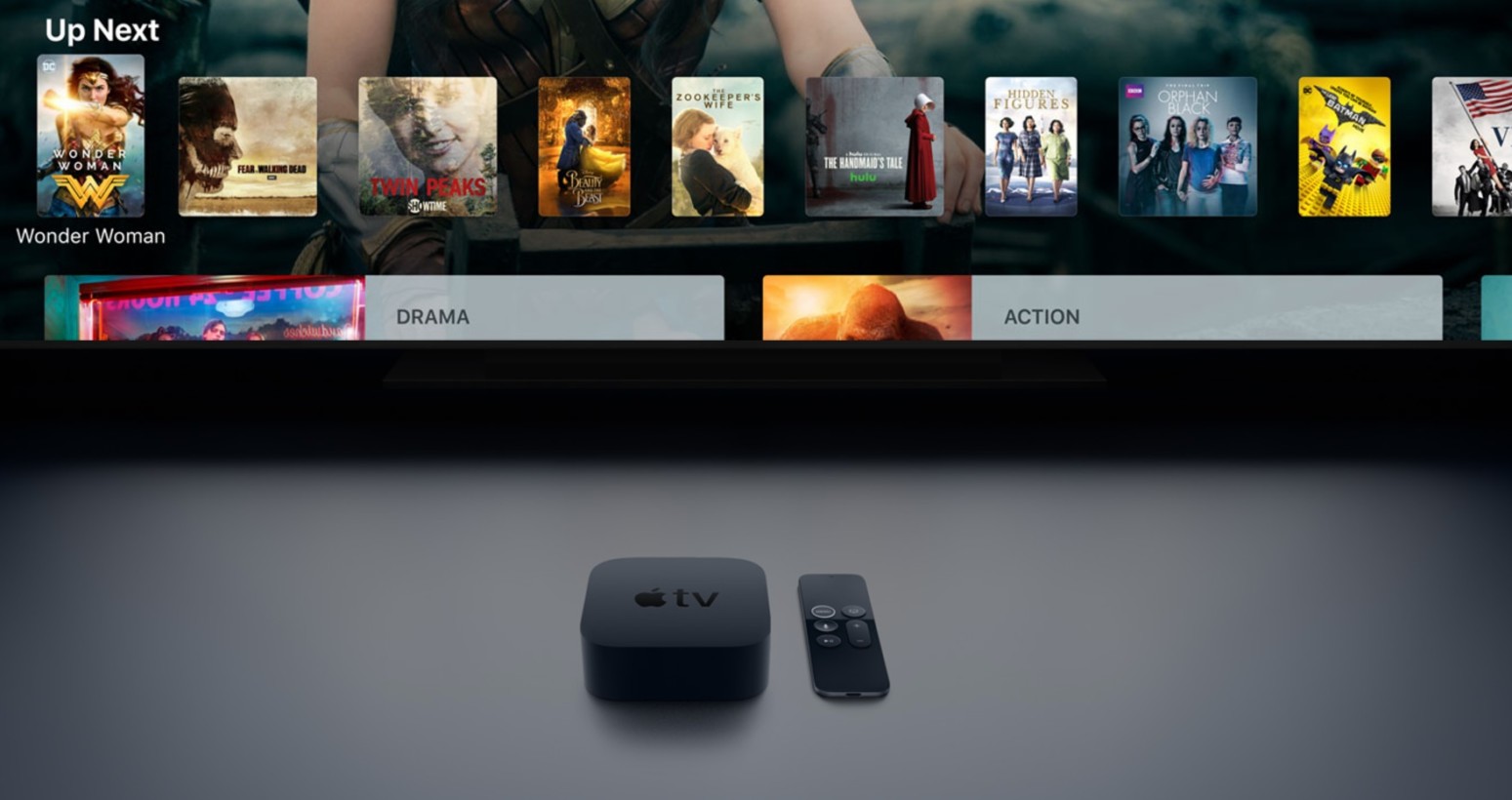
    Instead of outing an actual TV set, Apple now aims to become an alternative to cable by mixing shows from renowned names like HBO or Showtime with dozens of its own TV+ original series, all from the comfort of the new Apple TV app, online or offline. With the new Channels service there, Apple will bundle your existing subscriptions, and personalize and curate the shows you might like, gleaning from the subscriptions or preferences you already have shown by renting iTunes movies and TV shows. Those will now also be folded into the new Apple TV app, coming in May.
    The Apple TV channels will sport such juggernauts like HBO, Starz, SHOWTIME, CBS All Access, Smithsonian Channel, EPIX, Tastemade, Noggin and some new ones as MTV Hits, with more down the pipe. All of this can be accessed within one app – Apple TV – no separate logins any more.
    The service would be reaching 100+ global markets and will be available not only on Apple iOS devices but also coming to the Mac, Roku streamers, and even Samsung, LG, Sony or Vizio smart TVs. How much? Well, separate subscriptions for HBO or Showtime will run you $9.99/month each, and you can subscribe with a single click. The Apple TV+ release date is scheduled for some time in the fall, with an “ad-free” price yet to be announced.

    With an installed base of more than a billion potential viewers who are used to paying for media, Apple could immediately become the next big thing on the trendy “what to watch” block. Unlike Netflix, however, whose stratospheric rise is fueled by copious amounts of debt, Apple reportedly took a more measured approach, earmarking “just” a billion for testing the original content streaming waters. Eddy Cue, Apple’s senior vice president of Internet Software and Services, piled on today:

    That’s not to say that the team from Cupertino is not ambitious, though – Eddy Cue is on record saying that they want to acquire or produce shows on the level of Game of Thrones, and, knowing Apple’s money, they could very well do so. For comparison, HBO spends two billion on original programming, and Apple could easily double or triple the amount invested if the shoe fits.

    Netflix is way ahead with $11 billion earmarked for spending on own shows and content this year, though there is a lot of fluff in it, while Apple usually takes a more targeted approach when it comes to quality, regardless of what one might think about shows like Planet of the Apps. In any case, it will have way fewer movies and TV shows than the rest of the competition at launch, though, as you can see from the stats below, having the most content doesn’t make for the most popular such service.

    Apple TV+ new original shows list at launch

    Apple has already poached plenty of entertainment industry names, too, so it finally seems bent on building a proper media empire. Here are all the shows Apple said its streaming service will be launching with:
  • Apple may have a surprise subscription service

    Apple may have a surprise subscription service

    We’ve heard a lot about what to expect from Apple’s planned event on Monday. We know that Apple likely won’t have any hardware to announce since it quietly already launched two new iPads and its second generation AirPods as well. We’re expecting some sort of TV service and a news subscription service, maybe even an Apple credit card, but a new report says there might be another subscription service announced that we didn’t know about.

    Apple might be getting ready to announce a game subscription service for iOS devices. Many will call it “Netflix for games,” but calling everything the “Netflix of whatever” often ignores companies that actually exist, so we’ll say it’s more like a digital version of Gamefly. Although it’s unclear if Apple will be announcing the game service on Monday, the report says Apple is talking to partners to build up the service. The way it would work is users would pay a monthly fee to get access to select games that would normally be paid and Apple would distribute the revenue (minus its cut) to developers based on how long users spend playing each game.

    Depending on the games made available as part of such a service, it could end up being the surprise star of the show for Apple. As we get closer and closer to the event, Apple’s video service is sounding less interesting as the latest rumors make it out to be a glorified Apple TV homescreen rather than a real competitor to something like Netflix or Hulu. Apple’s news service may be okay, but without big names like the New York Times, it’s hard to imagine that generating much excitement. But, a subscription game service could be pretty great if done right.

  • Mobile-only Netflix and chill could be coming soon

    Mobile-only Netflix and chill could be coming soon

    While it doesn’t look like Apple will be unveiling a true Netflix-rivaling video streaming service next week after all, the global masters of “chill” and great encouragers of the binge-watching phenomenon are still in a constant pursuit of new subscribers. After wrapping up last year with a record 139 million paying members around the world, a number expected to grow to 148 million people by the end of 2019’s first quarter, Netflix is reportedly testing the budget-friendly waters as a way to further accelerate its growth pace.

    Netflix has recently kicked off a regional experiment in which a small number of users can get a cheaper tier of service accessible only on a single mobile device at once. This smartphone-exclusive plan is priced at the local equivalent of roughly $3.60 a month, compared to the $7.30 or so “Basic” plan that’s the most affordable option widely available in India at the moment.

    Regional tests, global deployment?

    What’s interesting is that Netflix hasn’t denied the report (it wouldn’t have mattered anyway), supplying a fairly standard press statement about how “different options in select countries” will continue to be tested in the near future to find the best ways of delivering premium content on mobile devices “for a lower price.” While the company is highlighting that “not everyone will see these options and we may never roll out these specific plans beyond the tests”, something tells us this particular experiment means more than others conducted relatively recently

    For one thing, India is a much larger market than Malaysia, where Netflix ran somewhat similar tests a few months back. It’s a larger market for smartphones and video streaming platforms as well. As such, Netflix is facing tough competition at insanely low price points. Amazon, for instance, offers Prime Video subscriptions starting as low as $2 (Rs 129) in the country.

    While these types of services are generally costlier in the US, it’s becoming harder and harder for Netflix to fend off the likes of Hulu, not to mention the looming Disney+ threat. Of course, US prices actually went up not that long ago, which is perhaps yet another reason why a new entry-level plan makes perfect sense.

    But is mobile-only streaming something people actually want?

    Well, that’s what tests are for. In theory, the concept is certainly sound, but at the same time, the downsides are obvious. You also have to wonder exactly what audience Netflix is thinking of catering to here. If we’re talking high-end smartphone users, you have to imagine someone willing to pay, say, $800 or $1,000 on a new handset can afford one of Netflix’s pricier service tiers as well.

    It’s also essential to point out that what Netflix is reportedly testing is a mobile-only plan with standard definition (SD) content playing support. That doesn’t sound like something high-end smartphone users would show any interest in. Then again, mid-range and even low-end mobile devices have grown bigger and bigger in recent years, supporting a relatively comfortable streaming experience on the fly.

    That’s probably the audience Netflix is targeting with this potential move, but it remains to be seen if it’s a large enough group of people to justify a global or even regional rollout.

    Stateside, the cheapest Netflix plan currently sets you back $9 a month with SD streaming capabilities on a single screen (be it small or large) at once. The Standard and Premium options are $13 and $16 respectively, while Hulu is available at $11.99 without ads, $5.99 with commercials, or $0 for Spotify Premium subscribers. Yup, Netflix definitely needs to change something to keep those subscriber numbers up. Going after mobile users on tight budgets is certainly worth a shot.

  • Twitter confirms it is testing a new feature improving user experience

    Twitter confirms it is testing a new feature improving user experience

    A few days ago, Twitter pushed out an update allowing users to swipe to the left for access to the camera to take photos or stream live video. The update also adds a feature that results in hashtag recommendations based on the user’s current location. According to Twitter user Jane Manchun Wong (@wongmjane), who likes to dig through apps looking for future features, Twitter is testing a way for its members to follow a conversation on the app without having to like or respond to a tweet.

    Jane says that the feature is called “Subscribe to conversation,” and if a Twitter member signs up for it, he/she will receive a notification whenever there is a new reply to a particular conversation. After Jane disseminated her tweet stating that Twitter is testing “Subscribe to conversation,” the official Twitter Comms account tweeted back “This is part of our work to make Twitter more conversational.”

    It might be some time before this feature shows up on your Twitter app, but when it does, you won’t have to like tweets that you really don’t like, follow someone that you don’t want to follow, or post a response that you don’t want to post just to keep abreast of a particular conversation on Twitter.

  • 4 in 5 APAC operators plan to deliver 5G for sport events

    4 in 5 APAC operators plan to deliver 5G for sport events

    More than four in five (81%) operators in Asia-Pacific plan to deliver 5G services to major live sports and esports event organizers, according to research conducted by Ovum for Amdocs.

    The research found that operators in the region view sports events such as the Tokyo 2020 Olympic Games as an opportunity to create new enterprise services grounded in 5G communications.

    As well as 5G, 81% of APAC operators plan on offering IoT-related technology and services to stadium owners and tournament organizers to create efficiencies in stadium management, and 56% plan to offer services that will improve fan experiences, such as introducing the ability to order food and beverages over mobile devices.

    Operators anticipate new commercial opportunities from supporting major sporting events with 5G. Around 44% of operators in the region believe 5G will drive growth in terms of ARPU and 32% believe it will boost their enterprise business.

    Meanwhile 50% of Asia-Pacific operators believe that 5G will drive growth in sports TV subscribers, and 43% believe it will drive mainstream adoption of virtual reality services.

    To capitalize on these opportunities, 81% of operators plan on creating new partnerships with broadcasters and OTT service providers.

    The same proportion are planning to create new partnerships with device manufacturers, 64% are seeking direct partnerships with sports venues, and 56% want partnerships with social media and video game companies.

    But operators are also anticipating network related challenges regarding new 5G services for sports and esports. When asked about the biggest expected challenges, 69% cited issues with delivering the required levels of capacity and connectivity to support live HD video, and 56% cited indoor coverage to stadiums.

    “Operators see both short-term benefits in supporting sports with 5G, including growth in ARPU and their media business line, as well as longer-term benefits, such as enhanced brand appeal among younger demographics,” Amdocs CMO Gary Miles said.

    “Furthermore, working with new types of partners on 5G and sports will give operators a vital role in a new digital business ecosystem. Out of a multitude of potential 5G use cases, our research shows that sports and esports is certainly among the most compelling.”

  • No original shows at launch for Apple TV service

    No original shows at launch for Apple TV service

    Apple’s TV service is still a no show, but that’s probably going to change very soon. The Cupertino-based company plans to use the March 25 event to outline how it will take on rivals like Amazon and Netflix, a new Bloomberg report claims. While Apple is gearing up to launch its TV service, the company needs to sign deals with Pay-TV programmers like HBO, Showtime, and Starz, which in return must decide whether or not Apple is either a threat or a potential partner.

    If everything goes well, Apple TV will offer HBO and Showtime TV shows at launch, but no original content, people familiar with the matter claim. Apple’s own movies and TV shows are still in development and might not be ready until later this year at the earliest. Although Apple may take the wraps off its TV service this month, it’s almost certain that it will not be actually available until fall.

    Another important thing to note is that Apple plans to integrate the TV service into the iPhone, iPad and set-top box’s TV app, which will offer two types of content: Apple original shows or content bought/funded by the company, as well as content from third-party media companies like HBO and Showtime.

    The same report mentions that the first partnerships are expected to be closed as early as Friday, but since the talks are still going on, it’s impossible to predict what will happen.

  • Disney’s video streaming service will be a dream come true

    Disney’s video streaming service will be a dream come true

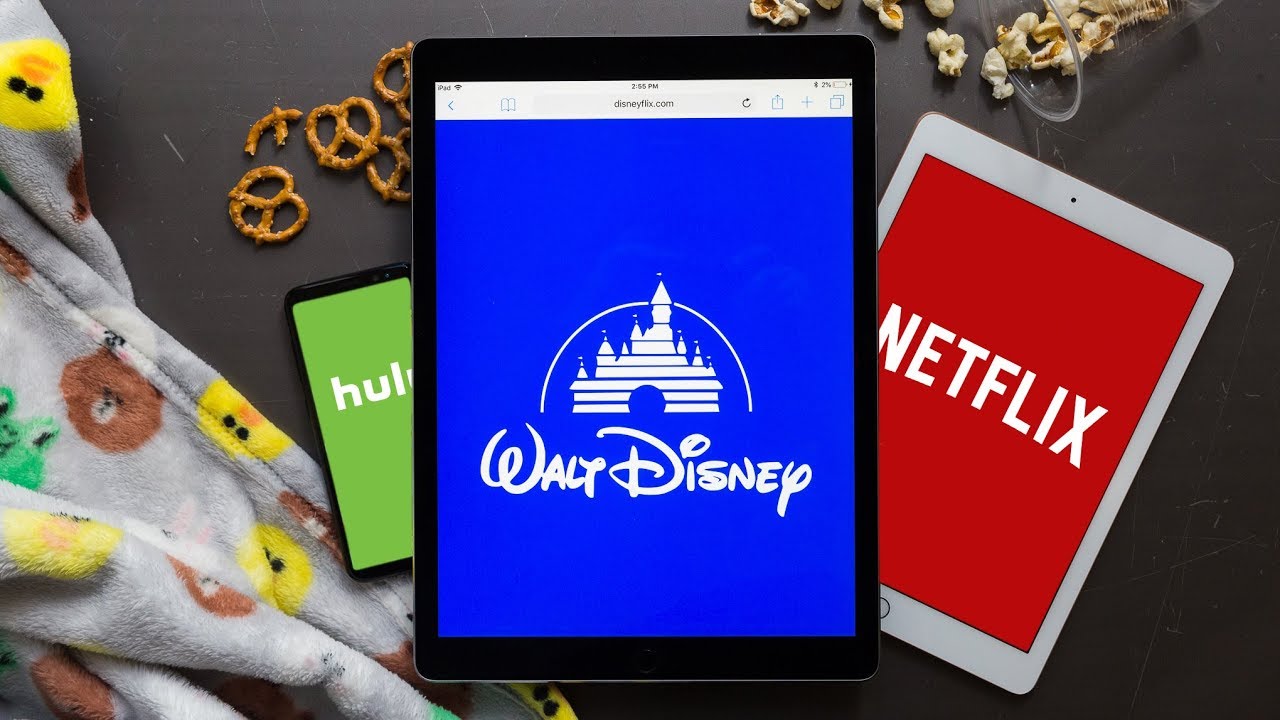
    Back in November, we told you that Disney’s video streaming service, which will compete with Netflix, Hulu, Amazon and Apple, is going to be called Disney+. According to Polygon, during the entertainment giant’s stockholders meeting last week, company CEO Bob Iger passed along some information related to the streaming service. Perhaps the most exciting bit of news that the executive revealed is something that will make Disney fans open their wallets as soon as the service is launched. Disney+ will offer “the entire Disney motion picture library.”
    If you’ve ever watched the Disney Channel, you know that Disney only offers a title on DVD for a limited time, and then locks it back into the Disney Vault for a number of years before it is released again. But once Disney+ is launched, the Vault gets blown up. Besides all of those classics and more recent hits (including Frozen), Iger says that there will be some original programming including a live action Star Wars series called The Mandalorian.
    In case you were wondering, Iger says that new theatrical releases will take about a year to go from silver screen to your phone screen. Disney+ will “combine both the old and the new,” the CEO said. “All of the films that we’re releasing this year, starting with Captain Marvel, will also be on the service.”
    While Iger didn’t reveal a launch date for Disney+, he did say that the service will debut later this year.
  • Singtel, Optus complete international 5G AR video call

    Singtel, Optus complete international 5G AR video call

    Singtel and its wholly-owned Australian subsidiary Optus have completed a 5G augmented reality video call between Singapore and Australia as part of their preparations for the introduction of the next generation mobile technology.

    The joint trial was conducted using Ericsson networking equipment as well as OPPO 5G test devices running on Qualcomm’s inaugural Snapdragon 5G chipset.

    Augmented reality technology was used to provide instant on-screen annotations during a call conducted at the operators’ respective live 5G sites.

    According to the companies, the technology has the potential to open up a range of new possibilities for enterprises, such as the ability to deliver live on-the-job training and remote assistance.

    In the consumer space, augmented reality communications use cases will include holographic calls and the ability to deliver a virtual tactile shopping experience.

    “This call is a significant marker in our journey to 5G as we develop a robust 5G ecosystem to ensure that our enterprise and consumer customers will enjoy an enhanced connectivity experience,” Singtel group CTO Mark Chong said.

    “5G is a key enabler that will bring the future of augmented reality, autonomous vehicles and smart cities closer to reality.”

    Singtel and Ericsson launched a 5G Centre of Excellence in Singapore in 2017, and recently opened the first live 5G facility in the market in collaboration with Singapore Polytechnic.

  • DJI Introduces A Smart Remote Controller With Built-In Display at CES 2019

    DJI Introduces A Smart Remote Controller With Built-In Display at CES 2019

    DJI, the world’s leader in civilian drones and aerial imaging technology, continues its tradition of making aerial technology accessible to everyone by introducing a powerful new remote controller for its drones at CES 2019. The Smart Controller features an ultra-bright display screen and controls optimized for DJI drones, allowing pilots to fly the newest drones without using a smartphone or tablet. DJI will also be exhibiting its full lineup of consumer drones and handheld imaging products at its booth at CES 2019, including the new Osmo Pocket stabilized camera, and will host exciting workshops, hands-on product demonstrations and more. Attendees can find DJI in the South Hall of the Las Vegas Convention Center.


    Smart Controller Expands Pilot Options The DJI Smart Controller expands the ecosystem of accessories built around DJI’s industry leading drone technology. Using a crisp 5.5” screen built into the controller itself, the Smart Controller allows pilots to quickly get their drone in the air without the need to connect a mobile device. It can be paired with DJI’s newest drones including Mavic 2 Zoom and Mavic 2 Pro1 which use DJI’s OcuSync 2.0 video transmission system, displaying vivid images in Full HD resolution. Drone pilots can take advantage of its compact, highly portable design that has been optimized for use in direct sunlight. It features an ultra-bright display with an output of 1000 cd/m2, twice the brightness of standard smart phones. A customizable Android dashboard supports DJI GO 4, DJI Pilot2, along with various third-party apps such as editing programs. The DJI GO 4 app also touts several new features including SkyTalk, that allows pilots to livestream the drone’s camera feed to social channels including Facebook, Instagram and WeChat so that anyone can experience the thrill of flying a drone. Another new feature is DJI GO-Share which easily transfers imagery from the Controller to your mobile device. The DJI Smart Controller brings a new level of reliability when flying, with 2.5 hours of battery life and the ability to operate in adverse temperatures as cold as -4° Fahrenheit and as hot as 104° Fahrenheit.

  • Media Prima to provide content for Europe’s Dailymotion video streaming service

    Media Prima to provide content for Europe’s Dailymotion video streaming service

    Media Prima Bhd has inked a memorandum understanding (MoU) with Dailymotion, which will see the media group’s video content being made available on the platform.

    Dailymotion currently has 300 million monthly unique users and three billion monthly video views. More than 50% of its users are from the Asia Pacific region. Other notable partners of Dailymotion includes BBC News, Vice Media, Bloomberg Media and CBS Sports.

    When asked if there are concerns over piracy and copyright, Media Prima Television Networks CEO Johan Ishak said that the group currently works with authorities such as the Home Ministry and the Communications and Multimedia Ministry to tackle the issue.

    Additionally, it also has an internal unit to look after the media group’s Intellectual Property (IP) content.

    “Whenever we find any incidences of piracy… we will get authorities to help us shut it down,” he added.

    According to Dailymotion’s vice-president Content (Asia Pacific) Antoine Nazaret, the necessary tools and technology are in place to ensure that media content uploaded to its platform are protected.

    He said the platform started as a user generated platform (UGC) 15 years ago and has shifted its focus to becoming a premium platform in the last two to three years.

    “We started 15 years ago as a UGC platform and it was a little bit of everything and anything. We took a really strong position 2-3 years ago (that) we don’t want to just be a UGC platform … we wanted to be a premium platform, meaning we want to care and be relevant for very premium content providers and guarantee them that their IP and content are perfectly well protected on the platform,” he added.

    Nazaret said in order for Dailymotion to guarantee its position on being premium, it has to demonstrate that it can safely protect the value content on the platform.

    The platform is owned by Paris based multinational company, Vivendi.

    No specific timeframe has been laid out as for the duration of the collaboration, with both parties saying that it will continue as long as it is required.

    Dailymotion will also be powering Media Prima’s Tonton over-the-top (OTT) service platform.

    As for Tonton, which ceased video-on-demand subscription on Aug 31, Johan said the group may relook at the possibility of re-implementing subscription services in the future when there is enough demand for paid content.

    Johan said the focus is on digital advertising through advertising video-on-demand.

    As for the first half of the financial year ended June 30, the group reported RM44.8 million as digital revenue compared to RM14.9 million in the comparative period driven by higher digital advertising revenue across all platforms.

  • Experts blame high licensing fees for piracy in Vietnam

    Experts blame high licensing fees for piracy in Vietnam

    Speaking at a conference held in Hanoi on Wednesday, Lee Dogoo, head of business at South Korean firm SBS Contents Hub, said while infringements occur in all countries, they are rife in Vietnam because of high licensing fees.

    As these fees continue to go up, the pirate broadcast market also continues to grow, he said.

    Vu Thi Huong Lan, head of the Hanoi Law University’s international law faculty, voiced agreement saying high fees charged by copyright holders are deterring viewers from watching licit content.

    Referring to the recent Asian Games (Asiad), she said the owner of the event’s broadcasting rights had demanded such a huge price for broadcasting rights in Vietnam that no Vietnamese broadcaster was able to afford it.

    This in turn forced Vietnamese fans to seek out previously unknown pirate sites that illegally broadcast the event live, she said.

    “While I do not support this, I believe the copyright holders clearly should reconsider [the price].”

    Nguyen Quang Dong of the Institute for Policy Research and Communication Development said the rising trend of watching sports on the Internet in Vietnam contributes to the increase in copyright infringements.

    According to data released by Global Web Index, the percentage of people watching sports on the Internet globally was 15 percent in 2016 and 19 percent now. But in Vietnam it was 27 percent in 2016 and 32 percent now.

    Citing data about the five largest illegal sports broadcasting websites, Dong said they only had 11.1 million views last March but this number jumped to 25.4 million in June during the 2018 FIFA World Cup.

    This trend also explains why Facebook recently acquired the rights to broadcast the English Premier League in several Asian countries including Vietnam, he pointed out.

    Nguyen Thanh Van, head of Vietnam Television’s (VTV) Intellectual Property Unit, said the national broadcaster is also suffering badly from copyright infringements.

    Many units have been found broadcasting VTV programs or making DVDs of them for sale without permission, including programs for which it had to pay large amounts of money to produce or obtain broadcasting rights.

    “For instance, in just the first month of us broadcasting the TV shows ‘Nguoi phan xu’ [The Arbitrator] and ‘Song chung voi me chong’ [Living with Mother-in-Law], over 400 Facebook pages and YouTube channels violated our copyrights. As for the 2018 World Cup, in just the first two days there were 700 [pirate] accounts.”

    A representative of pay TV firm K+, lamenting that copyright infringements are occurring every hour in the digital environment, said there is still no effective tool to combat them on all platforms.

    K+ has tried requesting violators to remove pirated content many times, but this has not worked, and his company was bleeding financially, he said.

    K+, which has the Vietnam broadcasting rights to many major sports events such as the English Premier League, the UEFA Champions League and Europa League and tennis’ ATP World Tour, has also been investing in upgrading its systems and training employees to monitor, detect, prevent, and handle copyright violations.

    But these efforts would not be enough to combat piracy without cooperation from consumers and assistance from the authorities, the representative said.

    However, the most important reason for pirates dominating Vietnam’s broad market is a lack of effective law enforcement. According to local authorities, websites found violating copyright laws would be punished and banned. However, many illegal websites have opened and operated without interference from the authorities.

    National broadcaster VTV said it had found more than 700 sites and Facebook pages that broadcast World Cup matches without permission within just three days after the event started and dealt with nearly half of them.

    According to experts, many of the sites are registered overseas, so it is difficult for Vietnamese authorities to find and penalize the culprits. It can be seen from the case of xoilac.tv, a site registered in the U.S., which had been illegally broadcasting live matches from the Asiad with Vietnamese commentary last month.

    The Institute for Policy Research and Communication Development proposed that Vietnam should allow Internet Service Providers (ISPs) to block pirate websites, remove content that violate copyright and prevent violators from receiving money from advertisers.

    It also suggested that broadcasters associations could publicize the list of pirate websites and circulate it among advertisers.
  • Consumers watch almost 7 hours of online video per week

    Consumers watch almost 7 hours of online video per week

    Consumers worldwide are watching more online video than ever, with average consumption growing to of 6 hours and 45 minutes per week, according to a new survey.

    This figure is even higher in Singapore, with the average Singaporean watching eight hours and 13 minutes of online video content each week.

    This were the findings of the new “State of Online Video” report from Limelight Networks, which was based on 5,000 responses from consumers living in Europe, Asia (Japan, Philippines, Singapore, South Korea) and the US. Only those who watch one hour or more of online video content per week were polled.

    Insights from report

    What are some insights that could be gleaned? For one, performance issues with online video continue to turn Singaporean viewers off. Specifically, the experience of video buffering was cited as the most frustrating aspect of watching a video online (46%) followed by poor video quality of online content (32%), with more than half (59%) reporting they will stop watching a video if it re-buffers twice.

    Singaporeans are also price-sensitive and will cancel services due to price increases. Some 63% of Singaporean respondents said that price is the reason why they would cancel a subscription video on-demand (SVOD) service. This is second to only Italy (70%) and exceeds the global average (55%).

    Marketers will be glad to know that Singaporeans are tolerant of advertising in online videos. Indeed, 87% are not opposed to a short advertisement before an online video if the content they are viewing is free. However, they are less accepting of mid-roll ads in free content, and only 24% willing to accept multiple advertisements.

    “Singaporean viewers are very savvy when it comes to exploring online mediums, especially for their entertainment needs. We expect this trend to continue in the coming years, especially in the area of growing video on-demand adoption,” said Jaheer Abbas, the senior director of Southeast Asia and India at Limelight Networks.

    “Yet, service providers should be aware that factors such as price and quality have strong influence on viewers. To encourage viewers to make the switch from traditional television options, the issue of latency and quality at a competitive price need to be addressed. At Limelight, we seek to partner with businesses to make this possible, by enabling live broadcast streaming in less than a second, providing online viewers with the same experience enjoyed by broadcast viewers,” he said.

  • APAC cloud video collaboration market booming

    APAC cloud video collaboration market booming

    New business models and advances in cloud computing capabilities are driving adoption and expansion of the Asia-Pacific cloud video collaboration market, according to Frost & Sullivan.

    Cloud video conferencing services grew a strong 43.1% in 2017, and the total video collaboration market is on track to grow at a CAGR of 11.3% over the next five years, the research firm predicts.

    But while newer and agile cloud services are allowing providers to fuel the direction of next-generation video conferencing, a complete overhaul of business models will be required for video conferencing device vendors to match pace with evolving market trends.

    “Cloud, mobility, and innovative use cases are set to drive new growth opportunities within the Asia-Pacific video collaboration market with cloud penetration rates to be around 30% by 2022,” Frost & Sullivan Research Manager Jesse Yu said.

    “Vertically customized solutions and video analytics will become strong areas for differentiation and new growth opportunities.”

    Yu recommends cloud vendors looking to gain a competitive advantage focus on product innovation to support compatibility with Skype for Business or Cisco Spark and offer a flexible approach to cloud services.

    Providers should adopt agile business models that can target SMEs and mid-market customers, pursue collaborations with local telecoms operators on specific industry verticals and use cases and move to reduce bandwidth usage, complexity and costs to improve the user experience.

    “Furthermore, players should explore different strategies to enter the market; for example, local channel partnerships, all-in-one UC/collaboration bundles, freemium deals, eCommerce, and free trials. This will enhance their customer base and reinforce the advantages of video conferencing,” Yu said.

  • DoCoMo trials 4K video streaming for cars over 5G

    DoCoMo trials 4K video streaming for cars over 5G

    NTT DoCoMo joined forces with Toyota, Ericsson and Intel on a trial of 5G technologies for automobiles, achieving data speeds of up to 1Gbps in a vehicle traveling at 30km/h.

    The trial of 4K video communications was conducted along Tokyo’s Odaiba waterfront. It involved a moving vehicle mounted with an Intel GO 5G automotive platform terminal equipped with an on-board antenna head.

    The trial environment was constructed by DoCoMo using multiple Ericsson base stations and the Cloud RAN platform. Live 4K video was streamed at data speeds of up to 1Gbps downlink and 600Mbps uplink.

    Further trials will be conducted by the four companies to test the practicality of advanced services for 5G connected cars and other applications.

    The technology will also be demonstrated at the National Museum of Emerging Science and Innovation in Tokyo from November 9 to 11 as part of the DoCoMo R&D Open House 2017.

    NTT DoCoMo parent company NTT Group and Toyota have meanwhile agreed to collaborate on the research and development of an ICT platform for 5G connected cars.