Retail News CRM

Tag: Wallet

  • Alipay now available for tourists in China

    Alipay now available for tourists in China

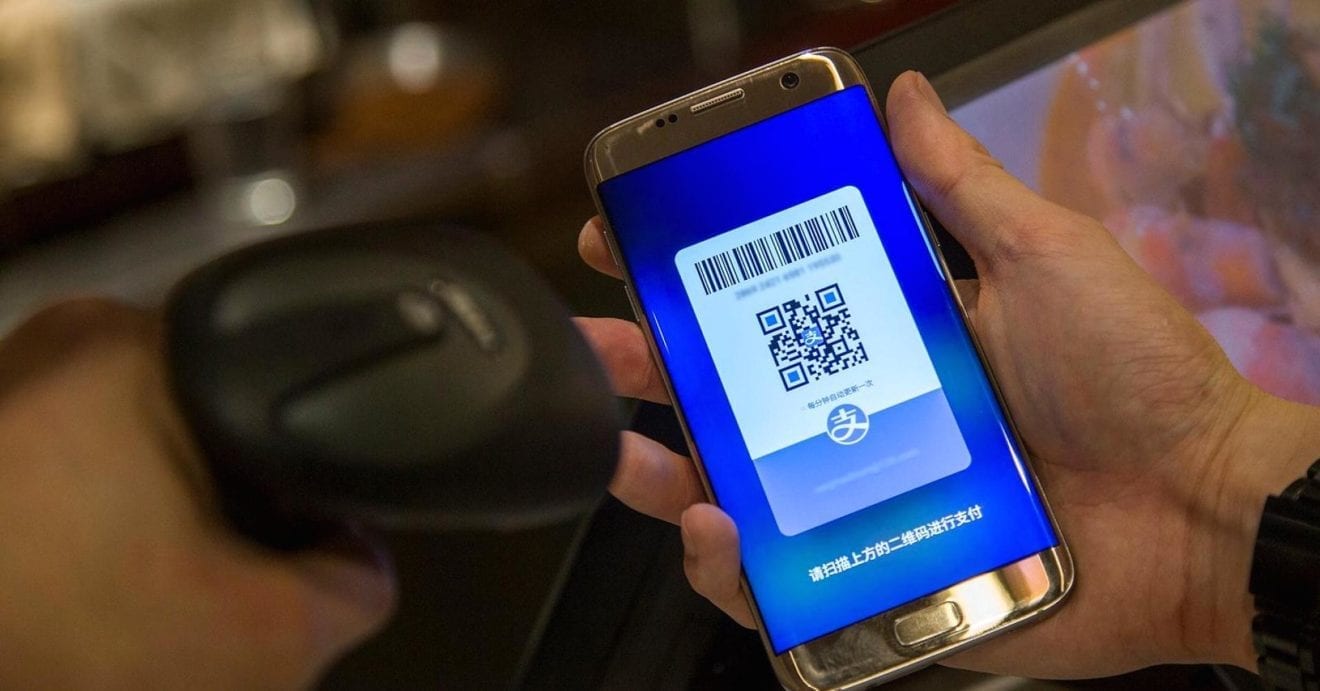
    International travelers can now use mobile payments in China as Alipay has launched a new version of its payment app designed for short-term overseas visitors.

    After installing the Alipay app, international visitors can register with their overseas mobile phone number to access the “Tour Pass” mini-program through which they can use the “Prepaid Card” service provided by the Bank of Shanghai.

    The minimum top-up for each card is CNY100, with balance capped at CNY2000. The card is valid for 90 days, after which any remaining funds will be refunded automatically.

    With the new Alipay service, visitors can pay through QR code or make online purchases through the app.

  • PayPal-Backed Digital Lenders Raise $110 Million

    PayPal-Backed Digital Lenders Raise $110 Million

    PayPal-backed digital lender Tala has raised another $110 million to enter the Indian market, increasing the firm’s total estimated value to more than $750 million.

    The five-year old California-headquartered startup specializes in digital lending, building credit profiles based on customer texts, call logs, merchant transaction, app usage and other behavioral data through an Android app. Loans can then be approved within minutes and the firm has lent over $1 billion to more than 4 million customers, up from $300 million and 1.3 million customers last year.

    The firm has raised over $215 million, according to a media report, and the latest round’s funds will be used to enter the India market. Prior to the launch, the firm conducted a 12-month pilot program to research the market and also set up a tech hub in Banglore.

    In addition to India, a portion of the funds will be used to expand to existing markets including East Africa, Mexico, and the Philippines and also build new solutions. Moving forward, Tala is also eyeing other markets in South Asia and Latin America.

  • Singapore Telcom Debuts Mobile Payment in Japan

    Singapore Telcom Debuts Mobile Payment in Japan

    Singtel launches its cross-border mobile payment capabilities in Japan, joining a handful of sectors outside of finance making a run at market share in the payments business.

    Singtel’s VIA, cross-border mobile payment alliance in Asia, debuts first in Tokyo’s Haneda Airport before expanding to the rest of the city and beyond in popular tourist locations such as Osaka, Kyoto, and Hokkaido. NETTERS is the participating network enabling payments.

    The VIA network enables tourists from Singapore (mobile wallet: Dash) and Thailand (mobile wallet: AIS Global Pay) to make payments in Japan using QR code in the local currency at a «competitive rate», the release said.

    In Southeast Asia, digital payments are gaining widespread acceptance and fast replacing cash as the preferred transaction mode,» said Arthur Lang, CEO of Singtel’s International Group, adding that announcements of more wallets joining would be made in the coming months.

    This is a big step in further bridging the digital economies of Japan and Southeast Asia, facilitating travel for our customers and connecting Japanese merchants to more consumers, he added.

  • Naver’s Latest Move and the Rise of New Payment Methods in Japan

    Naver’s Latest Move and the Rise of New Payment Methods in Japan

    Trends come and go in the retail world, but one which undoubtedly appears to be here to stay is the shift in how consumers now choose to pay for goods and services.

    Physical cash has played an important part in retail for decades, but a recent announcement involving South Korean internet firm Naver has put a spotlight on how new payment methods are becoming increasingly common in Japan.

    Mobile payments system

    Earlier this month it was confirmed that the company has launched a mobile payments system which can be used in Japanese stores. According to the Korea Herald, the Naver Pay service now features a tool known as Cross-Border, which allows people to make payments via a QR code on their smartphone or tablet.

    Naver Pay chief Choi Jin-woo told the media outlet that the move was the company’s “first step” into Japan and was based around providing a “convenient service” to customers wherever they are.

    While it is thought that the move will help Koreans travelling to the country, the announcement is also arguably another sign of the major changes being seen in how people pay for different items across the world.

    Going cashless

    A huge number of countries have embraced the idea of going cashless by using new payment methods, with the likes of Canada, Sweden and the UK thought to be among those leading the way.

    The types of services which have made the move possible include Google Pay, Apple Pay and, of course, the likes of PayPal. The latter is thought to have a total user base of 277 million accounts, with 255 million of those being consumers.

    Many businesses have worked hard to keep up with the consumer appetite for new payment options, and evidence of this can be seen in a range of sectors. For example, Amazon Pay allows people to use payment methods linked to their Amazon account to pay for services on other sites. In addition, this site offering Japanese NetBet casino games gives users a chance to make deposits via a range of means including Neteller, Skrill, Entropay and Trustly. Companies like Subway and Expedia have even flirted with cryptocurrency in the past too.

    Set for growth

    According to payment technology provider InComm, it is thought that around 20 per cent of all payments in Japan are currently made with methods other than cash, and it is thought that the government is keen to boost this further in the next six years. When did the organization reveal this? In an announcement that it had partnered with DFS to launch barcode payment solutions in the country.

    The world of payments is undoubtedly changing, and it will be fascinating to see whether all of the innovations emerging in Japan will ultimately mean the country rises up the rankings when it comes to going cashless. In addition, it will be vital that retailers can stay on top of these trends to ensure they can continue to meet consumer demand.

  • Credit Cards Fight Back Against E-Wallets Wave

    Credit Cards Fight Back Against E-Wallets Wave

    As e-wallets gain popularity in the region, credit cards are fighting back in a push to stay relevant through rewards, reduced fees, and improved customer experiences on digital and mobile.

    2019 is a key year. This may be the year when mobile payments are expected to overtake credit cards as the preferred ways to pay for e-commerce, according to a UN report. In the face of rising penetration of e-wallets, traditional banks are finding new ways to innovate in the credit card space.

    «Credit cards are getting more creative. Local banks DBS and UOB offer credit cards marketed specifically to women, while others highlight the benefits of using a credit card to help offset your carbon footprint,» said Rohith Murthy, founder of SingSaver, a financial comparison platform.

    While e-wallets may be offering the ease of mobile payments through store partnerships and rewards across Singapore, credit cards are also turning to tech and digital to improve their offerings. For example, some banks are going entirely digital with virtual cards that reduce application approval times from days to minutes and are specifically aimed at e-commerce purchases.

    Others, however, are tying up with tech companies to add perks and touch points. «Apple recently partnered with Goldman Sachs in a digital tie up that removed fees, added transparency, and offered a slew of perks; a trend that will only grow,» added Murthy.

    In Singapore, 7 in 10 Singaporeans own at least one credit card, according to a study by market research company YouGov. Singaporeans had a total outstanding credit card and personal loan debts of about S$70.4 billion, according to the Department of Statistics Singapore (2017).

    Singsaver’s most recent data shows that cashback is still the top credit card reward choice among consumers as consumers continue to favor the flexibility and ease of cashback as a reward when using financial products such as credit cards.

    Nevertheless, miles, as a reward form is getting increasing traction due to many air miles credit cards lowering their annual income eligibility in the last 1-2 years and the promise of air miles for traveling and exploring new destinations.

    With better travel connectivity and affordability, as well as with the surge in travel interest in part due to social media, we think Singaporeans are going to be more knowledgeable about the benefits and attractiveness of miles as a reward,» said Murthy.

  • Four in five Thais tries going cashless as confidence in digital payments grows

    Four in five Thais tries going cashless as confidence in digital payments grows

     Four in five Thai consumers (78 percent) have tried going cashless in 2018, compared to only fifty percent in previous year as confidence in digital payments grew, according to the 2018 Visa Consumer Payment Attitudes study (the “Study”). The study tracks payment habits and attitudes as well as exploring emerging topics related to payments among 4,000 consumers across eight Southeast Asian countries, including 500 respondents from Thailand.

    For Thai consumers, digital payment methods, such as cards, in-app mobile payments and QR payments combined together have a larger preference (57 percent) over cash (43 per cent).

    Suripong Tantiyanon, Country Manager for Visa Thailand said: “The higher preference towards using digital payments and the rise of confidence in going cashless are credited to industry players and the government, who have been relentlessly driving the national e-payments agenda.

    “In addition, we believe that the higher preference towards digital payments can be attributed to the proliferation of payment form factors and acceptance points.  More than ever before, Thai consumers can make payments with a wider range of connected devices and payment applications on smartphones, such as wearables and mobile payments.  At the same time, QR code offers merchants in traditionally cash-based segments with a fast, cost-effective and secure digital payments solution.”

    According to the study, two in five Thais (42 percent) said they carried less cash than they did two years ago, compared to 26 percent in 2017.  Top reasons for the decrease in cash in wallet are cash is unsafe (65 percent), higher adoption of digital payments (65 percent) and the hassle of using cash (39 percent).

    The study also showed  that of those who tried going cashless, more than half (60 percent) could manage a day without cash and forty-five percent could last without cash for more than three days.

    Overall, in terms of future expectation, more Thais are confident about the country becoming a cashless society.  Nearly one in three (29 percent) are confident that Thailand can become a cashless society in less than three years, compared to 11 percent in 2017.  Thirty-nine percent believed it will take between four to seven years while only six percent believed it will take longer than 15 years.

    “The findings are encouraging.  We believe that we are on the right track and it is important to help more consumers and merchants understand and embrace the benefits of digital payments.  At the same time, we are committed to innovate and collaborate with all stakeholders in the payment industry and beyond as we continue our journey towards transforming Thailand into a cashless society,” Suripong concluded.

  • Leather brand Kompanero to expand in Europe

    Leather brand Kompanero to expand in Europe

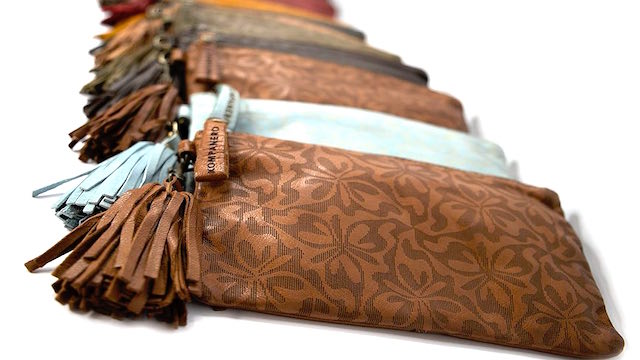
    India’s premium leather bag brand Kompanero plans to open 100 outlets by 2025. The company will open four stores, raising its network to 34, this year. “With four new stores in the pipeline, we are expanding our presence in existing cities with Express Avenue Mall in Chennai and Sarath City Mall in Hyderabad,” said Indranath Sengupta, Kompanero CEO. “In addition, the brand’s airport presence is being strengthened with our newly launched store at Guwahati Airport and Chandigarh Airport, and an upcoming one at Chennai Domestic Airport.”

    The brand is also entering Europe this year with its exclusive stores; however, the exact location of the first store has yet to be revealed.

    The company’s turnover has grown by 60 per cent within the last year.

    Kompanero products are available in Australia, the UK, Japan, and Korea via distribution networks as well as e-commerce portals including Amazon, Myntra and Jabong.

  • Cashless services explode in Vietnam

    Cashless services explode in Vietnam

    Vietnam’s central bank says the value of cashless transactions more than doubled over the first three quarters of 2018. The Department of Payments at the State Bank of Vietnam reported a strong rise in payments over electronic channels between January and September, compared to the same period last year. Accordingly, the value of online payments rose by 18.3 percent, while transactions over mobile apps and e-wallets rose by 126 percent and 161 percent respectively.

    The number of transactions over Internet, mobile and e-wallet channels also rose 33 percent, 30 percent and 28 percent respectively.

    “Mobile payment is becoming a new trend with the rise of technologies such as QR codes, contact and contactless payments, and the tokenization of card information,” said Nghiem Thanh Son, deputy director of the department.

    The first months of 2018 saw the number of users and the value of transactions through electronic channels such as online, mobile and e-wallets rocket at many banks.

    At Sacombank, statistics show that as of October, the number of registrations for online banking reached over 1.3 million accounts and for mobile banking 1.1 million accounts. The total value of transactions per month through both channels exceeded VND108 trillion ($4.63 billion).

    For VietinBank, the country’s second largest lender by assets, the number of internet banking users in the first half of this year surged 114 percent over the same period last year to a total of 1.5 million accounts and VND44.26 trillion ($1.90 billion) in total transaction value.

    Its mobile banking users also reached 1.5 million, engaging in transactions totalling VND64.35 trillion ($2.76 billion) between January and June.

    Over 7 million people are using digital services provided by MBBank. The average transaction value per month reached VND27.4 trillion ($1.17 billion), with digital transactions making up approximately 2.6 million out of 3 million total monthly transactions seen at this bank.

    Nguyen Hoang Minh, deputy director of the State Bank’s HCMC branch, noted that the number of online banking customers has seen average annual increase of 20 percent in recent years.

    Minh said that in order to continue developing non-cash payment channels, credit institutions should pay attention to linking their cashless systems with the public sector, specifically in areas like health, education, payroll and utilities.

    Cashless services should also expand to include online payment options for public services like buses, trains and other smart urban solutions, he said.

  • Korea’s convenience stores to use mobile payments more

    Korea’s convenience stores to use mobile payments more

    Mobile payments at South Korean convenience stores have more than doubled this year thanks to the greater use of smartphones and the expansion of mobile settlement services. South Korea’s top convenience store chain CU said the number of so-called easy mobile payments at its outlets soared 121.5 per cent year on year in the first 10 months.

    Convenience chain operators in Asia’s fourth-largest economy adopted the easy mobile payment system in 2011, but the service only started to take off last year.

    The percentage of mobile payments out of total settlements at convenience stores expanded to 3.5 per cent this year, compared with 1.9 per cent last year and just 1 per cent in 2015.

    “The number remains in the single-digit range, but the easy mobile-settlement system has been growing at an exponential pace,” a CU spokesperson said.

    Currently, CU allows customers to use Samsung Electronics’ Samsung Pay and 19 other payment tools at its stores.

    Samsung Pay accounted for 85.5 per cent of CU’s mobile settlements during the January-October period, followed by Kakaopay with 4 per cent and LG Pay with 2.8 per cent.

    Industry sources said retailers in South Korea have been ramping up efforts to develop their own mobile payment platforms as more tech-savvy consumers turn to their smartphones to make mobile payments at South Korean convenience stores.

    Some seven in 10 South Koreans are known to own a smartphone, the fourth-highest smartphone penetration rate in the world.

  • WeChat launches digital wallet in Malaysia

    WeChat launches digital wallet in Malaysia

    WeChat, China’s most popular social media app, has launched its digital payments platform in Malaysia. It is the platform’s first market in Asia beyond China and Hong Kong.

    The digital payment feature of WeChat allow its users to transfer money among themselves and make payments to offline merchants in ringgit. Rather than taking the common route of overseas expansion used by Chinese mobile-app providers catering to Chinese tourists or nationals living abroad, Tencent here seems to be building a local payment service.

    Malaysia’s central bank has been implementing policies promoting electronic payments in a bid to boost a network that lags behind other Southeast Asian markets. Their move has triggered the launch of digital wallets by other strong players, including Grab, the south-east Asia ride-hailing company.

    “Malaysia is a vibrant market. Technology-savvy Malaysians are embracing a digital lifestyle and to meet this shift, the payment experience has to evolve. Bringing WeChat Pay to Malaysia is our response to this,” said WeChat Pay Malaysia.

    SY Lau, senior vice-president at Tencent said in November when the company acquired a Malaysian epayment licence, that WeChat had 20m users in the country, equivalent to almost two-thirds of the population.

    The potential for mobile payments is vast in Malaysia, where cash is still king, but the number of mobile phones, mostly smartphones, outstrips a population of 32.1m by more than 10m, according to the central bank.

    But collaborations with local banks, of which WeChat has none, will be just as important for WeChat Pay to flourish there.

    At home, it took Tencent and Ant Financial, Alibaba’s electronic payments affiliate, years to build the links with hundreds of Chinese banks that make their services possible.

    Grab has already partnered with top local bank Maybank to bolster its mobile wallet, GrabPay. Coupled with its strong ride-hailing network in its market of origin, Grab is set to be a tough competitor for WeChat in Malaysia. According to Grab, its app and mobile wallet are already on half of all mobile phones in Malaysia.

    The number of emoney licences issued by Bank Negara to non-bank entities has almost doubled to 44 in the past two years as the central bank looks to reduce cash usage to curb tax evasion and corruption, according to Nor Shamsiah Mohd Yunus, Malaysia’s central bank governor.

    In Asia more broadly, however, some analysts say WeChat might struggle to expand beyond Malaysia, where the population is more than one-fifth ethnic Chinese.

    While the use of mobile payments is rapidly overtaking cash and cards for daily transactions by China’s smartphone users, WeChat Pay also faces the challenges of different local infrastructure and app-use habits in going abroad.

    WeChat Pay’s Malaysia launch comes at a tricky time for Tencent, whose second-quarter earnings were hit by domestic reforms delaying the licensing of new games.
  • MC Payment launches ‘Moonie’, a newtoken-based wallet app, at Artbox Singapore 2018

    MC Payment launches ‘Moonie’, a newtoken-based wallet app, at Artbox Singapore 2018

    Mobile Credit Payment Pte. Ltd (“MC Payment” or the “Company”), an established blockchain and unified payments enabler in Asia Pacific, announced that it launched token-based wallet app, Moonie, for use at Artbox Singapore 2018.

    Artbox Singapore, held from 25th to 27th May and 1st to 3rd June 2018, is Singapore’s largest pop-up creative market. Available for use on both iOS and Android devices, Moonie users will experience seamless transactions, enjoy discounts and earn additional Artbox tokens that can be redeemed at the stalls. Consumers are able to top up their Moonie accounts with Artbox tokens at the event via Artbox’s presenting sponsor.

    Commenting on the launch, Mr Anthony Koh, Founder and Chief Executive Officer of MC Payment said, “The launch of Moonie, especially in a high transaction volume environment such as Artbox Singapore 2018, underscores MC Payment’s technological expertise and initiative to build the foundation of a true cashless society in Singapore and the region.

    For the past 13 years, MC Payment has been driving efficiency in the Asian Pacific payments landscape. Our recent acquisition of iFashion Group and initiatives such as Moonie build on our core competencies of unifying payment platforms and developing proprietary technologies which provide retailers and consumers access to financial innovations that are being rapidly adopted globally.

    Millennials in particular represent a large group of consumers, both online and offline, and are reshaping retail transactions. They are astute, well-informed, technologically savvy and reaching their prime spending years. We are leading this transformation by building advanced payment options and presenting them in an easy-to-use and secure interface.”

    Mr. Jeremy Khoo, CEO of iFashion Group added, “We continue to push the boundaries of how technology can become an enabler in the retail industry and in the evolution of payments. With this year’s Artbox, we wanted to explore new and novel ways for consumers to transact with merchants, hence the creation of Moonie. This was our pilot and case study for this vision and we continue to explore more innovative solutions. It is a potentially game-changing mode of transaction, and we hope to rollout more of such innovations to improve the quality of experience for consumers and merchants in Asia.”

  • Mobile wallets seeing strong adoption in SEA

    Mobile wallets seeing strong adoption in SEA

    A new study from Juniper Research predicts that 2.1 billion consumers worldwide will use a mobile wallet to make a payment or send money in 2019, up 30% from the 1.6 billion in 2017.

    The study claimed that while contactless card payments were far more prevalent than NFC mobile payments in many markets, leading wallets were seeking to redress the balance by enabling both online and offline options.

    The researcher cited a number of wallets have augmented payments offerings with banking services in a bid to deliver a holistic financial portfolio for consumers.

    Kenya’s M-PESA led the way in sub-Saharan Africa, focusing initially on P2P (Person-to-Person) money transfer services. China’s Alipay achieved critical mass as the de facto payment mechanism in the country’s burgeoning eCommerce market, although it continues to face strong challenge from Tencent’s Wexin Pay (known as WeChat Pay internationally).

    In India, the government’s demonetization initiative saw mobile wallets rapidly gain traction. However, this is now being threatened by new regulations on KYC checks imposed by the RBI (Reserve Bank of India), resulting in a sharp drop in transactions in March 2018.

    The Juniper report, Mobile Wallets: Service Provider Analysis, Market Opportunities & Forecasts 2018-2022, argued that while QR code-based in-store payments had seen quite astonishing levels of adoption in China, successful use cases in Europe and North America were likely to be limited to ‘closed loop’ wallets such as those deployed by Starbucks and WalMart.

    According to the research, the greater security offered by NFC-based wallets, which include tokenized credentials and, increasingly, biometric authentication, make them more attractive to both consumers and merchants.

    That said, technology deployment costs continued to limit adoption of such solutions at the point of sales counter.

    “QR code based payments are likely to have significant growth in markets such as India and sub-Saharan Africa, due to the negligible implementation costs. However, their greater susceptibility to alteration to include viruses and phishing scams is likely to act as a major deterrent elsewhere,” report author Dr. Windsor Holden observed.

  • AirAsia introduces its own mobile wallet, BigPay

    AirAsia introduces its own mobile wallet, BigPay

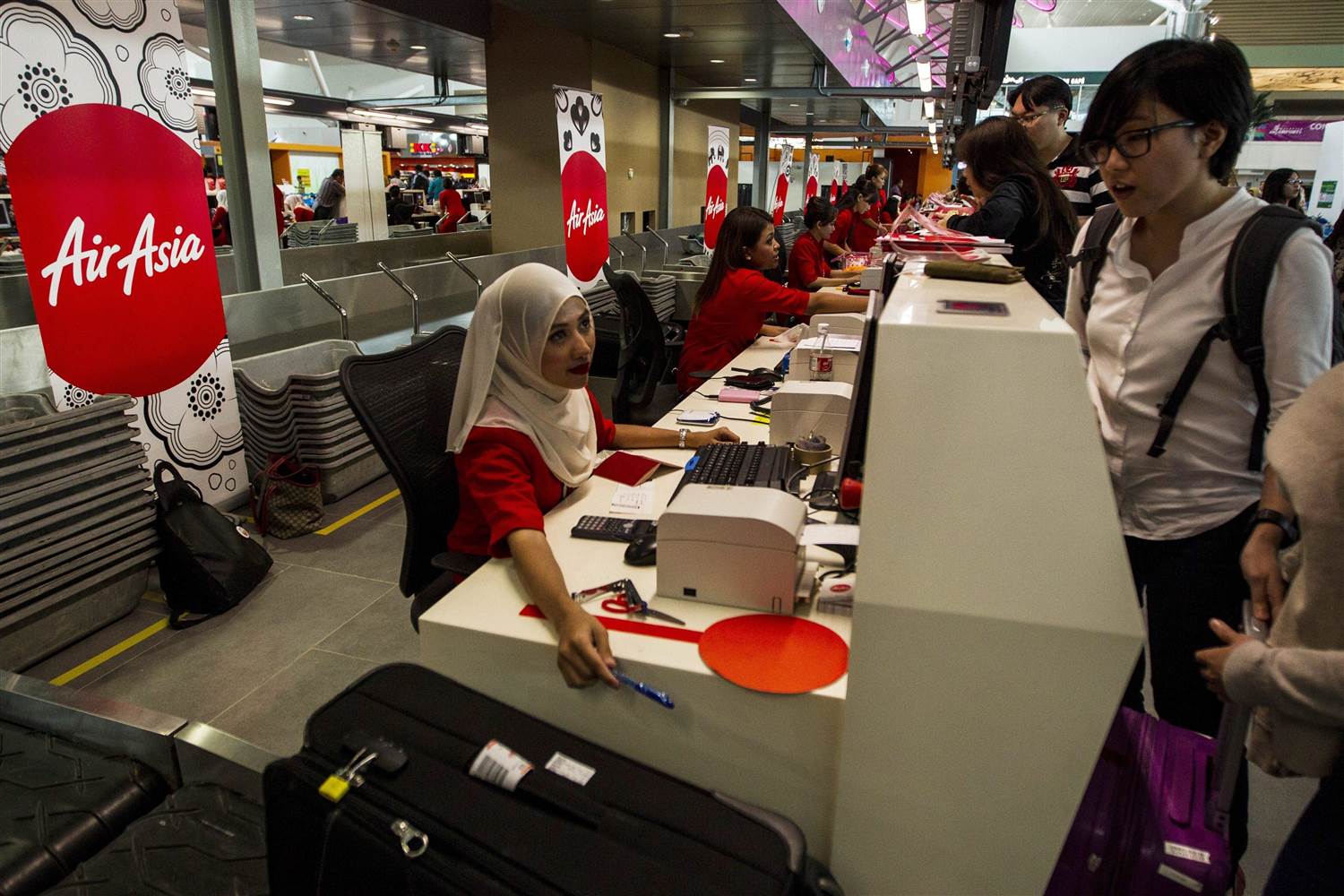
    AirAsia has joined the ranks of digital wallet providers with its own app, BigPay

    AirAsia Bhd Group chief executive officer Tan Sri Tony Fernandes announced the service on Twitter, saying it was part of AirAsia’s digital strategy.

    “One day this product will be worth more than @AirAsia. Many features being rolled out. Soon no more cash on AirAsia,” he said.

    He added that the BigPay electronic wallet would eventually offer foreign exchange remittances and possibly even money lending to AirAsia’s database of 63 million names.

    According to the BigPay’s Google Play page, the app was linked to Mastercard and could be topped up from their debit or credit cards.

    The app is said to be accepted at over 30 million merchants that accept Mastercard globally, plus users would earn AirAsia BIG loyalty points when they spend and get zero processing fees when booking a flight with the airline.

    The app’s page also assured that it was regulated by Bank Negara Malaysia and had the latest security protocols including fingerprint and facial recognition to verify the user’s identity.

    BigPay is available on Google Play store and the Apple App store.

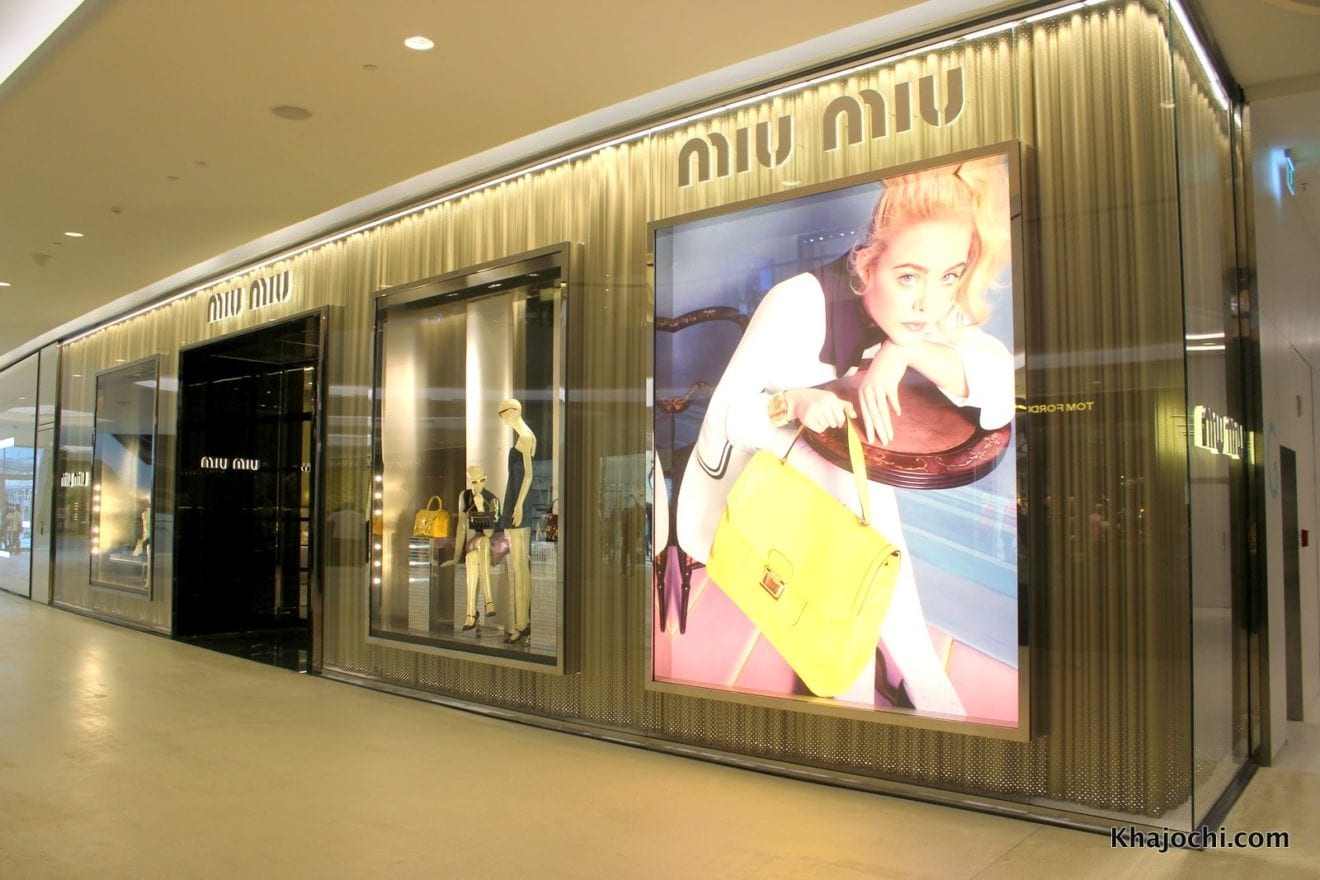
  • Miu Miu pop-up lands at Harbour City

    Miu Miu pop-up lands at Harbour City

    The Miu Miu Lady pop-up exhibition is in the midst of its Hong Kong stop, part of a global tour.

    At the centre of the Miu Miu pop-up are two giant handbags decorated with the jewel buckle for which the Prada-owned brand is renowned.

    The Hong Kong pop-up is located at Harbour City where it will remain until November, before the installation is packed up and shipped to Macau where it will be erected at Galaxy macau Resort from November 25 to December 10.  Already, the display has run at Kuala Lumpur, Shanghai and Nanjing.

    Readers can watch the time-lapse video of the Miu Miu pop-up being built here.

    In Hong Kong, a limited edition green version of the bag is exclusively available at the pop-up shop.

    Miu Miu hosted a cocktail party to launch the pop-up early this week.

    Besides the oversized bags, the pop-up features a series of short movies portraying the history of the Miu Lady bag.

  • Apple backs payments via WeChat

    Apple backs payments via WeChat

    Apple Inc’s online services support WeChat payment from yesterday under a tie-up between the US technology giant and Tencent, China’s top dot-com firm with almost 1 billion users.

    Apple users can purchase apps and subscribe to online music by bundling App Store and WeChat payment accounts. In China, around 963 million people use WeChat, a popular instant message and picture sharing tool.

    Apple will “continue to be committed to offering customers across its ecosystem a variety of payment options that are simple and convenient,” the firm said in a statement.

    The WeChat payment tie-up is expected to allow Apple to boost revenue from services, which may help the company to offset sales decline of iPhone and iPad in recent quarters in China, industry insiders said.

    Apple has increased investment in China by setting up new research hubs data centers and more Apple Stores.