Retail News CRM

Tag: with

  • Deel Empowers Global Contractors with New Stablecoin Wallet Amid Currency Volatility

    Deel Empowers Global Contractors with New Stablecoin Wallet Amid Currency Volatility

    Deel, the global workforce management company, is set to intensify its focus on digital assets as it unveils a stablecoin wallet. This innovative solution is intended to support contractors in emerging economies by maintaining the value of their income, providing rewards, and allowing global expenditure without having to leave the platform.

    The company began launching the digital wallet, which is dollar-backed, in Latin America. However, plans are afoot to extend this service to the Middle East, Africa, and the Asia-Pacific region. This forms the latest part of Deel’s broader plan to incorporate stablecoins into its global payment infrastructure. The company already enables contractors to withdraw their earnings in stablecoins and allows businesses to fund payrolls directly from stablecoin reserves. The new wallet enhances these features, permitting contractors to manage and hold digital dollar balances within their Deel accounts.

    Addressing the Issue of Currency Instability

    Deel’s recent effort addresses an increasing issue for workers in countries experiencing persistent inflation and currency devaluation. In nations such as Argentina, Ukraine, and Turkey, local currencies have seen significant fluctuations, which have eaten into the purchasing power of salaries and freelancer earnings.

    The company reports a spike in demand for dollar-pegged earnings. A case in point is Argentina, where 85 percent of contractors using the platform elected to receive payments in US dollars in 2025 instead of the local currency.

    Prior to this, contractors seeking to conserve their earnings’ value often had to transfer funds through a range of crypto platforms, foreign exchange providers, or financial applications. Deel contends that incorporating a stablecoin wallet directly into its ecosystem streamlines this procedure.

    Benefiting from the Dollar Within the Deel Ecosystem

    The wallet permits contractors to hold balances in DLUSD, Deel’s in-house dollar-pegged digital balance, which is designed to maintain parity with the US dollar and can be redeemed within the platform.

    Additionally, users can choose to participate in a rewards program backed by decentralized finance infrastructure. The company states that rewards accumulate automatically without lock-up periods, and balances remain accessible for withdrawal at any moment.

    Later this month, Deel intends to launch the Deel Card, enabling contractors to spend their stablecoin balances globally.

    The new service is supported by a combination of crypto and payment providers from the larger Stripe ecosystem. According to Deel, the wallet utilizes Bridge’s issuance infrastructure for DLUSD creation, while Privy delivers the wallet layer. Rewards are produced through the decentralized finance protocol Morpho and managed by infrastructure provider Sentora.

    Despite the crypto infrastructure that supports the service, Deel emphasizes that users deal with a simple dollar balance rather than blockchain wallets or token management tools.

    Questions & Answers

    What is the purpose of Deel’s stablecoin wallet?

    The stablecoin wallet is designed to help contractors in emerging markets maintain the value of their earnings, earn rewards, and spend globally without leaving the platform.

    How does Deel’s stablecoin wallet work?

    The wallet allows contractors to hold balances in DLUSD, Deel’s internal dollar-denominated digital balance. Users can also opt into a rewards program that accrues rewards automatically without lock-up periods.

    What is Deel’s future plan for its stablecoin wallet?

    Deel plans to introduce the Deel Card, which will enable contractors to spend their stablecoin balances globally. This move is part of Deel’s broader strategy to integrate stablecoins across its global payments infrastructure.

  • Juspay Teams Up With Mastercard to Expand Click to Pay Across Asia (Rewritten)

    Juspay Teams Up With Mastercard to Expand Click to Pay Across Asia (Rewritten)

    Juspay, the unicorn in the payments technology industry, has become a part of Mastercard’s global partner ecosystem, aiming to speed up the adoption of the Click to Pay system. This move comes as merchants throughout Asia are increasingly looking for quicker, more secure digital checkout processes.

    As a Mastercard Engage partner network’s certified third-party partner for Mastercard Click to Pay, Juspay strengthens its position in the rapidly expanding digital payments arena. This collaboration empowers Juspay to assist financial institutions and merchants in hastening the implementation of Click to Pay, a simplified online checkout solution by Mastercard. This enables consumers to finalize card transactions without the need to manually enter payment details.

    This initiative succeeds a triumphant launch in Brazil and represents the company’s drive to boost Click to Pay usage throughout Asia. This region’s e-commerce growth and the ongoing surge in digital payment adoption continue to influence consumer behavior.

    Making Checkout Seamless

    Click to Pay is devised with the aim of minimizing checkout friction and enhancing conversion rates by simplifying the online payment procedure. By integrating with Mastercard, Juspay offers merchants a comprehensive range of advanced payment features. These encompass biometric authentication via passkeys, card tokenisation, and streamlined checkout functionality aimed at reducing cart abandonment.

    Mark Ronayne, Associate Director – International at Juspay, stated that becoming a part of the Mastercard Engage partner network is a vital landmark as they scale Click to Pay globally. He added that Juspay is determined to eradicate checkout friction while maintaining high-security standards, thus helping merchants offer consumers a uniform one-click payment experience.

    Expanding Payments Reach

    This partnership also entails Juspay to collaborate with Mastercard in supporting merchant onboarding and the global implementation of Click to Pay solutions.

    Having been founded in 2012 and based in Bengaluru, India, Juspay has risen to become one of the world’s largest payments infrastructure providers. The company facilitates over 300 million transactions daily and supports an annualised payment volume surpassing $1 trillion.

    Juspay’s clientele includes leading global brands like Amazon, Google, HSBC, Agoda, Swiggy and Zurich Insurance. The company, backed by investors such as SoftBank, Accel, VEF and Wellington Management, employs over 1,500 payment specialists spanning Asia-Pacific, the Middle East, Europe, Latin America, UK and North America. It secured a $50 million Series D follow-on funding round, led by WestBridge Capital earlier this year, valuing the company at around $1.2 billion.

    The recent Mastercard partnership follows in the wake of payment providers stepping up efforts to reduce checkout friction, bolster security, and gain a larger slice of the rapidly growing global e-commerce market.

    Questions & Answers

    What is the aim of the partnership between Juspay and Mastercard?
    The partnership aims to accelerate the adoption and implementation of Mastercard’s Click to Pay system, offering consumers a streamlined online checkout experience.

    What are the features offered to merchants through Juspay’s integration with Mastercard?
    Juspay, by integrating with Mastercard, provides merchants with a suite of advanced payment features. These include biometric authentication through passkeys, card tokenisation, and simplified checkout functionality.

    What has been the impact of Juspay’s collaboration with Mastercard on the company’s valuation?
    While the partnership’s direct impact on Juspay’s valuation is not specified, it is worth noting that the company is valued at approximately $1.2 billion following a $50 million Series D follow-on funding round.

  • Mastercard Boosts Digital Banking in Asia with Merchant-Funded Offers Integration

    Mastercard Boosts Digital Banking in Asia with Merchant-Funded Offers Integration

    In response to the rapid digital transformation impacting consumer habits throughout the Asia-Pacific region, financial institutions are focusing on redefining their mobile applications to become integral components of daily transactions.

    Mastercard, a global leader in digital payments, predicts that this shift could drastically alter the function of banking applications in the region. The company recently divulged its intentions to broaden its Mastercard Offers Network throughout the Asia-Pacific, which will empower banks to deliver merchant-funded offers directly on their digital banking platforms.

    This strategic move corresponds with the Asia-Pacific’s solidification as the globe’s primary digital payments market. As reported by Mastercard, transaction volumes in this area hit nearly $16 trillion in 2025. Concurrently, consumers are becoming familiar with the convenience provided by all-in-one ‘super apps’ such as Grab and GoTo, which amalgamate payments, transportation, food delivery, and rewards into a unified ecosystem.

    Spanning the Divide Between Banks and Merchants

    The potential of this strategy extends beyond the banking sector. Merchants are grappling with escalating pressure to justify their marketing expenditure, despite numerous digital advertising channels struggling to verify if impressions and clicks result in actual sales.

    Mastercard contends that both banks and merchants possess assets sought after by the other party. Banks have access to large audiences of reliable, authenticated users, whereas merchants contribute enticing offers and marketing budgets. According to Mastercard, the missing element is an infrastructure layer with the capability to connect both parties on a large scale.

    The Mastercard Offers Network intends to supply this infrastructure. Via this platform, merchant-funded offers can be featured directly within banking apps and connected to real card transactions, permitting merchants to assess campaign effectiveness based on confirmed purchases instead of substitute metrics.

    Taking Advantage of Cross-Border Commerce

    The platform’s primary appeal is its focus on both domestic and cross-border commerce, which is notably relevant in the Asia-Pacific region, where regional travel has seen a substantial resurgence in recent years.

    Mastercard approximates that about 70 percent of travel expenditure in the region currently stems from travellers within the Asia-Pacific, with more than 331 million international visitors reported in 2025. By incorporating cross-border offers into their apps, banks can maintain relevance to customers whether they’re shopping domestically or abroad.

    Merchants benefit from this model by gaining access to consumers at the point of purchase, while banks obtain an additional tool for engagement that surpasses traditional banking services.

    The expansion of the Mastercard Offers Network comes as digital banking adoption continues to gain momentum throughout mature and emerging markets in Asia. Consumer expectations are also evolving, with users increasingly anticipating personalized experiences and rewards integrated into their digital journeys.

    Mastercard’s approach mirrors a wider industry trend: transforming banking apps from transactional tools into commerce ecosystems. Instead of solely competing on payments and account services, banks are progressively aiming to become platforms where consumers discover offers, make purchases, and interact with merchants.

    The Mastercard Offers Network is already up and running in markets such as the United States, Canada, Australia, Poland, and Hong Kong. As the platform extends throughout the Asia-Pacific, it could provide banks with a novel method for bolstering customer loyalty, while offering merchants a more quantifiable and targeted marketing channel.

    Whether banking apps will ultimately be able to compete with the region’s prevalent super apps is yet to be determined. However, it is evident that the competition for consumer engagement is progressing far beyond traditional financial services.

    Questions & Answers

    What is the purpose of the Mastercard Offers Network?
    The network aims to provide an infrastructure that allows merchant-funded offers to be displayed directly within banking apps, linking them to actual card transactions.

    How does the integration of cross-border offers into banking apps benefit financial institutions and their customers?
    Financial institutions can remain relevant to customers whether they’re shopping domestically or abroad, while consumers gain more personalized experiences and rewards.

    What trend is Mastercard’s strategy reflecting in the broader industry?
    Mastercard’s strategy reflects the transformation of banking apps from transaction tools into commerce ecosystems. Banks are increasingly seeking to become platforms where consumers discover offers, make purchases, and interact with merchants.

  • Cartier Debuts Expanded Flagship Boutique with Unique Macau Flair at Four Seasons

    Cartier Debuts Expanded Flagship Boutique with Unique Macau Flair at Four Seasons

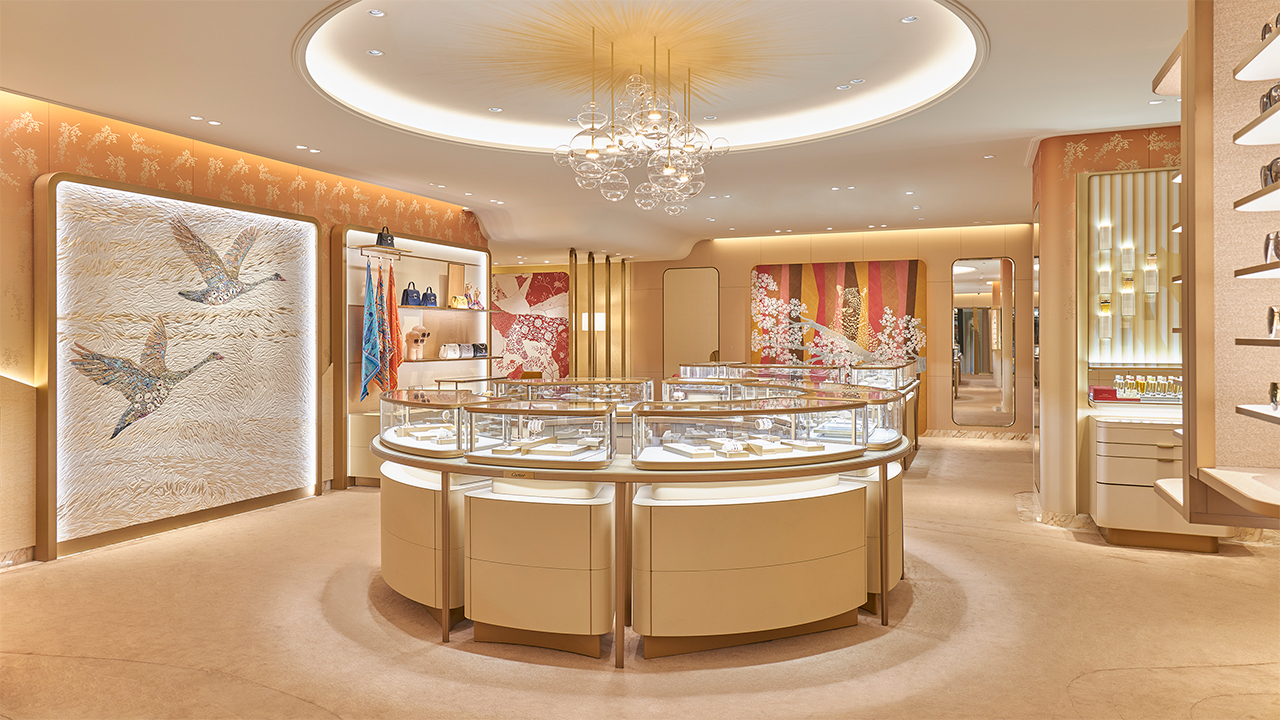
    Cartier, the opulent jewelry house, has revamped and enlarged its boutique in the distinguished T Galleria, located in the Shoppes at Four Seasons, Macau.

    The Newly Revamped and Expanded Boutique

    Cartier’s renovated boutique is an amalgamation of Cartier’s illustrious heritage and the rich cultural identity of Macau. The remodelled store now includes the first-ever open salon and bar from Cartier in Macau, two private lounges for VIPs, separate dedicated sections for men and women, a gender-neutral area and a distinct high-jewellery section.

    The boutique’s ‘Women’s Universe’ features an exquisite mosaic art piece by the renowned French artist Mathilde Jonquière. The artwork eloquently portrays Cartier’s emblematic panther amidst fireworks, creatively mirroring Macau’s vibrant skyline and festive ambiance.

    In contrast, the boutique’s recently inaugurated salon and bar are a nod to Macau’s Sino-Portuguese lineage. The design includes meticulously handcrafted mosaic flooring, ceramic wall adornments, and lantern-inspired illuminations.

    The gender-neutral zone takes inspiration from the interiors of yachts and Macau’s historical connection with the sea. The ‘Men’s Universe’ exhibits the brand’s wide-ranging collections of timepieces, jewelry and accessories.

    Cartier has curated a Prestige Area to display its high-jewellery collections, characterized by panels of straw marquetry, glass showcases and intricately sculpted chandeliers.

    The expanded boutique is completed with the addition of two VIP salons, inspired by the lotus flower, a symbol synonymous with Macau. The decorative features in these salons were fashioned by the acclaimed French artistic workshop, Ateliers Berger.

    Cartier asserts that the boutique’s reopening signifies the brand’s ongoing commitment to Macau and its initiative to enhance the retail experience with a larger store format and specialized product environments. In the previous year, Cartier launched its most extensive store in Asia, situated in the upscale Ginza retail district of Tokyo.

    Questions & Answers

    What is unique about the renovated Cartier boutique in Macau?
    The renovated Cartier boutique in Macau uniquely blends Cartier’s heritage with Macau’s cultural identity, and features Macau’s first Cartier open salon and bar, dedicated areas for men and women, a unisex zone and a high-jewellery area.

    What inspirations were drawn for the newly renovated boutique?
    Inspiration for the design of the renovated boutique was drawn from Macau’s Sino-Portuguese heritage, its maritime history, and symbolic elements like the lotus flower.

    What does the reopening of the Cartier boutique in Macau represent?
    The reopening of the Cartier boutique in Macau represents the brand’s continued investment in the region and its commitment to offer an enhanced retail experience through a larger store format and dedicated product environments.

  • Stephen Curry Scores Slam Dunk Deal with Chinese Sportswear Giant Li-Ning

    Stephen Curry Scores Slam Dunk Deal with Chinese Sportswear Giant Li-Ning

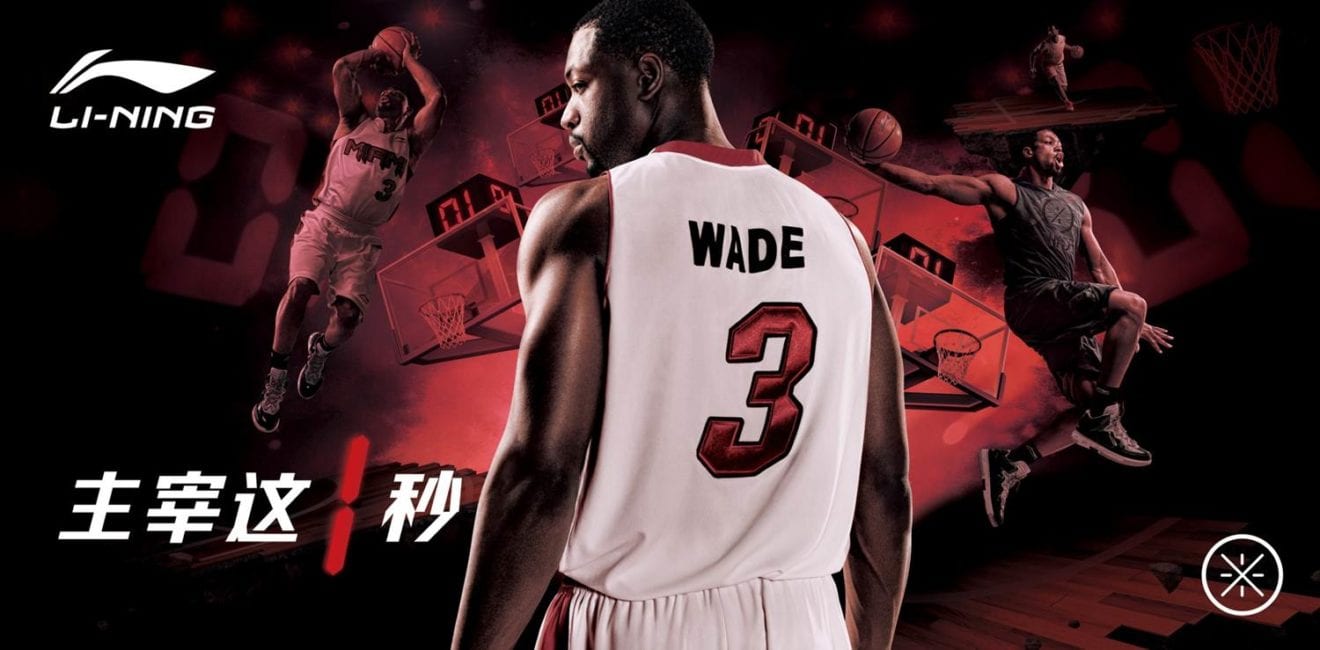
    Li-Ning, a prominent sportswear company in China, has recently announced a multi-faceted partnership with NBA Star, Stephen Curry. This exciting collaboration will initially emphasize on the sport of basketball and golf, with future plans to expand into lifestyle and other sportswear areas.

    A Crucial Partnership

    In this newly forged union, Li-Ning and Curry will work closely to devise new products, foster exclusive content, and devise consumer experiences that appeal to the interests of young athletes and sports consumers. Stephen Curry expressed enthusiasm about the partnership, attributing his decision to the company’s innovative product line and capabilities. Curry was particularly impressed by the quality, comfort, and performance of Li-Ning’s footwear, which he believes will align perfectly with the image he wants to establish for his own brand.

    The sportswear company, Li-Ning, which was founded in 1990 by the former Olympic Gymnast Li Ning, has flourished into one of the largest brands in China’s sportswear industry. Li Ning views this partnership as a reflection of their mutual emphasis on performance and the future of sports.

    Shared Vision

    The company’s founder expressed a shared focus on performance and the potential of sport, believing in the power of sport to ignite passion and inspire each generation to push beyond its limits. Both Li-Ning and Curry are eager about this partnership and look forward to building upon it to continually push boundaries and open new horizons for global sport.

    Questions & Answers

    What is the nature of the partnership between Li-Ning and Stephen Curry?
    The partnership involves multi-category development focusing initially on basketball and golf, with plans to expand into other sportswear and lifestyle sectors.

    What was the critical factor that influenced Stephen Curry’s decision to collaborate with Li-Ning?
    Stephen Curry was primarily impressed by the quality, comfort, and performance of Li-Ning’s shoes, which gave him confidence in the company’s capability to align with his brand’s vision.

    What does this partnership signify for Li-Ning and Curry?
    Both parties view this collaboration as a reflection of their shared focus on performance and the future of sports. They look forward to pushing boundaries and creating new possibilities for global sport.

  • Besi APac Partners with DHL Express to Slash Greenhouse Emissions through Sustainable Aviation Fuel

    Besi APac Partners with DHL Express to Slash Greenhouse Emissions through Sustainable Aviation Fuel

    Besi APac Sdn. Bhd., the Malaysian unit of top semiconductor assembly equipment manufacturer BE Semiconductor Industries N.V., has entered into a partnership with DHL Express by joining their GoGreen Plus programme. This programme aims to lower the emissions generated from Besi APac’s urgent global deliveries through the utilization of sustainable aviation fuel (SAF). The partnership is projected to result in a reduction of over 400 tonnes in Well-to-Wheel (WTW) CO₂e emissions.

    Reducing Emissions Through Responsible Practices

    Besi APac is dedicated to the energy transition and acknowledges the importance of decreasing operational emissions through responsible business operations. Henk Jan Jonge Poerink, Managing Director of Besi APac and Senior Vice President of Global Operations at Besi N.V., stated that the company’s sustainability strategy extends to its supply chain activities. They are striving to incorporate environmental considerations into their procurement processes. SAF is seen as one of several methods that can assist in reducing aviation-related emissions. The company eagerly anticipates the opportunity to support the expansion of renewable alternatives.

    Introduced in 2023, GoGreen Plus allows its clients to utilise SAF to decrease their indirect Scope 3 emissions, which arise from upstream and downstream transportation and distribution. This service is made possible through numerous SAF contracts that DHL has signed with its partners.

    SAF, which is made from sustainable feedstocks like used cooking oil and other residues, can lower lifecycle greenhouse gas emissions by approximately 80% compared to standard jet fuel. The ‘book & claim’ approach enables DHL to replace fossil fuels with sustainable fuels within its network directly and assign the associated lifecycle emission reductions to clients like Besi APac.

    Besi APac’s Commitment to Sustainability

    Besi APac’s subscription to GoGreen Plus is applicable across its international trade routes, covering major markets in the Asia Pacific, Europe, Americas, and Middle East. The initiative is aligned with the company’s 2025-2029 strategic plan, which includes minimising its environmental impact as a primary goal. Besi APac has significantly reduced its Scope 1 & 2 emission intensity ratio, fuel consumption intensity ratio, and increased electricity usage from renewable sources since 2019.

    Alex Lee, Vice President of Commercial at DHL Express Malaysia, stated that DHL is committed to increasing the availability of emissions-reduced logistics solutions. Partnerships like this one showcase the practical application of this commitment.

    DHL is one of the largest global users of SAF. The company increased the percentage of SAF in its own aircraft fleet to 10 percent in 2025, a significant increase from the 3.5 percent the previous year. DHL currently uses SAF at airports worldwide.

    Questions & Answers

    What is Besi APac’s strategy to reduce emissions in their operations?
    Besi APac is committed to decreasing operational emissions through responsible business practices. This includes integrating environmental considerations into their procurement processes and using SAF to reduce aviation-related emissions.

    How does DHL’s GoGreen Plus programme help to reduce emissions?
    GoGreen Plus allows its customers to utilise SAF to reduce their indirect Scope 3 emissions arising from upstream and downstream transportation and distribution. It replaces fossil fuels with sustainable fuels within its network, attributing the associated emission reductions to its customers.

    What progress has Besi APac made in reducing its environmental impact?
    Besi APac has made significant strides in reducing its environmental impact. The company has greatly reduced its Scope 1 & 2 emission intensity ratio and fuel consumption intensity ratio. Additionally, it has increased its electricity usage from renewable sources to 99 percent since 2019.

  • OCBC Joins Forces with Major Business Chambers to Boost China-ASEAN Trade

    OCBC Joins Forces with Major Business Chambers to Boost China-ASEAN Trade

    OCBC, Singapore’s second-largest bank, is amplifying its efforts to harness the expanding economic ties between Greater China and Southeast Asia. This new endeavor sees the bank forming a strategic partnership with two prominent business chambers, the Singapore Chinese Chamber of Commerce & Industry (SCCCI) and the China Chamber of Commerce for Import and Export of Machinery and Electronic Products (CCCME). This partnership aligns with OCBC’s recently announced corporate strategy, The Next Frontier. A crucial element of this strategy is the ‘Asia Shift’, which aims to boost trade and investment flows between ASEAN and Greater China.

    Riding the Intra-Asia Growth Trend

    OCBC’s strategic alliance combines the bank’s regional banking prowess with the expansive network of the CCCME, which involves more than 10,000 Chinese enterprises, and the SCCCI’s robust business connections across Southeast Asia.

    This initiative is in response to the continued expansion of Chinese companies into ASEAN markets. As per OCBC’s data, there was a 50 percent increase in 2025 in the number of new Chinese businesses the bank assisted in setting up operations in Southeast Asia. This significant rise follows a 30 percent growth in the preceding year.

    The cooperation agreement stipulates the support of small to mid-sized enterprises and corporations seeking cross-border trade and investment opportunities in both regions.

    Focus on Strategic Sectors

    The collaboration will be focused on industries predicted to fuel future growth. These include green technologies, sustainable development, digitalization, and advanced manufacturing. Additionally, the partners aim to reinforce trade and financing ecosystems that stimulate cross-border business activities.

    To manage this initiative, a joint coordination group will be set up. This group will be tasked with tracking progress and ensuring the successful execution of plans.

    Roy Tan, Head of Enterprise Banking International at OCBC, shared that Chinese enterprises have quickened their globalization pace in recent years, which necessitates robust on-the-ground assistance when penetrating new markets. The partnership will enable the bank to merge financing solutions with business matching and market-entry support. Tan believes this will enhance the efficiency of Chinese companies venturing into ASEAN while generating opportunities for businesses on both fronts.

    Singapore is positioning itself as a primary gateway for Chinese companies seeking expansion into Southeast Asia. This strategic move also aims to allow local businesses to take advantage of the escalating intra-Asian trade and investment flows.

    Questions & Answers

    What is the main goal of OCBC’s new partnership with SCCCI and CCCME?
    The partnership aims to capitalize on the growing economic ties between Greater China and Southeast Asia by supporting small to mid-sized enterprises and corporations seeking cross-border trade and investment opportunities.

    Which sectors will the collaboration focus on?
    The collaboration will focus on sectors expected to drive future growth, including green technologies, sustainable development, digitalization, and advanced manufacturing.

    How does this partnership align with Singapore’s position in the global market?
    The partnership aligns with Singapore’s efforts to fortify its role as a gateway for Chinese companies looking to expand into the ASEAN region, and to benefit local businesses from growing intra-Asian trade and investment flows.

  • Mastercard Unveils Phone. Passport. Mastercard Campaign: Revolutionizing Travel in Southeast Asia with Seamless Digital Payments

    Mastercard Unveils Phone. Passport. Mastercard Campaign: Revolutionizing Travel in Southeast Asia with Seamless Digital Payments

    Mastercard has launched a new campaign aimed at making travel across Southeast Asia more seamless and rewarding for consumers. The initiative, named “Phone. Passport. Mastercard”, primarily focuses on improving the payment experience for travelers journeying through Indonesia, Malaysia, Singapore, Thailand, the Philippines, and Vietnam. Developed in conjunction with issuing banks and merchant partners, the program provides access to over 300 promotions that cover dining, shopping, accommodation, transport, and leisure activities throughout the region.

    Enhancing Travel with Seamless Payments

    At the heart of the campaign is Mastercard’s effort to streamline the travel experience with digital payment solutions. The company is positioning its payment network as an essential tool for travelers along with their smartphones and passports. Whether it’s for transport, accommodation, or dining, travelers can access offers while depending on Mastercard’s secure payment infrastructure, which leverages technologies such as tokenisation, multi-factor authentication, and fraud monitoring for secure cross-border transactions. The initiative is aimed at reducing friction during travel and allowing consumers to focus on their experiences rather than worrying about payment logistics.

    Boosting Regional Businesses

    The campaign also seeks to aid regional merchants and tourism-related businesses by connecting them with consumers traveling along Southeast Asia’s busiest routes. According to Dheeraj Raina, Senior Vice President and Head of Integrated Marketing and Communications for Southeast Asia at Mastercard, “Southeast Asia is one of the most rewarding regions in the world to explore today – rich in culture, nature, food, and unforgettable experiences, often just a short trip away.” The campaign aspires to make travel across the region more accessible while encouraging consumers to discover local businesses and experiences.

    As Southeast Asia continues to reap the benefits of robust tourism flows, improved air connectivity, and growing demand for regional leisure travel, Mastercard’s campaign aims to position itself at the heart of the travel payment journey. The initiative will run until December 2026, reinforcing Mastercard’s strategy of integrating payment services more closely with consumer lifestyle and travel experiences.

    Questions & Answers

    What is the goal of Mastercard’s new campaign?
    The goal is to make travel across Southeast Asia more seamless and rewarding by streamlining the payment experience for travelers and providing them access to various promotions.

    How does the campaign benefit regional businesses?
    The campaign aims to aid regional merchants and tourism-related businesses by connecting them with consumers traveling along Southeast Asia’s busiest routes, potentially driving more business to these establishments.

    Until when is the campaign expected to run?
    The campaign is expected to run until December 2026.

  • Palace Streetwear Breaks Into Mainland China with a Stylish Shanghai Store Debut

    Palace Streetwear Breaks Into Mainland China with a Stylish Shanghai Store Debut

    British streetwear brand, Palace, is set to inaugurate its first independent retail store in Mainland China, within the historic district of Zhangyuan in Shanghai.

    The store, which opens its doors to the public this Friday, draws inspiration from the traditional elements of Yuyuan Garden. It incorporates features reminiscent of the garden’s ponds, pavilions, and meandering paths. In an effort to maintain the authenticity and historic charm of the locale, the original facade of the garden has been preserved. The store’s entrance is marked by Palace’s iconic, mirrored tri-ferg logo suspended above it. The logo, a creation of Fergus Purcell, takes its cues from the Penrose Triangle, a work of Swedish artist Oscar Reutersvärd. The logo’s placement creates an illusion of angling downward from the building’s roofline.

    A Timely Debut

    Gareth Skewis, the founder of Palace, expressed that his frequent visits to China over the past two decades gave him the conviction that the time was right for the brand to make its debut in Mainland China. Skewis pointed out that the present cultural milieu, particularly the state of skateboarding and the contemporary youth culture in China, factored into his decision.

    The interior of the store is a showcase of architectural elegance with limestone and stone tile finishes. It also flaunts LED columns and accents of gold and red, a nod to traditional Chinese rituals. The store’s design incorporates a pavilion-like structure at its heart, thus extending the garden concept throughout the space.

    A Special Collection Launch

    To celebrate the store’s grand opening, Palace will introduce a Shanghai-exclusive capsule collection. The collection includes an array of items such as biker jackets, sports jerseys, hoodies, T-shirts, and accessories. The products are branded with a playful ‘Shang-Hi’ logo and a waving hand motif.

    Questions & Answers

    Where is Palace’s first independent store in Mainland China located?
    The store is located in the historic district of Zhangyuan in Shanghai.

    What is the design concept of the store?
    The store’s design draws inspiration from the traditional elements of Yuyuan Garden, with features reminiscent of the garden’s ponds, pavilions, and meandering paths integrated into the store’s layout.

    What special launch is coinciding with the store’s opening?
    To mark the store’s opening, Palace will introduce a Shanghai-exclusive capsule collection, featuring items like biker jackets, sports jerseys, hoodies, T-shirts, and accessories branded with a ‘Shang-Hi’ logo and a waving hand motif.

  • Miniso Introduces Global IP Strategy with Revolutionary Art Gallery in Shanghai

    Miniso Introduces Global IP Strategy with Revolutionary Art Gallery in Shanghai

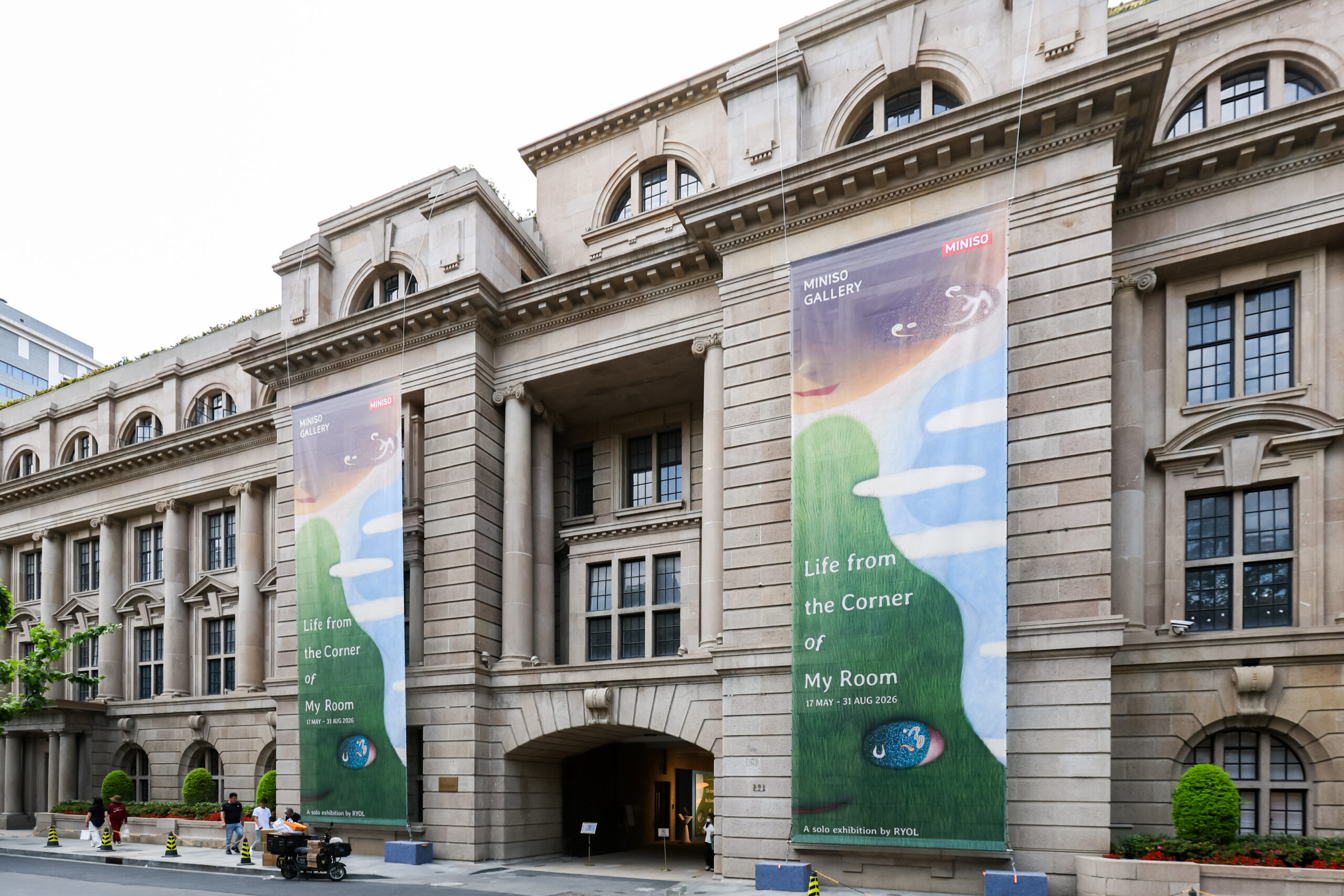
    Miniso, the prominent variety retailer, is intensifying its global Intellectual Property (IP) efforts with the inauguration of the first-ever Miniso Gallery in Shanghai.

    The new gallery, located in the Bund City Hall Plaza, is primarily designed as a specialized exhibition space and a platform for collaboration. It will feature the works of global artists and IP-centric creative projects. This innovative initiative redefines the role of the gallery from being a mere exhibition space to a hub promoting international artistic collaborations.

    The gallery’s inaugural exhibition showcased the work of Indonesian contemporary artist Ryo Laksamana, also known by the pseudonym Ryol. Ryol has the distinction of being Miniso’s first global exclusive artist.

    The strategic location of the gallery in Shanghai furthers the establishment’s retail experience ecosystem. The gallery is within a short stroll from Miniso Land, the company’s flagship concept. This positioning further amplifies the breadth and depth of Miniso’s commitment to delivering a wholesome and enriching customer experience.

    Miniso’s founder and CEO, Ye Guofu, emphasized the gallery’s role as more than just an exhibition space. Guofu highlighted the gallery’s mission of providing burgeoning artists with a platform to reach global audiences. He stated, “Drawing from our knowledge and experience in introducing global IP to consumers, our goal is to form connections between creators worldwide. We aim to enable more original and engaging works to be seen, appreciated, and profitably marketed.”

    Looking forward, Miniso intends to extend the reach of its gallery to more significant art centers worldwide, including Shanghai, Hong Kong, Beijing, Tokyo, Paris, and New York.

    Currently, Miniso operates over 8000 stores in 100 countries and regions. The retailer’s presence is notable in major retail hubs, underscoring its global reach and influence.

    Questions & Answers

    What is the purpose of the newly launched Miniso Gallery?
    The Miniso Gallery is designed as a dedicated exhibition space and a platform for collaboration, aiming to feature the works of global artists and IP-centric creative projects.

    Who is the first artist to be featured in the Miniso Gallery?
    The inaugural exhibition of Miniso Gallery showcased the work of Indonesian contemporary artist Ryo Laksamana, also known as Ryol, who is Miniso’s first global exclusive artist.

    What are Miniso’s expansion plans for the Miniso Gallery?
    Miniso plans to extend the reach of its gallery to more significant art centers worldwide, such as Shanghai, Hong Kong, Beijing, Tokyo, Paris, and New York.

  • UOB Private Bank Intensifies Greater China Expansion with Appointment of New Market Head

    UOB Private Bank Intensifies Greater China Expansion with Appointment of New Market Head

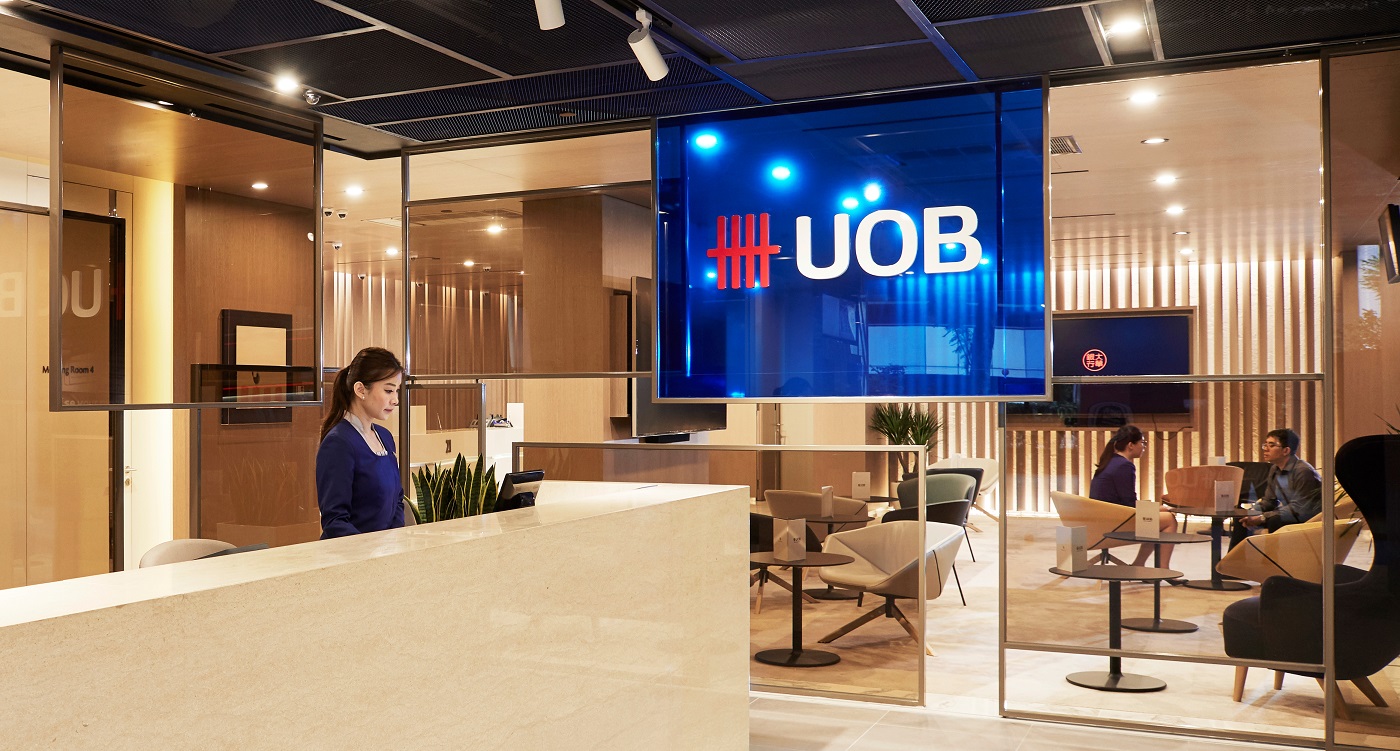
    United Overseas Bank (UOB) Private Bank has announced the appointment of seasoned banker Paul Zhou as the Market Head for Greater China. This strategic move is aimed at accelerating the bank’s expansion plans in one of Asia’s most fiercely contested wealth management markets.

    Effective from May 11, 2026, Zhou will spearhead the growth and strategic planning of UOB Private Bank’s Greater China business, according to a company statement released on Monday.

    Decades of Experience in Private Banking

    Zhou brings to the table over two decades of robust experience in private banking, wealth management, and sales leadership. Prior to this appointment, Zhou was part of UOB China, where he has been serving as the Head of Sales and Distribution since 2018.

    In his previous role, Zhou led the bank’s wealth management and secured lending sales teams, as well as the specialist investment and insurance divisions. His dynamic leadership was instrumental in expanding the bank’s customer base, increasing assets under management and deposits while ensuring strict adherence to governance and compliance standards.

    Before joining UOB China, Zhou held key leadership roles at Ping An Trust and Citibank. He managed private banking teams and directed investment and sales strategies across multiple major Chinese cities. In the early stages of his career, he worked at The Bank of Tokyo-Mitsubishi and HSBC, gaining expertise in investment advisory, wealth management, and cross-border banking solutions.

    Zhou holds an undergraduate degree in Finance and Banking from the Finance and Banking Institution of China in Beijing.

    A Strategy to Reinforce Greater China Franchise

    Zhou’s appointment forms part of a wider strategy by UOB Private Bank to fortify its Greater China franchise. The bank has announced plans to hire a number of seasoned relationship managers and team leads in May and June. This initiative is aimed at enhancing client engagement and supporting the growth of the business in the region.

    The planned expansion underscores the continued competition among local and global banks to tap into the growing wealth creation opportunities in Greater China, despite the ongoing economic uncertainties and unpredictable market volatility.

    Questions & Answers

    Who has UOB Private Bank appointed as the Market Head for Greater China?
    Paul Zhou, a veteran banker with over two decades of experience in private banking, wealth management, and sales leadership.

    What is the strategic objective behind this appointment?
    The appointment aims to accelerate UOB Private Bank’s expansion strategy in Greater China, one of Asia’s most competitive wealth management markets.

    What plans does UOB Private Bank have to fortify its Greater China franchise?
    UOB Private Bank plans to recruit several experienced relationship managers and team leaders over May and June to further enhance client engagement and support business growth in the region.

  • Tops Revolutionizes Thai Beauty Market with Standalone Looks Store Launch

    Tops Revolutionizes Thai Beauty Market with Standalone Looks Store Launch

    Tops, a leading retail brand owned by Central Retail, is expanding its influence in Thailand’s thriving beauty sector by introducing an independent Looks store concept.

    The initial independent Looks store will be inaugurated on May 20th at Robinson Lifestyle Srisamarn, underlining a significant shift in strategy for the wellness and beauty brand as it ventures into dedicated specialty retail.

    This expansion is part of a broader, long-term growth plan for the brand. The company has ambitions to increase the presence of Looks to 100 locations across various formats over the next seven years.

    Historically, Looks has operated mostly as beauty sections within Tops supermarkets. However, the brand’s new direction aims to appeal to the emerging ‘new-gen’ market and the progressively expanding masstige segments.

    The independent store concept is set to offer an impressive range of over 5,000 SKUs, encompassing skincare, makeup, and inner wellness products. Approximately 15% of the stock will consist of exclusive items that will only be available in Looks stores.

    In addition to the diverse range of products, the store will also host a ‘Solution Bar.’ This feature will offer customers personalized recommendations and consultations from beauty specialists at Looks.

    Despite the implementation of the standalone model, the brand will continue to uphold its strong omnichannel presence. This includes maintaining the 105 dedicated Looks zones in Tops stores and the 17 Tops Daily branches throughout the country.

    Questions & Answers

    What is the new strategic direction for the Looks brand?
    With the launch of an independent store concept, Looks is expanding from simply being beauty zones within Tops supermarkets to becoming a standalone specialty retail brand.

    What unique features will the standalone Looks store offer to customers?
    The store will offer a wide range of over 5,000 products across skincare, makeup, and inner wellness. It will also provide exclusive products unavailable elsewhere. Additionally, customers will benefit from personalized advice and recommendations at the in-store ‘Solution Bar.’

    Will the brand maintain its presence within Tops supermarkets despite the new direction?
    Yes, despite the launch of the standalone stores, Looks will continue to operate its dedicated sections within Tops supermarkets and Tops Daily branches nationwide.

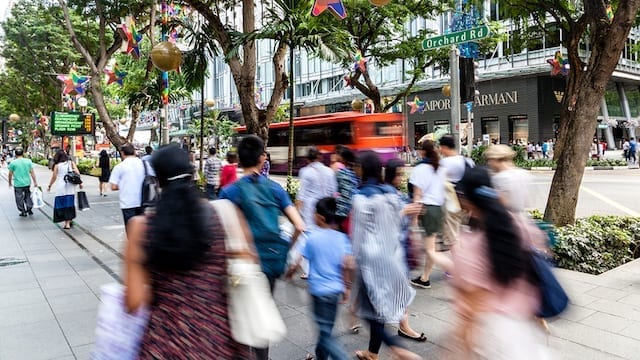
  • Singapore Retail Sales Soar in March with Robust Online Presence and Recreational Goods Demand

    Singapore Retail Sales Soar in March with Robust Online Presence and Recreational Goods Demand

    The retail sector in Singapore experienced further growth in March, building on the momentum gained in February. The Department of Statistics reports a 3.3% year-on-year increase in retail sales for March, not counting motor vehicles, parts, and accessories. This follows a significant 11.3% surge in February.

    The estimated total value of retail sales for the period was SG$3.8 billion (US$2.98 billion), with nearly a fifth (18.9%) coming from online sales. On a seasonally adjusted basis, retail sales also saw a 3.3% increase in March compared to the preceding month.

    Performance Across Various Sectors

    The growth in March was broad-based, with most sectors recording year-on-year sales growth. Recreational goods led the way with a 13.1% increase, followed by computer and telecommunications equipment, which saw an 11.9% boost, partly attributed to higher mobile phone sales.

    Other sectors that experienced single-digit growth include watches and jewelry, apparel and footwear, cosmetics and medical goods, supermarkets, and convenience stores.

    However, not all sectors fared well. Sales of food and alcohol saw a 6% drop, department stores reported a 5.7% decrease, and furniture and household equipment sales fell by 1.9%.

    Meanwhile, food and beverage services noted a 2.3% rise in sales during March, sustaining the upward trend seen in February.

    Questions & Answers

    What was the overall retail sales growth in Singapore in March?
    The overall retail sales in Singapore grew by 3.3% year-on-year in March.

    Which sectors recorded the highest sales growth in March?
    Recreational goods and computer and telecommunications equipment sectors recorded the highest sales growth in March, with an increase of 13.1% and 11.9% respectively.

    Did all sectors experience growth in March?
    No, sales in the food and alcohol, department store, and furniture and household equipment sectors experienced declines in March.

  • Revitalized Toys R Us Hong Kong Celebrates 40 Years with Fresh Experiential Zones and Exclusive Brands

    Revitalized Toys R Us Hong Kong Celebrates 40 Years with Fresh Experiential Zones and Exclusive Brands

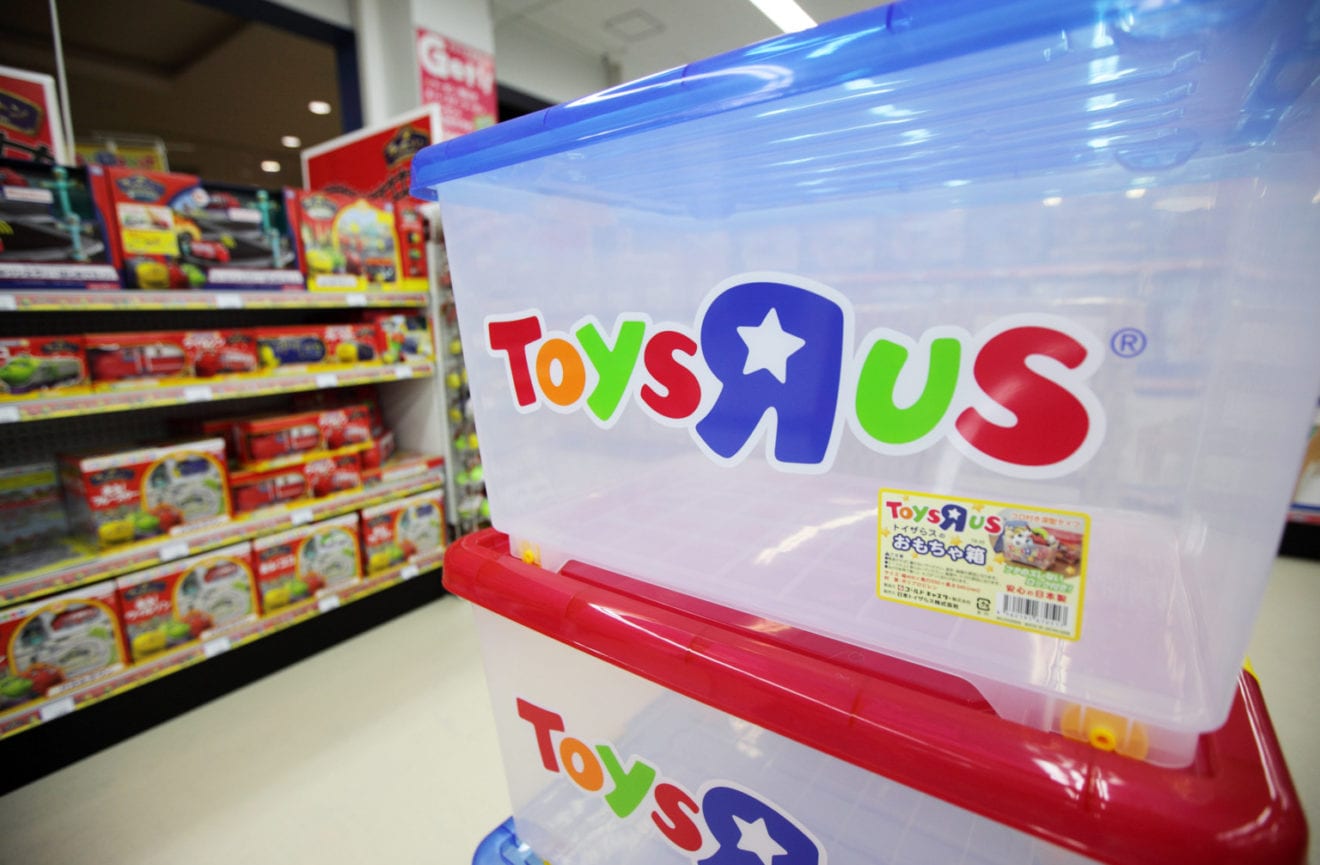
    To commemorate its 40th anniversary in Hong Kong, Toys R Us Asia has unveiled a transformed version of its flagship store in the Ocean Terminal, Tsim Sha Tsui. The store originally opened in 1986 and has been revamped to feature nine new in-store themed concepts and interactive zones.

    Store-in-Store Concepts and Themed Zones

    The remodelled flagship store now showcases dedicated branded areas for popular franchises such as Pokémon, Tomica, Bandai, Lego, Nintendo, Sanrio, Sylvanian Families, Transformers, and VTech. This development includes the introduction of several concepts to the Hong Kong market for the first time. These new features include an integrated Pokémon Play Lab and a Tomica Brand Store, which boasts a collection of over 2,000 die-cast models.

    The CEO of Toys R Us Asia, Leo Tsoi, shared his insights on the upgrade. He said, “Toys R Us is in tune with the increased demand for pop culture and emotionally resonant items from children, Gen Z, and ‘Kidults’. We are committed to introducing animation IPs, collaborative merchandise, and proprietary products. Our aim is to craft more meaningful play and collectible experiences tailored for consumers in Hong Kong and across Asia.”

    Additional Features

    As well as the branded areas, the flagship store also features a Nintendo gaming trial zone, a Sanrio-themed retail space, and a play area for VTech and LeapFrog designed for parent-child interaction. The store creatively incorporates themed zones that reflect local culture and current trends.

    With more than 450 stores across 10 markets, Toys R Us Asia’s focus is on integrating retail with interactive and experiential elements. The revamped Hong Kong flagship store exemplifies this approach. It also exemplifies Toys R Us Asia’s strategic move to expand its appeal beyond children, reaching out to adult collectors and a broader segment of consumers.

    Questions & Answers

    What significant changes have been made to the flagship Toys R Us store in Hong Kong?
    The store has been upgraded to include nine new in-store themed concepts and interactive zones. It also features an integrated Pokémon Play Lab and a Tomica Brand Store, which are first-time additions to the Hong Kong market.

    What is the strategic focus of Toys R Us Asia?
    Toys R Us Asia is focused on integrating retail with interactive and experiential elements. They also aim to broaden their appeal beyond children to include adult collectors and a wider consumer market.

    Who are the target consumers for the revamped Toys R Us store?
    The revamped store targets not only children but also Gen Z and ‘Kidults’ – adults who have an affinity for items traditionally aimed at children. The store also seeks to provide experiences tailored to the specific needs of consumers in Hong Kong and across Asia.

  • Reliance Retail Ups Beauty Game with Acquisition of Priyanka Chopra Jonas’s Anomaly

    Reliance Retail Ups Beauty Game with Acquisition of Priyanka Chopra Jonas’s Anomaly

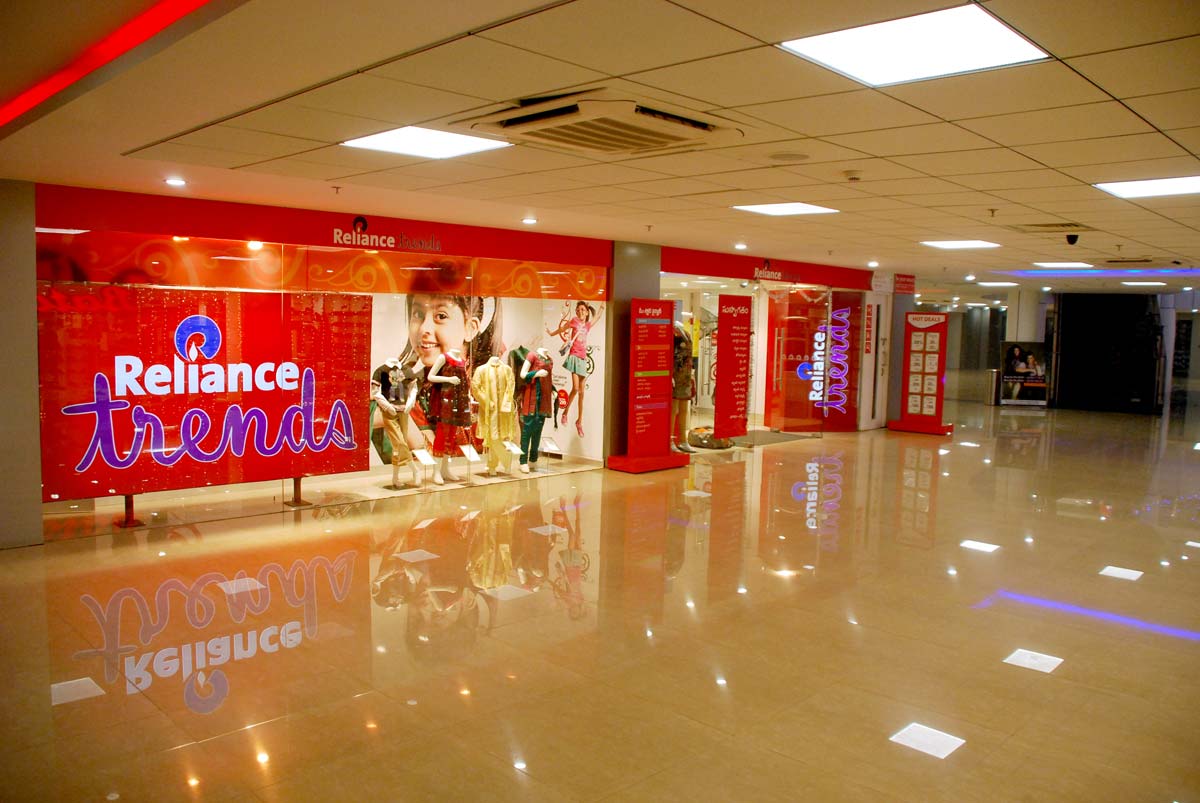
    Reliance Retail, the premier retailer in India, has recently added the Anomaly haircare brand, owned by globally renowned actor Priyanka Chopra Jonas, to its portfolio.

    Strategic Acquisition of Anomaly

    Anomaly was established by Chopra Jonas in 2021. It offers a range of affordable vegan haircare products that are sold globally. The brand was acquired from Maesa, a U.S.-based beauty company. The acquisition marks a strategic move for Reliance Retail as it continues to diversify its range of offerings with cutting-edge, fast-growing beauty brands.

    Isha Ambani, Executive Director at Reliance Retail Ventures, commented on the acquisition. She stated that Anomaly’s powerful global presence, commitment to clean formulation, and affordable pricing make it a valuable addition to the company’s ecosystem. Ambani sees substantial potential for growth in a collaborative effort with Chopra Jonas, aiming to expand Anomaly’s market in India by capitalizing on Reliance Retail’s omnichannel capabilities and deep consumer insight, while also increasing the brand’s international footprint.

    Plans for Expansion

    Reliance Retail intends to concentrate on expanding Anomaly’s presence in India. The company will also work towards increasing the brand’s market in North America, the United Kingdom, and the Middle East.

    Chopra Jonas expressed her excitement about the new journey Anomaly embarks on following the acquisition by Reliance Retail. She remarked that what started as a deeply personal endeavor has now evolved into a brand with a significant purpose and global ambitions.

    Questions & Answers

    What is Anomaly and who owns it?
    Anomaly is a vegan haircare brand that was founded in 2021 by the world-renowned actor Priyanka Chopra Jonas.

    Who acquired Anomaly?
    Anomaly was recently acquired by Reliance Retail, the largest retailer in India.

    What are Reliance Retail’s plans for Anomaly?
    Reliance Retail plans to expand Anomaly’s presence in India using its omnichannel capabilities and deep consumer insights. It also aims to increase the brand’s market in North America, the United Kingdom, and the Middle East.