Tag: with

  • OCBC Joins Forces with Major Business Chambers to Boost China-ASEAN Trade

    OCBC Joins Forces with Major Business Chambers to Boost China-ASEAN Trade

    OCBC, Singapore’s second-largest bank, is amplifying its efforts to harness the expanding economic ties between Greater China and Southeast Asia. This new endeavor sees the bank forming a strategic partnership with two prominent business chambers, the Singapore Chinese Chamber of Commerce & Industry (SCCCI) and the China Chamber of Commerce for Import and Export of Machinery and Electronic Products (CCCME). This partnership aligns with OCBC’s recently announced corporate strategy, The Next Frontier. A crucial element of this strategy is the ‘Asia Shift’, which aims to boost trade and investment flows between ASEAN and Greater China.

    Riding the Intra-Asia Growth Trend

    OCBC’s strategic alliance combines the bank’s regional banking prowess with the expansive network of the CCCME, which involves more than 10,000 Chinese enterprises, and the SCCCI’s robust business connections across Southeast Asia.

    This initiative is in response to the continued expansion of Chinese companies into ASEAN markets. As per OCBC’s data, there was a 50 percent increase in 2025 in the number of new Chinese businesses the bank assisted in setting up operations in Southeast Asia. This significant rise follows a 30 percent growth in the preceding year.

    The cooperation agreement stipulates the support of small to mid-sized enterprises and corporations seeking cross-border trade and investment opportunities in both regions.

    Focus on Strategic Sectors

    The collaboration will be focused on industries predicted to fuel future growth. These include green technologies, sustainable development, digitalization, and advanced manufacturing. Additionally, the partners aim to reinforce trade and financing ecosystems that stimulate cross-border business activities.

    To manage this initiative, a joint coordination group will be set up. This group will be tasked with tracking progress and ensuring the successful execution of plans.

    Roy Tan, Head of Enterprise Banking International at OCBC, shared that Chinese enterprises have quickened their globalization pace in recent years, which necessitates robust on-the-ground assistance when penetrating new markets. The partnership will enable the bank to merge financing solutions with business matching and market-entry support. Tan believes this will enhance the efficiency of Chinese companies venturing into ASEAN while generating opportunities for businesses on both fronts.

    Singapore is positioning itself as a primary gateway for Chinese companies seeking expansion into Southeast Asia. This strategic move also aims to allow local businesses to take advantage of the escalating intra-Asian trade and investment flows.

    Questions & Answers

    What is the main goal of OCBC’s new partnership with SCCCI and CCCME?
    The partnership aims to capitalize on the growing economic ties between Greater China and Southeast Asia by supporting small to mid-sized enterprises and corporations seeking cross-border trade and investment opportunities.

    Which sectors will the collaboration focus on?
    The collaboration will focus on sectors expected to drive future growth, including green technologies, sustainable development, digitalization, and advanced manufacturing.

    How does this partnership align with Singapore’s position in the global market?
    The partnership aligns with Singapore’s efforts to fortify its role as a gateway for Chinese companies looking to expand into the ASEAN region, and to benefit local businesses from growing intra-Asian trade and investment flows.

  • Mastercard Unveils Phone. Passport. Mastercard Campaign: Revolutionizing Travel in Southeast Asia with Seamless Digital Payments

    Mastercard Unveils Phone. Passport. Mastercard Campaign: Revolutionizing Travel in Southeast Asia with Seamless Digital Payments

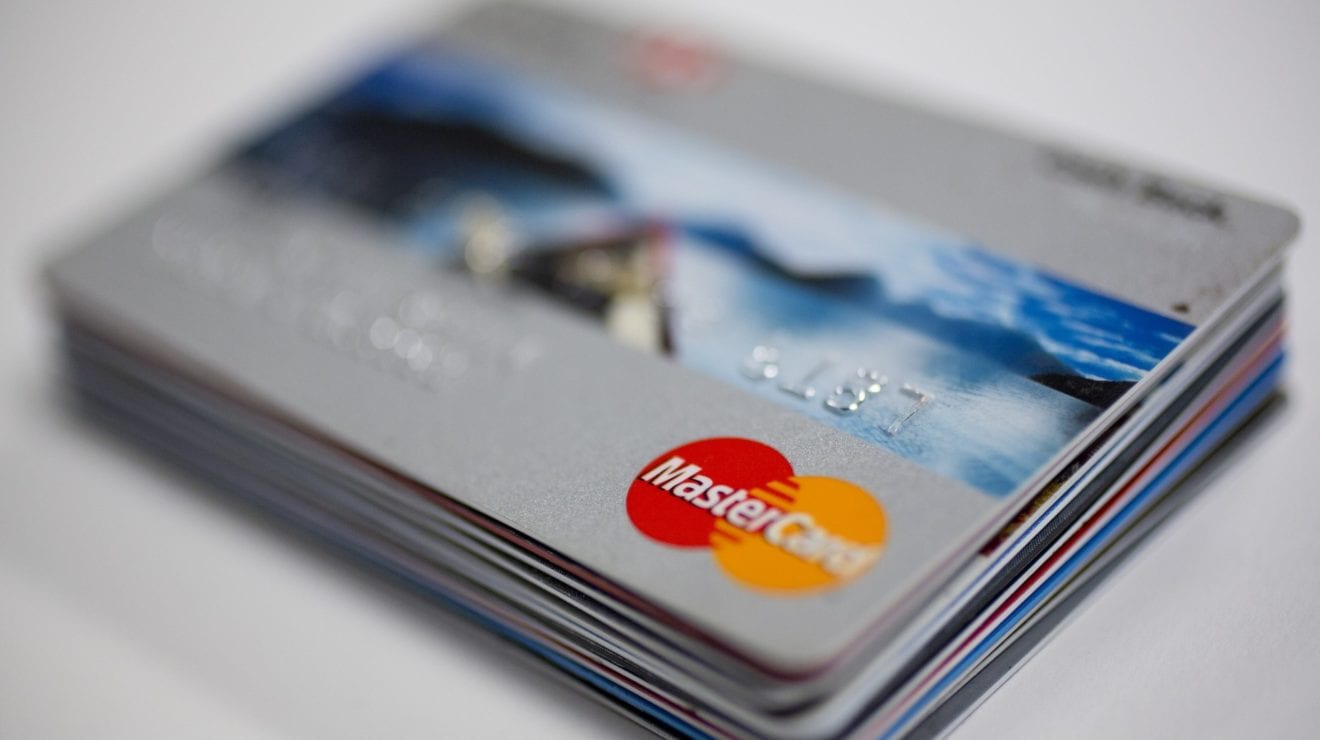
    Mastercard has launched a new campaign aimed at making travel across Southeast Asia more seamless and rewarding for consumers. The initiative, named “Phone. Passport. Mastercard”, primarily focuses on improving the payment experience for travelers journeying through Indonesia, Malaysia, Singapore, Thailand, the Philippines, and Vietnam. Developed in conjunction with issuing banks and merchant partners, the program provides access to over 300 promotions that cover dining, shopping, accommodation, transport, and leisure activities throughout the region.

    Enhancing Travel with Seamless Payments

    At the heart of the campaign is Mastercard’s effort to streamline the travel experience with digital payment solutions. The company is positioning its payment network as an essential tool for travelers along with their smartphones and passports. Whether it’s for transport, accommodation, or dining, travelers can access offers while depending on Mastercard’s secure payment infrastructure, which leverages technologies such as tokenisation, multi-factor authentication, and fraud monitoring for secure cross-border transactions. The initiative is aimed at reducing friction during travel and allowing consumers to focus on their experiences rather than worrying about payment logistics.

    Boosting Regional Businesses

    The campaign also seeks to aid regional merchants and tourism-related businesses by connecting them with consumers traveling along Southeast Asia’s busiest routes. According to Dheeraj Raina, Senior Vice President and Head of Integrated Marketing and Communications for Southeast Asia at Mastercard, “Southeast Asia is one of the most rewarding regions in the world to explore today – rich in culture, nature, food, and unforgettable experiences, often just a short trip away.” The campaign aspires to make travel across the region more accessible while encouraging consumers to discover local businesses and experiences.

    As Southeast Asia continues to reap the benefits of robust tourism flows, improved air connectivity, and growing demand for regional leisure travel, Mastercard’s campaign aims to position itself at the heart of the travel payment journey. The initiative will run until December 2026, reinforcing Mastercard’s strategy of integrating payment services more closely with consumer lifestyle and travel experiences.

    Questions & Answers

    What is the goal of Mastercard’s new campaign?
    The goal is to make travel across Southeast Asia more seamless and rewarding by streamlining the payment experience for travelers and providing them access to various promotions.

    How does the campaign benefit regional businesses?
    The campaign aims to aid regional merchants and tourism-related businesses by connecting them with consumers traveling along Southeast Asia’s busiest routes, potentially driving more business to these establishments.

    Until when is the campaign expected to run?
    The campaign is expected to run until December 2026.

  • Palace Streetwear Breaks Into Mainland China with a Stylish Shanghai Store Debut

    Palace Streetwear Breaks Into Mainland China with a Stylish Shanghai Store Debut

    British streetwear brand, Palace, is set to inaugurate its first independent retail store in Mainland China, within the historic district of Zhangyuan in Shanghai.

    The store, which opens its doors to the public this Friday, draws inspiration from the traditional elements of Yuyuan Garden. It incorporates features reminiscent of the garden’s ponds, pavilions, and meandering paths. In an effort to maintain the authenticity and historic charm of the locale, the original facade of the garden has been preserved. The store’s entrance is marked by Palace’s iconic, mirrored tri-ferg logo suspended above it. The logo, a creation of Fergus Purcell, takes its cues from the Penrose Triangle, a work of Swedish artist Oscar Reutersvärd. The logo’s placement creates an illusion of angling downward from the building’s roofline.

    A Timely Debut

    Gareth Skewis, the founder of Palace, expressed that his frequent visits to China over the past two decades gave him the conviction that the time was right for the brand to make its debut in Mainland China. Skewis pointed out that the present cultural milieu, particularly the state of skateboarding and the contemporary youth culture in China, factored into his decision.

    The interior of the store is a showcase of architectural elegance with limestone and stone tile finishes. It also flaunts LED columns and accents of gold and red, a nod to traditional Chinese rituals. The store’s design incorporates a pavilion-like structure at its heart, thus extending the garden concept throughout the space.

    A Special Collection Launch

    To celebrate the store’s grand opening, Palace will introduce a Shanghai-exclusive capsule collection. The collection includes an array of items such as biker jackets, sports jerseys, hoodies, T-shirts, and accessories. The products are branded with a playful ‘Shang-Hi’ logo and a waving hand motif.

    Questions & Answers

    Where is Palace’s first independent store in Mainland China located?
    The store is located in the historic district of Zhangyuan in Shanghai.

    What is the design concept of the store?
    The store’s design draws inspiration from the traditional elements of Yuyuan Garden, with features reminiscent of the garden’s ponds, pavilions, and meandering paths integrated into the store’s layout.

    What special launch is coinciding with the store’s opening?
    To mark the store’s opening, Palace will introduce a Shanghai-exclusive capsule collection, featuring items like biker jackets, sports jerseys, hoodies, T-shirts, and accessories branded with a ‘Shang-Hi’ logo and a waving hand motif.

  • Miniso Introduces Global IP Strategy with Revolutionary Art Gallery in Shanghai

    Miniso Introduces Global IP Strategy with Revolutionary Art Gallery in Shanghai

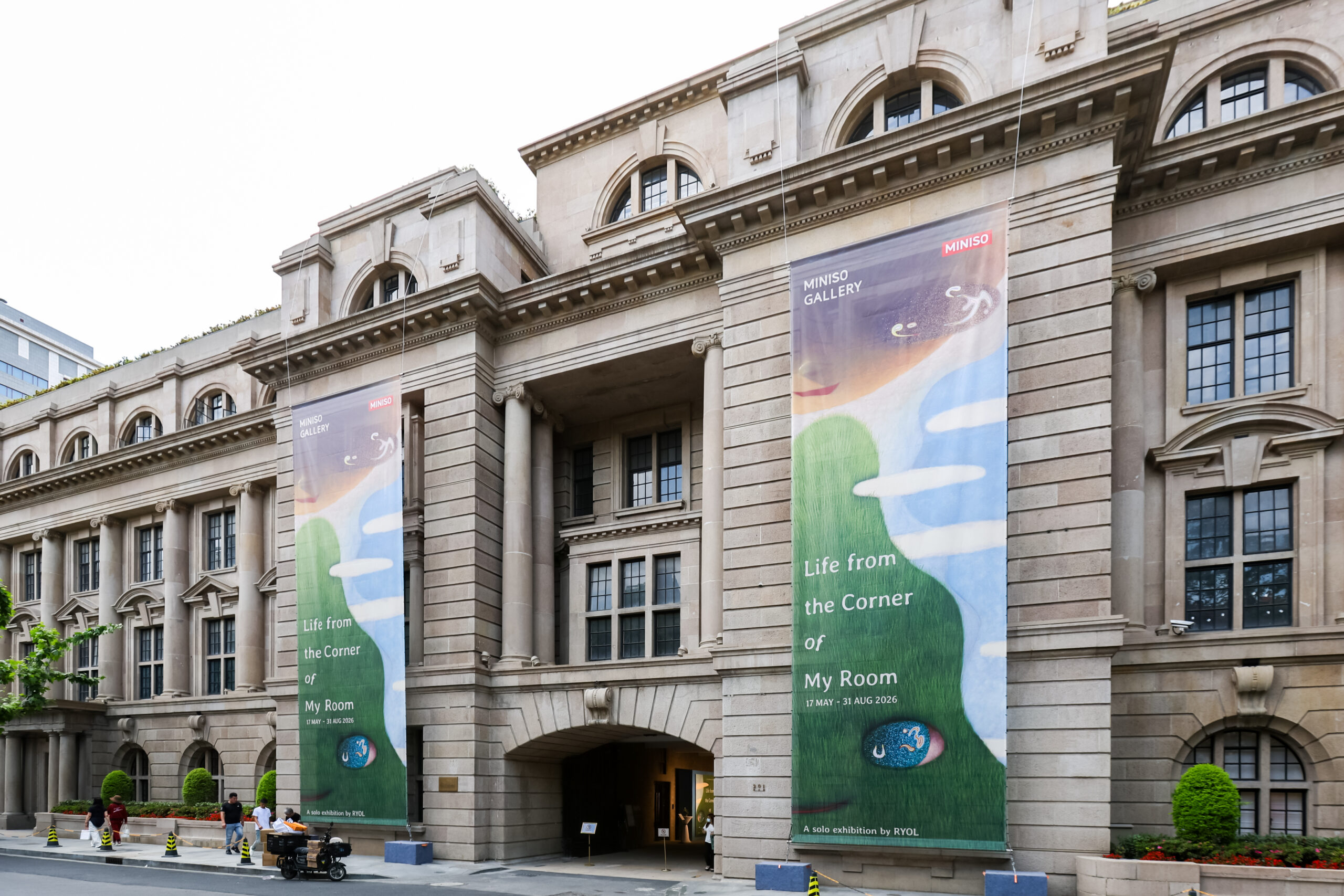
    Miniso, the prominent variety retailer, is intensifying its global Intellectual Property (IP) efforts with the inauguration of the first-ever Miniso Gallery in Shanghai.

    The new gallery, located in the Bund City Hall Plaza, is primarily designed as a specialized exhibition space and a platform for collaboration. It will feature the works of global artists and IP-centric creative projects. This innovative initiative redefines the role of the gallery from being a mere exhibition space to a hub promoting international artistic collaborations.

    The gallery’s inaugural exhibition showcased the work of Indonesian contemporary artist Ryo Laksamana, also known by the pseudonym Ryol. Ryol has the distinction of being Miniso’s first global exclusive artist.

    The strategic location of the gallery in Shanghai furthers the establishment’s retail experience ecosystem. The gallery is within a short stroll from Miniso Land, the company’s flagship concept. This positioning further amplifies the breadth and depth of Miniso’s commitment to delivering a wholesome and enriching customer experience.

    Miniso’s founder and CEO, Ye Guofu, emphasized the gallery’s role as more than just an exhibition space. Guofu highlighted the gallery’s mission of providing burgeoning artists with a platform to reach global audiences. He stated, “Drawing from our knowledge and experience in introducing global IP to consumers, our goal is to form connections between creators worldwide. We aim to enable more original and engaging works to be seen, appreciated, and profitably marketed.”

    Looking forward, Miniso intends to extend the reach of its gallery to more significant art centers worldwide, including Shanghai, Hong Kong, Beijing, Tokyo, Paris, and New York.

    Currently, Miniso operates over 8000 stores in 100 countries and regions. The retailer’s presence is notable in major retail hubs, underscoring its global reach and influence.

    Questions & Answers

    What is the purpose of the newly launched Miniso Gallery?
    The Miniso Gallery is designed as a dedicated exhibition space and a platform for collaboration, aiming to feature the works of global artists and IP-centric creative projects.

    Who is the first artist to be featured in the Miniso Gallery?
    The inaugural exhibition of Miniso Gallery showcased the work of Indonesian contemporary artist Ryo Laksamana, also known as Ryol, who is Miniso’s first global exclusive artist.

    What are Miniso’s expansion plans for the Miniso Gallery?
    Miniso plans to extend the reach of its gallery to more significant art centers worldwide, such as Shanghai, Hong Kong, Beijing, Tokyo, Paris, and New York.

  • UOB Private Bank Intensifies Greater China Expansion with Appointment of New Market Head

    UOB Private Bank Intensifies Greater China Expansion with Appointment of New Market Head

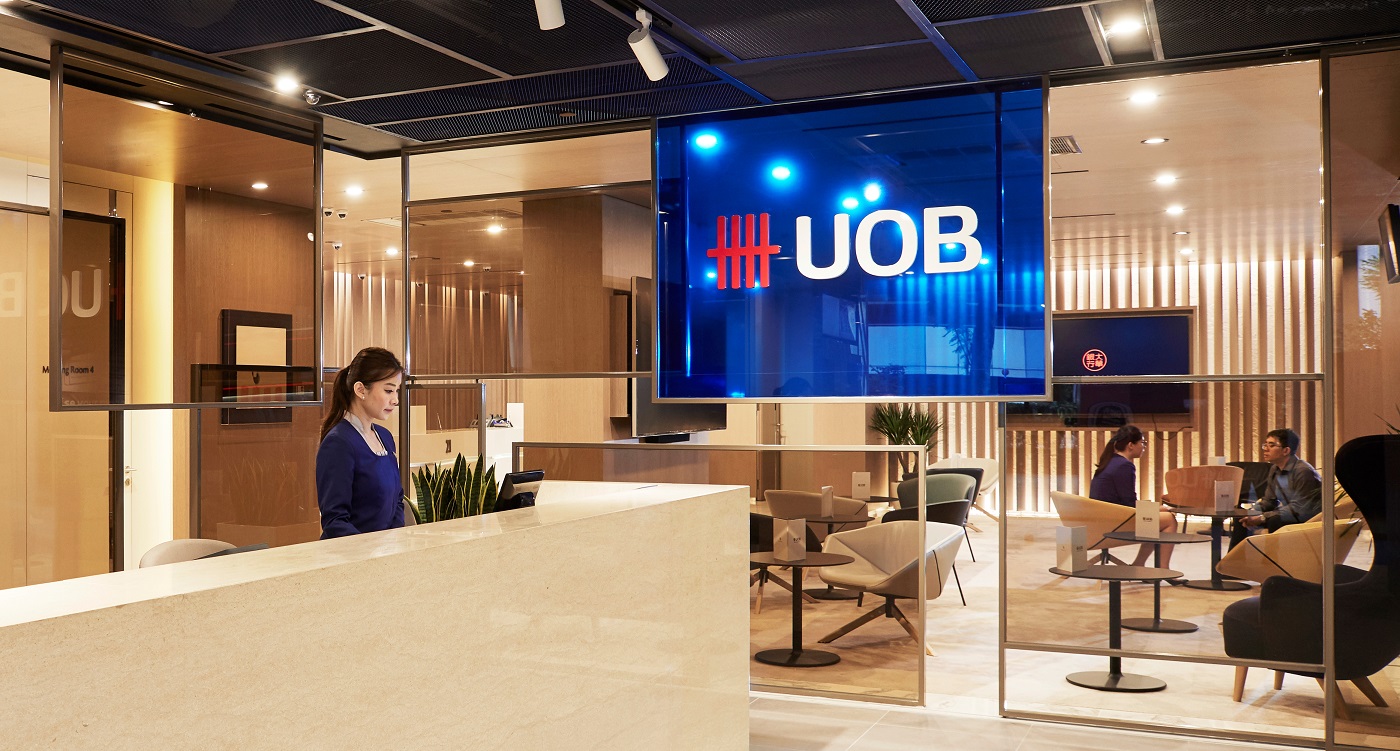
    United Overseas Bank (UOB) Private Bank has announced the appointment of seasoned banker Paul Zhou as the Market Head for Greater China. This strategic move is aimed at accelerating the bank’s expansion plans in one of Asia’s most fiercely contested wealth management markets.

    Effective from May 11, 2026, Zhou will spearhead the growth and strategic planning of UOB Private Bank’s Greater China business, according to a company statement released on Monday.

    Decades of Experience in Private Banking

    Zhou brings to the table over two decades of robust experience in private banking, wealth management, and sales leadership. Prior to this appointment, Zhou was part of UOB China, where he has been serving as the Head of Sales and Distribution since 2018.

    In his previous role, Zhou led the bank’s wealth management and secured lending sales teams, as well as the specialist investment and insurance divisions. His dynamic leadership was instrumental in expanding the bank’s customer base, increasing assets under management and deposits while ensuring strict adherence to governance and compliance standards.

    Before joining UOB China, Zhou held key leadership roles at Ping An Trust and Citibank. He managed private banking teams and directed investment and sales strategies across multiple major Chinese cities. In the early stages of his career, he worked at The Bank of Tokyo-Mitsubishi and HSBC, gaining expertise in investment advisory, wealth management, and cross-border banking solutions.

    Zhou holds an undergraduate degree in Finance and Banking from the Finance and Banking Institution of China in Beijing.

    A Strategy to Reinforce Greater China Franchise

    Zhou’s appointment forms part of a wider strategy by UOB Private Bank to fortify its Greater China franchise. The bank has announced plans to hire a number of seasoned relationship managers and team leads in May and June. This initiative is aimed at enhancing client engagement and supporting the growth of the business in the region.

    The planned expansion underscores the continued competition among local and global banks to tap into the growing wealth creation opportunities in Greater China, despite the ongoing economic uncertainties and unpredictable market volatility.

    Questions & Answers

    Who has UOB Private Bank appointed as the Market Head for Greater China?
    Paul Zhou, a veteran banker with over two decades of experience in private banking, wealth management, and sales leadership.

    What is the strategic objective behind this appointment?
    The appointment aims to accelerate UOB Private Bank’s expansion strategy in Greater China, one of Asia’s most competitive wealth management markets.

    What plans does UOB Private Bank have to fortify its Greater China franchise?
    UOB Private Bank plans to recruit several experienced relationship managers and team leaders over May and June to further enhance client engagement and support business growth in the region.

  • Tops Revolutionizes Thai Beauty Market with Standalone Looks Store Launch

    Tops Revolutionizes Thai Beauty Market with Standalone Looks Store Launch

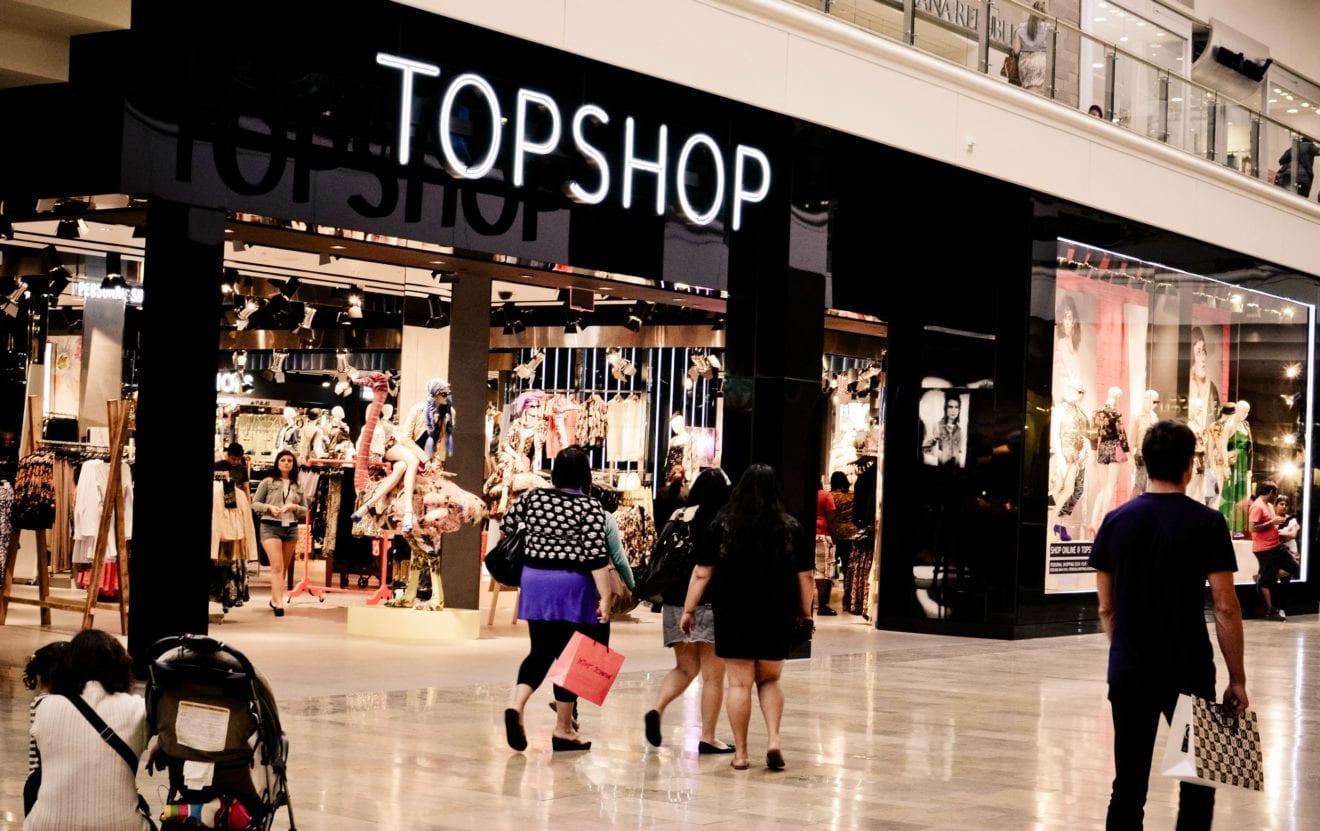
    Tops, a leading retail brand owned by Central Retail, is expanding its influence in Thailand’s thriving beauty sector by introducing an independent Looks store concept.

    The initial independent Looks store will be inaugurated on May 20th at Robinson Lifestyle Srisamarn, underlining a significant shift in strategy for the wellness and beauty brand as it ventures into dedicated specialty retail.

    This expansion is part of a broader, long-term growth plan for the brand. The company has ambitions to increase the presence of Looks to 100 locations across various formats over the next seven years.

    Historically, Looks has operated mostly as beauty sections within Tops supermarkets. However, the brand’s new direction aims to appeal to the emerging ‘new-gen’ market and the progressively expanding masstige segments.

    The independent store concept is set to offer an impressive range of over 5,000 SKUs, encompassing skincare, makeup, and inner wellness products. Approximately 15% of the stock will consist of exclusive items that will only be available in Looks stores.

    In addition to the diverse range of products, the store will also host a ‘Solution Bar.’ This feature will offer customers personalized recommendations and consultations from beauty specialists at Looks.

    Despite the implementation of the standalone model, the brand will continue to uphold its strong omnichannel presence. This includes maintaining the 105 dedicated Looks zones in Tops stores and the 17 Tops Daily branches throughout the country.

    Questions & Answers

    What is the new strategic direction for the Looks brand?
    With the launch of an independent store concept, Looks is expanding from simply being beauty zones within Tops supermarkets to becoming a standalone specialty retail brand.

    What unique features will the standalone Looks store offer to customers?
    The store will offer a wide range of over 5,000 products across skincare, makeup, and inner wellness. It will also provide exclusive products unavailable elsewhere. Additionally, customers will benefit from personalized advice and recommendations at the in-store ‘Solution Bar.’

    Will the brand maintain its presence within Tops supermarkets despite the new direction?
    Yes, despite the launch of the standalone stores, Looks will continue to operate its dedicated sections within Tops supermarkets and Tops Daily branches nationwide.

  • Singapore Retail Sales Soar in March with Robust Online Presence and Recreational Goods Demand

    Singapore Retail Sales Soar in March with Robust Online Presence and Recreational Goods Demand

    The retail sector in Singapore experienced further growth in March, building on the momentum gained in February. The Department of Statistics reports a 3.3% year-on-year increase in retail sales for March, not counting motor vehicles, parts, and accessories. This follows a significant 11.3% surge in February.

    The estimated total value of retail sales for the period was SG$3.8 billion (US$2.98 billion), with nearly a fifth (18.9%) coming from online sales. On a seasonally adjusted basis, retail sales also saw a 3.3% increase in March compared to the preceding month.

    Performance Across Various Sectors

    The growth in March was broad-based, with most sectors recording year-on-year sales growth. Recreational goods led the way with a 13.1% increase, followed by computer and telecommunications equipment, which saw an 11.9% boost, partly attributed to higher mobile phone sales.

    Other sectors that experienced single-digit growth include watches and jewelry, apparel and footwear, cosmetics and medical goods, supermarkets, and convenience stores.

    However, not all sectors fared well. Sales of food and alcohol saw a 6% drop, department stores reported a 5.7% decrease, and furniture and household equipment sales fell by 1.9%.

    Meanwhile, food and beverage services noted a 2.3% rise in sales during March, sustaining the upward trend seen in February.

    Questions & Answers

    What was the overall retail sales growth in Singapore in March?
    The overall retail sales in Singapore grew by 3.3% year-on-year in March.

    Which sectors recorded the highest sales growth in March?
    Recreational goods and computer and telecommunications equipment sectors recorded the highest sales growth in March, with an increase of 13.1% and 11.9% respectively.

    Did all sectors experience growth in March?
    No, sales in the food and alcohol, department store, and furniture and household equipment sectors experienced declines in March.

  • Revitalized Toys R Us Hong Kong Celebrates 40 Years with Fresh Experiential Zones and Exclusive Brands

    Revitalized Toys R Us Hong Kong Celebrates 40 Years with Fresh Experiential Zones and Exclusive Brands

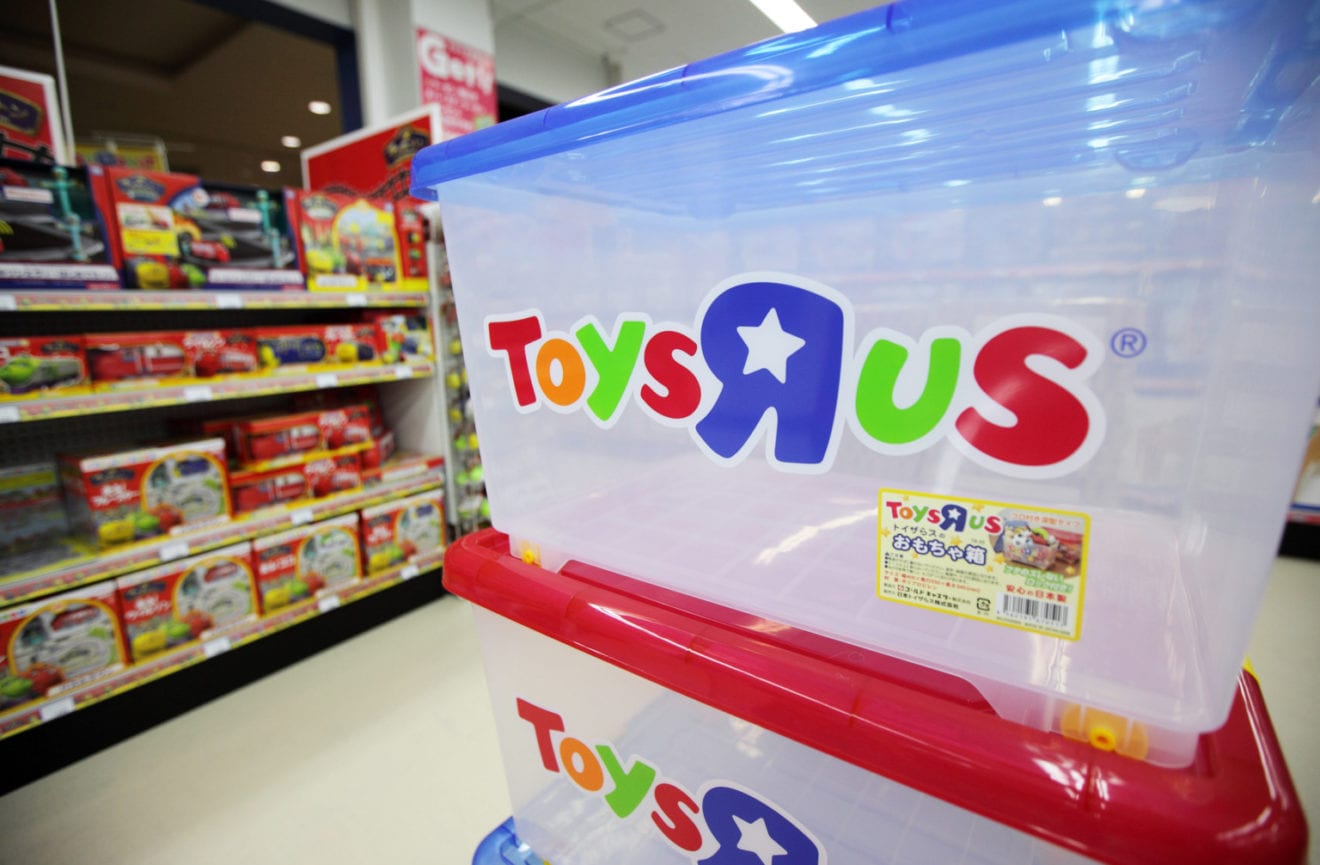
    To commemorate its 40th anniversary in Hong Kong, Toys R Us Asia has unveiled a transformed version of its flagship store in the Ocean Terminal, Tsim Sha Tsui. The store originally opened in 1986 and has been revamped to feature nine new in-store themed concepts and interactive zones.

    Store-in-Store Concepts and Themed Zones

    The remodelled flagship store now showcases dedicated branded areas for popular franchises such as Pokémon, Tomica, Bandai, Lego, Nintendo, Sanrio, Sylvanian Families, Transformers, and VTech. This development includes the introduction of several concepts to the Hong Kong market for the first time. These new features include an integrated Pokémon Play Lab and a Tomica Brand Store, which boasts a collection of over 2,000 die-cast models.

    The CEO of Toys R Us Asia, Leo Tsoi, shared his insights on the upgrade. He said, “Toys R Us is in tune with the increased demand for pop culture and emotionally resonant items from children, Gen Z, and ‘Kidults’. We are committed to introducing animation IPs, collaborative merchandise, and proprietary products. Our aim is to craft more meaningful play and collectible experiences tailored for consumers in Hong Kong and across Asia.”

    Additional Features

    As well as the branded areas, the flagship store also features a Nintendo gaming trial zone, a Sanrio-themed retail space, and a play area for VTech and LeapFrog designed for parent-child interaction. The store creatively incorporates themed zones that reflect local culture and current trends.

    With more than 450 stores across 10 markets, Toys R Us Asia’s focus is on integrating retail with interactive and experiential elements. The revamped Hong Kong flagship store exemplifies this approach. It also exemplifies Toys R Us Asia’s strategic move to expand its appeal beyond children, reaching out to adult collectors and a broader segment of consumers.

    Questions & Answers

    What significant changes have been made to the flagship Toys R Us store in Hong Kong?
    The store has been upgraded to include nine new in-store themed concepts and interactive zones. It also features an integrated Pokémon Play Lab and a Tomica Brand Store, which are first-time additions to the Hong Kong market.

    What is the strategic focus of Toys R Us Asia?
    Toys R Us Asia is focused on integrating retail with interactive and experiential elements. They also aim to broaden their appeal beyond children to include adult collectors and a wider consumer market.

    Who are the target consumers for the revamped Toys R Us store?
    The revamped store targets not only children but also Gen Z and ‘Kidults’ – adults who have an affinity for items traditionally aimed at children. The store also seeks to provide experiences tailored to the specific needs of consumers in Hong Kong and across Asia.

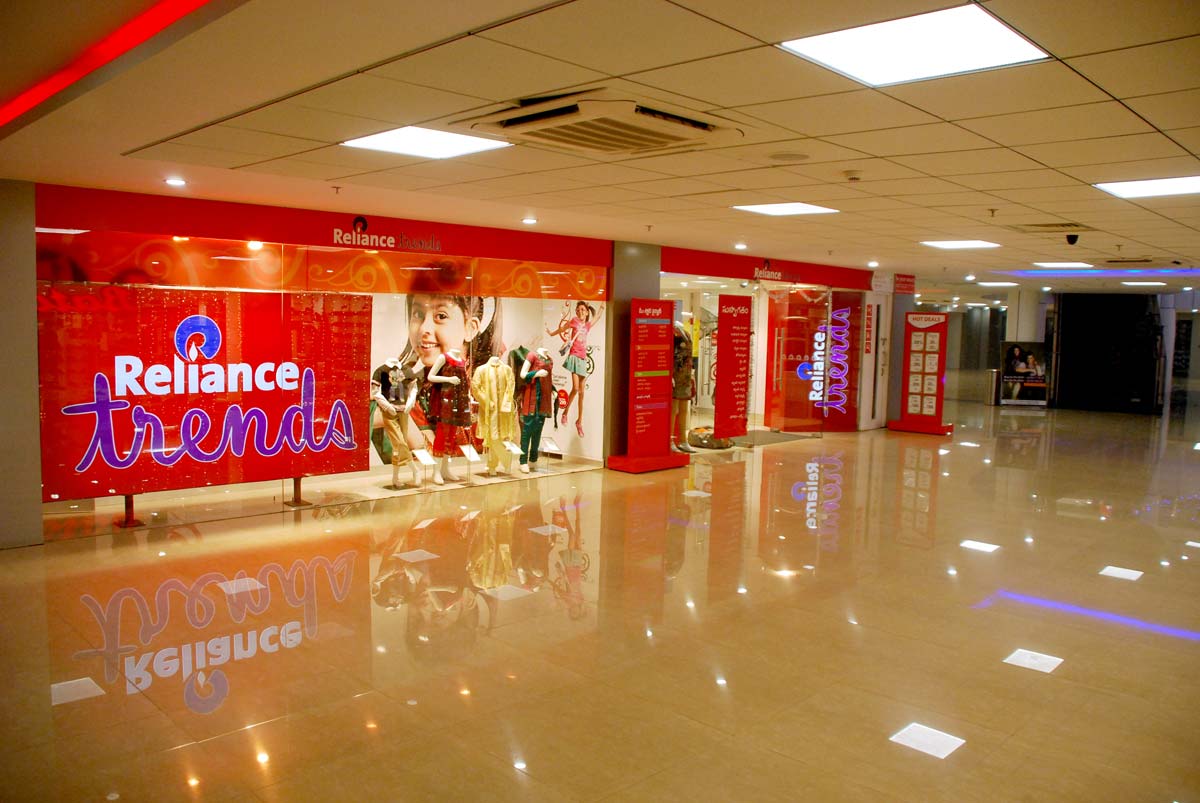
  • Reliance Retail Ups Beauty Game with Acquisition of Priyanka Chopra Jonas’s Anomaly

    Reliance Retail Ups Beauty Game with Acquisition of Priyanka Chopra Jonas’s Anomaly

    Reliance Retail, the premier retailer in India, has recently added the Anomaly haircare brand, owned by globally renowned actor Priyanka Chopra Jonas, to its portfolio.

    Strategic Acquisition of Anomaly

    Anomaly was established by Chopra Jonas in 2021. It offers a range of affordable vegan haircare products that are sold globally. The brand was acquired from Maesa, a U.S.-based beauty company. The acquisition marks a strategic move for Reliance Retail as it continues to diversify its range of offerings with cutting-edge, fast-growing beauty brands.

    Isha Ambani, Executive Director at Reliance Retail Ventures, commented on the acquisition. She stated that Anomaly’s powerful global presence, commitment to clean formulation, and affordable pricing make it a valuable addition to the company’s ecosystem. Ambani sees substantial potential for growth in a collaborative effort with Chopra Jonas, aiming to expand Anomaly’s market in India by capitalizing on Reliance Retail’s omnichannel capabilities and deep consumer insight, while also increasing the brand’s international footprint.

    Plans for Expansion

    Reliance Retail intends to concentrate on expanding Anomaly’s presence in India. The company will also work towards increasing the brand’s market in North America, the United Kingdom, and the Middle East.

    Chopra Jonas expressed her excitement about the new journey Anomaly embarks on following the acquisition by Reliance Retail. She remarked that what started as a deeply personal endeavor has now evolved into a brand with a significant purpose and global ambitions.

    Questions & Answers

    What is Anomaly and who owns it?
    Anomaly is a vegan haircare brand that was founded in 2021 by the world-renowned actor Priyanka Chopra Jonas.

    Who acquired Anomaly?
    Anomaly was recently acquired by Reliance Retail, the largest retailer in India.

    What are Reliance Retail’s plans for Anomaly?
    Reliance Retail plans to expand Anomaly’s presence in India using its omnichannel capabilities and deep consumer insights. It also aims to increase the brand’s market in North America, the United Kingdom, and the Middle East.

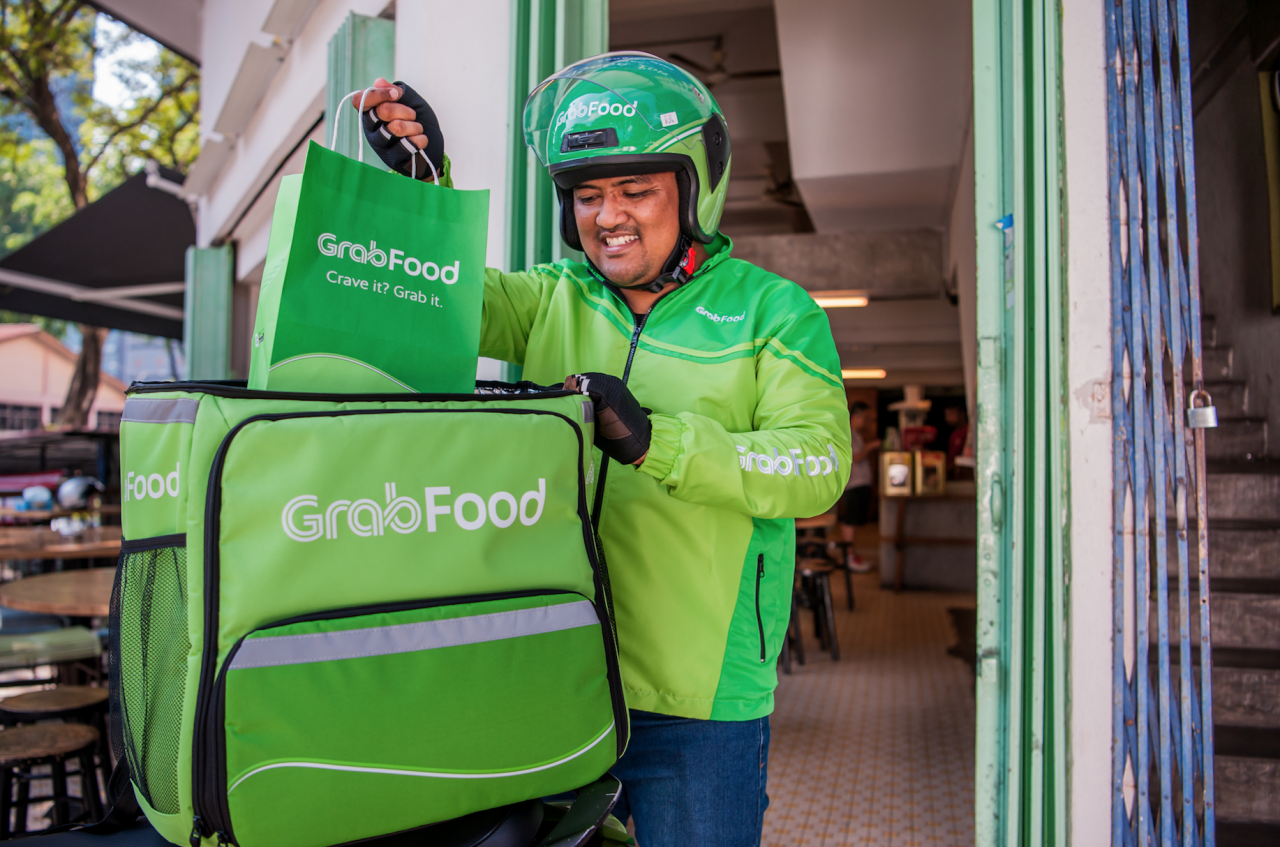
  • Grab Defies Fuel Crisis with Double-Digit Growth: Record Earnings and Soaring Demand in Q1

    Grab Defies Fuel Crisis with Double-Digit Growth: Record Earnings and Soaring Demand in Q1

    Singapore-based Grab Holdings kicked off the new financial year on a high note, reporting double-digit growth in its first-quarter revenue and earnings, reflecting the company’s robust resilience in the face of market fluctuations.

    Impressive First-Quarter Results

    Grab’s revenue for the first quarter, ending March 31, climbed by 24%, amounting to US$955 million. This represents a 19% increase when considered on a constant currency basis.

    The gross value of the company’s on-demand merchandise, a key indicator of transactions from Grab’s mobility and delivery branches, also witnessed a significant jump. It surged by 24% according to reported figures and 21% on a constant currency basis.

    The firm recorded a striking 46% increase in its Adjusted EBITDA, reaching a record-setting figure of $154 million. Profits also displayed an upward trend, going from $10 million in the previous year to $120 million.

    Grab’s Group CEO and Co-founder, Anthony Tan, attributed these strong outcomes to the resilience of the company’s platform, particularly in the face of Southeast Asia’s unpredictable macroeconomic climate, which is currently grappling with a fuel crisis.

    Supporting Driver-Partners Amid Rising Fuel Prices

    Grab acknowledged an increase in its on-demand incentives during the quarter. This move was taken to bolster the earnings of driver-partners as fuel costs across the region spiral upwards. It also aimed to cater to the increased demand during the festive season.

    Segment-Wise Performance

    Looking at the performance of different sectors, the delivery revenue witnessed a 23% surge, totaling $510 million. The mobility revenue increased by 19%, amounting to $337 million. The financial services sector also saw a boost in revenue, with a 43% rise that led to $107 million.

    Outlook for the Full Year

    For the upcoming year, Grab maintains its revenue forecast, predicting a figure between $4.04 billion and $4.10 billion, indicating a 20-22% rise. The Adjusted EBITDA is also expected to grow by 40-44%.

    As the company moves forward, it reaffirms its commitment to ensuring durable, profitable growth while standing in solidarity with its communities. According to Tan, the company plans to leverage AI to deliver hyper-personalized experiences for users while creating more sustainable earning opportunities for ecosystem partners.

    Expansion Beyond Southeast Asia

    Earlier this year, Grab made its debut outside Southeast Asia by acquiring Delivery Hero’s Foodpanda business in Taiwan for $600 million.

    Questions & Answers

    What was Grab’s first-quarter revenue?
    Grab’s revenue for the first quarter was US$955 million, representing a 24% increase.

    What steps has Grab taken to support its driver-partners amid the fuel crisis?
    Grab has increased its on-demand incentives to bolster the earnings of driver-partners affected by rising fuel costs.

    What are Grab’s revenue predictions for the upcoming year?
    Grab estimates its revenue to be between $4.04 billion and $4.10 billion, indicating a 20-22% rise.

  • PepsiCo NZ Revolutionizes Snack Game with Mini Canisters and Bluebird Crackers: Trustworthy Brands in Exciting New Formats

    PepsiCo NZ Revolutionizes Snack Game with Mini Canisters and Bluebird Crackers: Trustworthy Brands in Exciting New Formats

    PepsiCo New Zealand has announced the addition of two innovative product offerings to its popular snack portfolio. The new product lines include Bluebird-branded crackers and a ‘Mini Canister’ range, marking a significant shift in the company’s strategy as they move their existing flavour profiles across varied food categories and packaging formats.

    Product Rollout

    The new additions consist of two distinctive formats: Mini Canisters priced at an RRP of NZ$4.99 and Bluebird Crackers at an RRP of $3.79. The Mini Canisters comprise smaller versions of fan-favourite snacks such as Doritos Cheese Supreme, Grain Waves Sour Cream & Chives, and Cheetos Cheese & Bacon, all conveniently packaged in portable containers.

    On the other hand, the Bluebird Crackers consist of oven-baked biscuits. They’ve been designed to incorporate flavours previously unique to the company’s potato chip range. These flavours include Cheddar Cheese, Salt & Vinegar, Sour Cream & Chives, and Crispy Chicken.

    Both the Mini Canister and Bluebird Cracker ranges will be made available throughout major supermarkets across the country, offering consumers wide access to these new snack options.

    Meeting Consumer Needs

    Lee Kent, GM of NZ Foods at PepsiCo, shared insights about the new product launches. According to Kent, the company’s latest offerings reflect the preferences of Kiwi consumers who value choice, convenience, and the trust they place in familiar brands that continue to innovate.

    Kent further expressed PepsiCo’s commitment to growing its snack category through these new products. The ultimate goal, he shared, is to continue introducing fresh, relevant innovations that meet and exceed consumer needs and expectations.

    Questions & Answers

    What are the new product lines PepsiCo New Zealand has introduced?
    PepsiCo New Zealand has launched two new product lines – Bluebird-branded crackers and a ‘Mini Canister’ range.

    What does this expansion indicate for the company?
    This expansion marks a shift in the company’s strategy as they move their existing flavour profiles across different food categories and packaging formats.

    Where will the new snack ranges be available?
    Both the Mini Canister and Bluebird Cracker ranges will be distributed through major supermarkets nationwide.

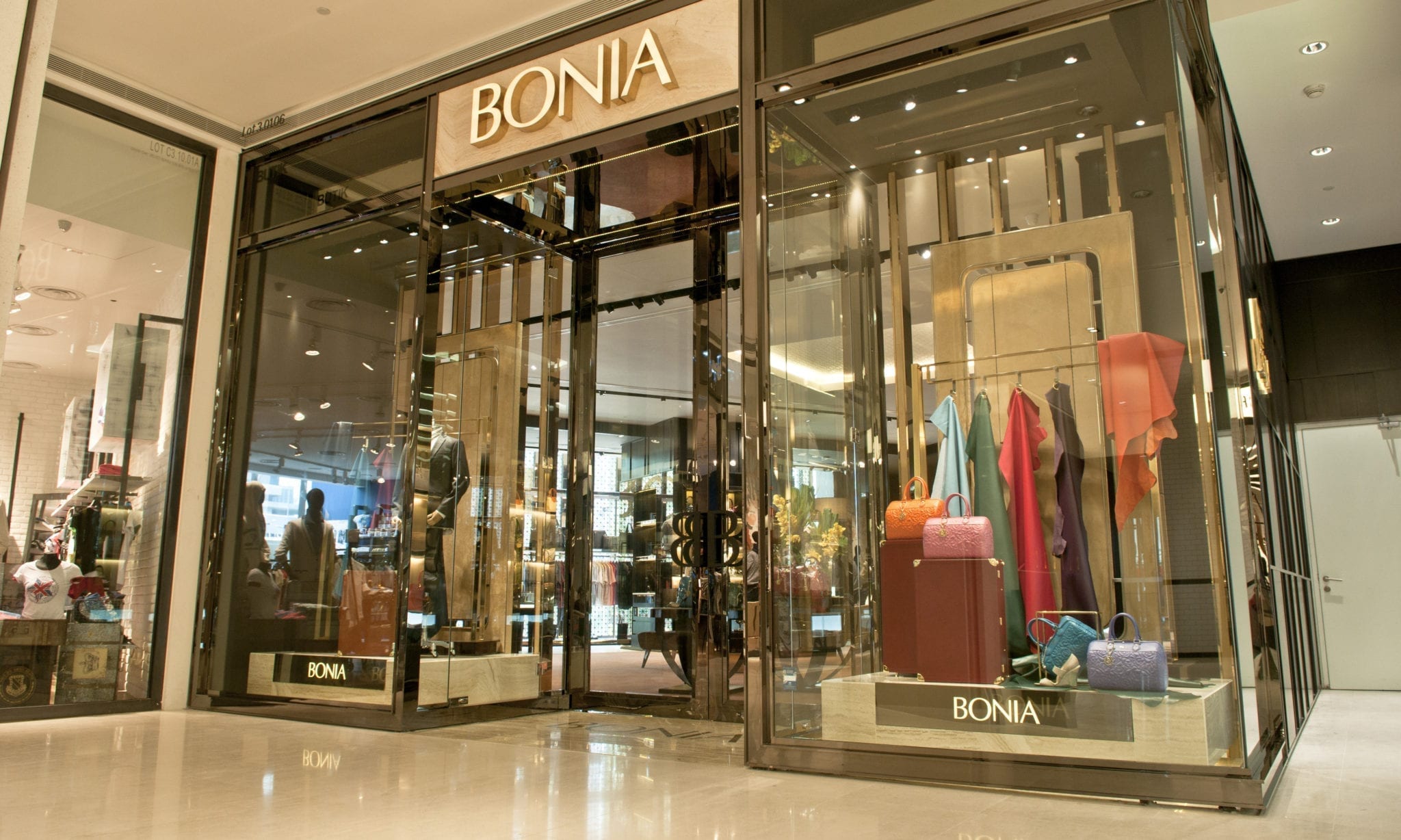
  • Bonia Transforms Shopping Experience with Innovative Store Design in Kuala Lumpur

    Bonia Transforms Shopping Experience with Innovative Store Design in Kuala Lumpur

    Malaysia’s lifestyle brand Bonia has launched a flagship store in Kuala Lumpur, revealing a unique retail concept that combines customer engagement and innovative spatial design.

    Exterior and Interior Design

    The new store boasts a colonnade-style exterior adorned with red brick tiles, reminiscent of traditional street architecture. Inside, the space showcases a layout composed of four interconnected rooms, each revolving around a major display area. This design offers a more immersive and easily navigable shopping experience to the customers.

    Distinct Functional Spaces

    Each room within the store is assigned a unique function. Some of the areas draw inspiration from different environments, such as a library, dressing room, and lounge. The transition between these distinct spaces is marked by varying color schemes, including hues of red, orange, and terracotta.

    A New Retail Concept

    Bonia’s concept aims to make the retail environment more interactive. This is achieved by merging product presentations with flexible design elements. The brand’s focus on creating a dynamic and engaging retail experience is clearly reflected in this innovative approach.

    The opening of the Kuala Lumpur store comes in the wake of Bonia’s international expansions, notably in Vietnam. However, the company had to withdraw a joint venture in the country earlier, following a provision for losses amounting to US$1.3 million.

    Questions & Answers

    What is the unique concept of Bonia’s new store in Kuala Lumpur?
    The store integrates customer engagement with innovative spatial design, creating a dynamic and immersive shopping experience.

    How is the interior of the Bonia store structured?
    The store’s interior comprises four interconnected rooms, each assigned a unique function and theme. The rooms are designed to resemble a library, dressing room, and lounge, among others.

    What led to Bonia’s earlier withdrawal from a joint venture in Vietnam?
    Bonia had to exit a joint venture in Vietnam due to a provision for losses which amounted to US$1.3 million.

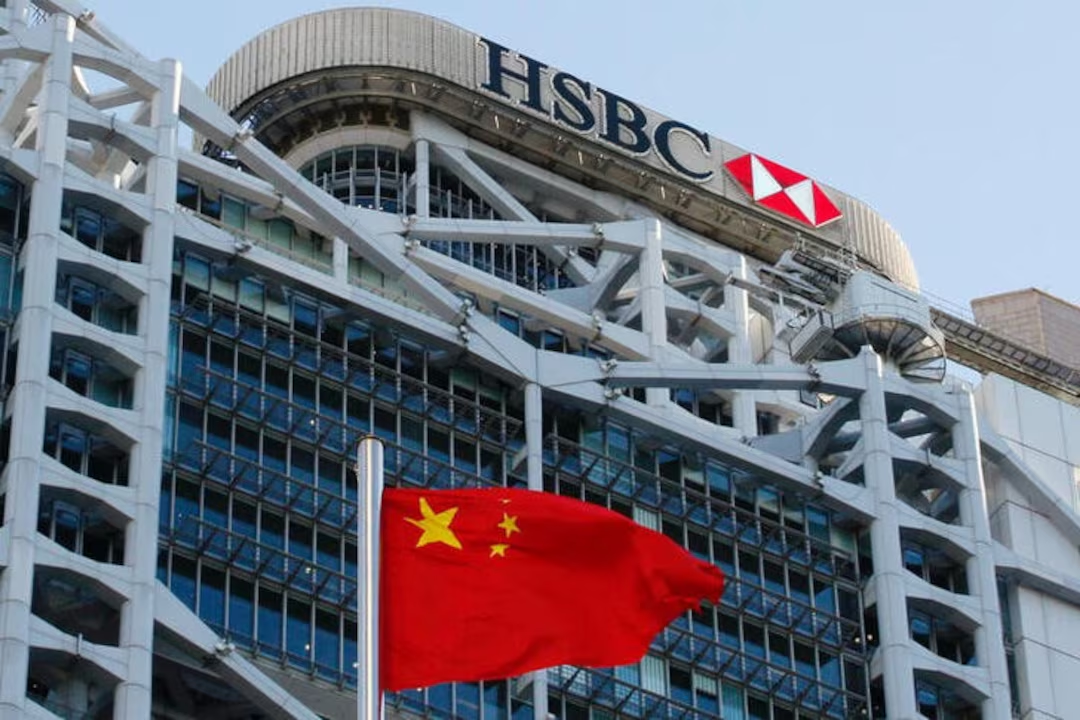
  • HSBC Breaks New Ground with Hong Kong’s First Bank-Issued Stablecoin

    HSBC Breaks New Ground with Hong Kong’s First Bank-Issued Stablecoin

    The Hongkong and Shanghai Banking Corporation Limited, a subsidiary of HSBC, has been granted a license to issue stablecoins by the Hong Kong Monetary Authority (HKMA), marking a significant foray into the regulated digital asset space. The bank intends to introduce a Hong Kong dollar-denominated stablecoin by the latter half of 2026, becoming one of the first major global lenders to issue a regulated digital currency for retail use within the city.

    Fully Backed, Regulated Digital Currency

    HSBC has revealed that each unit of the upcoming stablecoin will be fully backed by high-quality liquid assets stored in segregated accounts. This structure is designed to preserve price stability and guarantee redemption at par value. Notably, the bank has emphasized its commitment to rigorous financial crime compliance standards, in line with regulators’ increased focus on security and transparency in digital assets. This development comes amidst Hong Kong’s efforts to fast-track its position as a premier hub for digital finance. This is apparent in the HKMA’s regulatory framework, geared towards legitimizing stablecoins while simultaneously mitigating systemic risks.

    Integration Into Everyday Banking

    HSBC’s stablecoin will be directly incorporated into two of their most popular platforms: PayMe, the bank’s widely-used peer-to-peer payment application, and the HSBC Hong Kong mobile banking application. This move indicates a strategic push towards integrating digital assets into mainstream financial activities, opposed to treating them as niche investment products. PayMe currently boasts over 3.3 million users, while active users on the HSBC HK App have risen by 20% year-on-year, following a recent redesign.

    Questions & Answers

    What is the purpose of the stablecoin that HSBC plans to issue?
    The objective of the stablecoin is to integrate digital assets into mainstream financial activities. This will be achieved by incorporating the stablecoin into HSBC’s most popular platforms, PayMe and the HSBC Hong Kong mobile banking application.

    How will the HSBC stablecoin maintain its value?
    Each unit of the stablecoin will be fully backed by high-quality liquid assets held in segregated accounts. This structure is designed to maintain price stability and ensure redemption at par value.

    How is HSBC’s move to issue a stablecoin significant?
    HSBC’s move to issue a stablecoin marks a significant step into the regulated digital asset space. It positions the bank as one of the first major global lenders to issue a regulated digital currency for retail use, signifying a strategic shift in the financial industry towards digital finance.

  • Chinese Dining Chains Spice Up South Korea’s Restaurant Scene with Explosive Growth

    Chinese Dining Chains Spice Up South Korea’s Restaurant Scene with Explosive Growth

    Chinese restaurant chains are accelerating their growth in South Korea, capturing customers in the major tourist regions of Seoul with genuine Chinese food. This development is fueled by a boost in sales.

    Emerging Leaders in the Industry

    Among the most rapidly developing contenders is the hot pot franchise Tanghuo Kungfu Malatang. Since the inauguration of its initial franchised store in Suwon in 2012, the chain has expanded exponentially, boasting over 560 locations in South Korea as of the end of March. These locations encompass both franchised and company-managed stores.

    Tanghuo Kungfu Korea reported an impressive KRW22.2 billion (US$14.7 million) in revenue in 2024, an increase of 21% from the previous year. The company’s operating profit skyrocketed elevenfold to KRW10.5 billion during the same timeframe.

    Now, the company’s establishments are primarily located in the main tourist hotspots of Seoul, such as Gangnam Station, Myeong-dong, Hongdae, Seongsu, and Daehangno.

    The company is also offering incentives for new partners by exempting franchise, training, and royalty fees and providing free serving bowls.

    A spokesperson for Tanghuo Kungfu Korea stated, “As the malatang market in Korea continues to grow, we aim to appeal to potential entrepreneurs and share with them our brand’s operational expertise and practical support benefits. We look forward to active involvement by local restaurant owners so we can jointly spearhead malatang’s market growth here.”

    Other Key Players

    Other Chinese brands are also on the rise. The hot pot chain Haidilao reported sales of over KRW100 billion last year, a significant increase compared to KRW78.1 billion in 2024. The brand, recognized for offering customers complimentary nail art services and entertainment shows, has grown to ten locations since its introduction into South Korea in 2024.

    Bantianyao Grilled Fish has established six outlets since it entered the market in 2020, while Haihai Kaochuan, a skewer barbecue chain managed by Haidilao, inaugurated its first Seoul outlet in Myeong-dong this past January.

    These restaurant chains are emulating the expansion strategy of major Chinese tea brands, which have demonstrated their success in China with thousands of stores. Their push into South Korea is a strategic move, given that China’s domestic market is nearing saturation.

    Milk tea brand Chagee announced plans to launch three outlets in Seoul by the end of June, marking its first expansion into East Asia outside China. Other brands, such as Chabaido, HeyTea, and Mixue, are also extending their reach in the country.

    Market Outlook

    Market analysts regard South Korea as a desirable entry point for global expansion, attributing its appeal to the country’s significant cultural influence through trends like K-pop, K-food, and K-beauty. This positions the country as an ideal testing ground for new brands prior to broader international deployment.

    Questions & Answers

    What are some Chinese restaurant chains expanding in South Korea?
    Some Chinese restaurant chains expanding in South Korea include Tanghuo Kungfu Malatang, Haidilao, Bantianyao Grilled Fish, and Haihai Kaochuan.

    What strategies are these chains employing for their expansion?
    These chains are waiving franchise, training, and royalty fees for new partners, providing complimentary offerings, and focusing on locations in major tourist areas. They are also following the successful expansion strategies of Chinese tea brands.

    Why is South Korea considered an attractive market for these expansions?
    South Korea is considered an attractive market due to its strong cultural influence and trends such as K-pop, K-food, and K-beauty. These aspects position the country as a potential testing ground for brands before broader international rollout.

  • Jollibee Amplifies Asian Footprint with Hot Pot Acquisition and Compose Coffee Expansion

    Jollibee Amplifies Asian Footprint with Hot Pot Acquisition and Compose Coffee Expansion

    Jollibee Foods Corporation (JFC) is accelerating its expansion across Asia with the purchase of a South Korean hot pot buffet chain and the impending introduction of a rapidly expanding Korean coffee brand into the Philippines.

    Acquisition of Shabu All Day

    JFC has secured a 70% majority stake in All Day Fresh Co, the company that operates Shabu All Day, through its subsidiary Jolli-K Co. Shabu All Day, established in 2014, has since blossomed into a chain of 169 stores throughout South Korea, acquired for an approximate total of $87 million.

    Growth in Beverage and Dining Segments

    Already part of JFC’s Korean platform is the coffee chain Compose Coffee. This diversifies the corporation’s portfolio, enabling it to have a presence in both beverage-led and full-service dining sectors.

    Introduction of Compose Coffee to the Philippines

    JFC is set to bring Compose Coffee to Philippine consumers under a master franchise agreement via its subsidiary Fresh N’ Famous Foods. Initial stores are expected to commence operations later in the year. Compose Coffee, founded in Busan in 2014, has undergone rapid growth to almost 3000 stores, establishing itself as one of Korea’s top value-oriented coffee chains. In 2024, JFC obtained a 70% stake in the coffee chain. This move is part of JFC’s ongoing efforts to make inroads into the rapidly growing coffee and tea segment, where it already operates brands such as Highlands Coffee, The Coffee Bean & Tea Leaf, and Milksha.

    Company Growth Amid Record Sales

    JFC has reported record preliminary systemwide sales of ₱122.3 billion (approximately $2.1 billion) in the fourth quarter of 2025, a 12% year-on-year increase. Throughout the year, the company’s total network of stores grew by 5.9% to 10,341 outlets, the highest number of new store openings in JFC’s history. This includes 3504 stores in the Philippines and 6837 international locations, demonstrating ongoing expansion in key markets.

    Globally, JFC operates 576 stores in China, 348 in North America, and 437 across Europe, the Middle East, Asia, and Australia. The company’s portfolio includes 985 Highlands Coffee outlets, 1079 The Coffee Bean & Tea Leaf stores, 357 Milksha locations, 2972 Compose Coffee stores, and 83 Tim Ho Wan branches.

    Questions & Answers

    What is JFC’s strategy for expansion in Asia?
    JFC is expanding its presence in Asia through acquisitions, such as the recent purchase of the South Korean hot pot buffet chain Shabu All Day, and launching new brands, like the upcoming introduction of Compose Coffee in the Philippines.

    What are some notable brands under JFC?
    JFC operates several well-known brands, including Highlands Coffee, The Coffee Bean & Tea Leaf, Milksha, Compose Coffee, and Tim Ho Wan.

    What has been the growth of JFC in recent years?
    JFC has experienced significant growth, with record systemwide sales in the fourth quarter of 2025 and a 5.9% increase in its total store network. This growth is reflected in its ongoing expansion in both domestic and international markets.