Tag: with

  • Dutch Yacht Giant Alumax Sets Sail in Vietnam with First International Shipyard

    Dutch Yacht Giant Alumax Sets Sail in Vietnam with First International Shipyard

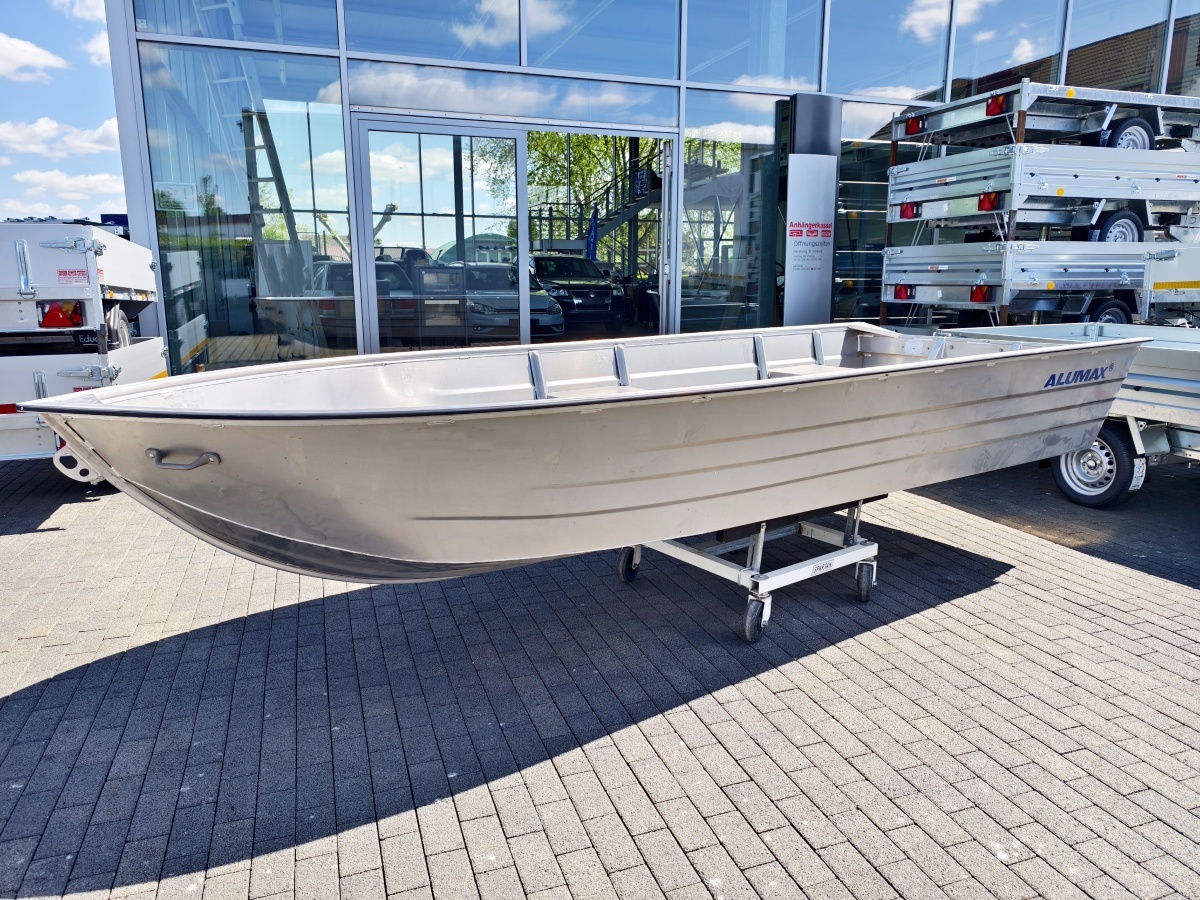
    Alumax Boats, a Dutch firm known for supplying water taxis for the 2012 London Olympics, has launched its first shipyard outside its homeland in Vietnam, through a joint venture partnership. This expansion was marked with a grand inauguration ceremony held on Wednesday at the Thuan Thanh Industrial Park situated in the northern province of Bac Ninh. The joint venture, Alumax Amsterdam, is a collaborative effort between Alumax Boats, the local conglomerate Son Ha Group, and shipbuilder James Boat.

    The Lego of Shipbuilding

    The process of production at the shipyard has been likened to ‘playing with Lego’ by the joint venture representatives. Here, the workers assemble precut aluminium components to create the final product. This is a testament to Alumax Boats’ specialization in constructing aluminium vessels, the expertise that the firm first exported to Vietnam in 2021 during the Covid-19 pandemic through its alliance with James Boat.

    As a part of the joint venture, Alumax Boats stands as the provider of core high-performance aluminium shipbuilding technology. On the other hand, Son Ha Group brings to the table its industrial manufacturing capacity, management acumen, and financial resources, while James Boat serves as the technological conduit amongst the partners. The responsibility of vessel design is shared between Alumax Boats and James Boat, with the production designs subsequently transferred to Son Ha’s manufacturing facilities.

    The Rise of Marine Tourism

    The leaders of the joint venture have expressed their optimism about the growing demand in Vietnam for catamaran party yachts. These are open-deck leisure vessels capable of hosting 30 to 50 passengers. Typically, these yachts feature sound systems, dining areas, bars, bedrooms, and spacious decks for the guests to soak in the panoramic ocean views. Acknowledging this, a spokesperson for the joint venture stated, “This has been identified as one of our strategic products to capitalize on the growth of marine tourism in Vietnam and across the region.”

    The joint venture has planned to manufacture three yachts, ranging from 6.5 to 16.5 meters in length, this year. It has already bagged orders for government service vessels and yachts worth US$20 million. Son believes that building yachts in Vietnam could result in a price reduction of about 40% compared to imported ones.

    The lightweight properties of aluminium lead to improved fuel efficiency. After 40 to 50 years of service life, these vessels can be recycled far more effectively than their steel and composite counterparts, which are still commonly produced in Vietnam.

    Questions & Answers

    What makes the joint venture’s production process unique?
    The joint venture compares its production process to ‘playing with Lego,’ where workers assemble precut aluminium components to form the final product.

    What role does each party play in the joint venture?
    Alumax Boats provides core high-performance aluminium shipbuilding technology, Son Ha Group contributes its industrial manufacturing capacity, management expertise, and financial resources, and James Boat serves as the technological bridge between the partners.

    What are the benefits of manufacturing yachts in Vietnam?
    Manufacturing yachts in Vietnam could result in a price reduction of about 40% compared to imports. Additionally, the use of aluminium leads to improved fuel efficiency and allows for effective recycling after 40 to 50 years of service.
  • Electronics Retail Giant Dien May Xanh Soars with $505m IPO in Vietnams Largest Market Listing in Two Years

    Electronics Retail Giant Dien May Xanh Soars with $505m IPO in Vietnams Largest Market Listing in Two Years

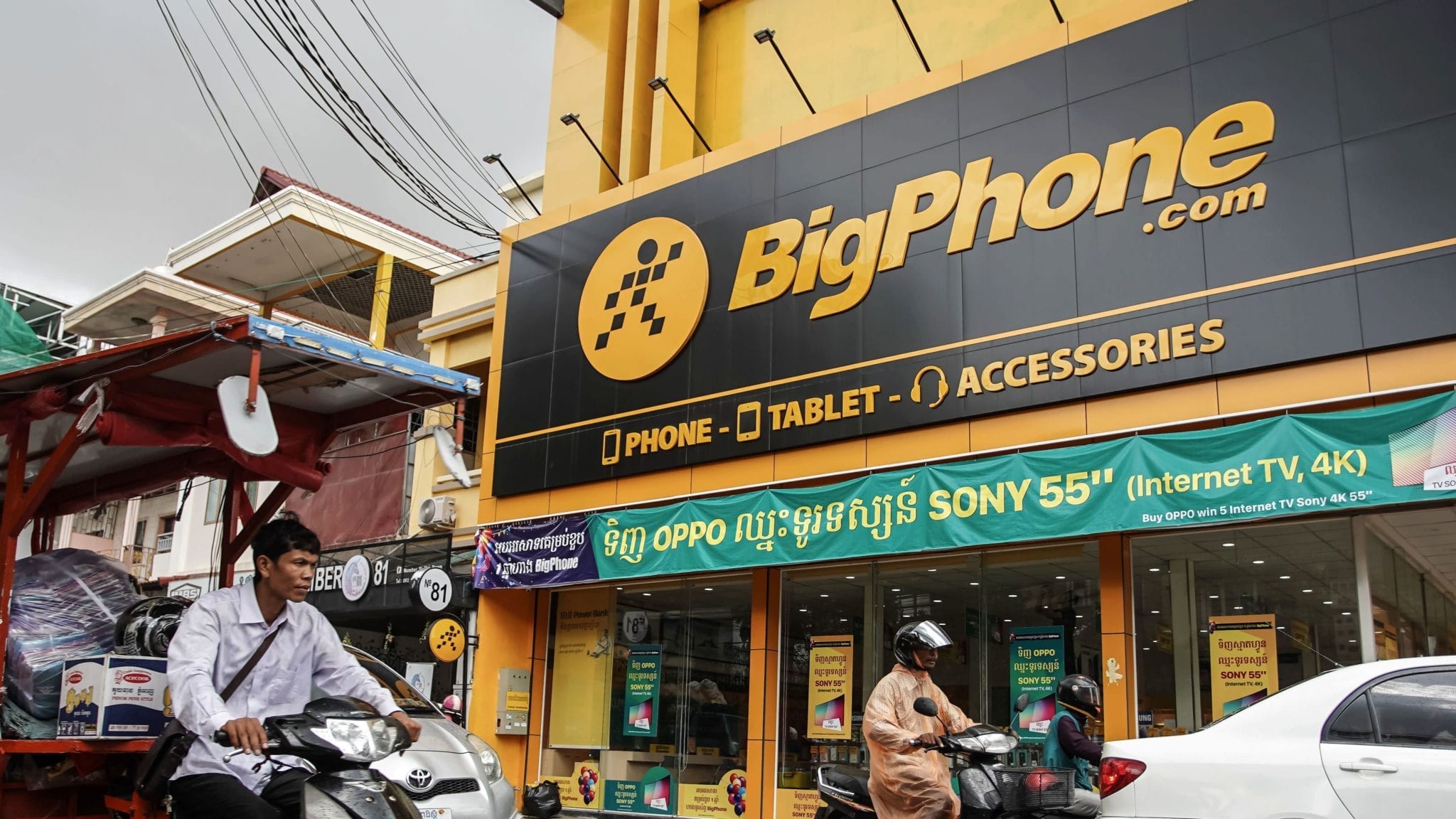
    Mobile World Investment Corporation, a renowned retail conglomerate in Vietnam, recently made a significant move in the business world by separating its electronics retail chain, Dien May Xanh, through an initial public offering (IPO) valued at US$505 million. This event has been one of the most substantial stock market listings in Vietnam over the past couple of years.

    According to internal documents from the company, investors showed substantial interest in the offering, with registrations to buy around 166 million shares. These shares accounted for 92.5 percent of the total 179.5 million shares available, effectively raising around 13.29 trillion dong (equivalent to US$505 million).

    Implications of the IPO

    This development was not unexpected as Dien May Xanh had earlier, in May, expressed its intent to raise approximately US$546 million. This fund-raising was to be accomplished by selling 179.5 million shares at a fixed price – 80,000 dong a share. The raised funds are targeted towards fueling the next phase of the company’s growth and solidifying its place in Vietnam’s consumer electronics market.

    It is expected that Dien May Xanh will make its debut appearance on the Ho Chi Minh Stock Exchange in the first week of August.

    As one of Mobile World Investment Corporation’s key business arms, Dien May Xanh is one of the largest electronics retailers in Vietnam. Its nationwide network comprises stores selling a wide range of consumer technology products, including smartphones, televisions, and home appliances.

    The company has set ambitious financial goals for the next decade. It aims to achieve a compound annual revenue growth of 11 percent and an annual net profit growth of 16 percent through to 2030, as it further broadens its market reach.

    Questions & Answers

    What is the significance of Dien May Xanh’s IPO?
    The IPO is a strategic move by the company to raise funds for its next growth phase and to bolster its position in Vietnam’s consumer electronics market.

    When is Dien May Xanh expected to join the Ho Chi Minh Stock Exchange?
    Dien May Xanh is expected to make its debut on the Ho Chi Minh Stock Exchange in the first week of August.

    What financial targets has the company set for the next decade?
    The company aims for a compound annual revenue growth of 11 percent and an annual net profit growth of 16 percent through 2030.

  • Swiss Banking Giant Sygnum Expands Reach in Europe with New Micar Licence

    Swiss Banking Giant Sygnum Expands Reach in Europe with New Micar Licence

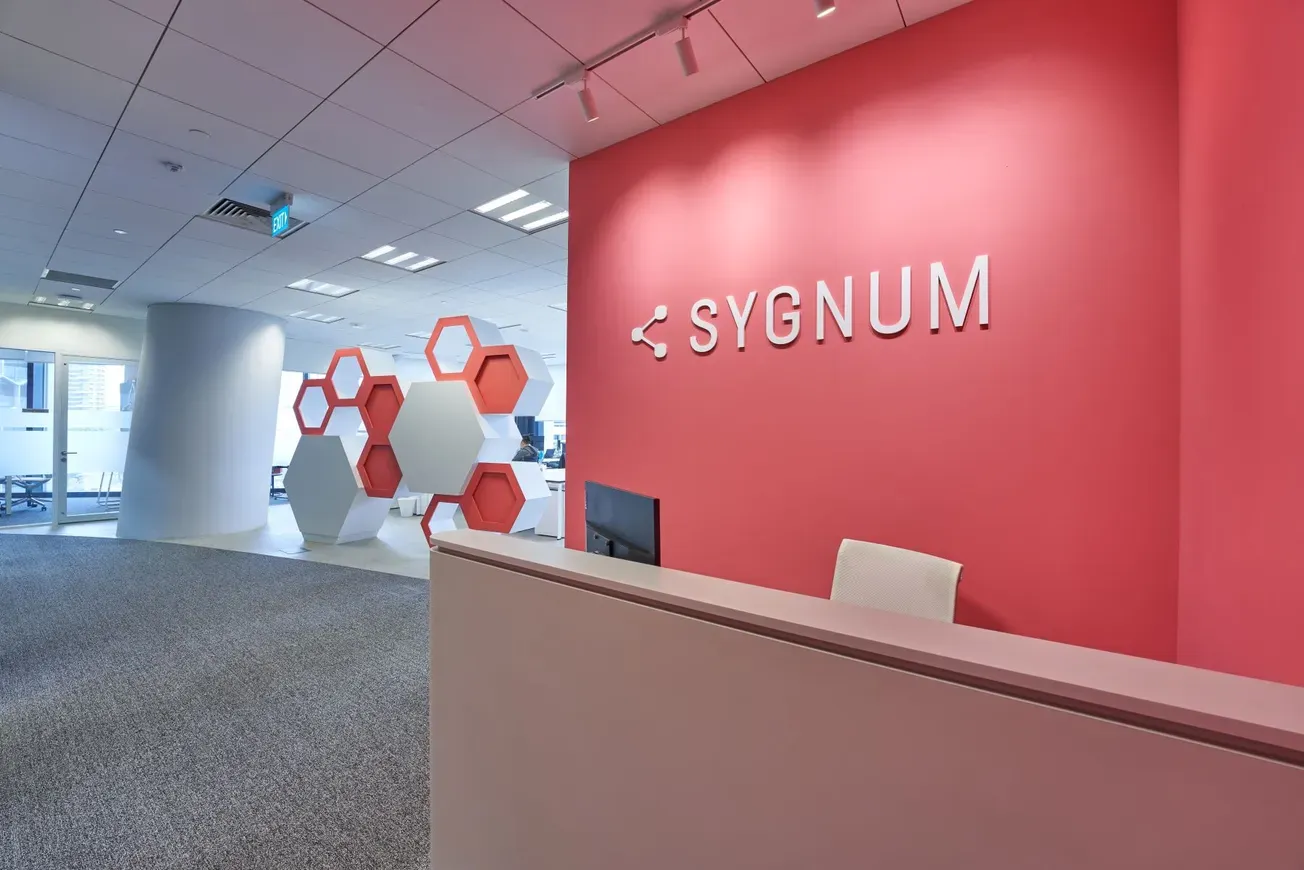
    Swiss digital asset banking conglomerate, Sygnum, is amplifying its expansion efforts throughout Europe following the procurement of a Markets in Crypto-Assets (MiCA) license for its Liechtenstein-based subsidiary. This approval paves the way for the firm to engage directly with clients across the European Union and European Economic Area, marking a significant development in its global expansion agenda.

    The granting of the license arrives as the EU’s MiCA transition phase winds down, permitting Sygnum Europe to operate under the bloc’s standardized cryptocurrency regulatory framework. With its robust banking infrastructure spanning Switzerland, Singapore, and the Middle East, the firm seeks to broaden its client base among wealthy individuals, institutional investors, and financial institutions throughout Europe.

    Banking Platform at the Forefront

    Sygnum differentiates itself from other recently licensed crypto service providers by integrating its MiCA license with a well-grounded banking platform, institutional-quality custody and digital asset investment products, and an immediately deployable Bank-to-Bank infrastructure.

    Simon Schneider, the Chief Executive of Sygnum Europe, emphasized that the blending of traditional and digital finance makes trust Europe’s most precious asset. He further stated that having direct access to the European market would enable the firm to offer its regulated digital asset services to a wider range of clientele.

    Concentration on Private Wealth and Institutions

    Sygnum is primarily targeting Europe’s burgeoning pool of ultra-wealthy individuals open to investing in digital assets. Clients will have the opportunity to trade cryptocurrencies, including Bitcoin, through integrated accounts, all under the protection of regulated institutional custody. They will also have access to products like the Sygnum Crypto Yield Fund.

    Sygnum is also keen on capturing the interest of institutional investors. The firm plans to offer its off-exchange custody platform, Protect, to hedge funds, asset managers, and proprietary trading firms. The platform’s design, which disassociates custody from trading locales, aims to diminish the counterparty risks linked with cryptocurrency exchanges.

    Sygnum also identifies a significant opportunity in catering to Europe’s banking sector. The company highlights that the majority of the continent’s approximately 5,000 banks have not yet integrated digital asset services due to the stringent infrastructure and regulatory prerequisites.

    Through its Bank-to-Bank platform, Sygnum empowers financial institutions to roll out regulated digital asset offerings more swiftly, while cutting down on execution costs and operational intricacy. The company currently offers digital asset capabilities through over 25 partner banks, reaching over a third of Switzerland’s population. By 2027, it expects to be one of Europe’s largest regulated Bank-to-Bank digital asset networks by client reach.

    As part of its European growth strategy, Sygnum continues to invest in artificial intelligence. The bank was the first regulated Swiss bank to carry out live AI-facilitated digital asset transactions using a human-supervised approach that blends AI with human oversight.

    Questions & Answers

    What is the significance of Sygnum acquiring a Markets in Crypto-Assets license?
    Securing the MiCA license enables Sygnum to operate directly with clients across the European Union and European Economic Area, marking a key milestone in its global expansion plans.

    What services will Sygnum provide to its targeted clientele in Europe?
    Sygnum aims to offer its regulated digital asset services, including a well-established banking platform, institutional-quality custody, digital asset investment products, and an immediately deployable Bank-to-Bank infrastructure.

    What strategy does Sygnum plan to implement to capture the interest of institutional investors?
    The firm plans to offer its off-exchange custody platform, Protect, to hedge funds, asset managers, and proprietary trading firms. This platform, designed to separate custody from trading locales, seeks to reduce counterparty risks associated with cryptocurrency exchanges.

  • Birkenstock Dominates Chennai with Largest Indian In-Mall Store, Upping National Footprint to 63 Stores

    Birkenstock Dominates Chennai with Largest Indian In-Mall Store, Upping National Footprint to 63 Stores

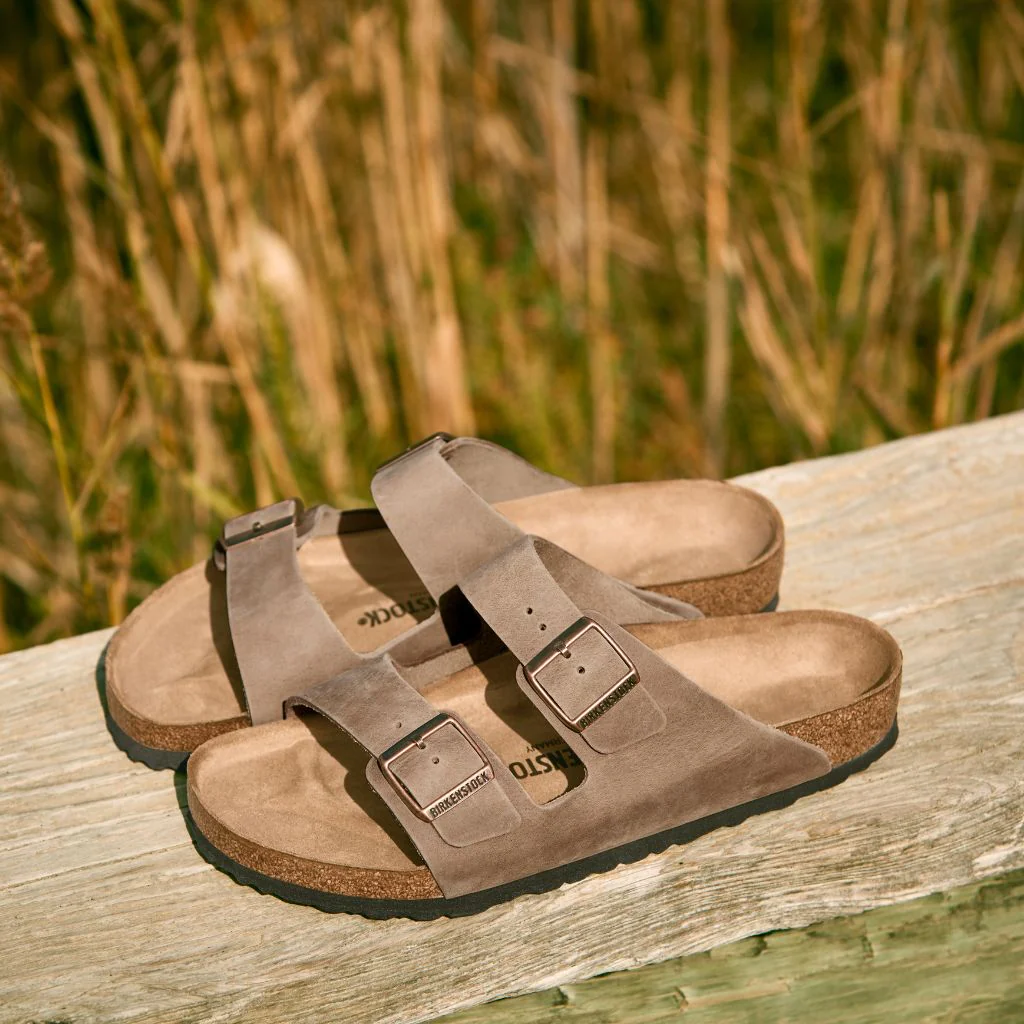
    Birkenstock, the esteemed German footwear brand, has recently launched its most sizeable in-mall shop in India, situated in Chennai. This new addition brings the total count of Birkenstock locations in the country to 63, showcasing the brand’s steadfast expansion throughout India.

    A Steady Expansion in India

    Birkenstock’s journey in India began six years ago and since then, the brand has significantly broadened its footprint in the country. Despite continuing to operate its 1,600 sq. ft flagship store in Mumbai, the brand has now established its third outlet in Chennai, the capital of Tamil Nadu.

    According to Birkenstock, Chennai is a crucial market for the brand, boasting a burgeoning base of high-end consumers who have a profound appreciation for products that deliver quality and comfort.

    More Than Just Sandals

    The Chennai store displays an array of Birkenstock’s globally recognized products. Not only does it feature the brand’s emblematic sandal and clog styles, but it also offers contemporary closed-toe shoes, seasonal designs, accessories, and the fundamental care essentials range.

    Earlier this year, Birkenstock also inaugurated a flagship store in Osaka, Japan. The footwear giant has been vocal about its active strategy to expand its direct-to-consumer store presence on a global scale.

    Questions & Answers

    What is Birkenstock’s most recent expansion move in India?
    Birkenstock has opened its largest in-mall store in Chennai, India, taking its total store count in the nation to 63.

    What does the new Chennai store offer to its customers?
    The store features Birkenstock’s iconic sandal and clog styles, contemporary closed shoes, seasonal styles, accessories, and the brand’s care essentials range.

    What is Birkenstock’s global expansion strategy?
    Birkenstock is actively expanding its direct-to-consumer store footprint globally, as evidenced by its recent store openings in India and Japan.

  • Starbucks and Jay Chou Ignite the Summer with Fantasy Experience Across Asia-Pacific

    Starbucks and Jay Chou Ignite the Summer with Fantasy Experience Across Asia-Pacific

    In a creative move, Starbucks has teamed up with Mandopop sensation Jay Chou to introduce a unique ‘Fantasy’ Summer Experience throughout the Asia Pacific. This novel initiative includes exclusive beverages, limited-edition merchandise, and music-themed in-store experiences influenced by the superstar’s discography.

    The campaign kicked off in Taiwan on June 20 and will gradually unfold in Hong Kong, Macau, Malaysia, and Singapore at various points during the summer season.

    A Unique Blend of Music and Merchandise

    This one-of-a-kind partnership draws inspiration from Chou’s iconic ‘Fantasy’ musical universe. The collaboration features themed drinkware and lifestyle products, along with personalised beverage recommendations. These drink suggestions are based on the star’s favourite Starbucks drinks, offering customers the option to customize them to their preferences.

    Furthermore, select Starbucks locations will offer immersive experiences, such as music-inspired displays and creatively designed spaces. These interactive elements aim to highlight Chou’s unique artistic style and his enduring bond with his fanbase.

    Nancy Lo, Starbucks Asia Pacific’s VP of Product and Marketing, said, “Music and coffee both have a unique way of connecting people and transporting us to a particular memory in time. With this partnership with Jay Chou, we hope to celebrate those small, yet significant moments in our daily lives – like the pleasure of sipping a favourite drink or listening to a beloved song.”

    In further collaboration news, Starbucks and Jay Chou joined forces earlier in May to unveil a unique partnership in China. This venture introduced exclusive beverages and merchandise across more than 8,000 stores.

    Questions & Answers

    What is the ‘Fantasy’ Summer Experience?
    The ‘Fantasy’ Summer Experience is a unique initiative launched by Starbucks in collaboration with Mandopop star Jay Chou. It features exclusive beverages, limited-edition merchandise and music-themed in-store experiences influenced by Chou’s music.

    Where and when will the ‘Fantasy’ Summer Experience be available?
    The experience kicked off on June 20 in Taiwan and will gradually unfold in Hong Kong, Macau, Malaysia, and Singapore throughout the summer season.

    What does this partnership entail for Starbucks store guests?
    Customers will have access to customized beverages based on Jay Chou’s favorite Starbucks drinks, themed drinkware, lifestyle products, and immersive in-store experiences celebrating Chou’s unique artistic style.

  • Sa Sa International Skyrockets Profits by 160% with Boost in Online Sales Strategy

    Sa Sa International Skyrockets Profits by 160% with Boost in Online Sales Strategy

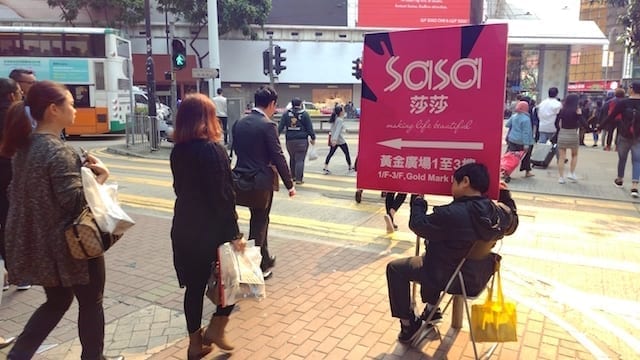
    Sa Sa International, a leading cosmetics retailer listed in Hong Kong, concluded the previous fiscal year with a significant boost in sales and profits. The company’s annual profit, which ended on March 31, witnessed an impressive growth of 160.5% amounting to HK$200.5 million (US$25.5 million). Additionally, the total turnover increased by 14.2% to HK$4.38 billion, while the gross profit augmented by 10.5% reaching HK$1.67 billion.

    A Remarkable Turnaround

    This remarkable financial performance reflects a complete shift from the previous year when the company experienced a 9.7% decrease in sales and a 64% drop in profits. The management attributes this achievement to an increase in regional operational efficiency. The company strategically shut down its physical operations in Mainland China, shifting its focus towards online sales and enhancing operations in its primary markets – Hong Kong and Macau.

    Hong Kong and Macau account for nearly 80% of the total turnover. Both markets registered a 16% growth in offline sales and a 20% rise in online sales, with the company operating 85 stores as of March 31. The markets also observed significant increases in the same-store sales, the number of transactions, the average sales per transaction, and the number of items per transaction, leading to a 62.7% surge in profits.

    In contrast, online sales in Mainland China experienced a slight dip of 5.4%. However, the closure of physical stores allowed Sa Sa to reallocate resources, resulting in a profit of HK$9.1 million within the year.

    Regional Performance and Future Prospects

    The Southeast Asia region, encompassing Singapore and Malaysia, increased offline sales by 9% and online sales by 40% across its 75 stores. However, the region suffered a loss of HK$14.8 million due to the escalating cost of living and macroeconomic challenges.

    Moving forward, Sa Sa aims to expand its footprint in high-traffic tourist districts and residential areas, with plans to open six to seven new stores in the first half of the new fiscal year. The company will also introduce measures to enhance product display and operational efficiency.

    In the first quarter ending on June 21, the company reported a 24% increase in turnover, marked by a 30.9% rise in offline sales and a 3.2% dip in online sales.

    Questions & Answers

    What growth did Sa Sa International experience in the last fiscal year?
    Sa Sa International saw a 160.5% increase in annual profit and a 14.2% increase in total turnover in the last fiscal year.

    How did the company’s operational shift affect its performance in Mainland China?
    After closing its physical stores in Mainland China, Sa Sa was able to reallocate resources, which contributed to a profit of HK$9.1 million in the year.

    What are Sa Sa’s future expansion plans?
    Sa Sa plans to further expand its presence in high-traffic tourist districts and residential areas, with the opening of six to seven new stores planned for the first half of the new fiscal year. The company will also implement measures to optimise product display and operational efficiency.

  • Miu Miu Expands Luxury Fashion Footprint with New Boutique at K11 Musea, Hong Kong

    Miu Miu Expands Luxury Fashion Footprint with New Boutique at K11 Musea, Hong Kong

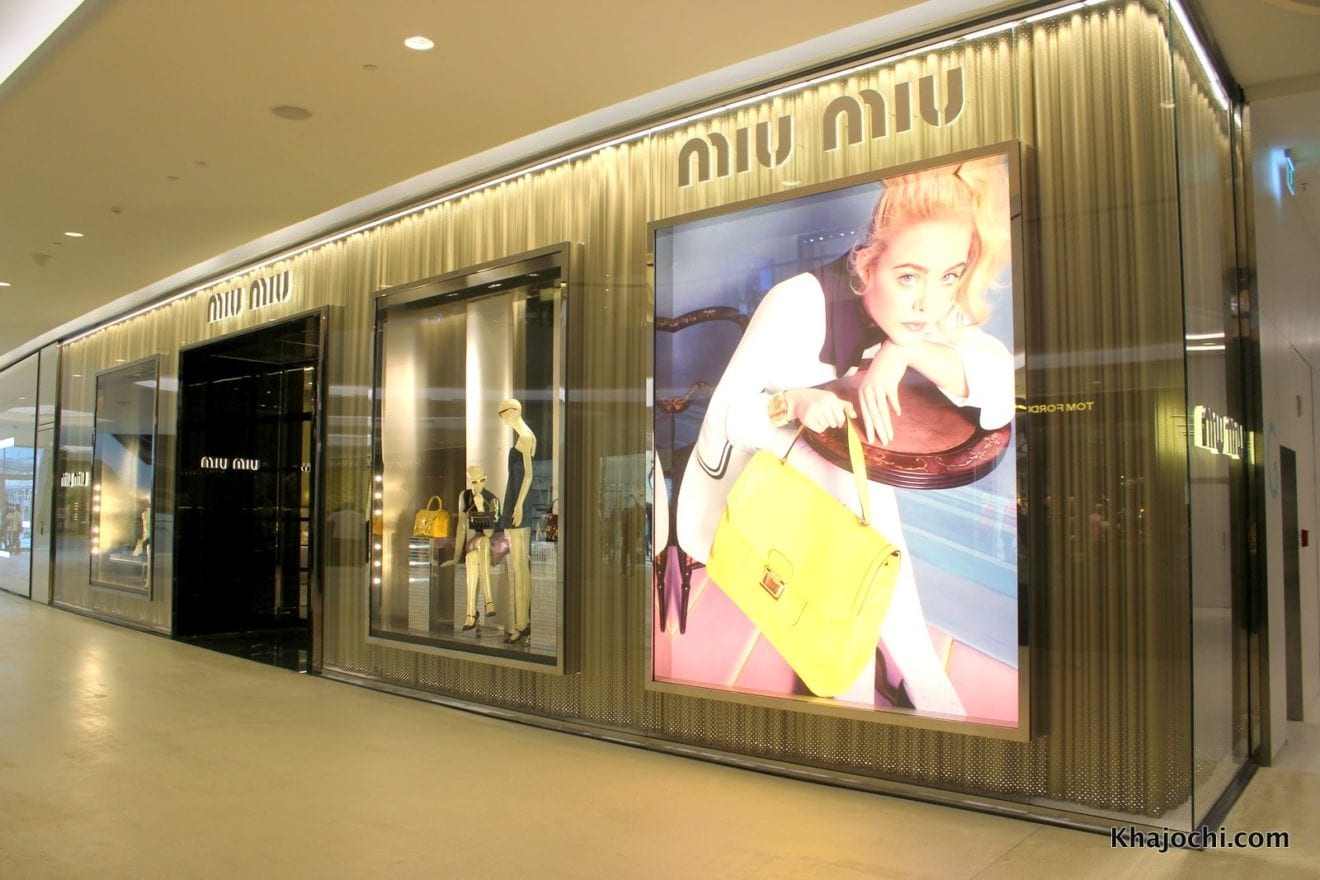
    High-end fashion house Miu Miu has inaugurated a new boutique in Hong Kong’s K11 Musea, further enhancing the luxury retail location’s high-grade fashion repertoire.

    The 161 square metre boutique showcases ready-to-wear collections, handbags, footwear and accessories, alongside Miu Miu’s L’Eté and Upcycled lines. The boutique also features a range of K11 Musea-exclusive styles, presented in a minimalist interior that boasts blue canvas walls, oak wood and limestone finishes.

    This new opening is part of the ongoing multi-stage refurbishment of K11 Musea that was announced earlier this year. This large-scale renovation has introduced over 60 luxury and premium brands while revamping more than 30 per cent of the mall’s retail space.

    Horace Lam, CEO of K11 Hong Kong, highlighted that Miu Miu’s addition aligns perfectly with the mall’s strategy of boosting its appeal to luxury shoppers through carefully curated brand experiences.

    “Miu Miu’s new boutique offers a sophisticated, design-oriented environment that resonates with our culturally discerning, luxury clientele who are in pursuit of immersive retail experiences,” said Lam.

    Additionally, Lam indicated that this latest opening is a testament to K11’s dual-mall strategy. K11 Musea is primarily focused on luxury retail, while the adjoining K11 Art Mall targets a younger demographic and recently welcomed Saucony’s first flagship in Hong Kong.

    “Collectively, these new additions underscore the complementary positioning of our portfolio in the vibrant Tsim Sha Tsui district: Two malls, two unique identities, both operating at close to full capacity with sustained growth in traffic and sales,” Lam further remarked.

    Questions & Answers

    What does the new Miu Miu boutique add to K11 Musea?
    The boutique enhances the mall’s luxury fashion offerings with its curated selection of ready-to-wear collections, handbags, footwear, and accessories, as well as exclusive styles only available at K11 Musea.

    How does the new Miu Miu store align with K11 Hong Kong’s strategy?
    The addition of Miu Miu aligns with K11’s strategy of attracting luxury shoppers through carefully curated brand experiences, thereby strengthening its appeal.

    What is K11’s dual-mall strategy?
    K11 operates two malls with distinct identities. K11 Musea focuses on luxury retail, while the neighbouring K11 Art Mall caters to younger consumers. Both malls are operating at near-full occupancy with continuous growth in traffic and sales.

  • Calvin Klein Amplifies Fashion Footprint in South Korea with New Seongsu Lifestyle Boutique

    Calvin Klein Amplifies Fashion Footprint in South Korea with New Seongsu Lifestyle Boutique

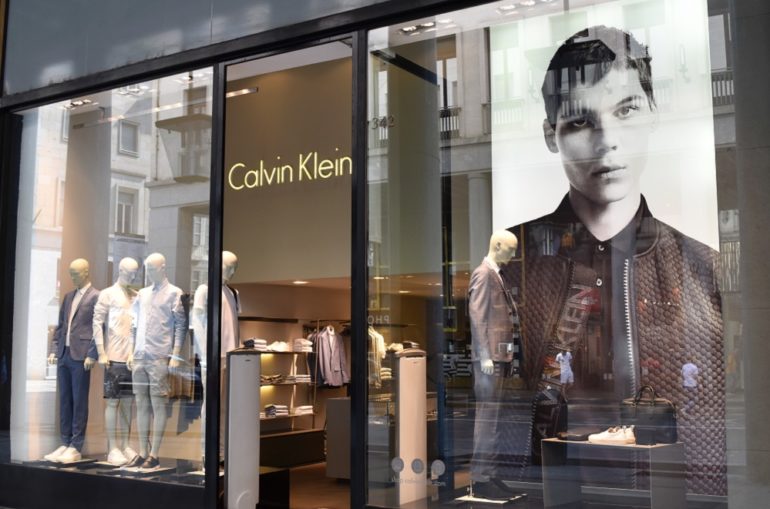
    Calvin Klein continues to solidify its footprint in South Korea with the recent opening of a chic lifestyle boutique in the stylish district of Seongsu, Seoul. The new outlet marries the sleek minimalism that is synonymous with Calvin Klein, with the industrial charm of the Seongsu neighborhood.

    The boutique, nestled in Seongdong-gu, gracefully spans three floors and cleverly integrates elements of the building’s original blueprint. An atrium breathes life into the space, which also boasts customized fixtures contributing to its unique aesthetic.

    A Shopping Experience Across Three Levels

    The boutique’s ground floor is a homage to Calvin Klein’s renowned denim collection. Here, shoppers can explore a variety of fits, fabrics, and the brand’s seasonal styles, promising something to suit every fashion-forward client.

    Moving to the second floor, Calvin Klein’s array of lingerie and underwear take the spotlight. This level also showcases the brand’s outerwear, knitwear, and accessory lines, as well as other seasonal collections, offering a comprehensive shopping experience for the discerning buyer.

    The boutique reserves its third floor for personal styling appointments, ensuring that customers receive a dedicated and personalized service to help them put together their perfect Calvin Klein ensemble.

    “We are thrilled to strengthen our brand’s presence in what is arguably one of Asia’s leading fashion and cultural hubs,” stated representatives from Calvin Klein.

    Questions & Answers

    What is unique about the new Calvin Klein boutique in Seongsu, Seoul?
    The new boutique blends Calvin Klein’s minimalist aesthetic with the industrial character of Seongsu. It spans three levels, each dedicated to different collections, and features an atrium and custom fixtures.

    What collections does the new boutique feature?
    The boutique showcases Calvin Klein’s popular denim and underwear collections. It also offers outerwear, knitwear, accessories, and other seasonal collections.

    What services does the boutique offer?
    In addition to showcasing Calvin Klein’s wide range of collections, the boutique offers personal styling appointments on the third floor. This service allows customers to receive personalized advice on creating their perfect Calvin Klein look.

  • Danone Boosts Australian Footprint with Profitable Made Group Takeover

    Danone Boosts Australian Footprint with Profitable Made Group Takeover

    Global food corporation Danone is extending its foothold in Australia by acquiring Made Group, the parent company of Cocobella and Rokeby. This transaction is an element of a two-part acquisition designed to increase Danone’s influence in the Asia Pacific region. In addition to this, Danone has also announced the full ownership of its fresh dairy joint venture with Saputo Dairy Australia by acquiring the remaining 49% stake.

    Made Group’s consistent performance with “appealing profit margins”, backed by its sales of $490.7 million in the last fiscal year, was a driving factor behind the acquisition. Made’s portfolio includes popular brands such as The Collective, Nutrient Water, and Impressed.

    Mutual Values and Profitable Growth

    According to Antoine de Saint-Affrique, CEO of Danone SA, Made Group has had a remarkable history of fast and profitable growth, thanks to its robust brand portfolio and health-focused nutritional products. He notes that both companies share a belief in promoting health through food and expressed excitement about welcoming Made into the Danone family.

    Made Group was sold by US-based TPG Capital in a transaction that earned TPG approximately $2 billion, a mere five years after it had purchased the beverage business.

    Shared Commitment to Health and Innovation

    Amanda Butler, CEO of Made, views this as an exciting new phase for the company. She acknowledged Danone’s shared commitment to health and enthusiasm for innovation, expressing optimism about future prospects. Butler anticipates that their joint efforts will unlock new infrastructure, capabilities, and research and development expertise, spurring growth across the region.

    Questions & Answers

    What companies has Danone recently acquired in Australia?
    Danone has recently acquired Made Group, the parent company of Cocobella and Rokeby.

    What motivated Danone’s acquisition of Made Group?
    Made Group’s consistent “attractive profit margins” and sales performance, coupled with its strong brand portfolio and focus on health-focused nutritional products, influenced Danone’s decision to acquire the company.

    What are the anticipated benefits of this acquisition for Made Group?
    Following the acquisition, Made Group expects to access new infrastructure, capabilities, and research and development expertise to accelerate growth in the region.

  • Hollister Brings California Cool to the Philippines with First Store Debut at SM Mall of Asia

    Hollister Brings California Cool to the Philippines with First Store Debut at SM Mall of Asia

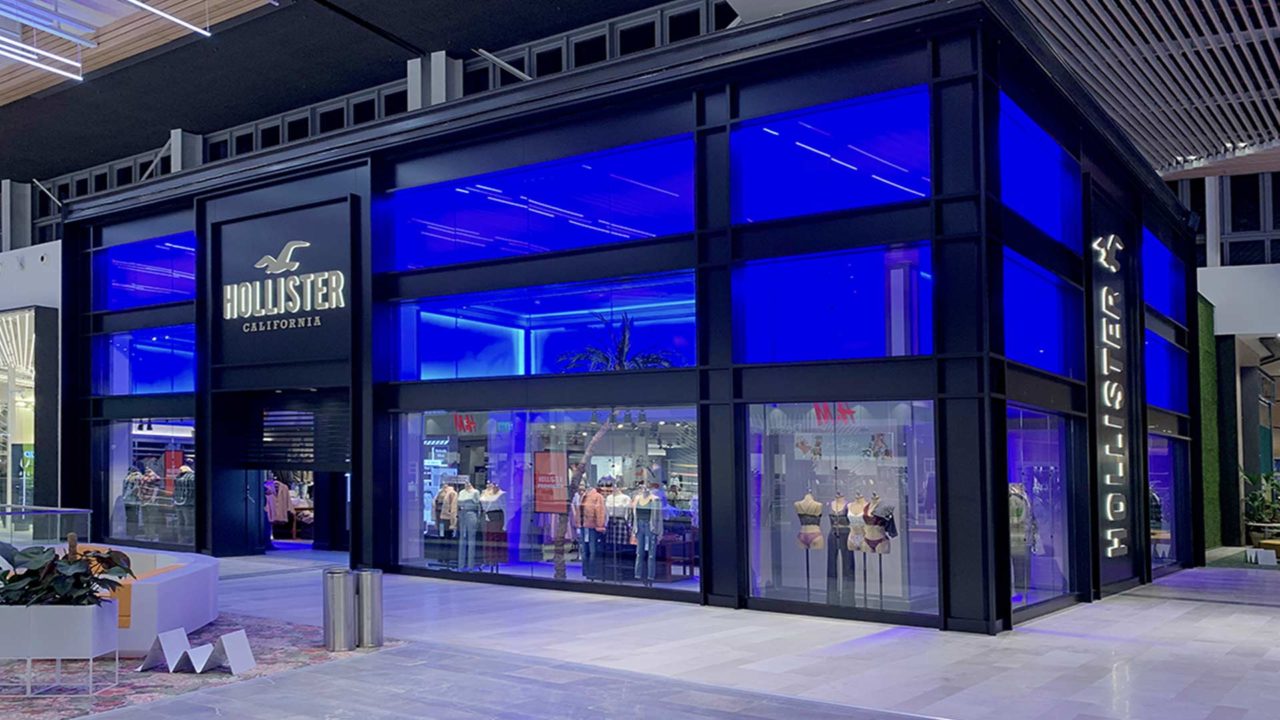
    Following closely on the heels of Abercrombie & Fitch’s entrance into the Philippine market, Hollister, the popular American lifestyle brand, has also opened its doors at the SM Mall of Asia.

    Partnership with PT Mitra Adiperkasa

    The grand unveiling was made possible through a collaboration with PT Mitra Adiperkasa Tbk (MAP). MAP is an Indonesian lifestyle retail giant that holds the reins of more than 150 global brands under its umbrella.

    Hollister, renowned for its relaxed, eclectic style influenced by Californian casual chic, will be offering a wide array of clothing options. Customers can look forward to browsing through a diverse assortment of denim, dresses, woven tops, shorts, and other accessories.

    Expanding its reach further, Hollister is also launching its Summer Essentials collection for kids. This range boasts of lightweight garments, tailor-made for active children and designed with warm weather in mind.

    Introducing Hollister’s Unique Style to the Philippines

    Representatives for Hollister expressed their eagerness to introduce the brand’s unique fashion sense to the Filipino market. “We couldn’t be more excited to introduce Hollister’s unique vibe to the Philippines,” shared Steven Sare, the MD of Apac for Hollister.

    He added, “The energy in this country is truly phenomenal, and our partnership with MAP has allowed us to create an immersive space where customers can fully experience our brand’s youthful clothing line, designed to capture moments, create memories, and promote an unapologetic self-expression.”

    In addition to Hollister and Abercrombie & Fitch’s recent launches, MAP is also reviving the presence of Marks & Spencer in the country.

    Questions & Answers

    What is Hollister’s style influence?
    Hollister’s style is heavily influenced by California’s casual and relaxed fashion.

    Who facilitated the launch of Hollister in the Philippines?
    The launch of Hollister was facilitated by PT Mitra Adiperkasa Tbk (MAP), an Indonesian-based lifestyle retailer.

    What else is Hollister introducing in the Philippines apart from its standard clothing line?
    Apart from its standard clothing line, Hollister is also introducing its Summer Essentials collection for children in the Philippines.

  • Marks & Spencer Reaffirms Philippine Presence with New Franchise Deal with MAP

    Marks & Spencer Reaffirms Philippine Presence with New Franchise Deal with MAP

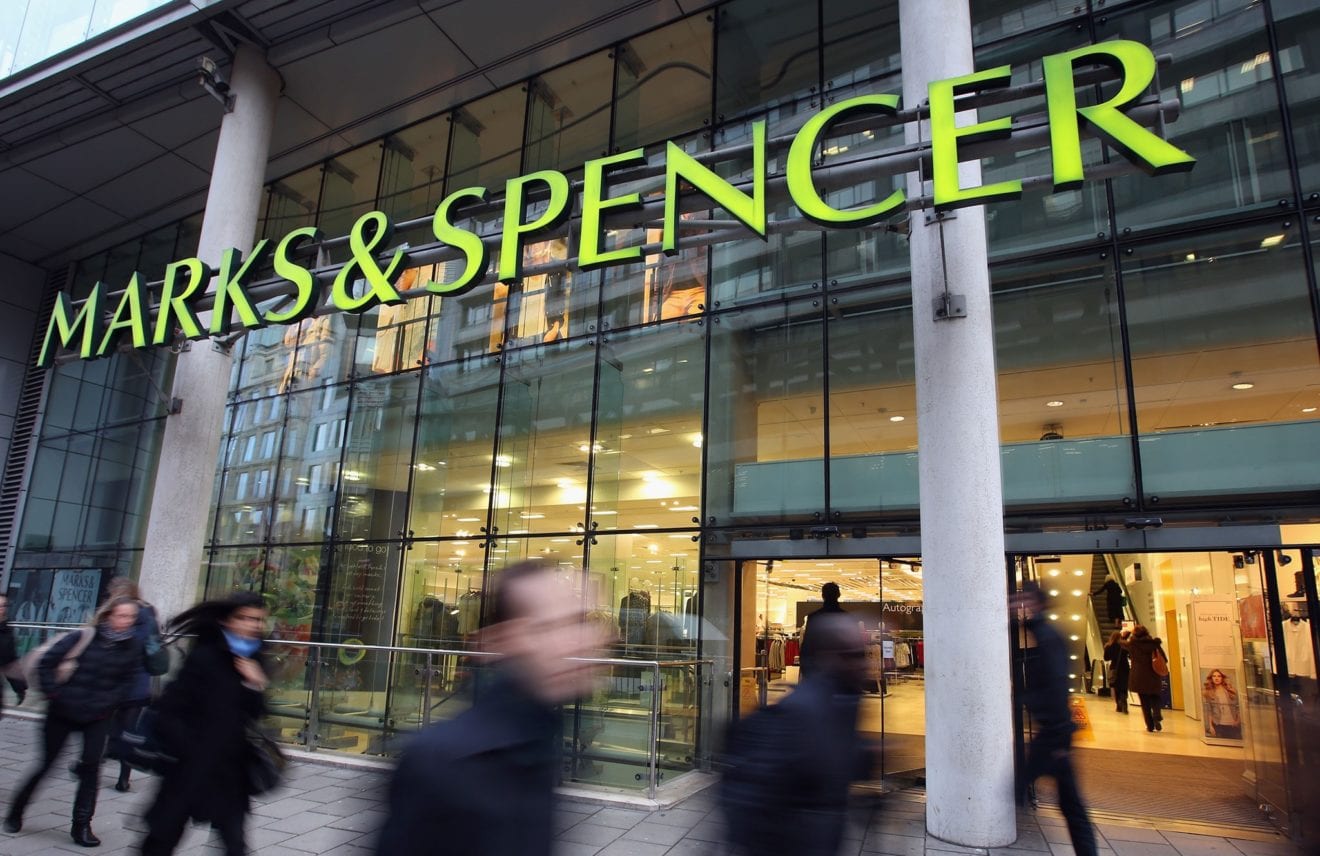
    Marks & Spencer (M&S), the iconic British retailer, has recently announced a continuation of its operations in the Philippines. This is possible due to a fresh franchise agreement with PT Mitra Adiperkasa Tbk (MAP), an Indonesian retail giant. MAP has had a successful history managing Marks & Spencer’s brand in both Indonesia and Vietnam.

    M&S Returns to the Philippine Market

    As part of the new agreement, various M&S product lines, including fashion, home, beauty, and food, are set to reappear on the Philippine market. The first of these stores plans to open its doors in Glorietta by the end of the year.

    Marks & Spencer has been a fixture in the Philippines since 1984, previously via its franchise partner, Rustan’s. However, a string of recent store closures had led consumers to speculate about the retailer’s potential departure from the local market.

    Mark Lemming, the Managing Director of Marks & Spencer International, reaffirmed the company’s commitment to expanding its footprint in the Philippines. He expressed optimism about MAP as the ideal collaborator to drive the company’s next growth phase in the region.

    Lemming highlighted the vital role MAP has played in propelling M&S’s growth in Indonesia, expressing confidence in the firm’s deep local knowledge as they gear up for increased expansion in Southeast Asia. He also acknowledged the strong demand for the M&S brand in the Philippines and voiced his excitement about re-launching their stores and online platforms later this year.

    MAP’s Role in M&S’s Expansion

    MAP’s relationship with Marks & Spencer isn’t new; the Indonesian retailer has been managing M&S’s franchise businesses in its homeland for over a quarter-century.

    Sameer Prasad, CEO of MAP Fashion, welcomed the expanded collaboration as a significant milestone in the firm’s regional growth plan. Prasad acknowledged the Philippines as a vibrant, rapidly expanding market, and deemed Manila as the ideal location to start this new chapter for M&S. He ended by expressing his eagerness to enhance M&S’s brand visibility in the local market and offer Filipino customers a superior retail experience.

    Questions & Answers

    What is the significance of the new franchise agreement between M&S and MAP?
    This agreement allows M&S to continue its operations in the Philippines using MAP’s local market expertise.

    What product lines will M&S reintroduce to the Philippine market?
    M&S plans to bring back its offerings in fashion, home, beauty, and food segments.

    What is the role of MAP in M&S’s operations?
    MAP will manage M&S’s brand, thanks to its deep regional knowledge and a successful history of managing M&S operations in Indonesia and Vietnam.

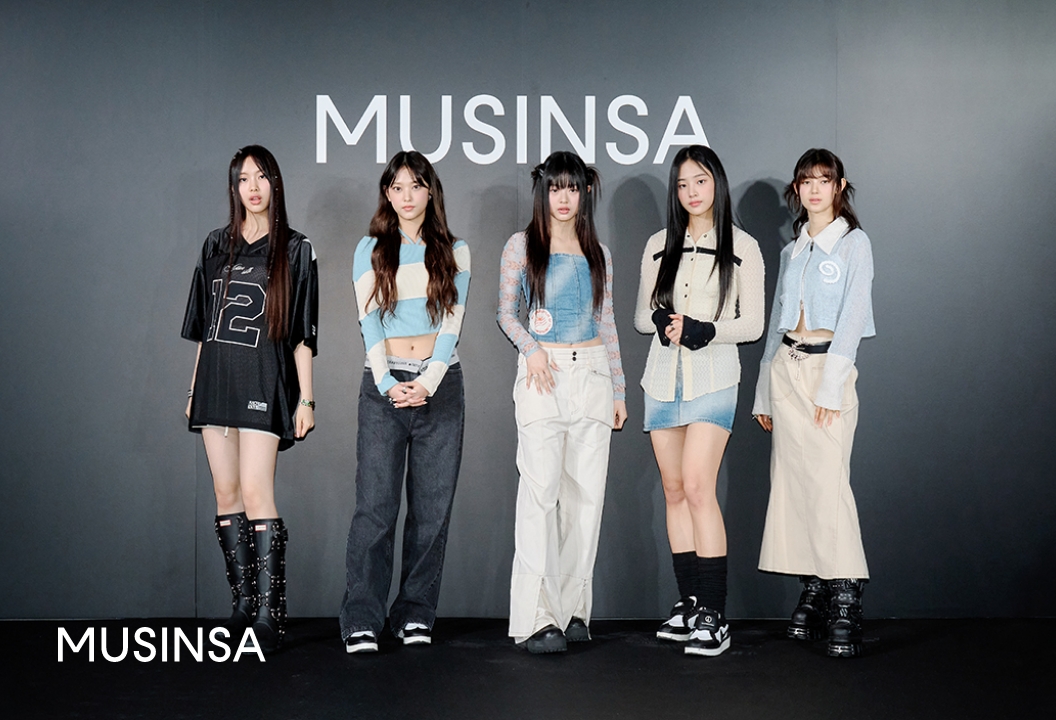
  • Musinsa: Powering Korean Fashion Invasion in China with Dual Tmall Presence

    Musinsa: Powering Korean Fashion Invasion in China with Dual Tmall Presence

    South Korean fashion marketplace, Musinsa, is advancing its business strategy in China by launching on Tmall Global, the cross-border e-commerce platform owned by Alibaba Group. This step builds upon Musinsa’s initial foray into the Chinese market last year through the domestic Tmall marketplace. This dual-platform presence gives Musinsa the advantage of permeating both the local Chinese e-commerce ecosystem and the cross-border shopping channel.

    Musinsa’s aim is to assist small and mid-sized Korean fashion brands who have traditionally encountered high barriers to China’s market entry, such as regulatory complexity, logistical hurdles, and the high costs associated with establishing local operations. By leveraging the platform model, these brands can sell their products directly to Chinese consumers without the need to establish a local entity. Musinsa is also in a position to extend comprehensive services to participating brands. These services include platform integration, logistics coordination, marketing, and customer service.

    Content-Led Curation Strategy and Promotional Initiatives

    Musinsa is adopting a content-led curation strategy to introduce Korean fashion trends to Chinese consumers. Alongside this, the company is outlining various marketing initiatives. These include co-branded campaigns with Tmall Global, promotional events, and livestream shopping activations.

    Musinsa had already made headway into the Chinese market through a joint venture with Anta Sports, establishing Musinsa China to expand through both online and offline channels. The company launched its flagship store on Tmall last year, introducing its modern basic casual wear brand, Musinsa Standard, as well as Musinsa Store.

    A representative from Musinsa China stated that the opening of the online flagship store was the first step towards introducing competitive emerging Korean brands to China’s younger generation. The representative also indicated that Musinsa would utilize its vast experience in the fashion industry and localization strategies to quicken the global expansion of K-fashion.

    Questions & Answers

    What is Musinsa’s plan for the Chinese market?
    Musinsa plans to aid small and medium-sized Korean fashion brands in accessing the Chinese market by providing a platform for them to sell directly to Chinese customers.

    What services is Musinsa offering to participating brands?
    Musinsa is providing comprehensive services including platform integration, logistics coordination, marketing, and customer service.

    What is Musinsa’s strategy to promote Korean fashion trends in China?
    Musinsa is adopting a content-led curation strategy to introduce Korean fashion trends to Chinese consumers and is planning various marketing initiatives such as co-branded campaigns with Tmall Global, promotional events, and livestream shopping activations.

  • VinFast Powers Green SMs Global Expansion with One Million Electric Cars by 2030

    VinFast Powers Green SMs Global Expansion with One Million Electric Cars by 2030

    VinFast, a prominent electric car manufacturer, has unveiled a bold strategy to supply one million electric vehicles (EVs) to Green SM, a rising ride-hailing service, by 2030. In addition to this, the deal stipulates the addition of four million electric motorcycles to Green SM’s fleet. The announcement was made in VinFast’s first quarter financial report.

    Strategic Collaboration for Global Impact

    The venture is viewed as a strategic collaboration between the two companies, with anticipated benefits for both parties. For VinFast, this partnership signifies a promising opportunity to broaden its international distribution network and augment its brand recognition. Concurrently, it bolsters Green SM’s ambitions to expand its global reach.

    Green SM has recently initiated taxi services in India, marking its fourth international market entry, following Laos, Indonesia, and the Philippines. Pham Nhat Vuong, recognised as Southeast Asia’s wealthiest individual, controls both companies. Green SM was launched in 2023 with a starting capital of $113.9 million, which has since grown exponentially to $1.94 billion.

    Initially, Green SM focused on taxi services and technology-based ride-hailing services, exclusively using VinFast vehicles. However, the company has expanded its offerings to include services such as food and parcel delivery, as well as car and motorcycle rentals.

    Positive Outlook for VinFast

    VinFast experienced substantial financial success in the first quarter, reporting a revenue increase of 42% to $1.04 billion. This surge was primarily attributable to a marked increase in electric vehicle sales both within Vietnam and in international markets, including Indonesia and the Philippines.

    Within the first quarter, VinFast sold 58,600 electric cars, reflecting a year-on-year increase of 61%. Moreover, the company sold 143,000 electric motorcycles and bicycles in the same period. Despite this success, VinFast reported a loss exceeding $1.26 billion, an increase from the previous figure of $798 million.

    In 2023, Vuong anticipated that the company would experience losses for several years. However, there is now a more optimistic outlook, as the company expects to break even next year following the decision to spin off its manufacturing operations to a separate company owned by a consortium of private investors.

    Questions & Answers

    What is VinFast’s strategy for its collaboration with Green SM?
    VinFast plans to supply one million electric vehicles and four million electric motorcycles to Green SM by 2030, expanding its international distribution network and enhancing brand recognition.

    What services does Green SM offer?
    Green SM provides taxi services and technology-based ride-hailing services. The company has also expanded to offer food and parcel delivery, as well as car and motorcycle rentals.

    What is the financial outlook for VinFast?
    Despite experiencing losses, the company anticipates breaking even next year. This follows a decision to spin off manufacturing operations to a separate company owned by private investors.

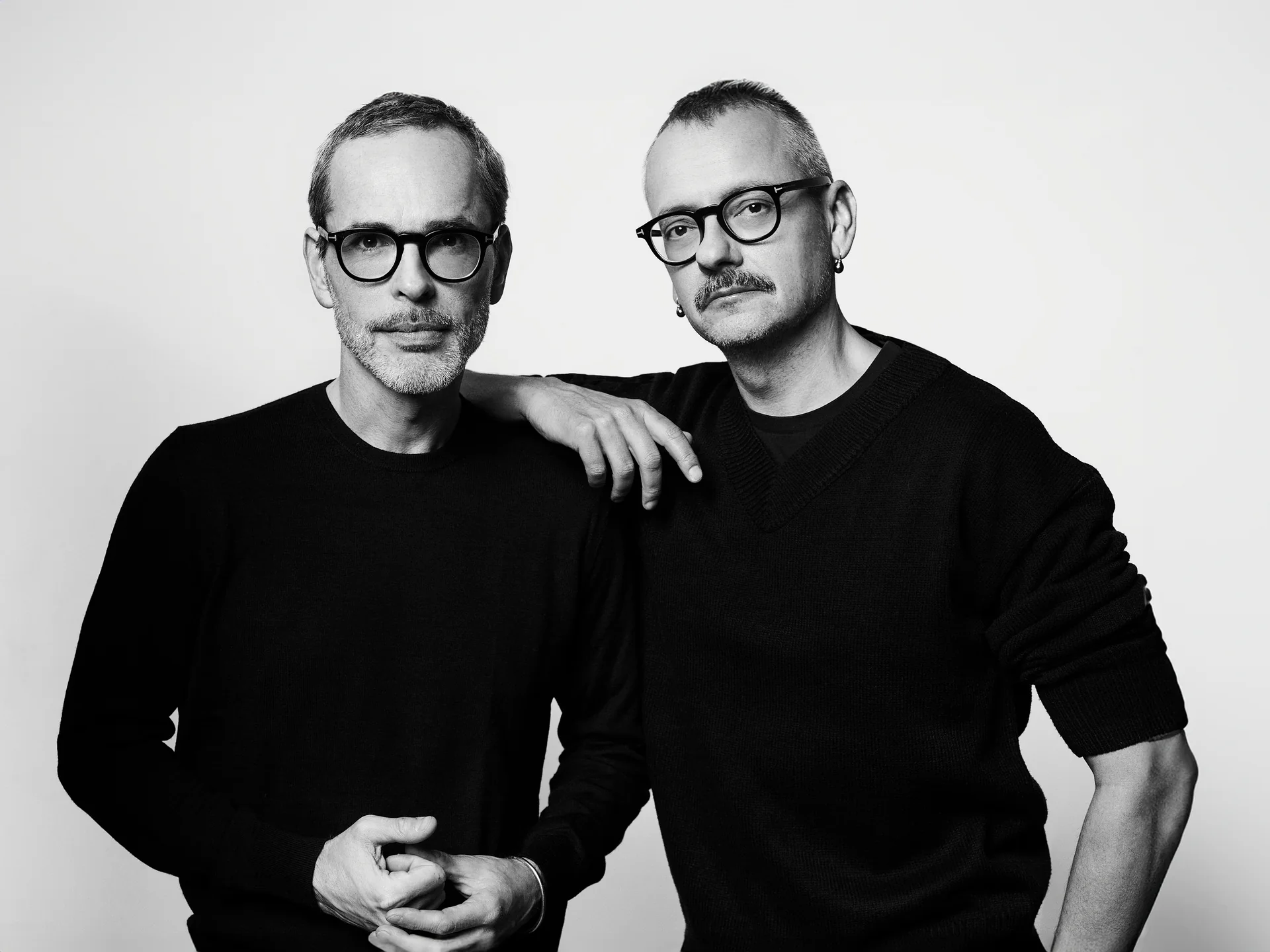
  • OTB Amplifies Luxury Portfolio with Complete Acquisition of Fashion Powerhouse Viktor&Rolf

    OTB Amplifies Luxury Portfolio with Complete Acquisition of Fashion Powerhouse Viktor&Rolf

    OTB Group, a prestigious Italian luxury conglomerate, has recently procured the remaining shares of Dutch fashion house Viktor&Rolf, thereby securing complete ownership of this innovative label. This acquisition comes after OTB’s initial investment in 2008 and two decades of a partnership marked by shared creative vision and commercial growth.

    Strengthening Creative Ties

    Originally, OTB increased its stake from an initial 51% to 70%, and now, with full ownership, the partnership between the two entities is set to deepen even further. Viktor&Rolf, established in 1993 by Viktor Horsting and Rolf Snoeren, is celebrated for its unconventionally creative take on haute couture, incorporating elements of art, fashion, and theatrical storytelling. The brand has since diversified, extending its reach into ready-to-wear, bridalwear, eyewear, and fragrances.

    Renzo Rosso, the founder and chairman of OTB Group, expressed his elation over the strengthened partnership. He praised Viktor&Rolf for its unique presence in the international luxury market, known for its emphasis on creativity, artistic research, and cultural relevance, values that accord with OTB Group’s own.

    Securing the Future

    This strategic move follows an agreement signed last year, which confirmed the continuation of Horsting and Snoeren as creative directors for an additional five years. They will continue to shape the creative and strategic direction of Viktor&Rolf, maintaining the brand’s signature innovative style.

    OTB Group, owner of renowned labels including Diesel, Maison Margiela, Marni, and Jil Sander, has progressively concentrated on constructing an assortment of distinctive creative brands. This recent acquisition further solidifies its commitment to fostering creative development and expanding its luxury portfolio.

    Questions & Answers

    What is the significance of OTB’s acquisition of Viktor&Rolf?
    The acquisition represents the strengthening of a long-standing partnership, with OTB taking full ownership of Viktor&Rolf after being a shareholder for nearly two decades. Furthermore, it cements OTB’s commitment to developing a portfolio of distinctive, creative brands.

    Who are the founders of Viktor&Rolf?
    Viktor&Rolf was established in 1993 by designers Viktor Horsting and Rolf Snoeren. The pair will continue to shape the creative and strategic direction of the brand as Creative Directors.

    What is Viktor&Rolf known for within the fashion industry?
    Viktor&Rolf is renowned for its experimental approach to haute couture, blending elements of fashion, art, and theatrical storytelling. It has diversified its offerings into ready-to-wear, bridalwear, eyewear, and fragrances.

  • Deel Empowers Global Contractors with New Stablecoin Wallet Amid Currency Volatility

    Deel Empowers Global Contractors with New Stablecoin Wallet Amid Currency Volatility

    Deel, the global workforce management company, is set to intensify its focus on digital assets as it unveils a stablecoin wallet. This innovative solution is intended to support contractors in emerging economies by maintaining the value of their income, providing rewards, and allowing global expenditure without having to leave the platform.

    The company began launching the digital wallet, which is dollar-backed, in Latin America. However, plans are afoot to extend this service to the Middle East, Africa, and the Asia-Pacific region. This forms the latest part of Deel’s broader plan to incorporate stablecoins into its global payment infrastructure. The company already enables contractors to withdraw their earnings in stablecoins and allows businesses to fund payrolls directly from stablecoin reserves. The new wallet enhances these features, permitting contractors to manage and hold digital dollar balances within their Deel accounts.

    Addressing the Issue of Currency Instability

    Deel’s recent effort addresses an increasing issue for workers in countries experiencing persistent inflation and currency devaluation. In nations such as Argentina, Ukraine, and Turkey, local currencies have seen significant fluctuations, which have eaten into the purchasing power of salaries and freelancer earnings.

    The company reports a spike in demand for dollar-pegged earnings. A case in point is Argentina, where 85 percent of contractors using the platform elected to receive payments in US dollars in 2025 instead of the local currency.

    Prior to this, contractors seeking to conserve their earnings’ value often had to transfer funds through a range of crypto platforms, foreign exchange providers, or financial applications. Deel contends that incorporating a stablecoin wallet directly into its ecosystem streamlines this procedure.

    Benefiting from the Dollar Within the Deel Ecosystem

    The wallet permits contractors to hold balances in DLUSD, Deel’s in-house dollar-pegged digital balance, which is designed to maintain parity with the US dollar and can be redeemed within the platform.

    Additionally, users can choose to participate in a rewards program backed by decentralized finance infrastructure. The company states that rewards accumulate automatically without lock-up periods, and balances remain accessible for withdrawal at any moment.

    Later this month, Deel intends to launch the Deel Card, enabling contractors to spend their stablecoin balances globally.

    The new service is supported by a combination of crypto and payment providers from the larger Stripe ecosystem. According to Deel, the wallet utilizes Bridge’s issuance infrastructure for DLUSD creation, while Privy delivers the wallet layer. Rewards are produced through the decentralized finance protocol Morpho and managed by infrastructure provider Sentora.

    Despite the crypto infrastructure that supports the service, Deel emphasizes that users deal with a simple dollar balance rather than blockchain wallets or token management tools.

    Questions & Answers

    What is the purpose of Deel’s stablecoin wallet?

    The stablecoin wallet is designed to help contractors in emerging markets maintain the value of their earnings, earn rewards, and spend globally without leaving the platform.

    How does Deel’s stablecoin wallet work?

    The wallet allows contractors to hold balances in DLUSD, Deel’s internal dollar-denominated digital balance. Users can also opt into a rewards program that accrues rewards automatically without lock-up periods.

    What is Deel’s future plan for its stablecoin wallet?

    Deel plans to introduce the Deel Card, which will enable contractors to spend their stablecoin balances globally. This move is part of Deel’s broader strategy to integrate stablecoins across its global payments infrastructure.