Retail News CRM

Tag: Xiaomi

  • Xiaomi Opens Over 500 Stores in Rural India

    Xiaomi Opens Over 500 Stores in Rural India

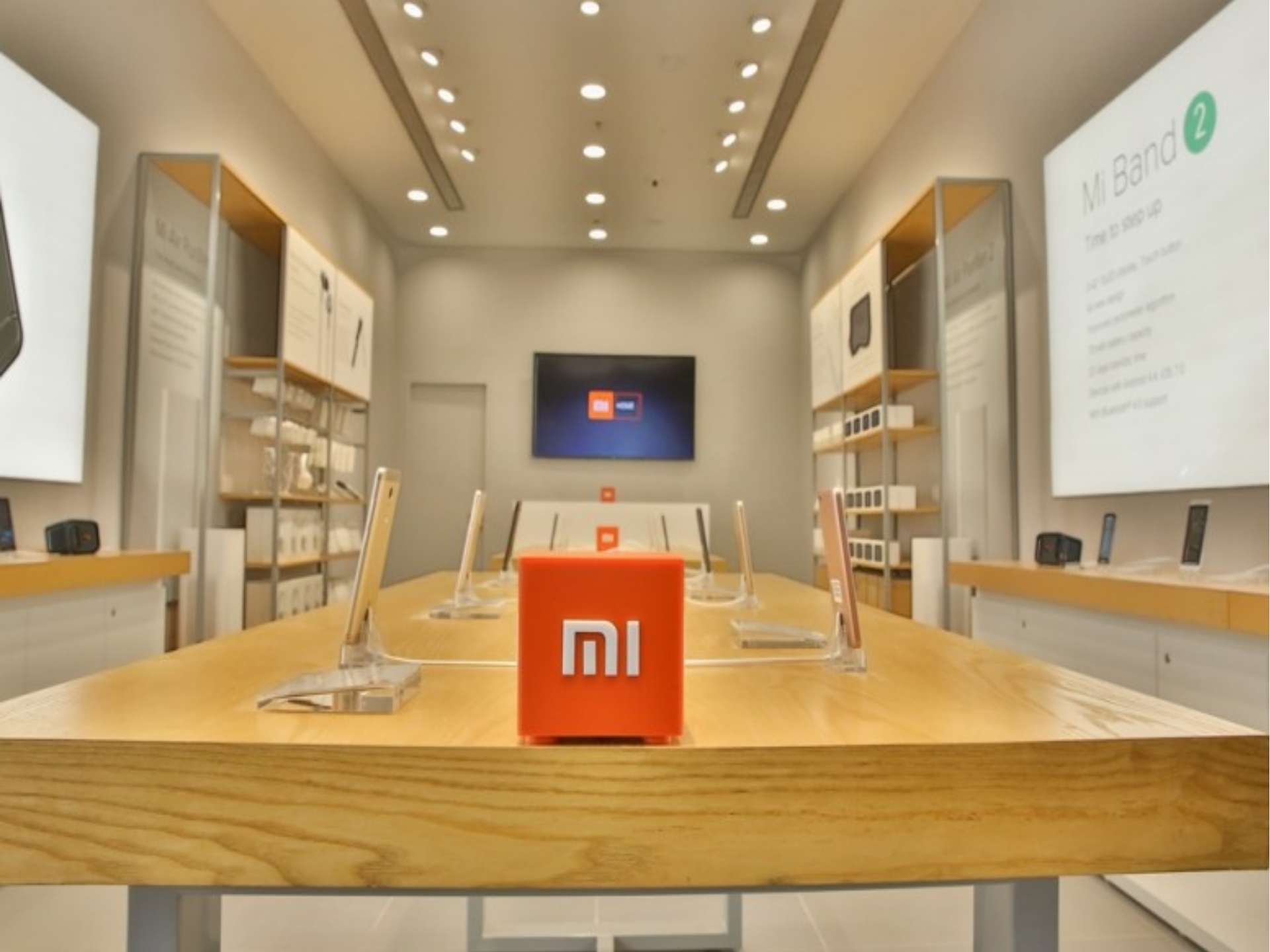
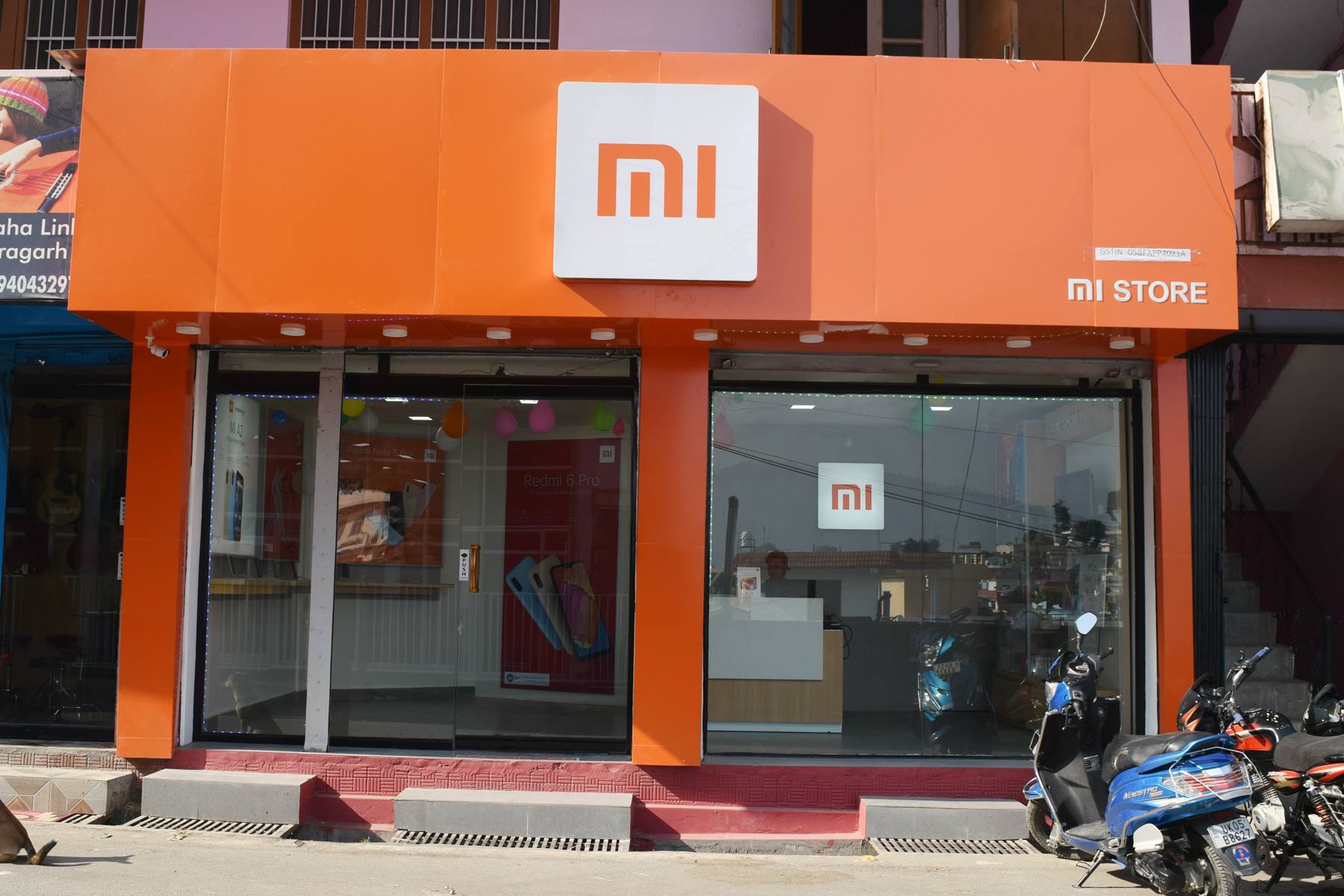
    Xiaomi India says it opened 500 retail stores in one day in India late last month. The Chinese electronics retailer has bannered the network Mi Stores – smaller, compact versions of the Mi Home stores, developed for mainly rural parts of India.

    “The company created a Guinness record for opening the maximum number of stores in one single day,” said Manu Kumar Jain, VP of Xiaomi Global and MD of Xiaomi India.


    “Xiaomi plans to open 5000 Mi Stores by the end of next year. This new business will forever change rural retail in India.”

    As well as the Mi Home stores, the company is continuing to roll out its larger flagships, the fourth of which opened in Bengaluru in September.

    Xiaomi India has been growing rapidly since it launched online, initially focusing on mobile phones. Since then it has expanded into other home electronics and is now moving into other retail categories such as luggage and apparel.

  • Star at Xiaomi’s store opening in NZ

    Star at Xiaomi’s store opening in NZ

    The electric scooter craze has well and truly hit New Zealand. Within just hours of Chinese electronics giant Xiaomi, or “Mi” as many know it as, opening the doors to its first New Zealand store, the retailer sold more than $250,000 worth of electric scooters.

    In just seven hours it had clocked $257,750 in sales from the e-scooters, which are similar to the popular rentable Lime-branded ones sweeping Auckland and Christchurch.

    About 200 of the scooters priced at $599 were sold online in 30 minutes yesterday, causing the retailer’s website to crash.

    Meanwhile, at Sylvia Park in Mount Wellington, where Mi opened its store, about 1500 people queued – from one side of the mall to the other – waiting in line for a glimpse of the scooter.

    More than 400 Mi electric scooters were sold in-store.

    The scooters are said to now be sold out.

    The Mi e-scooter is popular overseas.

    Mi New Zealand spokesman Eric Chang said he believed the popularity of rentable electric scooters had driven significant demand and interest in consumers wanting their own.

    The scooters have a range of 29km and can travel up to 25km/h.

    Lime scooters were introduced to Auckland and Christchurch streets last month and have proven popular and been in the headlines since.

    Some riders have left a trail of mayhem, and injury claims from electric scooter-induced injuries have soared.

    Between October 14 and 31 there were 69 electric scooter claims lodged with ACC.

    Overseas there have been bans of the scooters and one recorded death. As of today, there has been a global recall of models made by Chinese manufacturer Okai.

    A spokeswoman for Lime said the company was working with the US Consumer Product Safety Commission and other international agencies following reports the scooters made by Okai could break apart while in use.

    Lime said it did not anticipate any disruptions to its service after the recall.

    Lime currently operates in a string of cities across the world, offering e-scooters and bikes for hire, including in Switzerland, Germany, France, Poland, Czech Republic, Spain, Portugal, Mexico, Canada, Austria and United States.

  • Xiaomi is coming to UK

    Xiaomi is coming to UK

    Xiaomi will open its first store in the UK next week. The fast-growing Chinese electronics company will also sell its smartphones through the Three network, giving the brand exposure in hundreds of stores across the UK and in the Republic of Ireland.

    The Xiaomi UK launch follows openings in Spain and Paris as it joins other major global phone brands fighting for European market share.

    The first store, to be located in Westfield London, will open on November 10 and besides smartphones, will sell consumer electronics and accessories.

    In a Tweet, Xiaomi global spokesperson Donovan Sung wrote: “Excited to announce that Xiaomi will be officially entering the UK. See you all in London!”

    Just eight years after its launch, Xiaomi is now sold in 80 countries and boasts 200 million users. Already the fourth-largest smartphone brand in the world, behind Samsung, Huawei and Apple, Xiaomi sold 28.5 million handsets in the first quarter of this year.

  • Xiaomi’s Pocophone F1 to go on sale next month in Korea

    Xiaomi’s Pocophone F1 to go on sale next month in Korea

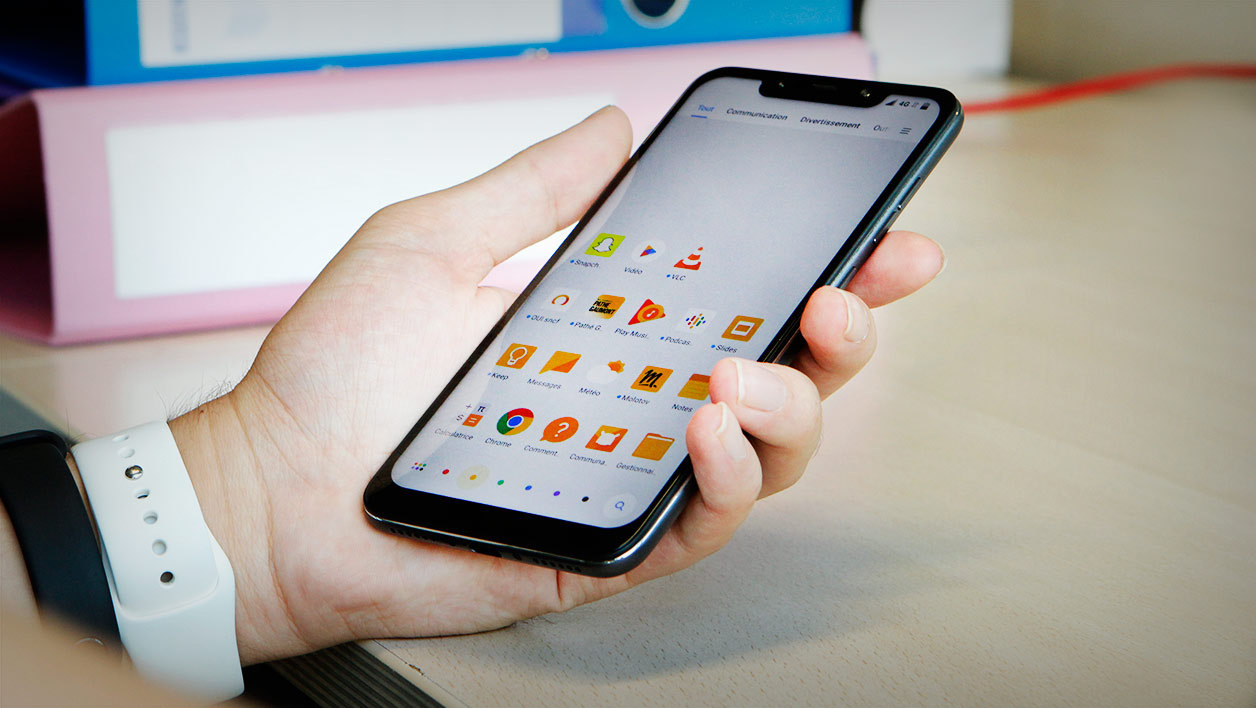
    Xiaomi’s affordable smartphone Pocophone F1 is arriving in Korea next month. The Pocophone F1, the first smartphone from Xiaomi’s sub-brand Poco Global, was first unveiled in early August. The F1 will cost 429,000 won ($376) here, around one-third of the price of an Apple iPhone XS and half the price of Samsung Electronics’ Galaxy Note 9.

    The phone has already proved to be a success in other markets, especially in India, where it raised 30 billion won in sales within the first five minutes.

    The F1 comes with six gigabytes of RAM and three storage options: 64, 128 or 256 gigabytes. In Korea, only the 64 gigabytes will be available for purchase. SK Telecom, KT and LG U+ will start receiving preorders from Nov. 12.

    Jay Mani, the head of product for Poco Global, said the core motivation for developing the Pocophone F1 was the market trend where fierce competition drives manufacturers to add all kinds of new functions and features that aren’t relevant to everybody.

    “So the phones you have today – they have all these new functions but many do not appreciate them, nor are they excited about them, and yet the prices have come up to the current level,” he said in a press conference held in southern Seoul on Monday. “We wanted to buck this trend.”

    The Pocophone F1 focuses on performance. Inside its plastic body, the F1 uses the same processor chip as the Galaxy Note9 and LG Electronics’ latest V40: the Qualcomm Snapdragon 845. Its battery storage is 4,000-milliampere hour, larger than most phones released this year and equivalent to the Note9. To ensure its high speed, the F1 has a cooling system that keeps the phone’s temperature down. The hotter a device, the slower it gets, said Mani.

    However, it also adds some of the core features used in competitors’ top phones today. For example, the artificial intelligence-embedded camera can add 25 filters while taking a photo by automatically perceiving what the object is, while a camera on the front of the device allows for face recognition.

    “Reaching out to loyalists, that’s something that takes time, but there are also a lot of people who we can make think: ‘Does [my phone and its price] make sense?’” said Mani.

  • Xiaomi opens world’s largest Mi Home store in Wuhan, China

    Xiaomi opens world’s largest Mi Home store in Wuhan, China

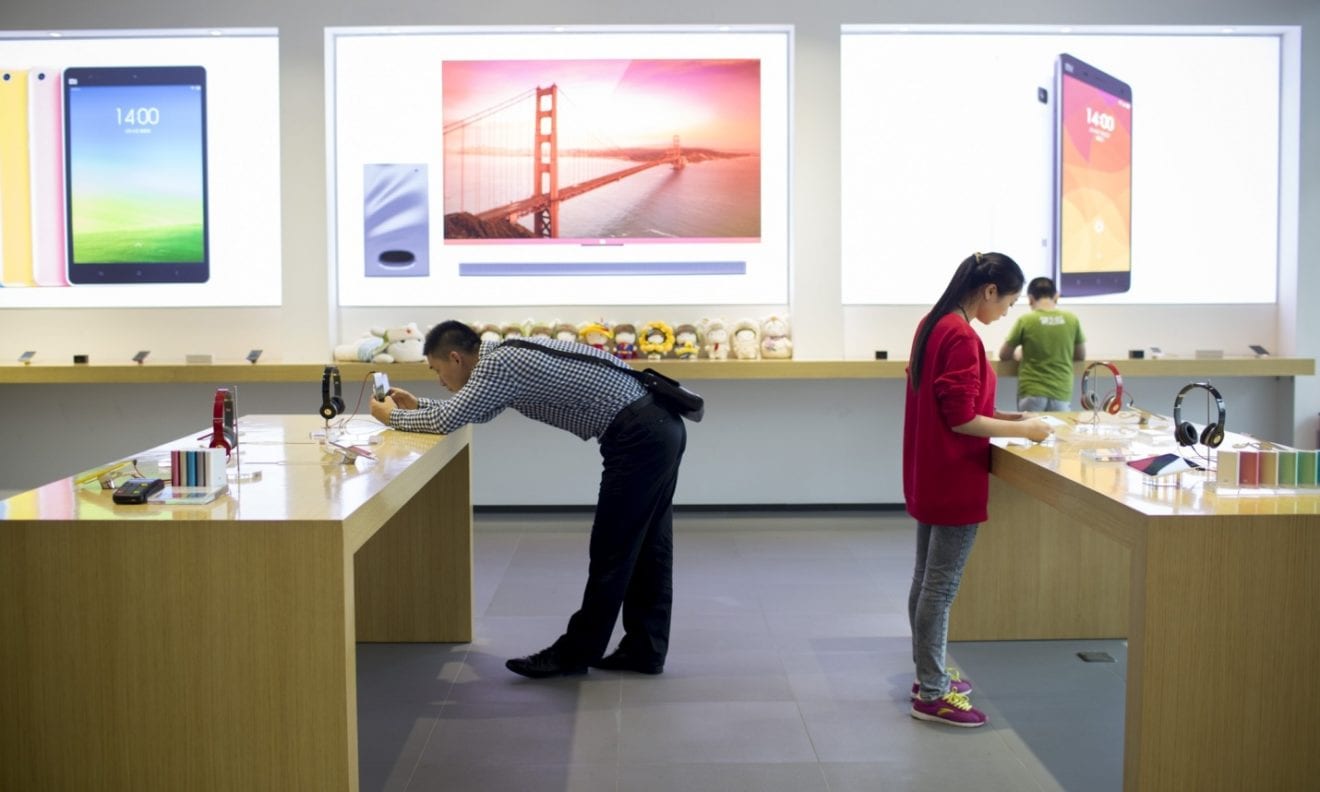
    Chinese electronics brand Xiaomi has opened its largest Mi Home store in Wuhan.

    The new location, launched shortly after the firm reached its target of 100 Mi Home stores in China, features a smart home demo zone that showcases a range of its products in a home-use environment. Sales assistants are on-hand in Xiaomi’s stores to guide customers in the use of the devices on sale and to process payments without waiting in queues.

    Xiaomi now targets expansion to 200 Mi Home locations in China by the end of the year and 1000 by 2020. It will also bring the number of authorised dealers to 2000 over the next three months. Following the opening of the Mi Home store in Wuhan, the company aims to extend its retail network to cover all quality business districts across the country by the end of this year.

    The brand’s physical stores are seen as a move to counter those of competing brands.

    Robust handset sales have recently seen Xiaomi reverse a RMB12 billion (US$1.75 billion) loss during the fourth quarter of its financial year ended June last year to a profit of RMB14.6 billion ($2.1 billion) in the same period this year.

  • JD.com e-commerce joint venture launches officially in Thailand

    JD.com e-commerce joint venture launches officially in Thailand

    The JD Thai JV with Central Group has been formally launched this week under the brand JD Central.

    “Our partnership with Central Group – a one-of-a-kind union between China’s biggest retailer and Thailand’s strongest retail player – will provide Thai customers with a truly world-class e-commerce experience and guarantee 100 per cent product authenticity,” said Vincent Yang, CEO at JD Central.

    The new online platform officially debuts today, September 28, and will further extend JD’s footprint in the Southeast Asia region, which already includes an established e-commerce platform in Indonesia and a strategic investment in Tiki, Vietnam’s leading B2C e-commerce business.

    Central Group, Thailand’s largest retail conglomerate, offers JD instant critical mass through customer loyalty program and brand recognition, as well as merchandise. The site has been in testing mode since June 18, offering both direct sales and marketplace models. Pre-launch sales were described as having “exceeded expectations”.

    The JD Thai JV site includes categories for electronics, digital products, fashion, home appliances, books and music through to groceries, cosmetics, toiletries, beverages and processed foods.

    During the pre-launch phase, about 80 per cent of shopper accessed the site via phones, with FMCG products, mobile phones and fashion the most popular items purchased. Products from Chinese companies have proved especially popular, with leading brands including Xiaomi, Huawei, OnePlus and Lenovo.

    Yang said the JD Thai JV will “transform the local market and unlock the boundless consumer potential of the nation’s large population, with the ultimate goal of becoming the most trusted brand in Thailand”.

  • Xiaomi phone comes to Korea

    Xiaomi phone comes to Korea

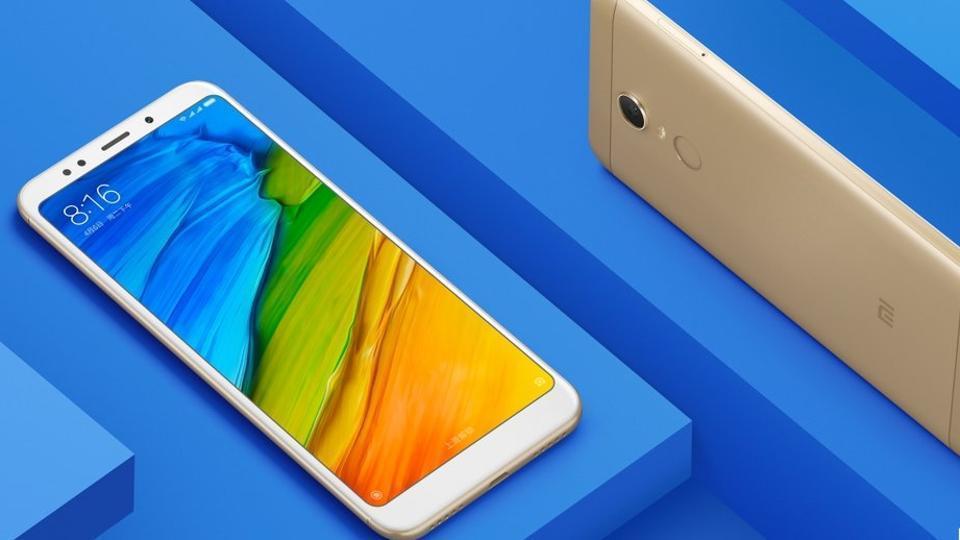
    Xiaomi’s Redmi Note 5 became the Chinese electronics giant’s first mobile phone to officially sell through Korean mobile carriers on Monday.

    The cost-effective phone, priced at 299,000 won ($265), is the first Xiaomi device launched nationwide through Korean mobile carriers SK Telecom and KT. Unlocked Xiaomi phones have previously been available through other retail channels in Korea.

    Redmi Note 5’s greatest selling point is its cheap price tag. While the phone already costs about a third of the price of Samsung’s Galaxy S or Note series phones or Apple’s iPhones, SK Telecom and KT are offering discounts of up to 200,000 won depending on the phone plans users subscribe to.

    That means that some customers will be able to pick up the phone for as little as 100,000 won.

    But the Redmi Note 5’s cheap price tag doesn’t mean Xiaomi has cut back on the features.

    The 5.99-inch screen phablet comes with a large 4,000mAh battery – larger than both the 3,300mAh battery in the Galaxy Note 8 released last year and the 3,000mAh battery in the Galaxy S9 released in March – and dual rear cameras with a 12-megapixel main lens.

    For enhanced selfie mode, the phone has a 13-megapixel front-facing camera. G-mobi, the Korean distributor of Xiaomi products, said that artificial intelligence has been applied to the camera so it can blur the background to focus on people during a launch event held Monday in Seoul.

    G-mobi also emphasized the beautify 4.0 feature of the camera, which can add effects to peoples’ faces by recognizing each part of the face such as dark circles, nose, eyes and even freckles. The feature enables users to easily fix their looks without editing the photo through special apps or programs.

    Jung Seung-hee, CEO of G-mobi Korea, said the Redmi Note 5 has been gaining better-than-expected feedback during the presales period that began from July 12. The phone is also sold online by CJ and Hi-Mart. Jung did not disclose exact sales data.

    She also declined to comment on an exact sales target for the phone, only saying that the goal for now is to safely land Xiaomi as a smartphone brand in Korea.

    When asked whether Xiaomi plans to establish its own retail shop in Korea, Jung said that is highly desired and a plan is being considered, but the low margin on Xiaomi products makes it a difficult decision.

    With the launch, eyes are now on how much market share the phone can take in Korea, the home turf of smartphone giants Samsung Electronics and LG Electronics where non-Korean branded phones have rarely survived, with the exception of Apple’s iPhone.

    According to market tracker Strategy Analytics, Samsung phones have accounted for 65.3 percent of the local smartphone market in the first quarter, followed by Apple with 16.7 percent and LG at 12.2 percent. Other foreign brands are struggling to even achieve a five percent market share.

  • Xiaomi shares fall in Hong Kong trading debut as US-China trade war deter equity investors

    Xiaomi shares fall in Hong Kong trading debut as US-China trade war deter equity investors

    Xiaomi, the first company to raise capital under Hong Kong’s overhauled listing rules for pre-revenue start-ups or companies with multiple classes of stock, sputtered during its trading debut on the city’s exchange when investors spooked by the US-China trade war refrained from buying its shares.

    Shares of the Beijing-based company, offered a week ago at HK$17 each in what was once billed as the world’s biggest initial public offer, fell by as much as 5.9 per cent in an advancing market to HK$16, before recovering to end their first trading day at HK$16.80.

    “Investors are no longer that crazy about so-called new economy IPOs, as many of them have quickly fallen below their offer prices,” said Edmond Hui, chief executive for Bright Smart Securities.

    “It’s no longer a guarantee of making money.”

    The lacklustre debut was a blow for the world’s fourth-largest smartphone maker, which had taken a mere seven years to grow from a start-up to surpass 100 billion yuan (US$15 billion) in sales. Founded by serial entrepreneur Lei Jun in 2010, Xiaomi was the first blockbuster IPO under the new listing rules that Hong Kong’s securities regulator and stock market operator pushed through last year.

    “Xiaomi’s listing signals the Hong Kong market has entered a new phase,” said the city’s Financial Secretary Paul Chan Mo-po, speaking in Cantonese during a ceremony marking Xiaomi’s trading debut. “I believe [Hong Kong’s listing reform] will prompt more innovative technology companies to raise funds in Hong Kong, so our market can better serve the real economy.”

    The size of Xiaomi’s fundraising – originally aimed at US$10 billion – was trimmed by bad timing, coming after the US and Chinese governments fired the first salvoes of their trade war.

    Net proceeds from the IPO were HK$23.98 billion (US$3.1 billion), after deducting underwriting fees and other relevant expenses, Xiaomi said. The company priced its stock at the low end of a price range of between HK$17 and HK$22 each.

    That values the company, whose name is the Chinese phrase for millet, at US$54.3 billion, about half of the US$100 billion it had originally sought, which would’ve made Xiaomi the world’s largest IPO this year. Instead, that honour has gone to Siemens Healthineers, which raised US$5.17 billion in Frankfurt in March.

    “Although the macroeconomic conditions are far from ideal, we believe a great company can still rise to the challenge and distinguish itself,” Xiaomi’s founder and chief executive Lei Jun said in a brief speech at the start of trading. “From day one, innovation has been an integral part of Xiaomi’s DNA,” he said, adding that the listing would be “a brand new start for Xiaomi.”

    It plans to use 30 per cent of the proceeds for research and development, 30 per cent to expand and strengthen its capability into the internet of things business, 30 per cent for global expansion, and the remainder for working capital and other corporate purposes.

    Four of the five biggest tech IPOs in Hong Kong since September are now trading below their offer prices.

    Lei, who founded Xiaomi in 2010 and currently holds nearly one third of the company’s stock, has been presenting Xiaomi as an internet company rather than a hardware maker, saying it should be valued as hybrid of Apple and Tencent because it is “driven by innovation”.

    Companies billed as manufacturers, like tech giant Apple, tend to achieve much lower valuations than those categorised as internet firms, for example China’s Tencent.

    Investors were not the first to question Lei’s categorisation. In mid June, the company shelved a plan to issue Chinese depositary receipts (CDRs) in Shanghai after the market regulator demanded answers to 84 questions, including why Xiaomi positioned itself as an internet firm.

    The smartphone maker has tapped several Hong Kong and Chinese tycoons as investors, including Li Ka-shing of CK Hutchison, Pony Ma Huateng of Tencent and Jack Ma Yun, founder of Alibaba Group Holdings and owner of this newspaper.

    Xiaomi’s seven cornerstone investors have agreed to acquire US$548 million worth of shares with a six-month lock-up period, according to the prospectus.

    US chip maker Qualcomm has committed US$100 million, the only foreign company among the cornerstone investors. China Mobile, the country’s biggest telecom operator, will also invest US$100 million, while CICFH Entertainment, a state-backed industrial fund, will be the biggest cornerstone investor with a US$192 million stake.

  • Xiaomi retail share offer 9.5-times oversubscribed

    Xiaomi’s highly-anticipated initial public offering in Hong Kong drew nearly ten times more applications for share purchases than what it made available for retail investors, after the Chinese tech giant priced at the bottom end of its target range.

    The company received applications for more than 1bn shares, about 9.5 times the 108.9m shares the company made available under its IPO in Hong Kong, according to a regulatory filing.

    That came after Xiaomi, touted as the biggest tech listing since 2014, was valued at just half its original $100bn ambition with its shares offered at HK$17 (US$2.16) each. The offering implies a market capitalisation of $53.9bn, compared with a $45bn valuation at its last private funding round in 2014. Shares in the lossmaking company start trading in Hong Kong on Monday.

  • VivoCity mall extension start operating

    VivoCity mall extension start operating

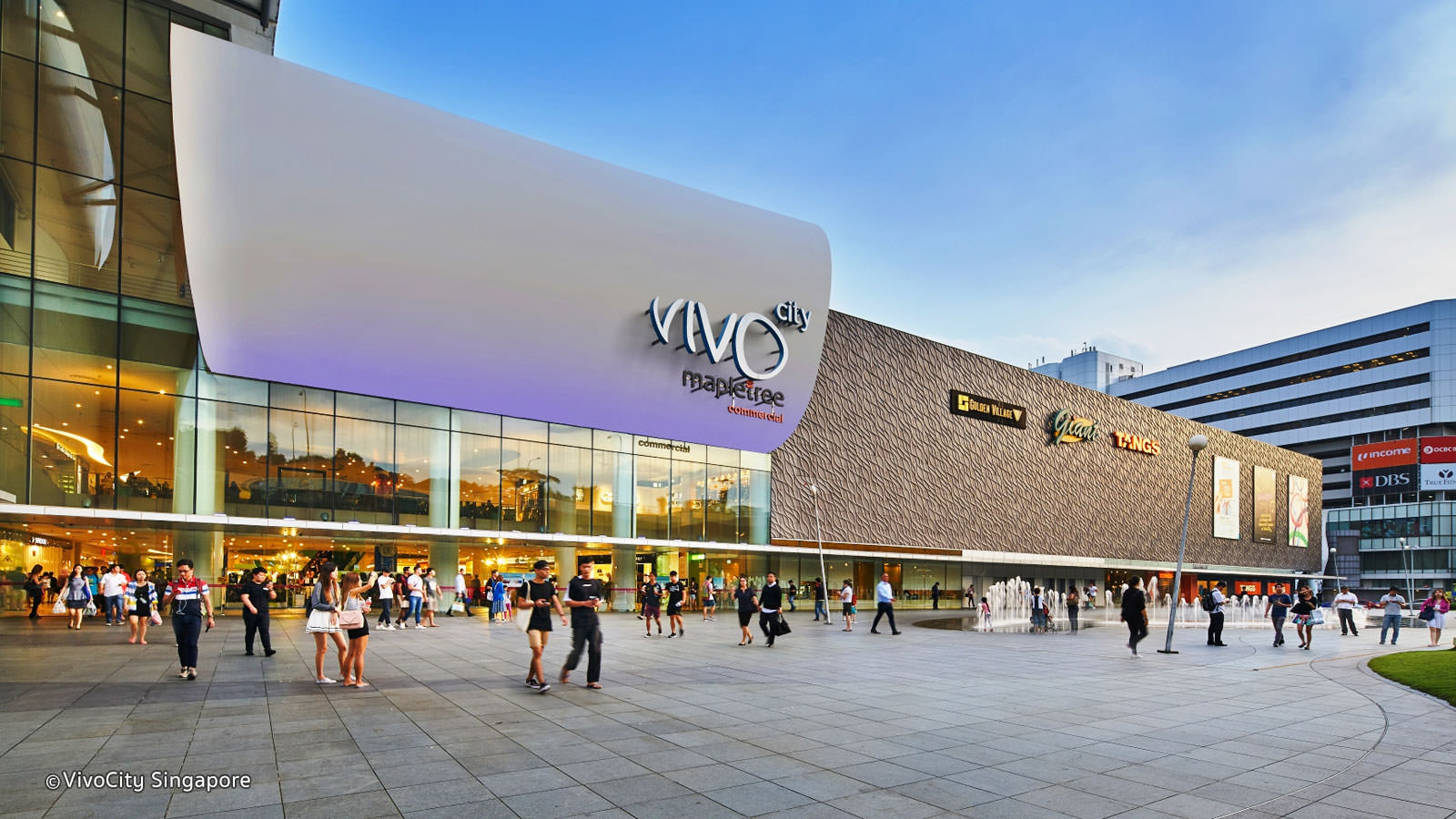
    Singapore’s VivoCity mall has opened a new 3000sqm basement extension housing 10 fashion, athleisure and lifestyle brands.

    Mapletree Commercial Property Management VP for marketing communications Gwen Au said the new extension will allow shoppers to discover new retail concepts and expanded fashion and lifestyle collections.

    A new escalator lobby has been constructed leading through the extension to improve access to and from the Harbourfront MRT station.

    One of the new tenants in VivoCity B1 is Fila, which is launching three concepts under the one roof – Fila, Fila Kids, and Fila Fusion – offering buyers a range of performance, sport couture, and lifestyle collections. Adidas will also present multiple store formats in the extension, unveiling its stadium concept store (featuring performance wear) next to a new Adidas Originals flagship (offering street style fashion trends).

    Other brands opening in the extension include New Era, Nike, L.E. Underground, Weston Corp and Xiaomi.

    Images of the retail stores open can be viewed below :


  • China’s Xiaomi expands into France and Italy

    China’s Xiaomi expands into France and Italy

    Chinese smartphone maker Xiaomi Corp, which is planning to raise US$10 billion in a Hong Kong public listing, says it has launched sales in France and will enter the Italian market tomorrow.

    In France, Xiaomi is selling through its first Mi Store in Paris, via its own e-commerce platform Mi.com, and on other online and offline platforms including Amazon and Cdiscount. To date, the Beijing company has established a presence in 74 markets and has agreements with telecoms carriers in France, including Bouygues, Free, Orange and SFR.

    Smartphone shipments in western Europe fell 13.9 per cent in the first quarter, according to market research firm Canalys. Shipments to France dropped 23.2 per cent.

    However, Xiaomi shipments rose by more than 999 per cent, while Samsung and Apple saw 15.4 and 5.4 per cent declines respectively.

  • Xiaomi files documents for IPO in Hong Kong

    Xiaomi files documents for IPO in Hong Kong

    Chinese smartphone giant Xiaomi has filed documents for an IPO on the Hong Kong stock exchange that could see the company raise at least $10 billion in the biggest public offer since 2014.

    The IPO is expected to value the company at between $80 billion and $100 billion, according to data and analysis company GlobalData. This would make it the largest IPO since Alibaba’s $25 billion public listing in 2014.

    GlobalData consumer technology analyst Avi Greengart said the listing would give Xiaomi the infusion of capital it will need to pursue an expansion to the West.

    “Xiaomi has long planned to enter the US. For now it is targeting Europe, starting with Spain, and we will be closely monitoring how the brand and its business model translates well outside of China,” Greengart said.

    “Xiaomi has said it plans to enter the US market ‘next year’ for the past three years. The US is famously unfriendly to Chinese brands right now. The bigger challenge is that carriers are the gatekeepers, the market is skewed heavily towards premium smartphones, and US consumers have expectations around brand and software that Xiaomi may have difficulty meeting.”

    The vendor’s “fascinating” business model involves selling phones in high volumes at low margins, and started with online-only operations, Greengart said.

    “However competitors such as Huawei eventually countered with online-only brands of their own, and Xiaomi was unprepared. The company was able to successfully regroup and move into retail outlets as well as online. Xiaomi’s also thinks of itself as an incubator and IoT ecosystem vendor, investing in dozens of start-ups selling everything from air cleaners to fitness bands to Segways.”

    Xiaomi’s IPO documents [PDF] show that the company recorded a 67.5% increase in revenue in 2017 to 114.62 billion yuan (HK$141.36 billion). But the company swung to a net loss of 43.89 billion yuan from a profit of 491.6 billion yuan in 2016.

    The company already has a presence outside of China, having rapidly grown to the top smartphone brand in India, IDC estimates. The research firm also puts Xiaomi at the number four spot globally in terms of smartphone market share, behind Samsung, Apple and Huawei.

  • CK Hutchison enters global alliance with Xiaomi

    CK Hutchison enters global alliance with Xiaomi

    Hong Kong conglomerate CK Hutchison has entered an agreement with Chinese smartphone maker Xiaomi covering distribution of Xiaomi smartphones.

    Under the agreement, CK Hutchison will bring Xiaomi smartphones, as well as IoT and lifestyle products, to its vast network of telecom and retail stores.

    CK Hutchison’s 3 Group and AS Watson brands will be able to broaden their product range, while Xiaomi will benefit from a wider international presence.

    The agreement will initially cover 3 Group’s stores in Hong Kong, Austria, Denmark, Ireland, Italy, Sweden in the UK and AS Watson stores in Hong Kong, Ireland, UK and the Netherlands.

    Xiaomi also plans to extend its collaboration with CK Hutchison’s operator channels in European markets.

    Recent research from Canalys estimates that Xiaomi had its strongest revenue growth in three years during the first quarter, with unit shipments growing 116% year-on-year to 28.1 million. More than half (nearly 57%) of these were shipped outside of China.

    “Xiaomi has done a great job recovering its position in its home market,” said Canalys Senior Director Nicole Peng. “While China has been a growth engine and profit driver for Xiaomi’s rising service revenue, overseas market expansion has helped it boost market share, both of which will be critical to the success of its IPO,” Canalys senior director Nicole Peng said.

    “It is important to note that Xiaomi’s rapid expansion will bring with it substantial overheads, which will make sustaining its original lightweight cost structure increasingly difficult.”

  • Xiaomi signs a partner deal with LightInTheBox Holding

    Xiaomi signs a partner deal with LightInTheBox Holding

    Global online retailer LightInTheBox Holding has signed a strategic distribution agreement with Xiaomi to sell its technology products in North America.

    It is Xiaomi’s first cross-border e-commerce distribution partnership in the region, and customers buying its products through LightInTheBox platforms will receive local customer support from Xiaomi.

    Founded in 2010 by entrepreneur Lei Jun, Xiaomi is based on the vision “innovation for everyone”.

    The Beijing-based company incorporates customer feedback into its product range, which includes Mi and Redmi smartphones, TVs and set-top boxes, routers and Mi Ecosystem products including smart home products, wearables and other accessories. Xiaomi has a presence in more than 70 countries and regions.

    With its headquarters in Beijing, LightInTheBox websites and mobile applications are available in 23 languages and cover more than 80 per cent of global internet users.

  • Xiaomi pushes smartphone component suppliers to invest more in India

    Xiaomi pushes smartphone component suppliers to invest more in India

    China’s Xiaomi said it wants its global smartphone component makers to set up base in India, in what is likely to bring as much as US$2.5 billion of investment to the South Asian nation while also creating up to 50,000 jobs.

    Xiaomi’s push could boost Prime Minister’s Narendra Modi’s flagship ‘Make in India’ drive that is aimed at adding tens of millions of new jobs and turning Asia’s No.3 economy into a global manufacturing hub.

    Xiaomi, which looks headed for a big initial public offering later this year, currently has six smartphone manufacturing plants in India. It hosted more than 50 of its global suppliers in New Delhi at an investment summit on Monday that was also attended by key government officials.

    If the suppliers at the summit were to set up shop in India, a top market for Xiaomi, it would bring in US$2.5 billion in investment and create as many as 50,000 jobs, the company said.

    The Chinese firm has unseated Korean rival Samsung Electronics to take the pole position in India’s smartphone market – the world’s second biggest.

    Xiaomi, which began assembling smartphones through Foxconn in southern India in 2015, will now assemble parts like memory and processors on printed circuit boards locally, said Manu Jain, managing director of Xiaomi’s India operations.

    “Today we are deepening this commitment with three more smartphone factories and our first surface-mount technology (SMT) plant dedicated towards local manufacturing,” Jain said in a statement.

    SMT is a method by which components are embedded onto printed circuit boards (PCBs). Once populated with components, PCBs that house memory, chips and other components, typically account for about half the cost of a smartphone.

    This announcement comes a week after New Delhi levied a 10 percent import duty on some key smartphone components, including populated PCBs. The South Asian nation is Xiaomi’s second-largest market after China.

    Xiaomi’s SMT plant will be run by Taiwan’s Foxconn, the world’s largest contract electronics manufacturer and a key Apple supplier.

    However, Xiaomi’s push to get suppliers to India could spark job loss concerns in neighbouring China that is currently among the top electronics manufacturers in the world.

    “India’s cheap labour offers more competitiveness to manufacturers, demand is vast and in India opportunity is also huge because the market is much less saturated compared to China,” said Jaipal Singh, a senior market analyst for client devices at tech research firm International Data Corporation.