Retail News CRM

Tag: Xiaomi

  • Xiaomi Mi Mix now available via Lazada in Singapore

    Xiaomi Mi Mix now available via Lazada in Singapore

    Xiaomi Mi Mix now available via Lazada in Singapore

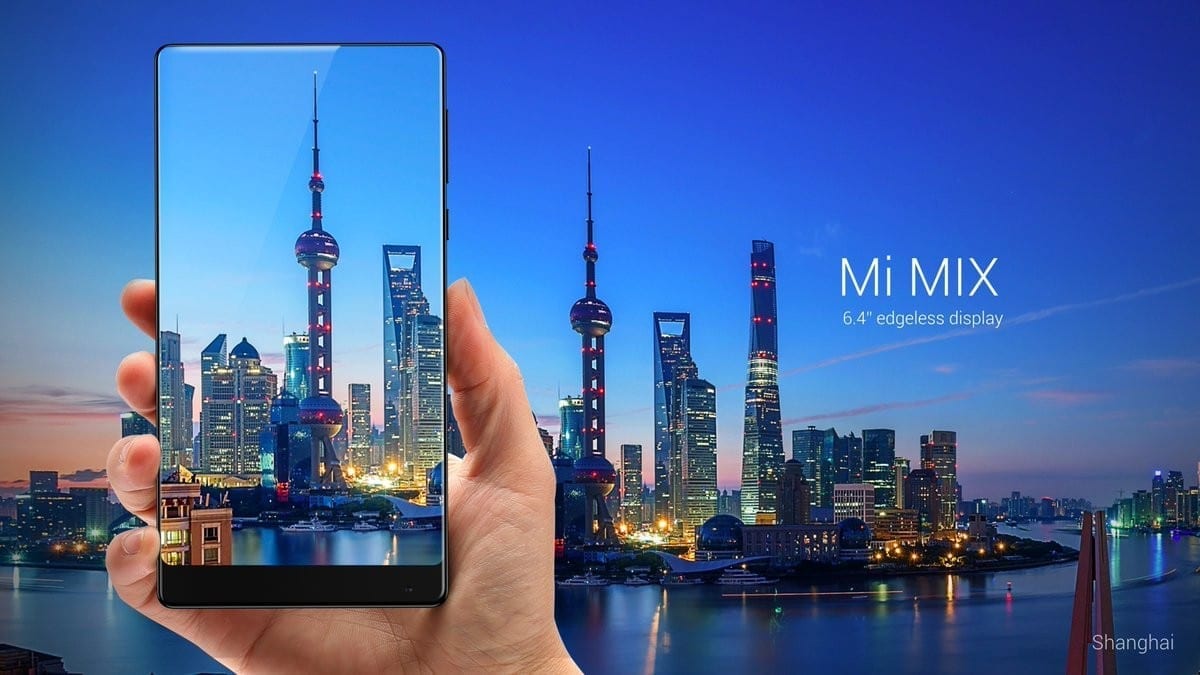
    Xiaomi fans in Singapore are in for a treat as the Mi Mix concept phone is now available for purchase via Lazada. Although the phone’s availability is officially limited to China, some enterprising stores like Lazada have come to the rescue of prospective smartphone buyers in the island state.

    The only caveat with the Lazada deal is that you will get just one month local-seller warranty at a premium price.

    The regular 4GB/128GB variant of Mi Mix retails at ¥3,499, which is the equivalent of S$720. In contrast, the Mi smartphone starts at S$1,278 in retail outlets across Singapore.

    On the other hand, the premium 6GB/256GB model is priced around ¥3,999 (S$820) in China and the same retails at a whopping S$1,639 in the island state.

    The all-screen and all-ceramic phone from Xiaomi definitely carries the premium looks of any eye-catchy phone in the market.

    It must be noted that the Xiaomi Singapore is not currently stocking the Mi Mix, despite featuring its official store on Lazada. So, your only option is to buy the phone through third-party importers and sellers via Lazada, which is too risky as it comes without the official hardware warranty.


  • Xiaomi Malaysia opens shop on Lazada

    Xiaomi Malaysia opens shop on Lazada

    Xiaomi Malaysia has launched an official store on Lazada.

    A sale will kick off the brand’s arrival featuring the Mi Band 2, Mi Capsule Earphones and 10,000mAh Mi Power Bank Pro.

    Mi products, ranging from Mi Phones, Mi Smart Devices, Mi Power Banks, and Mi Accessories will be available on Lazada, sold and fulfilled by the Mi Store with official warranties from Mi Malaysia.

  • Xiaomi launches smartphone with ultrasound sensor

    Xiaomi launches smartphone with ultrasound sensor

    Chinese handset maker Xiaomi has launched a new smartphone that uses technology allowing the vendor to push the screen all the way to the top edge of the device.

    The MIX smartphone uses a technology from Elliptic Labs to replace the standard hardware proximity sensor with ultrasound software.

    The technology, named INNER BEAUTY, uses ultrasound instead of infrared to detect when a device is being held up to a user’s face and disable the screen’s touch functionality. It also allows the speaker to be completely invisible, clearing up the top area of the phone.

    According to Xiaomi, the MIX display uses 91.3% of the surface area of the front of the phone, compared to just 67.7% for the iPhone 7 Plus.

    Besides allowing for a larger screen, Elliptic Labs’ BEAUTY ultrasound proximity software has the potential to address common issues with hardware proximity sensors, such as unreliability in extreme weather conditions or in response to dark hair or skin colors.

    Eliptic Labs said OEMs will also be able to reduce costs by removing the hardware sensor in favor of a more cost-effective software solution.

    “We are thrilled to have our ultrasound proximity software featured in the new smartphone from world leader Xiaomi. Elliptic Labs is the only ultrasound proximity feature vendor designed into a tier-1 mobile handset,” Eliptic Labs CEO Laila Danielsen said.

    “This is a significant validation of our Elliptic Labs’ value proposition and we are confident this will pave the way for additional design wins for our innovative ultrasound proximity product in the coming quarters.”

  • Xiaomi announces its first VR headset

    Xiaomi announces its first VR headset

    Xiaomi is broadening its already expansive range of products by venturing into virtual reality for the first time.

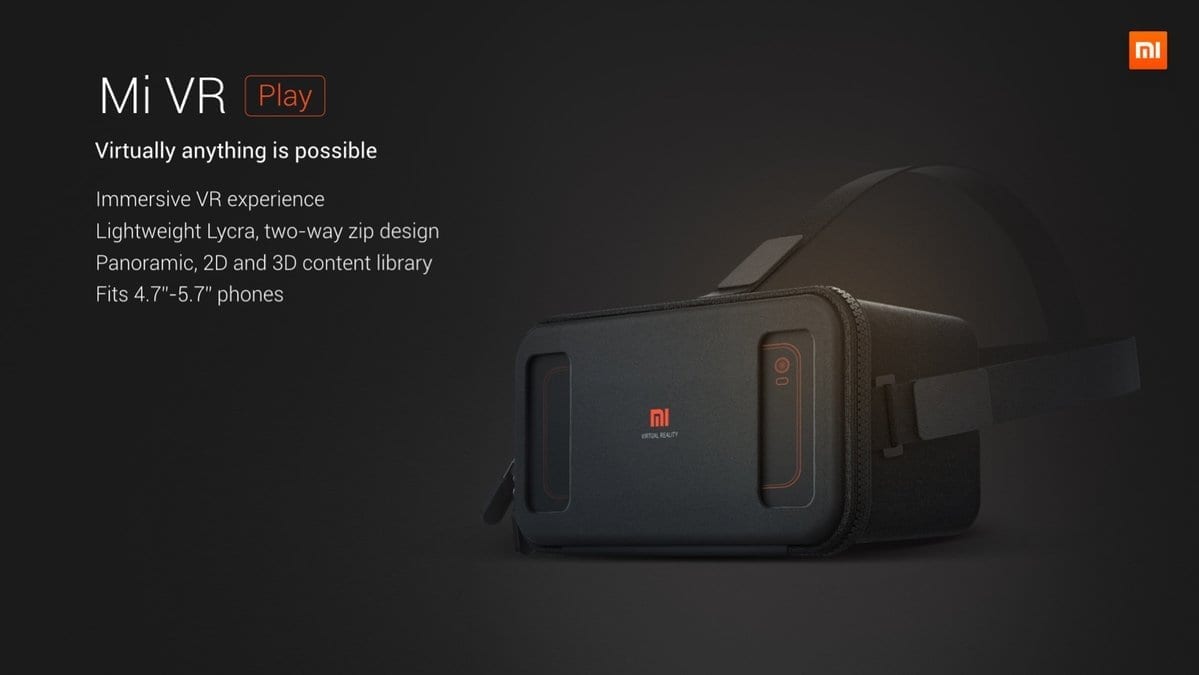
    The company today announced the Mi VR Play, an “entry-level” virtual reality headset that it hopes can open this new exciting medium to new audiences because not everyone has thousands of dollars needed to set up an Oculus Rift or HTC Vive. Democratizing technology is the thesis behind most of Xiaomi’s competitively priced products, including the $550/$750 notebook announced last week that will rival Apple’s Macbook in China.

    This new device recalls Google’s super-cheap and super-simple Cardboard VR headset. It is fairly basic in nature; you pop a smartphone into the lycra-built body then open Xiaomi’s Mi VR app, which contains VR content from selected partners that include Conde Nast Traveler and YouKu, “China’s YouTube.” Xiaomi pledged to invest $1 billion in video content, including VR, last year, so that library is sure to get bigger over time.

    Here’s how Xiaomi describes the headset:

    Mi VR Play has significantly improved upon the design typically used in similar VR products — it is wrapped in lightweight, durable Lycra for long-lasting comfort. In the future, Mi VR Play will also be available in a selection of bold prints and colours for even more stylish options. The unique two-way zipper helps to ensure compatibility, providing a secure grip on a wide range of 4.7- to 5.7-inch smartphones. At the same time, the dual openings on the front allow for slight positioning adjustments and ventilation.

    Here’s the catch — you can’t go and buy one, even if you’re in China.

    Xiaomi is making it available to a limited number of beta test users, who signed up on August 1 when Xiaomi put out a call for volunteers. One million users signed up in just eight hours, the company said, but Xiaomi has selected just a fraction of those — likely “tens of thousands,” a representative told us.

    For those lucky ones accepted into the test program, the Mi VR Play will cost just RMB 1 ($0.15).

    Xiaomi told us that it has plans to make the headset more widely available in the future, but there’s no schedule for that right now. Along those lines, it isn’t clear how much the headset will cost once it is on sale to all. We suspect it won’t be RMB 1, sadly.

  • Xiaomi Products Come to Korean Convenience Stores

    Xiaomi Products Come to Korean Convenience Stores

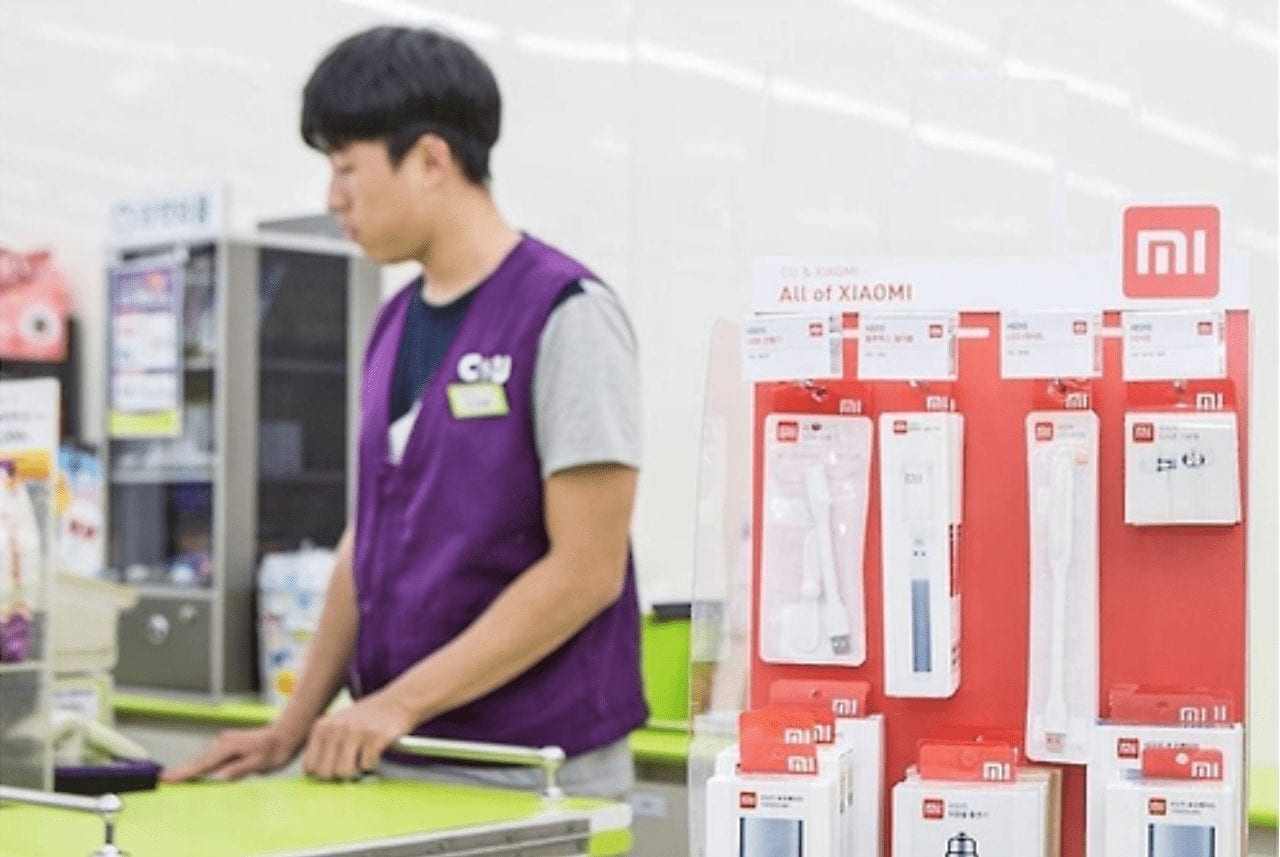
    Ticket Monster (T-Mon), Korea’s leading social commerce platform, announced Thursday that it will be supplying convenience store franchise CU with Xiaomi products for offline distribution.

    CU outlets have already been selling Xiaomi portable battery packs (5000mAh) since the beginning of September, which were also supplied by T-Mon, but they will now have nine other products from the Chinese company on offer, including ear phones, selfie sticks, LED lights, and USB fans. 

    The move is a win-win for both CU and T-Mon. 

    “With the widespread use of smartphones, sales of smartphone-related products such as portable battery packs have increased by 69 percent this year,” said official.

    “We’ll be increasing our Xiaomi inventory at outlets closer to universities, offices, and entertainment districts, while also targeting Chinese tourists at our stores near tourist attractions like Myeongdong and Gwanghwamun.” 

    As for T-Mon, it will be securing an offline distribution channel to further expand its revenue stream. 

    “By allowing offline sales of products that used to be sold exclusively online, we’ll be offering our partners new opportunities to increase their profits,” a T-Mon official said. 

    Xiaomi products have grown increasingly popular on Korea’s ecommerce platforms for their affordability. The company’s 5000 mAh battery pack, in particular, makes up about 80 percent of all portable battery sales on T-Mon. 

    Although the Chinese electronics giant has yet to introduce its smartphones to Korea, the brand has gained widespread recognition with massive popularity on ecommerce platforms like T-Mon and Coupang. 

    Xiaomi made its official entrance here in March through an exclusive deal with local distributor Youmi, and has since been selling a wide range of electronics and consumer goods including the Mi Band (fitness wearable), an air purifier, Bluetooth speakers, a bicycle, and even backpacks.

    The company also opened its first offline store at the Yongsan Electronics Market in June, and is rapidly expanding its outlets across the Seoul Metropolitan Area.


  • Xiaomi hopes to open 1000 stores by 2020

    Xiaomi hopes to open 1000 stores by 2020

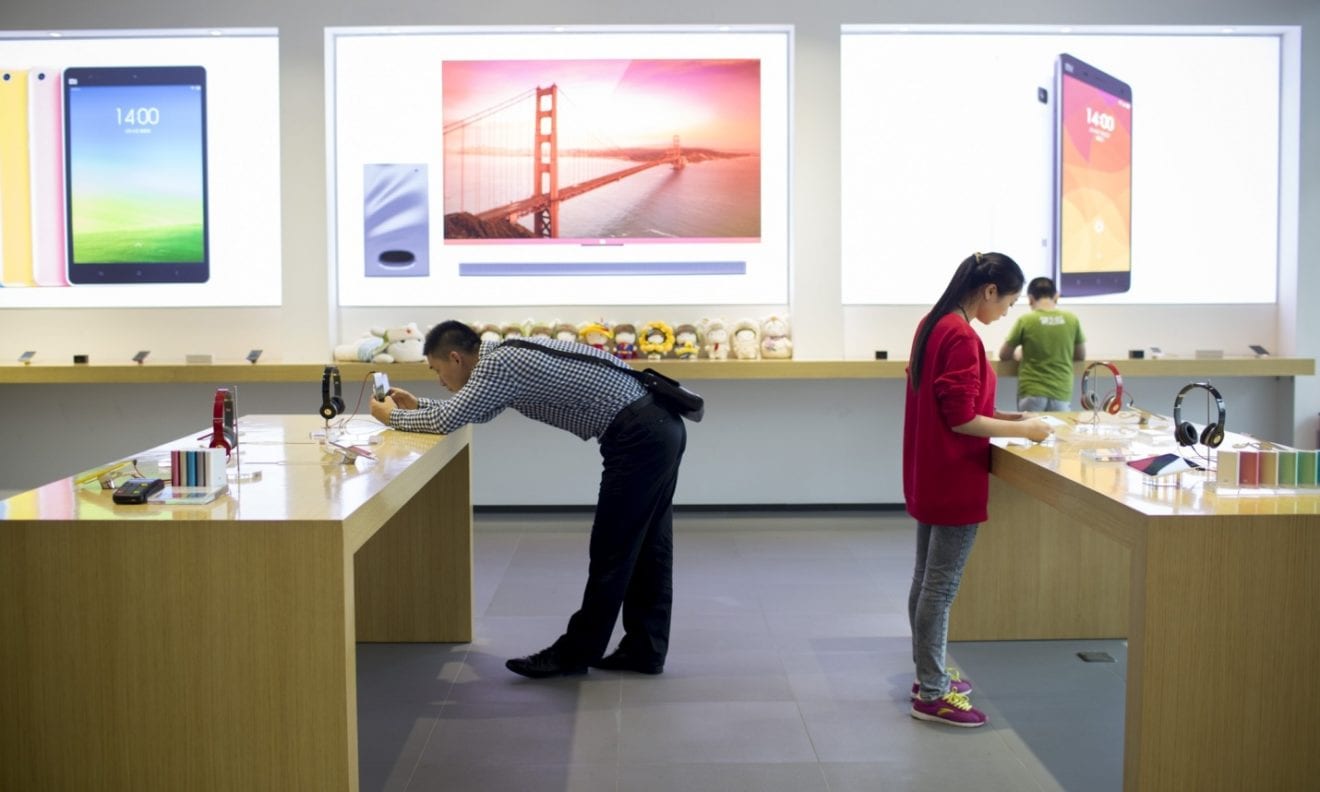
    To date, Xiaomi has focused overwhelmingly on internet sales of its smartphones and media devices in order to keep costs down. Even its tiny retail footprint has largely been limited to service centers and “experiences.” However, that’s all going to change in the next few years. Xiaomi has revealed that it plans to open 1,000 honest-to-goodness retail stores by 2020. It’ll make sure that customers can “touch and test” Xiaomi’s technology, CEO Lei Jun says. He hasn’t said where those stores will be, but it’s reasonable to expect most or all of them to be located in greater China.

    A spokesperson said that the retail plan is an acknowledgement that Xiaomi has “become a household name” in China, and that you’ll see its presence grow relatively quickly. The firm is converting its existing Mi Home outlets into full-on stores, and expects 60 Mi Home locations to be up and running by the end of 2016.

    The dive into retail is bound to be expensive for Xiaomi, and a gamble when the company is almost legendary for its razor-thin profit margins on hardware. It might not have much choice, mind you. While it’s true that Xiaomi is well-established, its smartphone shipments plunged this year — in no small part due to rivals like Huawei, which has a whopping 11,000 stores across China. Physical stores could both snap up more impulsive buyers and remind customers that Xiaomi is still a force to be reckoned with. There’s no guarantee that it’ll work, but Apple’s recovery in the 2000s was partly credited to launching stores that both increased availability and presented its products in the best light. Xiaomi is no doubt hoping for a similar effect.

  • Xiaomi Mi Robot Vacuum for home cleaning launched in China

    Xiaomi Mi Robot Vacuum for home cleaning launched in China

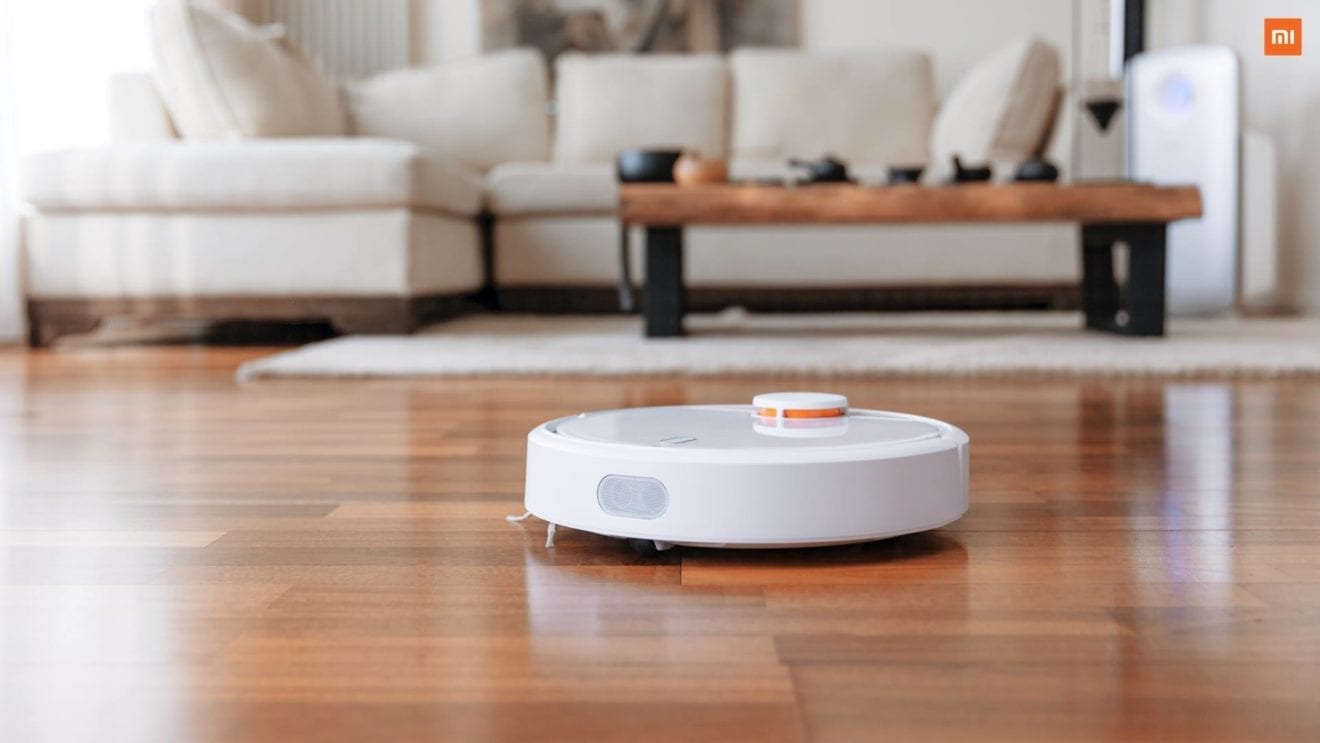
    Xiaomi has announced Mi Robot Vacuum, its latest Mi Ecosystem product. The device has been developed by Mi Ecosystem company Rockrobo. Mi Robot Vacuum is an intelligent robot with Laser Distance Sensor (LDS). The LDS feature allows Mi Robot Vacuum to scan its surroundings 360 degrees, 1,800 times per second. There’s also Simultaneous Localization and Mapping (SLAM) algorithm, which enables the device to map out how the house is laid out and calculate the best cleaning path. Xiaomi’s Mi Robot Vacuum is equipped with 12 sensors.

    Xiaomi Mi Robot Vacuum integrates with the Mi Home app and allows users to control Mi Robot Vacuum remotely. The main brush in Mi Robot Vacuum automatically adjusts height to create tight seal with floor for dirt pick-up on uneven surfaces. It maintains 1cm distance from walls for the side brush to effectively clean near walls. There’s a 5,200 mAh battery, which the company claims will provide 2.5 hours of cleaning. Mi Robot Vacuum will be available in China starting September 6. It will retail for 1699 yuan ( Rs 17,000 approx) on Mi.com and at Mi Home stores in China.

    Xiaomi introduced its Mi Ecosystem sub-brand in March with the launch of Mi induction heating pressure rice cooker. The Mi Ecosystem covers a range of products manufactured by Xiaomi’s ecosystem partners. These include smartphones, smart TVs and smart routers. Xiaomi has invested in 55 companies for designing and manufacturing products for this ecosystem. Mi induction heating pressure rice cooker is WiFi-enabled and can be controlled via the Mi Home app. It sells for 999 Yuan (approx Rs 10,000).

  • Xiaomi eyes offline expansion

    Xiaomi eyes offline expansion

    Chinese smartphone vendor Xiaomi Corp unveiled a new smartphone with China Mobile Communications Corp on Thursday, as the company steps up efforts to expand offline retailing channels.

    China Mobile, the country’s largest telecom mobile carrier by subscribers, said it hopes to sell 30 million Xiaomi handsets this year, signaling a boost for Xiaomi, which is wrestling with declining shipments and mounting competition from rivals such as Huawei Technologies Co Ltd.

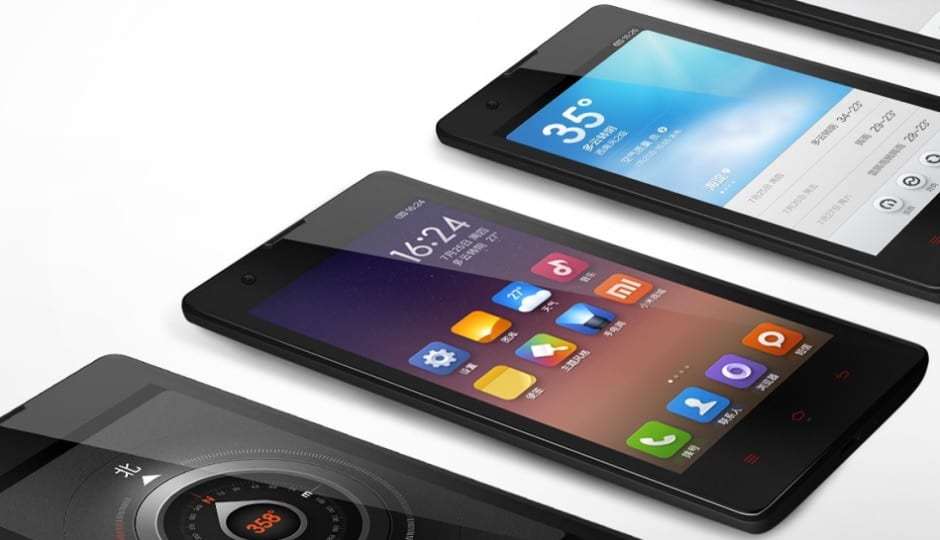
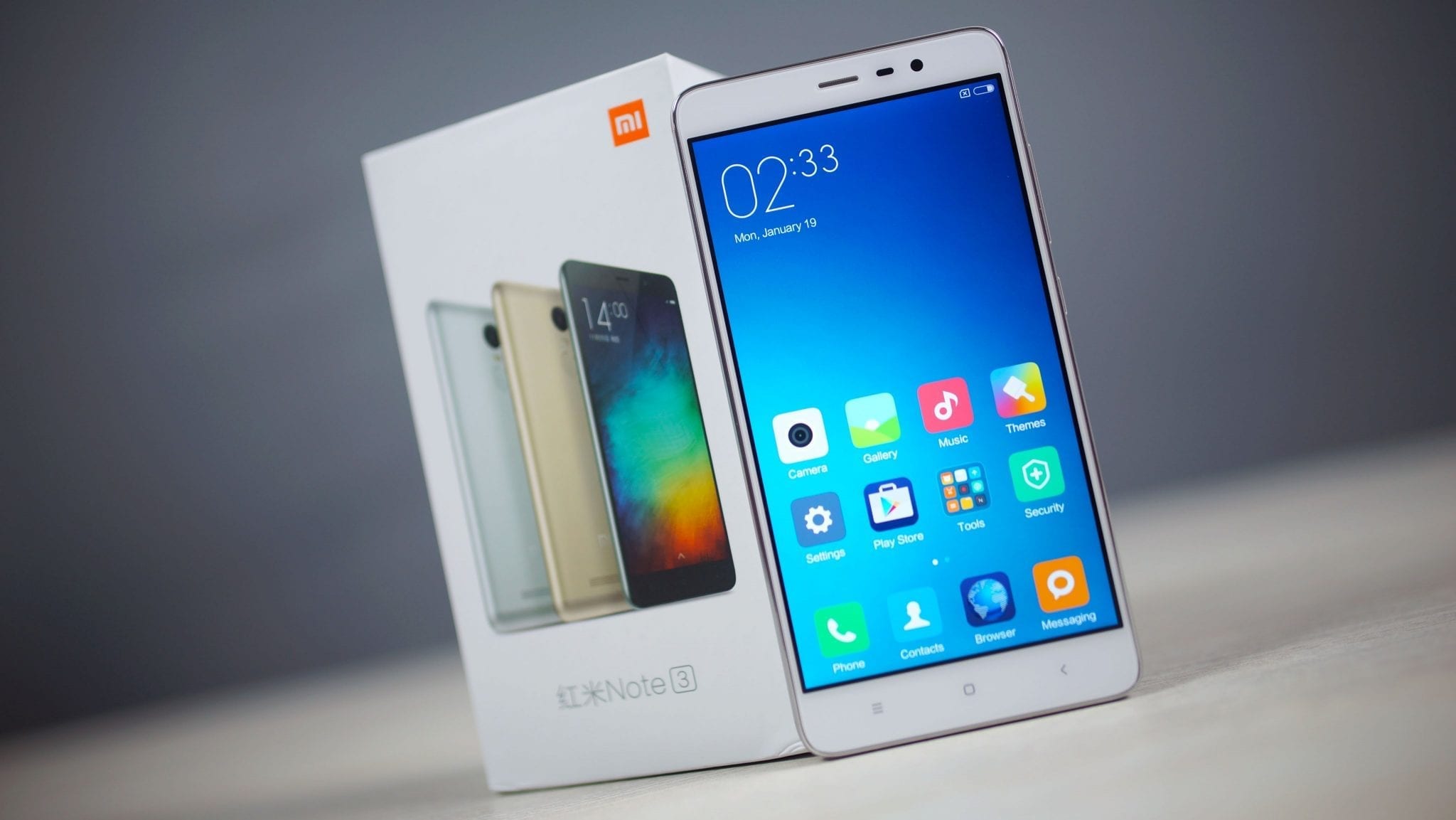
    Priced from 899 yuan ($136), the new phone, the Redmi Note 4, will be on sale at China Mobile’s 20,000 offline stores and more than 100,000 bricks-and-mortar retailing partners’ stores.

    Lei Jun, CEO of Xiaomi, said the company has sold more than 110 million smartphones under Redmi, a brand known for its cost-effectiveness. “The new phone is our latest effort to offer a quality smartphone that everyone can buy.”

    The move came as China’s online smartphone sales hit a ceiling, and market players are banking on bricks-and-mortar retail partners for growth.

    James Yan, research director at Counterpoint Technology Market Research, said it is highly possible to achieve the sales target, given China Mobile’s sprawling offline presence.

    “Telecom operators’ retail channels account for 30 percent of China’s total smartphone sales, and more than half of that are handled by China Mobile,” Yan said.

    The new phone’s good design and sophisticated body, better than most of Xiaomi’s previous phones, will also help boost sales. And the Beijing-based firm’s supply chain partner Wingtech Group is able to ensure an abundant supply of the new phone, he added.

    In 2015, China Mobile and Xiaomi jointly unveiled a smartphone called Redmi Note, whose total sales volume hit 27.5 million units, but that happened when Xiaomi was growing rapidly.

    The partnership between Xiaomi and China Mobile will also be expanded to Southeast Asia, as China’s smartphone market is reaching saturation point and local players are eyeing overseas markets for opportunities.

    Li Huidi, vice-president of China Mobile, said the company is making investments in India and Southeast Asian counties where Xiaomi has established a presence.

    “We will partner with hardware vendors such as Xiaomi to bring more domestic devices to overseas markets,” Li added.

    He did not disclose details, but analysts said it is likely for China Mobile to leverage its overseas investments or foreign partners to build retail channels for Chinese handsets.

  • China smartphone demand grows 17pc

    China smartphone demand grows 17pc

    China smartphone demand grew 17 per cent last month, according to technology research company Counterpoint’s monthly Market Pulse.

    It was the best-ever June in terms of sell-through for smartphones, despite the overall market having modest growth for the second quarter ending June 31.

    “The competitive environment in the world’s leading smartphone market has taken an interesting turn as domestic brands have significantly ramped up their positions in the smartphone market,” says research director James Yan.

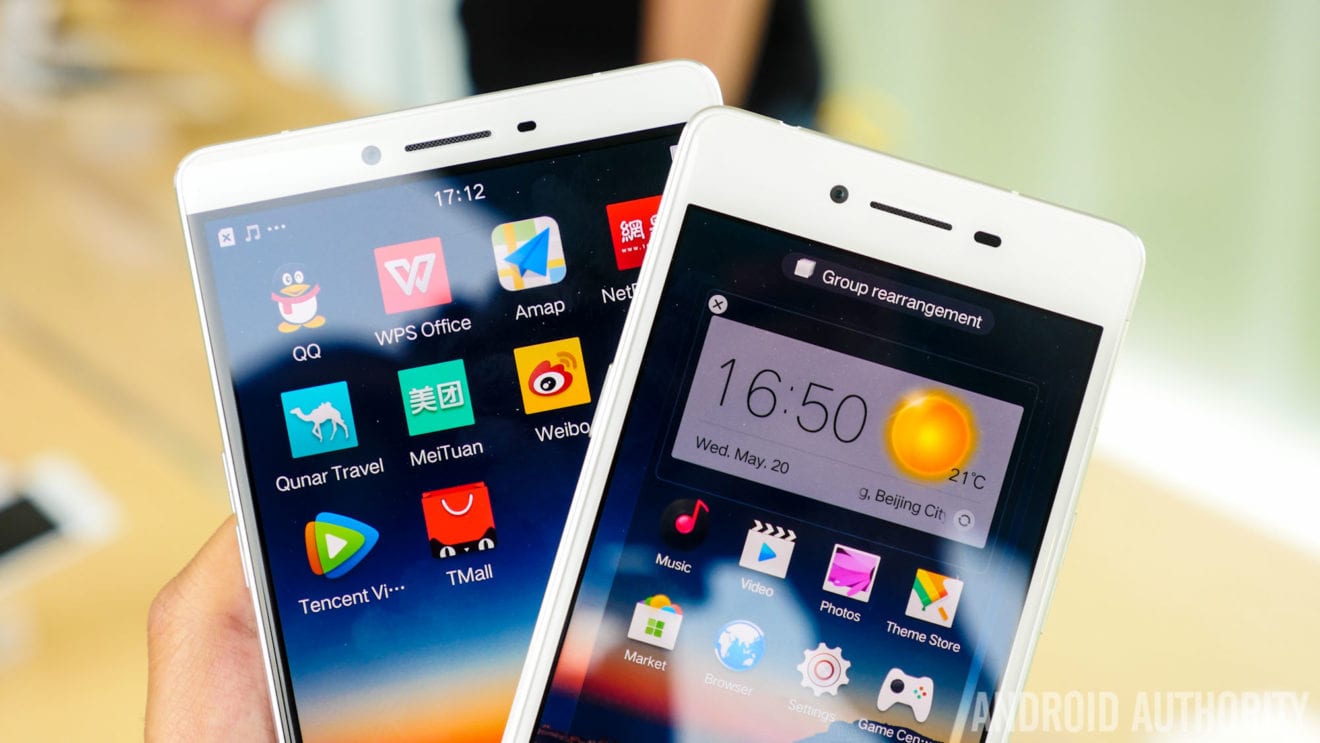
    Oppo became the top-selling brand in China for the first time ever in June, surpassing Huawei, Apple and Xiaomi with a 23 per cent market share and sales volumes leapfrogging 337 per cent.

    Also owned by the BBK group, Vivo also had a strong performance with the launch of a new model. Together, the sister brands captured a third of the Chinese smartphone market, up from a combined 13 per cent in the same month last year.
    Meanwhile, Apple’s market share slipped to 2014 levels.

    Counterpoint research director Neil Shah says Oppo adopted a simple but effective strategy – going after the offline market, which still contributes more than 70 per cent of total sales in China.

    “Aggressive marketing, promotions and sponsorships, greater offline retail penetration beyond tier-two and tier-three cities, better retail margins, dealer support and, above all, innovative smartphone designs have helped Oppo drive its sales in the past 18 months.”

    The brand had also focussed on design and key features such as camera, battery technology and materials.

  • Troubles may mount for Indian smartphone vendors and you can blame China

    Troubles may mount for Indian smartphone vendors and you can blame China

    It’s going to be a lot tougher to buy smartphones in India around the festive season beginning October, a time when Indians buy the maximum, fancy gadgets included.

    The reason is really very simple, plain economics-a demand-supply mismatch. There is, as of now a glaring shortage of mobile components in China, the country which sells the maximum number of smartphones in India, through companies like Xiaomi, LeEco, Huawei, Oppo, etc.

    Many Chinese manufacturing units in China have shut shops due to new technology, which requires more investment and hiring labour at higher rates.

    The display panel shortage comes as some of the panel makers, especially for the LCD displays which are largely used in the low-end smartphones and make up for majority of the smartphones sold in India, have shut shop recently, while others have not had significant increase in capacity.

    This is further aggravated by the fact that consumers are moving towards larger screens, 5″+ and especially at 5.5″, so there are fewer glass panels are coming out from the same capacity.

    Even though top Chinese handset and component makers mulled over investing around $3 billion in India, the country is still dependent on the Dragon nation.

    Some of the key components such as screen displays, 3G SOCs and flash memory will be short in supply, hitting the production plans of many vendors in the Indian market.

    “This is likely to impact local Indian vendors, the small ones as well as the heavy weights, more than it will impact the global vendors such as Samsung or Apple, who have a more secure supply chain, and Chinese vendors such as OPPO, vivo, Lenovo, Xiaomi and Huawei, who are able to secure better deals due to the large volumes they can commit,” said Kiranjeet Kaur, Research Manager Mobile Phones IDC Asia/Pacific.

    “The local country vendors have a disadvantage in this case. This shortage could also possibly lead to longer time to market and increased costs, and some of the costs may eventually get passed on to the consumers,” she added.

    It is noteworthy that Chinese companies such as Techno, Gionee, Coolpad, Holitech, Wingtech, Camera King, Galaxy Core, Poxiao, Vivo and Sprocomm, which took part in ‘China-India Mobile Phone & Component Manufacturing Summit’, explored avenues to tap the existing and emerging opportunities.

    “Going by the encouraging response of Chinese companies and definitive joint collaboration talks between the Indian and Chinese mobile and handset manufacturers, Chinese investment of $2-$3 billion (roughly Rs. 13,360 crores – Rs. 20,040 crores) over the next two years looks like a real possibility along with employment for one-two lakh people” Pankaj Mohindroo, national president, Indian Cellular Association (ICA), had said.

    However, IDC expects the Indian smartphone market to still pick up in Q2 of this year, with further gains coming in Q3.

    Jaipal Singh, Market Analyst Mobile Phones IDC India, said, “China-based vendors have extended their retail presence in the larger part of India and getting the shelf space along with the Indian vendors. Even as some of the eTailers are focusing more on profitability, which could mean lesser discounts this season, we believe the China-based vendors with presence in retail and push from the eTailers will drive the market this year.”

    The China-based vendors had 24% share in the Indian smartphone market in 2016 Q1, up from 12% a year ago. Almost two-thirds of their sales takes place through the online channels.
  • Xiaomi continues quest for quality

    Xiaomi continues quest for quality

    Smartphone giant Xiaomi continues to distance itself from the lower end of the market, as Chinese buyers shift their attention mainly to device upgrades.

    Xiaomi international VP Hugo Barra says the company continues to direct its efforts at becoming a premium brand, reports the South China Morning Post.

    “Our customers are demanding premium products from us, so we are delivering higher quality with more premium components.”

    Research company IDC has forecast just 2 per cent growth this year for smartphone sales as more users chose to upgrade their handsets.

    Meanwhile, Xiaomi may expand its Mi Home experience centre across Hong Kong. Opened a year ago so customers can try out different products, it has been a successful retail experiment, says Barra.

    “Part of the strategy here is to think about how we can reinvent the retail experience to make it much more experience-focused … which helps the online business as well.”

    Xiaomi has just launched its latest 6.44in. Mi Max phablet and the Mi Air Purifier 2. The phablet, which will cost from HK$1799 (US$230), is considered one of the largest smartphones on the market.

    IDC estimates 20 per cent of smartphone sales last year were phablets, and by 2020 they are expected to account for 32 per cent of the market.

  • Xiaomi to open 1000 experience stores and emerge as ‘Muji in tech sector’

    Xiaomi to open 1000 experience stores and emerge as ‘Muji in tech sector’

    Smartphone vendor Xiaomi Corp said on Monday it plans to open 1,000 offline experience stores over the next three to four years and continue to expand its product portfolio.

    The move toward experience stores comes in the wake of online smartphone sales hitting the ceiling.

    Xiaomi has been grappling with declining phone shipments and mounting competition from rivals such as Huawei Technologies Co Ltd.

    Lei Jun, founder and CEO of Xiaomi, said the Beijing-based company wants to be the Muji in China’s tech sector. Muji is a Japanese retail company that sells a wide variety of household and consumer goods.

    “Xiaomi was never meant to be just a smartphone vendor. Instead, we are aiming to offer consumers a wide range of products at affordable prices,” Lei said at the Summer Davos in Tianjin.

    “We need about 40 kinds of electronic products to attract consumers to our online shopping platform and offline retail stores,” he said, adding the company has invested in 55 smart hardware manufacturers in recent years.

    Xiaomi has expanded its offerings from smartphones to drones, air purifiers, patch panels to rice cookers.

    “When I founded Xiaomi in 2010, I knew clearly that it would take 15 years for Xiaomi to go public, because the company’s business model is too complicated and consumers need time to cultivate belief in our products,” Lei said.

    Di Jin, research manager at IDC China, said Muji’s business model works quite well for fast-moving consumer products such as shampoo. But for electronic products, the key to success still lies in hefty investments in research and development.


  • Xiaomi taps China Unicom to boost offline sales

    Xiaomi taps China Unicom to boost offline sales

    Chinese smartphone maker Xiaomi has teamed up with the country’s second largest mobile carrier, China Unicom, to expand its sales through offline retailing channels.

    The partnership with Unicom signals a move to a more conventional sales operation for Xiaomi, whose sales have been heavily relied on internet channels.

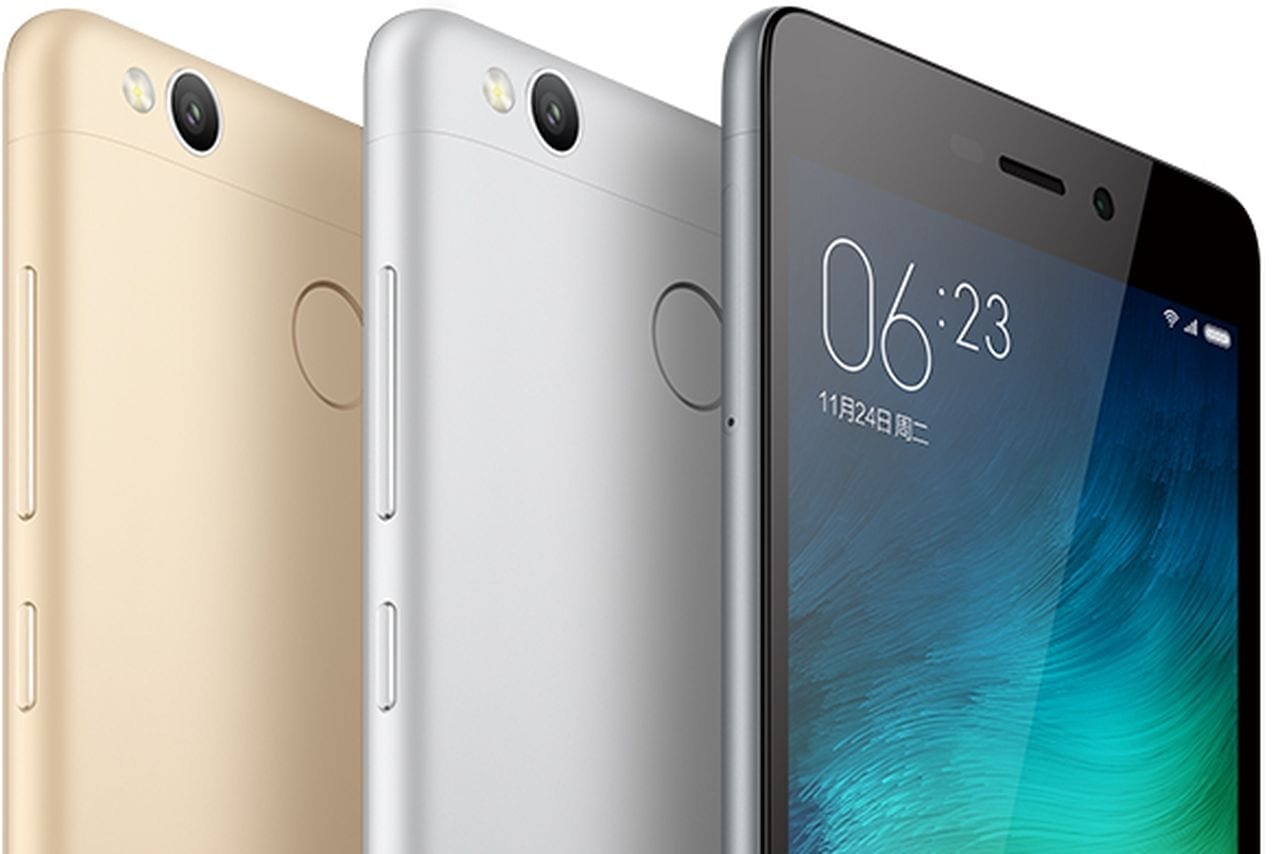
    Xiaomi launched a new customized 4G smartphone Redmi 3X for Unicom, as part of a strategic alliance the pair announced last Wednesday.

    The Redmi 3X smartphone, powered by 1.1GHz octa-core Qualcomm Snapdragon 430 processor and a 4100mAh non removable battery, will go on sale for 899 yuan ($136) through Unicom’s 30,000 own retail stores and more than 230,000 retailing partners.

    Xiaomi CEO and founder Lei Jun said so far more than two-thirds of the company’s smartphones have been sold through e-commerce platforms and the company’s official website.

    “The proportion of online sales is too big,” Lei said. “To maintain the rapid growth we have seen in the past four years, expanding offline retailing channels becomes the key.”

    Xiaomi said earlier this year it will open 200 to 300 of its own retail stores to bolster sales.

    Xiaomi and Unicom will also expand their cooperation beyond handsets to a wide range of products, such as Xiaomi TV, routers, wearable devices and air purifiers.

    China Unicom deputy general manager Xiong Yu said all of these Xiaomi products will be available at the operator’s offline retail stores across the country.

    The move fits into the operator’s broad efforts to transform its abundant bricks-and-mortar assets into a big retailing platform of various electronic products, Xiong added.

  • Xiaomi teams up with China Unicom to boost offline sales

    Xiaomi teams up with China Unicom to boost offline sales

    Chinese smartphone vendor Xiaomi Corp has teamed up with the country’s second-largesttelecom carrier, China United Network Communications Group Co, to expand its offlineretailing channels.

    The move came as the country’s online smartphone sales has hit a ceiling and as Xiaomigrapples with declining shipments and mounting competition from rivals such as OppoElectronics Corp.

    Xiaomi launched a custom-made smartphone Redmi 3X on Wednesday. Equipped with alarge battery and a 13-megapixel rear-camera, the new phone will go on sale for 899 yuan($136) through China Unicom’s 30,000 offline stores and more than 230,000 bricks-and-mortar retailing partners.

    Lei Jun, CEO and founder of Xiaomi, said so far more than two-thirds of the company’ssmartphones have been sold through e-commerce platforms and the company’s officialwebsite.

    “The proportion of online sales is too big,” Lei said. “To maintain the rapid growth we haveseen in the past four years, expanding offline retailing channels becomes the key.”

    eca86bd9ddb418cc27c10c

    Xiaomi and China Unicom will also expand their cooperation beyond handsets to a widerange of products, such as Xiaomi TV, routers and air purifiers.

    “All of these Xiaomi electronic products will be available at our nationwide offline retail stores,”said Xiong Yu, deputy general manager at China Unicom.

    The move fits into China Unicom’s broad efforts to transform its abundant bricks-and-mortarassets into a big retailing platform of various electronic products, Xiong added.

    As China’s smartphone market is reaching saturation point, a number of vendors are bankingon bricks-and-mortar retailers to spur their growth.

    Xiaomi said earlier this year it will open 200 to 300 retail stores to bolster sales. Its major rivalLenovo Group Ltd also pledged more efforts to expand its offline retailing presence, which itssenior Vice-President Chen Xudong called the key to surviving intense competition.

    CK Lu, principal analyst at consulting firm Gartner Inc, said China Unicom’s sprawling offlineresources gave Xiaomi a ticket to enter into low-tier cities, which are dominated by its rivalsOppo Electronics Corp and vivo Mobile Communication Technology Co Ltd.

    In the first quarter of this year, Oppo and vivo made their way into the world’s top-five rankingof smartphone vendors for the first time, pushing out Xiaomi and Lenovo.

    “Xiaomi is an expert in online marketing, but lacks experience and talent to run offline stores.So it makes tons of sense to partner with China Unicom,” Lu said.

    According to Counterpoint Technology Market Research, telecom operators’ retail channelsaccount for 30 percent of China’s total smartphone sales, while e-commerce sites contributeanother 30 percent, with the rest managed by professional electronic retail stores.

    James Yan, a Beijing-based analyst at Counterpoint, said partnering with China Unicom willhelp Xiaomi quickly boost smartphone sales, but won’t necessarily deliver good profits.

  • Xiaomi Korea opens first offline store in Seoul

    Xiaomi Korea opens first offline store in Seoul

    Tech giant Xiaomi Korea took another step forward in its Korean operations by opening its first offline store in Seoul.

    The Chinese-headquartered smartphone and electronics brand has opened the store inside the Yongsan Electronics Market, one of the largest retail areas in Korea that houses some 5000 electronics stores.

    To celebrate its grand opening, Xiaomi has organised various events for visiting customers, which will last until June 12.

    Xiaomi Korea 1

    *Photo Credit: Yongsan Electronics Market.