Retail News CRM

Tag: Xiaomi

  • Massive O2O plan by Alibaba and Suning

    Massive O2O plan by Alibaba and Suning

    Alibaba and Suning, one of China’s largest electronics retailers, plan to fuel Chinese and international consumer electronics brands sales over the next three years by investing in an online-to-offline (O2O) retail initiative.

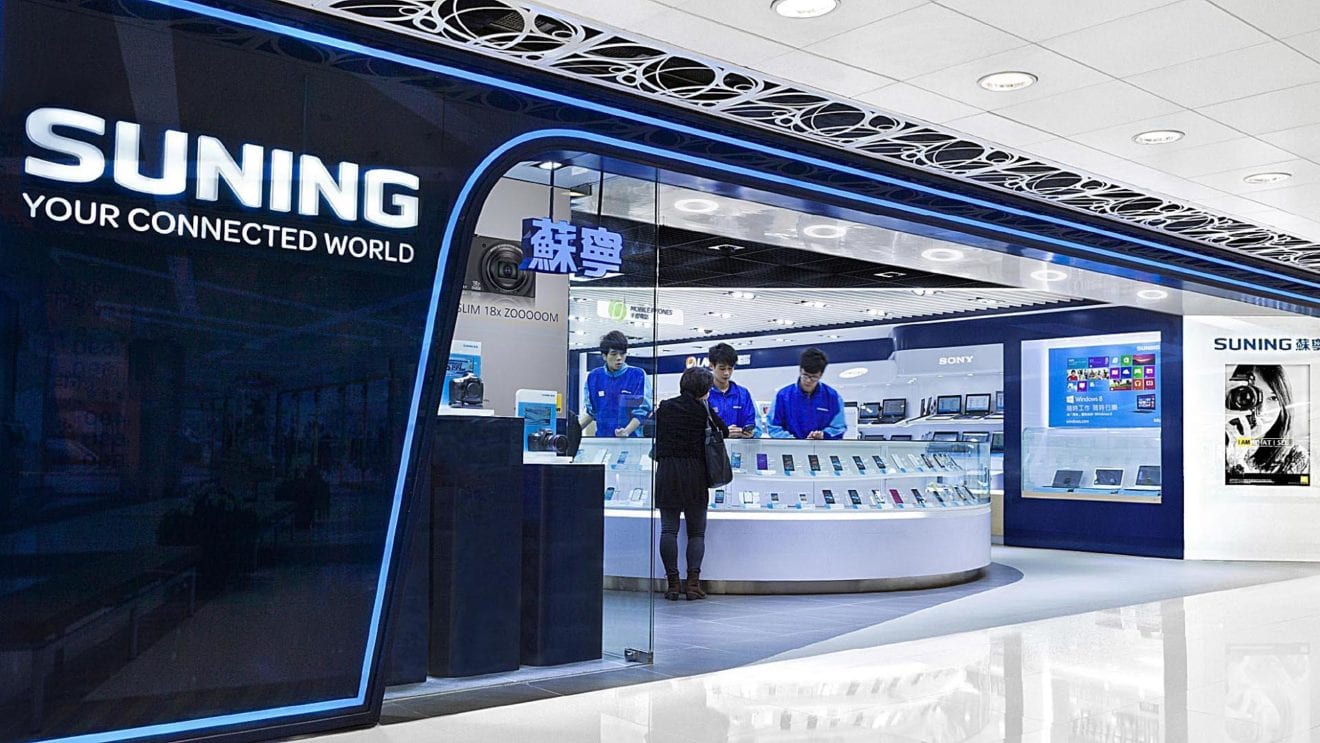
    The pair will work together to build out an O2O, or “omni-channel,” network combining the former’s online retailing assets with the latter’s physical stores and distribution facilities to make purchasing of consumer electronics and home appliances easier for consumers, officials for the companies said at a press conference in Beijing.

    The two companies expect to quadruple sales of major electronics brands – including Haier, Samsung, Xiaomi and Lenovo – over the next three years, using big data from both businesses, said Alibaba Group CEO Daniel Zhang.

    “This can be achieved by integrating the online and offline sales channels under a digitalisation process,” Zhang said.

    Alibaba and Suning began working together on omni-channel retailing last year after Alibaba agreed to invest RMB 28.3 billion (US$4.63 billion) for a near 20 per cent stake in the bricks-and-mortar retailer. Suning’s network of 1600 stores and 5500 after-sales service centers are linked with Alibaba’s online platforms, and Suning’s distribution network, which includes 4.55 million sqm of warehouse space, is used to deliver products purchased online by consumers via Alibaba’s Taobao Marketplace and Tmall.com shopping sites.

    Working with Alibaba’s logistics affiliate Cainiao, Suning and Alibaba currently offer 12-hour delivery of appliances and consumer electronics in Beijing, Shanghai, Guangzhou, Hangzhou, Shenzhen and Nanjing.

    Alibaba and Suning said they will also support electronics brands by allowing them to leverage consumer data on Alibaba’s 423 million annual active buyers and Suning’s 250 million members. Big data technology can enable more targeted sales and marketing campaigns and even provide insights that allow electronics manufacturers to make products that better meet consumer needs, the companies said. Using consumer data, German electronics company Siemens launched a refrigerator customised for Tmall users in March and Chinese appliance maker Midea in May began selling a rice cooker that was designed partly based on Tmall data.

    “We build a bridge between brands and consumers by leveraging data,” Zhang said.

    International and domestic brands joining the Alibaba-Suning support program, called the Super Brand Alliance, include Midea, Haier, Samsung, Hisense, Huawei, Xiaomi, Lenovo, Siemens, Sony, Skyworth and Canon.
  • Apple India stores a step closer

    Apple India stores a step closer

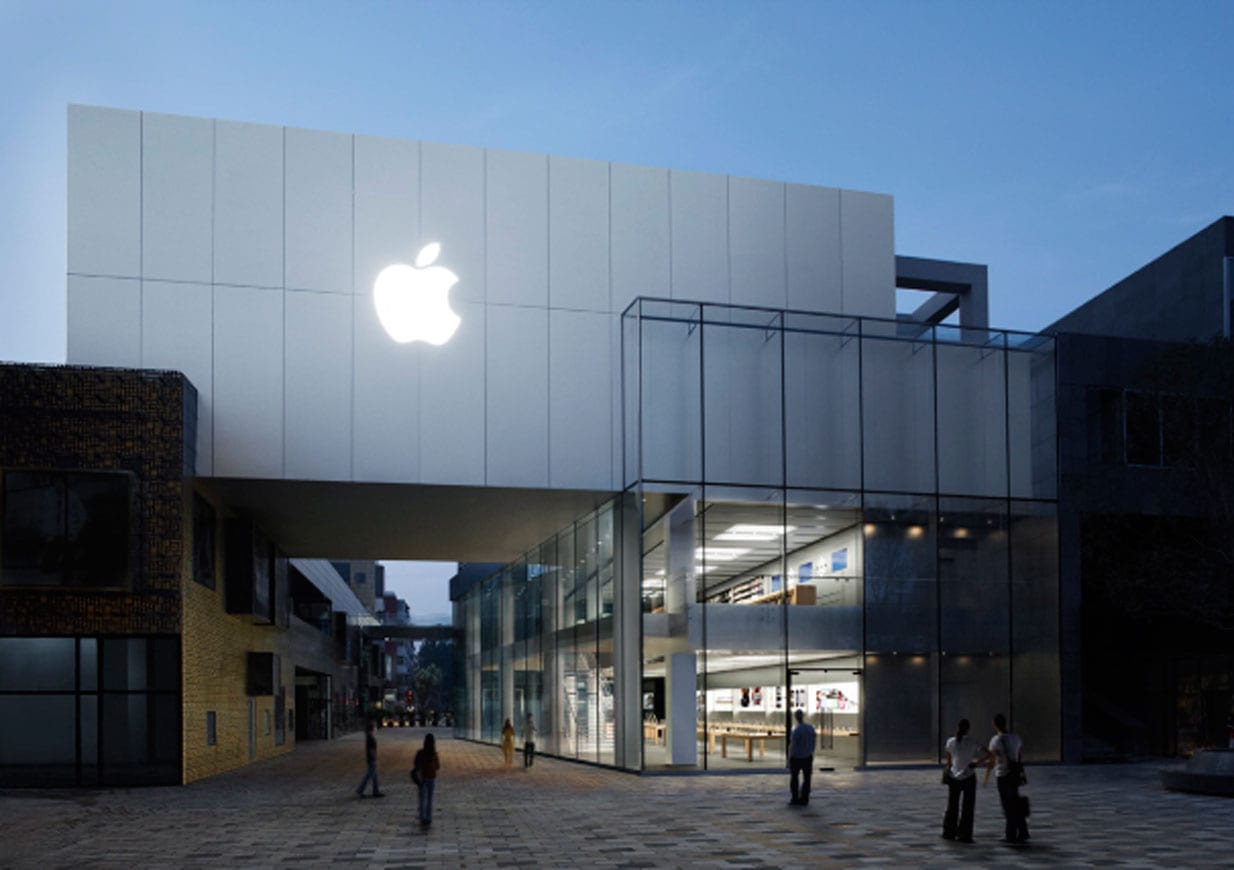
    A government panel has recommended the removal of a trading obstacle that would free Apple India to open single-brand retail stores across the country, one of its few growth markets.

    A three-member panel has recommended the waiving of the mandatory 30 per cent local sourcing condition for Apple, which earlier this year asked the government to consider the exemption. The reason for the waiver is said to be the cutting-edge technology the company would bring to India, reports The Tech Portal.

    With the committee’s finding, Apple is just a step away from a final decision. The Department of Industrial Policy and Promotion (DIPP) will send the proposal for final approval to the Finance Ministry.

    Apple has retail stores across the world, including China and Japan. In India, it sells its products through exclusive reselling arrangements with chains such as Imagine and iStore.

    In November last year, India scrapped the condition of 30 per cent local sourcing for overseas companies seeking to invest more than 51 per cent equity in the single-brand retail segment, if certain other conditions are met.

    Chinese tech retailer Xiaomi has also applied to open single-brand stores in India while seeking the sourcing exemption for a range of products including Wi-Fi amplifiers, Bluetooth speakers and power banks.

  • Samsung won’t like it, but Xiaomi is coming to South Korea

    Samsung won’t like it, but Xiaomi is coming to South Korea

    China’s Xiaomi is now expanding in a country where the competition is particularly tough: South Korea.

    The land of Samsung and LG isn’t an easy proposition, but Xiaomi isn’t doing it alone. The company has this month inked a number of deals with Korean suppliers and distributors to ensure that it will have a presence on the ground in the country.

    Xiaomi has reached an agreement with Youmi and Koma Trade, making the two Korean companies the only official dealers of Xiaomi products in the country.

    The two partners will sell a variety of Xiaomi products, including battery packs, headphones, the Mi Band fitness tracker, and the Ninebot “hoverboard.” Neither company will sell Xiaomi phones, but they will be able to repair the devices and provide support.

    The land of Samsung and LG isn’t an easy proposition, but Xiaomi isn’t doing it alone.

    The paper says the partners are “small companies whose core business has become providing services for Xiaomi. Xiaomi selected the two companies since they can devote all their energy to the Chinese tech giant.”

    In addition to building up its network in the land of Samsung, Xiaomi has also been working on ecommerce and online payments.

    On March 8, news broke that Xiaomi’s smart TVs would be sold in Korea by ecommerce giants Gmarket and Auction.

    Xiaomi has also inked agreements with a number of other Korean ecommerce marketplaces, including E-Mart, ZMI, and 11st. This isn’t exactly a surprise – Xiaomi has always emphasized ecommerce sales beyond its own website, with deals on Alibaba’s Tmall and Taobao in China. But in South Korea, where the ecommerce market is a bit more fractured, the company is spreading its resources around.

    The smartphone conundrum

    None of those stores, however, are selling Xiaomi phones – yet. Aside from the occasional short-lived sale online, it’s rare to see Xiaomi’s smartphones for sale in the country, other than second-hand or from random Chinese importers. Ecommerce market KT briefly sold Xiaomi phones in January, but had to close the sale after just two days citing “legal issues.” It’s not clear if Xiaomi officially backed those sales.

    But those “issues” haven’t scared Xiaomi away from the Korean market. Just today, the Korea Herald reported that Xiaomi has filed for a patent in South Korea for its Mi Pay epayments service – a phone-based service that can’t exactly be used with its battery packs or TVs.

    Xiaomi certainly has smartphone sales in Korea on its roadmap.

    The Mi Pay patent shows that Xiaomi certainly has smartphone sales in Korea on its roadmap. The Herald speculates what many have long expected – that Samsung and LG have put pressure on Korean retail companies and mobile carriers to keep Xiaomi out.

    But their embargo doesn’t look like it will last forever. Xiaomi has managed to find enough local partners to gain a solid foothold in the country, and it looks like it will only expand from here. Samsung and LG might not like it, but it looks like their Chinese competition will be hawking smartphones in their backyards any day now.

  • Xiaomi India lodges FDI application

    Xiaomi India lodges FDI application

    Xiaomi India, the Chinese smartphone maker’s local subsidiary, has lodged an application with the government to operate single-brand retail stores.

    The move coincides with US tech giant Apple resubmitting a similar application as it attempts to gain formal Indian Government approval to operate its own Apple Stores in the heavily-regulated economy.

    Xiaomi currently sells handsets online and through a network of offline distributors.

    But to gain approval to open single-brand stores, companies must commit to sourcing at least 30 per cent of its stock or componentry locally. Apple is applying for a waiver of this clause on the grounds it makes “state-of-the-art” and”’cutting edge” technology products which cannot be sourced locally.

    “Chinese smartphone maker Xiaomi has submitted an application to the Department of Industrial Policy and Promotion (DIPP),” an official confirmed to Indian news media this week.

  • Xiaomi to open 300 retail stores to secure top spot

    Xiaomi to open 300 retail stores to secure top spot

    Xiaomi to open 300 retail stores to secure top spot

    Lei Jun, CEO of the Beijing-based Xiaomi Corp, at the launch of Mi 5 smarthphone. ZHANG JIN/CHINA DAILY

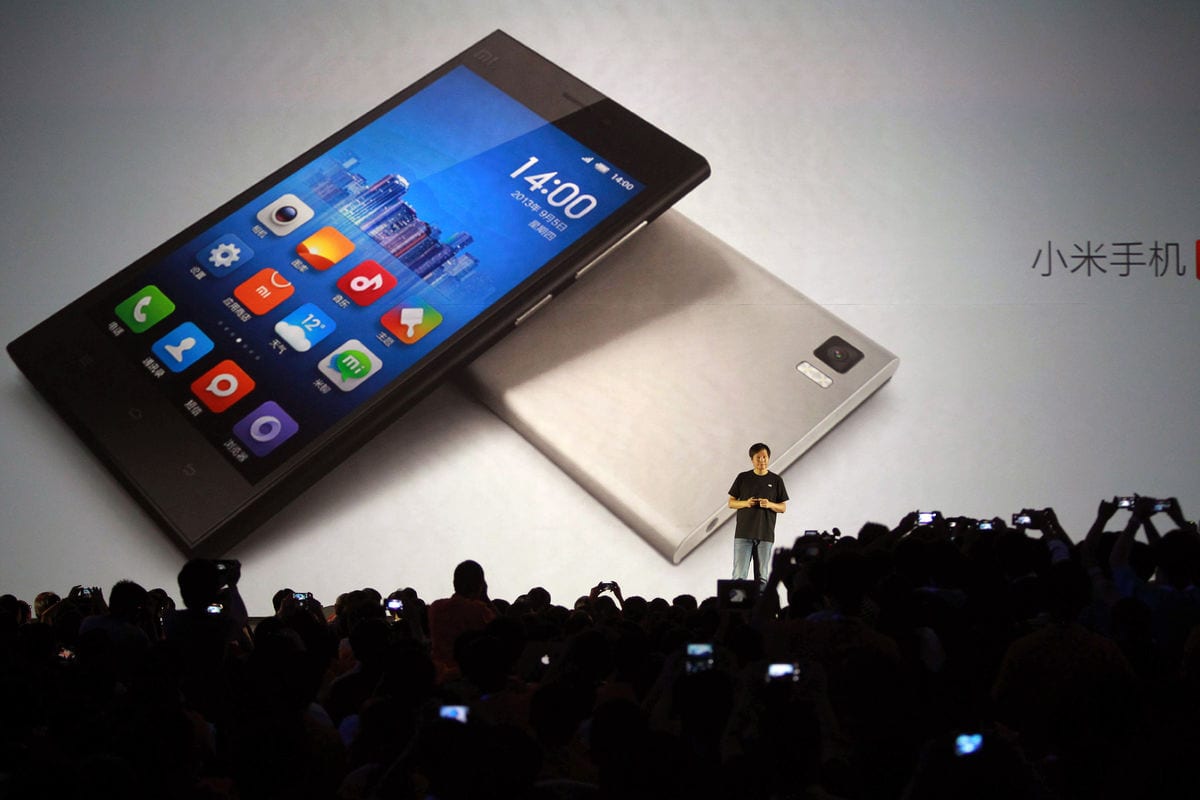
    Smartphone maker Xiaomi Corp on Wednesday debuted its flagship handset and pledged to open 300 retail stores to fight against Huawei Technologies Co Ltd, which is threatening its leading position in China.

    Lei Jun, CEO and co-founder of the Beijing-based Xiaomi, said the new device and offline sales plan will let the challengers know who is the boss on the market.

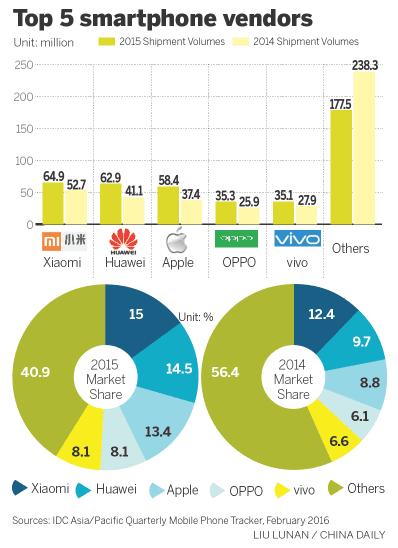
    “We are sorry other vendors were left disappointed,” Lei said on Wednesday at the launch. He was obviously mocking Huawei’s 2015 plan to get on top of Xiaomi in Chinese market by the year-end. Xiaomi ended up shipping 2 million devices more than Huawei did last year, according to research firm International Data Corp.

    “We are rolling out more top-tier products to secure the No 1 place,” said Lei.

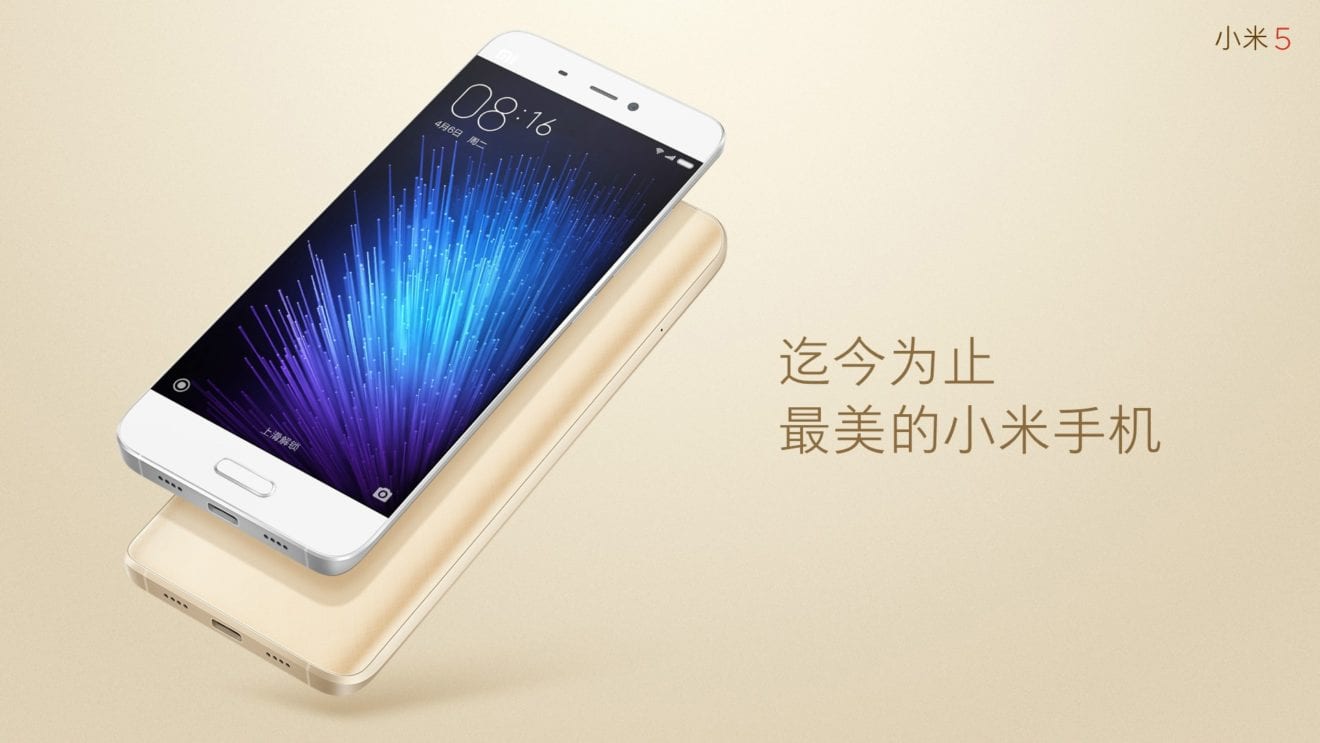
    The company will relay on the new Mi 5 handset to achieve the target. The 5-inch-screen handset comes with a 16-megapixel back camera, a fingerprint sensor, a ceramic back, a powerful processor and a 128-gigabyte storage.

    The retail prices were set between 1,999 yuan ($306) to 2,699 yuan depending on the configurations. In comparison, Huawei’s slightly bigger flagship Mate 8 is selling from 3,199 yuan. The storage and processing power are similar to Mi 5’s cheapest option.

    The Mi 5 will be available on the Chinese mainland starting from March 1, followed by India, according to Xiaomi. However, the product will not enter the United States market although the 5-year-old Xiaomi launched an online store in the US selling power banks and mobile accessories.

    The delayed US release was largely due to lack of necessary patents. Lei said at Wednesday’s event the company is growing its patent pool and has applied about 3,600 patents over the past years.

    China, the world’s biggest smartphone market, will remain the top priority for Xiaomi in the coming years however. Lei said the company will open 200 to 300 retail stores in Chinese cities to boost sales.

    Nicole Peng, director of consultancy Canalys China, said going offline was a huge strategic change for Xiaomi as the company aims to grow sales as the market goes weak.

    Most of the Xiaomi devices were sold online currently. Internet-only sales model helped Xiaomi keep down its operational cost. The decision was made as demand for smartphones in the country stopped to grow because of high penetration rate.

    A number of vendors are also mulling over more stores in smaller cities for bigger sales.

    Apple Inc is heavily dependent on Chinese market and the company eyes to have around 40 bricks-and-mortar stores in the country. The new outlets mainly target buyers in smaller cities such as Qingdao in Shandong province.

    Tay Xiaohan, an analyst from IDC, said the market has changed significantly as telecom carriers are reducing smartphone subsidy.

    “Xiaomi entered the market at a time when the China smartphone market was still growing, and was able to capture a significant market share with its disruptive sales model,” Tay said.

    Company steps into financial services

    Xiaomi Corp has purchased a 65 percent stake in a third-party payment company, indicating that the biggest smartphone maker in China is preparing to step into the financial services sector.

    Xiaomi completed its stake purchase of Inner Mongolia-based Jiefu Ruitong in late January, according to a filing to the State Administration for Industry and Commerce. Jiefu Ruitong provides mobile and Internet payment services. The company said it handled more than $300 million in payment transactions as early as 2011.

    The performance of Jiefu Ruitong is unclear because it is a privately owned firm.

    During Mi 5’s launch, Xiaomi CEO Lei Jun said the new device would support mobile payment using near-field communication technology. The device could also work as a public transit card to pay bus and underground fares.

    Xiaomi to open 300 retail stores to secure top spot

  • Apple China bracing for fall

    Apple China bracing for fall

    Even as it announces record revenues and net profit, Apple says it has sold fewer iPhones in the first quarter and is bracing for a fall in sales in its critical Chinese market.

    “It’s becoming more apparent that there are some signs of economic softness,” says CFO Luca Maestri. “We are starting to see something that we have not seen before.”

    He admits the tech giant is working in a “very difficult macroeconomic environment” and projects a further slide in iPhone sales for the second quarter, reports the International Business Times. Apple’s projected revenues indicate the company’s sales are about to fall for the first time in 13 years.

    Apple’s sales stumble was masked by the record corporate quarterly profit. Conlumino analyst Neil Saunders takes a close look at the latest Apple report in our international section.

    Apple sold 74.8 million iPhones in the first quarter, ending December 26, which is the first full quarter of sales of the iPhone 6S and 6S Plus. The 0.4 per cent growth in shipments was the lowest since the product’s launch in 2007.

    Maestri says that although Apple China revenue rose by 14 per cent in the quarter, the company is starting to see a shift in the economy, particularly in Hong Kong.

    Apple had record figures in the first quarter for both net profit ($18.36 billion, up from $18.02 billion) and revenue (up 1.7 per cent to $75.87 billion). Greater China accounted for 24.2 per cent of the total revenue, more than all of Europe combined.

    An indication of Apple’s popularity in China can perhaps be gauged by the dwindling number of fake Apple stores in the southern city of Shenzhen, some of which have been taken over by unauthorised outlets for local phone brands.

    In a street of gadget stores, copycat Apple outlets were not uncommon, complete with the latest iPhone models and accessories and uniformed staff. Only four months there were more than 30, but about a third of these have gone, reports Reuters. Instead of iPhones, some of these shops are now selling Huawei, Meizu, Oppo and Xiaomi phones.

    In fact, the iPhone has become a “street cellphone” – a Chinese term that means a widely available and popular product that lacks novelty value.

    “Using an iPhone is hardly something you can show off to people now,” a Shenzhen retailer told Reuters.

    In the US, iPhones are still popular, and 60 per cent of people who had an iPhone before the launch of the iPhone 6 have yet to upgrade, says the company.

    Meanwhile, the Indian market stands out as a rare bright spot for Apple with a growing demand for iPhones, reports The Indian Express.

    Sales of the company’s flagship smartphone climbed 76 per cent in India from the year-ago quarter, according to Luca Maestri.

    Apple CEO Tim Cook has suggested more growth lies ahead with median age in India being 27 years.

    “I see the demographics there also being incredibly great for a consumer brand,” he says. “We have been putting increasingly more energy in India.”

    India cannot immediately offset Apple’s woes in China, says analyst Neil Shah of Counterpoint Technology Market Research. Apple averaged about 450,000 smartphone shipments a quarter in India last year, compared with more than 15 million a quarter in China.

    Also, nearly 70 per cent of smartphones sell for less than $150, leaving  a slim market for Apple’s high-end phones. Its smartphone market share stands at less than 2 per cent, says Shah.

  • Xiaomi to take its time on deciding on single brand retail licence

    Xiaomi to take its time on deciding on single brand retail licence

    Xiaomi is keen on applying for a single-brand retail licence in India and will take a final call on the matter in a couple of weeks after more consultations as the Chinese company strives to deepen its presence in the world’s fastest-growing smartphone market, where it just recorded its best-ever quarter by sales.

    As part of its India strategy for 2016, Xiaomi will locally manufacture most of the phones it will sell in the country, begin investing in startups and expand its offline presence, Manu Jain, the company’s head of India operations, told ET.

    “We would be very keen (on applying for single-brand retail) but we would want to understand this better. We are talking to multiple people who are subject matter experts on this to understand everything about it before we go ahead,” Jain said. “Overall, this looks very positive from our perspective.”

    Once it applies, Xiaomi would join Apple as among the top foreign brands opting for a direct presence in India, which eased foreign direct investment rules for single-brand retailing in November. The South Asian nation relaxed mandatory local procurement conditions for high-tech companies and allowed single-brand licence holders to sell their products directly online.

    Xiaomi currently sells 90% of its products through online portals Flipkart, Amazon, Snapdeal and its own store, Mi.com, and has ventured into the offline market with outlets of Airtel and The Mobile Store selling about 10% of its devices. The company will forge more partnerships to expand its offline presence in 2016 and will focus equally on revving up sales through its own portal.

    Jain said the aim would be to achieve a balance between online and offline sales, similar to what it has in China, where one-third of its sales comes from offline channels.

    Through a combination of online and offline sales in India, Xiaomi clocked its best-ever three months yet, selling between 1 million and 1.5 million smartphones in the quarter ended December. “This is the second consecutive quarter that we’ve crossed 1 million…despite the competition, we continue to grow aggressively,” Jain said. In the September-ended quarter, sales were up 45% on-quarter.

    “One of our targets for 2016 is to invest in startups,” Jain said, which would replicate the model followed by the company in China. Though Jain didn’t specify the amount, he said the company would be flexible and investments would depend on the startup and the stage it has reached.

    India will continue to be a critical market and Xiaomi will reduce the time gap between China and India product launches and also introduce more models in 2016. Separately, it will scale up local manufacturing to make a majority of the phones that it sells in the country.

    Jain did not share the present manufacturing capacity at Sri City in Andhra Pradesh, where Foxconn manufactures phones for Xiaomi, but said that the scale-up will be “significant.”

  • Xiaomi keen on single brand retail license

    Xiaomi keen on single brand retail license

    Xiaomi is keen on applying for a single-brand retail licence in India and will take a final call on the matter in a couple of weeks after more consultations as the Chinese company strives to deepen its presence in the world’s fastest-growing smartphone market, where it just recorded its best-ever quarter by sales.

    As part of its India strategy for 2016, Xiaomi will locally manufacture most of the phones it will sell in the country, begin investing in startups and expand its offline presence, Manu Jain, the company’s head of India operations.

    “We would be very keen (on applying for single-brand retail) but we would want to understand this better. We are talking to multiple people who are subject matter experts on this to understand everything about it before we go ahead,” Jain said. “Overall, this looks very positive from our perspective.”

    Once it applies, Xiaomi would join Apple as among the top foreign brands opting for a direct presence in India, which eased foreign direct investment rules for single-brand retailing in November. The South Asian nation relaxed mandatory local procurement conditions for high-tech companies and allowed single-brand licence holders to sell their products directly online.

    Xiaomi currently sells 90% of its products through online portals Flipkart, Amazon, Snapdeal and its own store, Mi.com, and has ventured into the offline market with outlets of Airtel and The Mobile Store selling about 10% of its devices. The company will forge more partnerships to expand its offline presence in 2016 and will focus equally on revving up sales through its own portal.

    Jain said the aim would be to achieve a balance between online and offline sales, similar to what it has in China, where one-third of its sales comes from offline channels.

    Through a combination of online and offline sales in India, Xiaomi clocked its best-ever three months yet, selling between 1 million and 1.5 million smartphones in the quarter ended December. “This is the second consecutive quarter that we’ve crossed 1 million…despite the competition, we continue to grow aggressively,” Jain said. In the September-ended quarter, sales were up 45% on-quarter.

    “One of our targets for 2016 is to invest in startups,” Jain said, which would replicate the model followed by the company in China. Though Jain didn’t specify the amount, he said the company would be flexible and investments would depend on the startup and the stage it has reached.

    India will continue to be a critical market and Xiaomi will reduce the time gap between China and India product launches and also introduce more models in 2016. Separately, it will scale up local manufacturing to make a majority of the phones that it sells in the country.

    Jain did not share the present manufacturing capacity at Sri City in Andhra Pradesh, where Foxconn manufactures phones for Xiaomi, but said that the scale-up will be “significant.”

  • Xiaomi’s sister firm taps into Korean market

    Xiaomi’s sister firm taps into Korean market

    Chinese electronics giant Xiaomi’s sister company Zmi has tapped into the Korean market by partnering with local online retail site 11st.co.kr.

    The online auction and retail site said Monday that it signed a deal with Zmi, offering exclusive retail channels for the Chinese company. This came months after the retail giant signed a memorandum of understanding with Xiaomi last November.

    Xiaomi and Zmi have been at the forefront of the “Made in China” sensation here, selling 3,000 batteries in April. The Xiaomi subsidiary also held a special promotion event for its batteries and fans last month, and more than 10,000 have been sold in three days through the retail site.

    An 11st official attributed its success to its price competitiveness.

    “The Xiaomi and Zmi products are extremely cost effective,” said the official. “Their performance does not lag behind that of its local rivals, but the price is much lower than them.”

    In particular, Xiaomi’s weighing machine, Mi Scale, gained huge popularity last year for its cost-effective features including its connectivity with other Xiaomi products such as Mi Band, a smart band which allows users to check their body condition.

    “The latest deal led us to become a frontrunner in selling Chinese IT products,” said Lee Chi-hun, digital business department chief for the retail site, in a statement.

    He added the company will keep helping Xiaomi affiliates and partnering companies to penetrate into the Korean market.

    Zmi is best known for producing Xiaomi’s portable battery packs. The latest deal will allow 11st to sell Zmi’s light-emitting diode (LED) lamps and electric fans and its own battery packs. The retail giant added it will also introduce Zmi’s new products including multi-tabs and cables through its site.

    “11st has established a strong foothold in the nation’s retail channel, often dubbed as a representative of Korea’s e-commerce market,” said Wenyuan Huang, co-founder of Zmi. “We are pleased to establish an official retail channel through which Korean customers can buy our products.”

    Meanwhile, local smartphone makers have been strengthening their budget phone lineups in their bid to compete with Chinese super-cheap smartphones. In particular, the Chinese telecom giant’s latest budget phone, Y6, has sold more than 20,000 units in less than a month after launching here. Last week, LG Electronics unveiled its new budget smartphone K10 with a price tag of 275,000 won.

  • Latest products from China are better than ever

    Latest products from China are better than ever

    Chung Chang-mook recently bought a Tunland pickup truck, made by Chinese automaker Foton. At 33 million won ($27,951), the Tunland is more expensive than local competitor Ssangyong’s Korando, which runs between 21 million won and 28 million won. But Chung liked the fact that Tunland can hold up to 9,000 kilograms (19,841 pounds), which is more than double the capacity of the Korando.

    Tunland entered the local market in October and has already received over 200 preorders, according to an auto industry insider. “We set the sales target at 3,000 in 2016,” said a spokesman for Daewoong Auto, which manages Tunland’s sales in Korea.

    The pickup is just one example of the way in which companies from China, which are making higher-quality consumer goods than ever before, are poised to succeed in Korea.

    Perhaps the most widely recognized case is electronics maker Xiaomi. Once dubbed the “mistake of China” for its ambition to change the negative perception of Chinese goods by offering top-tier products at rock-bottom prices, Xiaomi now has Korean retailers clambering to become official distributors of its popular smartphones when it sends representatives to Seoul next month. Currently, Xiaomi products are imported to Korea independently by small and medium-sized trading companies.

    “Whoever wins an official deal with Xiaomi will be able to make a huge profit,” a retail industry insider said. “We are just waiting for them to contact and choose us.”

    “Chinese manufacturers are spending more money on research and development and getting rid of pre-existing notions about the low quality of goods from the mainland,” said Cho Cheol, a director at the Korea Institute for Industrial Economics and Trade’s auto department. “A growing number of local consumers now thinks Chinese products are worth what they have paid for them.”

    Xiaomi is adding TVs to that list, with a local importing company recently receiving certification from the National Radio Research Agency to sell Xiaomi’s 40-inch model.

    Xiaomi’s TV is currently 50 percent cheaper than similar models by local manufacturers including Samsung and LG – and that’s worrying to some.

    “It’s significant because Xiaomi has expanded its market from accessory items to actual home appliances,” an employee of a local TV manufacturing company said. “We are discussing how to compete with its mid to low-priced products.”

    Other Chinese companies are making similarly expansionary moves. Most recently, Huawei began distributing its Y6 smartphone on the local market through LG U+ on Tuesday. The Y6 allows its customers to make free phone calls when connected to Wi-Fi, boasts a 360-degree panorama camera and includes face-recognition technology – all for 154,000 won, making it the cheapest smartphone in the local market.

    “More and more consumers are appreciating Huawei products’ low prices, and that’s why we’re doing business with the company,” a spokesman for LG U+ said. “This smartphone is actually free of charge when you take into account government subsidies.”

    Syma’s drones, Novelview’s Bluetooth speakers and UNIC’s micro-projectors are also very popular in Korea, and many Koreans have dubbed them “mistakes of China” as well.

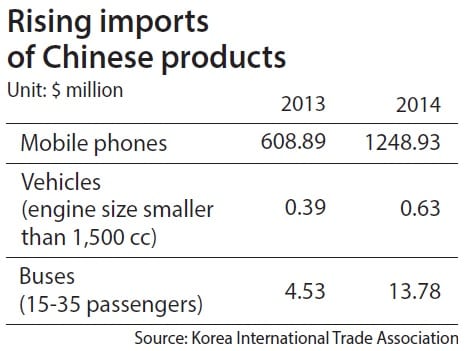
    Chinese auto brands are growing in popularity, too. China’s Sunlong Bus entered the market in 2013 and sold 100 buses that year. Since then, it has sold about 550 in Korea. Other automakers are preparing to enter the Korean market as well.

    But this is just the beginning. The Chinese government have announced new initiatives to boost the economy, such as “China Manufacturing 2025” in May. The plans lay the groundwork for the nation to further develop as a global manufacturing superpower.

    But it’s not just advances in production that are worrying Korean companies – it’s also the narrowing of the technological gap in the IT industries of the two countries. Korean manufacturers had a 2.4-year lead over Chinese companies in 2012, but that has been narrowed to 1.8 years as of last year, according to the Korea Institute of S&T Evaluation and Planning. In the energy industry, the gap is only a year, and China now leads in the aerospace industry.

    “The government needs to ease regulations in order for industries to increase the amount they spend on R&D,” said Han Jae-jin, a researcher at Hyundai Research Institute. “Manufacturing companies also have to reform themselves [to compete].”


  • Xiaomi Redmi Note 3, Mi Pad 2 unveiled in China

    Xiaomi Redmi Note 3, Mi Pad 2 unveiled in China

    Xiaomi has this week launched two new devices to its ever growing lineup, namely the Xiaomi Redmi Note 3 phablet and the Xiaomi Mi Pad 2 tablet.

    While these two devices probably won’t be heading across the Pacific (or Indian Ocean, for that matter) any time yet, it’s worth noting just how impressive these two devices are.

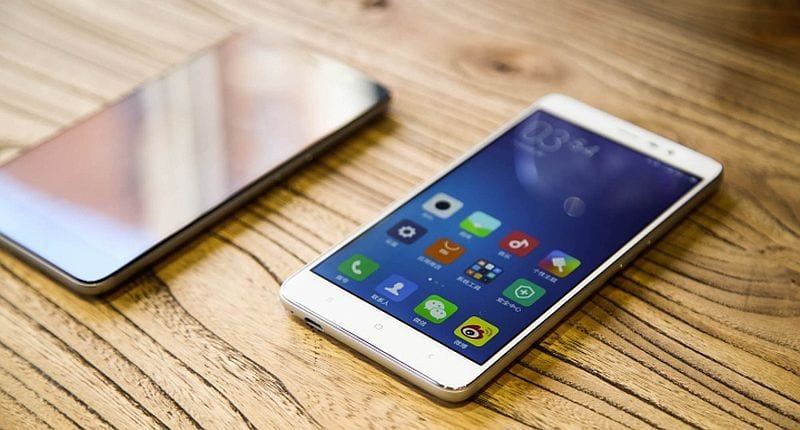
    The Redmi Note 3 for one features a 5.5-inch 1080p display, up to 3GB of RAM, a MediaTek Helio X10 processor with eight cores, and up to 32GB of internal storage. There’s also a huge 4000mAh battery in its wholly metal boody, a fingerprint sensor at the rear, and will ship with Android Lollipop.

    xiaomi redmi note 3 1

    The cameras are also impressive, sporting a 13MP rear and 5MP front camera combo, with the rear sporting a two tone flash setup.

    The most impressive thing though? It’s price. At launch, the device will retail for RMB 899 in China, or around US$140 in the States. That’s ludicrous value.

    But not stopping there, the company also outed an iPad mini 4 competition in the Mi Pad 2.

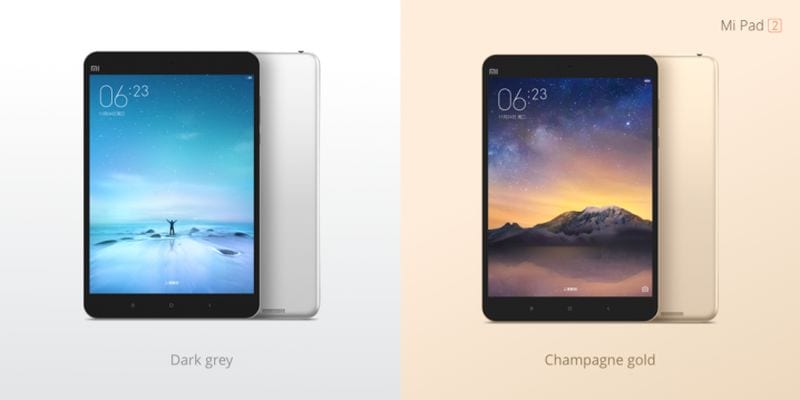
    And yes, it looks just like the iPad. That’s somehow not such a terrible thing though, especially since the Mi Pad 2 now features a 7.9-screen with a 2046×1536 display, an Intel Atom heart, and a depth of only 7mm.

    xiaomi mi pad 2

    Arguably, the Mi Pad 2 won’t keep up with the iPad mini 2 or Microsoft Surface Pro 3 in a straight line, but it’s going to retail for around US$200 in China — or about three times less than the cheapest last generation Microsoft Surface.

    Other specs include a huge 6190mAh battery, an 8MP rear 5MP front camera combo, 2GB of RAM and up to 64GB of internal storage. The company has also bolted a USB Type-C port on it for charging and data transmission. And lastly, there’s a Windows 10 option, which should appease some doubters if this device ever does make it west.

    Unfortunately, the company didn’t launch the Xiaomi Mi 5 at the event, but these two devices at least hint at Xiaomi’s targets for 2016.

  • Xiaomi Brand Dominates Singles Day In China

    Xiaomi Brand Dominates Singles Day In China

    Celebrated every Nov. 11, Singles Day is a tradition that dates back to 1993 which initially involved bachelors from Nanjing University who would like to go out, meet, and party with others. The celebration soon included single women and became a huge holiday in China where single individuals go out in massive meet-and-greet events.

    Singles Day is China’s version of USA’s Black Friday, where Chinese businesses spur sales by offering attractive deals and huge price cuts on their products. Xiaomi, already a popular smartphone brand that offers cheap smartphones and other mobile devices, initiated its Singles Day strategy from Nov. 1, offering daily promos and sweet deals and ultimately culminated its run on the big day itself, according to Digital Trends.

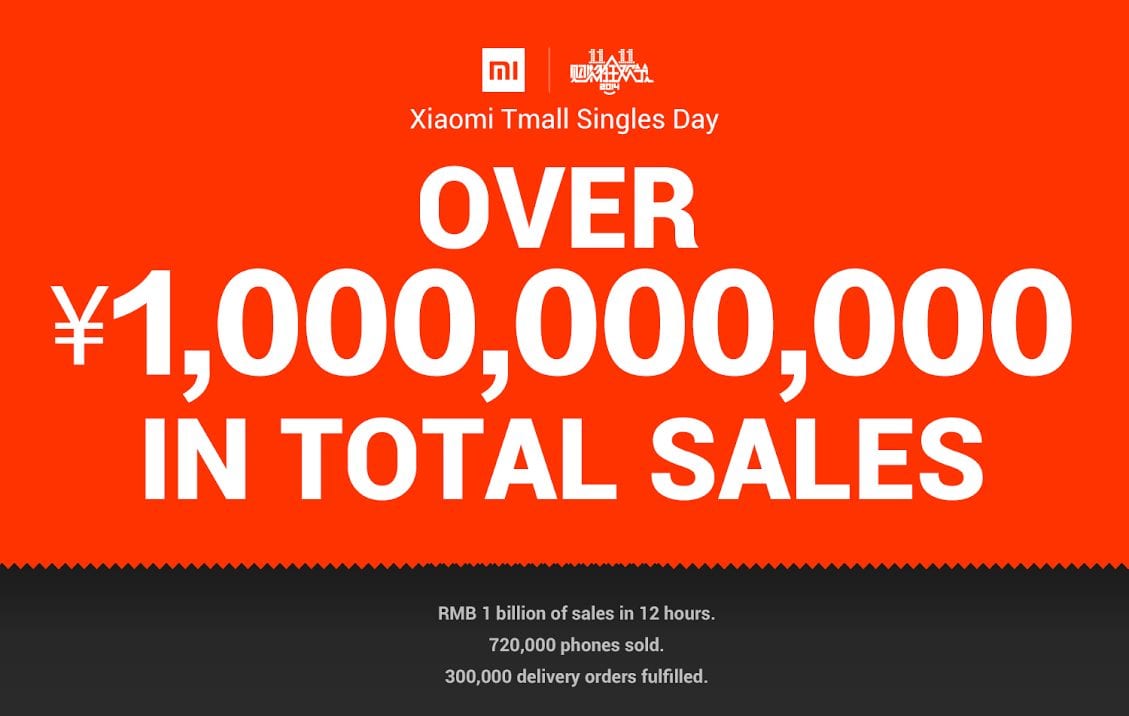
    During the build-up, Xiaomi even provided a teaser on a new smartphone. The strategy proved to be successful, as the smartphone maker immediately raked in $16 million by 12:12 am on Nov. 11. Thirteen minutes later, sales reached $31 million. Two minutes before 1:30 am, Xiaomi already has $63 million in the bank. By the end of Singles Day, Xiaomi’s sales reached a whopping $188 million.

    According to a statement by the China-based smartphone manufacturer, the $125 Redmi Note 2 was their bestselling smartphone. Xiaomi’s smartwatch, the Mi Band Pulse, was the company’s most popular device, which did not come as a surprise, given its $16 price tag.

    Xiaomi’s success is based on its strategy of providing cheap smartphones with high-end features, and China is its biggest market. Recently, top competitor Huawei has overtaken Xiaomi as China’s top smartphone vendor in the last quarter, CNBC reports.

    Meanwhile, China-based online market company Alibaba also broke its own record on Singles Day. The e- ommerce giant clocked in $14.3 billion in sales via its online payment service. On last year’s Singles Day, Alibaba registered $9.3 billion in sales. This year’s figure represents a 60 percent jump from the previous year, indicating the company’s continued growth in a crowded Chinese market.


  • Mood darkens for trade in China

    Mood darkens for trade in China

    The business sentiment of Korean companies in China has worsened in the second quarter – particularly in the automotive and electronics sectors – mainly due to the slowdown in overall consumption in the Chinese market on the heels of a wobbling stock market.

    It was the second straight quarter that the business sentiment index remained below the 100 mark.

    According to a report by the Korea Institute for Industrial Economics and Trade (KIET) on Monday, the companies’ business survey index in the second quarter was 71, lower than 77 in the first quarter this year.

    The index reflects business sentiment, considering different business environments like quarterly profit performance, sales, costs and business regulations. As the index ranges from 0 up to 200, a number smaller than 100 means more survey participants expressed negative answers, while the index larger than 100 means more positive answers.

    The slump in business sentiment was the largest in automotive and electronic devices, two industries in which Chinese rivals are quickly catching up on Korean technologies and in which consumer demands change quickly.The survey was taken for a month from June 15, by the Korea Chamber of Commerce & Industry’s Beijing office and a Korean business association in China, on some 226 Korean companies operating in China. They were doing business in seven different sectors, ranging from electronics and automotive to chemical, textile and retail.

    Korean auto companies in China gave 45 points in the second quarter, a lot lower than the 94 points in the first quarter, during which the Chinese auto taste has quickly moved to favor sports utility vehicles (SUVs) that are more affordable than Korean autos.

    Korean electronics companies gave 54 points in the second quarter, also much more negative than the first quarter’s 88 points, after Samsung smartphones lost market share to Xiaomi and Huawei.

    Only Korean chemical and retail industries expressed positive assessments regarding their businesses in the second quarter, each giving 103 points and 100 points, respectively.

    Survey participants said the slowdown of demand in the Chinese domestic market was the main reason for their business hardships in the second quarter, followed by competition with Chinese rivals and elevated labor cost, which raised overall production costs.

    In the first quarter, a steep increase in labor costs was the main reason Korean companies found it hard to do business in China, reflecting the slowdown in the growth of the domestic economy.

    However, the Korea International Trade Association (KITA) rolled out a positive outlook on Monday that the Chinese economy will maintain its growth rate at the 7 percent range in the latter half of the year and Chinese investment is on its way to recovery thanks to state-led infrastructure building projects, which bring up both imports from other companies as well as local real estate transactions.

    The outlook said Korea’s export to China and local production of Korean companies will stay contracted until the third-quarter due to the unstable Chinese stock market and contracted consumption sentiment.

    The Chinese economy is forecast to rebound to last year’s level by the fourth quarter at the latest, the KITA outlook forecast, as the central government there is pushing policies to boost cash liquidity and the real estate market.

    “The sagging domestic economy made Chinese consumers lean towards frugal consumption, which helps local Chinese companies with advanced product quality gulping up market share against foreign products,” said Lee Bong-geol, a senior researcher at the Institute for International Trade at KITA

  • Using WeChat to Grow Your Business in China

    Using WeChat to Grow Your Business in China

    In the world of mobile commerce, all eyes are on China.

    Even as China’s economy and overall retail sales growth drops, business-to-consumer (B2C) online sales are growing by 25 per cent each year. Data gathered from iResearch in a March 2015 report states that China’s gross merchandise volume (GMV) of the mobile shopping market reached 929.71 billion RMB in 2014, increasing by 239.3 per cent from the previous year.

    The growth was significantly larger than that of the overall GMV of the online shopping market. China has the world’s largest digital marketplace, and is predicted to grow three times faster than overall retail. The industry is primed for growth not only in the first-tier cities, but also in the third-tier and lower cities with an estimated half of total online sales coming from the lower tier cities by 2018.

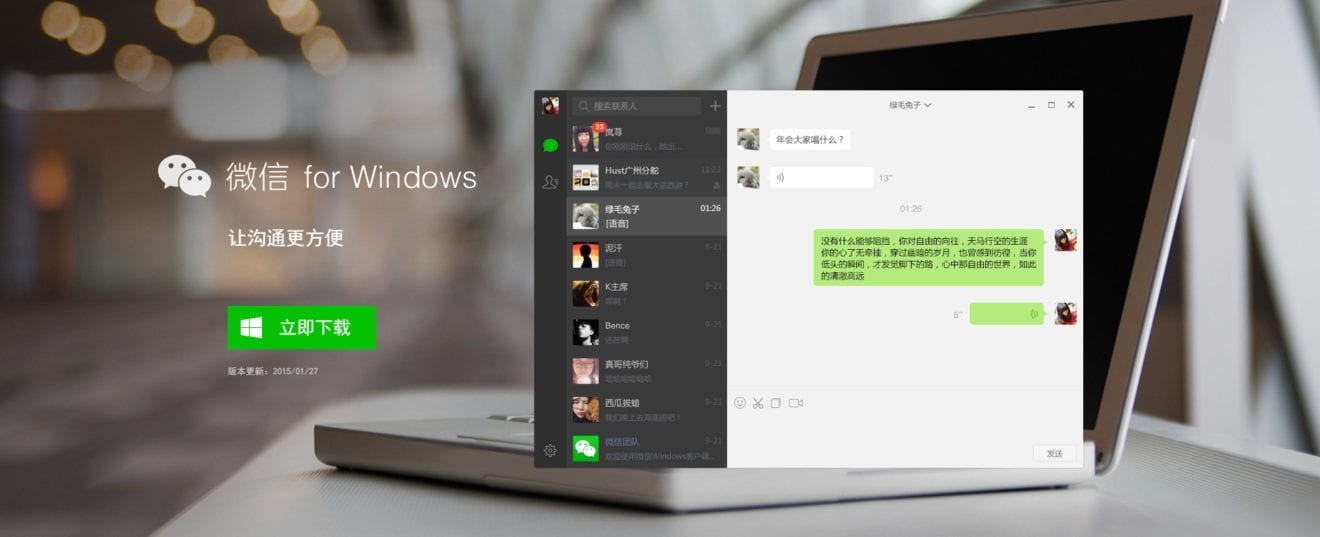
    When considering the mobile commerce industry in China, one name stands out: Tencent’s WeChat has long been impacting the lives of Chinese consumers, and with its move to digital payment systems it now has the ability to revolutionise the mobile commerce industry in China.

    WeChat has a massive scale, with over 468 million monthly active global users and 25 per cent of users checking WeChat over 30 times a day. Last year, users spent US$15.3 billion on mobile data using WeChat.  As the fastest growing social media platform in the world, and the primary source of interaction between brands and Chinese consumers, foreign investors looking to be successful in China should take note. Chinese consumers actively embrace mobile commerce due to its easy to use, cost-effective payment and delivery system.

    There is huge potential for foreign investors to take advantage of WeChat payment systems for their Chinese consumers and to maximise their profits. WeChat allows foreign investors to interact with their consumers in a way that has not reached the same scale in the Western world.

    Fewer than 20 per cent of internet users in the US have used their mobile phones to pay for services and goods while more than half of users in China have done so. Multiple incentives exist for Chinese consumers to make their purchases through WeChat; enabling businesses to use these schemes to generate profit. Loyalty cards, membership schemes and discounts for paying online all compel cost-effective shoppers to make a purchase.

    In addition to this, due to the convenience of paying through WeChat, there is a higher chance of impulse purchases. However, this ease does not simply apply to the consumer. Brands are able to bridge the gap between attracting new consumers and engaging with paying consumers, which has already begun to change the face of shopping and retailing worldwide. Businesses utilising WeChat payment systems are already experiencing huge profits, and Tencent has stated that several official accounts are now making over US$1 million.

    Not only can consumers purchase items, but can also purchase services inside WeChat. Businesses with service accounts can take advantage of WeChat’s online-to-offline (O2O) business model. Both online and offline purchases are available to consumers. Customers can either pay for services or items by scanning the QR codes of products provided by offline retailers, or pay on web pages inside the app.

    All vendors, from big name brands to small and medium-sized enterprises are able to create service accounts in WeChat. Big name companies like McDonalds, Starbucks, Xiaomi, Watsons, and Pacific Coffee have all created service accounts. WeChat allows all vendors the potential for success and the ability for SMEs to create accounts is an important aspect for foreign investors to capitalise on.

    Certain industries, such as food, beverage and retail, tend to generate more profit as they are more primed for mobile commerce. That being said, taxi companies, airlines, newspapers, government organisations, and pharmaceutical companies are all using WeChat payments to their advantage.

    Tencent has now enabled users to pay their utility bills through WeChat, and more and more businesses are finding a way to use WeChat mobile payments to grow their business and attain a competitive advantage.

    It is crucial for foreign businesses entering a new market to take advantage of domestic trends in order to be competitive in that marketplace. Mobile commerce in China is constantly evolving and businesses like WeChat are revolutionising how business is conducted. WeChat allows both big name brands and SMEs to compete in the same market space which has the ability to change the entire industry. Entering the Chinese market has its difficulties, but applications like WeChat make it easier for foreign investors to communicate effectively with their Chinese consumers.

  • Xiaomi in US, Europe check

    Xiaomi in US, Europe check

    China’s market main smartphone firm Xiaomi is making what’s being interpreted as a tentative step into the US and Europe.

    The fast-growing younger firm, which sells extra telephones in China than another handset maker has but to open its first retailer outdoors Higher China – however final Friday, it quietly switched on an internet site promoting equipment and electronics – however not telephones – to People and Europeans.

    In line with a report on The Verge https://www.theverge.com stories, Xiaomi opened a website promoting restricted quantaties of simply 4 merchandise in a “beta check sale” to residents of the US, UK, Germany and France.

    This launch line-up of merchandise features a US$14.99 health tracker, a pair of US$79.99 headphones, and two sizes of USB energy packs: a $9.99 5,000mAh mannequin able to two full iPhone expenses and a bigger, 10,400mAh model that bought for $13.99.

    The corporate inspired guests to create their accounts on the location, clearly a way to start out constructing a database of potential clients in every market.

    Xiaomi, an organization now value US$46 billion, is scheduled to open its first retail retailer – dubbed a Mi Retailer – outdoors mainland China, in Hong Kong this week.

    In response to The Verge, Xiaomi’s VP Hugo Barra introduced a transfer into the US and Europe earlier this yr, however wouldn’t say when its low-cost, however feature-packed smartphones may go on sale.

    “On the time, Barra cited causes reminiscent of hardware certification, software program testing, and different logistical challenges as obstacles to entry for smartphones and tablets in US market,” The Verge reported.

    “Nevertheless, the corporate has but to shake the notion that it has additionally copied American corporations’ designs — a criticism that’s troublesome to disregard when taking a look at side-by-side comparisons of Apple’s and Xiaomi’s merchandise. Nonetheless, if the corporate can discover an viewers for its equipment, then its smartphone certainly gained’t be too far behind.”