Retail News CRM

Category: Finance

Retail News Asia is committed to providing both local and global retailers with the latest Finance news throughout the Asian market. This on a daily base.

  • MatchMove adds HCE functionality to Wallet OS

    MatchMove adds HCE functionality to Wallet OS

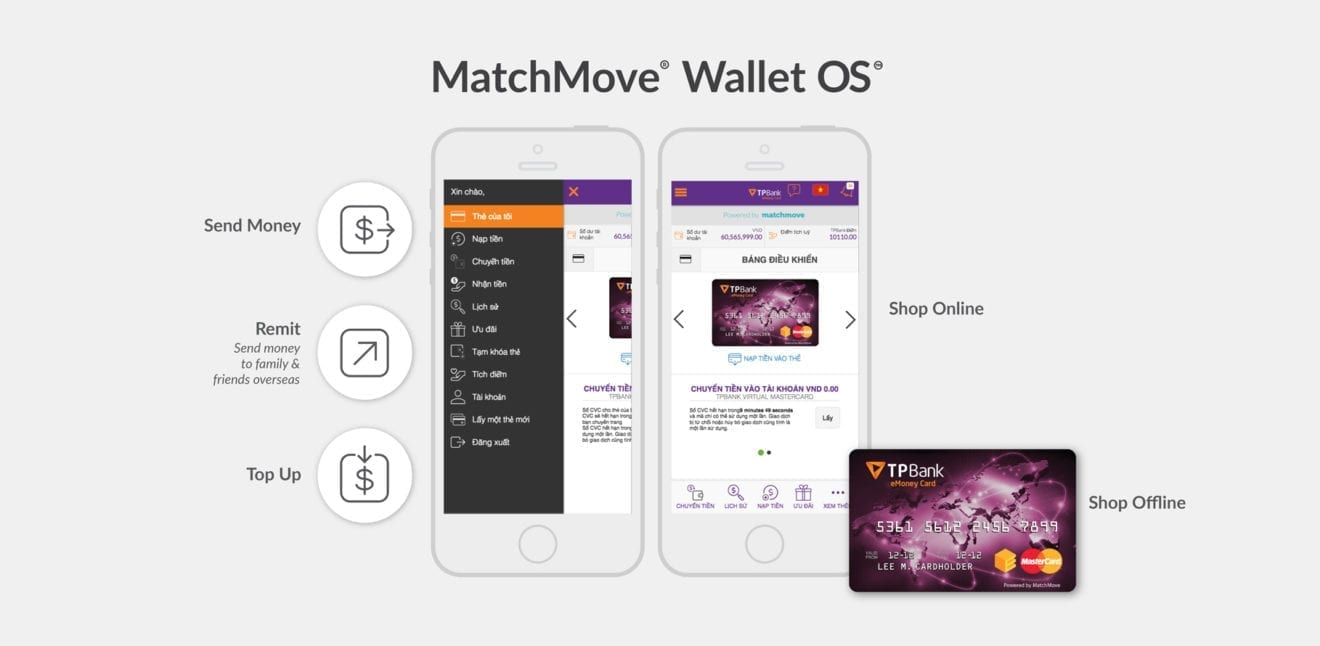
    Mobile wallet company MatchMove has added host card emulation (HCE) functionality to its Wallet operating system, in partnership with US-based contactless technology vendor SimplyTapp.

    The deployment is expected to benefit MatchMove’s existing partners and future customers who wish to offer a contactless payment experience to consumers globally, but do not wish to be tied to a specific payment network.

    MatchMove’s HCE-enabled technology is device agnostic and able to operate on any Android device running version 4.4 and above with NFC capability.

    Starting in Singapore, users with MatchMove-powered virtual cards will soon be able to enjoy a hassle-free tap and pay experience at relevant NFC-enabled in-store terminals, for instance, Mastercard’s Paypass. The Asiawide capability will be available for new enterprise and startup customers by the end of Q4.

    “By leveraging on SimplyTapp’s expertise in HCE and pairing it with our current MatchMove platform, we are enabling our customers who use our OS for a wide range of new services and capabilities, such as using only a virtual card for physical payment, using the virtual wallet for loyalty across multiple merchants and even for instant cross-border remittance,” Matchmove CEO Shailesh Naik said.

    This further differentiates MatchMove from other payment solutions that still require digitising plastic cards on mobile devices.”

  • HSBC plans to inject $1 billion into Indonesia business

    HSBC plans to inject $1 billion into Indonesia business

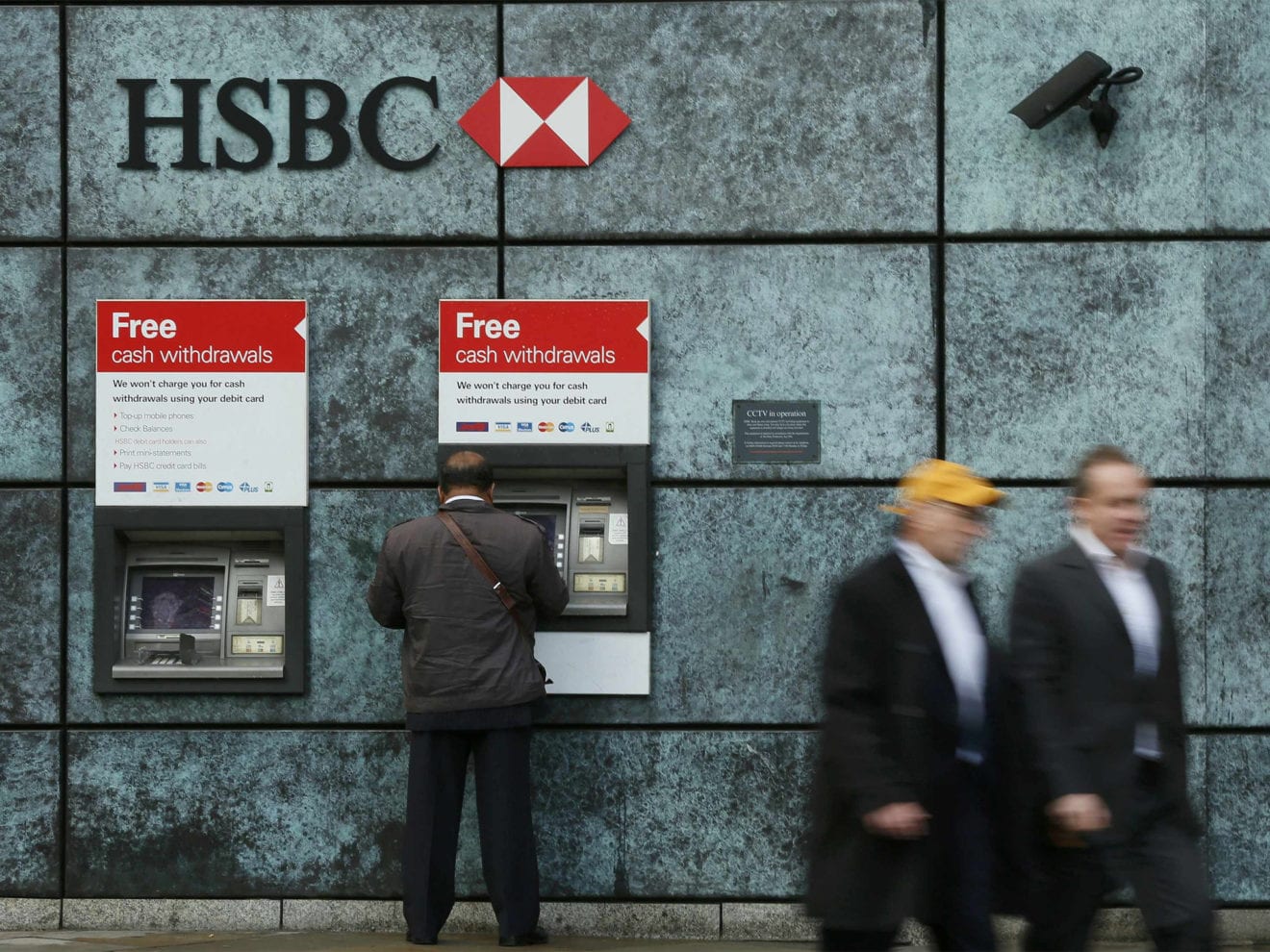
    HSBC plans to inject $1 billion of additional capital into its combined Indonesian business with PT Bank Ekonomi Raharja, an official at the Indonesian financial regulator, Ariastiadi, said on Thursday.

    HSBC separately said it would integrate its Indonesian business with Bank Ekonomi, but a bank spokeswoman in Indonesia declined to comment on the planned capital injection.

    The move would help to resolve a long-running issue for HSBC in Indonesia, where the government has encouraged banks in the country to operate via a single locally incorporated entity.

    Since the 2008/09 global financial crisis, local regulators have encouraged banks in their jurisdictions to incorporate themselves locally in order to make them easier to police and to ring-fence them from external shocks.

    Before the integration, HSBC operated its own branch on top of having a controlling stake in Bank Ekonomi.

    HSBC last year offered to buy out the minority shareholders of Bank Ekonomi and delist the Indonesian lender from the Jakarta stock exchange.

    Under the integration process, all the assets and liabilities of HSBC Indonesia will be transferred to the combined entity, which will be called PT Bank HSBC Indonesia, said HSBC’s Indonesian legal consultant, Kemal Siregar.

    HSBC shares were down 1 percent in London by 0940 GMT, while the benchmark FTSE 100 index () remained flat.

  • Indonesia central bank surprises with another cut to key rate

    Indonesia central bank surprises with another cut to key rate

    Indonesia’s central bank surprised the market on Thursday by cutting its benchmark interest for a sixth time this year, renewing efforts to spur sluggish lending and growth.

    Bank Indonesia (BI) cut the 7-day reverse repurchase rate by 25 basis points to 4.75 per cent. “In the midst of a weak global economy, we believe this monetary easing will strengthen efforts to push domestic demand, including for credits, so that it could support the momentum for economic growth,” BI said.

    Thirteen of 17 economists in a Reuters poll had expected the benchmark to be kept at 5.00 per cent on Thursday.

    The central bank made six cuts to its benchmark this year by a total of 150 basis points.

    In August, it switched its benchmark from the 12-month reference rate to the 7-day reverse repurchase rate to try to more directly affect market rates.

    The economy gained some momentum in the second quarter, with good crops higher government spending helping push annual growth to 5.2 per cent.

    But the central bank said state spending cuts, sluggish bank lending, and weak global trade probably weakened third quarter growth to around 5 per cent. BI’s outlook for 2016 is between 4.9-5.3 per cent.

    So far, BI’s 2016 rate cuts have had limited impact on commercial banks’ lending. In August, it grew just 6.83 per cent from a year earlier, the weakest since November 2009.

    Indonesia is due to announce third quarter growth early next month.

    In September, Indonesia’s annual inflation rate was near the lower end of BI’s target band, at 3.07 per cent. The rupiah has been stable, trading near 13,000 a dollar since July. The third quarter’s current account deficit is expected to stay at a comfortable level.

    Ng Weiwan, economist at ANZ said real interest rates in Indonesia “remain elevated despite the rate cuts this year.”

    “Credit growth will be constrained with the overhang from the non-performing loan and the deposit rate caps limiting the interest that banks can pay for deposits,” Mr Ng added.

  • UOB Indonesia offers Rp 1.1 trillion in bonds to strengthen lending

    UOB Indonesia offers Rp 1.1 trillion in bonds to strengthen lending

    United Overseas Bank (UOB) Indonesia plans to issue Rp 1.1 trillion (US$84.5 million) in bonds in November. The issuance hopes to raise cash to support the bank’s lending capacity next year.

    UOB Indonesia president director Kevin Lam said Rp 1 trillion in proceeds would come from the senior bond while the remaining Rp 100 billion would come from the subordinated bond. Both will be offered from Nov. 17 until Nov. 22.

    “The bond will enable us to maintain solid funding as we help our customers seize business opportunities arising from increased infrastructure development and consumer demand,” he said during a public expose in Jakarta on Wednesday.

    The senior bond is divided into three series with a buy-back option, he further explained.

    Series A is offered with 370 days of maturity and a 7.4 percent coupon rate per annum. Series B will mature in 3 years with an 8.25 percent coupon rate. Series C will have a 5-year tenor with a coupon rate of 8.5 percent.

    Meanwhile, the subordinated bond has a 7-year tenor with a 10 percent coupon rate. All the coupons will be paid every three months.

    In the first half of 2016, UOB Indonesia saw its interest income increase by 22.32 percent year-on-year (yoy) to Rp 1.73 trillion.

    Net profits rose by 86.81 percent yoy to Rp 281.69 billion.

  • OJK to Expand Banking Industry, Aims for Thailand

    OJK to Expand Banking Industry, Aims for Thailand

    Financial Services Authority (OJK) Chairman Muliaman D. Hadad said that the OJK is in the process of exploring the possibilities of expanding Indonesian banking industry overseas.

    “The most possible [cooperation] is with Thailand, because there have been two or three meetings,” Muliaman said.

    Muliaman said that similar cooperation will also be established with other countries. Muliaman explained that Thailand serves as an important stepping stone to establish cooperation with Cambodia, Vietnam, Laos, and Myanmar. “Why Thailand? Because Thailand has dominant business [partnership] with its neighbouring countries,” Muliaman added.

    Muliaman said that there are lots of possibilities for Indonesia to expand its financial industry to Thailand. Moreover, several of Indonesian business sectors have started to expand to Thailand, including property and trade.

    Aviliani, an economist from the Institute for Development of Economics and Finance (Indef) praised OJK’s plan to integrate the national banking industry with ASEAN. Aviliani said that the integration is important to allow Indonesian banks to open branch offices and conduct business activities in neighbouring countries. However, Aviliani asserted that the policy may not always favour the banking industry. “Banks will always reflect on market potential,” Aviliani said.

    Aviliani added that the potential for overseas banking market is not quite as large as the domestic market. “Opening [branch offices] overseas will be difficult if [banks] cannot profit. But when foreign banks expand to Indonesia they will reap benefits because [Indonesia] has a large market potential,” Aviliani said.

  • TrueMoney Transfer is Thailand’s first affordable remittance solution for migrant workers

    TrueMoney Transfer is Thailand’s first affordable remittance solution for migrant workers

    TrueMoney, a subsidiary of Ascend Group, announces the launch of TrueMoney Myanmar and the launch of its fund transfer solution, TrueMoney Transfer.

    TrueMoney Myanmar aims to be a leading financial service provider, offering bill payment, mobile topup, remittance, and cash collection services. With two offices, one in Yangon and one in Mandalay and a network of 3,000 agents nationwide, TrueMoney Myanmar is working  continuously to expand its services and agent network to fulfill its mission of enabling everyone access to innovative financial services, leading to better lives because we believe that financial access should be a basic right for everyone.

    TrueMoney is also launching TrueMoney Transfer, the company’s first international money transfer solution. Fast, easy, safe, and affordable, TrueMoney Transfer enables real-time fund transfers from Thailand to Myanmar, allowing Burmese migrant workers to significantly reduce the expense and risks associated with sending money to family back home.

    Fast with real-time fund transfers, easy with 250 transfer spots in Thailand by end-2016 and 681 transfer spots in Myanmar, safe with a passcode to receive the money that only the sender knows, and affordable with transaction fees starting at 50 Baht. To celebrate the launch of the TrueMoney Transfer service, TrueMoney is waiving the transfer fees for all transactions until October 31, 2016. Transfer fees usually start at only 1,818 MMK  per transaction.   

    Migration within and across Myanmar’s long borderline has been long-standing. In an aim of improving relatives’ standard of living, many Burmese have chosen to cross borders in search of decent work and income. To date, according to the United Nations (UN), Thailand is home of almost 2 million hard working Burmese sending 2,8 billion Kyat back home annually, namely 1 million Kyat per person per year. 

    Transferring money to loved ones has undoubtedly become a crucial need for Burmese migrants and their families. However, a large number of Myanmar workers remain unbanked, due to a variety of reasons such as, but not limited to legal status, language barrier, and access to banking services. We have developed TrueMoney Transfer to give a faster, safer, more secured and affordable alternative to the commonly used informal channels”, said Ms. San Thaw Da Wun, Country Director of TrueMoney Myanmar. 

    Indeed, sending money from Thailand to Myanmar can be very expensive and uncertain. Because no other options are available to date, Myanmar migrant workers are placing their trust and savings within informal networks, which are complicated, time-consuming – it can take up to 4/5 days to send funds –, and unsafe – there is no guarantee that the intended receiver will ever receive the money.

    Mr. Lawt Aung, Senior Product Executive of TrueMoney said, “TrueMoney Transfer will deeply change the lives of millions of hard-working people who do not have access to proper banking services. The network we have built throughout Myanmar is the stronger existing. Our 681 TrueMoney Transfer spots in Myanmar cover 91 percent of migrant workers hometowns such as Mon, Tarintharyi, Kayin, Shan, Yangon, and Bago, bringing services for money transfer in rural areas where banks don’t even have a representation. The solution will enable money transfer from Thailand to Myanmar only. By end of 2016, the 250 transfer spots in Thailand will be concentrated in areas with a large population of Myanmar migrant workers such as Bangkok, Samut Sakhon, Samut Prakarn, Tak, Ranong, Kanchanaburi, and Phuket.

    Ms. San Thaw Da Wun added, “It has never been that simple to transfer money internationally”.

    Users can simply register a user account at one of TrueMoney’s official agent shops in Thailand, show their ID, and instantly transfer funds to Myanmar. After informing the agent of the receiver’s name and mobile number and the amount to be transferred, the sender will be told the exact amount the receiver will receive. The sender will also receive an 8-digit code via SMS. The receiver can immediately use the given code, in addition to their identification and mobile phone number, to receive cash at any of the TrueMoney Transfer spots in Myanmar.

    TrueMoney has developed this new innovation to offer a cross-border remittance service that is fast, easy, safe, and affordable to upgrade the standard of living of everyone.

    TrueMoney Transfer – Fact Sheet


    TrueMoney – Key information

    About TrueMoney Thailand Company

    TrueMoney is an Ascend Group subsidiary and the first epayment provider in Thailand that has been granted a license from the Ministry of Finance and the Bank of Thailand to offer cross-border remittance service

    About TrueMoney Transfer solution

    TrueMoney has been developing the TrueMoney Transfer solution to help unbanked individuals as well as migrant workers to safely send money to their loved ones and to give them an alternative to costly and unsecured informal money transfer solutions

    Key information about TrueMoney Transfer

    • TrueMoney Transfer, Thailands first fast, easy, safe, and affordable remittance solution for migrant workers
    • With 250 TrueMoney Transfer spots in Thailand by end- 2016 and 681 in Myanmar, a very affordable cost as well as no fee applied for receiving money, this is the most accessible platform available to date
    • You can transfer up to 30,000 Baht per transaction and up to 200,000 Baht per day
    • The transfer fee is waived until October 31, 2016 (normally 50 Baht for 100-5,000 Baht transferred)
    • TrueMoney Transfer is available for individual customers only

    Process to setup an account

    • To use TrueMoney Transfer simply register for the service by showing your ID and mobile phone number at one of TrueMoneys official agent shop. This process is one time will take just a few minutes.
    • Then, youll need to give the receivers details and mobile phone number before handing over the money you wish to transfer. The TrueMoney Transfer officer will let you know exactly how much money the receiver will get in the destination currency.
    • You will then get an 8digit transaction code via SMS to your registered mobile phone number.
    • The receiver simply need to show the 8digit transaction code, ID, and their mobile phone number to any TrueMoney Transfer spot in Myanmar to get the cash right away.

    Target users

    Unbanked individuals and migrant workers who wants to transfer money back to Myanmar


    Transaction fee (Conditions as stipulated by the company)

    Remittances from 100 Baht to  5,000 Baht

    Transaction fee at 50 Baht

    Remittances from 5,001 Baht to  10,000 Baht

    Transaction fee at 100 Baht

    Remittances from 10,001 Baht to  15,000 Baht

    Transaction fee at 150  Baht

    Remittances from 15,001 Baht to  20,000 Baht

    Transaction fee at 200 Baht

    Remittances from 20,001 Baht to  25,000 Baht

    Transaction fee at 250 Baht

    Remittances from 25,001 Baht to  30,000 Baht

    Transaction fee at 300 Baht


    TrueMoney Transfers user profile

    Myanmar migrant workers Key data

    Number of Myanmar workers in Thailand to date

    2 million workers, 50% nonregistered

    Gender

    • 57% male
    • 43% female

    Age

    • 1624: 21%
    • 2534: 52%
    • 3555: 27%

    Location

    • Bangkok Outskirts: 38%
    • South: 27%
    • North: 16%
    • Central: 13%
    • Bangkok: 6%

    Occupation

    Fishing worker, Farm worker, Factory worker, Rubber worker, Construction worker, Housekeeper


    Myanmar’s remittance market

    Average number of fund transfers per individual per year

    6 times a year

    Average amount sent per transfer per individual

    6,650 THB

    Total number of transactions per year

    12 million THB

    Total amount of money transferred per year

    77 billion THB

  • Bank Saint Petersburg to Start Accepting JCB Cards

    Bank Saint Petersburg to Start Accepting JCB Cards

    JCB International Co., Ltd. (JCBI), the international operations subsidiary of JCB Co., Ltd. announced that Bank Saint Petersburg (BSPB), the leading bank in North-West Russia, started accepting JCB cards at POS terminals and ATMs.

    The bank network includes 7,100 POS terminals and 700 ATMs located not only in Saint Petersburg but also throughout the Leningrad region, in Moscow and Kaliningrad. JCBI started card issuing business with local banks in Russia in 2015 and cardmember base has been expanding. The partnership with BSPB will make JCB cardmembers feel more comfortable to use their cards, and enhance JCB presence in the market and increase JCB brand awareness.

    Commenting on the announcement, Kimihisa Imada, Deputy President of JCBI, said: “With this launch, JCB expands card acceptance in one of the most popular and famous destinations in Russia. Saint Petersburg has been recognized as Europe’s Leading Destination for the second consecutive year by the World Travel Awards and we are proud that JCB cardmembers from all over the world will be able to use their cards while travelling and sightseeing in the area.”

    Pavel Filimonenok, Deputy Chairman of the management board of BSPB, added: “It is very important for us that our bank is among the top ten banks in Russia certified by one of the leading worldwide payment brands – JCB. We highly evaluate the potential of our collaboration with JCB as the payment brand is actively growing and the global volume of transactions made by JCB cards has nearly doubled over the past 3 years.”

  • DBS debuts digital tokens in corporate m-payments

    DBS debuts digital tokens in corporate m-payments

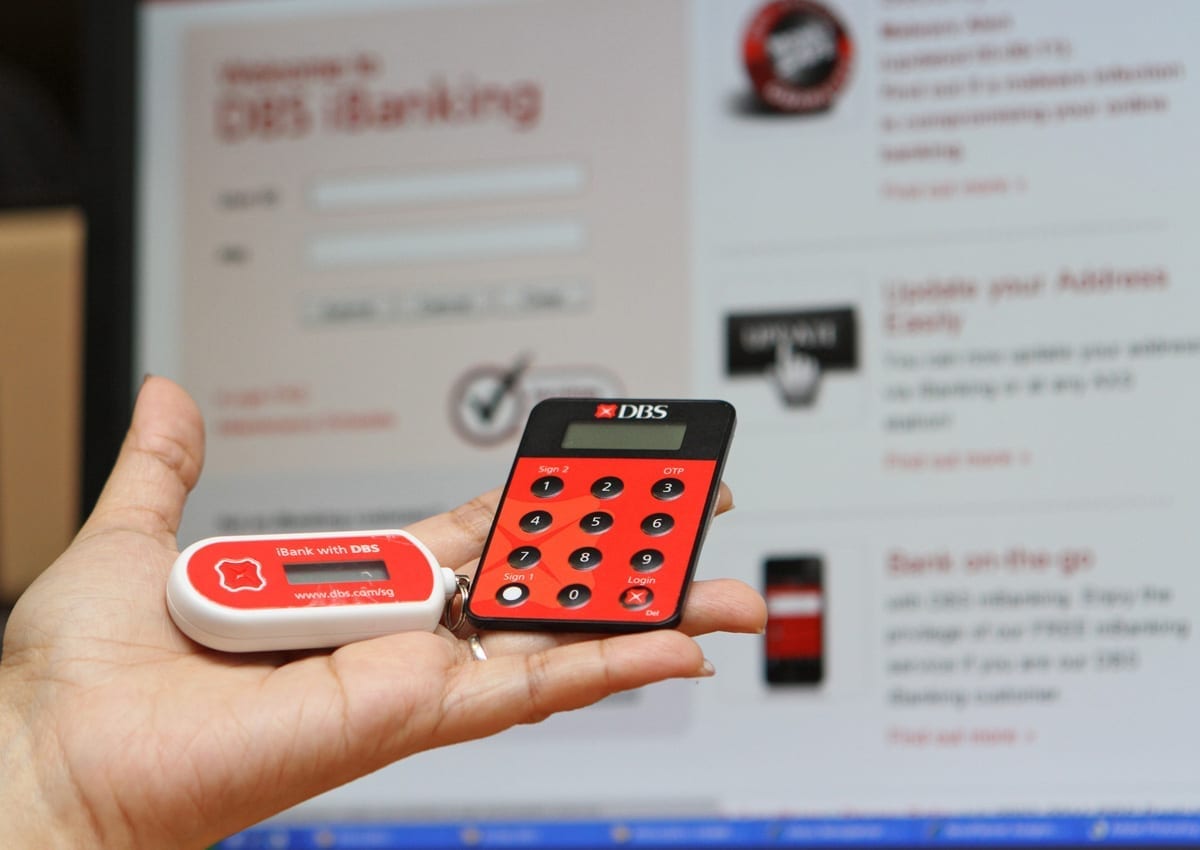
    DBS Bank has launched a new mobile banking feature that eliminates physical tokens for corporate transactions.

    The feature added to DBS IDEAL Mobile uses digital tokens to make banking on the go simpler and more convenient for corporate treasurers and small business owners.

    Available to both Apple and Android users, the bank claims to be the first Asian bank to offer this integrated service on one mobile platform.

    Currently, corporate treasurers often have to carry several security tokens to conduct their business banking, with some having up to six physical tokens with them at any one time.

    Specifically for iPhone users, the digital token utilises the user’s fingerprint to ensure identity confirmation and conduct secure online transactions. Android users will continue to key in their PIN to carry out transactions.

    This new service is available to over 140,000 DBS IDEAL and DBS IDEAL Mobile customers across 10 markets. Over 3 million transactions a month are conducted on DBS IDEAL.

    “As a bank that is shaping the future of banking, we want to provide an easy, more convenient and secure solution to our corporate customers. The new digital token feature on DBS IDEAL Mobile is a great example of how we are leveraging technology to help create a more intuitive and seamless banking experience for them,” DBS Bank head of global transaction services John Laurens said.

  • MasterCard deploys biometric verification

    MasterCard deploys biometric verification

    Mastercard has deployed Identity Check Mobile in Europe, a new payment technology application that uses biometrics like fingerprints or facial recognition to verify a cardholder’s identity.

    The technology is now being introduced across 12 markets in Europe including the UK, Germany Austria, Belgium, Czech Republic, Denmark, Finland, Hungary, the Netherlands, Norway, Spain, and Sweden.

    Aimed at simplifying online shopping, the deployment follows a series of successful trials in the Netherlands, the US, and Canada. The technology will be rolled out across the world in phases in 2017.

    The move comes after trials and research discovered European consumers prefer biometric payments to current systems that rely on passwords.

    While existing identity verification methods typically take shoppers away from a retailer’s website or mobile app, where they are often required to remember and enter a password, Mastercard Identity Check Mobile eliminates the need for cardholders to recall passwords, dramatically speeding up the digital checkout experience while also improving security. Instead, cardholders can verify their identities by using the fingerprint scanner on their smartphone or via facial recognition technology by taking a “selfie” photo.

    “We are relentlessly focused on making the online payment experience near frictionless, without making any compromises on safety and security,” said Ajay Bhalla, president of Enterprise Risk & Security, Mastercard.

    “This is a significant milestone in the evolution of payments. Shopping in person has been revolutionized thanks to advances like contactless cards, mobile payments and wearables, and now we are making Identity Check Mobile a reality for online shopping in Europe, and soon, the world.”

  • Singapore banks missing the boat in booming SE Asia

    Singapore banks missing the boat in booming SE Asia

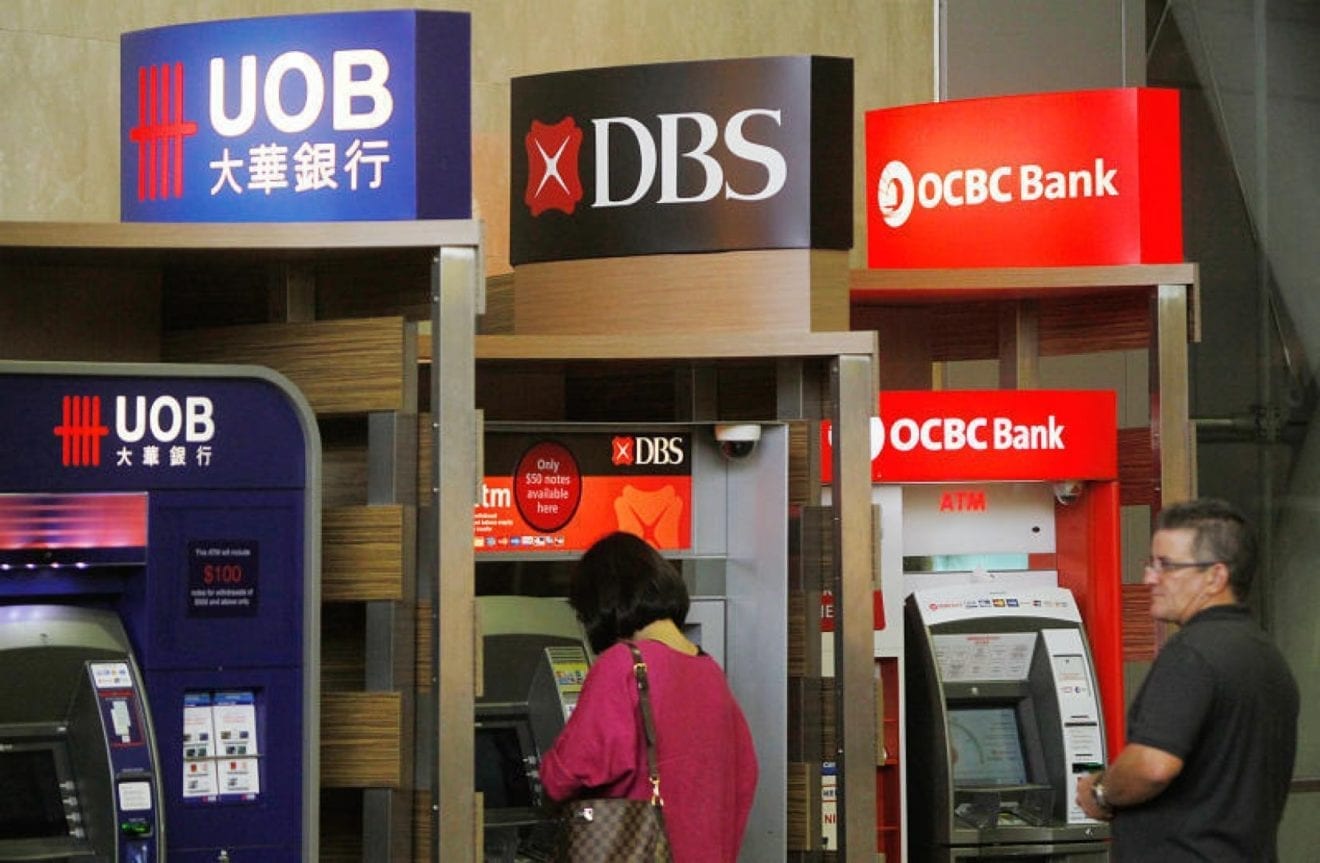
    The three local banks are not having a good year, mostly due to forces beyond their control, but they seem to be also scoring own goals – missing opportunities right on their doorstep, our South-east Asian neighbours.

    The past two decades have been a waste in terms of what they should have done, formulating and working out a thoughtful strategy of expansion in ASEAN countries but efforts have been half-hearted and sometimes marred by ineptitude.

    Singapore contributes the bulk or the lion’s share of profits to DBS Group Holdings, OCBC Bank and United Overseas Bank (UOB) but domestic sluggish growth, a slump in the property market and a prolonged period of weak interest rates are translating to poorer earnings.

    What could have helped is if the banks have a larger presence in the region which is booming; some countries this year and the next are projected to grow more than 6 per cent against 1-2 per cent for Singapore.

    Year to date, the stockmarkets of Indonesia and Vietnam are posting double-digit gains while it’s in the high single digit for Thailand and the Philippines. Singapore equities by contrast is a minus 2 per cent.

    For various reasons, the banks have pretty much neglected the Philippines, Thailand and Vietnam, concentrating on expanding in Greater China.

    All three have Indonesian subsidiaries but progress in getting meaningful traction in ASEAN’s largest economy has been slow. And payback for their Greater China strategy is taking a very long time.

    In Q2, DBS said China recorded a net loss of S$15 million compared with a net profit of S$79 million a year ago and S$23 million in the previous quarter.

    Net profit for Hong Kong halved to S$161 million from S$320 million a year ago.

    OCBC’s Greater China pre-tax profit was unchanged at S$253 million in Q2; UOB posted a pre-tax profit of S$66 million for Greater China, down almost 30 per cent.

    From Malaysia, where OCBC and UOB are among the largest foreign banks, contributions there are somewhat underwhelming.

    In Q2, OCBC’s Malaysia pre-tax profit was up 11 per cent at S$214 million making up 19 per cent of total group earnings.

    UOB’s Q2 pre-tax profit from Malaysia fell almost 9 per cent to S$125 million, and contributed 13 per cent to group total.

    The banks had a golden opportunity to acquire banks in the debt-strapped ASEAN countries following the 1998 Asian financial crisis but they let that slip after some missteps.

    DBS tried with forays in Thailand and the Philippines but quit after huge losses.

    Today, it has some activities in Indonesia which are so small that the bank lumps it under South and South-east Asia. Still, Q2 net profit of South and South-east Asia of S$46 million from breakeven a year ago shows the potential.

    OCBC’s Indonesian business posted Q2 pre-tax profit of S$76 million, or 7 per cent of group total, and up from S$47 million a year ago.

    UOB, which has the most extensive operations in South-east Asia including 157 branches in Thailand and 190 in Indonesia, tried to buy a bank in the Philippines in 1999.

    But stymied by minorities, the bank pulled back in 2005, efforts which left its then chairman and chief executive “allergic” to the Philippines.

    UOB’s Q2 pre-tax profit from Thailand and Indonesia came to a combined S$78 million or 8 per cent of group earnings.

    For sure, it will never be smooth sailing to venture into these countries given that their sometimes chaotic domestic politics, frequent changes in policy, and weak adherence to rules, factors which deter all but the most stout-hearted foreign investors.

    Venturing out of Singapore will always be tough but our deep-pocket banks have the resources.

    The potential of South-east Asia is well documented: the 10 South-east Asian countries with a US$2.4 trillion (S$3.3 trillion) economy and population of 626 million forms one of the largest markets in the world which remains under-banked. It also has a burgeoning educated middle class that is receptive to financial services and products.

    What our banks need is staying power and agility to navigate these unwieldy markets, before they entirely miss the boat.

  • BNI posts net profit of Rp7.72 trillion in Q3

    BNI posts net profit of Rp7.72 trillion in Q3

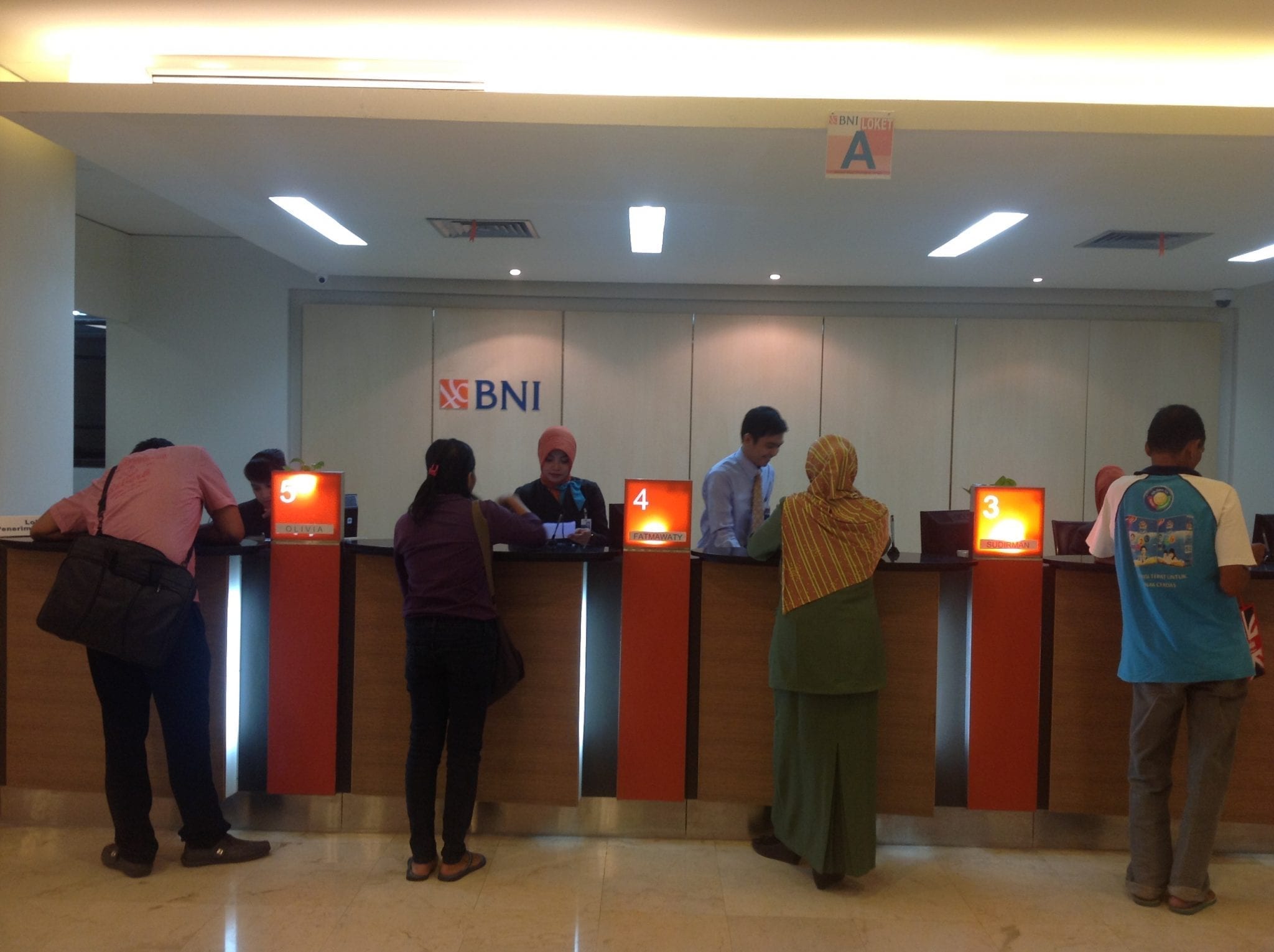
    State lender Bank Negara Indonesia (BNI) posted a net profit of Rp7.72 trillion in the third quarter of 2016, up 28.7 percent from the same period last year.

    The double-digit profit growth was fueled by net interest income after credits grew by 21.1 percent or Rp372.02 trillion year on year, BNI President Director Ahmad Baiquni said here on Thursday.

    The net interest income grew 15 percent to Rp21.87 trillion in the July-September 2016 quarter, up from Rp19.02 trillion in the same quarter a year earlier, he noted.

    Fee-based income, meanwhile, rose 20 percent from the same quarter last year, he added.

    He informed that the BNI recorded a 6.2 percent net interest margin from the amount of credits channeled in the third quarter of 2016 .

    The bank also saw its non-interest income rising 20 percent to Rp6.24 trillion in the third quarter of 2016, fueled by a rise in commission on trade financing, account management and insurance marketing cooperation.

    The amount of credits extended in the third quarter of 2016 grew 21 percent as the bank focused on financing infrastructure projects run by state-owned companies, he pointed out.

  • Mobile Banking Users in Indonesia Remains Low

    Mobile Banking Users in Indonesia Remains Low

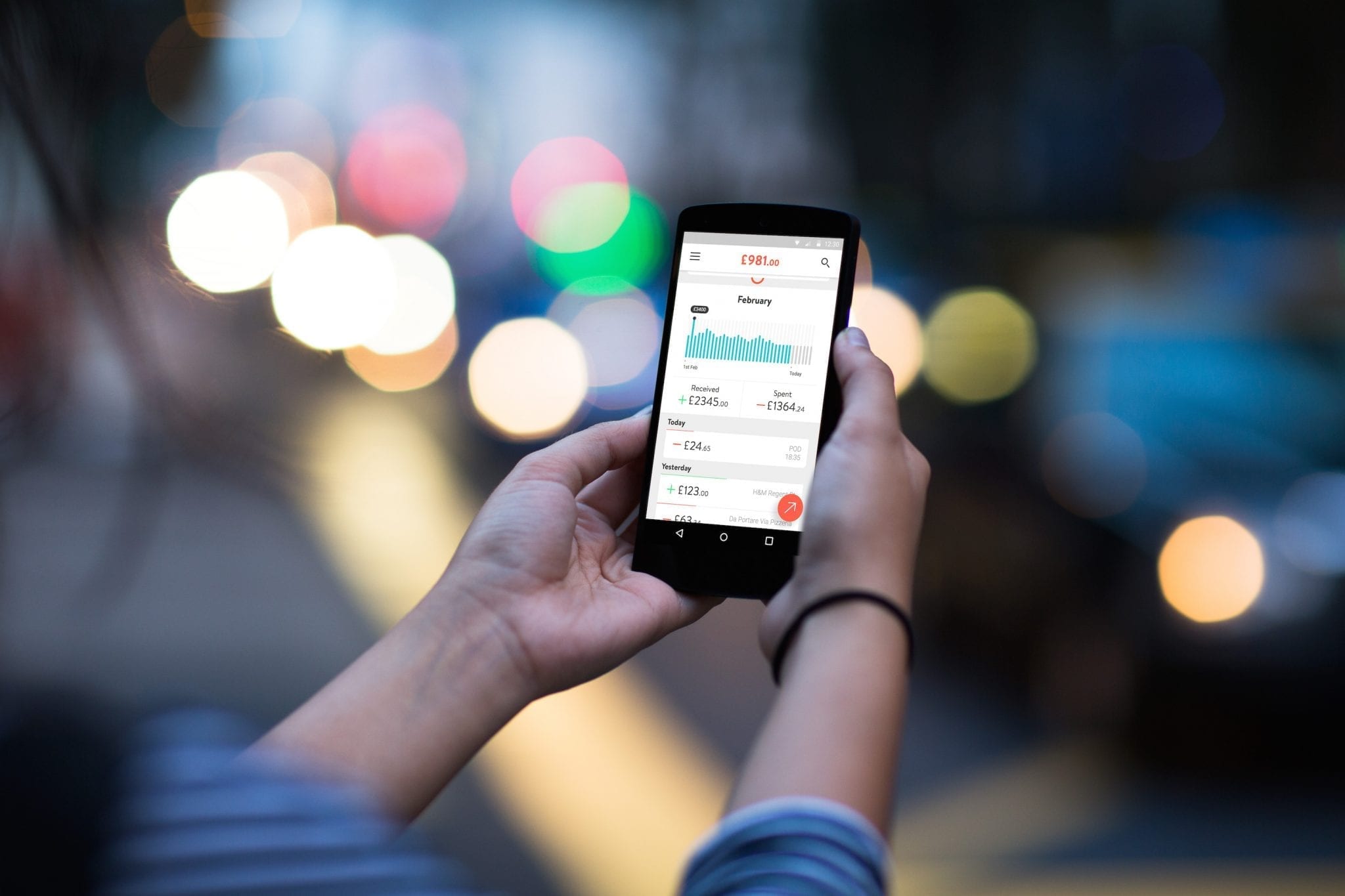
    Research institute Microsave reported that only 0.73 percent of cellphone users in Indonesia have utilized online financial services.

    “The figure is lower than those of Malaysia with 5.79 percent and Cambodia with 2.73 percent,” Microsave Country Development Senior Manager Grace Retnowati said on Wednesday, October 12, 2016.

    Grace revealed that the number of SIM card users in Indonesia stands at almost 200 million. At least 20 percent of them are cellphone users.

    “Mobile device utilization for financial services remains low, although the Internet network coverage has reached 90 percent,” Grace added.

    In addition, Grace pointed out that only 36 percent of Indonesian people own bank accounts.

    “The awareness level for mobile banking services is only 0.3 percent,” Grace went on.

    According to Grace, the digital financial literacy is important for middle-class and low-income people.

    “The digital financial services are expected to boost the annual GDP by US$3.7 trillion in 2025 or six percent when compared to the conventional financial services,” Grace said.

    Grace suggested that payments made via smartphone would reduce the cost of financial services by 80 to 90 percent.

    “The cost efficiency will allow financial institutions to provide low-cost services,” Grace said.

  • BRI Syariah plans to conduct IPO

    BRI Syariah plans to conduct IPO

    PT Bank BRI Syariah, a sharia compliant subsidiary of state lender Bank Rakyat Indonesia, plans to conduct an initial public offering (IPO) of its shares in 2018 to boost alternative funding sources.

    “During the IPO we will float our shares worth Rp1 trillion to the stock exchange,” BRI Syariah President Director Moch. hadi Santoso said after a press conference here on Wednesday.

    The decision to turn the bank into a publicly listed company was taken to strengthen capital structure particularly at “Tier 1”, he said.

    The bank wants to strengthen its capital through various funding sources to expand its financing business. Moreover, the bank wants to expand its financing portfolio from retail and business segments to infrastructure financing, he said.

    “After the IPO, we will continue to expand our business. This year we have been engaged in infrastructure financing,” he said.

    Also this year, the bank has explored several commitments for infrastructure financing. But its amount is not yet significant to boost the business growth of PT Bank Rakyat Indonesia Ybks subsidiary,” he said.

    The BRI Syariah has set itself the target of boosting its financing growth at 13 percent year on year from to Rp18.8 trillion from Rp16.5 trillion at the end of this year.

  • Credit Growth in Indonesia Remained Flat in September 2016′

    Credit Growth in Indonesia Remained Flat in September 2016′

    Slowing credit growth will also make it highly difficult for Indonesia’s overall macroeconomic growth to accelerate more markedly this year (the nation’s GDP is expected to expand by 5 percent this year, up from a growth pace of 4.7 percent last year). Juda Agung, Executive Director at the Economic and Monetary Policy Department of Bank Indonesia, said privately-held companies are now focusing on consolidation rather than on business expansion.

    But on the other hand, Agung added, the nation’s banks have also been more careful to disburse loans as the non-performing loan (NPL) ratio has increased. However (conflicting with Agung’s statement), in a recent Bank Indonesia survey the business community of Indonesia actually indicated that it was easier to obtain credit in Q3-2016 compared to the preceding quarter.

    Bank Indonesia expects credit growth to accelerate in the fourth quarter of the year on the back of the lower interest rate environment, the government’s successful tax amnesty program as well as the easier loan-to-value (LTV) ratio.

    The lender of last resort cut its benchmark interest rate (the 7-day Reverse Repo rate) to 5.00 percent in September 2016, while in late August 2016 it cut the LTV ratio requirement by lowering the minimum down payment that is required for first home purchases (when using credit) to 15 percent for houses sized larger than 70 m2 (from 20 percent previously). Meanwhile, the minimum DP for the purchase of a second home was lowered to 20 percent (from 30 percent previously), while that for a third home was lowered to 25 percent (from 40 percent previously).

    Nelson Tampubolon, Commissioner for Banking Supervision at Indonesia’s Financial Services Authority (OJK), informed that slowing credit growth is actually caused by slowing corporate credit. Consumer credit, on the other hand, has continued to grow, he stated.

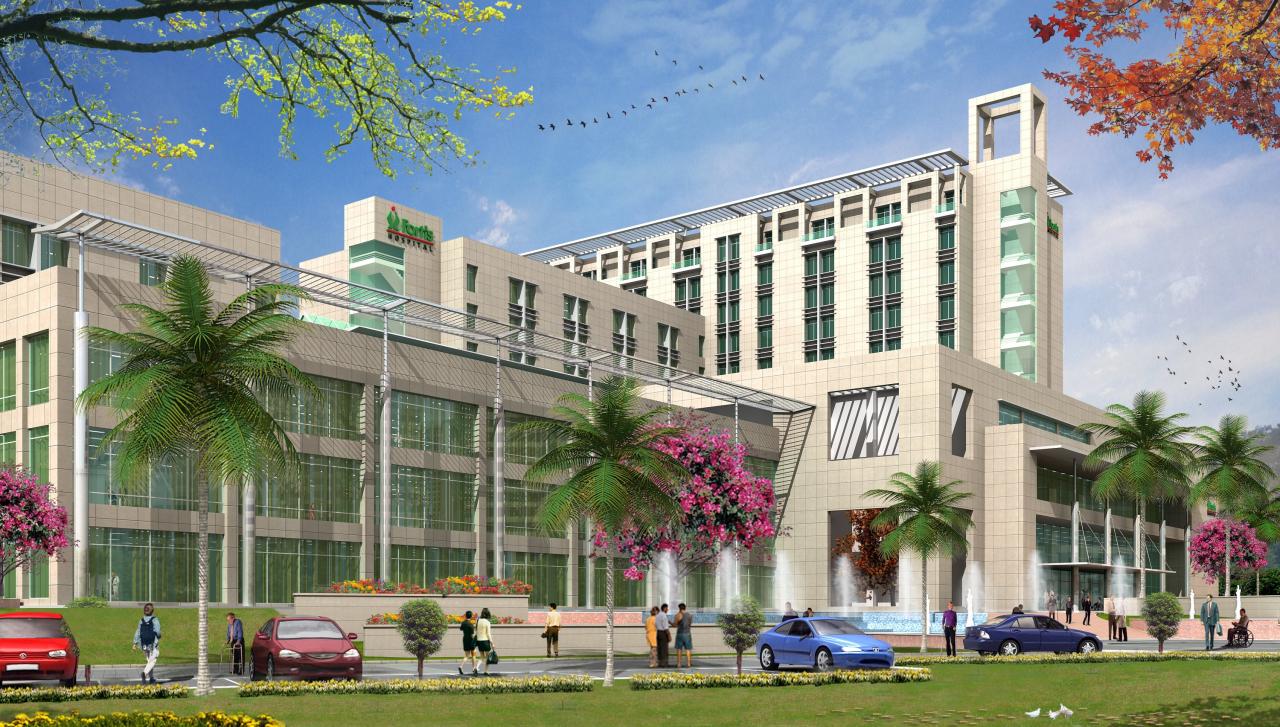
  • Fortis Healthcare to take loan of Rs 77.6 cr from Singapore bank

    Fortis Healthcare to take loan of Rs 77.6 cr from Singapore bank

    Fortis Healthcare said it´s Mauritius subsidiary Fortis Healthcare international Ltd, has will take a loan of SGD 165 mln (Rs 77.6 crore) from Singapore-based Consortium of Bankers.

    “Fortis Healthcare Ltd has being holding the company, is giving guarantee on behalf of FHIL securing the payment of principle and interest thereon.,” said the Indian company.

    Fortis Healthcare Limited is a chain of super speciality hospitals in India.

    Currently, the company operates its healthcare delivery services in India, Dubai, Mauritius and Sri Lanka with 54 healthcare facilities (including projects under development), approximately 10,000 potential beds and 314 diagnostic centres.