Retail News CRM

Category: Startups

Retail News Asia is committed to providing both local and global retailers with the latest Startup news throughout the Asian market. This on a daily base.

  • Carousell raises US$56 million from Naspers

    Carousell raises US$56 million from Naspers

    Singaporean m-commerce platform Carousell has raised US$56 million from Naspers, the parent company of the Philippines’ online marketplace OLX.

    As part of the deal, Carousell will also acquire OLX Philippines, with the transaction due to be completed by the second half of this year.

    OLX Group will own a 10 per cent stake in Carousell, and values the company at “over US$550 million,” the firm says.

    The merger will give Carousell a boost in the Philippines and across Southeast Asia.

    Currently featuring 196 million listings Carousell has sold some 71 million items since it was founded in 2012. The company says it wants to continue improving predictive features like smart listings, personalised browsing, chat experiences and price-suggestion functions.

    The firm has raised approximately $170 million to date, and expects a valuation of $1 billion, in the near future.

    Carousell operates in Malaysia, Indonesia, the Philippines, Hong Kong, and Taiwan.

  • Indian startup WoodenStreet thrives with O2 Growth Hacking

    Indian startup WoodenStreet thrives with O2 Growth Hacking

    Indian furniture startup WoodenStreet is targeting 15 additional experience stores in the territory by the end of the year.

    The firm, which specialises in customisable furnishings, currently operates 12 locations throughout India as well as more than 30 delivery hubs.

    “Our country is a diverse nation,” said the firm’s CEO Lokendra Ranawat, “which means that no two homes are the same. Our design tastes are influenced by our upbringing and our culture, so why should we be forced to buy furniture that does not match them? We want people to be free from such constraints.

  • ShopBack Secures Fresh New Funding

    ShopBack Secures Fresh New Funding

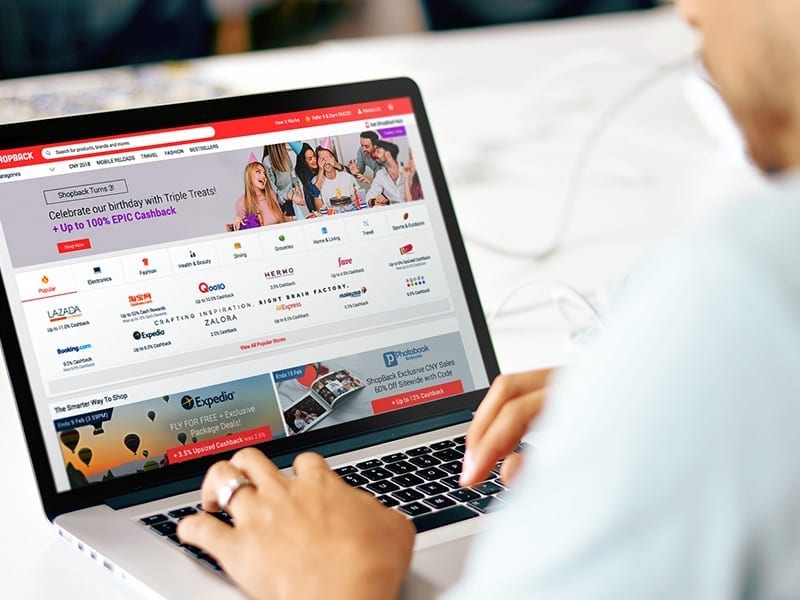
    Rewards program ShopBack has secured a further US$45 million in its latest funding round.

    Joining the shareholders’ register are newcomers including Japanese e-commerce giant Rakuten, EV Growth, and EDBI, a Singapore government-linked strategic investor.

    Amit Patel, CEO of Rakuten subsidiary Ebates and Willson Cuaca, managing partner at EV Growth, will join ShopBack’s board of directors. The new funding round takes the total investment in Shopback to $83 million.

    ShopBack has recently been expanding its core services beyond its original cashback service for online shoppers. Among them, Shopback Go, in partnership with Visa and Mastercard, which enables users to dine out and earn rewards.

    Last year, ShopBack experienced 250 per cent year-on-year growth in both orders and sales. The company powered more than 2.5 million monthly transactions for more than 7 million users in seven Asia-Pacific markets, and delivering close to $1 billion sales for more than 2000 merchant partners, both online and offline.

    ShopBack also entered Australia last year, its first market outside Asia, and opened research and development hubs in Vietnam and Taiwan.

    The company says the fresh funding will be invested in “simplifying shopping experiences, expanding data capabilities to fuel personalisation and business insights, as well as accelerating growth in key markets”.

  • Zilingo received fresh investment funding

    Zilingo received fresh investment funding

    Online marketplace Zilingo has raised US$226 million in its recent Series D funding.

    The fresh capital round brings the total amount raised by the company to $308 million. Having secured its latest investments, the company is now looking to China as well as other key Asian markets as part of its growth strategy to expand its B2B business.

    Key investors from this latest round included Sequoia Capital, Temasek Holdings, Burda Principal Investments, Sofina, Singapore investment fund EDBI as well as existing investors.

    “Sequoia’s investment in Zilingo dates back to when the company wasn’t even yet incorporated and the name wasn’t finalised,” said Sequoia Capital (India) Singapore’s MD Shailendra Singh.

    “Ankiti and team have rapidly transformed their original ideas about Zilingo into a platform company that serves fashion consumers, merchants, retailers, brands and manufacturers, collectively representing a multi-hundred-billion-dollar market size. We are amazed by the team’s ability to envision and execute against such an ambitious roadmap and are excited to continue to support them on their journey.”

    The company says it plans to invest the capital in long-term value building across the supply chain, building new and deeper relationships with manufacturing partners in Vietnam, Cambodia, Sri Lanka and China, and expanding into new markets such as the Philippines, Indonesia, Australia and the US this year.”

  • Online grocery marketplace Dei Lifts Off in Singapore

    Online grocery marketplace Dei Lifts Off in Singapore

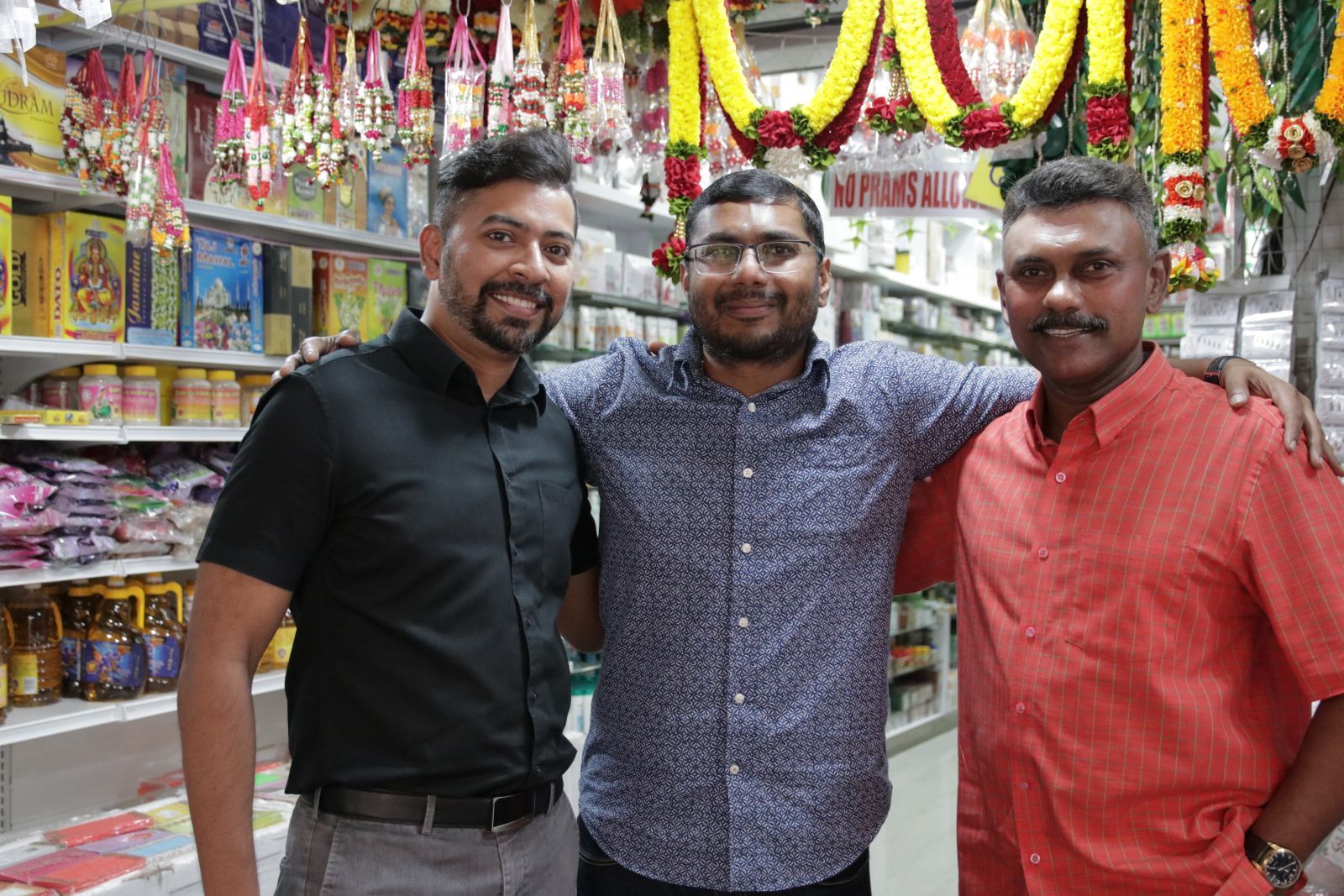
    Home-grown online grocery marketplace Dei has launched in Singapore.

    Standing for ‘Daily Everything’, Dei hosts more than 70 physical Singapore-based Indian retailers, and 15,000 products categorised into canned goods, clothing, locally sourced vegetables, fruit and meat.

    Consumers will enjoy same-day delivery along with post-sale services.

    “Dei was founded to promote digital transformation and introduce new technologies for Little India’s merchant community,” said Jay Varman, co-founder and CEO.

    “With Dei, Little India’s retailers and merchants can enjoy greater access to the greater Singapore community and increase their revenue by up to 30 per cent.”

    Appointed by the Little India Heritage Association (LISHA) and the Singapore India Chamber of Commerce and Industry (SICCI), Dei was soft-launched in 2016, and has gained year-on-year growth of 120 per cent, peaking at an average of 50 daily orders with an estimated $900,000 in total revenue.

    “Dei helps to bridge the gap between e-commerce and the traditional brick and mortar space, allowing for the consolidation of shipments into one,” said Rajakumar Chandra, chairman of LISHA,

    “We hope to collectively onboard all business owners and merchants of Little India to ensure that everyone benefits from the nationwide digitalisation push. Furthermore, we are in discussions with representatives from Chinatown and Kampong Glam to expand into their respective precincts, thus providing a truly seamless experience for all Singaporeans.”

    The platform is currently raising seed funding for future expansion. It plans to build hyperlocal, omnichannel-integrated marketplaces across Southeast Asia.

  • Startup Launchpad Spring event focuses on blockchain

    Startup Launchpad Spring event focuses on blockchain

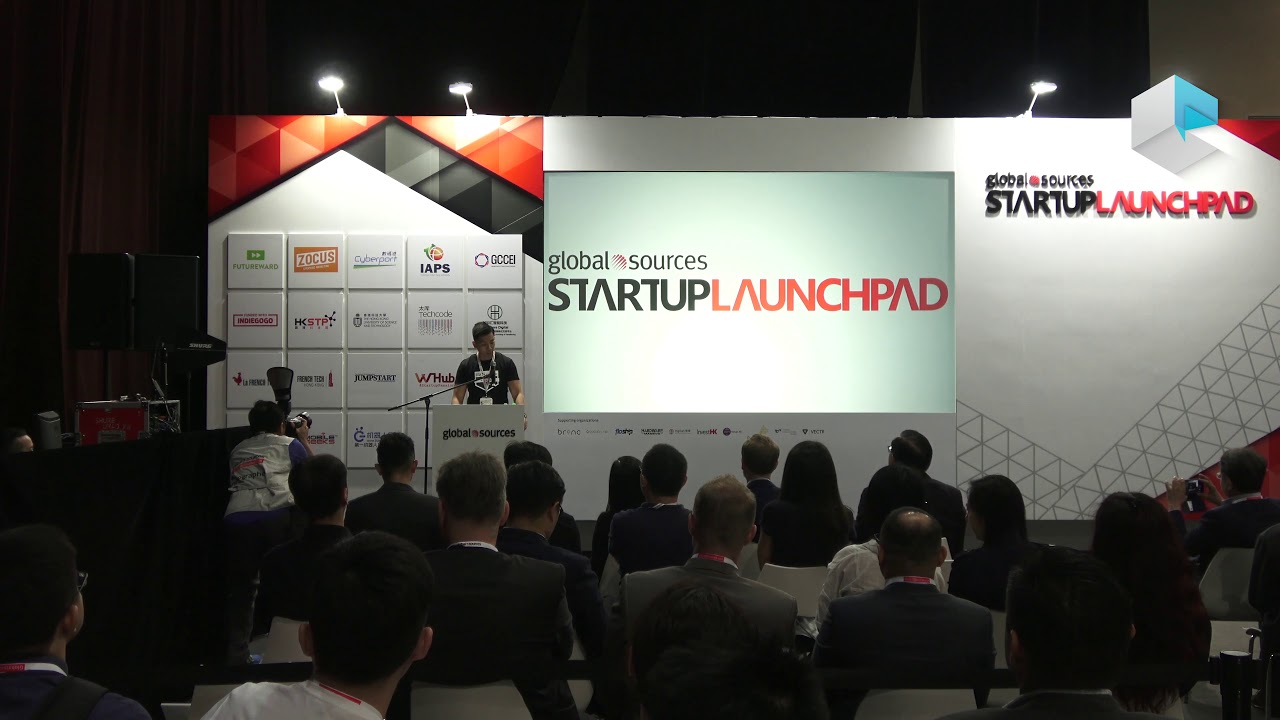
    Ahead of the next edition, we sat down with Minesh Pore the head of Startup Launchpad, to talk us through this April’s event at Asia World Expo.

    Mishesh, tell us about yourself

    Thanks StartupsHK. I’m a highly regarded global trade expert with more than 18 years experience leading multinational organisations in corporate transformation, Intra-prenuership, innovation, international business development and strategic planning. I would say I am a well-connected and respected globally for my experience, network and knowledge of the Greater Bay area startup ecosystem, mentoring startup founders, helping startups scale up and expand international.

    What is Startup Launchpad?

    Startup Launchpad is hosted in Hong Kong every April and October. The show focuses on helping hardware and retail solutions startups scale up by meeting buyers, retailers and wholesalers from more than 140 countries. We will also be hosting a one-day conference, with a focus on blockchain as a transparency tool for supply chain. We will have two-day workshops, the focus of which is to educate startup founders on every step from initiating a business plan to working with distributors globally. We will also have pitches from the top 10 startups that will be pitching for more than HK$500,000 in prizes.

    Why should startups attend?

    Startups who want to sell their products and solutions should attend the trade shows. Startup ecosystem players who want to connect with others in blockchain for supply-chain sector and learn what the latest trends are in this arena should attend. All those who have considered launching a startup or who are at any stage of their startup journey, should attend the workshops. Also: come and listen to the pitch-competition winners, who this time come from Hong Kong, China, India, Austria and Spain.

    What are some of the standout events we should look out for?

    The must sees at the show will be:

    • AR/ VR game demos by Ubisoft and Ninebot will be on display, demonstrating the latest in eVehicle technology.
    • 200 Startups from Austria, India, Spain, China, Taiwan, the US, Singapore and Hong Kong wll be showcasing various IOT products, connected devices, eVehicles, health-tech devices, edu tech, AR / VR products and retail solutions.
      • Conference: Future of Retail – SCM Innovation (April 19 in Hall 2 at Asia World Expo). This conference will be talking about potential in automating the complicated supply-chain management, using tech innovations such as blockchain. Insights will be shared by the industry’s top practitioners. Also, we will be discussing the investment outlook in the new retail sector.
    • Workshop: Start. Make. Sell! Workshop Series for Startups. April 20-21 in Hall 2 at Asia World Expo). These workshops are designed for early-stage startups, entrepreneurs or anyone thinking about hardware projects. The workshop will guide participants through the right way to start their business in the Greater Bay area, including finding the right partners, incubation programs and leveraging free trade-zone advantages; tips and advice on prototyping products; and how to validate, market and sell the product.
  • Echelon Bangkok roadshow showcases the bright new stars in Thailand’s ecosystem

    Echelon Bangkok roadshow showcases the bright new stars in Thailand’s ecosystem

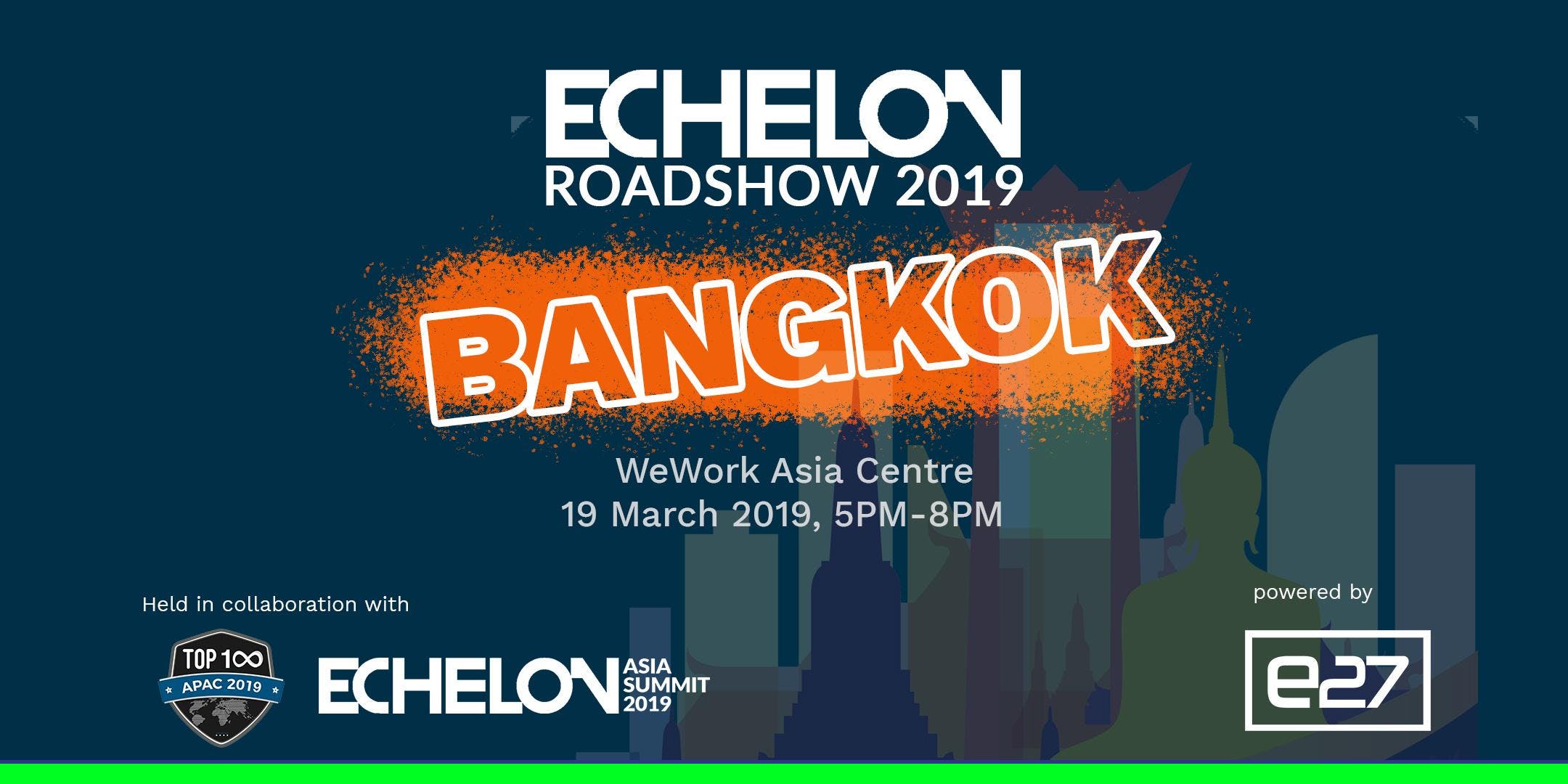
    Recently, Echelon, the tech event startup organizer from Singapore held an event at WeWork Asia Centre in Bangkok. The Echelon Roadshow is part of a series of international stops leading up to the annual Echelon Asia Summit happening in May.

    The event brought together the local startup ecosystem over a night of networking, Thailand top 100 startup, plus a panel discussion with feature founders sharing their startup journeys – from how they scaled their company to how they addressed obstacles such as building a sustainable team. The panellists included Surasit Sachdev, CEO of Hungry Hub, Casey Liang, co-founder of Pomelo, and Bond Thaiyanurak, CEO&Founder of Box24. The discussion was moderated by PachareePantoomano, BrandNow.asia’s Director of Make it Happen, the agency that launched large startups such as Grab, Lalamove, and Honestbee in Thailand.

    The panel discussion tackled Founders Confessions which panellists shared their experiences as part of starting up. Bond talked about working with the right partners and having the right chemistry. He’s had to resolve a conflict with a shareholder. Surasit confessed that when he initially started the company, he did not do market research and that causes him to burn through his investment quickly. He advised anyone thinking about starting up should do the research and work on the proof of concept from the beginning. When Pacharee asked the panellists if they started their companies for love or money, Casey said that it was a bit of both. However, it’s the love for growing the business that keeps him going. The life of a start-up can be a bumpy one and he said that if you love what you do, it will help you stay true to your goal.

    Thaddeus Jit Siong Koh, the co-founder of e27, shared “The journey for these winners has only just begun. We are excited to see them compete against the other bright new stars of Southeast Asia’s ecosystem in Singapore — at our Echelon Asia Summit 2019 which is taking place on May 23rd and 24th at Singapore Expo. We also hope that these startups will be able to level up through absorbing insights from thought leaders, corporate business matching, and more”

    Pacharee added, “It is important that we continue to contribute, develop and grow the ecosystem locally, regionally and globally. These events and competitions bring about better products and services for businesses and consumers. We are delighted to be Echelon’s media and community partner in Thailand. It is an opportunity for us to support our local startup scene and do our part in fostering the digital economy”.

  • Indian online grocer BigBasket raises Millions for next Phase

    Indian online grocer BigBasket raises Millions for next Phase

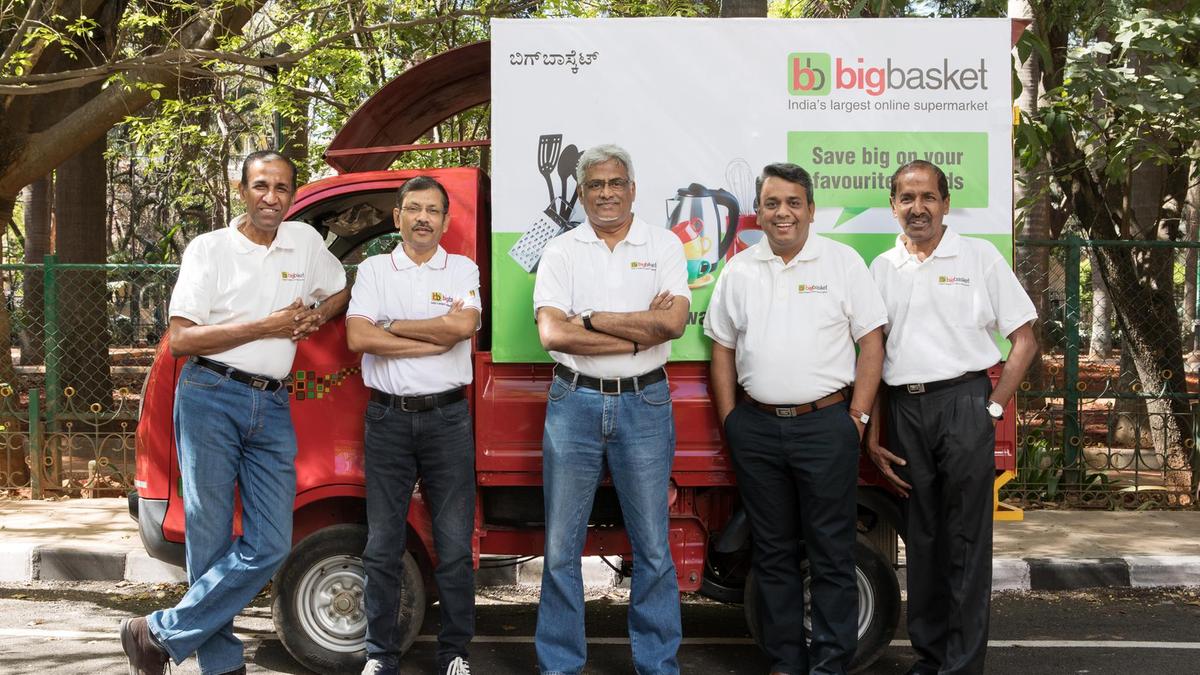
    Indian online grocery platform BigBasket has raised investment capital of about US$150 million.

    The investors include South Korean Mirae Asset Management (at about $60 million), the UK’s CDC Group (at $40 million), and existing investor Alibaba (about $50 million). The investment figures were shown in documents submitted to the Ministry of Corporate Affairs.

    BigBasket received $300 million in February last year from Alibaba and other investors and has been discussing seeking further funding since last November. The firm aims to generate revenues of the equivalent of $2.5 billion by next year.

    The online-grocery market is burgeoning in India, and accounts for a sizeable proportion of unorganised retail in the country.

  • FPT, Grab team up to develop 4.0 tech solutions

    FPT, Grab team up to develop 4.0 tech solutions

    Vietnamese tech giant FPT and Singaporean ride-hailing firm Grab will work together on smart city solutions, AI and smart payments. The two companies signed a strategic partnership agreement to this effect Friday. Specifically, they will cooperate on piloting a traffic signal monitoring system in Ho Chi Minh City. FPT will provide the traffic light monitoring software, while Grab will provide data and traffic analysis from its ecosystem. Based on data transferred from GrabCar and GrabBike vehicles, the two sides will jointly develop a real-time traffic monitoring portal to be used in several major cities.

    Grab and FPT also plan to develop electric vehicle charging stations in Vietnam and explore multimodal transport solutions that can integrate FPT’s digital public transport schedule with Grab’s network.

    “We hope the application of 4.0 technology by the partnership will bring new experiences and conveniences to the Vietnamese people. The two sides will share data and solutions to solve traffic challenges in big cities,” said Le Hong Viet, technology director of FPT.

    Jerry Lim, Grab Vietnam director, said that with available traffic data, analysis capacity and experience of public transport in Vietnam and Southeast Asian countries, Grab will work closely with FPT to develop smart city solutions, thereby making commuting easier, more convenient and safer for Vietnamese people.

    FPT has also committed to integrate the GrabPay by Moca e-wallet platform into its e-payment ecosystem in 2019, while Grab will cooperate with its international financial partners to provide suitable financial services to Vietnamese users.

    Grab’s loyalty programme, called GrabRewards, will also be available across FPT’s network. Users will be able to accumulate points by purchasing FPT products.

    Grab and FPT will also develop AI technologies in areas such as facial recognition, authentication and real-time communication in order to increase safety and security for drivers, passengers and business partners.

    FPT is currently the first and only enterprise in Vietnam to own a comprehensive artificial intelligence platform – FPT.AI.

    This platform allows programmers to create interactive language interfaces, such as chatbots, which help with customer engagement; voice recognition used in automatic switchboards; and image recognition used for processing ID documents along with face recognition.

    FPT is the largest information technology service group in Vietnam with its core business focusing on the provision of IT-related services.

    Grab, a Singaporean transport network company, provides ride-hailing services in Singapore, Malaysia, Indonesia, the Philippines, Vietnam, Thailand, Myanmar, and Cambodia. It is Southeast Asia’s first “decacorn”, a startup with a valuation of over $10 billion.

  • Two execs quit ride-hailing firm Go-Viet

    Two execs quit ride-hailing firm Go-Viet

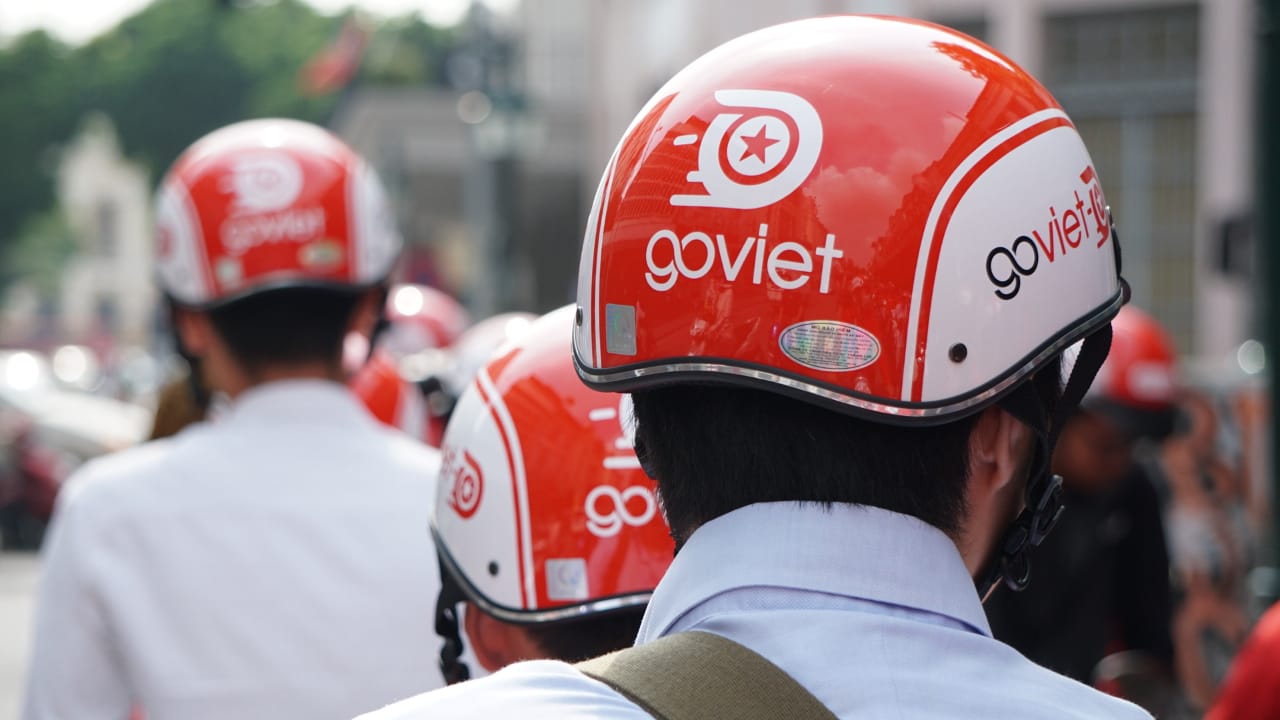
    Go-Viet has confirmed that its general director and deputy general director have quit their positions. General director Nguyen Vu Duc and deputy general director Nguyen Bao Linh have resigned from their positions, the Vietnamese ride-sharing firm announced Friday.

    The two would continue to work as advisors for Go-Viet and its Indonesian counterpart Go-Jek from Vietnam, while the management of Go-Viet’s day-to-day work will be handled by the company’s remaining leaders, it said.

    Phung Tuan Duc, Go-Viet’s managing director, said the company would continue working closely with Duc and Linh to help develop the platform.

    According to Deal Street Asia, the news of Duc and another of Go-Viet’s senior directors resigning was already announced internally earlier this week. The news site also claimed the two had demanded large sums of money in compensation upon resigning, but the company did not comment on this.

    Nguyen Vu Duc graduated from Harvard University, the U.S., with a master’s degree in business administration and worked for nearly a decade at a major bank in Vietnam. In 2014, he helped deploy ride-hailing firm Uber’s services in Vietnam and went on to launch a fintech firm in 2015-2018.

    Duc eventually returned to the ride-sharing market as co-founder and CEO of Go-Viet, which began operations last August. At press meetings, he has said that Go-Viet was a Vietnamese startup with funding and technology support from Go-Jek.

    Duc and Linh’s resignations have come at a time when Go-Viet has been stagnating in all its services – ride-sharing, food delivery and package delivery. Since the start of this month, the company has cut its drivers’ revenue to 20 percent, prompting many drivers to consider switching to another ride-sharing service.

    Meanwhile, its main competitor Grab has been expanding its food delivery service and its cashless payment service GrabPay by Moca, which now has new features allowing users to pay electricity, water and phone bills.

    The Be Group, the latest ride-sharing market entrant in Vietnam, has announced it has recruited over 15,000 drivers in just three months and is planning to expand its presence to 22 provinces and municipalities this year.

  • Singaporean firm’s taxi joint venture in Vietnam suffers losses

    Singaporean firm’s taxi joint venture in Vietnam suffers losses

    ComfortDelgro Savico Taxi, a joint venture between a Singaporean transport corporation and Vietnamese motor vehicle dealer, lost $103,000 last year. This figure is mentioned in the latest financial statement published this month by local retail, motor vehicle and parts dealer Savico, the Vietnamese joint venture partner. ComfortDelgro Savico Taxi has been in constant trouble in the last few years. After nearly ten years of operation, the joint venture had to restructure and upgrade its fleet to maintain an exploitation rate of 90 percent, which meant heavy investments.

    However, just when it was becoming profitable enough to offset cumulative losses of the previous years, the joint venture met fierce competition from ride-hailing start-ups Grab and Uber.

    Savico decided to close the taxi firm’s operations last March to preserve its capital. At closure time it had 352 cars but only 140 drivers.

    Following the joint venture’s closure, ComfortDelGro’s revenue in Vietnam fell to $3.3 million in 2018 compared to $6.8 million the previous year, down by more than half.

    ComfortDelGro’s Vietnam earnings now account for less than 1 percent of its total revenue. The firm also has business in Singapore, the U.K., Australia, China and Malaysia.

    According to financial statements, ComforDelGro’s non-current asset value in Vietnam has also fallen from $12.8 million in January 2017 to only $4.8 million in 2018.

    Although the Singaporean transport firm’s management did not give a reason for the fall, experts have not ruled out the possibility that it has already liquidated all its long-term assets in the joint venture and is waiting to complete dissolution procedures.

    ComfortDelgro Savico Taxi, formerly known as Tourism Taxi Savico Enterprise, was established in March 2005 as a joint venture between Savico (40 percent) and ComfortDelGro (60 percent) – a leading public passenger transport operator in Singapore.

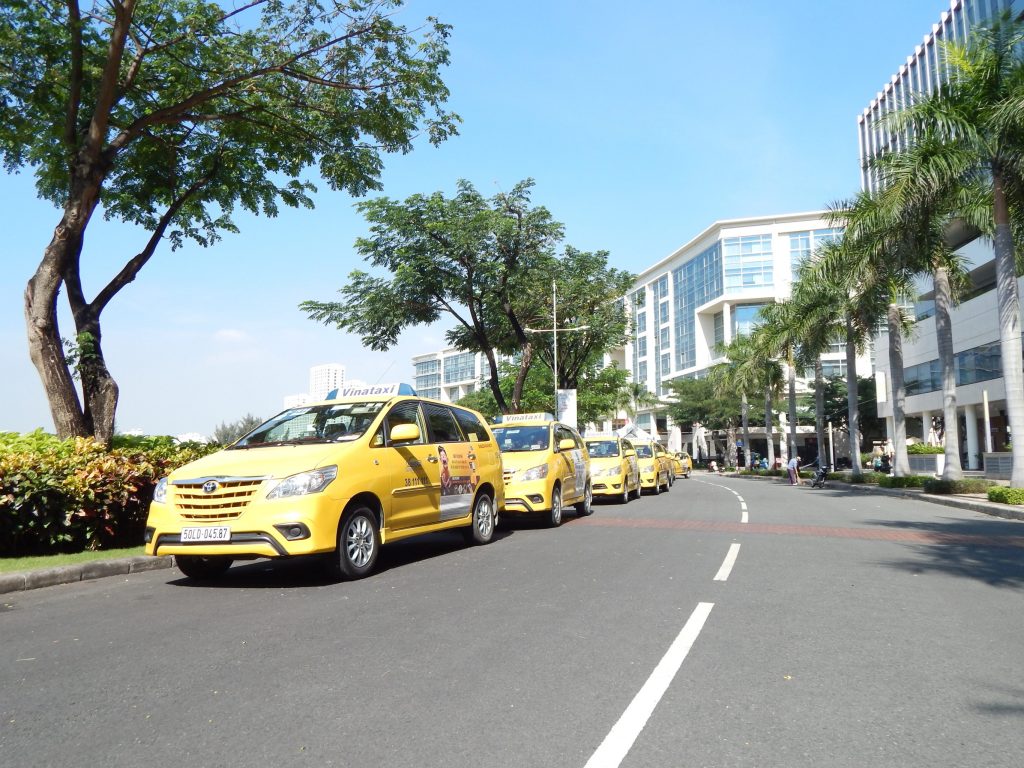
    ComfortDelGro still owns a 70 percent stake in another local taxi firm called VinaTaxi, which takes up the third largest market share in the HCMC taxi market.

    However, last November, its Vietnamese partner, the Transport and Industry Development Investment Corporation (Tracodi), withdrew its 30 percent stake from the joint venture, citing poor business performance.

  • Vietnam ride-hailing app FastGo to hit Singapore streets

    Vietnam ride-hailing app FastGo to hit Singapore streets

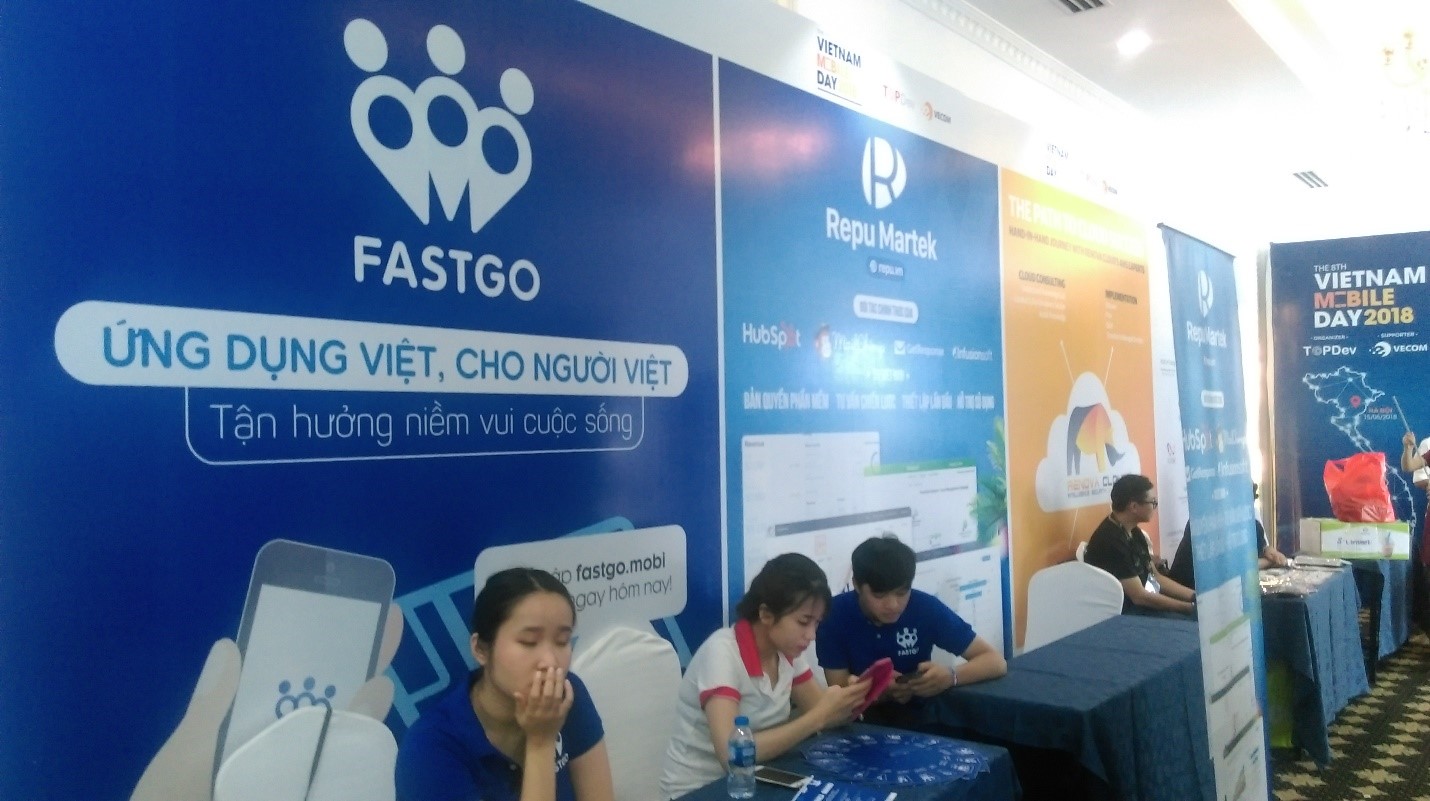
    Vietnamese ride-hailing firm FastGo is set to launch Singapore operations in April as part of its regional expansion plans. The nine-month old Vietnamese start-up has announced that drivers will be able to register on its ride hailing application from April 1, and customers can use the service from April 30. Diep Nguyen, country manager for FastGo Singapore, said the company’s fleet size will be at least 3,000 cars.

    Singapore is the third country in which FastGo will operate, after Vietnam and Myanmar. The firm is expected to face fierce competition from market incumbents including  Singapore’s Grab, Indonesia’s Go-Jek, as well as local startups Ryde and TADA.

    FastGo, which is part of Vietnamese technology startup NextTech Group, has plans to launch in five other countries in the region, including Indonesia and the Philippines, by the end of 2019.

    While FastGo has not yet publicised fares, but the ride-hailing app will not charge peak period surcharges, and customers can tip drivers. FastGo aims to undercut competitors like Grab and Go-Jek, who collect 20 percent of ride fares from drivers, by charging them a fixed daily subscription fee of $5 if a driver’s income exceeds $30 a day.

    However, an associate professor at the Singapore University of Social Sciences, as saying “another small entrant” will not make a difference to the local ride-hailing market, unless the new player is financially backed by a strong sponsor or a well-known Singaporean firm.

    “Other than GoJek and Grab, the other (existing) players have very small market share and have difficulty making much impact locally. The market is easy to enter but it’s very hard to get a substantial market share,” he said.

    Founded in April 2018, FastGo Vietnam JSC launched its service after Uber’s exit from Southeast Asia last June. With almost 60,000 drivers onboard, the company claims to be the second most popular ride-hailing firm in Vietnam, following Grab. After receiving an undisclosed sum in a Series A investment from venture capital platform VinaCapital Ventures in August last year, FastGo is aiming to raise another $50 million in its Series B investment round over the next few months.

    According to the company’s statements, FastGo will diversify its services to include food delivery and financial services.

  • Grab now has more rivals than ever before in Vietnam

    Grab now has more rivals than ever before in Vietnam

    From an e-hailing app, Grab has made great steps forward, providing many different services. Most recently, it started the payment service GrabPay and lending service Grab Financial. The consumer lending market in South East Asia is very large. As estimated by the World Bank, about 2 billion people in the world cannot access bank services, and most of them are in Asia Pacific.

    The non-cash payment market, according to Grab, is worth $500 billion in South East Asia. An analyst commented that Grab is wise taking a ‘roundabout’ approach to consumer lending (it conquered the transport market first before aiming for the consumer credit market).

    Consumer lending is a fertile business field for Chinese e-commerce firms. The firms offer online payment apps to users to ‘learn’ about their financial capability.

    Grab, as an app, quickly attracted users, especially investors. Just within six years, Grab became an unicorn company, i.e. an unlisted technology firm with valuation of $1 billion and higher, in South East Asia. Analysts estimate that Grab is valued at $6 billion.

    The challenges

    The total number of Grab downloads has reached 95 million all over South East Asia. This could serve as the launch pad for it to conquer the consumer lending market.

    “GrabPay e-wallet will be used for both transport and food delivery services, two of the most used services in South East Asia,” said Jerry Lim, director of Grab Vietnam.

    However, the analyst said, by expanding its business, Grab would have to compete with more rivals who are ‘powers’ in their fields. In online payment, for example, it will have to compete not only with AirPay (Sea) and Alipay (Alibaba Group), but also with local firms such as ZaloPay (VNG) and MoMo.

    In Indonesia, Grab bought an e-commerce platform, Kudo, in April 2017. Grab believes that this is the factor which can help expand GrabPay. However, in Vietnam, Grab’s two big rivals – Sea and Alibaba — both have strong support from two popular e-commerce floors – Shopee Vietnam and Lazada Vietnam.

    Similarly, GrabFood has rivals in the food delivery sector, where Sea’s Now, which inherited the large custom from Foody, is the leader.

  • Singapore’s Start-Up To Launch World’s First All-In-One Digital Currency App

    Singapore’s Start-Up To Launch World’s First All-In-One Digital Currency App

    A team of Singaporean startup will be launching the world’s first all-in-one digital finance mobile application to help general public come onboard to the world of digital currency or better known as cryptocurrency.

    Started off as a media portal AsiaTokenFund, the company has launched the app called ATF to integrate its media platform with a dynamic cryptocurrency “store & utilize” platform. The company realized that as more and more real-businesses are moving into blockchain and adopting cryptocurrency, there is a need to bring more people from the general public into the industry by adopting and utilizing cryptocurrency in everyday life. The main issue is that, at the present moment, it is very difficult or troublesome for a new-to-crypto user to come onboard as the processes are so segmented.

    Right now if a new user wants to obtain a cryptocurrency, he/she have no idea what it is. He/she will have to read information about it somewhere. Next, he will need to download and set up a wallet and thereafter find a OTC or platform to buy his first cryptocurrency. Thereafter, he’ll have to find other platform to trade or download other app to make payments. It’s just too fragmented with too many processes. You can’t drive mass adoption this way” Said Ken N, Co-Founder & CEO of ATF.

    With ATF Platform / App , users will be able to read the latest news on what’s happening in the blockchain & cryptocurrency space , get the latest market analysis , find out what new currencies are out there to purchase and learn some basic information.

    Adding to that, users will also be assigned their own asset function which comes with a secured wallet to store and utilize their cryptocurrency. In the asset function, users can also purchase cryptocurrency using fiat via bank-transfer or credit / debit cards. Users can also sell their cryptocurrency with the same method.

    In Addition, users can transfer cryptocurrency to peers for free. With the added supported merchant function, users can now purchase items listed in the app by merchants and pay by cryptocurrency. What more, users can also use the ATF app to scan & pay directly at merchant physical shop using their digital currencies.

    “We’ve real companies embarking to accept digital currencies. Recently, we’ve seen news that Starbucks will soon start to accept bitcoin as payment in the US. We’ve also seen news on Facebook announcing its cryptocurrency. I foresee in the near future, more real businesses especially merchants will be able to accept cryptocurrency. There is a gap in the market to provide a one-stop-solution. I hope we are able to do just that” Said Ken N.

    The full function of the app can be summarized as follow:

    • News, Research Articles & Market Analysis.
    • Latest Project Fundraising, issuing new cryptocurrency for purchase.
    • Secured Wallet to store cryptocurrency.
    • OTC, fiat-to-crypto purchase or sell cryptocurrency.
    • Aggregated to Exchange for trading.
    • Transfer crypto peer-to-peer for free.
    • Purchase in-app merchant listed items.
    • Scan & Pay at merchant physical store using crypto.

    ATF currently have over 80,000 subscribers on their media channel www.atfnews.com and social media following of over 140,000 in facebook and other platforms. Headquartered in Singapore, ATF have international teams based in Shanghai, Vietnam, Thailand, Philippines and Germany.

    ATF Mobile App will be launched in both Google Play store and Apple store in first week of April 2019. The company is now set to raise its Series A equity funding to support its global expansion initiatives.


  • V-MORE Enters Thailand’s E-Commerce Market With More Than 500 Marketplace Platforms and Merchants

    V-MORE Enters Thailand’s E-Commerce Market With More Than 500 Marketplace Platforms and Merchants

     V-MORE, Asia’s leading e-commerce supply chain management platform, has announced its plans to expand into Thailand. Over the pasts 12 months, the fast-growing one-stop e-commerce platform which has already garnered 500,000 users in the region.  V-MORE aims to recruit new Thai e-commerce merchants as part of its expansion strategy and has rolled out onboarding programs for new merchants and users.

    “We are pursuing a plan of expansion and hope to achieve revenue growth through mass adoption by users and merchants in our ecosystem. Thailand is fast becoming the leading e-commerce market, and we seek to increase our user and merchant base through user incentive programs, brand awareness and marketing programs,” said Sir Eldee Tang, CEO and Founder of Noble Vici Group.

    V-MORE is a one-stop marketplace for high quality products which are value for money. Its unique shop, save and earn program has gained the trust of many online shoppers. Through V-MORE, consumers can shop and be rewarded at over 500 marketplace and shopping sites including leading online brands, hotel and flight booking sites, technology as well as food and beverages merchants. Thai merchants can participate in its e-commerce program and increase their exports to other countries in Asia and beyond.

    According to research, there are more than 57 million internet users in Thailand who are well-versed with digital technologies, mobile and e-commerce. The market is valued at USD 3.5 billion and is expected to generate revenue growth rate of 13.2% annually, reaching USD 5.8 billion by 2022.

    “We look forward to new local merchants to come on board our platform and welcome sellers and buyers to experience the online marketplace for the first time,” Eldee added.