Tag: bolsters

  • Uber’s $14.8 Billion Acquisition of Delivery Hero Bolsters Global Food Delivery Dominance

    Uber’s $14.8 Billion Acquisition of Delivery Hero Bolsters Global Food Delivery Dominance

    Uber, one of the leading global mobility and food delivery platforms, has confirmed its decision to acquire another significant player in the industry, Delivery Hero. The agreement, which values Delivery Hero at approximately €13.0 billion (US$14.8 billion), follows earlier disclosures by the latter about being in advanced talks with Uber amidst market rumors of a potential takeover.

    Uber’s proposal outlines a voluntary public takeover offer, which will see it pay Delivery Hero shareholders €41.50 per share in cash. This move will significantly broaden Uber’s global delivery operations through the integration of Delivery Hero’s portfolio of brands. These include Foodpanda, Glovo, Talabat, HungerStation, and PedidosYa. Consequently, the amalgamated businesses will operate in 99 markets, offering services in ride-hailing, food delivery, and quick commerce.

    Future Plans and Investments

    Niklas Östberg, the co-founder and CEO of Delivery Hero, has expressed his confidence in the acquisition. He asserts that the deal, along with Uber’s planned investment in Germany, highlights the appeal of the European tech ecosystem. Furthermore, he expresses the company’s intent to continue contributing to its growth.

    To ensure regulatory approval for the acquisition, Delivery Hero will divest its operations in 14 markets where it overlaps with Uber. The divestment will be done to investment firm SSW Partners before the transaction is finalised.

    Uber, for its part, has pledged to uphold Delivery Hero’s Berlin headquarters and its staff until at least the end of 2029. In addition, the company has promised to invest €2 billion in Germany by 2031.

    The transaction is anticipated to be concluded in the second half of 2027, subject to shareholder acceptance and regulatory approvals.

    Questions & Answers

    What is the value of the proposed acquisition of Delivery Hero by Uber?

    The deal values Delivery Hero at approximately €13.0 billion (US$14.8 billion).

    How will the acquisition expand Uber’s business?

    The acquisition will allow Uber to integrate Delivery Hero’s portfolio of brands, including Foodpanda, Glovo, Talabat, HungerStation, and PedidosYa. This will significantly expand Uber’s operations across 99 global markets.

    What commitments has Uber made towards Delivery Hero’s existing operations and workforce?

    Uber has committed to maintaining Delivery Hero’s Berlin headquarters and workforce until at least the end of 2029. It also plans to invest €2 billion in Germany by 2031.


  • Saxo Bolsters APAC Growth Strategy with New Institutional Business Head

    Saxo Bolsters APAC Growth Strategy with New Institutional Business Head

    Saxo, a leading digital broker, has named Gift Muthita Anankaphannan as their new Regional Head of Institutional Business for Asia-Pacific, in a move to strengthen their foothold in a prime market. Anankaphannan will be based in Singapore, and her role will involve leading the institutional business throughout the Asia-Pacific region while partnering with clients to enhance the offerings of Saxo.

    Anankaphannan’s Wealth of Experience

    Anankaphannan has an impressive career history, having previously served as a Senior Relationship Manager at Saxo. She brings over 16 years of experience spanning both the technology and institutional financial services sectors.

    Before her tenure at Saxo, she spent over a decade at Google, holding senior positions in sales, product strategy, and go-to-market execution, with her work encompassing AI-powered solutions. Anankaphannan kick-started her career in financial services at Bloomberg, where she specialized in equities and equity derivatives. Here, she provided data-driven insights to traders, analysts, and portfolio managers.

    Mahesh Sethuraman, the CEO of Saxo Singapore, praised Anankaphannan’s extensive experience with institutional partners and her deep understanding of Saxo’s FinTech DNA. He cited her excellent ability to foster long-term client relationships and lead high-performance teams.

    Saxo’s Institutional Business Growth

    Institutional clients make up a significant portion of Saxo’s international business, contributing to nearly one-third of the group’s overall income. Over the past year, the number of global institutional end-clients witnessed a 23 percent growth.

    Saxo recently collaborated with Singapore’s Trust Bank to roll out TrustInvest, a unique in-app investment tool that enables users to directly trade US stocks and exchange-traded funds (ETFs) via the Trust Bank app, with investments starting from a minimum of $10.

    Anankaphannan’s main role will be to steer the next stage of Saxo’s institutional growth in the Asia-Pacific. She stated that the region remains a crucial growth market for Saxo, and the company is dedicated to further scaling their institutional offering in the region.

    Questions & Answers

    What is Gift Muthita Anankaphannan’s new role in Saxo?
    She is the new Regional Head of Institutional Business for Asia-Pacific at Saxo.

    What is Anankaphannan’s professional background?
    She has over 16 years of experience in the technology and institutional financial services sectors, having previously worked at companies like Google and Bloomberg.

    What efforts is Saxo making to grow their institutional business?
    Saxo is focusing on enhancing their offerings and has recently launched an in-app investment tool called TrustInvest in collaboration with Trust Bank.

  • Lacoste Unveils New Flagship Store in Historic Hong Kong Pedder Building, Bolsters Brand with Local Artistic Collaborations

    Lacoste Unveils New Flagship Store in Historic Hong Kong Pedder Building, Bolsters Brand with Local Artistic Collaborations

    In a strategic move to align its retail footprint with a site steeped in local history and prominent architecture, Lacoste has inaugurated a new flagship store in Hong Kong. This elegant location is situated in the Central district’s Pedder Building, a Grade 1 historic structure with a rich history that dates back to 1933. The premises had previously been home to Shanghai Tang’s flagship, as well as a briefly operated Abercrombie & Fitch store.

    Store Design and Collaborations

    The store’s interior layout showcases a modern reinterpretation of the building’s original arches, cleverly employing them as spatial dividers to create distinct sections for womenswear, menswear, sportswear, and the brand’s iconic polo line. Lacoste has gone the extra mile to tailor the design elements of the store to the local context; this includes an eye-catching neon installation and a series of customisable apparel patches inspired by local visual aesthetics.

    The flagship store also serves as a platform for the brand’s collaborations with both regional and international artists. Hong Kong-based artist Alvin CK Lam has contributed a unique interior painting inspired by the Pedder Building’s facade and the city. The store also features furniture pieces manufactured by Belgian artist Mathilde Wittock of MWO Design. These pieces, made from upcycled tennis balls, are a creative nod to Lacoste’s tennis history and commitment to circular design initiatives.

    Collection Highlights

    To celebrate the store’s opening, Lacoste has rolled out a limited-edition Hong Kong capsule collection. This collection features graphic interpretations of Victoria Harbour, the skyline of the city, and the Pedder Building. Customers can also shop for items from the brand’s Spring/Summer 2026 runway collection at the store.

    Commenting on the new flagship store, Eric Vallat, CEO of Lacoste, said, “We wanted to encapsulate Lacoste’s identity in a way that reverberates with Hong Kong’s cultural vitality. While Lacoste has its roots in tennis, the brand has always gone beyond sports. This store encapsulates a lifestyle defined by movement, elegance, and freedom.”

    Just last month, Lacoste revamped its branding, introducing a new typography, colour palette, and a fresh look for its iconic crocodile logo. The updated typography brings back serif characters, giving a nod to earlier versions of the brand’s visual language.

    Questions & Answers

    What is unique about the interior layout of the new Lacoste flagship store in Hong Kong?

    The store utilises the original arches of the Pedder Building as spatial boundaries, creating separate sections for different product lines.

    Who are some of the artists Lacoste collaborated with for this store?

    Lacoste collaborated with regional artist Alvin CK Lam, who created a custom interior painting, and Belgian artist Mathilde Wittock, who designed furniture pieces using upcycled tennis balls.

    What is significant about the limited-edition Hong Kong capsule collection?

    The collection features graphic interpretations of Victoria Harbour, the city skyline, and the Pedder Building, symbolising a connection between the brand and the local context.

  • Jollibees Aggressive Franchise Expansion in Vietnam Bolsters Quick-Service Restaurant Market Dominance

    Jollibees Aggressive Franchise Expansion in Vietnam Bolsters Quick-Service Restaurant Market Dominance

    Jollibee, a leading Philippine fast-food company, is stepping up its franchising efforts in Vietnam, aiming to expand its presence in one of Southeast Asia’s most fiercely contested quick-service restaurant (QSR) markets. The move follows the brand’s prestigious recognition as Vietnam’s foremost QSR brand by Euromonitor International.

    Franchising Expansion Strategy

    Jollibee launched its franchising model in Vietnam in 2015, effectively inviting capable local investors to manage Jollibee-branded outlets under a standardized operating system. Initial expansion was carried out cautiously as the brand worked to establish scale and maintain operational control. However, the company has now shifted gears to a more assertive growth phase, primarily targeting quicker network expansion.

    Franchising not only facilitates the company’s accelerated growth but also generates more employment opportunities, fortifies the domestic supply chain, and aids in the advancement of Vietnam’s food and beverage service industry, according to a representative from the company.

    This renewed drive towards franchising is spurred by Jollibee’s recent accolade as Vietnam’s top QSR brand in terms of turnover, as awarded by Euromonitor International.

    Growing Footprints Across Vietnam

    Since the establishment of its first store in Ho Chi Minh City in 2005, Jollibee Vietnam has grown to encompass more than 250 locations dispersed across over 50 provinces and cities. The company’s expansion has been fueled by a diverse strategy that includes outlets in shopping malls, street-front locations, and delivery-centric stores.

    Ernesto Tanmantiong, Global President and CEO of Jollibee Group, attributed the brand’s success to its understanding of local consumers and its adherence to fundamental business practices. He asserted that the company’s progress underscores the potency of merging a popular brand with a profound local understanding and consistent execution. It further strengthens their belief that sustainable growth in international markets stems from remaining relevant to consumers while establishing solid operational foundations.

    Questions & Answers

    When did Jollibee first introduce franchising in Vietnam?
    Jollibee introduced franchising in Vietnam in 2015.

    What factors have supported Jollibee’s expansion in Vietnam?
    Jollibee’s expansion has been supported by a multi-format strategy that includes outlets in shopping malls, street-front locations, and delivery-centric stores.

    What is the significance of franchising for Jollibee’s growth?
    Franchising not only facilitates Jollibee’s accelerated growth but also generates more employment opportunities, fortifies the domestic supply chain, and aids in the advancement of Vietnam’s food and beverage service industry.

  • Temu Bolsters Global IP Protection: Joins IACC in Fight Against Counterfeiting and Piracy

    Temu Bolsters Global IP Protection: Joins IACC in Fight Against Counterfeiting and Piracy

    Temu, a global e-commerce platform based in Boston, has recently become a member of the International AntiCounterfeiting Coalition (IACC) in a bid to bolster its intellectual property protection efforts while simultaneously widening its global presence.

    Joining Forces with the IACC

    By partnering with IACC, Temu is joining a robust network of over 250 companies and organizations spanning across more than 40 countries, all diligently working to combat counterfeiting and piracy. This membership is a step forward for Temu in its broader intellectual property enforcement program, a program that has seen significant growth since its inception in 2022.

    According to a representative from Temu, “Safeguarding intellectual property is a critical aspect of creating a marketplace that is trustworthy for both consumers and brands. By becoming a part of the IACC, we are reaffirming our dedication to IP protection. We are eager to engage in productive collaborations with our counterparts in the industry as well as other stakeholders.”

    Collaborative Approach to Counterfeiting

    As part of its role in the IACC, Temu will be actively working in cross-industry groups and forging collaborations with brands, associations, and enforcement agencies. This initiative comes on the back of an earlier partnership between Temu and the IACC, which was formalized last year.

    Bob Barchiesi, the President of the IACC, expressed his views on the issue of counterfeiting by saying, “To tackle counterfeiting effectively, a coordinated effort across industries is essential. The IACC serves to bring all stakeholders to the same table to align their efforts and share best practices. We are excited for Temu’s active involvement in our network as we strive to create a safer and more trusted online ecosystem globally.”

    Comprehensive Enforcement System

    Temu’s enforcement system covers the entire platform lifecycle, including the vetting of sellers, pre-listing screening, and persistent monitoring. The company asserts that over 99.9% of takedown requests are addressed within a span of three business days. In 2024, Temu launched its Brand Guardian Initiative, which now offers support to more than 1500 brands.

    Presently, Temu operates in over 90 markets, bridging the gap between consumers and manufacturers, brands, and sellers worldwide as it continues to expand both its platform and compliance capabilities.

    Questions & Answers

    What is the main reason behind Temu’s membership in the IACC?
    Temu has joined the IACC to strengthen its intellectual property protection efforts and further expand its global presence.

    How will Temu’s membership with the IACC benefit its fight against counterfeiting?
    Joining the IACC allows Temu to collaborate with over 250 companies and organizations across more than 40 countries, sharing best practices and aligning efforts to combat counterfeiting and piracy on a global scale.

    What is Temu’s approach to enforcing intellectual property rights on its platform?
    Temu’s enforcement system spans the entirety of its platform’s lifecycle, including thorough vetting of sellers, pre-listing screening, and continuous monitoring. Additionally, it asserts a quick response time to takedown requests and has introduced the Brand Guardian Initiative to further support brands.

  • HSBC Bolsters China Wealth Management with Strategic Duo Appointment: Max Xu and Samuel Chen

    HSBC Bolsters China Wealth Management with Strategic Duo Appointment: Max Xu and Samuel Chen

    HSBC, the London-based financial institution, recently announced two significant additions to its Chinese wealth management and private banking sector.

    New Leaders at the Helm

    Max Xu has been appointed the head of international wealth and premier banking (IWPB) at HSBC China, with the appointment effective from April 1. In this pivotal role, he will answer to Mark Wang, the CEO of HSBC China and, on a functional level, to Kai Zhang, the head of IWPB in Asia.

    Xu, who holds the current position of head of premier banking at IWPB China, has been a part of HSBC since 2025. His expansive career spanning more than 20 years is marked by his experiences in institutional and consumer banking, making him an ideal fit for this role.

    Strengthening HSBC’s Private Banking Sector

    Simultaneously, Samuel Chen has been entrusted with the role of head of the private bank at HSBC China, effective from April 1. He will report to Xu and will work closely with Lok Yim, the regional head of HSBC Private Bank in the Asia Pacific region.

    Chen has a rich banking career extending nearly 20 years, including nine years with HSBC Private Bank in crucial client-facing roles. His expertise will be invaluable in expanding the private banking sector of HSBC in China.

    Advancing HSBC’s Agenda in China

    These noteworthy appointments of Xu and Chen are a strategic move by HSBC to enhance its leadership team as it furthers its wealth and private banking operations in mainland China.

    Kai Zhang stated that these appointments solidify their dedication to achieving sustainable growth and delivering a superior client experience across the Premier, Premier Elite, and Private Bank continuum in China.

    Questions & Answers

    Who has been appointed the head of international wealth and premier banking at HSBC China?
    Max Xu, a veteran with over 20 years of banking experience, has been appointed to this role.

    Who will serve as the head of the private bank at HSBC China?
    Samuel Chen, who has almost 20 years of banking experience, including nine years in senior client-facing roles at HSBC Private Bank, will assume this role.

    What do these appointments signify for HSBC’s operations in China?
    These appointments reflect HSBC’s commitment to expanding its wealth and private banking services in mainland China, with a focus on sustainable growth and superior client service.

  • Philippines Bolsters Domestic Sugar Industry with Extended Import Ban till December 2026

    Philippines Bolsters Domestic Sugar Industry with Extended Import Ban till December 2026

    The Philippine government has prolonged its prohibition on sugar imports until December 2026, given the strong domestic supply. This strategic decision is designed to provide ongoing support for local farmers and producers and maintain market stability.

    Decision Based on Sugar Production and Demand Outlook

    Agriculture Secretary Francisco Tiu Laurel stated that the decision to extend the ban was influenced by the present prospects for sugar production and consumer demand. The initial ban, which was implemented from mid-October 2025 until mid-2026, was deemed necessary due to the anticipated rise in domestic raw sugar production for the 2024-2025 crop year, as indicated by actual inventory data.

    Regulation of Molasses Imports

    In addition to the sugar import ban, the Department of Agriculture and the Sugar Regulatory Administration are in the process of establishing a long-overdue regulatory framework for the import of molasses. According to Tiu Laurel, this move will offer further protection to the domestic producers.

    Questions & Answers

    Why has the Philippine government decided to extend the sugar import ban?
    The ban has been extended in order to protect local farmers and producers and maintain market stability, given the strong domestic supply of sugar.

    What factors influenced this decision?
    The decision was based on the current outlook for sugar production and demand. An expected increase in domestic raw sugar output for the 2024–2025 crop year also contributed to this decision.

    What additional measures are being taken to protect domestic producers?
    The Department of Agriculture and the Sugar Regulatory Administration are preparing a regulatory framework for molasses imports. This move is intended to provide further protection to domestic producers.

  • Simson’s Pantry Bolsters Bakery Line with High-Protein Mini Pizza Bases: A Tasty Transformation of a Family Favourite

    Simson’s Pantry Bolsters Bakery Line with High-Protein Mini Pizza Bases: A Tasty Transformation of a Family Favourite

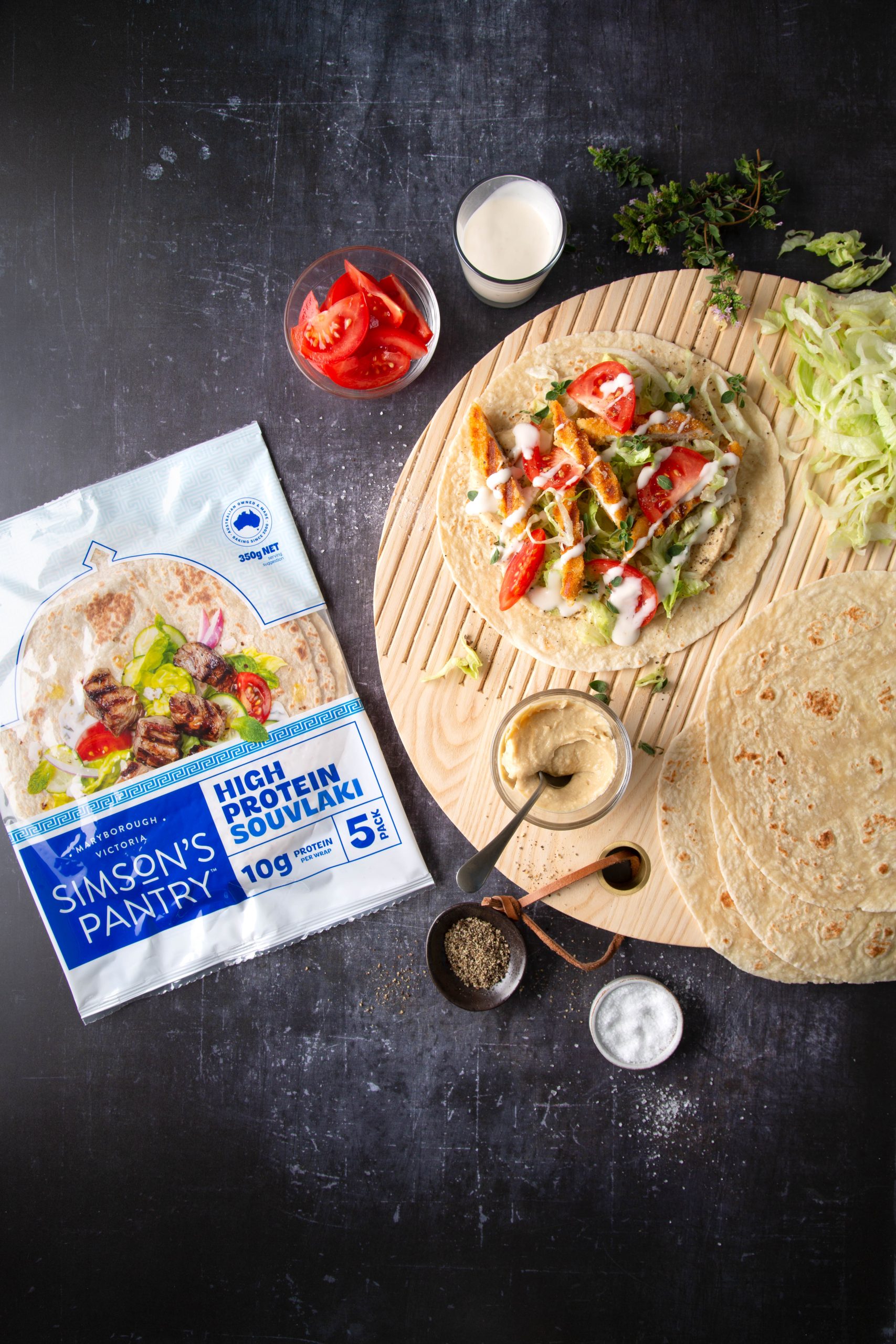
    Simson’s Pantry, the renowned bakery brand, has broadened its healthier product line by launching a new high-protein mini pizza base. This move comes following the successful initiation of its High Protein Souvlaki Flatbreads earlier this year.

    Enhancing Nutritional Value

    Offered in packs of six, each mini pizza base packs 6.3g of protein per serving. The brand has indicated that this product is designed to provide greater nutritional benefits without sacrificing flavor.

    Reimagining a Family Classic

    Mark Malak, the company’s Head of Marketing and Growth, stated that Simson’s Pantry saw an opportunity to reimagine a beloved family product by offering a healthier, more balanced alternative. He emphasized that the mini size format is ideal for controlling portions, whether for lunchboxes or snacks. Furthermore, the product is versatile, perfect for both sweet and savory dishes, and is air fryer-friendly.

    Nationwide Availability

    The Simson’s Pantry High Protein Mini Pizza Bases are now available for purchase across the country at Woolworths retail stores. Each six-pack is priced reasonably at $4.50.

    Questions & Answers

    What is the protein content in Simson’s Pantry’s new mini pizza base?
    Each serving of the mini pizza base contains 6.3g of protein.

    How is the mini pizza base package sold?
    The mini pizza bases are sold in packs of six.

    Where can customers purchase Simson’s Pantry High Protein Mini Pizza Bases?
    The product is available for purchase nationwide at Woolworths.

  • Cargojet Bolsters Global Presence: New Direct Air Cargo Service Bridges Canada and Europe

    Cargojet Bolsters Global Presence: New Direct Air Cargo Service Bridges Canada and Europe

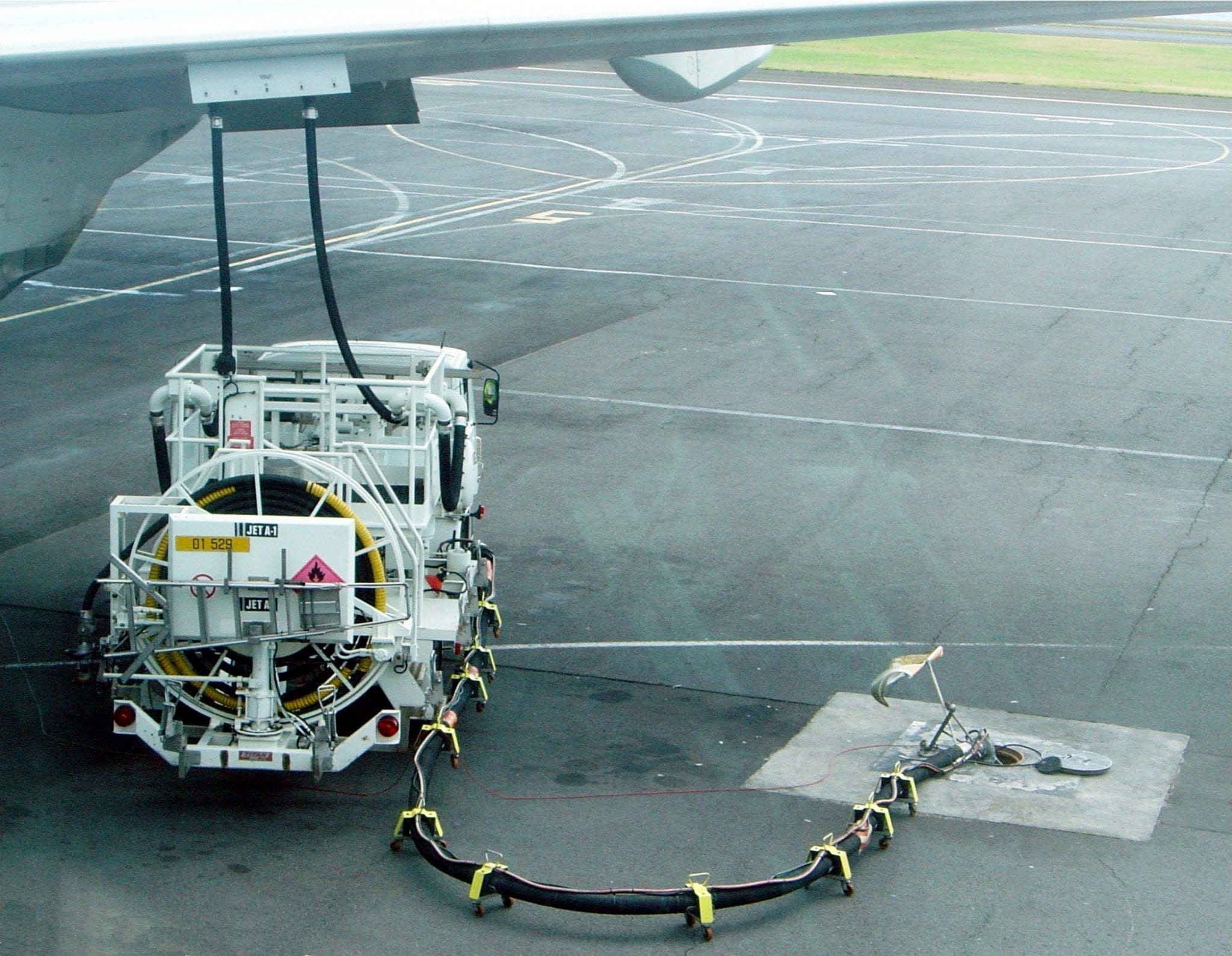
    Cargojet Inc. has expressed delight in the launching of a direct air cargo service bridging Canada and Europe, set to commence on November 1, 2025. The service will establish a connection between Liege Airport (LGG), an outstanding cargo gateway in Europe, and the principal cargo hubs in Canada.

    Strengthening Transatlantic Ties

    Co-CEOs of Cargojet, Pauline Dhillon and Jamie Porteous, jointly remarked on the new service. They asserted that this move would further solidify the ties between Canada and Europe, in addition to offering broader opportunities for their clientele. They further noted that by leveraging Cargojet’s unmatched reputation for punctuality and dependability, the service is set to position Cargojet at the heart of transatlantic trade. This will effectively cater to the forwarder community’s changing demands by providing quicker transits, reliable service, and superior flexibility for shippers across both continents.

    Welcome to Liege Airport

    VP Marketing & Sales at Liege Airport, Torsten Wefers, voiced his excitement about welcoming Cargojet to Liege Airport, which is acknowledged as one of the top cargo hubs in Europe. He emphasized that this collaboration signifies a significant advancement for the LGG community and Europe-Canada logistics, providing new prospects and connectivity for their clients and partners.

    Expansion of Global Network

    This weekly service denotes a considerable broadening of Cargojet’s global network, guaranteeing customers reliable, time-sensitive capacity and improved intercontinental connectivity. Incorporated within Cargojet’s domestic overnight network, the route promises to offer streamlined connections throughout Canada, enhancing overall transit times and providing increased flexibility for freight forwarders, logistics providers, and shippers.

    The route, initially operating once a week, improves access to one of Europe’s most strategic cargo hubs, with intentions to amplify frequency as demand and opportunities persistently grow. This integration bolsters Cargojet’s long-term expansion design and reaffirms its status as a dependable associate in the global logistics market.

    Questions & Answers

    What is the significance of Cargojet’s new direct air cargo service?
    The service strengthens the ties between Canada and Europe, expands opportunities for Cargojet’s customers, and positions the company at the center of transatlantic trade.

    What benefits does the weekly service provide?
    The service extends Cargojet’s global network, offers reliable, time-sensitive capacity, and enhances connectivity across continents. It also provides streamlined connections throughout Canada and increased flexibility for freight forwarders, logistics providers, and shippers.

    What are the future plans for this route?
    Initially, the route will operate once a week, with plans to increase frequency as demand and opportunities continue to grow. This move supports Cargojet’s long-term expansion strategy in the global logistics market.