Tag: Boosting

  • Boosting Intra-Asia Trade: FedEx Launches Speedy Non-Stop Freighter Service from Guangzhou to Sydney

    Boosting Intra-Asia Trade: FedEx Launches Speedy Non-Stop Freighter Service from Guangzhou to Sydney

    Federal Express Corporation (FedEx) has expanded its intra-Asia network through introducing a dedicated, uninterrupted cargo service between its Asia-Pacific hub located in Guangzhou, China, and Sydney, Australia. This move is expected to bolster the import trade connections within Australia from several major markets spread across Asia.

    The new route, which will be serviced by Boeing 777 freighter aircrafts five times a week, promises to offer significantly faster transit periods for selected shipments originating from key Asia-Pacific markets. Customers can expect their goods to reach Australia from areas such as Southern Mainland China, Hong Kong SAR, Japan, South Korea, Malaysia, the Philippines, and Thailand within an impressive two business days.

    Boosting Growth for Asian and Australian Businesses

    The updated service is tailored to assist Asian exporters. It offers customers from Southeast Asia, North Asia, and Greater China more direct and reliable access to the Australian market. This is a significant benefit for industries that depend on the swift, punctual delivery of high-value shipments. With the new link, businesses across the region can expect to:

    – Enhance supply chain efficiency through improved speed-to-market and reduced inventory holding costs.
    – Expand capacity for heavy-weight freight and high-value goods.
    – Foster B2B growth in time-sensitive and high-value sectors.

    Salil Chari, president of FedEx Asia Pacific, believes that this development strengthens their intra-Asia connectivity, allowing their customers to access key markets like Australia more quickly and operate with greater agility.

    Fueling the Growth Momentum of the Intra-Asia Corridor

    The intra-Asia trade recorded a revenue increase of over ten percent year-on-year in 2025, projecting the region as a significant contributor to global growth. Companies are reconfiguring their supply chains to make them faster, more regional, and resilient, making seamless air connectivity across Asia crucial. The new direct connection through the FedEx Guangzhou Hub strengthens this backbone, enhancing high-speed trade and reinforcing Asia’s role as a central player in global commerce.

    The service is part of the company’s ongoing investments that aim to strengthen connectivity. These include dedicated nonstop Guangzhou–Penang cargo flights, additional weekly freighters between Guangzhou and Bangkok, and an enhanced outbound connection from Hanoi to South Korea. These improvements assist businesses in the region to tap into growing trade flows and expand into new markets.

    Questions & Answers

    What is the purpose of the new FedEx service between Guangzhou, China, and Sydney, Australia?
    The service aims to improve the import trade connections into Australia from major markets across Asia.

    How will the new FedEx service benefit businesses in the region?
    It will enhance supply chain efficiency through improved speed-to-market, expand capacity for heavyweight freight and high-value goods, and foster B2B growth in time-sensitive sectors.

    What other investments is FedEx making to strengthen connectivity in the region?
    FedEx is also investing in dedicated nonstop Guangzhou–Penang cargo flights, additional weekly freighters between Guangzhou and Bangkok, and an enhanced outbound connection from Hanoi to South Korea.

  • Boosting Transparency and Trust: Singapore FinTech Association Launches Payments Code of Conduct

    Boosting Transparency and Trust: Singapore FinTech Association Launches Payments Code of Conduct

    The Singapore FinTech Association (SFA) has introduced a voluntary code of conduct for payment service providers (PSPs). This sets new industry standards intended to bolster transparency, protect consumers, and build trust within the Singaporean payments sector.

    The Payments Industry Code of Conduct is accessible to a range of organizations. These include holders of major and standard payment institution licenses, money-changing licensees, and exempt payment service providers providing regulated fiat currency payment services in line with Singapore’s Payment Services Act.

    Increasing Transparency and Consumer Protection

    The code sets robust guidelines across several crucial areas, which include pricing transparency, fair advertising, fraud prevention, card dispute liability, data protection, and operational resilience.

    Companies who choose to adhere to the code are obliged to disclose the total cost of transactions upfront. This includes all fees, exchange rates, and mark-ups. The code discourages hidden fees and deceptive “zero-fee” advertising claims, while advocating for robust fraud prevention measures and more robust customer protections.

    Adherence to the code is voluntary and based on self-assessment. Companies who opt to adopt the code can publicly declare their compliance for one year before undergoing a reassessment.

    Enhancing Trust in Digital Payments

    The SFA stated that the code is intended to supplement existing regulatory requirements under the Payment Services Act and the Monetary Authority of Singapore’s regulations, not replace them. As the payments industry evolves, the code will be regularly revised.

    “Payments play a significant role in the daily lives of people in Singapore. Consumers have a right to know exactly how much they are paying and what protections they have,” stated Holly Fang, president of the Singapore FinTech Association. “From an industry perspective, it elevates the level of trust, which is the foundation of successful businesses.”

    According to SK Saraogi, the outgoing co-chair of the SFA Payments Subcommittee and CEO of Wise Asia Pacific, increased pricing transparency will empower consumers to make better-informed decisions. This will also encourage fair competition among payment providers.

    Jeremy Tan, CEO of Liquid Group and co-chair of the SFA Payments Subcommittee, believes this initiative will boost confidence in digital and cross-border payments. It will also solidify Singapore’s status as a global leader in payments and fintech.

    Questions & Answers

    What is the purpose of the Payments Industry Code of Conduct?
    The code aims to bolster transparency, consumer protection and trust within Singapore’s payments sector.

    Who can adhere to this new code of conduct?
    The code is accessible to organizations such as holders of major and standard payment institution licenses, money-changing licensees, and exempt payment service providers operating under Singapore’s Payment Services Act.

    What does the code mandate for participating companies?
    The code requires these companies to disclose all transaction costs upfront, discourage hidden fees and deceptive advertising claims, and promote robust fraud prevention measures and more robust consumer protections.

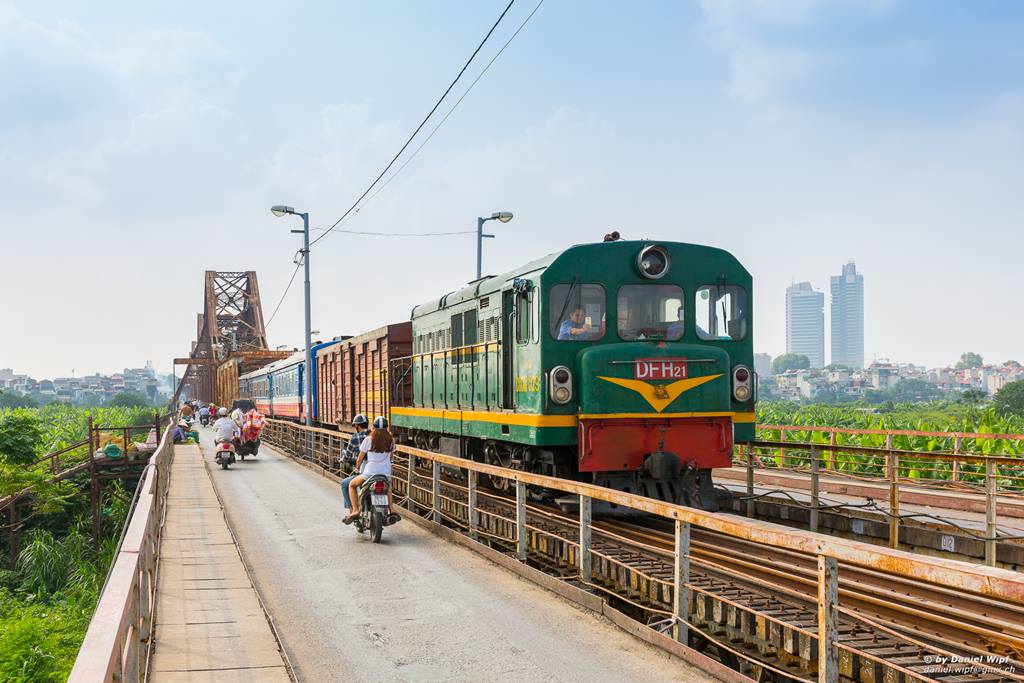
  • Thailand Elevates Trade Prospects with $750M Railway Project Boosting Port Connectivity

    Thailand Elevates Trade Prospects with $750M Railway Project Boosting Port Connectivity

    Thailand’s Ministry of Transport has confirmed its dedication to constructing a dual-track railway, a $750 million (27 billion baht) project that is viewed as a critical component in the nation’s logistics chain. Deputy Transport Minister Sanphet Boonyamanee, who talked about the project on Wednesday, highlighted it as a pivotal move towards bridging a “missing link” in Thailand’s nationwide logistics structure. This statement aligns with infrastructure strategies laid out by the government.

    The project in question is a 110-kilometer railway that will connect Chumphon and Ranong Port. This railway will directly link the country’s main rail system to its only deep-sea port, paving the way for a new trade conduit to the Indian Ocean. This railway is intended to facilitate an integrated multimodal transportation network that encompasses roads, railways, seaports, airports, and border crossings.

    Despite being smaller than many of Thailand’s main railway lines, this particular railway is predicted to function as a key land bridge. Once the railway is completed, freight from the agricultural and industrial areas in the north, northeast, central, and southern regions will be able to travel directly to Ranong Port via rail. This would render the need for road transport on the last leg of the journey obsolete.

    Another significant benefit of the new railway is that it will provide direct rail access to both Thailand’s coasts. The existing network links to the Gulf of Thailand ports, including Laem Chabang, Bangkok, and Map Ta Phut. However, the new route will create direct access to the Andaman Sea and the Indian Ocean, thereby broadening access to markets in the Middle East and Africa.

    A Project with Multiple Advantages

    In addition to facilitating international trade, officials also anticipate the project to stimulate economic growth in Chumphon and Ranong. They believe it will attract private investment towards warehouses, distribution centers, and logistics facilities.

    Government agencies are currently assessing the project’s economic, environmental, and social impacts. These studies are also determining whether to extend existing facilities at Ranong Port or to construct a new deep-sea terminal capable of accommodating larger container vessels.

    The State Railway of Thailand has finalized the project’s detailed engineering design and submitted its Environmental Impact Assessment report for review. The construction contract is expected to be up for bidding in 2027, subject to environmental approval later this year.

    The government had initially explored the possibility of this project in 2019 but later postponed it due to economic feasibility concerns.

    Questions & Answers

    What is the purpose of the new railway project in Thailand?
    The new railway is intended to establish a multimodal transportation network integrating roads, railways, ports, airports, and border crossings. It will also open a new trade gateway to the Indian Ocean.

    What benefits does the railway project bring to Thailand?
    The railway project is expected to boost international trade and spur economic growth in Chumphon and Ranong by attracting private investment in warehouses, distribution centers, and logistics facilities.

    When is the construction of the railway expected to start?
    Pending environmental approval, the bidding for the construction contract is expected to commence in 2027.

  • Hong Kong Land Buys Singapore’s Wheelock Place for $900 Million, Boosting Its Commercial Footprint

    Hong Kong Land Buys Singapore’s Wheelock Place for $900 Million, Boosting Its Commercial Footprint

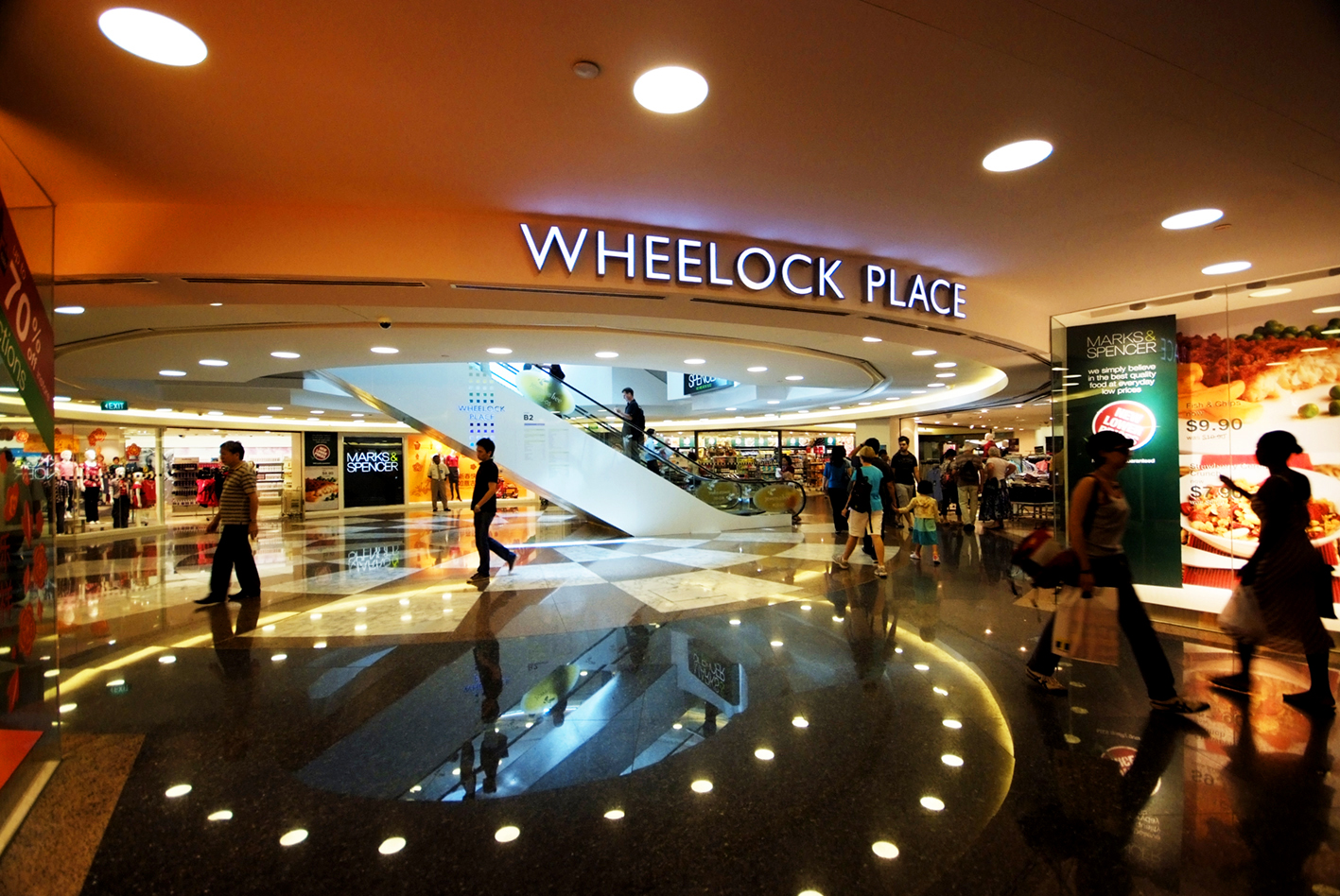
    Hongkong Land, a leading property investment, management, and development group, has successfully secured a deal to purchase Singapore’s premium shopping centre, Wheelock Place. The purchase, valued at approximately US$900 million, is being transacted through the company’s Singapore Central Private Real Estate Fund (SCPREF). This deal marks the first acquisition for the fund since its establishment in February.

    Wheelock Place, situated on the iconic Orchard Road, is a multi-faceted commercial property. It consists of a 21-story commercial building that houses office spaces, a retail podium, and two levels of basement that offer more shopping outlets and car parking facilities. The shopping centre boasts over 4000 square meters of retail space, within a total gross floor area of 43,280 square meters.

    In the past year, Wheelock Place demonstrated robust financial performance, generating nearly $100 million in profit after tax. This marks a significant 160 per cent growth from the previous year.

    The deal is anticipated to be finalized by the end of August. Following the completion of this acquisition, the assets under management for SCPREF will surge to $7.3 billion. This brings the fund closer to achieving its target of approximately $11.6 billion.

    Michael T Smith, the Group CEO of Hongkong Land, commented on the acquisition, highlighting the rarity and premium nature of the asset. He stated that securing Wheelock Place within months of the fund’s launch reflects positively on their fund management team and validates the trust their capital partners have in their strategic decision-making capabilities.

    This acquisition also symbolizes Hongkong Land’s strategic expansion into the Orchard Road precinct, a move that further enhances its commercial portfolio in Singapore.

    Questions & Answers

    What is the significance of this acquisition for Hongkong Land?
    This acquisition marks Hongkong Land’s strategic entry into the Orchard Road precinct, expanding its commercial footprint in Singapore. It also reflects a successful start for their Singapore Central Private Real Estate Fund.

    What is the financial impact of this deal on the Singapore Central Private Real Estate Fund?
    Once the deal is completed, the assets under management for the Singapore Central Private Real Estate Fund will increase to $7.3 billion, bringing it closer to its target of around $11.6 billion.

    What type of commercial property is Wheelock Place?
    Wheelock Place is a multi-faceted commercial property located on Orchard Road. It comprises a 21-story commercial building housing offices, a retail podium, and two basement levels containing additional shops and car parking facilities.

  • Boosting Retail Margins: Uniting Fragmented Product Data through AI

    Boosting Retail Margins: Uniting Fragmented Product Data through AI

    While customers continue to make purchases across various channels, several retail businesses struggle with outdated and disconnected systems. These systems were designed during a simpler time and are now proving to be inadequate in handling the dynamic market trends.

    As products’ lifecycles become shorter and sales channels multiply, businesses that fail to connect product data to their decision-making processes are at a disadvantage. Disconnected systems can result in losses even before a customer reaches the checkout counter. However, retailers that integrate these systems can improve their speed, profit margins, and customer experience.

    The Challenge of Retail Market

    The shift from physical purchases to online buying or social media shopping has made the retail market more challenging. This trend has highlighted the fragmented product management within many organizations. Different departments often manage design and development, merchandise planning, pricing, and product information. This lack of integration introduces delays, inconsistencies, and missed opportunities which become more costly as businesses expand across various channels and markets.

    To cope with this, some businesses are focusing on brand management and outsourcing manufacturing, while others own product design and pass production to manufacturing partners. Regardless of the strategy, Artificial Intelligence (AI) provides an opportunity to connect teams across different geographies and stages of the product lifecycle.

    However, retailers are faced with more than the challenge of selling through various channels. They also have to navigate an increasing number of online shopping events and promotions where demand can change rapidly, and inventory decisions carry greater financial implications.

    Balancing product assortment with inventory levels is a constant struggle. Having too much stock results in markdowns, while offering too little causes customers to shop elsewhere. Thus, the ability to react quickly to market demands has become a crucial factor in the retail industry.

    The Role of AI and Data in Retail

    AI and data play a crucial role in making informed decisions. Without reliable and accessible product data, the impact on businesses can be immediate and severe. Customers now expect accurate information, competitive pricing, and immediate availability, regardless of where they choose to shop.

    AI can support better commercial decision-making, but only if organizations first establish a trusted data foundation. Beyond its use in language translation and communications, AI has a far greater potential in product management. It can enable retailers to better understand customer demand and reduce the time between product concept and market launch.

    Speed to market is often a key focus, but it’s equally important to identify where profitability is being lost throughout the product lifecycle. Retailers often overlook customer feedback within their own businesses. The information needed to make better decisions is already there; it’s just a matter of utilizing it.

    Retailers can identify changing customer preferences earlier by using AI to analyze their daily or weekly data, improving product selection while reducing excess inventory and missed sales opportunities.

    Questions & Answers

    How can retailers benefit from integrating their disconnected systems?
    By integrating their systems, retailers can improve their speed, profit margins, and overall customer experience.

    What role does AI play in the retail industry?
    AI can support better commercial decision-making by helping retailers understand customer demand, reduce time between product concept and market launch, and analyze existing data to identify changing customer trends.

    How can retailers utilize their existing data more effectively?
    Retailers generate vast amounts of customer, sales, and product data every day. By using AI, they can analyze this data to forecast future trends and make more informed decisions.

  • Buccellati Unveils Palatial Asia-Pacific Flagship Store in Bangkok, Boosting Presence in Southeast Asia

    Buccellati Unveils Palatial Asia-Pacific Flagship Store in Bangkok, Boosting Presence in Southeast Asia

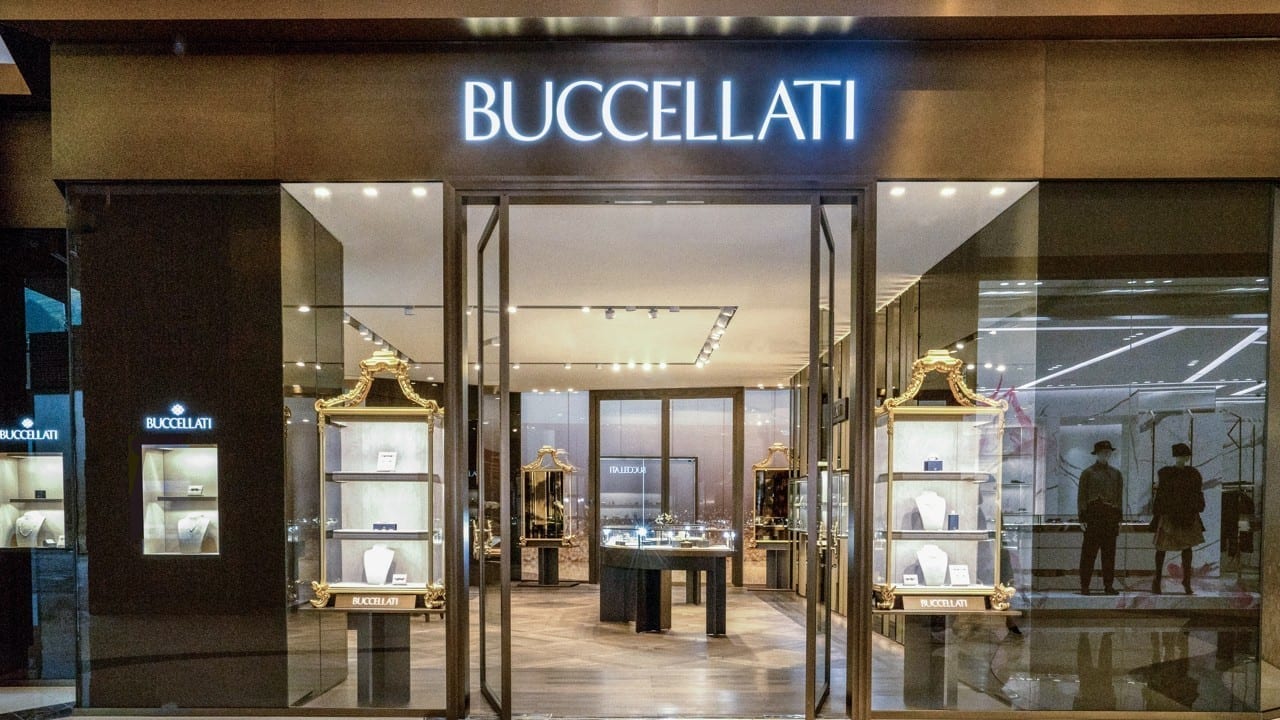
    Renowned Italian jewelers Buccellati have recently expanded their presence in the Asia-Pacific region with the inauguration of their largest store in Thailand. The store, situated on the M Floor of Siam Paragon in Bangkok, signifies the brand’s debut in the Thai market, contributing to its burgeoning retail network across the region.

    An Italian Heritage in a Modern Setting

    The design of the store is a tribute to Buccellati’s Italian lineage, featuring wooden paneling, handmade stucco finishes, and adornments reminiscent of European palaces. The store’s interior also includes a collection of antique furniture and mirrors from the 18th and 19th centuries. Two 16th-century mirrors from Naples, preserved with their original mirror plates and made using the traditional doratura a mecca gilding technique, are among the notable pieces on display. According to Buccellati, these mirrors were handpicked for the Bangkok location.

    The store offers a diverse range of Buccellati’s jewelry collections, such as Macri, Opera, and Tulle. In addition, customers can find high-end jewelry pieces, silverware, flatware, and giftware. The boutique also provides customers with an opportunity to witness the hand-engraving techniques that have become a signature of the Italian fashion house.

    Buccellati was established in Italy by Mario Buccellati and has since carved a niche for itself for its handmade jewelry and silverware. The brand is currently under the ownership of Richemont, and members of the Buccellati family continue to serve in key managerial positions of the enterprise.

    Questions & Answers

    What is unique about the new Buccellati store in Bangkok?
    The Buccellati store in Bangkok is the brand’s largest in the Asia-Pacific region and features a design that reflects the company’s Italian heritage.

    What does the store offer to its customers?
    In addition to offering a selection from Buccellati’s various jewelry collections, the store features high-end jewelry pieces, silverware, flatware, and giftware. Customers can also experience the brand’s signature hand-engraving techniques.

    Who currently owns the Buccellati brand?
    Buccellati is currently owned by Richemont, and members of the Buccellati family continue to hold senior management positions within the company.

  • DKNY Debuts First Chinese Flagship Store, Boosting Fashion Footprint in Shanghai

    DKNY Debuts First Chinese Flagship Store, Boosting Fashion Footprint in Shanghai

    DKNY, the renowned fashion label, has marked its first significant stride in China, with the inauguration of its flagship store. The store is situated along Huaihai Middle Road, thus fortifying the brand’s foothold in the country.

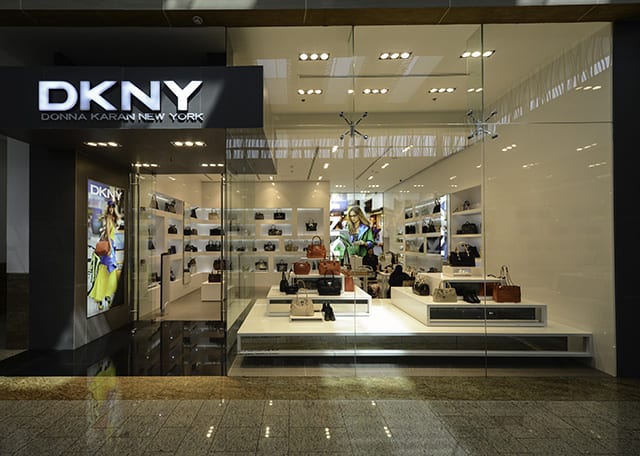
    The expansive store, spread across 245 square meters, finds its place on the ground floor of Lady Huaihai. Here, DKNY’s presence amplifies the area’s retail diversity that already includes eminent brands like Gentle Monster and Songmont.

    The shop’s unique design mirrors New York City’s dynamic spirit and attitude. It boasts polished aluminium finishes, intricate wood detailing, and upholstery inspired by the city’s iconic yellow cabs.

    The DKNY store is a one-stop-shop for fashion enthusiasts as it offers the brand’s latest ready-to-wear collections, footwear, handbags, and accessories. The retail space also highlights images from DKNY’s Spring 2026 campaign featuring popular model Hailey Bieber.

    Jeff Goldfarb, the executive vice president of G-III Apparel Group, DKNY’s parent company, shared his enthusiasm about the store’s location. Goldfarb believes Shanghai, one of the world’s most influential fashion markets, is the perfect place for DKNY’s next expansion in China.

    He also expressed his anticipation for DKNY’s future growth in China. He emphasized the brand’s effort to create a deeper connection with the Chinese consumers through elevated retail experiences and collections that evoke the energy of urban life.

    DKNY made its initial foray into the Chinese market through the online platform Tmall in 2017.

    Questions & Answers

    What is the significance of DKNY’s new store in China?
    The new flagship store marks DKNY’s first major step in expanding its physical presence in China.

    What distinguishes the store’s design?
    The store’s design reflects the energy and attitude of New York City, featuring polished aluminium finishes, wood detailing, and yellow cab-inspired upholstery.

    When did DKNY first enter the Chinese market?
    DKNY first entered the Chinese market in 2017 through the online marketplace Tmall.

  • Qantas Freight Expands Asia Pacific Presence with New Singapore Stop, Boosting Changi Airport’s Air Cargo Network

    Qantas Freight Expands Asia Pacific Presence with New Singapore Stop, Boosting Changi Airport’s Air Cargo Network

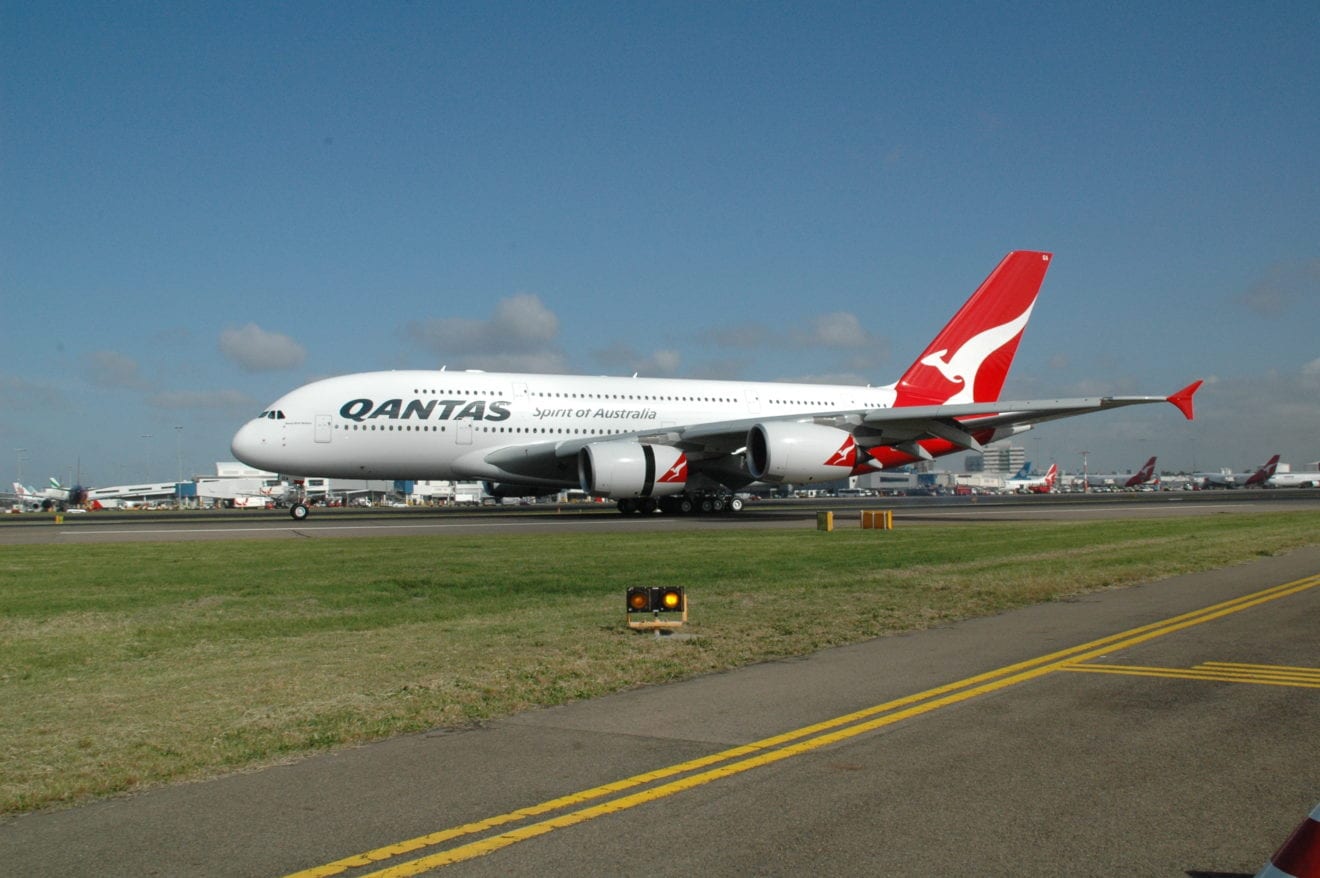
    Qantas Freight, a subsidiary of the Australian airline Qantas, recently announced the launch of its dedicated freighter services to Singapore. These services, which are expected to begin on April 3, 2026, will operate twice a week and include stops in Sydney, Shanghai, and Singapore.

    New Freight Services

    Qantas Freight’s new services are expected to further bolster the cargo network at Changi Airport. The services will provide increased capacity, more routing options, and more flexible scheduling for shippers and freight forwarders. The services will be carried out through Qantas’ A330 freighter flights on Fridays and Sundays, delivering more than 50 tons of cargo capacity per flight.

    The Singapore stopover is a new addition to Qantas’ existing Sydney-Shanghai freighter operations, which is set to enhance connectivity across the Asia Pacific cargo network.

    First Dedicated Freighter Service

    This is the first time Qantas is offering a dedicated freighter service to Singapore. This service is expected to complement its existing belly-hold cargo capacity on scheduled passenger services. Moreover, this new routing reflects the growing demand for time-sensitive air cargo moving across Asia, Australia, and beyond.

    Singapore’s strategic location and significant global air cargo connectivity make Changi Airport an essential consolidation and transshipment hub for regional and intercontinental cargo flows.

    Statements from Qantas Freight and Changi Airport Group

    Lim Ching Kiat, Executive Vice President of Air Hub and Cargo Development at Changi Airport Group, stated that Qantas Group’s decision to expand its freighter operations to Singapore couldn’t have come at a better time. According to him, there has been an increase in air cargo demand in the Asia-Pacific region, and the region is playing a more significant role in global air cargo growth.

    Igor Kwiatkowski, Qantas Freight Executive Manager, also remarked on the importance of the new Singapore stop. He said that it would be a significant addition to the airline’s Asia Pacific presence and freight network. According to Kwiatkowski, Singapore’s status as one of the world’s major cargo hubs will play a crucial role in connecting shipments between Australia, China, and Southeast Asia. He added that the new stop would provide freight forwarders with more routing options and flexibility, especially for high-tech goods and e-commerce.

    Questions & Answers

    What is Qantas Freight’s new service?
    Qantas Freight’s new service is a dedicated freighter service to Singapore, with twice-weekly operations that include stops in Sydney, Shanghai and Singapore.

    What benefits does this new service bring to shippers and freight forwarders?
    The new service provides increased capacity, more routing options, and more flexible scheduling to shippers and freight forwarders.

    How will the new service impact Qantas Freight’s presence in the Asia Pacific region?
    The new Singapore stop is expected to significantly enhance Qantas Freight’s presence and freight network in the Asia Pacific region. It will connect shipments between Australia, China, Southeast Asia, and improve routing options and flexibility for freight forwarders.

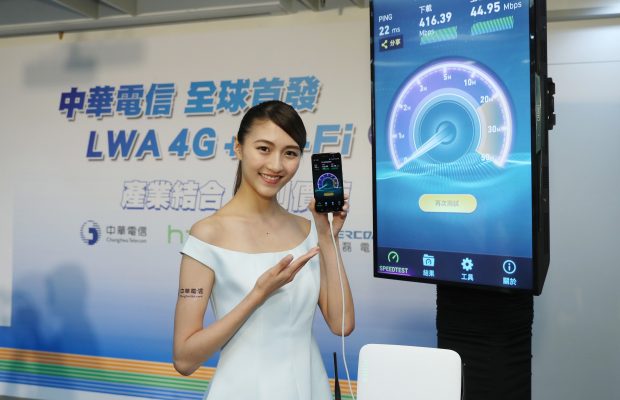
  • HPE Partners with Chunghwa Telecom: Boosting Cyber Resilience with Innovative Disaster Recovery Center in Taiwan

    HPE Partners with Chunghwa Telecom: Boosting Cyber Resilience with Innovative Disaster Recovery Center in Taiwan

    Hewlett Packard Enterprise (HPE) and Chunghwa Telecom’s Enterprise Business Group have recently revealed their plans to establish an international disaster recovery (DR) center in Taiwan. The alliance aims to reinforce cyber resilience and data protection for local companies.

    A Cyber Resilience Vault for Taiwan

    The upcoming DR center will leverage HPE’s Cyber Resilience Vault, incorporating sophisticated ransomware protection and a blend of cyber and disaster recovery technologies. The proposed solution aims to support Taiwanese businesses in setting up a global off-site backup system with second-level Recovery Point Objectives (RPO) and minute-level Recovery Time Objectives (RTO). Furthermore, it promises Continuous Data Protection (CDP) for faster recovery and enhanced defense against ransomware attacks.

    This move comes amidst growing apprehensions about ransomware and data disruption. Recent studies show that organizations globally face an average of 4.2 data disruption incidents annually, including at least one ransomware attack. Surprisingly, despite having backups, 48% of organizations opt to pay ransoms to expedite recovery or limit data loss. Yet, only 20% manage to fully recover their data.

    Addressing Ransomware Attacks and Data Loss

    Jon Wang, HPE’s Managing Director of Taiwan and Hong Kong, commented on the initiative. He highlighted that the HPE Cyber Resilience Vault, integrated with Chunghwa Telecom’s Internet Data Center services, would enable businesses to recover swiftly, decrease downtime, and restore lost data within seconds, thus ensuring full protection and backup of confidential information.

    Pen-Yuang Chang, General Manager of Chunghwa Telecom Enterprise Business Group, emphasized the importance of preventing significant business damage from ransomware attacks. He stated that their collaboration with HPE will allow local businesses to implement extensive disaster recovery mechanisms, thereby boosting their cyber resilience and international competitiveness.

    Through this partnership, Chunghwa Telecom plans to offer this new disaster recovery capability via its Internet Data Center (IDC) Value-Added Services – Equipment Subscription Service. Customers will have the opportunity to deploy protected virtual machines with enterprise-grade reliability, back up mission-critical workloads to Chunghwa Telecom’s robust IDC facilities, and conduct regular disaster recovery drills to validate readiness. The operator also intends to introduce a Disaster Recovery as a Service (DRaaS) model, priced according to the number of protected virtual machines, offering customers greater flexibility and scalability.

    A Proven Disaster Recovery Solution

    A prominent Taiwanese petrochemical manufacturer has already adopted this collaborative solution to secure sensitive operational data. By duplicating critical plant information to Chunghwa Telecom’s data center and utilizing HPE’s continuous data protection, the company has reduced cybersecurity risk, decreased maintenance overhead, and improved confidence in meeting recovery objectives.

    On a technical note, HPE Cyber Resilience Vault integrates various HPE technologies including HPE Alletra Storage MP B10000, HPE ProLiant Compute servers, HPE Zerto disaster recovery software, and HPE Networking wired and wireless solutions. The platform creates an air-gapped, isolated data vault with immutable, FIPS-compliant storage. Its journal-based CDP tracks recovery checkpoints every five to ten seconds, enabling near-synchronous replication, second-level RPO, and minute-level RTO.

    The solution, deployed within Chunghwa Telecom’s IDC satellite data centers, is expected to significantly decrease recovery times and reduce data loss from hours to seconds. It will also speed up service restoration from days to minutes, whilst providing Taiwanese enterprises with a more robust foundation for cyber resilience amid an escalating threat landscape.

    Questions & Answers

    What is the primary goal of the HPE and Chunghwa Telecom partnership?

    The collaboration aims to establish an international disaster recovery center in Taiwan to strengthen cyber resilience and data protection for local enterprises.

    How does the HPE Cyber Resilience Vault benefit businesses?

    The HPE Cyber Resilience Vault enables businesses to swiftly recover from data loss, minimize downtime, and restore lost data within seconds, ensuring comprehensive protection and backup of confidential information.

    What specific services will Chunghwa Telecom offer through this collaboration?

    Chunghwa Telecom will offer the new disaster recovery capability via its Internet Data Center (IDC) Value-Added Services – Equipment Subscription Service. This will allow customers to deploy virtual machines with enterprise-grade reliability, back up mission-critical workloads, and conduct regular disaster recovery drills. They also plan to introduce a Disaster Recovery as a Service (DRaaS) model.

  • Cooee Cookies Unveils Allergy-Free Indigenous-Inspired Snacks, Boosting Gut Health with Native Australian Ingredients

    Cooee Cookies Unveils Allergy-Free Indigenous-Inspired Snacks, Boosting Gut Health with Native Australian Ingredients

    Cooee Cookies, an indigenous-led snack brand, has recently joined forces with Australian biotechnology firm Health Food Symmetry (HFS) to develop a new range of cookies that promote gut health.

    This collaboration utilises PhytoBiome, a prebiotic product developed by HFS, to create an allergen-free cookie line. The partnership is striving to make the product accessible in rural Indigenous communities.

    Creation of Health-Driven Snacks

    Gordon Edwards, HFS founder and CEO, shared that the cookies are manufactured in Australia using regionally sourced, premium-grade produce and are backed by leading-edge research. Edwards expressed that both firms are thrilled by their joint initiative, which allows them to showcase their scientific functional food capabilities at national and international levels.

    Edwards also explained that each cookie, thanks to PhytoBiome, now contains clinically proven benefits for gut health, immune strength, and metabolic balance. This has transformed an otherwise simple snack into a functional food with genuine health benefits.

    Utilization of Native Ingredients

    The gut-friendly cookie range is made using native ingredients like Kakadu plum, wattle seed, lemon myrtle, and finger lime. These ingredients, known for their high antioxidant content and therapeutic potential, aid in bolstering immunity and maintaining a balanced digestive system.

    Terri-Ann Daniel, founder and CEO of Cooee Cookies, said that their partnership with HFS allows them to continue to enhance their allergy-free snacks. The collaboration enables them to offer improved gut and metabolic health benefits without compromising on taste or cultural significance.

    Questions & Answers

    What is the main goal of the partnership between Cooee Cookies and Health Food Symmetry (HFS)?
    The primary objective of their partnership is to develop an allergen-free cookie line that promotes gut health, immune strength, and metabolic balance.

    What native ingredients does the gut-friendly cookie range contain?
    The range includes native ingredients such as Kakadu plum, wattle seed, lemon myrtle, and finger lime, recognised for their high antioxidant content and therapeutic potential.

    What are the benefits of consuming these gut-healthy cookies?
    Apart from being allergen-free, these cookies offer numerous health benefits including enhanced gut health, bolstered immune system, and balanced metabolism.

  • Boyu Capital Poised to Secure $4 Billion Stake in Starbucks China, Boosting Brand’s Asian Market Footprint

    Boyu Capital Poised to Secure $4 Billion Stake in Starbucks China, Boosting Brand’s Asian Market Footprint

    Boyu Capital, a private equity firm from China, is leading the race to acquire a majority stake in Starbucks’ China operations, a deal that could potentially value the unit at over US$4 billion.

    Boyu Capital remains in the bid after the final contender, Carlyle Group, chose to withdraw. Key partners from both companies travelled to the U.S. to engage in final discussions with the Seattle-based coffee chain.

    Starbucks’ Stake in China

    After the sale is finalized, it’s expected that Starbucks will retain a substantial minority stake in its China operations. The company expressed that it has received strong interest from numerous high-quality partners, all of whom have faith in the long-term growth potential for Starbucks in China.

    The company is currently assessing bids from five contenders, though it declined to comment further. Starbucks China was valued at roughly $4 billion by the bidders who submitted binding offers, which is approximately ten times its core earnings.

    Starbucks’ Future Plans

    Starbucks CEO, Brian Niccol, previously indicated that the anticipated valuation of the China business would exceed $10 billion, factoring in the upfront investment from a potential partner, Starbucks’ retained stake in the China business, and future royalty payments.

    There is also the possibility of other parties, such as internet companies, joining the discussions as limited partners to assist in funding the deal.

    Competition and Sales

    Starbucks’ decision to divest in China comes amidst fierce competition from local coffee chains that have gained market share by offering less expensive products during an economic slowdown that has altered consumer behavior.

    In response to these challenges, Starbucks has implemented strategies such as lowering prices for selected non-coffee beverages in China and increasing the introduction of new, localized products.

    Sales in comparable stores in China increased by 2% in the quarter that ended on June 29, following a quarter with no growth. Starbucks’ earnings for the fourth quarter and the 2025 fiscal year will be reported on October 29.

    Questions & Answers

    Who is the frontrunner to buy a controlling stake in Starbucks’ China business?
    Boyu Capital, a private equity firm from China, is leading the race to acquire a controlling stake in Starbucks’ China operations.

    What is the potential value of Starbucks’ China unit?
    The deal to acquire the majority stake in Starbucks’ China operations could potentially value the unit at over US$4 billion.

    What strategies has Starbucks implemented in response to increasing competition in China?
    Starbucks has lowered prices for selected non-coffee beverages in China and increased the introduction of new, localized products to counter the competition.