Retail News CRM

Tag: Business

  • Nearly 9,000 new companies launched in Vietnam in January

    Nearly 9,000 new companies launched in Vietnam in January

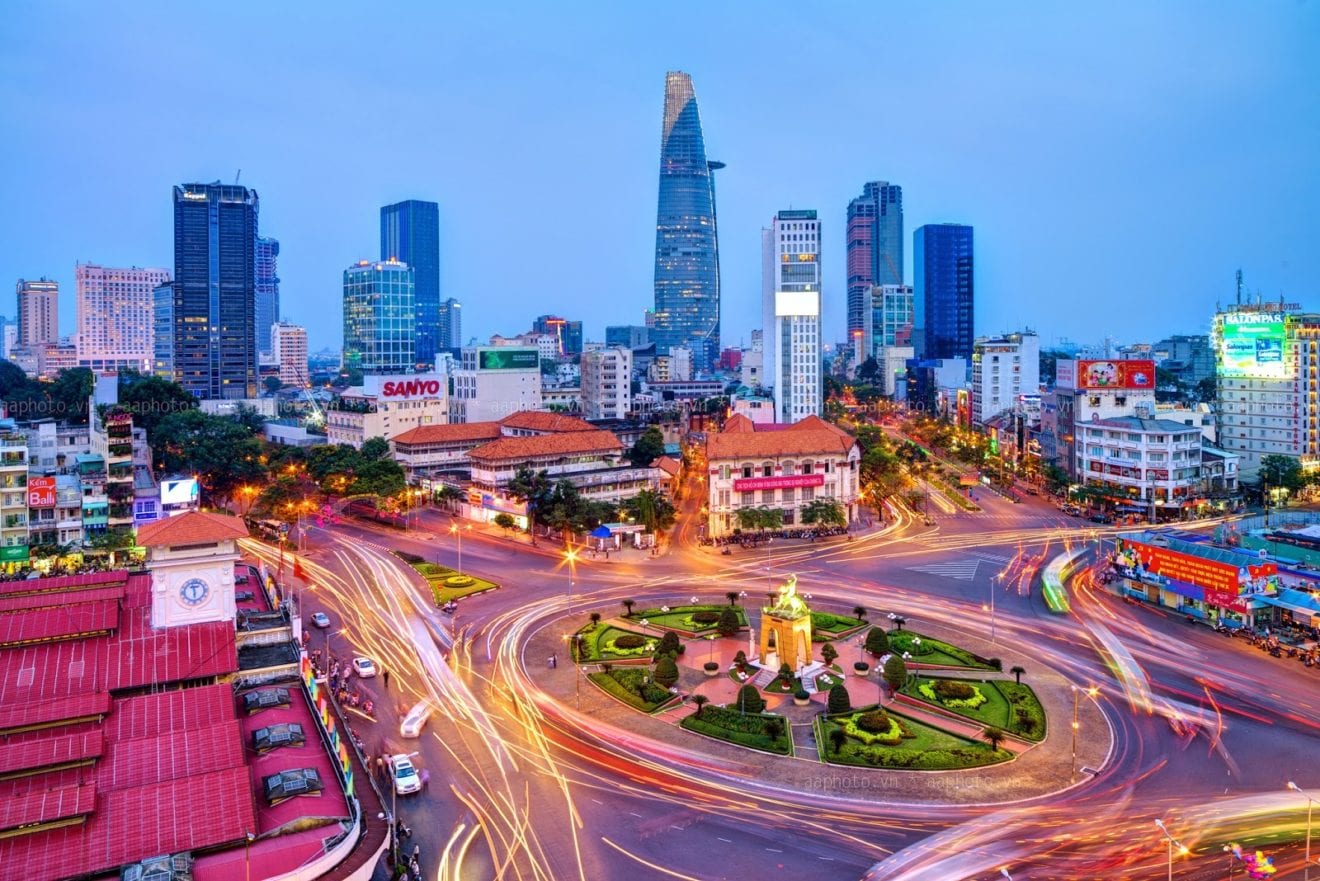
    A strong start for the economy in the new year after a record high number of new openings in 2016. Vietnam’s business community has hit the grounds running in the new year. Official reports showed that 8,990 companies opened in January, up 8 percent from last year. Their registered capital surged 52.3 percent to VND90.3 trillion ($4 billion) in total.

    The new companies are expected to create 104,100 jobs. In comparison, there were 8,320 new companies with 124,000 new jobs in January last year.

    Nearly 5,600 suspended companies also resumed operations last month.

    The number of businesses shutting down increased 18.3 percent year-on-year to 1,583.

    Vietnam hopes to see over one million businesses in operation by 2020. It is now halfway to that point.

    The country saw a record number of business openings of 110,000 last year, strengthening hopes for robust growth and strong investment in the near future.

    Officials from the labor ministry reportedly said that Vietnam aims to create 1.6 million jobs this year, roughly the same figure last year.

    More than 3 percent of the country’s urban adults are unemployed while the rural rate is nearly 2 percent.

  • Cost savings to boost mobile wallet business

    Cost savings to boost mobile wallet business

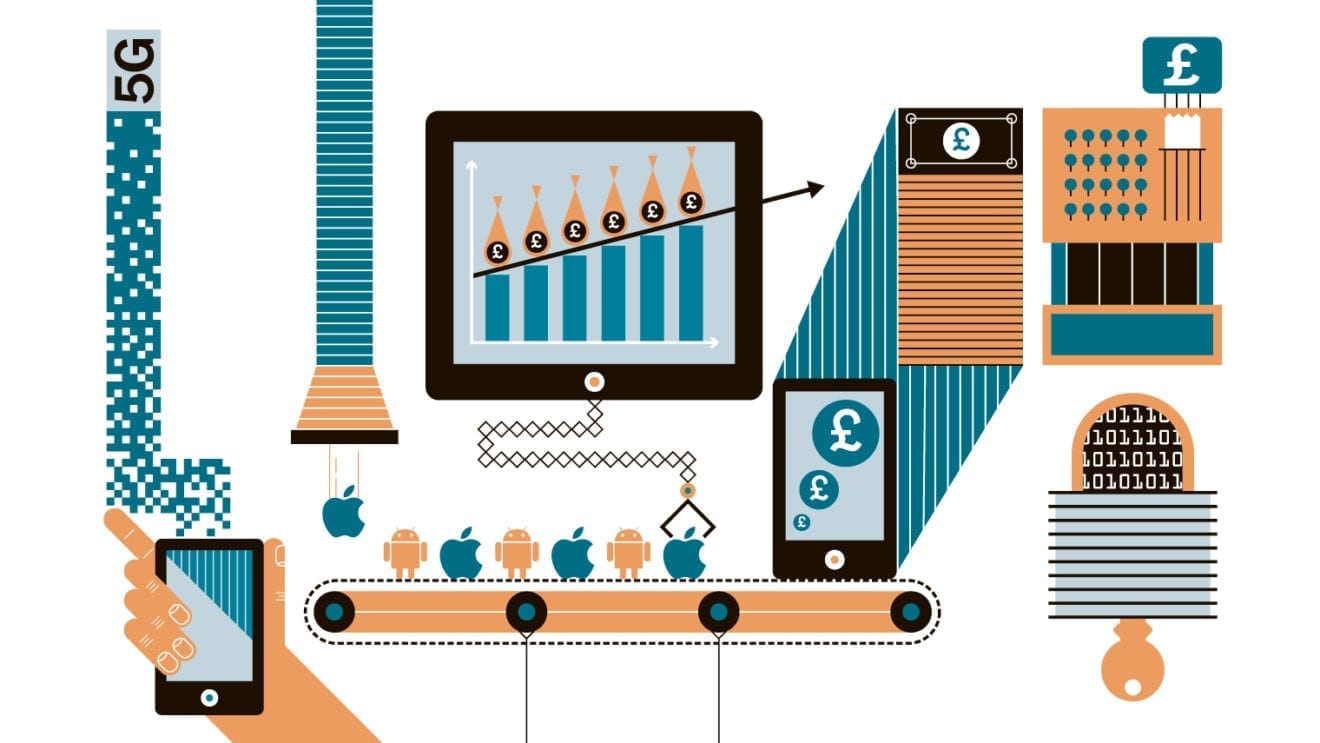
    In the mobile wallet business, volume business and long-term supplier contracts can deliver cost savings for buyers, according to market research firm Technavio.

    According a new report from the company, cost savings can be achieved through adoption of technology, supplier competition, adoption of negotiation strategies, optimization of procurement practices and bundling of services.

    In terms of technology, the researcher points to adoption of NFC, HCE, BLE and QR codes through the efforts of Apple, Google and Samsung.

    Consumers need to perceive mobile payments as an easy and convenient mode of payment via the integration of the mobile banking and payment experiences.

    Consumers are comfortable making financial transactions using mobile channels developed by trusted financial institutions such as banks. Converging these two into one seamless experience is crucial to bridge the gap and push consumers into making mobile payments online or at POS.

    A fast, simple, and seamless mobile payment process can enhance brand reputation and differentiation in the market. Customers consider personalized user experiences on payment interfaces, fast and efficient check-outs, and multiple payment options (debit/credit cards, internet banking) as important features in mobile wallets. A 2016 market study on mobile commerce predicts about two billion mobile phone/tablet users will make mobile commerce transactions globally in 2017.

    Beyond basic P2P money transfers and bill payment services, Technavio says suppliers are strategically partnering with network operators and banks to provide localized and real-time offerings such as loyalty points, discounts, and ratings and reviews across popular retail, entertainment, and hospitality businesses.

    Technavio says suppliers must offer mobile wallet services that can smoothly process financial transactions and possess fast, secure user interfaces with relevant communication on discounts, loyalty, and re-purchase benefits to meet the requirement of procurement professionals. They must also enhance the safety and security of personal and financial data of the customers with multi-layered mobile technology.

  • Singapore businesses eye growth in China despite slowdown

    Singapore businesses eye growth in China despite slowdown

    Singapore brands continue to eye growth in China despite increased domestic competition, higher costs and a slowdown in the world’s second-largest economy.

    For some, China provides an alternate avenue for growth in sectors such as property and retail, helping to buffer lower-performing regions.

    Other Singapore companies in sectors that have taken harder hits recently, such as manufacturing, have been reassessing and realigning their business models to stay competitive.

    China is, after all, “too large a market for ambitious foreign investors to ignore” despite having lost some shine, said Mr Chio Kian Huat, CEO of accounting and business advisory group Stone Forest.

    This is especially so as the central government continues its crackdown on corruption and improves the transparency and predictability of doing business in China, said Ernst & Young Asia Pacific transaction advisory services leader, Harsha Basnayake.

    For CapitaLand, diversification in China has provided “respite from weakness in the Singapore property market”, said Maybank Kim Eng analyst Derrick Heng.

    The real estate developer has increased its presence in China over the years with the country accounting for 45 per cent of its asset base today, up from just six per cent in the early 2000s, Mr Heng told The Business Times.

    “With robust China home sales in recent years… we expect strong earnings contribution from the country in the next one to two years,” he said.

    CapitaLand Retail China Trust Management Limited (CRCTML), the manager of CapitaLand Retail China Trust, announced its 2016 Q4 net property income (NPI) on Jan 26, bringing the NPI for the whole of 2016 to a total of RMB669.8 million (S$139 million) – 4.1 per cent higher than in 2015.

    “We remain positive that CRCT’s portfolio of family-oriented shopping malls will continue to benefit from China’s growing urban population and rising retail sales,” said CRCTML chairman Victor Liew.

    Singapore-based beauty products seller Best World International is also projecting growth in China, its second largest market.

    China contributed 30 per cent of the group’s revenue as of the third quarter of 2016, after growing more than 200 per cent year-on-year, and the company is aiming to grow its sales in China eight-fold from 2016 to 2020, said Maybank Kim Eng analyst John Cheong.

    “Demand for Best’s products has not been impacted by the general slowdown, its products continue to gain traction from a low base, market expansion in China and increase in popularity from the recent approval of its direct selling licence,” he said.

    In announcing the licence approval in November, which allows Best World to conduct direct selling in Hangzhou, group co-chairman and president Doreen Tan said Best World is “cautiously optimistic” about its China growth prospects in the next five to eight years.

    “We will continue to expand the geographical coverage of our direct selling licence, drive membership growth through more marketing activities and introduce new products and services,” she said.

    Those in manufacturing have not been as fortunate – labour costs in China have been increasing at an average of 20 per cent annually for the past four years, and other rising costs such as electricity and natural gas are also eroding margins, said Mr Chio.

    Singapore design manufacturer Koda would know.

    The company was forced to shut down its manufacturing facilities in China in the last few years and has shifted its focus to its furniture retail arm, Commune, “to cater to the rising middle class”, Koda chief financial officer Joshua Koh told BT.

    “Commune is well received by this younger and more design-savvy generation and we still have a positive outlook on growth in this segment.”

    The China arm has been “growing consistently” and has “helped to buffer the drop in sales from our other markets like Malaysia, which has suffered due to the uncertain economic situation and reduced margins”, he added.

    Over in the food and beverage sector, stiffer domestic competition and changing consumer demands have translated into a race to deliver fresh tastes.

    BreadTalk, for one, has been working on new concepts for its stores to continually engage and excite customers, said a company spokesman. The company’s first store in China, which opened in 2003, has since undergone “its fifth round of renovations with a brand new concept”.

    BreadTalk has grown its total number of outlets from 453 across the mainland and in Hong Kong as of end 2015 to “about 500 outlets in 50 Chinese cities” today.

    Annual reports show that the company’s business in Hong Kong and mainland China contributed about 42.7 per cent of total revenue in the 2015 financial year, up slightly from 41.3 per cent in 2012.

    “Despite the slowing economy, the growth of consumerism and influx of new brands in China remains unabated,” said the BreadTalk Group spokesman.

    “Consumer spending continues with the desire to try new products and experiences all the time. Brands will always need to present exciting and engaging offerings to attract consumer loyalty with competition being stiff in such a diverse market.”

    For restaurants, establishing a niche product is the key to good business, said Mr Basnayake.

    Singapore’s Jumbo Group of chilli crab fame may be one such example of building success on a signature dish that continues to draw crowds of Chinese diners.

    Jumbo had percentage revenue contribution from its restaurant operations in Shanghai increase from eight per cent in the 2015 financial year to 15 per cent in 2016, and intends to expand its brands to other major Chinese cities, CEO and executive chairman Ang Kiam Meng told BT.

    China’s economy may not be expanding at the rate it was a decade ago – the Chinese Academy of Social Sciences forecast economic growth to dip again this year to 6.5 per cent, which would be the slowest pace in more than 25 years – but Mr Ang is among those who are confident that business opportunities remain.

    So, too, is Citi’s chief China economist Liu Li-Gang.

    “It is no longer as easy as in the past for foreign investors to make money… but in many areas there should be many investment opportunities, especially in the service sector,” said Dr Liu, noting that China is progressively liberalising its healthcare and financial services.

    Stone Forest’s Mr Chio said: While China is no longer a low-cost producer, there is a still a “huge market for services and products that cater to the needs of its growing middle class.”

    China is also making strides in technology and other emerging sectors, he added.

    “These factors, along with China’s growing middle class and their increasingly sophisticated demand, mean that businesses need to look at the Chinese domestic market for opportunities and not depend on low cost production to succeed.”

  • Singapore eyes increased investments, more flights to Manila

    The government of Singapore has expressed interest in further increasing its investments in the Philippines, as well as adding more flights to Manila in anticipation of increased demand in air travel between the two countries.

    In a recent meeting with Finance Secretary Carlos Dominguez III, Singaporean Ambassador to Manila Kok Li Peng said Singapore’s private sector would like to explore new growth opportunities in the Philippines, particularly in the retail, transportation, infrastructure and tourism sectors.

    Ambassador Kok said Singaporean businessmen were planning to schedule the next meeting of the Philippines-Singapore Business Council (PSBC) in Davao City and, if possible, meet with President Rodrigo Duterte to discuss new business and investment activities in the Philippines.

    “We’re trying to get a mixed meeting of the PSBC here. They want to bring the members to Davao to meet with the President,” Kok said, to which Dominguez responded that a possible date for such a dialogue could be in February.

    Singapore’s investments in the Philippines–valued at P16.8 billion in 2015–are mostly in real estate activities, electricity, gas, steam and air conditioning supply, and manufacturing.

    Singapore was the Philippines’ fourth largest trading partner in 2015. The country’s total exports reached $3.8 billion in 2015, mainly comprising electronic products, petroleum products, and electronic equipment and parts.

    The Philippines, in turn, imported a total of $5 billion worth of goods from Singapore in 2015, mostly mineral fuels, lubricants, food and live animals, and industrial machinery and equipment.

    Kok also said that Singapore was looking at the Philippines in exploring more markets for its airline industry.

    “More competition is good for the consumer,” Kok said in explaining Singapore’s plan for its airline companies—Singapore Airlines, SilkAir and Tiger Airways—to add more flights to the Philippines.

    In response, Dominguez, a former chairman of the Philippine Airlines, agreed that opening the Philippines’ air travel industry to competition and even partnerships with other airlines would benefit the economy and boost the growth of the tourism sector.

    Dominguez said the Duterte administration was “engaging more with ASEAN and countries around Asia” as a way to “move forward” and achieve a balance in strengthening the Philippines’ diplomatic ties with other nations across the globe.

    In Beijing last October, Dominguez and Socioeconomic Planning Secretary Ernesto Pernia, who were part of President Duterte’s delegation on his state visit to China, jointly announced that while the Philippines would maintain its good relations with Western economies, it pushed for “stronger integration” with its neighbors in the region.

    The move, they said, would open for the Philippines countless opportunities for trade and investment in a market of 1.8 billion people across the region, especially now that other ASEAN economies had also committed to greater integration and China had pledged to open its capital markets.

    ASEAN groups the Philippines, Malaysia, Singapore, Brunei, Thailand, Indonesia, Laos, Cambodia, Myanmar and Vietnam.

    Both Dominguez and Kok agreed that technology and innovation are indispensable to sustaining growth under the current knowledge-based global economy.

    “We’re now [living under] a knowledge-based economy. We think innovation is the way to go in the future,”Kok said.

    Dominguez said the rapid growth of online-based businesses and investments was among the reasons the Duterte administration considered it a priority to improve “interconnectivity and internet speeds” in the country.

    “The structure of the industry in the Philippines right now is really holding us back. And it’s becoming quite obvious that the system now we have, where we basically have two service providers, is not really working,” Dominguez told Kok.

    In the meeting, Kok also informed Dominguez of Singapore’s request to review and update the terms of its 40-year old double taxation agreement with the Philippines.

    Dominguez assured Kok that he would discuss Singapore’s concerns regarding the double taxation agreement with the Bureau of Internal Revenue.

  • Polycom extends use of Skype for Business UI

    Polycom extends use of Skype for Business UI

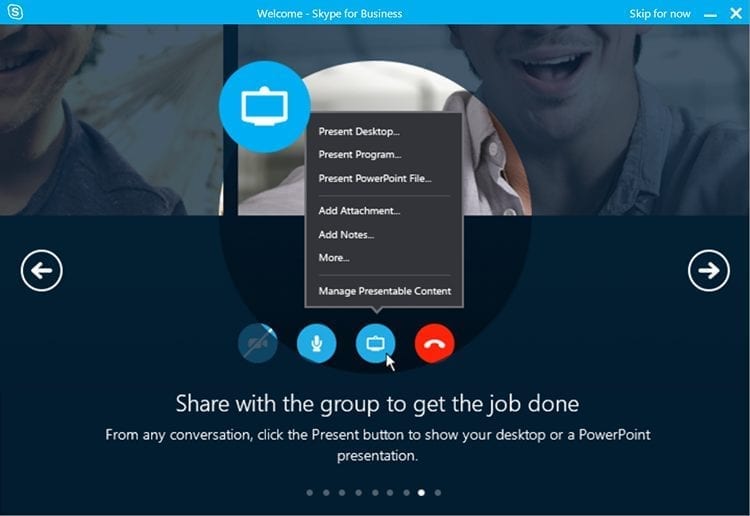
    Polycom has announced that the Polycom Group Series video endpoints and several of its voice solutions will include the Skype for Business UI.

    Many organizations are wanting to move to one interface for collaboration tools to make it easy for users to join calls from any endpoint or software application. Consistency of scheduling, joining and managing a collaboration session is critical to driving user adoption.

    In response to this demand, Polycom extending the Skype for Business experience beyond the desktop and mobile applications to voice and video solutions used in conference rooms and offices of all sizes.

    Customers can now schedule, dial and join a Skype for Business call from a greater number of endpoints, providing one extended Skype for Business experience.

    “Many organizations across the globe are moving toward consolidating their UC environments into a single interface to drive a consistent user experience and ease of use,” says Irwin Lazar, Vice President and Service Director, Nemertes Research.

    “The desire to enable a consistent method of scheduling collaboration sessions and a single-click to join meetings from any application and any location is a top priority.”

    In addition, Polycom has officially become a Skype Operations Framework partner and will assist customers with all facets of the Skype for Business lifecycle, including planning, deployment, adoption, and operations.

  • Lane Crawford selects Orange Services’ Cloud to improve digital shopping experience

    Lane Crawford selects Orange Services’ Cloud to improve digital shopping experience

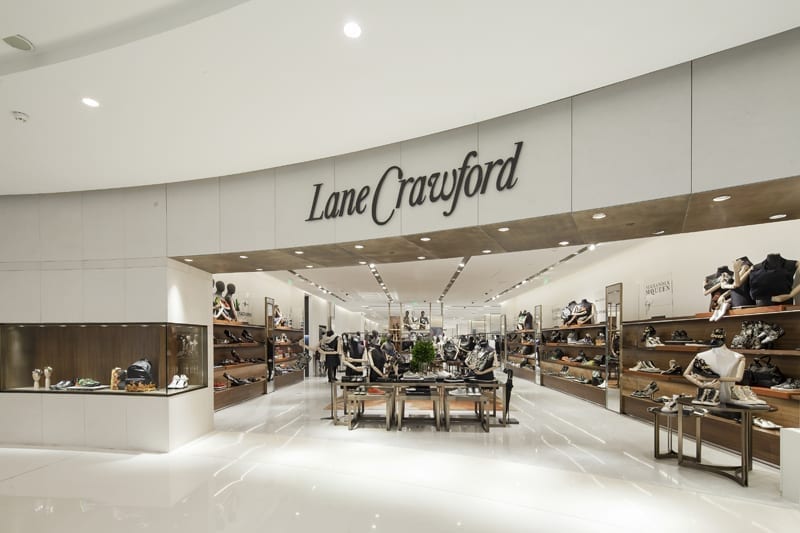
    Orange Business Services has been selected by Lane Crawford, a multi-brand designer label luxury retailer, to provide a cloud-based platform to extend, secure and manage its IT resources in Hong Kong and China. This deployment will enable Lane Crawford to marry offline strengths with digital advantages and offer its customers a more connected retail experience.

    Founded in 1850, Hong Kong-based Lane Crawford is widely recognized as a leading retailer of specialty and luxury goods in Hong Kong and China. Through Orange Business Services’ cloud platform, Lane Crawford will have higher flexibility and scalability to accommodate changes in demand due to seasonal shopping, sales and promotional activities, and ad-hoc use. By adopting a cloud-based platform, Lane Crawford can appropriately align its business with the rapid growth of online shopping in China and meet the needs of new and existing customers.  In addition to meeting Lane Crawford’s needs for its digital transformation, Orange Business Services’ solution delivers an enhanced level of security infrastructure and business continuity plans.

     “Lane Crawford has a long history of delivering high quality products and excellent experiences to its customers,” said Jack Zhang, General Manager, Orange Business Services China.  “We are very pleased to have been selected as a partner in their digital transformation journey and to support them based on our deep understanding of the retail business and Lane Crawford’s existing infrastructure environment.”

    Lane Crawford selected Orange Business Services’ cloud platform for its ability to easily scale to meet rapid changes in consumer demand and its one-stop solution for all the needs it had for connectivity, flexibility and security.  Orange Business Services’ platform is fully compatible with other business critical applications being used by Lane Crawford.

     “Our former infrastructure did not provide adequate flexibility for scalability or future business growth,” said Raymond Liu, Senior Manager, IT Infrastructure, Lane Crawford.  “Orange Business Services’ cloud-based solution gives us cost-efficient performance, enhanced security and protection, and support of on-line transaction applications.  For Lane Crawford, this is a critical step forward in our digital transformation.”

  • Tencent IBG helps local businesses attract tourists from China

    Tencent IBG helps local businesses attract tourists from China

    International Business Group (IBG) of Tencent, a leading provider of Internet value added services in China, announced today the roll-out of one-stop service advertising solutions. The ad solutions include options to build brand awareness and develop product familiarity, prior to the Chinese tourist’s visit to Singapore as well as in-market advertisements to target Chinese tourists while they are in the country.

    Singapore saw 1.47 million visitors from the mainland in the first half of this year, up 55.2% from the same period last year, according to the Singapore Tourism Board. Chinese tourists accounted for nearly 18% of the visitors to Singapore during this period. Aware of the untapped spending potential of these tourists, the Singapore Retailers Association recently launched initiatives such as the Singapore Golden Week, timed to coincide with the national holidays in China.

    “Singapore is well positioned to benefit from the surge in the number of Chinese tourists,” said Benny Ho, Senior Director of Business Development, Tencent. “Reaching out to Chinese tourists on platforms they are familiar with is the best approach for local businesses.”

    Brands need to engage early in the Chinese customer journey in order to influence purchase decisions before they travel. Tencent’s one-stop service advertising platforms will help Singapore businesses raise awareness and increase engagement opportunities with the surging numbers of Chinese tourists, even before they depart China. Tencent’s suite of advertising solutions provides previously unavailable opportunities for Singapore advertisers, enabling brands to engage Chinese customers globally and to offer an easy all-in-one advertising hub and solution leveraging both domestic and international traffic.

    Mobile advertising for mobile tourists

    According to the eMarketer’s survey “WeChat in China” from June 2016, the top two leading social media sites/chatting apps among social media users in China are WeChat and Qzone – both Tencent products. With WeChat’s position as a leading social media platform in China, the roll-out of one-stop service advertising solutions would empower local businesses to unlock the untapped spending potential and better reach Chinese tourists. Additionally, Tencent’s International Advertising Solutions can be customised to fit specific brand objectives.

    Tencent’s platforms continue to grow their influence with Chinese consumers. There are more than 806 million active users for both WeChat and Weixin today, and GlobalWebIndex (GWI), operator of the world’s largest study on digital consumer behaviours and trends, revealed that between the first half of 2015 and the first half of 2016, WeChat nearly doubled its usage rates in APAC outside of China. The leading mobile messaging app in China, Weixin connects users through its communication features with services and hardware through its open platform, including advertising, official accounts, and online to offline (O2O) payment. Mobile QQ, one of the most popular communication apps in China, and Mobile Qzone, a leading social networking site in China, and QQ Music, one of the most popular digital music platforms in China, will also provide the Chinese social platform gateway for advertisers in Singapore.

    To address communications and business objectives, there will be WeChat representatives to assist merchants in Singapore. Tencent’s IBG will provide a one-stop service advertising solutions including media planning, creative designs, advanced user targeting, ad placement execution, bid optimisation, and reporting.

    Tencent creates a robust ecosystem in China through these customised advertising solutions, unleashing the potential to reach high-spending Chinese consumers. Key advertising products include “WeChat Official Account Banner Ad”, which redirects users to an external URL through a single click, “WeChat Moments Ad”, unique native social feed style display ads for a non-disruptive experience and “Mobile Qzone Friend Newsfeed Ad” which manifests as either an article or a video and is shown in a similar format as friend posts. Thus far, Tencent has launched its International Advertising Solutions across, Hong Kong, Indonesia, Japan, Korea, Malaysia, and Taiwan in Asia, excluding China.

    IBG will not have an exclusive partner in Singapore and will welcome any local partners and resellers to support marketers and advertisers.

  • Foreign Investors Eye Hospital Business in Indonesia

    Foreign Investors Eye Hospital Business in Indonesia

    Foreign investors have expressed interest in healthcare business investments in Indonesia. Singapore-based Global Growth Markets (GGM) consultant said that India-based hospital group Apollo Hospitals is currently considering to build a telemedicine center and a hospital in Indonesia. In addition, Malaysia-based IIH Healthcare recently announced that they would tap into the Indonesian market as a part of its expansion plan.

    GGM consultant Pet Read revealed that Indonesia’s healthcare industry showed the highest growth after China and India. The number of privately owned hospitals in Indonesia grew by 50 percent per year over the last few years.

    “Currently, the number of hospitals in Indonesia, including government-owned hospitals, is around 1,300,” Mr. Read said in a press release on Thursday, November 3, 2016.

    Other foreign companies interested in developing hospitals in Indonesia included Columbia Asia Health Services Group. The company, based in Kuala Lumpur, has planned to open three hospitals in Semarang.

  • Business council expects 100 thousand Russian tourists to Indonesia

    Business council expects 100 thousand Russian tourists to Indonesia

    Russia-Indonesia Business Council expects an increase in the number of Indonesian tourists to Russia and vice versa in 2016 and the coming years, in order to strengthen relations and economic cooperation between the two countries.

    A statement from the Russia-Indonesia Business Council received by ANTARA here on Thursday said that tourism was a topic of particular concern at the annual Business Forum held on October 31 in Jakarta.

    Mikhail Kuritsyn, the CEO of Russia-Indonesia Business Council, expected 100 thousand Russian tourists to visit Indonesia in the coming years, and 18 thousand Indonesian tourists to visit Russia in 2016.

    He also called for the diversification of tourism in Indonesia, so that Russian tourists would not only visit Bali Island but also other tourist destinations, which are spread across various islands in the country.

    Direct flights from Jakarta to Moscow will be the first step in enhancing the tourism cooperation.

    The national flight carrier, Garuda Indonesia, is expected to become the operator for Indonesia – Moscow flight before the second quarter of 2017.

    The Russia-Indonesia Business Forum was attended by the Russian Federation Minister of Industry and Trade, Denis Manturov; the Indonesian Minister of Maritime Affairs and Fisheries, Susi Pudjiastuti; the Indonesian Coordinating Minister for Economic Affairs, Darmin Nasution; and the Russian Federation Ambassador Extraordinary and Plenipotentiary to Indonesia, Mikhail Galuzin.

    The forum was participated by 150 delegates from Indonesian companies and 100 representatives from Russian companies, including Russian Railways, United Shipbuilding Corporation, Rosneft, Rusal, Rusnano and Rostech.

    The Russia-Indonesia Business Council is a non-governmental organization which was established to bring together Russian and Indonesian businesses.

    Its main mission was to develop a mutually beneficial business relationship in order to strengthen and expand economic trade, investment and scientific cooperation between the two countries.

  • Taiwan seeks more business opportunities with Indonesia

    Taiwan seeks more business opportunities with Indonesia

    Taiwan expects to boost its bilateral trade with Indonesia through the introduction of the so-called “New Southbound Policy” by its new government.

    The policy, adopted under the leadership of President Tsai Ing-wen, who was inaugurated in May, aims to strengthen Taiwan’s cooperation with nations in South and Southeast Asia, as well as Australia and New Zealand, in multiple sectors.

    During his maiden visit to Indonesia this week, Taiwan’s Deputy Minister of Economic Affairs Yang Wei-fuu brought along executives from Taiwanese state-owned enterprises representing various industries, including sugar, salt, aerospace, steel, oil and gas.

    “We’re looking for cooperation opportunities, to examine the needs in Indonesia and how we can help with our expertise and technology,” he said in Jakarta on the sidelines of an Indonesia-Taiwan business forum on Thursday evening.

    Experts from Taiwan, for example, can train sugar companies here to produce better and more sugar using its machines and methods, so Indonesia can import machines afterward, Yang said.

    The minister and his entourage will conclude their four-day visit on Saturday.

    Trade between Indonesia and Taiwan has seen a decline in recent years as a result of the global economic crisis as well as a lack of trade cooperation agreements.

    Indonesia’s exports to Taiwan consist mainly of natural gas, coal, copper and gold, timber and rubber and other raw materials. Imports consist largely of oil products, iron and steel products, textile raw materials, machinery parts, chemicals and other products.

    Indonesian Chamber of Commerce and Industry (Kadin) Taiwan Committee chairman SD Darmono said that to effectively boost trade between the two parties, Indonesia needed to have another logistics hub in the country’s eastern part, nearer to Taiwan.

    “All this time, they [Taiwan’s businesses] need to stop by in Singapore before entering Jakarta. That’s an extra 1,000 kilometers by sea,” he said.

    Darmono suggested Morotai Island in North Maluku province as a potential new hub, however, progress in building the island’s infrastructure has been slow. The island located near the Philippines also has potential for marine tourism. It has a population of only 60,000 although its size is three times that of Singapore.

    “Businesspeople in Taiwan and Indonesia signed commitments to invest in the island two years ago but progress has been too slow while we cannot also depend on the limited state budget to build it,” he said.

    He added that the hub could improve Indonesia’s trade with Taiwan, especially in value-added products, like food and clothing.

    Besides trade, Taiwan is also eyeing investing in Indonesia’s ambitious infrastructure boost, especially in solar and biomass-fueled power plants.

    “Both governments have been discussing [which power plant] projects we can invest in and how sustainable the project is once it’s done,” Deputy Minister Yang said.

  • HSBC plans to inject $1 billion into Indonesia business

    HSBC plans to inject $1 billion into Indonesia business

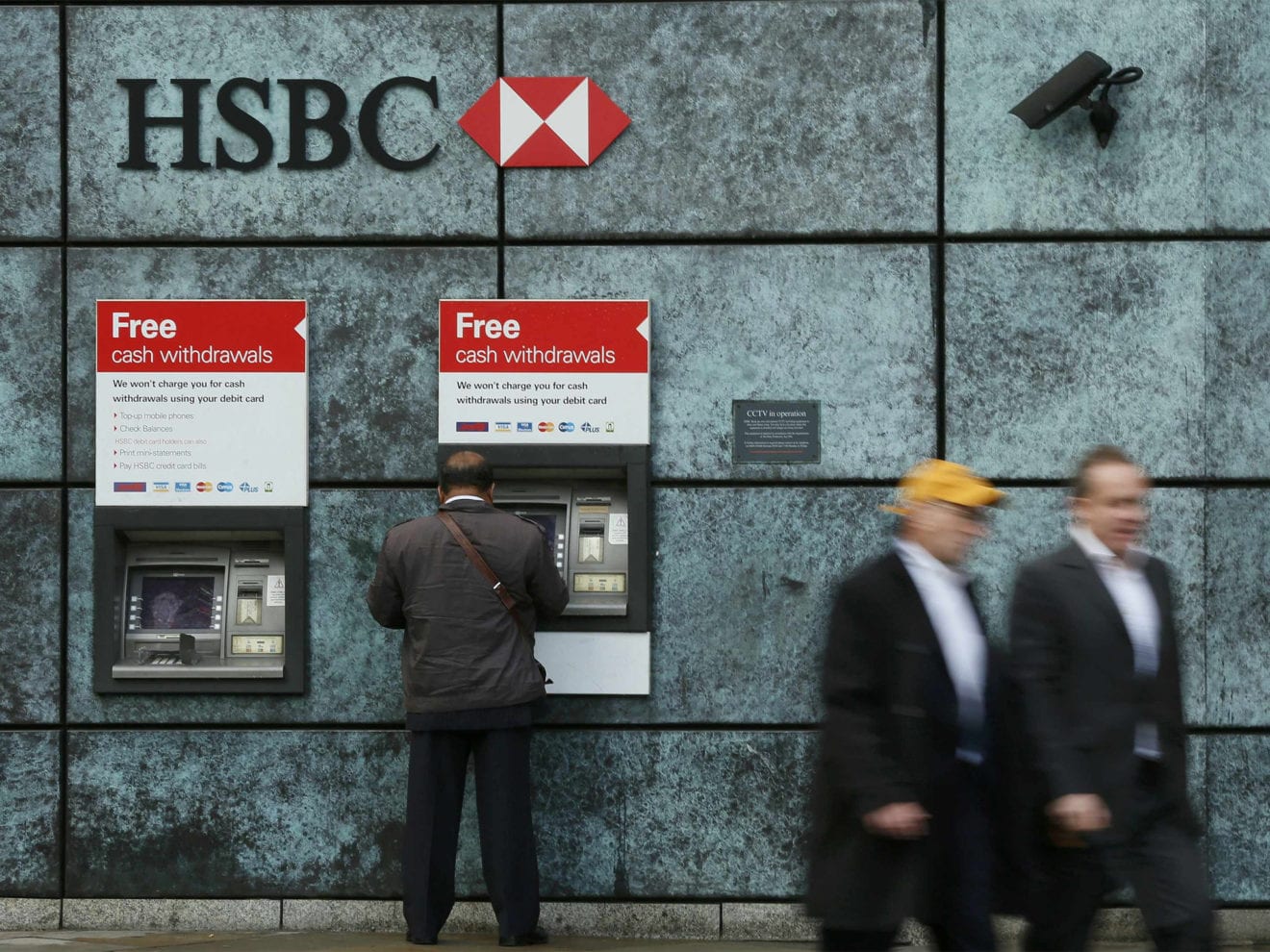
    HSBC plans to inject $1 billion of additional capital into its combined Indonesian business with PT Bank Ekonomi Raharja, an official at the Indonesian financial regulator, Ariastiadi, said on Thursday.

    HSBC separately said it would integrate its Indonesian business with Bank Ekonomi, but a bank spokeswoman in Indonesia declined to comment on the planned capital injection.

    The move would help to resolve a long-running issue for HSBC in Indonesia, where the government has encouraged banks in the country to operate via a single locally incorporated entity.

    Since the 2008/09 global financial crisis, local regulators have encouraged banks in their jurisdictions to incorporate themselves locally in order to make them easier to police and to ring-fence them from external shocks.

    Before the integration, HSBC operated its own branch on top of having a controlling stake in Bank Ekonomi.

    HSBC last year offered to buy out the minority shareholders of Bank Ekonomi and delist the Indonesian lender from the Jakarta stock exchange.

    Under the integration process, all the assets and liabilities of HSBC Indonesia will be transferred to the combined entity, which will be called PT Bank HSBC Indonesia, said HSBC’s Indonesian legal consultant, Kemal Siregar.

    HSBC shares were down 1 percent in London by 0940 GMT, while the benchmark FTSE 100 index () remained flat.

  • Apple, Deloitte enter mobile business tie-up

    Apple, Deloitte enter mobile business tie-up

    Apple and Deloitte has entered into a partnership to help companies transform the way they work by taking advantage of the iOS platform.

    As part of the joint effort, Deloitte is creating a first-of-its-kind Apple practice with over 5,000 strategic advisors who are solely focused on helping businesses change the way they work across their entire enterprise.

    Apple and Deloitte will also collaborate on the development of a new service offering from Deloitte Consulting called EnterpriseNext, designed to help clients fully take advantage of the iOS ecosystem of hardware, software, and services in the workplace.

    The new offering will help customers discover the highest impact possibilities within their industries and quickly develop custom solutions through rapid prototyping.

    “We know that iOS is the best mobile platform for business because we’ve experienced the benefit ourselves with over 100,000 iOS devices in use by Deloitte’s workforce, running 75 custom apps,” said Punit Renjen, CEO of Deloitte Global.

    “Our dedicated Apple practice will give global businesses the expertise and resources they need to empower their mobile workforce to take advantage of the powerful ecosystem iOS, iPhone, and iPad offer, and help them achieve their ambitions, while driving efficiency and productivity.”

  • T-Hub, Uber launch T-Bridge startup platform

    T-Hub, Uber launch T-Bridge startup platform

    Indian startup incubator T-Hub has joined hands with ride sharing pioneer Uber and TiE Silicon Valley to launch a program that will connect Indian startups with global market opportunities and help bring global new-age companies to the country.

    A press release issued by the startup incubator T-Bridge said that the program will enable startup communities in India and globally to cross-pollinate ideas, innovate and create channels for knowledge transfer. It will also create a network of mentors, VCs, incubators and accelerators that will support the Indian startup ecosystem.

    K T Rama Rao, Telangana Minister for IT on Saturday inaugurated T-Bridge at Uber’s headquarters in San Francisco.

    T-Bridge will provide a platform for such fast-track tech companies looking to tap into India’s huge consumer market for technology and help startups access UberExchange-Uber’s flagship startup mentorship program and TiE Silicon Valley’s mentor network.

    “We have a strong vision to make Hyderabad one of the top 10 startup cities in the world. T-Bridge is one such move towards opening a channel of investment from the world to the state of Telangana. I am proud to open our first outpost in the US in association with Uber and TiE Silicon Valley and believe that this association will forge new partnerships and spur investment and innovation between the two countries,” Rama Rao said at the launch.

    Rachel Whetstone, Uber’s senior vice president for policy and communications, said, Telangana is one of the most progressive states in India; and it has set up a culture of ‘regulatory incubation’ – allowing new ideas and business models to thrive.

    “Today more and more people around the world want to build something themselves. Through initiatives like UberExchange, our mentorship program for Indian startups, we hope to spur entrepreneurship. Creative partnerships like T-Bridge will continue to strengthen ties between India and the global startup scene,” Whetstone said.

  • Government Proposes Business Travel Card for Indian Ocean Countries

    Government Proposes Business Travel Card for Indian Ocean Countries

    The Chairman of the Indian Ocean Rim Business Forum (IORBF), who is also the Deputy Head of Maritime Affairs and Fisheries Division at the Indonesian Chamber of Commerce, Yugi Prayanto, has proposed to introduce a business travel card for all members of the Indian Ocean Rim Association (IORA).

    “The IORBF needs to come up with a concrete initiative to improve economic cooperation and business in the Indian Ocean region,” Yugi said here on Friday.

    He pointed out that the IORBF meeting, led by Indonesia and South Africa, aims to improve interaction and cooperation among IORAs businessmen and its dialogue partners in order to develop cooperation in economy, trade and investment in the Indian Ocean region.

    “The IORBF agrees that economic cooperation opportunities need to be explored further and these include the IORA Comprehensive Economic Partnership Agreement (IORA-CEPA ) and IORA Business Travel Card (IBTC),” Yugi noted.

    These initiatives are supported by IORA member countries, among others, South Africa, Australia, India, Indonesia, Kenya and Mauritius.

    According to him, the forum agrees that the establishment of IORA-CEPA is very important to improve economic cooperation, trade and investment in the Indian Ocean region.

    The IORA-CEPA, Yugi pointed out, is expected to become an umbrella for IORA economic cooperation in order to increase trade and investment, open market access, develop industry as well as strengthen regional value chain and structural reforms.

    Meanwhile, the IBTC, he underlined, is expected to ensure mobility of entrepreneurs and facilitate business interaction among the IORA member states.

    “The IBTC in time will strengthen people-to-people contact, including business-to-business links among IORA member nations,” Yugi stressed, adding that the IORBF really hopes these two initiatives will be discussed at the 20th Anniversary Commemorative Summit of IORA meeting in March 2017.

    He added that the agreements reached at this meeting will be reported to the Committee of Senior Officials on October 25-26, 2016 and to the Council of Ministers on October 27, 2016.

    Forty businessmen from various IORA member countries are participating in this 22nd IORBF meeting.The IORA focuses on economic, trade and investment cooperation. It comprises 21 countries, namely, South Africa, Australia, Bangladesh, India, Indonesia, Iran, Kenya, Madagascar, Malaysia, Mauritius, Mozambique, Oman, the United Arab Emirates, Singapore, Seychelles, Somalia, Sri Lanka, Tanzania, Thailand, Comoros and Yemen.Australia passed on the chairmanship of IORA to Indonesia in 2015. Indonesia is the IORA Chairman for 2015-2017.

  • New MoU Promotes Hong Kong-India Business Links

    New MoU Promotes Hong Kong-India Business Links

    The Hong Kong Trade Development Council (HKTDC) today signed a Memorandum of Understanding (MoU) with its counterpart in India, the India Trade Promotion Organisation (ITPO) to strengthen economic partnership between Hong Kong and India and increase bilateral commercial activity, especially for small and medium-sized enterprises from both places.

    Win-win for Hong Kong and India

    “This MoU reflects the growing desire for deeper business links between India and Hong Kong, with our city serving as the gateway to the Chinese mainland and Asia for Indian companies. At the same time, Hong Kong enterprises see huge opportunities in India,” said Margaret Fong, Executive Director, HKTDC. “Closer cooperation between the HKTDC and ITPO will produce a win-win result for our business communities.”

    Ms Fong and LC Goyal, Chairman and Managing Director, ITPO, signed the MoU in Hong Kong. The agreement fosters cooperation in areas of mutual interest, including providing each other with information related to trade promotion activities, encouraging businesses to join events organised by the HKTDC and ITPO and identifying potential products and markets.

    “Both organisations reaffirmed their resolve to identify and promote key sectors under the ambitious ‘Make In India’ flagship initiative of the Government of India,” said Mr Goyal. “The partnership will also open new areas of growth for trade with ASEAN countries.”

    Long and strong business links

    Hong Kong and India enjoy close and strong bilateral ties formed over more than 150 years of business and cultural links. In 2015, India was Hong Kong’s fourth-largest export market with total exports to India expanding 8.1 per cent year-on-year to US$13.1 billion. On the other hand, India was Hong Kong’s ninth-largest source of imports in 2015, amounting to US$10.6 billion. India is Hong Kong’s seventh-largest trading partner globally with bilateral trade of US$23.7 billion last year.

    HKTDC & ITPO: a mutual mission to promote trade

    Established in 1966, the HKTDC is a statutory body in Hong Kong dedicated to promoting Hong Kong’s trade in goods and services. The HKTDC organises more than 30 major international trade fairs in Hong Kong each year. ITPO is the trade promotion agency of the Ministry of Commerce and Industry of India. ITPO provides a wide spectrum of services to trade and industry and acts as a catalyst for growth of India’s trade.