Retail News CRM

Tag: car news

  • Citroen To Launch One New Model In India Every Year

    Citroen To Launch One New Model In India Every Year

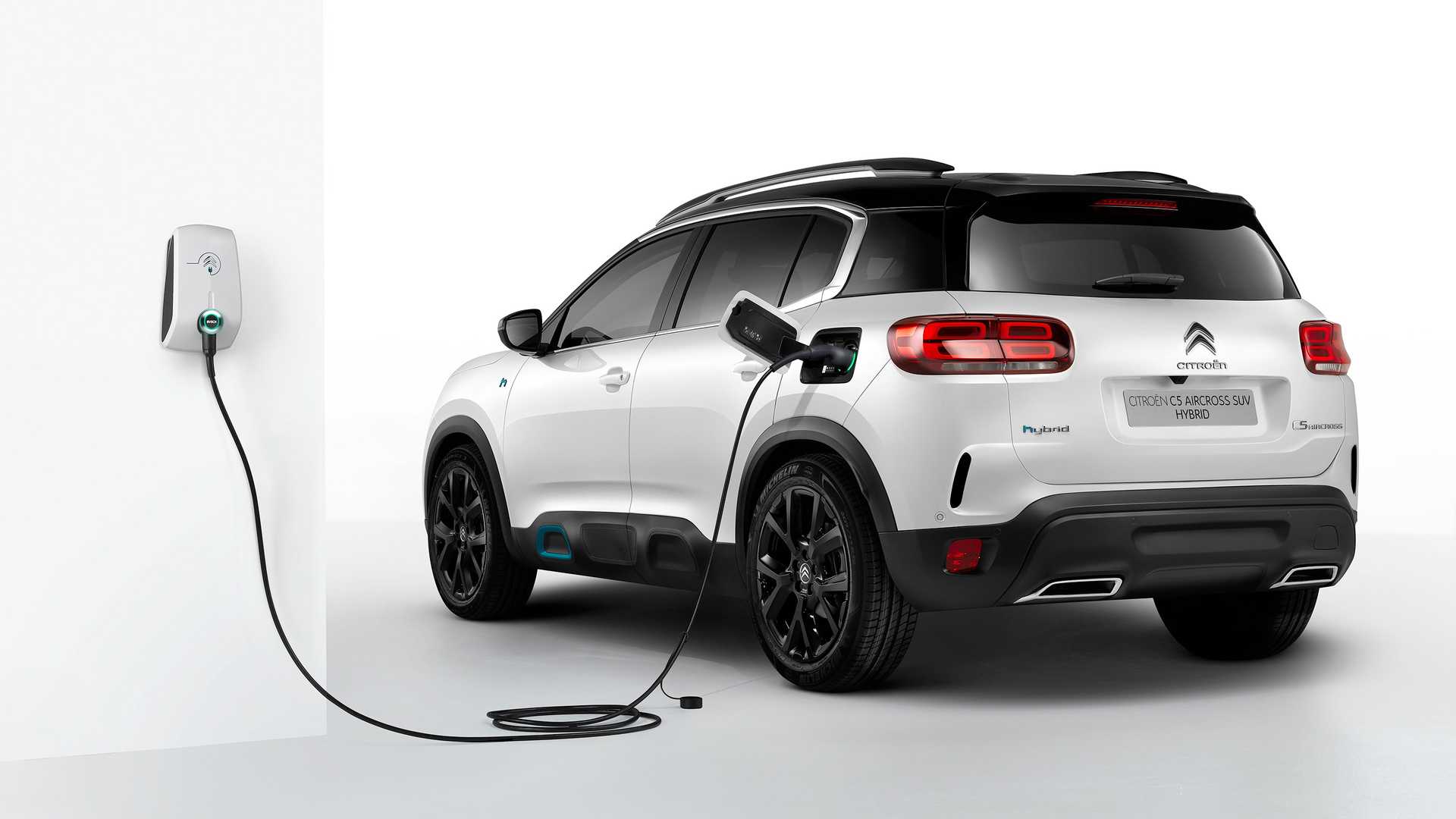
    Citroen is all set to begin sales operations in India next month which is when it will take the wrap off its first model- the Citroen C5 Aircross and it’s just the beginning of the Journey for the French carmaker in India. Citroen has inaugurated it ‘La Maison’ showroom in Ahmedabad, Gujarat, and is promising that it will keep introducing at least one new model every year, in a bid to gradually build up its product line-up in our market.

    Now a couple of models other than the Citroen C5 Aircross which will be a Jeep Compass and Tata Harrier rival, have been spotted doing rounds in India last year. The next model which most likely will hit our market by the end of 2021 or early next year will be the C3 Aircross which is a smaller subcompact SUV, taking on the likes of the Maruti Suzuki Vitara Brezza and Hyundai Venue among others. Then, the Citroen Berlingo MPV was also spotted testing in India last month, and if on its arrival, it will enter a segment where Renault had launched the Lodgy five years ago. However, we don’t have any final word from the company on its launch yet.

    Roland Bouchara, Vice President – Sales & Marketing, Citroen India, “We have a clear intention which not many manufacturers had when they entered the country. We have created an ecosystem in India. We have engineering, R&D facilities already here and we are already manufacturing the diesel engine at the Hosur plant. We are looking at localization levels of 90 percent -100 percent in our cars for India.”

    The company has also confirmed that all upcoming models will be underpinned by the C-Cubed platform and will have both petrol and diesel engine options. The Citroen C5 Aircross will also be powered by a 2.0-liter, four-cylinder diesel engine that puts out 177 bhp and 400 Nm of peak torque and will be mated to an eight-speed torque-converter automatic unit. The petrol version will be added later to the line-up. Citroen will open 10 dealerships in different cities before the launch of the C5 Aircross.
  • Tesla To Set-up Operations In Bengaluru, Registers Indian Subsidiary

    Tesla To Set-up Operations In Bengaluru, Registers Indian Subsidiary

    The wait is nearly over as American electric carmaker Tesla is all set to set-up operations in India and zeroed down on Karnataka, as its preferred state to set-up its headquarters. The electric auto giant has registered its Indian subsidiary under the name ‘Tesla India Motors and Energy Private Ltd’, which was incorporated in Bengaluru on January 8, 2021. The company is expected to commence operations by June this year and the first product to be made available will be the Model 3 sedan, according to reports.

    According to the document filed with the Ministry of Corporate Affairs, Vaibhav Taneja, Venkatrangam Sreeram, and David Jon Feinstein have been named as directors. The company has been registered as a private unlisted company with an authorized capital of ₹ 15,00,000 and a paid-up capital of ₹ 100,000. The document also reiterates Tesla co-founder and CEO, Elon Musk’s tweet last year that said the automaker would enter India “next year for sure.

    India has been on Tesla’s radar since 2016 but plans did not materialize despite a number of speculations. It was also reported recently that state governments including Maharashtra, Andhra Pradesh, Tamil Nadu, and Karnataka had talks with the automaker to set-up operations in their region, while the company is also considering local partnerships. Reportedly, the Karnataka government has already offered a land parcel to Tesla in Tumkur, on the outskirts of Bengaluru, to set-up a manufacturing facility.

  • Tesla Shares Set To Start 2021 At Record High

    Tesla Shares Set To Start 2021 At Record High

    Tesla Inc shares were set to open at a record high on Monday after the electric-car maker reported better-than-expected vehicle deliveries in 2020, extending a meteoric rally that has seen the stock surge more than 700%.

    It delivered 499,550 vehicles last year, above Wall Street estimates of 481,261 vehicles, according to Refinitiv data, but 450 units short of Chief Executive Officer Elon Musk’s target.

    “We are raising our forecasts to reflect higher 4Q deliveries and reports of strong demand for the Model Y in China, which is also suggestive of higher future deliveries,” J.P. Morgan analysts said in a client note.

    Tesla has reported profit in five straight quarters, defying last year’s auto industry trends of slumping sales, quarterly losses and global supply chain disruptions.

    Shares of the company, which joined the benchmark S&P 500 index in December, were up 3% in premarket trading.

  • Daimler AG And Infosys Announce Strategic Partnership For IT Infrastructure

    Daimler AG And Infosys Announce Strategic Partnership For IT Infrastructure

    Daimler AG and Infosys announced a long-term strategic partnership for a technology-driven IT infrastructure transformation. After the receipt of all regulatory approvals, Daimler AG will transform its IT operating model and infrastructure landscape across workplace services, service desk, data center, networks and SAP Basis together with Infosys. The partnership will enable the company to deepen its focus on software engineering and to establish a fully scalable on-demand digital IT infrastructure and anytime-anywhere workplace. The collaboration will empower Daimler to strengthen its IT capabilities, and Infosys, its automotive expertise.

    As software becomes modular, digital infrastructure continues to play an important role in defragmentation. Daimler will work towards a model that ensures a robust IT infrastructure across its plants and regions and supports consolidation of its data centers, scaling its IT operations, and bringing innovations to the fore. Some of the key deliverables from this partnership include – a smart hybrid cloud, leveraging Infosys Cobalt and leading cloud providers, accelerating the multi-cloud journey with a focus on open source adoption. A carbon-neutral solution, by consolidating and rationalizing data centers across all regions. Standardized technology stack by bringing in an eco-system of best of breed partners. Creation of a state of the art Zero Trust network with seamless technology upgrades. Persona-driven and cognitive, AI-powered anytime-anywhere workplace solution that empowers the end-users.

    As a part of this partnership, automotive IT infrastructure experts based out of Germany, wider Europe, the U.S., and the APAC region will transition from Daimler AG to Infosys. Infosys is well placed to realize this transition as an expert having integrated more than 16,000 employees through other partnerships in recent years with a high acceptance, retention, and satisfaction rate. The transfer will also enable Infosys to bolster and grow its automotive business while offering employees strong prospects for long-term career growth and development.

    Talking about the partnership, Jan Brecht, Chief Information Officer (CIO) of Daimler and Mercedes-Benz, said, “Software becomes modular and IT infrastructure becomes big. Daimler will take three steps at once to transform its IT infrastructure: consolidation, scaling, and modernization. We need to think of infrastructure beyond the size of our company. With Infosys we found a partner to scale, to innovate and to speed up. Moreover, this is a strategic partnership for Daimler’s IT capabilities and Infosys’ automotive expertise. Infosys wants to grow with us in the automotive industry, which gives career opportunities for our employees. With this partnership, Daimler also strengthens its overall technology investment and partnership strategy.”

  • Honda To Pull The Plug On Car Sales In Russia In 2022

    Honda To Pull The Plug On Car Sales In Russia In 2022

    Honda Motor Company has said that it won’t be supplying new cars to its authorized dealers in Russia in 2022 as the company is trying to restructure its operations. The Japanese automaker has confirmed that it would keep its presence in the Russian market with motorcycle and power equipment sales only. The news comes after a drastic drop of 50 percent in its sales operations last month in Russia.

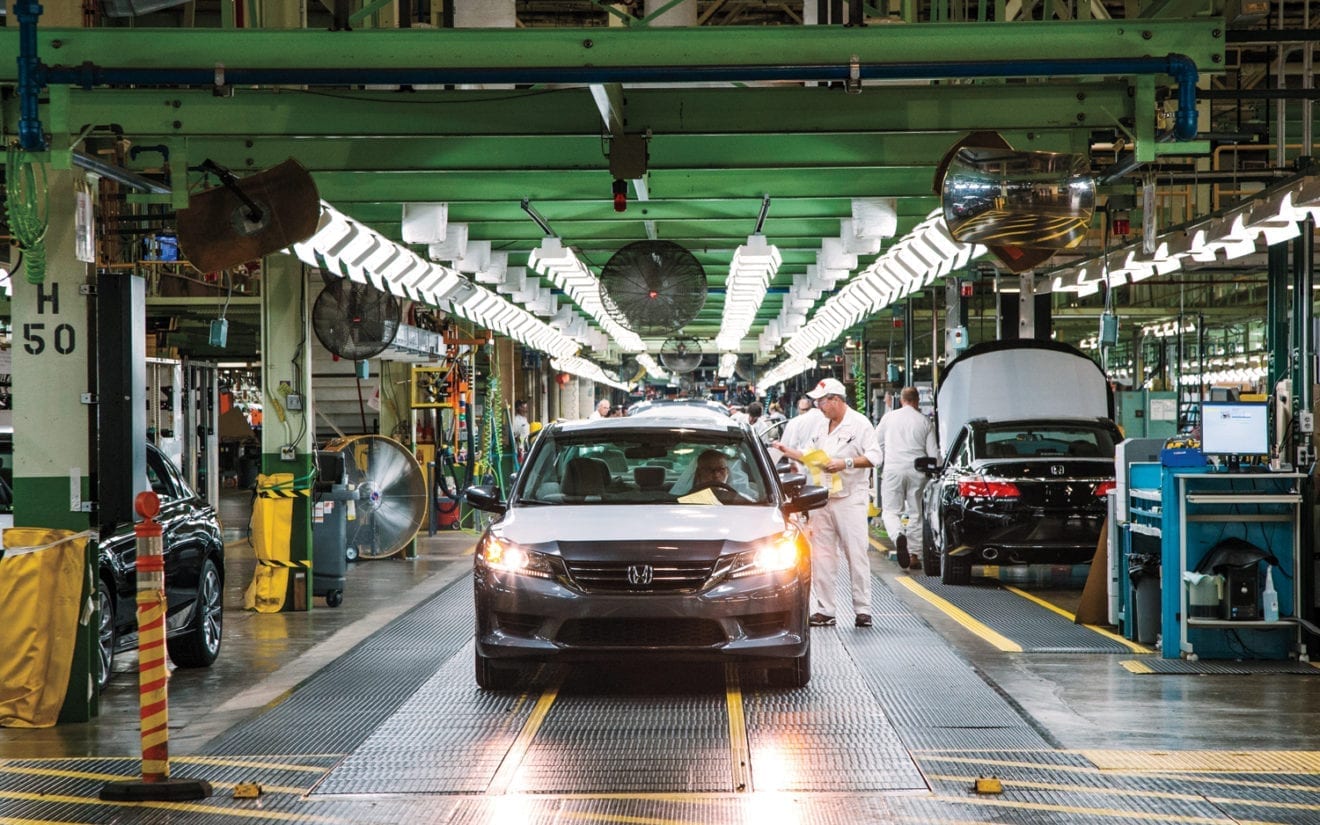
    Even in India, Honda has shut down its Greater Noida plant and has shifted its entire production unit to the company’s other facility in Tapukara, Rajasthan. The carmaker has said that it has realigned its production operations “to maintain sustainability by leveraging production and supply chain efficiencies.” To that effect, from this month, the manufacturing operations for vehicles and components will happen at the Tapukara plant for all domestic sales and exports. Until last month, the Greater Noida plant produced models like the Honda City sedan, CR-V SUV, and the Civic sedan. While the transition will see the production of the City move entirely to the Tapukara unit, at present, the company has also stopped the production of its flagship models, the Civic sedan and CR-V SUV.

    As far as the Russian market is concerned, Honda does not have any manufacturing unit in Russia unlike its other Japanese counterparts like Toyota and Nissan. All Honda models are sold as CBUs in the Russian market and the carmaker sold just 79 units last month. Its sales from January to November were down by 15 percent at 1,383 units, while over 1.3 million new cars were sold in Russia during that period.

  • BMW 3 Series Gran Limousine India Launch Date Revealed

    BMW 3 Series Gran Limousine India Launch Date Revealed

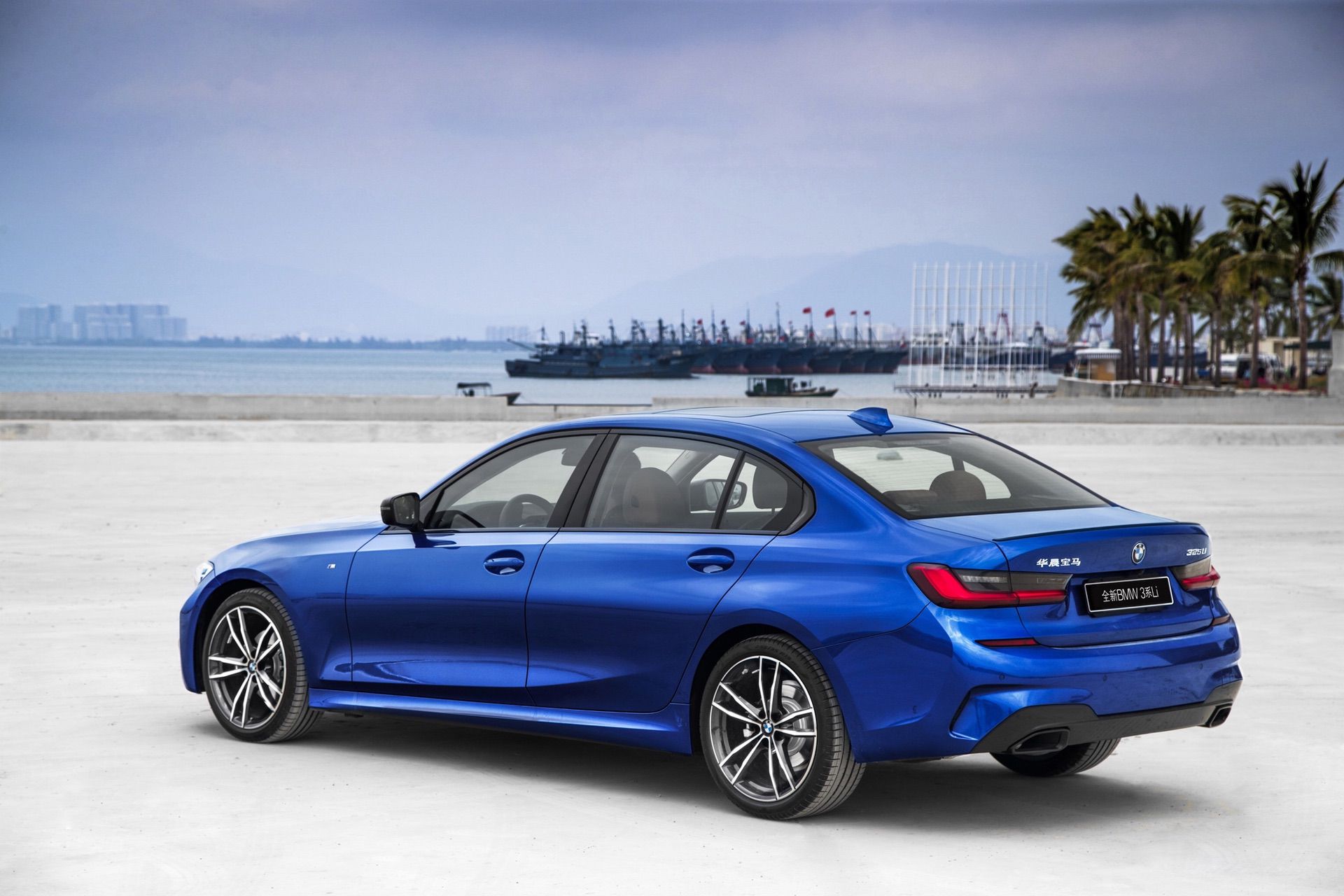
    BMW is set to launch its largest product offensive in India in 2021 and it’s starting with the all-new BMW 3 Series Gran Limousine (GL). The BMW 3 Series Gran Limousine will be launched in India on January 21, 2021 and it will be the longer wheelbase version of the standard 3 Series leveraging more legroom on the inside. It will be the longest and most spacious entry-level luxury sedan in India while will share the mechanicals and overall design with the standard car, save for the long profile.

    It is likely to share its underpinning with the standard car as well, being spawned by the CLAR platform and while the interior layout is likely to remain similar too. You can also expect it to get all the features that we have already seen in the new BMW 3 Series like the Hey BMW connected car tech, wireless charging, wireless Apple CarPlay, BMW live cockpit professional, 3D navigation, rear park assist, a 12.3-inch digital instrument cluster and a 10.25-inch infotainment screen among others.

    It’s also likely to share its engine line-up with the BMW 3 Series sedan. Under the hood, it is likely to get the 2.0-litre, four-cylinder, turbocharged petrol motor tuned to churn out 255 bhp and 400 Nm of peak torque. If BMW decides to bring the diesel iteration as well, it will be the 2.0-litre, four-cylinder, turbocharged engine that produces 188 bhp and 400 Nm of peak torque. Both engines are expected to be paired with an eight-speed automatic gearbox as standard. BMW will also launch the 2 Series Gran Coupe Petrol, 5 Series Facelift and the 6 Series GT Facelift late in 2021.

  • Maserati Grows Presence In APAC and Enters Cambodia

    Maserati Grows Presence In APAC and Enters Cambodia

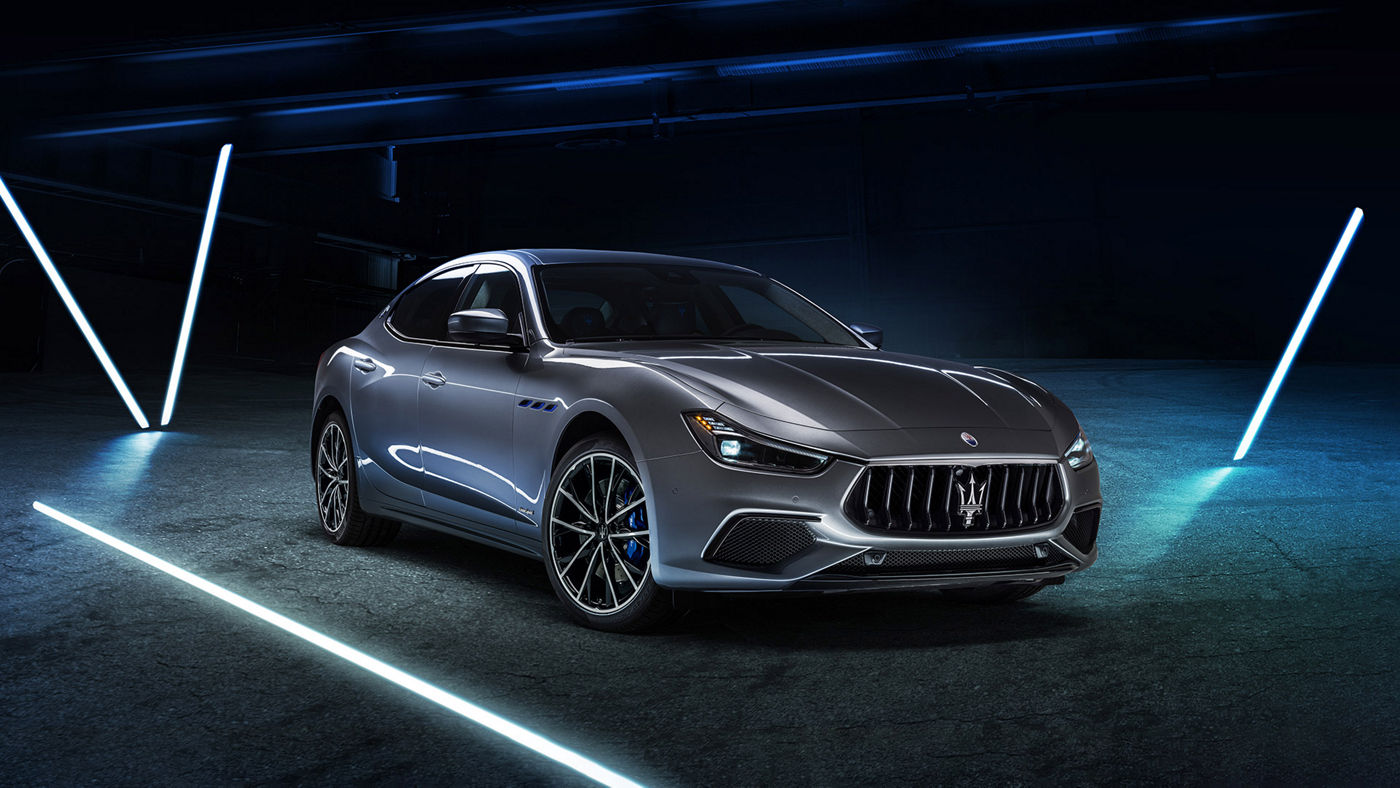
    Maserati has announced the opening of a new market in Asia Pacific as the brand enters Cambodia. Maserati is represented in Cambodia by HGB Group. The showroom is situated in Cambodia’s capital Phnom Penh. The facility includes a showroom of 610 sqm displaying the Maserati product line-up and a workshop of 1.760 sqm equipped with 3 work bays.

    Bernard Loire, Chief Commercial Officer Maserati, said, “Selecting the right partner and having great products are the foundations for success across the region. Maserati is entering in a period of intense changes with revolutionary new cars, innovations, and projects. Now for us, the focus is strongly on the future, including hybrid and electric models.”

    Maserati’s complete range will now be available in Cambodia in addition to more than seventy markets internationally. The company already has partners in Singapore, Malaysia, Thailand, Vietnam, and Indonesia in the South Asian market.

    Cambodia is a very promising market for Maserati as the luxury car market is estimated to grow at a Compound Annual Growth Rate of 14 percent from 2017 to 2020.

  • Volkswagen adopts new sales model in Mainland

    Volkswagen adopts new sales model in Mainland

    Volkswagen AG is launching another sales model in China that will see the automaker open showrooms in city centres for electric vehicles (EV) and offer fixed prices.

    The move marks a departure from the conventional sales system used by the wider industry in China.

    Last week, Volkswagen’s joint venture with SAIC Motor opened its first showroom under this system in the eastern city of Hangzhou, according to a social media post. The store, named “ID. Store X”, sells its ID. range of family cars.

    The German automaker said customers can order vehicles at a fixed price directly through the company website, phone app or from authorized dealers. The stores are invested and operated by selected dealers, not the automaker.

    The dealers get a commission from vehicle sales and do not need to maintain the car inventory, Volkswagen said.

    Traditionally automakers including Volkswagen, GM and Toyota set the official price, but dealers are expected to keep an inventory of vehicles and often allowed to offer discounts or price them higher depending on the demand for the models.

    The German automaker’s new attempt still differs from Tesla’s direct sales model that bypasses dealers entirely. Tesla’s model allows the US carmaker to manage the process from production to pricing to sales to delivery while adding operational costs of running the wholly-owned stores.

    Showroom strength is becoming an important differentiator for EV makers in the world’s biggest auto market, as they line up model launches. Tesla currently has over 150 showrooms and service centres in China while Nio has 189 stores. Xpeng had 116 and Li Auto has 45 showrooms, as of the end of September.

    SAIC-Volkswagen said it would open 40 ID. Store X stores in 29 Chinese cities in the next 18 months. Volkswagen’s other venture with FAW Group has yet to announce a detailed sales plan for EVs.

    Volkswagen said last month that it will launch eight ID. family models in China by 2023 with its local partners SAIC and FAW.

    Sales of electric, plug-in hybrid and hydrogen-powered vehicles in China are forecast to rise to 20 percent of new car sales by 2025 from just 5 percent now, the State Council said last month.

  • Elektrobit Unveils New Software Platform For Next-Gen Vehicle Electronics Architectures

    Elektrobit Unveils New Software Platform For Next-Gen Vehicle Electronics Architectures

    Elektrobit (EB), a global supplier of embedded and connected software products for the automotive industry, announced EB xelor, an industry-first software platform designed to streamline the development of next-generation automotive electronics architectures based on high-performance computing (HPC). The EB xelor platform provides car makers and Tier 1 suppliers with a secure, stable, and easily upgradable software foundation for connected and intelligent vehicles, allowing them to focus less on automotive infrastructure and more on innovation.

    EB xelor brings together production-proven software from EB, open-source and third-party software, plus tools and services that are absolutely critical for HPC environments but won’t necessarily differentiate one vehicle from another. By choosing EB xelor, car makers and Tier 1s can save the time, resources, and staff required to source and integrate these elements on their own. Based on its experience with car makers on production projects involving software for HPC architectures, EB conservatively estimates savings of up to 30 per cent in overall engineering costs.

    EB xelor integrates a high-performance functional safety software stack based on Linux and Adaptive AUTOSAR, a real-time and safety software stack based on Classic AUTOSAR using EB tresos- a hypervisor- plus software for HPC updates and platform health management capabilities. It also includes tools and services to automate builds and facilitate integration. The EB xelor platform is optimized for HPC environments using leading system-on-a-chip (SoC) devices from NXP and Renesas. Car makers can then add their own vehicle-specific software on top of these stacks.

    Maria Anhalt, Chief Technology Officer at Elektrobit said, “With EB xelor, EB draws upon its decades of expertise to do the heavy lifting for the car maker. We’re providing pre-integrated, production-proven software that will jump-start the process.”

    While EB xelor is a new product, it is based on software and technology used in vehicles on the road today.

  • Audi S5 Sportback Added To The Company’s Official Website Ahead Of Launch

    Audi S5 Sportback Added To The Company’s Official Website Ahead Of Launch

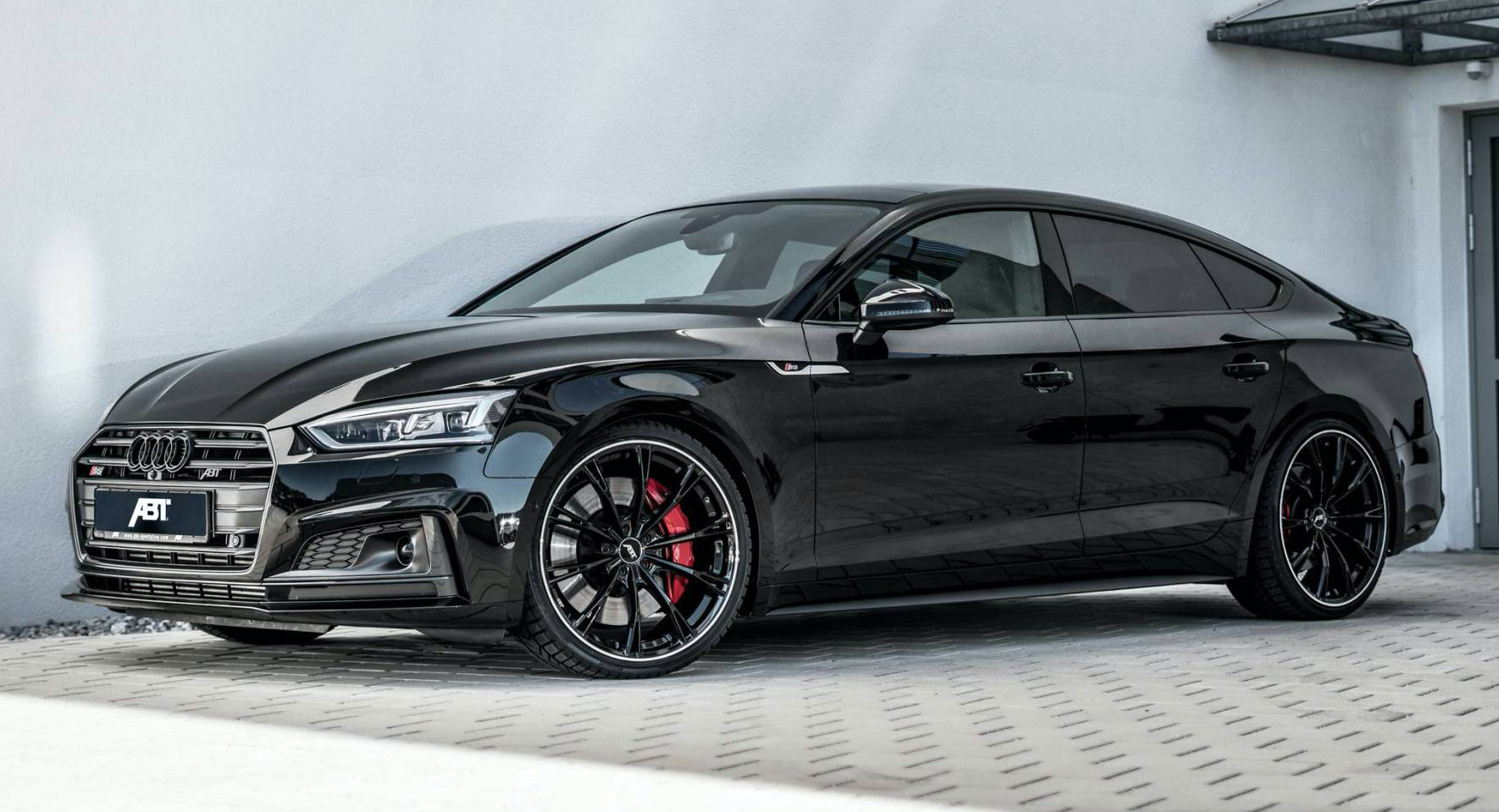
    Audi India, which is all set to launch the S5 Sportback this month, has listed the upcoming coupe sedan in its official website. The carmaker announced the arrival of the S5 Sportback last month, at the launch of the new Audi Q2, with a teaser image confirming a November 2020 launch. However, the fact that the company has now added the car to its website, indicates that the launch is imminent. The new Audi S5 Sportback will be the sixth and last launch from the Ingolstadt-based carmaker in India for the year 2020.

    In line with the company’s current trend, the upcoming Audi S5 Sportback will also be petrol-only model, and it will be powered by a 3.0-litre TFSI engine that delivers 349 bhp and 500 Nm of peak torque. The engine comes mated to an eight-speed Tiptronic automatic transmission, propelling the coupe sedan to sprint from 0-100 kmph in about 4.5 seconds. The Audi S5 Sportback also comes with sport suspension, along with standard Audi drive select with four different modes – comfort, auto, dynamic and individual.

    Visually, the new S5 Sportback will come with the company’s signature single-frame grille with large honeycomb pattern design, flaunting the four-ring logo and the S5 badging. The grille will be flanked by sleek LED headlamps that come with LED daytime running lamps, and blue elements. The S5 Sportback runs on set 19-inch 5-arm-pylon design wheels and the signature sloping roofline that seamlessly merges into the boot lid. The car will also come with blacked-out ORVMs and black inserts on the bumper. At the rear, the car comes with sharp spoiler, sleek LED taillamps with smoked details and a muscular bumper with black rear diffuser and a quad exhaust system.

    The cabin of the new Audi S5 Sportback will feature an all-black interior with a sporty flat-bottom steering wheel, a larger stick-out display for infotainment, and a fully digital inclement cluster with virtual cockpit. The cabin also comes with wide aircon vents, electrically adjustable front seats with memory function, signature Audi-style automatic shifter lever with paddle shifters, and sport seats.

  • Suzuki Expects Annual Profit To Shrink By A Quarter As India Sales Slump

    Suzuki Expects Annual Profit To Shrink By A Quarter As India Sales Slump

    Suzuki Motor Corp on Thursday forecast operating profit to fall by a quarter to 160 billion yen ($1.5 billion) in the year to March as sales, including in its key Indian market, shrink amid the coronavirus pandemic. That prediction was more than an average estimate for a 124.3 billion yen compiled from 14 analysts polled by Refinitiv.

    Suzuki’s Indian car sales in the first half of the year fell 36% to 432,000 vehicles, and dipped in other markets, including Japan, Indonesia and Europe as people stay away from dealerships.

    “We don’t know what will happen with the coronavirus in India or what measures the government will implement, so that makes the market difficult to predict,” Suzuki’s president, Toshihiro Suzuki said in a conference call.

    India accounts for just over half of Suzuki’s global car sales. Through its majority stake in Maruti Suzuki India Ltd, the company accounts for roughly one in every two cars sold in the country.

    Last business year, Maruti Suzuki paid Suzuki 38.2 billion rupees in royalties, or about 5% of its revenue, according to its annual report

    For the full business year, the Japanese automaker expects to sell 2.38 million cars worldwide, 16.6% fewer than the previous twelve months.

    The forecast came as Suzuki posted a 73.6 billion yen operating profit in the three months ended Sept. 30 compared with a profit of 55.9 billion yen a year earlier, according to Reuters’ calculations.

    Japan’s fourth-largest automaker had declined to give a full-year forecast when it reported it first-quarter results.

  • Mercedes-Benz To Increase Its Share In Aston Martin

    Mercedes-Benz To Increase Its Share In Aston Martin

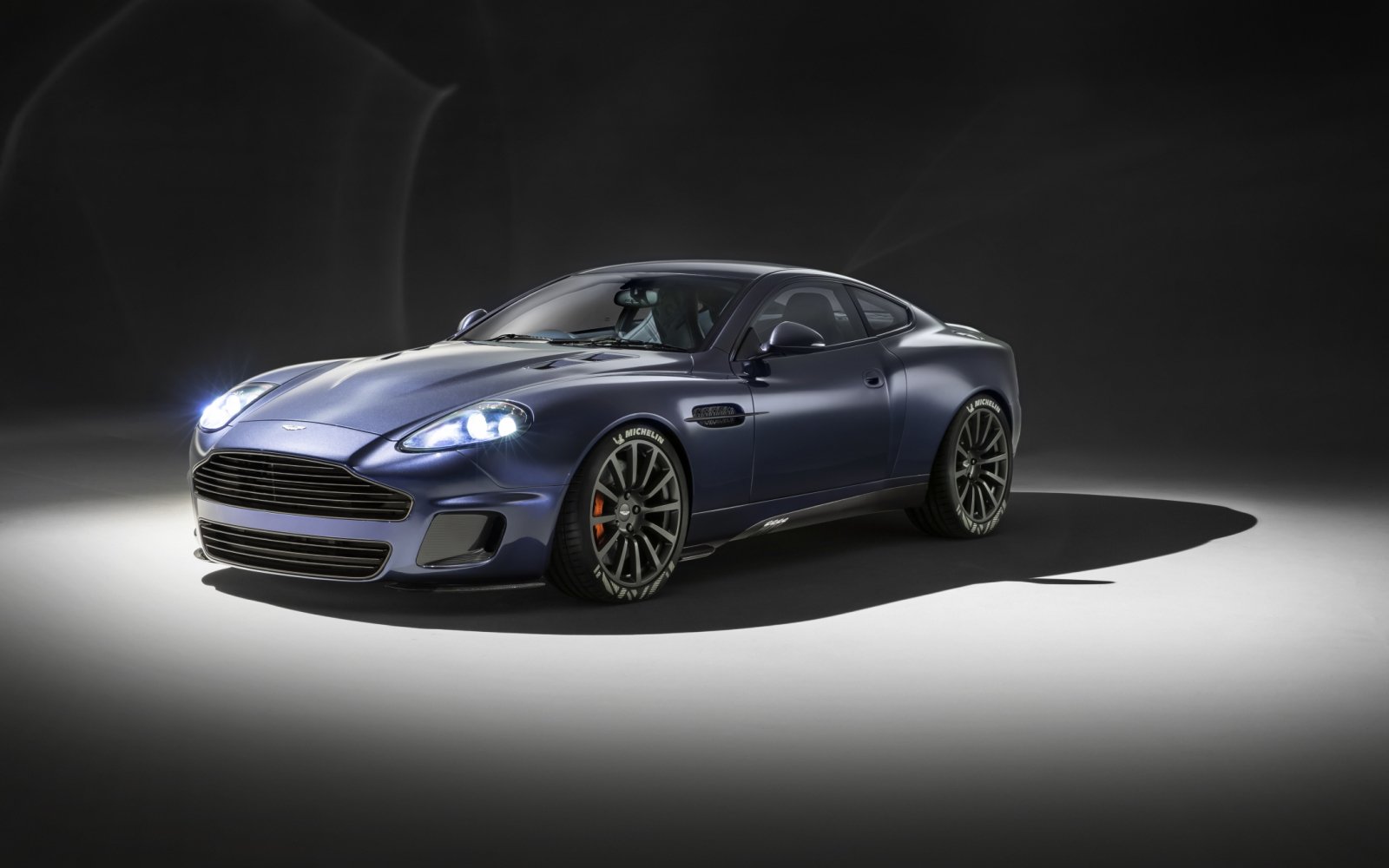
    Aston Martin is a celebrated British car manufacturer and the company is not in great shape financially. But in order to make the going easier, Aston Martin has announced that Mercedes-Benz will increase its stake in the company to 20 percent. In return, Mercedes-Benz will grant Aston Martin access to its latest technologies. These also include Mercedes’ technology for plug-in hybrid and fully electric vehicles. What this essentially means is that Aston Martin will reduce the cost and risk of developing its own technology for electrified vehicles and will focus on investment in other areas and expand its model portfolio.

    Lawrence Stroll, Executive Chairman of Aston Martin Lagonda, said “Today, we take another major step forward as our long-term partnership with Mercedes-Benz AG moves to another level with them becoming one of the Company’s largest shareholders. Through this newly expanded agreement, we secure access to world-class technologies to support our long-term product expansion plans, including electric and hybrid powertrains and this partnership underpins our confidence in the future.”

    Mercedes-Benz will provide technology (including powertrain architecture for a conventional, plug-in hybrid, and electric vehicles) for all product launches through 2027. Aston Martin has plans to reach 10,000 unit sales per annum by 2024/25 although there is still a long way to go, with the British company delivering just 2,752 cars so far in 2020, which is a drop of 39 percent over 2019. But a part of that can be attributed to the global corona pandemic as well. Aston Martin’s operating losses for 2020 so far stands at £229m. The company aims to have a net income of £500m with interest, taxes, depreciation, and amortization added back by the mid part of the decade.

    In its recently released financial statement, Aston Martin says that the company has a plan to update its entire front-engined sports car line-up, introduce a new SUV model which will sit along-side the DBX, and launch a new range of mid-engine cars.

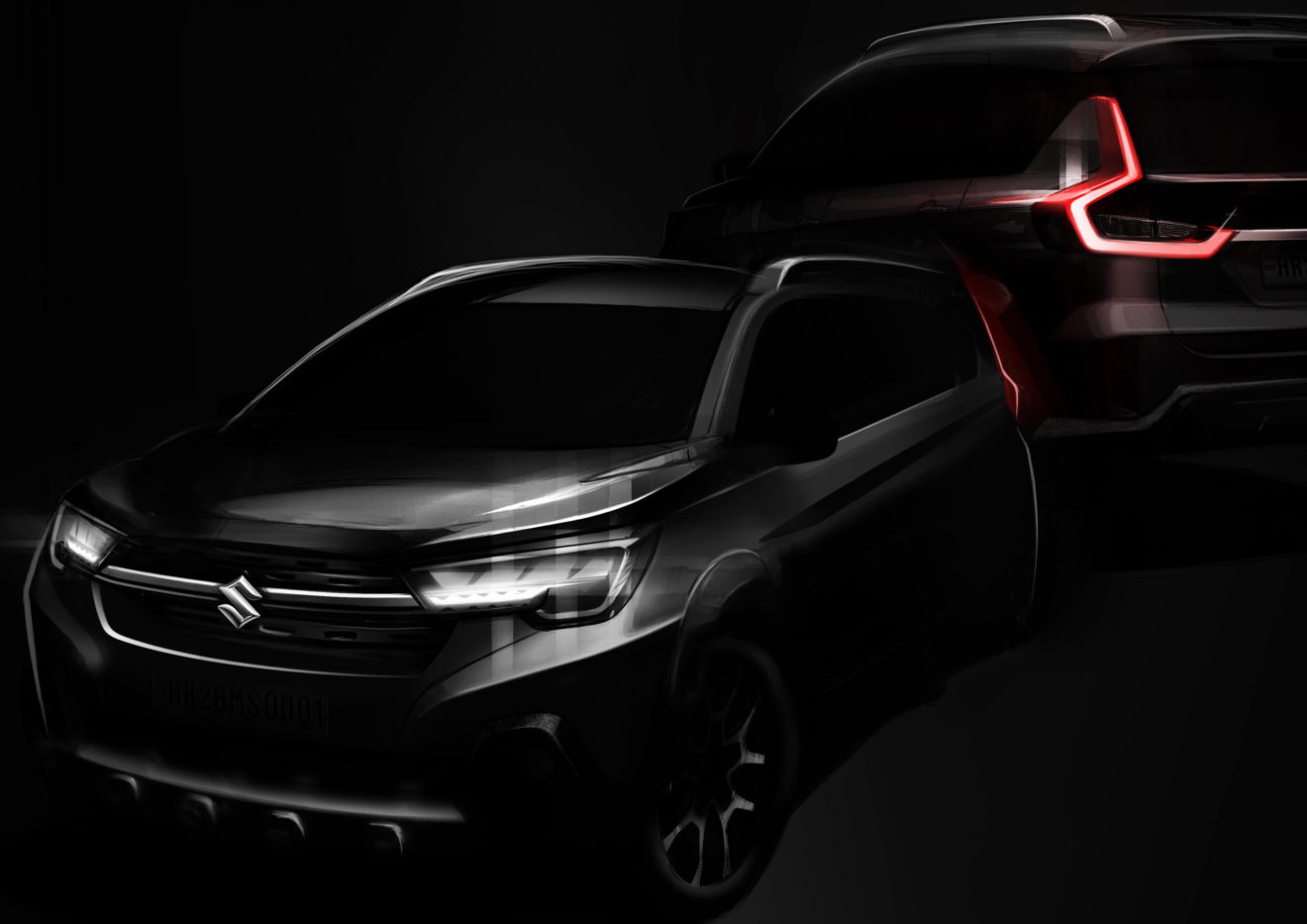
  • Suzuki mulls assembling passenger cars in Vietnam

    Suzuki mulls assembling passenger cars in Vietnam

    Japanese automaker Suzuki is possible to assemble passenger cars in Vietnam in the coming time, a leader of the company says.

    Toshiyuki Takahara, general director of Suzuki Vietnam, told local media that the country is a key market for the company and it is considering assembling certain models there.

    When selecting a country for establishing a car assembly plant, Suzuki needs to take into consideration the possible sales volume, he said, but did not mention a specific target, saying it was a trade secret.

    With its current market share, it is more reason for it to import completely built unit (CBU) cars for local distribution, he added.

    Suzuki now assembles light trucks and vans in Vietnam. But all passenger cars, including four- and seven-seater, are imported from Indonesia and Thailand.

    Takahara said assembling passenger cars in the country requires huge capital investments in the production line. If the assembling depends on imported components, it would be ineffective because of increasing costs, resulting in higher car prices.

    Suzuki’s market share in Vietnam has been increasing over the past three years. It sold more than 6,800 vehicles in 2018, accounting for 2.5 percent of the market share. Last year, these numbers increased to 11,780 and 3.9 percent, correspondingly.

    The market share of Suzuki brand cars increased to 5.1 percent in the first 9 months of this year.

  • Daimler Chief Eyes China Growth As Trade Tensions Rise

    Daimler Chief Eyes China Growth As Trade Tensions Rise

    Daimler’s Chief Executive said China will remain Mercedes-Benz’s biggest growth market in the next decade and the German carmaker will adjust production locations to capture shifts in demand as global trade tensions continue to rise.

    The remarks by Ola Kaellenius come against a backdrop of increasingly strained relations between the United States, China and Europe after almost a decade of growth that has helped Mercedes to emerge as the world’s biggest-selling luxury car brand.

    “The situation has become much rougher, with a tendency toward rougher talks, right up to and including trade conflicts,” Kaellenius told the Frankfurt-based ICFW Journalists association late on Monday. “We need to look at our production footprint and where it makes sense, shift our production,” he said during the video call meeting.

    “Last year we sold around 700,000 passenger cars in China. The next biggest market is the U.S. with between 320,000 and 330,000 cars.”

    Thanks in large part to a strong rebound in demand from China, Daimler and German rival BMW both pre-released forecast-beating third-quarter results.

    “In the next 10 years we also expect the biggest growth in China,” Kallenius added, explaining that the luxury carmaker will follow the market.

    But with international trade tensions on the rise, the outlook for global sales remains uncertain.

    Britain’s Brexit negotiations could end without tariff-free trade with the European Union and serves as an example of how things can go wrong, the Swedish executive explained.

    If Britain and the European Union fail to clinch a deal, World Trade Organization (WTO) rules would apply, resulting in tariffs.

    “In the event of a so-called hard Brexit, we would not open factories, because this would not be worth it, given our sales numbers,” Kaellenius said, referring to sales in Britain. “We would have to learn to live with WTO rules.”

    Increasingly fragmented global markets make it harder to build cars at a profit because it reduces economies of scale in production, he said.

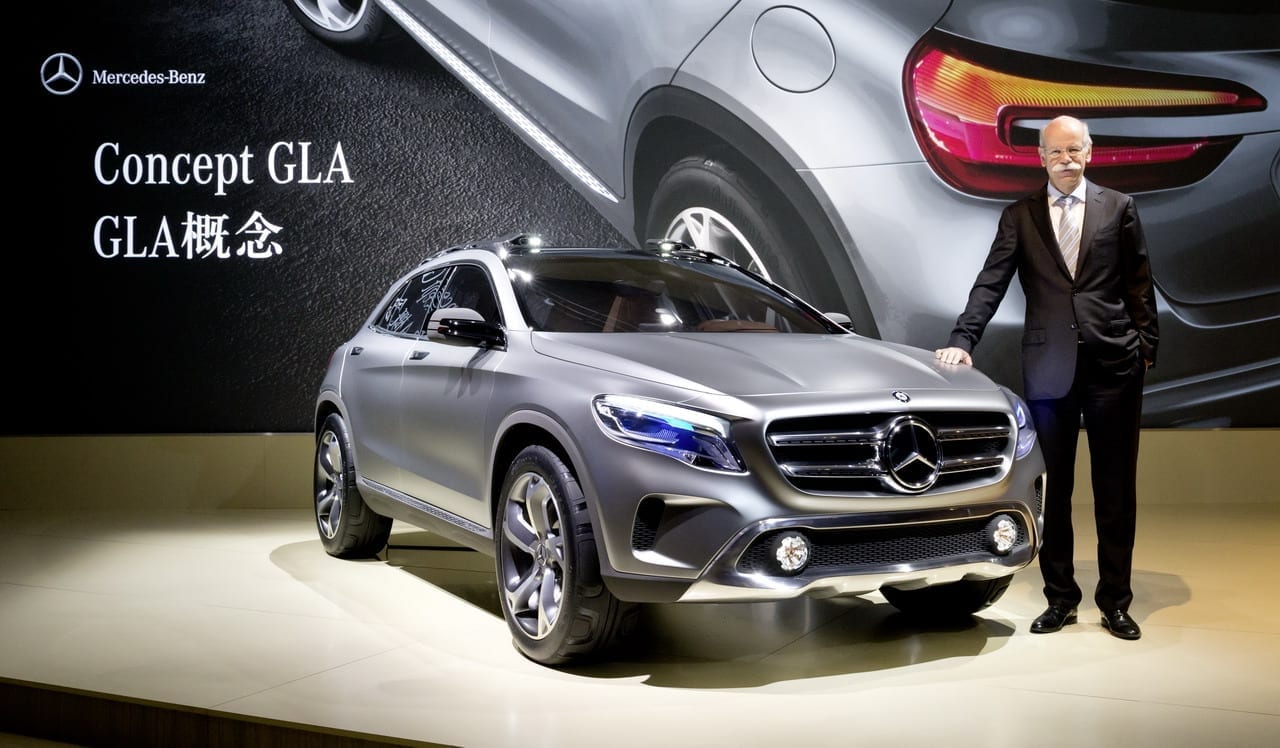
    Mercedes-Benz, for example, only builds its top-of-the-line S-Class model in Germany. With global sales of only 100,000 vehicles, it hardly makes business sense to build new production lines in the United States and China to build these cars locally, he said.

    However, tensions between the United States and the rest of the world are likely to remain, regardless of whether the Republicans or Democrats win the U.S. election next month.

    “What the two (presidential) candidates are saying is that they have an interest in improving the trade balance, and we need to be ready for that,” Kaellenius said.

  • Red Bull Spent Two Times More In 2019 Than What It Will Be Allowed In 2021

    Red Bull Spent Two Times More In 2019 Than What It Will Be Allowed In 2021

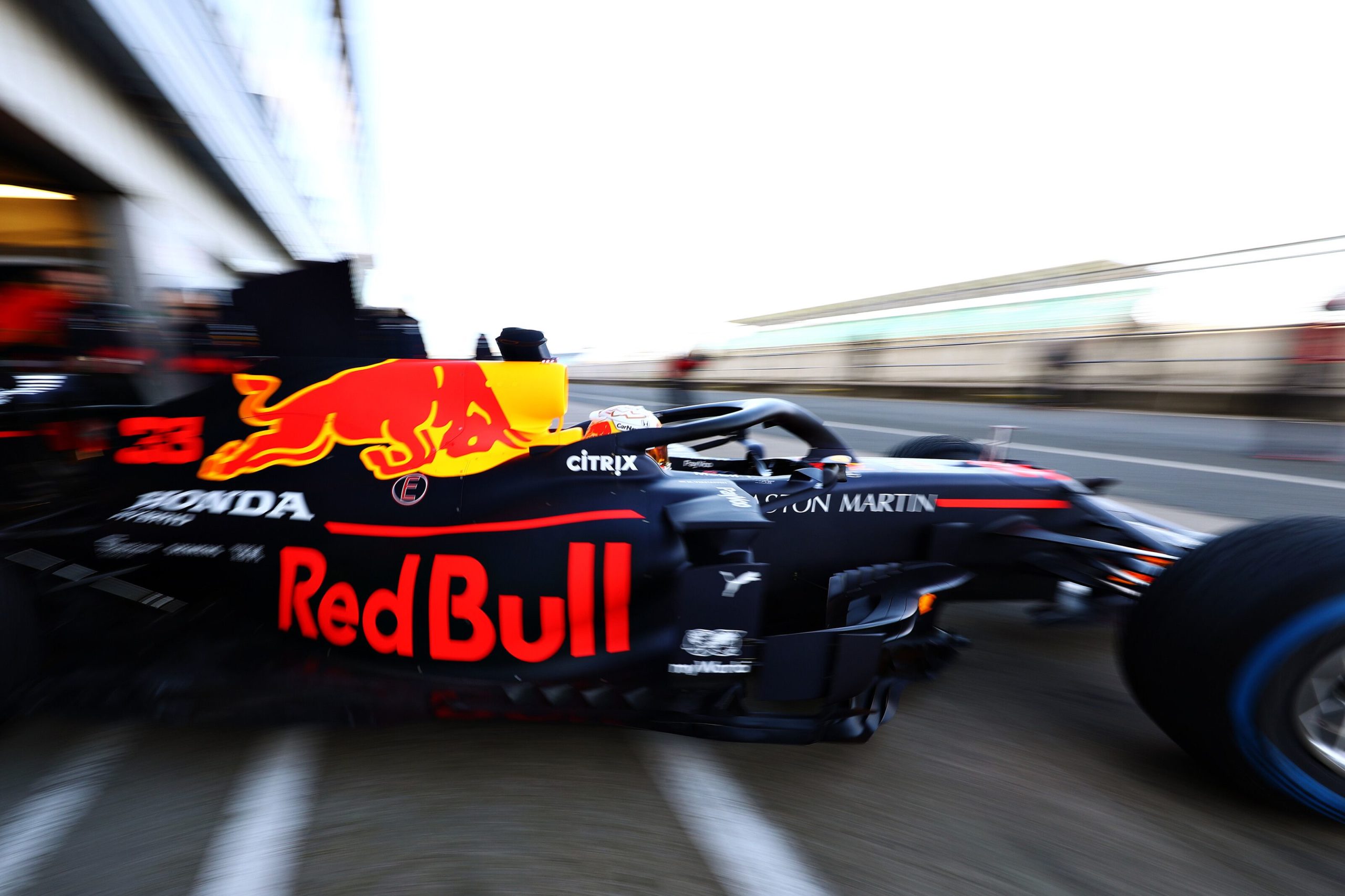
    Red Bull spent $305.04 million dollars in its 2019 campaign to win the F1 world championship which is reflective of the challenges that the big teams are up against in light of the upcoming budget cap that’s incoming. Next season teams will be only allowed to spend $145 million, though this number doesn’t include things like driver salaries. This number was also achieved after a minor reduction of $2.95 million from 2018 which was preceded with years of increasing expenditure. The big three teams – Mercedes, Ferrari, and Red Bull are all in for major restructuring as the budget cap will not allow them to spend as much on their F1 programs. Ferrari has also revealed that it is willing to explore participating in the Indy Car franchise to transfer some of its staff from F1.

    “The directors consider race performance, Championship performance, and a controlled cost base to be principal key performance indicators to assess progress towards strategic goals,” said Red Bull team boss Christian Horner.

    “Costs remain under control and the team is mindful of adaptions necessary for new financial regulations coming into force for 2021,” he added.

    Red Bull’s racing unit remains profitable but just slightly as it made a profit of $0.79 million which is peanuts in the scheme of things. This number also fell when compared to what Red Bull made in 2018. It made $1.18 million in that year when it also finished P3 in the constructor’s world championship behind Mercedes and Ferrari.

    Even these numbers are complicated as Red Bull’s association with its parent company Red Bull Technologies is complex as it employs and hires a lot of the designing and manufacturing staff. The complications are compounded by the fact that Red Bull Technologies is the parent behind the sister AlphaTauri team and also works with Aston Martin on the Valkyrie project.

    The 2010, 2011, 2012, and 2013 world championships were won by Red Bull with Sebastian Vettel becoming world champion four years in a row, till 2014 ushered in the new hybrid era of F1 engines and Mercedes started to dominate.