Retail News CRM

Tag: car news

  • Nissan To Focus On Fuel-Sipping Technology And Electrification In China

    Nissan To Focus On Fuel-Sipping Technology And Electrification In China

    Japan’s financially challenged Nissan Motor Co is expected to show off a new “must-succeed” car and explain its green-car strategy for China at the Shanghai auto show which starts on Monday, two company officials told Reuters. The car Nissan plans to show off at the motor show is the significantly redesigned X-Trail sport-utility vehicle (SUV). A similar SUV called the Rogue hit the U.S. market last year. The new X-Trail will be available in China later this year.

    The new car is powered by a fuel-sipping three-cylinder, petrol-powered turbo engine, which one of the sources said might face an uphill battle in gaining acceptance in China where similar technologies have proven unpopular.

    The car is a “must succeed, a must-win car for us,” one of the two sources said. Both sources spoke on the condition of anonymity because they are not authorized to speak with reporters.

    In addition to the X-Trail’s China debut, Nissan’s chief operating officer Ashwani Gupta is expected to tell reporters in Shanghai virtually from Japan on Monday that Nissan’s green car strategy is two-pronged: the company will focus on fuel efficiency-enhancing petrol-electric hybrid technology, as well as battery-electric cars to make its lineup of vehicles in China greener.

    Nissan will focus on fuel efficiency-enhancing petrol-electric hybrid technology, as well as battery-electric cars to make its lineup of vehicles in China greener.

    In January, Nissan said all its new vehicles in key markets, including China, would be electrified by the early 2030s, as part of its efforts to achieve carbon neutrality by 2050.

    The strategy comes as regulatory pressure in China grows on carmakers to slash emissions.

    China is a key pillar of Nissan’s turnaround strategy, which involves focusing on producing profitable cars for China, Japan and the United States, rather than chasing all-out global growth pursued by ousted boss Carlos Ghosn.

    The company is scrambling to slash its production capacity and model line-up by a fifth and to cut fixed costs by 300 billion yen ($2.8 billion). Nissan aims to achieve a 5% operating profit margin and a sustainable global market share of 6% by the end of fiscal year 2023.

    It wasn’t immediately clear how much detail Nissan plans to share on its China strategy on Monday.

    The two sources said Nissan nonetheless plans to start taking “pre-orders” in China for its upcoming electric Ariya SUV before the end of this year.

    Nissan also plans to launch a hybrid “e-Power” version of the Sylphy compact car this year and an e-Power X-Trail as early as next year.

    A company spokeswoman said Nissan plans to showcase in Shanghai the redesign X-Trail crossover, as well as the introduction of Nissan’s e-power petrol-electric hybrid technology to China. She declined to comment otherwise.
  • Mercedes-Benz Global Sales Up By 22.3% In Q1 2021

    Mercedes-Benz Global Sales Up By 22.3% In Q1 2021

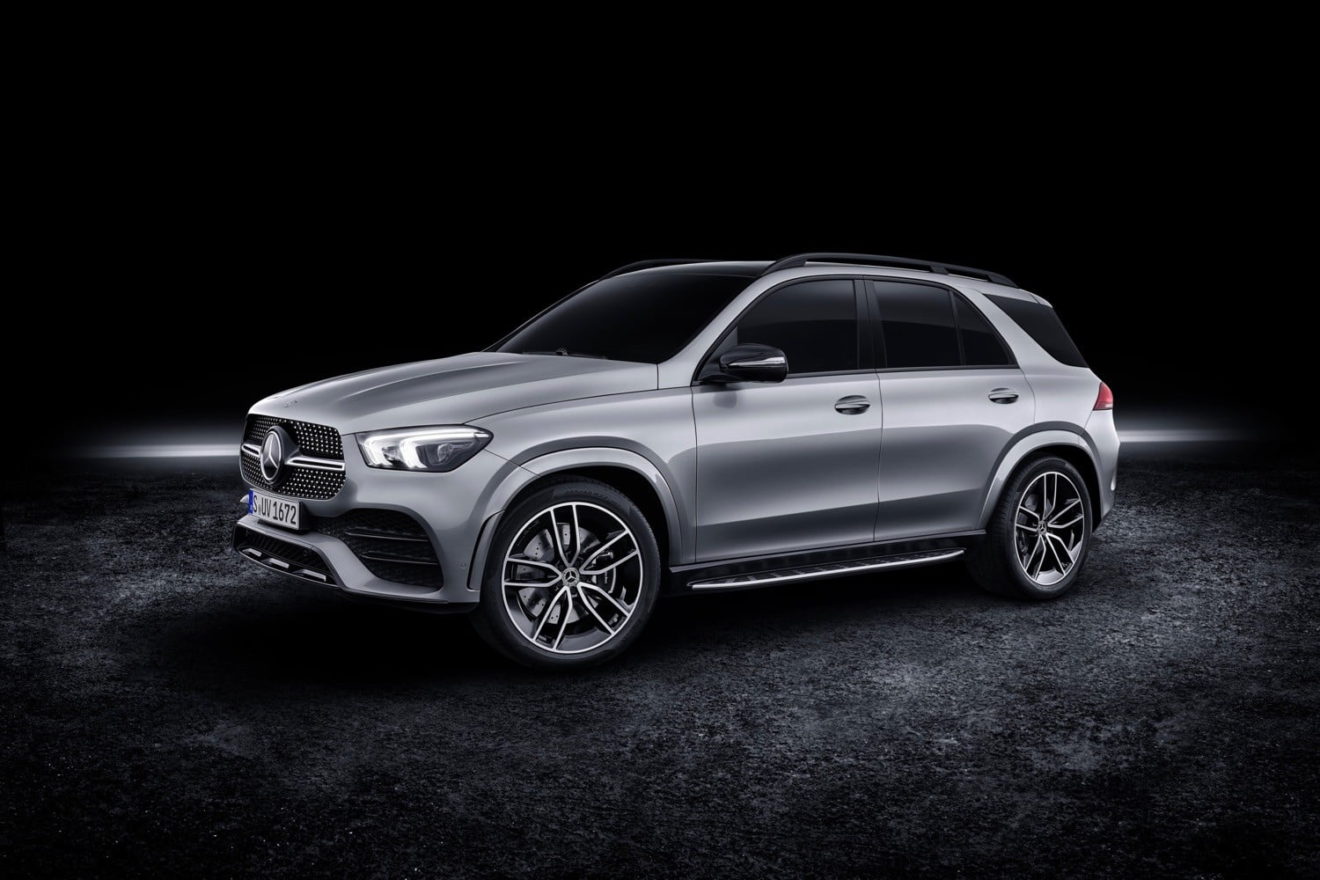
    Mercedes-Benz cars sold 590,999 passenger cars globally in the first quarter of 2021 driven by China and US retail sales as well as strong demand for plug-in hybrids and all-electric vehicles. This marks a jump of 22.3 percent in sales globally compared to the same period last year. In Europe, one in four cars sold by Mercedes-Benz and smart was an xEV.

    Globally, plug-in hybrids and all-electric cars made up about 10 percent of overall sales, with approximately 59,000 units and thereof more than 16,000 all-electric vehicles sold. The EQA too has been well received after it was launched in January this year. The company already has 20,000 orders for the EQA. Given the strong start, the company is looking to bring in 3 new models the EQS, EQB, and the EQE this year.

    The current worldwide shortage of supply in certain semiconductor components affected deliveries in the first quarter and will continue to affect sales in Q2. The company monitors the situation closely and is in constant contact with the suppliers.

    Sales of Mercedes-Benz in the Asia-Pacific region rose 46.6 percent due to the continuing strong sales development in China: where a new record was achieved with 222,520 cars delivered in Q1. In January, sales in China almost reached the milestone of 100,000 vehicles within a single month. In the Europe region, brand deliveries were despite ongoing lockdown measures in many markets at the beginning of the year slightly above Q1 2020. In Germany, Mercedes-Benz sold a total of 54,446 cars down by 15.4 percent while sales in the North America region totaled 88,318 units showing strong growth of 12.5 percent.

    In India, the company recorded a growth of 34 percent over Q1 202

  • Switch Mobility And Siemens Partner To Work On Electric Mobility Projects In India

    Switch Mobility And Siemens Partner To Work On Electric Mobility Projects In India

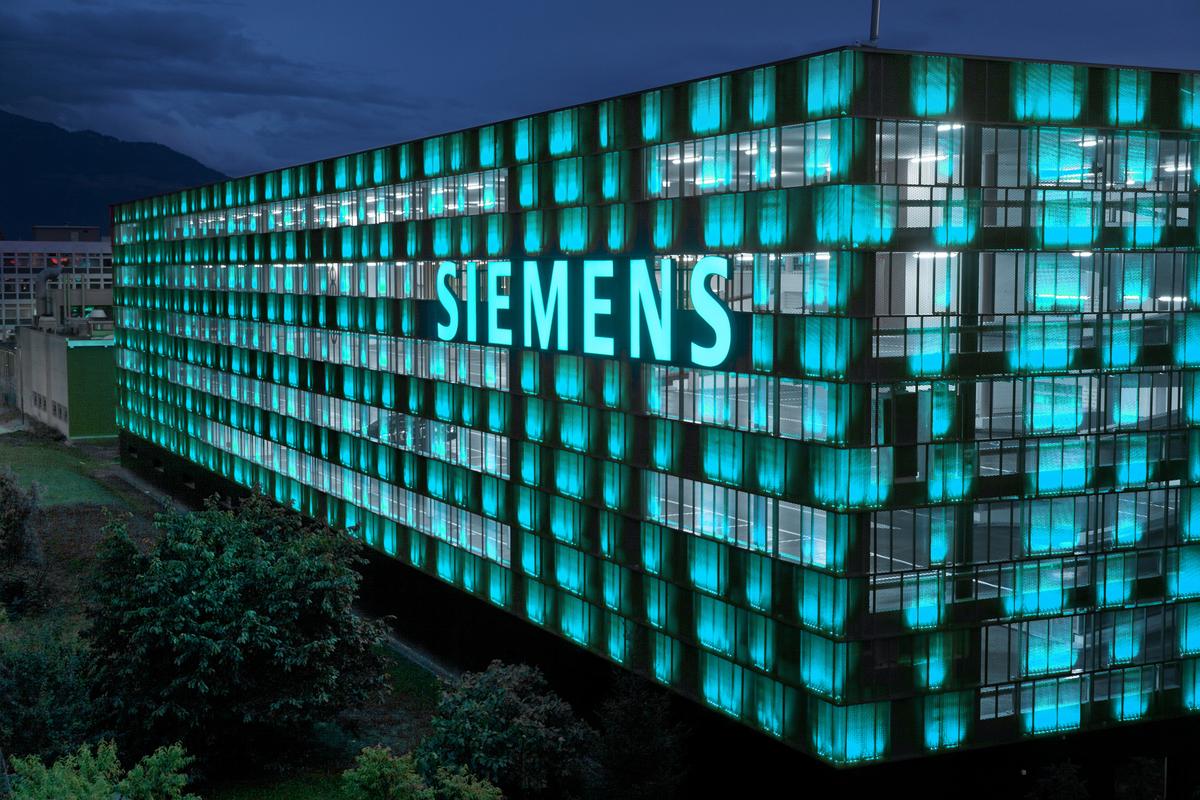
    Home-grown commercial vehicle manufacturer, Ashok Leyland’s global electric mobility arm, Switch Mobility has entered into a partnership with German technology conglomerate, Siemens Limited. The two companies have signed a Memorandum of Understanding (MOU) towards building a cooperative technological partnership in the electric commercial mobility segment and work on eMobility projects in India. The company says that the main objective of this partnership between the two brands is to offer efficient, cost-effective and sustainable e-mobility solutions to various commercial vehicle customers in India.

    Commenting on the partnership, Nitin Seth, Director, Switch Mobility said, “Our collaboration with Siemens will focus on key identified areas, which will be critical to propel ourselves as an industry, towards clean and sustainable mobility solutions. Our overarching objective is to achieve the lowest Total Cost of Ownership (TCO) and our endeavour with Siemens will focus on it to make eMobility a compelling solution for businesses and the environment in India.”

    At the same time Sunil Mathur, Managing Director and Chief Executive Officer, Siemens Limited, said, “Siemens is a global leader in e-mobility solutions for commercial vehicles. We have been implementing projects for electric commercial vehicles across the globe. Together with Switch Mobility, we intend to implement high-quality techno-commercial solutions to address the needs of the growing E-mobility market in India.”

    To achieve their joint objective, for its part, Switch Mobility will offer its strong electric commercial vehicle industry experience. Siemens, on the other hand, will bring its flexible, high-efficiency charging infrastructure technology to the table, which comes with efficient and reliable medium-voltage grid connection solutions. The company says that Siemens’ charging infrastructure management software solution would enhance the energy-efficient operations of the chargers.

    As part of the MOU, Siemens Financial Services (SFS), the financing arm of Siemens AG, will consider a minority investment in OHM Global Mobility Private Ltd., the eMaas platform company to be formed as a subsidiary of Switch Mobility Automotive Limited.

  • Volkswagen Takes Aim At Tesla With Own European Gigafactories

    Volkswagen Takes Aim At Tesla With Own European Gigafactories

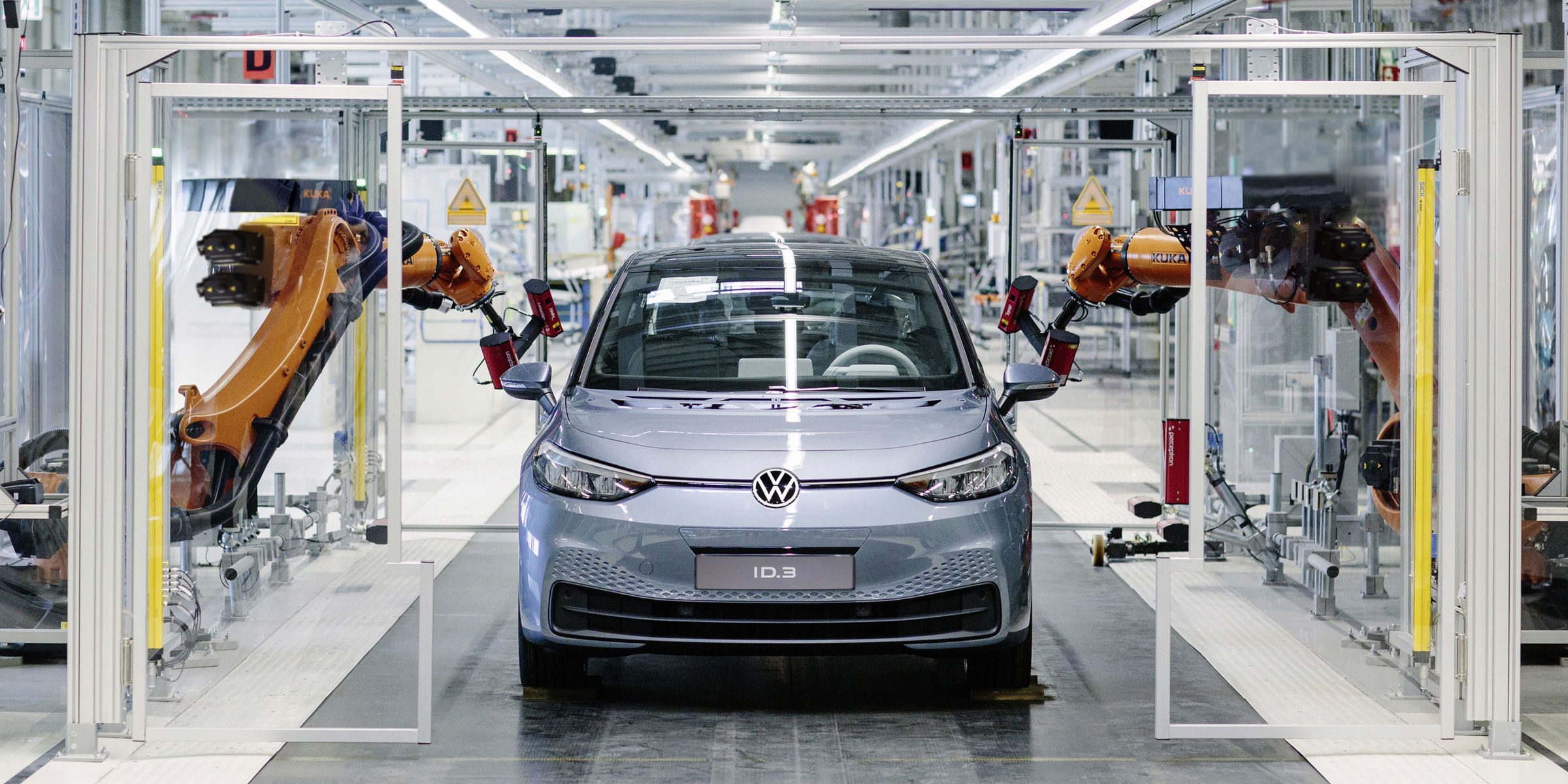
    Volkswagen plans to build half a dozen battery cell plants in Europe and expand infrastructure for charging electric vehicles globally, accelerating efforts to overtake Tesla and speed up mass adoption of battery-powered cars. The world’s No. 2 carmaker, which is in the midst of a major shift towards battery-powered cars, said on Monday it wants to have six battery cell factories operating in Europe by 2030, which it will build alone or with partners.

    “Our transformation will be fast, it will be unprecedented,” Chief Executive Herbert Diess told Volkswagen’s Power Day, which also featured the CEOs of BP, Enel and Iberdrola in an effort to match some of the buzz of Tesla’s Battery Day last September.

    “E-mobility has become core business for us,” he added.

    Volkswagen, whose shares rose as much as 3.8%, did not specifically say how much the plan will cost. It said in December that it planned to spend 35 billion euros ($41.7 billion) on e-mobility as a whole by 2025.

    The group had been laggard on electrification until it admitted in 2015 to cheating on U.S. diesel emissions tests and had to deal with new Chinese quotas for electric vehicles. It now has one of the most ambitious programs in the industry.

    Volkswagen said the European factories will have a joint production capacity of up to 240 gigawatt hours (GWh) a year, adding the first 40 GWh would come from Sweden’s Northvolt, with production starting in 2023.

    As part of the deal, Volkswagen will raise its 20% stake in Northvolt and also take over the Swedish firm’s stake in a planned battery cell venture in the German city of Salzgitter, which will form the second factory from 2025.

    This will be followed by a factory in Spain, France or Portugal in 2026 and a site in Poland, Slovakia or the Czech Republic by 2027. Two more plants will be set up by 2030.

    While the first two factories are already reflected in Volkswagen’s financial planning, the group is currently in “deep discussions” about how the subsequent plants fitted with financial targets, board member Thomas Schmall said.

    Volkswagen is also working on a major expansion of charging infrastructure, a lack of which is still seen as a big barrier to the mass adoption of battery-powered cars. Via existing efforts and partnerships with oil major BP as well as top European utilities Enel and Iberdrola, Volkswagen aims to operate about 18,000 public fast-charging points in Europe by 2025.

    This represents a five-fold expansion of the existing fast-charging network, Volkswagen said, adding it would invest 400 million euros in the initiative.

    In North America, Volkswagen targets 3,500 fast-charging points by the end of 2021 via its Electrify America unit, while in China, the world’s largest car market, the group aims for 17,000 by 2025.

    In China, where Volkswagen last year acquired 26.5 percent of battery maker Guoxuan High-tech Co Ltd, the carmaker now aims to sell more than 2 million electric vehicles a year by the end of the decade.

    Shifting to design, Volkswagen unveiled plans to have a new unified prismatic battery cell from 2023, which will support cost cuts generated by the higher level of in-house cell production and could impact its current suppliers.

    South Korean battery makers’ shares, including in LG Chem, whose unit LG Energy Solution makes batteries for Volkswagen, and SK Innovation, fell as much as 5.8% and 5.3% respectively on Tuesday after the news.

    Electric vehicle makers, including Tesla, are using cylindrical battery cells, which resemble flashlight batteries and are relatively inexpensive and easy to manufacture.

    Prismatic cells, which resemble a thin hardcover book, are housed in a rectangular metal case and are more expensive. Pouch cells, another alternative, are thinner and lighter, and resemble a flexible metal mailing envelope.

    “On average, we will drive down the cost of battery systems to significantly below 100 euros ($119) per kilowatt hour,” Schmall said. “This will finally make e-mobility affordable and the dominant drive technology.”

  • Samsung To Develop Autonomous Driving Chip For Google’s Waymo

    Samsung To Develop Autonomous Driving Chip For Google’s Waymo

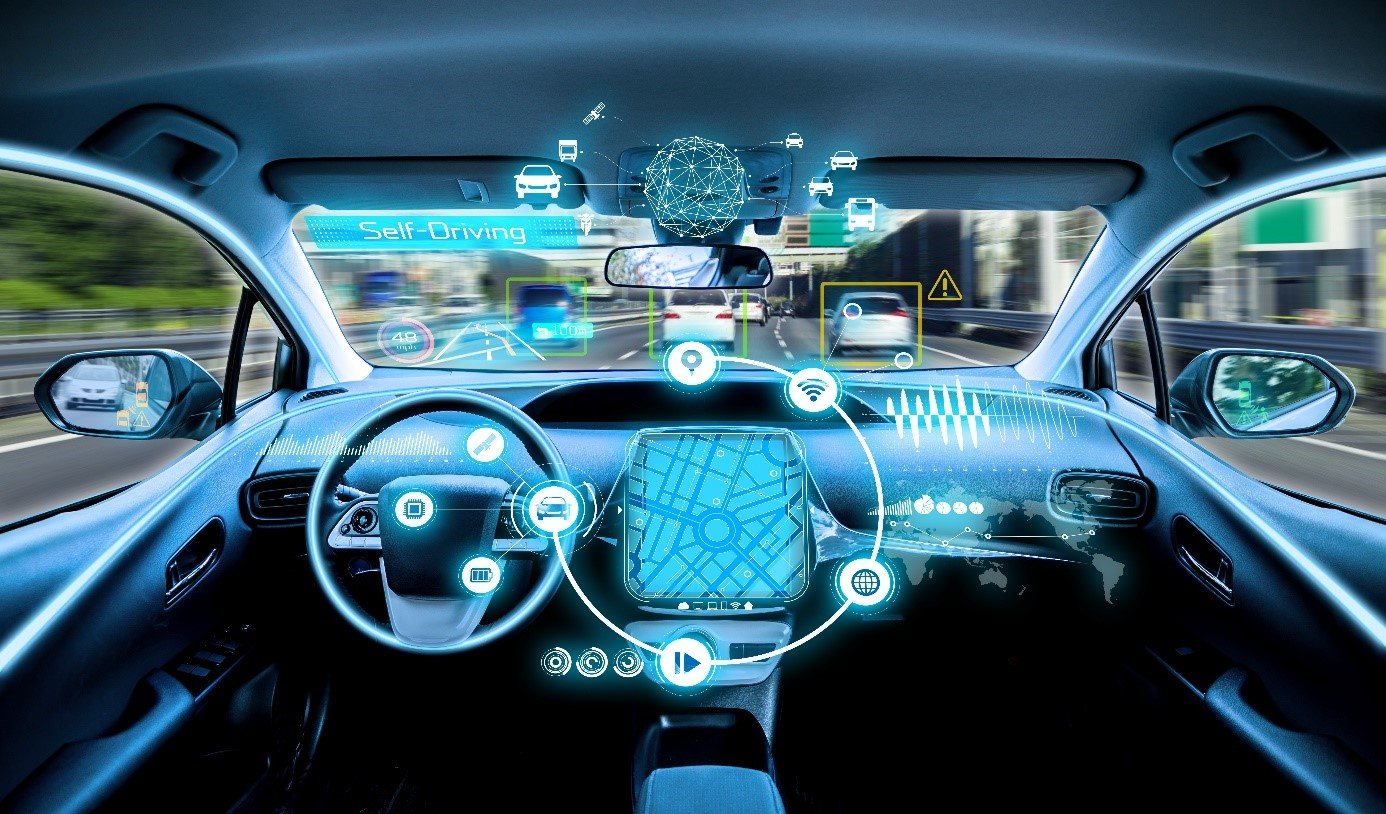
    Samsung Electronics recently won a project for Google parent Alphabet’s autonomous driving unit Waymo to develop chips for next-generation self-driving cars, South Korean media reported on Monday.

    Samsung will develop a chip that computes data collected from various sensors installed in autonomous vehicles or centrally controls functions by exchanging information with Google data centers in real-time, South Korean newspaper Herald Business reported, citing an unnamed industry source.

    The project is expected to be carried out by Samsung’s logic chip development division System LSI’s Custom SOC Business Team, it added.

    Samsung Electronics declined to comment regarding client company matters. Alphabet did not have an immediate comment.

  • Nissan Appoints Guillaume Cartier Chairperson Of The AMIEO Region

    Nissan Appoints Guillaume Cartier Chairperson Of The AMIEO Region

    Nissan Motor announced Guillaume Cartier as its new Chairperson for the Africa, Middle East, India, Europe and Oceania (AMIEO) region. Effective April 1st, Cartier will lead all Nissan operations in the region, which covers more than 140 markets across four continents with a population of around 3.8 billion people, representing more than 30 percent of global vehicle sales.

    With over 25 years’ experience at Nissan and in the Alliance in global and regional leadership positions, Cartier will lead the new region as the Nissan NEXT transformation plan continues to gather pace and with key models in Europe including Qashqai and Ariya launching soon, and as the brand continues to grow in the AMIO markets, thanks to a powerful vehicle line-up ranging from the iconic Patrol to the recently launched Magnite in India.

    Cartier said: “I am thrilled to be leading this culturally rich and diverse region into a period of unprecedented change for the automotive industry and with a refreshed range of Nissan models and technologies coming to the market.”

    Currently Vice-Chairperson of the AMIEO region and AMI President, Cartier first joined Nissan in 1995 as after-sales manager and went on to hold a number of senior management positions in the Alliance, including AMI Chairperson, head of the Global Datsun Business Unit, Executive Officer and Senior Vice President for Mitsubishi Motors, and Senior Vice President for Sales and Marketing in Europe. Cartier will report to the vice-chief performance officer and chief quality officer, Christian Vandenhende. Cartier will replace Gianluca De Ficchy, who served for three years as Chairperson of Nissan Europe and latterly of the expanded AMIEO region.

  • Volkswagen To Cut Up To 5,000 Jobs

    Volkswagen To Cut Up To 5,000 Jobs

    Carmaker Volkswagen plans to cut up to 5,000 jobs in Germany by offering early or partial retirement to older employees in a move that could cost 500 million euros ($598 million), the Handelsblatt newspaper reported on Sunday.

    The newspaper quoted a spokeswoman confirming that the company had agreed on the plan with the works council to open partial retirement to those born in 1964, while also offering early retirement to older employees.

    Handelsblatt cited company sources as saying Volkswagen was putting aside 500 million euros for the plan as it would compensate the employees who leave by topping up their pension, although it would save billions in the longer term.

    The newspaper said Volkswagen is also extending a hiring freeze until the end of the year. It had previously only been in place until the end of the first quarter. External hires can only be made in areas like information technology and software.

    The Volkswagen Group said in January it would cut overhead costs by 5% and procurement costs by 7% over the next two years.

  • Kia Teases Its First Dedicated Electric Vehicle The EV6

    Kia Teases Its First Dedicated Electric Vehicle The EV6

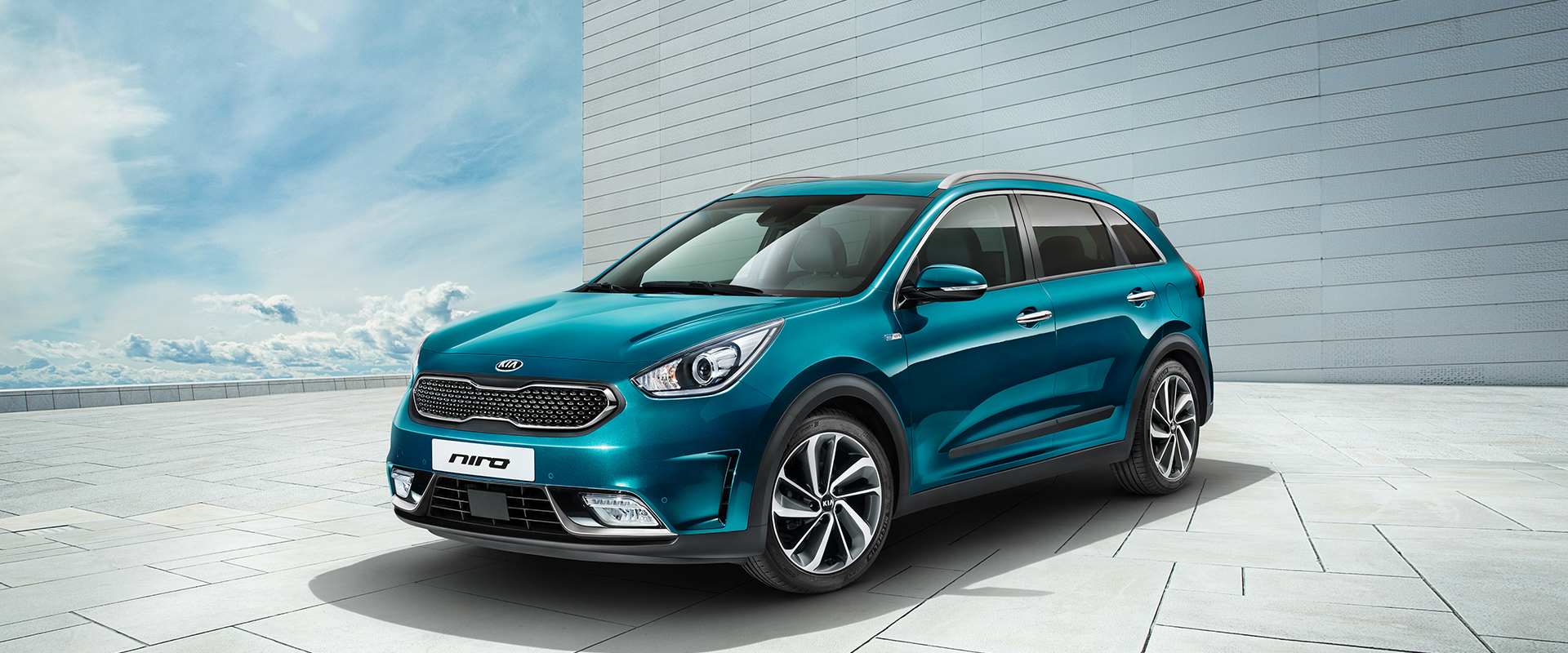
    Kia has revealed the first official images of the EV6 – its first dedicated battery electric vehicle. Now, we have to tell you here that it’s not the company’s first EV, because if you remember, it already has the e-Niro and the Soul EV in its all-electric portfolio. The EV6, however, is built on a platform that has been developed specifically for electric vehicles. The new platform Electric-Global Modular Platform, or E-GMP, will see Kia build next-generation electric cars under a new design philosophy that embodies Kia’s shifting focus towards electrification.

    The teaser images give us an idea of what to expect in terms of design. It is sleek and the coupe-like roofline integrates well into the rear spoiler. The silhouette also points out at a slight ducktail too. The front end is sleek and modern and it looks like the EV6 has a short overhang. The headlights are slim and the LED pattern gives it a unique look.

    Karim Habib, Senior Vice President and Head of Kia Global Design Centre said, “EV6 is the embodiment of both our brand purpose, ‘Movement that inspires’, and our new design philosophy. It has been designed to inspire every journey by offering an instinctive and natural experience that improves the daily lives of our customers, and provide user ownership that is simple, intuitive, and integrated.”

    As part of the company’s brand transition, Kia’s new dedicated battery electric vehicles will be named according to a new naming strategy. All of Kia’s new dedicated BEVs will start with the prefix ‘EV’ which makes it easy for consumers to understand which of Kia’s products are fully electric. This is followed by a number that corresponds to the car’s position in the line-up.

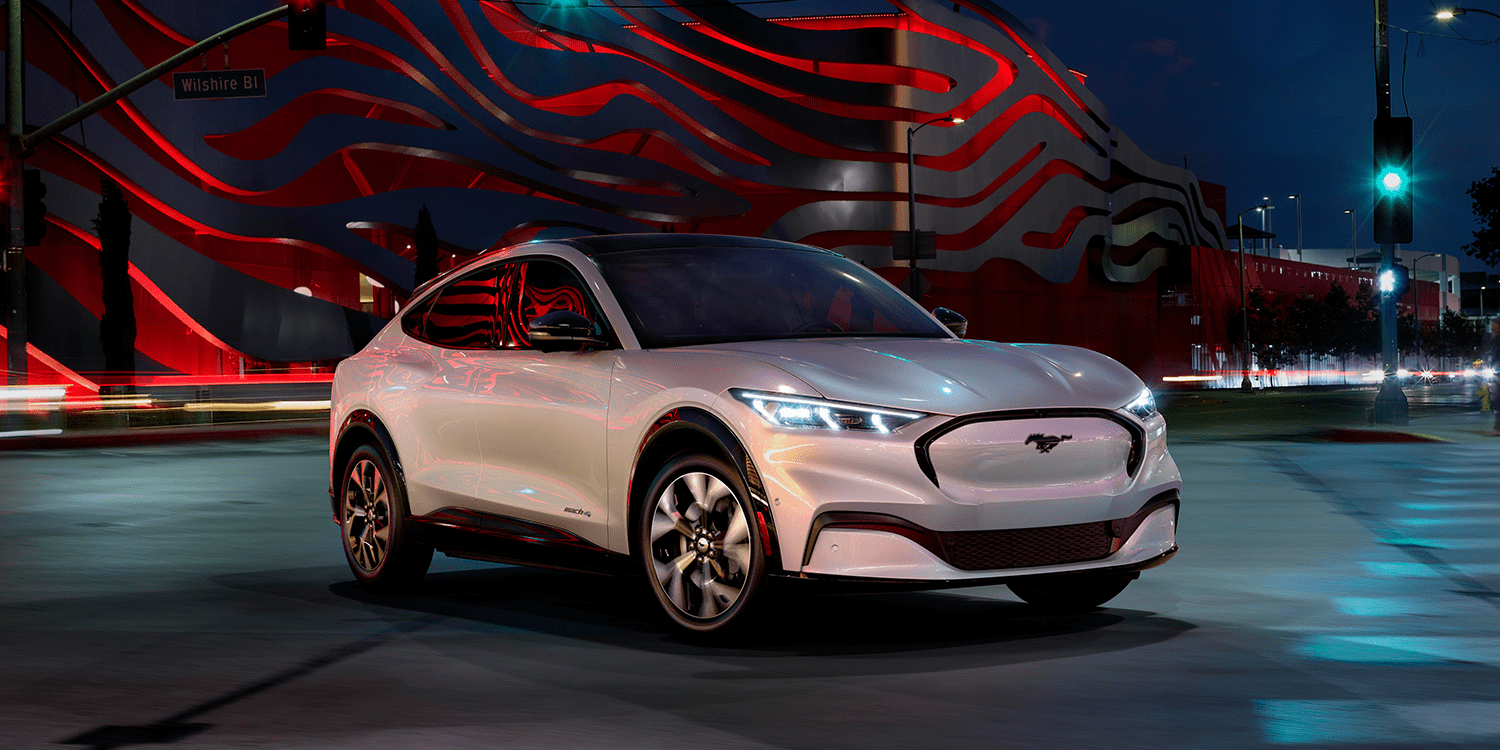
  • Ford recalls nearly 2,500 vehicles to update engine software

    Ford recalls nearly 2,500 vehicles to update engine software

    Ford Vietnam has issued a recall order of 2,470 Ranger and Everest vehicles to update the software in the transmission control module (TCM) and powertrain control module (PCM).

    The recall program will begin on March 16 this year and last until March 15, 2023.

    The affected vehicles were produced between September 2019 to February 2020 in Thailand and imported by Ford Vietnam for distribution in the local market.

    According to the company, the issues could cause problems for transmission oil pumps, which can lead to torsional vibrations while the engine accelerates and decelerates and lead to transmission malfunction, increasing the risk of collision.

    Authorized dealerships will provide free inspection and repair and the whole process will take about two hours to complete.

    Ford Vietnam said it will still carry out the replacement for drivers of Ford Ranger and Ranger Raptor models imported to the country by the Ford Motor Company.

    Ford sold 24,663 vehicles last year, accounting for 8.7 percent of total car sales, according to the Vietnam Automobile Manufacturers Association.

  • Lamborghini Urus Sales Hit 100 Units Milestone In India

    Lamborghini Urus Sales Hit 100 Units Milestone In India

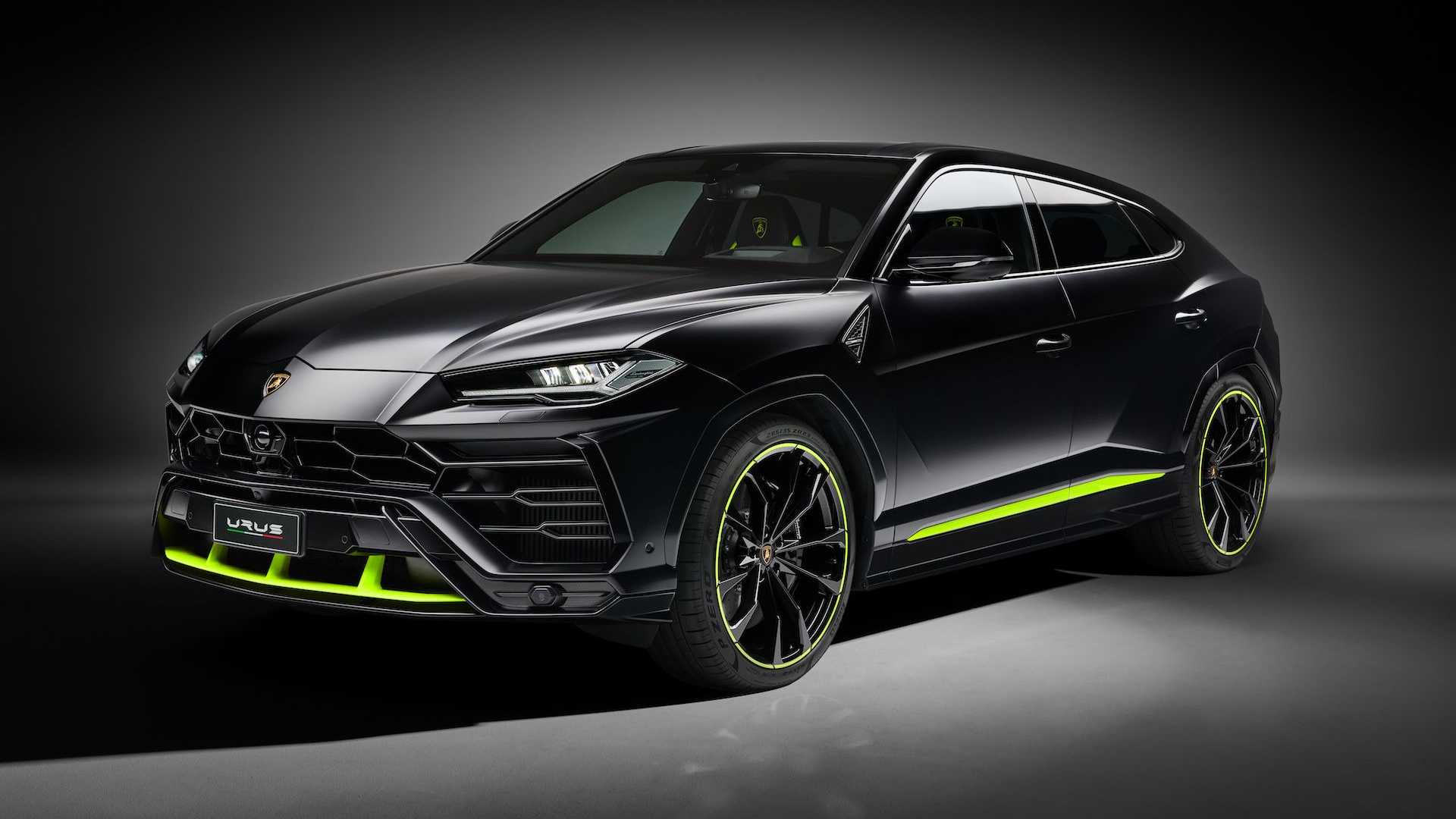
    Automobili Lamborghini has achieved a new sales milestone in India by selling 100 units of its super-luxury SUV – the Lamborghini Urus. Currently the most affordable Lamborghini model in India, the Urus was launched in January 2018, and the first car was delivered the same year in September. Within one year, the company managed to sell 50 units of the car in India, and despite the coronavirus pandemic the Italian marque has managed to sell the next 50 units in less than 18 months. In fact, before the pandemic, the company was delivering one Urus every week, which is huge for a car in this uber-luxury segment.

    Sharad Agarwal, Head of Lamborghini India, said, “When we launched Urus, we always knew that it’s going to be a gamechanger for us. Also, because it’s a car that comes with the dynamics of a sports car, but also has the versatility of an SUV. And limitations what we have in the Indian market with our congestions and roads we knew that it is a right answer or a right Lamborghini for an India user. When we launched the car, we delivered the first Urus in September 2018 and we were delivering one Urus every week, till we were hit by the pandemic. There were challenges in the market and also on the supply side, but the good thing is we are now back on track, we are now back on delivering almost one Urus every week, and now we could achieve the fastest hundred in the super-luxury segment, and this makes it really, really special.”

    The Lamborghini Urus has been a big contributor to the company’s sales in India. In 2019, the company sold a total of 65 units in the country and posted a growth of 30 percent compared to 2018, and this big boost to the sales was thanks to the Urus. With the pandemic hitting sales sharply in 2020, Lamborghini still managed to cross the 50 unit sales mark last year. The company sold 52 units in 2020 and is looking to grow on this momentum in 2021 spearheaded by the Urus.

    Talking about the expectations from 2021, Agarwal said, “The segment is slowly coming back. There are still challenges. Last year we saw that the segment was about -30 percent. This year, my anticipation is that the segment should come close to the 2019 level. As a brand, we are still going strong and we have set a target for us that we want to have another record year of performance in India despite what we face in terms of market conditions. So, we can say that 2021 will be another record year in terms of our volumes in the country. So, well definitely do much more than what we did in 2019.”

    The Lamborghini Urus has currently priced in India around ₹ 3.10 crore (ex-showroom, India) and it still commands a waiting period of about 10 months, and despite that, the company says, its order bank is growing healthier and healthier. Moreover, Lamborghini also says that the demand is not restricted to metros alone, but is growing in each part of the country, across the length and breadth. The Urus is powered by a 4.0-litre Twin Turbo V8 engine, which is tuned to produce 641 bhp and 850 Nm of peak torque. The SUV can go from 0-100 kmph in 3.6 seconds and reach 200 kmph in 12.8 seconds, before reaching the electronically limited top speed of 306 kmph.

  • Volvo Cars Initiates First Ever Over-The-Air Software Update On XC40 Recharge

    Volvo Cars Initiates First Ever Over-The-Air Software Update On XC40 Recharge

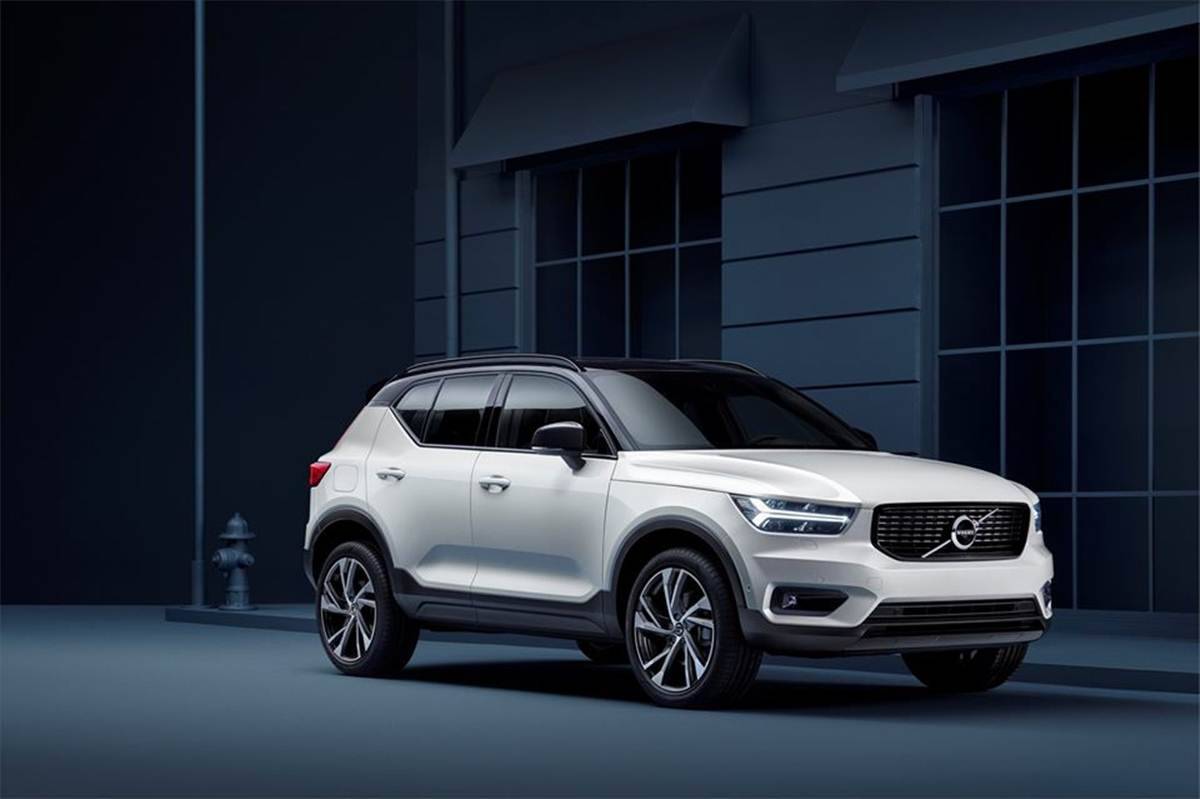
    Volvo Cars is rolling out its first ever over-the-air (OTA) software update on the XC40 Recharge, the company’s first fully electric car. Starting soon, XC40 Recharge drivers in Europe will receive a range of updates, including new features, bug fixes and stability improvements to the car’s infotainment and propulsion systems. The introduction of OTA updates means that customers no longer have to visit a workshop in order to enjoy the latest software and new, updated features on their electric Volvo.

    It also means that a new Volvo is no longer at its finest when it leaves the factory, but keeps improving over time as additional OTA updates are launched.

    The update is available automatically and XC40 Recharge drivers only have to accept the download and installation.

    “The benefits of over-the-air updates are obvious,” said Henrik Green, chief technology officer. “Yesterday you still had to drive to the workshop in order to get the latest updates to your car. Today you simply click OK and your electric Volvo takes care of the rest. It couldn’t be easier.”

    Features included in this latest software update are a new base software for the car’s main electronic systems, an increase in charging speed and an improved driving range.

    There are also updates to the Android Automotive operating system that powers the car’s infotainment system, as well as an important safety-related propulsion bug fix.

    Finally, the software package also includes updates to a variety of items such as Bluetooth connectivity, climate timers, the car’s digital owner’s manual and the 360-degree camera. The update is available automatically and XC40 Recharge drivers only have to accept the download and installation.

  • Hyundai No Longer In Talks With Apple On Autonomous Electric Cars

    Hyundai No Longer In Talks With Apple On Autonomous Electric Cars

    South Korea’s Hyundai Motor Co said on Monday it is not now in talks with Apple Inc on autonomous electric cars, just a month after it confirmed early-stage talks with the tech giant, sending the automaker’s shares skidding. Wiping $2.1 billion off its market value, Hyundai’s stock slumped 4.2% by 0330 GMT. Shares in its affiliate Kia Corp, which had been tipped in local media reports as the likely operational partner for Apple, tumbled 12% – a $4.3 billion hit.

    The announcement brings the curtain down on weeks of internal divisions within Hyundai Motor Co Group – parent to both automakers – about the potential tie-up, with some executives raising concerns about becoming a contract manufacturer for the U.S. tech giant.

    “We are receiving requests for cooperation in the joint development of autonomous electric vehicles from various companies, but they are at an early stage and nothing has been decided,” the automakers said on Monday, in compliance with stock market rules requiring regular updates to investors regarding market rumors.

    Apple, known to keep product plans under tight wraps, has never acknowledged talks with the automaker about building vehicles
    “We are not having talks with Apple on developing autonomous vehicles.”

    Kia shares had jumped 61% after Hyundai appeared to confirm a local media report early in January that Apple and Hyundai were in discussions to develop self-driving electric vehicles by 2027 and develop batteries at U.S. factories operated by either Hyundai or Kia.

    “Apple and Hyundai are in discussion, but as it is at an early stage, nothing has been decided,” Hyundai said, before releasing subsequent statements that removed all mentions of Apple but said Hyundai was receiving electric car cooperation requests from parties it didn’t identify.

    Reuters reported in December that Apple was moving forward with autonomous car technology and aimed to produce a passenger vehicle that could include its own breakthrough battery technology as early as 2024.

    Apple, known to keep product plans under tight wraps, has never acknowledged talks with the automaker about building vehicles and wasn’t immediately available for comment outside business hours in the United States.

    Analysts said talks might have collapsed over leaks of the partnership plan to media, or over possible insistence by Apple that Hyundai’s role in any tieup would be that of an equipment manufacturer, rather than a strategic partner.

    “With numerous news reports over discussions between the two companies, which should have been held to non-disclosure agreements, it would have been uncomfortable,” said Kwon Soon-woo, an analyst at SK Securities.

    Kevin Yoo, an analyst at eBEST Investment & Securities, said, “It seems clear that Hyundai Motor Group has not been too happy with dealing with Apple. They made it clear that they do not want to be treated just as Apple’s supplier or manufacturer.”

  • Ford Says It Will Nearly Double Electric Auto Investment

    Ford Says It Will Nearly Double Electric Auto Investment

    Ford announced Thursday it is accelerating its investment in electric cars, but cautioned that the industry-wide shortage of semiconductors would pinch profits in 2021. The US auto giant, released fourth-quarter and annual results and said it plans $22 billion in electric car investment through 2025, nearly twice the earlier plan. The announcement is the latest big bet on electric autos by a legacy automaker in the wake of upstart Tesla’s growth and in anticipation of Biden administration initiatives to encourage emission-free vehicles.

    Last week, Ford’s rival General Motors set a target of having most of its fleet emissions-free by 2035. But Ford said annual operating profits could be dented by $1 to $2.5 billion due to lost auto sales connected to the semiconductor shortage.

    Earlier Thursday, Ford said it was trimming output of its F-150 because of the supply issue, following on the heels of other automakers, including GM that announced Tuesday it was shutting productions at three plants, and slashing output in half at another due to chip supply.

    Ford said it was trimming the output of its F-150 because of the supply issue, following on the heels of other automakers.

    “The semiconductor situation is changing constantly, so it’s premature to try to size what availability will mean for our full-year performance,” said Chief Financial Officer John Lawler.

    “Right now, estimates from suppliers could suggest losing 10 to 20 percent of our planned first-quarter production.”

    Ford reported a fourth-quarter loss of $2.8 billion, compared with a loss of $1.7 billion in the year-ago period.

    Revenues fell 9.3 percent to $36 billion.

  • McLaren Artura To Make World Debut On February 16

    McLaren Artura To Make World Debut On February 16

    McLaren Automotive will bring the full force of its expertise in hybrid powertrain engineering with the introduction of the new Artura. The company revealed its plans to bring the new high-performance hybrid car last year and now it’s closing in on its world debut. The company has revealed that the Artura hybrid supercar will make its world debut on February 16.

    The Artura marks the beginning of a new era for the pioneering British company. Building on the expertise in electrification first showcased in the McLaren P1 hybrid hypercar unveiled in 2012 and more recently the Speedtail Hyper-GT, which entered production this year as McLaren’s fastest ever car with a top speed of 403 kmph, the Artura is McLaren’s first High-Performance Hybrid series-production supercar.

    The new Artura marks the debut of an all-new compact twin-turbocharged V6 petrol engine, designed to combine with an electric motor in a new lightweight hybrid powertrain that retains the performance benefits of McLaren’s larger capacity V8 engines and has the additional attraction of improved torque response at low engine speeds to deliver scintillating acceleration. The Artura can also run on electric power alone for everyday emission-free urban journeys.

    The first car to be built on an all-new, platform architecture optimized for electrification and designed and manufactured in the UK at the McLaren Composites Technology Centre, the Artura furthers McLaren’s commitment to super-lightweight engineering principles that have their roots in motorsport. The additional mass of the High-Performance Hybrid system, for example, has been largely offset by the application of weight-saving technologies throughout the chassis, body and powertrain.

    Additionally, the McLaren Carbon Lightweight Architecture (MCLA) at the heart of the Artura not only enables the car’s class-leading weight advantage, it is also the base for the dynamic excellence inherent in every McLaren.

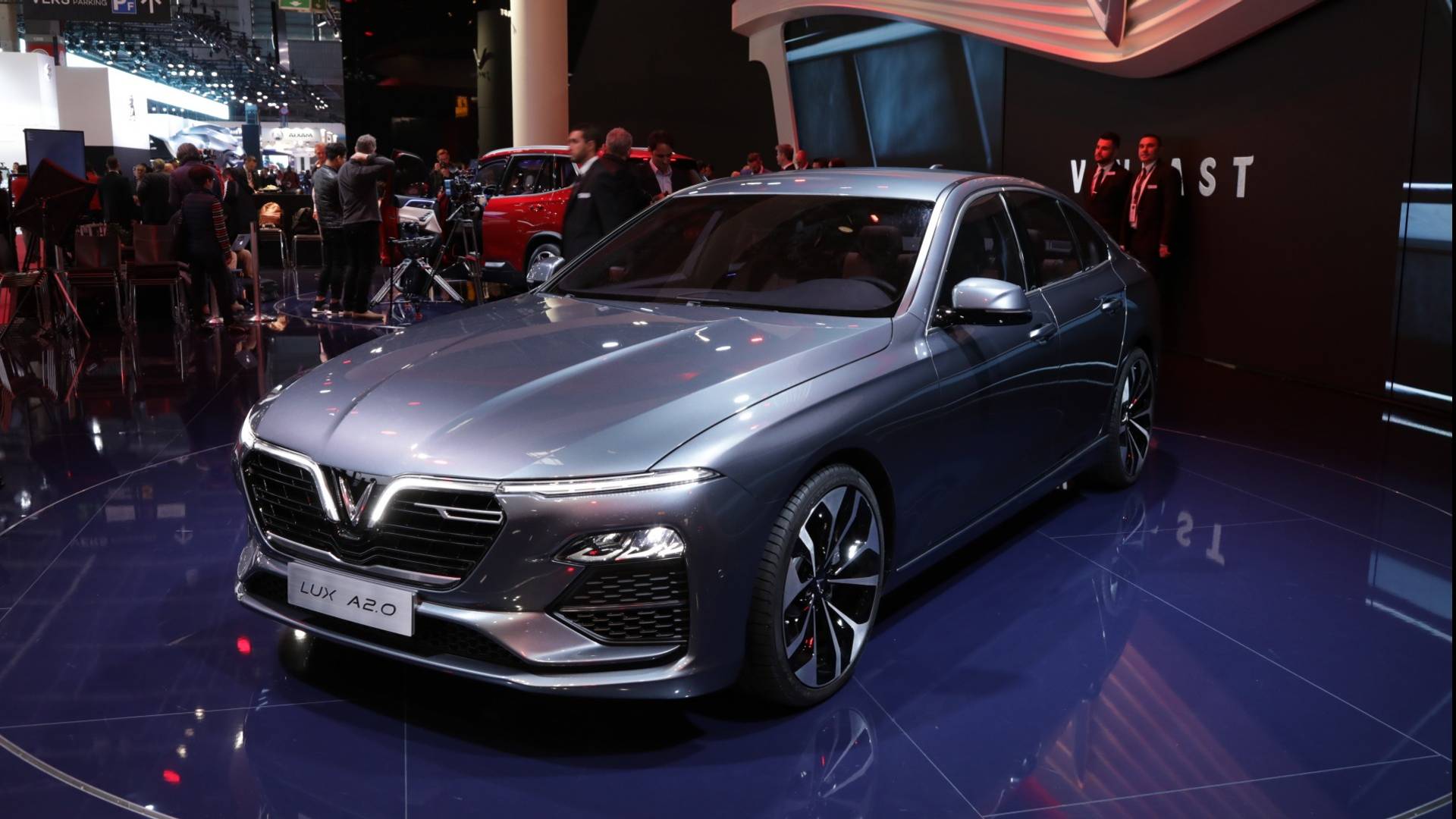
  • VinFast introduces self-driving car models

    VinFast introduces self-driving car models

    Vietnamese automaker VinFast introduced Friday three new electric self-driving car models that will hit the market this year.

    The rollout of the new models is part of its plan to become a global major in electric car manufacturing.

    Two of the three models, all SUVs, also have a fuel version, the company said in a release.

    The cars, named VF31, VF32, and VF33, have several self-driving systems including steering assistance, adaptive lane control, and automatic parking.

    Depending on the model, the electric cars can go 300-500 kilometers per full charge.

    The premium versions of these cars have 14 cameras capable of detecting objects nearly 690 meters away, and the company claims its self-driving system is eight times faster than that of existing self-driving car models.

    The cars can find their own parking spots and can be summoned by drivers when needed.

    VinFast said the cars meet the highest safety standards in the world including a five-star rating of the U.S. National Highway Traffic Safety Administration and a five-star rating of the European New Car Assessment Programme.

    The standard version of the VF31 can be ordered in Vietnam starting this May and will be delivered in November.

    For the VF32 and VF33 models, customers can order starting September and delivery will begin in February 2022.

    The company will also sell these cars in the U.S., Canada, and the E.U. with orders opening in November and delivery in June next year.

    VinFast, a unit of Vietnam’s biggest private conglomerate Vingroup, entered the auto industry three years ago. It has an auto plant in the northern province of Hai Phong and research and development centers in Australia, Germany, and the U.S.

    The company said the manufacturing of electric bikes, buses, and cars is part of its strategy to become a favorable hi-tech auto manufacturer in the global market and to help develop green transportation by reducing emissions.