Retail News CRM

Tag: car news

  • Porsche Taycan Electric Sports Car India Launch Date Announced

    Porsche Taycan Electric Sports Car India Launch Date Announced

    The long wait for the Porsche Taycan in India is over and the company is all set to launch the all-electric sports car in the country in November. The company will launch the car on November 12, along with the new Macan. We have been awaiting the arrival of the Taycan in the country and we can’t wait to see it in the flesh soon.

    Globally, the Taycan has had phenomenal success. The company has already sold 28,640 units of the electric sports car in the first 9 months of 2021 and that’s a big deal. With India on the map too, sales will definitely get a boost, considering that a lot of people have been awaiting the launch of this car in the country.

    The Porsche Taycan sports two permanently excited synchronous electric motors that can churn out a maximum of 600 bhp and will a range of over 500 km thanks to its high voltage lithium-ion batteries. The electric car will get 800-volt chargers with fast charging capability, which can offer a 400 km range in 15 minutes of charge time. It can go from 0-100 kmph in under 3.5 seconds.

  • Tesla Q3 2021 Results Out; Meets Expectations After Sublime Quarter

    Tesla Q3 2021 Results Out; Meets Expectations After Sublime Quarter

    Tesla has delivered the goods in its Q3 2021 earning report with it reporting revenues of $13.76 billion which is slightly below the lofty expectations of the analysts at Wall Street which expected revenues of $14 billion.

    “The third quarter of 2021 was a record quarter in many respects. We achieved our best-ever net income, operating profit, and gross profit. Additionally, we reached an operating margin of 14.6%, exceeding our medium-term guidance of “operating margin in low-teens,” said the electric car maker in its announcement.

    Notably, Tesla’s automotive gross margins improved by 30 percent in this quarter despite cost pressure from the supply chain as the world continues to suffer from a global semiconductor crisis. Tesla’s engineers were swift to rewrite code for new parts which helped the company navigate the crisis well.

    But despite these improving margins, Tesla’s cash in hand actually went down due to debt repayment.

    “Quarter-end cash and cash equivalents decreased to $16.1B in Q3, driven mainly by net debt and finance lease repayments of $1.5B, partially offset by the free cash flow of $1.3B. Our total debt excluding vehicle and energy product financing has fallen to just $2.1B at the end of Q3,” said the company in its shareholder letter.

    This quarter Tesla has started sales of the Model S Plaid which has been a success, apart from it opening its Berlin Gigafactory which has started rolling out Tesla Model Y units. Earlier in the year, the Model 3 became the best-selling executive sedan in the world, but Tesla estimates, the Model Y will overtake its sales at some point.

  • Czech Car Sector To Make 250,000 Fewer Vehicles This Year Due To Chip Shortage

    Czech Car Sector To Make 250,000 Fewer Vehicles This Year Due To Chip Shortage

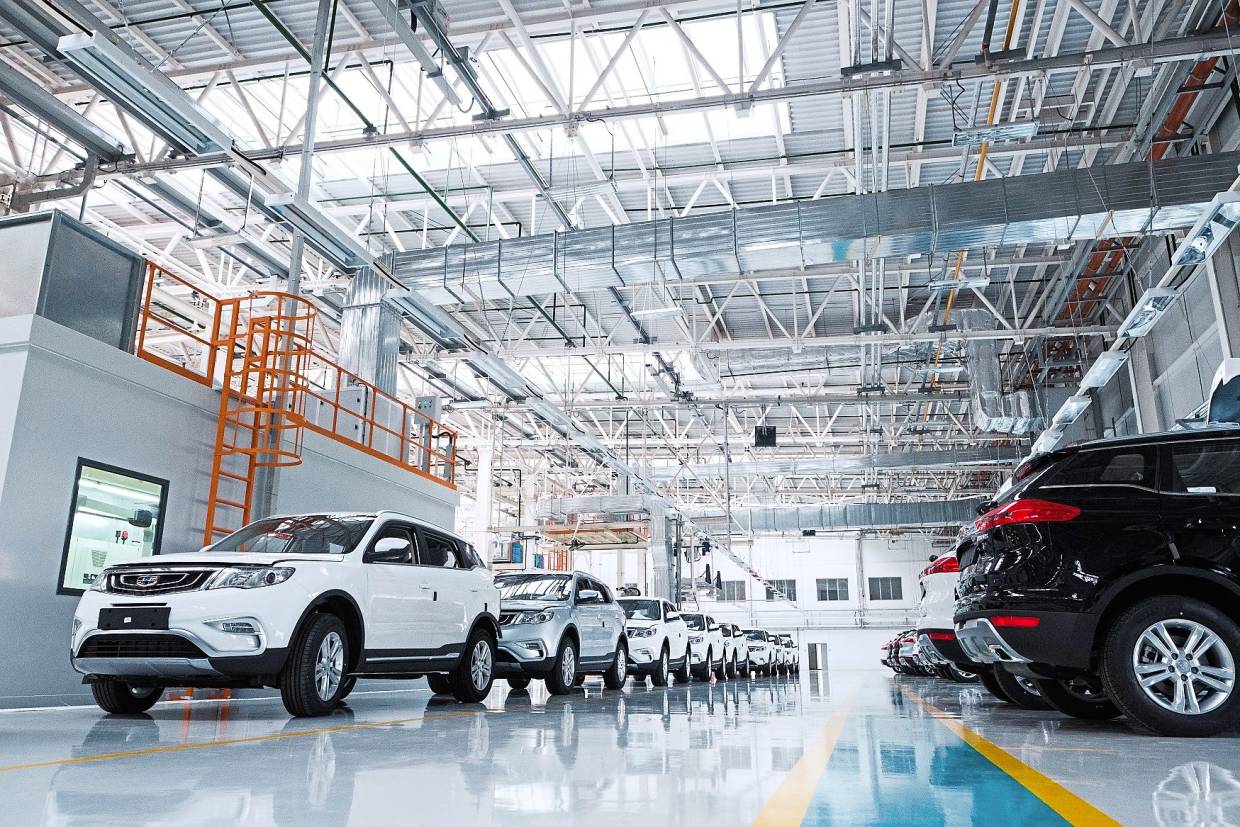
    Czech car makers will produce a quarter a million fewer cars than expected this year due to the global shortage of chips and the automotive sector will lose 200 billion crowns ($9.14 billion) in sales, the Auto Industry Association (AutoSAP) said on Sunday. AutoSAP said domestic passenger car production dropped by 53.1% in September year-on-year, to 56,157 cars. It said the chip shortage impact would exceed that of pandemic shutdowns last year, and called on the government to activate an aid program created amid the coronavirus pandemic last year to compensate firms for wages of idled workers.

    AutoSAP said production rose 2.9% year-on-year cumulatively in the January-September period to 831,653 cars. “Already since August, production has been significantly affected by output curbs and the September statistic confirms the negative trend,” AutoSAP said.

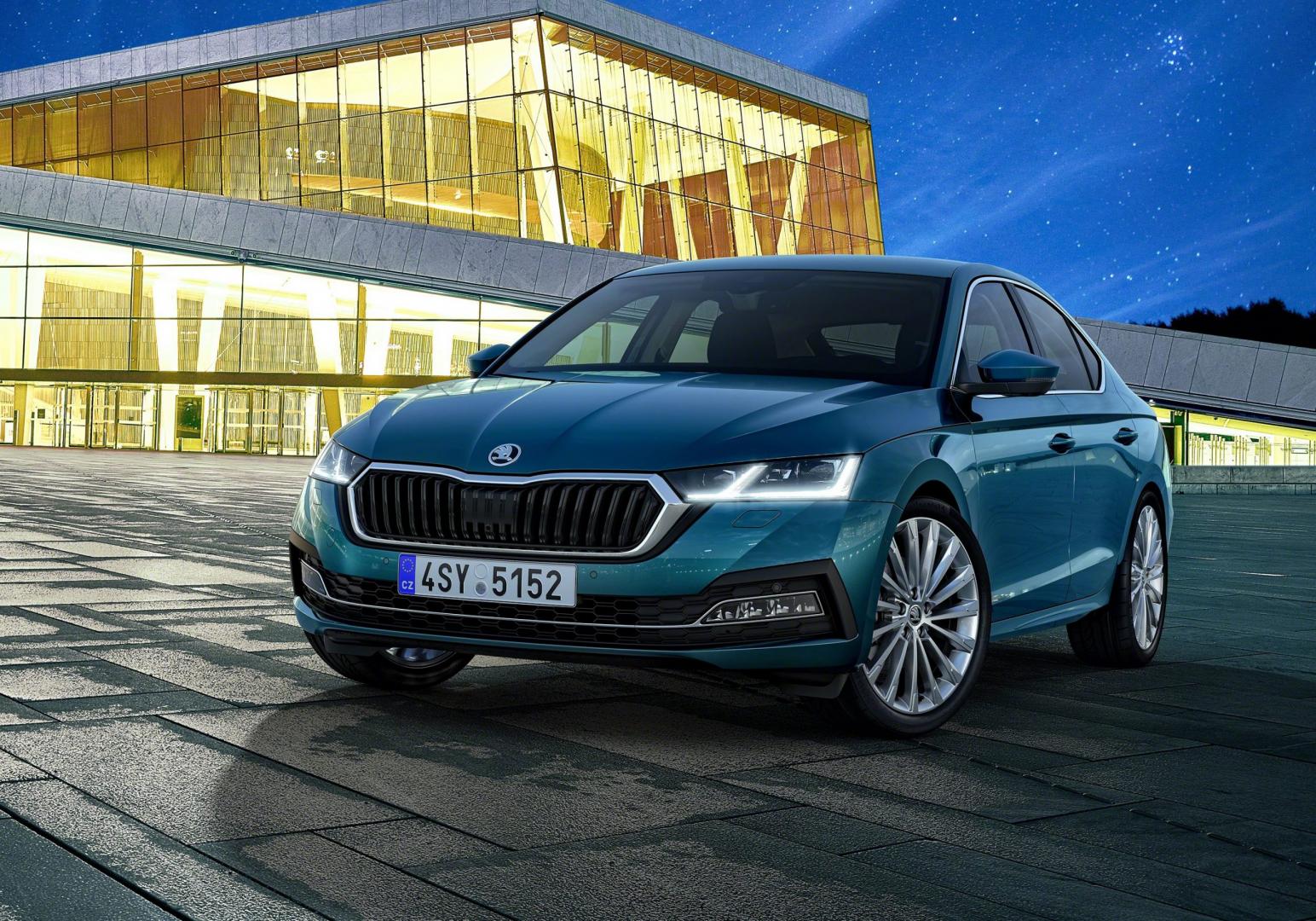
    The country’s biggest producer, Volkswagen’s Skoda Auto, has said it would significantly limit or shut production at its Czech plants from next week, possibly until the end of the year. The car sector is the backbone of the highly industrialized Czech economy, employing 180,000 workers, and makes up a quarter of industrial output.

    SAP said 120 billion crowns in revenue would be lost at carmakers and a further 80 billion at parts suppliers. The 200 billion crowns in revenue equal to about 3.3% of the country’s expected nominal gross domestic product this year.

    The other car makers with assembly plants in the Czech Republic are Hyundai — which has been the least affected by the chip shortage — and Toyota.

  • Commercial EV Startup ELMS Signs Battery Supply Deal With CATL

    Commercial EV Startup ELMS Signs Battery Supply Deal With CATL

    U.S. commercial electric vehicle maker Electric Last Mile Solutions Inc (ELMS) on Thursday said it has signed a battery supply deal with China’s Contemporary Amperex Technology Co Ltd (CATL). The financial terms of the deal, which runs through 2025, were not disclosed. CATL’s batteries power the Class 1 small delivery vehicle that ELMS began building last month at its plant in Mishawaka, Indiana.

    The companies are also exploring a setup where CATL would have a U.S. plant that would make battery cells and ship them to the ELMS plant in Indiana for assembly into battery packs, an ELMS spokesman said. “We reached an important milestone to secure battery capacity in an extremely challenging supply environment,” ELMS’ deputy chief financial officer, Rob Song, said in a statement.

    Battery makers are boosting production to meet soaring worldwide demand as carmakers accelerate the shift to electric vehicles to comply with tougher emission rules aimed at tackling climate change. CATL, which supplies numerous global automakers including Tesla Inc, Volkswagen AG and General Motors Co, has not announced where it would open a U.S. plant, but last year purchased a facility in Glasgow, Kentucky. Kentucky state officials in September 2020 offered incentives to CATL for a potential battery pack plant there.

    Ningde, China-based CATL, which already has U.S. sales offices, has previously declined to comment on plans for the American market. President Joe Biden has made it a priority to support the rollout of electric vehicles to make the United States competitive with China.

    Under the deal with ELMS, CATL will provide lithium-iron-phosphate (LFP) batteries using simpler cell-to-pack technology. The LFP chemistry is less expensive and safer than cobalt- or nickel-based cathodes in other batteries.

    In August, Troy, Michigan-based ELMS, which went public in June through a reverse merger with a special-purpose acquisition company (SPAC), said despite impacts from COVID-19 and industry-wide supply chain problems it was on track to build 1,000 vans this year.

    Following the small van, which has a starting price of $34,000 before federal tax credits, ELMS plans to build a larger Class 3 truck in the second half of 2022.

  • Hyundai Motor Aims To Develop Chips

    Hyundai Motor Aims To Develop Chips

    Hyundai Motor’s global chief operating officer said on Wednesday the South Korean automaker wants to develop its own chips to reduce reliance on chipmakers. A global shortage of semiconductors, triggered partly by surging demand for laptops and other electronic products during the pandemic, has shuttered some auto production lines globally this year. Hyundai temporarily suspended some factories, but the company’s global COO Jose Munoz told reporters the worst has passed for the industry chip shortage, adding Hyundai had the “toughest months” in August and September.

    “The (chip) industry is reacting very, very fast,” Munoz said, adding Intel is investing a lot of money to expand capacity. “But also in our case, we want to be able to develop our own chips within the group, so we are a little bit less dependent in a potential situation like this,” he said. “This takes a lot of investment and time, but this is something we’re working on.”

    He said the company’s parts affiliate Hyundai Mobis would play a key role in the in-house development plan. He also said Hyundai Motor aims to deliver vehicles at the level of its original business plan in the fourth quarter, and offset some of its production losses next year.

    Along with Toyota and Tesla, Hyundai is among a handful of automakers that increased global sales despite the chip shortage. Hyundai decided not to cut orders during the pandemic, after seeing the Asian markets recover more strongly than expected, Munoz said. Munoz, president of Hyundai Motor North America, said the company is on track to produce electric cars in the United States in 2022, and is looking into both enhancing its existing factory in Alabama and increasing its production capacity.

    He said the U.S. government needs to extend a proposed $4,500 tax credit incentive to U.S. electric vehicles made at non-union factories as well as union ones. “American workers are the same,” he said. “We would like this to be equal for all.” U.S. factories of Tesla and foreign automakers such as Hyundai and Toyota Motor are not unionized.

  • Geneva Motor Show Cancelled For The Third Time

    Geneva Motor Show Cancelled For The Third Time

    Due to industry-wide issues relating to the COVID-19 pandemic, the foundation Comité permanent du Salon international de l’automobile, as organiser of the Geneva International Motor Show (GIMS), has announced that the 2022 edition of the show will be canceled. The decision to cancel GIMS 2022 was made with the best interests of both car manufacturers and automotive fans in mind. The direct and indirect issues relating to the ongoing COVID-19 pandemic left the organisers with no alternative.

    On the one hand, direct issues of the pandemic include continued travel restrictions for international exhibitors, visitors, and journalists. On the other hand, indirect issues of the pandemic, such as the semiconductor shortage, have presented car manufacturers with new priorities that they need to solve first. These issues led to several recent cancellations, which resulted in the final confirmation of the show’s postponement

    Maurice Turrettini, President of the Comité permanent du Salon international de l’automobile said, “We have pushed very hard and tried everything to reactivate the Geneva International Motor Show in 2022. Despite all our efforts, we have to face the facts and the reality: the pandemic situation is not under control and presents itself as a big threat for a large indoor event like GIMS. But we see this decision as a postponement, rather than a cancellation. I am confident that the Geneva International Motor Show will come back stronger than ever in 2023.”

  • Stellantis To Push Into Challenging Indian Market With Citroen

    Stellantis To Push Into Challenging Indian Market With Citroen

    Carmaker Stellantis plans to launch a new model in India and Latin America next year under its Citroen brand, the group said on Thursday, as it aims to push out of its European turf and branch further into emerging markets where it has less exposure.

    The plan marks Citroen’s return to India, a market it left in the 1930s, and comes at a time when some other foreign carmakers are leaving the country after struggling to make a profit.

    Stellantis, which was formed earlier this year by the merger between Fiat Chrysler and Peugeot-maker PSA, has brands like Jeep and Ram in the United States, but is still aiming to reduce its reliance on Europe.

    The company said it plans to produce a new version of the Citroen C3, positioned as a city car in Europe, in India and Latin America for launch in the second half of 2022.

    Citroen said it would be the first of three models which it will produce and aim at India and Latin America over the next three years.

    Stellantis has said it expects India to become the world’s third-biggest car market after China and the United States by 2030 with total new cars in the country reaching 4-5 million cars a year.

    Still, the country has proved challenging for many foreign carmakers, which compete with local manufacturers such as Maruti Suzuki there as well as South Korea’s Hyundai. Ford last week said it was stopping production in India.

    Stellantis aims to grow sales outside Europe to 30% of its revenue by the middle of this decade, compared to 15% now.

  • Suzuki Expects 60% Drop In September Production Due To Chip Shortage

    Suzuki Expects 60% Drop In September Production Due To Chip Shortage

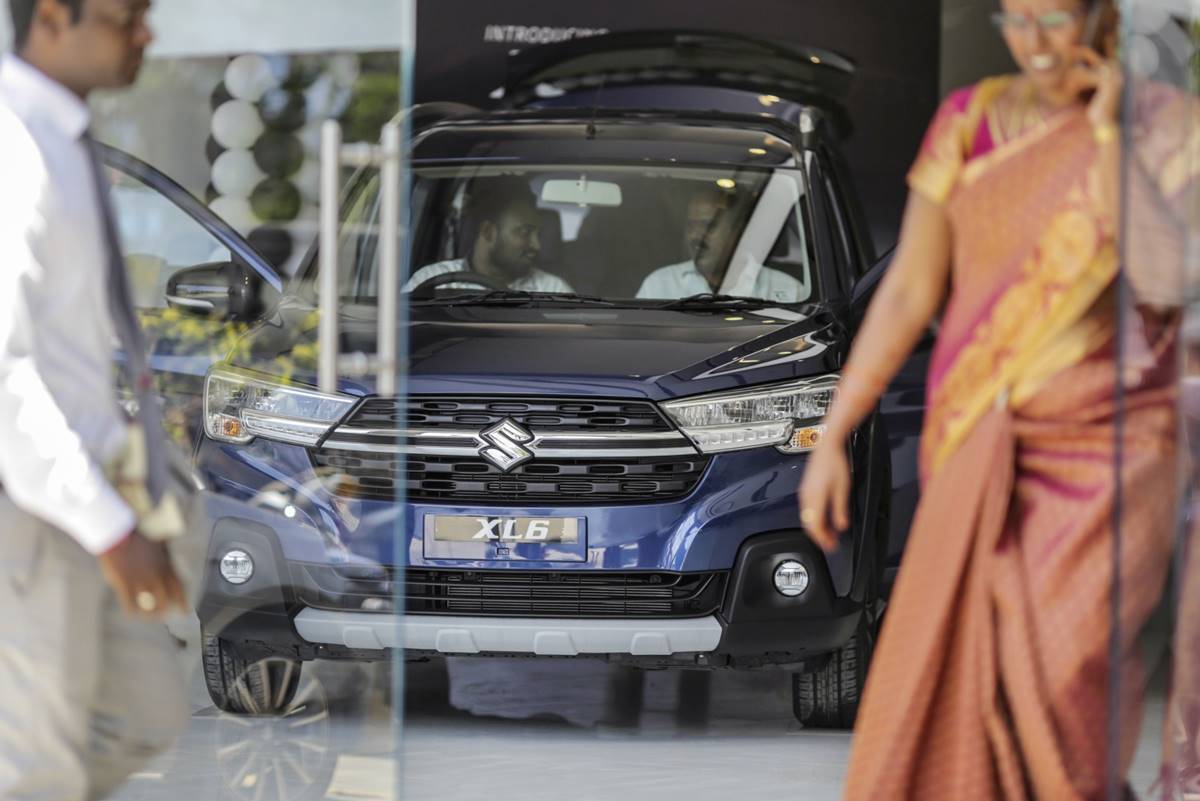
    India’s top carmaker Maruti Suzuki said on Tuesday that the global chip shortage will hurt production at its plants in the states of Haryana and Gujarat in September. Total production volume across both locations could be around 40% of normal output, it said in a regulatory filing.

    Top Indian carmakers, like their global peers, have been hit by semiconductor supply chain disruptions during the pandemic, which drove up demand for chips used in electronics like computers as people worked from home, and hit output at many automakers.

    Tata Motors and Mahindra and Mahindra Ltd have already warned of the impact from rising commodity prices and a global shortage of semiconductors, combined with pandemic uncertainty.

    In July, Tata Motors said it expected the chip supply crunch in the second quarter to be greater than in the first, likely resulting in wholesale volumes for its Jaguar Land Rover to be about 50% lower than planned.

    Analysts earlier said Maruti was better positioned than rivals as it was not dependent on a single vendor for chips.

    However, Maruti Chairman RC Bhargava has indicated the semiconductor crisis was not over and that it is difficult to predict what happens next.

  • Ferrari Boss Has No Fears Over Electric Future

    Ferrari Boss Has No Fears Over Electric Future

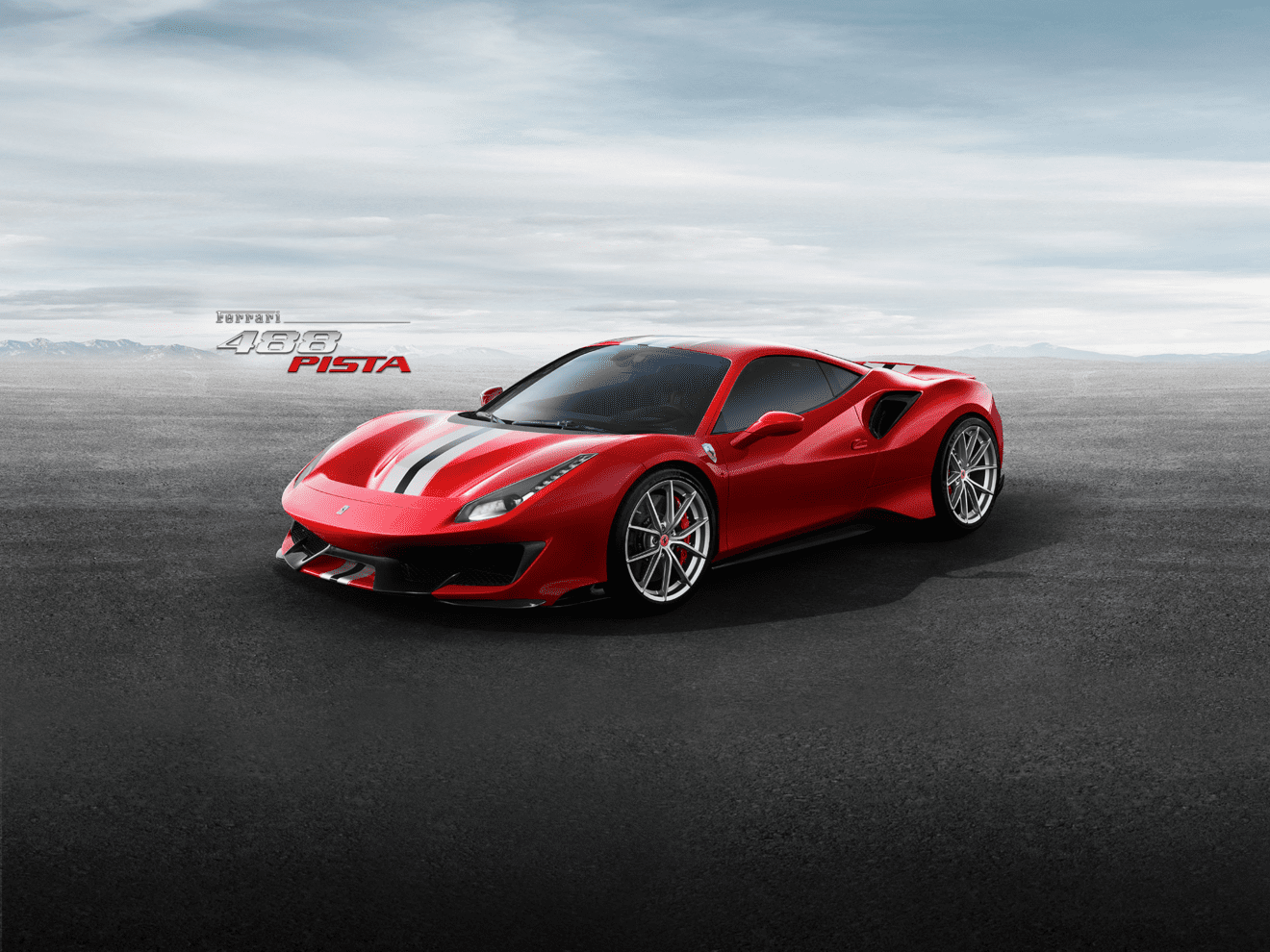
    Ferrari, the sports car maker synonymous with roaring petrol engines, welcomes the shift to electric powertrains and is confident of retaining its lead in the market for high-performance cars, its chairman said on Monday.

    The European Union last month proposed an effective ban on the sale of new petrol and diesel cars from 2035 as part of its measures to combat global warming, posing a challenge to automakers that have made powerful engines a key selling point.

    But Ferrari Chairman and acting CEO John Elkann told analysts on Monday the company known for its ‘Prancing Horse’ logo saw the change in technology as an opportunity.

    “We see the regulation as welcome,” Elkann said, as Ferrari stuck to its main 2021 targets after reporting second-quarter core profits just ahead of expectations.

    “The opportunity set by electrification, electronics, and other technologies that are coming available will allow us to make even more distinct and unique products,” he said.

    Elkann, the scion of Italy’s Agnelli family which controls Ferrari through its investment company Exor, was speaking weeks before new CEO – technology industry veteran Benedetto Vigna – takes the helm on Sept. 1.

    One of Vigna’s tasks could be to forge new partnerships, along the lines of Ferrari’s existing tie-up with Britain’s Yasa, now part of Daimler, to help with the shift to an electric era, Elkann said.

  • Tesla Updates Mobile App With New User Interface & Features

    Tesla Updates Mobile App With New User Interface & Features

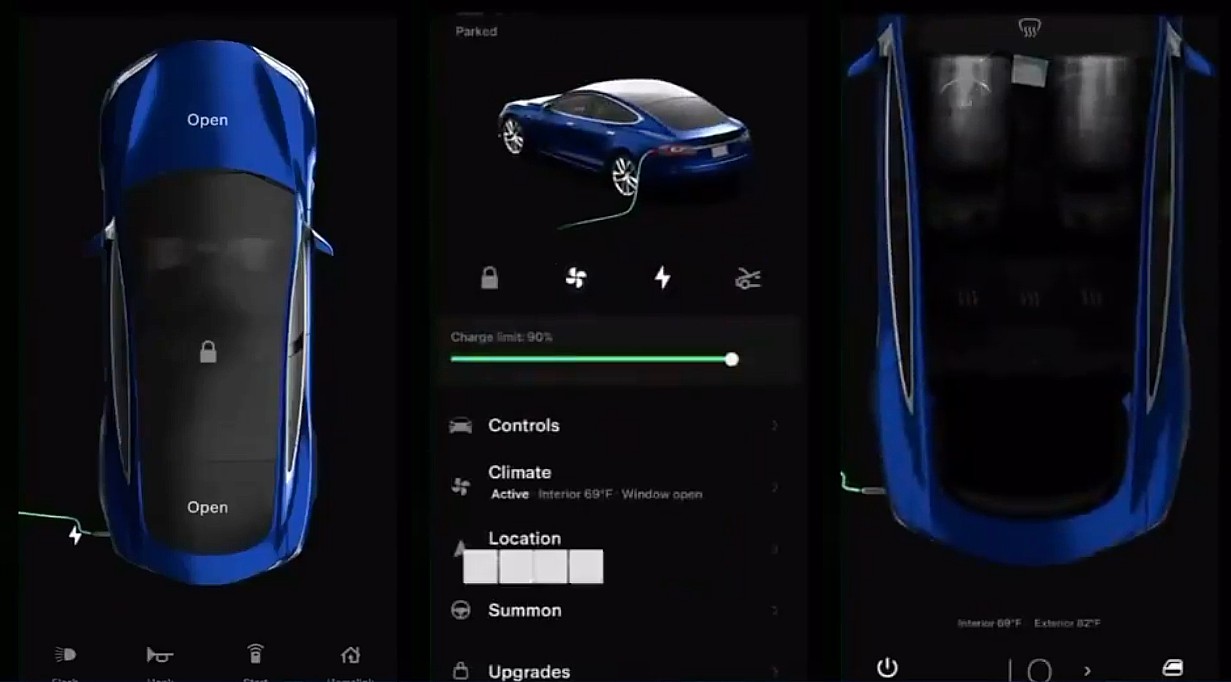
    Tesla has released version 4 of its mobile app which receives a massive overhaul of the user interface and adds a ton of new features. Users can unlock their vehicles using the app and remotely also manage the climate control system of the car apart from many other connected car functions. Version 4 is clearly the most comprehensive update to the app.

    Via the app users can also access the after-sales experience and book the car for servicing and repairs. It also lets users know the charge levels of the car remotely which is quite critical.

    Here are the new features that Tesla lists in its official release notes:

    — Refreshed vehicle and energy homepage
    — Streamlined Summon experience
    — Enhanced phone key support – vehicle no longer needs to be selected
    — Send commands to vehicle immediately upon opening app
    — Use Go Off-Grid to seamlessly disconnect your home from the Grid with Powerwall
    — Shop the Tesla catalog and view and manage your orders (available in select countries)
    — View Supercharging history and ability to pay outstanding Supercharging or service balance (available in select countries)

    Tesla is one of the first automotive companies to push over the air updates and has its own app.

    Tesla has also added support for widgets on iOS which was introduced in iOS 14 last year. Tesla has also added the supercharger billing experience in the app which comes at a time when the manufacturer is opening up the network to third-party vehicles.

    This update comes at a time when Elon Musk has said that it is close to rolling out its full self-driving software to users who opted for the package. Musk estimates after the release of the next beta, in 4 weeks the software update should be rolled out to users.

  • 95 pct made-in-Vietnam auto parts for foreign brands

    95 pct made-in-Vietnam auto parts for foreign brands

    Nearly 95 percent of auto parts produced in Vietnam are for foreign brands, showing a lack of localization in the industry.

    Of the 287 items that have been approved by the Ministry of Science and Technology as of Aug. 17, 15 were registered for VinFast cars.

    The rest were all for foreign brands. A total 226 were for Toyota, 15 for Ford and 10 for Honda.

    This means Toyota accounts for nearly 79 percent of the registered items.

    None of these items include parts for Hyundai and Mazda vehicles, although TC Motor (which assembles Hyundai cars) and Thaco (which assembles Mazda cars) have both previously affirmed they had “high” localization rates.

    TC Motor claims the rate at around 20 percent.

    Most parts are frames, chairs, and wires that are considered basic. There are no complicated parts like engines and gearboxes.

    Vietnamese officials have been calling for a higher localization rate of cars produced in the country for over two decades but the target has not been achieved.

  • Toyota Slashes September Output Amid Chip Crunch, COVID Resurgence

    Toyota Slashes September Output Amid Chip Crunch, COVID Resurgence

    Toyota said it will slash global production for September by 40% from its previous plan, becoming the last major automaker to cut output due to a global chip crunch, but it maintained its annual sales and production targets. Toyota’s success in navigating the chip shortage better than rivals has come down to its larger stockpile of chips under a business continuity plan adopted after the 2011 earthquake and the Fukushima nuclear disaster. The world’s largest automaker by sales volumes reiterated on Thursday its global production target of 9.3 million vehicles for the year ending in March, as well as its plan to sell 8.7 million cars in the period.

    “The 9.3 million global production plan takes into account certain risks,” executive Kazunari Kumakura told reporters. “We want to achieve the numbers.”

    Toyota said the September cuts included 14 factories in Japan and overseas plants, and that the company would reduce its planned global production that month by around 360,000 vehicles.

    Of these, 140,000 will be at Japanese plants, with the rest in the United States, China, Europe and other Asian countries.

    Car makers worldwide have been cutting production due to the months-long chip shortage, but a resurgence in COVID-19 cases in Japan, Philippines, Thailand, Vietnam and Malaysia – home to auto factories and chip plants – have led to stricter curbs and compounded the crisis.

    Germany’s Volkswagen said on Thursday it may need to cut production further and that it expected the supply of chips in the third quarter to be “very volatile and tight.”

    Ford Motor Co said Wednesday it will temporarily shut its Kansas City assembly plant that builds its best-selling F-150 pickup truck due to a semiconductor-related part shortage as a result of rising cases in Malaysia.

    Earlier this month, Toyota had flagged an unpredictable business environment due to fresh COVID-19 cases in emerging economies, the semiconductor shortage and soaring material prices.

    The carmaker had already halted assembly lines at some Japanese factories between late July and early August, including its Tahara plant, due to a surge in infections in Vietnam which had constrained the supply of parts, the Nikkei reported earlier.

    A person familiar with the matter told Reuters this month that Toyota had also suspended production at one assembly line in Guangzhou, China, which it operates with its Chinese joint-venture partner Guangzhou Automobile Group Co Ltd.

    In Thailand too, Toyota suspended production last month at three factories due to a pandemic-related parts shortage.
  • Ford Mustang Mach-E Production Delayed Because Of Global Semiconductor Shortage

    Ford Mustang Mach-E Production Delayed Because Of Global Semiconductor Shortage

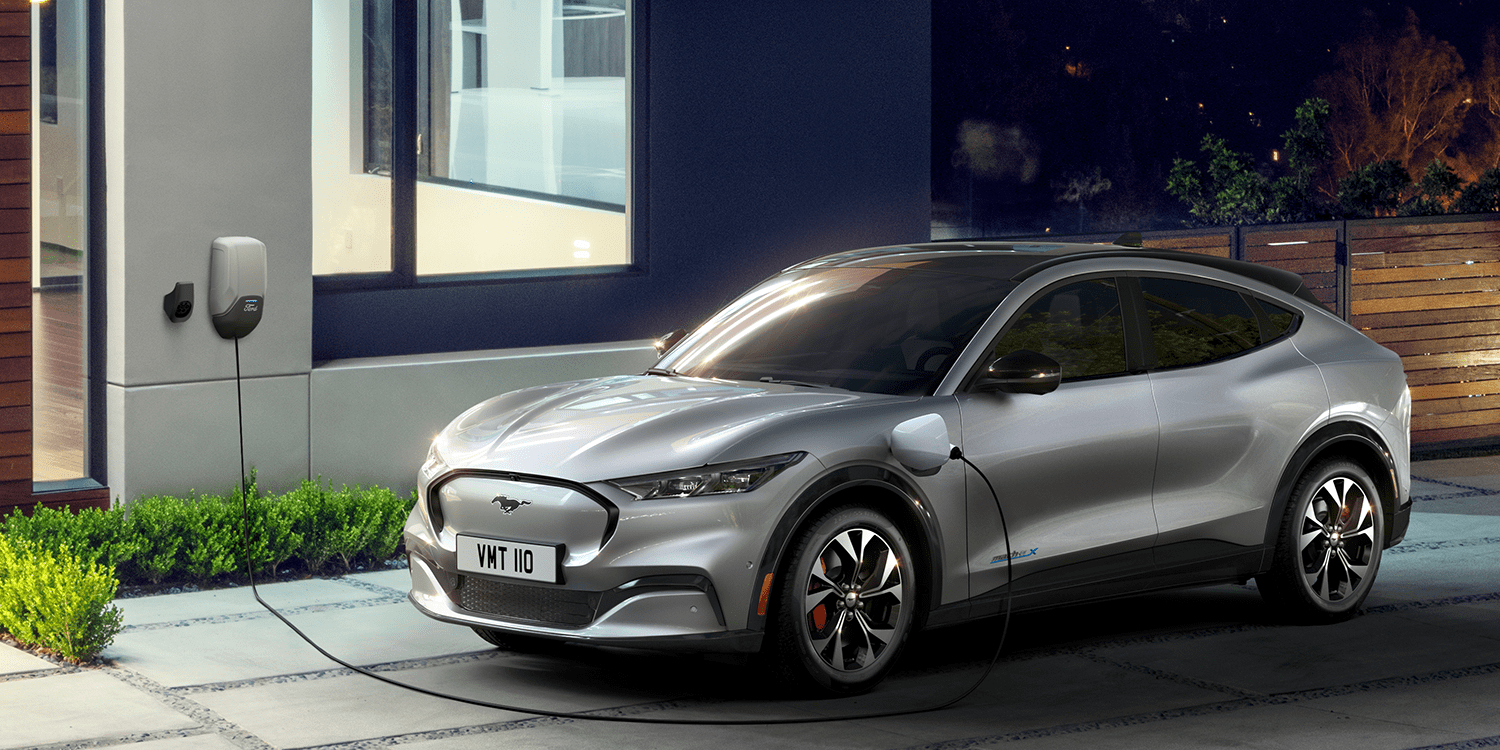
    Ford is delaying shipments of Mach-E electric vehicles due to the global chip shortage that’s causing problems across all manner of industries. The company told affected owners their deliveries will be delayed by at least six weeks.

    In an effort to make up for the delay, Ford is offering an additional 250kWh worth of charging on the house, which should be good for around 700 miles of driving. That doubles the complimentary charging Mach E owners receive with their EV. The delay affects EVs that were scheduled for production between July 5th and October 1st.

    “We’d like you to know that while we’re working nonstop to deliver your very own Mustang Mach-E vehicle, we project your vehicle delivery will be delayed by a minimum of six weeks,” Ford wrote in an email to customers. “Once your vehicle receives the required chip, your vehicle status will be updated, and you’ll receive an email with an estimated week of delivery.”

    The semiconductor shortage has impacted production of a broad range of products in recent months. Along with EVs and other vehicles, game consoles, graphics cards, smartphones, Apple products and other goods have been affected. Ford cut vehicle production earlier this year due to the problem.

  • July auto sales hit five-month low

    July auto sales hit five-month low

    Auto sales in July fell by 33 percent year-on-year to 16,035 units, the lowest in the last five months, dragged down by mobility restrictions in major cities.

    Monthly sales have experienced a downward trend since March as the fourth Covid-19 wave forced dealers to shut down during social distancing in Hanoi and Ho Chi Minh City, according to data from Vietnam Automobile Manufacturers Association (VAMA).

    But in the first seven months, sales still rose 27 percent year-on-year to over 166,500 units thanks to a surge in the first quarter.

    During this period, Thaco led with over 56,900 units, up nearly 34 percent year-on-year. Toyota followed with 32,800 units, up nearly 8 percent.

    Mitsubishi, Ford and Honda make up the rest of the top five.

    The best-selling model in July was the hatchback VinFast Fadil with over 2,928 units shifted, followed by Toyota Vios with 1,344 units and Ford Ranger, 1,310.

  • All-New Lamborghini Countach Teased

    All-New Lamborghini Countach Teased

    The Lamborghini Countach is said to be one of the most beautiful cars to have ever been designed. Pre-dating the iconic Lamborghini Diablo, the Countach was designed by the legendary Italian car designer Marcello Gandini and production of the Countach LP 400 started in 1974 and lasted till 1990, when the 25th anniversary edition of the model was manufactured. Its wedge-shape and the scissor doors are considered to be some of the most iconic automotive design to have ever been created! But why are we harping about the Countach? That is only because Lamborghini has teased a brand-new Countach and we can’t keep calm.

    All that we know is there’s a wedge-shaped car, shrouded in mist and kept under covers. There is absolutely no other detail available! Whether it will have a V12 or will it be a hybrid. Will it be a one-off concept model or will it be a full-fledged production car? There are a lot of questions that are begging to be answered, but all in due time, says Lamborghini!

    The model under wraps reveals a roofline, which seems to be higher than that of the old Countach. Also, there is a pronounced cut back towards the rear. The front windscreen seems to be really angular, but not as much as the old model. Whether, it is a concept car, a one-off model or a production car, we believe it to be a modern interpretation of the Countach. Now that sportscar was a global icon, a masterpiece in its own right and a reinterpretation/follow-up of the Countach over three decades after the last model was manufactured is something that Lamborghini must carefully tread upon.

    Nonetheless, we are waiting with bated breath for Lamborghini to unveil the all-new Countach!