Retail News CRM

Tag: car news

  • Tesla AutoPilot Stops Car After Driver Passes Out At The Wheel

    Tesla AutoPilot Stops Car After Driver Passes Out At The Wheel

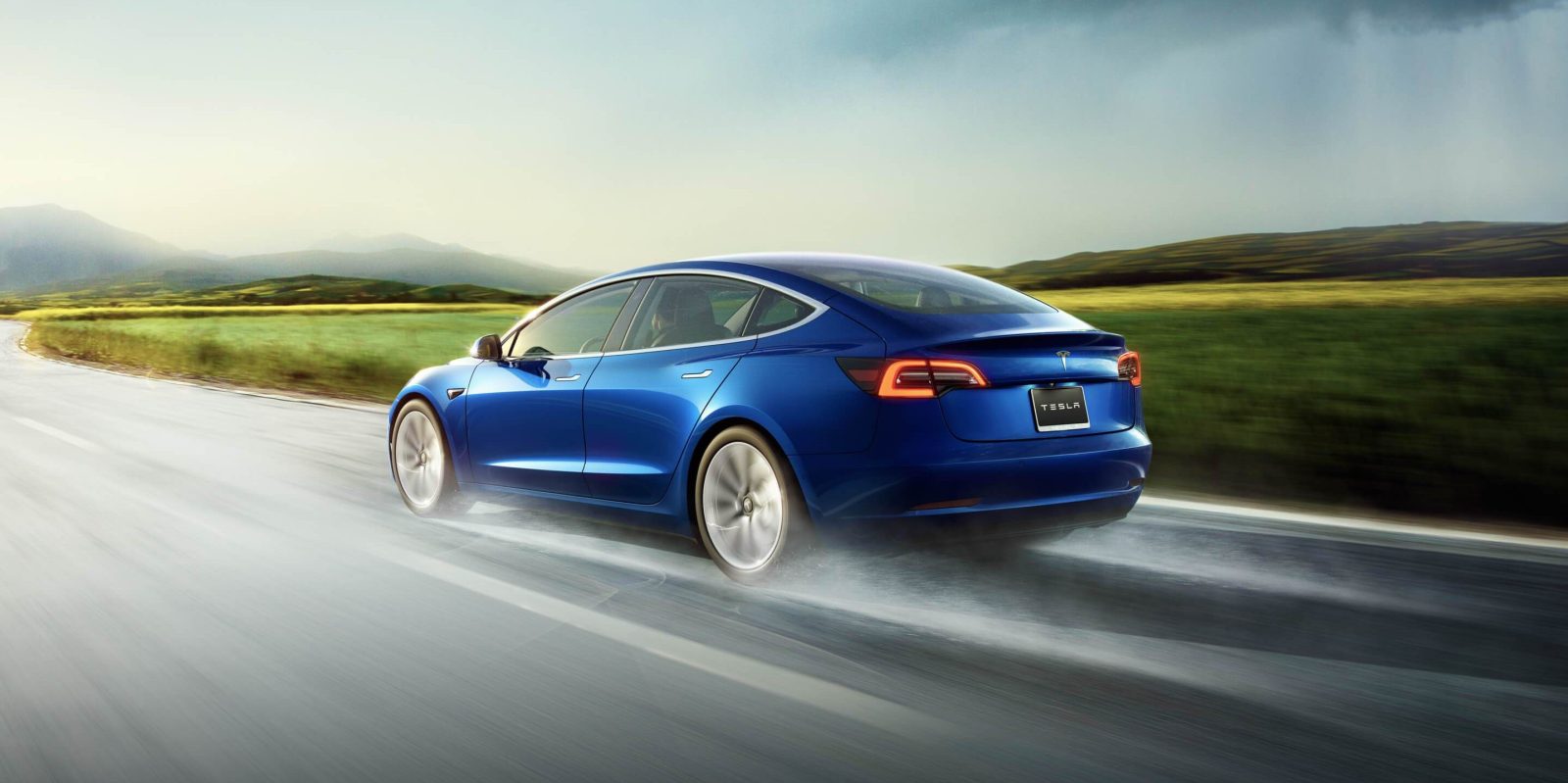
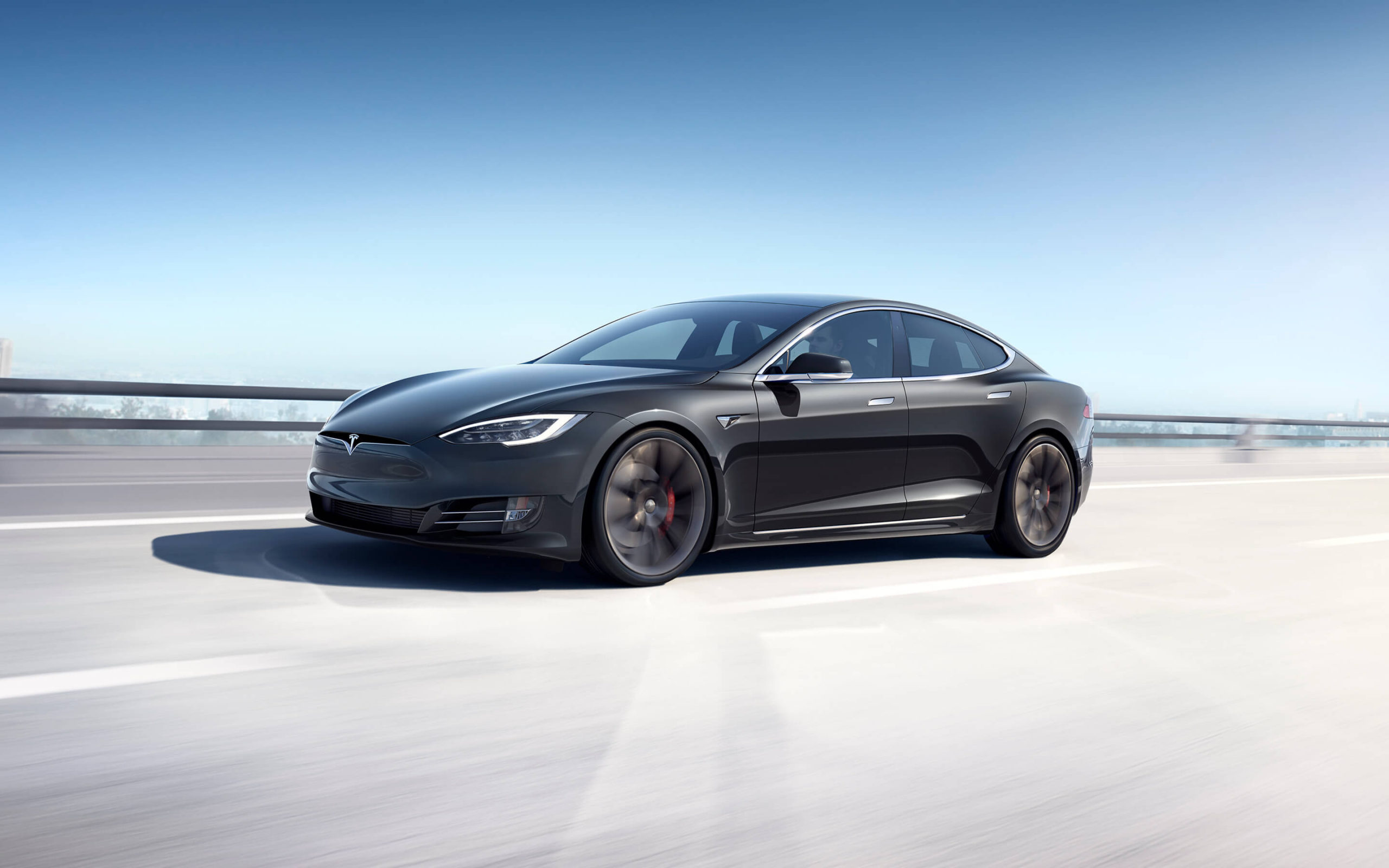
    Tesla has been talking about its AutoPilot level 2 autonomous driving technology for years. It is also transitioning to Tesla Vision which will just use cameras and its computer vision algorithms. Now, its driver-assist system has done it again – this time around stopped the car after a drunk driver in Norway passed out on the wheel. The incident happened on July 30. Many motorists passed the Tesla Model S which was on the road when the driver was unconscious on the wheel. The car was followed and filmed while he had his head down for over a minute before AutoPilot kicked in and stopped the car itself. Many motorists stopped by the car who tried to wake up the driver but he was still unconscious.

    Then the police came to the scene and found that the 24-year-old driver was unconscious because he was drunk. The police also revealed that the driver denied driving.

    “At 0540; a Tesla stops in the tunnel. It turns out to be a man 24 years old who has fallen asleep behind the wheel. He is also drunk but stubbornly denies driving. Although there is a video of him from the car … Necessary samples have been taken,” the police said in a statement. Many times before drunk drivers have used AutoPilot as an excuse to avoid drunken driving charges by claiming the system was driving the car not them. Tesla needs the driver’s hands to be on the steering wheel to make sure they are conscious of the wheel.

    It has also cameras inside the car to make sure that the driver is paying attention to the road. It also sends out alerts to the driver and if the vehicle detects torque isn’t being applied to the wheel – but when alerts are repeatedly ignored it slows down the car makes it stop at the side of the road.

  • Toyota Extends Battery Warranty On Camry, Vellfire To 8 Years In India

    Toyota Extends Battery Warranty On Camry, Vellfire To 8 Years In India

    In line with its commitment to encourage the adoption of electrified vehicles, Toyota Kirloskar Motor today announced the extension of battery warranty for its Self-charging Hybrid Electric Vehicles (SHEVs) in India. Currently, the company offers only two cars with hybrid technology and that’s the Camry and the Vellfire. The warranty is extended from the existing three years or 100,000 kilometres to eight years or 160,000 kilometres (whichever comes first). Both cars sold with effect from August 1, 2021, will come with this warranty.

    Toyota was the first carmaker to bring hybrid electric vehicles to the Indian market with products such as the Prius and Camry. The Camry has been a very successful car for the company in India, so much so that the new model which was launched a couple of years ago, was brought to India in a hybrid-only avatar.

    V. Wiseline Sigamani, Associate General Manager (AGM), Sales and Strategic Marketing, Toyota Kirloskar Motor said, “Hybrids can run 40% of the distance and 60% of the time as an electric vehicle with a petrol engine shut off, as proven in a study by iCAT, a Government testing agency. This gives hybrids tremendous fuel efficiency improvements of 35 to 50% and much lower carbon emissions. In India, over the years (cumulative), sale of Toyota Camry Hybrid vehicles alone has resulted in CO2 emission reduction of over 18 million kilograms and fossil fuel savings of over 7.6 million litres.”

  • Bentley To Launch Electric Car By 2025

    Bentley To Launch Electric Car By 2025

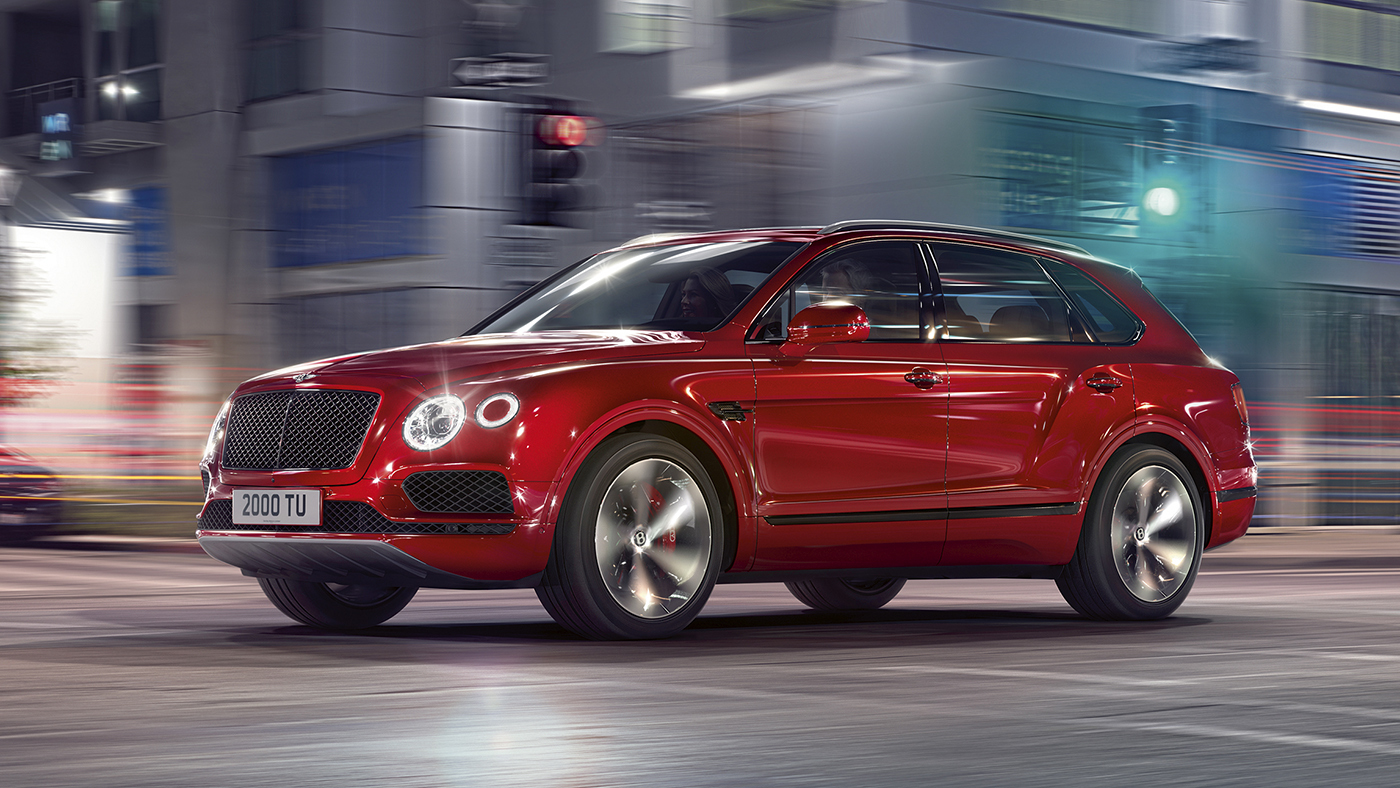
    It was in 2020 that Bentley’s ‘Beyond100’ strategy was announced. It was a roadmap the company’s transformation into the world’s leading sustainable luxury mobility brand and of course, its commitment to an electric future. As a first step towards that, all three Bentley models will be available as luxury hybrid cars by 2023. Two of them – the Flying Spur and Bentayga – already are available in the hybrid avatar.

    However, when it comes to an all-electric model, Bentley will launch one only in 2025. The company also promises that it will also be the first luxury car in the world to be carbon neutral over its entire life. By 2026, the company’s entire range will be made up of electric and plug-in hybrid vehicles.

    As a result of these commitments, the company will evolve from the world’s largest producer of 12-cylinder internal combustion engines, into a purely electric vehicle manufacturer – and all in just ten years. With the goal of a fully electric Bentley line-up by 2030, there remains some way to go, but we can’t wait to see the cars pouring out.

  • Volkswagen Polo GTI Facelift Unveiled

    Volkswagen Polo GTI Facelift Unveiled

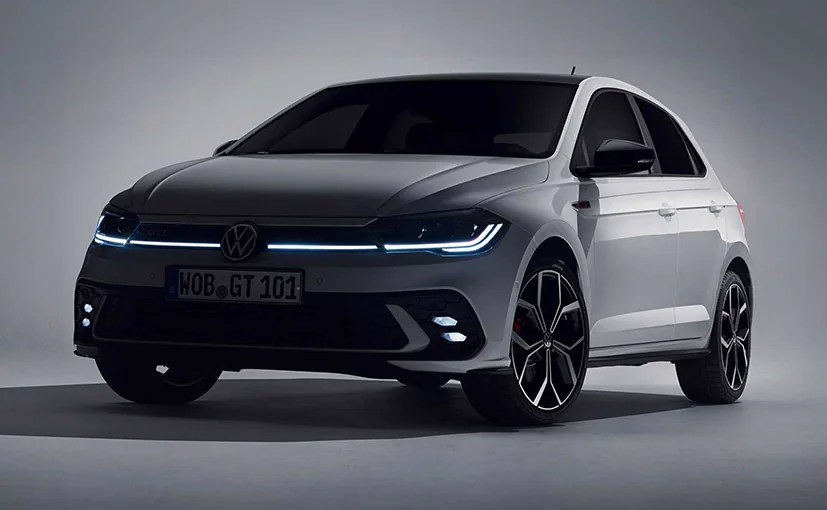
    Now before getting into the details of the new Volkswagen GTI facelift, let us tell you how these official pictures of the 2021 model year surfaced online. So we actually don’t know whether it is one of Volkswagen’s marketing strategies, or Ralf Brandstatter – CEO, Volkswagen Passenger Cars got so excited by looking at these official pictures of this new hot hatch, that he couldn’t help sharing them on his linked in profile. Yes! This is how the range-topping 2021 Volkswagen Polo GTI was unveiled, almost two years after the global debut of the line-up.

    In terms of design, the new GTI gives you exactly what you expect of a facelift as the changes remain subtle and it’s a predictable evolution if you will. It gets fully redesigned headlights along with the slim DRLs extending to the new grille, just like the Golf GTI. Then, there are wider taillights and the overall design has been spruced up with the usual red accents, dual exhaust tips, and a honeycomb grille. It also sports chunkier two-tone alloy wheels with upgraded brakes featuring red calipers and other sporty elements include contrasting black mirrors and roof.

    On the inside, it gets VW’s Discover Pro and Discover Media systems as optional, and the car also receives Volkswagen’s new ‘digital cockpit’ dashboard setup, as used by the Golf and ID 3. Other elements include a 9.0-inch touchscreen unit, panoramic sunroof, voice control, wireless charging, Beats sound system, and 18-inch alloy wheels. In the safety department, the new Polo gets Volkswagen’s Travel Assist system for the first time, which includes adaptive cruise control, lane assist, side assist and rear traffic alert. Autonomous emergency braking is also standard, as is a driver alert system and automatic post-collision braking.

    The new Polo GTI also comes with three driving modes – Eco, Normal and Sport with the last one tuned for enhanced exhaust note. The Polo GTI also gets a bespoke, performance-oriented chassis tune, lowering the body by 15 mm compared with the standard Polo and adding a large stabilizer on the car’s front axle, rigid coupling rods at the front and stiffer axle-locating mounts at the rear. Now Brandstatter is promising a powerful TSI engine under its hood, but mechanical details are not confirmed yet. We expect it to feature the same 2.0-litre, four-cylinder Turbo TSI motor tuned for optimum performance and it should come with the options of both six-speed manual and DSG transmission. Talking about the India context, the new Volkswagen Polo GTI is based on the sixth-generation Polo and both models are not likely to join VW India’s line-up anytime soon.

  • Canoo Reveals Renders Of Manufacturing Campus In Oklahoma, USA

    Canoo Reveals Renders Of Manufacturing Campus In Oklahoma, USA

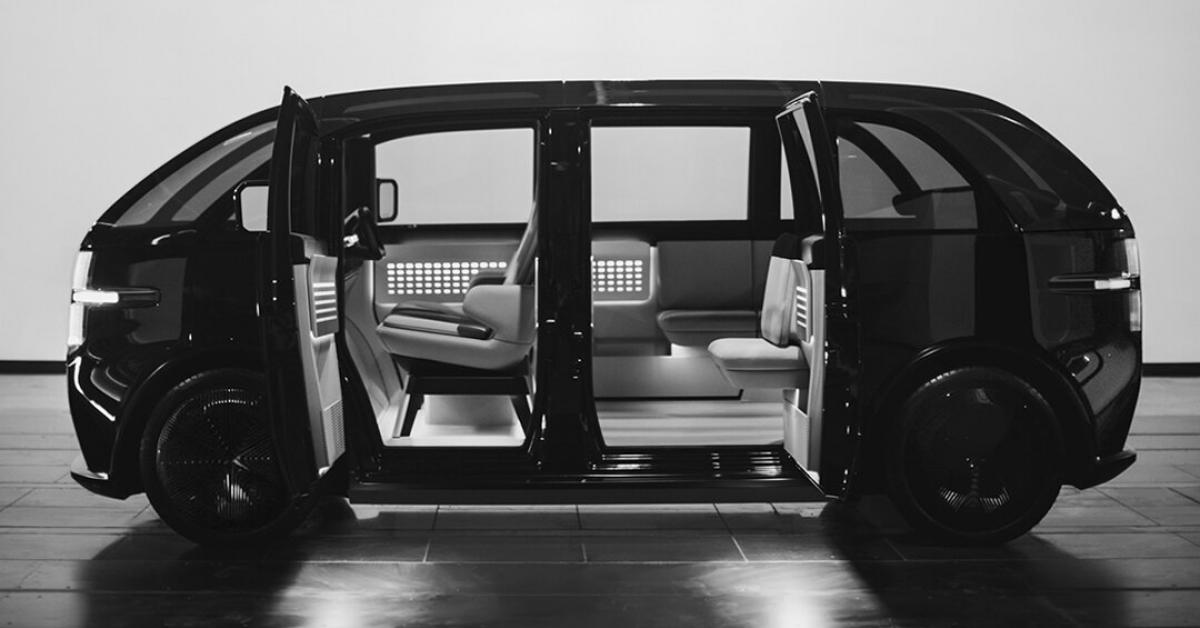
    Canoo, the electric car startup which went public recently via a SPAC merger has shared renders of its manufacturing campus that will be built in Oklahoma. Canoo calls it the mega micro-factory and it is scheduled to be opened up in 2023. In the Tulsa region, it is expected to create more than 2000 jobs. Canoo recently lost both its co-founders, with one, Ulrich Kranz, who led the development of BMW’s i3 and i8 electric cars and then moved to Faraday Future has joined Apple. In fact, Canoo was of great interest to Apple with the company interested in its skateboard. But Apple being Apple wanted to acquire Canoo while the team at Canoo wanted to retain its independence.

    “Oklahoma has always been a pioneer in the energy industry, and this partnership with Canoo shows that our state is an innovation leader in electric vehicle technology,” said Governor Stitt.

    “We are thrilled to partner with Canoo and Chairman & CEO Tony Aquila to provide high-paying jobs for Oklahomans and position America as the global leader for vehicle manufacturing for decades to come,” he added.

    It is developing an all-purpose delivery van and a modular pickup truck. It has a 400-acre campus which will be Tulsa. In a tweet, Canoo shared a 55-second video showcasing the concept design of the campus that it will start building soon.

    As per the tweet, it is right now in a design phase and remains on track to be up by 2023. It expects the facility to be over 1 million square feet. It plans on beginning production and delivery of its first vehicles by Q4 2022 with the help of a third-party manufacturer.

    “We invested millions of dollars to find the right location for our manufacturing facility. We’re proud to be American-made and to bring more than 2,000 jobs to Oklahoma,” said Tony Aquila, Investor, Chairman & CEO, Canoo, Inc.

  • China’s Automaker Great Wall Aims To Sell 4 Million Cars In 2025

    China’s Automaker Great Wall Aims To Sell 4 Million Cars In 2025

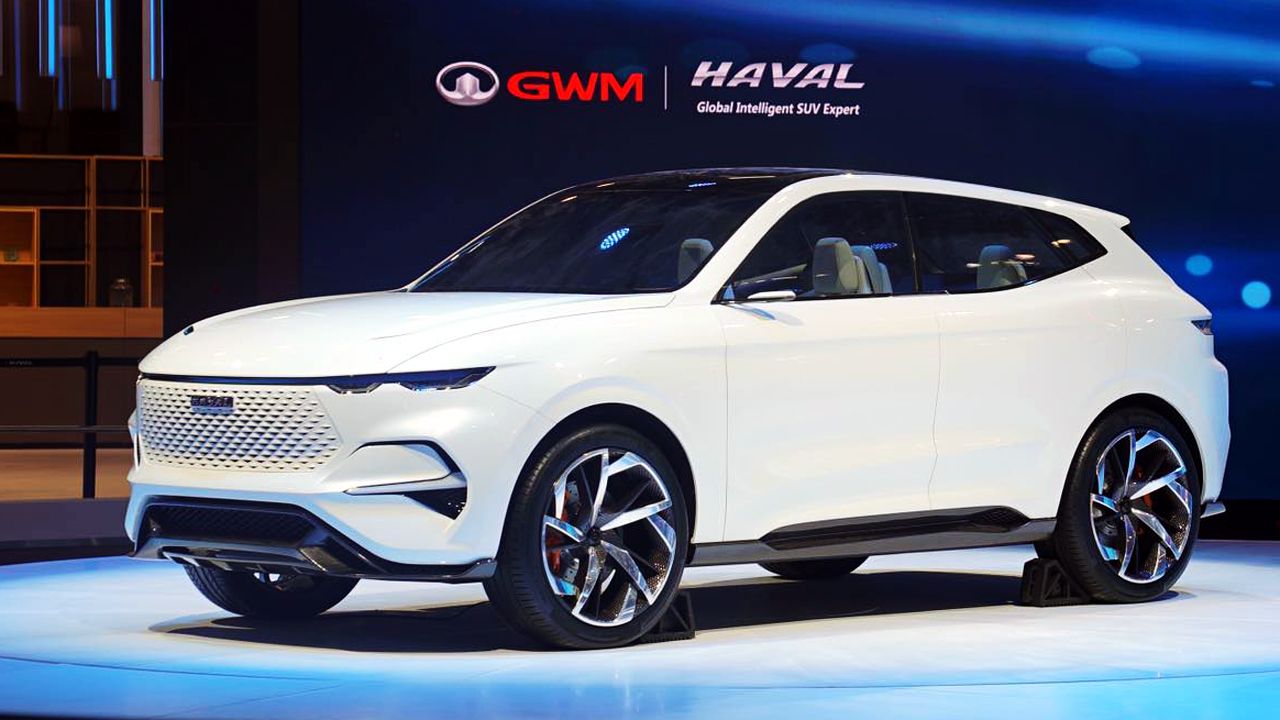
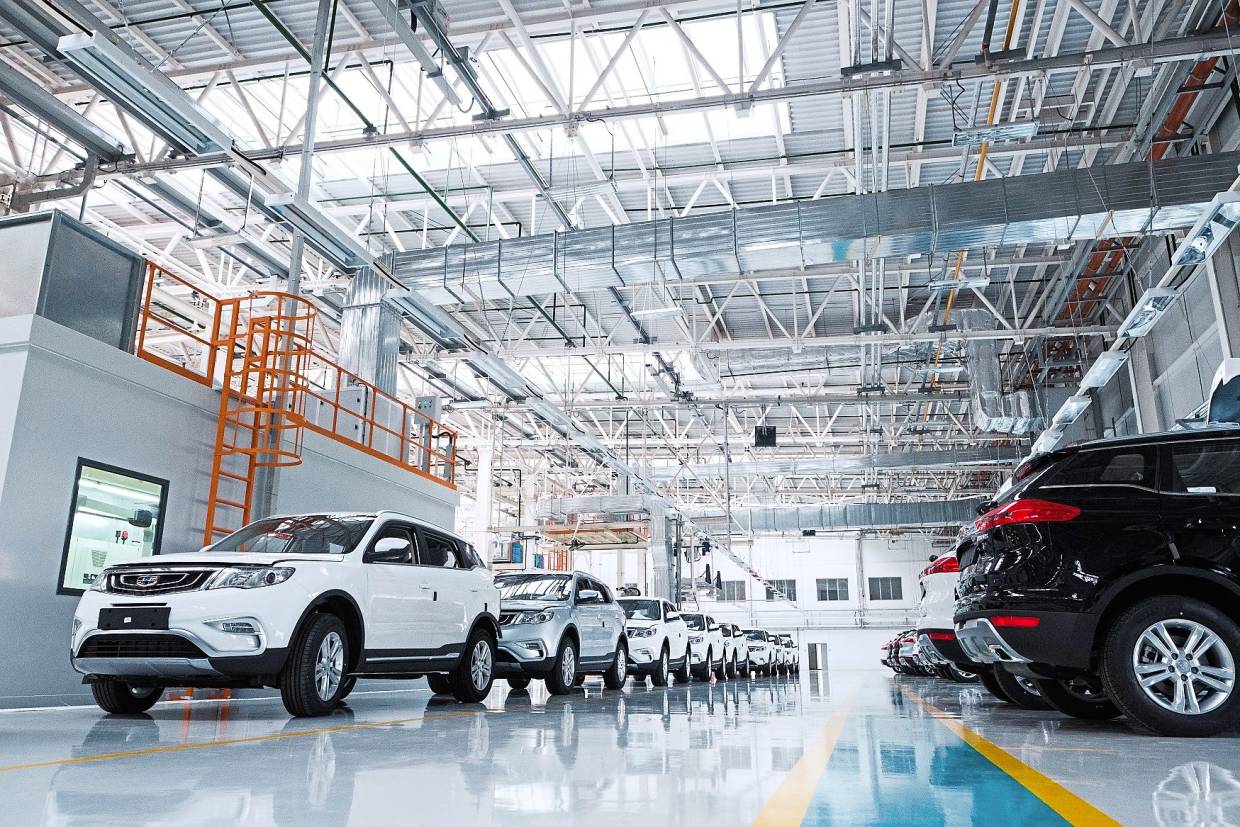
    Great Wall Motor is targeting an annual sales of 4 million vehicles in 2025, Chairman Wei Jianjun said on Monday, as China’s top pickup truck maker sees an increase in the demand for leisure use.

    Great Wall’s revenue is expected to reach 600 billion yuan ($92.86 billion) in 2025, Wei said in a briefing on the company’s strategy at its headquarters.

    Great Wall, which sold 1.1 million cars last year, aims for 80 percent of its annual sales in 2025 to be new energy vehicles, including battery-electric, plug-in hybrid, and hydrogen fuel cell vehicles.

    It targets to sell 2.8 million cars in 2023 with a product lineup of more than 60 models, Meng Xiangjun, a senior executive at Great Wall said.

    China, the world’s largest auto market, rolled out supportive policies for hydrogen fuel-cell vehicles last year, which require local governments and companies to build a more mature supply chain and business model for the industry.

    Baoding-based Great Wall is building a car plant in China with BMW for electric vehicles. The company plans to be carbon-neutral in 2045, earlier than China’s overall target of 2060.

    Great Wall, which competes with Geely and BYD, is also planning to manufacture cars in Russia and Thailand.

  • Carmakers In Chennai Allowed To Operate At Full Capacity

    Carmakers In Chennai Allowed To Operate At Full Capacity

    Global carmakers such as Renault-Nissan, Hyundai Motor and Ford Motor Co may operate with their full workforces in India’s automaking hub from Sunday, despite worker protests over safety in the pandemic. Tamil Nadu state, one of the country’s worst-hit, allowed industrial units with export commitments to operate at 100% capacity, boosting its flourishing automobile industry.

    New cases in the state have fallen from more than 30,000 a day in May to about 8,000 but still account for one-seventh of all cases in India, which is second only to the United States in total infections.

    Renault-Nissan Fights Court Battle With Indian Workers On Operations During COVID-19 Surge

    “Any company which exports or supplies to export-oriented industries will be allowed to operate at full capacity as cases have come down,” a senior state government official said.

    An Indian court tasked industrial safety officials this month with visiting carmakers in the southern state to draw up uniform safety guidelines.

    The Madras High Court was responding to a case filed last month by workers at the Indian unit of the French-Japanese alliance of Renault SA Nissan Motor.

    They asked for operations to be halted, saying social distancing norms were being flouted and the risk to their lives outweighed the health benefits provided by the company.

    Labour unions for global carmakers have written letters of protest, arguing that hundreds of workers in the automaking hub of Chennai have fallen ill with COVID-19 and dozens have died. Ford and Hyundai also halted work at their plants last month after workers protested and some went on strike

  • Volvo Cars India To Set Up Digital Technology Hub In Bengaluru

    Volvo Cars India To Set Up Digital Technology Hub In Bengaluru

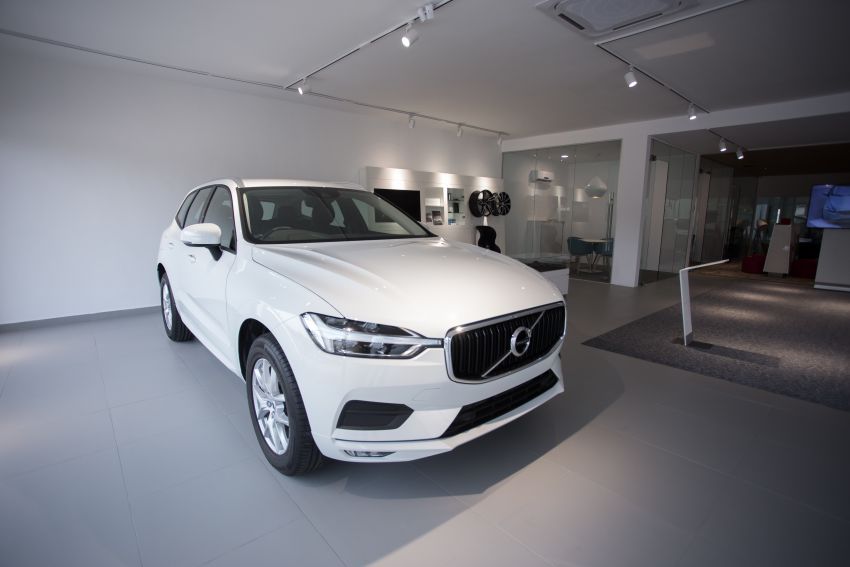
    Volvo Car India announced that it is expanding its Digital Technology Hub at Bangalore which will help strengthen its digital presence in India. The company has appointed Jonas Olsson as the Head of Digital Technology Hub with effect from June, 1 2021. Olsson comes from Volvo Group India, where he was HR Director Region APAC, and was part of the Group IT Leadership Team. His experience with Volvo Group IT spans over 20 years, with the past 15 years in India, and he has played an instrumental role in leading the set-up of Volvo Group’s IT-delivery center in Bengaluru.

    Volvo Cars India seeks to leverage on the talent available in the country, by being an attractive and inclusive employer and offering the value proposition to contribute to the organization’s journey of creating the cars of tomorrow.

    Jyoti Malhotra, Managing Director, Volvo Car India said, “Olsson’s rich experience will value add and strengthen Volvo Car India’s core strategy of going digital in all its customer offerings in the future. We welcome him in his new assignment and are confident that he will play a key role in strengthening our digital footprint in India”

  • Mercedes-Benz Introduces ‘Direct To Customer’ Retail Sales Model In India

    Mercedes-Benz Introduces ‘Direct To Customer’ Retail Sales Model In India

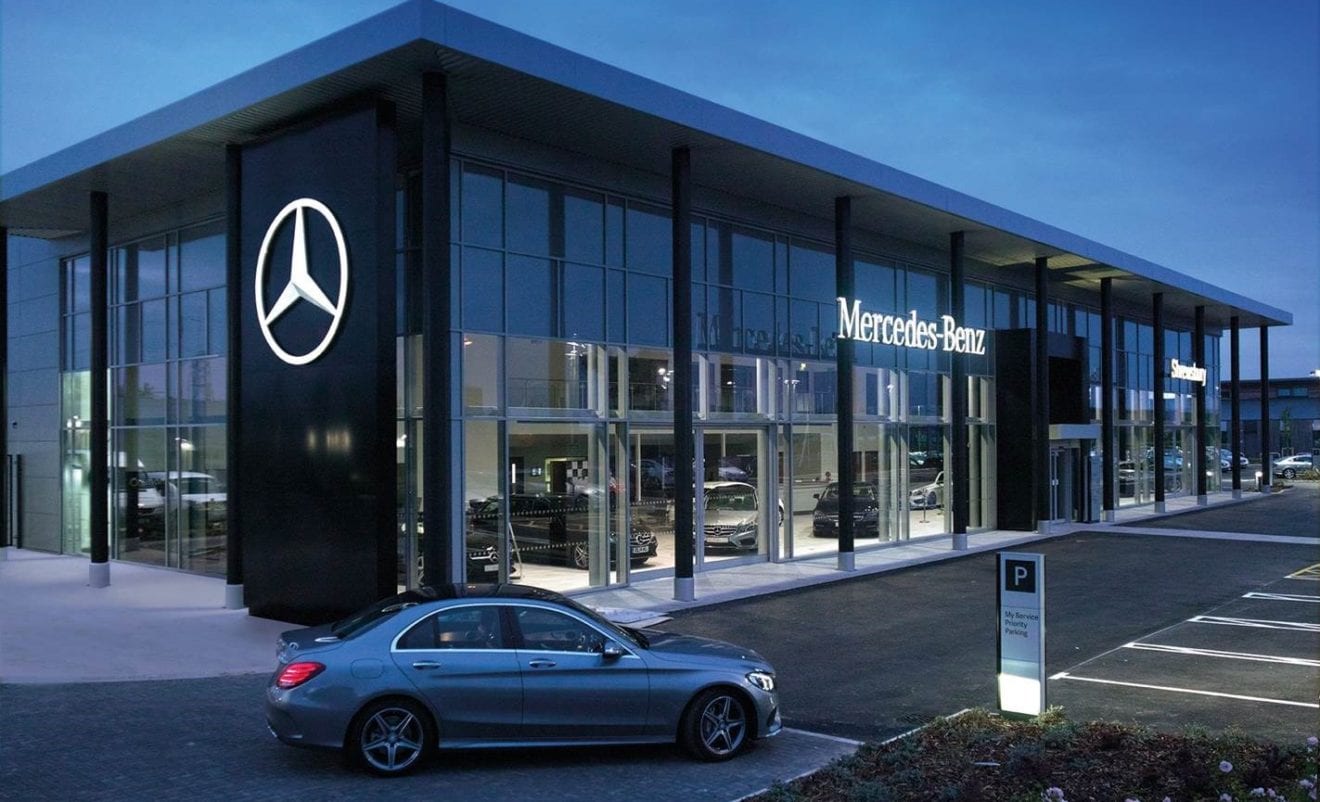
    Mercedes-Benz India today introduced its new retail sales model called ‘Retail of the Future’ (ROTF). With this new model, the company plans to promote a ‘direct to customer’ retail approach to creating a more customer-centric brand. To the effect, under this business model, Mercedes-Benz India will own the entire stock of cars, sell them via appointed Franchise Partners, invoice the new cars to the customers directly, process the order, and fulfill them. This would also mean that the company will offer one transparent price across India. The new retail model will be applicable only for new car sales, whereas other verticals like – customer service, pre-owned cars, and allied businesses will remain unchanged.

    Talking about the introduction of the new retail sales model, Martin Schwenk, MD & CEO, Mercedes-Benz India said, “This long-term strategic move will strengthen our customer focus by introducing a fundamental transition in the retail business in the market. It also will deliver a win-win solution for both customers and Franchise Partners, underscoring our clear vision for a future that is sustainable, empowering and digital. The advent of new sales channels has brought sweeping changes in customers’ aspirations and requirements and being a customer-obsessed brand, we have adapted our current business models to meet our customers’ aspirations and needs.”

    Commenting on Mercedes-Benz India’s new retail model, Vinkesh Gulati, President, FADA India said, “The agency model introduced by Mercedes India will be an out-of-the-box thinking by the company. Even though the model has tested waters internationally, India is a unique market where customer physic is very different as they change Dealers and even brands on any additional discount. Even though on the face of it, this model looks beneficial for the dealer community dealing in Premium Brands with low Volume but we will need to see if this model can work with mass-market brands so that every dealer can benefit from it.”

    Now, for customers, this might not be a big change. They will still have to visit the showroom or go online to purchase the vehicle, and, they will continue to the facilitated by the franchise representatives. What will change, however, is they’ll get uniform and transparent pricing, larger stock availability for choosing, and better customers service as that will become the major focus areas for dealerships. However, things will be widely different for franchise partners, the dealers, who will be operating on reduced risks and liabilities right now. A direct-to-customer retail model would mean they won’t have to worry about inventory cost, warehousing of the stockpile, which is added cost to dealers right now.

    However, this also means that dealers won’t be able to offer selective discounts or deals to attract buyers to compete with other dealers and gain more margin. Instead, now, in order to compete with other franchise partners, dealers will have to offer improved customer service, which will be measured based on what the company calls the CSI rating. In short, dealers will get commissions instead of sales margin.

    As for Mercedes-Benz India, it will be responsible for centrally managing the selling price of all new cars. The company will also be owning and managing the entire stock of new cars and will have to take care of order processing and fulfillment. This means the company will stop wholesale despatches to dealers. The company says that this new retail model will allow Mercedes-Benz to have better control over volume scalability and achieve price stability within segments. The company will also get improved forecasting with regards to the market trends and customer insight, along with better inventory management.

    Mercedes-Benz India will implement its new Retail of the Future sales model starting from the fourth quarter (Q4) of the 2021 calendar year.
  • Burry Of ‘Big Short’ Fame Reveals $530 Million Bet Against Tesla

    Burry Of ‘Big Short’ Fame Reveals $530 Million Bet Against Tesla

    The family office run by “Big Short” investor Michael Burry has disclosed a short position against Tesla Inc worth more than half a billion. Scion Asset Management said in a regulatory filing on Monday that it had bearish put options on 800,100 shares in Tesla as of the end of the first quarter that was worth $534 million. Put options give investors the right to sell shares at certain price in the future.

    One of the investors profiled in the book “The Big Short’ and the film of the same name for betting more than a billion dollars against the U.S. housing bubble, Burry has been skeptical of Tesla’s sky-high valuations.

    In February, he tweeted “my last Big Short got bigger and Bigger and BIGGER,” referring to Tesla’s surge in market capitalization. “Enjoy it while it lasts,” he said.

    Powered by strong sales and its first annual profit, Tesla shares jumped more than eight times last year and hit a record high of $883 per share in January. But they have since fallen as hedge fund managers raise concerns that it is overvalued.

    The shares closed at $576 per share on Monday, valuing the electric car maker at around $555 billion.

    Burry also said last year that the green regulatory credits which Tesla has relied on to generate profits will dwindle as Fiat Chrysler increases sales.

    Stellantis, formed through the merger of Italy’s FCA and France’s PSA, said this month it expects to achieve its European carbon dioxide emissions targets this year without environmental credits bought from Tesla.

    Scion, which does not hold external capital, also lifted its exposure to energy last quarter, adding 530,000 shares in Golden Ocean Group, 323,823 shares in SunCoke Energy and 225,000 shares in Occidental Petroleum.

  • Renault Introduces New Nouvelle Vague Brand Strategy

    Renault Introduces New Nouvelle Vague Brand Strategy

    Renault is gearing up to give it’s brand a new direction. The French carmaker has adopted “Nouvelle Vague” strategy targeting to maximize its number of electrified vehicles by 2030 in a bid to move towards sustainable development. More than 2000 engineers from five companies will work on cybersecurity, artificial intelligence, data processing, software, and microelectronics. Then, Renault’s Re factory in Europe will recycle or upcycle up to 1.20 lakh units every year. Nearly 80 percent of those recycled materials will be reused in new batteries.

    By 2030, Renault is targeting to become world’s best automotive manufacturer when it comes to the percentage of recycled materials in new vehicles. The company will also introduce seven electrified models in C and D segments. It has also unveiled the new Arkana coupe SUV that marks and the new-generation Megane E-TECH Electric. The company has also announced that the E-TECH Hybrid technology will continue to power upcoming C and D segment vehicles. Renault has been leading in the EV segment in Europe with almost 4 lakh vehicles sold to date. In Europe, France, Spain, Italy, Germany, and the United Kingdom – will continue to be its key markets. The company will also try and increase local dominance in Brazil, Russia, Turkey, and India.

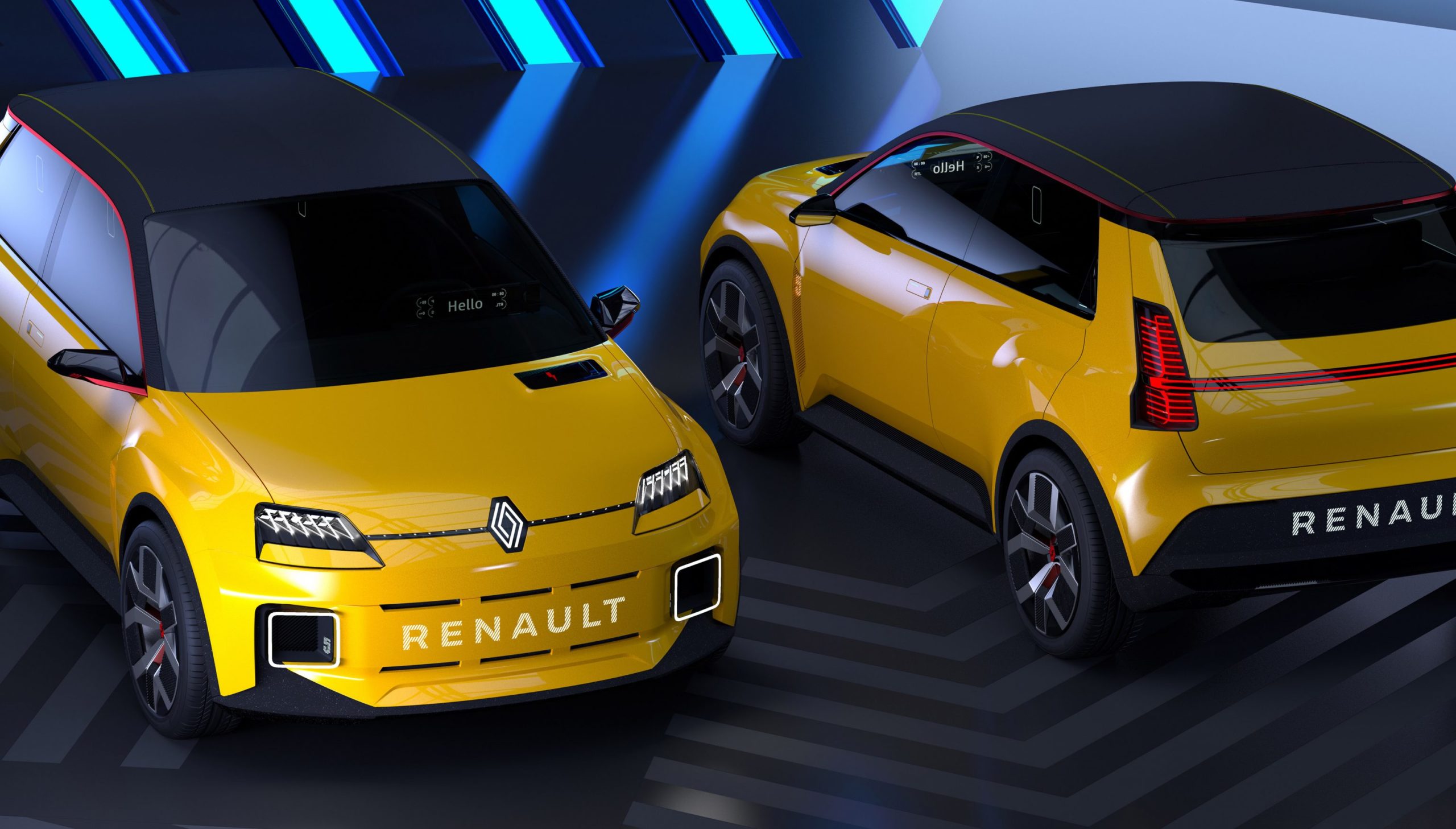
    The brand has also unveiled its new logo and the Megane will be the first model to wear it. The latest iteration was created in 1992 and Renault felt that it began to look a little dated, even though it was reworked in 2015. The new brand logo adores a streamlined design, with neither typogram nor brand signature. The new logo is an open-ended shape and Renault says that it reflects the brand’s openness and transparency. It was co-designed with Landor & Fitch consultants and will be phased in on all Renault brand vehicles and across the Renault network. By 2024, the entire Renault range will sport the new logo.

  • EV Owners Shifting Back To Gas Power In The U

    EV Owners Shifting Back To Gas Power In The U

    A study by the University of California, Davis, which has been published by the Nature Energy Journal has shown some disturbing signs for EVs. While the world makes this tectonic shift away from gasoline-powered vehicles, between 2015-2019, 18 percent of EV owners in California shifted back to gasoline while 20 percent of the plug-in hybrid owners also did the same. The study reveals the primary culprit for the switch was the lack of reliable level 2 charging, particularly at home. While EVs, despite being more expensive than gasoline-powered vehicles, are considered more affordable because of the more affordable nature of charging and almost no after-sale cost which makes these vehicles more reliable, the limitations of range and the time that it takes to charge a vehicle offset these benefits.

    According to the research paper, almost half of the respondents who bought an EV had access to level 2 charging. 30 percent of them also had proper plugin charging at home and they still dumped their EVs. Interestingly, 54 percent of the respondents were less likely to buy an EV if they didn’t have access to convenient at-home charging.

    In the US particularly, things have moved along quite a bit in the last two years. EVs have become more ubiquitous because of the Tesla Model 3 which has become the best selling executive sedan in the world. Tesla also has a rather affordable SUV in the Tesla Model Y and there is a legion of new vehicles coming to the US mostly from traditional automakers.

    While all of this has happened, the charging technology has moved along. Tesla’s supercharger network has grown while also Volkswagen’s Electrify America has become the biggest charging network in North America. But more players are entering the space like Rivian which is highly capitalized and also pouring its cash into developing its charging network. GM has now partnered with 7 networks via a super app for charging its vehicles.

    The government has also changed in the US. Under Biden, EVs are getting a huge push and if tax credits come back, then things will be even more lucrative for EV adoption. The data from the report is also likely skewed slightly from the current trends because it takes broad 4 year period when EVs and their infrastructure weren’t as developed or refined.

  • Volvo’s Global Sales Increase By 97.3% In April

    Volvo’s Global Sales Increase By 97.3% In April

    Volvo Cars achieved its 10th consecutive month of sales growth, as the company’s global sales increased by 97.5 percent in April compared with the same month last year. In April, Volvo Cars sold a total of 62,724 cars, up from 31,760 cars in the same period last year. The growth was mainly driven by strong demand in the US and Europe, in combination with a recovery from a sales drop in April last year related to the Covid-19 pandemic. In China, where sales returned to growth around this time last year, the company reported a steady increase of 11.6 percent.

    Sales in the January-April period landed at 248,422 cars, up 51.8 percent compared with the same period last year. Sales of Volvo Cars’ Recharge line-up of chargeable models, with a fully electric or plug-in hybrid powertrain, remained strong in Europe during the month of April, representing 42.0 percent of the company’s overall sales in Europe. Globally, Recharge cars accounted for 24.3 percent of the total sales volume.

    In the US, sales increased by 185.5 percent in April compared with the same month last year, mainly driven by strong demand for the XC90 and XC60. Total sales reached 11,036 cars, an increase from 3,866 in the same period in 2020, when many states implemented stay-at-home orders due to the pandemic.

    European sales grew to 25,816 cars for the month of April, up 178.0 percent compared with the same period last year. The increase was mainly driven by markets that have started to recover after last year’s pandemic-related shutdowns, as well as strong sales increases in the UK, Sweden and Germany.

    China, Volvo Cars’ biggest market, reported solid sales growth in April, with total sales reaching 16,435 cars. The increase was led by high demand for the locally assembled XC60 and S90 models.

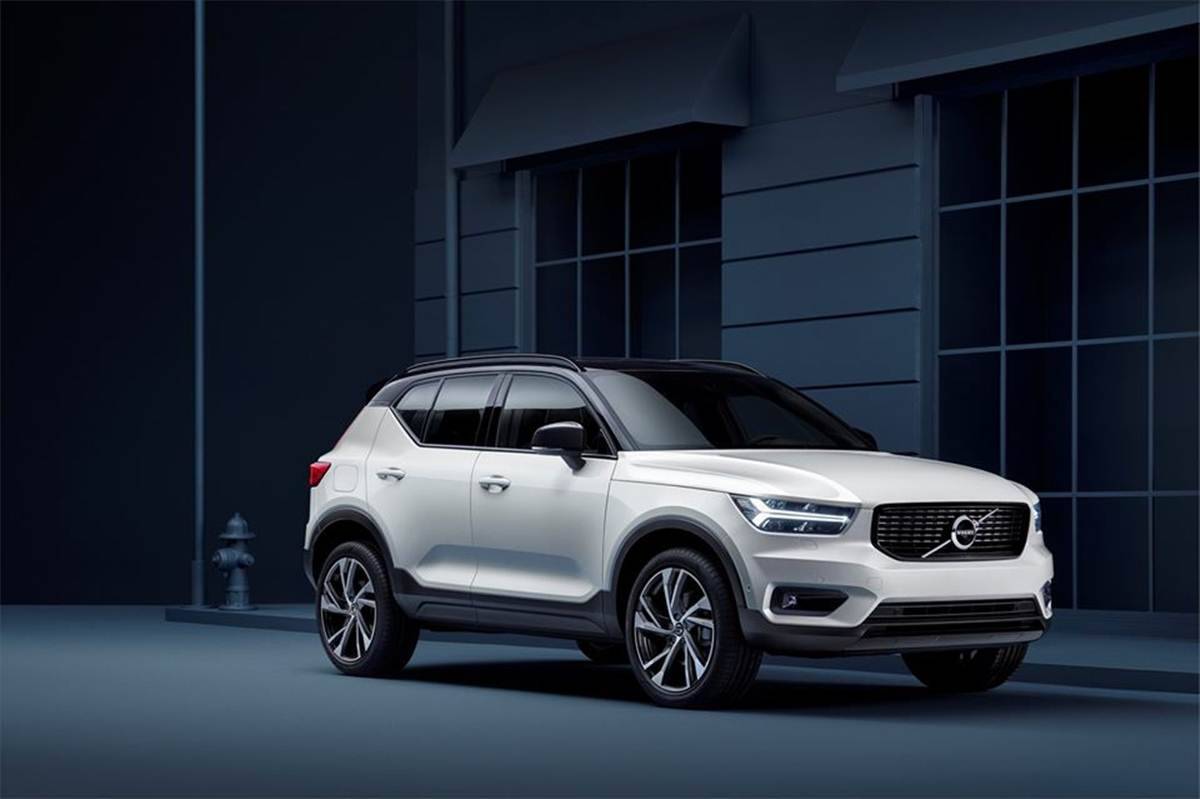
    In April, the XC40 was the top-selling model, with sales of 19,833 cars (2020: 5,708), followed by the XC60 with total sales of 17,925 cars (10,908 units) and the XC90 with 9,371 cars (4,425 units).

  • Porsche To Build EV Battery Cells Factory In Germany

    Porsche To Build EV Battery Cells Factory In Germany

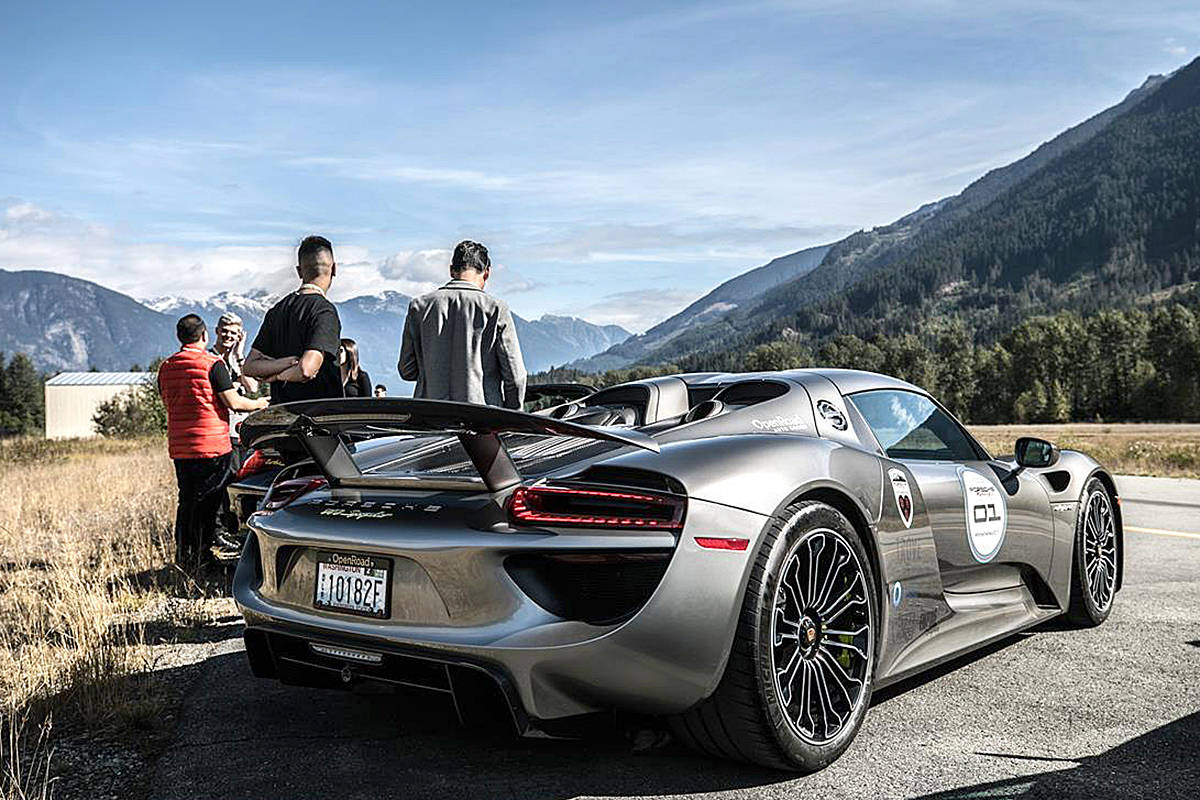
    In a bid to speed up its e-mobility drive, the German carmaker Porsche is reportedly planning to set up a factory to produce battery cells for electric vehicles. This plan was confirmed by the company’s CEO to a local German newspaper. The European carmakers are looking to ramp up production of the electric cars to meet stringent environmental rules in the European Union. Moreover, they are also aiming to reduce their dependence on battery suppliers in Asia.

    In an interview with a local newspaper, Oliver Blume said that “Battery cells are a key technology for Germany’s automobile industry which we must also have in our own country.” He also said the carmaker wants to play a pioneering role in this step.

    He also confirmed that the battery cell factory would be built in the Swabian town of Tuebingen, Germany. Moreover, the company will purchase EV batteries from its parent company, which plans to build half a dozen battery cell plants across Europe. Volkswagen also intends to expand infrastructure for charging electric vehicles across the globe.

    Blume further said, “But there will also be a segment for high-performance battery cells. It’s a Porsche domain. Just as we developed high-performance internal combustion engines, we now want to be at the forefront of high-performance batteries.”

  • Tesla To Setup India Headquarters In Mumbai

    Tesla To Setup India Headquarters In Mumbai

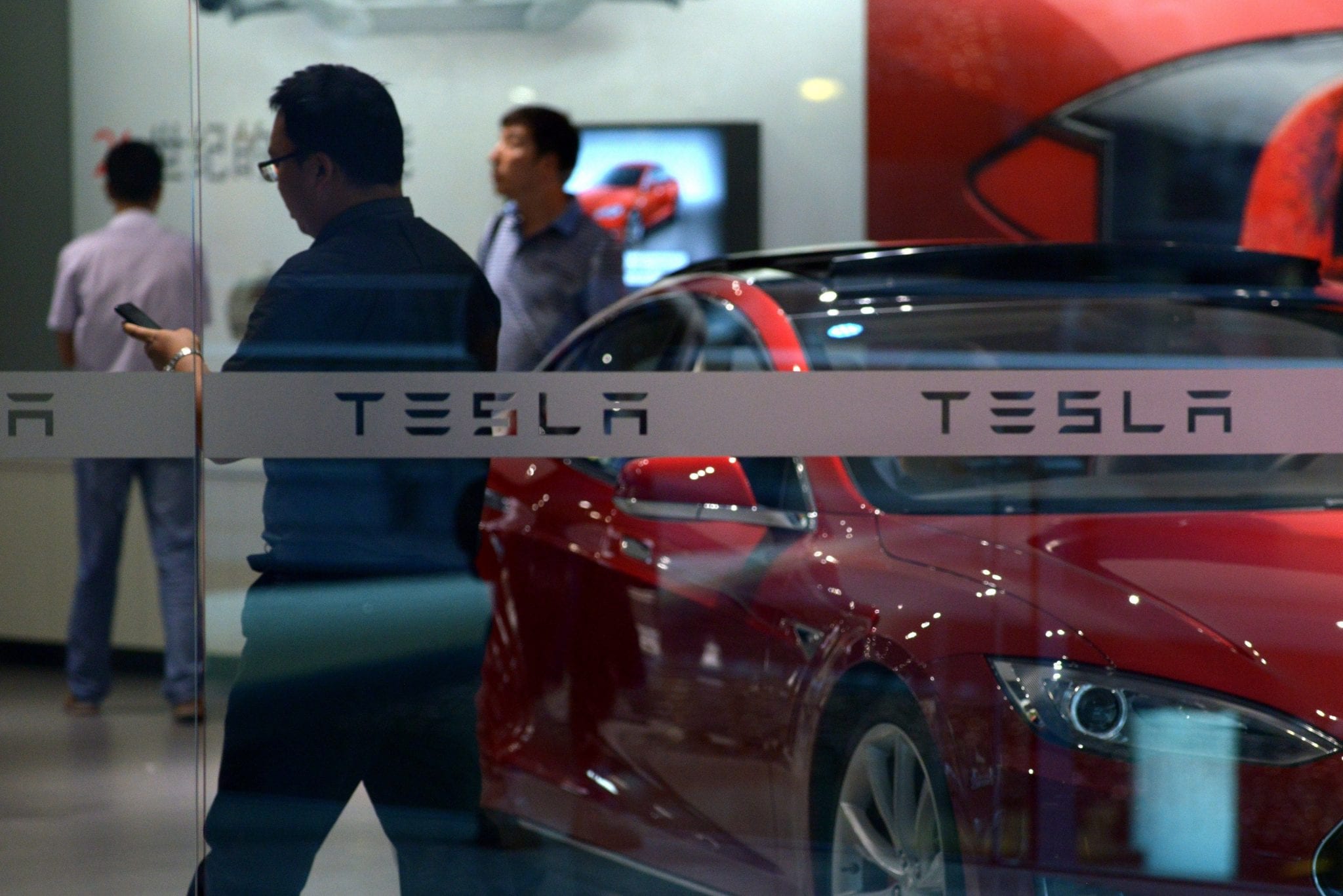
    Tesla is all set to roll out its first electric car in India this year and the American EV manufacturing company has started establishing its base in our market. It had registered itself in Bengaluru earlier this year and according to it is now setting up its office in Lower Parel-Worli area in Mumbai. The company will be establishing its production base in Karnataka and is evaluating a few ready commercial projects in Lower-Parel for a 40,000 sq ft office.

    Tesla has started hiring for top positions from IIM Bengaluru alumni. Manuj Khurana has been appointed as Head – Policy and Business Development for India operations. The company has also hired Nishant Prasad as Charging Manager who will head Tesla’s supercharging, destination charging, and home charging business. He was earlier head of Charging Infrastructure and Energy Storage at Ather Energy. And finally, Tesla India has Chithra Thomas as its country HR Leader, who was earlier working at Walmart and Reliance Retail. “Tesla India is moving full speed ahead with building a local team. We are excited to see the progress. Hoping to see you (Musk) in India when Tesla delivers the first cars,” Tesla Club India said in a tweet on Wednesday.

    Last week, Union Road Transport and Highways Minister Nitin Gadkari invited Tesla to start manufacturing EVs in India. During his address at The Raisina Dialogue 2021, he said that it is a golden opportunity for the company to start manufacturing in India. Gadkari also added that Indian EV makers are also improving the quality of their models and local manufacturing means they are able to price their products at a competitive price. Similarly, Tesla will also benefit if it engages in local manufacturing.