Tag: chapter

  • Beatrice Monguidi Steps Up as New CEO of LVMH’s Rimowa: A New Chapter for the Luxury Luggage Brand

    Beatrice Monguidi Steps Up as New CEO of LVMH’s Rimowa: A New Chapter for the Luxury Luggage Brand

    Beatrice Monguidi has been named the new CEO of Rimowa, the renowned suitcase brand, by LVMH. She will officially assume her duties starting June 1. Monguidi will directly report to Pietro Beccari, who holds the dual roles of Chairman and CEO of both the LVMH Fashion Group and luxury fashion house Louis Vuitton.

    Experience and Expertise

    Monguidi’s appointment is indicative of LVMH’s strategy to leverage internal talent, recognising her vast experience across several of the group’s premier brands. Her professional journey includes stints at Fendi and Christian Dior Couture, both high-profile LVMH companies.

    In her most recent role, Monguidi excelled as the Zone President for EMEA (Europe, Middle East, and Africa) at Louis Vuitton. She was responsible for supervising one of the brand’s most intricate regions. Her efforts to cultivate a culture centred around people while maintaining robust commercial performance and operational discipline across varied markets did not go unnoticed.

    Beccari lauded Monguidi’s leadership skills, stating, “Monguidi has demonstrated a remarkable ability to unite and guide teams towards common goals within the multifaceted and complex EMEA ecosystem. Her commitment to the collective and to nurturing talent makes her the perfect fit to steer Rimowa’s vision into the future.”

    LVMH’s Current Financial Standing

    Monguidi’s appointment coincides with the release of LVMH’s first-quarter revenue report. The figures reflect a revenue of €19.1 billion (US$22.4 billion), marking a 6% decline. This drop is attributed to ongoing geopolitical tensions impacting trade. However, the brand’s strong performance in key markets, notably the US and Asia, helped mitigate the disruption caused by larger economic instability and conflict in the Middle East.

    Questions & Answers

    Who has been appointed as the new CEO of Rimowa?
    Beatrice Monguidi has been appointed as the new CEO of Rimowa.

    Who will Beatrice Monguidi report to in her new role?
    She will report to Pietro Beccari, the Chairman and CEO of the LVMH Fashion Group and Louis Vuitton.

    What is LVMH’s latest reported revenue?
    LVMH’s latest reported revenue for the first quarter is €19.1 billion or US$22.4 billion.

  • Coty Unveils AI-Enhanced Fragrance Concept Store in Hong Kong: A New Chapter in Perfume Retail Experience

    Coty Unveils AI-Enhanced Fragrance Concept Store in Hong Kong: A New Chapter in Perfume Retail Experience

    Coty, a leading global fragrance corporation, has inaugurated a unique retail concept store located in Mong Kok, Hong Kong. This revolutionary store, known as My Scent Edit, is situated within Langham Beauty. It is a multi-brand store, providing an immersive and interactive experience for its customers.

    Interactive Experiences and AI Incorporation

    My Scent Edit goes beyond the conventional shopping experience by incorporating various advanced technologies. It provides AI-powered digital consultations to assist customers in selecting the right products. The store also features trial zones where customers can sample various products before making a purchase. Adding to the interactive experience, the store includes an innovative AI photo booth.

    Coty has integrated AI technology into its operations following its collaboration announcement with an AI company. This partnership promised to enhance Coty’s business operations by expanding the utilization of the AI model, ChatGPT Enterprise. The company stated that its employees would have access to AI’s most robust models. This would aid their daily tasks and foster cross-functional collaboration.

    Coty underscores that human expertise remains at the core of its approach, but believes AI is a vital tool to stimulate efficiency. The company sees AI as a tool that complements and boosts the creativity and strategic thinking that uniquely defines its brands.

    Coty’s Hong Kong Presence

    In addition to the My Scent Edit store, Coty has also established another multi-brand concept, Citi Scent, located in Tsim Sha Tsui, Hong Kong.

    Moreover, Coty’s products are widely available through various distribution channels. These include department stores such as Lane Crawford and Sogo, and retailer partners like Sephora Hong Kong, Sasa, Mannings, and Watsons.

    Questions & Answers

    What is the new AI functionality in Coty’s My Scent Edit store?
    The store provides AI-powered digital consultations, trial zones, and an AI photo booth.

    What is Coty’s view on the role of AI in its operations?
    Coty maintains that human expertise is still fundamental, but believes that AI serves as an efficiency enhancer for creativity and strategic thinking.

    Where else is Coty’s presence notable in Hong Kong?
    Coty has a significant presence in Hong Kong with another multi-brand concept store, Citi Scent, in Tsim Sha Tsui, and broad product distribution through various department stores and retailer partners.

  • Ikea Japan Bids Farewell to Harajuku and Shinjuku Outlets: A New Chapter in Urban Retail Strategy

    Ikea Japan Bids Farewell to Harajuku and Shinjuku Outlets: A New Chapter in Urban Retail Strategy

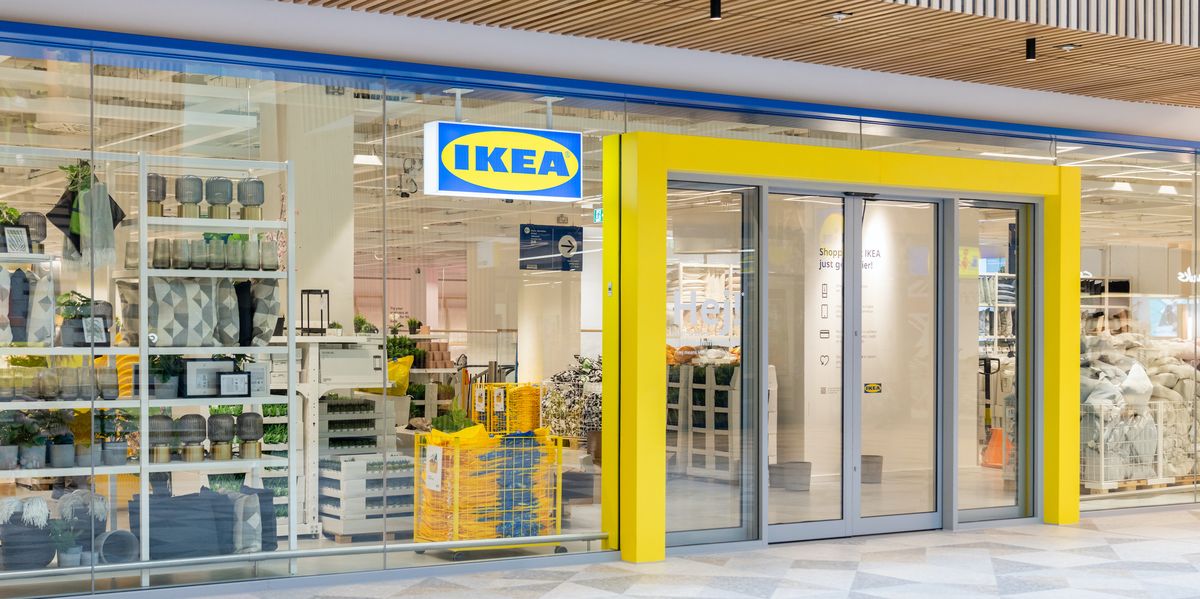
    IKEA Japan is set to shut down its Harajuku and Shinjuku city-format stores later this month. This brings an end to the retailer’s brief yet notable venture in two of Tokyo’s bustling shopping districts.

    Details of the Store Closures

    The renowned Swedish home furnishings group has confirmed that operations at both locations will cease on February 8, with doors shutting at 6 pm. This decision is part of a larger examination of IKEA Japan’s urban store network and its multichannel strategy.

    The Harajuku store was inaugurated in 2020, followed by the Shinjuku store in 2021. IKEA’s objective was to engage with younger, urban consumers by introducing smaller-format stores.

    IKEA’s Future Plans

    Despite the closures, IKEA has expressed plans to further solidify its presence in central Tokyo. The IKEA Shibuya will serve as the main city store, supplemented by larger suburban stores and its digital platform.

    In addition to these changes, IKEA also declared last month that it plans to close seven stores in China as of February 2. The list includes one suburban Shanghai location, another in Guangzhou, and multiple others in the second-tier Chinese cities of Nantong, Xuzhou, and Harbin.

    Questions & Answers

    When are the IKEA stores in Harajuku and Shinjuku closing?
    The stores are scheduled to close on February 8, with operations ending at 6 pm.

    What is the reason behind IKEA’s decision to close these stores?
    The decision to close the Harajuku and Shinjuku stores is part of a comprehensive review of IKEA Japan’s urban store network and omnichannel strategy.

    What are IKEA’s plans for its presence in Tokyo following these closures?
    IKEA plans to enhance its presence in central Tokyo, with the IKEA Shibuya serving as the main city store. This will be supplemented by larger suburban stores and the company’s online platform.

  • End of an Era: Lotteria Transforms into Zetteria, Marking a New Chapter in Japan’s Fast-Food Industry

    End of an Era: Lotteria Transforms into Zetteria, Marking a New Chapter in Japan’s Fast-Food Industry

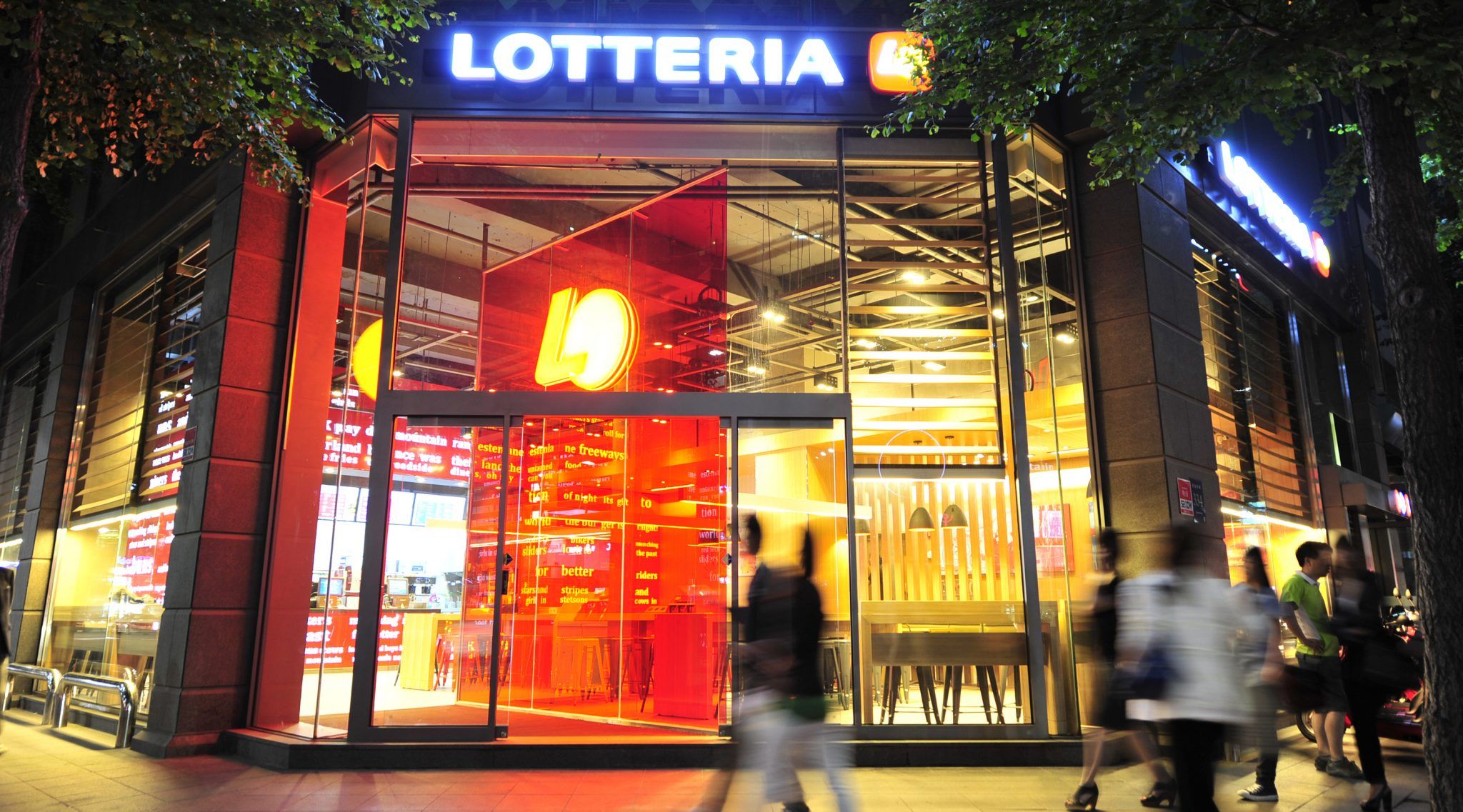
    After 54 years in operation, the popular Japanese burger chain Lotteria is set to be rebranded as Zetteria, beginning in March. The Lotteria brand first entered the market in 1972, establishing its inaugural outlet in Tokyo. The decision to retire the brand was recently taken by its operating company, Zensho Holdings.

    Zensho Holdings, a leading food service operator in Japan, took ownership of Lotteria Japan in 2023. The first Zetteria branch opened its doors in Tokyo in September of the same year. Since then, Zensho Holdings has been systematically converting Lotteria stores into Zetteria outlets. By December 2025, Japan had 106 Lotteria outlets and 172 Zetteria stores, totaling 278 locations. This places Zensho Holdings as the fourth-largest burger chain operator in the country, following McDonald’s (3,025 outlets), Mos Burger (1,309), and Burger King (337).

    The number of Lotteria outlets has seen a significant decrease in recent years, plummeting from 358 in January 2023 to 222 by June 2025, a near 40% drop in just over two years. This drop reflects not only store closures, but also Zensho Holdings’ strategic approach to transform existing outlets and alter business models.

    The Zetteria brand aims to bridge the gap between fast food and cafe dining. Expansion has been expedited by repurposing existing Lotteria locations and modifying store signage and concepts. Through the integration of the two brands, Zensho Holdings hopes to reduce costs by refining raw material procurement and logistics, while also improving operational efficiency.

    Despite the shared naming of menu items like the Zeppin Cheeseburger between Lotteria and Zetteria, the two brands previously operated separate procurement, production, and distribution systems, leading to differences in buns, patties, and sauces.

    Zetteria locations have been described as spaces that offer a dining experience beyond the typical fast food ambiance. The outlets feature spacious layouts, ample seating, understated lighting, and interiors that are reminiscent of cafes. Certain locations provide charging points for laptops and many have transitioned to table tablet ordering instead of traditional counter service.

    The menu has also seen adjustments. While basic burgers start at JPY250 (US$1.58), the signature Zeppin Beef Burger is priced at JPY540, making it more expensive than the previous offerings of Lotteria. The brand has also introduced premium, limited-time items such as roast beef burgers.

    Industry experts view the rise of Zetteria as indicative of broader changes within Japan’s fast food sector, as more operators seek to offer more than just quick, inexpensive meals. Zetteria is seen as an experimental brand aiming to occupy a new position as both a fast food restaurant and a cafe.

    Questions & Answers

    What is the reason for Lotteria’s rebranding as Zetteria?
    The change was part of Zensho Holdings’ strategy to transform existing outlets, improve operational efficiency, and cut costs by streamlining raw material procurement and logistics.

    What makes Zetteria different from Lotteria?
    Zetteria aims to bridge the gap between fast food and cafe dining. Outlets offer spacious layouts, ample seating, understated lighting, and interiors that are reminiscent of cafes. The menu also includes premium items, with the signature Zeppin Beef Burger priced higher than Lotteria’s previous offerings.

    How has the fast food sector in Japan been evolving?
    The rise of brands like Zetteria represents a shift in Japan’s fast food sector, with more operators seeking to offer experiences beyond just quick, inexpensive meals. Zetteria is seen as an experimental brand aiming to occupy a new position as both a fast food restaurant and a cafe.

  • Hermes Unveils Upscale Boutique in Hanoi’s Heart: A New Chapter in Luxury Retail Expansion in Southeast Asia

    Hermes Unveils Upscale Boutique in Hanoi’s Heart: A New Chapter in Luxury Retail Expansion in Southeast Asia

    Hermes, the renowned French purveyor of luxury goods, has revitalized its presence in Hanoi by relocating its boutique to a fresh, new spot on Trang Tien Street.

    Moving to a Classic Setting

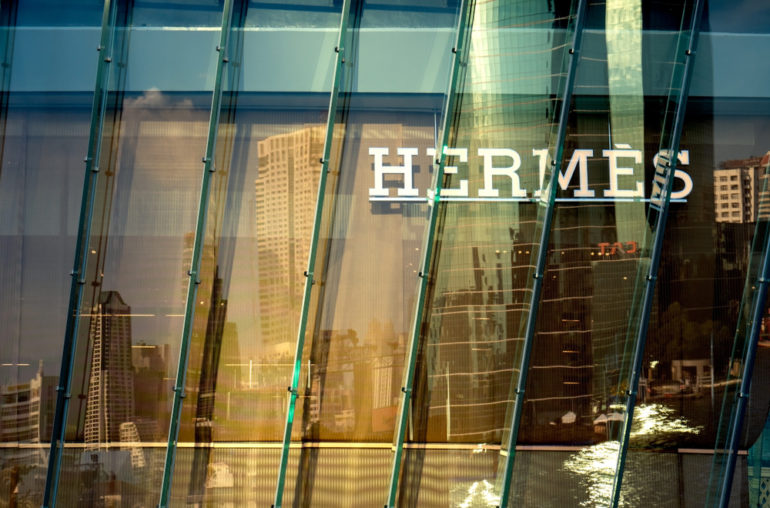
    Having been in its previous location for several years, the Hermes store has now found a new home within an impressive Art Deco structure situated in the heart of Hanoi’s commercial hub. The multi-level space is set up to elegantly display the full gamut of Hermes’s 16 distinct business areas, including leather goods, fashion, and accessories.

    The interior design of the relocated store has been masterfully executed by RDAI, a renowned architecture firm based in Paris. The building’s architectural features, such as large windows and an open layout, have been utilized to their full capacity to ensure maximum natural light penetration.

    Hermes’s Growth in Southeast Asia

    Hermes first ventured into the Vietnamese market in 2008 and has been operating several additional stores, including one in Ho Chi Minh City’s Union Square. This recent boutique relocation is part of Hermes’s strategy to augment its expansion in Southeast Asia.

    In a similar vein, Hermes has recently reopened its store in Bangkok’s IconSiam mall. The newly designed, larger store space reflects the escalating demand for luxury retail in the Thai capital.

    Questions & Answers

    When did Hermes first enter the Vietnamese market?
    Hermes first made its entry into the Vietnamese market in 2008.

    What are some of the features of the new store location in Hanoi?
    The new Hanoi store, housed in an Art Deco building, boasts large windows and an open layout, designed to maximize the use of natural light. It showcases the full range of Hermes’s 16 métiers, or business areas across several floors.

    What is Hermes’s overall strategy in Southeast Asia?
    Hermes’s strategy in Southeast Asia involves expansion and growth, reflected in the relocation and redesign of its stores in high-demand areas such as Hanoi and Bangkok.

  • Heineken CEO Dolf van den Brink Announces Exit, Readies Company for Next Chapter of Growth

    Heineken CEO Dolf van den Brink Announces Exit, Readies Company for Next Chapter of Growth

    Heineken’s chief executive officer, Dolf van den Brink, has announced that he will be relinquishing his position on May 31, putting an end to his near six-year tenure as the leader of the renowned Dutch brewer.

    Career Overview of an Esteemed Leader

    Van den Brink boasts of a remarkable history with Heineken, spanning more than 28 years. During his time with the company, he climbed the corporate ladder to spearhead the organization through a global expansion phase and a crucial strategic reorientation. His forthcoming departure aligns with Heineken’s ongoing implementation of its EverGreen Strategy 2030, which concentrates on sustainability, premiumisation, and digital transformation across principal markets. Van den Brink has committed to continue providing guidance in an advisory capacity for eight months to ensure a seamless transition of leadership.

    In a statement on his LinkedIn account, van den Brink expressed his gratitude, saying, “Having the opportunity to lead Heineken has been the most significant honour of my professional life, and this decision was undoubtedly one of the most difficult I’ve had to make. Over the last six years, we have instigated a substantial transformation of the business and successfully delivered EverGreen 2025, all the while navigating a challenging external landscape. Having recently introduced the bold EverGreen 2030 strategy, I believe it’s the right time for a leadership shift to further actualize this vision.”

    Commendation and Succession Planning

    Peter Wennink, the chair of Heineken’s Supervisory Board, lauded van den Brink’s leadership and announced that the board is now initiating a global search for his replacement. Wennink stated, “The next phase will be centered around bringing this strategy to life through disciplined execution of our strategic growth ambitions. With this in mind, the Supervisory Board agrees it is the appropriate time to commence the succession process to secure robust leadership for the future.”

    However, Heineken has not yet disclosed a timeline for the appointment of its new CEO.

    In October, Heineken revealed a refreshed five-year plan that aims to drive growth with fewer resources by focusing on core brands and markets. Under this strategy, Heineken anticipates a mid-single-digit annual organic net revenue growth through 2030.

    Questions & Answers

    What is Dolf van den Brink’s tenure period with Heineken?
    Van den Brink has been with Heineken for more than 28 years, serving as CEO for nearly six years.

    What is the EverGreen Strategy 2030?
    The EverGreen Strategy 2030 is Heineken’s plan focusing on sustainability, premiumisation, and digital transformation across key markets.

    What does Heineken’s updated five-year plan entail?
    Heineken’s updated five-year plan targets growth with fewer resources by concentrating on key brands and markets, expecting a mid-single-digit annual organic net revenue growth through 2030.

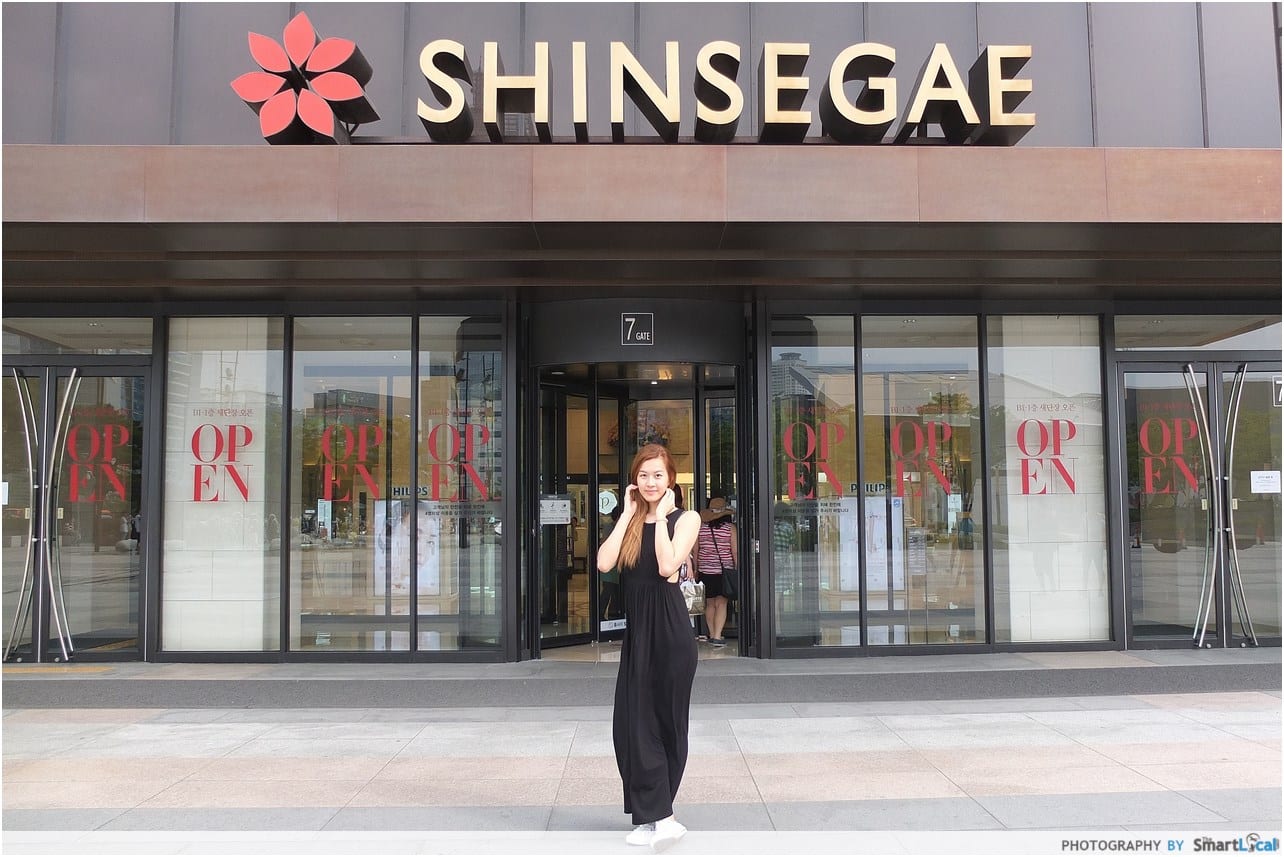
  • Shinsegae-Alibaba Alliance: A New Chapter in South Korean E-commerce Landscape

    Shinsegae-Alibaba Alliance: A New Chapter in South Korean E-commerce Landscape

    The commencement of a new joint venture between South Korea’s Shinsegae Group and China’s Alibaba International has been viewed by many as an indication of impending transformation in the country’s e-commerce market.

    The New Venture: Grand Opus Holdings

    Recently, the joint venture, Grand Opus Holdings, finalized its board structure. Shinsegae’s chairman, Chung Yong-jin, will take on the role of board chair. The board will also include four other directors, three of whom are representatives of Alibaba-affiliated entities. This board composition brings to light the significant influence of the Chinese group within the partnership.

    Retail industry experts consider this joint venture as Alibaba’s most direct expansion into South Korea’s domestic market. They believe that Shinsegae’s local brand power will be used as a conduit for this expansion. There are concerns that the introduction of highly affordable Chinese goods, which have been a driving force in the global e-commerce market, will exacerbate price competition and put additional pressure on local manufacturers.

    The Expansion of Chinese Commerce Platforms

    Chinese commerce platforms are steadily growing within the market. Based on data from WiseApp Retail, AliExpress and Temu have the second and third highest number of monthly active users nationwide. They have surpassed 11th Street and are closing in on the market leader, Coupang. Furthermore, Jingdong, another Chinese commerce platform, is gearing up to start logistics operations in Korea, implying yet another possible market entrant.

    In a bid to maintain its leading position, Coupang is planning new investments. Its founder, Bom Kim, has acknowledged Korea as a resilient market with high potential, assuring the introduction of more products, an expanded marketplace, and improved automation in logistics. Coupang also unveiled plans to invest 3 trillion won (about 2 billion USD) in the upcoming year to enhance domestic infrastructure.

    Intensifying Competition and Public Concerns

    Another major competitor in the market, Naver, announced its shift towards an e-commerce-focused strategy earlier this year. The company launched its new open marketplace application, Naver Plus Store, in March and teamed up with fresh-food delivery company Kurly to launch the ‘Kurly N Mart’ service in September.

    The escalating competition has raised concerns about Shinsegae’s collaboration with Alibaba. Some marketing specialists cautioned that a leading Korean retail conglomerate partnering with a Chinese e-commerce behemoth may lead to consumer backlash. Public perceptions of Chinese platforms have been tarnished by issues related to counterfeit goods, safety hazards, and inferior quality products.

    A recent survey conducted in Seoul to evaluate “consumer trust” in major online platforms ranked Shinsegae’s SSG.com at the top and AliExpress at the bottom. Consumer advocates have also warned of potential personal data risks, particularly in relation to overseas data access.

    In a recent Gmarket media event, executives tried to allay these concerns. Kim Jung-woo, head of the company’s PX division, stressed that customer information is exclusively managed by Gmarket and that AI training data is kept in a separate cloud system.

    Looking Ahead

    As the Shinsegae–Alibaba venture officially commences, industry analysts foresee Korea’s e-commerce market, which is already one of the world’s most competitive, to experience further disruption. This upheaval is expected to be instigated by global players seeking to penetrate the market and domestic giants striving to retain their territory.

    Questions & Answers

    What is the new joint venture between South Korea’s Shinsegae Group and China’s Alibaba International?
    The new joint venture, named Grand Opus Holdings, is expected to reshape South Korea’s e-commerce market.

    How is Alibaba planning to expand into South Korea’s market?
    Industry experts believe Alibaba will utilize Shinsegae’s domestic brand power as a bridge to penetrate the South Korean e-commerce market.

    What are some concerns about the partnership between Shinsegae and Alibaba?
    Some people worry that this partnership might lead to consumer backlash due to issues associated with Chinese platforms, such as counterfeit goods, safety hazards, and inferior quality products. Additionally, there are concerns related to the potential risks of personal data, especially regarding overseas data access.


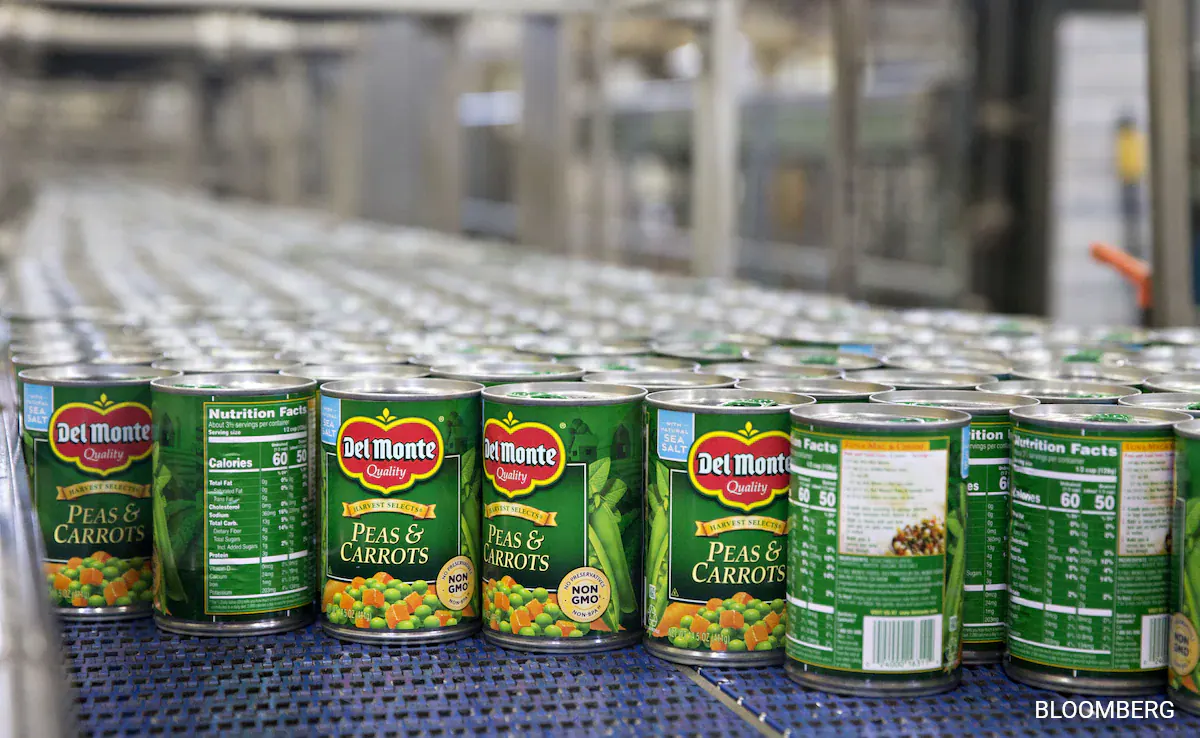
  • Del Monte Foods Files For Chapter 11 Bankruptcy To Facilitate Business Sale

    Del Monte Foods Files For Chapter 11 Bankruptcy To Facilitate Business Sale

    Del Monte Foods, a renowned food production company, has recently applied for Chapter 11 bankruptcy protection within the United States. This move comes as a part of the company’s strategy to facilitate a successful sale of its business operations.

    Restructuring Support Agreement

    In order to conduct a comprehensive sale of all or most of its assets, Del Monte Foods has settled on a restructuring support agreement (RSA) with several of its lenders. Furthermore, to maintain sufficient liquidity throughout this transition, the company has secured a staggering $912.5 million in debtor-in-possession financing.

    Despite the ongoing bankruptcy proceedings, the company intends to keep its business operations running normally and without any interruptions.

    A Necessary Step Towards a Brighter Future

    The company’s President and CEO, Greg Longstreet, has acknowledged the challenging circumstances that have been accentuated by a rapidly changing macroeconomic environment. Longstreet stated, “After thoroughly evaluating all possible options, we concluded that a court-supervised sale process is the most effective method to expedite our turnaround and establish a stronger and more resilient Del Monte Foods.”

    He further added that the company, with a renovated capital structure, improved financial position, and new ownership, will be better equipped to ensure long-term success.

    A Rich Heritage

    Founded in 1886, Del Monte Foods boasts a vast portfolio including the canned fruits and vegetables brand Del Monte, the broth and stock business College Inn, and tea brands like Joyba. It should be noted, however, that certain non-US subsidiaries of the company are not part of the Chapter 11 proceedings and continue to operate as regular.

    Clarification on Affiliations

    In a recent development, Fresh Del Monte Produce Inc, which is listed on the NYSE, clarified that it has no financial or operational ties with Del Monte Foods. The two companies are entirely separate entities, with no shared ownership, governance, or operations.

    While both companies have rights to the Del Monte name due to historic licensing arrangements, they operate under unique ownership and cater to different geographical markets.

    Questions & Answers

    What is the purpose of Del Monte Foods filing for Chapter 11 bankruptcy?
    The company has filed for bankruptcy to facilitate a successful sale of its business.

    How will Del Monte Foods maintain operations during the bankruptcy proceedings?
    The company has secured $912.5 million in debtor-in-possession financing to ensure sufficient liquidity throughout the process.

    Are Fresh Del Monte Produce Inc and Del Monte Foods affiliated?
    No, the two companies are entirely separate entities, with no shared ownership, governance, or operations.