Tag: cities

  • Miniso’s Global Zootopia 2 Pop-up Tour: Unleashing ‘Fun Fur Every You!’ in Major Cities Worldwide

    Miniso’s Global Zootopia 2 Pop-up Tour: Unleashing ‘Fun Fur Every You!’ in Major Cities Worldwide

    Miniso, a retail giant, has recently launched an innovative international pop-up tour that encapsulates the theme of Disney’s upcoming animated film, Zootopia 2. The tour is aptly named ‘Fun Fur Every You!’ and has been making waves in key cities across Asia and other parts of the world.

    The unique tour is aimed at highlighting the brand’s latest product line, which is fundamentally driven by character. This fascinating journey has already made pit stops in several major metropolises including Beijing, Delhi, Guangzhou, Ho Chi Minh City, Hong Kong, Jakarta, Kuala Lumpur, Mumbai, Shanghai, and Singapore. Furthermore, more activations are underway in the US and Canada.

    The layout of each pop-up is thoughtfully designed, featuring photo zones that are inspired by popular characters Judy Hopps and Nick Wilde. These pop-ups also provide ample space to display Miniso’s recently launched Zootopia 2 collection. This collection, which is a collaborative effort with Walt Disney Animation Studios, covers a broad range of more than 300 unique products.

    The products in the collection include plush toys, homewares, stationery, accessories, and many more exciting items. The assortment is anchored by character-centric items like vinyl figures, blind boxes, plush, and bag charms. Moreover, select Miniso stores are also offering limited-edition bags, stickers, and badges to meet the growing demand for collectible items.

    In recent news, Miniso reported an impressive surge in sales growth for the third quarter. The company has successfully achieved a new landmark in its network expansion strategy, boasting over 8000 stores as of September 30th.

    Questions & Answers

    What is the theme of Miniso’s international pop-up tour?
    The theme of Miniso’s international pop-up tour is based on Disney’s upcoming animated film, Zootopia 2, and is called ‘Fun Fur Every You!’.

    What is the purpose of this pop-up tour?
    The purpose of this pop-up tour is to showcase Miniso’s latest character-centric product line, which includes a wide array of products ranging from plush toys to stationery.

    What recent achievement has Miniso reported?
    Miniso recently reported a significant boost in sales growth for its third quarter. Additionally, the company announced reaching a new milestone in its network expansion plans, with over 8000 stores as of the end of September.

  • Singapore Retains 5th Position In Global City Rankings, Emerges As Top Education And Urban Innovation Hub

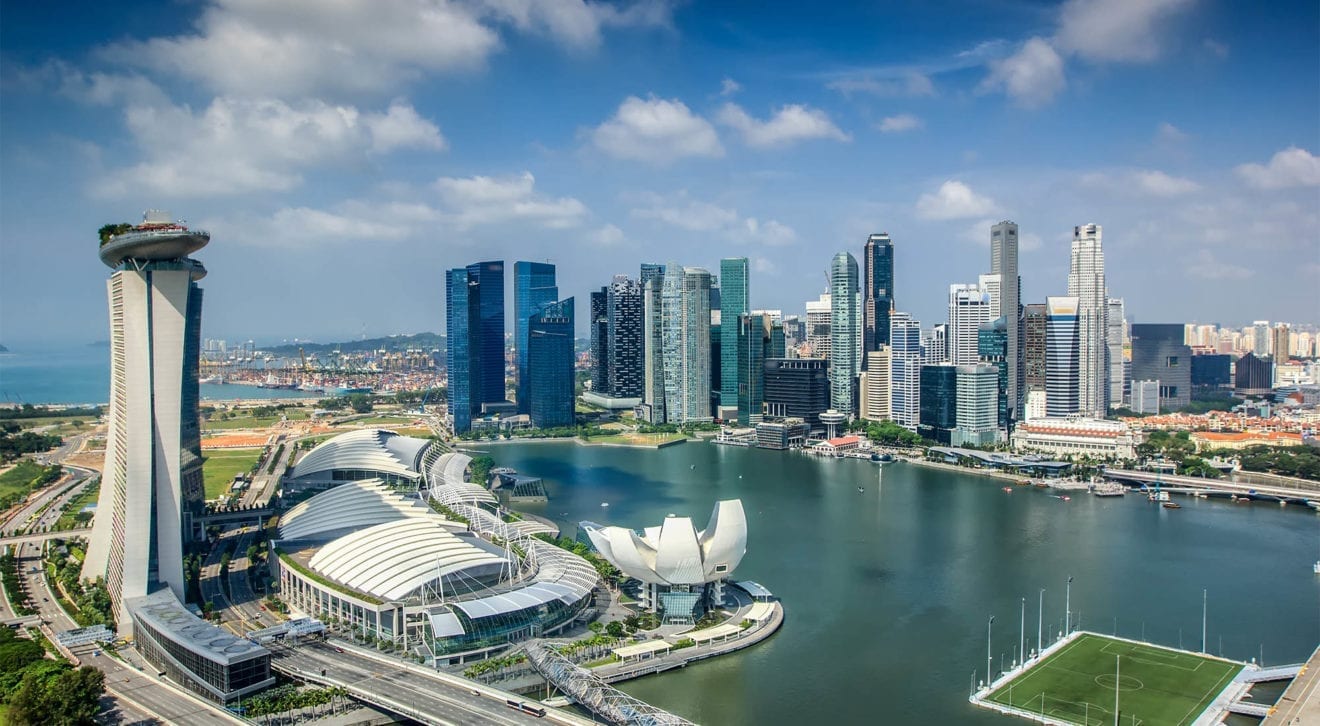
    Singapore Retains 5th Position In Global City Rankings, Emerges As Top Education And Urban Innovation Hub

    In the yearly global city rankings, Singapore has managed to hold onto its fifth place, trailing only behind Tokyo in the Asia Pacific region. This city-state has continued to strengthen its status as a top international education center and a leading pioneer in urban innovation, based on findings from the 2025 Global Cities Report by Kearney, a management consulting company.

    Evaluating City Rankings

    The Global Cities Index, a section of the Kearney report, relies on publicly accessible data to evaluate 158 cities across the globe, using 31 different metrics over five areas. These include business activity, human capital, information exchange, cultural experiences, and political engagement.

    Singapore showed minor progress this year in areas of political engagement and human capital, primarily due to enhancements in ease of access. However, these advancements were somewhat negated by a decline in cultural experience and business activity.

    The top ten cities in the report include five from the Asia Pacific region. Japan’s Tokyo leads the pack in fourth place, followed by Singapore, with Beijing, Hong Kong, and Shanghai from China filling the sixth, seventh, and eighth positions respectively.

    Other Southeast Asian cities like Bangkok, Thailand, and Kuala Lumpur, Malaysia, appeared lower on the list, securing the 33rd and 55th places respectively.

    Recognizing Resilience

    According to Shigeru Sekinada, Kearney’s regional chair for Asia Pacific, the report highlights the resilience of well-established Asian hubs amid rising global challenges and technological shifts. He lauded the region’s adeptness in managing evolving global dynamics, due to the expansion of digital infrastructure, prioritizing regulatory innovation, and investing in climate resilience. He also expressed optimism that Asia Pacific cities would not only fuel the region’s economic growth but also serve as essential links in the global economy.

    The report underscored a shift in the way city competitiveness is viewed. In the emerging era of intelligence, the size or historical importance of a city no longer solely determines its competitiveness. Success now increasingly depends on readiness or the ability to incorporate infrastructure, renewable energy, and talent to grasp opportunities presented by artificial intelligence while managing its associated risks.

    Globally, New York City retained its top position, with London and Paris following closely, maintaining their standings from the previous year.

    Future City Projections

    The report also includes a future outlook section, which examines cities’ ability to foster inclusive growth, attract investment, and preserve livability in a progressively competitive global scenario. In this section, Singapore was the only Southeast Asian city to feature in the top 30, vaulting from 20th place in the previous year to 3rd place projected for 2025.

    This significant leap reflects Singapore’s enhanced infrastructure, increasing GDP per capita, and burgeoning foreign investment. It also highlights the city’s active efforts to upgrade its digital infrastructure.

    Questions & Answers

    What key factors contributed to Singapore’s strong showing in the report?
    Singapore’s advancement in political engagement and human capital, as well as its enhanced infrastructure, burgeoning GDP per capita, and growing foreign investment, were key contributors.

    How are city rankings determined in the Global Cities Report?
    City rankings are determined based on 31 metrics across five areas: business activity, human capital, information exchange, cultural experience, and political engagement.

    What shifts have been observed in defining city competitiveness?
    In the emerging era of intelligence, city competitiveness is no longer solely determined by its size or historical significance. It now increasingly depends on readiness, or the ability to integrate infrastructure, renewable energy, and talent to leverage the opportunities presented by artificial intelligence and manage its risks.

  • Discover the Asian City Where Home Prices Are Reaching New Heights!

    Discover the Asian City Where Home Prices Are Reaching New Heights!

    As the retail landscape in Asia continues to evolve, major players are adapting with innovative strategies to capture consumer attention. One such shift is occurring in Singapore, where Sephora has announced a unique partnership with Singapore Airlines. This delightful collaboration promises to enhance the in-flight experience for passengers, who will soon be able to shop for exclusive beauty products directly through their IFE (in-flight entertainment) systems.

    Sephora’s New Adventure in Travel Retail

    Sephora, known for its vibrant storefronts and vast selection of beauty products, is taking its commitment to customer engagement to new heights—literally. By joining forces with Singapore Airlines, the beauty retailer aims to tap into the lucrative travel retail sector, allowing passengers to browse and purchase products mid-flight. This initiative not only diversifies Sephora’s market reach but also serves to transform the airborne shopping experience into something that could soon rival that of a luxurious beauty boutique.

    A Win-Win for Travelers and Beauty Enthusiasts

    The partnership will give passengers access to exclusive product lines available only on flights, meaning your favorite red lipstick might not just stay in your suitcase anymore. With the potential for in-flight beauty tutorials and product showcases, travelers can look forward to engaging with the latest trends in cosmetics while comfortably seated at 30,000 feet. It’s almost like having a Sephora store in the sky—talk about high-flying glamour!

    The Broader Implications for the Retail Sector

    This collaboration represents a significant trend in the retail industry, where partnerships between travel and retail brands are becoming increasingly common. As air travel continues its recovery post-pandemic, strategies that enhance passenger experiences will be vital. Sephora’s move also highlights the larger shift toward personalized shopping experiences, a trend that is poised to resonate with an increasingly discerning consumer base across Asia.

    What Lies Ahead for Beauty Retail

    As beauty retail continues to innovate, this partnership is emblematic of how brands can create new touchpoints with consumers in midair. Retailers are not just competing on the ground anymore but are also looking for ways to elevate the shopping experience beyond traditional storefronts. In this dynamic environment, brands must stay nimble and creative to capture the hearts and wallets of consumers.

    Questions & Answers

    How does the Sephora and Singapore Airlines partnership benefit passengers?
    Passengers will soon be able to shop for exclusive beauty products directly through the in-flight entertainment system, enhancing their travel experience with luxury brands at 30,000 feet.

    What makes this partnership significant in the retail landscape?
    This collaboration highlights a growing trend where retail brands are innovating their engagement strategies by partnering with travel-focused companies, thus creating unique shopping experiences for consumers.

    What can we expect from in-flight shopping in the future?
    As travel resumes, we can anticipate more brands following suit to provide exclusive products and personalized experiences that cater to onboard passengers, making shopping a journey of its own.

  • Asia’s Retail Revolution: Sustainability, Tech Innovation And Community Engagement Shape Future Strategies

    Asia’s Retail Revolution: Sustainability, Tech Innovation And Community Engagement Shape Future Strategies

    The retail landscape in Asia is witnessing seismic shifts as brands pivot to embrace sustainability and social responsibility at the heart of their strategies. Against this backdrop, leading retail players are not just tailoring products to meet consumer demand but are also weaving narratives that resonate deeply with a socially conscious audience.

    Shifting Consumer Expectations Drive Change

    As consumers across Asia become increasingly aware of environmental issues, their shopping preferences are evolving. A recent survey revealed that over 60% of shoppers are willing to pay more for sustainable products, underscoring a significant shift in purchasing behavior. Brands that adapt to these changing tides are finding new opportunities to connect with their audiences in meaningful ways. Funny enough, it seems that being eco-friendly is the new black in retail fashion!

    This transformation is particularly evident in sectors like fashion, electronics, and food. Retailers are investing in eco-friendly packaging, ethically sourced materials, and carbon-neutral logistics. For instance, major fashion chains are introducing lines featuring organic cotton and recycled polyester, while tech companies are innovating with energy-efficient products that minimize environmental impact.

    Innovations in Retail: The Role of Technology

    In addition to sustainable practices, technological innovation is reshaping the retail experience. From augmented reality shopping experiences to AI-driven personalization, technology is enabling brands to enhance customer engagement. Interactive in-store displays and mobile apps that offer tailored recommendations based on previous purchases are becoming the norm rather than the exception.

    Moreover, the rise of e-commerce has spurred traditional retailers to rethink their strategies, blending online and offline elements. Click-and-collect services and virtual try-on technology are examples of how retailers are adapting to the digitally-savvy consumer. This integration is critical, given that online shopping is projected to account for over 25% of total retail sales in Asia by 2025.

    The Importance of Community Engagement

    Community engagement is increasingly becoming a focal point for brands aiming to foster loyalty and trust. Retailers are connecting with local communities through initiatives such as charity partnerships, local sourcing, and transparent supply chains. By highlighting their role in the community, brands not only boost their image but also create a loyal customer base that feels invested in their mission.

    Chinese cosmetic giant L’Oréal has successfully leveraged this strategy by supporting local artisans through its product lines while also encouraging sustainable beauty practices. This not only amplifies their brand values but also galvanizes consumers to make more informed choices.

    Looking Ahead: The Future of Retail in Asia

    As we look to the future, the confluence of sustainability, technology, and community engagement paints a promising picture for the retail industry in Asia. Companies that can navigate these currents will thrive in an increasingly competitive landscape. In a world where every purchase tells a story, retailers are challenged to ensure that their narratives align with the values of the consumers they aim to serve.

    To put it simply, the era of conscious consumption is here, and it’s transforming the way retailers operate across Asia. Getting ahead of the curve could be the difference between becoming a market leader or getting lost in the crowd.

    Questions & Answers

    What percentage of consumers are willing to pay more for sustainable products?
    Over 60% of consumers in Asia expressed a willingness to pay a premium for sustainable products, highlighting the growing importance of eco-friendly options in purchasing decisions.

    How is technology impacting the retail landscape in Asia?
    Technology is enhancing customer engagement through innovations like augmented reality shopping, AI-driven personalization, and seamless integration between online and offline retail experiences.

    What role does community engagement play in modern retail strategies?
    Community engagement helps retailers foster loyalty and trust, often through local partnerships and transparent practices that resonate with socially conscious consumers.

  • Starbucks and Luckin Coffee Boost Sales in China by Targeting Emerging Smaller Cities

    Starbucks and Luckin Coffee Boost Sales in China by Targeting Emerging Smaller Cities

    The operations of American beverage titan Starbucks in China have recently shown signs of resilience, reporting flat same-store sales for the quarter ending March 30. This performance stands in stark contrast to an 8% decline in the same category for the year ending September 29. Notably, the company’s operating revenue rose by 5% year on year, reaching an impressive US$740 million in the latest quarter.

    Starbucks’ Strategy Shines Through

    Richard Lin, chief consumer analyst at SPDB International, praised Starbucks’ strategy of exchanging lower ticket sizes for increased transaction volumes. According to Lin, this reflects the company’s determination to protect its market share amidst ongoing price competition in China. Over the past year, Starbucks has poured significant resources into expansion, adding 665 new stores to its network, bringing its total to 7,758 outlets and solidifying its status as the largest non-U.S. market for the brand.

    Luckin Coffee’s Bold Moves

    In the race for coffee supremacy, Luckin Coffee, Starbucks’ chief competitor, is making notable strides as well. The company’s operating revenue jumped by a staggering 41% in the first quarter to CNY 8.9 billion (approximately US$1.2 billion), with net profits of CNY 737 million reversing a loss from the same period the previous year. Luckin also expanded aggressively, adding 1,743 stores across China and reaching a total of 24,097 locations. Same-store sales at its company-operated sites increased by 8%, driven by a strategic focus on afternoon tea products designed to attract a broad customer base.

    Analysts from China Merchants Securities have observed that Luckin’s store expansion has surpassed expectations, coupled with rising customer spending. With their stable supply chain and cost advantages, the company is poised to continue capturing market share, despite some short-term increases in coffee bean prices.

    Emerging Markets: The Untapped Goldmine

    The growth narrative doesn’t end with the major cities. A burgeoning trend is evident as data reveals that smaller cities in China are emerging as surprising growth hubs for beverage chains, eclipsing their larger counterparts in growth potential. Over the past year, more than 66,900 coffee shops opened, with remarkable growth in “new first-tier” cities—urban locales that are increasingly asserting their influence on the national stage. Chengdu, for instance, witnessed the launch of nearly 2,000 new coffee shops, while Hangzhou added over 1,700 to its burgeoning coffee scene.

    Interestingly, third-tier cities and smaller towns are now home to almost 45% of China’s coffee shop population. Recent findings from shopping platform Meituan highlighted a staggering 97% increase in coffee orders in these less urbanized areas, accompanied by a 159% rise in coffee shop numbers.

    As Lin pointed out, while the coffee market in higher-tier cities nears saturation, the lower-tier markets represent fertile ground for expansion. He believes that as chains keep prices affordable, they will cultivate a new generation of coffee drinkers who are eager to learn more about their brews.

    With China’s coffee industry boasting a market value of CNY 624 billion in 2024, projections indicate that this figure could skyrocket to CNY 1 trillion this year, presenting a tantalizing vista for both established players and eager newcomers alike.

    Questions & Answers

    What contributed to Starbucks’ stable performance in China?
    Starbucks has adopted a strategy of lowering ticket sizes to boost transaction volume, which has helped maintain its market share amid fierce price competition.

    How has Luckin Coffee fared against Starbucks?
    Luckin Coffee has experienced impressive growth, achieving a 41% increase in operating revenue, and reversing previous losses through aggressive expansion and innovative product offerings.

    What trends are emerging in China’s coffee market?
    Smaller cities are rapidly becoming more significant players in the coffee market, demonstrating higher growth rates in both coffee shop openings and consumer demand than their larger urban counterparts.

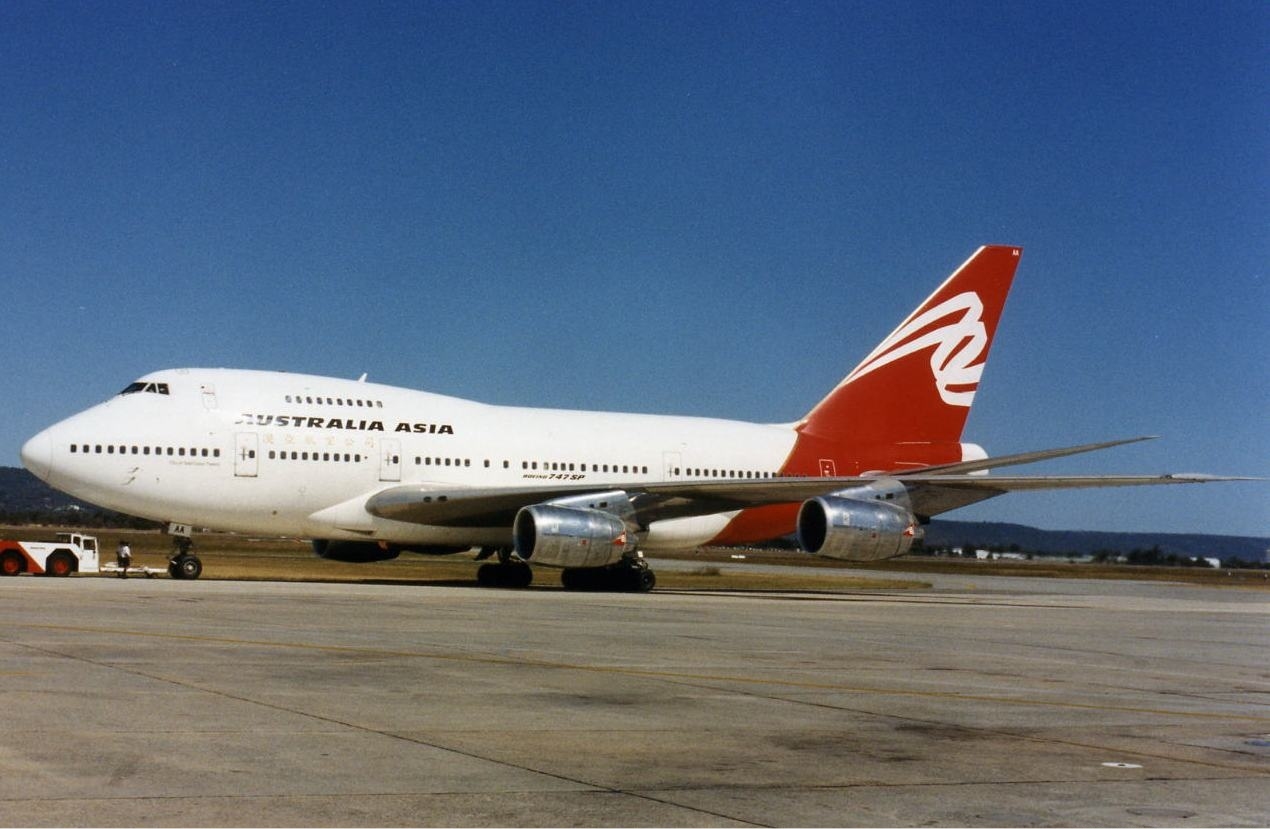
  • Vietnam encourages Australian airlines to establish routes to its cities

    Vietnam encourages Australian airlines to establish routes to its cities

    The Vietnamese Government creates favourable conditions for airlines to develop and compete healthily, and encourages Australian carriers to fly to Vietnam, according to Prime Minister Pham Minh Chinh.

    This statement was made during a ceremony commemorating 30 years of direct air travel between Vietnam and Australia in Melbourne city on Tuesday morning. The event was part of activities in the Prime Minister’s trip to attend the ASEAN – Australia Special Summit and his official visit to Australia.

    He expressed his hope that Vietnam’s airlines will cooperate and compete fairly, especially in the current context – when the two countries will upgrade to a comprehensive strategic partnership.

    Currently, Vietnamese airlines do not use domestically trained pilots, engineers, and mechanics, so he hoped Australia to support the training of pilots, mechanics, aviation managers.

    He also urged Australian banks, investment funds, and investors to invest indirectly in Vietnamese airlines, saying that the Vietnamese ministries and sectors will strengthen their role in state management, remove difficulties, and proactively support airlines to overcome challenges and promote rapid and sustainable development.

    The PM took the occasion to thank Australia, specifically Australian citizens who choose Vietnamese airlines such as Vietnam Airlines and Vietjet, to visit Vietnam, saying that this has contributed to boosting cultural connections and aviation economic development of the two countries.

    Vietnam Airlines has been strengthening cooperation with partners in Australia to develop products and diversify services, thereby continuously bringing benefits to passengers.

    It has paid attention to coordinating with agencies, travel companies and Australian partners to strengthen tourism promotion and promote destinations of both countries.

  • Indian retail drew Rs 1,300 crore investment in 2018

    Indian retail drew Rs 1,300 crore investment in 2018

    The hallmark of a market’s increasing maturity is how organized it is – and in any developing country, the state of ‘organized’ business is usually kick-started by the entry of foreign players who bring in structured deployment and business philosophies wherever they go. This philosophy of organized retail players covers a lot of ground, from the aptness of locations to size and visibility of a mall or high street, from store sizes to layouts, tech enablements and promotion parameters, and from pricing to financial accountability. The arrival of foreign brands forces domestic brands to up their game, as well. This is exactly what is happening in Indian retail, and what ‘getting organized’ is all about.

    By definition, organized retailing essentially refers to any trading activity conducted by licensed retailers from modern retail formats such as hypermarkets, supermarkets or departmental stores. Organized retail formats can exist either as stand-alone shops or occupy space in a mall. Unorganized retailing, which is what all developing nations start out with, are usually family-run neighbourhood shops (referred as ‘kirana’ shops in India) and in open markets.

    Bringing organized flavour into a previously disorganized market first disruption, then gradual acceptance and emulation, and finally prosperity to all stakeholders and immeasurable benefits to customers. Getting organized has certainly benefited Indian retail, causing massive growth spurts.

    Growth of Organized Retail

    From a mere 9 percent share in 2017, the organized retail market in India is gearing up for a significant 20-25 percent growth jump across the top 7 cities. By 2020, organized retail will have captured approximately 19 percent of overall market share. The fact that it accounted for only 4 percent just 10 years ago tells its own story. Indian retail is coming of age.

    The growth of organized retail obviously involves organized retail real estate – especially modern, well-researched and fully-equipped malls in the right locations – and organized mall space is definitely proliferating across India.

    As per ANAROCK data:

    – Around 39 mn sq. ft. of organized retail space is slated to hit the market between 2019-2022
    – Out of this supply, approximately 71 percent is in metros and Tier 1 cities and the remaining 29 percent in Tier 2 & 3 cities

    Ahmedabad, Bhubaneshwar, Ranchi, Kochi, Lucknow, Surat and Amritsar, among others, are the new stages where the next chapters of the Indian organized retail saga will play out. Global retailers are now also eyeing cities like Chandigarh, Lucknow and Jaipur, to name a few.

    As they catch this growth wave, mall developers and big-banner brands have grasped the utmost importance of providing a metropolitan-grade shopping experience to customers in these smaller cities. This is hardly surprising.

    In these cities, customers’ shopping options were previously limited to whatever was available locally. Today, they are being aggressively wooed by hyper-capitalized e-commerce giants who sensed the latent opportunity in Tier 2 and Tier 3 long before brick-and-mortar retail did.

    To counter this onslaught, albeit belatedly, retailers whose business model is largely based on physical retail are prevailing on mall developers to build metro-grade shopping centres in areas they had never considered before.

    Policy Impetus Fuels Growth

    Foreign retailers, to whom India owes most of its turbo-charged growth in organized retail, took their time to view India as worthy of their attention. For the longest time, this country was an unattractive destination for them, largely because of regressive Government policies.

    All this changed when the Government decided to give a major impetus to the retail industry. By liberalizing its hitherto restrictive FDI policies, it repositioned Indian retail and finally put it on the global map. Consequently, global retailers and foreign investments made a beeline for the Indian retail industry. The decision to allow 51 percent FDI in multi-brand retail and 100 percent FDI in single-brand retail under the automatic route has caused global retail giants like Walmart and IKEA to foray into India.

    Thereafter, the rebooted regulatory environment post DeMo, RERA and GST implementation put even more wind into organized retail’s sails and allowed organized players to race ahead of the unorganized sector.

    Investments Surge

    The Indian retail sector has attracted cumulative investments of more than Rs 5,500 crore between 2015-2018, and close to Rs 1,300 crore in 2018 alone. This made 2018 one of the best years ever for the Indian retail sector, and the momentum is eminently sustainable. The increasing involvement of foreign and private players in India’s retail infrastructure indicates long-term growth potential for organized retail in the country.

    The growth of organized retail is also evident in the stock prices of listed retail firms, which were major wealth generators for investors in 2018. If we check the performance of these stocks on the basis of their 52-weeks high and low, some very interesting data emerges:

    Untapped Potential

    The fact that despite this growth, 91% of India’s retail market still remains unorganised underscores the huge latent potential that remains to be explored by organised players. Despite the deliriously positive numbers, organized retail in India is nowhere close to the level in more developed countries. For instance, in the US, 85 percent of the overall retail market is organized.

    Advantage Brick-and-mortar in 2019?

    The most recent policy developments will give physical organized retail a leg up in its fierce battle with e-commerce. The Government is pushing a new e-commerce policy from February 2019 wherein the concept of ‘exclusivity’ will no longer hold good. This means that online retail players will scramble to grab a larger pie of the offline market, so physical stores will get the upper hand.

    2019 will hopefully be the year in which the Government embarks on the next stage of ushering more unorganized retail into organized formats – thereby making Indian retail a worthy contender as a global grade market.