Tag: Danone

  • Danone Boosts Australian Footprint with Profitable Made Group Takeover

    Danone Boosts Australian Footprint with Profitable Made Group Takeover

    Global food corporation Danone is extending its foothold in Australia by acquiring Made Group, the parent company of Cocobella and Rokeby. This transaction is an element of a two-part acquisition designed to increase Danone’s influence in the Asia Pacific region. In addition to this, Danone has also announced the full ownership of its fresh dairy joint venture with Saputo Dairy Australia by acquiring the remaining 49% stake.

    Made Group’s consistent performance with “appealing profit margins”, backed by its sales of $490.7 million in the last fiscal year, was a driving factor behind the acquisition. Made’s portfolio includes popular brands such as The Collective, Nutrient Water, and Impressed.

    Mutual Values and Profitable Growth

    According to Antoine de Saint-Affrique, CEO of Danone SA, Made Group has had a remarkable history of fast and profitable growth, thanks to its robust brand portfolio and health-focused nutritional products. He notes that both companies share a belief in promoting health through food and expressed excitement about welcoming Made into the Danone family.

    Made Group was sold by US-based TPG Capital in a transaction that earned TPG approximately $2 billion, a mere five years after it had purchased the beverage business.

    Shared Commitment to Health and Innovation

    Amanda Butler, CEO of Made, views this as an exciting new phase for the company. She acknowledged Danone’s shared commitment to health and enthusiasm for innovation, expressing optimism about future prospects. Butler anticipates that their joint efforts will unlock new infrastructure, capabilities, and research and development expertise, spurring growth across the region.

    Questions & Answers

    What companies has Danone recently acquired in Australia?
    Danone has recently acquired Made Group, the parent company of Cocobella and Rokeby.

    What motivated Danone’s acquisition of Made Group?
    Made Group’s consistent “attractive profit margins” and sales performance, coupled with its strong brand portfolio and focus on health-focused nutritional products, influenced Danone’s decision to acquire the company.

    What are the anticipated benefits of this acquisition for Made Group?
    Following the acquisition, Made Group expects to access new infrastructure, capabilities, and research and development expertise to accelerate growth in the region.
  • Danone Dives into Functional Nutrition with $1.6Bn Huel Acquisition: A Power Move in Global Health Market

    Danone Dives into Functional Nutrition with $1.6Bn Huel Acquisition: A Power Move in Global Health Market

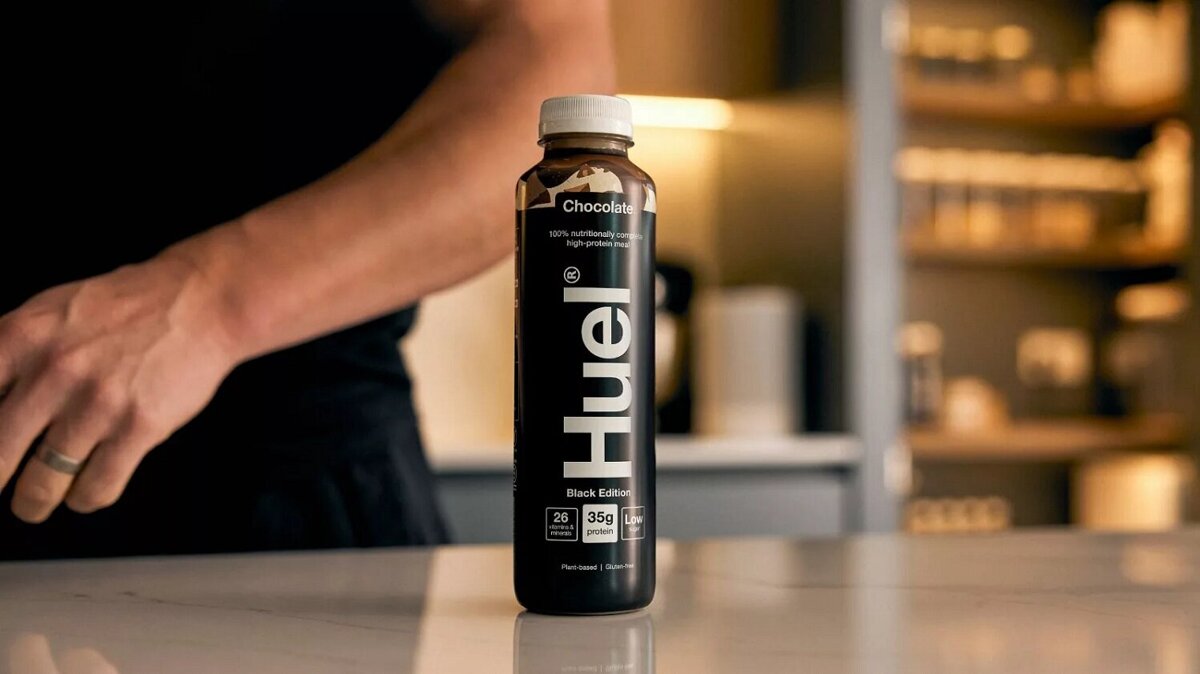
    Danone, the global leader in food and beverages, recently made public its purchase of UK-based nutrition drink company, Huel, for a staggering $1.65 billion.

    Huel: Convenience in Every Sip

    Huel, established in the year 2015, has staked its reputation on supplying “nutritionally complete” ingredients in its products. As a convenience beverage, Huel has earned the loyalty of consumers over the years. Moreover, the company has expanded its product range to include meals, bars and health supplements.

    New Horizons for Danone

    By acquiring Huel, Danone aims to explore the functional nutrition space further. Danone CEO, Antoine de Saint-Affrique, expressed his excitement over the acquisition and the potential it holds. He said, “We are delighted to welcome Huel and the Huel team into the Danone family. We look forward to learning from one another and unlocking new opportunities and growth for both businesses.” The deal is still subject to closing conditions, including regulatory approvals.

    Huel’s Excitement Over the Acquisition

    On the other hand, Huel’s CEO, James McMaster, showed eagerness at the prospect of joining Danone. McMaster stated, “We are so excited to be joining Danone, and today marks the next step for Huel. We’ve spent 10 years building a brand with a positive impact on people’s health. With Danone, we will now have the infrastructure, distribution, and R&D capability to go further, into new markets and to more people, as demand for convenient, complete nutrition continues to grow.”

    The CEO expressed pride in what the team has achieved so far and looks forward to the exciting journey ahead with Danone.

    Questions & Answers

    What is Huel and when was it founded?
    Huel is a UK-based company, founded in 2015, that specializes in the production of a “nutritionally complete” convenience beverage. Over the years, it has expanded its range to include meals, bars, and supplements.

    What is the significance of the deal between Danone and Huel?
    This acquisition allows Danone to make further inroads into the functional nutrition space. It also provides Huel with the necessary resources to expand its reach, go into new markets and cater to the growing demand for convenient, complete nutrition.

    What are the next steps for Huel and Danone?
    The transaction is still subject to closing conditions, including regulatory approvals. Once these are met, both companies look forward to learning from each other and unlocking new growth and opportunities.

  • Danone Shares Skyrocket 7% On Back Of Strong Q2 Sales, Chinese Demand For Infant Formula

    Danone Shares Skyrocket 7% On Back Of Strong Q2 Sales, Chinese Demand For Infant Formula

    Shares in Danone, the renowned French consumer goods manufacturer, escalated approximately 7% following the release of second-quarter sales which outperformed predictions. This surge of success is largely attributed to a soaring demand for infant milk formula and medical nutrition products in China.

    Overcoming Challenges

    The impressive surge in demand offset challenges faced in other markets. There were sluggish sales in the water division in Latin America due to unfavourable weather conditions in Mexico, while a highly competitive market in the US resulted in slow coffee creamer sales. Nevertheless, Danone, known for household brands such as Evian water and Activia yoghurt, reported a 4.1% increase in second-quarter sales on a like-for-like basis, outstripping anticipated growth of 3.8%.

    The financials revealed Danone’s recurring operating income for the first half of 2025 to be 1.811 billion euros (US$2.09 billion). This represents a margin of 13.2% of sales, an increase from 12.7% from the previous year. The company also reassured investors by restating its 2025 full-year forecast, in line with its mid-term goal of achieving like-for-like sales growth between 3% and 5%, and a faster growth rate for recurring operating income.

    Strong Portfolio and Future Growth

    Speaking about the company’s performance, CEO Antoine de Saint-Affrique commented, “The first-half performance reflected the strength and resilience of our health-focused portfolio.” The company’s aim, according to de Saint-Affrique, is to consistently perform while transforming and enhancing areas requiring attention. This includes the plant-based business and coffee creamers in the US.

    Sales in China, North Asia and Oceania also had an exceptional quarter, increasing 12.4% on a like-for-like basis. Specialized Nutrition also experienced double-digit growth, fuelled by strong demand in both the Infant Milk Formula and Medical Nutrition segments.

    North America also saw a 2.3% rise in sales for the quarter, bolstered by a surge in protein product sales such as Oikos brand Greek yoghurt. The coffee creamers sector also showed signs of recovery following supply chain issues in the first quarter.

    Danone has also been leveraging its cash reserves for strategic acquisitions to amplify its focus on health and science, and build resilience against market volatility. The company recently acquired the Akkermansia Company, a Belgian biotics firm and also holds a majority stake in Kate Farms, a US-based organic formula and shake manufacturer.

    Questions & Answers

    What contributed to Danone’s surge in shares?
    The surge in shares was primarily due to the impressive second-quarter sales that exceeded expectations, driven by a high demand for infant milk formula and medical nutrition products in China.

    How is Danone planning to boost its focus on health and science?
    Danone has been utilizing its cash for strategic acquisitions that align with the company’s focus on health and science. It has recently acquired a Belgian biotics firm, Akkermansia Company, and also holds a majority stake in Kate Farms, a US-based organic formula and shake manufacturer.

    What was the significance of the first half performance for Danone?
    The first-half performance demonstrated the resilience and strength of Danone’s health-centric portfolio and its ability to perform consistently while transforming and enhancing areas that require attention. This is evidenced by a 4.1% increase in second-quarter sales on a like-for-like basis, which surpassed the anticipated growth of 3.8%.

  • France’s Danone faces legal action over plastic use and reporting practices

    France’s Danone faces legal action over plastic use and reporting practices

    Some environmental groups have taken legal action against French bottled water and dairy group Danone over its plastic use, accusing it on Monday of failing to sufficiently account for all the plastic used along its production cycles.

    Danone, the world’s biggest yoghurt maker producing infant formula and the popular mineral water brand Evian, said in a statement emailed to Reuters that it was “very surprised by this accusation which we firmly refute”.

    The case, brought at a Paris civil court on Monday, comes as a growing number of non-governmental organizations are acting against large companies by using a 2017 French law establishing a ‘duty of care’ along supply chains to avoid harm to human rights and the environment.

    But unlike a similar case brought against oil giant TotalEnergies to fight a controversial pipeline project in Africa, environmental group Surfrider and its partners, Client Earth and Zero Waste France, say they do not want to launch criminal proceedings against Danone.

    “We want Danone to re-publish its compulsory duty of care report and specifically account for its plastic use, including a concrete strategy to reduce it,” said Antidia Citores, the French spokeswoman for ocean protection campaign group Surfrider Foundation Europe.

    She added that Danone so far did not sufficiently account for all the plastic used along its production cycles from agriculture to packaging and was not telling the public how exactly it intends to reduce its use.

    It is now up to a judge to decide whether or not to open a lawsuit.

    “Danone has long been recognised as a pioneer in environmental risk management”, the company said in the statement to Reuters, adding it had brought down its plastic use by 12% between 2018 and 2021.

  • Danone becomes Australasia’s largest B Corp-certified company

    Danone becomes Australasia’s largest B Corp-certified company

    Danone has become the largest B Corporation (B Corp) certified food and drink company in Australia and New Zealand, joining a growing list of over 400 businesses to achieve the certification in the region and over 4,700 globally. 

    B Corp is a growing global business movement committed to the highest levels of social and environmental performance, accountability, and transparency.

    The rigorous certification is independently administered by B Lab and awarded to companies that can demonstrate verifiable positive impact through policies and practices for employees, communities, customers, and the environment.

    The certification is part of Danone’s broader global commitment for all its business entities to become B Corp certified by 2025. Currently, more than 60 percent of the company’s global sales are covered.

    “We’re thrilled to have achieved B Corp certification across our wholly-owned businesses in Australia and New Zealand,” Danone head of Corporate Affairs Scott Pettet said. “The journey to certification isn’t an easy one and nor should it be. B Lab has rightly set the bar very high, which makes the achievement all the more rewarding for every Danone employee in Australia and New Zealand. We also know that increasingly, employees, customers, consumers, and broader society expect a much stronger stance from businesses and brands on important social and environmental issues.”

    B Lab, a not-for-profit organization, was founded in the US in 2006 with the idea that a different kind of economy was not only possible but necessary — and that business could lead the way towards a new, stakeholder-driven model. Some of the world’s best-known brands such as Patagonia, Inc., The Body Shop, and Ben & Jerry’s count themselves as part of the global B Corp movement.

    “I am so excited to see Danone Oceania joining over 4,700 Certified B Corporations worldwide — a truly diverse group of businesses unified by the idea of using business as a force for good,” B Lab Global co-founder and co-CEO Bart Houlahan said.

    “Globally, the Danone group has been a partner with us for many years, using its profile to add credibility and accelerate the growth of this movement. The success at Danone Oceania is part of this story and I look forward to continuing to work with Danone globally as we work to create an inclusive, equitable, and regenerative economy.”

    In Australia and New Zealand, Danone sells a broad range of specialized nutrition products to support healthy growth and development during the first 1,000 days, as well as products that address some of the world’s biggest health challenges. This includes faltering growth, food allergy and rare metabolic diseases, age-related conditions and chronic disease, frailty, cancer, stroke, and early Alzheimer’s disease.

    “To have a business the size and complexity of Danone achieve B Corp Certification is a huge step for us in Australia and Aotearoa New Zealand. It builds on the work of 400 local B Corps, large and small, who have led the way,” B Lab Australia & Aotearoa New Zealand CEO Andrew Davies said.

    “Danone’s certification also shows it is possible for big business to have a positive impact, to hold themselves accountable, and to grow whilst focusing on the stakeholders it impacts in all aspects of its value chain.”

  • Danone releases high-protein YoPro frozen dessert tubs

    Danone releases high-protein YoPro frozen dessert tubs

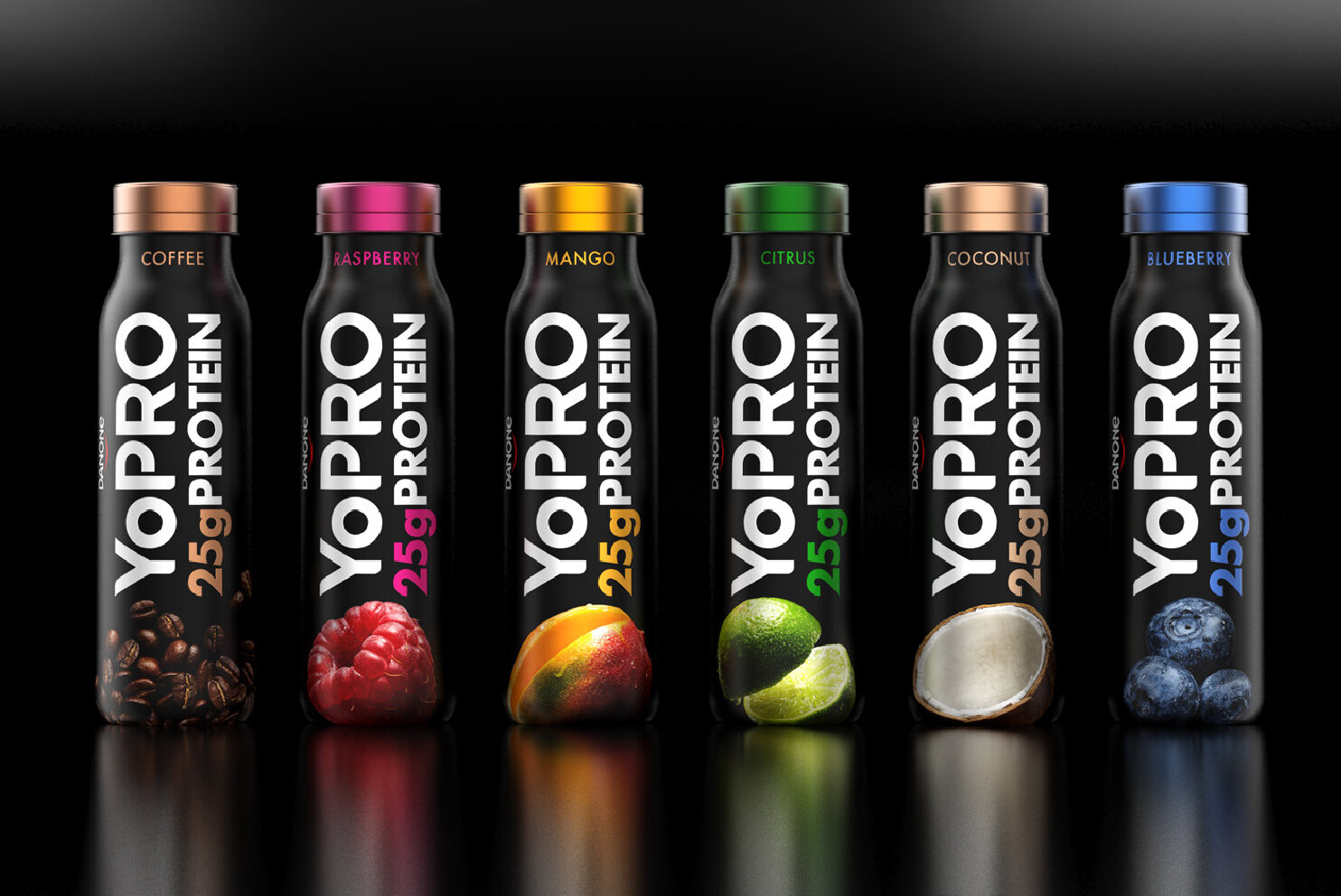
    Danone’s YoPRO has today released an ice cream-style dessert option into it’s high-protein snack range. The introduction of Ice Cream-style Dessert Sticks follows YoPRO’s recent release of the Nut Protein Bars, as the brand continues to expand into growing product formats outside of its traditional yogurt range where protein and natural options are important.

    Available in Mint Chocolate and Salted Caramel, YoPRO Ice Cream-style Sticks serve as a deliciously creamy frozen dessert that’s packed with protein, perfect for health-conscious consumers.

    Available in Mint Chocolate and Salted Caramel, YoPRO Ice Cream-style Sticks serve as a deliciously creamy frozen dessert that’s packed with protein, perfect for health-conscious consumers.

    On the new products, YoPRO Brand Manager, Xavier Gonzalez said “Consumers no longer have to make a compromise on their health and fitness while giving in to their sweet tooth cravings. We are excited to be offering a deliciously creamy ice cream-style dessert option that delivers to your daily nutritional needs with 10g protein, no added sugar, no artificial sweeteners and less than 110 calories in each stick. We’re hoping the new indulgent flavors will encourage health-conscious consumers to treat themselves more often and tempt existing ice cream lovers to switch to a healthier protein-packed option.”

  • Richemont joins Alibaba’s IP alliance on brand protection

    Richemont joins Alibaba’s IP alliance on brand protection

    Global luxury group Richemont has joined the Alibaba Anti-Counterfeiting Alliance, a partnership between the e-commerce giant and brands that works to protect intellectual property rights on Alibaba’s platforms. Geneva, Switzerland-based Richemont is now among the 115 members from 16 countries and regions that are a part of the IP alliance, as well as the latest from the luxury sector to partner with the e-commerce giant on brand protection. Richemont said it would share its technology, expertise and other information to support the Alliance’s efforts.

    Richemont owns 17 luxury brands, including Cartier, Montblanc, Piaget, Van Cleef & Arpels, Watchfinder & Co and Chloe, in addition to Yoox Net-A-Porter Group, the online retail platform. YNAP runs four different websites — Net-A-Porter, Mr Porter, lifestyle-goods destination YOOX and affordable-fashion seller The Outnet — as well as online flagship stores for leading fashion brands, such as Armani, Moncler and Valentino.

    The announcement comes a month after Alibaba and YNAP partnered to bring the site’s high-end goods to Chinese consumers. A joint venture between Alibaba and YNAP will launch a mobile app for the Net-A-Porter platform and menswear site Mr Porter, in addition to opening flagship stores for Net-A-Porter and Mr Porter on Tmall Luxury Pavilion, a channel that connects premier brands with China’s digital-first consumers.

    Richemont, along with New Balance, General Motors and McDonald’s, were the latest global brands to join the AACA. The alliance’s membership has more than tripled from the original 30 founding brands at its launch last year, and now includes  names, such as Bose, Canada Goose, Honda, Samsung, Mars, Adobe, Danone, Hasbro and L’Oreal, in 12 industry categories. They work with Alibaba in six key areas — proactive online monitoring and protection, a product test-buy program, offline investigations and enforcement actions, industry-law enforcement workshops, litigation tactics and public awareness campaigns — in the fight against IP infringement.

    In September last year, the AACA established an advisory board so that brands could provide feedback to Alibaba in areas related to IP enforcement. Alibaba has since upgraded its Intellectual Property Protection Portal as well, delivering faster navigation and a better user experience on the site, where rights holders report suspected infringing listing and share information with Alibaba. In addition, Alibaba’s Good Faith program, which is open to brands with a track record of accurate notice and takedown filings, has streamlined the reporting process.

    The IP alliance does not restrict its brand-protection efforts to the online space. Alibaba and its brand partners also work to find and eliminate fakes at their source. In the luxury sector, Alibaba and Louis Vuitton – one of the first members of AACA – conducted an offline investigation that resulted in the seizure in May of approximately RMB 100 million ($14.4 million) worth of counterfeit goods.

    “The protection of intellectual property rights requires all stakeholders to work closely together and share their expertise. The AACA will continue its efforts to establish industry best practices for IP protection by creating effective collaboration among brands, platforms and law enforcement,” said Michael Yao, Alibaba’s senior VP and head of Brand Protection and Cooperation.

  • Danone-Lazada plans its strategic partnership

    Danone-Lazada plans its strategic partnership

    French FMCG company Danone has teamed with Lazada Group to create a series of online stores for Southeast Asia, starting with Thailand in December.

    The Danone-Lazada strategic regional partnership covers Thailand, Indonesia, Malaysia and Singapore. The two companies say they will create “a superior online shopping experience for key product categories, combining their expertise on shopper needs and behaviours, and bringing convenience and compelling content to the ever-growing number of online consumers across the region”.

    The alliance will begin with Danone’s Early Life Nutrition category, which features a portfolio of brands for families with young children. Danone’s Early Life businesses are already working together in Indonesia, Thailand and Singapore – participating in Lazada mega-campaigns such as Online Revolution on 11.11 and 12.12.

    The joint venture will stretch beyond simple e-commerce by offering parents advice and information on the growth, development and nutritional needs of children. Lazada’s digital platforms will provide convenient ordering solutions, personalised service and exclusive content and events developed with Danone.

    “We have been working with Lazada for more than a year, and accelerating our partnership in the last six months,” says Eric van der Hoeven, VP of growth through engagement at Danone Early Life Nutrition. “We want to support all parents in their journey, and wherever we can, to help them make well-informed feeding decisions for their children at the critical moments in their growth and development. I am very pleased that our constructive collaboration so far will now be taken further in this strategic regional partnership.”

    Lazada CEO Max Bittner says young parents live increasingly busy lives and are often confronted with information overload.

    “Teaming up with a trusted brand like Danone reinforces Lazada’s position as a source of quality products and enables us to serve the best, most relevant content, service and support for parents on their journey.”

    The partnership will come into force by end of November, beginning with workshops bringing together the Danone and Lazada teams in the local countries in sharing insights and planning. The first visible consumer features jointly developed will be implemented on the Lazada websites in Thailand in December.

  • Danone links with JD to grow west China business

    Danone links with JD to grow west China business

    Danone Waters China, a subsidiary of Danone Group, is tapping into the distribution network of China’s largest retailer and e-commerce giant JD.com as the French company expands its coverage of Southwest China.

    A shared warehouse will be built in Chengdu, the capital of China’s southwestern Sichuan province, that will store and manage inventory, merging Danone’s online and offline operations.

    “China is a market with both huge opportunities and major challenges when it comes to managing distribution across our many sales channels,” said Hanbin Lyu, vice president of Danone Waters China. The company has seven factories in China across six regions.

    Lyu said JD.com’s in-house logistics network and supply chain management technology would help Danone improve demand planning, inventory placement, warehouse and transportation management to increase efficiency across different sales channels.

    The Danone tie-up furthers JD Group’s push into the logistics business following the creation of JD Logistics earlier this year as a stand-alone business unit. JD operates China’s largest in-house fulfillment and last-mile delivery network with 405 warehouses.

    As part of the joint effort, JD will leverage its big data capabilities through the analyzing of billions of data points. The technology enables JD to help suppliers more accurately predict the ebb and flow of demand, and more efficiently manage stock. JD’s expertise in the area can help limit stock outs, waste, and higher logistics costs for last-minute replenishment that have traditionally plagued retail as a result of multiple layers of handling by a mix of third-party providers.

    “We believe our infrastructure and technology will benefit shippers and industries, including those that don’t sell directly on our platform,” said Wei Tang, vice president of logistics at JD. “Online retailers like JD can lead the way to more efficiency, transparency and reliability in commerce, benefitting both customers and suppliers.”

    A rapidly developing trend in China is the fast-growing demand for fresh products. During its Single’s Day promotion, JD.com sold over 20,000 tons of fresh products that included highly perishable items such as 500,000 tiger shrimp from Thailand and 2 million hairy crabs. There was also huge demand for Australian sirloin, Chilean frozen salmon, and Vietnamese base fish.

    The efforts in logistics are part of JD’s broader “retail as a service” strategy. As changing consumer demands force changes throughout global retail models, large-scale e-commerce companies are working on the development of an efficient and advanced supply chain.

    The need for efficiency is crucial to facilitate the growing cross-border e-commerce sales in China that are expected to reach $100.17 billion by the end of 2017, with the average spend per cross-border digital buyer at $882, according to eMarketer research. Average spend per buyer has increased because of growing awareness of overseas brands in China, as well as better logistics and the perception that foreign goods are of better quality.

    “The factors fueling the trend toward greater cross-border shopping are nothing new, as the average Chinese consumer is now more tech savvy, more exposed to foreign brands through overseas travel and the internet and, crucially, more willing to spend,” said Shelleen Shum, senior forecasting analyst at eMarketer.

    “With shopping sites such as TMall Global, JD Worldwide, and Kaola adding more brands to their offerings and improving cross-border logistics and processing times, there is an opportunity for foreign brands to tap into the demand for high-quality products, especially in categories like baby, maternity, health, and beauty.”

  • Danone weans itself from Dumex infant formula brand in China

    Danone weans itself from Dumex infant formula brand in China

    French dairy giant Danone said Wednesday it had reached a final agreement to sell its Dumex baby-milk business in China, which had been tarnished by bribery claims and a safety scare.

    The sale to the Yashili group, a joint venture in which Danone holds a stake, for 150 million euros ($159 million), comes after the French firm earlier this year wrote down the value of Dumex by 398 million euros.

    Danone said in a statement that “by bringing the Dumex and Yashili brands closer together, the operation will build a strong local infant milk formula brand platform.”

    Dumex China was hard hit by a 2013 food safety scare involving its New Zealand supplier Fonterra.

    The scare, which led the company to recall products, damaged the brand despite later being shown to be unfounded.

    Claims in 2013 that Dumex employees made payments to doctors and nurses at hospitals to provide Dumex formula to newborn babies further tarnished its reputation in China, its fourth-biggest market.

    Danone said earlier this year the write down of Dumex was also due to a shift by Chinese customers away from buying infant formula in supermarkets in favour of purchasing it online.

    Danone owns a 25 percent stake in Yashili, with China’s Mengniu Dairy holding just over 51 percent.

    It will not hike its stake 9.9 percent in Mengniu, in contrast to what was announced when the sale of Dumex was flagged in July.

    The sale still needs the approval of regulators and Yashili shareholders.