Retail News CRM

Tag: Electronics

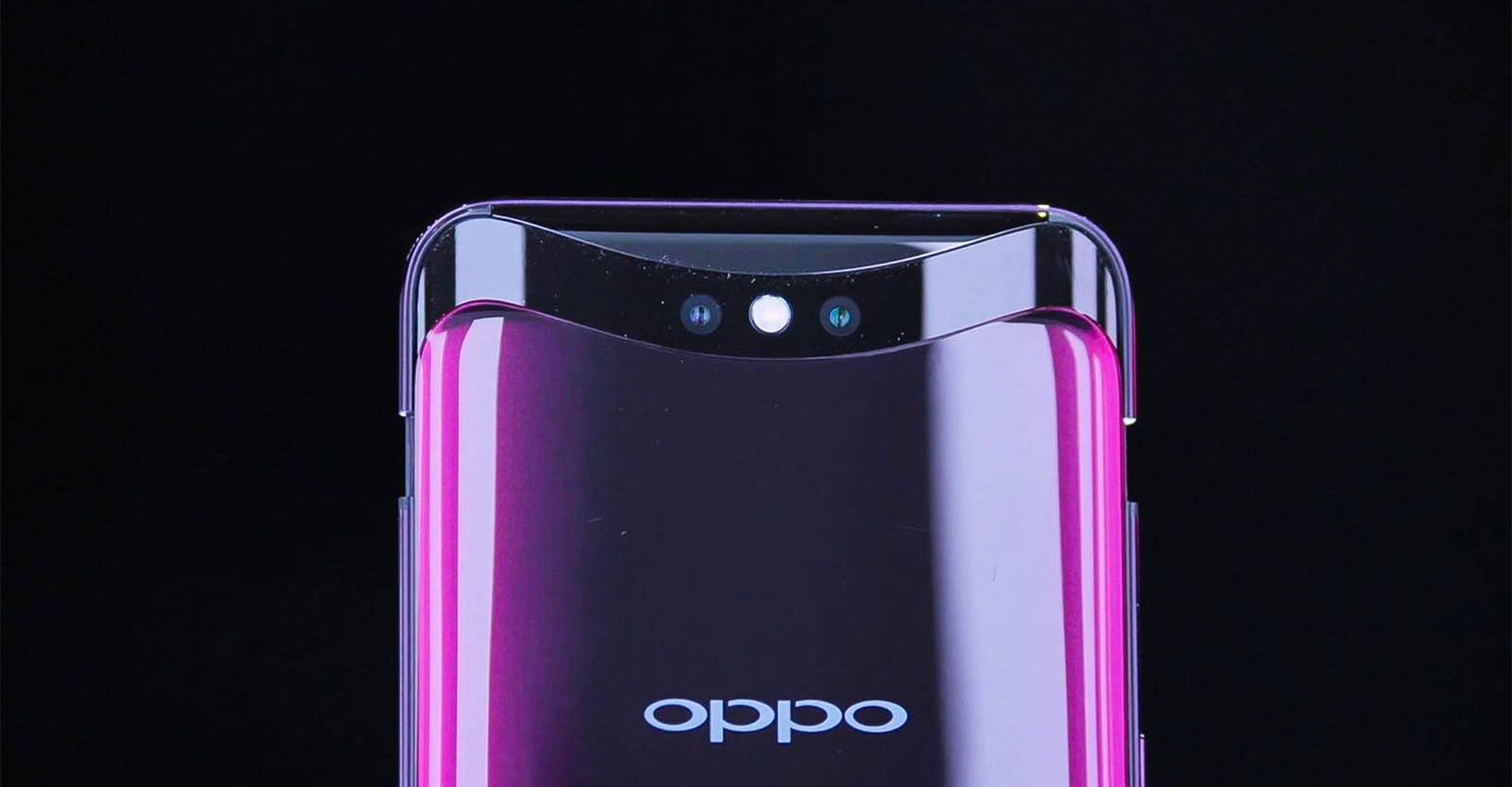
  • Seven more Oppo flagship stores planned for SE Asia

    Seven more Oppo flagship stores planned for SE Asia

    Six more Oppo flagship stores are planned across Southeast Asia by next year as the Chinese smartphone brand ramps up its brand profile in the region.

    The company says it will open stores in Thailand, Malaysia, Indonesia, Vietnam, Taiwan, and the Philippines, in addition to its newly opened super flagship store at the Emquartier shopping mall in Bangkok.

    The brand describes its Oppo flagships as spaces where it can interact more with customers and showcase futuristic products with IoT, AR and 5G experiences including smart wearables and cloud gaming.

    The brand says it has been generating sales through more than 52,000 retail points and 44,000 sales representatives for the past decade. But now it is entering a new era in which it aims to upgrade the overall consumer in-store experience, hence the Oppo flagship openings.

    “Oppo is now already one of the top players in the region. It is important that we continue to evolve with consumers and the industry in order to stay competitive,” says Oppo Asia Pacific president Jimmy Yi.

    “The next frontier of our strategy is strengthening the premium experience and continue to innovate consumer experiences both offline and online,” he added.

  • Tiitan Holdings plans to open 50 stores in India

    Tiitan Holdings plans to open 50 stores in India

    Hong Kong-based digital accessories firm Tiitan Holdings plans to invest US$5 million to set up its first 50 branded outlets in India by March next year.

    The company announced its foray into India in collaboration with distribution firm Mak Mobility – which also makes and sells fitness band Aq-Fit under its sister firm in the territory.

    “This alliance will help us in reaching the customers in India and boost our strategy of increasing our pan-India presence and thereby reaching to customers,” said Tiitan Holdings co-founder Piyush Sharma. “Also, this collaboration will help both the companies to further leverage its innovative product range to customers across India.”

    Tiitan Holdings has plans to make its smart accessories – bluetooth speakers, headphones, intelligent charger, wireless power bank, etc, – at Mak Mobility’s manufacturing facilities.


  • Sharp considers suing Vietnam’s Asanzo

    Sharp considers suing Vietnam’s Asanzo

    Sharp Electronics Vietnam is considering suing Asanzo for allegedly counterfeiting evidence to prove it owns technology that actually belongs to the Japanese brand.

    The subsidiary of electronics giant Sharp said this in a statement Thursday after Asanzo said earlier this week that it has a business partnership with a company called Sharp-Roxy Hong Kong, a business alliance between Sharp and Roxy Electronic Company Ltd.

    However, Sharp Vietnam says the Sharp-Roxy Hong Kong business alliance was terminated on October 31, 2016, therefore it would be impossible for Sharp-Roxy Hong Kong to issue a partnership document to Asanzo on September 12, 2019.

    “It is obvious that the document introduced by Asanzo in their press conference on Tuesday is counterfeit,” Sharp Vietnam’s statement said.

    This action seriously damages the Sharp brand, and it is currently exploring the possibility of legal action against Asanzo, it added.

    An Asanzo release has responded that it was “surprised” by Sharp’s statement.

    Asanzo chairman Pham Van Tam told VnExpress that the document in question was sent to Asanzo by a Chinese partner who is a tier one supplier to Sharp-Roxy Hong Kong.

    “We are working with the Chinese partner and Sharp Electronics Vietnam on this matter and will inform the press later,” Tam said.

    Asanzo, a Ho Chi Minh City-based home appliances maker that dominates the rural market, is being investigated for importing components from China and replacing “made in China” stickers with Vietnamese ones.

    The investigation, which has been going on for three months, came after local newspaper Tuoi Tre reported in June that the company did not manufacture any of the components for its products and imported everything from China.

    Asanzo has countered that it imports about 70 percent of components from China and makes other parts, like TV plastic cases and remote controls, in Vietnam.

    Asanzo, founded in 2013, has the fourth largest market share in Vietnam’s TV market. It has also expanded into the refrigeration, consumer electronics, home appliances, and smartphone segments.

    In just three years, it accounted for 70 percent of the TV market in rural areas and 16 percent nationwide.

  • Thinkware dash cams opens flagship store in Singapore

    Thinkware dash cams opens flagship store in Singapore

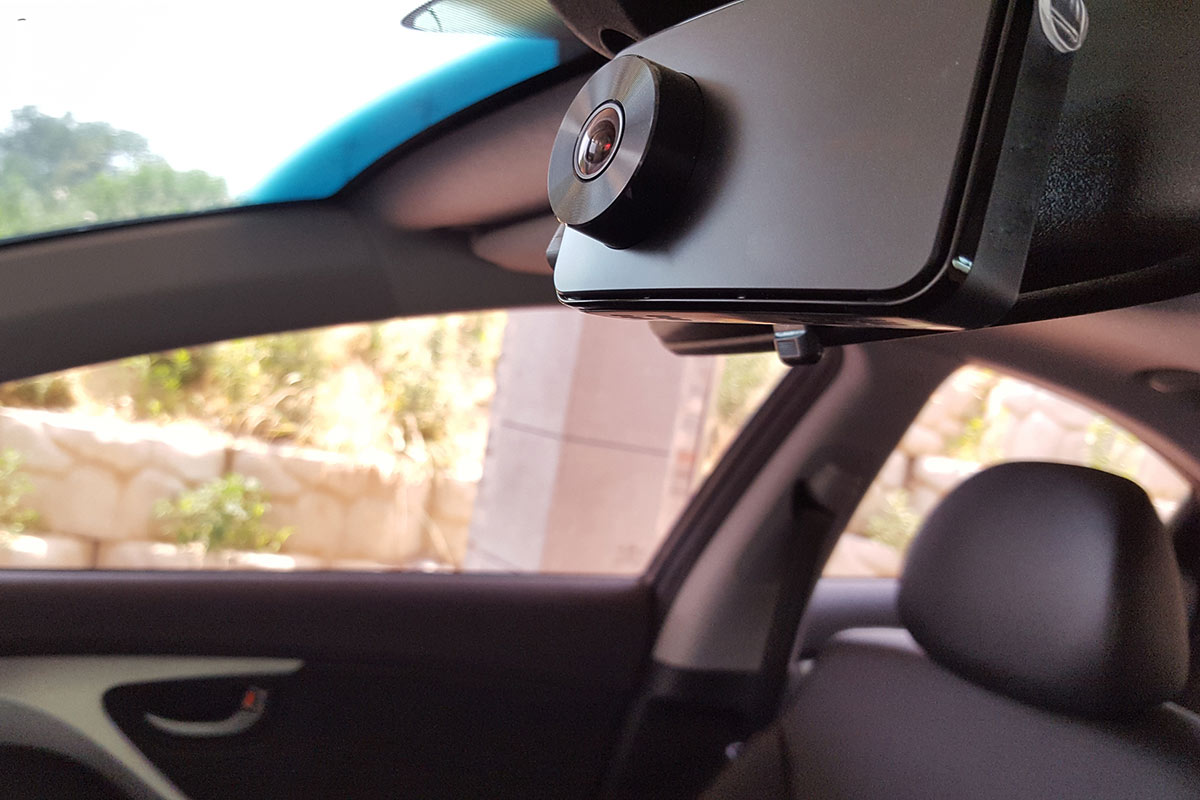
    Dash cam firm Thinkware is opening a flagship store in Singapore.

    The Thinkware Singapore store will provide a suite of services including troubleshooting, warranty services, dash cam maintenance and repairs. In addition to after-sales services, Thinkware will also exhibit its top dash cams at the venue – including the X700 and latest U1000 models that feature the firm’s Cat-M1 Internet of Things technology and Thinkware Cloud. Customers will also be able to access other enhanced recording and supplementary smart car technologies such as alarm systems and Apple carplay head units, among others.

    The Serangoon North Ave launch comes at a time when the company is on its international business expansion phase within the automotive industry.

    “Thinkware has long been a trusted name in dash cam technology and we believe that Singapore is an ideal market with dash cams steadily growing in popularity amidst advancements in connectivity, recording quality and improved vehicle safety,” said Thinkware Singapore MD Kenneth Low. “We are excited to bring the very first Thinkware premium store to Singapore and look forward to serving our customers.”

    Thinkware is the highest selling dash camera company in the competitive Korean market and its devices are available across 800 cities worldwide.

  • Suning.com to open 200 stores inside Carrefour China hypermarkets

    Suning.com to open 200 stores inside Carrefour China hypermarkets

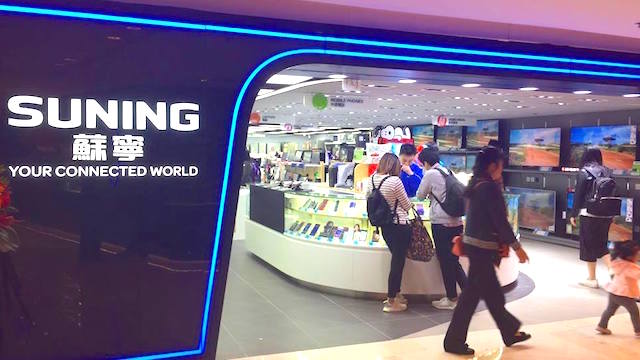
    Suning.com plans to open more than 200 stores inside Carrefour China hypermarkets later this month.

    The store rollout follows Suning.com’s acquisition of an 80-per-cent controlling interest in the Carrefour China business last June, a deal approved by Chinese regulatory authorities last month.

    Analysts say the store openings represent a strategic push by Suning.com to ramp up the loss-making Carrefour business by giving consumers more reason to visit the store – and hoping they will shop at Carrefour while they are there.

    The move comes just five months after Carrefour China revealed plans to partner with Chinese retail group Gome opening 200 stores-in-stores by July. That deal is now over and the stores that had opened under the Gome banner are being converted to Suning.com.

    The new shops will sell smartphones and consumer appliances. A spokesman for Suning.com told Chinese media that the stores will be tailored to local communities.

    Carrefour China has 210 hypermarkets and 24 convenience stores across the mainland.

  • Noel Leeming launches safety plans

    Noel Leeming launches safety plans

    Technology and appliance retailer Noel Leeming has announced it is now offering enhanced purchase protection for the life cycle of its products.

    The new Noel Leeming Protection service plan offers customers the ability to lock-in accidental damage cover, theft protection, automatic replacement and blockage cover for items under $500, just to name a few.

    “This means that customers can now be covered for most eventualities that can affect the use of their technology and appliances, providing peace of mind that they won’t be without their item for long,” the retailer said.

    Customers can buy the plan as an add-on to their technology or appliance purchase either online or through one of Noel Leeming’s 77 retail stores.

    Tim Edwards, Noel Leeming CEO, said being able to offer customers a full suite of add-ons to their purchase is a great way to enhance customer confidence in their decision-making.

    “We’ve noticed that consumers nowadays are interested in a more holistic solution, looking for protection programs that better support the way they use their technology and appliances,” Edwards said.

    “We’re confident that this product goes over and above any competitor’s offer, is market-leading, and a New Zealand first in consumer purchase protection.”

    Edwards said feedback from customers has been overwhelmingly positive since the product offering was introduced.

    Hemaka Perera, director for Southeast Asia at Assurant, said the new Noel Leeming Protection offering has been built with the customer in mind and goes over and above the industry standard.

    “We are thrilled to partner with Noel Leeming in offering a new product that sets the standard for product protection,” Perera said.

  • Radio Rentals to pay $25 million for pricing fraud

    Radio Rentals to pay $25 million for pricing fraud

    Radio Rentals-parent Thorn Group has settled a consumer-led class-action lawsuit lodged against it in 2017, which involved customers paying far in excess of the market value for goods rented.

    According to law firm Maurice Blackburn, which represented thousands of people against the business, Radio Rentals’ Rent, Buy, $1 Buy program had seen customers pay up to seven times the retail price.

    The class action settled on Monday for a sum of $25 million, though Thorn Group’s insurer will also make a separate contribution toward the settlement. According to Thorn Group, the settlement is not an admission of liability.

    While the two parties have agreed on the sum, the settlement must still be approved by the Federal Court.

    Maurice Blackburn principal Ben Slade said the program may have affected up to 200,000 people.

    “The class action alleges that one of the more insidious aspects of the business is that Radio Rentals continued to draw money on an ongoing basis from its clients’ Centrepay (Centrelink payment) accounts, well beyond the retail value of the goods,” Maurice Blackburn Lawyers principal Ben Slade said upon launching the case.

    “Rent, Try, $1 Buy is misleading when you delve into what’s involved. What we have found is that people are paying up to seven times the true retail cost for goods in the belief that the goods will always be theirs, yet the contracts do not give them that right.”

    Lead plaintiff Casey Simpson said Radio Rentals had taken advantage of her after she paid more than $3300 for a used mattress and bed worth $430.

    “I have four kids and am on a low income – I thought Rent, Try, $1 Buy would be a sensible alternative to get some basic goods in a way we could afford,” Simpson said.

    “I never knew I’d had to pay as much as much as they kept charging me, or that I wouldn’t have a right to buy the goods for $1.”

    Radio Rentals in South Australia is an independent entity, and is not involved in the lawsuit.

  • Japan okays one shipment of material Samsung needs for its most advanced chips

    Japan okays one shipment of material Samsung needs for its most advanced chips

    The term Free trade has become an oxymoron. Just look at the mess that is taking place with the U.S. and China. As we’ve pointed out countless times, the tariffs that the U.S. is imposing on imports from China are import taxes that are paid by U.S. corporations. The latter can decide to eat some or all of the additional taxes lowering their profit margins or pass along the higher costs to U.S. consumers. China is retaliating by devaluing its currency, the Yuan. This makes Chinese goods cheaper to buy in the states but will force Apple to raise the price of the iPhone in China.

    This isn’t the only trade war going on. Japan and South Korea have been fighting since last October. That’s when a South Korean court ruled that South Koreans forced to work for Nippon Steel during World War II must be compensated for their labor. Calling the decision “unthinkable,” Japanese authorities said that the issue had already been decided when the two countries restored diplomatic ties in 1965.

    To retaliate against the court decision, Japan started restricting the export to South Korea of materials like fluorinated polyimide and resist, and high-purity hydrogen fluoride (HF). These are used in the production of chips used inside smartphones, and for smartphone displays, respectively. Beginning last month, companies looking to ship these materials to South Korean phone manufacturers like Samsung and LG need to apply for permission to do so. Receiving such approval could take as long as 90 days. That’s because Japan has removed South Korea from its “white list” of trade partners that have fast-track trade status. South Korea plans on discussing the removal of Japan from its “white list” but has tabled the matter for a future time. It does plan on tightening regulations on some of Japan’s exports into South Korea for materials used in other industries besides tech.

    For the first time since announcing the restrictions, Japan has approved a shipment of EUV photoresists to South Korea. Samsung uses this material to help it mask or map out designs on the silicon that ends up in chipsets. These show the placement of billions of transistors and EUV, or extreme ultraviolet lithography allows for more precise designs to be made. This leads to the design of more powerful chips that consume less energy. Japan controls as much as 90% of the global market for this material, so Samsung cannot simply move on to another country to source the EUV photoresist it needs.

    “Usually, we don’t announce each time we give export permission. However, the South Korean government has referred to our moves as an embargo on exports, which is unfair criticism.”-Hiroshige Seko, Japanese Industry Minister

    “Even if there are any gains, it will be short-lived. In the end, it is a game without winners, where everyone, including Japan itself, becomes a victim.”-Moon Jae-in, president, South Korea

    However, it doesn’t seem as though this approval changes anything between the two countries. A South Korean senior trade ministry official pointed out that Japan “approved only one out of a number of items,” and a presidential official said that  Japan’s actions “doesn’t mean that uncertainties have been completely removed for the other items.” While these materials can be used to produce smartphones, they also can be used to manufacture weapons.

    Apple iPhone models that sport an OLED display and those expected to be equipped with such a screen (iPhone 11, iPhone 11 Max) could be affected by this trade war. That’s because, as we’ve mentioned, high-purity hydrogen fluoride (HF) is used to produce smartphone displays. As one of the materials that Japan will no longer allow to be shipped to South Korea without permission, both Samsung and LG could face delays in obtaining it. And that could mean that Apple, which purchases its OLED panels for the iPhone from both South Korean firms, could find itself scrambling for this important part as production gears up for the 2019 iPhone models.

  • Nexstgo to open 50 stores in India

    Nexstgo to open 50 stores in India

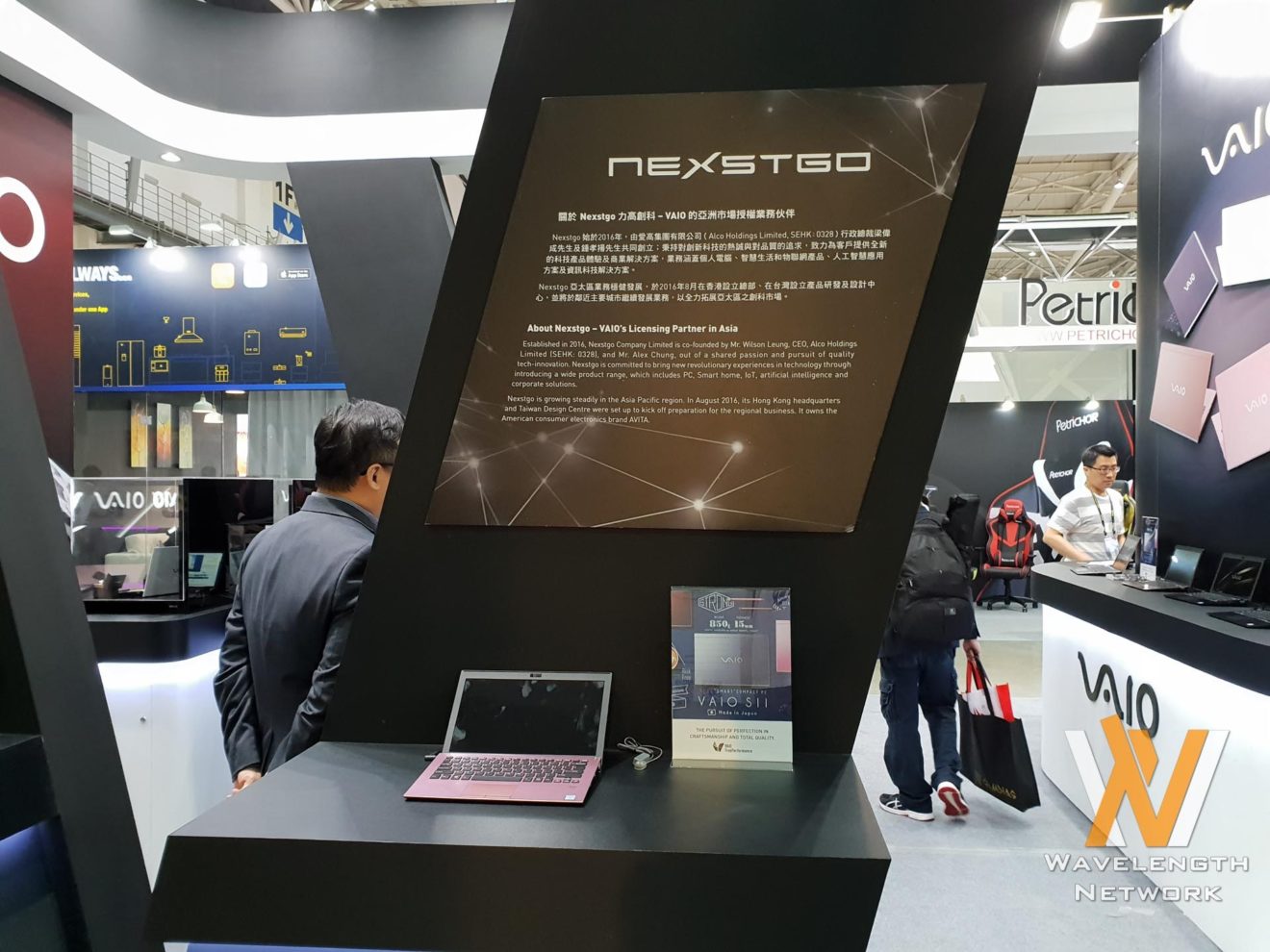
    Hong Kong electronics producer Nexstgo is launching 50 stores in India.

    The brand entered the market last year selling Avita and Nexstgo-branded computers online and through retail stores in Delhi, Ambala, Chennai and Jaipur. It is currently targeting laptop sales at one lakh (US$1450) this year.

    “We have seen a tremendous response so far and by the end of the year, we are confident of crossing the one-lakh device mark,” said Nexstgo Company CEO and co-founder Alex Chung.

    “We are also in the process of expanding our retail presence, we are looking at 50 exclusive brand stores.

    “We are looking at adding two new products to our portfolio by Diwali this year across the country… We aim to have an omni-channel presence to maximise our visibility with an equal focus on offline and online sales,” he added.

    Nexstgo also plans to expand into the Middle East and Europe by the end of this year. It currently operates in nearly a dozen countries around the Asia region.

  • Bose to launch new wireless headphones with voice-activated Alexa

    Bose to launch new wireless headphones with voice-activated Alexa

    Headphones with support for digital assistants like Alexa, Google Assistant and Siri have become trivial in the last couple of years. However, most of these headphones will only allow users to wake up the digital assistant by pushing a dedicated button.

    Apple and Samsung are the only companies that have recently introduced the ability to use voice activation to wake up the assistant implemented into a pair of headphones, though support is limited to a certain set of commands.

    The reason headphones manufacturers weren’t able to implement such a feature yet is due to the limited battery life of their products. In order to detect the wake word, headphones must use the battery to keep the microphone enabled all the time, which would drastically reduce the overall battery life. Luckily, a company called Knowles Corp. has managed to design a new chip that enables wireless headphones to reply to Amazon’s Alexa digital assistant by saying its name, Reuters reports. Basically, you will no longer have to press a button to activate Alexa, you will simply have to say its name.

    The new chip is power-efficient and includes a microphone and digital signal processor, as well as a reference design that will allow headphone manufacturers to add support for Alexa into their products.

    Knowles confirmed that Anker and LinkPlay will use its new chip and Alexa design to release headphones with voice-activated Alexa support, which will replace the traditional push-button versions.

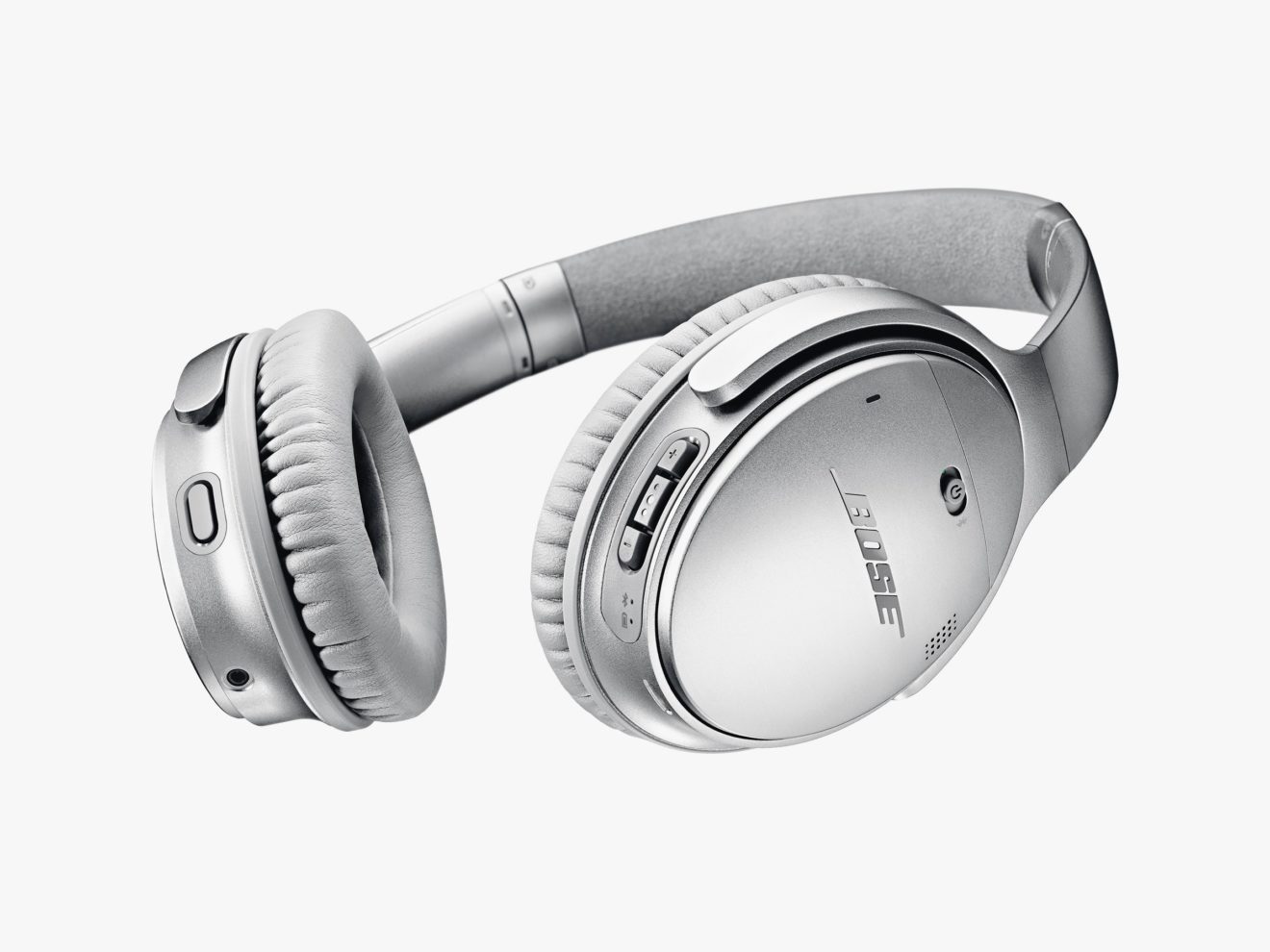
    Bose will also launch a pair of headphones with voice-activated Alexa support later this month, although Knowles didn’t explicitly say whether or not they will be based on its chip.

  • Qualcomm might be able to continue its anticompetitive chip selling policies

    Qualcomm might be able to continue its anticompetitive chip selling policies

    Last month, Judge Lucy Koh finally issued a ruling in a case that could force Qualcomm to change the way it does business. The case, known as the FTC (Federal Trade Commission) v. Qualcomm was originally heard during a ten-day period at the beginning of this year. With no jury seated, the FTC essentially put Qualcomm’s business practices on trial in front of the judge. Qualcomm’s “no license, no chips” policy, the collection of royalties based on the retail price of a phone, and its refusal to license its standard-essential patents were some of the company’s anticompetitive behaviors that were brought up by the FTC.

    Qualcomm has asked for a stay of the ruling so that it can appeal it, although Judge Koh has yet to make a decision on the request. The chip maker points out that if it starts renegotiating contracts as ordered by Judge Koh and then wins on appeal, it might not be able to reverse these deals once again. And Reuters reports that an FTC official thinks that Qualcomm has a good chance at overturning the ruling. FTC Commissioner Christine Wilson, appointed by President Donald Trump, wrote in the Wall Street Journal last week that the ruling against Qualcomm “radically expanded a company’s legal obligation to help its competitors,” and was based on a flawed 1985 Supreme Court decision (more on that later).

    Wilson’s op-ed might give Qualcomm an idea on how to win an appeal of Koh’s decision, according to several antitrust attorneys. Others believe that the appeals courts will find it hard to overturn Koh’s ruling, which some say was based on the judge’s strong fact-finding abilities and her determination about the credibility of those who testified before her.

    The aforementioned 1985 Supreme Court decision ruled that a company that drops a business arrangement that has proven profitable over time could be guilty of violating competition law. How does this relate to Qualcomm? The company once licensed its standard-essential patents to rival chip firms. These are patents that manufacturers need to license to make sure that their products are in compliance with technical standards. As a result, they must be offered to rivals on a fair, reasonable and non-discriminatory (FRAND) basis. In the early 2000s, Qualcomm stopped offering these patents to other chip makers and only licensed them to smartphone manufacturers.

    During the trial, the company denied that it had ever offered full licenses to other chip makers and says that if forced into doing so by Koh’s decision, it would be a new business arrangement, not the resumption of an old one. And that dovetails with Wilson’s op-ed in the Journal in which she wrote that Koh’s decision means that if a company sells a product to a competitor, it would have to sell every product it makes to every competitor or else be charged with violating antitrust law. The FTC commissioner also said that Judge Koh misapplied the 1985 Supreme Court decision.  University of Southern California law professor Jonathan Barnett agrees with Wilson and says that the Supreme Court ruling was supposed to be “very narrow.” He says that there is a good chance that Qualcomm will be able to reverse Judge Koh’s ruling.

    Many investors are hoping the same thing. On April 15th, the day before Qualcomm and Apple reached a settlement on their legal issues, Qualcomm’s shares closed at $57.18. Following news of the settlement, the stock soared peaking on May 1st at $89.29. The day before Judge Koh released her decision, Qualcomm’s shares had already declined to $77.75. Following the ruling, the stock dropped to $65.37. The company’s shares closed last week at $66.82.

  • Qualcomm shows how important Apple’s business is

    Qualcomm shows how important Apple’s business is

    Last month, just as Apple and Qualcomm were into the opening statements of their billion-dollar trial in San Diego, surprising news was released. Behind the scenes, Apple and Qualcomm had been negotiating a settlement and both companies finally shook hands on a deal. Apple paid the chip maker an undisclosed amount of money; in return, Apple received a 6-year licensing agreement (with a two-year option) and a multi-year chip supply deal.

    It was no secret that Apple was getting desperate for a company to supply it with 5G modem chips for the iPhone. Apple wasn’t totally convinced that Intel, whose 4G LTE modem chips are exclusively used on the 2018 iPhones, could deliver the 5G component in time. In fact, during the FTC v. Qualcomm non-jury trial in January, Apple supply chain executive Tony Blevins testified that the firm had spoken with Samsung and MediaTek about sourcing their 5G modem chips. And even though Intel said early last month that it would ship its chips starting in the second half of this year, Apple still felt compelled to shake hands with Qualcomm. Hours after the agreement was announced, Intel said that it was leaving the mobile 5G modem chip business.

    According to one analyst, Apple will pay Qualcomm as much as $9 for each iPhone it sells with a 5G Qualcomm modem chip. The terms of the settlement obviously benefit Qualcomm greatly, and the company has decided to reward its executives including CEO Steve Mollenkopf. The executive received a bonus consisting of 40,794 shares of Qualcomm stock. The shares are currently valued at over $3.5 million. Not that Mollenkopf was underpaid; last year he took home $20 million according to data from FactSet.

    Other Qualcomm executives received bonuses too, thanks to the settlement with Apple. Company president Cristiano Amon scored $2.14 million in Qualcomm stock and Chief Technical Officer James Thompson was given $1.65 million in company shares. Other beneficiaries included General Counsel Donald Rosenberg and interim CFO David Wise. The pair received $1.22 million and $254,000, respectively. Wise pointed out that other Qualcomm employees will receive higher bonuses too, thanks to the settlement. Investors also have benefited from the deal with Apple (assuming that they weren’t short the stock). The day before it was announced, Qualcomm’s shares closed at $57.18. Yesterday, the stock closed at $85.84, which means that it has soared 50% over the last three weeks.

    The bonuses and the stock surge are both an indication of how important Apple’s business is for Qualcomm. Apple only used Qualcomm’s modem chips on the iPhone from 2011-2015. As a result, Apple demanded and received a $1 billion incentive payment from the chip maker annually. But Apple CEO Tim Cook was upset that Qualcomm was receiving five times more in royalties than it was paying all of its other suppliers combined. Qualcomm’s royalty payments were based on the retail price of the iPhone, and that didn’t make Cook very happy either.

    Apple ended up testifying against Qualcomm at a hearing held by the South Korea Fair Trade Commission. That angered Qualcomm, as did a statement from Apple that it would have to add a second modem chip supplier due to “Qualcomm’s exclusionary conduct.” At the same time, Qualcomm learned that Apple was planning on using Intel modem chips on the iPhone 7 and it stopped sending Apple those $1 billion checks. In return, Apple told its contract manufacturers like Foxconn and Pegatron to stop paying royalties to Qualcomm. Apple sued Qualcomm in January 2017 leading to a number of suits filed by both companies against each other. All of those suits have been withdrawn by Apple and Qualcomm as part of the settlement.

    Now that Apple and Qualcomm are on speaking terms, a 5G iPhone seems a sure bet for 2020.

  • Apple may be prepping to make your iPad a “Sidescreen”

    Apple may be prepping to make your iPad a “Sidescreen”

    Apple loves to talk about the displays it has in its devices, be it the color gamut, refresh rate, lamination to minimize the space between the glass and display tech, etc. Apple is very proud of its displays, no doubt about it. Apple has also been working to integrate iOS devices with Macs a bit more with features like Handoff. Now, Apple is rumored to be bringing a new interesting feature for those with iPads and Macs.

    According to new reports, Apple is working on a new feature codenamed “Sidecar” which will allow Mac users to set up their iPad as a second display to extend their desktop. The feature is said to be coming in Mac 10.15, although it may also need iOS 13 on your iPad to work properly. The option will be triggered via the Mac by hovering over the green “maximize” button on a Mac window. The benefit is pretty easy to see: what’s on your Mac screen will be duplicated on your iPad allowing you to use the touchscreen to manipulate and annotate as needed.

    The details will be made more clear at WWDC in June, but there are some questions that need answering in terms of this Sidecar feature. First of all is whether it will be wireless or not. It seems likely that Apple would want it to be wireless and not need to worry about a USB cable, but at the same time Apple is very fond of its dongle business. Also, it doesn’t sound like this will be a way to extend your Mac desktop like a second display could be. It sounds more like a mirroring feature, but being able to extend a desktop onto an iPad would be pretty nice too.

    Lastly, there’s the question about what will happen to the current solutions that offer similar capabilities, like Luna Display. Apple has a history of duplicating features that users got from apps, and the fate of those apps is usually not too good.

  • Samsung forecasts massive Q1 profit decline

    Samsung forecasts massive Q1 profit decline

    Samsung is not only the world’s top smartphone vendor, but also the number one chipmaker and the largest television manufacturer out there. Despite all these incredible accomplishments and supremacy over several branches of the tech industry, the company seems to be going through somewhat of a rough patch.

    While we’re obviously not talking about the kind of trouble LG or Sony’s mobile divisions have been facing for a number of years now, it’s certainly worrying when quarterly profits go down 60 percent over the course of 12 months. Samsung’s full Q1 2019 financial results are not in yet, but if today’s earnings guidance pans out (which usually appears to be the case), consolidated sales for this January – March timeframe will circle 52 trillion Korean won, with operating profit sitting at around 6.2 trillion won.

    Those figures roughly equate to $45.7 billion and $5.5 billion respectively today, comparing rather unfavorably to over 60 trillion won in revenue and nearly 16 trillion won in profits reported this time last year for 2018’s first calendar quarter. The estimated Q1 2019 sales and profit scores are also down 12 and 42 percent respectively from Q4 2018, which was hardly considered a good quarter for Samsung.

    Until the tech giant releases the final, detailed numbers for 2019’s first 90 days later this month, breaking down the results by individual business, we can make several educated guesses as to what went “wrong” this past quarter. For starters, the company’s global smartphone shipments have been declining for a few quarters, and the Galaxy S10 family was probably released a little too late to reverse that trend. Or perhaps the newest flagships are not significantly more popular than their predecessors after all.

    Meanwhile, it’s important to point out that Samsung’s semiconductor business proved by far the most profitable among the company’s different branches lately, losing quite a bit of steam as demand for memory chips continues to drop. Samsung basically sells its chips to every major smartphone vendor today, so the market slowdown has impacted the company in a number of ways. Last but not least, weak iPhone sales probably took a toll on Samsung’s financials from an OLED display supply standpoint as well. Of course, at the end of the day quarter, the Korea-based tech giant still earned $5.5 billion, which is certainly nothing to sneeze at.

  • Apple’s new iPod Touch might be announced somewhere this week

    Apple’s new iPod Touch might be announced somewhere this week

    As Apple has done in the past prior to product launches, yesterday the company shut down its online store for a few hours. When it reopened, an updated iPad Mini and an all-new iPad Air were introduced.Earlier today, in a very unexpected move, the Apple Store was updated yet again. But rather than closing and then reopening it, the Cupertino giant simply added its improved iMac computers to the website. Now, according to MacRumors, it seems Apple may have yet another product update planned for tomorrow.

    The iPod Touch could be Apple’s third announcement this week

    Earlier this month, MacRumors received a tip claiming that Apple would announce new products on March 18th, March 19th, and March 20th. The first day would see the debut of new iPads, while the second would see the introduction of new iMacs. This has proven to be accurate thus far and, as a result, means the information about the third day is likely correct too. “What will Apple be announcing tomorrow?” You may be asking.

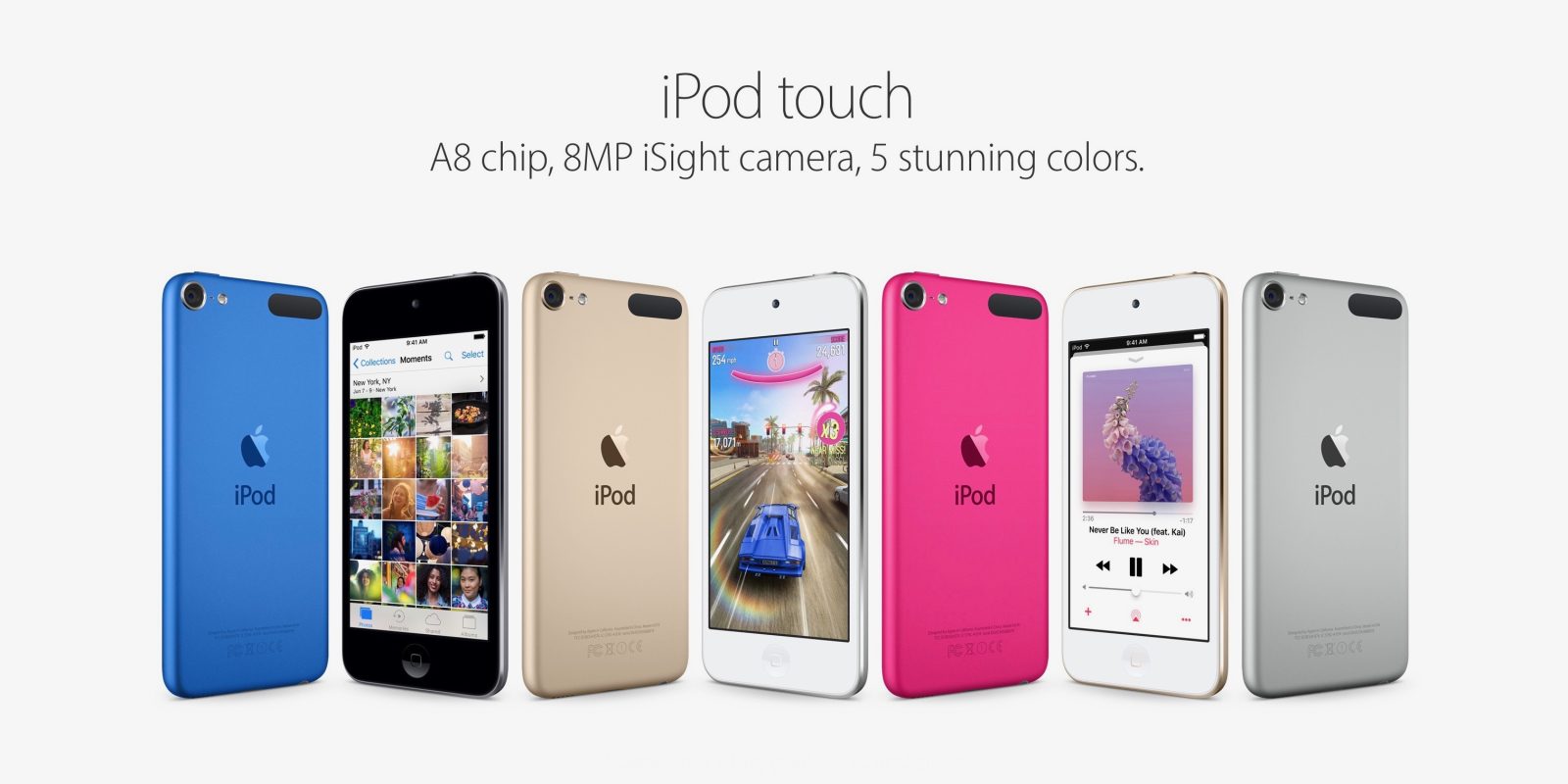
    Well, according to the tip, it’ll be an all-new iPod Touch. The current-gen iPod Touch dates back to June 2015 and is in dire need of a refresh. The model on sale now sports a tiny 4-inch Retina Display paired with an 8-megapixel rear camera and the aging Apple A8 processor. It’s also one of the few remaining Apple products to sport the company’s iconic home button but no Touch ID.

    Larger display, better processor, perhaps no headphone jack

    Considering Apple’s current focus on larger devices, the new iPod Touch will probably introduce a bigger display. The exact dimensions remain a mystery at the moment, but Apple’s new product might borrow the 4.7-inch display found on the iPhone 7 and iPhone 8. After all, this would avoid any unnecessary costs. Another big upgrade will presumably happen on the inside. In order to guarantee Apple’s usual 4-5 years of software updates, the new iPod Touch might adopt either the Apple A10 Fusion or the Apple A11 Bionic chip. The newer A12 Bionic is a possibility too, but this would probably increase the product’s cost too much.

    Like many of Apple’s other devices, there’s a strong possibility the next-gen iPod Touch will ditch the 3.5mm headphone jack. However, it should finally gain Touch ID, allowing for secure mobile payments, and receive a new set of updated cameras.

    Could the new iPod Touch focus on gaming?

    Once again, Apple’s next-gen iPod Touch will probably focus on music. But a recent trademark application revealed that Apple might also promote its mobile gaming capabilities. Over the years, iTunes and Apple Music support has become less of a selling point and more of a standard. As a result, the new iPod Touch might be marketed as a low-cost mobile gaming device instead.Interest in such a device will probably be quite limited initially, but the market does have potential for growth.

    Over the past few years, gaming smartphones have become much more popular and the market is gradually being flooded with them. Even Nintendo is said to be considering a gaming smartphone of its own, which means now could be the perfect opportunity for Apple to enter the market with a new iPod Touch.

    iPod Touch (7th-gen) release date and pricing

    If Apple does announce a 7th generation iPod Touch tomorrow, pre-orders will probably commence immediately prior to a release next week. Pricing does remain a bit of a mystery at the moment, but Apple could potentially stick with its current iPod Touch price points – the 32GB version retails for $199 while the 128GB model costs $299. The new iPod Touch should be available in an extensive range of colors, like the current-gen model. Apple could either keep the current iPod Touch finishes or adopt the iPhone XR’s colors.