Tag: Focus

  • Berjaya Food Exits Paris Baguette Joint Venture, Redirects Focus on Core Businesses

    Berjaya Food Exits Paris Baguette Joint Venture, Redirects Focus on Core Businesses

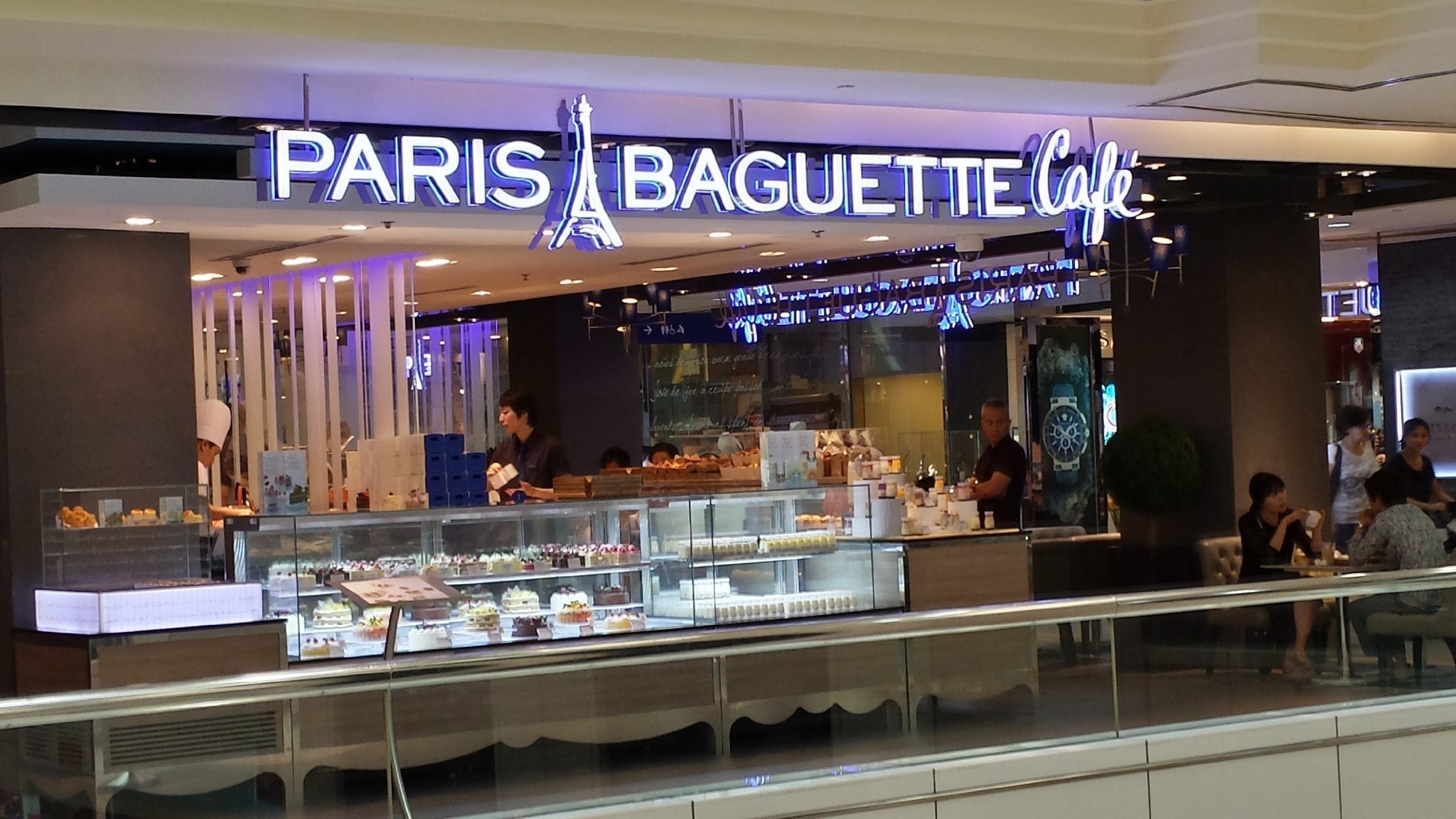
    Berjaya Food, a major player in the food and beverage industry, has concluded their collaboration with Paris Baguette, marking the end to the alliance that brought the esteemed South Korean bakery chain to Malaysia in 2023.

    In an effort to sever ties with the financially draining venture, Berjaya Food divested its 50% share in Berjaya Paris Baguette (BPB) to Paris Baguette Singapore for a token sum of RM1 (US 24 cents). Executed on June 30, this transaction included the transfer of 20 million ordinary shares. This was accompanied by Berjaya Food’s settlement of RM3.91 million (about $960,920) in outstanding liabilities.

    A Challenging Operation

    The Malaysian branch of the business has persistently reported losses since its commencement. As per recent records, BPB reported an unaudited, post-tax loss of RM67.09 million ($16.49 million) and net liabilities of RM33.41 million ($8.2 million). The RM20 million ($4.9 million) pumped into the venture by Berjaya Food is fully impaired.

    Berjaya Food has clarified that the divestiture of BPB is a strategic move to step away from the “Paris Baguette” chain of bakery and retail stores in Malaysia, which has continually underperformed since its introduction in the country. This decision, they explain, will help to eliminate the group’s exposure to BPB’s continuous financial losses.

    Looking Ahead

    Berjaya Food can now channel its resources and managerial attention to its principal businesses and future growth prospects. Paris Baguette, on the other hand, first set foot in Malaysia in 2023 and currently manages 16 locations across the country.

    Berjaya Food’s decision to divest comes at a time when the group is grappling with wider earnings pressure. Last year, the company reported its fifth consecutive quarterly loss, largely contributed by weaker performance at its Starbucks Malaysia business.

    Questions & Answers

    Why has Berjaya Food chosen to exit the joint venture with Paris Baguette?
    Berjaya Food decided to exit the joint venture due to consistent financial losses, deciding instead to focus on their core businesses and future growth opportunities.

    What was the extent of Berjaya Food’s investment in Berjaya Paris Baguette?
    Berjaya Food’s investment in the venture amounted to RM20 million ($4.9 million), which has now been fully impaired.

    What has been the impact of the divestment on Paris Baguette’s presence in Malaysia?
    Paris Baguette continues to operate in Malaysia, currently managing 16 locations across the country. The divestment has not affected its operational presence.

  • Lanvin Group Sharpens Focus with Strategic Spin-off of Italian Luxury Brand Caruso

    Lanvin Group Sharpens Focus with Strategic Spin-off of Italian Luxury Brand Caruso

    The Lanvin Group has recently completed the strategic divestment of the Italian luxury menswear brand, Caruso. This move is a part of the group’s plan to concentrate on their primary brands, especially in light of the ongoing instability in the luxury market.

    Caruso has now been procured by MondeVita Italy, which is a constituent of the Mondevo Group based in Abu Dhabi. This marks the end of the Lanvin Group’s proprietorship of the esteemed tailoring house. The financial details related to this transaction have not been made public.

    Caruso: A Brief Overview

    Caruso, established in 1964 and based in Soragna, Italy, is famed for its superior tailoring skills and manufacturing proficiency. The brand primarily functions through wholesale channels and has chosen retail collaborations across Europe, Asia, and the U.S.

    Lanvin Group’s Alignment With Broader Strategy

    The Lanvin Group has stated that this divestment is in agreement with its expansive strategy to streamline operations and channel resources towards its fundamental luxury labels. This transaction is part of a larger restructuring endeavor aimed at enhancing operational efficiency and boosting long-term profitability.

    The Fosun Group, which has recently rebranded itself as the Lanvin Group, became the principal shareholder of Caruso in 2017 through a capital increase. This was subsequent to its acquisition of a 35 per cent stake in 2013.

    In the early part of the previous year, the group, which is based in China, reported a substantial drop in annual sales whilst continuing to put its revitalization strategy into action.

    Questions & Answers

    What is the Italian luxury menswear brand that Lanvin Group has divested?
    The brand is Caruso, an esteemed tailoring house established in 1964 and known for its superior tailoring skills and manufacturing proficiency.

    Who has now acquired Caruso?
    Caruso has been procured by MondeVita Italy, a subsidiary of the Mondevo Group based in Abu Dhabi.

    What is the reason behind Lanvin Group’s divestment of Caruso?
    This divestment is part of the Lanvin Group’s strategy to streamline operations and focus resources on their core luxury labels, amidst ongoing market instability.

  • Highsnobiety Shifts Focus From E-commerce To Cultural Influence; Overhaul Impacts 50 Roles, Transforms Flagship Store

    Highsnobiety Shifts Focus From E-commerce To Cultural Influence; Overhaul Impacts 50 Roles, Transforms Flagship Store

    Berlin-based platform Highsnobiety is set to halt its e-commerce operations by the end of the current year in a strategic pivot towards its foundational publishing and cultural agency operations.

    Restructuring and Refocusing

    As part of a larger restructuring process within the company, about 50 roles across the retail and associated departments are anticipated to be impacted. Highsnobiety is taking measures to ensure that the employees affected by this decision are given adequate support throughout the transition period.

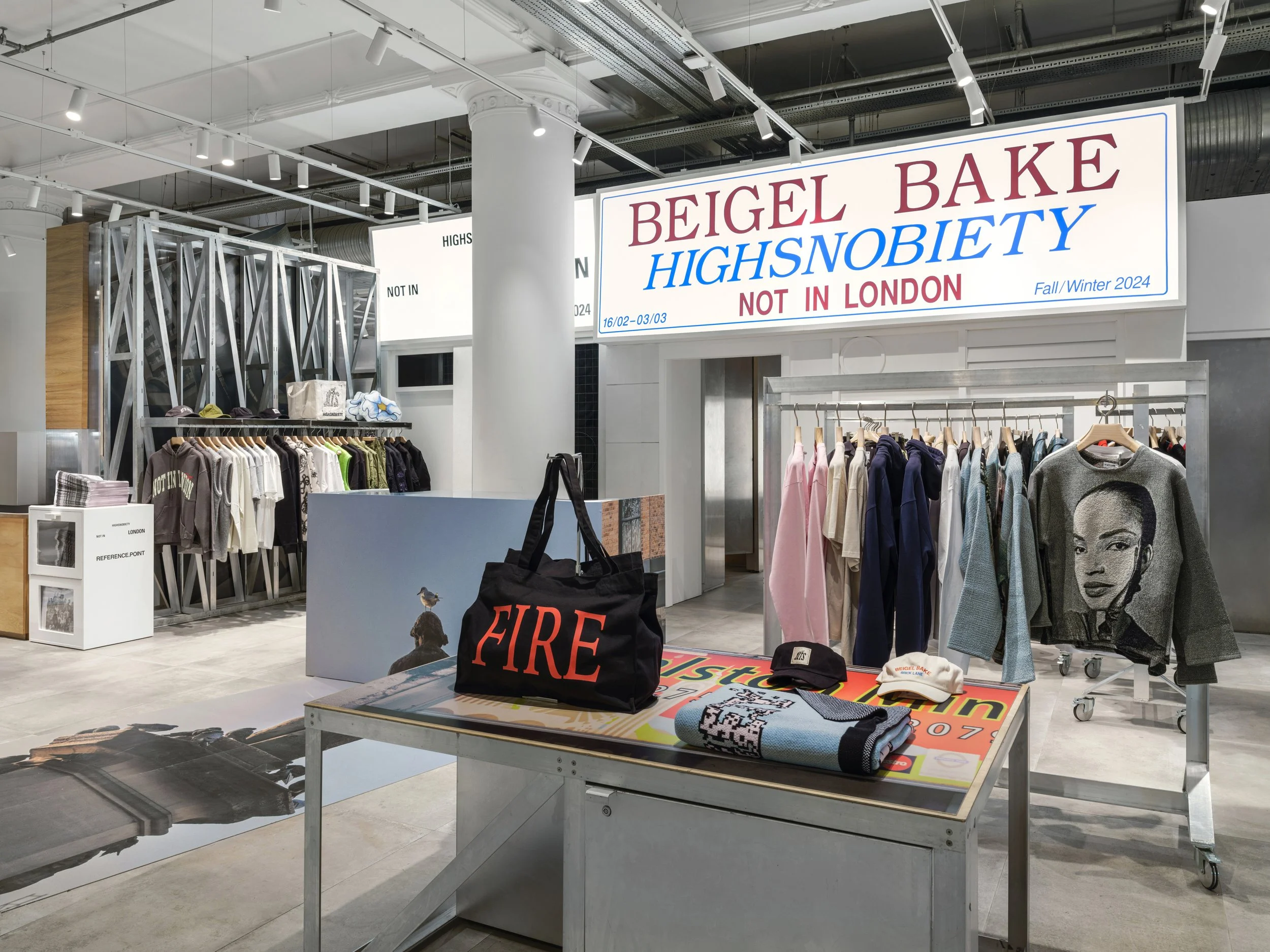
    Notably, this overhaul will also affect the brand’s flagship store, situated on Berlin’s Unter den Linden Boulevard. Having been opened just last year, the store is slated to undergo a significant transformation. The space will be repurposed into a hub for brand collaborations, activations, and temporary pop-up experiences.

    From Digital Publication to E-Commerce

    Highsnobiety was originally established as a digital publication focusing on youth culture and the streetwear segment. In an attempt to enrich its editorial content, the company ventured into e-commerce in 2019 by launching a platform that offered a curated selection of fashion and lifestyle products. This included collaborations with several prominent brands.

    However, upon reflection, the company has concluded that it can make its most meaningful long-term contributions by influencing culture, rather than running a third-party retail model.

    Shaping Culture

    David Fischer, the founder and CEO of Highsnobiety, reflected on the ethos of the company. He emphasized that Highsnobiety has always aimed to help its community understand emerging trends and aid brands in gaining credibility with relevant audiences.

    In the last half a decade, Highsnobiety has successfully created cultural moments that have extended far beyond the realm of traditional publishing. Fischer expressed that looking forward, the company’s focus and efforts will be squarely directed at continuing this cultural influence.

    Questions & Answers

    What changes is Highsnobiety making?
    Highsnobiety is terminating its e-commerce operations by the end of the year and refocusing on its original publishing and cultural agency operations.

    What is the impact of this decision on the company’s employees?
    Approximately 50 roles related to retail and associated departments are expected to be affected. However, Highsnobiety is working to provide ample support to the affected employees throughout the transition.

    How is Highsnobiety’s flagship store on Berlin’s Unter den Linden Boulevard being restructured?
    The flagship store will be transformed into a space for brand activations, collaborations, and temporary pop-up experiences.

  • Fast Retailing Marks Historic Milestone: First Japanese Retailer To Hit 1 Trillion Yen In Domestic Sales

    Fast Retailing Marks Historic Milestone: First Japanese Retailer To Hit 1 Trillion Yen In Domestic Sales

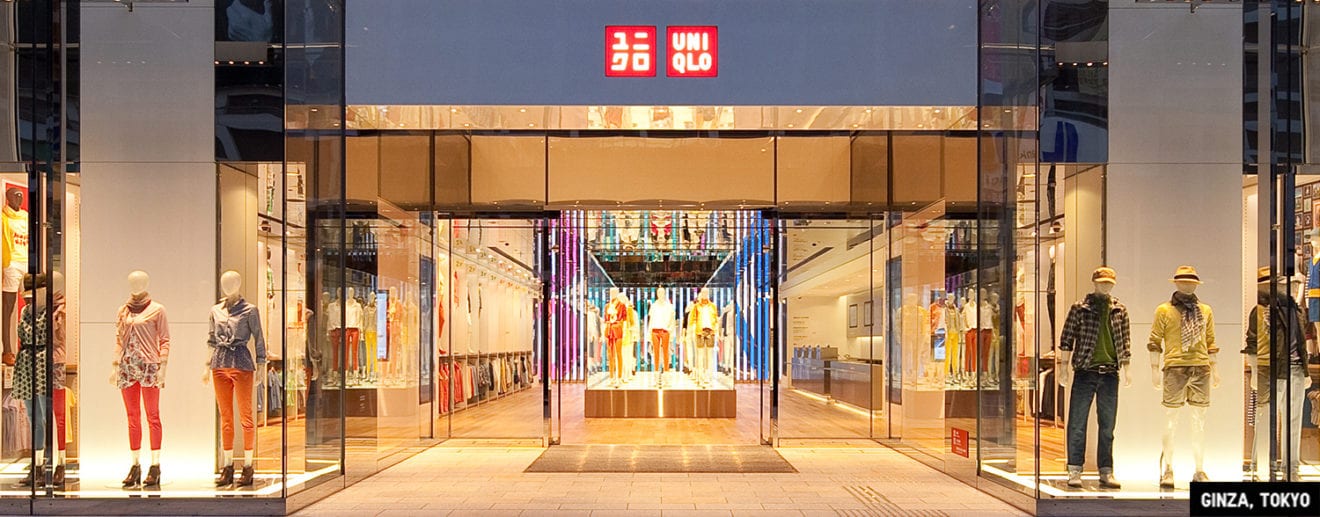
    Fast Retailing, the parent company of Uniqlo, has made history as the first Japanese clothing company to achieve domestic sales of 1 trillion yen. In the fiscal year ending in August, Uniqlo’s domestic sales increased by 10% to approximately 1.03 trillion yen, equivalent to $6.98 billion. By the end of August, Uniqlo had 784 stores in Japan, the first of which opened its doors in Hiroshima 41 years ago. These impressive domestic sales figures encompass revenue from physical stores, online sales from the brand’s e-commerce site, and 10 franchise locations.

    Fast Retailing’s sales have seen a marked uptick since the fiscal year of 2022, thanks to a series of store and product overhauls. Over the past five years, the company has shuttered 30 stores across Japan. At the same time, the average sales floor space per store has been expanded by 10%, allowing for a broader product display and stirring up customer demand. This strategy resulted in a 13% rise in average sales per store.

    Innovative Business Approach

    Among the company’s operational triumphs was the launch of the ‘Management Cockpit’ platform. This platform gathers product reviews from the online store and customer feedback from the support center. This data is then leveraged to enhance existing products, create new merchandise, and generate demand forecasts.

    The introduction of the platform has allowed Fast Retailing to swiftly manufacture in-demand products, consequently reducing the time from production to sale. Additionally, the platform helps to prevent an oversupply of items by cutting production of those with low demand.

    Future Projections

    Looking at the broader picture, Fast Retailing’s consolidated sales revenue is projected to grow by 10% to 3.4 trillion yen by fiscal year 2025. Net profit is also expected to rise by 10%, setting a new record at 410 billion yen.

    Currently, Fast Retailing holds the third position in the global apparel industry in terms of sales, trailing behind H&M in second place and Inditex, the parent company of Zara, in the top spot.

    Questions & Answers

    What sales milestone has Fast Retailing recently achieved?
    Fast Retailing has become the first clothing company in Japan to reach 1 trillion yen in domestic sales.

    What strategies has Fast Retailing used to boost their sales?
    Fast Retailing has increased the average sales floor space in their stores by 10% and introduced the ‘Management Cockpit’ platform to gather data and improve their product offering.

    What are Fast Retailing’s projections for future sales and profits?
    Fast Retailing anticipates its consolidated sales revenue will grow by 10% to 3.4 trillion yen in FY25, with a net profit increase of 10% to a record 410 billion yen.

  • Google Calendar adds new feature: Focus Time

    Google Calendar adds new feature: Focus Time

    Many of us rely on Google Calendar for a huge portion, if not all, of our work schedule. Meetings, important calls, even coffee with a coworker or friend—for plenty of us, it’s all slotted in right there on our Google Calendar profile, with notifications reminding us at all the right times. But sometimes, it can get a little overwhelming.

    And Google is aware of our reliance on its calendar app and working to further enhance users’ experience by introducing a new feature called Focus Time.

    It’s essentially something like an unobtrusive office manager who keeps everyone away to give you a quiet place to work, while also taking care of some of your scheduling for you.

    The main function of Focus Time is to allow you to section off important time for personal work that needs to get done, come what may. This keeps it visible on the calendar for you and anybody the calendar may be shared with, and also prevents your being assigned meetings during your scheduled heads-down time.

    Focus Time will be logged in Time Insights, where your time spent in meetings is also tracked—it will feature a headphone icon and you can assign a different color to your focus time, to set it apart from other events.

    Other than changing up the appearance of your work calendars, Focus Time can also automatically decline conflicting events while you slog away, without your lifting a finger.

    One scenario where we could see this going wrong is, you’ve got a tentative or rather arbitrary event scheduled in, such as “Coffee with Kate Tuesday 2pm maybe??” And unbeknownst to you, your boss requests an important meeting with you at the same time while you’re MIA in Focus Time—and he is automatically denied, because Google hasn’t quite reached the intelligence of differentiating varying levels of priority.

    But don’t worry, the “automatically decline events” feature is optional. The primary function is simply the ability to block out time for personal, uninterrupted work.

  • Lego China Flagship Heralds with a renewed focus on the East

    Lego China Flagship Heralds with a renewed focus on the East

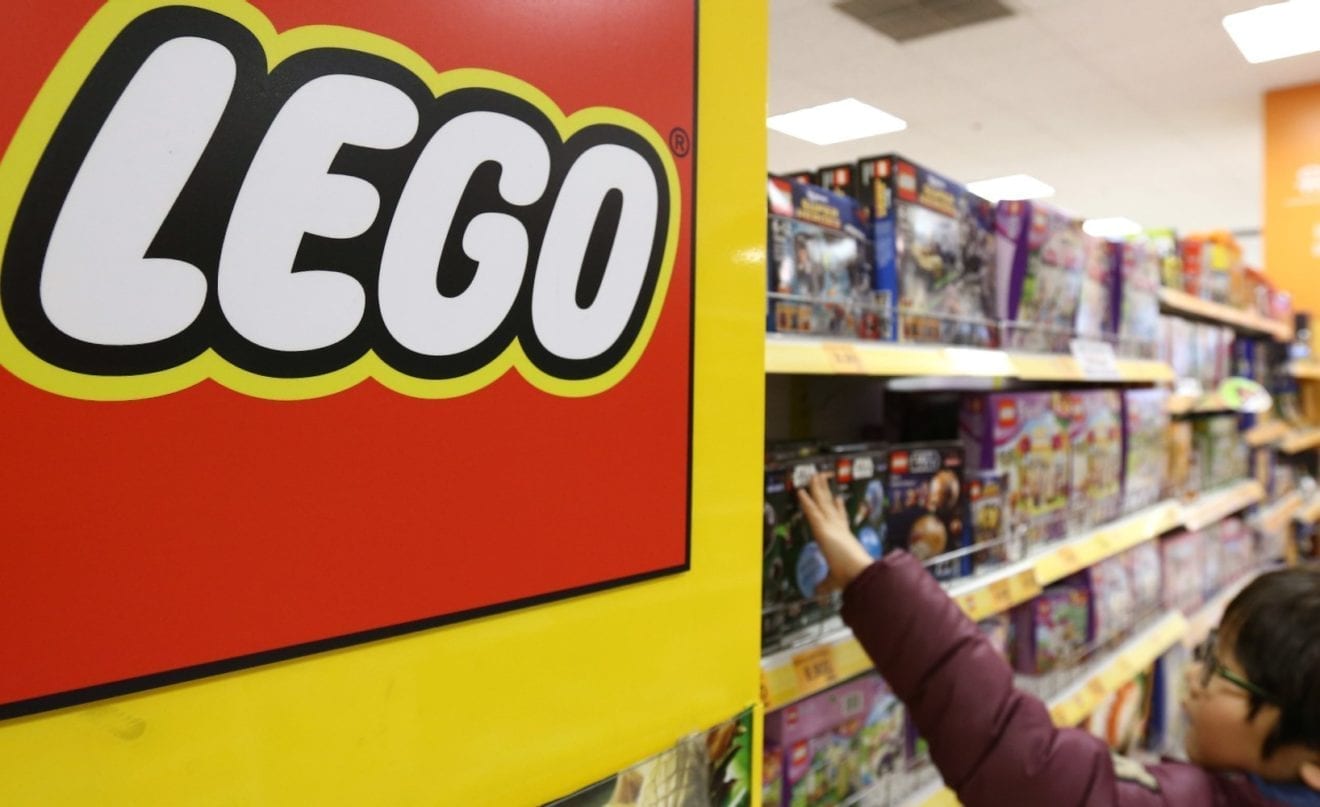
    Danish toy brand Lego’s bounce back after a tough financial year has seen new enthusiasm from the brand for expansion into China. The new energy has seen the retailer open its first Lego China flagship in Beijing last weekend.

    A drop in demand for its products during the 2017 financial year – the first since 2004 – saw the brand take a sharp conservative turn last year in order to stabilize the business. Meanwhile, double-digit growth in China brought revenue up 4 per cent to US$5.5 billion with profits of $1.2 billion, accompanied by a degree of sales recovery in the US and western Europe.

    “We are especially encouraged by our progress given the challenges facing the toy industry and the departure of specialist retailers such as Toys R Us that went under last year,” said Lego’s CEO Niels B Christiansen. “These shifts gave us the opportunity to strengthen our partnerships with retailers and find new ways to connect with shoppers and consumers across digital and physical channels.”

    Buoyed by the encouraging results, and on the heels of the Lego China flagship opening, the company will launch 80 new physical outlets in 18 Chinese cities this year.

  • Jamba Juice tempted to expand after good sales

    Jamba Juice tempted to expand after good sales

    US chain Jamba Juice has been bought for US$200 million by Focus Brands.

    Already, there is speculation that the Jamba Juice sale may lead to the brand being expanded overseas. The reason: Focus is owned by private equity firm Roark Capital and the parent of some high-profile food retail concepts.

    Focus already operates more than 5000 eateries in the US, Puerto Rico and 50 other countries under brands including Carvel, Cinnabon, Schlotzsky’s, Moe’s Southwest Grill, Auntie Anne’s, McAlister’s Deli and Seattle’s Best Coffee. So it has established partnerships in many international markets, including in Asia.

    “We are delighted to have reached this agreement with Focus Brands and are confident that it will result in a positive outcome for our guests, our franchisees and our employees,” Jamba Juice CEO Dave Pace said in a statement. “Over the last few years, we have worked hard to strengthen our foundation and reposition this iconic brand for the future. Partnering with Focus Brands will allow us to build on this work and further accelerate the company’s growth.”

    The deal is expected to close in the third quarter of 2018.

    Once Jamba Juice is acquired, it will operate as a privately held subsidiary of Focus and an independent brand.

    Jamba Juice was founded in California in 1990 and has expanded to more than 800 retail stores but only a small number outside the US.