Tag: fuels

  • Ikea Fuels Indian Expansion with $2.2B Investment by 2030

    Ikea Fuels Indian Expansion with $2.2B Investment by 2030

    Swedish furniture giant, Ikea, anticipates a substantial increase in its investment in India, aiming to reach a total of US$2.2 billion by 2030 as part of its aggressive expansion strategy.

    Doubling Investments

    Patrik Antoni, the CEO of Ikea India, revealed that the company has already surpassed the initial commitment of $1.1 billion made in 2013 post the approval to establish single-brand retail outlets in India. He added, “We will likely double this investment in future. By 2030, we should have at least accomplished that.”

    The additional investment is set to be utilized to facilitate the expansion of Ikea’s physical store footprint and develop mixed-use retail centers. Further, it will support increased local sourcing, renewable energy ventures, and advanced technology capabilities.

    Future Expansion Plans

    The upcoming major projects include the inauguration of a large-format store in Noida next year, with another planned in Gurgaon for 2028. In tandem with its retail growth, Ikea also plans to enhance local manufacturing to bolster domestic sales and exports. Antoni concluded by stating, “We plan to produce more and also increase our exports. Thus, we hope to do a lot more.”

    Questions & Answers

    What is Ikea’s investment plan for India by 2030?
    Ikea plans to more than double its investment in India to reach US$2.2 billion by 2030.

    What will the additional investment be used for?
    The additional investment will be used to expand Ikea’s physical store network, develop mixed-use retail centers, increase local sourcing, fund renewable energy projects, and enhance technology capabilities.

    What are Ikea’s future expansion plans in India?
    The company plans to open a large-format store in Noida next year, followed by another in Gurgaon in 2028. It also plans to increase local manufacturing to support domestic sales and exports.

  • ZWC Partners Fuels Global Expansion of Korean Lifestyle Group Iicombined and Flagship Brand Gentle Monster

    ZWC Partners Fuels Global Expansion of Korean Lifestyle Group Iicombined and Flagship Brand Gentle Monster

    Asian private equity firm, ZWC Partners, has recently made an investment in the South Korea-based company, Iicombined, the force behind the renowned eyewear brand, Gentle Monster. This move is part of the firm’s plan to expedite its global expansion across the fashion, beauty, and experiential retail sectors.

    Investment to Bolster International Growth

    Established in 2011 and based in Seoul, Iicombined has evolved from being a single eyewear brand to a multi-brand lifestyle conglomerate. Its diverse portfolio includes the fragrance and beauty brand Tamburins, the experiential cafe concept Nudake, the headwear label Atiissu, and the tableware brand Nuflaat. These are in addition to its flagship business, Gentle Monster.

    The investment is intended to facilitate the group’s ongoing global growth, especially across Asia, encompassing regions such as China and Southeast Asia. Moreover, it aims to further the expansion into European and North American markets.

    ZWC Partners has expressed strong confidence in Iicombined’s capability to expand globally whilst preserving its design-first identity. According to Michael Yao, a partner at ZWC Partners, the firm believes that Iicombined is favorably positioned for rapid expansion, primarily in thriving consumer sectors like eyewear and fragrances, across China and Southeast Asia. This perspective aligns well with ZWC Partners’ long-standing emphasis on consumer and technology sectors.

    Driving Forward a Global Fashion Powerhouse

    Yao further stated that with the support of their offices and resources in Europe, Japan, and other key Asian markets, they are excited to aid Iicombined’s expansion across the Asia-Pacific region and further afield. Their assistance will include providing prime retail locations and brand elevation support as the group continues its journey towards becoming a global fashion powerhouse.

    The deal enhances ZWC Partners’ consumer portfolio, which already encompasses investments in global sports group Amer Sports, which owns brands such as Arc’teryx and Salomon, and the Italian luxury linen brand Frette. It also includes logistics, technology, and cross-border commerce companies such as J&T Express, GoTo, and Vevor. The financial specifics of the deal have not been disclosed.

    Questions & Answers

    **What is Iicombined’s flagship business?**

    Iicombined’s flagship business is the eyewear brand Gentle Monster.

    **How is ZWC Partners assisting Iicombined’s expansion?**

    ZWC Partners is aiding Iicombined’s expansion by providing prime retail locations, brand elevation support, and leveraging their offices and resources in key markets.

    **What are some other brands in ZWC Partners’ consumer portfolio?**

    ZWC Partners’ consumer portfolio includes global sports group Amer Sports, Italian luxury linen brand Frette, and logistics and technology companies like J&T Express, GoTo, and Vevor.

  • Revamping Chanel: How Matthieu Blazys Unique Twist on Classics Fuels Brands Return to Growth

    Revamping Chanel: How Matthieu Blazys Unique Twist on Classics Fuels Brands Return to Growth

    The iconic Parisian fashion brand, Chanel, has seen an influx of new customers drawn to the reimagined versions of classic items by creative director Matthieu Blazy. The reinvented versions of the brand’s staple bags, shoes, and jackets have sparked a demand that exceeds supply, propelling the brand towards renewed growth.

    Revenue Growth and Increased Demand

    Chanel, a privately-held company, announced a 2% increase in revenue to $19.3 billion in 2025, marking a bounce back from a 4.3% decline in 2024. This period saw even premium fashion brands grappling with the bounds of demand following significant price hikes during a post-pandemic luxury resurgence.

    Blazy, who replaced Virginie Viard last year, has breathed new life into the brand with innovative designs like the relaxed leather “maxi flapbag” retailing at $8500, and bright, fringed renditions of the classic Chanel tweed jacket.

    Chanel’s CEO, Leena Nair, noted a creative momentum across all their business activities in 2025 and attributed the sales rebound to the investments made the previous year. The company also reported an increase in operating profit by 5% to reach $4.7 billion, although this fell short of its figures between 2021 and 2023.

    When Blazy’s debut collection hit stores in March, it sparked a buying frenzy for new handbags, two-tone pumps in mint green and black sold at $1450, and multicoloured tweed jackets. Simon Longland, Director of Fashion Buying at the prestigious Harrods in London, described the recruitment of new clients – those who had never previously bought Chanel – as phenomenal.

    Regional Growth and Future Plans

    Despite slower growth than Hermès and a slight decline compared to LVMH’s fashion and leather goods division, Chanel still saw a significant surge in sales in the US market, with a 7.2% increase in the Americas region. However, sales in Asia-Pacific, Chanel’s largest region by sales, declined slightly by 0.8%, while Europe saw a growth of 2.5%.

    In 2025, Chanel increased prices by 3% overall and 2% for fashion products, with similar hikes planned for this year. CFO Philippe Blondiaux reported that Chanel’s business in the Middle East, accounting for about 4% of revenue, remained resilient despite the war in Iran.

    After opening 41 stores in 2025, the brand intends to open an additional 30 stores this year, including nine fashion boutiques, with new locations in Boca Raton, Florida, as well as Palo Alto and San Diego in California.

    Questions & Answers

    What contributed to Chanel’s revenue growth in 2025?
    Chanel’s increased revenue in 2025 can largely be attributed to the innovative designs of new creative director Matthieu Blazy, which led to a surge in demand for the brand’s products.

    How did Chanel fare compared to other luxury brands in 2025?
    Though Chanel experienced slower growth than Hermès, it outperformed LVMH’s fashion and leather goods division and saw strong sales growth in the Americas region.

    What are Chanel’s plans for 2026?
    Chanel plans to continue expanding by opening 30 more stores, including nine fashion boutiques, in locations such as Boca Raton, Florida, Palo Alto, and San Diego, California. The brand also intends to increase prices by a similar rate as in the previous year.

  • Citibank Korea Records Significant Q1 Growth: Noninterest Revenue Fuels Highest Earnings in Six Years

    Citibank Korea Records Significant Q1 Growth: Noninterest Revenue Fuels Highest Earnings in Six Years

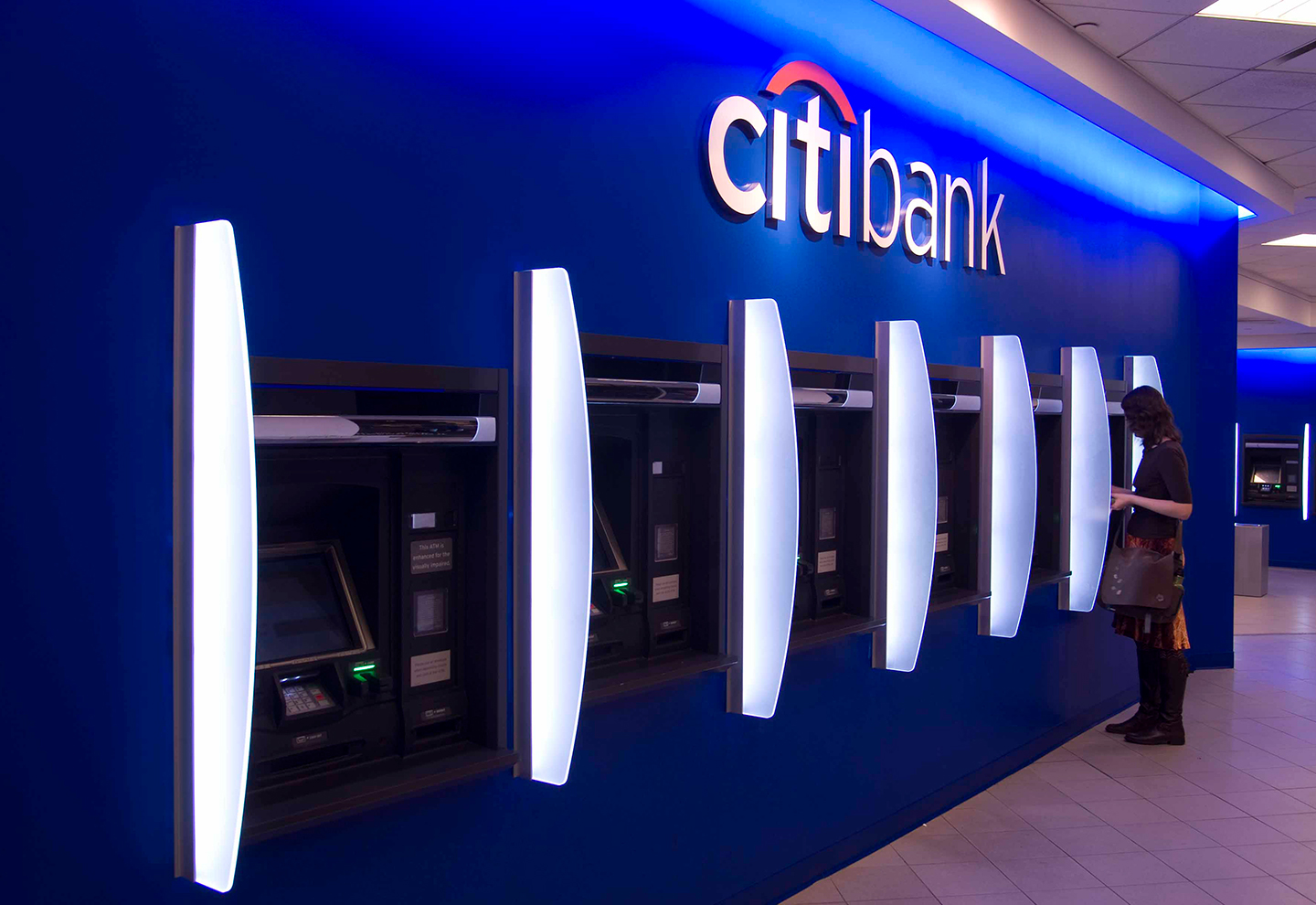
    Citibank Korea has reported their most impressive quarterly earnings in over half a decade. The first-quarter net income witnessed a significant leap of 61% from the previous year, primarily due to a substantial rise in noninterest income.

    Citibank Korea announced a net income of 132.8 billion won (equivalent to $88 million) on a revenue of 330.5 billion won. This represents an increase of 23 percent from the previous year. The surge was primarily driven by a 77 percent escalation in noninterest revenue derived from the bank’s principal businesses, which include fixed-income trading, according to an official statement from the bank.

    In the first quarter, expenses saw a modest increase of 1 percent year-on-year, amounting to 156.4 billion won. On the other hand, the cost of credit recorded a net decrease of 600 million won, a drop of 111 percent from the previous year, owing largely to reduced credit costs in the corporate banking sector.

    Impressive Growth Amidst Challenges

    The quarter’s return on equity rose by 3.81 percentage points to reach 9.73 percent. Despite challenges such as geopolitical conflicts and increased volatility in interest and foreign exchange rates, Citibank Korea delivered its best quarterly performance since 2018, according to the bank’s CEO, Yoo Myung-soon.

    Myung-soon highlighted that this impressive performance was the result of a significant expansion in non-interest revenue across their core businesses in Banking, Markets, and Services. He emphasized the bank’s strategic focus and use of Citi’s global network, which aligns with the global progress of Citi, which posted its best results in a decade in this year’s first quarter.

    Questions & Answers

    What led to the significant increase in Citibank Korea’s first-quarter net income?
    The bank’s first-quarter net income saw a significant increase of 61%, primarily due to a substantial rise in noninterest income.

    What contributed to the decrease in the cost of credit for Citibank Korea?
    The cost of credit recorded a net decrease due to reduced credit costs in the corporate banking sector.

    What were the main challenges faced by Citibank Korea in the first quarter?
    Some of the challenges faced by the bank included geopolitical conflicts and increased volatility in interest and foreign exchange rates.

  • Iran Conflict Fuels Rapid Electrification of Chinas Heavy Truck Fleet Amidst Diesel Price Hike

    Iran Conflict Fuels Rapid Electrification of Chinas Heavy Truck Fleet Amidst Diesel Price Hike

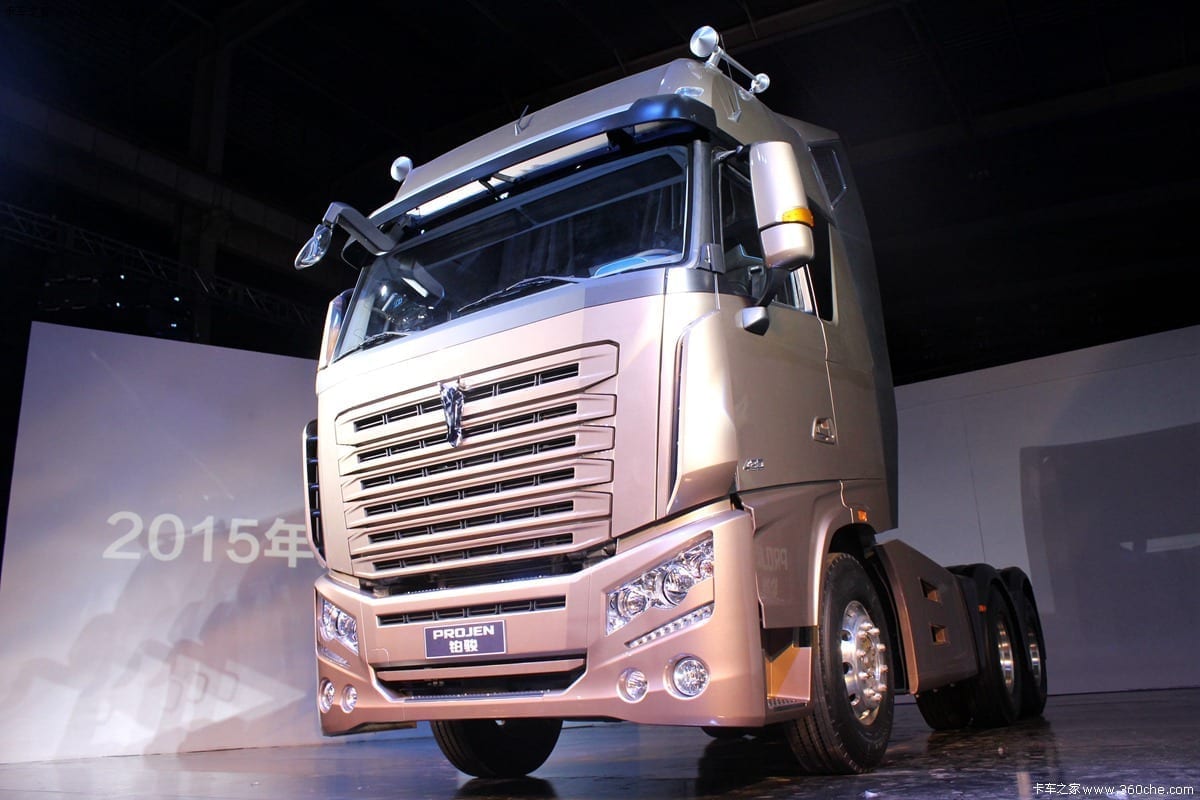
    The surge in diesel prices, precipitated by conflict with Iran, could hasten the electrification of China’s heavy-duty truck fleet this year, according to market analysts and auto manufacturers. This shift could further expedite the decline in fuel consumption in the world’s top oil-importing nation.

    The past two years have seen electric heavy-duty truck sales rise from a niche market to nearly one-third of all new heavy-duty truck purchases by 2025. This increase is attributed to government subsidies, lower refueling costs, and an expanding charging infrastructure. Growth in 2025 was particularly significant in the last quarter as buyers anticipated the termination of the trade-in subsidy program.

    Sales of new-energy heavy-duty trucks, predominantly electric, commenced this year with similar growth, increasing by 45% from the previous year to 44,000 units. This figure represents over a quarter of the entire segment, a strong increase from less than 20% a year earlier, as stated by data provider CVWorld.cn.

    CVWorld.cn also expects sales of heavy electric trucks to rise by 30% in April. The increase is likely driven by robust seasonal demand and high oil prices. According to Min Ji, a senior analyst at S&P Global Mobility, the conflict has increased China’s domestic fuel prices, inevitably accelerating the transition from conventional trucks.

    Electric heavy-duty trucks, with a range of approximately 300km, are primarily used for short hauls between industrial locations and transportation hubs. However, long-distance routes are expanding, and manufacturers such as Sany are introducing trucks with a range of up to 600km.

    The extensive electrification of passenger cars and the swift deployment of electric and liquefied natural gas-powered trucks have reversed China’s longstanding growth in the use of diesel and gasoline. Industry analysts largely predict that the demand for oil will reach its peak by 2030.

    Projections for Diesel Consumption and Export Trends

    Current predictions from energy consultancies anticipate a more rapid decline in diesel use than previously expected. GL Consulting predicts diesel consumption will decrease by 4.3% this year, in comparison with a pre-conflict estimate of a 4.1% fall. Rystad Energy forecasts a 5% reduction in diesel demand, surpassing its previous estimate of a 4% decrease, equating to a further decline of about 40,000 barrels daily.

    A 27% rise in retail diesel prices in China following the onset of the Iran conflict has made the economic case for purchasing electric trucks more compelling. Despite the higher initial cost of electric heavy-duty trucks (500,000 yuan or US$73,500) compared to their diesel counterparts (more than 300,000 yuan), nearly half the price difference can be offset through a trade-in program recently extended to the end of the year.

    The lower operating costs of electric trucks are fueling a surge in exports to Europe, which is the world’s second-largest electric truck market, albeit considerably behind China. In 2024, China’s electric truck sales reached 160,000 units, while Europe lagged with fewer than 25,000 sales, as reported by the International Energy Agency.

    Questions & Answers

    What impact has the Iran conflict had on diesel prices in China?
    The conflict with Iran has led to a significant surge in diesel prices in China, rising by 27% since the conflict began on February 28.

    What are the benefits of electric heavy-duty trucks?
    Electric heavy-duty trucks offer a range of benefits including lower operating costs, far-reaching government subsidies, and reduced environmental impact compared to their diesel counterparts.

    How is the growth of electric truck sales expected to change in the near future?
    The growth of electric truck sales is projected to continue, with a predicted increase of 30% in sales of heavy electric trucks in April. This growth is primarily driven by strong seasonal demand and high oil prices.

  • Global Expansion Fuels Record-Breaking Q4 Earnings for Jollibee Foods Corporation

    Global Expansion Fuels Record-Breaking Q4 Earnings for Jollibee Foods Corporation

    Jollibee Foods Corporation achieved record earnings in Q4, driven largely by an increase in demand and enhanced operational efficiency, according to CEO Ernesto Tanmantiong.

    Stellar Performance

    Tanmantiong expressed pride in the company’s performance over the past year. The final quarter saw a record-breaking operating income, which saw a 41.9% increase from the previous year. This surge was attributed to a combination of robust sales momentum and improved operational leverage.

    The corporation’s net income for the quarter rose by 20.1% to $37.8 million (PHP2.2 billion), making for a 5.4% total increase to $189 million for the entire year. Furthermore, the Q4 operating income experienced a 41.9% increase, reaching a remarkable $70.6 million – a record for this period.

    Sustained Demand and Growth

    The company’s system-wide sales grew by 16.6% over the year, bolstered by sustained demand in both its local Philippine markets and international markets. Consolidated revenue for the fourth quarter was up by 9.8%, leading to a 13% total increase for the year.

    The company’s EBITDA (earnings before interest, taxes, depreciation, and amortization) saw a rise of 18.7% to $169 million in the final quarter, and overall, a 13.8% increase to $727.4 million for the year.

    International Operations and Expansion

    International operations remained a potent catalyst for growth, contributing to a 27% system-wide sales increase. The coffee and tea segment of the business also exhibited strong sales momentum, with a 44.9% increase in system-wide sales.

    Tanmantiong spoke about the company’s future, emphasizing execution and expansion as cornerstones of their strategy. He stated, “Our priorities remain clear: profitable growth, operational excellence, and consistent value creation for our shareholders and other stakeholders.”

    Over the past year, Jollibee Foods Corporation opened 1126 stores worldwide, setting a new annual record. The corporation has planned to expand its network by an additional 1200 to 1300 stores in the coming year.

    Questions & Answers

    What factors contributed to Jollibee Foods Corporation’s record Q4 earnings?

    Sustained demand and enhanced operational efficiency were key contributors.

    What future plans does the company have?

    Its CEO, Ernesto Tanmantiong, stated that the company will maintain its focus on profitable growth, operational excellence, and value creation for shareholders and stakeholders.

    What expansion is expected for Jollibee Foods Corporation in the coming year?

    The corporation plans to expand its network by an additional 1200 to 1300 stores worldwide.

  • E-commerce Boom in Australia Fuels Demand for Compliant Warehouse Racking Systems: Vinatech Rises to the Challenge

    E-commerce Boom in Australia Fuels Demand for Compliant Warehouse Racking Systems: Vinatech Rises to the Challenge

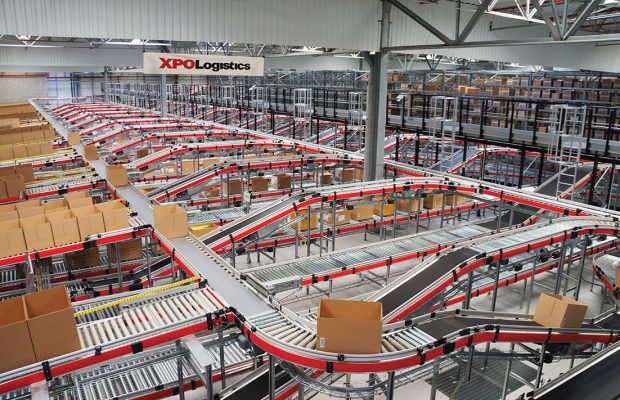
    Australia’s logistics and warehousing sector is experiencing robust growth, increasing the demand for storage systems that adhere to rigorous technical and safety standards. This has led suppliers to modify their products to align with the country’s stringent regulatory requirements.

    Booming Australian Warehousing Market

    The warehousing and logistics market in Australia is a foundational aspect of the national supply chain, currently estimated to be worth around AUD15 billion (US$10.1 billion). The rapid proliferation of e-commerce has been fueling this sector, with predictions suggesting a compound annual growth rate (CAGR) of approximately 6-7% over the next five to ten years.

    Entry of Vinatech Australia into the Market

    In response to this burgeoning market, Vinatech Australia has entered the scene not simply as a traditional supplier, but as a strategic partner providing comprehensive warehouse racking solutions. The company specializes in supplying industrial warehouse racking and storage solutions fine-tuned for the Australian market, aiming to provide top-quality warehousing systems that align with international standards while catering to the unique operational needs of each client.

    Vinatech Australia is supported by the Vinatech Group, a prominent Vietnamese manufacturer of industrial warehouse racking systems. Benefiting from extensive industry experience and state-of-the-art production infrastructure, the Vinatech Group has provided warehouse and storage solutions to numerous national and international clients, spanning logistics warehouses, manufacturing facilities, and large-scale distribution centers.

    The operational model of the company allows customers to maximize project budgets without sacrificing product quality, ensuring alignment with AS4084 standards and compliance with relevant Australian rules. Vinatech also offers full certification and technical documentation upon request, facilitated by engineering teams knowledgeable in both Vietnamese manufacturing standards and Australian compliance requirements. This capability underpins the company’s prevailing message: “Made in Vietnam – Used in Australia.”

    Comprehensive Industrial Solutions

    Vinatech Australia also provides a comprehensive range of industrial solutions, including consultancy and warehouse system design from the initial site survey stage, customized industrial warehouse and pallet racking solutions to meet specific operational needs, full project management from conception to operational deployment, and the capacity to deliver large volumes with consistent and reliable timelines.

    The company affirms its commitment to quality assurance and standards compliance as a vital element of its operations, addressing concerns regarding whether products sourced from Asia can meet the demanding standards of developed markets.

    All Vinatech products are designed and manufactured in compliance with international technical and safety standards. This ensures every industrial warehouse and pallet racking system fulfills strict criteria on load capacity, structural stability, workplace safety, and Australian fire protection regulations.

    Full Support from Planning to Operation

    Vinatech Australia positions itself not just as a product supplier but as a comprehensive solutions partner, aiding customers from the early planning stages through to real-world operation. This includes advising clients on long-term development strategies and integrating their warehouse racking systems seamlessly with advanced automation technologies.

    This strategy facilitates a phased approach to warehouse automation, allowing customers to commence with a fundamental solution such as pallet racking and progressively upgrade without the need to replace their entire warehouse racking infrastructure.

    Vinatech’s goal is not to become the largest supplier, but to be the most trusted provider of industrial warehouse racking solutions in Australia. They aspire to be the first name businesses consider when planning or upgrading their warehouse operations, not just due to competitive pricing but also their professionalism, reliability, and commitment to long-term partnerships.

    Questions & Answers

    What is Vinatech Australia’s specialization?
    Vinatech Australia specializes in providing industrial warehouse racking and storage solutions tailored for the Australian market.

    How does Vinatech assure adherence to technical and safety standards?
    Vinatech designs and manufactures all products in accordance with international technical and safety standards. They also provide complete certification and technical documentation upon request.

    What differentiates Vinatech Australia’s approach to customer support?
    Vinatech Australia positions itself not only as a product supplier but as a comprehensive solutions partner, supporting customers from early planning through to real-world operation.

  • AI Revolution in Singapore’s Fintech Sector Fuels Shift in Employment Strategies: A Deep Dive into the 2025 Talent Report

    AI Revolution in Singapore’s Fintech Sector Fuels Shift in Employment Strategies: A Deep Dive into the 2025 Talent Report

    Singapore’s financial technology (fintech) industry is advancing into a new phase of sophistication. This phase is characterized by the embracement of artificial intelligence (AI), the introduction of stricter regulations, and an increasing focus on regional expansion. Consequently, industry players are radically reassessing their strategies for talent acquisition, development, and retention in response to a surge in AI-related roles.

    Emerging Trends

    There has been a marked 40% year-on-year increase in the demand for AI-related roles. As a result, fintech companies are ramping up their hiring of AI engineers, data scientists, and MLOps specialists. However, technical competence, while important, is not the sole criterion in the selection process. Employers are now placing greater emphasis on soft skills.

    A study conducted by the Singapore Fintech Association (SFA) and Page Executive indicates this shift in hiring preferences. The study revealed that 92% of employers rank communication and teamwork as the most crucial factors for success, ranking higher than academic qualifications. Moreover, 85% of employers consider adaptability and learning agility as vital in an AI-driven work environment.

    Upskilling Trends

    Despite a significant majority (90%) of job applicants possessing at least a bachelor’s degree, there is a growing trend towards continuous professional development in the sector.

    Approximately one quarter of professionals are enrolled in online courses, particularly in AI, data analytics, and advanced Excel. This trend reflects a deeper commitment to upskilling in order to remain competitive.

    Evolving Workforce Models

    Singapore continues to serve as the mainstay of Asia’s fintech ecosystem, hosting about a third of all fintech teams within the region. Nevertheless, as companies scale across the ASEAN market, they are adopting more integrated onshore-offshore operating models.

    While 71% of fintech companies still prioritize local hiring for strategic functions including compliance, enterprise sales, and regulatory roles, regional expansion is leading to more geographically dispersed workforce structures. As we look ahead to 2026, 32% of organizations plan to boost their workforce, and 21% anticipate an expansion in contract and freelance roles. Additionally, 22% are investing in upskilling and reskilling initiatives to address emerging skills gaps.

    Pay and Rewards

    The report underscores a growing gap in expectations surrounding remuneration. While 67% of fintech professionals regard salary as the primary reason for job changes, 70% of employers predict that cost optimization and budget constraints will influence hiring strategies in the coming year.

    AI, cloud, and compliance specialists are enjoying salary premiums of between 20 and 35 percent. This has led companies to increase their investment in training. Over 70% of companies are financing certifications and structured learning programs, with more than half viewing professional development as an essential tool for employee retention.

    Strategies for Fintech Employers

    The report provides four key recommendations for organizations:

    1. Adopt a skills-first hiring approach that balances adaptability with technical depth.
    2. Enhance the employee value proposition by achieving a balance between remuneration, purpose, career progression, and flexibility.
    3. Develop leadership pipelines and prioritize critical roles.
    4. Invest in training and mentorship programs to create a future-ready workforce.

    Questions & Answers

    What skills are increasingly in demand in the fintech sector?
    Demand for AI-related roles like AI engineers, data scientists, and MLOps specialists has climbed by 40 percent year-on-year. However, alongside technical skills, employers are also valuing soft skills like communication, teamwork, adaptability, and learning agility.

    What trends are emerging in terms of upskilling in the fintech sector?
    Almost 25% of professionals are enrolled in online programs, focusing on AI, data analytics and advanced Excel. This reflects a growing commitment to continuous learning and upskilling in the sector.

    What is the future outlook for hiring in the fintech sector?
    Looking ahead to 2026, 32% of organizations plan to increase their workforce. Another 21% expect to expand contract and freelance roles, while 22% are investing in upskilling and reskilling initiatives to bridge emerging skills gaps.

  • Global Expansion Fuels 41% Profit Surge for Korean Beauty Mogul, Amorepacific

    Global Expansion Fuels 41% Profit Surge for Korean Beauty Mogul, Amorepacific

    Amorepacific, a renowned South Korean health and beauty conglomerate, has reported robust results for the third quarter. The company attributes this success to the global expansion of its primary beauty brands.

    For the quarter that concluded in September, the consolidated revenue witnessed a 4% increase year on year, reaching US$752 million, whereas the operating profit experienced a significant surge of 41%, amounting to $71 million.

    Domestic Market Performance

    The domestic market also performed well, presenting a 4% increase in revenue and a 24% rise in operating profit. The company credits this rise to increased sales across various channels such as online platforms, department stores, multi-brand shops, and duty-free and cross-border platforms.

    International Market Performance

    Internationally, the company saw a 3% growth in revenue and an impressive 73% leap in operating profit. This growth is seen as a result of the company’s consistent expansion efforts in global markets.

    Brand Performances

    In terms of individual brands, Innisfree topped with a revenue of $338.6 million. This was closely followed by Etude with a revenue of $192.4 million, Amos Professional at $138.7 million, Osulloc at $185.6 million, and Espoir at $129.2 million.

    The company stated, “The robust performance of our flagship brands, coupled with continued efficiency measures, has allowed us to bolster both growth and profitability across markets.”

    Questions & Answers

    What is the key factor behind Amorepacific’s robust Q3 results?
    The company attributes its solid Q3 performance to the global expansion of its main beauty brands.

    Which brand performed the best in terms of revenue?
    Innisfree topped the chart with a revenue of $338.6 million.

    How did the company perform in the domestic and international markets?
    Amorepacific saw a 4% increase in domestic revenue and a 3% growth in international revenue. The operating profit rose 24% domestically and jumped 73% internationally.

  • Cafe Amazon Drives Record-breaking Quarter For Thailand’s Ptt Oil And Retail Business

    Cafe Amazon Drives Record-breaking Quarter For Thailand’s Ptt Oil And Retail Business

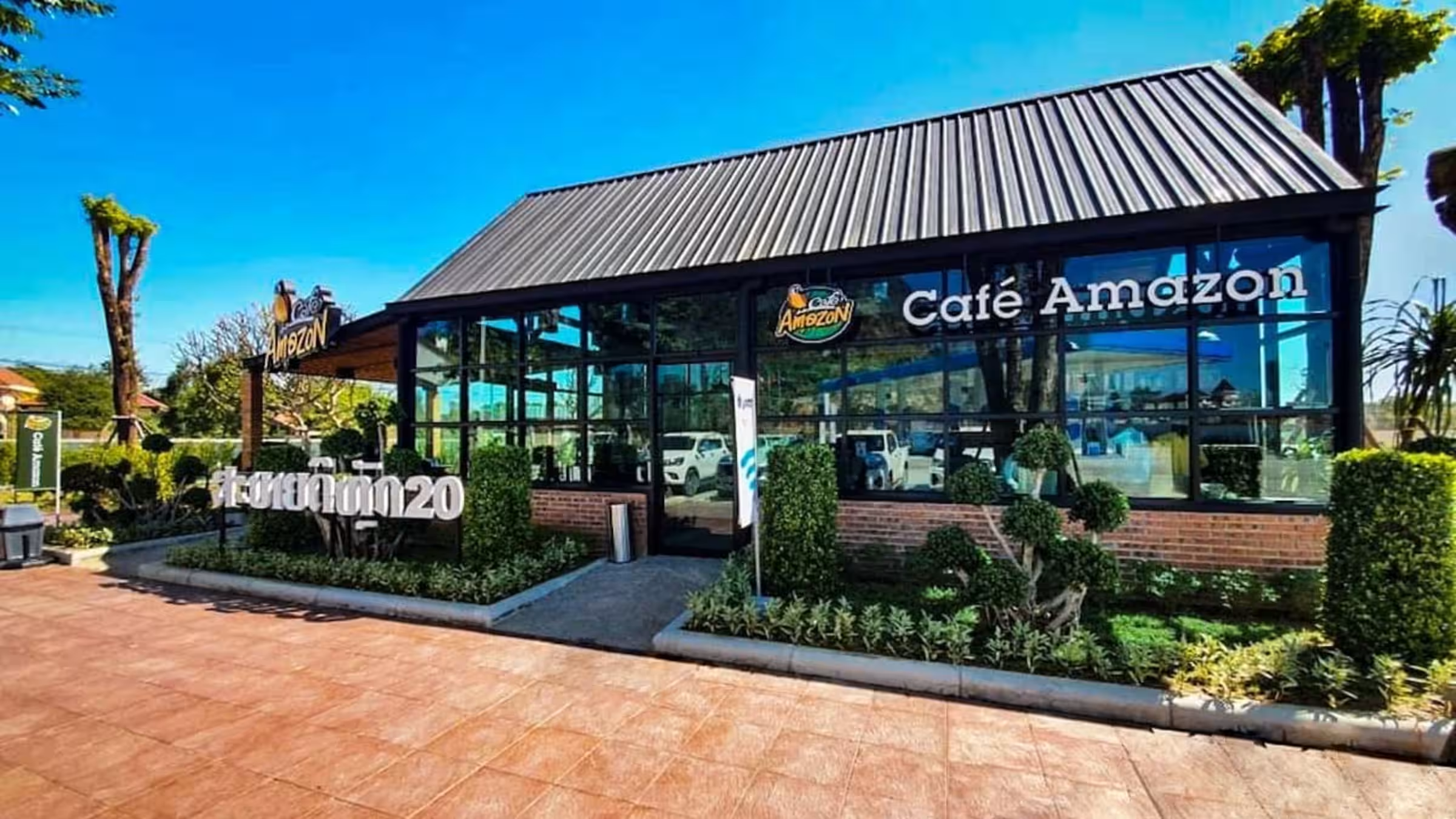
    PTT Oil and Retail Business (OR), the lifestyle and retail subsidiary of Thailand’s PTT Group, has announced a record-breaking financial performance for the first quarter of this year. This success is largely attributable to its leading brand Cafe Amazon, which experienced a period of significant expansion throughout Southeast Asia.

    Noteworthy Performance

    Cafe Amazon sold over 112 million cups of coffee during the first quarter, emphasizing the strength of the brand. With 391 stores now in operation outside of Thailand, the cafe chain has become a key driver of OR’s earnings growth. The company’s total revenue hit an impressive US$5.6 billion, with net profits increasing by 46 per cent from the last quarter to approximately $134 million. This represents a 17.6 per cent growth year-on-year.

    ML Peekthong Thongyai, CEO of OR, credited the robust performance to the resilience of the business model. “Our strong performance this quarter underscores our long-term strategic direction. We are expanding with a clear purpose, delivering value for individuals, contributing to community prosperity and demonstrating our commitment to environmental responsibility.”

    Global Expansion

    Cafe Amazon’s reach extends to nine markets. These include Cambodia, Laos, Vietnam, the Philippines, Malaysia, Oman, Saudi Arabia, Bahrain, and Japan.

    The cafe chain is part of OR’s wider Global Business segment. This segment reported a 30.8 per cent year-on-year increase in sales volume together with an 81.5 per cent rise in EBITDA.

    Peekthong reiterated the company’s mission beyond monetary profit. “We’re not just about selling fuel or coffee. Our goal is to build platforms that strengthen local economies, encourage entrepreneurship, and facilitate long-term, sustainable growth.”

    OR oversees 415 PTT Stations and 391 Cafe Amazon outlets across Asia and the Middle East.

    Questions & Answers

    What factors contributed to OR’s record-breaking financial performance?
    The company attributes its success to the significant expansion of Cafe Amazon, which sold over 112 million cups of coffee in the first quarter.

    What markets does Cafe Amazon currently operate in?
    The cafe chain operates in nine markets, including Cambodia, Laos, Vietnam, the Philippines, Malaysia, Oman, Saudi Arabia, Bahrain, and Japan.

    What is OR’s greater mission beyond selling products?
    OR aims to build platforms that strengthen local economies, promote entrepreneurship, and facilitate sustainable, long-term growth.

  • Australia’s Big Four Banks Face Billions in Fossil Fuel Exposure – What It Means for Investors

    Australia’s Big Four Banks Face Billions in Fossil Fuel Exposure – What It Means for Investors

    Australia’s major banks, while reducing their project finance to fossil fuel companies, still maintain significant exposures in the billions, according to recent findings from the Institute for Energy Economics and Financial Analysis (IEEFA). The big four—Australia and New Zealand Banking Group (ANZ), Commonwealth Bank of Australia (CBA), National Australia Bank (NAB), and Westpac—continue to overlook a critical environmental risk: methane emissions during fossil fuel production.

    Overlooked Methane Risks in Fossil Fuels

    Anne-Louise Knight, IEEFA’s lead coal analyst for Australia, highlighted how these banks, despite recognizing methane risks in other sectors, tend to ignore them when it comes to their coal or oil and gas clients. This oversight is particularly alarming given that methane is responsible for approximately 30% of the post-industrial increase in global temperatures.

    Missing Methane Reporting

    According to Knight, none of the major banks differentiate methane emissions from carbon dioxide emissions in their reporting. Some institutions appear to rely on outdated International Energy Agency (IEA) scenarios regarding net-zero emissions when devising their plans. Alarmingly, none of the banks have committed to phasing out financial support for metallurgical coal mining, a sector known for its higher methane intensity compared to thermal coal.

    Calls for Action on Emissions

    IEEFA strongly advocates for the mandatory submission of climate transition plans by all fossil fuel clients and urges banks to integrate methane emissions into their accounting practices. Independent verification of self-reported methane emissions from clients in methane-heavy industries should also become a standard requirement.

    “Australia’s major banks have made substantial progress in tackling climate-related financial risks and establishing decarbonization goals,” Knight stated. “However, the credibility and effectiveness of these measures are undermined by critical shortcomings, particularly the inconsistent focus on methane emissions.”

    As the climate crisis mounts, one wonders: can Australia’s banks really afford to keep their heads in the sand over methane emissions, or will they wake up and smell the… well, gas?

    Questions & Answers

    What are the main findings of the IEEFA regarding Australia’s major banks and methane emissions?
    IEEFA’s findings indicate that while the big four banks in Australia have cut back on financing fossil fuel companies, they continue to have massive exposures. They also largely ignore the risks associated with methane emissions from these sectors.

    How has methane contributed to climate change according to the IEEFA?
    Methane is responsible for around 30% of the post-industrial increase in global temperatures, making it a significant concern in the context of fossil fuel production.

    What measures does the IEEFA recommend for banks to improve their environmental accountability?
    IEEFA recommends that banks should require submissions of climate transition plans from all fossil fuel clients, incorporate methane emissions into their accounting, and necessitate independent verification of self-reported methane levels.

  • 7-Eleven opens 500th fuel store

    7-Eleven opens 500th fuel store

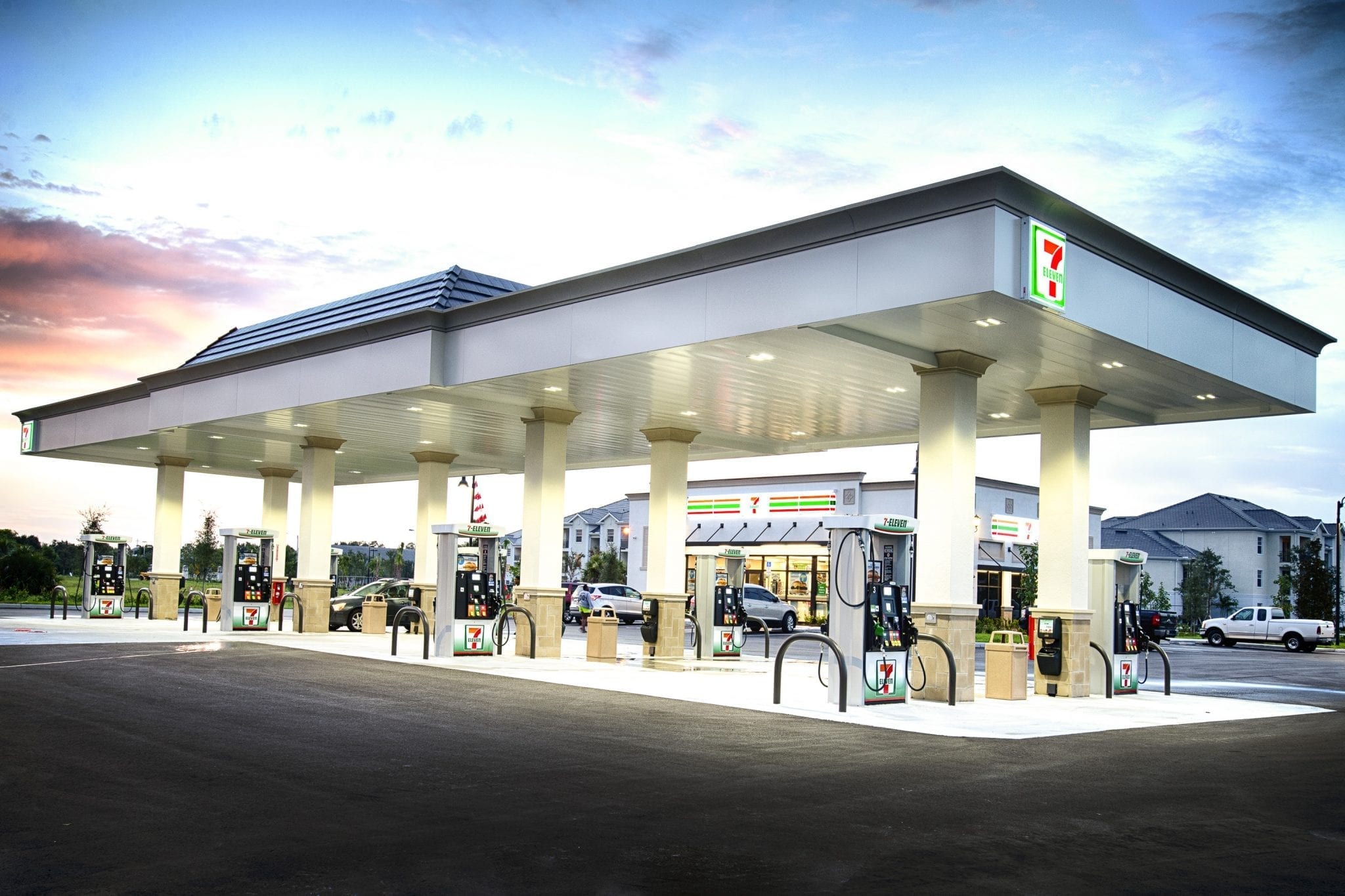
    Convenience store chain, 7-Eleven, has opened its 500th fuel store at Burpengary in Queensland on Thursday, bringing its total network size to more than 670stores across Victoria, New South Wales, Australian Capital Territory, Queensland and Western Australia.

    Braeden Lord, 7-Eleven’s general manager retail operations, said that the new store was one of 40 new stores the company planned to open before the end of 2017, including 20 in Queensland.

    “We are experiencing solid growth in our network with 40 stores opening this calendar year, about half of those in Queensland,” Lord said.

    “We have another approximately 40 stores planned for 2018. The combination of our customer focused convenience offer, quality Mobil brand fuels, and the wonderful team members in our stores, positions us well to continue to grow our network.”

    Lord said the company continues to innovate to ensure it meets the needs of its customers and giving consumers choice was critical to achieving that.

    “As a business we are investing to develop new products and services, and we also look for opportunities to work with our suppliers to bring new offers and innovations to the channel,” he said. “It’s a real focus for us to not only offer the products and services consumers expect from us today, such as snacks, drinks and quality fuels, but also to be looking to what they might want from us in the future, such as food on the go including healthy options, and in-store services such as parcel lockers and digital products.”

    The new Burpengary store’s offer includes the 7-Eleven Iced Coffee which lets customers make their own drink with freshly ground coffee and fresh cold milk, and the new 7-Eleven sushi range.

    Customers will also be able to take advantage of the company’s fuel app to save when they fill up with Mobil brand fuels. The fully additised fuels include Supreme Plus 98, Extra 95, Special E10, Special Unleaded 91 and Special Diesel.

    Approximately 700,000 consumers have downloaded the 7-Eleven Fuel App and in the 18 months since its launch have saved more than $2 million.