Tag: governement

  • Singapore Minister Warns Public on Crypto Trading

    Singapore Minister Warns Public on Crypto Trading

    Investors should exercise extreme caution when trading cryptocurrencies, senior minister Tharman Shanmugaratnam said in parliament on Monday.

    Cryptocurrencies can be highly volatile, as their value is typically not related to any economic fundamentals. They are hence highly risky as investment products, and certainly not suitable for retail investors,» Shanmugaratnam, who is also the minister in charge of the Monetary Authority of Singapore (MAS).

    His comments come as cryptocurrency-related scams are on the rise in the republic, as investor interest in the space grows with soaring crypto prices.

    However, according to MAS, the size of Singapore’s cryptocurrency market remains small. The combined peak daily trading volumes of bitcoin, ethereum, and XRP was 2 percent of the average daily trading volume of securities on the Singapore Exchange (SGX) in 2020.

    Cryptocurrency derivatives traded through financial institutions likewise amounted to less than 1 percent of the derivatives trading activity on SGX. Cryptocurrencies comprise less than 0.01 percent of the assets in funds managed by MAS-regulated fund managers, Shanmugaratnam said.

    The parliamentary discussion comes as more than 100 people have filed police reports against crypto trading platform Torque, run by Singapore businessman Bernard Ong. The platform suspended more than 14,000 accounts across 120 countries in January, with investor claims are estimated at $325 million.

    Ong alleges of his employees had violated the company’s rules and that his unauthorized trading activities had led to significant losses. Some 2,000 Singaporeans are estimated to have invested in crypto on the platform, which is registered in the British Virgin Islands.
  • Indonesia AirAsia’s growth halted due to coronavirus and economy

    Indonesia AirAsia’s growth halted due to coronavirus and economy

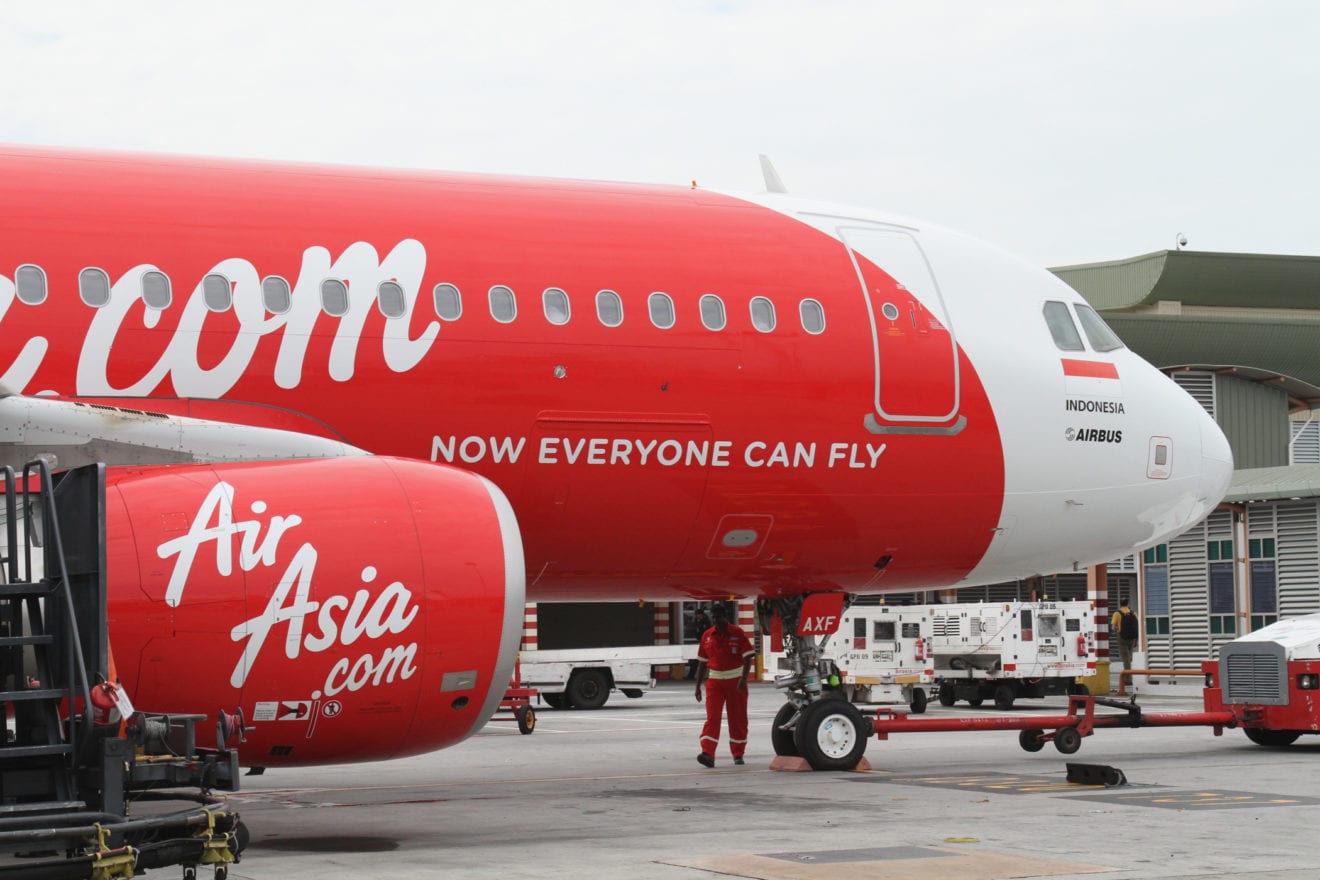
    Indonesia AirAsia has been forced to halt its growth plan for this year, as a result of the coronavirus pandemic and economic challenges faced by Indonesia.

    The plan for 2020 was for the low-cost carrier to increase its market share by adding three new aircraft and launching new services, having recorded a 28% growth in revenue for 2019 as compared to 2018, says parent company AirAsia Indonesia.

    The viral outbreak has led to travel restrictions imposed by neighboring countries and is affecting the demand for domestic and international air travel. AirAsia Indonesia says that Indonesia’s “economic situation has become more challenging”, noting that the exchange rate for rupiah against the dollar is now at more than Rp16,000 ($0.97), and it continues to fluctuate.

    “By considering these factors carefully and deeply, the company is forced to suspend international and domestic flights until the situation improves, and demand for air travel picks up. The measure will certainly have a significant influence on the company’s operating and financial performance in the first half of 2020,” says AirAsia Indonesia.

    Indonesia AirAsia suspended operations on 1 April. Domestic flights are suspended until 21 April and international flights until 17 May.

    Meanwhile, AirAsia Indonesia’s plan to resume trading on Indonesia Stock Exchange (BEI) by offering new shares to the public was also affected, although it did not offer any other details.

    It was suspended from trading in August 2019 for not complying with BEI’s requirement for a company to have at least 7.5% of its paid-in capital available as free float in order to remain listed. As of 29 February, it only had 1.6% of shares available for trade.

    AirAsia Indonesia’s priority for the group over the next six months is to reduce its operating cost base by renegotiating with suppliers and key stakeholders, and to ensure that it can continue to operate during this period, it says. This will then be followed by working to “restore” its finances after the outbreak is declared over.

  • Hong Kong government launches cash relief for retailers from Monday

    Hong Kong government launches cash relief for retailers from Monday

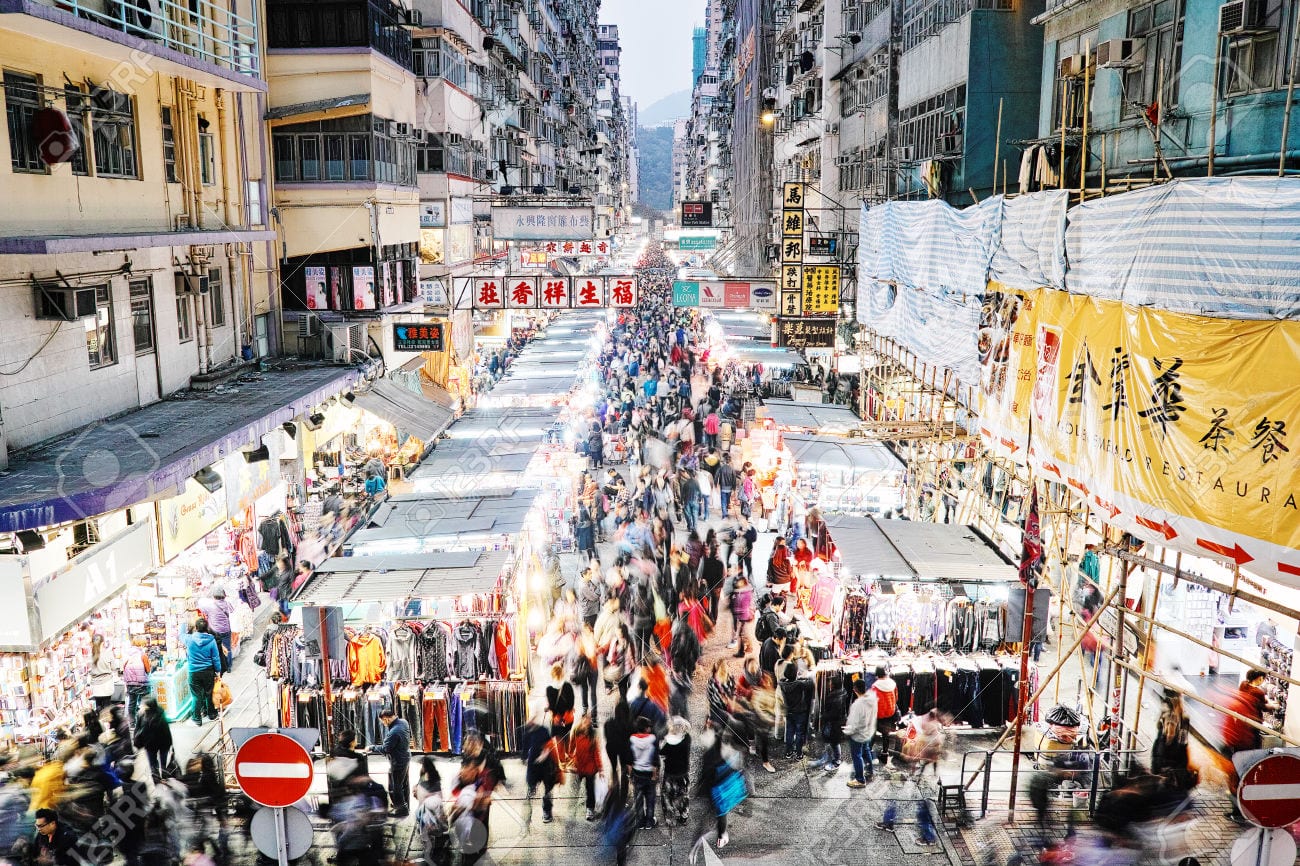
    The Hong Kong government will allocate US$271 million in aid for around 70,000 retailers affected by the coronavirus outbreak.

    The Retail Sector Subsidy Scheme will launch next Monday, with eligible stores set to receive an HK$80,000 (US$10,300) subsidy under the scheme to help alleviate their financial difficulties.

    Beneficiaries of the fund must be substantial retail businesses operating since at least January 1 this year, excluding restaurateurs, hawkers and stalls in department stores without a separate payment system. Mail order, internet and direct marketing businesses are also excluded from the scheme.

    Parent companies operating multiple locations can apply for up to HK$3 million ($386,200) in relief funding.

    The Hong Kong Trade Development Council will help implement the scheme with retailers instructed to apply online to speed up the application process and minimize the time required for vetting the eligibility of applications received. Applications for support will only be accepted from March 23 to April 12.

    A telephone hotline has opened (1836 111) and an email address ([email protected]) established for inquiries from retailers, which are operational now.

  • Hong Kong Government Allocates About $64 Million In Fashion Industry For Upcoming Budget

    Hong Kong Government Allocates About $64 Million In Fashion Industry For Upcoming Budget

    The Hong Kong government just settled its 2016-17 budget — which includes an allocation for the fashion industry of 500 million Hong Kong dollars (or about $64.35 million at current exchange rates).

    Financial secretary John C. Tsang told us that the funds will go towards developing the fashion industry, specifically promoting local designers and brands internationally and in Hong Kong. He added that the city’s government will establish an incubation program for fashion designers, “drawing on the experience of other fashion capitals like London, New York and Seoul.”

    Additionally, the Hong Kong government will set up a resource center to provide technical training and support for young designers, according to Tsang.

    “The uncertain pace of U.S. interest rate [normalization], heightened financial market volatility, modest and patchy growth in advanced economies, weak growth in emerging markets, a slowdown in inbound tourism and subdued exports will all impact on growth prospects,” the Hong Kong government said in a release, WWD reported.

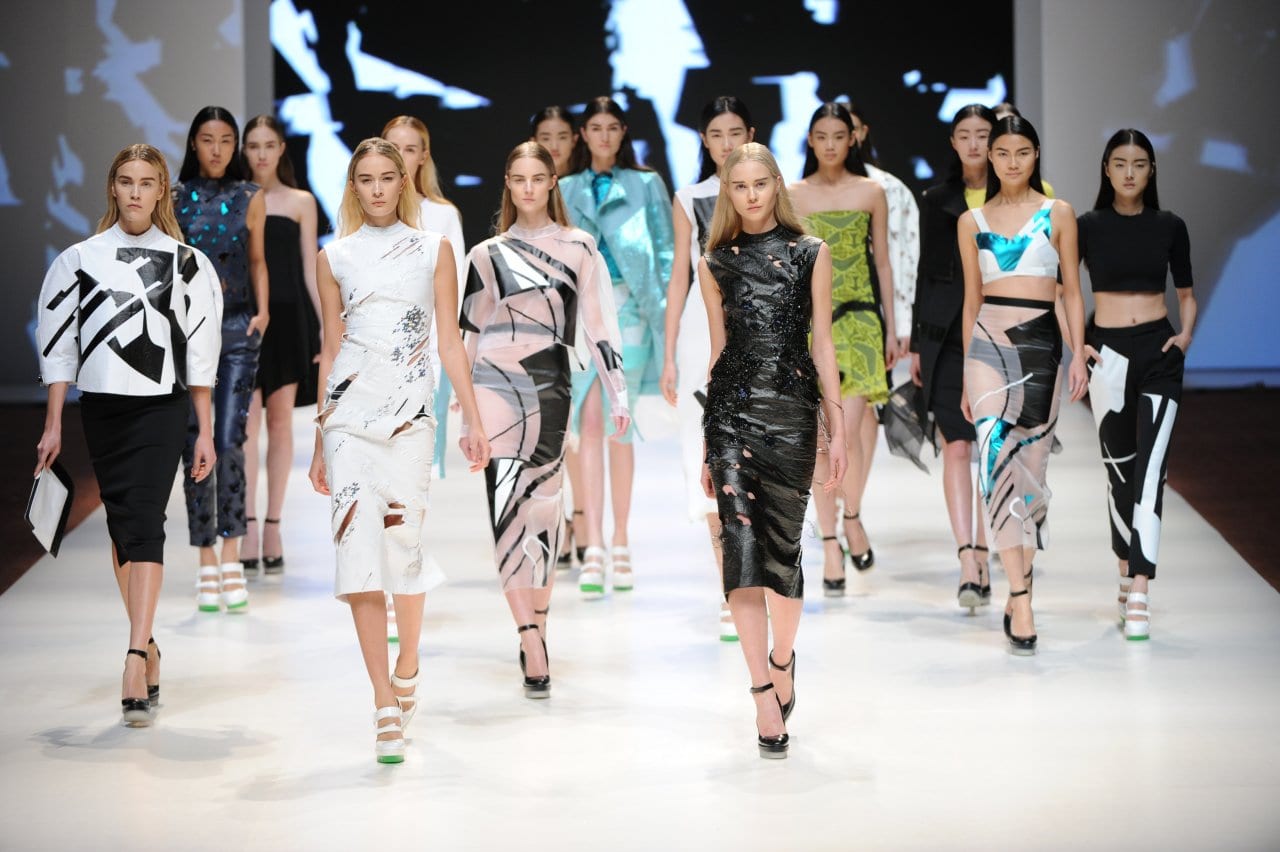
    The Hong Kong Trade Development Council will also team up with the local government to sponsor programs that will bring emerging Hong Kong-based brands to fashion weeks in Paris and New York. From Sept. 7-10, the HKTDC plans to host a new event called Centrestage — giving Asian brands a platform for runway shows. 

    In related news, Lane Crawford recently tapped nine artists to create a series of visual installations for the luxury retail company’s stores in Hong Kong and China in celebration of the Chinese New Year — which began earlier this month.

    Participating artists include Andrea Minini, Angel Chen, Desmond Leung, Hui Hoi Kiu, Huijun Guan, Mosaic Art Projects (which is led by visual artists Karen Pow and Chao Harn Kae), Jan Zhou and Yeli Gu.