Tag: Hits

  • DBS, Singapores Largest Lender, Hits Record Market Value of $155B – A Milestone for Citys Stock Market

    DBS, Singapores Largest Lender, Hits Record Market Value of $155B – A Milestone for Citys Stock Market

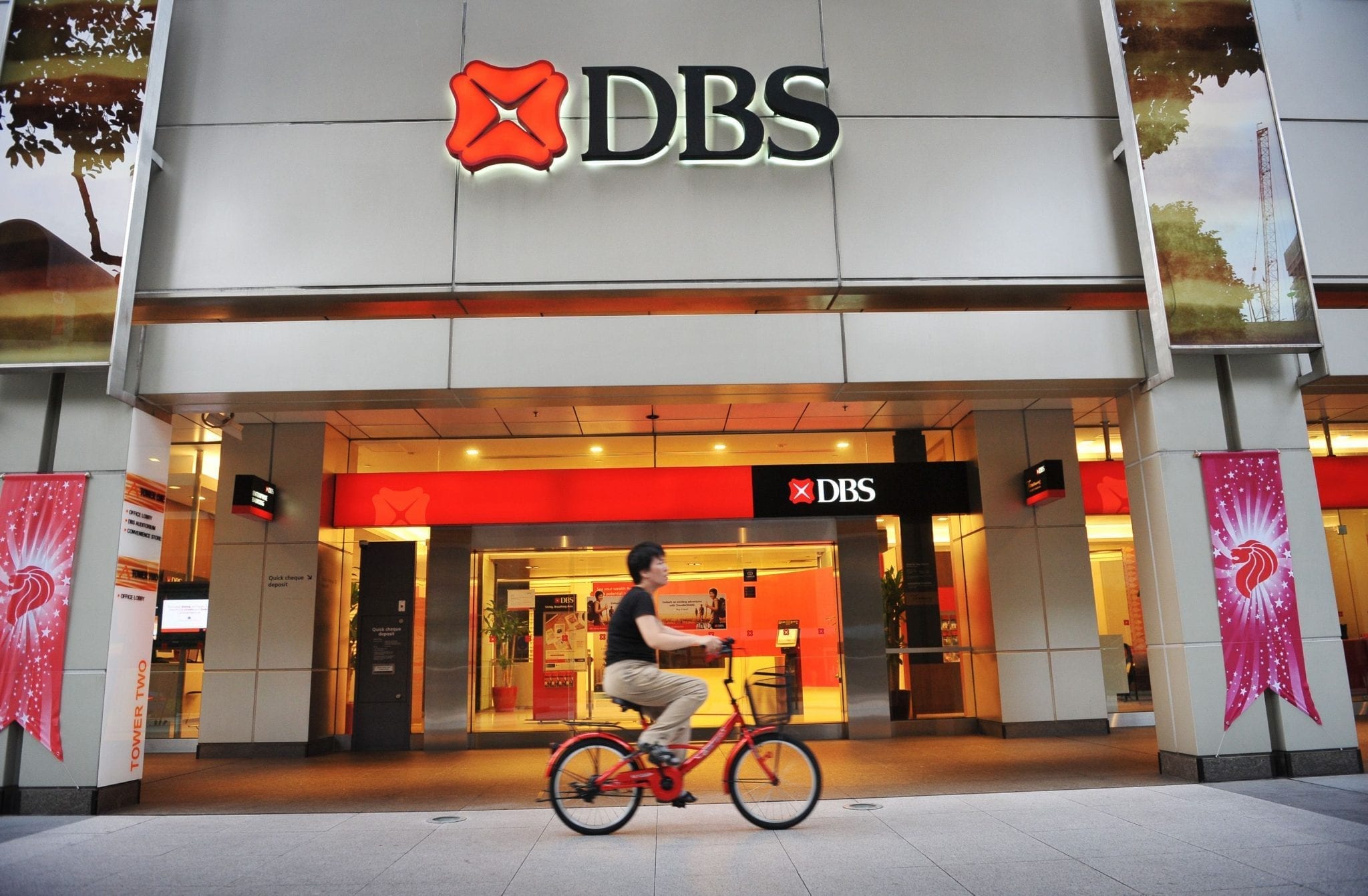
    DBS Group, Singapore’s dominant bank, has reached a new milestone with its market value surpassing SGD200 billion (US$154.8 billion) as of Monday. This achievement marks a key moment for DBS, known for being the largest bank in Singapore in terms of asset size, and underscores the strength of the city-state’s stock market. The bank’s shares climbed almost 0.5%, closing at SGD70.79, following their peak at SGD70.80 in the session. To date, the bank’s gains this year total approximately 26%.

    Anticipation of Q2 Results Fuels Rally

    DBS’ increase in market valuation comes ahead of its second-quarter results announcement, scheduled for August 6th. The bank’s net profit for the first quarter had seen a 1% increase to reach SGD2.93 billion, largely driven by record income and robust wealth management fees. Experts believe that the share price surge is likely due to the improving clarity of earnings and a more favorable interest rate outlook. Future growth is anticipated if the banks present an optimistic outlook during their results release.

    Analyst Jayden Vantarakis, the head of Asean equity research at Macquarie Capital, stated, “We are entering an environment where we believe Singdollar rates will be supportive of improving net interest income alongside continued strength in non-interest income.”

    Singapore Banks Propel Straits Times Index

    The collective rally of DBS, OCBC, and UOB, the top three Singapore banks by market value, has boosted the Straits Times Index to all-time highs. Together, these banks make up over half of the index’s total weight.

    According to Vantarakis, the strengthening of the U.S. dollar, due to high U.S. interest rates, will have a positive influence on Singapore dollar rates. Moderate rate increases, he suggests, will encourage wealth inflows and improved asset quality.

    Vantarakis also anticipates a possible further re-rating of the sector, supported by growth in both net interest and non-interest income. He maintains that the Singapore dollar will remain a preferred currency due to the broad strength of the U.S. dollar.

    Lastly, Thilan Wickramasinghe, head of Singapore research and regional head of financials at Maybank Securities, added that the banks are well-positioned to gain from robust credit growth and wealth management fees. He also indicated that ongoing uncertainty in certain regional markets and conflicts in the Middle East, have likely directed safe-haven liquidity towards Singapore banks over the past week.

    Questions & Answers

    What factors have contributed to DBS’ market value surge?
    The bank’s rising market value has been attributed to a combination of an upcoming second-quarter results announcement, improving clarity of earnings, and a more favorable interest rate outlook.

    How have the top three Singapore banks impacted the Straits Times Index?
    The collective rally of DBS, OCBC, and UOB, which constitute over half of the Straits Times Index’s total weight, has propelled the index to all-time highs.

    What is the potential future outlook for the sector?
    There is a potential for further re-rating of the sector supported by growth in both net interest income and non-interest income. Moreover, the Singapore dollar is expected to remain a preferred currency due to the broad strength of the U.S. dollar.
  • Domino’s Pizza China Hits 1550 Outlets: Unveils Expansion Strategy and Partners with Megamall Operator SCPG Group

    Domino’s Pizza China Hits 1550 Outlets: Unveils Expansion Strategy and Partners with Megamall Operator SCPG Group

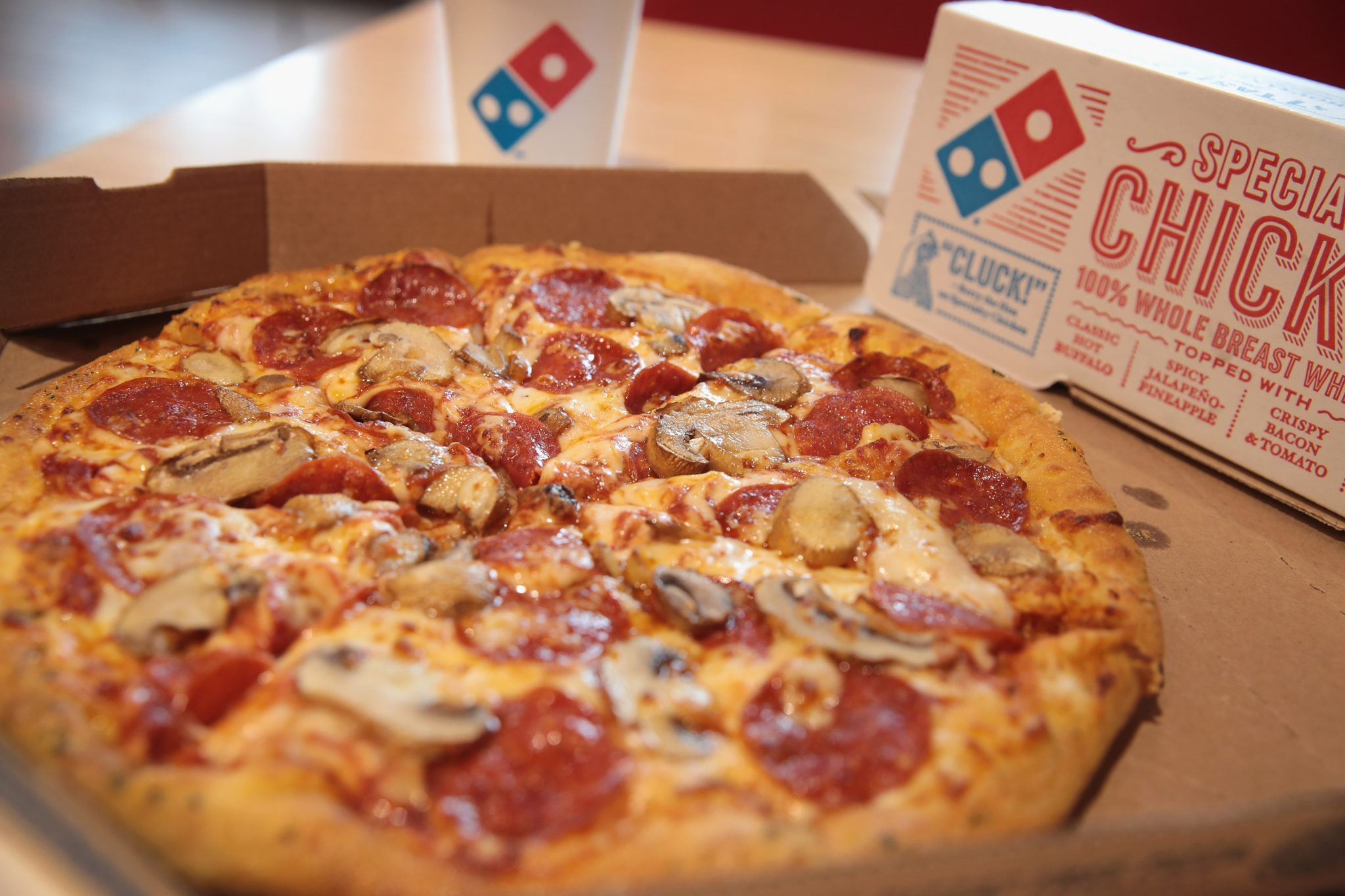
    Domino’s Pizza China has made significant strides in expanding its presence across the country, with its total number of outlets now reaching 1550. This was achieved through the addition of 235 new stores during the first half of the year, a move that has led to an increase in sales momentum as reported in the second quarter.

    The growth of the pizza chain has been overseen by DPC Dash, who moved into 15 fresh urban markets within this six-month period. This has brought the total number of cities with a Domino’s presence to 75. The brand’s expansion strategy, dubbed ‘Go Deeper, Go Broader’, has proven successful, focusing on amplifying store density in current markets while simultaneously branching out into new ones. Lower-tier markets now account for 1018 stores, leaving 532 in Tier 1 cities.

    Strategic Partnerships and Expansion Targets

    DPC Dash formed a strategic alliance with SCPG Group, one of the largest shopping mall operators in China, within the quarter to hasten their store launch process. This collaboration will facilitate Domino’s expansion into new markets while reinforcing its presence in the cities it already operates in. By the end of June, the number of stores that were opened, under construction, or signed for accounted for about 89% of DPC Dash’s full-year 2026 opening target. This was a progressive leap from the 65% recorded at the end of the first quarter.

    Domino’s now considers mainland China as its second-largest international market in terms of store count. The company now holds all top 70 positions in the first 30-day sales ranking, illustrating the potential of China’s market, and the efficacy of DPC Dash’s store execution model.

    The successful performance has been credited to its ‘4D’ strategy, a blend of network expansion, value-oriented products, effective delivery capabilities, and a robust digital investment.

    Leadership Changes and Future Plans

    On the personnel front, DPC Dash bolstered its leadership team during the quarter, by appointing Joanne Xie as the new Chief Marketing Officer. Xie, who has previously held senior positions at McDonald’s China, Coca-Cola, and Mondelez, will now be responsible for brand strategy, digital marketing, customer engagement, and product innovation.

    Looking forward, the company anticipates maintaining its expansion momentum for the remainder of the year while continuing its investment in operations, product development, and enhancing the customer experience.

    Questions & Answers

    What is Domino’s expansion strategy in China?
    Domino’s expansion strategy in China, supervised by DPC Dash, is titled ‘Go Deeper, Go Broader’. It focuses on increasing store density in existing markets and extending into new cities.

    Who is the new Chief Marketing Officer of DPC Dash?
    Joanne Xie has been appointed as the new Chief Marketing Officer of DPC Dash. She has previously held senior roles at McDonald’s China, Coca-Cola, and Mondelez.

    What does Domino’s ‘4D’ strategy entail?
    Domino’s ‘4D’ strategy combines four elements: network expansion, value-focused products, delivery capabilities, and digital investment.

  • DBS Wealth Management Hits Record-Breaking Asset Surge in 2025

    DBS Wealth Management Hits Record-Breaking Asset Surge in 2025

    DBS’ wealth management business achieved remarkable success in 2025, setting records in both assets under management and net new assets.

    Unprecedented Growth

    According to the bank’s Chief Financial Officer, assets under management soared by 19 percent, reaching an all-time high of S$488 billion ($384 billion). This significant growth was fueled by a remarkable S$39 billion in net new assets, also a record in the bank’s history.

    Rising Revenue

    DBS’ wealth business also reported its highest ever income, which increased by 9 percent to reach S$5.7 billion. Non-interest income saw an impressive surge of 27 percent, amounting to S$3.3 billion. The wealth management division played a major role in the bank’s revenue generation, contributing substantially to both fee income and treasury sales.

    Profitable Performance

    Overall, the bank’s pre-tax profit marginally climbed, setting a new benchmark at S$13.1 billion. This highlights DBS’ consistently strong and profitable performance, even in the face of uncertain market conditions.

    Questions & Answers

    What was the increase in DBS’ assets under management in 2025?
    In 2025, DBS’ assets under management rose by 19 percent, achieving a record high of S$488 billion ($384 billion).

    What was the total income for DBS’ wealth business in 2025?
    In 2025, DBS’ wealth business registered its highest income ever at S$5.7 billion, marking a 9 percent increase.

    What was the total pre-tax profit for DBS in 2025?
    DBS reported a pre-tax profit of S$13.1 billion in 2025, marking a new high in the bank’s history.

  • Gong Cha Hits Thailand with Bold Expansion: Bubble Tea Giant Targets 100 New Stores in Latest Global Growth Surge

    Gong Cha Hits Thailand with Bold Expansion: Bubble Tea Giant Targets 100 New Stores in Latest Global Growth Surge

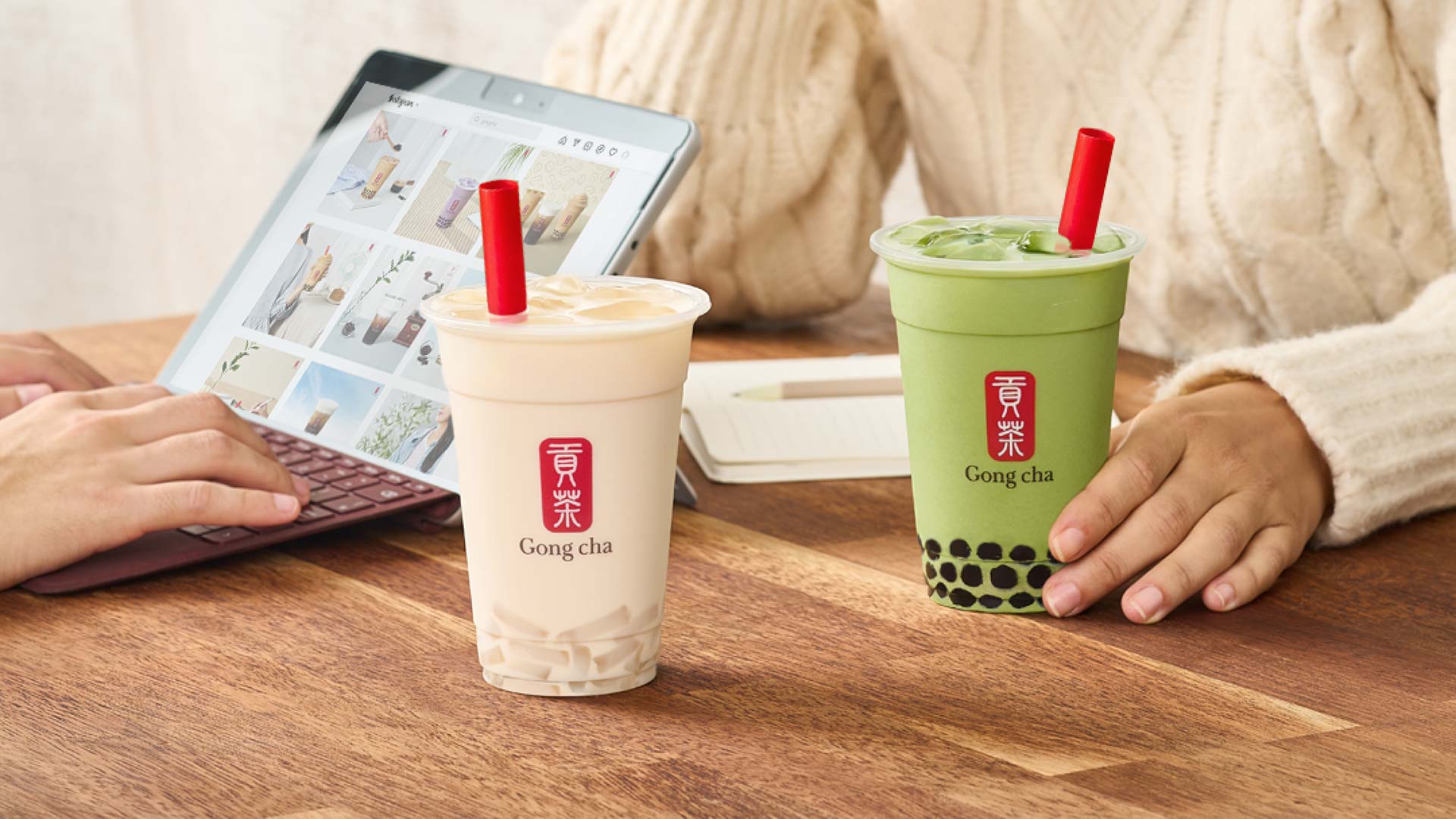
    Gong Cha, a leading global bubble tea brand, has recently launched its first concept store in Thailand. The new establishment is a result of a collaboration with Perfect Step, a local master franchisee and a subsidiary of Thai Outdoor Group.

    Strategic Location and Expansion Plan

    The new Gong Cha outlet is strategically located on the third floor of the Beacon Zone in CentralWorld. This store is the first move in an aggressive expansion plan, with the brand aiming to establish up to 100 stores across Thailand in the near future.

    Embracing Technology and Authenticity

    Every proposed Gong Cha outlet will present the brand’s Gong Cha 2.0 design. This modern and innovative design incorporates technology to enhance service speed and adaptability while maintaining the brand’s commitment to serving authentic whole-leaf teas.

    Focused on Global Expansion

    The Thailand launch is another milestone in Gong Cha’s ambitious global expansion plan. The brand recently made its foray into Colombia and aims to establish 10,000 outlets worldwide over the next decade. Gong Cha isn’t just focused on Asian markets; the brand will soon open its first Caribbean outlet at Atlantis Paradise Island.

    Accelerated US Expansion

    In the United States, Gong Cha is rapidly expanding its footprint through multi-unit franchise agreements in Milwaukee, Portland, and Nashville. The bubble tea brand has set a target of surpassing 500 locations across the country by 2028. To achieve this goal, Gong Cha is actively seeking top-tier franchise partners in regions including Southern California, Nevada, Utah, and the Southeastern US.

    Return to the Singapore Market

    Gong Cha had to exit the Singapore market after its franchise agreement with Gong Cha Singapore, which had been operating the brand since 2017, came to an end. However, Gong Cha Global has announced plans to re-enter the market next year.

    Currently, Gong Cha operates 2,200 locations in 30 international markets.

    Questions & Answers

    What is Gong Cha’s expansion plan for Thailand?
    Gong Cha plans to open up to 100 stores across Thailand.

    What is unique about the new Gong Cha outlets in Thailand?
    The new Gong Cha outlets in Thailand will feature the brand’s Gong Cha 2.0 design, which blends technology and authenticity, enhancing service speed and adaptability while staying true to authentic whole-leaf teas.

    What is Gong Cha’s expansion goal in the United States?
    Gong Cha aims to surpass 500 locations across the US by 2028 through multi-unit franchise agreements.

  • Rocketing Fuel Prices: Gasoline Hits 6-Week High in Vietnam Amid Global Oil Market Turmoil

    Rocketing Fuel Prices: Gasoline Hits 6-Week High in Vietnam Amid Global Oil Market Turmoil

    Gasoline prices in Vietnam experienced an unprecedented surge on Thursday, reaching their highest levels since September 18. The widely used fuel RON95 skyrocketed by 3.85%, now costing VND20,480 (equivalent to US$0.78) per liter.

    Increases Across Fuel Types

    This upward trend was not exclusive to RON95. Biofuel E5 RON92 also saw a significant rise of 3.73%, now priced at VND19,760 per liter. Additional increases were noted in diesel prices, which escalated by 7.38% to reach VND19,200 per liter, marking the highest diesel prices since July 1.

    Global Influences on Oil Market

    Several international factors influenced the global oil market over the past week, prompting these price increases. One such factor is the U.S. government’s imposition of sanctions on Russia’s two largest oil and gas corporations. Other influential factors include the recent U.S. trade negotiations with India and China, as well as the projected rise in oil production by OPEC+ in December.

    The wholesale prices of these fuels have also been affected. RON95’s price per barrel has risen by 5.1% to stand at $82.2, while diesel’s price per barrel increased by 8.9% to reach $90.94.

    Questions & Answers

    What has caused the recent surge in gasoline prices in Vietnam?
    Multiple factors have contributed to the recent surge in gasoline prices, most notably international influences such as U.S. sanctions on Russia’s largest oil and gas corporations, recent U.S. trade negotiations with India and China, and expected production increases by OPEC+ in December.

    What fuels have been affected by the price increase?
    The price increase has affected multiple fuel types, including the widely used RON95, Biofuel E5 RON92, and diesel.

    How have wholesale fuel prices been impacted?
    Wholesale prices for fuels like RON95 and diesel have also seen significant increases. The price per barrel for RON95 has risen by 5.1% to $82.2, while diesel’s price per barrel has increased by 8.9% to reach $90.94.

  • Yum China Reports 4% Revenue Rise, Citing Network Expansion And Digital Sales Boost

    Yum China Reports 4% Revenue Rise, Citing Network Expansion And Digital Sales Boost

    Yum China, a stalwart in the food and beverage industry, has reported a rise in revenue by 4 per cent year on year for the second quarter ending June 30, 2021, accumulating a total of US$2.8 billion.

    The company’s growth is attributed to the expansion of its network and an uptick in same-store sales, which saw a 2 per cent increase in transactions. The burgeoning network of nearly 17,000 locations across Yum China’s food and beverage brands played a pivotal role in achieving this positive outcome, according to the company’s CEO, Joey Wat.

    During this quarter, Yum China added 336 stores to its portfolio, raising the total to 16,978 locations. This figure includes 12,238 KFC outlets and 3,864 Pizza Hut outlets. It’s noteworthy to mention that franchisees opened 26 per cent, or 89, of these new stores.

    Financial Performance

    Joey Wat also expressed satisfaction with the company’s financial performance, highlighting the achievement of double-digit growth in operating profit and substantial margin expansion. The operating profit rose by 14 per cent year on year to $304 million, the highest ever reported by Yum China for a second quarter. The core operating profit also saw a 14 per cent increase compared to the previous year.

    In a display of fiscal health, the company returned $274 million to its shareholders through share repurchases and dividends.

    Digital Sales and Membership

    A significant contributor to the company’s sales, the digital segment accounted for 94 per cent of total company sales, reaching $2.4 billion for the quarter. The delivery sales, growing at a 22 per cent rate year on year, contributed approximately 45 per cent of the total sales.

    A key aspect of consumer engagement, membership across KFC and Pizza Hut, saw an increase of 13 per cent from the previous year, reaching approximately 560 million. These members accounted for 64 per cent of total system sales for both brands.

    Wat stressed on the importance of digitalization, adding, “We are also fortifying our end-to-end digitalisation to streamline operations and elevate our customer experience.” He expressed confidence in the company’s brands and strategies, stating their potential to deliver sustainable, long-term value for shareholders.

    Questions & Answers

    What contributed to Yum China’s growth in the second quarter?
    Yum China’s growth was driven by network expansion and a rise in same-store sales, which saw a 2 per cent increase in transactions.

    What was the percentage of new stores opened by franchisees?
    Franchisees opened 26 per cent of the new stores during the quarter.

    What was the impact of digital sales on the total company sales?
    Digital sales accounted for 94 per cent of total company sales, reaching $2.4 billion for the quarter.

  • Mars Wrigley Unveils Snickers Loaded: More Peanuts, More Caramel, Now Available Nationwide

    Mars Wrigley Unveils Snickers Loaded: More Peanuts, More Caramel, Now Available Nationwide

    Mars Wrigley has unveiled a new addition to its product line, Snickers Loaded, in the domestic market. This new variant promises to deliver more peanuts and caramel than the original Snickers bar.

    The Snickers Loaded is manufactured at the company’s Ballarat plant. The revamped chocolate bar boasts up to 10% more peanuts and an impressive 50% more caramel than its predecessor, all enveloped in a rich milk chocolate coating.

    Bianca Werkmeister, the Portfolio Director at Mars Wrigley Bars, commented on the product’s potential appeal to consumers. “Snickers has always been the go-to choice for individuals seeking a satisfying treat,” Werkmeister said. “Now, with Snickers Loaded, we’ve ramped up the texture and flavor, creating a truly indulgent yet fulfilling snack that we believe will resonate with Australians.”

    Snickers Loaded is now available for purchase across the country in supermarkets, gas stations, and convenience stores. The 45g bar is priced at $2.50, while the 66g twin pack retails for $3.

    Questions & Answers

    What is the new product introduced by Mars Wrigley?
    The company has introduced a new chocolate bar called Snickers Loaded.

    What differentiates Snickers Loaded from the original version?
    Snickers Loaded offers up to 10% more peanuts and 50% more caramel than the original Snickers bar.

    Where can consumers purchase Snickers Loaded?
    The product is available nationwide in supermarkets, petrol stations, and convenience stores.

  • Hunt And Brew Launches Australia’s Highest-protein Milk, Targeting Health-conscious Millennials And Gen Z

    Hunt And Brew Launches Australia’s Highest-protein Milk, Targeting Health-conscious Millennials And Gen Z

    Hunt and Brew, an Australian food and beverage company, has introduced its high-protein milk product, Extra Protein Milk 1L, to the national market. This newly launched product is now available at all Coles supermarkets throughout Australia.

    Product and Market Position

    The brand asserts that this product has the highest dairy protein content currently available, boasting a robust 16 grams of dairy protein per 250ml serving. This offering outstrips standard milk products by 80%, positioning it as a standout in the dairy market.

    The senior brand manager of Hunt and Brew, Jake Calabrese, expressed the company’s objective in introducing this high-protein milk. He cited a distinct market opportunity in the conventional dairy milk sector. The company designed this premium protein-rich milk to satisfy the increasing consumer demand for accessible, wholesome, and natural solutions to augment protein intake.

    Product Source and Uses

    The milk for this product comes from high-quality farms in the Margaret River and the adjacent Southwest region of Western Australia. It is versatile and works well in coffee and tea. It is also a perfect high-protein addition to breakfast cereals and smoothies.

    Target Audience and Market Strategy

    The launch targets younger generations, particularly millennials and generation Z. This strategy aligns with Hunt and Brew’s wider efforts to regain significance in the dairy industry.

    Calabrese further elaborated on the company’s mission, stating that Hunt and Brew aspires to improve the dairy sector. The company aims to attract younger, health-conscious millennials and generation Z back to the dairy milk category.

    Questions & Answers

    What is the protein content of the new Extra Protein Milk from Hunt and Brew?
    The Extra Protein Milk from Hunt and Brew contains 16 grams of dairy protein per 250ml serve, 80% more than standard milk.

    Who is the target market for Hunt and Brew’s new product?
    The company is targeting millennials and Gen Z who are more health-focused and interested in natural, convenient ways to increase their protein intake.

    Where is the milk for Hunt and Brew’s product sourced from?
    The milk is sourced from high-quality farms in the Margaret River and the surrounding Southwest region of Western Australia.

  • Singapore Hits Record High in Renewable Energy Consumption

    Singapore Hits Record High in Renewable Energy Consumption

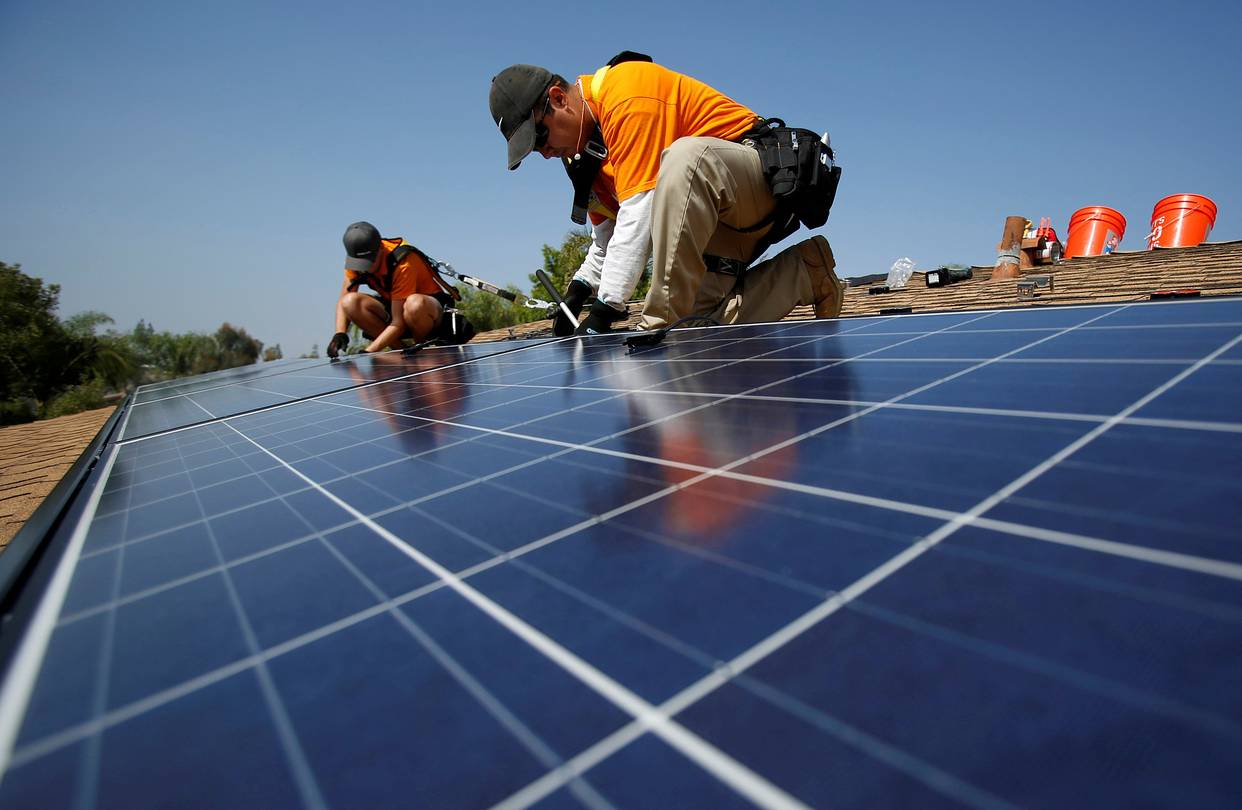
    In May, Singapore saw an unprecedented increase in the proportion of renewable energy in its power generation mix, according to recent market data analysis. This considerable achievement is attributed to the country’s efforts to scale up solar power production and import more renewable electricity.

    The National Electricity Market’s data indicated a significant upward trend in Singapore’s domestic solar generation, recording its fastest growth since March of the previous year. The rise in imported renewable energy for the third month in a row, reaching its highest level in over two years, also played a crucial role. These factors led to a record-breaking 2.58% of Singapore’s power mix being from renewable sources.

    Reducing reliance on fossil fuels in the region has become achievable through cross-border electricity trading, particularly as the demand for electricity from data centers continues to rise. Despite its limited potential for renewable energy due to its size and geography, Singapore has set ambitious aims. By 2035, the country hopes to source about one-third of its power needs, or 6GW, from clean electricity imports. Currently, natural gas-fired power plants make up approximately 95% of the nation’s generation capacity.

    From January to May, Singapore imported a substantial 122.7 million kWh of clean electricity, accounting for 0.52% of total power generation. This contrasts with the same period in the previous year, during which Singapore did not import electricity and only began small-scale imports in the last quarter.

    In May, the rising importation of electricity continued to replace some fossil fuel-based power generation, marking the third straight month of growth in import share. The overall electricity output in Singapore rose by 0.4% in the first five months of the year.

    Currently, Singapore is involved in two cross-border power purchase agreements, namely the 200MW Laos-Thailand-Malaysia-Singapore (LTMS) project and a 50MW pilot Energy Exchange Malaysia project with the Malaysian state utility company, Tenaga Nasional.

    Singapore’s Energy Market Authority (EMA) Chief Executive, Puah Kok Keong, noted in October that the extension terms for the LTMS project were still in negotiation as Singapore awaited Thailand’s finalization of transmission fee details under the agreement.

    Questions & Answers

    What has led to the rise in the share of renewable energy in Singapore’s power mix?
    The significant increase in the share of renewable energy in Singapore’s power mix is due to the country’s efforts to scale up solar power production and import more renewable electricity.

    What is Singapore’s aim for clean electricity imports by 2035?
    By 2035, Singapore aims to source about one-third of its power needs, equivalent to 6GW, from clean electricity imports.

    How are imports affecting Singapore’s reliance on fossil fuel-based power generation?
    The country has seen a continuing trend of replacing some fossil fuel-based power generation with imported electricity, leading to an increased share of renewable energy in their power generation mix.