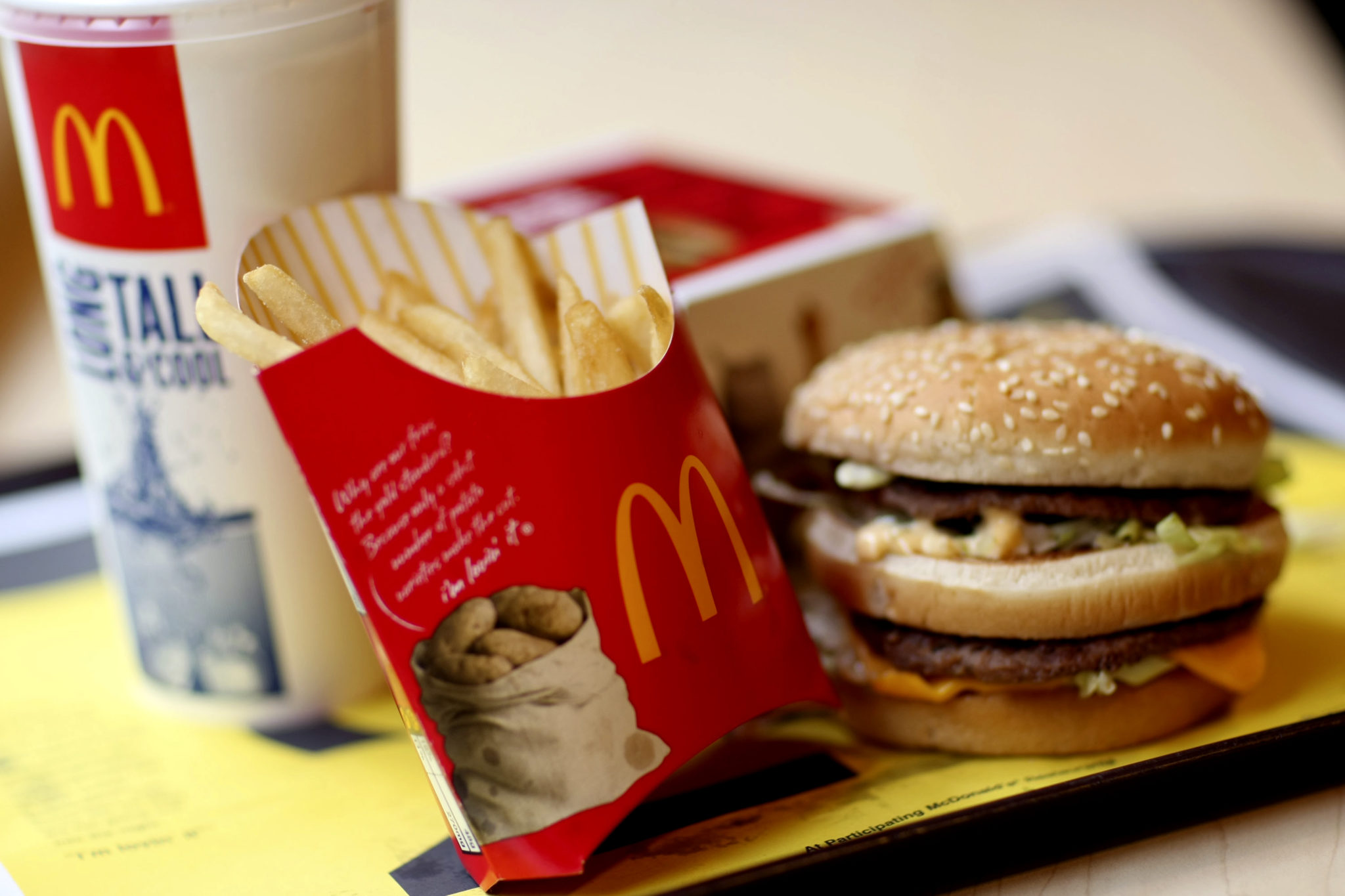
Fast-food chain McDonald’s sales grew 9 percent in South Korea during the first four months of this year, in spite of the impact of the coronavirus pandemic.
The firm’s MD Antoni Martinez made the announcement on McDonald’s Koreas’ Youtube channel, his first public address since his appointment in February.
“With the Covid-19 pandemic posing serious challenges for the business, contactless platforms such as drive-thru and McDelivery in which McDonald’s made preemptive investments, have received a warm response from the public,” said Martinez.
He said McDonald’s sales were boosted by the introduction of the Best Burger initiative and the establishment of convenient platforms.
The Best Burger initiative refers to a change in McDonald’s entire burger preparation process, which was implemented in the territory in March. Korea is the fourth country to introduce the initiative, following New Zealand, Australia and Canada.
McDonald’s Korea served around 400,000 customers every day last year at around 400 stores nationwide.
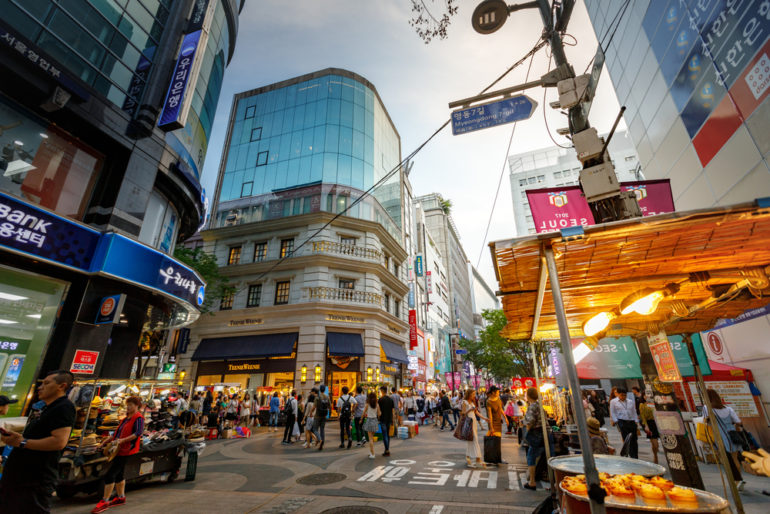
South Korean duty-free retailers are temporarily shuttering metropolitan stores in response to a significant decline in tourist numbers caused by the coronavirus epidemic.
Numerous outlets at prime tourist destination Jeju Island will be closed this month. A Lotte Duty-Free store that has already been operating under reduced hours since February will close pending the resolution of the crisis. Hotel Shilla’s store, which has suspended trading on weekends and holidays throughout the outbreak, will cease trading for a fixed one-month period.
Jeju Island tourism has faltered significantly in recent months under heavily-reduced international flights, with a 99.2 percent drop in foreign tourist numbers year-on-year during April.
The South Korean duty-free retailers shuttering stores also include Shinsegae Duty-Free’s locations in Gangnam and Busan will close on Sundays and Mondays from this month on, while airport duty-free stores under all local operators are largely closed for business at this time.
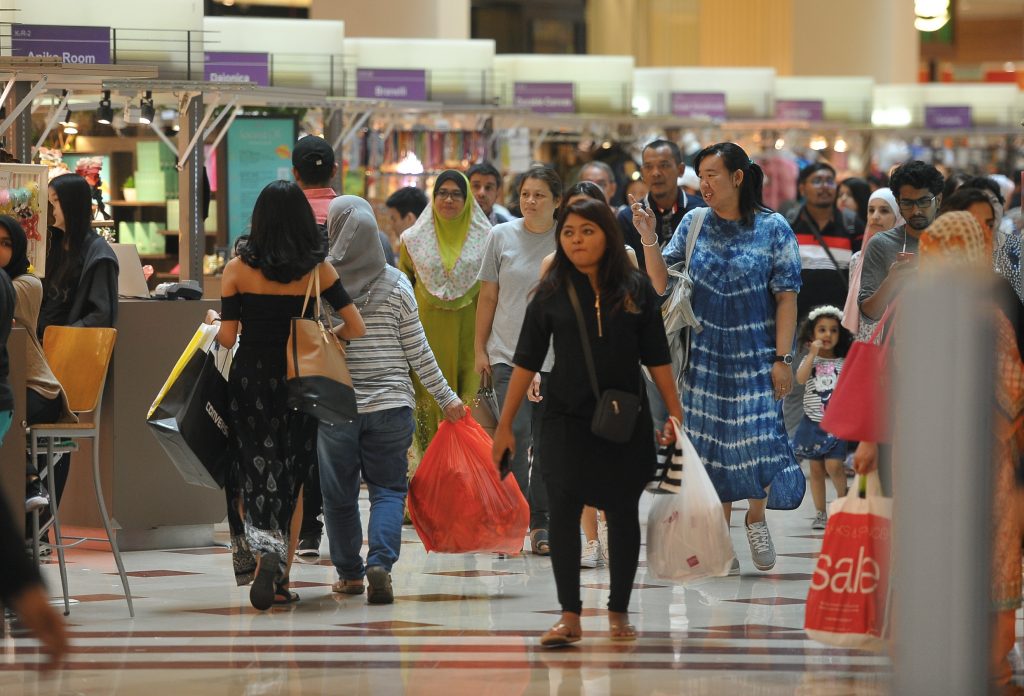
South Korean retail sales rose by 3.9 percent year on year during April.
The nation’s retail industry in general has benefitted from increasing demand in the e-commerce sector brought on by changes in consumer behavior in the midst of the coronavirus pandemic, despite a major hit to offline retailers.
Figures released by Korea’s Ministry of Trade, Industry, and Energy showed combined South Korean retail sales by major companies hit US$8.74 billion last month, up from $8.39 billion during the same period last year.
Offline retailers experienced a 5.5 percent drop in sales during the same month, compared to last year’s results.
While sales from department stores, large supermarkets, and convenience stores dropped 14.8 percent, 2.6 percent, and 1.9 percent respectively, online retailers selling food and daily necessities saw sales increase by 16.9 percent.
Total sales of food products increased by 56.4 percent during the month, while clothes sales dropped 8.8 percent.
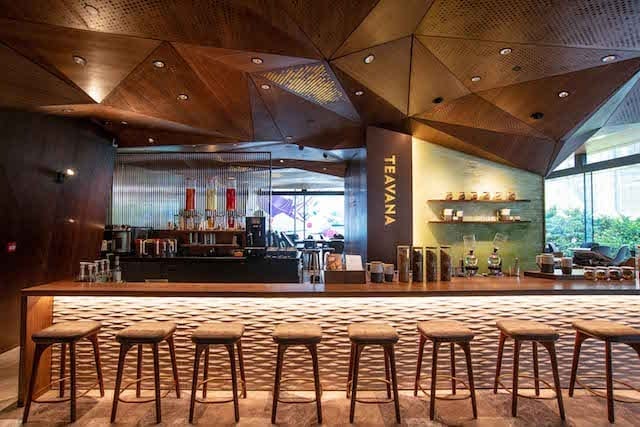
Starbucks is expanding Teavana in South Korea. According to the Korea Herald, The number of Starbucks’ premium Reserve-branded coffee houses serving Teavana drinks has expanded from 13 to 52.
The tea has grown in popularity within the territory since it was introduced in 2016, with Teavana sales growing 20 percent annually. One tea blend is now the chain’s third most frequently ordered beverage among younger customers, perhaps due to a heightened awareness of health consciousness in that demographic.
During the first three months of this year, sales of green tea-based drinks rose 35 percent compared with the same period last year.
Starbucks acquired US-based Teavana Holdings in December 2012, a “super-premium tea” product it said brought “exotic blends, great flavors, wellness and innovation” to customers globally. At that time it was a standalone retailer, however, Starbucks closed all of the stores and integrated the brand and its products into selected coffee stores.
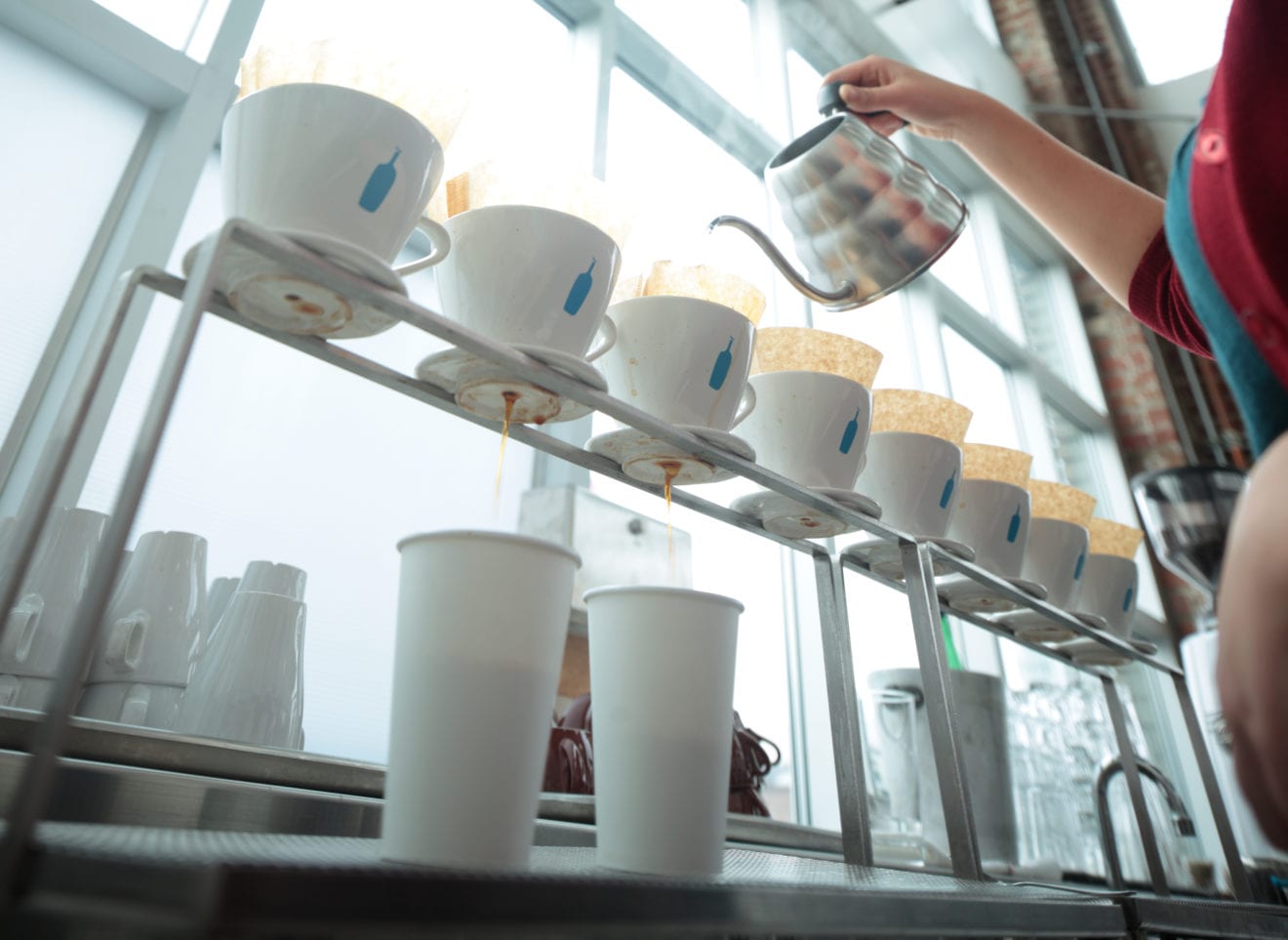
A year has passed since South Korea’s first Blue Bottle Coffee shop opened in Seoul’s eastern Seongsu neighborhood – a trendy hangout spot where young artists and designers renovated existing buildings into art spaces, fine restaurants and cafes to woo customers.
What impact has this American coffee franchise had on the coffee industry in South Korea?
Blue Bottle Coffee now runs five shops, located in Seongsu-dong, Samcheong, Yeoksam, Apgujeong and Hannam.
Among coffee industry analysts, opinions are mixed. Some believe that the newcomer’s focus on specialty coffee has contributed to the expansion of the high-end coffee market, while others say that the company’s influence has been minimal.
The coffee industry believes that Blue Bottle contributed to the popularisation of specialty coffees, once popular only among coffee enthusiasts, arguing that the market expanded when Blue Bottle opened for business.
“Blue Bottle made a significant contribution to starting a new era for the South Korean coffee market, spreading the culture of specialty coffee far and wide,” an industry source said.
“The company will continue to attract more popular interest in specialty coffee.
There are others, however, who believe that Blue Bottle’s influence in South Korea has been minimal.
A limited number of vendors and its operational focus on Seoul has led Blue Bottle to be tied up regionally, and most of the customers are hard-core coffee enthusiasts who have limited influence in the popularisation of specialty coffee, they say.
In addition, Blue Bottle’s shops don’t provide free wireless internet and other convenience facilities normally found in other coffee shops, breaking with tradition as South Koreans commonly visit coffee shops to meet with others.
“Blue Bottle gained attention when the first shop opened. Now, it struggles to win the heart of South Korean customers,” another industry source said.
“They should have entered the South Korean market with a better understanding of South Korean customers.”
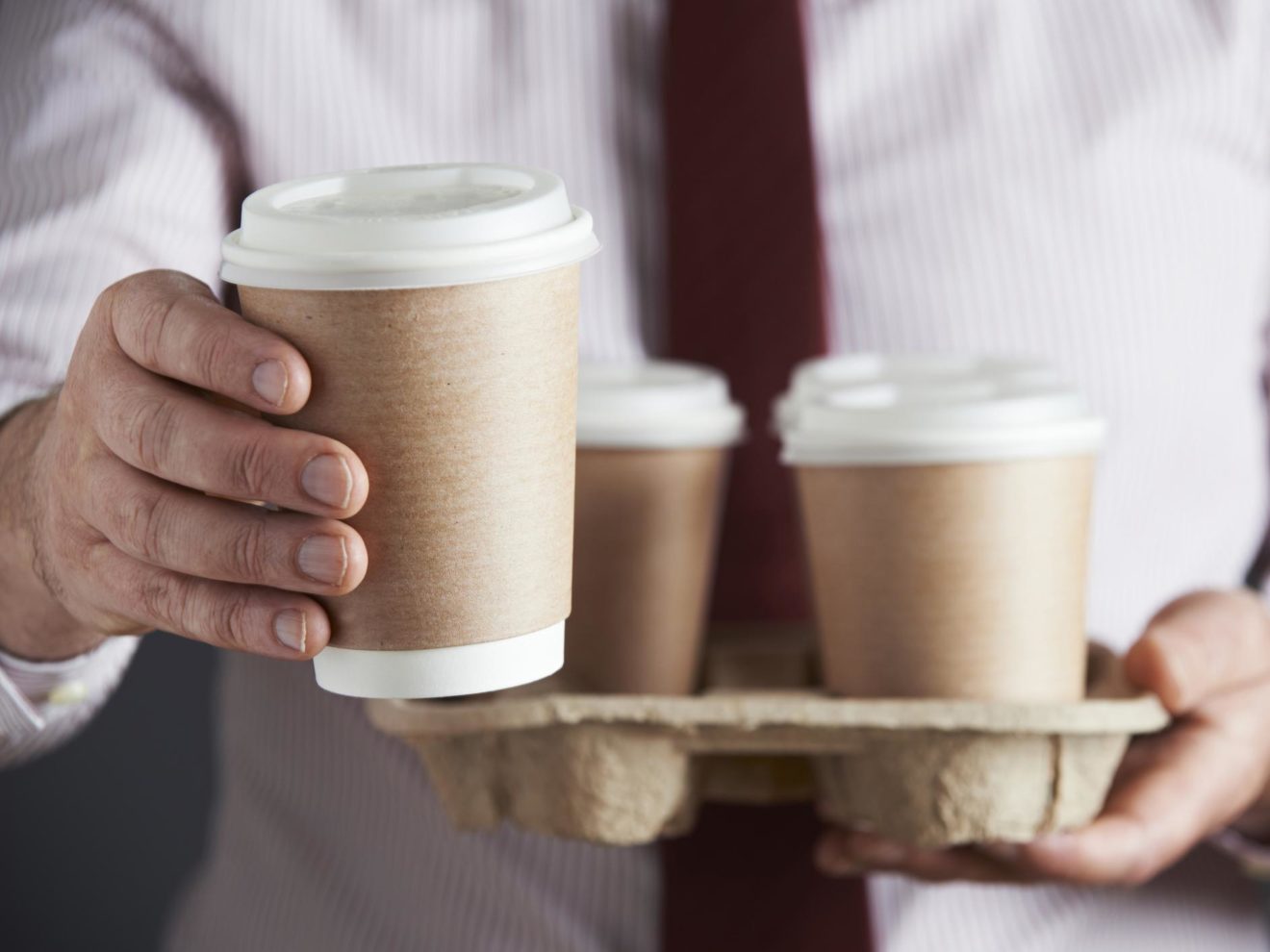
South Korea is set to introduce disposable cup deposits at coffee shops and fast-food outlets, starting 2022, in its latest efforts to cut carbon emissions.
Under a set of bills approved in Parliament this week, businesses will factor the deposits into prices and refund the amount when customers return used disposable cups. It usually takes from six months to two years for passed bills to go into effect.
The country’s environment ministry said it plans to set the value of disposable cup deposits based on manufacturing costs and policy needs.
The ministry expects the policy to help reduce carbon emissions by 66 percent by boosting recycling and cutting costs related to waste incineration.
It estimated the economic benefits coming from the plan would total 44.5 billion won (US$36.2 million) each year.
The ministry also plans to minimise the inconvenience by allowing consumers to return the cups anywhere (ie: not from where the cup was purchased) through talks with relevant industries.
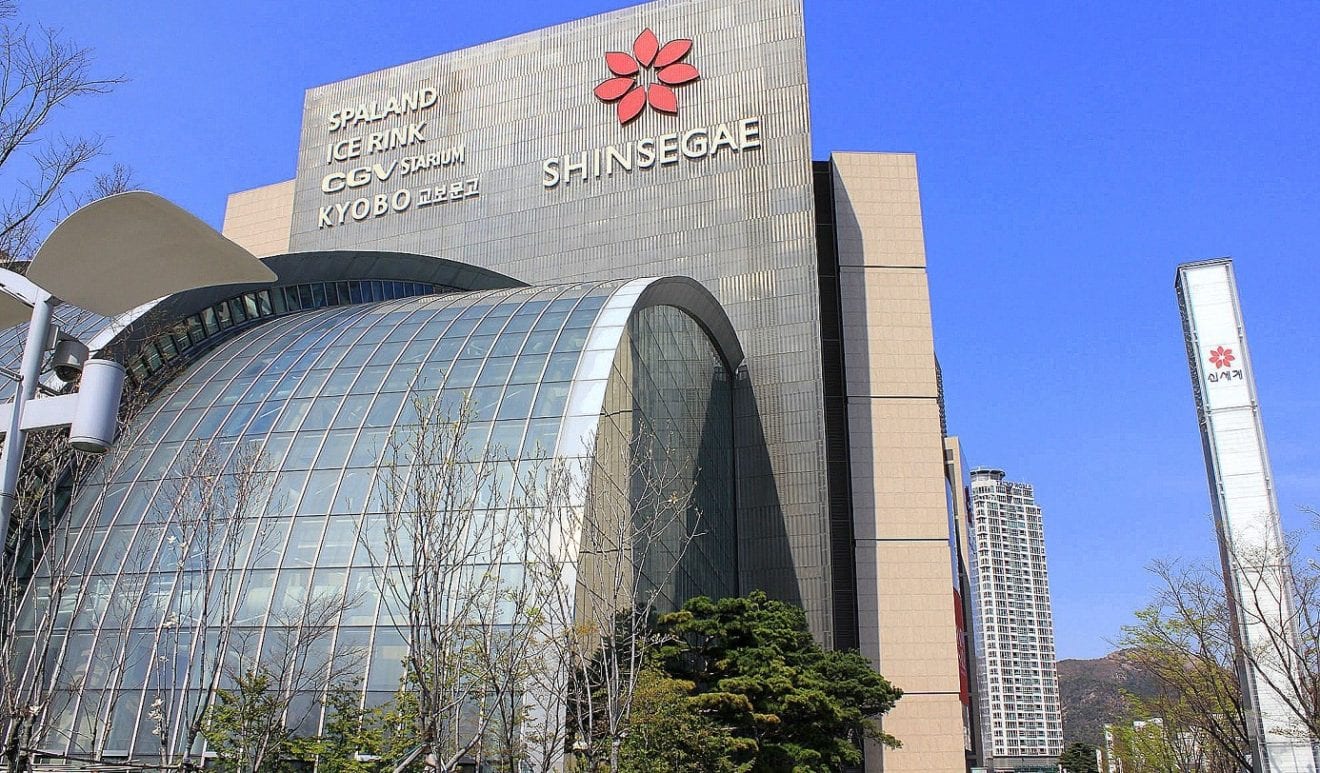
Shinsegae, one of South Korea’s largest retail groups, has reported its net profit fell 99.8 percent year on year as the Covid-19 crisis effectively shut down the nation’s tourism industry and caused local consumers to stay home.
The conglomerate, whose subsidiaries include E-mart big-box stores, convenience stores, homewares, fashion, beauty and a duty-free retail division, reported a March quarter net income of 1.6 billion won (US$1.3 million) on sales of 1.2 trillion won ($976 million).
With a ban on inbound visitors from Mainland China during part of the period, Shinsegae’s duty-free business was hardest hit by Covid-19. Sales fell 30.5 percent to 488.9 billion won ($398 million) and the division lost 32.4 billion won ($26.4 million). Sales through airport duty-free outlets slumped by 40 percent and of downtown duty-free stores by 21 percent year on year.
The E-mart business, which is also listed and releases its own financial results, had earlier reported an operating profit of 48.4 billion won ($39.4 million) in the March quarter, reversing a loss of 100 million won ($81,000) in the preceding three months. The company said its sales had benefited from consumers moving online and increased grocery demand while people cooked or ate at home instead of dining out.
Sales of 5.2 trillion won ($4.2 billion) were up 13.6 percent year on year.
Shinsegae’s department-store business saw sales fall 11.7 percent. The company’s furniture and homewares chain Casamia saw sales rise 23.8 percent due to network expansion, but additional costs contributed to a more than doubling of its loss to 2.7 billion won ($2.2 million).
Sales at fashion and cosmetics group Shinsegae International fell 11.6 percent, but the division turned an operating profit of 12 billion won ($9.8 million).
Kurly, a South Korea-based grocery-delivery startup, has netted Series E funding totaling KRW200 billion (US$160 million).
The funding round for the five-year-old company was led by DST Global, with additional participation from several existing backers – including Hillhouse Capital, Sequoia Capital China, Fuse Venture Partners, SK Networks, and Translink Capital. Newcomer Aspex Management also contributed to the new financing.
Total funding in Kurly has now reached KRW420 billion won ($328 million), confirming unicorn status for the venture. The company expects to use the funding to set up a new fulfillment center in Seoul, more than twice as large as its current facilities.
“Kurly has been showing incomparable growth in the fast-expanding online grocery market,” said DST Global investment partner and head of Asia Pacific John Lindfors, “and as the first to establish morning deliveries, has demonstrated its ability to disrupt the logistics industry and change the grocery shopping habits of Korean consumers”.
The firm recorded annual average revenue growth of 3.5 times since opening, and extended its fulfillment capability area by a factor of 4.9 last year, with a 2.9 times increase in total deliveries.
Two Hong Kong cosmetics retailers have fallen victim to the coronavirus crisis facing legal action over unpaid rent.
British-headquartered chain Lush has been sued by its landlord, Shun Cheong Properties Management, for three months of allegedly unpaid rent on its Lockhart Road, Causeway Bay store. Lush signed on the outlet at Shun Hei Causeway Bay Centre in July 2017 at a monthly rate of HK$380,000 (US$49,000). The retailer had received rental relief of $170,000 since February but has not paid for the last three months, owing to a total of $780,000.
Lush opened a new Lush Naked concept store on Great George Street, also in Causeway Bay, last year in addition to a new store inside K11 Musea at Tsim Tsa Tsui. There are now 12 Lush stores in Hong Kong.
Another cosmetics retailer Bonjour Holdings has also been taken to court by its landlord Giant Manor Investment Limited, allegedly owing six months rent and management fees for its Nathan Road, Mong Kok, store.
The Hong Kong cosmetics retailer had signed a lease agreement for three years in September 2017 at a monthly rent of $1.28 million and now allegedly owes a total of $7.8 million in rent, plus $100,000 in interest.
Bonjour recently reported an 18.7-per-cent sales to decline for last year, citing falling numbers of inbound Mainland Chinese visitors in the wake of protests.
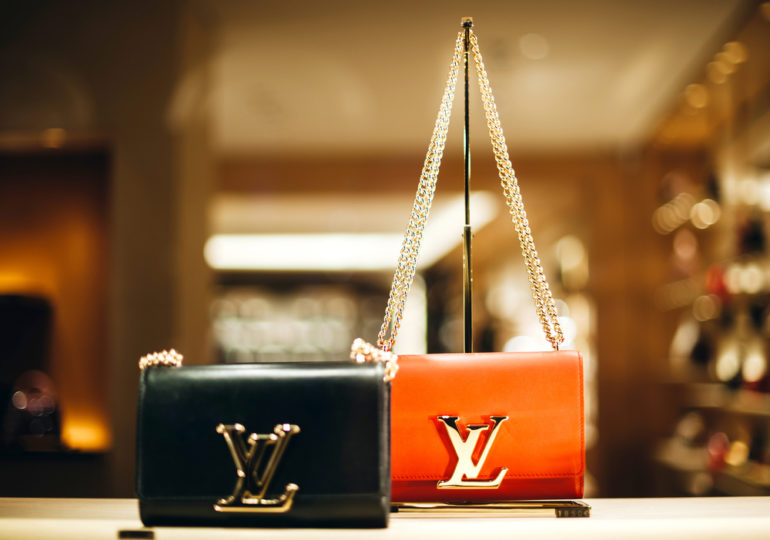
French fashion house Louis Vuitton is raising prices for its luxury items in the South Korean market, allegedly in a bid to take advantage of a prospective surge in buying following the coronavirus outbreak.
According to Pulse News Korea, the brand has raised prices by between 5 percent and 10 percent across its various product lines, its third price increase within the past seven months.
“We have decided to raise the prices starting on May 5,” said a representative of Louis Vuitton Korea. “It was part of our pricing policy based on the long-term view.”
Poor exchange rates and the closure of production facilities in France and Italy may have contributed to the brand’s decision to raise prices, although some consumers remain suspicious that the price rises are timed to take exploitative profits from coronavirus-related restrictions.
In general, the luxury industry has seen some sales increase as high-end consumers spend disposable income on expensive treats instead of traveling. South Korean department stores Shinsegae, Lotte, Hyundai, and Galleria have all reported increased luxury sales at their outlets.
Rival luxury brands Tiffany & Co. and Bulgari have also hiked prices within the last month.
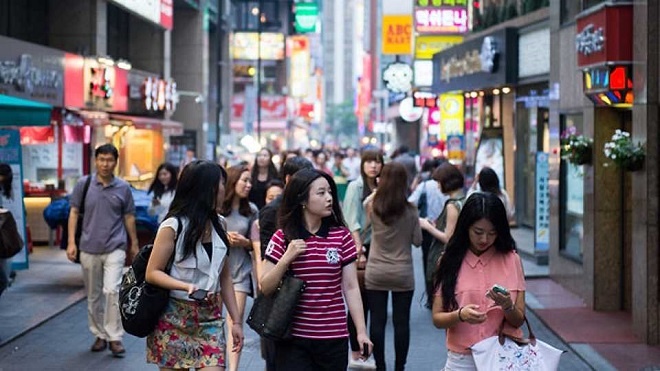
Offline retailers in South Korea, once on the verge of a crisis after consumers flocked to e-commerce vendors following the coronavirus outbreak, are now seeing a chance to make a comeback.
As people remain indoors for extended periods due to work-from-home policies and delays to the school year resumes, a growing number of South Koreans are going to local supermarkets and stores to do their shopping.
Local discount retailers and large-sized malls saw sales increases of 1 to 5 percent after South Korea raised the public health alert to its highest level.
After the World Health Organization declared Covid-19 a pandemic, local supermarket sales jumped by more than 14 percent between March 8 and 21, while large-sized malls and discount retailers saw their sales drop.
“As the coronavirus outbreak dies down, more people are choosing to go to local supermarkets or convenience stores that are close by, rather than going to large malls that tend to be located further away,” said Hwang Hee-yeong, CEO of Opensurvey, a local pollster.
In other words, South Korea has seen an initial surge in demand at large distributors fragment into demand for products offered at smaller distributors.
Experts argue that this trend may continue even after the coronavirus outbreak is over.
“As the coronavirus is expected to be around for a long time, people are choosing to go to local supermarkets instead of large-size malls and discount retailers. More people are also visiting local stores that sell side-dishes,” said Hwang.
“The coronavirus outbreak has set up a basis for localized consumption, a trend commonly observed among advanced nations.”
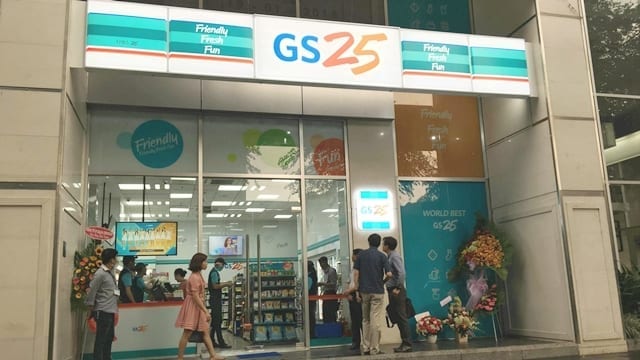
GS Retail, which operates the South Korean convenience-store chain GS25, has reported a huge profit increase for this year’s first financial quarter, boosted by sales of pre-packed meal kits popular during the coronavirus lockdown.
GS Retailreported a KRW88.8 billion (US$72.1 million) in profit from January to March, a 314.7-per-cent increase over last year’s figures. The result was considerably higher than the projected KRW23.9 billion ($19.5 million) profit for the period and sparked a 16.6-per-cent rise in its share value.
A 98.7-per-cent surge in online sales was also a significant contributor to the firm’s first-quarter good fortune, with overall sales totaling KRW1.6 trillion ($1.3 billion).
Last year, in the same period, GS Retail recorded a loss of KRW4.8 billion ($3.9 million).
Hyundai Department Store will hold the industry’s first no-guest fashion show to help small and medium-sized fashion brands suffering from the aftermath of the novel coronavirus pandemic.
The fashion show will feature 25 Korean small and mid-sized fashion brands and be broadcast live on Hyundai Department Store’s official YouTube channel for three hours from 7 pm on Saturday.
In partnership with the Global Video Commerce Association, the fashion show will also be broadcast on live channels of overseas online malls such as Taobao, an online mall in China, and Shopee, an online mall in Southeast Asia.
In addition, 30 influencers will participate in the event and broadcast the fashion show live on their respective social media accounts.
South Korean premium grocery-delivery firm Kurly has procured funding of US$150 million from its existing investors.
Backers contributing to the Series E funding round were Sequoia Capital, Hillhouse Capital, and Digital Sky Technologies, placing the firm’s valuation at roughly $780 million, according to Deal Street Asia.
Despite the positive outlook as a successful attraction of more than KRW400 billion ($329 million) over five rounds, the firm remains in the red as labor and operational costs drain profits while competition intensifies. It is expected that the coronavirus epidemic may yield a positive benefit to the firm as South Koreans stay home to avoid infection and order their food online.
The Market Kurly app introduced the “full cold-chain” temperature-controlled supply chain system to the country, allowing users to order fresh produce in the evening to be delivered to the home by dawn.
The pending merger between South Korea’s number one food-delivery app Baedal Minjok (Baemin), and Yogiyo, the industry’s second-largest player, has fuelled widespread concerns about monopolistic market behavior.
In particular, recent changes to Baemin’s fee system from a flat rate to a pre-payment method has sparked controversy, raising concerns over such a monopoly.
Woowa Brothers, Baemin’s owner, has apologized for causing controversy over the “open service” fee system.
“Woowa Brothers humbly accept the criticism that we introduced the new fee system without considering the difficult situation of the restaurant owners, hit by the Covid-19 outbreak,” management said in a statement.
Starting this month, the delivery service will apply a 5.8 percent pre-payment fee to restaurants for food orders. The system is designed to replace the current monthly fixed amount system, which costs 88,000 won (US$71.90) per month.
This will result in 5.8 percent of sales being taken by Baemin as commission from this month.
However, small business owners say the changes are not for small businesses.
According to the Korea Federation of Micro Enterprise, stores with monthly sales of 1.55 million won (US$1267) or less are eligible for lower fees due to the new policy.
Some self-employed people raised the issue, saying that the fees paid to Baemin are excessive compared to the past.
Gyeonggi Province Gov Lee Jae-myeong openly criticized the company, citing “the tyranny of monopoly,” and targeting Baemin on his social media account.
The controversy is continuing as politicians and consumer groups joined the campaign. A recent survey by Consumers Korea showed that 86.4 per cent of consumers oppose the merger of Baemin and Yogiyo.
The survey also showed that Baemin accounts for 59.2 per cent of delivery apps, with Yogiyo another 35.6 per cent, suggesting a combined 94.8 per cent for the two companies post-merger.
The biggest reason for the opposition to the merger was, “food prices and delivery fees rising due to the formation of an exclusive market,” cited by 82.9 percent of respondents.
The decrease in incentives for business innovation or service improvement followed at 46.3 percent, reduction in consumer benefits such as coupons and events came in at 40.5 percent.