Retail News CRM

Tag: Korea

  • The History of Whoo to open luxury Korean beauty flagship store in Canada

    The History of Whoo to open luxury Korean beauty flagship store in Canada

    LG Household & Health Care proudly announces the opening of a first-of-its-kind, The history of Whoo luxury concept store in Canada. The history of Whoo is a best-selling, record-breaking, prestigious Korean skincare brand known worldwide and recognized for its impeccable quality, use of precious ingredients, and unique formulas once reserved for royalty and members of the Royal Court. Each precious formulation is preserved in distinctly luxurious packaging including flacons and vials inspired by the Korean cultural heritage.

    Customers at the new flagship Canadian store can expect the same level of luxury and attention to detail that The history of Whoo has become synonymous with. Upon entering the space, customers are welcomed as guests and invited to experience a truly immersive shopping experience; from elegant gold-plated fixtures to Gani marble floors, mirrored ceilings, and a dramatic custom-crafted chandelier, all culminating into an elegant showcase designed to envelop the senses in luxury and reflect the royal heritage of the brand.

    The new Canadian store will open its doors at 10:00 a.m. on November 20th at Cadillac Fairview Richmond Centre, British Columbia. The first 75 customers will receive a complimentary limited-edition cosmetic case filled with deluxe samples valued at over $100, with the purchase of $8 or more, while supplies last. To ensure a clean, safe, and comfortable environment, Cadillac Fairview Richmond Centre has put all necessary safety and social distancing measures into place.

    Inside the store, highly trained beauty consultants specialized in Korean skincare will offer shoppers personalized one-on-one consultations with customized recommendations from a selection of luxury brands, including:

    The history of Whoo – Launched in 2003, the most luxurious skincare brand from LG Household & Healthcare, Whoo harmoniously balances modern-day technology with Ancient Eastern medicinal principals to deliver the most prestigious traditions to the Empresses of today. The Chinese character “后” (Whoo) translates into Empress.

    For the first time, a brand has uncovered the beauty secrets of the Royal Court, incorporating their rare and delicate nutritious ingredients from Gongjindan – a traditional herbal recipe. Each ingredient originating from the finest sources around the world, carefully blended and perfectly balanced to achieve harmonious, healthy, and youthful-looking skin.

    Its flagship product – Bichup Self-Generating Anti-Aging Essence is an all-in-one secret recipe that increases skin moisturization and improves the appearance of wrinkles for smoother and more radiant skin. According to a Kantar Worldpanel Beauty Evaluation, this globally renowned product has been the best-selling anti-aging essence in South Korea for nine consecutive years1. Each year, the serum is released with intricately designed limited-edition packaging inspired by the Royal cultural heritage, making it one of the most highly anticipated and most valued qualities about Whoo.

    Su:m37 – a traditional Korean luxury brand that utilizes cutting edge fermentation technology to achieve highly functional skincare products. Known for its best-selling “Secret Essence,” created using Cyto-FermTM technology, a three-stage fermentation process, to create a natural and fermented water achieved by aging and fermenting a variety of 80 plants for an entire year. The antioxidant-rich, renewed Secret Essence improves skin elasticity and barrier function to enhance the skin’s own natural strength and resistance.

    O HUI – a luxury cosmetic brand based on the concept of skin science to harmonize the skin and address its condition through the use of cutting-edge biotechnology and natural botanicals. Its iconic Prime Advancer Ampoule Serum contains the brand’s proprietary Skin Core Enhancing technology to help protect the skin’s barrier and improve its resilience to environmental stressors such as pollution and seasonal changes.
  • SK Telecom’s 11Street to let shoppers buy from Amazon

    SK Telecom’s 11Street to let shoppers buy from Amazon

    SK Telecom Co., South Korea’s largest mobile carrier, said Monday it is partnering with Amazon.com, Inc. to allow South Koreans to have easier access to products on the U.S. e-commerce giant’s platform.

    The carrier said users of its e-commerce unit 11Street Co. can directly purchase the U.S. company’s products on its platform. It did not provide a specific time frame for the service’s launch.

    SK Telecom said it has also made an agreement with Amazon so that the U.S. tech giant has the right to acquire a stake in 11Street based on the South Korean e-commerce company’s progress in the local market.

    The announcement comes as SK Telecom is currently planning an initial public offering (IPO) for 11Street.

    The carrier said in its third-quarter conference call that the e-commerce unit is among its list of subsidiaries, such as new mobility spinoff T map Mobility Co., that will pursue IPOs.

    The e-commerce unit’s sales reached 135.7 billion won (US$122.7 million) in the third quarter, up 8 percent from a year earlier, according to SK Telecom.

  • AmorePacific opens first ‘refill store’

    AmorePacific opens first ‘refill store’

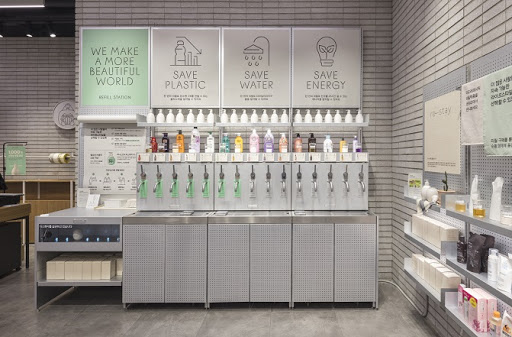
    South Korean cosmetics giant AmorePacific Corp has opened a so-called ‘refill station’ – a first for the nation’s cosmetics industry.

    The company opened the facility as a trial inside its new Gwanggyo store that opened last week in Suwon, Gyeonggi Province.

    Customers can take an empty container made of coconut shells from the store and fill it with the product of their choice, with 15 different kinds of shampoos and body washes on offer.

    After filling the container with the product of their choice and measuring the weight, they pay per gram.

    Although the price is different by product, customers can generally fill a container at savings of roughly 50 percent compared to pre-packaged cosmetics products.

    The contents for refill will be limited to those with a manufacturing date of less than 100 days prior. Returned empty containers will be sterilised before being released to be refilled.

    “We decided to run the refill station to better meet the demand of the times requiring a wider variety of sales methods and the promotion of refill products,” the company said.

  • Rapyd launches payment capabilities in South Korea – extends its Asia Pacific footprint

    Rapyd launches payment capabilities in South Korea – extends its Asia Pacific footprint

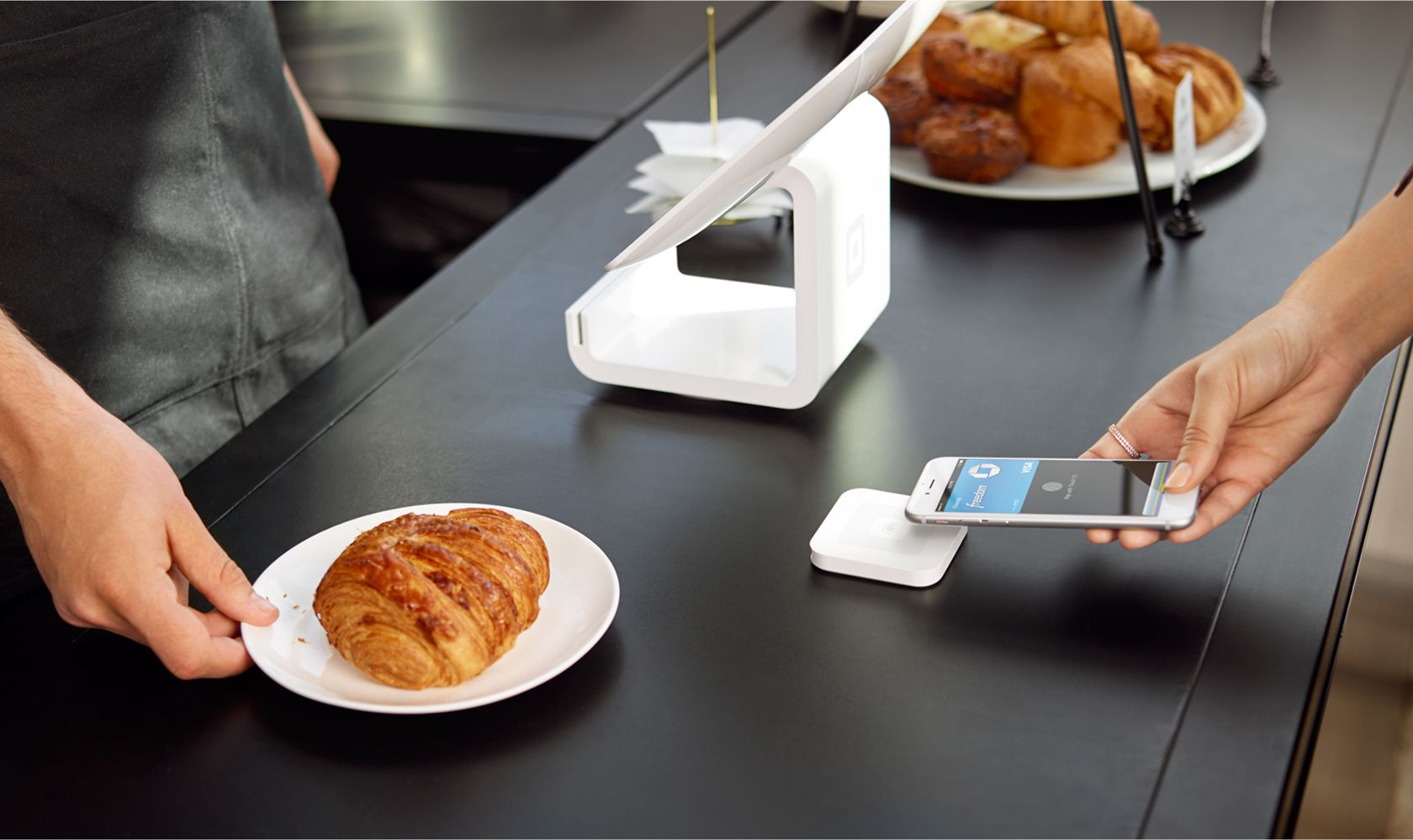
    Rapyd, a global Fintech as a Service company, has launched its ‘all-in-one’ payment capabilities in South Korea. By partnering with leading Korean payment service providers, KCP, PayLetter and others, Rapyd now provides access to a robust and comprehensive suite of South Korean payment options across international and local cards (Hyundai Card, Shinhan Card, Samsung Card), mobile wallets (Kakao Pay, Samsung Pay, Toss, and PAYCO), bank transfers, vouchers, and carrier billing.

    According to eMarketer, South Korea is one of the world’s top five eCommerce markets by retail eCommerce Sales volume, accounting for $113 billion sales in 2019. And COVID-19 has further contributed to the rise of digital payments in the country. According to GlobalData, South Korea’s share of cash in transaction volumes is expected to decline to 37.2% by 2023, while non-cash payments will account for two-thirds of payment volumes. The pandemic has also given rise to social distancing, causing a decline in in-store purchases. These are being offset by rising e-commerce spending.

    South Koreans are also quickly moving towards new and emerging payment technologies. According to the Rapyd Asia Pacific eCommerce and Payments Guide 2020, 36% of South Koreans chose mobile wallet payments (also known in South Korea as Simple payments) as their most preferred payment method. Kakao Pay was used by 41% of respondents, followed by Samsung Pay (32%), PAYCO (21%), and Toss (21%). Local cards such as Shinhan, KB, Hyundai, and Samsung Cards are the second most preferred payment methods in the country, chosen by 30% respondents.

    Rapyd now offers the majority of the most popular Korean payments methods identified in the research. The rollout of South Korea payments capabilities will enable international companies to immediately provide localised payment experiences catered to the expectations of modern Korean consumers,  and tap into one of the largest and most advanced eCommerce populations.

    “South Korea is setting many trends in Asia Pacific, and digital payments are not an exception. This market is seeing fast adoption of mobile wallets, such as Kakao Pay, and is incredibly rich in payment services. While competition is heating up and the market is becoming more segmented, the overall pie of Korean mobile payments keeps growing. With the launch of Rapyd’s payment capabilities in South Korea, we are able to bridge the global eCommerce players to a vibrant and exciting Korean market opportunity, and create a truly native South Korean Payment experience,” said Joel Yarbrough, Vice President for Asia Pacific, Rapyd.

    Jaewook Noh, Managing Director, KCP, commented “South Korea is one of the world’s most mature payment markets in the world, and we welcome an opportunity to collaborate with Rapyd and bring Korea closer to the global eCommerce ecosystem. Our partnership is an example of ‘local going global’: it is an attestation of our commitment to building customer-centered experiences, while also supporting the growth of the global Internet economy.”

    Additionally, businesses based in South Korea will also be able to access Rapyd’s Global Payments Network and expand internationally into 100+ markets around the world by accepting payments from consumers in any of the 900 locally preferred payment methods supported by Rapyd.

    One of the first South Korean companies to access Rapyd Global Payment Network capabilities is SENTBE, a Fintech money transfer service, looking to provide easier, faster, and more convenient global remittances.

    “We are pleased to be collaborating with Rapyd, a vital partner in helping SENTBE expand globally as a total FX solution company. As we have recently acquired a Payment Gateway Licence in Korea, we are also looking forward to being a solid infrastructure partner for Rapyd in the near future,” said Alex Choi, CEO, SENTBE.

    South Korea is the sixth global market where Rapyd extends its ‘all-in-one’ payment capabilities. The expansion of the Rapyd Global Payments Network offering all-in-one payment capabilities first took place in Singapore in November 2019, followed by Brazil in March 2020, the United Kingdom in June 2020 and Mexico and India in July 2020.

  • Korean firm invests in Vietnam car-wash chain

    Korean firm invests in Vietnam car-wash chain

    South Korean oil refiner GS Caltex Corp has bought an 11.56 percent stake in car-wash startup Vietwash for $1.7 million. Nguyen Thanh Duong, founder of Vietwash, said the money would be used to double the number of outlets to over 100 in the next few years.

    It now offers car and motorbike wash services at 51 locations in Ho Chi Minh City and central Da Nang City.

    Hur Joon-hong, GS Caltex executive vice president, said his company would help Vietwash develop an automatic car maintenance system and expand.

    Vietwash, which began operations in 2014, claims to be the first car-wash chain in Vietnam and serves 1.3 million customers a year.

    In 2016 it received an investment of $1 million from private-equity firm Vietnam Investments Group. GS Caltex has been selling vehicle lubricants in Vietnam since 2017.

  • South Korean retail sales surged in August

    South Korean retail sales surged in August

    South Korea’s non-store retailers including online shopping and delivery operators raised a record 46.2 trillion won ($39.1 billion) in sales in the first six months of the year as consumers relied much on non-face-to-face businesses amid coronavirus fears.

    According to data from Korea Small Business Institute and Statistics Korea on Monday, non-store retail sales jumped 19.4 percent year over year to an all-time high of 46.2 trillion won in the January-June period. The amount was 13 percent more than the second half of last year and more than doubling 22.6 trillion won in the first half of 2015.

    It was the first time for the bi-annual amount of non-store sales to jump more than 7 trillion won on year from the previous six-month period. The previous record increase was 4.8 trillion won in the first half of last year.

    The rapid increase was largely attributed to the outbreak of COVID-19 as non-store retailers gained huge popularity for its convenience of being able to allow consumers to purchase goods without having to visit offline stores amid social-distancing measures to contain coronavirus. Many companies also advised employees to work from home.

    According to Woowa Brothers, the operator of the country’s largest food delivery app Baedal Minjok, the number of mobile orders jumped 176 percent on year in the January-June period. The surge has further accelerated during the coronavirus outbreak.

    Amid growing demand for non-store shopping due to the virus scare, retailers have turned aggressive in selling products via online and home shopping channels.

    As more people opt for non-store shopping, sales at department stores fell 13.4 percent on-year to 12.9 trillion won in the first six months of the year and those of specialty retailers 10.3 percent to 61.1 trillion won. Sales of duty-free stores especially plunged 37.1 percent during the cited period as board-crossing traveling was virtually impossible.

    Sales at large discount stores, supermarkets, and convenience stores increased in the first half of the year from a year ago but growth was smaller than those of non-store retailers.

    Large discount stores raised 16.2 trillion won in sales in the January-June period, up 1.1 percent from a year ago. Sales at convenience stores increased 2.8 percent to 12.7 trillion won and supermarkets 6.8 percent to 23.2 trillion won.

  • South Korean department stores refurbished to attract cashed-up MZ shoppers

    South Korean department stores refurbished to attract cashed-up MZ shoppers

    Department stores are undergoing renovations to attract the so-called MZ generation – encompassing the Millennials and Generation Z.

    After its first renovation in 11 years, Hyundai Department Store’s Jungdong branch reopened the ‘U-Plex’ Fashion House on Wednesday in Bucheon, west of Seoul.

    The storehouses 130 domestic and international fashion brands popular among the MZ generation, including the Street Fashion Zone, where the top 10 most-popular fashion brands online are located.

    The largest shopping mall dedicated to sportswear in the greater Seoul area opened on the department store’s fourth and fifth floors, featuring boutiques from Nike, Adidas, New Balance, and 34 other sports brands.

    Lotte Department Store Yeongdeungpo Branch also redesigned its floor space by filling the first and second floors with brands popular among the MZ generation. Cosmetics brands, originally located on the first floor, have been moved to the third floor.

    Shinsegae Department Store Yeongdeungpo Branch also completed renovations to attract younger customers.

  • South Korean duty-free operators ‘desperate’ amid protracted pandemic

    South Korean duty-free operators ‘desperate’ amid protracted pandemic

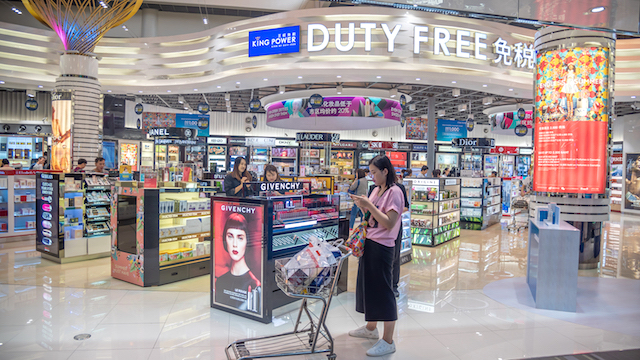
    Stung by the protracted new coronavirus outbreak, South Korean duty-free operators are struggling to overcome the industry-wide slump with belt-tightening measures, including increasing the number of closing days at some outlets in major local cities and cutting their overseas operations.

    Industry leader Lotte Duty-Free began closing its outlets at Coex in southern Seoul and the southeastern port city of Busan every Sunday and Monday from this month.

    In April, Lotte decided not to open the two stores every Monday, as the number of customers sharply declined due to the Covid-19 pandemic. The latest move came as a resurgence in virus cases made it difficult to expect imminent business normalization.

    Since late May, Shinsegae Duty-Free has closed its outlets in Seoul’s upmarket southern district of Gangnam and Busan every Sunday and Monday.

    Hit by the virus outbreak, South Korean duty-free operators have suspended the operations of their outlets at major airports either partially or wholly.

    The pandemic has also dealt a blow to duty-free operators’ overseas business. Local duty-free shops had rushed to expand their foray into overseas markets in recent years in a bid to reduce their reliance on Chinese visitors and generate decent profits.

    Lotte Duty-Free plans to close its duty-free stores in Jakarta and Bangkok in the second half and liquidate its units in Indonesia and Thailand.

    In the first half, Lotte withdrew its business from Taiwan. The number of Lotte Duty-Free overseas units will fall to 12 outlets in six countries if it completes the closure of the two units in Southeast Asia.

    Some improvement in sales may give some solace to local duty-free operators, but their revenues remained far below the pre-pandemic level.

    Combined sales at duty-free shops in South Korea in July rose by 12.4 percent from the previous month, as small Chinese vendors returned to scoop up duty-free goods, according to industry data.

    It marked the third straight month of gains since the figure fell below 1 trillion won for the first time in four years in April.

    The number of visitors to local duty-free units topped 500,000 in July, marking the first time in four months.

    “Duty-free sales are tipped to further increase in the third quarter, compared with three months earlier, on the back of the government’s eased restrictions on sales channels of duty-free goods,” said Na Eun-chae, an analyst at Korea Investment & Securities Co.

    To prop up the pandemic-hit segment, the government decided in late April to temporarily permit sales of duty-free goods via local sales channels.

    It also allowed registered foreign buyers to receive duty-free products at their home countries without the need to visit South Korea.

    Meanwhile, major duty-free players are expected to take part in the bidding for new business licenses at the country’s main international airport as they set sights on long-term recovery in the post-Covid-19 era.

    The operator of Incheon International Airport, the country’s main gateway west of Seoul, will close the bidding for new duty-free shop business licenses at six sections, including cosmetics, liquor and tobacco, at the airport’s Terminal 1, on Tuesday.

    In March, Lotte Hotel, Hotel Shilla and Hyundai Department Store Duty-Free won duty-free business licenses at Terminal 1, but Lotte and Shilla gave up the business rights in April amid faltering sales.

    As the airport operator failed to pick new entities, Lotte and Shilla have continued to run their business after extending their licenses.

    Industry watchers expect major duty-free operators to participate in the bidding, as the airport operator has proposed a sharp cut in lease fees.

    “Earnings are still not good, but we are considering participating in the bidding (for the long-term perspective), taking into account the post-pandemic situation,” said an official at a local duty-free operator.

  • Seoul cafes face new trading restrictions as Covid-19 returns

    Seoul cafes face new trading restrictions as Covid-19 returns

    South Korea is restricting operations of restaurants, bakeries and franchised coffee chains in the greater Seoul area in an effort to contain a new outbreak of Covid-19. Under the plan that lasts until next Sunday, restaurants and bakeries can operate until 9pm, and only takeaway and delivery will be permitted from 9pm to 5am.

    For Seoul cafes, only takeout or delivery will be permitted regardless of operating hours, as cluster infections traced to coffee shops have been reported.

    Customers visiting coffee chains for takeaway must follow quarantine measures, such as making entry logs, wearing masks, and keeping a safe distance.

    The move is part of the government’s strengthened virus curbs in Seoul and the surrounding areas, home to half of the country’s 51 million population, as the country is struggling to curb spiking virus cases.

    On Sunday, the country reported 299 new Covid-19 cases – a drop below the 300 marks for the first time in five days – but health authorities remain on high alert as the triple-digit daily increase continued.

    Instead of raising the level of social distancing to the highest Level 3, the country unveiled stronger and “tailored” virus curbs last Friday for vulnerable groups and risk-prone facilities, a move widely viewed as ‘Level 2.5’.

    The government has been cautious about raising the social-distancing guidelines to Level 3 from the current Level 2 due to the far-reaching impact on the economy.

    In line with the stricter social distancing guidelines, cafe workers are putting store chairs upside down to indicate they operate only for takeaway or delivery.

    Some customers who frequent such coffee joints to study or read books have shifted to bakeries that operate normally until 9pm.

    Meanwhile, South Korea began to suspend the operation of indoor sports facilities, including fitness centers and billiard halls, in the wake of virus infections at indoor sports centers.

    The government also expanded no-assembly orders from large academies to almost all cram schools in the wider Seoul area. Only online lectures will be permitted.

    To protect the elderly from the risk of infection, visits to nursing homes, and facilities will be banned.

    Health authorities will also make one-third of all employees at government agencies and public institutions work from home. They also recommended private companies take similar steps.

    In mid-August, the government raised virus curbs to Level Two in the Seoul region for two weeks and expanded it across the nation starting last Sunday.

    Health authorities extended the current step for one more week in the wider Seoul region, as the number of new infections has not shown signs of easing.

  • Ikea Korea sales growth

    Ikea Korea sales growth

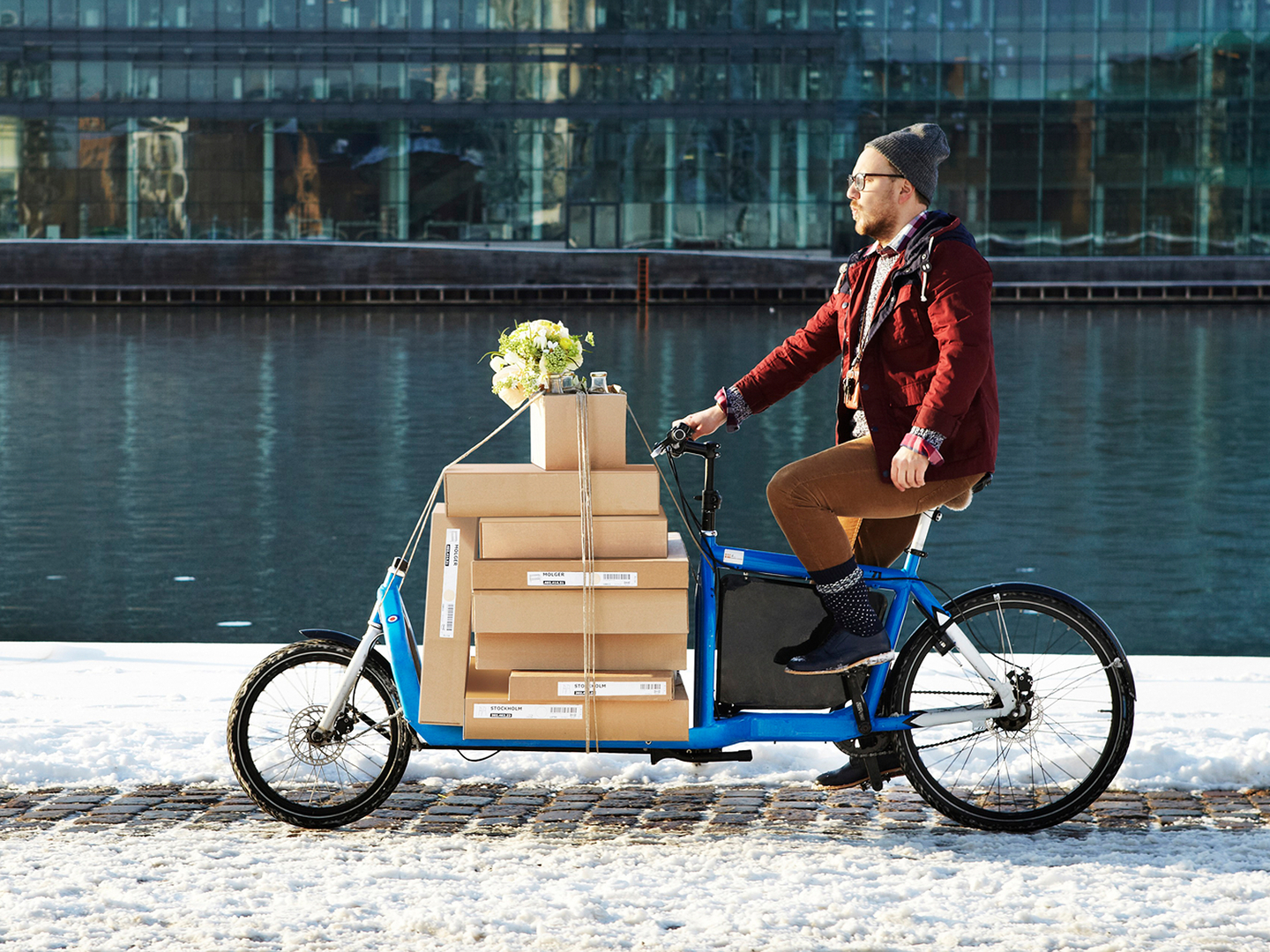
    Ikea’s business in South Korea has reported 32.6-per-cent sales growth over the past fiscal year despite the impact of the coronavirus outbreak.

    The success of the retail business over the period has been attributed to a surge in interest in home furnishings as people remain at home to avoid the pandemic, according to Ikea Korea country retail manager Fredrik Johansson.

    Customer numbers at Ikea stores also increased by 31 percent during the period to 12.3 million people, with online shoppers increasing by 14 percent to 44.7 million.

    The firm has made concerted efforts to market goods at affordable prices and engage in remote sales efforts. It is also about to commence a new sustainable home-furniture marketing campaign to support climate action within Korea, along with strategies to buy back and resell used furniture to replace 20 percent of the firm’s delivery vans with electric vehicles by the end of the next fiscal year.

  • Apple Korea makes US$84 million offer to ease anti-competitive concerns

    Apple Korea makes US$84 million offer to ease anti-competitive concerns

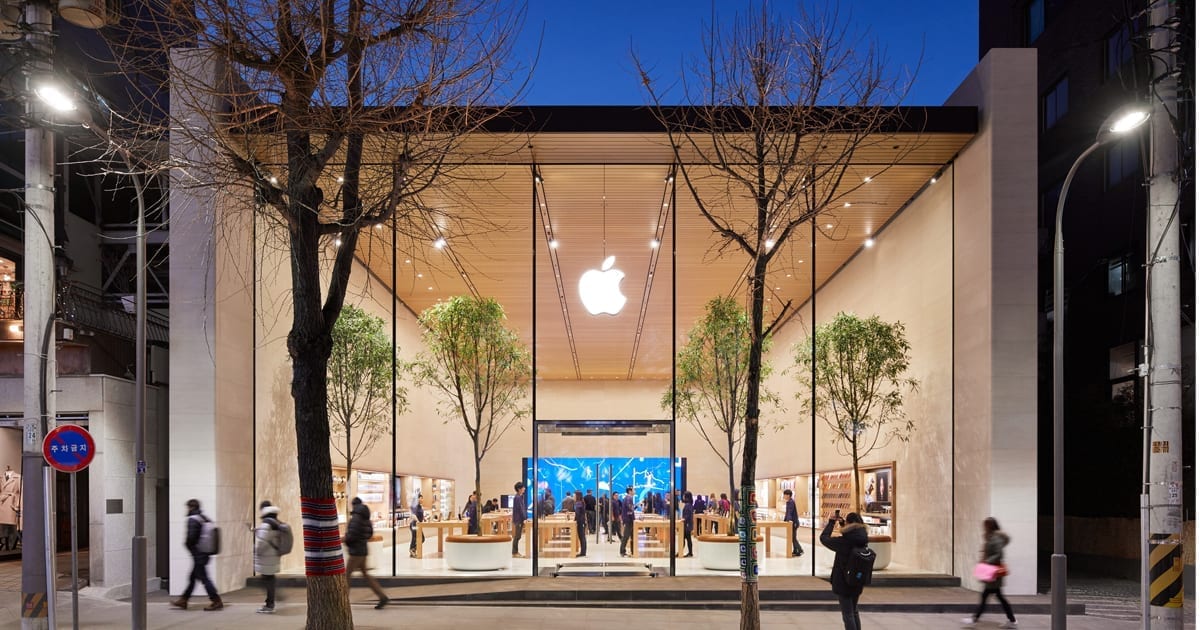
    Apple’s South Korean unit has offered 100 billion won (US$84 million) worth of programs for consumers and mobile phone carriers, in an effort to address concerns about the company’s alleged violation of competition law.

    Apple Korea has been under probe by the Korea Fair Trade Commission (KFTC) over allegations that it had required the country’s three mobile operators — SK Telecom Co, KT Corp and LG Uplus Corp — to pay the cost of television advertisements and warranty service for its iPhones.

    The KFTC has said Apple Korea holds a clear advantage over local mobile carriers and that handing over the cost of advertisements is only another means to squeeze their profits.

    Under the programs, Apple Korea promised to spend $33.7 million to build a research-and-development center for local small and medium-sized firms in the smartphone-manufacturing sector.

    Another $21 million will be spent to give consumers 10-per-cent discounts on repairs and a smartphone insurance service, the KFTC said.

    Apple Korea will spend another $21 million to set up an education center to train professionals in the sector of information, communication, and technology, the KFTC said, and give mobile carriers more say in sharing their advertising costs and approving their ads.

    Song Sang-min, director-general handling the issue at the KFTC, said such measures are expected to help reduce the advertising burden on mobile carriers.

    Apple Korea had unilaterally ordered mobile carriers to set ad costs, but the measure will help Apple Korea and mobile carriers discuss how to share such costs, Song said.

    The KFTC said relevant parties will discuss whether to accept Apple Korea’s proposal by October 3.

    If relevant parties decide to accept the measures by Apple Korea, the KFTC will finally endorse them.

    South Korean law allows a company accused of anti-competitive practices to state a correction scheme without deliberating whether those practices violate the country’s competition law.

    In a statement, Apple pledged to step up cooperation with its business partners and consumers in South Korea.

    “We are looking forward to deepening our relationships in Korea by enhancing support for education, small businesses and facilitating future generations with new skill sets,” the statement said.

  • Allbirds enters South Korea

    Allbirds enters South Korea

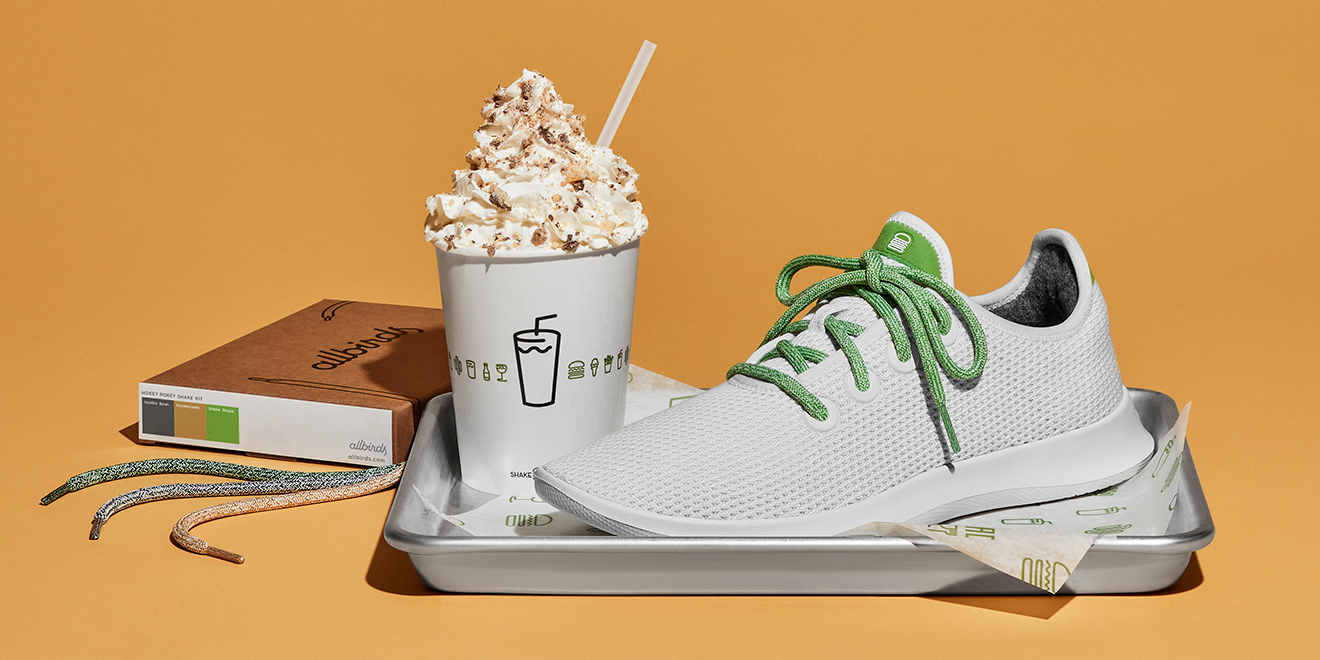
    New Zealand’s footwear label Allbirds is expanding its retail network into South Korea. From the early stages of Allbirds’ international expansion plan, South Korea was always high on the destination list as the company makes its Wool Runner product in Busan.

    “As we continue to expand our international footprint, we’re excited to finally enter the Korean market and connect with our existing community here, further establishing Allbirds as an important sustainable fashion player in Asia,” said Sandeep Verma, head of international.

    The company considers South Korea as a strategic market as it looks to strengthen its presence in greater Asia.

    “Allbirds’ mission to tread lighter on the planet has resonated with people far and wide, from Berlin to New York, from LA to Shanghai, and we’re delighted to share our purpose-led products and a world-class level of care with our Korean customers,” Verma said.

    Founded in 2016 by New Zealand footballer Tim Brown, who later teamed with American biotech engineer Joey Zwillinger, Allbirds now sells in 35 countries with more than 20 of its own brick-and-mortar stores worldwide. The brand is renowned for its logo-free sneakers made from sustainable materials.

    “The response we’ve received thus far has been beyond what we could’ve ever imagined when we first started this,” said Zwillinger, Co-CEO of Allbirds, referring to the international expansion program.

    Last April, Allbirds became the first apparel brand to label all of its products with a Carbon Footprint score, designed to inform customers of the carbon impact of its products.

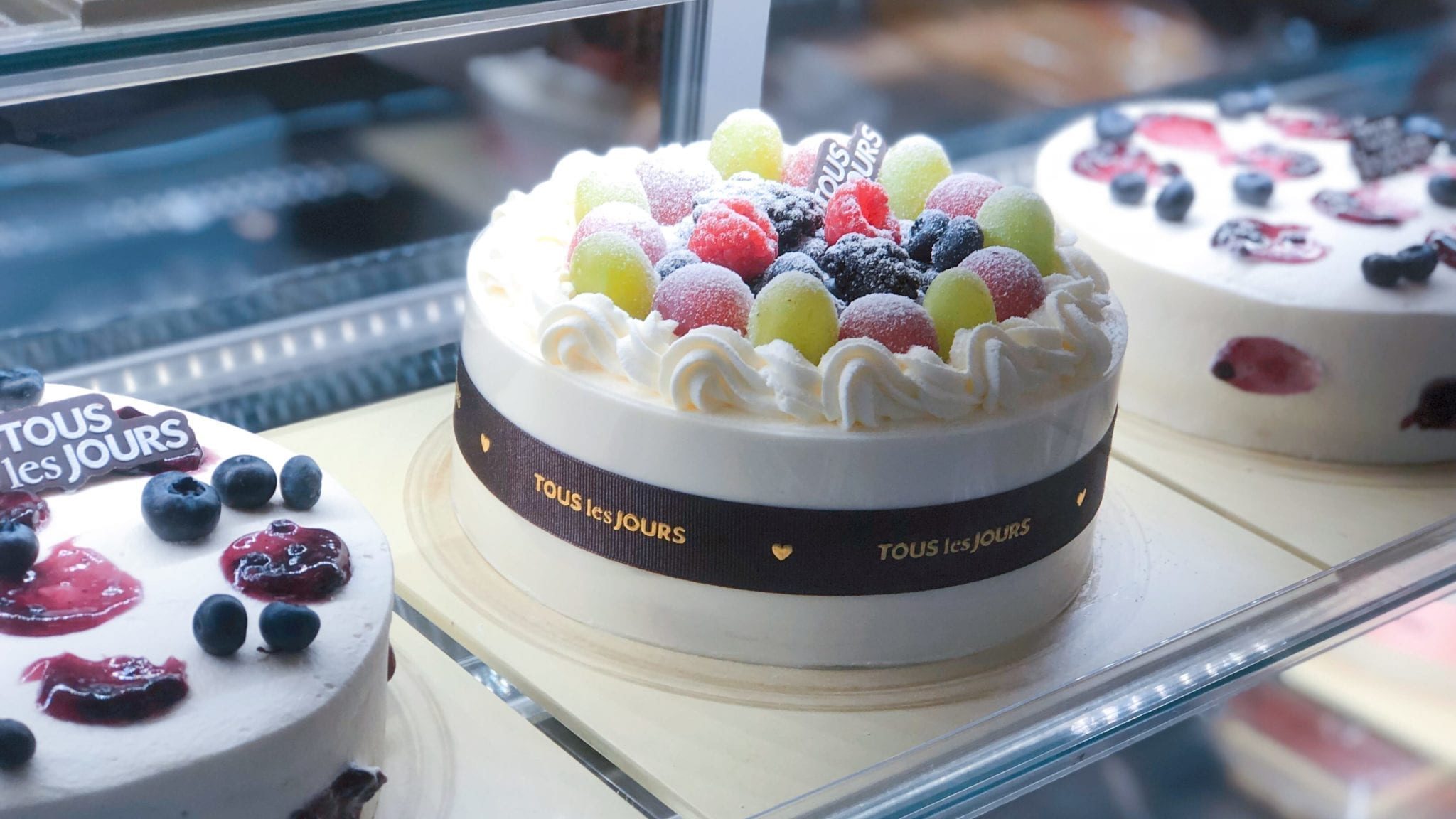
  • South Korean bakery franchise Tous Les Jours for sale

    South Korean bakery franchise Tous Les Jours for sale

    South Korean food and entertainment conglomerate CJ Group has announced it plans to sell its retail bakery franchise Tous Les Jours.

    CJ Group has chosen accounting firm Deloitte Anjin to manage the sale process and at the same time launched a review of options to boost the chain’s competitiveness.

    Tous Les Jours is South Korean’s second-largest bakery chain between its archrival, SPC Group-owned Paris Baguette. Both chains have expanded overseas into markets including Mainland China, Malaysia, and Vietnam, with Paris Baguette’s footprint spreading as far as the US and even its namesake city Paris.

    CJ Group has sent background documents about the business to private-equity companies located domestically and offshore to gauge interest in the business.

    Tous Les Jours operates about 13,000 stores across South Korea.

    Market analysts say that in looking to sell the chain, CJ Group’s CJ Foodville is looking to use the proceeds to expand its food-service business amid the Covid-19 crisis.

    Last year, CJ Foodville sold its coffee chain brand Twosome Place to a Hong Kong-based private-equity fund for US$168.8 million.

  • South Korean KOLs banned from promoting products without full information

    South Korean KOLs banned from promoting products without full information

    South Korea will ban social-media influencers – KOLs – from pitching a new product or service on their online platforms without disclosing their business ties with corporate sponsors, government officials have announced.

    The move comes amid controversy over some famous social-media influencers’ involvement in the shady practice called “backdoor online advertising.”

    The Fair Trade Commission (FTC), South Korea’s antitrust watchdog, said its revised advertising guidelines for social-media platforms will become effective from September.

    The new rules require KOLs on social media platforms, such as YouTube or Instagram, to state clearly whether their product endorsements are “financially rewarded or intended for promotion”.

    Vague wording like “thanks to” or “reviewer group” will be prohibited on their videos as well.

    The corporate watchdog said it will start to crack down on and punish violators after a certain guidance and grace period.

    Violators — both influencers and corporate sponsors — will be slapped with a fine of up to 2 percent of related sales and revenue or US$422,000.

    Some social media influencers have drawn flak for their backdoor advertising. A popular ‘mukbang influencer’ with 4.7 million viewers recently apologized for being involved in the unfair advertising practice.

    In addition, a renowned YouTuber with an audience of 2.68 million has announced her retirement from mukbang, a portmanteau in Korean of “eating” and “broadcast.”

    Last year, the antitrust watchdog clamped down on companies’ backdoor advertising through influencer reviews for the first time.

  • GS Retail recruits local residents to deliver products

    GS Retail recruits local residents to deliver products

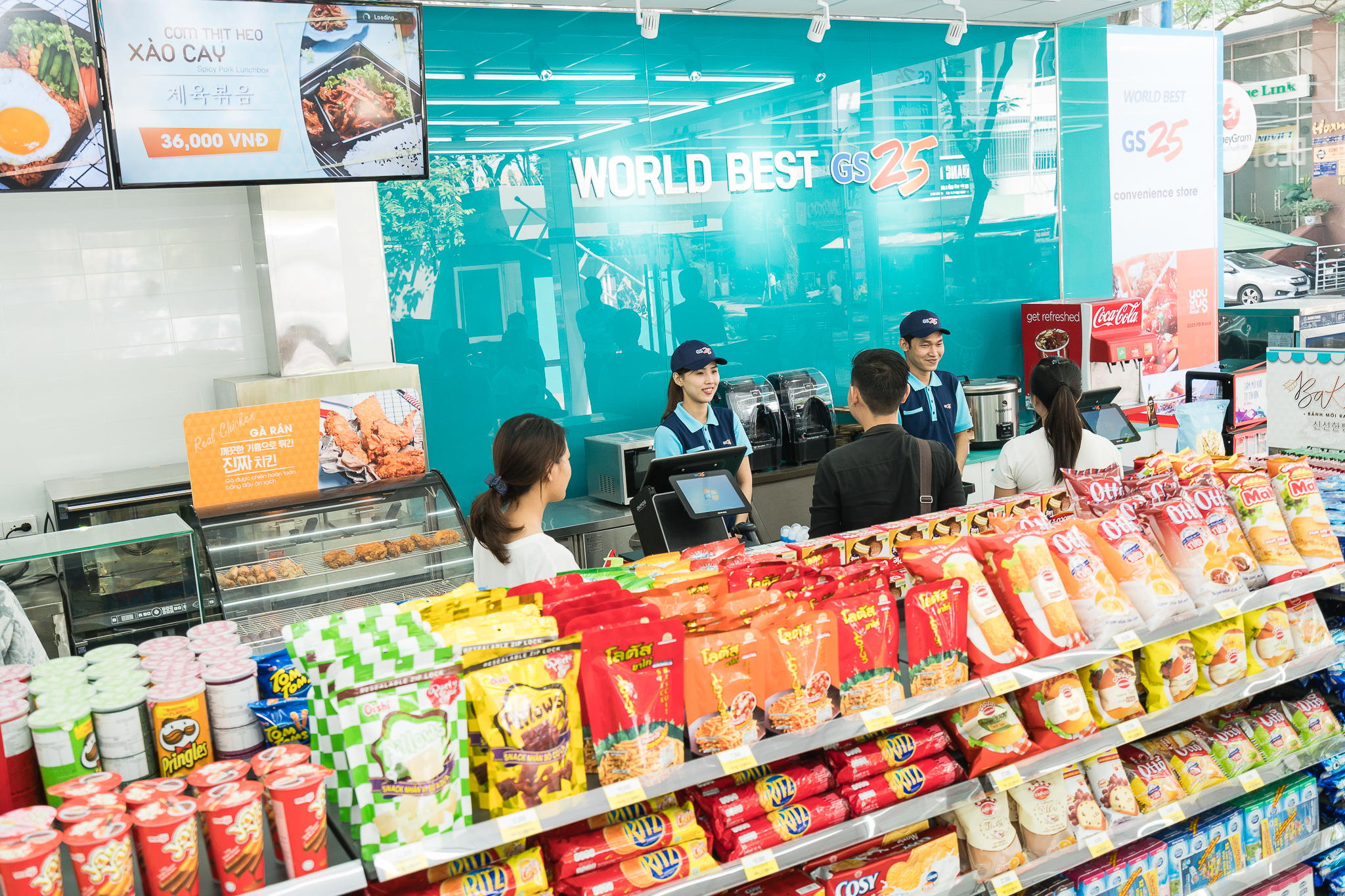
    South Korean convenience-store operator GS Retail plans to hire local residents with ample knowledge about their neighborhoods to speed delivery of products in areas where alleyways and addresses may prove confusing.

    GS Retail, which runs the convenience-store chain GS25, will begin testing its new ‘Neighborhood Delivery’ service, which is open to all applicants without limits to time and task.

    Each person will be delivering products within a 1.5km radius of their current location. The products, too, will weigh less than 5kg, allowing retirees, homemakers, and after-work office workers to work without difficulty.

    If a customer orders a product from a nearby GS25 convenience store through the Yogiyo app, the delivery person can respond to an incoming delivery call to bring the product to the customer.

    Each delivery will pay US$2.35-$2.68 in commissions.

    GS Retail plans to test the new delivery program at three convenience stores in Seoul’s Gangnam District starting Monday. On August 17, the program will be expanded to cover all GS25 stores throughout Seoul.

    The company aims to infiltrate the $17 billion delivery market with ‘Neighborhood Delivery’, a short-distance quick-commerce platform based on 15,000 brick-and-mortar stores.