Retail News CRM

Tag: Korea

  • Football club PSG opens retail store in South Korea

    Football club PSG opens retail store in South Korea

    Football club PSG has become the first European side to open a retail outlet in Seoul, South Korea’s capital city.

    The new store – which is described as a pop-up but looks rather long-term to us – was organized with local football magazine Over the Pitch. It will sell a range of branded goods, including food-and-beverage items, sports products, and entertainment, with a number of exclusive items available only at Seoul.

    “Seoul has long been a key target city for Paris Saint-Germain, a core pillar of our international strategy, and so we are thrilled today to step up our commitment to the market and become the first European club to launch an official store in Korea, with this innovative retail concept,” said the club’s head of diversification and merchandising Fabien Allegre.

    “Seoul and Paris go hand in hand as two iconic cities, and we enjoyed our successful collaboration with Over the Pitch during our previous PSG tour in Miami.”

    The venue, which opened last week, includes the licensed store, a themed cafe, and a display of the team’s football jerseys.

  • Starbucks opens its largest store in South Korea

    Starbucks opens its largest store in South Korea

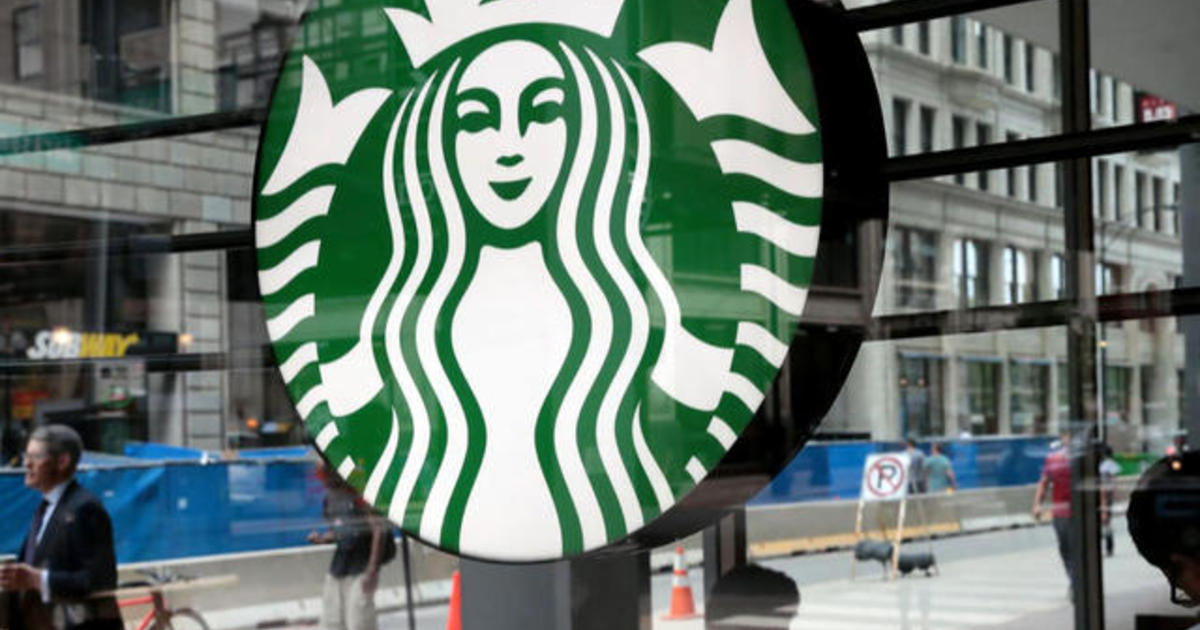
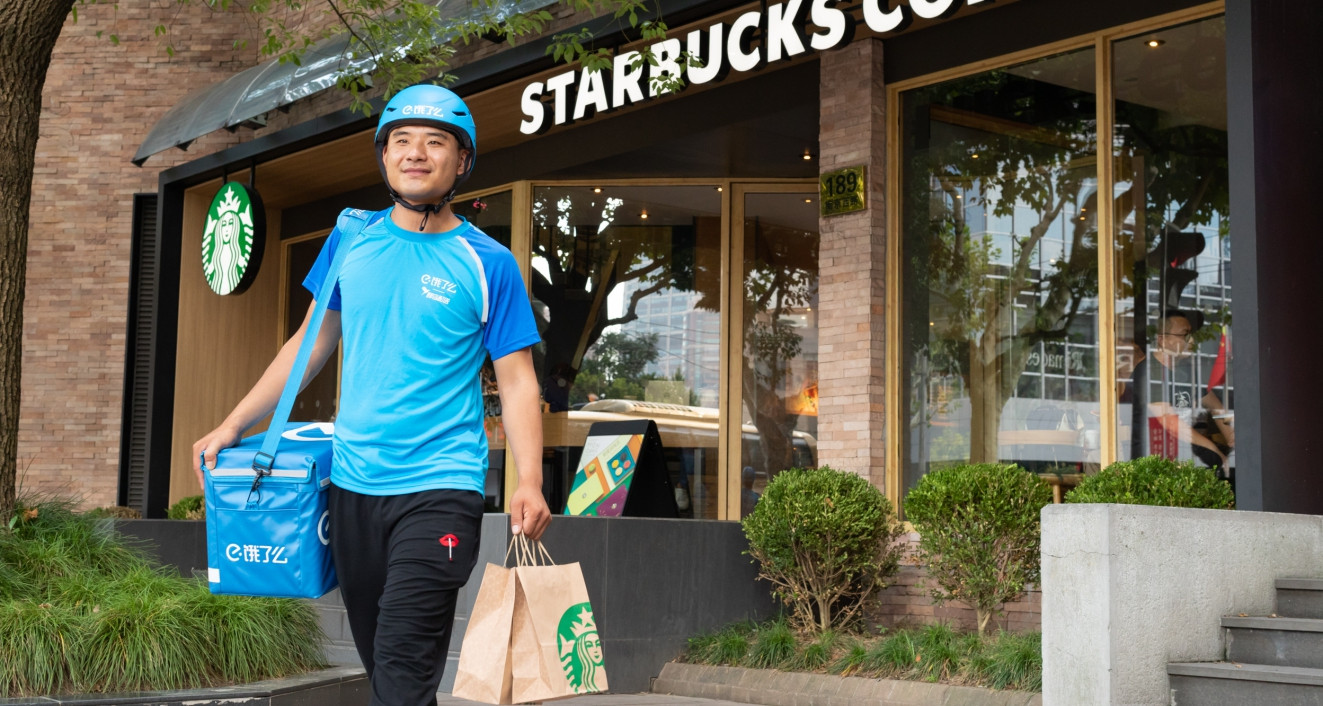
    Starbucks South Korea has opened its largest store yet, celebrating the brand’s 21st anniversary in the country.

    Located in Yangpyeong, Gyeonggido near the Namhan River, the store spans three floors and occupies a 1203sqm area and has a design unlike any other in the market.

    “The new store is a reflection of Starbucks commitment to offering more ways for customers in Korea to enjoy the Starbucks Experience,” the company said in a statement.

    The Yangpyeong store is also the first Starbucks in the country to feature a Reserve coffee bar, Teavana bar and drive-thru format together.

    The company said the store is “a new experience” for local customers, incorporating an interactive space and the convenience of the drive-thru. Starbucks is to invite local talent to perform on the store’s rooftop to celebrate the launch.

  • Craze for Starbucks Korea’s reward items appears unstoppable

    Craze for Starbucks Korea’s reward items appears unstoppable

    Amid the hype for Starbucks Korea’s small suitcases offered under its reward program, customers’ competition to get camping chairs, another promotional item, ran high this week ahead of an end to the seasonal event.

    On May 21, Starbucks kicked off a summer promotional event that finished today, giving away limited editions of goods to customers under its “e-frequency” rewards program.

    To secure one of two “summer-ready bags” or one of three foldable “summer chairs,” a person needed to drink 17 beverages, including three seasonal ones.

    It’s a seasonal event, but this year, the craze to secure pink or green summer-ready bags was high enough to see the formation of long queues in front of Starbucks outlets nationwide at dawn.

    As stockpiles for the suitcases recently ran out, customers’ last-minute race to get camping chairs heated up early yesterday morning.

    People’s repeated search for the number of remaining chairs with the Starbucks app caused the application’s functions to freeze at one point, according to the company.

    “Since I got a summer chair in early June, I’ve made several attempts to receive a green bag. But I gave up after seeing some 50 people waiting in front of me when I arrived 30 minutes earlier than the opening hour,” said a 39-year-old office worker surnamed Jung.

    Indeed, demand for the summer-ready bags, in particular the pink ones, ran high, riding on the popularity of products targeting “home camping clans” during the new coronavirus outbreak.

    In late May, one customer purchased 300 cups of coffee at once at a Starbucks branch in Seoul’s financial district of Yeouido. Snatching 17 summer bags, the person reportedly took just one cup and left the rest behind in the store.

    The move caused an uproar as the remaining 299 cups were said to go down the drain.

    The Starbucks gift items and stamp-like e-frequency rewards are being traded on local secondhand marketplace applications, including Danggeun Market.

    To collect 17 e-frequency stamps costs less than about US$75 when a customer buys 17 drinks including 14 tall-sized Americanos.

    Someone posted a pink suitcase for sale on the online Danggeun Market yesterday for $100.

    “I sold 10 e-frequency stamps that I’ve collected for $3 within three minutes of putting them up for sale,” said a 29-year-old office worker surnamed Lee.

    “I got two Starbucks chairs earlier this month, but it’s hard to explain why people, including me, have been so into the craze.”

  • 7-Eleven marks it’s milestone with the 71,100th store in Seoul

    7-Eleven marks it’s milestone with the 71,100th store in Seoul

    7-Eleven has hit a new milestone with the opening of its 71,100th store, located in Seoul, the capital of South Korea.

    “7-Eleven’s iconic orange, green and red stripes are easily recognized in 17 countries around the world,” said 7-Eleven President and CEO Joe DePinto.

    “The company got its start because an entrepreneurial ice-dock employee saw his customers had a need and came up with a creative way to serve them. A lot has changed in how, when, and where 7-Eleven does business. But one thing that hasn’t changed is our commitment to putting customers at the forefront of all we do.”

    The brand opens a new store somewhere in the world roughly every 3.5 hours. Early last month, the first 7-Eleven in Hunan, China broke the international opening-day sales record for the company brand, reporting US$70,310 of turnover.

    With the new 7-Eleven milestone passing, the growth shows no signs of slowing. Master franchisees for India and Cambodia are expected to be taken up soon. In Asia, 7-Eleven already has networks in China, Hong Kong, Singapore, Thailand, Malaysia, Japan, South Korea, and Vietnam.

  • Burberry bullish on Asian prospects as China and Korea slowly recover

    Burberry bullish on Asian prospects as China and Korea slowly recover

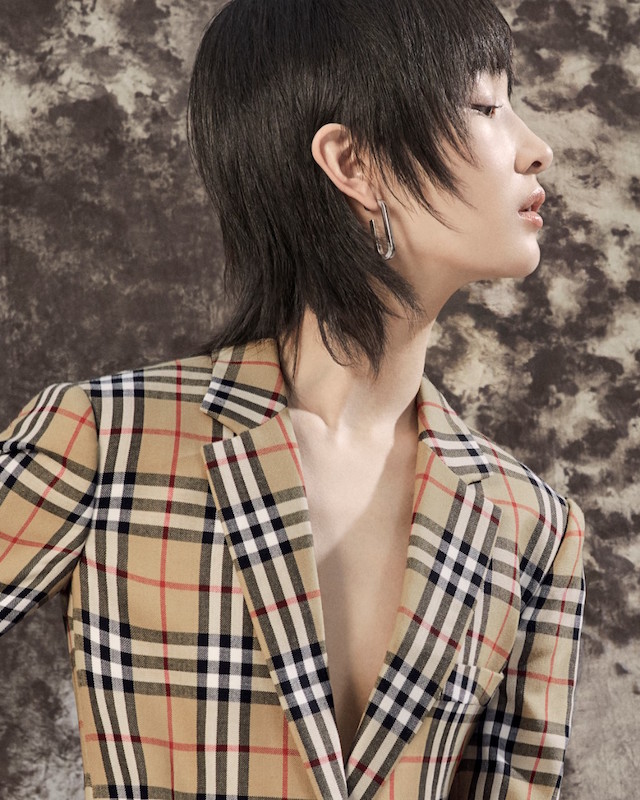
    Fashion label Burberry is optimistic about a post-Covid-19 recovery as sales began to return to normal in Asia during the June quarter.

    While same-store sales were down by 45 percent across the three months, June’s decline was 20 percent and the brand reported growth in both Mainland China and South Korea which was ahead of pre-Covid-19 levels, “albeit with some benefit from the repatriation of sales given travel restrictions,” the company said in a statement.

    Across Asia Pacific, sales were down 10 percent overall for the quarter but returned to growth in the month of June.

    “We expect it will take time to return to pre-crisis levels with the resumption of overseas travel,” said CEO Marco Gobbetti. “We are encouraged by the improving trends in all regions and the promising exit rate for June. We saw an excellent response to new product launches in recovering economies as well as online.”

    He said demand for leather goods was particularly strong in Mainland China and South Korea, bringing new, younger luxury customers to the brand, pushing full-price sales up at double-digit rates.

    In April, Burberry launched a campaign in China to promote its leather goods range, using a series of sustainable pop-up stores and using an augmented reality experience and releasing a limited-edition Pocket bag through fashion blogger Mr Bags’ WeChat account,

    “The reaction was exceptional with the limited edition bag selling out within a minute of becoming available and Pocket Bag styles overall selling out within three weeks of the campaign going live,” the company reported.

    Broader online sales at full price grew by a double-digit rate and the company is now planning a ‘social-retail store’ with Tencent which will open in Shenzhen this summer. The concept store will allow luxury customers to connect their social and online lives to their physical environments using Tencent technology.

    Gobbetti said the company believes it is “crucially important” to invest in the brand during the pandemic.

    “We will continue to embed flexibility into our plans to allow for investment into consumer-facing activities to drive growth where opportunities present.”

    At the end of June, the label had a network of 215 retail stores, 148 concessions, 54 outlets, and 45 franchise stores, excluding pop up stores.

    ‘Wise’ move to focus on Asia

    Emily Salter, retail analyst at GlobalData, said Burberry was wise to focus on rebounding economies like China, South Korea, and Japan, with the 10-per-cent drop in Asia-Pacific sales significantly less than the 75 percent in Europe, Middle East, and Africa. The latter region, she said, would likely be the most affected in the long term as tourist spending will take a long time to recover, and consumers will be less willing to buy luxury items.

    In the Americas, sales fell by 70 percent and while they improved in June, that trend is unlikely to hold as Covid-19 cases rise rapidly and state pause their reopening plans.

    Salter also praised Burberry’s digital proposition which outshone its rival luxury brands.

    “The retailer excels at using social media to engage with consumers, boosting loyalty among its young shoppers.

    “Though the future of experiential retail remains in doubt due to the impacts of Covid-19, the experience is likely to remain important among luxury shoppers, and will help cement brand identity and loyalty.”

  • Sales growth disappoints South Korean department store operators

    Sales growth disappoints South Korean department store operators

    A South Korean government-led retail sale festival designed to boost spending amid the coronavirus outbreak ended yesterday, with major department stores posting an increase in revenue on high demand for luxury goods.

    But discount store chains and traditional markets did not see sales rise as much as expected, due mainly to the compulsory closure of outlets and lack of promotion strategy.

    South Korea kicked off the 17-day sales festival, called the “Korea Donghaeng Sale” campaign, on June 26 in an effort to boost faltering domestic demand amid the coronavirus outbreak. “Donghaeng” means ‘going along together’ in Korean.

    Major department stores, the sector hit hard by the virus outbreak, posted an increase in sales as people bought luxury items as part of “revenge spending” amid the Covid-19 pandemic, according to industry watchers.

    Lotte Department Store saw sales rise 4 percent year on year between June 26 and July 9.

    Number two player Shinsegae Department Store, and smaller rival Hyundai Department Store, posted increases of 11.3 percent and 6.3 percent, respectively.

    But discount-store chains posted a similar level of sales or a marginal decline despite big discount events targeting the sales festival.

    The operators of discount-store chains are obligated to close outlets on the second and fourth Sunday of every month under regulations designed to help smaller neighborhood shops. That meant they had to shut down outlets yesterday, the last day of the sales fest.

    Traditional markets posted a letup in their sales declines last week, but merchants said they did not directly feel the impact of the sales festival.

  • Staycation theme for luggage label Lojel’s new K11 Musea pop up

    Staycation theme for luggage label Lojel’s new K11 Musea pop up

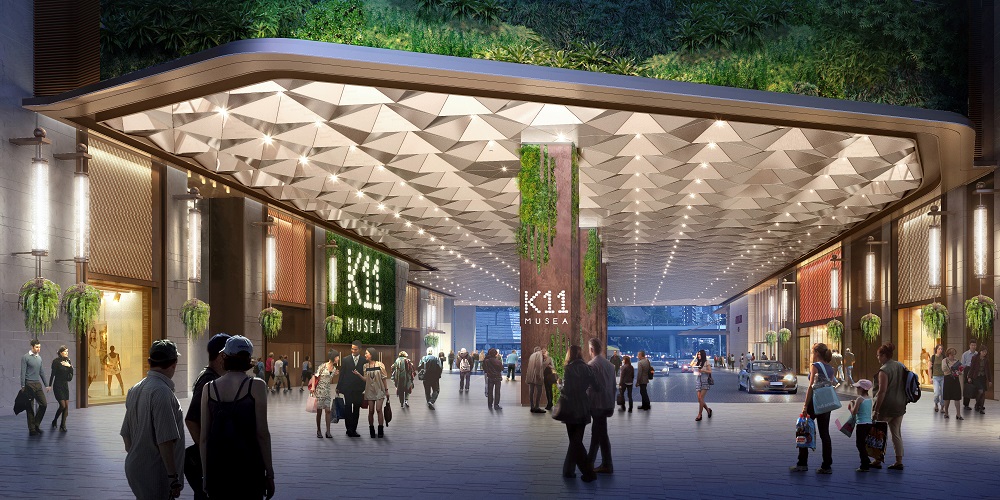
    Boutique luggage brand Lojel has launched an immersive pop-up store in Hong Kong’s K11 Musea, opening today, focusing on the concept of staycations.

    Dubbed “The Art of Staycation”, the event is a first for the brand, featuring the opportunity for visitors to customize a limited-edition Voja suitcase as well as an augmented reality experience exploring the future of how travel could evolve in the wake of the coronavirus pandemic.

    The pop up is intended to provide a travel solution for a staycation in Hong Kong, selling hand-carried luggage as well as backpacks and travel accessories.

    Visitors will be able to create their case from any pair of colors using the in-store tablet before seeing it assembled in person. A personalized tag will be laser-engraved for each customer and stored in a leather tag holder.

    Customers’ final purchases at the pop-up will be delivered to their doorsteps at no charge.

    The Art of the Staycation pop-up will be open through to December 31.

  • JW Anderson opens new outlet in Korea

    JW Anderson opens new outlet in Korea

    British fashion label JW Anderson has opened its second store in Seoul, South Korea. Located in Galleria Luxury Hall East, the store resembles the brand’s flagship in London’s Soho shopping district. Its facade features a floor-to-ceiling glass wall with the brand’s logo in neon.

    Customers can find a full selection of apparel for women, including the brand’s latest collection, at this store. The JW Anderson Korea store also offers handbags, footwear, and accessories

    The brand opened its first flagship store in Soho, London in March.

    Founded in 2008 by Northern Irish designer Janathan Anderson, JW Anderson’s design offers a “modern interpretation of masculinity and femininity by creating thought-provoking silhouettes through a conscious cross-pollination between menswear and womenswear elements”.

  • JD Worldwide to introduce more Korean brands in China

    JD Worldwide to introduce more Korean brands in China

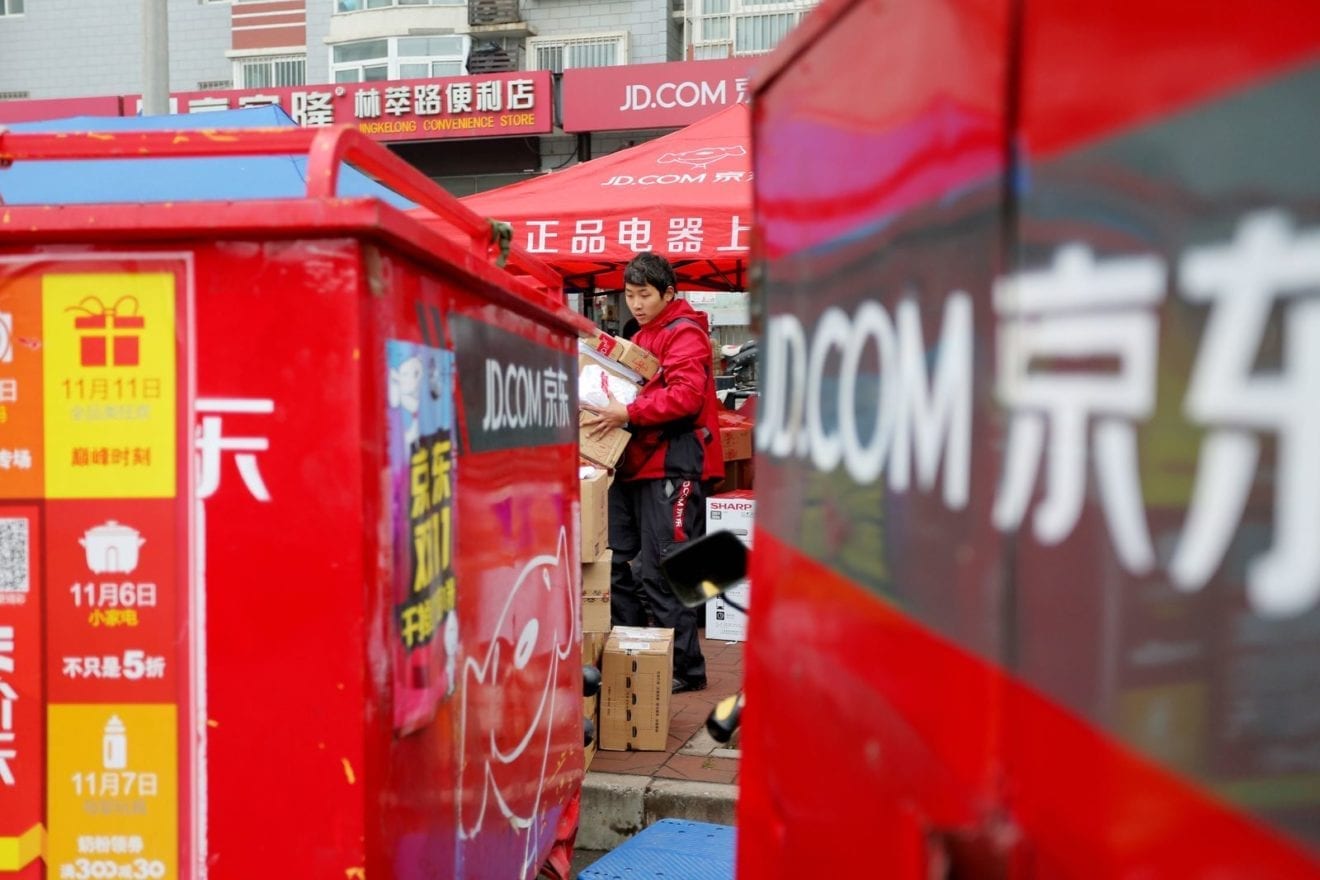
    JD Worldwide has teamed with LG and Korea International Trade Association (KITA) to introduce more Korean brands to Chinese customers.

    “The epidemic has encouraged more Chinese consumers to shop online. With this trend, we will put more effort into helping South Korean brands export to China through e-commerce platforms,” said Park Min Young, chief KITA Beijing representative.

    Under the partnership, LG will be responsible for supply-chain management to provide South Korean products to JD while KITA will support SMEs entering Chinese market.

    “Since the epidemic, we have been working closely with organizations and enterprises from all over the world to introduce more international brands on JD,” said Frank Yu, head of marketing and operations at JD Worldwide

    “We believe this partnership will not only help brands find a new sales channel during this challenging time, but also bring more high-quality, authentic Korean products to over 380 million JD customers.”

    In May, more than 250 Korean brands joined a recruitment conference for the launch on JD Worldwide.

  • NYX shutting down all of its Malaysian stores

    NYX shutting down all of its Malaysian stores

    NYX Cosmetics is to close its retail operations in Malaysia after three years in the market. According to a report by Marketing-Interactive, the US cosmetics firm – a L’Oreal subsidiary – has permanently closed outlets in Suria KLCC, Sunway Pyramid, and Midvalley Megamall as of last month, three years after opening its flagship store at IOI City Mall Putrajaya. That outlet, as well as those in Fahrenheit 88 and Genting, will be shuttered by the end of this month.

    The NYX flagship featured interactive beauty bars and a digital community wall. It also displayed digital images and social media content throughout the store.

    “We sincerely thank you for all the love, energy, passion, and enthusiasm from our fierce beauty junkies community,” read the brand’s Facebook post announcing the departure from the Malaysian market. “There were many incredible moments with lots of glitters, color, and amazing makeup artistry.”

    The store will continue its e-commerce operations in the territory through to the end of September.

    However, the brand will not exit the market completely. It is understood it will still be available in Sephora stores and potentially other multi-brand channels.

  • South Korean retail sales up after Covid-19

    South Korean retail sales up after Covid-19

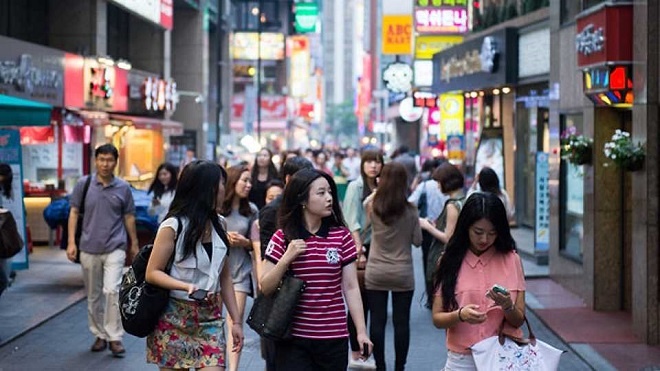
    South Korean retail sales rose by 2 percent during May, largely due to increased online shopping, according to the new Ministry of Trade figures.

    The year-on-year increase was strongly influenced by purchases of food and sanitary items online due to the effect of social-distancing requirements related to the coronavirus pandemic.

    The ministry polled 26 major retailers in both online and offline categories to collect the data, which showed combined sales of US$9.65 billion last month, an increase of over $9.506 billion during the same period last year.

    Online platforms saw a 13.5-per-cent revenue rise during the period, with online sales of food increasing almost 39 percent, and daily items and furniture going up 22.7 percent. Offline shopping – with the exception of convenience stores – continued to show a decline, with a 6.1-per-cent drop in sales.

    Year-on-year sales figures for last year showed an increase of 4.8 percent over 2018.

  • Korean beauty giant opens 10th store in Australia

    Korean beauty giant opens 10th store in Australia

    Two years after first entering the Australian market, Innisfree has just opened its 10th store at Westfield Hurstville in southwest Sydney and says it will open two more stores in Westfield centers in Parramatta, NSW, and Burwood, Victoria, by August.

    The global beauty brand, which is owned by Amorepacific Group, the L’Oreal of South Korea, is known for its affordable skincare and makeup and environmental awareness. It claims to have collected and recycled over 15 million empty bottles since 2003 and planted over 79,000 of trees globally.

    Its steady expansion in Australia follows a strong response to its launch two years ago.

    “Australia has been a significant growth market for Innisfree and our customers have really adopted our naturally inspired products and our immersive retail experience,” Brian Jeong, GM of Innisfree Australia, said in a statement about the Westfield Hurstville launch this week.

    Company representatives have previously said the brand is committed to the Australian market for the long-term. Jeong said the brand will continue to review its growth strategy.

    Like many retailers in Australia, Innisfree closed its brick-and-mortar stores for the month of April amidst the COVID-19 pandemic. It has since resumed normal trading hours with new safety measures in place, including a limit on the number of people in stores, floor markings to maintain 1.5-meter social distancing, hand sanitizer at the entrance and throughout stores and increased cleaning.

    “All of our staff are sanitizing and washing their hands before and after each interaction and are regularly trained in stores in hygiene and safety practices,” Jeong said.

    Testers are also available on request and are sanitized before and after use. This is a new measure; until two weeks ago, testers had been taken off the floor.

    While rent has become a divisive issue for many shopping center retailers, Jeong said Innisfree has strong relationships with its retail partners.

    “It’s a long road ahead with many uncertainties; maintaining our relationships with retail partners and ensuring our customers’ optimal experience is our key focus,” he said. Innisfree offers over 650 products across skincare, makeup, body care, hair care, home fragrances, and beauty tools ranging in price from $1 to $98.

    It has over 1750 stores globally in 15 countries with over 20 million customers worldwide and claims that one bottle of its best-selling Green Tea Seed Serum is sold every seven seconds.

    The brand has an office in Melbourne and a partnership with local online beauty leader, Adore Beauty. Sister brands, Amorepacific and Laneige, are also stocked at Mecca and Sephora.

    In February, Amorepacific Group posted annual revenue of 5.6 trillion South Korean won (A$6.8 billion) for FY19, KRW 2.1 trillion (A$2.6 billion) of which was generated internationally.

  • Facebook Shops opens in South Korea

    Facebook Shops opens in South Korea

    Facebook Shops has launched in South Korea to compete in a booming e-commerce market.

    On a playing field dominated by local businesses, Facebook’s service allows sellers to showcase their products via a highly customizable online storefront, which shoppers can browse using Facebook or Instagram accounts, saving products they wish to purchase. The service will include a feature to make purchases via instant messaging within the near future.

    The firm has partnered with local services Shopify, Bigcommerce, Woocommerce, and Cafe24 as it rolls out the platform.

    Facebook Shops has been live in the US and key locations in Europe since last month, in a move Facebook says it will support small enterprises impacted by the coronavirus pandemic.

    Rival platform Google Shopping is also expected to unfold in the territory this year.

  • Korean telcos developing unmanned stores

    Korean telcos developing unmanned stores

    Major South Korean telcos are looking to launch unstaffed outlets as they try to provide business services without face-to-face contact amid the novel coronavirus pandemic.

    According to the sources, SK Telecom Co, the nation’s top mobile carrier, is planning to offer unmanned services at a store in Seoul in October.

    Instead of opening a new store without clerks, the company is likely to implement the system at existing stores and operate it during certain time periods, such as late at night, the sources said.

    At the unmanned store, customers will be able to select pay plans and a device through kiosk machines and use their mobile service. When entering the store, customers will need biometric certification.

    For those who struggle to use the store on their own, the company plans to provide a video chat with sales clerks, according to sources.

    “We are reviewing our plans to set up a new type of retail channel that can meet the social needs in the era of non-face-to-face life,” a SK Telecom official said.

    Other mobile carriers said they are also planning to expand unmanned services using their technologies.

    LG Uplus said it will provide more kiosk machines to its stores in the second half so that customers can handle mobile services, such as changing monthly pay plans, on their own.

    KT Corp said it is currently running kiosks at stores in major cities. It plans to expand stores with “contactless zones,” where customers can experience their services without sales clerks’ help.

  • Online book sales outstrip offline in Covid-19’s wake

    Online book sales outstrip offline in Covid-19’s wake

    With the coronavirus pandemic prompting the growing popularity of ‘untact consumption’, South Korea’s publishing industry is seeing online book sales outstrip offline sales.

    Kyobo Book Center, the No. 1 online and offline bookstore in South Korea, says that its book sales via mobile and web platforms this year comprised 33.4 percent and 22.9 percent, respectively, of total sales.

    Offline sales, in contrast, remained at 43.7 percent. It is the first time that the bookstore’s online sales jumped ahead of offline sales.

    Experts argue that the coronavirus outbreak has prompted consumers to purchase books through mobile or online platforms instead of visiting offline stores.

    The coronavirus has also influenced book sale trends, in which sales of books related to science jumped by 46 percent while sales of publications on politics and society, economy and management jumped by 39.7 percent and 24.4 percent, respectively, compared to last year.

    Most of the books involved how to deal with the coronavirus, and prospects in the post-pandemic world.

    On the other hand, books on tourism plunged by 54.1 percent in sales, followed by magazines (-20.4 percent), cartoons (-10.6 percent), foreign books (-10.1 percent), poems and essays (-6.7 percent), and cookbooks (-5.3 percent).