Tag: Korea

  • South Korean sees jump in perfume sales despite shrinking cosmetics market

    South Korean sees jump in perfume sales despite shrinking cosmetics market

    Perfume sales in South Korea have gone up despite the suspension of perfume testing at department stores. Last December, South Korean retailers suspended all practices of testing cosmetic samples at offline vendors in accordance with government regulations, which has led to a plunge in cosmetics sales at department stores.

    Cosmetics sales at Lotte Department Store and Hyundai Department Store last month dropped by 22 percent and 8.6 percent, respectively, compared to the same month last year.

    As protective masks have become a new norm, demand for color cosmetics had already dropped before the new ban on the use of samples tightened consumption even further.

    In contrast, perfume sales at the two department stores jumped by 34 percent and 49.7 percent.

    “Consumers are replacing cosmetics with perfumes as a way of expressing themselves in the pandemic era,” Lotte Department Store said.

    Bans on testing perfumes at offline vendors have led to a sales jump among online perfume sellers.

    S.I. VILLAGE, a luxury shopping platform run by the country’s leading retailer Shinsegae Group, saw last month’s perfume sales jump by a whopping 772 percent compared to the same month in the previous year.

    Another major online shopping mall Gmarket saw a 711 percent spike in January sales of perfume, compared to the same month last year.

    “More consumers are buying perfumes as they are beginning to use them as an everyday accessory,” an industry official said.

  • Wuhan’s Chinese Language bookstore Zall opens in Singapore

    Wuhan’s Chinese Language bookstore Zall opens in Singapore

    A Chinese-language bookstore from Wuhan opened its first overseas store today in Singapore.

    The Zall Bookstore, popular in the main city of China’s Hubei province, opened its doors to bookworms at the Wheelock Place mall on Orchard Road.

    The two-story space houses a wide collection of more than 30,000 books, some of which are displayed on a revolving bookcase that leads visitors to an art gallery showcasing exhibitions by Singapore-based artists like Boo Sze Yang and Justin Lee. There is also a cafe serving pastries.

    Its titles are mostly in Chinese, covering genres such as literature and history. Given that its home has become most-associated with the origin of COVID-19, it’s worth noting there is a section about the ongoing pandemic.

    The bookstore’s four outlets in Hubei are open 24 hours, though the Singapore store is not. It was founded in 2013 by Chinese writer Yan Zhi, whose daughter is the first general manager of the Singapore store.

    The return of a bookstore to Wheelock Place comes 10 years after American books megastore Borders moved out of the mall after 14 years as its anchor tenant.

  • Mixed fortunes for online and offline retailers in Japan and Korea

    Mixed fortunes for online and offline retailers in Japan and Korea

    Brands in the tech sector are likely to record mixed fortunes as a result of the COVID-19 pandemic, with retail tech brands predicted to fare the best compared to leisure and tourism tech brands, which are expected to suffer considerably, according to the latest report by Brand Finance. The top 100 most valuable tech brands, on average, should see a slight decrease in brand value following the pandemic, falling 5%.

    The Brand Finance Tech 100 2020 ranking is split into sub sectors, with electronics, software, retail and media & games analysed separately as these brands make up more than 80% of the total brand value in the ranking. All brand values are correct as at 1st January 2020.

    Alex Haigh, Director, Brand Finance, commented:

    “The sheer size and diversification of the tech sector undoubtedly means that brands are going to be affected differently from COVID-19. On the one hand, e-commerce brands are likely to see a boost to their brand values following record high demand. In contrast, other tech brands’ journeys in the coming year could be more turbulent, with supply chains impacted, consumer spending shifting and slowing demand impacting brands’ bottom lines and, in turn, their brand values.”

    Electronics: Apple storms ahead despite losing brand value

    Making up 27% of the total brand value and with 30 brands featuring, electronics are the dominant sub sector in the Brand Finance Tech 100 2020 report. The electronics sub sector is likely to be moderately impacted by COVID-19, with a potential 10% loss of brand value at stake.

    Leading the way is Apple, recording a 9% drop in brand value to US$140.5 billion and simultaneously dropping to 3rd spot in the ranking, with Google (brand value up 12% to US$159.7 billion) overtaking in 2nd.

    Apple has struggled to grow in key emerging markets, showing little motivation to diversify its portfolio. Brand Finance’s analysis shows that Apple could lose up to 20% of its brand value following the pandemic with supply chains broken and consumer spending slowing – the brand will be hoping the return to normality in China could offset some of this damage.

    With an impressive brand value growth of 37%, ZTE is the fastest growing electronics brand – its surge in brand value bolstered by its increased adoption of 5G. Telco equipment brands should be in a solid position to experience good growth as the rise of 5G accelerates globally.

    Software: Google overtakes Apple

    The second most valuable sub sector, software, makes up 21% of the total brand value in the Brand Finance Tech 100 2020 ranking with 15 brands featuring. Brand Finance’s analysis shows that software brands could lose up to 10% of their brand value as a result of COVID-19.

    With a brand value of US$159.7 billion, Google is the most valuable software brand in the ranking and the 2nd most valuable in the overall ranking. Google’s sleek brand extension from software to hardware, is a direct threat to Apple, who have lost their streak of brilliance in recent years. COVID-19 is likely split Google’s fortunes down the middle with Google Cloud predicted to celebrate boosted demand, as remote working becomes widespread. The pandemic does pose a major threat to its advertising business, however, – where the majority of the brand’s revenue comes from – which is inevitably going to slow down.

    Chinese software giant Baidu recorded the largest drop in brand value in the ranking, down 54% to US$8.9 billion. The company reported its first quarterly loss since its initial public offering (IPO) back in 2005. Along with the intense market competition, the brand’s revenues were heavily impacted as regulators placed more attention on online advertising. Baidu is now focusing on other areas to drive long-term growth, such as its cloud division, smart speakers, and even driverless cars in an effort to secure better results for the future. The combination of the economic slowdown in China and COVID-19’s damage to ad sales will no doubt cause some damage to aid-dependent brands like Baudi.

    Retail: Amazon primed for more growth

    Retail brands contribute 19% of the total brand value in the ranking, largely as a result of the sheer dominance and size of the world’s most valuable brand Amazon. Bucking the trend of traditional bricks and mortar retail, e-commerce brands have the opportunity to thrive in the current climate as demand reaches record highs. Retail is, therefore, the only subsector in the Brand Finance Tech 100 2020 ranking, that could potentially see an increase in brand value as a result of COVID-19, up to 20%.

    Breaking the so far unattainable US$200 billion brand value mark, following 18% growth, Amazon remains a cut above the rest. While most brands are experiencing or expecting a slump in revenue during the pandemic, Amazon is set for continued growth. As with fellow e-commerce brands, Amazon has been benefitting from the unprecedented surge in demand as consumers turn online following store closures.

    Japan’s Rakuten is the fastest growing brand in the ranking, recording an impressive 66% brand value growth to US$5.2 billion. The Tokyo-headquartered brand has celebrated strong growth in its domestic e-commerce services and has its sights set on building upon and winning new customers with the aim of cross-use of services to further open up the brand’s ecosystem.

    Media & Games: limited damage from COVID-19

    The 14 media & games brands make up 18% of the total brand value in the Brand Finance Tech 100 2020 report. Eight of these brands hail from the US and have grown, on average, 12% in brand value year on year. Brand Finance’s calculations have found that this sub-sector is going to suffer limited impact from COVID-19, equating to a 0% change in brand value.

    Media & Games’ most valuable, Facebook (brand value down 4% to US$79.8 billion), has negotiated several high-profile reputational issues, most notoriously the Cambridge Analytica scandal, which resulted in a US$5 billion fine last year. The pandemic could, however, turn the tide on the tarnished brand, as people are forced to keep in touch with friends through social media. Facebook has also been developing a symptom survey, which is hoped to reveal a lot about COVID-19 and contribute to research.

    In contrast, Facebook-owned Instagram has enjoyed an explosion of growth, securing the second-highest brand value increase among all tech brands this year, up 58% to US$26.4 billion. The platform is successfully leveraging its position in the market as a genuine business tool – beyond its traditional influencer market – as more businesses move online during the lockdown.

    In line with positive trends in brand value among other video streaming services, last year also saw Netflix enjoy an 8% boost in brand value to US$22.9 billion. Netflix has been a pioneering force in changing consumers’ viewing habits. This success has only been spurred on by COVID-19, with the timely release of Tiger King raking in 34 million US viewers in the first 10 days alone.

    In addition to calculating overall brand value, Brand Finance also determines the relative strength of brands through a balanced scorecard of metrics evaluating marketing investment, stakeholder equity, and business performance. Alongside revenue forecasts, brand strength is a crucial driver of brand value. According to these criteria, WeChat is the world’s strongest tech brand with a Brand Strength Index (BSI) score of 92.9 out of 100 and a corresponding elite AAA+ brand strength rating.

    WeChat has significantly broadened its proposition since its inception, successfully leveraging its brand to develop an extraordinary level of vertical product integration. With WeChat Pay now being accepted in more than 60 countries and the platform opening to international travellers in China for the first time, the brand has set its sights on global markets.


  • Dyson opens its flagship store in Seoul

    Dyson opens its flagship store in Seoul

    British home appliance maker Dyson Ltd. said Thursday it will open its first flagship store in South Korea this week as the company eyes to expand its sales amid the pandemic.

    Dyson Demo Store will open at IFC Mall in western Seoul on Friday, featuring all of Dyson’s products and services. It is the first flagship store to be directly run by Dyson Korea since the Korean unit was established in 2018.

    “We want to offer a place where people can explore, test and try Dyson’s full lineup of technology, get advice and support on everything from their first demo store in Korea,” Tomas Centeno, the managing director of Dyson Korea, said. “The demo store will offer ultimate Dyson experience of our full products and services under one roof to choose the right product for you.”

    At the 323-square-meter space, Dyson Korea said its employees who were trained by Dyson engineers, called “experts,” will assist consumers in selecting its products from vacuum cleaners to hair appliances.

    Centeno said Dyson aims to “grow strongly” in South Korea, saying the country is one of its key markets.

    “Koreans are nimble in their approach to tech,” he said. “Not only do they have high interest but are also quick to evaluate new products.”

    Last year, Dyson’s vacuum cleaner with an omnidirectional head, the Omni-glide, was launched in South Korea first in the world.

    “We will continue to introduce new products, which have never existed before, based on our deep understanding of Korea,” he said.

  • South Korean online platforms face scrutiny over unfair business practices

    South Korean online platforms face scrutiny over unfair business practices

    South Korea has launched an antitrust investigation into Google over its plans to enforce commission fees for in-app purchases made through its mobile application store, a top official said Thursday.

    The U.S. tech giant has come under intense scrutiny from South Korean regulators after it updated its global policy late last month to make all apps on its Play store use its proprietary billing system.

    Under the new policy set to take effect in October next year, Google will take a 30 percent commission on all digital purchases by consumers.

    South Korean app developers have >voiced strong opposition against the move, arguing that it could be in violation of local fair trade and telecommunications laws.

    Joh Sung-wook, chairperson of the Korea Fair Trade Commission (KFTC), told lawmakers during a parliamentary audit that Google’s plan is currently being reviewed.

    “I believe that competition isn’t working properly in this industry,” she said. “In order to restore competition, we are currently investigating for anti-competitive actions.”

    Google holds a tight grip over local app store sales, with a 63.4 percent share of the total last year at 6 trillion won (US$5 billion), according to the Korea Mobile Internet Business Association.

    Han Sang-hyuk, head of the Korea Communications Commission, echoed Joh’s concerns, and called for inter-agency cooperation over the issue.

    “We need to monitor the response from other countries and also create a structure for cooperation between local agencies,” Han told lawmakers in a separate audit.

    The country’s telecommunications regulator is conducting a separate investigation into Google over its in-app payment policy.

    Google has argued that it is committed to an open system by offering other app stores on its Android platform and that it will comply with local laws.

    In response to growing frustration, Google has established a support fund worth $100 million for local app developers and users.

    On Wednesday, ICT Minister Choi Ki-young brushed off the fund, telling lawmakers that it is not enough in the long run.

    Choi said the ICT ministry will wrap up its review of fees imposed by online platform operators, primarily directed at Google, by the end of this month.

    Amid growing scrutiny over Google’s app store fees, local rival One Store, under the country’s top mobile carrier SK Telecom Co., said it would exempt in-app payment fees by 50 percent for app developers with monthly transactions of less than 5 million won until the end of next year.

    One Store already undercuts Google’s Play store, taking up to 20 percent in commission for in-app purchases.

  • Korean startup translates dog barks using AI

    Korean startup translates dog barks using AI

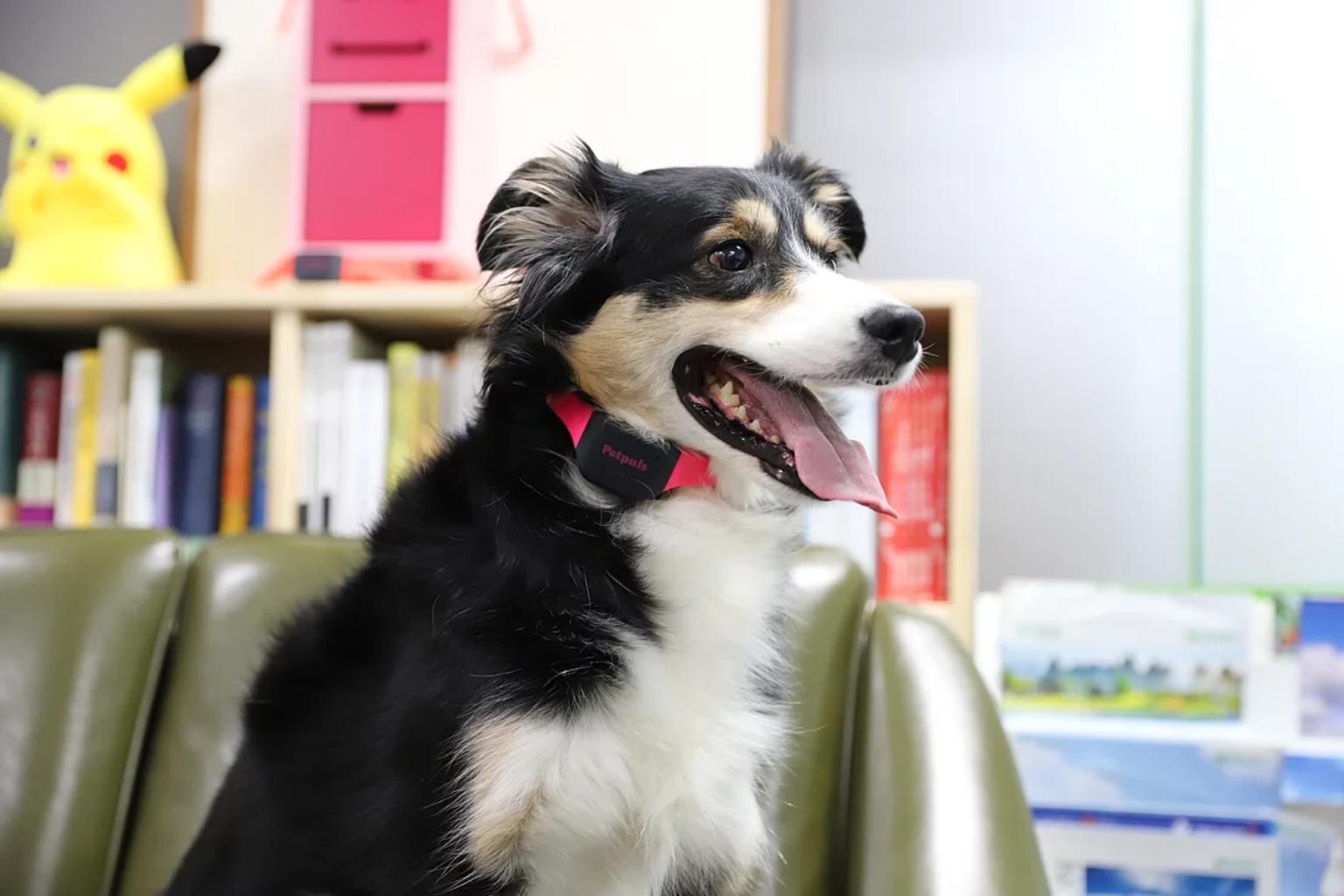
    A South Korean startup has developed an AI-powered dog collar that can detect five emotions in canines by monitoring their barks using voice recognition technology.

    The Petpuls collar can tell pet owners through a smartphone application if their dogs are happy, relaxed, anxious, angry or sad. It also tracks dogs’ physical activity and rest.

    “This device gives a dog a voice so that humans can understand,” Andrew Gil, director of global marketing at Petpuls Lab said.

    The company began gathering different types of barks to analyse dogs’ emotions in 2017. Three years later, they developed a proprietary algorithm based on a database of more than 10,000 samples from 50 breeds of dogs.

    “I thought she was just happy when she played and felt sad and anxious when I wasn’t home…actually she felt angry when she lost a game she played with me, like how humans feel,” said Moon Sae-mi, who has a six-year-old Border Collie.

    The collar has a 90 percent average accuracy rate of emotional recognition, according to Seoul National University, which tested the device the company says is the first of its kind to be powered by AI voice recognition technology.

    Petpuls Lab started marketing the collar online in October last year at $99.

    The global pet care market was worth $138 billion in 2020, up 34 percent, Euromonitor data showed, as more people spent time at home with their pets or adopted pets during the COVID-19 pandemic. The global dog population also grew 18% the same year to 489 million.

    “More people began to adopt dogs, but unfortunately some of them abandoned their dogs due to miscommunication,” Gil said. “Petpuls can have an important role in the pandemic…it helps owners understand how dogs feel and increase their bonding.”

  • How new player joined Vietnam’s food delivery battle

    How new player joined Vietnam’s food delivery battle

    Joining the market later than competitors, Baemin, a food delivery application of South Korean unicorn Woowa Brothers, concentrates on rider training and supporting food stores.

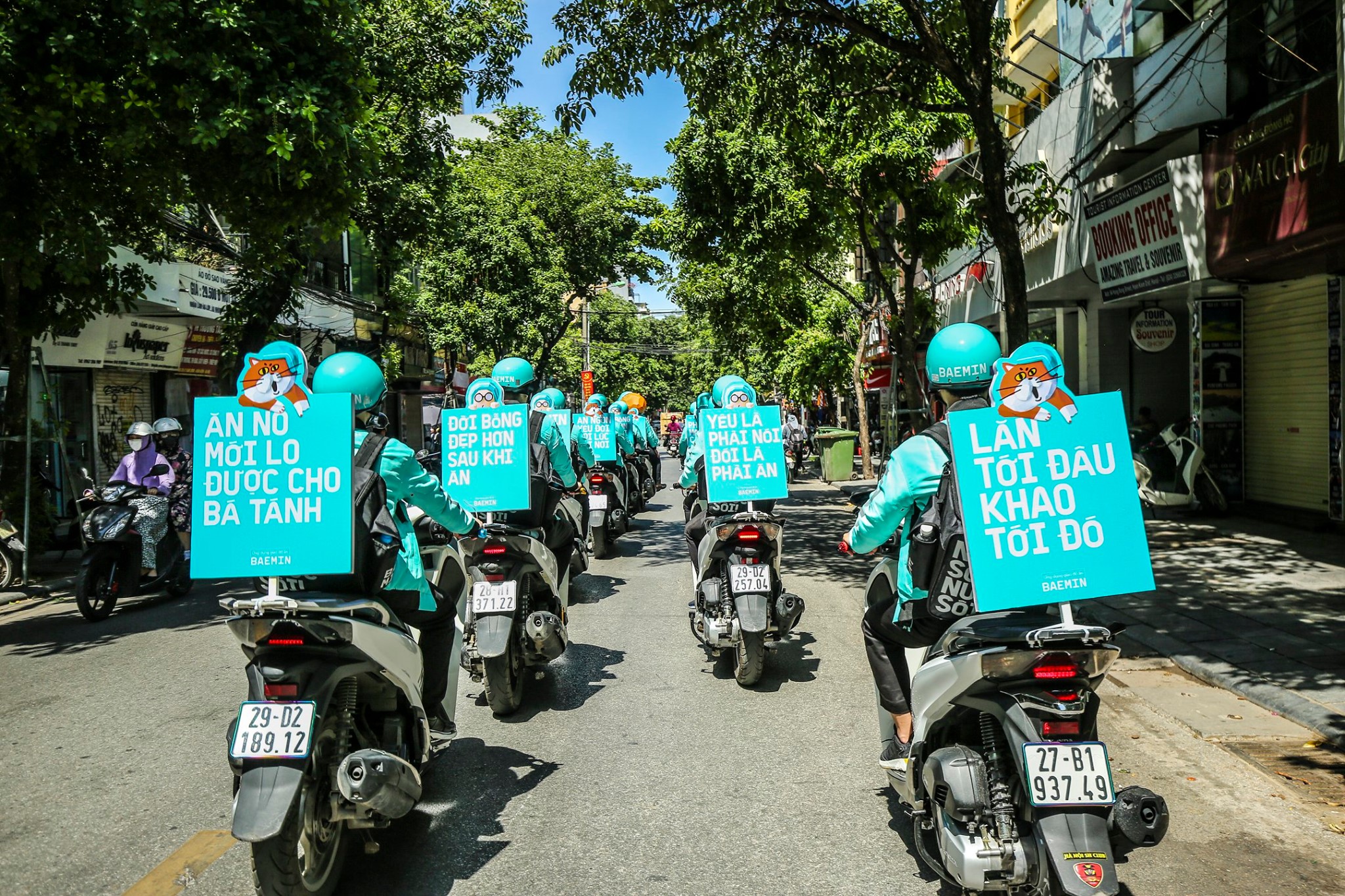
    Tuan, 28, from HCMC, is on his way to the headquarter of Baemin in District 3 to take part in a training course. He said, by the end of the course, he would have had to take an entrance exam before being granted an account as a Baemin rider. Before that, during the online application process, Tuan also had to undergo a pre-qualification exam before attending the intensive training.

    Most riders joining the Baemin network have to pass two entrance exams, a paradox compared to other food delivery businesses today.

    “We want to leave a good first impression on our customers with Baemin’s well-mannered and polite rider team,” said Nguyen Trung Thanh, COO of Baemin Vietnam, Woowa Brothers’ leading online food delivery service.

    Right after taking the lead in South Korea, Woowa Brothers expanded its market to Vietnam, where more than 40 percent of the population is of working age, loves technology and is quite familiar with Korean culture. However, Baemin still joined the Vietnamese market later than many other competitors.

    The boom in delivery applications has resulted in a shortage of riders and problems with service quality. Therefore, Baemin chose its own path by starting with careful training of its rider team in each market then gradually expanding within the city where the demand for food delivery is up to 90 percent (according to market research company GComm).

    Ho Chi Minh City and Hanoi are two typical examples of Baemin’s approach. “In Vietnam, FoodTech is still a very new market, so companies in this field have to invest a lot in building their own delivery team and putting them into operation,” Thanh noted.

    Baemin focuses on building professional food delivery services, its professionalism helping it succeed in a short period.

    According to a recent survey, although Baemin only appeared in Vietnam from mid-2019, it quickly caught up with Gojek, another application in food delivery, in its proportion of users (up to 46 percent). Baemin also takes up 16 percent among the most frequently used apps.

    According to the report, GrabFood is said to be popular among the old while Baemin suits younger generations.

    Investing in rider partners is not enough in Baemin’s long-term development strategy in Vietnam.

    “In Korea, where third-party logistics infrastructure is already developed, Woowa Brothers focuses on customer care, advertising and tradition,” said Thanh.

    “However, in Vietnam, it is a completely different story.”

    In addition to delivery resources, Baemin also has to pay attention to connecting with partners participating in its platform by providing flexible payment methods, with the most important being accompanying partners in the transition of the business model into an online format.

    According to Thanh, in new markets like Vietnam, restaurants, and stores, especially traditional ones, are yet to grow accustomed to online sales. Thus, during this period, the most practical thing is generating a revenue stream.

    Baemin’s strategy is to send staff to guide restaurant owners on how to achieve greater profits. At the same time, the company has also developed a department to timely respond and make payments so restaurant owners could continue to operate.

    “These are very basic steps, but they create real value from which the restaurant has the confidence to establish a closer relationship with us,” Thanh emphasized.

    In the coming time, Baemin plans to help restaurant owners create products suited to online business models. According to Thanh, this would allow transformation from a pure traditional restaurant to an online model in order to gradually expand with increasing revenue.

    “More than anyone, Baemin understands that the success or failure of a company depends greatly on its partners. Although Baemin is newly launched in Hanoi, brand awareness of customers here is much higher than in Ho Chi Minh City. It may be a new city, but the market has heard a lot about us,” Thanh said.

  • South Korea Gets New Solar Panel Covered Bike Lane

    South Korea Gets New Solar Panel Covered Bike Lane

    Last year, we got to know about the SolaRoad in the Netherlands where the road was replaced by solar panels and its infrastructure was self-sufficient to power the lighting system of the highway. Now there’s a new highway in South Korea that runs between Daejon and Sejong and its entire bike lane on the 32 km stretch is covered with solar roof panels. These panels not only generate electricity but also protect cyclists from the sun and other vehicles on the highway.

    The two-way bike lane runs between both cities and is constructed right in the middle of the lanes, while there are three lanes for vehicles to travel on both sides. Furthermore, the lane is divided by the side barriers that block the view of the surrounding road and also obstructs high beam lights of oncoming vehicles. The vehicles are still visible on the medium strip but you don’t get the entire view of the opposite lane.

    These lanes generate more than enough electricity to power the lighting and the charging sockets for electric cars. The stretch is a new innovation in civil engineering and while it connects Daejon and Sejong like any other highway, it does so in a much efficient and safer manner.

  • How art and apps drove growth for K11 malls

    How art and apps drove growth for K11 malls

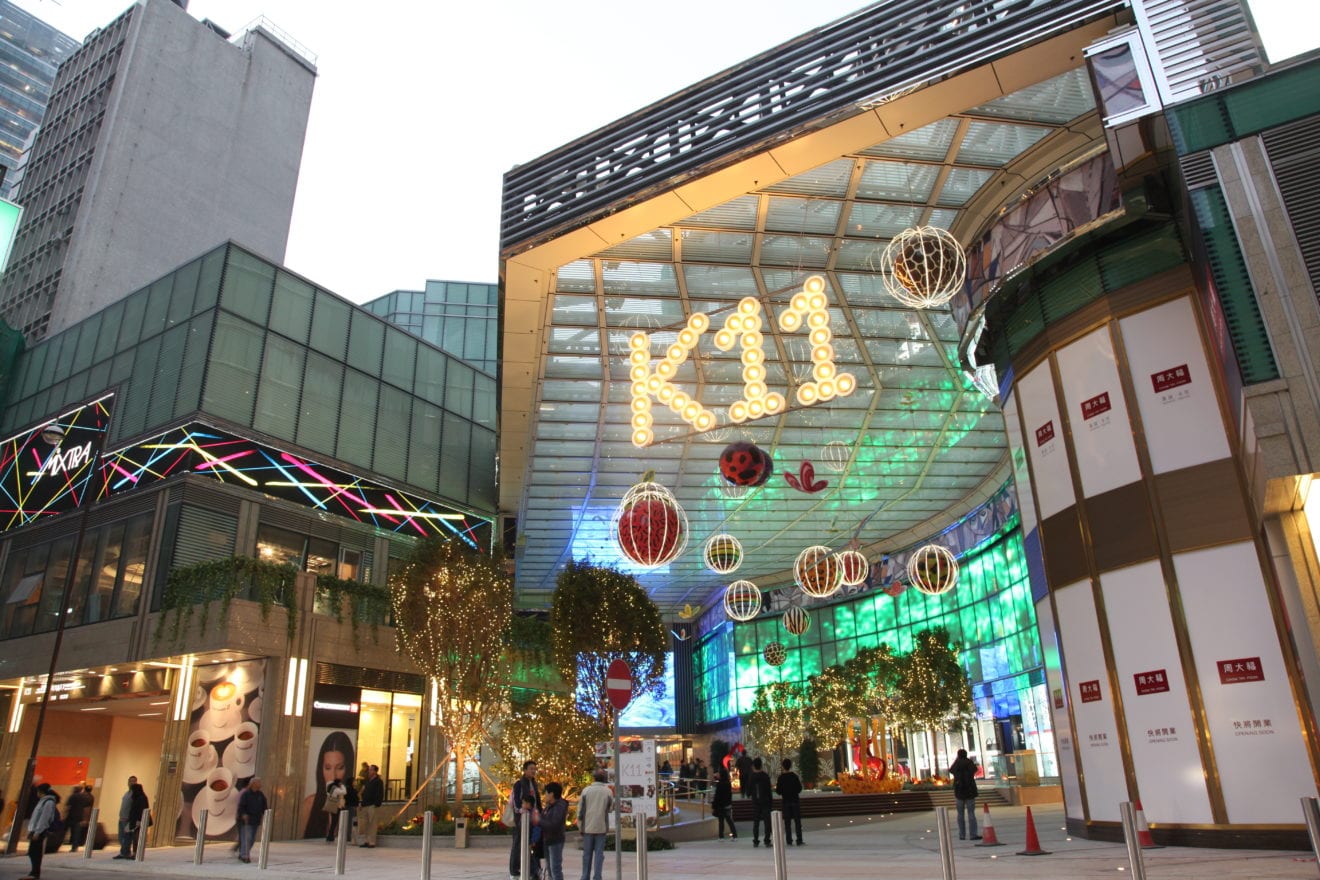
    How art and apps drove growth for K11 malls – before and after pandemic. Revenge consumption has helped K11 shopping centres across Mainland China and Hong Kong flourish in the wake of the Covid-19 pandemic as the company worked to attract customers back to spending mode – and away from rival malls.

  • Korea’s Emart set to scale back in Vietnam

    Korea’s Emart set to scale back in Vietnam

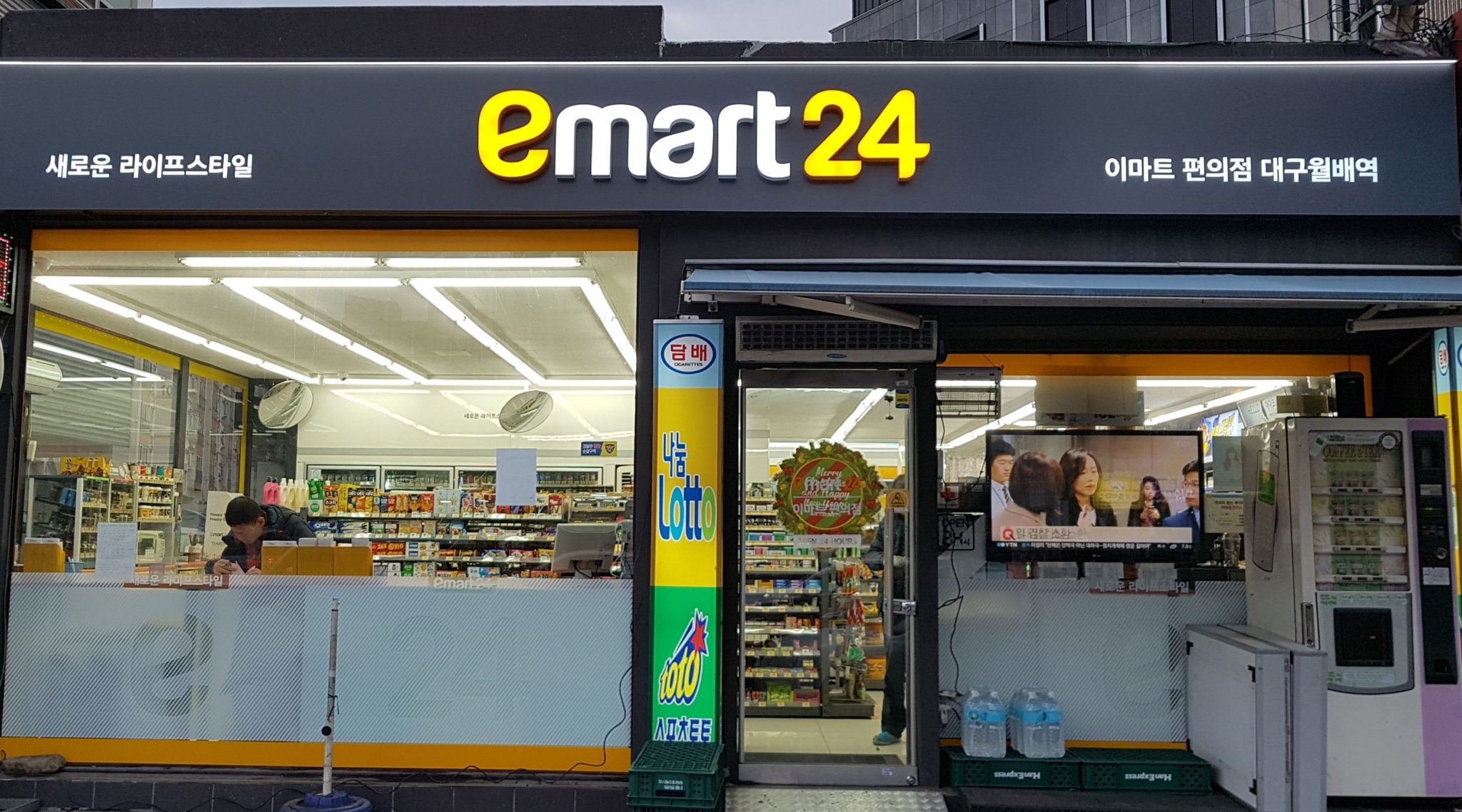
    South Korea’s largest supermarket chain operator Emart Inc. is pulling out of Vietnam, the second major Asian market after China, in the face of regulatory hurdles.

    The retailer opened its first outlet in Vietnam’s Go Vap district in 2015 and had procured a site at Ho Chi Minh City for a second opening last year. But the project has been delayed due to licensing setbacks, disrupting its plans to open five to six more outposts.

    Emart’s direct foray has proven difficult as Vietnam, like China, prioritizes joint ventures in permitting a foreign business. Emart started operation in Vietnam in 2014 after setting up a wholly-owned local entity.

    A retail industry source said a hypermarket needs at least 10 outlets to have bargaining power with vendors and maintain logistics efficiency. Unable to meet this number, Emart may have concluded it was better to fold the business, the source added.

    The retailer has been rolling back investments in the country. In its 2019 semiannual report, it had vowed to invest 460 billion won ($424.3 million) in its Vietnamese entity through 2022. But it had slashed that amount to 247.8 billion won in the third-quarter report.

    An Emart representative, however, denied the exit rumors and said it was studying other options such as strategic alliance or business partnership.

    Industry observers believe Emart is wary of making the same mistake as in its Chinese operation.

    Emart entered China in 1997 and aggressively expanded its operations, running at one point 26 outlets across the country. But it failed to overcome Beijing’s stiff regulations and saw losses snowball to 150 billion won over four years from 2013.

    In 2016, it found itself caught in the crosshairs of a diplomatic feud over Korea’s decision to build an anti-missile system, a move China vehemently opposed on national security grounds. Emart, along with many other Korean brands, suffered the brunt of Beijing’s retaliatory nationwide boycott on all things Korean. After suffering steep losses, the retail chain in 2017 sold off its remaining five outlets in China to a Thai company and pulled out of the country altogether.

    After scaling back its Asian operations, Emart is expected to focus more on the U.S. market, where Korean brands have been making rapid grounds. According to its regulatory filings, Emart generated 1.28 trillion won in the first three quarters of this year from overseas, up 122 percent from the same period last year and topping last year’s full annual sales of 778.5 billion won.

    Emarts’ robust overseas performance owes largely to its U.S. subsidiary Good Food Holdings, which the Korean retail conglomerate acquired for $275 million in 2018. The Los Angeles-based company owns five upscale food retailing brands, including Bristol Farms, Lazy Acres Natural Market, Metropolitan Market, New Seasons Market, and New Leaf Community Markets, operating mostly in the West Coast.

    Good Food Holdings raked in sales of 1.2 trillion won in the January-September period, up 136 percent from a year ago, on explosive demand for food products among people sheltering at home during the coronavirus outbreak. The company alone was responsible for nearly 93 percent of Emart’s total global sales in the period.

    Emart plans to invest 83.7 billion won through 2022 to expand its U.S. footprint. It is scheduled to launch PK Market, a shop specializing in Asian goods including Korean food, as early as next year in downtown Los Angeles.

  • Korean cars find few takers in Southeast Asia, sustained by Vietnam market

    Korean cars find few takers in Southeast Asia, sustained by Vietnam market

    Out of 185,595 South Korean cars sold in Southeast Asia last year, Vietnam accounted for 59 percent. While the Vietnamese auto market only ranks fourth in size in the region, its contribution to the sales of Hyundai and Kia, two major Korean brands, has been remarkable. Since 2018 Vietnam has accounted for more than half of all South Korean car sales in Southeast Asia.

    Sales of Hyundai and Kia in Vietnam in the first 10 months of 2020 rose to 82,129 units for a 31 percent market share.

    Hyundai topped the market with sales at 57,039 vehicles, followed by Japan’s Toyota with 49,950.

    Hyundai vehicles are made by TC Motor at its plant in the northern province of Ninh Binh while Truong Hai Auto (Thaco) makes Kia at its factory in the Chu Lai industrial zone in the Southern Quang Nam Province.

    According to the Korea Automobile Manufacturers Association, South Korean cars had a 5.2 percent share of the regional market in 2019. The figure for Japanese cars was 74.3 percent or 2.63 million units last year.

  • Apple to open second South Korean store

    Apple to open second South Korean store

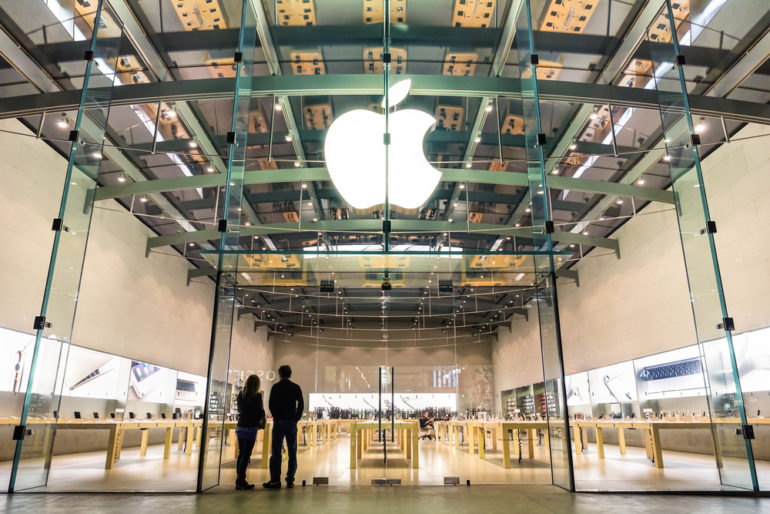
    Apple is preparing to open its second retail store in South Korea. Located in Seoul’s main finance district, Apple Yeouido will make direct sales and support accessible to a whole new community.

    Apple first welcomed customers in South Korea in 2018, when Apple Garosugil opened in Seoul’s Gangnam area. The same experience is coming to Yeouido, an island bordered by the Han River and southwest of the Myeong-dong shopping district.

    Apple Yeouido is located on L1 of IFC Mall Seoul, an indoor shopping center directly below the angular office towers of IFC Seoul and near the iconic 63 Building. Shoppers enter the mall through a glass pavilion just steps from Yeouido Park. Three floors of fashion, cinema, and food are tucked below ground.

    In the future, visitors can expect Apple to host educational and creative Today at Apple sessions that engage the store’s surroundings.

    Like all recent Apple Store openings, Apple Yeouido will follow strict safety guidelines including reduced capacity and a mask requirement. Apple Garosugil was the first Apple Store outside of Greater China to reopen during the pandemic and served as an important signal tower for Apple’s global reopening strategy.

  • Starbucks Korea to join the delivery fray

    Starbucks Korea to join the delivery fray

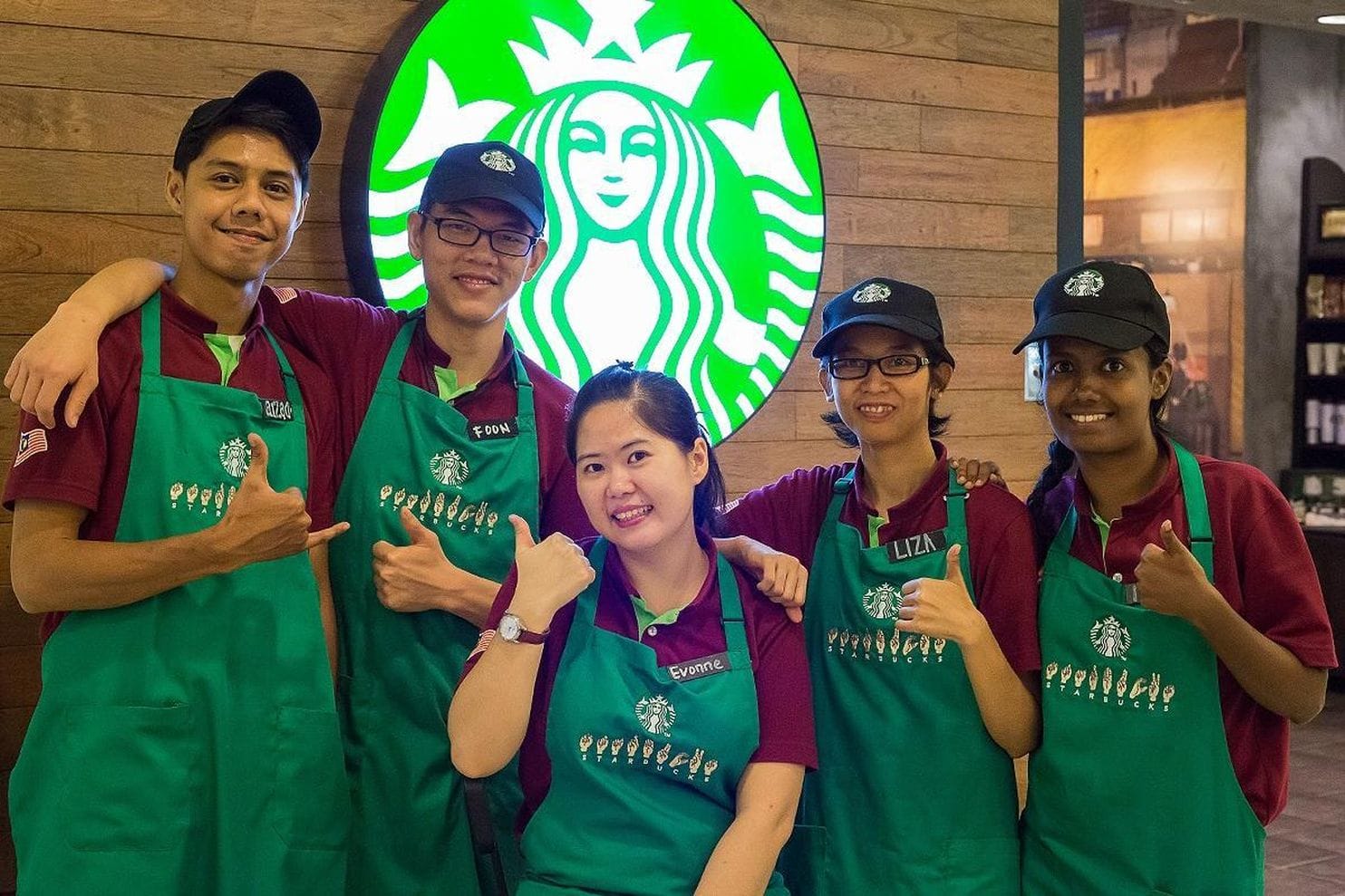
    Starbucks Korea, the nation’s largest coffee chain, has jumped into the delivery fray, in its attempt to boost annual sales in South Korea to 2 trillion won (US$1.86 billion).

    Expanding aggressively its number of stores here, Starbucks Korea has kept growing its presence with its net profit rising 18.5 percent in 2019 from a year earlier, while sales came in at 1.8 trillion won last year, on the cusp of reaching the 2 trillion won milestone.

    The COVID-19 pandemic, however, has served as a bump in the road, slowing the coffee giant’s bid to grab the coveted 2 trillion won title.

    Industry watchers say Starbucks Korea’s decision to enter the delivery service might be its longer-term preparation for the aftermath of the pandemic, which has wreaked havoc on the food and beverage industry.

    Chairs and tables are moved to a corner at a cafe in Seoul on Nov. 23, 2020, as toughened social distancing rules are to only allow takeout and delivery sales at the place.

    Starbucks Korea plans to open a delivery-only store in Gangnam District, Seoul on Nov. 27 as part of a pilot project, and following analysis into demand, it is likely to open another such store in Gangnam District in the middle of next month.

    The delivery-only store has no space assigned for visiting customers, only coffee making stands and a waiting room for delivery persons known as riders.

    In the meantime, other major coffee brands in Korea such as the Coffee Bean & Tea Leaf, Hollys Coffee, Caffe Pascucci and Ediya Coffee are already operating their own delivery services, so they are likely to keep a keen eye on the possible impact Starbucks Korea’s move might result in.

  • Retail sales in South Korea going slowly up

    Retail sales in South Korea going slowly up

    Retail sales in South Korea increased 8.4 per cent in October from a year earlier on the back of the pandemic and consumption-boosting events. Sales of furniture and other consumer goods moved up 18.6 per cent over the period, according to the data.

  • Korean department stores are being converted into culture spaces

    Korean department stores are being converted into culture spaces

    South Korean department stores are on track to transform their outlets from simple shopping centres into culture spaces.

    The primary factor behind the department stores’ increasing efforts to install cultural spaces is the sluggish performance of their offline stores amid the expansion of contactless consumption through online channels resulting from the spread of the Covid-19 pandemic.

    Lotte Department Store, for example, started setting up experience-focused cultural facilities within its outlets across the country last year.

    The company’s flagship store in Jamsil, southern Seoul, is running a cultural space called 291 Photographs, which hosts a variety of photo exhibitions and offers profile photograph services for professional writers, in addition to camera and book sales.

    Hyundai Department Store also built a cultural space at its Pangyo branch, south of Seoul.

    Under the concept of an ‘Art Museum’ that focuses on installing a variety of artworks including sculptures and paintings on each floor of the store, Hyundai Department Store is turning its Pangyo store into a kind of art gallery.

    Shinsegae Department Store is running professional galleries at its flagship location in Seoul and as well as stores in Busan, Gwangju and Daegu.

    As the shopping experience itself is becoming not enough to lure consumers, department store operators are looking for ways to differentiate themselves by transforming their stores into cultural attractions where visitors can enjoy not only shopping but also a variety of culture and art.