Tag: Korea

  • South Korean retail firms Lotte and Shinsegae bid for EBay Korea

    South Korean retail firms Lotte and Shinsegae bid for EBay Korea

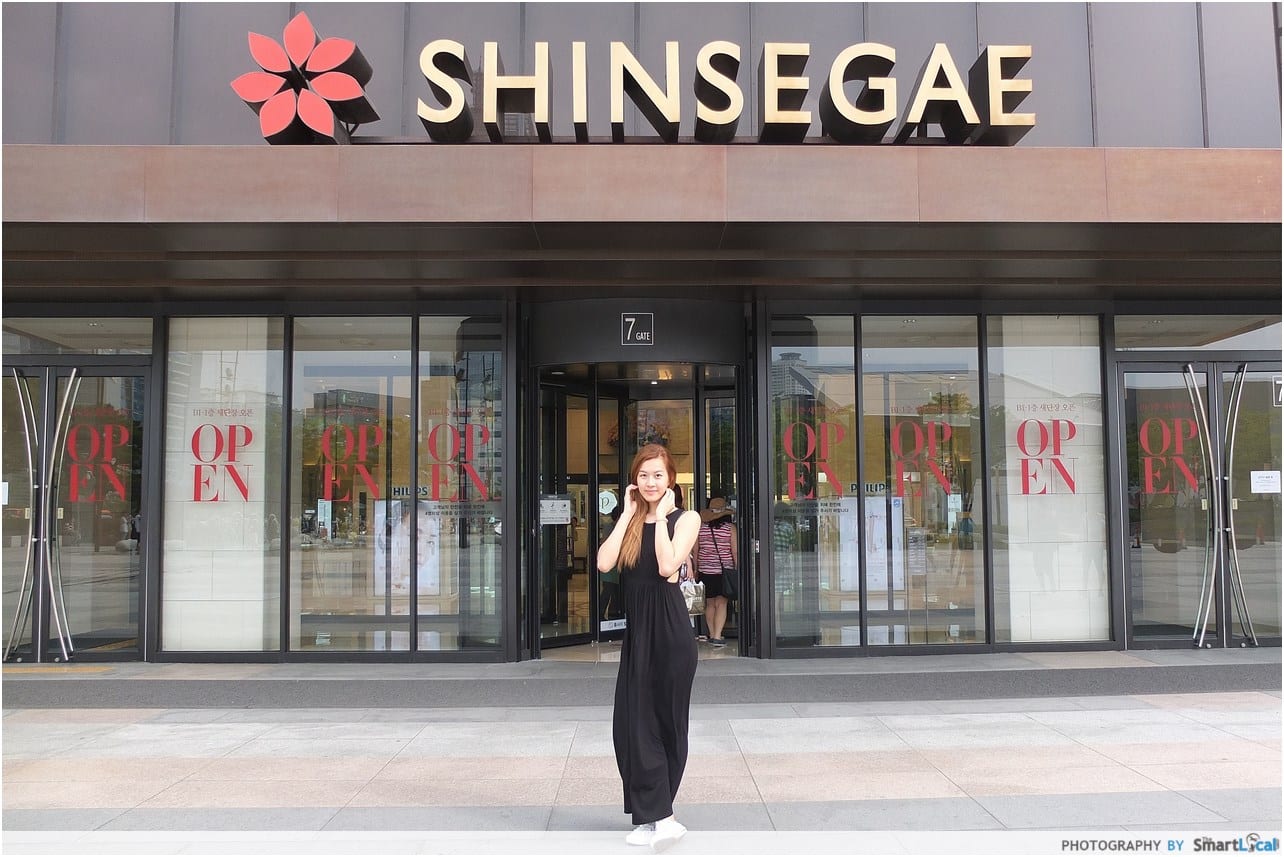
    South Korean retailers Lotte Shopping and Shinsegae Group entered separate binding bids for eBay’s South Korean business, the retailers’ spokesmen said on Monday.

    eBay Korea – South Korea’s third-largest e-commerce firm with a 12.8% market share in 2020, according to Euromonitor – is on sale for what eBay hopes could be up to 5 trillion won ($4.5 billion), analysts said.

    The retailers’ spokesmen declined to comment on the terms of their bids. An eBay Korea spokeswoman also declined to comment.

    Local retail giants Lotte and Shinsegae have struggled to catch up to leading competitors like South Korea’s No. 1 e-commerce firm Coupang in the fast-growing online shopping sector, especially after the onset of COVID-19.

    South Korea’s online shopping transactions were worth 161 trillion won in 2020, accounting for a record 27.2% of total retail transactions, up from 21.4% in 2019.

  • E-mart set to quit Vietnam

    E-mart set to quit Vietnam

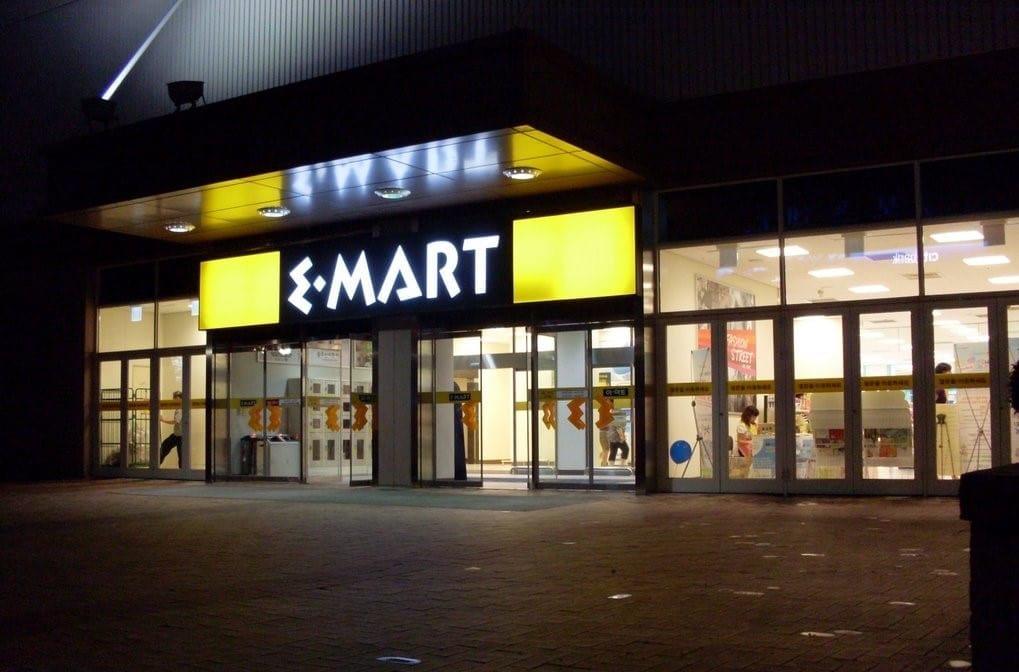
    South Korean supermarket chain E-mart is to exit its Vietnam business, with reports suggesting it will be sold to local car manufacturer Truong Hai Auto Corporation (Thaco Group).

    According to The Korea Times, E-mart announced earlier this week that it will sell E-mart Vietnam to Thaco Group. However, a spokesperson of Thaco said the group has not signed any agreements with the South Korean firm.

    E-mart has spent five years trying to establish a footprint in Southeast Asia, but in Vietnam had managed to open only one store, a second suspended due to local licensing setbacks.

    A South Korean media report said E-mart would take royalty fees from Thaco Group and its supermarket will be run as a franchise.

    “Our strategic alliance with Thaco will not only pay us royalties for using the E-mart brand in Vietnam, but also give us the opportunity to export our private-brand products,” an E-mart employee told The Korea Times.

    Predictions that the South Korean supermarket chain would exit Vietnam arose last year. However, its representative then denied the news and said it was looking into other options such as a strategic alliance or business partnership.

    Thaco Group’s commercial-services arm includes managing and operating mix-used business models including shopping malls, hotels and developing business lines such as supermarkets, food courts and cinemas.

    The group is currently operating businesses at Yangon Myanmar Center Complex in Myanmar and building its Socar Sala mixed-used complex in Ho Chi Minh City’s District 2.

  • Vietnamese automaker acquires South Korean retail chain

    Vietnamese automaker acquires South Korean retail chain

    A THACO spokesperson said that the agreement will be signed this week. South Korean retail giant E-mart, owned by the Shinsegae Group, will stop operating its outlets in the country. Under the buyout deal, THACO will operate the chain as a franchisee and pay a royalty to E-mart.

    The South Korean established the E-mart Vietnam Co. in 2014 after three years of doing market research in the country.

    It opened its first megamarket in HCMC’s Go Vap District at the end of 2015, covering an area of 12,000 square meters. The megamarket consists of a shopping area, restaurants and a kids’ playground.

    It hiked its charter capital by 62.5 percent to VND2.7 trillion ($117.8 million) in 2018.

    The E-mart Vietnam management board said 95 percent of products it sold were domestically produced.

    Rumors had surfaced at the end of last year that E-mart will exit the Vietnam retail market, but the company denied them.

    South Korean newspaper The Korea Times cited the retail giant as saying it was selling its Vietnam operations due to difficulties in expanding the business. It had planned to open a second megamarket in HCMC’s Tan Phu District in mid-2018, but the plan was not realized.

    THACO has announced plans to open 10 supermarkets in Vietnam by 2025.

  • Korean convenience stores start selling Covid-19 self-testing kits

    Korean convenience stores start selling Covid-19 self-testing kits

    Coronavirus self-test kits became available in supermarkets and convenience stores across the country Thursday as South Korea is seeking to step up its testing capacity with no letup of new virus cases insight.

    Self-test kits by two local drugmakers – Humasis Inc. and SD Biosensor Co. – have been sold at local pharmacies after receiving approval for emergency use last month, and they have hit shelves of supermarkets and convenience stores to provide easier access to the public.

    GS25, a convenience store chain, on Wednesday, started sales of test kits by Humasis and SD Biosensor at some of its stores, and its rival 7-Eleven said it will begin sales Friday.

    E-Mart, the nation’s largest discount store chain, said its major outlets in Seoul began to offer Humasis’ test kits earlier in the day and will distribute more in other stores.

    CJ Olive Young, a major health and beauty store chain, said it will sell Humasis’ kits starting Friday at offline stores and on its online channel, with a parcel delivery service available.

    A growing number of new cases has prompted the nation’s health authority to approve the use of at-home virus tests to detect patients at an early stage.

    Users can collect samples from their noses on their own for testing, and the results come out within 15-30 minutes.

    If users receive a positive result from the self-test, they are required to visit screening stations to undergo preemptive polymerase chain reaction (PCR) tests to get a more accurate result.

    On Thursday, the country reported 574 more COVID-19 cases, raising the total caseload to 125,519, the Korea Disease Control and Prevention Agency said.

  • Hyundai To Suspend Production At South Korea Plant Due To Chip Shortage

    Hyundai To Suspend Production At South Korea Plant Due To Chip Shortage

    It was earlier this week when Hyundai Motor suspended production at its Asan plant because of a chip shortage. The South Korean carmaker has announced that it will again halt production at its Sonata-producing plant for two days next week due to an electric parts shortage. According to a report from IANS, the automaker will stop operation at its Asan plant on Monday and Tuesday. This Hyundai plant is located around 100 km south of Seoul that produces the Grandeur and Sonata sedans.

    Hyundai has seven plants in South Korea, of which five are located in Ulsan whereas the other two facilities are located in Asan and Jeonju. Moreover, the company has ten overseas plants wherein four facilities are in China and one each in India, Brazil, Czech Republic, Turkey, Russia, and the US. The combined capacity of these plants is around 5.5 million units.

    The carmaker expects the four-day suspension will result in over 4,000 vehicles in production losses. Moreover, the company had also suspended operations at its Ulsan plant, situated 414 km southeast of Seoul, from April 7 to April 14 due to a parts shortage. Moreover, Hyundai produces Ioniq 5 and Kona EV cars at its Ulsan plant.

    The suspension comes because of a shortage of semiconductor parts used in Kona’s front vehicle camera system, along with an issue in Hyundai Mobis Company’s production line, which rolls out the traction motor for the Ioniq 5. The carmaker expects production losses of 6,000 units of the Kona and 6,500 units of the Ioniq 5.

  • Korean fashion house ADLV lands in Australia this May

    Korean fashion house ADLV lands in Australia this May

    The Korean clothing brand Acmé de la Vie (ADLV) opened its first stationary store in Australia in May of this year in QV Melbourne in front of a local online shop.

    ADLV co-founders Jinmo and Jaemo Goo started the streetwear business in 2017 and opened their first store in the Korean district of Gangnam. Since then, the brand has opened more than 50 stores in Asia, partnering with Disney, Pink Fong, Kakaotalk and The Simpsons.

    ADLV’s Australian director Ying Yang said the company knew streetwear was a staple of Australian fashion.

    “We love to see how consumers adapt pieces to the Australian climate. Given the circumstances and the year we have all been through, we are both proud and grateful that we can continue our growth and better serve our customers on this side of the world. “

    The brand was inspired by the French passage “acme de la vie” ;, which means “the high point of life”.

    Focusing on high-end streetwear fashions like t-shirts, sweats, hoodies, accessories, and outerwear, ADLV is known for graphics and pop culture characters like the Baby Face series.

  • Some luxury brands thriving in Korea despite pandemic

    Some luxury brands thriving in Korea despite pandemic

    Expensive luxury brands are racking up strong sales in South Korea, despite the coronavirus outbreak.

    Consumers, denied overseas travel, have resorted to spending on luxury goods instead, gaining popularity among the MZ Generation (millennials and Generation Z) in particular.

    The Financial Supervisory Service reported that Christian Dior Couture Korea Co, the South Korean branch of French luxury brand Christian Dior, generated operating profits of 104.7 billion won (US$93.6 million) last year, 2.4 times more than the previous year.

    The company reported 328.5 billion won in sales and 77.7 billion won in net income, up by 75.8 percent and 253.4 percent, respectively.

    Moncler Korea, the operator of the puffer jacket brand Moncler, generated 31.7 billion won in operating profits and 23.1 billion won in net income last year, up by 57.4 percent and 59 percent from the previous year.

    The Ministry of Trade, Industry, and Energy reported that last year’s luxury sales at major department stores jumped by more than 15 percent from the previous year.

    Out of all products sold at department stores, only products from famous foreign brands and household goods saw a rise in sales.

    There are other high-end brands, however, that failed to demonstrate better performance.

    Ferragamo Korea, the South Korean branch for the luxury shoes brand Salvatore Ferragamo, reported 4.5 billion won in operating profits last year, a drop of more than 50 percent from the previous year.

    The company generated 105.6 billion won in sales and 3.5 billion won in net income, dropping by 29.7 percent and 56.9 percent.

  • South Korea’s LG becomes first major smartphone brand to withdraw from market

    South Korea’s LG becomes first major smartphone brand to withdraw from market

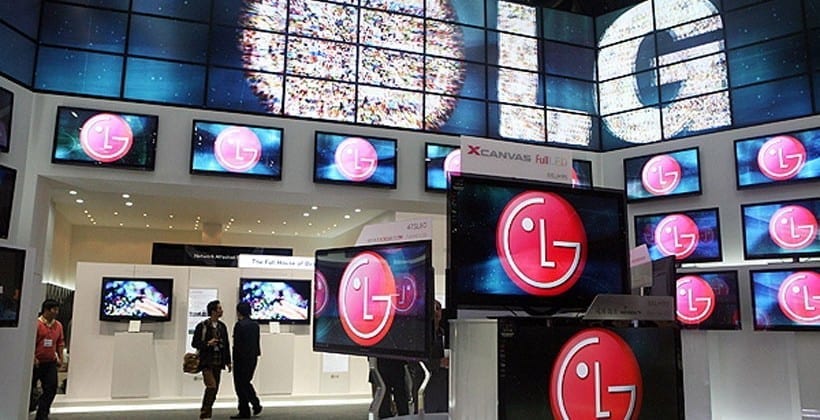
    South Korea’s LG Electronics Inc will wind down its loss-making mobile division after failing to find a buyer, a move that is set to make it the first major smartphone brand to completely withdraw from the market.

    Its decision to pull out will leave its 10% share in North America, where it is the No. 3 brand, to be gobbled up by Samsung Electronics and Apple Inc with its domestic rival expected to have the edge.

    “In the United States, LG has targeted mid-priced – if not ultra-low – models and that means Samsung, which has more mid-priced product lines than Apple, will be better able to attract LG users,” said Ko Eui-young, an analyst at Hi Investment & Securities.

    LG’s smartphone division has logged nearly six years of losses totaling some $4.5 billion. Dropping out of the fiercely competitive sector would allow LG to focus on growth areas such as electric vehicle components, connected devices, and smart homes, it said in a statement.

    In better times, LG was early to market with a number of cell phone innovations including ultra-wide-angle cameras and at its peak in 2013, it was the world’s third-largest smartphone manufacturer behind Samsung and Apple.

    But later, its flagship models suffered from both software and hardware mishaps which combined with slower software updates saw the brand steadily slip in favor. Analysts have also criticized the company for its lack of expertise in marketing compared to Chinese rivals.

    While other well-known mobile brands such as Nokia, HTC, and Blackberry have also fallen from lofty heights, they have yet to disappear completely.

    LG’s current global share is only about 2%. It shipped 23 million phones last year which compares with 256 million for Samsung, according to research provider Counterpoint. In addition to North America, it does have a sizeable presence in Latin America, where it ranks as the No. 5 brands.

    While rival Chinese brands such as Oppo, Vivo, and Xiaomi do not have much of a presence in the United States, in part due to frosty bilateral relations, their and Samsung’s low to mid-range product offerings are set to benefit from LG’s absence in Latin America, analysts said.

    LG’s smartphone division, the smallest of its five divisions accounting for about 7% of revenue, is expected to be wound down by July 31.

    In South Korea, the division’s employees will be moved to other LG Electronics businesses and affiliates, while elsewhere decisions on employment will be made at the local level.

    Analysts said they were told in a conference call that LG plans to retain its 4G and 5G core technology patents as well as core R&D personnel, and will continue to develop communication technologies for 6G. It has yet to decide whether to license out such intellectual property in the future, they added.

    LG will provide service support and software updates for customers of existing mobile products for a period of time which will vary by region, it added.

    Talks to sell part of the business to Vietnam’s Vingroup fell through due to differences about terms, sources with knowledge of the matter have said.

    LG Elec shares have risen about 7% since a January announcement that it was considering all options for the business.
  • South Korea to release low-cost 5G through MVNO mobile data plans

    South Korea to release low-cost 5G through MVNO mobile data plans

    South Korea’s Ministry of Science and ICT has announced plans to release low-cost 5G mobile data plans to raise the competitiveness of the country’s 5G market.

    The ministry reported that tariffs will be announced, with mobile data rates offered by mobile virtual network operators (MVNOs) priced below those offered by the country’s major carriers SK Telecom, KT and LG Uplus.

    According to data from the Ministry of Science and ICT, 5G subscribers in South Korea totaled at 13.66 million in February, nearly doubling from just 792,118 subscribers from the previous month. The top carrier, SK Telecom, had 6.35 million 5G subscribers.

  • South Korean retail sales record double-digit growth

    South Korean retail sales record double-digit growth

    Department store sales jumped 40 percent in February against a year-ago period in the biggest year-on-year gain since the data became available from 2005 to suggest a rebound in private consumption in South Korea.

    According to the Ministry of Strategy and Finance’s monthly economic review, department store sales jumped 39.5 percent on year in February, a record-high growth rate since monthly records became published.

    Sales at discount stores also gained 24.2 percent, the largest increase since the 34.8 percent gain in Feb 2015.

    Domestic credit card spending last month rose 8.6 percent from a year ago, rebounding for the first time in three months.

    The boost in consumer spending was spurred by the Lunar New Year’s holiday in early February in a pent-up demand after protracted social distancing measures, the finance ministry noted.

    The figure also goes against poor numbers a year ago when the country was swept up in the first wave of Covid-19 outbreak.

    In Feb last year, the department store sales fell 30.6 percent. Discount store revenue declined 19.6 percent, the biggest drop since Jan 2015 when the figure was down by 24 percent.

    An official from the finance ministry said that the low base effect from last year may have made the February figures look better than they really are.

  • SK Telecom, Shinsegae Group among bidders for eBay’s Korean business

    SK Telecom, Shinsegae Group among bidders for eBay’s Korean business

    South Korea’s SK Telecom, retailer Shinsegae Group and private equity firm MBK Partners were among those that entered non-binding, preliminary bids for the sale of eBay Inc’s South Korean business, the telecom company, and two sources with knowledge of the matter said on Tuesday.

    EBay Korea operates open market e-commerce platforms Gmarket, Auction and G9, and was South Korea’s third-largest e-commerce firm in 2020 with 12.8% market share, according to Euromonitor.

    The sources declined to be identified as not authorized to talk to the media. MBK Partners, Shinsegae Group, and eBay Korea declined to comment.

    Seoul-based analysts said that eBay hopes to fetch up to 5 trillion won (S4.42 billion) with the sale.

    However, they said the actual sale price may be lower, due to its recent drop in market share compared to rivals such as Korea’s No. 1 e-commerce firm Coupang, and disadvantages of the unit’s traditional “open market” form of e-commerce which simply connects sellers with buyers.

    EBay Korea’s market share has been overtaken in recent years by Coupang, which directly handles inventory, differentiated itself with speedy delivery and raised around $4.6 billion in a blockbuster New York listing earlier this month, as well as Naver Corp, which operates South Korea’s dominant online search portal.

    EBay Korea’s 2020 revenue was estimated to be about 1.3 trillion won, with a 5.3% on-year increase in transactions, compared to a 19% growth in South Korean e-commerce market, KTB Investment & Securities analyst Kim Jin-woo said.

  • Nokia and LG Uplus to test 5G B2B digital platform in South Korea

    Nokia and LG Uplus to test 5G B2B digital platform in South Korea

    Nokia has today announced that it will conduct a 5G Business-to-Business (B2B) digital platform trial for LG Uplus. Once deployed, the platform will allow LG Uplus to reduce time-to-market for launching 5G-powered services to its enterprise and business vertical customers. The platform will also enable LG Uplus to address new business segments, including Industry 4.0, and smart factory. After deployment, the solution will promote the use of 5G by enterprises and verticals to grow their business, aligning with the Korean Government’s Digital New Deal initiative.

    The proof-of-concept test of the 5G B2B digital platform will be completed in two phases starting in February. While the first phase involves a demonstration in the Nokia Lab, the second phase with a field trial is planned in the LG Uplus Regional Operation Center in KyungNam.

    Nokia’s solution is based on multi-domain technology and ensures full automation and near real-time delivery of services. The solution includes a service platform powered by Nokia’s Digital Operations software, Cloud Operations Manager, Network Exposure Function, Registers, Cloud Packet Core, Software Defined Networking, and gNB (5G version of eNodeB), across Nokia’s cloud platform.

    LG Uplus will use the platform to cost-efficiently automate the design and deployment of 5G network slices for the delivery of new services. In addition, LG Uplus’ enterprise customers will be able to leverage 5G capabilities to enhance their business and operational efficiency leading to overall economic gain.

    The service will give LG Uplus customers the flexibility to directly control and manage the platform to meet their needs. Further, it will help LG Uplus offer newer use cases such as Smart Factory and Smart Harbor with 5G wireless connectivity and associated services like network slicing.

    Jaeyong Seo, Vice President of Smart Infrastructure Business Unit, LG Uplus, said: “We are committed to providing best-in-class and innovative services to our customers and this trial is a crucial step in this direction. Once deployed, Nokia’s 5G B2B digital platform will help us expand our enterprise business by allowing us to provide new use cases rapidly. Nokia is our trusted partner and we look forward to working with them on this important trial.”

    Kevin Ahn, Head of Korea, Nokia, said: “We are excited to conduct this pathbreaking trial for LG Uplus to enable its enterprise customers to improve business processes with 5G. Nokia’s 5G B2B digital platform will allow LG Uplus to transform its B2B service creation with agility and automation and delight its enterprise customers with new use cases and operational excellence.”

  • Starbucks opens giant Reserve store in Malaysia

    Starbucks opens giant Reserve store in Malaysia

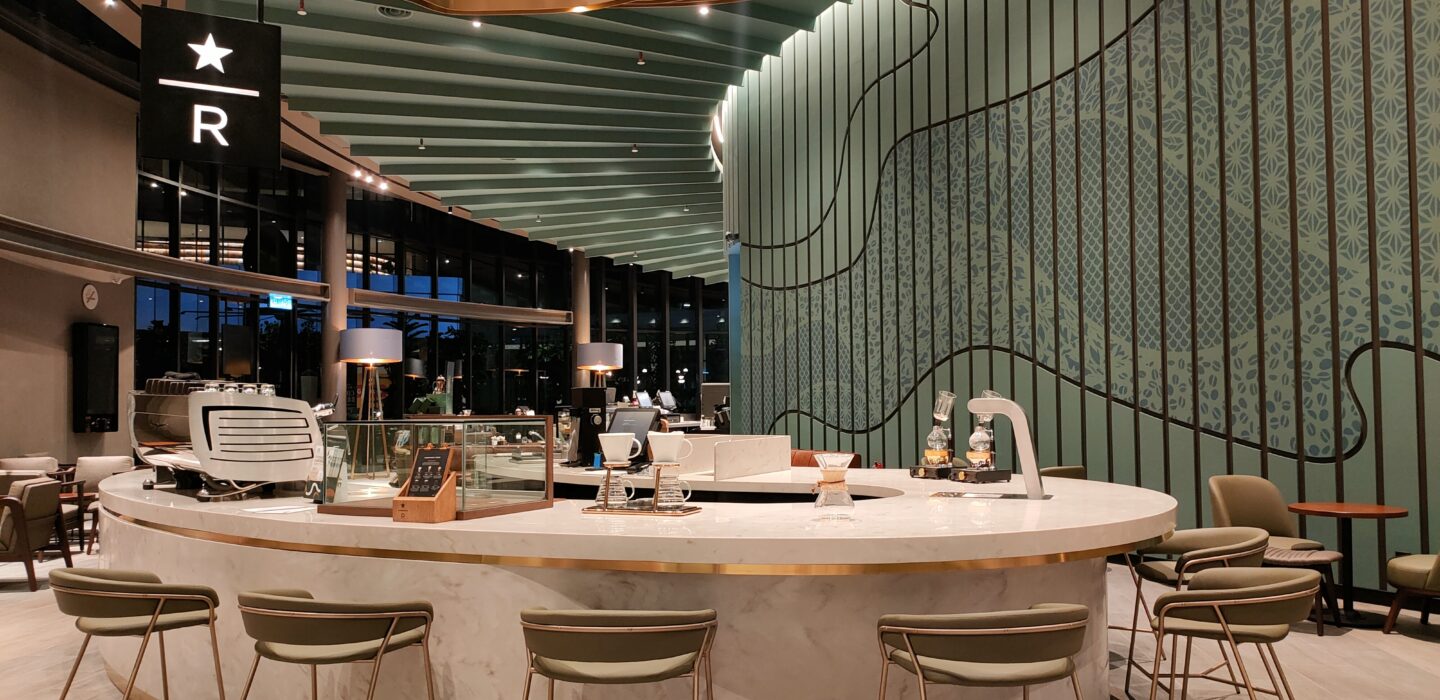
    Starbucks Malaysia today unveiled Starbucks Reserve Tropicana Gardens, the largest in the market. Located in the heart of the bustling community between Kota Damansara and Tropicana Indah, the store features two bars: the main bar offering all core and seasonal handcrafted Starbucks beverages, as well as a coffee bar that offers six different brewing methods, including pour-over, Chemex, siphon, Black Eagle espresso, and Nitro Cold Brew.

    The immersive coffee experience – spanning nearly 6,000 square-foot of retail space – celebrates all-things coffee. The layout of the store itself is similar to that of a coffee bean, with a large curvature and floor-to-ceiling windows that connect to a small garden and rapid transit station. The main highlight of the store is a 50-foot wide ‘Wall of Gratitude’, which features photos of more than 200 frontliners medical workers, and Starbucks baristas. The mural serves as both a way to pay tribute to the people who have been fighting together against the COIVD-19 pandemic and also as a physical reminder of the events of the past year that have made Malaysians stronger and more resilient than ever.

    “Over the past five years, the Starbucks Reserve concept has brought about a catalyst of growth in the industry focusing on customer experience and passion for coffee in Malaysia. With the opening of Starbucks Reserve Tropicana Gardens, customers can expect the same human connection and immersive coffee experience that will continue to inspire coffee passion to the community,” said Sydney Quays, Group CEO of Berjaya Food Berhad and managing director of Starbucks Malaysia & Brunei. “We are delighted to be able to open this store and celebrate the commitment, resiliency, and creativity of our partners and customers in these unique times.”

  • SoftBank-backed Coupang raises $4.2 billion in US IPO

    SoftBank-backed Coupang raises $4.2 billion in US IPO

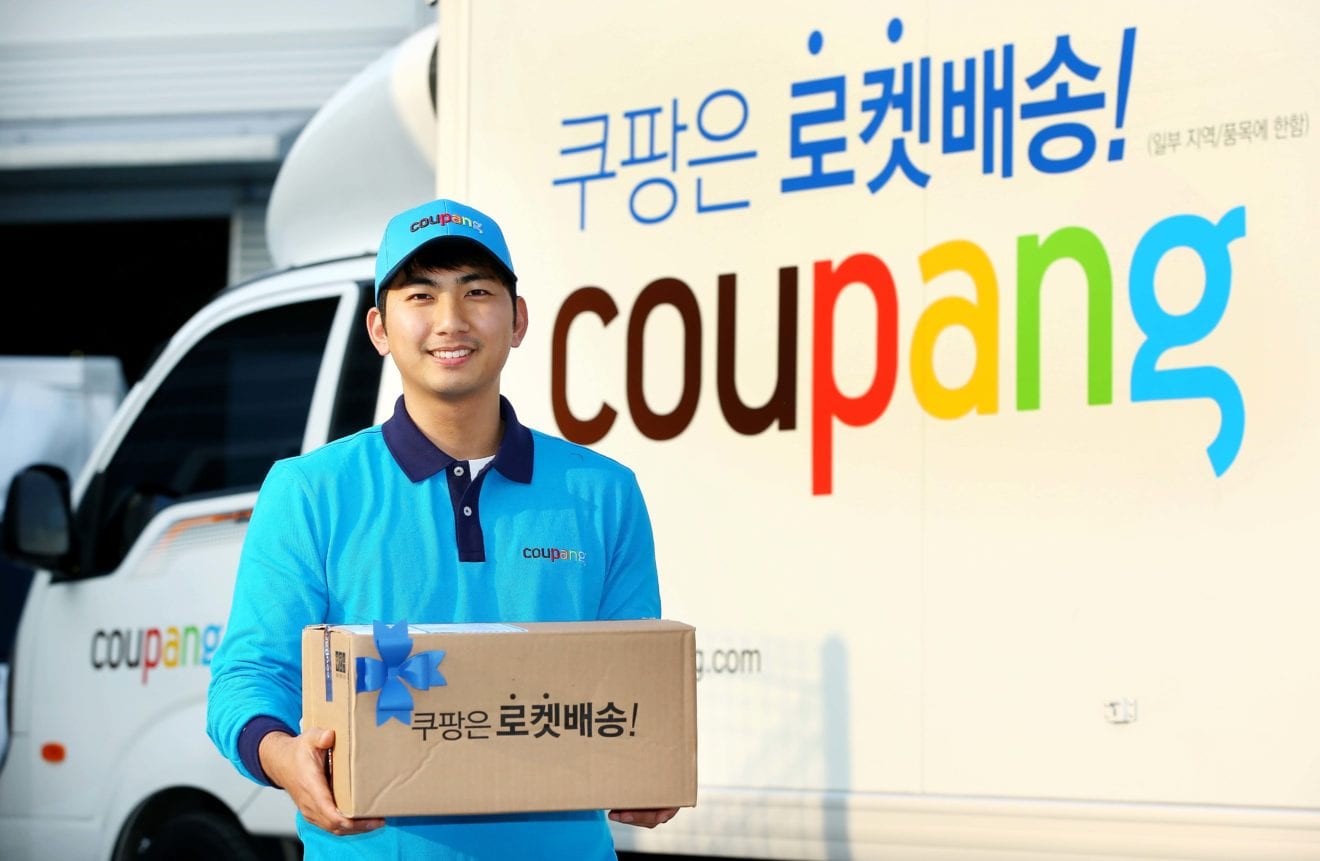
    Coupang LLC, South Korea’s largest e-commerce company, raised $4.2 billion in the biggest share offering in the United States this year after selling stocks in the IPO above its deal target range, people familiar with the matter said.

    The initial public offering price of $35 apiece, higher than the marketing range $32-$34 per share, gives Seoul-headquartered Coupang, which is backed by Japan’s SoftBank Group Corp, a market value of $60 billion.

    Coupang’s successful share offering comes as the U.S. IPO market is at its strongest in more than two decades and investors are flocking to buy shares in technology companies that have benefited during the COVID-19 pandemic.

    The IPO is the biggest in the United States this year, surpassing the $2.15 billion raised by dating app Bumble Inc. It also marks a jump in Coupang’s valuation, which was pegged at $9 billion in a fundraising round in 2018, according to Pitchbook.

    Analysts in South Korea said the strong response to Coupang’s offering was a result of its market-leader position in the country at a time when, like many other e-commerce firms, its sales have grown due to the COVID-19 pandemic.

    “Considering the high level of valuation inherent in the pricing, the market is giving a generous assessment of the company’s achieving the top spot in market share,” said Park Sang-joon, analyst at Kiwoom Securities.

    Coupang was the top-ranked South Korean e-commerce firm in 2020 with 19.2% market share, according to Euromonitor, compared to Naver Corp’s 13.6% and eBay Korea’s 12.8%. It was the 10th largest e-commerce firm in the world, based on retail value excluding sales tax.

    In 2020, Coupang’s net sales jumped 91% year-on-year to $11 billion. Net losses narrowed to $567.6 million from $770.2 million posted in the prior year.

    Founded in 2010 by Korean-American billionaire Bom Suk Kim, Coupang rose to prominence after launching its guaranteed same-day or next-day delivery service in the East Asian country. SoftBank’s $100 billion Vision Fund owns 35.1% of Coupang.

    Achieving a $60 billion valuation would add to good news for the Vision Fund, which is bouncing back from an annual loss in March. Last month, it announced record quarterly profit.

    The company’s shares will begin trading on the New York Stock Exchange on Thursday under the symbol “CPNG.”

    Goldman Sachs, Allen & Co, JPMorgan and Citigroup are the lead underwriters for the offering.

  • Arket opens doors in Korea

    Arket opens doors in Korea

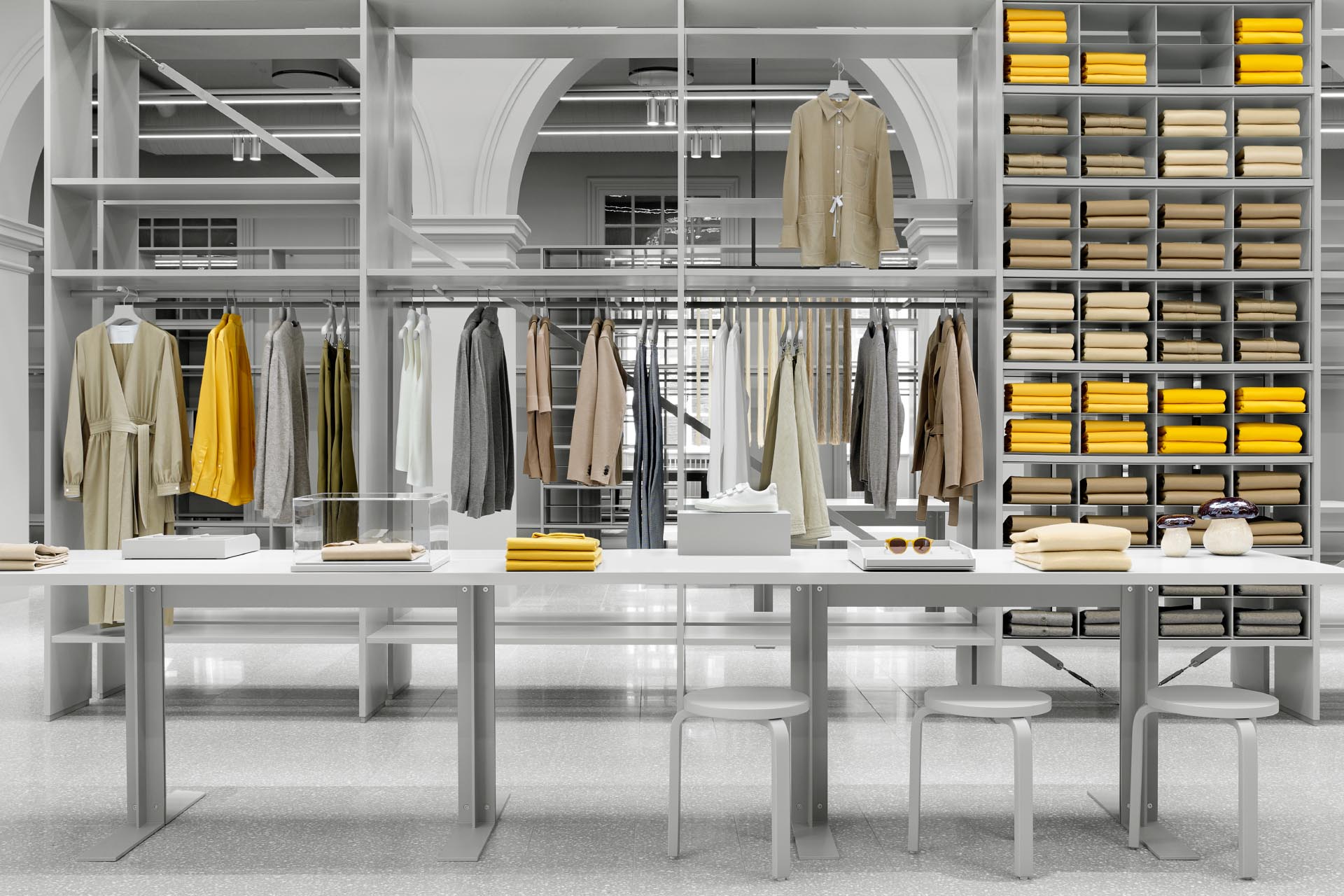
    H&M’s ‘Nordic lifestyle brand’ Arket has opened its first brick-and-mortar store in Seoul, South Korea.

    Located at Yeouido’s department store The Hyundai Seoul, the Arket South Korea store spans 8000sqft and features the brand’s collections of New Nordic design for men, women and children. The flagship store also houses an Arket cafe, offering vegetarian dishes, drinks, pastries and snacks.

    “Opening the new store in Seoul is an incredibly exciting step for us, as it is our first physical location outside of Europe,” said Pernilla Wohlfahrt, MD at Arket.

    The launch in South Korea is part of its strategy to expand its presence in Asia. Last month, the retailer announced that it will open its first brick-and-mortar store in China, at Beijing.

    Launched in 2017, the brand now operates more than 20 stores across major European cities, including Copenhagen, Amsterdam, London and Berlin.